
Alustal Pollen Extract of Five Grasses (5G)
Brand Information
| Brand name | Alustal Pollen Extract of Five Grasses (5G) |
| Active ingredient | Allergen extracts, Allergen extracts |
| Schedule | S4 |
Consumer Medicine Information (CMI) leaflet
Please read this leaflet carefully before you start using the Alustal Pollen Extract of Five Grasses (5G).
Summary CMI
ALUSTAL Pollen Extract of Five Grasses®
Consumer Medicine Information (CMI) summary
The full CMI on the next page has more details. If you are worried about using this medicine, speak to your doctor or pharmacist.
1. Why am I using ALUSTAL Pollen Extract of Five Grasses?
ALUSTAL Pollen Extract of Five Grasses contains the active ingredients Dactylis glomerata/ Poa pratensis/ Lolium perenne/ Anthoxanthum odoratum/ Phleum pratense pollen extracts. ALUSTAL Pollen Extract of Five Grasses is used in the treatment of seasonal or perennial rhinitis, conjunctivitis and rhino-conjunctivitis with or without associated asthma.
For more information, see Section 1. Why am I using ALUSTAL Pollen Extract of Five Grasses? in the full CMI.
2. What should I know before I use ALUSTAL Pollen Extract of Five Grasses?
Do not use if you have ever had an allergic reaction to ALUSTAL Pollen Extract of Five Grasses or any of the ingredients listed at the end of the CMI.
Talk to your doctor if you have any other medical conditions, take any other medicines, or are pregnant or plan to become pregnant or are breastfeeding.
For more information, see Section 2. What should I know before I use ALUSTAL Pollen Extract of Five Grasses? in the full CMI.
3. What if I am taking other medicines?
Some medicines may interfere with ALUSTAL Pollen Extract of Five Grasses and affect how it works.
A list of these medicines is in Section 3. What if I am taking other medicines? in the full CMI.
4. How do I use ALUSTAL Pollen Extract of Five Grasses?
- The therapy consists of an initiation phase with dose escalation (weekly injections) and a maintenance phase with a constant dose (monthly injections)
- Alustal Pollen Extract of Five Grasses is given as a subcutaneous treatment
More instructions can be found in Section 4. How do I use ALUSTAL Pollen Extract of Five Grasses? in the full CMI.
5. What should I know while using ALUSTAL Pollen Extract of Five Grasses?
| Things you should do | Remind any doctor, dentist or pharmacist you visit that you are using ALUSTAL Pollen Extract of Five Grasses. The use of ALUSTAL Pollen Extract of Five Grasses should be supervised by a physician experienced in allergology and allergen immunotherapy (AIT) and The patient should remain under medical supervision for 30 minutes after each injection. |
| Things you should not do | It is recommended to avoid any activity that may increase blood flow through the injection site such as strenuous exercise, hot baths, sauna, application of local heat or rubbing, for the remainder of the day. |
| Driving or using machines | No effect on the capacity to drive or use machines has been observed |
| Drinking alcohol | Drinking alcohol are not recommended on the day of the injection |
| Looking after your medicine | Alustal Pollen Extract of Five Grasses is usually stored in the doctor's surgery. However, if you need to store it, keep it in the refrigerator (between 2° to 8°C). Do not freeze. |
For more information, see Section 5. What should I know while using ALUSTAL Pollen Extract of Five Grasses? in the full CMI.
6. Are there any side effects?
Common side effects: allergic reactions at the application site and/or symptoms which may affect the whole body.
These reactions can occur at the beginning of therapy, or later during treatment.
Serious side effects: allergic symptoms that affect the whole body (i.e. rapid onset of an illness associated with involvement of the skin and/or mucosa, breathing difficulty, abdominal pain or symptoms related to a drop in blood pressure).
For more information, including what to do if you have any side effects, see Section 6. Are there any side effects? in the full CMI.
Full CMI
ALUSTAL Pollen Extract of Five Grasses® (al-u-stal)
Active ingredient(s): Dactylis glomerata/ Poa pratensis/ Lolium perenne/ Anthoxanthum odoratum/ Phleum pratense pollen extracts
Consumer Medicine Information (CMI)
This leaflet provides important information about using ALUSTAL Pollen Extract of Five Grasses. You should also speak to your doctor or pharmacist if you would like further information or if you have any concerns or questions about using ALUSTAL Pollen Extract of Five Grasses.
Where to find information in this leaflet:
1. Why am I using ALUSTAL Pollen Extract of Five Grasses?
2. What should I know before I use ALUSTAL Pollen Extract of Five Grasses?
3. What if I am taking other medicines?
4. How do I use ALUSTAL Pollen Extract of Five Grasses?
5. What should I know while using ALUSTAL Pollen Extract of Five Grasses?
6. Are there any side effects?
7. Product details
1. Why am I using ALUSTAL Pollen Extract of Five Grasses?
ALUSTAL Pollen Extract of Five Grasses contains the active ingredient Dactylis glomerata/ Poa pratensis/ Lolium perenne/ Anthoxanthum odoratum/ Phleum pratense pollen extracts. ALUSTAL Pollen Extract of Five Grasses belongs to a group of medicines called anti-allergy preparations and is given as a subcutaneous treatment, and this is often referred to as AIT (allergen immunotherapy)
ALUSTAL Pollen Extract of Five Grasses is used in the treatment of seasonal or perennial rhinitis, conjunctivitis and rhino-conjunctivitis with or without associated asthma.
ALUSTAL Pollen Extract of Five Grasses works by slowly increasing your tolerance to specific allergens and decreases the severity of your allergic reactions.
The injection is specifically designed according to individual patient needs.
Alustal Pollen Extract of Five Grasses helps to increase your tolerance to allergens and may decrease the severity of your allergic reactions.
2. What should I know before I use ALUSTAL Pollen Extract of Five Grasses?
Warnings
Do not use ALUSTAL Pollen Extract of Five Grasses if:
- if you are hypersensitive (allergic) to any of the other ingredients of Alusta Pollen Extract of Five Grasses
- if you suffer from an ongoing disease that attacks your own immune system or if you are taking medicines which affect your immune system
- if your immune system is very weakened
- if you are currently suffering from a malignant disease (for example cancer)
- if you suffer from severe or uncontrolled asthma, or if you have a poor lung function (as assessed by your doctor), or if you have had a significant worsening of your asthma within the last 3 months (as assessed by your doctor)
- for treatment initiation, if you are pregnant or think you may be pregnant
- if you suffer from renal insufficiency
Check with your doctor if you:
- have symptoms of allergy which should be stabilised with appropriate symptomatic therapy, if necessary, before starting treatment”
- have personal or familial medical history which could affect your immune system, any disease you recently had, or if your allergic disease recently worsened.
If over the course of the treatment you experience the following symptoms, contact a doctor immediately:
- allergic symptoms that affect the whole body (i.e. intensive itching in palms of hand and soles of the feet, hives, swelling of the mouth or of the throat leading to difficulty in swallowing, in breathing, or voice modification, nausea, vomiting)
- your asthma deteriorates suddenly.
Your doctor will reconsider the continuation of ALUSTAL Pollen Extract of Five Grasses.
As systemic allergic reactions (that could be life-threatening when very severe) might occur, the treatment is performed in presence of or by a physician with experience in allergen immunotherapy and in conditions allowing immediate emergency treatment if necessary (including ephedrine/ adrenaline).
Your doctor will decide if the risk from allergen exposure is greater than the risk of exacerbating the autoimmune disease.
During treatment, you may be at risk of developing certain side effects. It is important you understand these risks and how to monitor for them. See additional information under Section 6. Are there any side effects?
Pregnancy and breastfeeding
Check with your doctor if you are pregnant or intend to become pregnant.
Talk to your doctor if you are breastfeeding or intend to breastfeed.
There is no experience with the use of ALUSTAL Pollen Extract of Five Grasses during pregnancy or breast-feeding. Therefore, you should not start immunotherapy if you are pregnant, unless this is considered necessary by your doctor.
If you become pregnant or if you start breastfeeding, while taking ALUSTAL Pollen Extract of Five Grasses, speak to your doctor about whether it is appropriate for you to continue the treatment.
Important information about some of the ingredients of Alustal Pollen Extract of Five Grasses
ALUSTAL contains sodium chloride and aluminium hydroxide
ALUSTAL contains 4 mg of aluminium (5 mL vial). You should take this into account if you are taking other medicines containing aluminium.
3. What if I am taking other medicines?
Tell your doctor or pharmacist if you are taking any other medicines, including any medicines, vitamins or supplements that you buy without a prescription from your pharmacy, supermarket or health food shop.
Some medicines may interfere with ALUSTAL Pollen Extract of Five Grasses and affect how it works.
Before starting treatment tell your doctor:
- if you are taking any allergy medicines.
- if you are taking medicine(s) containing aluminium (eg:anti-acid drugs). Risk of accumulation of aluminium into tissues (central nervous system, bones) should be kept in mind, especially in case of renal insufficiency.
- if you recently had or plan to have a vaccination.
Check with your doctor or pharmacist if you are not sure about what medicines, vitamins or supplements you are taking and if these affect ALUSTAL Pollen Extract of Five Grasses.
4. How do I use ALUSTAL Pollen Extract of Five Grasses?
How much to take / use
- Your treatment schedule will include Initial treatment and maintenance treatment:
- Your doctor will tell you how much medicine will be given during each treatment.
- Follow the instructions provided and use Alustal Pollen Extract of Five Grasses until your doctor tells you to stop.
When to take / use ALUSTAL Pollen Extract of Five Grasses
Normally initial treatment will be weekly injections lasting for approximately 14 weeks. This will be of the allergen that you are allergic to in increasing concentrations up to the highest dose you can tolerate.
Maintenance treatment will be of monthly injections of the highest concentration that you can tolerate comfortably.
Where two different courses are being given concurrently, the two extracts must never be mixed within the same syringe.
Injections of the two extracts may be given at the same visit, but in separate arms. However, mixtures of allergens may have been prescribed for you by your doctor, these will already be mixed and given in a single injection. But the doctor may need to give more than one injection if you are being treated for more than one allergy.
Treatment or maintenance should continue for 3 to 5 years depending on the severity of the allergy and response to treatment.
It is essential that you remain under medical supervision for at least 30 minutes after each injection.
In the hours following the administration of this product, contact a doctor immediately if you get any symptoms like:
- severe itching of the palms of the hands or soles of the feet,
- hives,
- swelling of the mouth and/or mucous membranes, a choking sensation, breathing discomfort, difficulty swallowing or a change in your voice
Do not stop taking ALUSTAL Pollen Extract of Five Grasses unless your doctor tells you to.
If you have any further questions on the use of this medicine, ask your doctor.
Use in children
Allergen immunotherapy is not recommended before the age of 5 years old.
If you forget to use ALUSTAL Pollen Extract of Five Grasses
If you miss a dose, talk to your doctor and arrange another visit as soon as possible.
If you use too much ALUSTAL Pollen Extract of Five Grasses
Overdose is unlikely because your doctor will give you this medicine by injection.
If you think that you have used too much Alustal, you may need urgent medical attention. Symptoms such as:
- generalized rash,
- itching,
- swelling of lips, face, tongue or other parts of the body,
- shortness of breath, respiratory or cardiac distress (including asthma),
- seizure
You should immediately:
- phone the Poisons Information Centre
(by calling 13 11 26), or - contact your doctor, or
- go to the Emergency Department at your nearest hospital.
You should do this even if there are no signs of discomfort or poisoning.
5. What should I know while using ALUSTAL Pollen Extract of Five Grasses?
Things you should do
Call your doctor straight away if:
- you had allergic symptoms that affect the whole body following previous allergen immunotherapy treatment.
- your asthma has worsened or if you experienced a recent asthma attack that is confirmed clinically and/or by expiratory peak flow measurement. Your doctor will reconsider the continuation of ALUSTAL Pollen Extract of Five Grasses. If you have asthma you should continue to use your regular asthma medication according to the instructions of your doctor
- you have a cardiovascular disease
- you are taking a beta blocker (i.e., a class of drugs often prescribed for heart conditions and high blood pressure but also present in some eye drops and ointments), as this drug may decrease the effectiveness of adrenaline used to treat serious systemic reactions.
- you are taking certain medicines against depression (tricyclic antidepressants or mono amine oxidase inhibitors (MAOIs) or parkinson's disease (COMT inhibitors)). Risk of undesirable effects of adrenaline (used in case of severe allergic reactions) could be increased with possible fatal consequences
- you experience large local reactions at the injection site such as: itching, redness and/or swelling
Remind any doctor, dentist or pharmacist you visit that you are using ALUSTAL Pollen Extract of Five Grasses.
Things you should not do
It is recommended to avoid any activity that may increase blood flow through the injection site such as strenuous exercise, hot baths, sauna, application of local heat or rubbing, for the remainder of the day.
Tell your doctor if you feel the treatment is not helping your condition.
Keep all of your appointments with your doctor so that your progress can be checked. It is important to have your follow-up doses of Alustal Pollen Extract of Five Grasses at the appropriate times to make sure the immunotherapy has the best chance of working.
Driving or using machines
Be careful before you drive or use any machines or tools until you know how ALUSTAL Pollen Extract of Five Grasses affects you.
ALUSTAL Pollen Extract of Five Grasses is presumed to have no or negligible influence on the ability to drive and use machines.
Drinking alcohol
Tell your doctor if you drink alcohol.
As Alustal Pollen Extract of Five Grasses contains aluminium, heavy meals and drinking alcohol are not recommended on the day of the injection.
Looking after your medicine
Alustal Pollen Extract of Five Grasses is usually stored in the doctor's surgery. However, if you need to store it:
- Keep it in the original pack
- Keep it in the refrigerator (between 2° to 8°C). Do not freeze.
Keep it where young children cannot reach it.
When to discard your medicine
Your doctor will dispose of any unfinished medicine if the vials have passed their expiry date.
Getting rid of any unwanted medicine
If you no longer need to use this medicine or it is out of date, take it to any pharmacy for safe disposal.
Do not use this medicine after the expiry date.
6. Are there any side effects?
Alustal Pollen Extract of Five Grasses helps most people with allergies but they may have unwanted side effects in a few people.
All medicines can have side effects. If you do experience any side effects, most of them are minor and temporary. However, some side effects may need medical attention.
During treatment with ALUSTAL Pollen Extract of Five Grasses you will be exposed to substances that may cause allergic reactions at the application site and/or symptoms which may affect the whole body.
These reactions can occur at the beginning of therapy, or later during treatment.
Stop taking ALUSTAL Pollen Extract of Five Grasses and contact your doctor immediately if you develop or notice:
- severe allergic reaction or anaphylactic shock.
Anaphylactic shock is a severe allergic reaction with rapid onset of symptoms which affect the whole body such as intensive itching, or rash, abdominal pain, or symptoms related to drop in blood pressure such as feeling dizzy, malaise, vertigo, loss of consciousness, rapid and irregular heartbeat, pallor.
Tolerance may vary over time depending on your condition and environment.
Your doctor can prescribe you with pre-treatment with allergy medicines reducing frequency and severity of the adverse reaction
See the information below and, if you need to, ask your doctor or pharmacist if you have any further questions about side effects.Less serious side effects
| Less serious side effects | What to do |
Eye
| Speak to your doctor if you have any of these less serious side effects and they worry you. |
Serious side effects
| Serious side effects | What to do |
Immune System
| Call your doctor straight away, or go straight to the Emergency Department at your nearest hospital if you notice any of these serious side effects. |
Tell your doctor or pharmacist if you notice anything else that may be making you feel unwell.
Other side effects not listed here may occur in some people.
Reporting side effects
After you have received medical advice for any side effects you experience, you can report side effects to the Therapeutic Goods Administration online at www.tga.gov.au/reporting-problems. By reporting side effects, you can help provide more information on the safety of this medicine.
Always make sure you speak to your doctor or pharmacist before you decide to stop taking any of your medicines.
7. Product details
This medicine is only available with a doctor's prescription.
What ALUSTAL Pollen Extract of Five Grasses contains
| Active ingredient (main ingredient) | Dactylis glomerata/ Poa pratensis/ Lolium perenne/ Anthoxanthum odoratum/ Phleum pratense pollen extracts |
| Other ingredients (inactive ingredients) | Aluminum hydroxide hydrate, sodium chloride, phenol, mannitol and water for injections. |
| Potential allergens |
Do not take this medicine if you are allergic to any of these ingredients.
What ALUSTAL Pollen Extract of Five Grasses looks like
Initial treatment set: 3 vials, each vial containing either 0.1, 1.0 and 10.0 IR/mL
Maintenance: a single vial containing 10.0 IR/mL
Available Concentrations: Vial containing 5 mL of suspension.
Yellow cap: 0.1 IR/mL
Green cap: 1.0 IR/mL
Blue cap: 10.0 IR/mL
The ARTG details for the Alustal Pollen Extract of Five Grasses are:
ALUSTAL POLLEN EXTRACT OF FIVE GRASSES INITIAL TREATMENT injection suspension vial composite pack - AUST R 132848
ALUSTAL POLLEN EXTRACT OF FIVE GRASSES MAINTENANCE 10 IR/mL injection suspension vial - AUST R 132847
Who distributes ALUSTAL Pollen Extract of Five Grasses
Sponsor in Australia:
Stallergenes Australia Pty Ltd
Suite 2408
4 Daydream St.,
Warriewood, NSW 2102
Ph: 1800 824 166
Sponsor in New Zealand:
Stallergenes Greer New Zealand Limited
Level 1, 24 Manukau Road,
Epsom, Auckland 1023
New Zealand
Ph: 0800 824 166
This leaflet was prepared in April 2025.
Brand Information
| Brand name | Alustal Pollen Extract of Five Grasses (5G) |
| Active ingredient | Allergen extracts, Allergen extracts |
| Schedule | S4 |
MIMS Revision Date: 01 June 2025
1 Name of Medicine
Alustal Pollen Extract of Five Grasses (5G) (Dactylis glomerata/ Poa pratensis/ Lolium perenne/ Anthoxanthum odoratum/ Phleum pratense pollen extracts).
2 Qualitative and Quantitative Composition
Alustal is prepared from freeze dried allergen extracts adsorbed onto aluminium hydroxide gel. The freeze dried allergen extracts are prepared by ammonium bicarbonate extraction of the allergen source materials, e.g. pollen, mites. Specific allergen(s) are selected by the physician for specific immunotherapy treatment (SIT) for the individual patient.
Each 5 mL vial contains specific allergen extract(s) in suspension and are available in various concentrations. Different concentrations are identified by different coloured caps on the vials.
Yellow cap: 0.1 IR/mL.
Green cap: 1.0 IR/mL.
Blue cap: 10.0 IR/mL.
IR (index of reactivity). The IR unit has been defined to measure the allergenicity of an allergen extract. The allergen extract contains 100 IR/mL when, on a skin prick test using a Stallerpoint, it induces a wheal diameter of 7 mm in 30 patients sensitized to this allergen (geometric mean). The cutaneous reactivity of these patients is simultaneously demonstrated by a positive skin prick-test to 10 mg/mL histamine dihydrochloride. The IR unit of Stallergenes is specific and not comparable to the units used by other allergen manufacturers.
When the family does not contain any standardized reference extract, the value 100 IR/mL corresponds to an extract where the dilution ratio is established according to medical experience.
For the full list of excipients, see Section 6.1 List of Excipients.
3 Pharmaceutical Form
Suspension for injection.
4 Clinical Particulars
4.1 Therapeutic Indications
Alustal treatment is indicated for patients with type 1 allergy (Gell and Coombs classification), particularly presenting as seasonal or perennial rhinitis, conjunctivitis, rhinoconjunctivitis with or without associated asthma.
4.2 Dose and Method of Administration
The use of Alustal 5G should be supervised by a physician experienced in allergology and allergen immunotherapy (AIT). See Section 4.4 Special Warnings and Precautions for Use.
Treatment is given in two phases: an initiation phase with dose escalation (weekly injections);
a maintenance phase with constant dose (monthly injections).
AIT is more effective if treatment is initiated at an early age. Thus, in children AIT may be started from the age of 5 years. It should be administered to children or young adults as soon as it is justified by the severity of the allergic symptoms. When immunotherapy is contemplated for young children, consultation with a specialist paediatric immunologist/allergist is essential. The physician who administers the injections should be able to treat a systemic reaction appropriately. In adults aged over 50 years, AIT remains indicated in cases of recent sensitisation.
The dosage for children is the same as for adults. Because of the smaller size of children larger volumes of solution may produce excessive discomfort. Therefore in order to achieve the total dose required, the volume of the dose may need to be divided into more than one injection.
Dosage does not vary with age, but must be adjusted to the reactivity of the individual patient.
Duration of treatment. As a general rule, AIT with Alustal should be continued for between 3 and 5 years.
1. Initiation phase: dose escalation. The product is injected exclusively by the deep subcutaneous route, at progressively escalating dosage, at a rate of one injection per week up to the maximum tolerated, according to the following treatment schedule (Table 1).
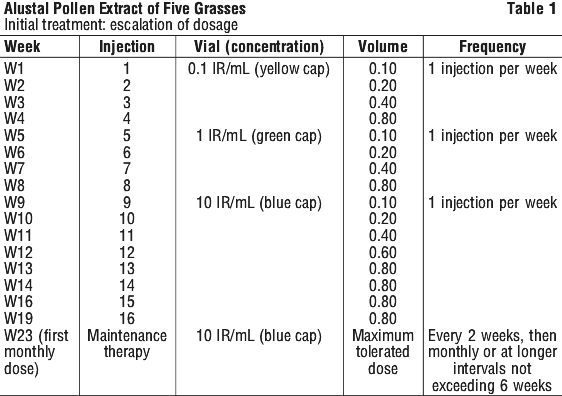
2. Maintenance phase: constant dose. (Maintenance: 1 vial 10 IR/mL (blue cap)). The highest tolerated dose (max 0.8 mL) in the initial treatment course is then repeated at interval of two weeks, then monthly or at longer intervals, not exceeding 6 weeks, between successive injections. If the interval is longer, the dose should be readjusted. It should be remembered that the above treatment schedule is a guideline only. It must be modified depending on the patient's condition and any reactions that occur. When changing vials for a patient on maintenance therapy, the first dose of the new vial should be 50% of the last dose (i.e. last dose given at 0.8 mL of 10.0 IR/mL, new vial dose should be 0.4 mL of 10.0 IR/mL; then followed by regular monthly doses of 0.8 mL). For pollen allergens, it may be necessary to reduce the maintenance dosage by half during pollen season but only if reactions occur.
Important note. Administer maintenance therapy only after treatment with the initial allergen set has been completed and within 6 weeks of the previous final dose.
Method of administration. Before each injection:
the expiry date on the vial should be checked;
it should be confirmed that the vial to be used is the same as that prescribed (composition, patient's name, concentration). The vial should be shaken gently before the quantity to be injected is withdrawn;
the normal rules of asepsis should be observed;
disposable 1 mL "tuberculin" syringes with 1/100 graduations should be used;
the injection should be precisely the required dose.
Inject slowly by the deep subcutaneous route. Do not inject into a blood vessel or intramuscularly.
The patient should remain under medical supervision for 30 minutes after each injection.
Concomitant treatment with more than one allergen. As per guidelines, in case of treatment with more than one allergen concomitantly, the injections should be given in different locations. In order to evaluate possible allergic reactions caused by the specific allergen it is recommended to give the injections with a time interval of at least 30 minutes.
Factors that could trigger allergic reactions. Patients should be instructed to avoid factors that could trigger allergic reactions on the day of the injection such as: high-intensity physical exercise, hot baths, heavy meals and excessive alcohol consumption.
Infection and atopic dermatitis. In patients with acute febrile illness, inflammatory and infective diseases or clinical signs of chronic infection, subcutaneous immunotherapy (SCIT) should be postponed until the infection has resolved. In patients with worsened atopic dermatitis, SCIT should be postponed.
4.3 Contraindications
Refer to the patient verification table provided at the end of this document.
Hypersensitivity to any excipient (see Section 6.1 List of Excipients);
patients with active or poorly controlled autoimmune disease, immune defects, immunodeficiencies, immunosuppression or malignant neoplastic diseases with current disease relevance;
patients with severe, uncontrolled or unstable asthma (FEV1 < 70% of predicted value) or severe exacerbation of asthma within the last 3 months;
initiation of allergen immunotherapy treatment during pregnancy (see Section 4.6 Fertility, Pregnancy and Lactation);
renal insufficiency patients on treatment with beta-blockers (see Section 4.4 Special Warnings and Precautions for Use);
patients with a bleeding tendency.
4.4 Special Warnings and Precautions for Use
Before starting treatment symptoms of allergy should be stabilised with appropriate symptomatic therapy if necessary.
Before considering immunotherapy for patients with asthma, establish serial baseline lung function values. If there has been a recent exacerbation of asthma, as assessed clinically and/or by measurement of peak expiratory flow rate (PEFR), treatment should be halted and restarted after symptomatic improvement.
Always ask the patient and record any local or systemic reaction that occurred after leaving the clinic after the previous injection. If necessary, adjust the dose of the next injection appropriately.
As systemic allergic reactions (that could be life-threatening when very severe) might occur, treatment must be performed in presence of or by a physician with experience in allergen immunotherapy and in conditions allowing immediate emergency treatment if necessary (including adrenaline).
Severe allergic reactions. As with any allergen immunotherapy, severe allergic reactions including systemic allergic reactions may occur.
Patients should be made aware of the signs and symptoms of severe allergic reactions. In case of severe allergic reactions, a physician has to be consulted immediately and the treatment should be discontinued.
Previous systemic allergic reaction to allergen immunotherapy. Initiation of SCIT in patients who have previously had a systemic allergic reaction to previous allergen immunotherapy should be carefully considered, and measures to treat potential reactions should be available.
Asthma. Asthma is a known risk factor for severe systemic allergic reactions. The asthma status should be carefully evaluated before each injection (see Section 4.3 Contraindications).
Patients with associated asthma should be controlled at the initiation and during all the duration of SCIT treatment. Patients with asthma must be supervised by a specialist with expertise and experience with the administration of immunotherapy to those with asthma.
In many patients with asthma lung function is worst in the morning and therefore in such patients it may be preferable to give the injection in the afternoon.
In case of a recent asthma attack that is confirmed clinically and/or by expiratory peak flow measurement, the treatment should be suspended and restarted after improvement and after the advice of a physician experienced in allergen immunotherapy.
Abrupt discontinuation of asthma controller medication after initiation of SCIT treatment is not recommended.
Patients with concomitant asthma should be informed of the need to seek medical attention immediately if their asthma deteriorates suddenly.
Cardiovascular diseases. Patients with cardiovascular disease may be at increased risk in case of systemic allergic reactions. This should be taken into consideration prior to initiating SCIT.
Beta-adrenergic blockers. Patients taking beta-adrenergic blockers may be unresponsive to the usual doses of adrenaline used to treat serious systemic reactions, including anaphylaxis. Specifically, beta-adrenergic blockers antagonize the cardiostimulating and bronchodilating effects of adrenaline.
If beta-adrenergic blockers are required and no effective substitute is available, treatment initiation should be evaluated carefully based on an individual risk/benefit assessment.
MAOIs, tricyclic antidepressants and COMT inhibitors. Allergen immunotherapy in patients treated with tricyclic antidepressants, mono amine oxidase inhibitors (MAOIs) or catechol-O-methyltransferase (COMT) inhibitors should be considered carefully as these treatments could potentiate the effect of adrenaline.
Local allergic reactions. In case of enlarged local adverse reactions (redness and/or swelling > 10 cm in diameter) occurring at the injection site, the dosing schemes can be temporarily adjusted.
When local adverse effects occur, premedication with an H1-antihistamine can be used to reduce the frequency and severity of adverse reactions.
Autoimmune diseases in remission. Caution should be exercised when prescribing allergenic immunotherapy to patients with an autoimmune disorder including patient with autoimmune disorder in remission.
Respect of AIT good practices is absolutely necessary to avoid possible incidents that are linked to:
errors with the vials;
errors with the dose;
accidental intravascular injections;
modifications of the interval between 2 injections;
poor evaluation of patient's clinical condition.
Those risks should be considered before initiation of allergen immunotherapy.
This medicine contains 4 mg aluminium (5 mL vial). Risk of accumulation of aluminium into tissues (central nervous system, bones) should be kept in mind, especially in case of renal insufficiency.
Effects of long-term use of aluminium on immune system are unknown.
Concomitant administration of medicine containing aluminium should be avoided (e.g. anti-acid drugs).
Use in the elderly. No data available.
Paediatric use. No data available.
Effects on laboratory tests. No data available.
4.5 Interactions with Other Medicines and Other Forms of Interactions
No interaction studies have been performed.
No interactions were reported in clinical trials with Alustal 5 Grasses.
Concomitant therapy with symptomatic anti-allergic medications may increase the tolerance level of the patient to immunotherapy. This should be considered at discontinuation of such medications.
There are no data available on possible risks of simultaneous immunotherapy with other allergens during treatment with Alustal 5 Grasses.
Vaccines. Clinical experience concerning simultaneous vaccination during Alustal 5 Grasses treatment is missing. Vaccination may be given without Alustal 5 Grasses discontinuation after medical evaluation of the general condition of the patient.
The time interval between a SCIT injection and a vaccination should be at least 1 week.
4.6 Fertility, Pregnancy and Lactation
Effects on fertility. There are no clinical data regarding the effect of Alustal 5 Grasses on fertility.
No animal fertility study was conducted with freeze dried extracts included in Alustal 5 Grasses. However no microscopic changes in male or female reproductive organs to indicate likely impairment of fertility were observed in a repeat-dose oral toxicity study with 5-grass pollen allergen extracts, in rats up to 1000 IR/kg/day.
Use in pregnancy. (Category B2)
No clinical data are available for the use of Alustal 5 Grasses in pregnant women.
No adverse effects on embryofetal development were observed with oral administration of 5-grass pollen extracts to pregnant rats and rabbits.
No animal studies were conducted to investigate reproductive toxicity of allergen extracts other than those of house dust mites (Dermatophagoides pteronyssinus and Dermatophagoides farinae) and 5 grasses.
The risk of systemic reaction occurrence could not be excluded, during initiation phase as well as maintenance phase.
In any case, allergen immunotherapy should not be initiated during pregnancy.
A close medical evaluation should assess the relevance of the continuation of the treatment during pregnancy.
Use in lactation. It is not known whether Alustal 5 Grasses is excreted in human breast milk.
No animal study was conducted to investigate the excretion of Alustal 5 Grasses into milk.
A risk to the newborns/infants cannot be excluded.
A decision must be made whether to discontinue breast-feeding or to discontinue Alustal 5 Grasses therapy taking into account the benefit of breast feeding for the child and the benefit of therapy for the woman.
4.7 Effects on Ability to Drive and Use Machines
The effects of this medicine on a person's ability to drive and use machines were not assessed as part of its registration.
4.8 Adverse Effects (Undesirable Effects)
During treatment with Alustal 5 Grasses, patients are exposed to allergens that may cause injection site reactions and/or systemic allergic symptoms which can occur immediately after administration or be delayed.
Tolerance of a given dose in a patient may vary over time depending on the patient's condition and the environment.
Pre-treatment with anti-allergic agents (for example antihistamines) may reduce frequency and severity of adverse reactions.
Cases of delayed serum sickness-like syndrome including arthralgia, myalgia, urticaria, nausea, adenopathy and fever can occur. Inform patients of the associated signs and symptoms and discontinue therapy should these occur.
Concomitant administration of allergy symptomatic drugs (such as antihistamines) may be used to improve the tolerance of allergen immunotherapy.
Tabulated summary of adverse reactions. Tables 2 and 3 of adverse reactions are based on data from solicited reporting in 529 patients enrolled in clinical studies with frequencies as follows: very common (≥ 1/10), common (≥ 1/100 to < 1/10), uncommon (≥ 1/1,000 to < 1/100).
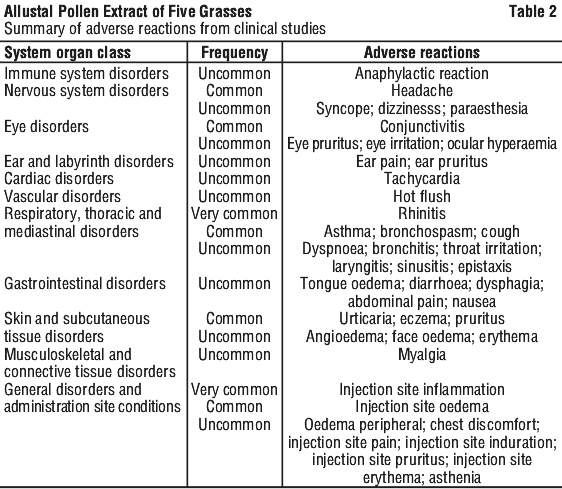
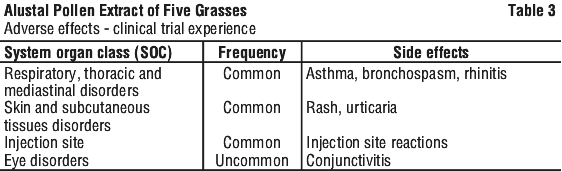
Generally, injection site reactions do not necessitate modification of the therapeutic scheme (see Section 4.4 Special Warnings and Precautions for Use).
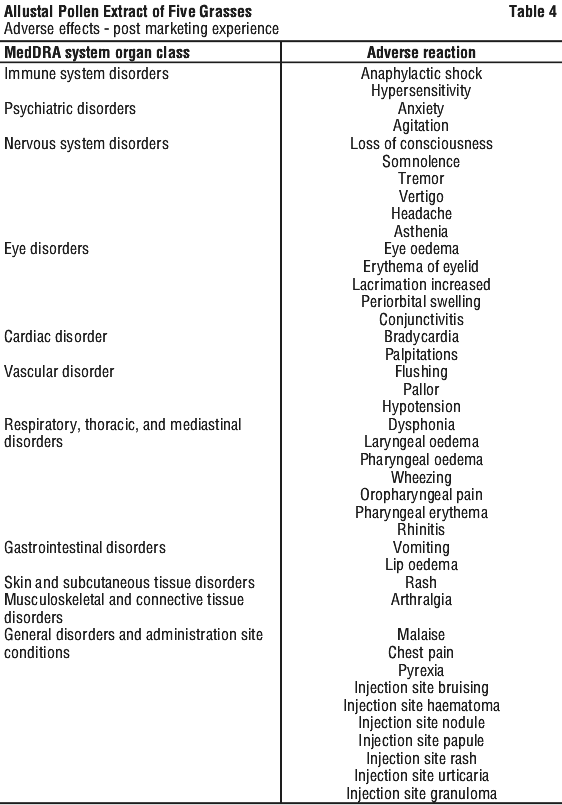
Description of selected adverse reactions. As with any allergen immunotherapy, allergic reactions including anaphylactic reactions (i.e. acute onset of an illness with involvement of the skin, mucosal tissue, or both, respiratory compromise, persistent gastrointestinal symptoms, or reduced blood pressure and/or associated symptoms) have been reported. Cases of anaphylactic shock with sudden circulatory collapse requiring rapid administration of adrenaline can occur. Inform patients of the associated signs and symptoms and have them seek immediate medical care and discontinue therapy should these occur. Treatment should only be resumed at the instruction of a physician. (See Table 4).
In any case, a patient should inform his physician of the occurrence of undesirable effect while receiving this medicine.
Paediatric population. Clinical data in children 5 years of age and older are limited. Safety data do not indicate a greater risk in children older than 5 years compared to adults (see Section 4.2 Dose and Method of Administration).
A major local reaction (≥ 5 cm in diameter) should be treated with an oral antihistamine. Supervision of the patient should be extended, reduce the next dose to that previously tolerated. If necessary, increase the subsequent doses by smaller increments. Another dose should never be given until all local reaction resulting from the previous dose has disappeared.
Discontinue injections if reaction size increases.
Other reactions. Immediate type reactions. A patient experiencing asthma after an injection must be observed until stable.
If an asthma attack occurs after an injection, bronchodilators must be used, if necessary together with a parenteral corticosteroid.
Systemic reactions (pruritus, giant urticaria or angioedema) should be treated by intramuscular injection of 0.5 to 1 mL of 1/1000 epinephrine (adrenaline), if necessary together with an intravenous corticosteroid. In view of the possibility of progression to shock, intensive and prolonged monitoring in a hospital setting is required.
Laryngeal dyspnoea should also be treated with intramuscular injection of epinephrine (adrenaline); admission to hospital is advisable.
In case of anaphylactic shock, the treatment should be administered as in an emergency and the patient should be admitted to a specialised unit (see Anaphylaxis, below).
Severe delayed reactions. A serum sickness type of reaction may occur, with arthralgia, myalgia, urticarial rashes, nausea, lymphadenopathy and fever. This is extremely rare, however, SIT should be discontinued if any of these occur.
Anaphylaxis. Anaphylactic shock consists of some of the following: widespread urticaria, angioedema of the face and glottis, pallor, cough, wheezing, bronchospasm, faintness and hypotension, bradycardia, hyperemesis, shock.
i. Lay patient flat and elevate the legs. Treat immediately.
ii. Give 0.5 mL 1/1000 epinephrine (adrenaline) intramuscularly near the injection site at once. If necessary, repeat 1/1000 epinephrine (adrenaline) intramuscularly at 3-5 minute intervals to a maximum of 2.0 mL in 15 minutes.
iii. Ensure maintenance of adequate airway.
iv. Give antihistamine.
v. If necessary use full supportive measures such as, intravenous saline or plasma expanders for hypotension, oxygen, external cardiac massage.
vi. If bronchospasm is severe, isoprenaline sulphate or salbutamol inhaler may also be used and, if necessary, 10-20 mL of Aminophylline Injection BP by slow intravenous injection at a rate of 2 mL/minute.
vii. A parenteral steroid such as 200-600 mg Hydrocortisone Injection BP, intravenously, may help to prevent persistent bronchospasm.
viii. Patients experiencing an anaphylaxis reaction should be admitted to hospital for close monitoring for at least 24 hours.
Stop treatment in patients with severe reactions.
Reporting suspected adverse effects. Reporting suspected adverse reactions after registration of the medicinal product is important. It allows continued monitoring of the benefit-risk balance of the medicinal product. Healthcare professionals are asked to report any suspected adverse reactions at www.tga.gov.au/reporting-problems.
4.9 Overdose
In case of injection of a dose higher than the prescribed one, the risk and severity of undesirable reaction might be increased.
For information on the management of overdose, contact the Poisons Information Centre on 13 11 26 (Australia).
5 Pharmacological Properties
5.1 Pharmacodynamic Properties
Pharmacotherapeutic group: V (various); C1 allergy (desensitization); P1 allergens and antigens.
ATC classification: V01.
The following biological changes have been demonstrated:
Appearance of specific antibodies (IgG) which act as blocking antibodies;
Reduction of specific plasma IgE levels in some cases;
Change in the behaviour of cells involved in allergic reaction;
Favourable change in TH2 and TH1 lymphocyte activities, leading to the production of cytokines (decrease in IL-4 and increase in IFNγ) that regulate IgE production.
At the same time specific immunotherapy stimulates an immune response which is maintained over long periods by immunological memory.
AIT acts directly upon the patient's immune system, providing lasting hyposensitisation and preventing progression of the allergy to more severe forms.
Mechanism of action. The precise mechanism of AIT is not known.
Clinical trials. No data available.
5.2 Pharmacokinetic Properties
No data available.
5.3 Preclinical Safety Data
Genotoxicity. No data available.
Carcinogenicity. No data available.
6 Pharmaceutical Particulars
6.1 List of Excipients
Aluminium hydroxide hydrate, sodium chloride, phenol, mannitol and water for injections.
6.2 Incompatibilities
Incompatibilities were either not assessed or not identified as part of the registration of this medicine.
6.3 Shelf Life
In Australia, information on the shelf life can be found on the public summary of the Australian Register of Therapeutic Goods (ARTG). The expiry date can be found on the packaging.
6.4 Special Precautions for Storage
Store at 2-8°C. (Refrigerate. Do not freeze.).
The vial may be stored for up to 24 weeks opened. Do not use after the expiry date.
6.5 Nature and Contents of Container
Initial treatment set: 3 vials, each vial containing either 0.1, 1.0 and 10.0 IR/mL.
Maintenance: a single vial containing 10.0 IR/mL.
Available concentrations: vial containing 5 mL of suspension.
Yellow cap: 0.1 IR/mL.
Green cap: 1.0 IR/mL.
Blue cap: 10.0 IR/mL.
The ARTG details for the Alustal Five grasses are:
Alustal Pollen Extract of Five Grasses Initial Treatment injection suspension vial composite pack - AUST R 132848.
Alustal Pollen Extract of Five Grasses Maintenance 10 IR/mL injection suspension vial - AUST R 132847.
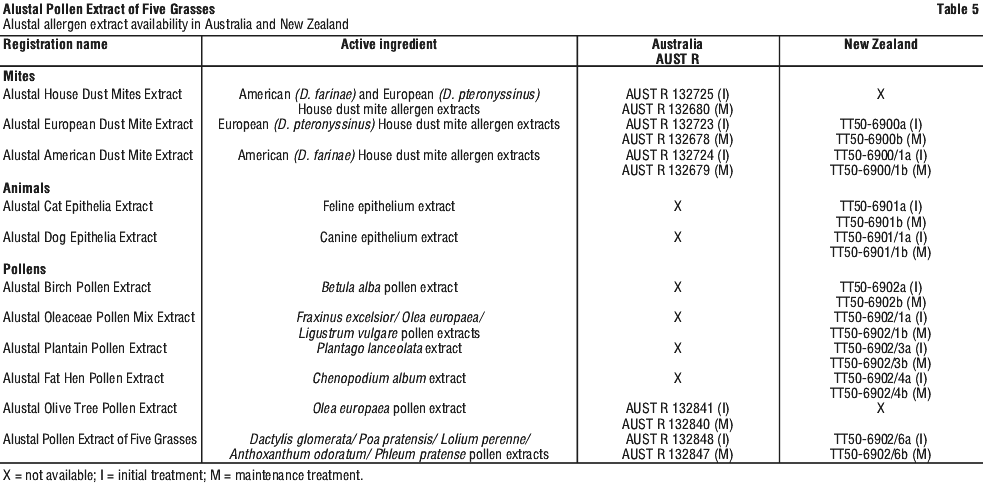
See Table 5.
6.6 Special Precautions for Disposal
In Australia, any unused medicine or waste material should be disposed of in accordance with local requirements.
6.7 Physicochemical Properties
Chemical structure. No data available.
CAS number. No data available.
7 Medicine Schedule (Poisons Standard)
Prescription Only Medicine - S4.
Date of First Approval
03 October 2006
Date of Revision
10 April 2025
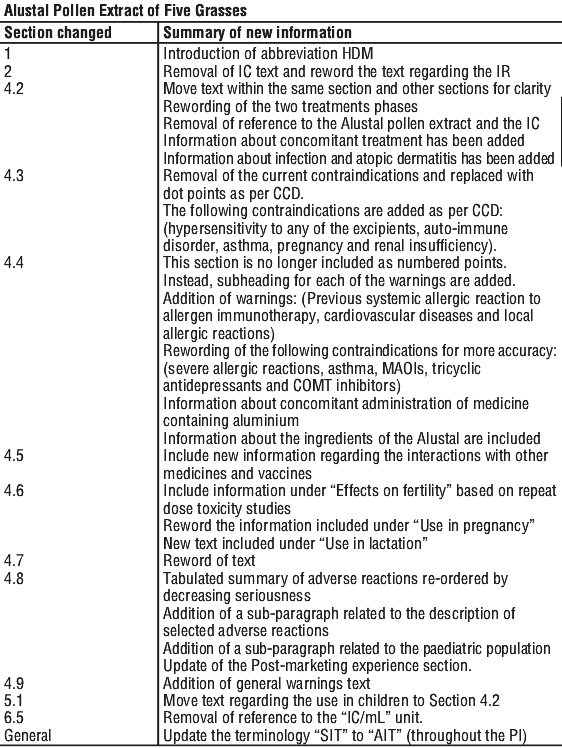
Summary Table of Changes
Reasonable care is taken to provide accurate information at the time of creation. This information is not intended as a substitute for medical advice and should not be exclusively relied on to manage or diagnose a medical condition. The Australian Commission on Safety and Quality in Health Care disclaims all liability (including for negligence) for any loss, damage, injury or any other negative effects resulting from reliance on or use of this information. Read our full disclaimer. This website uses cookies. Read our privacy policy.