
Oralair
Brand Information
| Brand name | Oralair |
| Active ingredient | Anthoxanthum odoratum pollen allergen extract + Dactylis glomerata pollen allergen extract + Lolium perenne pollen allergen extract + Phleum pratense pollen allergen extract + Poa pratensis pollen allergen extract |
| Schedule | S4 |
Consumer Medicine Information (CMI) leaflet
Please read this leaflet carefully before you start using the Oralair.
Summary CMI
ORALAIR®
Consumer Medicine Information (CMI) summary
The full CMI on the next page has more details. If you are worried about using this medicine, speak to your doctor or pharmacist.
1. Why am I using ORALAIR?
ORALAIR contains active ingredients of allergens from a mixture of 5 grass pollens. ORALAIR is used to treat certain grass pollen allergies that are characterised by rhinitis (sneezing, runny or itchy nose, nasal congestion) with or without conjunctivitis (itchy and watery eyes) in adults, adolescents and children above the age of 5 to increase the immunological tolerance towards certain grass pollens, thereby reducing the allergic symptoms.
For more information, see Section 1. Why am I using ORALAIR? in the full CMI.
2. What should I know before I use ORALAIR?
Do not use if you have ever had an allergic reaction to any of the ingredients listed at the end of the CMI or if you suffer from severe and/or unstable asthma; your immune system is very weakened; if you suffer from a cancer, if you have any inflammation in your mouth. Talk to your doctor if you have any other medical conditions, take any other medicines, or are pregnant or plan to become pregnant or are breastfeeding. For more information, see Section 2. What should I know before I use ORALAIR? in the full CMI.
3. What if I am taking other medicines?
Some medicines may interfere with ORALAIR and affect how it works. A list of these medicines is in Section 3. What if I am taking other medicines? in the full CMI.
4. How do I use ORALAIR?
Take ORALAIR exactly as your doctor tells you. The therapy is composed of an initiation treatment (including a 3-day dose escalation) and a continuation treatment. After removing the ORALAIR tablet from the blister, place it under your tongue completely disintegrated (at least 2 minutes) before you swallow. More instructions can be found in Section 4. How do I use ORALAIR? in the full CMI.
5. What should I know while using ORALAIR?
| Things you should do |
|
| Things you should not do |
|
| Driving or using machines |
|
| Looking after your medicine |
|
For more information, see Section 5. What should I know while using ORALAIR? in the full CMI.
6. Are there any side effects?
Very common side effects: Itching of the mouth, throat irritation and headache.
Common side effects: Inflammation in the eyes, itchy or watery eyes; itchy ears; runny or blocked nose, sneezing, sinus pressure; swelling or itching of lips or tongue, tongue pain; oral allergy syndrome, mouth or throat disorders; cough. chest discomfort, heartburn, upset stomach, nausea, vomiting, diarrhoea, persistent skin irritation.
Serious side effects: Sudden swelling of the face, mouth, throat or skin; trouble swallowing or breathing; voice changes; low blood pressure, throat tightness; hives and itching of the skin.
For more information, including what to do if you have any side effects, see Section 6. Are there any side effects? in the full CMI.
Full CMI
ORALAIR® (phonetic pronunciation – O-ral-air)
Active ingredient(s): Mixed 5 Grass Pollens Allergen Extract
Consumer Medicine Information (CMI)
This leaflet provides important information about using ORALAIR. You should also speak to your doctor or pharmacist if you would like further information or if you have any concerns or questions about using ORALAIR.
Where to find information in this leaflet:
1. Why am I using ORALAIR?
2. What should I know before I use ORALAIR?
3. What if I am taking other medicines?
4. How do I use ORALAIR?
5. What should I know while using ORALAIR?
6. Are there any side effects?
7. Product details
1. Why am I using ORALAIR?
ORALAIR contains the active ingredient of allergens from a mixture of 5 grass Pollens of Dactylis glomerata (cocksfoot); Lolium perenne (rye grass); Anthoxanthum odoratum (sweet vernal grass); Phleum pratense (timothy) and Poa pratensis (meadow grass).
ORALAIR is used for the treatment of certain grass pollen allergies that are characterised by rhinitis (sneezing, runny or itchy nose, nasal congestion) with or without conjunctivitis (itchy and watery eyes) in adults, adolescents and children above the age of 5.
ORALAIR is used to increase the immunological tolerance towards grass pollens, thereby building immunity to the specific allergens in grass pollens, thus helping to reduce the allergic symptoms.
2. What should I know before I use ORALAIR?
Before treatment, the allergy is confirmed by a doctor with adequate training and experience in allergic diseases, who will perform the appropriate skin and/or blood tests.
Warnings
Do not use ORALAIR if:
- You are allergic to any of the other ingredients listed at the end of this leaflet.
- You suffer from severe and/or unstable asthma or experienced severe asthma exacerbation within the last 3 months
- Your forced expiratory volume in one second (FEV1) is below 70% as assessed by your doctor.
- You have an illness which affects the immune system, you are taking medicines which suppress the immune system or if you have cancer.
- You have mouth ulcers or mouth infections. Your doctor may recommend delaying the start of the treatment or stopping treatment until your mouth has healed.
Do not start taking ORALAIR if you are pregnant.
Check with your doctor if :
- You experience severe allergic symptoms, such as difficulty in swallowing or breathing, changes in your voice, hypotension (low blood pressure) or a feeling of a lump in the throat. Stop the treatment and contact your doctor immediately or go to the Emergency Department at your nearest hospital.
- You have previously had a severe allergic reaction to a drug with allergen extracts.
- Your asthma symptoms get noticeably worse than normal. Stop treatment and contact your doctor immediately.
- You have a cardiovascular disease.
- You are taking a beta blocker (i.e. a class of drugs often prescribed for heart conditions and high blood pressure but also present in some eye drops and ointments), as this drug may decrease the effectiveness of adrenaline, a medicine used to treat serious allergic reactions.
- You are taking MAOIs, tricyclic antidepressants and COMT inhibitors. Allergen immunotherapy in patients treated with mono amine oxidase inhibitors (MAOIs) or tricyclic antidepressants or for Parkinson's disease with COMT inhibitors should be considered carefully as these treatments could potentiate the effect of adrenaline (epinephrine).
- You need mouth surgery or a tooth extraction, you should temporarily stop treatment with ORALAIR until completely healed.
- You experience persistent heartburn or difficulty swallowing. You should contact your doctor.
- You have an autoimmune disease in remission.
- You have any history of allergic inflammation of the oesophagus (eosinophilic oesophagitis). During treatment with ORALAIR, if you have severe or persistent upper abdominal pain, swallowing difficulties or chest pain, please contact your doctor who may reconsider your treatment.
If you take asthma controller and/or reliever medications, do not interrupt your asthma treatment without your doctor's advice as this may worsen the asthma symptoms.
During treatment, you may be at risk of developing certain side effects. It is important you understand these risks and how to monitor for them especially if you have cardiovascular diseases. See additional information under Section 6. Are there any side effects?
Pregnancy and breastfeeding
Check with your doctor if you are pregnant or intend to become pregnant. Do not start taking ORALAIR if you are pregnant.
Talk to your doctor if you are breastfeeding or intend to breastfeed.
Important information about some of the ingredients of ORALAIR.
This medicine contains lactose. If you have been told by your doctor that you have intolerance to some sugars, contact your doctor before taking this medicinal product.
3. What if I am taking other medicines?
Tell your doctor or pharmacist if you are taking any other medicines, including any medicines, vitamins or supplements that you buy without a prescription from your pharmacy, supermarket or health food shop.
Some medicines may interfere with ORALAIR and affect how it works
If you are taking other allergy medicines such as antihistamines, asthma relief medication or steroids or a medication that blocks a substance called immunoglobulin E (IgE) e.g. omalizumab, discuss with your doctor whether to continue taking them. Do not stop taking these medicines before talking to your doctor. If you stop taking those allergy medicines, you may experience more side effects during ORALAIR treatment.
Check with your doctor or pharmacist if you are not sure about what medicines, vitamins or supplements you are taking and if these affect ORALAIR.
4. How do I use ORALAIR?
Always take ORALAIR exactly as your doctor has told you. Check with your doctor if you are not sure.
ORALAIR is prescribed by doctors with adequate training and experience in treatment of allergy. With prescriptions for adolescents and children five years and over, the doctor will have the relevant experience in the treatment of patients in this age group.
How much to take / use
Adults, adolescents and children 5 years and over
The treatment is composed of an initiation phase (first month of treatment, including a 3-day dose escalation) and a continuation phase.
Initiation Treatment:
The treatment with ORALAIR should be initiated as follows:
| Day 1 | 1 tablet of 100 IR |
| Day 2 | 2 tablets of 100 IR simultaneously |
| From day 3 | 1 tablet of 300 IR |
Continuation Treatment:
The dose is 300 IR (one tablet) each day.
Method of administration
It is recommended to take the tablets during the day in an empty mouth. Tablets should be placed under the tongue until complete disintegration (at least 2 minutes) and then swallowed. Food or beverage should not be taken for the following 5 minutes. On the first day, one 100 IR tablet should be taken. On the second day of treatment, two 100 IR tablets should be placed under the tongue simultaneously.
There is no experience with ORALAIR in children younger than 5 years and in patients over 65 years of age.
How long ORALAIR should be taken for?
ORALAIR is started 4 months before the pollen season and then continued until the pollen season ends. Each year your doctor will assess if it is suitable for you to restart Oralair treatment. Results from a long-term study have shown that patients treated over 3 consecutive pollen seasons with Oralair, did not require further treatment in the 4th year.
If you forget to use ORALAIR.
Do not take a double dose to make up for a forgotten dose.
If you interrupted treatment with Oralair for less than one week, you can take up treatment where you have left off.
If you stopped the treatment for more than 7 days, please ask your doctor how you should restart the treatment.
If you use too much ORALAIR.
If you think that you have used too much ORALAIR, you may need urgent medical attention.
You should immediately:
- phone the Poisons Information Centre
(by calling 13 11 26 in Australia and 0800 POISON (0800 764 766) in New Zealand), or
- contact your doctor, or
- go to the Emergency Department at your nearest hospital.
You should do this even if there are no signs of discomfort or poisoning.
5. What should I know while using ORALAIR?
Things you should do
Call your doctor straight away if:
- You have symptoms of an allergic reaction.
- You notice any of the serious side effects listed in CMI occurs, call your doctor straight away, or go straight to the Emergency Department at your nearest hospital
- If you become pregnant, speak to your doctor about whether it is appropriate for you to continue treatment.
- You have to undergo surgery in the mouth or if you are having a tooth pulled, you should stop the treatment with ORALAIR for 7 days to allow your oral cavity to heal. Thereafter, restart the treatment with the previous dosage. If you stopped the treatment for more than 7 days, please ask your doctor how you should restart the treatment.
Remind any doctor, dentist or pharmacist and other health professionals you visit that you are using ORALAIR.
Things you should not do
- Do not stop using this medicine suddenly. If you stop taking ORALAIR before the full treatment end, you may not have an effect from the treatment.
- Do not take food or beverage at the same time you are taking the medicine and for at least 5 minutes afterwards.
- Do not halve the tablet. Tablet is to be taken whole.
- If you forget to take ORALAIR, do not take a double dose to make up for forgotten dose.
If you have any further questions on the use of this product, ask your doctor.
Driving or using machines
Be careful before you drive or use any machines or tools until you know how ORALAIR affects you.
No effect on the capacity to drive or use machines has been observed with ORALAIR.
Looking after your medicine
- Keep it in the original pack in order to protect from moisture.
- Keep it below 30°C.
Store it in a cool dry place away from moisture, heat or sunlight; for example, do not store it:
- in the bathroom or near a sink, or
- in the car or on windowsills.
Keep it where young children cannot reach it.
When to discard your medicine ORALAIR
Do not use if past the expiry date which is stamped on the carton side panel
Getting rid of any unwanted medicine
If you no longer need to use this medicine or it is out of date, take it to any pharmacy for safe disposal.
6. Are there any side effects?
ORALAIR helps most people with allergies to the selected group of grass pollen, but they may have unwanted side effects in a few people.
All medicines can have side effects. Sometimes they are serious, most of the time they are not. You may need medical treatment if you get some of these side effects.
Contact your doctor or nurse immediately if symptoms of an allergic reaction occur.
During treatment with ORALAIR you will be exposed to substances that may cause application site reactions and/or symptoms, which affect the whole body. You may experience application site reactions (such as itching of the mouth and throat irritation). These reactions usually occur at the beginning of therapy and are temporary, generally diminishing over time.
See the information below and, if you need to, ask your doctor or pharmacist if you have any further questions about side effects.
Stop taking ORALAIR and contact your doctor or hospital immediately if you experience any of the following symptoms:
- Rapid swelling of face, mouth, throat or skin
- Difficulties in swallowing
- Difficulties in breathing
- Voice changes
- Hypotension (low blood pressure)
- Feeling of fullness in the throat (like a swelling)
- Hives and itching of the skin
Other possible side effects include the following:
Less serious side effects
| Less serious side effects | What to do |
Mouth, Tongue, & Throat
| Speak to your doctor if you have any of these less serious side effects and they worry you. |
Additional less serious side effects in children
| Less serious side effects in children | What to do |
Respiratory
| Speak to your doctor if you have any of these less serious side effects and they worry you. |
Tell your doctor or pharmacist if you notice anything else that may be making you feel unwell.
Other side effects not listed here may occur in some people.
Reporting side effects
After you have received medical advice for any side effects you experience, you can report side effects to the Therapeutic Goods Administration online at www.tga.gov.au/reporting-problems or Medsafe (New Zealand) at www.medsafe.govt.nz/safety/report-a-problem.asp. By reporting side effects, you can help provide more information on the safety of this medicine.
Always make sure you speak to your doctor or pharmacist before you decide to stop taking any of your medicines.
7. Product details
ORALAIR is only available with a doctor's prescription.
What ORALAIR contains
| Active ingredient (main ingredient) | Mixed 5 Grass Pollen Allergen Extract:
|
| Other ingredients (inactive ingredients) |
|
Do not take this medicine if you are allergic to any of these ingredients.
What ORALAIR looks like
ORALAIR tablets are round, biconvex, white to beige, and slightly speckled. The 100 IR tablet is engraved with 100 on both sides while the 300 IR tablet is engraved with 300 on both sides.
ORALAIR Initiation Treatment sublingual tablets 100 IR and 300 IR contain a small blister with 3 tablets of 100 IR concentration and a large blister with 28 tablets of 300 IR concentration.
or
ORALAIR Initiation Treatment sublingual tablets 100 IR and 300 IR contain a small blister with 3 tablets of 100 IR concentration and a large blister with 7 tablets of 300 IR concentration.
ORALAIR Continuation Treatment sublingual tablets 300 IR contain blisters with 30 tablets of 300 IR concentration. The continuation treatment is available in packs of 30, 90 or 100 tablets.
Registration numbers:
In Australia:
ORALAIR Initiation Treatment sublingual tablets 100 IR and 300 IR – (AUST R 167565)
ORALAIR Continuation Treatment sublingual tablets 300 IR - (AUST R 167566)
In New Zealand
ORALAIR Initiation Treatment sublingual tablets 100 IR and 300 IR - TT50-8694
ORALAIR Continuation Treatment sublingual tablets 300 IR - TT50-8694a
Who distributes ORALAIR
AUSTRALIA:
Stallergenes Australia Pty Ltd
Suite 2408,
4 Daydream Street,
Warriewood
New South Wales 2102
Ph: 1800 824 166
NEW ZEALAND:
Stallergenes Greer New Zealand Limited
Level 1, 24 Manukau Road,
Epsom, Auckland 1023
Ph: 0800 824 166
This leaflet was prepared in December 2025.
Brand Information
| Brand name | Oralair |
| Active ingredient | Anthoxanthum odoratum pollen allergen extract + Dactylis glomerata pollen allergen extract + Lolium perenne pollen allergen extract + Phleum pratense pollen allergen extract + Poa pratensis pollen allergen extract |
| Schedule | S4 |
MIMS Revision Date: 01 July 2023
1 Name of Medicine
Oralair Initiation Treatment sublingual tablets 100 IR and 300 IR (allergen pollen extract of 5 grasses).
Oralair Continuation Treatment sublingual tablets 300 IR (allergen pollen extract of 5 grasses).
2 Qualitative and Quantitative Composition
Grass pollen allergen extracts from: Cocksfoot (Dactylis glomerata L.), Sweet vernal grass (Anthoxanthum odoratum L.), Rye grass (Lolium perenne L.), Meadow grass (Poa pratensis L.) and Timothy (Phleum pratense L.) 100 IR* or 300 IR* per sublingual tablet.
*IR (Index of Reactivity): The unit IR has been defined to measure the allergenicity of an allergen extract. The allergen extract contains 100 IR/mL when, on a skin prick-test using a Stallerpoint, it induces a wheal diameter of 7 mm in 30 patients sensitized to this allergen, (geometric mean). The cutaneous reactivity of these patients is simultaneously demonstrated by a positive skin prick-test to either 9% codeine phosphate or 10 mg/mL histamine dihydrochloride. The IR unit of Stallergenes is not comparable to the units used by other allergen manufacturers.
One sublingual tablet of 100 IR contains 83.1 - 83.6 mg lactose monohydrate. One sublingual tablet of 300 IR contains 81.8 - 83.1 mg lactose monohydrate.
For the full list of excipients, see Section 6.1 List of Excipients.
3 Pharmaceutical Form
Sublingual tablets.
Oralair is presented as a slightly speckled, white to beige tablet. The 100 IR tablet has "100" engraved on both sides and the 300 IR tablets have "300" engraved on both sides.
4 Clinical Particulars
4.1 Therapeutic Indications
Treatment of grass pollen allergic rhinitis with or without conjunctivitis in adults, adolescents and children (above the age of 5) with clinically relevant symptoms, confirmed by a positive cutaneous test and/or a positive titre of the specific IgE to the grass pollen.
4.2 Dose and Method of Administration
Treatment should be initiated each year about 4 months before the expected onset of the pollen season (preseasonal) and must be maintained until the end of the pollen season (coseasonal).
Treatment with Oralair should only be prescribed and initiated by physicians with adequate training and experience in the treatment of allergic diseases. In case of paediatric treatment, the physicians should have the corresponding training and experience in children.
The first tablet of Oralair should be taken under medical supervision and the patient is monitored for 30 minutes.
Method of administration. Tablets should be placed under the tongue until complete dissolution (at least 2 minutes) and then swallowed.
It is recommended to take the tablets during the day, in an empty mouth. Food and beverage should not be taken for the following 5 minutes.
Dose regimen in adults, adolescents and children (above the age of 5). The therapy is composed of an initiation treatment (including a 3 day dose escalation) and a continuation treatment.
Initiation treatment. The dose of Oralair should be increased over a three-day period to reach the maintenance dose according to the following scheme (see Table 1).

The maintenance treatment should be continued with one Oralair 300 IR sublingual tablet per day until the end of the pollen season.
If no relevant improvement of symptoms is obtained during the first pollen season, there is no indication for continuing the treatment.
In general, if treatment is interrupted for less than 7 days, it is to be continued. Should the interruption period be longer than 7 days, it is recommended to continue the treatment under medical supervision.
The long-term study, VO53.06, has shown that after preseasonal and coseasonal treatment in adults, over 3 consecutive pollen seasons, efficacy is maintained during the subsequent treatment free pollen season.
4.3 Contraindications
Hypersensitivity to any of the excipients listed, see Section 6.1;
Severe uncontrolled or unstable asthma (FEV1 < 70% of predicted value) or severe exacerbation of asthma within the previous 3 months;
Patients with active or poorly controlled autoimmune disease, immune defects, immunodeficiencies or immunosuppression or malignant neoplastic diseases with current disease relevance;
Severe oral inflammations (such as oral lichen planus, oral ulcerations or oral mycosis);
Initiation of allergen immunotherapy treatment during pregnancy is contraindicated (see Section 4.6).
4.4 Special Warnings and Precautions for Use
Severe allergic reactions. As with any allergen immunotherapy, severe allergic reactions including severe laryngopharyngeal disorder or systemic allergic reactions (i.e. acute onset of an illness with involvement of the skin, mucosal tissue, or both, respiratory compromise, persistent gastrointestinal symptoms, or reduced blood pressure and/or associated symptoms) can occur. Inform patients of the associated signs and symptoms and have them seek immediate medical care and discontinue therapy should these occur. Treatment should only be resumed at the instruction of a physician.
Previous systemic allergic reaction to allergen immunotherapy. Initiation of Oralair in patients who have previously had a systemic allergic reaction to previous allergen immunotherapy should be carefully considered, and measures to treat potential reactions should be available.
Asthma. Asthma is a known risk factor for severe systemic allergic reactions. The asthma status should be carefully evaluated before starting therapy (see Section 4.3).
Patients with associated asthma should be controlled at the initiation and during all the duration of Oralair treatment. Abrupt discontinuation of asthma controller medication after initiation of Oralair treatment is not recommended.
Patients with concomitant asthma should be informed of the need to seek medical attention immediately if their asthma deteriorates suddenly.
Cardiovascular diseases. Patients with cardiovascular disease may be at increased risk in case of systemic allergic reactions. This should be taken into consideration prior to initiating Oralair.
Beta-adrenergic blockers. Patients taking beta-adrenergic blockers may be unresponsive to the usual doses of adrenaline used to treat serious systemic reactions, including anaphylaxis. Specifically, beta-adrenergic blockers antagonize the cardio-stimulating and bronchodilating effects of adrenaline.
MAOIs, tricyclic antidepressants and COMT inhibitors. Allergen immunotherapy in patients treated with mono amine oxidase inhibitors (MAOIs), tricyclic antidepressants or catechol-O-methyltransferase (COMT) inhibitors should be considered carefully as these treatments could potentiate the effect of adrenaline.
Mild to moderate local allergic reactions. The treatment consists of exposure to allergens to which the patient is allergic. Therefore, mild or moderate local allergic reactions in the oropharyngeal area (e.g. oral pruritus, throat irritation, ear pruritus) may be expected. If the patient experiences significant application site reactions, symptomatic treatment (e.g. antihistamines) may be considered.
Oral lesions. In case of oral surgery, including dental extraction, initiation of Oralair should be postponed and ongoing treatment should be interrupted until complete healing of the oral cavity.
Eosinophilic oesophagitis. Eosinophilic esophagitis has been reported in association with Oralair. During treatment with Oralair, if severe or persistent gastrointestinal symptoms including dysphagia or chest pain occur, Oralair should be interrupted and the patient evaluated by their physician. Treatment should only be resumed upon instruction of the physician.
Autoimmune diseases in remission. In patients with autoimmune disease in remission, Oralair should be prescribed with caution.
Lactose. Patients with rare hereditary problems of galactose intolerance, the Lapp lactase deficiency or glucose-galactose malabsorption, should not take this medicine.
Use in the elderly. Clinical experience on immunotherapy with Oralair in patients older than 65 years is lacking.
Paediatric use. Clinical experience in younger children < 5 years has not been established.
No data on treatment with Oralair in children beyond one grass pollen season are available.
The posology to be used in adolescents and children from 5 years onwards is the same as in adults.
Effects on laboratory tests. No information available.
4.5 Interactions with Other Medicines and Other Forms of Interactions
No interaction studies have been performed.
No interactions were reported in clinical trials with Oralair, during which patients were able to take medications to treat allergic symptoms (antihistamines, steroids).
There are no data available on possible risks of simultaneous immunotherapy with other allergens during treatment with Oralair.
Concomitant therapy with symptomatic anti-allergic medications or anti-IgE medications e.g. omalizumab may increase the tolerance level of the patient to immunotherapy. This should be considered at discontinuation of such medications.
Clinical experience in relation to simultaneous vaccination and treatment with Oralair is missing. Vaccination may be given without interrupting treatment with Oralair after medical evaluation of the general condition of the patient.
4.6 Fertility, Pregnancy and Lactation
Effects on fertility. There are no fertility data available in humans. No animal fertility studies were conducted with Oralair active substance, however histopathological examination of the male and female reproductive organs in repeat dose toxicity studies with the 5 grasses pollen extract of Oralair revealed no adverse findings.
Use in pregnancy. (Category B2)
For Oralair no clinical data on exposed pregnancies are available.
Treatment with Oralair should not be initiated during pregnancy (see Section 4.3). If pregnancy occurs during treatment, the treatment may continue, if necessary, but with close supervision.
There was no evidence for embryofetal toxicity, including teratogenicity, following oral administration of Oralair to pregnant rats and rabbits during organogenesis, at exposures at least 76 times greater than the maximum clinical exposure, based on body surface area.
Use in lactation. No clinical data are available for the use of Oralair during lactation. No effects on the breastfed infants are anticipated. It is preferable to avoid initiating allergen immunotherapy during breastfeeding. However, if a patient is under treatment at delivery, she can breastfeed with close supervision. Studies in animals to investigate excretion of Oralair into milk were not conducted.
4.7 Effects on Ability to Drive and Use Machines
Oralair has no known influence on the ability to drive and use machines.
4.8 Adverse Effects (Undesirable Effects)
During treatment with Oralair, patients are exposed to allergens that may cause application site reactions and/or systemic allergic symptoms. Application site reactions (e.g. oral pruritus and throat irritation) may therefore be expected during the period of therapy. If a patient experiences an application site reaction, symptomatic treatment (e. g. with antihistamines) may be considered.
A total of 1038 adults and 154 children with grass pollen associated allergic rhinoconjunctivitis were treated with Oralair 300 IR once daily in placebo controlled clinical trials. The undesirable effects reported in these patients are summarized in Table 2. The majority of adverse reactions leading to premature study withdrawal were consistent with application site reactions. These were of mild or moderate severity and were nonserious.
Adults, adolescents and children. Tabulated summary of adverse drug reactions by body system, frequency [very common (≥ 1/10), common (≥ 1/100, < 1/10), uncommon (≥ 1/1,000, < 1/100), rare (≥ 1/10,000, < 1/1,000)] within each frequency category, adverse drug reactions are presented by decreasing seriousness.
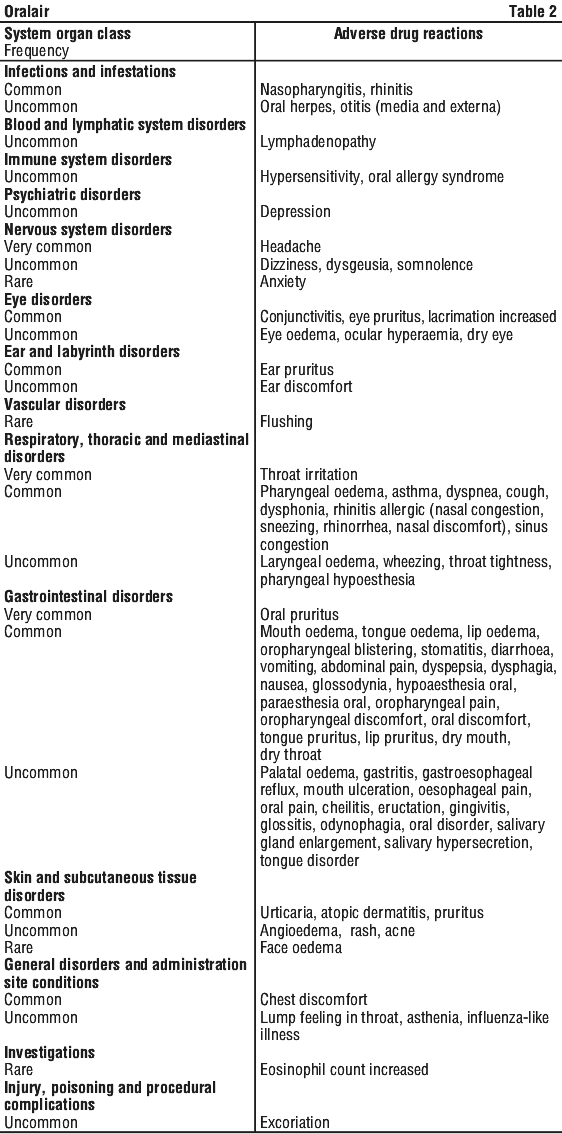
Description of selected adverse reactions. During treatment with Oralair, patients are exposed to allergens that may cause application site reactions and/or systemic allergic symptoms.
Application site reactions (e.g. oral pruritus and throat irritation) may therefore be expected during the period of therapy. If a patient experiences an application site reaction, symptomatic treatment (e.g. with antihistamines) may be considered.
As with any allergen immunotherapy, allergic reactions including severe laryngo-pharyngeal reactions or anaphylactic reactions (i.e. acute onset of an illness with involvement of the skin, mucosal tissue, or both, respiratory compromise, persistent gastrointestinal symptoms, or reduced blood pressure and/or associated symptoms) can occur. Inform patients of the associated signs and symptoms and have them seek immediate medical care and discontinue therapy should these occur. Treatment should only be resumed at the instruction of a physician.
Paediatric population. Overall, the safety profile in the paediatric population is similar to that of adults. The following reactions listed in the tabulated summary were reported at a higher incidence in the paediatric population than in adults: cough, nasopharyngitis, mouth oedema (very common), oral allergy syndrome, cheilitis, glossitis, lump feeling in throat, ear discomfort (common).
In addition to the tabulated summary, the following reactions were reported in children and adolescents who received Oralair: tonsillitis, bronchitis (common), chest pain (uncommon).
Post-marketing. Additionally, the following adverse reactions have been reported during post-marketing surveillance: in adults, adolescents and children: asthma exacerbation, systemic allergic reaction and eosinophilic esophagitis.
The frequency of these reactions to treatment with Oralair is not known.
Reporting suspected adverse effects. Reporting suspected adverse reactions after registration of the medicinal product is important. It allows continued monitoring of the benefit-risk balance of the medicinal product. Healthcare professionals are asked to report any suspected adverse reactions at www.tga.gov.au/reporting-problems.
4.9 Overdose
No case of overdose has been reported.
If doses higher than the recommended daily dose are taken, the risk of undesirable effects, including systemic side effects or severe local adverse reactions, is increased. In the case of occurrence of severe symptoms, such as angioedema, difficulty in swallowing, difficulty in breathing, changes in voice, or feeling of fullness in the throat, a physician should be consulted immediately.
In the event of an overdose, the adverse effects should be treated symptomatically.
For information on the management of overdose, contact the Poisons Information Centre on 13 11 26 (Australia).
5 Pharmacological Properties
5.1 Pharmacodynamic Properties
Pharmacotherapeutic group: allergen extract, grass pollen. ATC code: V01AA02.
Mechanism of action. Oralair is used for treatment of patients with specific IgE mediated allergy symptoms such as rhinitis with or without conjunctivitis caused by grass pollen.
The immune system is the target for the pharmacodynamic effect. The aim is to induce an immune response against the allergen with which the patient is treated. The complete and exact mechanism of action regarding the clinical effect of specific immunotherapy is not fully understood and documented. Treatment with Oralair has shown to induce a systemic competitive antibody response towards grass pollen and induces an increase in specific IgG. The clinical relevance of these findings has not been established.
Clinical trials. Clinical efficacy and safety. VO34.04 study. A European, multicentre, multinational, randomised, double blind, placebo controlled study was conducted.
The study included 628 adults with seasonal allergic rhinitis and/or rhinoconjunctivitis caused by grass pollen, as confirmed by cutaneous tests and/or a positive titre of the IgE specific to the grass pollen.
Patients were randomized to 4 groups: placebo (n = 156), Oralair 100 IR/day (n = 157), Oralair 300 IR/day (n = 155) and Oralair 500 IR/day (n = 160).
Each patient received a sublingual dose once a day for about 4 months before the start of the pollen season, and continuing throughout the pollen season. Analysis of the results was based on 569 assessable patients (placebo, n = 148; Oralair 100 IR, n = 142; Oralair 300 IR, n = 136; Oralair 500 IR, n = 143). The efficacy was determined according to the rhinoconjunctivitis total symptom score (RTSS).
Results of this study showed a comparable efficacy of 500 and 300 IR, with safety data in favour of 300 IR, leading to a recommended dose of 300 IR per day.
The sensitisation status (polysensitised/ monosensitised) and the presence or absence of associated asthma have no impact on the results.
During the first season, the efficacy of the 300 IR group versus the placebo group (number of subjects included in the intent to treat (ITT) population were 136 and 148, respectively) showed the following results (see Tables 3 and 4).
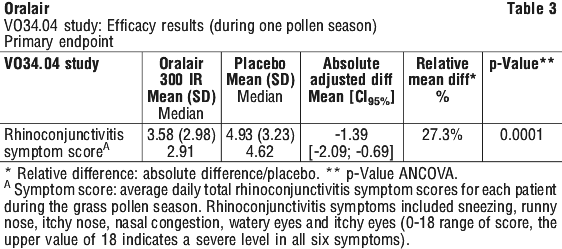
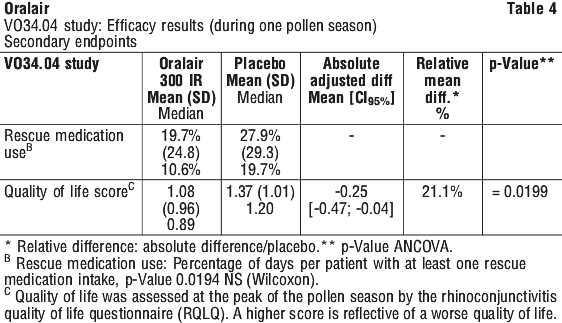
The ANCOVA results on each of the six individual mean symptom scores ranging from 0 to 3 showed a difference in favour of the 300 IR tablet as compared to placebo for sneezing (-0.19), runny nose (-0.23), itchy nose (-0.23), nasal congestion (-0.28), itchy eyes (-0.24) and watery eyes (-0.21).
The proportion of patients not using rescue medication were 35.3% in the 300 IR group and 27.0% in the placebo group (NS).
Sixty one patients (45%) in the 300 IR group had presented more than 50% symptom controlled days (with a symptom score not higher than 2 and without rescue medication) over the grass pollen season, versus 40 patients (27%) in the placebo group.
VO53.06 study. A long-term, multicentre, multinational, randomised, double blind, placebo controlled study was conducted. The study included 633 adults with seasonal allergic rhinoconjunctivitis caused by grass pollen, as confirmed by cutaneous tests and a positive titre of the IgE specific to the grass pollen.
Patients were randomized to 3 groups: placebo (n = 219), Oralair 300 IR (4M) (n = 207), and Oralair 300 IR (2M) (n = 207). [4M = 4 months preseasonal treatment; 2M = 2 months preseasonal treatment].
Each patient received a sublingual dose once a day for about 4 months before the start of the pollen season, and continuing throughout the pollen season for 3 consecutive pollen seasons.
The fourth pollen season was a treatment free follow-up phase. The efficacy was determined according to the primary endpoint: the average adjusted symptom score AASS at year 3 (see details below). The daily adjusted symptom score (ASS) is a symptom score adjusted for daily rescue medication use. The average ASS (AASS) is the average of the daily adjusted symptom score over the evaluation period.
Results of this study demonstrated a sustained and favourable clinical effect for the 300 IR (4M) treatment group after 3 consecutive treatment periods with a preseasonal and coseasonal administration scheme (4 months before the pollen season until the end of the pollen season). The clinically relevant efficacy shown during the first three years was maintained during the first treatment free follow-up year, indicating post-treatment long-term efficacy.
The efficacy of the 300 IR (4M) group versus the placebo group (number of subjects included in the full analysis set (FAS) population were respectively 188 and 205 in the first year, 160 and 172 in the second year, 149 and 165 in the third year, 143 and 155 in the fourth year) was as follows (see Table 5 and Table 6).
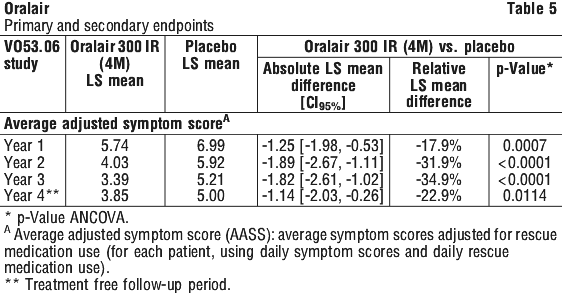
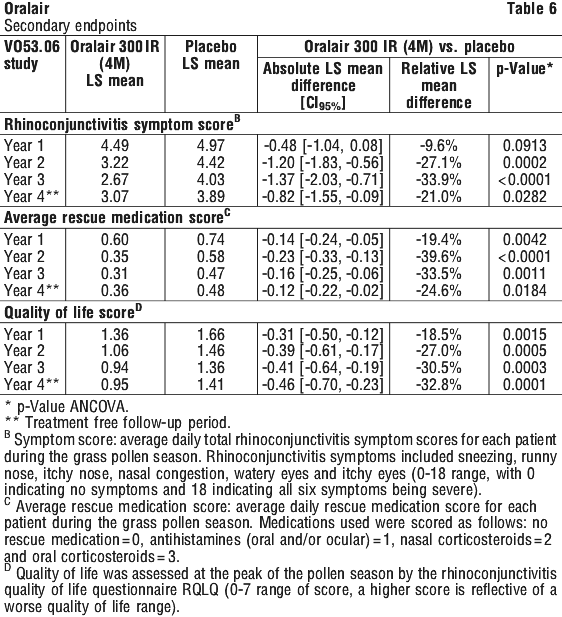
The proportions of patients not using rescue medication were 18.1% in the 300 IR (4M) group and 10.7% in the placebo group in the first year; 31.9% in the 300 IR (4M) group and 12.8% in the placebo group in the second year; 43.6% in the 300 IR (4M) group and 20.0% in the placebo group in the third year; 36.4% in the 300 IR (4M) group and 21.9% in the placebo group in the fourth year.
Paediatric population. VO52.06 study. A European, multicentre, multinational, randomised, double blind, placebo controlled study (VO52.06 study) was conducted. The study included 278 patients aged 5 to 17 years suffering from seasonal allergic rhinitis and/or rhinoconjunctivitis caused by grass pollen, as confirmed by cutaneous tests and a positive titre of the IgE specific to the grass pollen.
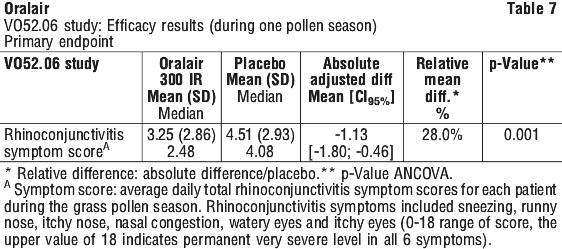
Patients were randomized to 2 groups: placebo (n = 139) or Oralair 300 IR/day (n = 139). Each patient received a sublingual dose once a day for about 4 months before the start of the pollen season, and continuing throughout the pollen season. An incremental dosing scheme was followed for the first 3 days of the treatment phase, where the dose was escalated by 100 IR per day from a starting dose of 100 IR up to daily dose of 300 IR. Analysis of the results was based on 266 assessable patients (placebo, n = 135 and Oralair 300 IR, n = 131). The efficacy was determined according to the rhinoconjunctivitis total symptom score (RTSS).
During the first season, the efficacy analysis of the 300 IR group versus the placebo group (number of subjects included in the intent to treat ITT population were 131and 135 respectively) showed the following results. See Tables 7 and 8.
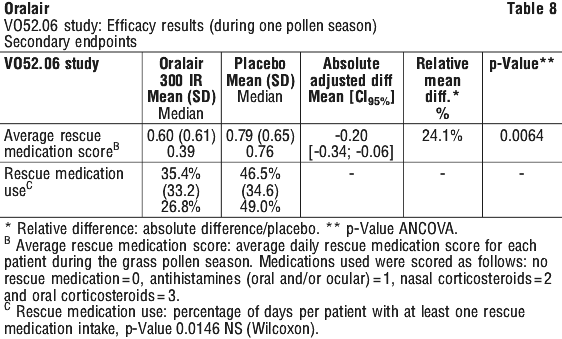
The proportion of patients not using rescue medication were 18.3% in the 300 IR group and 14.8% in the placebo group (NS).
Forty four patients (34%) in the 300 IR group had presented more than 50% symptom controlled days (with a symptom score not higher than 2 and without rescue medication) over the grass pollen season, versus 26 patients (19%) patients in the placebo group.
5.2 Pharmacokinetic Properties
The majority of allergens in Oralair are a mixture of proteins and glycoproteins. There is no direct bioavailability of intact allergens in the blood. Therefore, no pharmacokinetic studies in animals or in humans have been carried out to investigate the pharmacokinetic profile and metabolism of Oralair.
5.3 Preclinical Safety Data
Genotoxicity. The purified 5 grasses pollen extract contained in Oralair showed no mutagenic or clastogenic potential in a series of in vitro assays (mouse lymphoma TK cells and bacterial reverse mutation).
Moreover, the same less purified extract of five grasses was not genotoxic in vivo in rats, using the two endpoints of chromosomal aberration and unscheduled DNA synthesis, at IP or SC doses resulting in exposures markedly greater than the maximum clinical exposure.
Carcinogenicity. No carcinogenicity studies were conducted in animals.
6 Pharmaceutical Particulars
6.1 List of Excipients
Mannitol, microcrystalline cellulose, croscarmellose sodium, colloidal anhydrous silica, magnesium stearate and lactose monohydrate.
6.2 Incompatibilities
Incompatibilities were either not assessed or not identified as part of the registration of this medicine.
6.3 Shelf Life
In Australia, information on the shelf life can be found on the public summary of the Australian Register of Therapeutic Goods (ARTG). The expiry date can be found on the packaging.
6.4 Special Precautions for Storage
Store below 30°C.
Store in the original package in order to protect from moisture.
6.5 Nature and Contents of Container
Initiation treatment. Pack of 1 x 3 sublingual tablets of 100 IR in a small blister + 1 x 28 sublingual tablets of 300 IR in a blister; and
Pack of 1 x 3 sublingual tablets of 100 IR in a small blister + 1 x 7 sublingual tablets of 300 IR in a blister.
Each blister (Alu/alu) is composed of a film (polyamide/aluminium/polyvinyl chloride) on one side and a heat-sealed foil (aluminium) coated with a varnish (vinyl) on the other side.
Continuation treatment. 1 x 30 sublingual tablets of 300 IR in a blister (Alu/alu) composed of a film (polyamide/aluminium/polyvinyl chloride) on one side and a heat-sealed foil (aluminium) coated with a varnish (vinyl) on the other side.
Packs of 30, 90 or 100 tablets. Not all pack sizes may be marketed.
Oralair Initiation Treatment sublingual tablets 100 IR and 300 IR (allergen pollen extract of 5 grasses) - (AUST R 167565).
Oralair Continuation Treatment sublingual tablets 300 IR (allergen pollen extract of 5 grasses) - (AUST R 167566).
6.6 Special Precautions for Disposal
In Australia, any unused medicine or waste material should be disposed of by taking to your local pharmacy.
6.7 Physicochemical Properties
Not applicable.
7 Medicine Schedule (Poisons Standard)
Prescription Only Medicine - S4.
Date of First Approval
03 May 2011
Date of Revision
17 May 2023
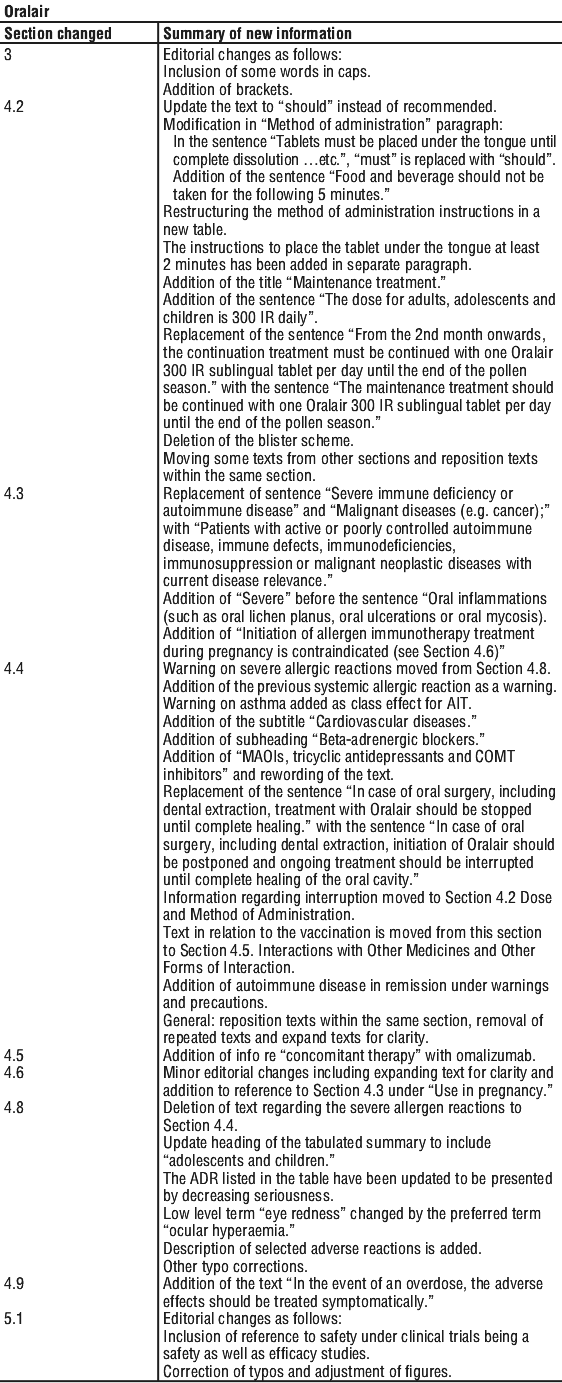
Summary Table of Changes
Reasonable care is taken to provide accurate information at the time of creation. This information is not intended as a substitute for medical advice and should not be exclusively relied on to manage or diagnose a medical condition. The Australian Commission on Safety and Quality in Health Care disclaims all liability (including for negligence) for any loss, damage, injury or any other negative effects resulting from reliance on or use of this information. Read our full disclaimer. This website uses cookies. Read our privacy policy.