
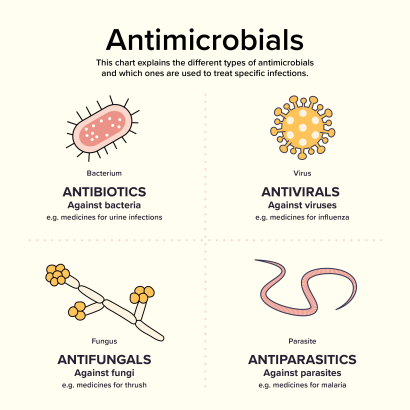

Antimicrobial stewardship in aged care is important to improve the safe and appropriate use of antimicrobials and decrease the risk of antimicrobial resistance for older people.
The Antimicrobial Stewardship Clinical Care Standard contains eight quality statements that describe the care that clinicians should provide to consumers when they have an infection, or are at risk of an infection. Learn what the standard means for clinicians and the other resources available.
The Commission has developed information about assessment to the NSQHS Standards and resources to support implementation of the Antimicrobial Stewardship Clinical Care Standard.
Indicators have been developed to support monitoring of the care recommended in the Antimicrobial Stewardship Clinical Care Standard. Clinicians and health service organisations can use the indicators to support local quality improvement activities. An indicator monitoring tool is available to support data collection.
Learn more about the 2020 Antimicrobial Stewardship Clinical Care Standard in these videos of a webinar conducted in collaboration with The Society of Hospital Pharmacists of Australia (SHPA).
The Antimicrobial Stewardship Clinical Care Standard contains eight quality statements that describe the care that patients should received when they have an infection, or are at risk of an infection. Learn what the standard means for consumers and the other Antimicrobial Stewardship Clinical Care Standard resources available.
The Commission is seeking real-world case studies from health service organisations to share experiences of implementing the Comprehensive Care Standard.
The Commission is working in partnership with The George Institute for Global Health and Sepsis Australia to extend the National Sepsis Program. This program aims to improve the awareness, recognition and support for people at risk of or diagnosed with sepsis in Australia.
Informed consent is an important part of health care and works best when there is good communication between patients and their healthcare professional. Achieving informed consent is a goal health professionals and patients must approach together.
This clinical care standard aims to improve the recognition of anaphylaxis, and the provision of appropriate treatment and follow-up care.
The Low Back Pain Clinical Care Standard aims to improve the early assessment, management, review and appropriate referral of people with this common health condition.