
ADACEL POLIO
Brand Information
| Brand name | ADACEL POLIO |
| Active ingredient | Diphtheria toxoid + Tetanus toxoid + Pertussis vaccine + Poliomyelitis vaccine (inactivated) |
| Schedule | S4 |
Consumer Medicine Information (CMI) leaflet
Please read this leaflet carefully before you start using the ADACEL POLIO.
Summary CMI
Adacel® Polio
Consumer Medicine Information (CMI) summary
The full CMI on the next page has more details. If you are worried about using this medicine, speak to your doctor or pharmacist.
1. Why am I using Adacel Polio?
Adacel Polio contains the active ingredients diphtheria toxoid, tetanus toxoid, pertussis toxoid, pertussis filamentous haemagglutinin, pertussis fimbriae 2+3, pertactin and poliovirus types 1,2 and 3 (Vero). Adacel Polio is used to help to protect you or your child against whooping cough (pertussis), tetanus, diphtheria and polio. For more information, see Section 1. Why am I using Adacel Polio? in the full CMI.
2. What should I know before I use Adacel Polio?
Do not use if you or your child has ever had an allergic reaction to Adacel Polio or any of the ingredients listed at the end of the CMI, or if you or your child ever had a disease of brain without an apparent cause within 7 days of a previous pertussis, tetanus or diphtheria vaccination. Talk to your doctor if you have any other medical conditions, take any other medicines, or are pregnant or plan to become pregnant or are breastfeeding. For more information, see Section 2. What should I know before I use Adacel Polio? in the full CMI.
3. What if I am taking other medicines?
Some medicines may interfere with Adacel Polio and affect how it works. A list of these medicines is in Section 3. What if I am taking other medicines? in the full CMI.
4. How do I use Adacel Polio?
Adacel Polio is given by your doctor, nurse or pharmacist. More instructions can be found in Section 4. How do I use Adacel Polio? in the full CMI.
5. What should I know while using Adacel Polio?
| Things you should do | Tell your doctor, nurse or pharmacist before you receive the vaccine if you or your child
|
| Driving or using machines |
|
| Looking after your medicine |
|
For more information, see Section 5. What should I know while using Adacel Polio? in the full CMI.
6. Are there any side effects?
Common side effects include a local reaction around the injection site such as bruising, redness, itchiness, tenderness, pain or discomfort, warmth, burning or stinging, swelling or the formation of hard lumps or scars, rash, headaches, tiredness, weakness or fatigue, fever, rigors, soreness, aching muscles, muscle tenderness or weakness (not caused by exercise), joint pain or swelling, irritability, nausea and vomiting, diarrhoea. Serious side effects can include red, itchy rash or hives, swelling of the face, lips, tongue or other parts of the body, shortness of breath, wheezing or trouble breathing, a temporary inflammation of the nerves, causing pain, weakness, and paralysis in the extremities and often progressing to the chest and face, severe pain and decreased mobility of arm and shoulder, fits or convulsion, fainting, tingling or numbness of the hands or decreased feeling or sensitivity of the vaccinated arm, a paralysed nerve in the face, dizziness, generally feeling unwell, pale skin, stomach pain. See your doctor immediately if you notice this. For more information, including what to do if you or your child have any side effects, see Section 6. Are there any side effects? in the full CMI.
Full CMI
Adacel® Polio
Active ingredient(s): Pertussis Vaccine - Acellular and Diphtheria and Tetanus Toxoids (Adsorbed) Combined with Inactivated Poliovirus Type 1, 2 and 3 (Vero cell)
Consumer Medicine Information (CMI)
This leaflet provides important information about using Adacel Polio. You should also speak to your doctor or pharmacist if you would like further information or if you have any concerns or questions about using Adacel Polio.
Where to find information in this leaflet:
1. Why am I using Adacel Polio?
2. What should I know before I use Adacel Polio?
3. What if I am taking other medicines?
4. How do I use Adacel Polio?
5. What should I know while using Adacel Polio?
6. Are there any side effects?
7. Product details
1. Why am I using Adacel Polio?
Adacel Polio contains the active ingredients diphtheria toxoid, tetanus toxoid, pertussis toxoid, pertussis filamentous haemagglutinin, pertussis fimbriae 2+3, pertactin and poliovirus types 1,2 and 3 (Vero).
Adacel Polio is a vaccine used to help to protect you or your child against whooping cough (pertussis), tetanus, diphtheria and polio.
Adacel Polio works by causing the body to produce its own protection against whooping cough, tetanus, diphtheria, and polio. It does this by making substances called antibodies in the blood, which fight the bacteria and toxins that cause these diseases. If a vaccinated person comes into contact with these bacteria and toxins, the body is usually ready to destroy them.
It usually takes several weeks after vaccination to develop protection against these diseases.
Use of Adacel Polio during pregnancy allows antibodies to be passed to the baby in the womb from the pregnant woman to protect the baby from whooping cough during the first few months of life.
Most people will produce enough antibodies against these diseases. However, as with all vaccines, 100% protection cannot be guaranteed.
The vaccine will not give you or your child any of these diseases.
The chance of a severe reaction from Adacel Polio is very small, but the risks from not being vaccinated against these diseases may be very serious. Polio, whooping cough, tetanus and diphtheria cause significant sickness and sometimes death in unvaccinated infants, children, and adults.
This vaccine is for use as a booster in adults, adolescents and children aged four years and older who have previously received childhood immunisation. Children from four to six years of age should have already received four doses of whooping cough, tetanus, diphtheria and polio vaccine. Adacel Polio is not intended for primary immunisation.
2. What should I know before I use Adacel Polio?
Warnings
Do not use Adacel Polio if you or your child:
- had an allergic reaction to Adacel Polio or any of the ingredients listed at the end of this leaflet.
- had an allergic reaction to another vaccine designed to protect against pertussis, tetanus, diphtheria or polio.
- had serious encephalopathy (disease of brain) without an apparent cause within 7 days of a previous pertussis, tetanus or diphtheria vaccination.
- Always check the ingredients to make sure you or your child can receive this vaccine.
Adacel Polio is not recommended for use in children under 4 years.
Check with your doctor if you or your child:
- Has or ever had any other medical conditions, such as:
- a poor or reduced immune system due to medication (e.g. steroid or medicines used to treat cancer (including radiation therapy) diseases such as some blood disorders, malaria, kidney disease requiring dialysis, HIV/AIDS or cancer
- a progressive illness affecting the brain/nerves or uncontrolled fits
After vaccination, you or your child may be at risk of developing certain side effects. It is important you understand these risks and how to monitor for them. See additional information under Section 6. Are there any side effects?
Pregnancy and breastfeeding
Tell your doctor or nurse if you are pregnant or breast-feeding, think you might be pregnant or are planning to have a baby. Your doctor will help you decide if you should receive Adacel Polio during pregnancy.
Adacel Polio may be administered during pregnancy for prevention of pertussis in young infants.
3. What if I am taking other medicines?
Tell your doctor or pharmacist if you are taking any other medicines, including any medicines, vitamins or supplements that you buy without a prescription from your pharmacy, supermarket or health food shop.
Having other vaccines
Tell your doctor if you or your child has had any vaccines in the last 4 weeks.
Your doctor will advise you if Adacel Polio is to be given with another vaccine.
Your doctor and pharmacist may have more information on medicines and vaccines to be careful with or avoid during vaccination with Adacel Polio.
Check with your doctor or pharmacist if you are not sure about what medicines, vitamins or supplements you are taking and if these affect Adacel Polio.
4. How do I use Adacel Polio?
Adacel Polio is given as an injection, usually into your upper arm muscle by a doctor or nurse.
How much is given
- The dose of Adacel Polio is a single dose of 0.5mL.
When to receive Adacel Polio
- Adacel Polio is generally given whenever a booster dose of tetanus and diphtheria is required and where a booster dose of whooping cough and polio is considered necessary.
5. What should I know while using Adacel Polio?
Things you should do
Keep an updated record of your vaccinations.
Call your doctor straight away if you or your child:
- does not feel well after having Adacel Polio
- has any signs of allergic reaction which may include difficulty breathing, shortness of breath, swelling of the face, lips, throat or tongue, cold, clammy skin, palpitations, dizziness, weakness, fainting, rash or itching.
Driving or using machines
Adacel Polio should not normally interfere with your ability to drive or operate machinery. However, it may cause light-headedness, tiredness, drowsiness in some people.
Looking after your medicine
Adacel Polio is usually stored in the doctor's surgery or clinic, or at the pharmacy. However, if you need to store Adacel Polio:
- keep Adacel Polio in the original pack until it is time for it to be given.
- keep it in the refrigerator, store at 2°C to 8°C. Do not freeze Adacel Polio.
Do not use Adacel Polio after the expiry date which is stated on the carton after EXP.
Do not use Adacel Polio if the packaging is torn or shows signs of tampering.
Keep it where young children cannot reach it.
Getting rid of any unwanted medicine
If you no longer need to use this medicine or it is out of date, take it to any pharmacy for safe disposal.
6. Are there any side effects?
All medicines can have side effects. If you do experience any side effects, most of them are minor and temporary. However, some side effects may need medical attention.
See the information below and, if you need to, ask your doctor or pharmacist if you have any further questions about side effects.
Less serious side effects
| Less serious side effects | What to do |
| Speak to your doctor if you have any of these less serious side effects and they worry you. |
Serious side effects
| Serious side effects | What to do |
The following side effects are very serious. You or your child may need urgent medical attention or hospitalisation:
All of these side effects are rare. | Call your doctor straight away, or go straight to the Emergency Department at your nearest hospital if you notice any of these serious side effects. |
Tell your doctor or pharmacist if you notice anything else that may be making you feel unwell.
Other side effects not listed here may occur in some people.
Reporting side effects
After you have received medical advice for any side effects you experience, you can report side effects to the Therapeutic Goods Administration online at www.tga.gov.au/reporting-problems. By reporting side effects, you can help provide more information on the safety of this medicine.
7. Product details
This medicine is only available with a doctor's prescription.
What Adacel Polio contains
| Active ingredients (main ingredients) | not less than 2 IU (2 LF) diptheria toxoid not less than 20 IU (5 LF) tetanus toxoid 2.5 micrograms pertussis toxoid 5 micrograms pertussis filamentous haemagglutinin 3 micrograms pertussis pertactin 5 micrograms pertussis fimbriae 2 + 3 29 DAgU Poliovirus inactivated type 1* 7 DAgU Poliovirus inactivated type 2* 26 DAgU Poliovirus inactivated type 3* |
| Other ingredients (inactive ingredients) | aluminium phosphate ethanol phenoxyethanol polymyxin B sulfate neomycin streptomycin sulfate formaldehyde glutaral polysorbate 80 water for injections Medium Hanks 199 without phenol red (including phenylalanine) |
| The manufacture of this product includes exposure to bovine materials. No evidence exists that any case of vCJD (considered to be the human form of bovine spongiform encephalopathy) has resulted from the administration of any vaccine product | |
*These quantities are the same as those previously expressed when measured by a suitable method.
Do not take this medicine if you are allergic to any of these ingredients.
What Adacel Polio looks like
Adacel Polio is a sterile, uniform cloudy, white suspension for injection.
Aust R 106576 - Syringe
Who distributes Adacel Polio
Distributed by:
sanofi-aventis australia pty ltd
International Tower 3, Level 23
300 Barangaroo Avenue
Sydney NSW 2000
Freecall: 1800 816 806
Email: medinfo.australia@sanofi.com
This leaflet was prepared in April 2026.
ada-pol-ccdsv15-cmiv6-30apr26
Brand Information
| Brand name | ADACEL POLIO |
| Active ingredient | Diphtheria toxoid + Tetanus toxoid + Pertussis vaccine + Poliomyelitis vaccine (inactivated) |
| Schedule | S4 |
MIMS Revision Date: 01 June 2026
1 Name of Medicine
Pertussis vaccine - acellular and diphtheria and tetanus toxoids (adsorbed) combined with inactivated poliovirus type 1, 2 and 3 (Vero cell).
2 Qualitative and Quantitative Composition
Adacel Polio is a sterile, uniform cloudy, white suspension for injection in prefilled syringes.
Diphtheria toxoid ≥ 2 IU2 (2 Lf);
Tetanus toxoid ≥ 20 IU2 (5 Lf1);
Pertussis toxoid 2.5 microgram;
Pertussis filamentous haemagglutinin 5 microgram;
Pertactin 3 microgram;
Pertussis fimbriae 2 + 3 5 microgram;
Poliovirus inactivated type 1, Vero (Mahoney)3 29 D antigen units4;
Poliovirus inactivated type 2, Vero (MEF1)3 7 D antigen units4;
Poliovirus inactivated type 3, Vero (Saukett)3 26 D antigen units4;
Adsorbed on aluminium phosphate 1.5 mg (0.33 mg aluminium).
1 The formulated content of 5 Lf of tetanus toxoid per 0.5 mL is the same as in the related product Tripacel.
2As lower confidence limit (p equals 0.95) of activity measured according to the assay described in the European Pharmacopoeia.
3Cultivated on vero cells.
4These antigen quantities are strictly the same as those previously expressed as 40-8-32 D-antigen units, for virus type 1, 2 and 3 respectively, when measured by another suitable immunochemical method.
This vaccine may contain traces of formaldehyde, glutaral, streptomycin sulfate, neomycin, polymyxin B sulfate and bovine serum albumin, and Medium 199 Hanks without phenol red (including phenylalanine), which are used during the manufacturing process.
For the full list of excipients, see Section 6.1 List of Excipients.
The vaccine is prepared from: purified formaldehyde detoxified and adsorbed diphtheria and tetanus toxins; purified and glutaral detoxified and adsorbed pertussis toxin (pertussis toxoid or PT); purified formaldehyde treated and adsorbed filamentous haemagglutinin (FHA); purified and adsorbed pertactin (PRN) and co-purified and adsorbed fimbriae types 2 and 3 (FIM); and poliomyelitis viruses type 1, 2 and 3 cultivated on Vero cells, purified and then inactivated by formaldehyde.
Adacel Polio is a diphtheria-tetanus-acellular pertussis combination vaccine (dTpa) combined with inactivated poliovirus vaccine with a reduced content of pertussis toxoid, filamentous haemagglutinin and diphtheria toxoid compared to paediatric diphtheria-tetanus-acellular pertussis (DTPa) formulations.
Adacel Polio should not be used as part of a primary course of immunisation for diphtheria, tetanus, pertussis or poliomyelitis.
The manufacture of this product includes exposure to bovine materials. No evidence exists that any case of vCJD (considered to be the human form of bovine spongiform encephalopathy) has resulted from the administration of any vaccine product.
3 Pharmaceutical Form
Adacel Polio is supplied in a prefilled syringe for single dose (0.5 mL) use.
4 Clinical Particulars
4.1 Therapeutic Indications
Adacel Polio is indicated for active immunisation against diphtheria, tetanus, pertussis and poliomyelitis in adults, adolescents and children aged 4 years and older as a booster following primary immunisation.
Children 4-6 years of age should have already received four doses of DTPa and IPV or OPV.
Adacel Polio is not intended for primary immunisation.
Adacel Polio may be administered during pregnancy for prevention of pertussis in young infants via transplacental antibody transfer from the pregnant woman to the fetus.
The use of Adacel Polio should be determined on the basis of official recommendations. For further information, refer to the current Immunisation Handbook.
4.2 Dose and Method of Administration
Adacel Polio should be administered as a single injection of one dose (0.5 mL) by the intramuscular route. The same dose applies to all age groups. Adacel Polio may be administered from the age of four years onwards.
Adacel Polio can be used for repeat vaccination, after a previous dose of Adacel Polio or Adacel, to boost immunity to diphtheria, tetanus and pertussis at 5- to 10-year intervals. Repeat vaccination should be performed taking into account national recommendations.
If Adacel Polio is administered to a pregnant woman, it should be done according to official national recommendations for pertussis vaccination of a pregnant woman.
For further information, refer to the current Immunisation Handbook.
Method of administration. Inject 0.5 mL intramuscularly. The preferred site is into the deltoid muscle. The vaccine should not be injected into the gluteal area.
The vaccine's normal appearance is a cloudy, white suspension, which may sediment during storage. Shake the prefilled syringe well to distribute uniformly the suspension before administering the vaccine.
Parenteral biological products should be inspected visually for extraneous particulate matter and/or discolouration prior to administration. In the event of either being observed, discard the vaccine.
The intravascular or subcutaneous routes should not be used.
Separate syringes, separate injection sites and preferably separate limbs must be used in case of concomitant administration.
Product is for single use in one patient on one occasion only. Discard any residue.
4.3 Contraindications
Hypersensitivity. Adacel Polio should not be administered to individuals with a history of severe allergic reaction after previous administration of the vaccine or a vaccine containing the same components or constituents.
Adacel Polio should not be administered to individuals with a history of severe allergic reaction to any component of the vaccine or residues carried over from manufacture (see Section 2 Qualitative and Quantitative Composition; Section 6.1 List of Excipients) or residues carried over from manufacture (such as formaldehyde, glutaraldehyde, streptomycin, neomycin and polymyxin B).
Acute neurological disorders. Adacel Polio should not be administered to individuals who experienced an encephalopathy of unknown origin within 7 days of previous immunisation with a pertussis-containing vaccine, or to individuals who have experienced other neurological complications following previous immunisation with any of the antigens in Adacel Polio.
Febrile or acute disease. Generally vaccination must be postponed in cases of moderate or severe febrile and/or acute disease. Low-grade fever does not constitute a contraindication.
4.4 Special Warnings and Precautions for Use
General. The rates and severity of adverse events in recipients of tetanus toxoid are influenced by the number of prior doses and level of pre-existing antitoxins.
Hypersensitivity. Anaphylaxis has been reported after receipt of some preparations containing diphtheria toxoid, tetanus toxoid, and/or pertussis antigens.
This product contains as residues trace amounts of formaldehyde, glutaral, streptomycin sulfate, neomycin, polymyxin B sulfate and bovine serum albumin, as well as medium 199 Hanks, a mixture of amino acids (including phenylalanine), salts, vitamins and other compounds (including glucose). This product contains ethanol, phenoxyethanol and polysorbate 80 as excipients. Therefore, a hypersensitivity reaction may occur.
Neurological adverse events. If Guillain-Barré syndrome occurred within 6 weeks of receipt of prior vaccine containing tetanus toxoid, the decision to give any vaccine containing tetanus toxoid, including Adacel Polio, should be based on careful consideration of the potential benefits and possible risks, such as whether or not the primary immunisation schedule has been completed.
Adacel Polio should not be administered to individuals with progressive or unstable neurological disorder, uncontrolled epilepsy, or progressive encephalopathy until a treatment regimen has been established, the condition has stabilised and the benefit clearly outweighs the risk.
Serious and severe adverse events related precautions. As with all injectable vaccines, appropriate medical treatment and supervision should be readily available for immediate use in case of a rare anaphylactic reaction following the administration of the vaccine. As a precautionary measure, adrenaline (epinephrine) injection (1:1,000) must be immediately available in case of unexpected anaphylactic or serious allergic reactions.
The vaccine must be given intramuscularly, as subcutaneous administration increased the chances of a local reaction. A persistent nodule at the site of injection may occur with all adsorbed vaccines, particularly if administered into the superficial layers of the subcutaneous tissue.
Administration route related precautions. Do not administer by intravascular injection: ensure that the needle does not penetrate a blood vessel.
As with all injectable vaccines, the vaccine must be administered with caution to individuals with thrombocytopenia or a bleeding disorder since bleeding may occur following an intramuscular administration to these individuals.
Syncope. Syncope (fainting) can occur following, or even before, administration of injectable vaccines including Adacel Polio. Procedures should be in place to prevent falling injury and manage syncopal reactions.
Altered immune status. Immunocompromised individuals (whether from disease or treatment) may not obtain the expected immune response. If possible, consideration should be given to delaying vaccination until after the completion of any immunosuppressive treatment. Nevertheless, vaccination individuals with chronic immunodeficiency, such as HIV infection, is recommended even if the immune response might be limited.
Protection. As with any vaccine, immunisation with Adacel Polio may not protect 100% of susceptible individuals.
Use in the elderly. Adacel Polio has been used in clinical studies in elderly persons aged 59 to 91 years of age.
Paediatric use. Adacel Polio should not be used for primary immunisation.
Adacel Polio is indicated for use in children aged four years and older.
Effects on laboratory tests. Interference of Adacel Polio with laboratory and/or diagnostic tests has not been studied.
4.5 Interactions with Other Medicines and Other Forms of Interactions
A clinical study has shown that Adacel Polio can be safely administered concomitantly with hepatitis B vaccine, using a separate limb for the site of injection. Adacel Polio has safely been given concomitantly with measles-mumps-rubella vaccine (MMR II). Interaction studies have not been carried out with other vaccines, biological products or therapeutic medications. However, in accordance with commonly accepted immunisation guidelines, since Adacel Polio is an inactivated product, there is no theoretical reason why it should not be administered concomitantly with other vaccines or immunoglobulins at separate sites.
Separate injection sites and separate syringes must be used in case of concomitant administration.
Immunosuppressive treatment may interfere with the development of the expected immune response to Adacel Polio, see Section 4.4 Special Warnings and Precautions for Use.
4.6 Fertility, Pregnancy and Lactation
Effects on fertility. Adacel Polio has not been evaluated for impairment of fertility.
Use in pregnancy. (Category A)
Human data. Multiple studies involving numerous pregnant women and their offspring have generated considerable safety, immunogenicity and effectiveness data on the use of Adacel Polio and Adacel, which contains the same tetanus, diphtheria and acellular pertussis components as Adacel Polio, primarily during the second and third trimesters of pregnancy.
Safety data are available from 4 randomised controlled trials (310 pregnancy outcomes), 6 observational studies (84,371 pregnancy outcomes) and from passive surveillance:
Adacel Polio and Adacel led to no more than the expected (generally mild or moderate, and usually self-limited) adverse events for pregnant women who receive it. Safety outcomes for pregnant women were very similar to those seen when these vaccines were given to non-pregnant women of childbearing age.
Adacel Polio and Adacel have not been shown to cause harm to the fetus or newborn.
Immunogenicity data from 13 studies and effective data from 3 studies have shown:
Pertussis antibody responses following vaccination with Adacel are robust in most pregnant women, are amplified when measured in newborn cord blood, persist for 2 to 4 months in the infant, but appear to blunt (reduce) the infant's antibody responses to her or his own pertussis vaccinations later in infancy. There is no evidence to suggest that this blunting is clinically relevant in protection against pertussis.
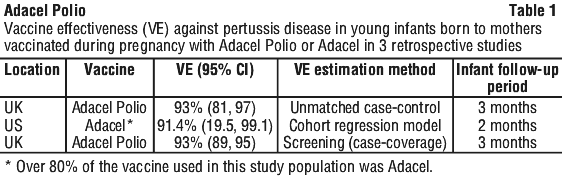
Adacel Polio and Adacel are > 90% effective when given to women during pregnancy in preventing pertussis disease and hospitalisation in their infants younger than 3 months of age as detailed in Table 1.
Use in lactation. It is not known whether the active substances included in Adacel Polio are excreted in human milk, but antibodies to Adacel (which contains the same tetanus, diphtheria and acellular pertussis component as Adacel Polio) have been found to be transferred to the suckling offspring of rabbits.
The effect on breastfed infants of the administration of Adacel Polio to their mothers has not been studied. As Adacel Polio is inactivated, any risk to the mother or the infant is improbable. The risks and benefits of vaccination should be assessed before making the decision to immunise a nursing woman.
4.7 Effects on Ability to Drive and Use Machines
No studies on the effects on the ability to drive and use machines have been performed.
4.8 Adverse Effects (Undesirable Effects)
The reactions are listed within body systems and categorised by frequency according to the following definitions: very common (≥ 1/10); common (< 1/10 and ≥ 1/100); uncommon (< 1/100 and ≥ 1/1,000).
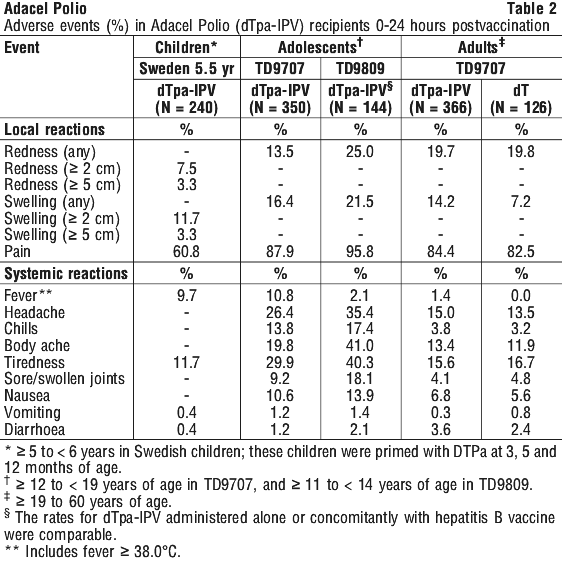
Clinical trial experience. Adolescents and adults (992 subjects). In clinical studies in which Adacel Polio was administered to adolescents and adults, the most frequently reported adverse reactions occurring over all age groups during the first 24 hours after vaccination included the following:
Very common: injection site pain, erythema and swelling, tiredness, headache, bodyache, chills, nausea, fever, arthralgia or joint swelling.
Common: diarrhoea, vomiting.
There was a trend for higher rates of local and systemic reactions in adolescents than in adults. In both age groups, injection site pain was the most common adverse reaction.
Late onset local adverse reactions (i.e. a local adverse reaction which had an onset or increase in severity 3 to 14 days post-immunisation), such as injection site pain, erythema and swelling, occurred in less than 1.2%.
Table 2 summarises adverse events (%) in Adacel Polio (dTpa-IPV) recipients 0-24 hours postvaccination:
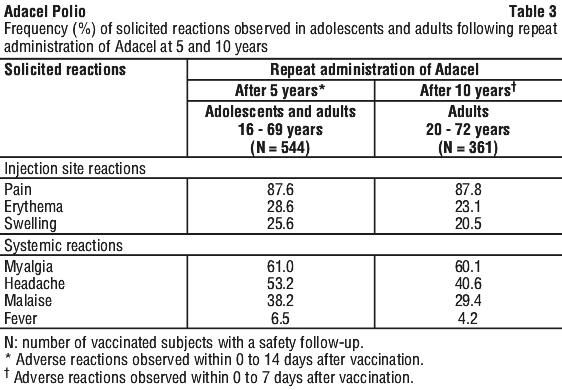
The frequency of solicited injection-site and systemic reactions reported following repeat administration of Adacel at 5 and 10 years are presented in Table 3.
Very common: injection site pain, erythema and swelling; fatigue, fever ≥ 37.5°C, irritability.
Common: injection site bruising and dermatitis; diarrhoea, vomiting and rash.
Children 5 to 6 years old (240 subjects). In a clinical study, children were primed at 3, 5 and 12 months of age with a DTPa vaccine with no additional dose in the second year of life. These children received Adacel Polio at 5 to 6 years of age. The most frequently reported adverse reactions occurring during the first 24 hours included the following:
Very common: injection site pain and swelling; fatigue.
Common: injection site erythema and pruritus; fever ≥ 38°C.
Uncommon: diarrhoea, vomiting.
The rates of general symptoms after the first day but within 10 days after vaccination were low; only fever (≥ 38°C) and fatigue were reported in > 10% of subjects. Transient severe swelling of the upper arm was reported in < 1% of subjects.
Children 4 to 6 years old (298 subjects). In a clinical study, children primed with DTPa at 2, 4 and 6 months and a booster at 18 months of age received Adacel (dTpa) at 4 to 6 years of age. The most frequently reported adverse reaction that occurred during the first 3 days was pain at 38.3%. Erythema and swelling were also commonly reported.
Postmarketing experience. The following additional adverse events have been spontaneously reported during the postmarketing use of Adacel Polio. Because these events are reported voluntarily from a population of uncertain size, it is not possible to reliably estimate their frequency or establish a causal relationship to vaccine exposure. These events have been very rarely reported.
Blood and lymphatic disorders. Lymphadenopathy.
Immune system disorders. Anaphylactic reactions, such as urticaria, face oedema and dyspnoea.
Nervous system disorders. Convulsions, vasovagal syncope, Guillain-Barré syndrome, facial palsy, myelitis, brachial neuritis, transient paresthesia/ hypoesthesia of vaccinated limb, dizziness.
Musculoskeletal and connective tissue disorders. Pain in vaccinated limb.
Gastrointestinal disorders. Abdominal pain.
General disorders and administration site conditions. Malaise, pallor, injection site induration.
Extensive limb swelling, which may extend from the injection site beyond one or both joints and is frequently associated with erythema and sometimes with blisters, has been reported following administration of Adacel Polio. The majority of these reactions appeared within 48 hours of vaccination and spontaneously resolved over an average of 4 days without sequelae. The risk appears to be dependent of the number of prior doses of acellular pertussis-containing vaccine, with a greater risk following the 4th and 5th doses.
Reporting suspected adverse effects. Reporting suspected adverse reactions after registration of the medicinal product is important. It allows continued monitoring of the benefit-risk balance of the medicinal product. Healthcare professionals are asked to report any suspected adverse reactions at www.tga.gov.au/reporting-problems.
4.9 Overdose
For information on the management of overdose, contact the Poisons Information Centre on 13 11 26 (Australia).
5 Pharmacological Properties
5.1 Pharmacodynamic Properties
Pharmacotherapeutic group: vaccine against diphtheria, tetanus, pertussis and poliomyelitis.
ATC code: J07CA02.
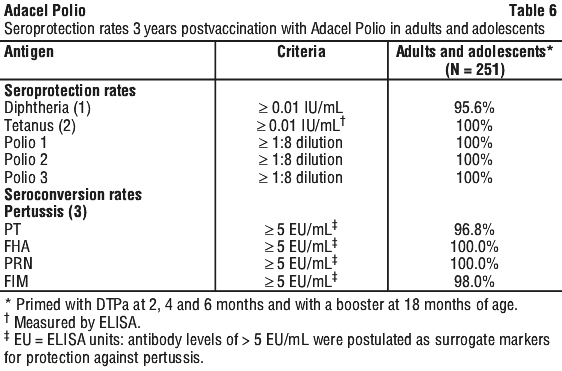
Clinical trials. Immune responses of adults, adolescents and children 3 to 6 years of age one month after vaccination with Adacel Polio are shown in Table 4.
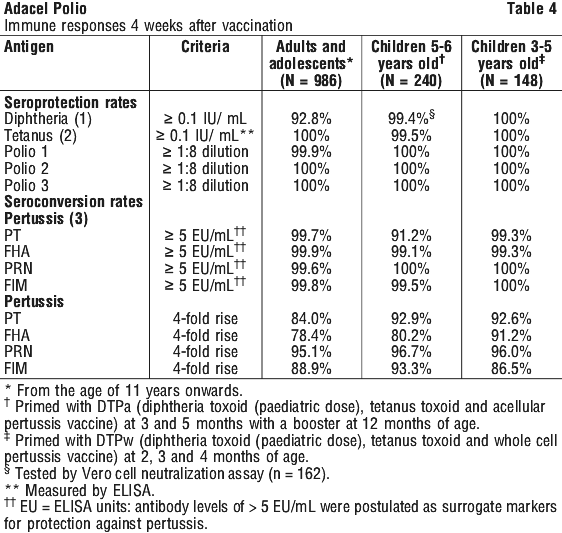
The lower response to diphtheria toxoid in adults probably reflected the inclusion of some participants with an uncertain or incomplete immunisation history.
Serological correlates for protection against pertussis have not been established. On comparison with data from the two separate pertussis efficacy trials conducted in Sweden between 1992 and 1996, where primary immunisation with Sanofi Pasteur Limited's acellular pertussis infant DTPa formulations conferred a protective efficacy of 85% against pertussis disease, it was considered that Adacel Polio had elicited protective immune responses.
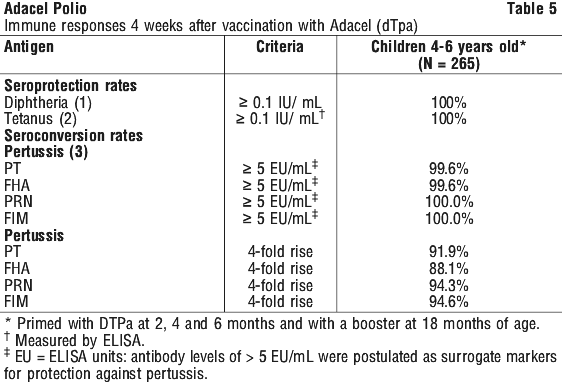
Immune responses of children 4 to 6 years of age, primed with 4 doses of DTPa, one month after vaccination with Adacel are shown in Table 5.
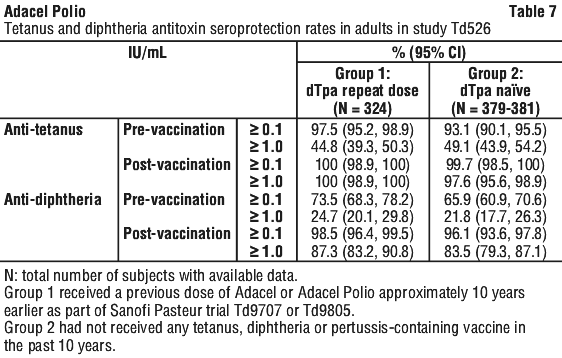
One month after vaccination, seroprotective tetanus antitoxin levels ≥ 0.1 IU/mL were achieved by 100% and 99.7% of Adacel vaccinees in groups 1 and 2 respectively. Seroprotective diphtheria antitoxin levels ≥ 0.1 IU/mL were attained by 98.5% and 96.1% in groups 1 and 2, respectively. (See Table 7.)
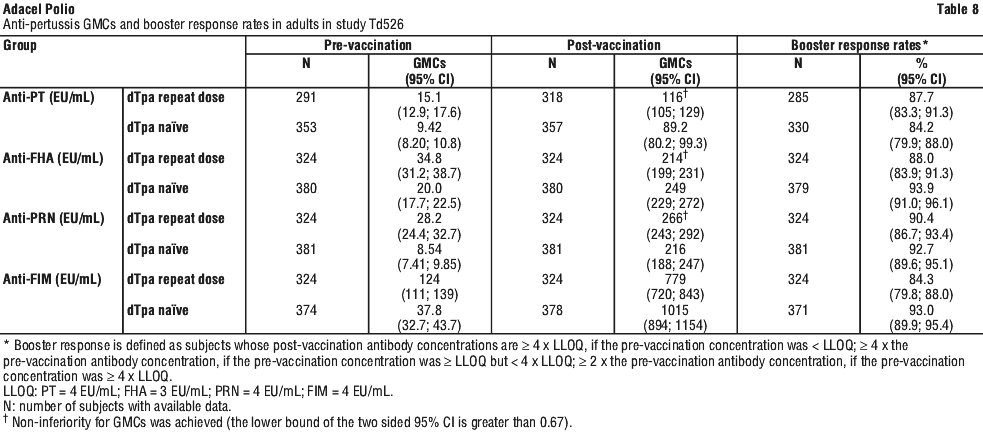
Repeat vaccination with Adacel Polio at 10 year intervals induces robust immune responses to tetanus, diphtheria and pertussis in adolescents and adults.
5.2 Pharmacokinetic Properties
No pharmacokinetic studies have been performed.
5.3 Preclinical Safety Data
Genotoxicity. Adacel Polio has not been evaluated for genotoxic potential.
Carcinogenicity. Adacel Polio has not been evaluated for carcinogenic potential.
6 Pharmaceutical Particulars
6.1 List of Excipients
Aluminium phosphate, ethanol, phenoxyethanol, polysorbate 80, water for injections.
Manufacturing process residuals per dose include ≤ 5 microgram formaldehyde, ≤ 0.02 mg glutaral, ≤ 0.2 microgram streptomycin sulfate, ≤ 0.02 microgram neomycin, ≤ 0.025 microgram polymyxin B sulfate, Medium 199 Hanks (without phenol red) and bovine serum albumin.
6.2 Incompatibilities
The vaccine must not be mixed with other vaccines or medicinal products.
6.3 Shelf Life
48 months at 2° to 8°C.
6.4 Special Precautions for Storage
Store at 2° to 8°C. Refrigerate. Do not freeze. Do not use after expiry date.
In the absence of photostability studies, store the vaccine container in its original packaging.
6.5 Nature and Contents of Container
0.5 mL of suspension in pre-filled syringe. Pack size of 1 syringe with or without separate needles.
Not all packs may be marketed.
6.6 Special Precautions for Disposal
After use, any remaining vaccine and container must be disposed of safely according to locally agreed procedures.
6.7 Physicochemical Properties
Not applicable to vaccines.
7 Medicine Schedule (Poisons Standard)
Schedule 4 - Prescription medicine.
Date of First Approval
06 June 2006
Date of Revision
30 April 2026
Summary Table of Changes

References
1. Galazka AM. Module 2: Diphtheria. In: The immunological basis for immunization series. WHO/EPI/GEN/93.12 Geneva: World Health Organization; 1993.
2. Galazka AM. Module 3: Tetanus. In: The immunological basis for immunization series. WHO/EPI/GEN/93.13 Geneva: World Health Organization; 1993.
3. Storsaeter J. et al, Levels of anti-pertussis antibodies related to protection after household exposure to Bordetella pertussis. Vaccine 1998;16(20):1907-16.
Reasonable care is taken to provide accurate information at the time of creation. This information is not intended as a substitute for medical advice and should not be exclusively relied on to manage or diagnose a medical condition. The Australian Commission on Safety and Quality in Health Care disclaims all liability (including for negligence) for any loss, damage, injury or any other negative effects resulting from reliance on or use of this information. Read our full disclaimer. This website uses cookies. Read our privacy policy.