
Adriamycin
Brand Information
| Brand name | Adriamycin |
| Active ingredient | Doxorubicin hydrochloride |
| Schedule | S4 |
Consumer Medicine Information (CMI) leaflet
Please read this leaflet carefully before you start using the Adriamycin.
Summary CMI
ADRIAMYCIN®
Consumer Medicine Information (CMI) summary
The full CMI on the next page has more details. If you are worried about using this medicine, speak to your doctor or pharmacist.
1. Why am I being given ADRIAMYCIN?
ADRIAMYCIN contains the active ingredient doxorubicin hydrochloride. ADRIAMYCIN is used to treat different types of cancers including leukaemia and cancers in breast, lymph nodes, lung, thyroid, liver, kidney, bladder or ovary. ADRIAMYCIN works by stopping cancer cells from growing and multiplying.
For more information, see Section 1. Why am I being given ADRIAMYCIN? in the full CMI.
2. What should I know before I am given ADRIAMYCIN?
You should not be given this medicine if you have ever had an allergic reaction to ADRIAMYCIN or any of the ingredients listed at the end of the CMI or any other cancer medication e.g. daunorubicin, epirubicin, mitozantrone.
You should not be given this medicine if you have a severe reduction in blood cell count, severe heart disease, a severe infection or severe liver disease. Talk to your doctor if you have any other medical conditions, take any other medicines, or are pregnant or plan to become pregnant or are breastfeeding.
For more information, see Section 2. What should I know before I am given ADRIAMYCIN? in the full CMI.
3. What if I am taking other medicines?
Some medicines may interfere with ADRIAMYCIN and affect how it works.
A list of these medicines is in Section 3. What if I am taking other medicines? in the full CMI.
4. How is ADRIAMYCIN given?
ADRIAMYCIN is injected slowly into a vein or into the bladder. It must only be given by a doctor or nurse. Your doctor will decide what dose, how often and how long you will receive it. More instructions can be found in Section 4. How is ADRIAMYCIN given? in the full CMI.
5. What should I know while being given ADRIAMYCIN?
| Things you should do |
|
| Things you should not do |
|
For more information, see Section 5. What should I know while being given ADRIAMYCIN in the full CMI.
6. Are there any side effects?
Common side effects of this medicine may include: infection, heart problems, difficulty in breathing, swelling of the feet, legs or stomach, unusual bruising or bleeding, nausea, vomiting, diarrhoea or abdominal pain, sore throat or mouth ulcers, sores in mouth and on lips, hair loss, darkening or redness of the skin, rash, fever, pain, redness or pain where the injection is being given. Also, this medicine may colour your urine red for 1-2 days after treatment.
For more information, including what to do if you have any side effects, see Section 6. Are there any side effects? in the full CMI.
Full CMI
ADRIAMYCIN®
Active ingredient(s): doxorubicin hydrochloride
Consumer Medicine Information (CMI)
This leaflet provides important information about using ADRIAMYCIN. You should also speak to your doctor or pharmacist if you would like further information or if you have any concerns or questions about using ADRIAMYCIN.
Where to find information in this leaflet:
1. Why am I being given ADRIAMYCIN?
2. What should I know before I am given ADRIAMYCIN?
3. What if I am taking other medicines?
4. How is ADRIAMYCIN given?
5. What should I know while being given ADRIAMYCIN?
6. Are there any side effects?
7. Product details
1. Why am I being given ADRIAMYCIN?
ADRIAMYCIN contains the active ingredient doxorubicin hydrochloride and belongs to a group of anticancer medicines known as cytotoxic anthracycline.
Doxorubicin hydrochloride works by preventing the growth of cancer cells and eventually destroying them. It is used to treat different types of cancers including leukaemia, soft tissue & bone sarcomas and cancers in breast, lymph nodes (Hodgkin's or Non-Hodgkin's), lung, thyroid, liver, kidney, bladder or ovary.
2. What should I know before I am given ADRIAMYCIN?
Warnings
You should not be given ADRIAMYCIN if:
- you have an allergy to doxorubicin or any of the ingredients listed at the end of this leaflet
- you are allergic to medicines from the same group (anthracyclines or anthracenediones) (e.g. daunorubicin, epirubicin, idarubicin, mitozantrone or mitomycin C) or if you have previously received the total permissible dose of doxorubicin or another medicine from the anthracycline group
- you have bone marrow suppression (reduced number of red or white blood cells or platelets) caused by previous treatment with other cancer medicines or radiation therapy, symptoms include tiredness, mouth ulcers or bleeding or bruising more easily than usual
- you have heart disease or heart problems, have recently had a heart attack or experienced chest pain or have a severe form of irregular heartbeats (arrhythmia)
- you have a generalised infection
- you have severe liver impairment
- you have a tumour that has penetrated the bladder wall, a urinary infection, bladder inflammation, a catheter in the bladder due to extremely large tumours or blood in your urine)
- if you are pregnant or breastfeeding
During treatment, you may be at risk of developing certain side effects. It is important you understand these risks and how to monitor for them. See additional information under Section 6. Are there any side effects?
Pregnancy and breastfeeding
You should not be given this medicine if you or your partner are pregnant or planning to become pregnant.
You are advised to avoid pregnancy during treatment as it may harm your developing baby.
You are advised to seek doctor consultation on fertility preservation before treatment with ADRIAMYCIN
Doxorubicin is known to pass into breast milk. Therefore, you should not breastfeed while undergoing treatment and for at least 10 days after the last dose of ADRIAMYCIN. Consult your doctor or midwife if you have any concerns about being unable to breastfeed for this period.
Contraception
Women of childbearing potential should use effective contraception during treatment with doxorubicin and for at least 6 months and 10 days after the final dose. Male patients being treated with doxorubicin must use effective contraception during treatment and for at least 3 months and 10 days after the final dose if your partner is of childbearing potential. You should seek advice on fertility preservation before treatment.
3. What if I am taking other medicines?
Tell your doctor or pharmacist if you are taking any other medicines, including any medicines, vitamins or supplements that you buy without a prescription from your pharmacy, supermarket or health food shop.
Some medicines and doxorubicin may interfere with each other. These include:
- other cancer medicines, such as cyclophosphamide monohydrate, paclitaxel, 6-mercaptopurine, sorafenib
- some medicines used to prevent blood clots, such as heparin
- propranolol and other medicines for your heart.
- verapamil used for high blood pressure, angina or irregular heartbeat
- phenobarbital and phenytoin used to treat epilepsy
- St. John's Wort, a herbal supplement, used for mild anxiety and low mood
- ciclosporin used in transplant patients to prevent organ rejection.
These medicines may be affected by ADRIAMYCIN or may affect how well it works. You may need different amounts of your medicine, or you may need to take different medicines. Your doctor will advise you.
ADRIAMYCIN given at the same time as radiation therapy may also cause unwanted effects. Your doctor has more information on medicines to be careful with or avoid while using ADRIAMYCIN.
Avoid vaccination with certain vaccines. Your doctor or pharmacist will tell you what vaccines to avoid.
Check with your doctor or pharmacist if you are not sure about what medicines, vitamins or supplements you are taking and if these affect ADRIAMYCIN.
4. How is ADRIAMYCIN given?
How much and how long is it given
You should only be treated with ADRIAMYCIN by a doctor who is experienced in treating patients with cancer. Treatment will normally take place in a hospital because of the need for hospital facilities and healthcare professionals.
ADRIAMYCIN is given in a clinical setting by a nurse or doctor.
You will be given a blood test, and your heart will be monitored before you start treatment with ADRIAMYCIN.
Your doctor will decide what dose, how often and how long you will receive it. This depends on your condition and other factors, such as your weight, liver function and the effect on your bone marrow of any previous treatment you may have had with x-ray or other medicines are being given at the same time.
ADRIAMYCIN is given by slow infusion into a vein or the bladder. If it is infused into the bladder, you will be asked not to urinate for one hour while ADRIAMYCIN is given.
Treatment is usually given once every 3 weeks, or on 3 successive days repeated every 4 weeks. However, your doctor may give ADRIAMYCIN more or less frequently.
Your doctor will monitor the effects of ADRIAMYCIN on your blood, liver and heart regularly by giving you tests.
Tell your doctor or nurse immediately if stinging, burning or pain develops at the injection site.
Ask your doctor if you have any questions about the dose of ADRIAMYCIN and how it is given.
If too much ADRIAMYCIN is given
Since ADRIAMYCIN is given in a hospital or clinic under the supervision of a doctor, it is very unlikely that you will be given too much of the medicine. Your doctor or nurse will be monitoring your progress and checking the medicine that you are given.
If you think that you have been given too much ADRIAMYCIN, you may need urgent medical attention.
Symptoms of an overdose may include the side effects listed in Section 6 Are there any side effects? but are usually of a more severe nature.
Immediately tell your doctor or telephone the Poisons Information Centre (Phone 13 11 26) for advice or go to Accident and Emergency at your nearest hospital if you have side effects after being given ADRIAMYCIN.
5. What should I know while being given ADRIAMYCIN?
Things you should do
Keep all your doctor's appointments.
You will need regular follow-up to check your progress.
You will also have blood tests and heart monitoring to check for side effects.
Tell your doctor immediately if you become pregnant while being treated with ADRIAMYCIN.
Call your doctor straight away if you experience any of the following during or after treatment:
- stinging, burning or pain develops at the injection site
- any signs of infection, such as sinusitis, tooth abscess, sore red mouth, fever, sore throat
- unusual bleeding or bruising
- gout, a disease with painful, swollen joints
- nausea, vomiting, especially if it lasts for 24 to 48 hours.
Treatment with doxorubicin can cause bone marrow damage, which can result in infections and/or severe bleeding. Your doctor will closely monitor your blood cell levels to be able to respond quickly and start treatment if these conditions occur.
Take the following precautions to reduce your risk of infection or bleeding:
- Avoid people who have infections. Check with your doctor immediately if you think you may be getting an infection, or if you get a fever, chills, cough, hoarse throat, lower back or side pain or find it painful or difficult to urinate
- Be careful when using a toothbrush, toothpick or dental floss. Your doctor, dentist, nurse or pharmacist may recommend other ways to clean your teeth and gums. Check with your doctor before having any dental work
- Be careful not to cut yourself when you are using sharp objects such as a razor or nail clippers
- Avoid contact sports or other situations where you may bruise or get injured.
- Avoid vaccination with certain vaccines. Your doctor or pharmacist will tell you what vaccines to avoid.
Tell your doctor if you are having or have had radiotherapy.
Tell your doctor if you are having or have had treatment with other anticancer medicines.
Tell your doctor if you have liver problems or kidney problems.
You should not be given this medicine if you have severe liver problems. Your doctor may need to monitor your liver or kidney function and adjust the doxorubicin dose if necessary.
Tell your doctor if you have or have had heart disease or have high blood pressure.
Tell any doctors, dentists or pharmacists who treat you that you are being treated with ADRIAMYCIN.
Women of childbearing potential should use effective contraception during treatment and for at least 6 months and 10 days after the final dose. Male patients being treated must use effective contraception during treatment and for at least 3 months and 10 days after the final dose if your partner is of childbearing potential.
Women should not breastfeed while undergoing treatment and for at least 10 days after the last dose of Adriamycin. Consult your doctor or midwife if you have any concerns about being unable to breastfeed for this period.
Driving or using machines
Be careful before you drive or use any machines or tools until you know how ADRIAMYCIN affects you.
6. Are there any side effects?
All medicines can have side effects. If you do experience any side effects, most of them are minor and temporary. However, some side effects may need medical attention.
See the information below and, if you need to, ask your doctor or pharmacist if you have any further questions about side effects.
| Side effects | What to do |
| Speak to your doctor if you have any of these side effects and they worry you. |
| Serious side effects | What to do |
| Call your doctor straight away or go straight to the Emergency Department at your nearest hospital if you notice any of these serious side effects. |
Tell your doctor or pharmacist if you notice anything else that may be making you feel unwell.
Reporting side effects
After you have received medical advice for any side effects you experience, you can report side effects to the Therapeutic Goods Administration online at www.tga.gov.au/reporting-problems. By reporting side effects, you can help provide more information on the safety of this medicine.
Always make sure you speak to your doctor or pharmacist before you decide to stop taking any of your medicines.
7. Product details
This medicine is only available with a doctor's prescription.
What ADRIAMYCIN contains
| Active ingredient (main ingredient) | Doxorubicin hydrochloride |
| Other ingredients (inactive ingredients) | Hydrochloric acid Sodium chloride Water for injection |
Do not take this medicine if you are allergic to any of these ingredients.
What ADRIAMYCIN looks like
ADRIAMYCIN is a clear red solution in a clear vial.
Australian Registration Numbers
10 mg/5 mL: AUST R 15407 (not currently supplied)
20 mg/10 mL: AUST R 47344 (not currently supplied)
50 mg/25 mL: AUST R 47345
200 mg/100 mL: AUST R 47345
Who distributes ADRIAMYCIN
Pfizer Australia Pty Ltd
SYDNEY, NSW.
Toll Free Number: 1800 675 229.
www.pfizermedicalinformation.com.au
This leaflet was prepared in September 2025
Brand Information
| Brand name | Adriamycin |
| Active ingredient | Doxorubicin hydrochloride |
| Schedule | S4 |
MIMS Revision Date: 01 September 2023
1 Name of Medicine
Doxorubicin hydrochloride.
2 Qualitative and Quantitative Composition
Adriamycin 10 mg/5 mL: Each 5 mL vial contains 10 mg doxorubicin hydrochloride (equivalent to 2 mg/mL of doxorubicin hydrochloride).
Adriamycin 20 mg/10 mL: Each 10 mL vial contains 20 mg doxorubicin hydrochloride (equivalent to 2 mg/mL of doxorubicin hydrochloride).
Adriamycin 50 mg/25 mL: Each 25 mL vial contains 50 mg doxorubicin hydrochloride (equivalent to 2 mg/mL of doxorubicin hydrochloride).
Adriamycin 200 mg/100 mL: Each 100 mL vial contains 200 mg doxorubicin hydrochloride (equivalent to 2 mg/mL of doxorubicin hydrochloride).
Doxorubicin is a cytotoxic anthracycline antibiotic isolated from cultures of Streptomyces peucetius var. caesius.
Excipient(s) with known effect. Each mL of Adriamycin contains 9 mg of sodium chloride.
For the full list of excipients, see Section 6.1 List of Excipients.
3 Pharmaceutical Form
Solution for injection.
Adriamycin is a red coloured, clear solution.
4 Clinical Particulars
4.1 Therapeutic Indications
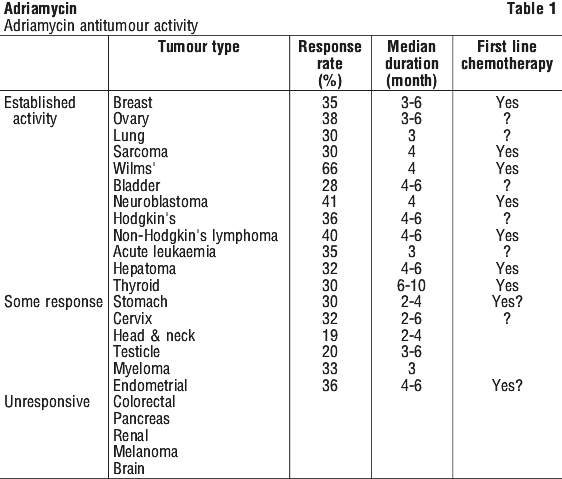
Adriamycin has been used successfully to produce regression in neoplastic conditions such as: acute leukaemia, Wilms' tumour, neuroblastoma, soft tissue and bone sarcomas, breast carcinoma, lymphomas of both Hodgkin's and non-Hodgkin's type, bronchogenic (lung) carcinoma, thyroid carcinoma, hepatomas, ovarian carcinoma, etc. The main antitumour activities are listed in Table 1. Adriamycin is also indicated by intravesical administration in the primary management of nonmetastatic carcinoma of the bladder (Tis, T1, T2).
4.2 Dose and Method of Administration
Dosage. Care in the administration of Adriamycin will reduce the chance of perivenous infiltration. It may also decrease the chance of local reactions such as urticaria and erythematous streaking.
The recommended dosage schedule is 60-75 mg/m2 as a single intravenous injection administered at 21 day intervals. The lower dose should be given to patients with inadequate marrow reserves due to old age, prior therapy, or neoplastic marrow infiltration.
An alternative dose schedule is 30 mg/m2 on each of three successive days repeated every 4 weeks. The adult dosage regimens may be suitable for paediatric cases.
The recommended lifetime cumulative dose limit is 550 mg doxorubicin/m2 body surface area. Adriamycin has been administered as an intra-arterial infusion for 1-3 days at doses of 45-100 mg/m2. It is recommended that the total cumulative dose of doxorubicin for adults aged 70 or older be restricted to 450 mg/m2 body surface area.
Method of administration. Intravenous or intravesical administration only.
Adriamycin must be handled with care. If contact with the skin occurs, wash thoroughly with soap and water.
Protective measures. The following protective recommendations are given due to the toxic nature of this substance:
Personnel should be trained in good technique for reconstitution and handling.
Pregnant staff should be excluded from working with this drug.
Personnel handling doxorubicin should wear protective clothing: goggles, gowns and disposable gloves and masks.
A designated area should be defined for reconstitution (preferably under a laminar flow system). The work surface should be protected by disposable, plastic backed, absorbent paper.
All items used for reconstitution, administration or cleaning, including gloves, should be placed in high risk waste disposal bags for high temperature incineration.
Spillage or leakage should be treated with dilute sodium hypochlorite (1% available chlorine) solution, preferably by soaking, and then water.
All cleaning materials should be disposed of as indicated previously.
In case of skin contact thoroughly wash the affected area with soap and water or sodium bicarbonate solution. However, do not abrade the skin by using a scrub brush.
In case of contact with the eye(s), hold back the eyelid(s) and flush the affected eye(s) with copious amounts of water for at least 15 minutes. Then seek medical evaluation by a physician.
Always wash hands after removing gloves.
Intravenous infusion. It is recommended that Adriamycin be slowly administered into the tubing of a freely running intravenous infusion of sodium chloride solution for injection or 5% glucose solution for injection. The tubing should be attached to a butterfly needle inserted preferably into a large vein. The rate of administration is dependent on the size of the vein and the dosage. However, the dose should be administered in not less than 3-5 minutes. A direct push injection is not recommended due to the risk of extravasation, which may occur even in the presence of adequate blood return upon needle aspiration.
Local erythematous streaking along the vein as well as facial flushing may be indicative of too rapid administration. A burning or stinging sensation may be indicative of perivenous infiltration, and the infusion should be immediately terminated and restarted in another vein.
Intravesical administration. The following procedure is recommended:
1. The bladder should be catheterised and emptied.
2. Dilute Adriamycin to a final concentration of 80 mg in 100 mL of normal saline and instil via the catheter into the bladder.
3. The catheter should be removed and the patient instructed to be on one side. At 15 minute intervals the patient should alternate to the opposite side over a 1 hour period.
4. The patient should be requested not to urinate for 1 hour, after which the bladder should be emptied of solution.
5. The procedure should be repeated at monthly intervals.
Until specific compatibility data are available, it is not recommended that Adriamycin be mixed with other drugs. Contact with alkaline solutions should be avoided since this can lead to hydrolysis of doxorubicin. Adriamycin should not be mixed with heparin due to chemical incompatibility that may lead to precipitation.
Doxorubicin should not be mixed with fluorouracil (e.g. in the same IV infusion bag or at the Y-site of an IV infusion line) since it has been reported that these drugs are incompatible to the extent that a precipitate might form. If concomitant therapy with doxorubicin and fluorouracil is required, it is recommended that the IV line be flushed between the administration of these drugs. Also see Section 6.2 Incompatibilities.
Adriamycin has been used in combination with other approved chemotherapeutic agents.
Though evidence is available that at least in some types of neoplastic disease combination chemotherapy is superior to single agents, the benefits and risks of such therapy have not yet been fully elucidated.
Dosage adjustments. Use in hepatic impairment. Doxorubicin dosage must be reduced if hepatic function is impaired according to the following table (see Table 2).

Use in the elderly. A lower dose may need to be considered in elderly patients with inadequate marrow reserves due to old age. It is recommended that the total cumulative dose of doxorubicin for adults aged 70 or older be restricted to 450 mg/m2 body surface area.
Other special populations. A lower doses or longer intervals between cycles may need to be considered for pretreated patients, obese patients, or patients with neoplastic bone marrow infiltration (see Section 4.4 Special Warnings and Precautions for Use).
4.3 Contraindications
Hypersensitivity to doxorubicin or any other component of the product, other anthracyclines or anthracenediones.
Pregnancy and lactation (see Section 4.4 Special Warnings and Precautions for Use; Section 4.6 Fertility, Pregnancy and Lactation).
Contraindications for intravenous (IV) use:
persistent myelosuppression or severe stomatitis induced by previous treatment with other antitumour agents or by radiotherapy;
presence of generalised infection;
severe arrhythmias;
severe myocardial insufficiency;
recent myocardial infarction;
severe liver impairment;
previous treatment with maximum cumulative doses of doxorubicin, daunorubicin, epirubicin, idarubicin and/or other anthracyclines and anthracenediones (see Section 4.4 Special Warnings and Precautions for Use).
Contraindications for intravesical use:
invasive tumours that have penetrated the bladder wall;
urinary infections;
inflammation of the bladder;
catheterisation of the bladder (e.g. due to massive intravesical tumours);
haematuria.
4.4 Special Warnings and Precautions for Use
General. Adriamycin should be administered only under the supervision of a physician who is experienced in the use of cancer chemotherapeutic agents.
Adriamycin is not an antimicrobial agent.
Patients should recover from acute toxicities of prior cytotoxic treatment (such as stomatitis, neutropenia, thrombocytopenia and generalised infections) before beginning treatment with doxorubicin.
Initial treatment with Adriamycin requires close observation of the patient and extensive laboratory monitoring.
It is strongly recommended therefore, that patients be hospitalised at least during the first phase of treatment. Blood count and liver function tests should be carried out prior to each Adriamycin treatment.
Adriamycin solution should be handled with care. If either of the preparations comes in contact with the skin or mucosae, the appropriate areas should be washed thoroughly with soap and water.
Warnings. For intravenous or intravesical use only. Severe local tissue necrosis will occur if there is extravasation during administration. Adriamycin must not be given by the intramuscular or subcutaneous route.
Serious irreversible myocardial toxicity with delayed congestive failure, often unresponsive to any cardiac supportive therapy, may be encountered as total dosage approaches 550 mg/m2.
This toxicity may occur at lower cumulative doses in patients with prior mediastinal irradiation or on concurrent cyclophosphamide therapy.
Dosage should be reduced in patients with impaired hepatic function.
Severe myelosuppression may occur.
Cardiac function. Special attention must be given to the cardiac toxicity exhibited by doxorubicin. Cardiotoxicity is a risk of anthracycline treatment that may be manifested by early (i.e. acute) or late (i.e. delayed) events. The cardiac abnormalities caused by treatment can be separated into 2 categories: ECG alterations and congestive heart failure (CHF).
Early (i.e. acute) events. Early cardiotoxicity of doxorubicin consists mainly of sinus tachycardia and/or electrocardiogram (ECG) abnormalities such as nonspecific ST-T wave changes. Tachyarrhythmias, including premature ventricular contractions, ventricular tachycardia and bradycardia, as well as atrioventricular and bundle branch block have also been reported. These effects do not usually predict subsequent development of delayed cardiotoxicity, are rarely of clinical importance and are generally not a consideration for the discontinuation of doxorubicin treatment. ECG changes following doxorubicin treatment occur in about 10% of patients at all dose levels of doxorubicin, are usually reversible and do not appear to be related to the subsequent development of congestive cardiac failure.
Late (i.e. delayed) events. Delayed cardiotoxicity usually develops late in the course of therapy with doxorubicin or within 2 to 3 months after treatment termination, but later events several months to years after completion of treatment have also been reported. Delayed cardiomyopathy is manifested by reduced left ventricular ejection fraction (LVEF) and/or signs and symptoms of congestive heart failure (CHF) such as dyspnoea, pulmonary oedema, dependent oedema, cardiomegaly and hepatomegaly, oliguria, ascites, pleural effusion and gallop rhythm. Subacute effects such as pericarditis/myocarditis have also been reported. Life threatening CHF is the most severe form of anthracycline induced cardiomyopathy and represents the cumulative dose limiting toxicity of the drug.
The following measures may identify patients with early cardiomyopathy: progressive flattening or inversion of the T-waves (mainly in the left precordial leads), low QRS voltage, prolonged systolic time interval, reduced ejection fraction (echocardiography or by cardiac pool scanning) or cardiac biopsy showing characteristic electromicroscopic changes. Cardiomyopathy induced by doxorubicin is frequently fatal. Cardiac failure is often not favourably affected by presently known medical or physical therapy for cardiac support. Early clinical diagnosis of drug induced heart failure appears to be essential for successful treatment with digitalis, diuretics, low salt diet and bed rest.
Although uncommon, acute left ventricular failure has occurred, particularly in patients who have received total dosage of the drug exceeding the currently recommended limit of 550 mg/m2. For this reason, cardiac function should be assessed before patients undergo treatment with doxorubicin and must be carefully monitored throughout therapy to minimise the risk of incurring severe cardiac impairment. The risk may be decreased through regular monitoring of LVEF during the course of treatment with prompt discontinuation of doxorubicin at the first sign of impaired function. The appropriate quantitative method for repeated assessment of cardiac function (evaluation of LVEF) includes multigated radionuclide angiography (MUGA) or echocardiography (ECHO). A baseline cardiac evaluation with an ECG and either a MUGA scan or an ECHO is recommended, especially in patients with risk factors for increased cardiotoxicity. Repeated MUGA or ECHO determinations of LVEF should be performed, particularly with higher, cumulative anthracycline doses. The technique used for assessment should be consistent throughout follow-up. Severe cardiac toxicity may occur precipitously without antecedent ECG changes.
Baseline ECG and periodic follow-up ECG during and immediately after drug therapy is an advisable precaution. Transient ECG changes, such as T wave flattening, S-T depression and arrhythmias are not considered indications for suspension of doxorubicin therapy. A persistent reduction in the voltage of the QRS wave is presently considered more specifically predictive of cardiac toxicity. If this occurs, the benefit of continued therapy must be carefully evaluated against the risk of producing irreversible cardiac damage.
A decrease of the LVEF is the most predictive event related to chronic, cumulative, dose dependent cardiomyopathy. When a pretreatment (baseline) assessment of LVEF is available, this parameter can be used as an indicator of cardiac function throughout therapy.
As a general rule, in patients with normal baseline LVEF (≥ 50%), an absolute decrease of ≥ 10% or a decline below the 50% threshold level are indicative of a deterioration of cardiac function and the continuation of doxorubicin treatment under such conditions has to be carefully evaluated.
The probability of developing impaired myocardial function based on a combined index of signs, symptoms and a decline in LVEF can be estimated to be around 1-2% at a cumulative dose of 300 mg/m2; this probability slowly increases up to the total cumulative dose of 450-550 mg/m2. Thereafter, the risk of developing CHF increases more steeply, and it is recommended not to exceed the total cumulative dose of 550 mg/m2.
Cardiac function must be carefully monitored in patients receiving high cumulative doses and in those with risk factors. However, cardiac toxicity with doxorubicin may occur at lower cumulative doses whether or not cardiac risk factors are present.
Risk factors for cardiac toxicity include active or dormant cardiovascular disease, prior or concomitant radiotherapy to the mediastinal/ pericardial area, previous therapy with anthracyclines or anthracenediones, concomitant use of drugs with the ability to suppress cardiac contractility or other cardioactive compounds (e.g. calcium channel blocking drugs) or concomitant use of other potentially cardiotoxic drugs (e.g. cyclophosphamide, 5-fluorouracil or trastuzumab). Anthracyclines including doxorubicin should not be administered in combination with other cardiotoxic agents unless the patient's cardiac function is closely monitored (see Section 4.5 Interactions with Other Medicines and Other Forms of Interactions). Patients receiving anthracyclines after stopping treatment with other cardiotoxic agents, especially those with long half-lives such as trastuzumab (variable half-life; washout period up to 7 months), may also be at an increased risk of developing cardiotoxicity.
Note. Trastuzumab emtansine has a shorter half-life of approximately 4 days. The half-life of trastuzumab is variable. Trastuzumab may persist in the circulation for up to 7 months. Therefore, physicians should avoid anthracycline based therapy for up to 7 months after stopping trastuzumab when possible. If anthracyclines are used before this time, careful monitoring of cardiac function is recommended.
For patients who have had mediastinal irradiation, concurrent high dose cyclophosphamide or hypertensive cardiomegaly, it is recommended that the cumulative total lifetime dose of doxorubicin (including related drugs such as daunorubicin) be less than 450 mg/m2 body surface area. Congestive heart failure and/or cardiomyopathy may be encountered several weeks after discontinuation of doxorubicin therapy.
The total (cumulative) dose levels of doxorubicin correlate with the incidence of drug induced congestive cardiac failure (cardiomyopathy). Limitation of the total dose of doxorubicin to 500 mg/m2 reduces the risk of drug induced cardiomyopathy. At the cellular level, cardiotoxicity induced by doxorubicin is due to myocyte damage. Furthermore, as a consequence of the inhibition of cellular proliferation not only of neoplastic cells but also normal cells, cardiac muscle cells are unable to regenerate.
Microscopical examination of endocardial biopsies shows two major types of myocyte damage:
cells totally or partially devoid of myofibrillar content, even though the nucleus and mitochondria are intact;
vacuolar degeneration.
Damage to the myocardial muscle occurs with very little inflammatory reaction, muscle fibres appear to fade away. The clinical spectrum of doxorubicin toxicity ranges from subtle changes in ventricular function that can be detected only by sophisticated studies to gross congestive cardiomyopathy with symptoms and signs of advanced congestive heart failure.
It is probable that the toxicity of doxorubicin and other anthracyclines or anthracenediones is additive.
Animal studies have indicated a possible relationship between the inhibition by doxorubicin of the mitochondrial biosynthesis of coenzyme Q10 and cardiotoxicity induced by doxorubicin. Other studies have suggested that vitamin E and other free radical acceptors may prevent doxorubicin toxicity.
Haematologic toxicity. As with other cytotoxic agents, doxorubicin may produce myelosuppression. Haematologic profiles should be assessed before and during each cycle of therapy with doxorubicin, including differential white blood cell (WBC) counts. A dose dependent, reversible leucopenia and/or granulocytopenia (neutropenia) is the predominant manifestation of doxorubicin haematologic toxicity and is the most common acute dose limiting toxicity of this drug. Leucopenia and neutropenia are generally more severe with high dose schedules, reaching the nadir in most cases between days 10-14 after drug administration; this is usually transient with the WBC/neutrophil counts returning to normal values in most cases by day 21. White blood cell counts as low as 1000/mm3 are to be expected during treatment with appropriate doses of doxorubicin.
Myelosuppression accompanies effective doxorubicin treatment in almost 100% of patients. Leucopenia is the predominant effect with thrombocytopenia and anaemia occurring less frequently. Red blood cell and platelet levels should also be monitored.
Myelosuppression is more common in patients who have had extensive radiotherapy, bone infiltration by tumour, impaired liver function when appropriate dosage reduction has not been adopted (see Section 4.2 Dose and Method of Administration) and simultaneous treatment with other myelosuppressive agents. Haematologic toxicity may require dose reduction, suspension or delay of Adriamycin therapy.
When using doxorubicin as part of chemotherapy regimens which combine drugs of similar pharmacological effects (i.e. cytotoxicity) additive toxicity is likely to occur. Such additive toxicity has to be taken into consideration especially with regard to bone marrow function.
Doxorubicin is a powerful but temporary immunosuppressant agent. Appropriate measures should be taken to prevent secondary infection. Clinical consequences of severe myelosuppression include fever, infection, sepsis/ septicaemia, septic shock, haemorrhage, tissue hypoxia or death.
Secondary leukaemia. Secondary leukaemia, with or without a preleukaemic phase, has been reported in patients treated with anthracyclines including doxorubicin. Secondary leukaemia is more common when such drugs are given in combination with DNA damaging antineoplastic agents, when patients have been heavily pretreated with cytotoxic drugs, or when doses of the anthracyclines have been escalated. This has been noted in the adjuvant and neoadjuvant setting. These leukaemias can have a 1 to 3 year latency period.
Gastrointestinal. Doxorubicin is emetogenic. Mucositis is a frequent and painful complication of doxorubicin treatment but is less common than myelosuppression. Mucositis/ stomatitis generally appears early after drug administration, most commonly developing 5 to 10 days after treatment. It typically begins as a burning sensation in the mouth and pharynx. The mucositis may involve the vagina, rectum and oesophagus, and, if severe, may progress over a few days to mucosal ulcerations with risk of secondary infection. Most patients recover from this adverse event by the third week of therapy. Retrospective comparison of the incidence of mucositis suggests that it is less frequent as the intervals between doses increase. Mucositis may be severe in patients who have had previous irradiation to the mucosae.
Obesity. The systemic clearance of doxorubicin has been found to be reduced in obese patients; such patients have to be carefully monitored if undergoing treatment with the maximum recommended doses of the drug. See Section 4.2 Dose and Method of Administration, Dosage adjustments, Other special populations.
Effects at site of injection. Phlebosclerosis may result from an injection into a small vessel or from repeated injections into the same vein. Following the recommended administration procedures may minimise the risk of phlebitis/ thrombophlebitis at the injection site (see Section 4.2 Dose and Method of Administration).
Extravasation. Extravasation of doxorubicin during intravenous injection may produce local pain (a burning or stinging sensation), severe tissue lesions (vesication, severe cellulitis) and necrosis. Should signs or symptoms of extravasation occur during intravenous administration of doxorubicin, the drug infusion should be immediately stopped.
To minimise perivenous infiltration, see Section 4.2 Dose and Method of Administration.
Tumour lysis syndrome. Like other cytotoxic drugs, doxorubicin may induce hyperuricaemia as a consequence of the extensive purine catabolism that accompanies rapid drug induced lysis of neoplastic cells (tumour lysis syndrome). The clinician should monitor the patient's blood uric acid level, potassium, calcium phosphate and creatinine. Supportive and pharmacologic measures should be used to control this problem. Hydration, urine alkalinisation, and prophylaxis with allopurinol to prevent hyperuricaemia may minimise potential complications of tumour lysis syndrome.
Immunosuppressant effects/ increased susceptibility to infections. Administration of live or live attenuated vaccines in patients immunocompromised by chemotherapeutic agents including doxorubicin, may result in serious or fatal infections. Vaccination with a live vaccine should be avoided in patients receiving doxorubicin. Killed or inactivated vaccines may be administered; however, the response to such vaccines may be diminished.
Other. Doxorubicin may potentiate the toxicity of other anticancer therapies. Exacerbation of cyclophosphamide induced haemorrhagic cystitis, mucositis induced by radiotherapy, and enhanced hepatotoxicity of 6-mercaptopurine have been reported. Radiation induced toxicities (myocardium, mucosae, skin and liver) have also been reported.
As with other cytotoxic agents, thrombophlebitis and thromboembolic phenomena, including pulmonary embolism (in some cases fatal), have been coincidentally reported with the use of doxorubicin.
Doxorubicin imparts a red colouration to the urine for 1-2 days after administration and patients should be advised to expect this during active therapy.
Intravesical route. Administration of doxorubicin by the intravesical route may produce symptoms of chemical cystitis (such as dysuria, polyuria, nocturia, stranguria, haematuria, bladder discomfort, necrosis of the bladder wall) and bladder constriction. Special attention is required for catheterisation problems (e.g. urethral obstruction due to massive intravesical tumours). Urine cytologies and blood counts should be monitored monthly and cytoscopic examinations should be performed at regular intervals.
Instructions to be given to patients. Patients should inform their physicians immediately if pain develops at the injection site.
Nausea and vomiting may be expected 3-6 hours after drug treatment, and may last for several hours.
Patients should be advised to expect a red colouration to the urine (not indicative of haematuria) for 1 to 2 days after each administration of Adriamycin.
Alopecia (hair loss) should be expected 1 to 2 weeks after the initiation of Adriamycin treatment. Hair loss may be complete, but hair always returns after termination of treatment.
Note. Scalp tourniquets inflated to above systolic blood pressure and left in situ for 30 minutes over the time of Adriamycin treatment reduces the probability of alopecia.
Anorexia may be expected for 24 hours following each treatment and occasionally may persist for several days.
Hyperpigmentation, usually in the hands, nails and buccal mucosa, may develop in patients receiving Adriamycin. Patients should be advised that this condition does not usually improve after termination of treatment.
Infertility in both sexes is usual in patients receiving Adriamycin. Amenorrhoea is frequent and in premenopausal women, regular menstruation usually returns a few months after termination of Adriamycin therapy. This is often accompanied by normal fertility.
Male patients should be advised that oligospermia or azoospermia may be permanent. There is a possibility that fertility may return several years after ceasing therapy. Men undergoing Adriamycin therapy should be advised to use effective contraceptive measures.
Patients should be instructed to inform their physicians of any prior abnormal heart or liver conditions, as this information is vital to the formulation of appropriate dosage regimens.
Use in hepatic impairment. The major route of elimination of doxorubicin is the hepatobiliary system. Toxicity to recommended doses of doxorubicin is enhanced by hepatic impairment. Therefore, prior to the individual dosing, evaluation of hepatic function is recommended using conventional clinical laboratory tests such as AST (SGOT), ALT (SGPT), alkaline phosphatase, bilirubin and BSP (see Section 4.2 Dose and Method of Administration). Serum total bilirubin levels should also be evaluated during treatment with doxorubicin. Patients with elevated bilirubin may experience slower clearance of drug with an increase in overall toxicity. Lower doses are recommended in these patients (see Section 4.2 Dose and Method of Administration). Patients with severe hepatic impairment should not receive doxorubicin (see Section 4.3 Contraindications).
Changes in hepatic function induced by concomitant therapies, either given to achieve optimal antitumour efficacy or given for the pharmacological management of concomitant diseases, may affect doxorubicin metabolism, pharmacokinetics, therapeutic efficacy or toxicity.
Use in the elderly. A lower dose may need to be considered in elderly patients with inadequate marrow reserves due to old age. It is recommended that the total cumulative dose of doxorubicin for adults aged 70 or older be restricted to 450 mg/m2 body surface area. See Section 4.2 Dose and Method of Administration, Dosage adjustments, Use in the elderly.
Paediatric use. Children and adolescents are at an increased risk for developing delayed cardiotoxicity following doxorubicin administration. Females may be at greater risk than males. Follow-up cardiac evaluations are recommended periodically to monitor for this effect.
Embryo-fetal toxicity. Doxorubicin can cause genotoxicity. An effective method of contraception is required for both male and female patients during and for a period after treatment with doxorubicin. Patients desiring to have children after completion of therapy should be advised to obtain genetic counselling if appropriate and available (see Section 4.6 Fertility, Pregnancy and Lactation; Section 5.3 Preclinical Safety Data).
Effects on laboratory tests. No data available.
4.5 Interactions with Other Medicines and Other Forms of Interactions
Doxorubicin is a major substrate of cytochrome P450 CYP3A4 and CYP2D6 and P glycoprotein (P-gp). Clinically significant interactions have been reported with inhibitors of CYP3A4, CYP2D6 and/or P-gp (e.g. verapamil) resulting in increased concentration and clinical effect of doxorubicin. Inducers of CYP3A4 (e.g. phenobarbital, phenytoin, St. John's wort) and P-gp inducers may decrease the concentration of doxorubicin.
Doxorubicin is mainly used in combination with other cytotoxic agents. Additive toxicity may occur, especially with regard to bone marrow/ haematologic and gastrointestinal effects (see Section 4.4 Special Warnings and Precautions for Use).
Adjuvant chemotherapy involving doxorubicin. It is not recommended that doxorubicin be used routinely as adjuvant chemotherapy in any tumour category. The activity of doxorubicin in combination with other drugs is affected not only by the nature of the drug itself, but also by the schedule of administration. It is strongly recommended that in situations where doxorubicin is intended for use as adjuvant chemotherapy, higher authorities as well as the hospital ethical committee be consulted.
Cyclophosphamide. Concurrent cyclophosphamide treatment sensitises the heart to the cardiotoxic effects of doxorubicin (see Section 4.4 Special Warnings and Precautions for Use). Doxorubicin may exacerbate cyclophosphamide cystitis.
Ciclosporin. The addition of ciclosporin to doxorubicin may result in increases in area under the concentration time curve (AUC) for both doxorubicin and doxorubicinol, possibly due to a decrease in clearance of the parent drug and a decrease in metabolism of doxorubicinol. Literature reports suggest that adding ciclosporin to doxorubicin results in more profound and prolonged haematologic toxicity than that observed with doxorubicin alone. Coma and seizures have also been described with concomitant administration of ciclosporin and doxorubicin.
Heparin. Doxorubicin should not be mixed with heparin since it has been reported that these drugs are incompatible to the extent that a precipitate may form.
Mediastinal radiotherapy. Concurrent mediastinal radiotherapy and doxorubicin may be associated with enhanced myocardial toxicity of doxorubicin (see Section 4.4 Special Warnings and Precautions for Use).
Paclitaxel. Paclitaxel can cause increased plasma concentration of doxorubicin and/or its metabolites when given prior to doxorubicin. Certain data indicate that this effect is minor when anthracycline is administered prior to paclitaxel.
Propranolol. In view of the finding that doxorubicin and propranolol have both been shown to inhibit cardiac mitochondrial CoQ10 enzymes it is possible that such a drug interaction may result in an additive cardiotoxic effect.
Radiotherapy. Concurrent radiotherapy and doxorubicin treatment may be associated with increased radiation toxicity, i.e. skin reactions and mucositis.
Sorafenib. Both increases (21%-47%) and no change in the AUC of doxorubicin were observed with concomitant treatment with sorafenib 400 mg twice daily. The clinical significance of these findings is unknown.
4.6 Fertility, Pregnancy and Lactation
Effects on fertility. Doxorubicin may cause infertility during the time of drug administration. In women, doxorubicin may cause amenorrhoea. Although ovulation and menstruation appear to return after termination of therapy, premature menopause can occur.
Doxorubicin was toxic to male reproductive organs in animal studies, producing testicular atrophy, diffuse degeneration of the seminiferous tubules, and hypospermia.
Doxorubicin is mutagenic and can induce chromosomal damage in human spermatozoa. Oligospermia or azoospermia may be permanent; however, sperm counts have been reported to return to normospermic levels in some instances. This may occur several years after the end of therapy. Men undergoing treatment with doxorubicin should use effective contraceptive measures. Both men and women should seek advice on fertility preservation before treatment.
Use in pregnancy. (Category D)
There is no information on the drug's use in pregnancy, therefore, the drug should not be used in pregnant women or those likely to become pregnant unless the expected benefit outweighs any potential risk. If a woman receives doxorubicin during pregnancy or becomes pregnant while taking the drug, she should be apprised of the potential hazard to the fetus.
Although animal studies have not demonstrated teratogenic activity due to doxorubicin treatment, an embryotoxic action is evident. Studies with rabbits and rats have revealed a decreased weight gain and a higher incidence of resorbed fetuses. No greater incidence of gross, visceral or skeletal malformations or of postnatal deaths has been observed.
Dose related mutagenic effects of doxorubicin have been reported to produce severe chromosomal aberrations in in vitro studies. In view of this activity, the use of this drug in pregnant women is not recommended.
Women of childbearing potential/contraception in males and females. Women of childbearing potential should be advised to avoid becoming pregnant during treatment and to use effective contraceptive methods during treatment and for at least 6 months and 10 days after last dose. Men with female partners of childbearing potential should be advised to use effective contraception during treatment with doxorubicin and for at least 3 months and 10 days after last dose.
Use in lactation. Doxorubicin is secreted in breast milk. Because of the potential for serious reactions in nursing infants from doxorubicin, women should be instructed not to breastfeed while undergoing treatment with doxorubicin and for at least 10 days after last dose.
4.7 Effects on Ability to Drive and Use Machines
The effects of this medicine on a person's ability to drive and use machines were not assessed as part of its registration.
4.8 Adverse Effects (Undesirable Effects)
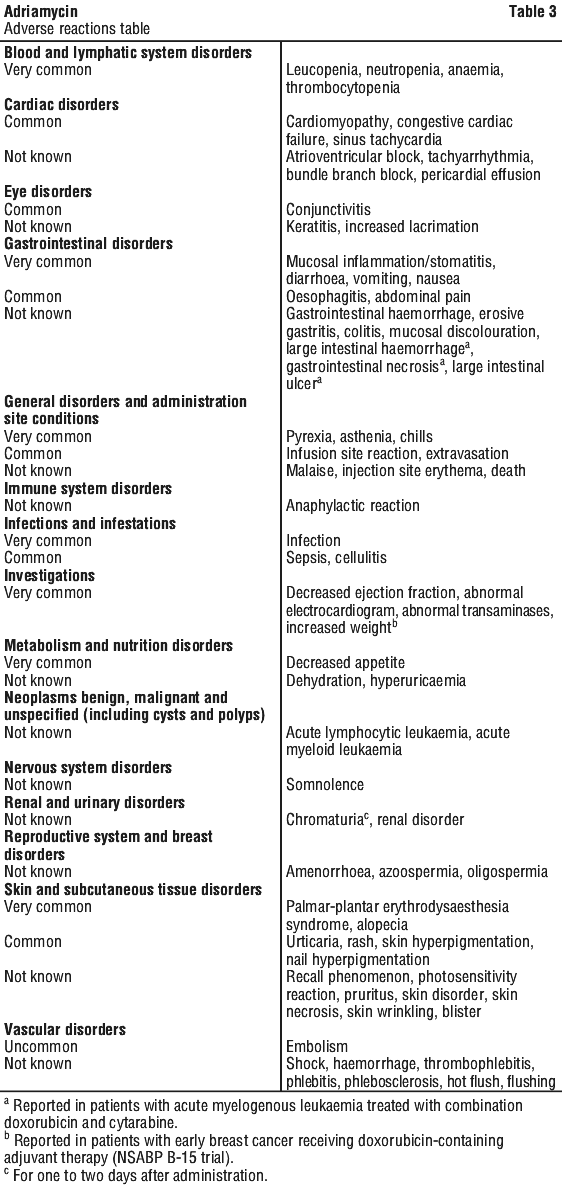
Adverse reactions reported in association with doxorubicin therapy are listed in Table 3 by MedDRA system organ class and by frequency. Frequencies are defined as: very common (≥ 10%), common (≥ 1%, < 10%), uncommon (≥ 0.1%, < 1%), rare (≥ 0.01%, < 0.1%), very rare (< 0.01%) and not known (cannot be estimated from available data).
Local reactions observed include chemical cystitis, contraction of the bladder, haematuria, painful micturition, frequency and urgency. These disturbances are transient.
Reporting suspected adverse effects. Reporting suspected adverse reactions after registration of the medicinal product is important. It allows continued monitoring of the benefit-risk balance of the medicinal product. Healthcare professionals are asked to report any suspected adverse reactions at www.tga.gov.au/reporting-problems.
4.9 Overdose
Acute overdose with doxorubicin will result in acute cardiac alterations, severe myelosuppression (mainly leucopenia and thrombocytopenia) and gastrointestinal toxic effects (mainly mucositis).
Delayed cardiac failure may occur up to six months after the overdosage. Patients should be observed carefully and, should signs of cardiac failure arise, be treated along conventional lines.
Single doses of 250 mg and 500 mg of doxorubicin have proved fatal. Such doses may cause acute myocardial degeneration within 24 hours and severe myelosuppression, the effects of which are greatest between 10 and 15 days after administration.
Toxic blood levels have not been established. Doxorubicin is highly protein bound, however, if haemoperfusion is initiated within minutes of an overdose, a reduction in serum levels can be achieved. Haemodialysis is unlikely to be effective.
There is no specific antidote for doxorubicin. Symptomatic supportive measures should be instituted. Support respiratory and cardiac function. Cardiac monitoring is recommended. Particular attention should be given to prevention and treatment of possible severe haemorrhages or infections secondary to severe, persistent bone marrow depression.
For information on the management of overdose, contact the Poisons Information Centre on 13 11 26 (Australia).
5 Pharmacological Properties
5.1 Pharmacodynamic Properties
Mechanism of action. Though not completely elucidated, the mechanism of action of doxorubicin is related to its ability to bind to DNA and inhibit nucleic acid synthesis. Cell culture studies have demonstrated rapid cell penetration and perinucleolar chromatin binding, rapid inhibition of mitotic activity and nucleic acid synthesis, mutagenesis and chromosomal aberrations.
Doxorubicin has immunosuppressive effects. It inhibits the titre of haemolytic and haemagglutinating antibodies in mice immunised with sheep red blood cells. Similar evidence in man indicates that doxorubicin is a powerful but temporary immunosuppressant agent. Doxorubicin is a cell cycle, phase nonspecific cytotoxic drug.
The toxic effects of doxorubicin on the bone marrow appear to be related to its action on proliferating myeloid cells. The cardiotoxicity of doxorubicin is probably mediated by different mechanisms. Although in animal systems doxorubicin does inhibit DNA synthesis in cardiac muscle, it is probable that cardiotoxicity is not directly related to inhibition of cardiac muscle replication. There are some data which suggest that it is due to the generation of free radicals, which damage cardiac muscle in some uncertain way. These data also suggest that concurrent administration of vitamin E and other free radical acceptors may prevent cardiotoxicity in experimental animal systems without impairing its antitumour efficacy. These studies need confirmation but they do suggest that it may be possible to divorce the antitumour effects of the drug from its cumulative cardiotoxic effects.
The specificity of doxorubicin toxicity appears to be related primarily to proliferative activity of normal tissue. Thus, bone marrow, gastrointestinal tract and gonads are the main normal tissues damaged.
Clinical trials. No data available.
5.2 Pharmacokinetic Properties
Absorption/distribution. Adriamycin is not suitable for oral administration as less than 5% of the drug is absorbed.
Pharmacokinetic studies show the intravenous administration of normal or radiolabelled Adriamycin (doxorubicin hydrochloride) for injection is followed by rapid plasma clearance and significant tissue binding. No information on plasma protein binding of doxorubicin is available. Doxorubicin does not cross the blood brain barrier.
Metabolism. The metabolism and disposition of doxorubicin is still to be defined. The drug is metabolised predominantly by the liver to adriamycinol and several aglycone metabolites. It should be noted that several of the metabolites are cytotoxic. However, it is not certain whether any are more cytotoxic than the parent compound. High levels of metabolites appear rapidly in plasma and undergo a distribution phase with a measurable short initial half-life. Metabolism may be impaired in patients with abnormal liver function.
The disappearance of doxorubicin and its metabolites from the plasma follows a triphasic pharmacokinetic pattern with a mean half-life of the first phase of 12 minutes, of a second phase of 3.3 hours, and a prolonged third phase of 29.6 hours.
Excretion. Urinary excretion, as determined by fluorimetric methods, accounts for approximately 4-5% of the administered dose in five days. Biliary excretion represents the major excretion route, 40-50% of the administered dose being recovered in the bile or the faeces in seven days. Impairment of liver function results in slower excretion and, consequently, increased retention and accumulation in plasma and tissues.
5.3 Preclinical Safety Data
Genotoxicity. Doxorubicin was genotoxic in a battery of in vitro or in vivo tests. An increase in the incidence of mammary tumours was reported in rats, and a trend for delay or arrest of follicular maturation was seen in female dogs. Doxorubicin and related compounds have been shown to have mutagenic properties when tested in experimental models.
Carcinogenicity. Doxorubicin and related compounds have been shown to have carcinogenic properties when tested in experimental models.
6 Pharmaceutical Particulars
6.1 List of Excipients
Hydrochloric acid, sodium chloride, water for injections.
6.2 Incompatibilities
Doxorubicin should not be mixed with other drugs. Contact with alkaline solutions should be avoided since this can lead to hydrolysis of doxorubicin. Adriamycin should not be mixed with heparin due to chemical incompatibility that may lead to precipitation.
Doxorubicin should not be mixed with fluorouracil (e.g. in the same IV infusion bag or at the Y-site of an IV infusion line) since it has been reported that these drugs are incompatible to the extent that a precipitate might form. If concomitant therapy with doxorubicin and fluorouracil is required, it is recommended that the IV line be flushed between the administration of these drugs.
6.3 Shelf Life
In Australia, information on the shelf life can be found on the public summary of the Australian Register of Therapeutic Goods (ARTG). The expiry date can be found on the packaging.
6.4 Special Precautions for Storage
Store at 2°C to 8°C (refrigerate, do not freeze). Protect from light.
The product contains no antimicrobial preservative. The single dose vials should be used in one patient on one occasion only. Discard any residue. The solution is to be stored under refrigeration (2-8°C) and should be protected from sunlight and retained in the carton until time of use.
The 100 mL vial is for use on one occasion for multi-dose dispensing only and any residue should be discarded. Dispensed solutions should be used as soon as practicable, otherwise store at 2°C to 8°C (Refrigerate. Do not freeze) and use within 24 hours.
Storage of Adriamycin at refrigerated conditions can result in the formation of a gelled product. This gelled product will return to a slightly viscous to mobile solution after two to a maximum of four hours equilibration at room temperature (15°C to 25°C).
6.5 Nature and Contents of Container
Adriamycin 10 mg/5 mL, 20 mg/10 mL, 50 mg/25 mL and 200 mg/100 mL are supplied in single polypropylene vials of 5 mL, 10 mL, 25 mL and 100 mL. The 100 mL vial is a pharmacy bulk pack for multi-dose use in a hospital only.
Adriamycin 50 mg/25 mL and 200 mg/100 mL are supplied in type I clear glass vials of 25 mL and 100 mL. The 100 mL vial is a pharmacy bulk pack for multi-dose use in a hospital only.
Not all presentations may be supplied.
6.6 Special Precautions for Disposal
In Australia, any unused medicine or waste material should be disposed of by taking to your local pharmacy.
6.7 Physicochemical Properties
Chemical structure.
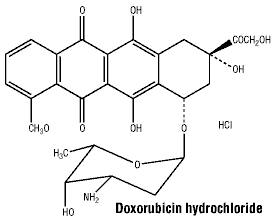
Molecular formula: C27H29NO11.HCl.
Molecular weight: 580.0.
CAS number. 25316-40-9.
Doxorubicin hydrochloride is an orange-red, crystalline, hygroscopic powder that is soluble in water and slightly soluble in methanol.
7 Medicine Schedule (Poisons Standard)
S4 - Prescription Only Medicine.
Date of First Approval
23 September 1991
Date of Revision
11 August 2023
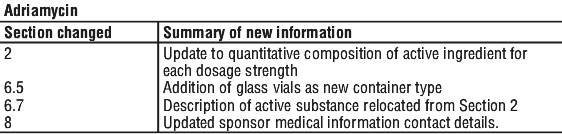
Summary Table of Changes
Reasonable care is taken to provide accurate information at the time of creation. This information is not intended as a substitute for medical advice and should not be exclusively relied on to manage or diagnose a medical condition. The Australian Commission on Safety and Quality in Health Care disclaims all liability (including for negligence) for any loss, damage, injury or any other negative effects resulting from reliance on or use of this information. Read our full disclaimer. This website uses cookies. Read our privacy policy.