
Air Liquide Healthcare Nitrous Oxide 100% v/v Medical Grade Gas Medicinal
Brand Information
| Brand name | Air Liquide Healthcare Nitrous Oxide 100% v/v Medical Grade Gas Medicinal |
| Active ingredient | Nitrous oxide |
| Schedule | S4 |
Consumer Medicine Information (CMI) leaflet
Please read this leaflet carefully before you start using the Air Liquide Healthcare Nitrous Oxide 100% v/v Medical Grade Gas Medicinal.
What is in this leaflet
This leaflet answers some common questions about nitrous oxide. It does not contain all the available information.
It does not take the place of talking to your doctor, anaesthetist, surgeon or dentist.
All medicines have risks and benefits. Your doctor or dentist has weighed the risks of you using nitrous oxide against the benefits they expect it will have for you.
If you have any concerns about using nitrous oxide, ask your doctor or dentist.
Keep this leaflet with you, you may want to read it again.
What Nitrous oxide is used for
Nitrous oxide is a gas used for general anaesthesia or pain relief.
It is usually given with another anaesthetic gas and oxygen during surgery via a tube placed down your throat by an anaesthetist or given with oxygen via a mask by your doctor or dentist.
Nitrous oxide works by causing unconsciousness (deep sleep) before and during surgery and by relieving pain for certain procedures.
Your doctor may prescribe nitrous oxide for another purpose. Ask your doctor if you have any questions about why nitrous oxide has been prescribed for you.
This medicine is available only with a doctor's prescription.
Before you use Nitrous oxide
When you must not use it
Do not use nitrous oxide if:
- You have an allergy to nitrous oxide or any other component in the gas or have had an allergic reaction in the past.
- You have a condition where air is entrapped within your body and it might expand when given nitrous oxide (eg bowel obstruction, blocked middle ear, following a recent dive). Ask your doctor for full details of these conditions.
- You have been using it for a prolonged period without proper monitoring of your blood.
- Do not use nitrous oxide without the necessary amount of oxygen.
- You are intoxicated.
- You have recently had any surgery on our eyes or ears where injections of gas have been used.
Do not use nitrous oxide if the cylinder is damaged or shows signs of tampering or it has degraded.
Before you start to use it
You must tell your doctor or dentist if:
- You are allergic to any other medicines, foods, dyes or preservatives.
- You have had a reaction to nitrous oxide or any other general anaesthetic or pain relief medication in the past.
- You have had a general anaesthetic or surgery in the past.
- You have or have had any other health problems or medical conditions, including:
- A condition known as malignant hyperthermia or a family history of it.
- Low blood pressure
- Low vitamin B12 levels
- Problems with addiction to medicines
- Bone marrow problems including various cells in the blood
- Neurological diseases
- Conditions in which air is entrapped within the body
- You are pregnant or intend to become pregnant.
Your doctor or dentist will discuss the risks and benefits of using nitrous oxide when pregnant.
- You are breastfeeding or wish to breastfeed.
Your doctor or dentist will discuss the risks and benefits of using nitrous oxide when breastfeeding.
- Care should be taken when using nitrous oxide as it is stored under high pressure in gas cylinders. Contact with eyes or skin may result in cold burns.
There are also safe working exposure levels and important storage instructions. Please discuss these with your doctor if you have any questions.
- You have had long term usage or been chronically exposed to nitrous oxide.
- You have had eye surgery within the last four weeks and a gas was used in your eye during the procedure.
Taking other medicines
Tell your doctor or dentist if you are taking any other medicines, including medicines you buy without a prescription from a pharmacy, supermarket or health food shop.
Some commonly used medicines that may interfere with nitrous oxide include:
- Pain relievers
- Anaesthetics
- Methotrexate
- Medicines which may affect your nervous system
- Medicines which may interfere with Vitamin B12 and/or folate metabolism
These medicines may be affected by nitrous oxide or may affect how well it works. You may need to take different amounts of your medicine or you may need to take different medicines.
Some medicines may affect the way others work. Ask what to do when using nitrous oxide with other medicines.
Your doctor may have more information on medicines to avoid while using nitrous oxide.
If you have not told your doctor about any of the above, tell them before you start using nitrous oxide.
How to use Nitrous oxide
Nitrous oxide should only be used under the supervision of your doctor or dentist.
How much to use and how to use it
The amount of nitrous oxide given to you will be decided by your doctor or dentist, depending on the amount of pain relief or sleep required. It is usually given to you by breathing it through a mask or by a tube placed down your throat during surgery.
If you are elderly or have lung problems, you may need a lower amount of nitrous oxide.
Follow all directions given to you by your doctor or dentist carefully.
These directions may differ from the information contained in this leaflet.
If you do not understand the instructions, ask your doctor for help.
How long to use it
Your doctor will decide for how long you need to use nitrous oxide.
If you use too much (overdose)
As nitrous oxide is most likely to be given to you in hospital under the direction of your doctor, it is very unlikely you will receive an overdose.
However, if this happened, quick action can be taken to maintain your breathing and replace the nitrous oxide with more oxygen.
If you have any questions then ask your doctor.
After you have used Nitrous oxide
Things you must not do
Following a general anaesthetic:
Do not drive or operate machinery for at least 24 hours after using nitrous oxide.
General anaesthetics may cause a slight decrease in intellectual function and alertness for 2 to 3 days in some people.
Ask your doctor when it is safe for you to drive, operate machinery or perform activities following the use of nitrous oxide.
Following analgesia:
Ask your doctor or dentist when it is safe for you to drive, operate machinery or perform activities following the use of nitrous oxide.
Side effects
Tell your doctor or dentist as soon as possible if you do not feel well while you are using nitrous oxide.
Nitrous oxide may have unwanted side effects in some people. All medicines can have side effects. Sometimes they are serious, most of the time they are not. You may need medical treatment if you get some of the side effects.
Ask your doctor any questions you may have.
Rare cases of respiratory depression in newborns have been observed, when using nitrous oxide close to delivery, newborns should be supervised for possible side effects.
Tell your doctor or dentist if you notice any of the following and they worry you:
- Nausea, vomiting
- Headache, dizziness, drowsiness
These side effects are usually mild.
Tell your doctor or dentist immediately if you notice any of the following:
- Confusion, excitation and depression of the central nervous system
- Breathing problems
- Anxiety, agitation, disorientation, hallucination
- Heart problems
- Pins and needles, changes in sensation
- Blood disorders,
- Seizures
- Abdominal pain, bloating
- Addiction
- Impaired vision
- Ear pain
- Vitamin B12 deficiency
These are serious side effects.
You may need urgent medical attention. Serious side effects are rare. Other side effects may occur as a result of your operation or other medications and anaesthetics received so check with your doctor or dentist if you have any concerns.
If any of the above occur, tell your doctor or dentist immediately or go to casualty at your nearest hospital.
Other side effects not listed above may also occur in some patients.
Tell your doctor or dentist if you notice anything else that is making you feel unwell.
Ask your doctor or dentist if you don’t understand anything in this list.
Do not be alarmed by this list of possible side effects. You may not experience any of them.
After using Nitrous oxide
Storage
Nitrous oxide is stored at ambient temperature in cylinders by your doctor or hospital under specific instructions.
Disposal
All cylinders are the property of the manufacturer as indicated on the label. All cylinders are returnable to the manufacturer
Product Description
What it looks like
Nitrous oxide is a clear, colourless, slightly sweet smelling, non-irritating gas supplied in a cylinder with a white body and a ultramarine shoulder.
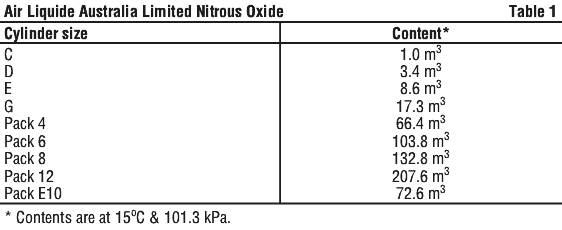
Single cylinders are available in Cylinder sizes C (1.0 m3), D (3.4 m3), E (8.6 m3) and G (17.3 m3).
Manifolded packs are available in 4, 6, 8, 12 & E10 size cylinder configurations.
Air Liquide Healthcare can create packages to suit a customer’s specific needs.
Ingredients
Active Ingredient
Nitrous oxide- 98% v/v min
Sponsor
Air Liquide Healthcare Pty Ltd
Level 4, Suite 4
247 Coward Street
Mascot, NSW 2020
Australian Registration Number
AUST R 32747 (Compressed Medical Nitrous Oxide)
This leaflet was prepared on November 2022.
Brand Information
| Brand name | Air Liquide Healthcare Nitrous Oxide 100% v/v Medical Grade Gas Medicinal |
| Active ingredient | Nitrous oxide |
| Schedule | S4 |
MIMS Revision Date: 01 March 2023
1 Name of Medicine
Nitrous oxide.
2 Qualitative and Quantitative Composition
Complies with the requirements of the current European Pharmacopoeia monograph for nitrous oxide, N2O.
Nitrous oxide: 98.0% v/v minimum.
Carbon dioxide: 300 ppm v/v maximum.
Carbon monoxide: 5 ppm v/v maximum.
Oxides of nitrogen (NO/NO2): 2 ppm v/v maximum.
Water (vapour): 67 ppm v/v maximum.
Sweet smelling colourless non-irritating gas.
Nitrous oxide is not very soluble in water and has a low solubility in blood and tissues.
3 Pharmaceutical Form
Compressed medical gas (for medicinal use only).
4 Clinical Particulars
4.1 Therapeutic Indications
Nitrous oxide is indicated in adults and children for:
i. general anaesthesia, usually as an adjuvant to other volatile or intravenous anaesthetics;
ii. analgesia (with oxygen) e.g. dentistry and obstetrics.
4.2 Dose and Method of Administration
Routes of administration. Nitrous oxide is inhaled through a face mask or tracheal tube by means of an anaesthetic apparatus. The gas is breathed in by the patient and absorbed through the lungs. Nitrous oxide should only be administered by medical personnel trained in the appropriate techniques. Cylinders should only be used in conjunction with medicinal nitrous oxide gas pressure regulators.
Premedication. Premedication should be selected according to the needs of the individual patient and in consideration of the respiratory depressant effect of nitrous oxide.
General anaesthesia. The use of nitrous oxide in general anaesthesia is mainly as an adjuvant to other volatile inhalational anaesthetics. Its use as the sole anaesthetic agent can lead to hypoxia and inadequate depth of anaesthesia. In the average adult, nitrous oxide is administered by inhalation through a suitable anaesthetic apparatus in concentrations up to 70% with oxygen as the balance. The concentration of nitrous oxide administered during maintenance of anaesthesia must be individualised depending upon the condition of the patient and supplemental medications administered. The concentrations required in children must be individualised. The inspired concentration of oxygen may need to be increased in elderly patients or those with pulmonary disease. The efflux of nitrous oxide from the tissues via the lungs at the end of anaesthesia may lead to diffusion hypoxia if supplemental oxygen is not administered.
Analgesia. In the average adult, nitrous oxide is administered by inhalation through a suitable face mask in concentrations up to 50% with oxygen as the balance. The concentrations required in children must be individualised.
Check the following before use. Operability of oxygen mixing apparatus and availability of oxygen.
Dispensing equipment connection matches cylinder valve pin index outlet.
Cylinder pressure is not an indicator of quantity remaining in the cylinder until all liquid has vapourised. Measure contents by weight.
4.3 Contraindications
Common to analgesia and anaesthesia. When 100% oxygen ventilation is required.
Nitrous oxide should not be administered without the required level of oxygen (at least 30%). Hypersensitivity to nitrous oxide or any other component in the gas is a contraindication.
Nitrous oxide should not be used with any condition where air is entrapped within a body and where its expansion might be dangerous, such as: the presence of intracranial air; head injury; artificial, traumatic or spontaneous pneumothorax; gas embolism; decompression sickness; following a recent dive; severe bullous emphysema; during myringoplasty; occluded middle ear; inner ear; ear surgery; cysts; gross abdominal distension; maxillofacial injuries; following air encephalography; following cardiopulmonary bypass and if air has been injected into the epidural space to determine the placement of the needle for epidural anaesthesia.
Patients having received recent intraocular injection of gas (such as SF6, C3F8, C2F6) as long as an intraocular gas bubble persists or within 3 months after the last injection of an intraocular gas. The expansion of an intraocular gas bubble by nitrous oxide can cause severe visual impairment (see Section 4.5 Interactions with Other Medicines and Other Forms of Interactions; Section 4.8 Adverse Effects (Undesirable Effects)).
Nitrous oxide should not be used on intoxicated patients.
Specific to analgesia. Any altered state of consciousness, preventing the patient from cooperating.
4.4 Special Warnings and Precautions for Use
Asphyxia. A simple asphyxiant in the absence of oxygen. Classified as hazardous according to the criteria of Worksafe Australia.
Scavenging. Scavenging of waste nitrous oxide gas should be used to reduce operating theatre and equivalent treatment room levels to a level below 25 ppm exposure limit of nitrous oxide (Worksafe exposure standard TLV TWA). Rescue personnel are advised to monitor nitrous oxide concentration before entering confined spaces and poorly ventilated areas which have been contaminated by a nitrous oxide leak. Chronic occupational exposure to nitrous oxide may lead to bone marrow or neurological impairment (see Section 4.6 Fertility, Pregnancy and Lactation).
Rooms in which nitrous oxide is used must be equipped with a satisfactory scavenging or ventilation system to maintain nitrous oxide levels in the room to a minimum and below the Australian occupational exposure limits.
Common to analgesia and general anaesthesia. Nitrous oxide causes inactivation of vitamin B12 (a co-factor of methionine synthase) which interferes with folate metabolism. Assessment of vitamin B12 levels should be considered in people with risk factors for vitamin B12 deficiency prior to using nitrous oxide. Haematological assessment should include assessment for megaloblastic change in red cells and hypersegmentation of neutrophils. Neurological toxicity can occur without anaemia or macrocytosis and with vitamin B12 levels in the normal range.
Risk factors may include alcoholic patients, patients suffering from anaemia, or atrophic gastritis, those with a vegetarian diet, or concurrent use of medications that interfere with vitamin B12 and/or folate metabolism (see Section 4.5 Interactions with Other Medicines and Other Forms of Interactions; Section 4.8 Adverse Effects (Undesirable Effects)).
There is also evidence that vitamin B12 deficiency is associated with depression, organic psychosis.
In the event of obstruction of the Eustachian tube, an earache and/or middle ear disorders and/or a tympanic rupture may be observed with the increase in pressure in the tympanic cavity. (See Section 4.8 Adverse Effects (Undesirable Effects).)
Intracranial pressure must be monitored closely in patients diagnosed and/or at risk of intracranial hypertension as an increase of intracranial pressure has been observed during the administration of nitrous oxide in some patients with intracranial disorders. (See Section 4.8 Adverse Effects (Undesirable Effects).)
Nitrous oxide has not been known to trigger malignant hyperthermia (see Section 4.8 Adverse Effects (Undesirable Effects)).
Evaporating liquid contact with eyes and skin may cause cold burns.
Nitrous oxide is non-flammable but strongly supports combustion (including some materials which do not normally burn in air). It is highly dangerous when nitrous oxide comes into contact with oils, greases and tarry substances due to the risk of spontaneous combustion.
Specific to anaesthesia. When nitrous oxide is used in conjunction with other volatile or intravenous anaesthetic agents, the MAC of those agents may be reduced by up to 50%.
At the end of nitrous oxide/oxygen anaesthesia, ventilation with air may lead to diffusion hypoxia due to the ongoing elimination of nitrous oxide in the alveoli lowering the oxygen partial pressure. Diffusion hypoxia may be minimised by washing out the nitrous oxide with oxygen at the conclusion of the anaesthetic and providing oxygen via facemask for at least 20 minutes while the patient is recovering.
Nitrous oxide should never be given with less than 21% oxygen. At high altitude or in the presence of disorders affecting oxygenation, the amount of nitrous oxide required will vary.
Nitrous oxide passes into gas containing spaces in the body faster than nitrogen passes out. Prolonged anaesthesia may result in bowel distension and expansion of other non-vented gas containing cavities.
Nitrous oxide should be used with caution in patients with severe hypotension or those at risk of vitamin B12 deficiency. In patients with undiagnosed subclinical deficiency of vitamin B12 neurological toxicity has occurred after single exposures to nitrous oxide during general anaesthesia (see Section 4.5 Interactions with Other Medicines and Other Forms of Interactions; Section 4.8 Adverse Effects (Undesirable Effects)).
Specific to analgesia. When administered with oxygen, self administration should be preferred to allow the assessment of the level of consciousness.
Attentive monitoring is required in patients taking concomitantly central nervous system depressant drugs and in particular opiates and benzodiazepines, because of the increased risk of deep sedation (see Section 4.5 Interactions with Other Medicines and Other Forms of Interactions).
Addiction. Addiction and abuse of nitrous oxide have been reported. Delirium has been reported upon withdrawal.
Caution should be exercised in people with a known history of substance abuse in healthcare professionals with occupational exposure to nitrous oxide.
Abuse, misuse and diversion. Due to euphoric effects of nitrous oxide (see Section 4.8 Adverse Effects (Undesirable Effects)), nitrous oxide may be sought and abused for recreational use.
Long term use. Care should be taken with long term usage of nitrous oxide. Chronic exposure to nitrous oxide, such as in abuse, can inactivate vitamin B12 and may result in polyneuropathy, megaloblastic anaemia, bone marrow depression and reproductive effects (see Section 4.8 Adverse Effects (Undesirable Effects)). A full blood examination should be performed in abusers, professionals chronically exposed and patients receiving ongoing therapy for evidence of megaloblastic change in red blood cells and hypersegmentation of neutrophils.
After inhaling nitrous oxide for 5-7 days, leucopenia and megaloblastic anaemia have been described, in some case fatal. A polyneuritic type of neuropathy and spinal cord sclerosis can appear during chronic administration of high concentrations of nitrous oxide. Where there is prolonged exposure, monitoring of peripheral blood for features of megaloblastic anaemia and leucopenia is recommended.
Vitamin B12 supplements should be given in the case of repeated and prolonged administration.
Use of gas cylinders. Care is needed in the handling and use of medicinal nitrous oxide gas cylinders. Nitrous oxide is stored in high pressure gas cylinders as a liquid under pressure at ambient temperatures. Rapid opening of the valve and sustained high flow rates can cause the discharged gas to re-liquefy.
This liquid can cause cold burns if in contact with the eyes or skin. Cylinders should be used in the vertical position with the valve uppermost. If not, liquid may be discharged when the valve is opened.
Additional information is contained in the Safety Data Sheet for medicinal nitrous oxide from the sponsor.
Occupational exposure standard. Worksafe exposure standard TLV TWA is 25 ppm.
Cold burns. Burns should not occur if the product is administered correctly (see Section 4.9 Overdose, Accidental contact).
Use in the elderly. The inspired concentration of oxygen may need to be increased in elderly patients or those with pulmonary disease.
Paediatric use. The concentrations required in children must be individualised.
Nitrous oxide may in rare cases cause respiratory depression in the neonate. The neonate should be checked for possible respiratory depression when nitrous oxide is used around childbirth.
Paediatric neurotoxicity. Some published studies in children have observed cognitive deficits after repeated or prolonged exposure to anaesthetic agents early in life. These studies have substantial limitations, and it is not clear if the observed effects are due to the anaesthetic/analgesic/sedation drug administration or other factors such as the surgery or underlying illness.
Published animal studies of some anaesthetic/analgesic/sedation drugs have reported adverse effects on brain development in early life and late pregnancy. The clinical significance of these nonclinical finding is yet to be determined.
With inhalation or infusion of such drugs, exposure is longer than the period of inhalation or infusion. Depending on the drug and patient characteristics, as well as dosage, the elimination phase may be prolonged relative to the period of administration.
Effects on laboratory tests. There are no known significant effects on laboratory tests, other than those associated with megaloblastic anaemia.
4.5 Interactions with Other Medicines and Other Forms of Interactions
Nitrous oxide reduces the amount of volatile anaesthetics required for anaesthesia when administered concomitantly.
Nitrous oxide and CNS depressants may lead to increased CNS depression, increased respiratory depression and increased hypotensive effects.
Nitrous oxide and opioids together may lead to further circulatory depression. High dose fentanyl with nitrous oxide may decrease heart rate and cardiac output.
Nitrous oxide potentiates the effects of methotrexate on folate metabolism, leading to stomatitis and myelosuppression.
The use of nitrous oxide interacts in synergy with methotrexate on folate metabolism, yielding increased toxicity such as severe, unpredictable myelosuppression, stomatitis and neurotoxicity, following methotrexate administration including intrathecal routes.
The uptake of an inhalational anaesthetic from the lungs is accelerated by the uptake of nitrous oxide when administered concomitantly. This is known as the second gas effect.
Combinations which are contraindicated. Common to analgesia and anaesthesia. Patients having received recent intraocular injection of gas (such as SF6, C3F8, C2F6) as long as an intraocular gas bubble persists or within 3 months after the last injection of an intraocular gas. The expansion of an intraocular gas bubble by nitrous oxide can cause severe visual impairment (see Section 4.3 Contraindications; Section 4.8 Adverse Effects (Undesirable Effects)).
Combinations requiring precautions for use. Common to analgesia and anaesthesia. Medications that interfere with vitamin B12 and/or folate metabolism can potentiate the inactivation of vitamin B12 by nitrous oxide (see Section 4.4 Special Warnings and Precautions for Use; Section 4.8 Adverse Effects (Undesirable Effects)).
Specific to analgesia. Potentialisation of hypnotic effects of central nervous system depressant drugs (opiates, benzodiazepines and other psychotropic drugs) may occur when combined with nitrous oxide (see Section 4.4 Special Warnings and Precautions for Use).
4.6 Fertility, Pregnancy and Lactation
Effects on fertility. The germ cells of mice exposed to nitrous oxide for 14 weeks (50% nitrous oxide, 4 hours/day) showed no evidence of toxic effects due to nitrous oxide.
The fecundity of female dental assistants was reduced by 60% for those women working greater than or equal to 5 hours per week with unscavenged nitrous oxide. Similarly, fecundity was reduced in a Swedish study of midwives in those women assisting at more than 30 deliveries per month.
Use in pregnancy. (Category A)
All general anaesthetics carry the potential to produce central nervous system and respiratory depression in the newborn infant. In routine practice this does not appear to be a problem.
However, in the compromised fetus, careful consideration should be given to this potential depression and to the selection of particular anaesthetic drugs, doses and techniques.
Inhalation anaesthetics cross the placenta. Treatment of rats with nitrous oxide (75% or 60% for each 24 hour period during organogenesis) resulted in increased incidences of resorptions (days 8 and 11 of gestation), visceral abnormalities (day 8, right sided aortic arch and left-sided umbilical artery) and minor skeletal anomalies (days 8 and 9). Increased rates of resorptions, decreased fetal size and skeletal abnormalities have been reported in rats exposed to nitrous oxide concentrations of 0.1% throughout gestation. There were no adverse effects on the fetuses of mice exposed to 50% nitrous oxide during organogenesis.
There was no evidence of teratogenic effects in pregnant women exposed to single, brief anaesthetic exposure to nitrous oxide during pregnancy.
When nitrous oxide is used close to delivery, newborns should be supervised for possible adverse effects (see Section 4.4 Special Warnings and Precautions for Use; Section 4.8 Adverse Effects (Undesirable Effects)).
Studies of operating room personnel chronically exposed to low concentrations of inhalation anaesthetics show that pregnancies in female personnel and the wives of male personnel may be subject to increased incidences of spontaneous abortions, stillbirths and possibly birth defects. However, the methods used in obtaining and interpreting the data in these studies have been questioned. Studies on dental staff's exposure to anaesthetic gases had conflicting results. One study showed an increased risk of spontaneous abortion among dental assistants exposed to nitrous oxide. Another showed no increased risk for dental assistants either practising in private clinics or working in dental school services (OR 0.4). Others demonstrated increased risk of spontaneous abortion among dental assistants exposed to nitrous oxide for 3 or more hours weekly in places without scavenging systems. A study of Swedish midwives exposed to nitrous oxide in more than 50% of deliveries showed no increased risk of spontaneous abortion (OR 0.95). The effect of scavenging was excluded because many midwives were unsure about whether such equipment had been present in the delivery rooms. Several animal studies (in which operating room conditions were simulated) have failed to show fetotoxic or teratogenic effects following chronic exposure of male and/or female animals to low concentrations of inhalation anaesthetics prior to and/or during gestation.
Published animal studies of some anaesthetic/analgesic/sedation drugs have reported adverse effects on brain development in early life and late pregnancy.
Published studies in pregnant and juvenile animals demonstrate that the use of anaesthetic/analgesic and sedation drugs that block NMDA receptors and/or potentiate GABA activity during the period of rapid brain growth or synaptogenesis may result in neuronal and oligodendrocyte cell loss in the developing brain and alterations in synaptic morphology and neurogenesis when used for longer than 3 hours. These studies included anaesthetic agents from a variety of drug classes.
Use in lactation. It is not known whether this drug is excreted in human milk. Because many drugs are excreted in human milk, caution should be exercised when nitrous oxide is administered to a nursing woman.
4.7 Effects on Ability to Drive and Use Machines
Nitrous oxide is rapidly eliminated but it is recommended that driving, use of machinery and other psychomotor activities should not be undertaken until 24 hours have elapsed after nitrous oxide anaesthesia. General anaesthetics may cause a slight decrease in intellectual function for two to three days following anaesthesia.
After stopping administration of nitrous oxide and in particular after prolonged administration, outpatients who must drive or use machines should be monitored until they have recovered the same state of alertness as before administration.
4.8 Adverse Effects (Undesirable Effects)
Specific adverse effects to analgesia are mentioned in the list with *.
General. Cold burns (see Section 4.9 Overdose, Accidental contact).
Nitrous oxide passes into all gas containing spaces in the body faster than nitrogen passes out. Use of nitrous oxide may result in expansion and/or increase pressure of non-vented gas containing cavities.
Addiction.
Cardiovascular. Cardiovascular depression, hypotension, arrhythmia, increased pulmonary vascular resistance.
Respiratory. Hypoxia, diffusion hypoxia, asphyxia, respiratory depression in the neonate (see Section 4.4 Special Warnings and Precautions for Use).
Neurological. Headache, dizziness, confusion, disorientation, CNS excitation and depression, raised intracranial pressure, anxiolytic effects, excessive sedation*, euphoria, neuropathy, generalised seizures, drowsiness, paraesthesia. Exceptionally heavy occupational exposure and addiction have resulted in myeloneuropathy and subacute combined degeneration of the cord.
Psychiatric. Agitation*, anxiety*, hallucinations*, dream*.
Gastrointestinal. Nausea, vomiting, bowel distension following prolonged anaesthesia.
Haematological. Severe megaloblastic anaemia, pancytopenia (observed in predisposing circumstances (cobalamin deficiency, substance abuse)), leucopenia/ agranulocytosis (observed after very high and prolonged exposure for tetanus treatment in the 50's.
Eye disorders. Severe visual impairment caused by expansion of an intraocular gas (see Section 4.3 Contraindications; Section 4.5 Interactions with Other Medicines and Other Forms of Interactions).
Ear and labyrinth disorders. Ear pain, middle ear disorders, tympanic rupture (in the event of obstruction of the eustachian tube (see Section 4.4 Special Warnings and Precautions for Use).
Metabolism and nutritional disorders. Vitamin B12 deficiency disorders (see Section 4.4 Special Warnings and Precautions for Use; Section 4.5 Interactions with Other Medicines and Other Forms of Interactions).
Pregnancy and lactation. See Section 4.6 Fertility, Pregnancy and Lactation.
Prolonged occupational exposure to high levels of nitrous oxide may affect a woman's ability to become pregnant.
Addiction and abuse of nitrous oxide have been reported.
Reporting suspected adverse effects. Reporting suspected adverse reactions after registration of the medicinal product is important. It allows continued monitoring of the benefit-risk balance of the medicinal product. Healthcare professionals are asked to report any suspected adverse reactions at www.tga.gov.au/reporting-problems.
4.9 Overdose
Symptoms and signs. Inappropriate or deliberate inhalation of nitrous oxide will ultimately result in unconsciousness, passing through stages of increasing light-headedness and intoxication, and, if the person were to be within a confined space, death from anoxia could result.
Other signs may include: cyanosis, bradycardia, respiratory depression, cardiovascular depression and severe hypotension.
Treatment. In general anaesthesia, in case of overdosage (inhaled nitrous oxide above 70%), hypoxia symptoms could occur. Under these circumstances the inhaled nitrous oxide fraction should be reduced and if appropriate, specific measures taken by the anesthesiologist.
There is no specific antidote. Treatment measures include: discontinuation of nitrous oxide, basic life support, assisted or controlled ventilatory support with oxygen and other symptomatic and supportive treatment.
Accidental contact. Local pain usually warns of freezing, but sometimes no pain is felt or is short lived. Frozen tissues are painless and appear waxy, with a pale yellowish colour. Thawing of the frozen tissue can cause intense pain. Shock may occur if the area is large. Loosen any clothing that may restrict circulation and seek immediate hospital attention for all but the most superficial injuries. Do not apply direct heat to the affected parts, but if possible place the affected part in lukewarm water. Sterile dry dressings should be used to protect damaged tissues from infection or further injury, but they should not restrict circulation. Alcohol and cigarettes should not be given.
For information on the management of overdose, contact the Poisons Information Centre on 131126 (Australia).
5 Pharmacological Properties
5.1 Pharmacodynamic Properties
Mechanism of action. Nitrous oxide is an inhalational anaesthetic. The MAC (Minimum Alveolar Concentration) in oxygen is greater than 100%.
Nitrous oxide has analgesic and weak anaesthetic properties. It has no dose related muscle relaxant effect. Onset and recovery from its effects are relatively rapid. Pain reduction may be achieved at a concentration of around 25% whilst a concentration of about 70% is usually needed to produce unconsciousness.
Nitrous oxide alone may increase pulse rate and have depressant effects on respiration.
Clinical trials. No data available.
5.2 Pharmacokinetic Properties
Absorption. Nitrous oxide is rapidly absorbed via inhalation.
Distribution. The alveolar concentration of N2O rises rapidly due to its low blood:gas partition coefficient. Likewise, its elimination is very rapid.
The blood:gas partition coefficient of nitrous oxide at 37°C is 0.47 compared with that of nitrogen of 0.015 causing nitrous oxide to expand into internal gas spaces.
Metabolism. The metabolism of nitrous oxide is minimal.
Excretion. Nitrous oxide is eliminated from the body mostly by the lungs.
5.3 Preclinical Safety Data
Genotoxicity. Nitrous oxide gave mixed results in limited assays for genotoxicity. In assays for gene mutations nitrous oxide was negative in the Ames test and sex-linked recessive lethal assay in Drosophila melanogaster, but was positive in Chinese hamster lung cells. The potential to cause chromosomal damage has not been investigated. An increased frequency of chromosomal aberrations was observed in bone marrow cells and spermatogonia of rats treated with a mixture of nitrous oxide and halothane. Nitrous oxide also caused an increased incidence of sister chromatid exchanges (SCE) in human lymphocytes in vitro.
Clinical studies have suggested that nitrous oxide may be associated with genotoxic events. DNA strand breaks were reported in surgical patients treated with isoflurane-nitrous oxide-oxygen, 1 day after surgery. An increased frequency of SCE, but not micronuclei, was found in the lymphocytes of operating room personnel exposed to nitrous oxide and isoflurane. An increase in SCE was also found in operating room personnel exposed to halothane and nitrous oxide.
Carcinogenicity. Nitrous oxide was tested for carcinogenic potential in rats and mice. No carcinogenic effect was seen in mice exposed to nitrous oxide (40%, 4 hours per day) or rats exposed to low concentrations of halothane-nitrous oxide (10 ppm:500 ppm, 7 hours per day).
6 Pharmaceutical Particulars
6.1 List of Excipients
See Section 2 Qualitative and Quantitative Composition.
6.2 Incompatibilities
Incompatibilities were either not assessed or not identified as part of the registration of this medicine.
6.3 Shelf Life
In Australia, information on the shelf life can be found on the public summary of the Australian Register of Therapeutic Goods (ARTG). The expiry date can be found on the packaging.
6.4 Special Precautions for Storage
Cylinders should be kept out of the reach of children.
The normal precautions required in the storage and use of medical gas cylinders are applicable. Please refer to Commonwealth, State and Territory Dangerous Goods legislation and the appropriate Australian Standards e.g. AS4332. Cylinders should be stored away from sources of ignition, poisons, flammable or combustible materials.
They should be stored upright, in a secure area, below 45°C, in a dry well-ventilated area constructed of non-combustible material with a firm, level floor (preferably concrete) away from heavy traffic and emergency exits.
Nitrous oxide is non-flammable but strongly supports combustion (including some materials which do not normally burn in air). It is highly dangerous when nitrous oxide comes into contact with oils, greases and tarry substances due to the risk of spontaneous combustion.
6.5 Nature and Contents of Container
Medicinal Nitrous Oxide is supplied as a compressed liquid in pressurized cylinders made of aluminium or steel and fitted with a pin index valve.
Cylinder colour. Medicinal Nitrous Oxide is supplied in a cylinder with a white body and ultramarine shoulder. See Table 1.
Cylinders must be fitted with an appropriate pressure-reducing device (e.g. regulator).
Do not use Medicinal Nitrous Oxide if the cylinder is damaged or has the tamper evident seal removed when in full storage.
When in use ensure Medicinal Nitrous Oxide cylinders are:
Used only for medicinal purposes.
Moved using handing devices or trolley appropriate to the cylinder size.
Handled with care and not knocked violently or allowed to fall.
Secured to a suitable cylinder support when in use.
Not used in the vicinity of persons smoking or near naked lights or flames.
When empty ensure:
The cylinder valve is closed using only moderate force and the pressure in the regulator is released.
Replace valve caps where fitted.
Returned to the empty cylinder storage area.
6.6 Special Precautions for Disposal
In Australia, any unused medicine or waste material should be disposed of in accordance with local requirements.
6.7 Physicochemical Properties
Chemical structure. Nitrous oxide, N2O is a linear but asymmetrical molecule of the form:

Physical state in the cylinder: High pressure liquefied gas at ambient temperature.
Boiling point: -88.5°C (at 101.3 kPa).
Density of the gas at 15°C and 101.3 kPa: 1.824 kg/m3.
Combustion characteristics: Non-flammable, strongly supports combustion.
Critical temperature: 36.4°C.
Nitrous oxide is an oxidizing substance that will support combustion of materials that may not normally burn in air. The molecule is stable and comparatively unreactive at ordinary temperatures and pressures. At elevated temperatures it decomposes to nitrogen and oxygen. Nitrous oxide will react with powerful reducing agents such as phosphine, stannous chloride and hydrogen. Rust and other impurities, especially oil and grease may cause ignitions.
CAS number. 10024-97-2.
7 Medicine Schedule (Poisons Standard)
Schedule 4 (Therapeutic Use).
Date of First Approval
01 November 2001
Date of Revision
15 November 2022
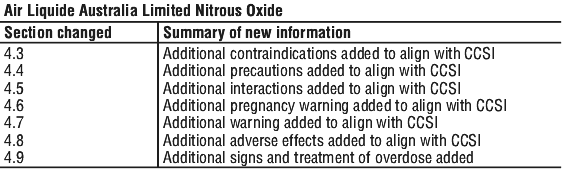
Summary Table of Changes
Reasonable care is taken to provide accurate information at the time of creation. This information is not intended as a substitute for medical advice and should not be exclusively relied on to manage or diagnose a medical condition. The Australian Commission on Safety and Quality in Health Care disclaims all liability (including for negligence) for any loss, damage, injury or any other negative effects resulting from reliance on or use of this information. Read our full disclaimer. This website uses cookies. Read our privacy policy.