
Akynzeo
Brand Information
| Brand name | Akynzeo |
| Active ingredient | Netupitant + Palonosetron |
| Schedule | S4 |
Consumer Medicine Information (CMI) leaflet
Please read this leaflet carefully before you start using the Akynzeo.
Summary CMI
AKYNZEO®
Consumer Medicine Information (CMI) summary
The full CMI on the next page has more details. If you are worried about using this medicine, speak to your doctor or pharmacist.
1. Why am I using AKYNZEO?
AKYNZEO is a combination medicine which contains two active ingredients, netupitant and palonosetron. AKYNZEO is used to prevent nausea (feeling sick) and vomiting caused by cancer chemotherapy in adult patients.
For more information, see Section 1. Why am I using AKYNZEO? in the full CMI.
2. What should I know before I use AKYNZEO?
Do not use if you have ever had an allergic reaction to palonosetron, netupitant or any of the ingredients listed at the end of the CMI.
Talk to your doctor if you have any other medical conditions, take any other medicines, or are pregnant or plan to become pregnant or are breastfeeding.
For more information, see Section 2. What should I know before I use AKYNZEO? in the full CMI.
3. What if I am taking other medicines?
Some medicines may interfere with AKYNZEO and affect how it works.
A list of these medicines is in Section 3. What if I am taking other medicines? in the full CMI.
4. How do I use AKYNZEO?
- The recommended dose is one capsule by mouth, one hour before you start your chemotherapy cycle.
More instructions can be found in Section 4. How do I use AKYNZEO? in the full CMI.
5. What should I know while using AKYNZEO?
| Things you should do |
|
| Things you should not do |
|
| Driving or using machines |
|
| Looking after your medicine |
|
For more information, see Section 5. What should I know while using AKYNZEO? in the full CMI.
6. Are there any side effects?
The most common side effects of AKYNZEO are headache, constipation and fatigue. The serious and rare side effects of AKYNZEO are severe stomach pain, slow, fast or irregular heartbeat, dizziness or feeling light headed, or serious allergic reaction.
For more information, including what to do if you have any side effects, see Section 6. Are there any side effects? in the full CMI.
Full CMI
AKYNZEO®
Active ingredient(s): netupitant (ne-TU-pi-tant) and palonosetron (pa-la-NOS-etron)
Consumer Medicine Information (CMI)
This leaflet provides important information about using AKYNZEO. You should also speak to your doctor or pharmacist if you would like further information or if you have any concerns or questions about using AKYNZEO.
Where to find information in this leaflet:
1. Why am I using AKYNZEO?
2. What should I know before I use AKYNZEO?
3. What if I am taking other medicines?
4. How do I use AKYNZEO?
5. What should I know while using AKYNZEO?
6. Are there any side effects?
7. Product details
1. Why am I using AKYNZEO?
AKYNZEO is a combination medicine which contains two active ingredients. The active ingredients are called netupitant and palonosetron.
Netupitant belongs to a group of medicines called 'neurokinin-1 (NK1) receptor antagonists'.
Palonosetron belongs to a group of medicines called 'serotonin (5-HT3) receptor antagonists'.
AKYNZEO works by blocking the actions of substances in your body and brain that are thought to cause nausea and vomiting.
AKYNZEO is used to prevent nausea (feeling sick) and vomiting caused by cancer chemotherapy in adult patients.
There is not enough information to recommend its use in children under the age of 18 years.
2. What should I know before I use AKYNZEO?
Warnings
Do not use AKYNZEO if:
- you are pregnant
- you are allergic to any medicine containing palonosetron or netupitant, or any of the ingredients listed at the end of this leaflet. Always check the ingredients to make sure you can use this medicine.
Some of the symptoms of an allergic reaction may include:
- shortness of breath
- wheezing or difficulty breathing or a tight feeling in your chest
- swelling of the face, lips, tongue or other parts of the body
- rash, itching or hives on the skin - you have the rare hereditary problem of fructose intolerance, glucose-galactose malabsorption or sucrose-isomaltase insufficiency.
Check with your doctor if you:
- have or have had any of the following medical conditions:
- constipation
- bowel obstruction
- alterations in heart rhythm also known as QT prolongation
- other heart problems
- taking any medicines that may induce an abnormal heart rhythm such as amiodarone, nicardipine, quinidine, moxifloxacin, erythromycin, haloperidol, chlorpromazine, quetiapine, thioridazine, domperidone
- liver disease
- imbalance of certain minerals in your blood such as potassium and magnesium
- an intolerance to fructose
- peanut or soya allergy
During treatment, you may be at risk of developing certain side effects. It is important you understand these risks and how to monitor for them. See additional information under Section 6. Are there any side effects?
Pregnancy and breastfeeding
Check with your doctor if you are pregnant or intend to become pregnant.
Do not take AKYNZEO if you are pregnant or if you are a woman of childbearing potential not using contraception. Your doctor can discuss with you the risks and benefits involved.
Talk to your doctor if you are breastfeeding or intend to breastfeed.
Do not breastfeed if you are taking AKYNZEO. It is not known whether AKYNZEO passes into breast milk.
Receiving chemotherapy
It is not recommended to take AKYNZEO in the days following chemotherapy unless you are receiving another chemotherapy cycle.
3. What if I am taking other medicines?
Tell your doctor or pharmacist if you are taking any other medicines, including any medicines, vitamins or supplements that you buy without a prescription from your pharmacy, supermarket or health food shop.
AKYNZEO can affect other medicines both during and after treatment. These include:
- dexamethasone, a steroid used for a variety of conditions
- certain cancer chemotherapy medicines such as docetaxel, etoposide or cyclophosphamide
- certain antibiotics such as erythromycin or moxifloxacin
- midazolam, used as a sedative and to relieve anxiety
- ketoconazole, used to treat fungal infections
- rifampicin, an antibiotic used to treat tuberculosis and other infections
- heart medications such as amiodarone, quinidine and nicardipine
- medicines normally used to treat certain mental and emotional conditions (antipsychotics) such as haloperidol, chlorpromazine, quetiapine and thioridazine
- domperidone, a medicine normally used to treat nausea and vomiting, or certain other gastric problems
- SSRIs (selective serotonin reuptake inhibitors) used to treat depression and/or anxiety including fluoxetine, paroxetine, sertraline, fluvoxamine, citalopram, escitalopram
- SNRIs (serotonin noradrenaline reuptake inhibitors) used to treat depression and/or anxiety including venlafaxine, duloxetine.
These medicines may be affected by AKYNZEO or may affect how well it works. You may need different amounts of your medicines, or you may need to take different medicines.
Check with your doctor or pharmacist if you are not sure about what medicines, vitamins or supplements you are taking and if these affect AKYNZEO.
4. How do I use AKYNZEO?
Follow all directions given to you by your doctor or pharmacist carefully. They may differ from the information given to you in this leaflet.
If you do not understand the instructions on the box, ask your doctor or pharmacist for help.
How much to take
- The recommended dose is one capsule by mouth, one hour before you start your chemotherapy cycle.
When to take AKYNZEO
- Take AKYNZEO approximately one hour prior to starting your chemotherapy cycle.
- Take it with or without food.
- Swallow the capsule whole with a drink of water. If you have trouble swallowing your capsule, tell your doctor.
- If you are taking the sachet, squeeze the entire contents of the sachet directly into the mouth.
- AKYNZEO is a single dose given only on the day of chemotherapy treatment.
- It is not recommended to take AKYNZEO in the days following chemotherapy unless you are receiving another chemotherapy cycle.
If you forget to use AKYNZEO
If you forget to take your capsule, contact your doctor for instructions.
If you use too much AKYNZEO
You should immediately:
- phone the Poisons Information Centre
(by calling 13 11 26), or - contact your doctor, or
- go to the Emergency Department at your nearest hospital.
You should do this even if there are no signs of discomfort or poisoning.
5. What should I know while using AKYNZEO?
Things you should do
Tell your doctor straight away if:
- for any reason, you have not taken your medicine exactly as directed
- you feel the medicine is not helping to prevent the nausea and vomiting
- the medicine starts to upset you.
Remind any doctor, nurse, dentist or pharmacist you visit that you are using AKYNZEO.
Things you should not do
- Do not give this medicine to anyone else, even if their symptoms seem similar to yours.
- Do not take it to treat any other complaints unless your doctor tells you to.
Driving or using machines
Be careful before you drive or use any machines or tools until you know how AKYNZEO affects you.
AKYNZEO may cause dizziness, somnolence or fatigue in some people. If you have any of these symptoms, do not drive, operate machinery or do anything else that could be dangerous.
Looking after your medicine
- Keep the capsule in the blister pack until it is time to take it.
- If you take the capsule out of the blister it may not keep well.
- Keep your medicine in a cool dry place where it stays below 30°C.
Follow the instructions in the carton on how to take care of your medicine properly.
Store it in a cool dry place away from moisture, heat or sunlight; for example, do not store it:
- in the bathroom or near a sink, or
- in the car or on window sills.
Keep it where young children cannot reach it.
Getting rid of any unwanted medicine
If you no longer need to use this medicine or it is out of date, take it to any pharmacy for safe disposal.
Do not use this medicine after the expiry date. If it has expired or is damaged, return it to your pharmacist for disposal.
6. Are there any side effects?
Tell your doctor, nurse or pharmacist as soon as possible if you do not feel well while you are taking AKYNZEO.
All medicines can have side effects. If you do experience any side effects, most of them are minor and temporary. However, some side effects may need medical attention.
See the information below and, if you need to, ask your doctor or pharmacist if you have any further questions about side effects.
Less serious side effects
| Less serious side effects | What to do |
Head related:
| Speak to your doctor or nurse if you have any of these less serious side effects and they worry you. |
Serious side effects
| Serious side effects | What to do |
Gastrointestinal related:
| Tell your doctor or nurse as soon as possible if you notice any of these serious side effects. |
| Serious side effects - Allergic reaction | What to do |
Allergic reaction:
| Call your doctor as soon as possible, or go straight to the Emergency Department at your nearest hospital if you notice any of these serious side effects. |
Tell your doctor or pharmacist if you notice anything else that may be making you feel unwell.
Other side effects not listed here may occur in some people.
Reporting side effects
After you have received medical advice for any side effects you experience, you can report side effects to the Therapeutic Goods Administration online at www.tga.gov.au/reporting-problems. By reporting side effects, you can help provide more information on the safety of this medicine.
Always make sure you speak to your doctor or pharmacist before you decide to stop taking any of your medicines.
7. Product details
This medicine is only available with a doctor's prescription.
What AKYNZEO contains
| Active ingredient (main ingredient) | Netupitant 300mg palonosetron 500 micrograms (as the hydrochloride) |
| Other ingredients (inactive ingredients) | Capsules: microcrystalline cellulose sucrose laurate povidone croscarmellose sodium silicon dioxide sodium stearylfumarate magnesium stearate glyceryl caprylate / caprate glycerol polyglyceryl-3-dioleate purified water butylated hydroxyanisole gelatin sorbitol special glycerin blend A-810 titanium dioxide (E171) iron oxide yellow, iron oxide red (E172) and iron oxide black (E172) shellac propylene glycol (E1520) ammonium hydroxide (E527) |
| Potential allergens | Each hard capsule contains 7 mg of sorbitol. Contains sucrose. It may contain traces of lecithin derived from soya. |
Akynzeo does not contain gluten, tartrazine or any other azo dyes.
Do not take this medicine if you are allergic to any of these ingredients.
What AKYNZEO looks like
AKYNZEO is opaque with a white body and a caramel cap with "HE1" printed on the body, supplied in an aluminium blister containing 1 capsule (AUST R 222237).
Who distributes AKYNZEO
Juniper Biologics Pty Ltd
Level 14 Suite 3A16 275 Alfred Street
North Sydney
NSW 2060
Australia
Ph: 1800 281 493
®Akynzeo is a registered trade mark of Helsinn Healthcare SA, Switzerland. Distributed under license of Helsinn Healthcare SA, Switzerland.
This leaflet was prepared in October 2025.
Brand Information
| Brand name | Akynzeo |
| Active ingredient | Netupitant + Palonosetron |
| Schedule | S4 |
MIMS Revision Date: 01 January 2026
1 Name of Medicine
Netupitant, palonosetron (as hydrochloride).
2 Qualitative and Quantitative Composition
Each Akynzeo hard gelatin capsule contains three 100 mg netupitant (300 mg total) immediate release tablets and one 500 microgram palonosetron (as hydrochloride) soft capsule.
For the full list of excipients, see Section 6.1 List of Excipients.
300 mg/500 micrograms: AUST R 222237.
3 Pharmaceutical Form
Akynzeo is supplied as a hard, opaque, gelatin capsule with white body and caramel cap with "HE1" printed on the body.
4 Clinical Particulars
4.1 Therapeutic Indications
Akynzeo is indicated in adult patients for:
prevention of acute and delayed nausea and vomiting associated with initial and repeat courses of highly emetogenic cancer chemotherapy;
prevention of acute and delayed nausea and vomiting associated with initial and repeat courses of moderately emetogenic cancer chemotherapy.
4.2 Dose and Method of Administration
Method of administration. One Akynzeo 300 mg/500 microgram capsule should be administered approximately one hour prior to the start of each chemotherapy cycle.
To be taken orally.
The hard capsule should be swallowed whole.
Akynzeo can be taken with or without food.
The concomitant use of dexamethasone is recommended.
The recommended oral dexamethasone dose should be reduced by approximately 50% when coadministered with Akynzeo (see Section 5.1 Pharmacodynamic Properties, Clinical trials, Tables 3 and 5).
Elderly population. No dosage adjustment is necessary for elderly patients.
Paediatric population. The safety and efficacy of Akynzeo in children have not been established. No data are available.
Patients with renal impairment. Dosage adjustment for Akynzeo is not considered necessary in patients with mild to moderate renal impairment. Use of Akynzeo in patients with severe renal impairment or end stage renal disease should be avoided (see Section 4.4 Special Warnings and Precautions for Use, Use in renal impairment).
Patients with hepatic impairment. No dosage adjustment is necessary for patients with mild or moderate hepatic impairment (Child-Pugh score 5-8). Limited data exist in patients with severe hepatic impairment (Child-Pugh score ≥ 9). As use in patients with severe hepatic impairment may be associated with increased exposure to netupitant, Akynzeo should be used with caution in these patients.
4.3 Contraindications
Hypersensitivity to palonosetron or netupitant or to any of the excipients listed (see Section 6.1 List of Excipients).
Akynzeo is contraindicated during pregnancy.
4.4 Special Warnings and Precautions for Use
General. Hypersensitivity reactions to palonosetron may occur in patients who have exhibited hypersensitivity to other selective 5HT3 receptor antagonists.
Akynzeo should not be used to prevent or treat nausea and vomiting in the days following chemotherapy if not associated with another chemotherapy administration.
Constipation. As palonosetron may increase large bowel transit time, patients with a history of constipation or signs of subacute intestinal obstruction should be monitored following administration.
QT prolongation. A specific thorough ECG study conducted in adult male and female healthy volunteers on netupitant (200 and 600 mg) orally administered with palonosetron (0.5 and 1.5 mg) demonstrated that Akynzeo had no clinically important effects on ECG parameters. The ECG data analyses including a pharmacodynamic-pharmacokinetic (PD-PK) analysis showed no effects on cardiac repolarisation. However since Akynzeo contains a 5HT3 receptor antagonist caution should be exercised in the concomitant use of Akynzeo with medicinal products that increase the QT interval or in patients who have or are likely to develop prolongation of the QT interval. These conditions include patients with a personal or family history of QT prolongation, electrolyte abnormalities, congestive heart failure, bradyarrhythmias, conduction disturbances and in patients taking antiarrhythmic agents or other medicinal products that lead to QT prolongation or electrolyte abnormalities. Hypokalaemia and hypomagnesemia should be corrected prior to Akynzeo administration.
Excipients. Akynzeo contains sorbitol and sucrose. Patients with rare hereditary problems of fructose intolerance, glucose-galactose malabsorption or sucrose-isomaltase insufficiency should not take this medicinal product. Akynzeo capsules may also contain a trace of lecithin derived from soya. Therefore, patients with known hypersensitivity to peanut or soya should be monitored closely for signs of an allergic reaction.
Serotonin syndrome. There have been reports of serotonin syndrome with the use of 5HT3 antagonists either alone or in combination with other serotonergic drugs including selective serotonin reuptake inhibitors (SSRI) and serotonin noradrenaline reuptake inhibitors (SNRIs).
Concomitant use of CYP3A4 substrates. Netupitant is a moderate inhibitor of CYP3A4. It has a half-life of 88 hours so its inhibitory effect on CYP3A4 can last for over 4 days. Systemic exposure to chemotherapy agents and other medicines metabolised by CYP3A4 may increase when administered with or after Akynzeo. For example, exposure to docetaxel was shown to increase by 37% with concomitant use. Likewise, exposure to dexamethasone is clearly increased with concomitant use. Patients should be closely monitored for adverse reactions that may arise from this additional systemic exposure to relevant chemotherapies and other medicines. See Section 4.5 Interactions with Other Medicines and Other Forms of Interactions for further details.
Women of childbearing potential/ contraception in females. Women of childbearing potential should not be pregnant or become pregnant while on treatment with Akynzeo. A pregnancy test should be performed on all pre-menopausal women prior to treatment. Women of childbearing potential must use effective contraception during therapy and up to one month after treatment with this medicinal product.
Race. Intravenous palonosetron pharmacokinetics was characterised in twenty four healthy Japanese subjects over the dose range of 3-90 microgram/kg. Total body clearance was 25% higher in Japanese subjects compared to Whites; however, no dose adjustment is required. The pharmacokinetics of palonosetron in Blacks has not been adequately characterised. The pharmacokinetics of netupitant has been characterised only in Caucasians.
Use in hepatic impairment. Palonosetron. Hepatic impairment does not significantly affect total body clearance of palonosetron compared to the healthy subjects.
Netupitant. Maximum concentrations and total exposure of netupitant were increased in subjects with mild (n = 8), moderate (n = 8), and severe (n = 2) hepatic impairment compared to matching healthy subjects, although there was pronounced individual variability in both hepatically impaired and healthy subjects. Exposure to netupitant (Cmax, AUC0-t and AUC0-∞) compared to matching healthy subjects was 11%, 28% and 19% higher in mild and 70%, 88% and 143% higher in moderate hepatically impaired subjects, respectively. As such, no dosage adjustment of Akynzeo is necessary for patients with mild or moderate hepatic impairment (Child-Pugh score 5-8). Limited data exist in patients with severe hepatic impairment (Child-Pugh score ≥ 9). No dose adjustment is possible with Akynzeo, and considerably increased exposure to netupitant can be expected in severe hepatic impairment. Therefore Akynzeo should be used with caution in these patients.
Use in renal impairment. Mild to moderate renal impairment does not significantly affect palonosetron pharmacokinetic parameters. Total systemic exposure of palonosetron increased by approximately 28% in severe renal impairment relative to healthy subjects.
Renal excretion for netupitant is negligible. The pharmacokinetics and safety of netupitant has not been studied in patients with renal impairment or chronic kidney disease. Therefore, no dose adjustment for Akynzeo is necessary in patients with mild to moderate renal impairment. Use of Akynzeo in patients with severe renal impairment or endstage renal disease should be avoided.
Use in the elderly. Population pharmacokinetic analysis and clinical safety and efficacy data for palonosetron did not reveal any differences between cancer patients ≥ 65 years of age and younger patients (18 to 64 years). In healthy elderly subjects (> 65 years old) the mean AUC0-∞ and Cmax was 25% and 36% higher, respectively, for netupitant, and 37% and 10% higher, respectively, for palonosetron compared to those in healthy younger adults (22-45 years old). No dose adjustment is required for these patients.
Paediatric use. The safety and efficacy of Akynzeo in children have not been established. No data are available.
Effects on laboratory tests. No data available.
4.5 Interactions with Other Medicines and Other Forms of Interactions
In humans, netupitant is eliminated mainly by hepatic metabolism mediated by CYP3A4 with a marginal renal excretion. At a dose of 300 mg in humans, netupitant is a substrate and moderate inhibitor of CYP3A4. Palonosetron is eliminated from the body through both renal excretion and metabolic pathways, with the latter mediated via multiple CYP enzymes. Further in vitro studies indicated that palonosetron is not an inhibitor of CYP1A2, CYP2A6, CYP2B6, CYP2C9, CPY2D6, CYP2E1 and CYP3A4/5 (CYP2C19 was not investigated) nor does it induce the activity of CYP1A2, CYP2D6, or CYP3A4/5. Therefore, the potential for clinically significant drug interactions with palonosetron appears to be low.
Based on the in vitro studies, netupitant and its metabolites are unlikely to have in vivo drug-drug interactions via inhibition of CYP1A2, CYP2B6, CYP2C8, CYP2C9, CYP2C19, and CYP2D6 at the clinical dose of 300 mg.
Netupitant and its metabolites, M1, M2 and M3, are not inducers of CYP1A2, CYP2C9, CYP2C19 and CYP3A4. When Akynzeo is used concomitantly with another CYP3A4 inhibitor, netupitant plasma concentrations could be elevated. When Akynzeo is used concomitantly with medications that induce CYP3A4 activity, netupitant plasma concentrations could be reduced and this may result in decreased efficacy of Akynzeo. Akynzeo can increase plasma concentrations of concomitantly administered medications that are metabolised via CYP3A4.
Interaction between netupitant and oral palonosetron. No clinically relevant pharmacokinetic interactions have been observed between oral netupitant and oral palonosetron.
Interaction with CYP3A4 substrates. Netupitant, a component of Akynzeo, is a moderate inhibitor of CYP3A4. Akynzeo should be used with caution in patients receiving concomitant medications that are primarily metabolised through CYP3A4. The plasma concentrations of CYP3A4 substrates can increase when coadministered with Akynzeo. Netupitant has a half-life of 88 hours. The inhibitory effect on CYP3A4 can last over 4 days.
Dexamethasone. Dexamethasone doses should be reduced when given with Akynzeo (see Section 5.1 Pharmacodynamic Properties, Clinical trials, Table 3). Coadministration of a single dose of netupitant (300 mg) with a dexamethasone regimen (20 mg on day 1, followed by 8 mg b.i.d. from day 2 to day 4) significantly increased the exposure to dexamethasone in a time and dose dependent manner. During the 4 day treatment period, increase of dexamethasone exposure, as expressed by the AUC, ranged from 1.7 to 2.4-fold with coadministration of 300 mg netupitant. Similarly, increase of Cmax and Cmin ranged from 1.1 to 1.7-fold and from 3.5 to 5.1-fold, respectively.
Interaction with chemotherapeutic agents (docetaxel, etoposide, cyclophosphamide). The systemic exposure of chemotherapy agents metabolised by CYP3A4 can increase when administered with Akynzeo. Chemotherapy agents that are known to be metabolised by CYP3A4 include docetaxel, paclitaxel, etoposide, irinotecan, cyclophosphamide, ifosfamide, imatinib, vinorelbine, vinblastine, and vincristine. Exposure to docetaxel and etoposide was increased 37% and 21%, respectively, when coadministered with Akynzeo. Caution and monitoring for chemotherapeutic related adverse reactions are advised in patients receiving chemotherapy agents metabolized primarily by CYP3A4. No consistent effect was seen with cyclophosphamide after netupitant coadministration.
Interaction with oral contraceptives. Akynzeo, when given with a single oral dose of 60 microgram ethinylestradiol and 300 microgram levonorgestrel had no significant effect on the AUC of ethinylestradiol and increased the AUC of levonorgestrel by 1.4-fold; clinical effects on the efficacy of hormonal contraception are unlikely. No relevant changes in netupitant and palonosetron pharmacokinetics were observed.
Erythromycin and midazolam. Exposure to erythromycin and midazolam was increased approximately 1.3 and 2.4-fold, respectively, when each was coadministered with netupitant. The pharmacokinetic profile of netupitant was unaffected by the concomitant administration of either midazolam or erythromycin. The potential effects of increased plasma concentrations of midazolam or other benzodiazepines metabolised via CYP3A4 (alprazolam, triazolam) should be considered when coadministering these agents with Akynzeo.
Rifampicin. Single dose Akynzeo was administered with rifampicin, a strong CYP3A4 inducer, following once daily administration of 600 mg rifampicin for 17 days. Pharmacokinetics of netupitant and palonosetron were compared to that after administration of Akynzeo alone. Coadministration of rifampicin decreased the mean Cmax and AUC0-∞ of netupitant by 62% and 82%, respectively, compared to those after Akynzeo alone. Coadministration of rifampicin decreased the mean Cmax and AUC for palonosetron by 15% and 19%, respectively. Coadministration of a strong CYP3A4 inducer can therefore decrease the efficacy of Akynzeo.
Ketoconazole. Single dose Akynzeo was administered with ketoconazole, a strong CYP3A4 inhibitor, following once daily administration of 400 mg ketoconazole for 12 days. Pharmacokinetics of netupitant and palonosetron were compared to that after administration of Akynzeo alone. Coadministration with ketoconazole increased mean Cmax and AUC of netupitant by 25% and 140%, respectively, compared to those after administration of Akynzeo alone. The mean AUC and Cmax of palonosetron were 10% and 15% higher, respectively, when coadministered with ketoconazole. No dosage adjustment is necessary for single dose administration of Akynzeo.
Interaction with warfarin, tolbutamide. Akynzeo interactions with CYP2C9 substrates (e.g. warfarin, tolbutamide) are unlikely. In vitro studies using human liver microsomes indicate that palonosetron is not an inhibitor of CYP2C9 and netupitant is not a CYP2C9 inducer or inhibitor at clinically relevant concentrations.
Effect of other agents on the pharmacokinetics of Akynzeo. Netupitant is mainly metabolised by CYP3A4; therefore, coadministration of Akynzeo with drugs that inhibit or induce CYP3A4 activity may influence plasma concentrations of netupitant. Consequently, concomitant administration of Akynzeo with strong CYP3A4 inhibitors (e.g. ketoconazole) or inducers (e.g. rifampicin) should be approached with caution.
Additional interactions with palonosetron. There have been reports of serotonin syndrome following concomitant use of 5HT3 antagonists and other serotonergic drugs (including SSRIs and SNRIs). A study in healthy volunteers involving single dose IV palonosetron (0.75 mg) and steady-state oral metoclopramide (10 mg four times daily) demonstrated no significant pharmacokinetic interaction.
In controlled clinical trials, Aloxi injection has been safely administered with corticosteroids, analgesics, antiemetics/antinauseants, antispasmodics and anticholinergic agents.
Palonosetron did not inhibit the antitumor activity of the five chemotherapeutic agents tested (cisplatin, cyclophosphamide, cytarabine, doxorubicin and mitomycin C) in murine tumour models.
Additional interactions with netupitant. Based on in vitro studies, netupitant is an inhibitor of P-glycoprotein (P-gp). It cannot be excluded that this effect may be more marked, and then clinically relevant, in cancer patients, notably those having abnormal renal function. Therefore, caution is recommended when netupitant is combined with digoxin or with other P-gp substrates such as dabigatran or colchicine. In addition, metabolite M2 is a substrate for P-gp. Netupitant's potential for being a substrate for P-gp is unknown.
In vitro studies indicate that netupitant and its three major metabolites are unlikely to have in vivo drug-drug interactions with human efflux transporters BSEP, MRP2, and human uptake transporters OATP1B1, OATP1B3, OAT1, OAT3, OCT1, and OCT2 at the clinical dose of 300 mg.
Based on in vitro studies, netupitant is an inhibitor of BCRP transporters. Caution is recommended when netupitant is combined with an oral substrate of glucuronidation isozyme UGT2B7 (e.g. zidovudine, valproic acid, morphine).
4.6 Fertility, Pregnancy and Lactation
Effects on fertility. Palonosetron at oral doses of up to 60 mg/kg/day (> 30 times the human exposure after administration of Akynzeo based on plasma AUC) was found to have no effect on fertility and reproductive performance of male and female rats. Oral doses of 60 and 120 mg/kg/day given to male rats for 2 months prior to mating associated with complete infertility at the 120 mg/kg/day dose. Testicular degeneration was confirmed in a 3 month general toxicity study at oral doses of 60 and 120 mg/kg/day. An IV dose of up to 10 mg/kg/day (> 30 times the human exposure after administration of Akynzeo based on plasma AUC) had no effect on male fertility and reproductive performance.
Daily oral administration of up to 30 mg/kg netupitant in female (3 times the human AUC at the recommended human dose) and male rats had no effects on fertility or reproductive performance.
Use in pregnancy. (Category D)
Palonosetron had no effect on fetal development at oral doses of up to 18 mg/kg/day in rats and 90 mg/kg/day in rabbits. At 60 and 120 mg/kg/day in rats, fetal weight was reduced. Palonosetron did not cause fetal abnormalities at these dose levels. However, palonosetron had toxic effects on the dams at 120 mg/kg in rats and 90 mg/kg/day in rabbits.
No effects on embryo-fetal development were observed following daily administration of netupitant in pregnant rats during the period of organogenesis at doses up to 3 times the human AUC at the recommended human dose. However, an increased incidence of positional fetal abnormalities of the limbs and paws. Fused sternebrae and supernumerary ribs were observed following daily administration of netupitant to rabbits at oral doses of 10 mg/kg/day and higher during the period of organogenesis. In a pilot study in rabbits, cleft palate, microphthalmia and aphakia were observed in foetuses following a maternal dose of 30 mg/kg/day. Exposure at the no observed adverse effect level was less than the anticipated human AUC.
There are no data from the use of palonosetron and netupitant in pregnant women. Animal studies are insufficient with respect to reproductive toxicity of the combination. Akynzeo is contraindicated in pregnancy.
Use in lactation. It is not known whether palonosetron or netupitant are excreted in human milk. A risk to the newborn/infant cannot be excluded. Breastfeeding should be discontinued during treatment with Akynzeo and for one month after the last dose. Pre- and postnatal development study in rats with netupitant does not indicate direct or indirect harmful effects on F1 and F2 generations, after daily administration of netupitant up to 3 times the human AUC at the recommended human dose.
4.7 Effects on Ability to Drive and Use Machines
No studies on the effects on the ability to drive and use machines have been performed with Akynzeo. Akynzeo may induce dizziness, somnolence or fatigue, therefore patients should use caution when driving or operating machines.
4.8 Adverse Effects (Undesirable Effects)
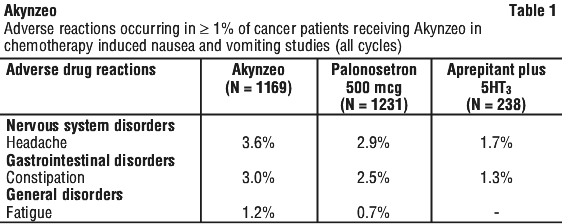
The safety profile of Akynzeo was evaluated in 1169 cancer patients, including 782 exposed to Akynzeo for at least 4 cycles and 321 exposed for at least 6 cycles, up to a maximum of 12 cycles of chemotherapy. All patients received a single oral dose of Akynzeo one hour prior to the start of each chemotherapy cycle. In all studies, dexamethasone was coadministered with Akynzeo (see Section 5.1 Pharmacodynamic Properties, Clinical trials, Tables 3, 5 and 7).
Adverse reactions, considered as drug related by the investigator, were reported in approximately 13% of patients treated with Akynzeo. Akynzeo was discontinued due to adverse reactions in 3.7% of patients. The adverse reaction profile was similar across all cycles. The following is a listing of the adverse reactions reported by ≥ 1% of patients treated with Akynzeo for one or more cycles. (See Table 1.)
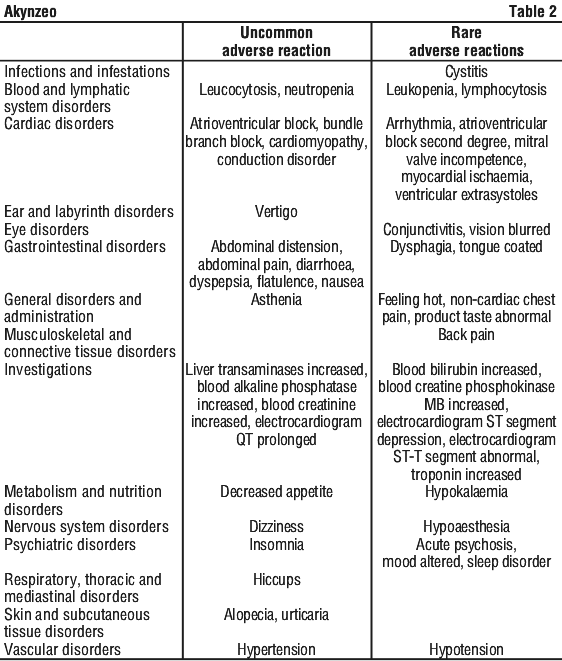
Reporting suspected adverse effects. Reporting suspected adverse reactions after registration of the medicinal product is important. It allows continued monitoring of the benefit-risk balance of the medicinal product. Healthcare professionals are asked to report any suspected adverse reactions at www.tga.gov.au/reporting-problems.
4.9 Overdose
No case of overdose has been reported and no specific information is available on the treatment of overdose with Akynzeo. Netupitant doses up to 600 mg and palonosetron doses up to 6 mg have been used in clinical studies without any safety concerns. In the unlikely event of overdose, Akynzeo should be discontinued and general supportive treatment and monitoring should be provided. Because of the antiemetic activity of netupitant and palonosetron, emesis induced by a medicinal product may not be effective. Dialysis studies have not been performed, however, due to the large volume of distribution of palonosetron and netupitant, dialysis is unlikely to be an effective treatment for Akynzeo overdose.
For information on the management of overdose, contact the Poisons Information Centre on 13 11 26 (Australia).
5 Pharmacological Properties
5.1 Pharmacodynamic Properties
Pharmacotherapeutic group: Antiemetics and antinauseants; serotonin (5HT3) and neurokinin-1 (NK1) receptor antagonists (see Section 5.1 Pharmacodynamic Properties, Mechanism of action).
ATC code: A04AA55 palonosetron, combinations (pending).
Mechanism of action. Netupitant is a selective high affinity antagonist of human substance P/neurokinin-1 (NK1) receptors. Palonosetron is a selective serotonin subtype 3 (5HT3) receptor antagonist with a strong binding affinity for this receptor. Cancer chemotherapy may be associated with a high incidence of nausea and vomiting, particularly when certain agents, such as cisplatin, are used. 5HT3 receptors are located on the nerve terminals of the vagus in the periphery and centrally in the chemoreceptor trigger zone of the area postrema. It is thought that chemotherapeutic agents produce nausea and vomiting by releasing serotonin from the enterochromaffin cells of the small intestine and that the released serotonin then activates 5HT3 receptors located on vagal afferents to initiate the vomiting reflex. The development of acute emesis is known to depend on 5-hydroxytryptamine serotonin (5HT) and the 5HT3 receptor has been demonstrated to selectively participate in the emetic response. Delayed emesis has been largely associated with the activation of tachykinin family neurokinin-1 (NK1) receptors (broadly distributed in the central and peripheral nervous systems) by substance P. As shown in in vitro and in vivo studies, netupitant and palonosetron can contribute to the inhibition of substance P mediated response. In vitro studies have demonstrated that while palonosetron does not bind to the NK1 receptor, it does inhibit cisplatin induced substance P enhancement of NK1 signalling, in a dose dependent manner.
Pharmacodynamic effects. NK1 receptor occupancy. The receptor occupancy for the chemotherapy induced nausea and vomiting (CINV) dosing regimen of netupitant has been determined in a human positron emission tomography (PET) study with three single doses tested (100 mg, 300 mg and 450 mg, 2 subjects per dose). Netupitant was shown to cross the blood brain barrier with a high occupancy of brain NK1 receptors. All doses achieved a relatively long duration of blockade of the NK1 receptor. NK1 receptor occupancy in striatum at 6, 24, 48, 72 and 96 hours after administration of 300 mg netupitant was 92.5%, 86.5%, 85.0%, 78.0% and 76.0%, respectively.
Clinical trials. Oral administration of Akynzeo in combination with dexamethasone has been shown to prevent acute and delayed nausea and vomiting associated with highly and moderately emetogenic cancer chemotherapy in two separate pivotal studies.
Highly emetogenic chemotherapy (HEC) study. In a multicenter, randomised, parallel, double blind, controlled clinical study of 694 patients (study 1), the efficacy and safety of single doses of oral netupitant in combination with oral palonosetron, were compared with a single oral dose of palonosetron in cancer patients receiving a chemotherapy regimen that included cisplatin (median dose = 75 mg/m2). Lung and respiratory tract, head and neck, and ovarian cancers were the most frequent cancer types; approximately half of the enrolled patients had metastatic disease.
The primary efficacy analysis included 135 patients who received a single oral dose of netupitant 300 mg plus palonosetron 500 microgram, and 136 patients who received oral palonosetron 500 microgram alone.
The treatment regimens for the oral netupitant 300 mg plus palonosetron 500 microgram and the palonosetron 500 microgram arms are defined in Table 3.
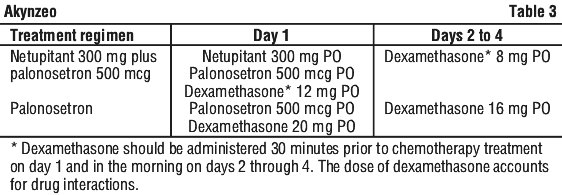
The primary efficacy endpoint was complete response (CR) rate (defined as no emetic episodes, no rescue medication) within 120 hours (overall phase) after the start of the highly emetogenic chemotherapy administration.
Major secondary efficacy endpoints included:
CR for the 0-24 hour interval (acute phase) and for the 25-120 hour interval (delayed phase);
complete protection (defined as no emesis, no rescue therapy, no significant nausea) for the overall, acute and delayed phases;
no emesis for the overall, acute and delayed phases;
no significant nausea (maximum VAS < 25 mm) and no nausea (maximum VAS < 5 mm) for the overall, acute and delayed phases.
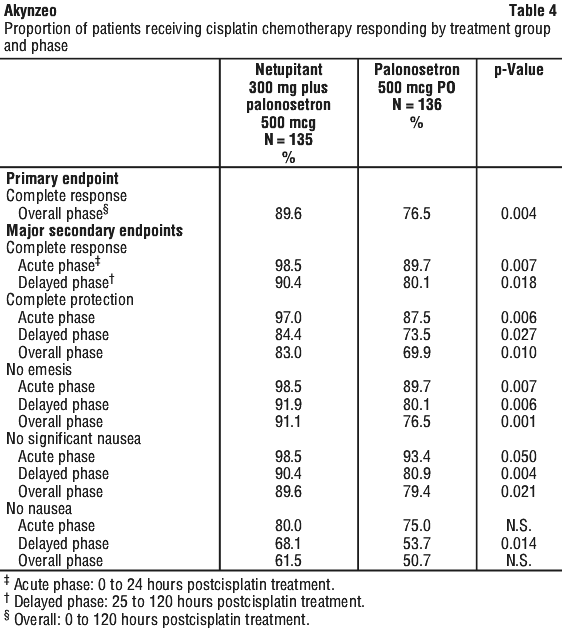
A summary of the key results from this study is shown in Table 4.
The proportion of patients with CR in the overall phase was 13.2% (95% CI: 4.4 to 21.9%) higher (p-value = 0.004) in the netupitant 300 mg plus palonosetron 500 microgram group (89.6%) than in the palonosetron group (76.5%). In the acute phase, the proportion of patients with CR was 8.8% higher (p-value = 0.007) in the netupitant 300 mg plus palonosetron 500 microgram group (98.5%) than in the palonosetron group (89.7%). In the delayed phase, the proportion of patients with CR was 10.2% higher (p-value = 0.018) in the netupitant 300 mg plus palonosetron 500 microgram group (90.4%) than in the palonosetron group (80.1%).
Almost all patients (97%) had breast cancer, which was metastatic in 16% of cases.
1 At the time of the study, anthracycline-cyclophosphamide containing chemotherapy regimens were considered to be moderately emetogenic. Recent guidelines have updated these regimens to highly emetogenic.
All patients received a single oral dose of dexamethasone.
The treatment regimens for the Akynzeo and the palonosetron 500 microgram PO arms are displayed in Table 5.
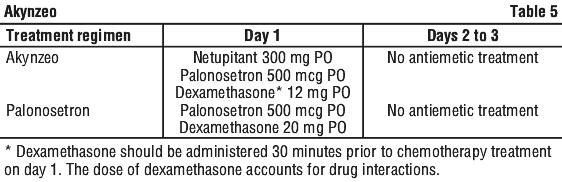
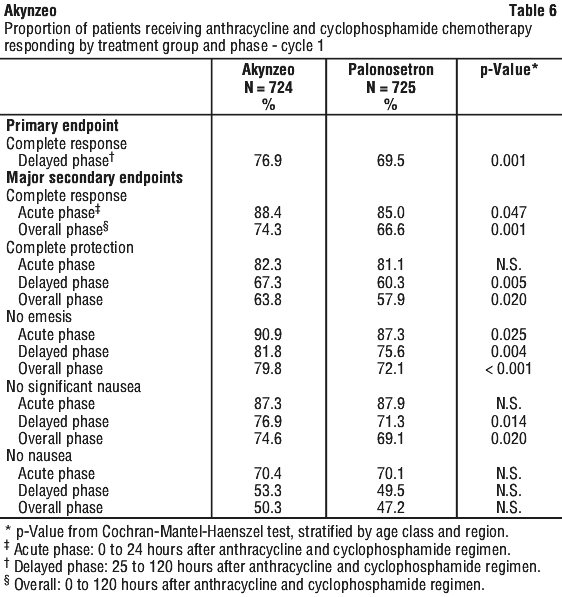
Of the 725 patients who received Akynzeo study medication, 711 (98%) were women; 79% were White, 14% Asian, 6% Hispanic, and < 1% were Black or other. Age ranged from 22 to 79 years, with a median age of 54 years. A total of 724 patients (99.9%) were treated with cyclophosphamide. All patients were additionally treated with either doxorubicin (68.0%) or epirubicin (32.0%).
During the first cycle, 32% of the 725 patients treated with Akynzeo received a concomitant chemotherapeutic agent in addition to protocol mandated regimens, with the most common chemotherapeutic being fluorouracil (28.3%) and docetaxel (2.6%).
The primary efficacy endpoint was the CR rate in the delayed phase, 25-120 hours after the start of the chemotherapy administration. Major secondary efficacy endpoints included:
CR for the acute and the overall phase;
complete protection (defined as no emesis, no rescue therapy, no significant nausea) for the delayed, the acute and the overall phase;
no emesis for the delayed, the acute and the overall phase;
no significant nausea (maximum VAS < 25 mm) and no nausea (maximum VAS < 5 mm) for the delayed, the acute and the overall phase.
A summary of the key results from study 2 is shown in Table 6.
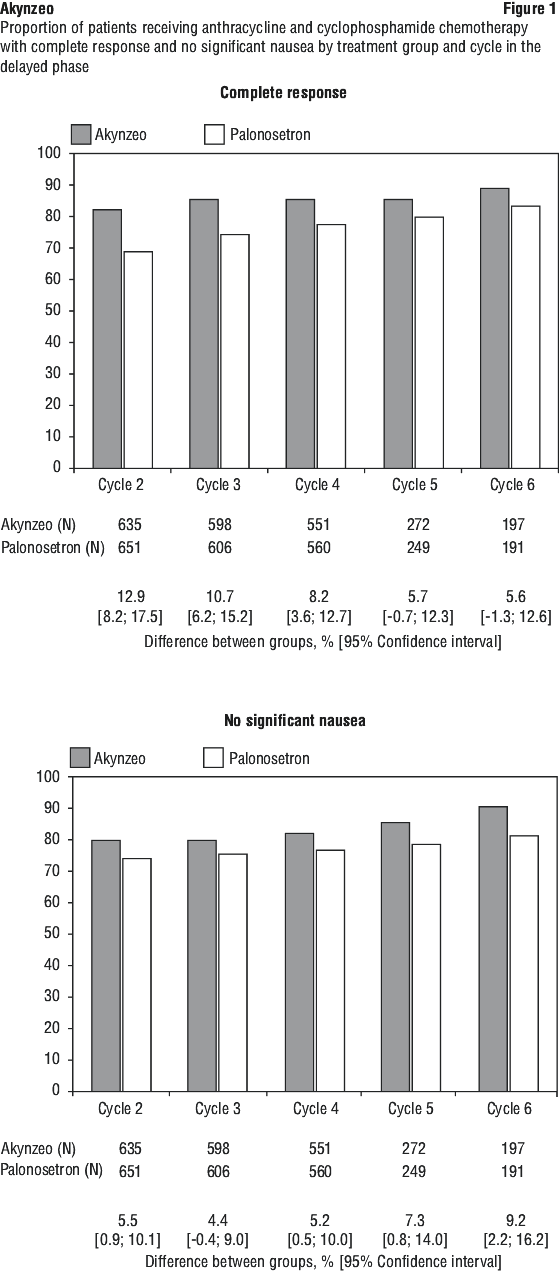
Multiple cycles. Patients continued into the multiple cycle extension for up to 7 additional cycles of chemotherapy. The proportion of patients with complete response and no significant nausea in the delayed phase by treatment group at each cycle (cycles 2 to 6) is displayed in Figure 1. A limited number of patients received treatment beyond cycle 6. During all cycles the CR rate and the proportion of patients with no significant nausea rates in the delayed phase were higher for Akynzeo than for palonosetron PO. Antiemetic activity of Akynzeo was maintained throughout repeat cycles for those patients continuing in each of the multiple cycles.
The proportion of patients with no impact in daily life of the vomiting domain was 5.6% higher (p-value = 0.001) in the Akynzeo group (90.1%) than in the palonosetron group (84.4%). The proportion of patients with no impact in daily life of the nausea domain was 5.8% higher (p-value = 0.015) in the Akynzeo group (71.5%) than in the palonosetron group (65.8%).
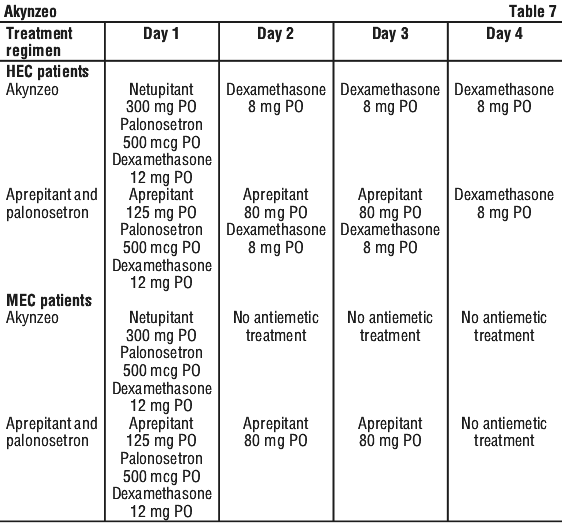
Safety study in patients receiving either highly emetogenic chemotherapy or moderately emetogenic chemotherapy. In one multicentre, multinational, randomised, active controlled, double blind, double dummy, unbalanced (3:1), parallel group, clinical study the safety and the efficacy of a single oral dose of Akynzeo was compared to an antiemetic regimen with aprepitant and palonosetron in cancer patients scheduled to receive either a highly emetogenic chemotherapy or a moderately emetogenic chemotherapy regimen. Patients were metabolised (3:1) on day 1 of their first chemotherapy cycle, before administration of chemotherapy, to the two treatment groups, as displayed in Table 7, according to the emetogenicity regimen.
Lung and respiratory tract, ovarian, colorectal and head and neck cancer were the most frequent cancer types, with 50% of patients having metastatic disease.
A total of 412 patients received study medication (Akynzeo n = 309; aprepitant and palonosetron n = 103), and 23 patients discontinued after randomisation and during any planned chemotherapy cycle. Of the 412 patients who were treated with study medication, 405 patients (98.1%) completed cycle 1 and 376 patients were scheduled for treatment in the following cycles up to a maximum of 14 cycles. A total of 165 patients (40.4%) completed at least 6 cycles of treatment.
Of the 309 patients who were randomised to the Akynzeo arm and received study medication, 155 (50.2%) were women; 84% were White, 15% Asian, 6% Hispanic, and 1% were Black. The age ranged from 27 to 76 years, with a median age of 57 years.
During the first cycle, a total of 75 patients (24.3%) who were randomised to the Akynzeo arm and received study medication were treated with a HEC regimen (cisplatin, 96% or dacarbazine, 4%). A total of 234 patients (75.7%) received a MEC regimen, the most common chemotherapeutic agents being carboplatin (60.3%), oxaliplatin (20.1%) and doxorubicin (11.1%).
The primary objective of the study was to assess the safety and tolerability of Akynzeo in initial and repeated cycles of chemotherapy. The secondary objective of the study was to describe its efficacy.
Akynzeo safety profile was comparable to aprepitant and palonosetron in patients undergoing initial and repeat cycles of MEC or HEC. Safety data in the Akynzeo arm have been integrated and described elsewhere (see Section 4.8 Adverse Effects (Undesirable Effects)).
In cycle 1, the proportion of patients with a CR was numerically higher in the Akynzeo arm compared to aprepitant and palonosetron for the delayed (83.2% vs. 77.7%) and overall (80.6% vs. 75.7%) phases. Efficacy was maintained throughout the study.
No clinically meaningful effect of Akynzeo on blood pressure, heart rate, and ECG parameters, including QTc, was observed and was comparable to aprepitant and palonosetron in CINV clinical studies.
Paediatric population. The safety and efficacy of Akynzeo in children have not been established. No data are available.
5.2 Pharmacokinetic Properties
Absorption. Netupitant. Absolute netupitant bioavailability data are not available in humans; based on data from two studies with intravenous netupitant, the bioavailability in humans is estimated to be greater than 60%.
In single dose oral studies, netupitant was measurable in plasma between 15 minutes and 3 hours after dosing. Plasma concentrations followed a first order absorption process and reached Cmax in approximately 5 hours. There was a slightly supraproportional increase in Cmax and AUC parameters for doses from 10 mg to 300 mg with dose proportional increases between 300 mg and 450 mg.
In healthy subjects given a single oral dose of netupitant 300 mg, maximum plasma netupitant concentration (Cmax) was 747 ± 200.4 nanogram/mL (mean ± SD) and time to maximum concentration (Tmax) was 5.0 hours, the AUC was 25,232 ± 6281.7 h.nanogram/mL. In a pooled analysis, females had a higher netupitant exposure compared to males; there was a 31% increase in Cmax, a 10% increase for AUC and a 30% increase in half-life. In cancer patients given a single oral dose of netupitant 300 mg one hour prior to chemotherapy (docetaxel, etoposide or cyclophosphamide), Cmax and AUC of netupitant and its metabolites were similar to that reported in healthy subjects and were independent of the chemotherapeutic regimen administered.
Netupitant AUC0-∞ and Cmax increased by 16%, and 18%, respectively, after a high fat meal.
Palonosetron. Following oral administration, palonosetron is well absorbed with its absolute bioavailability reaching 97%. After single oral doses using buffered solution mean maximum palonosetron concentrations (Cmax) and area under the concentration time curve (AUC0-∞) were dose proportional over the dose range of 3.0 to 80 microgram/kg in healthy subjects.
In 36 healthy male and female subjects given a single oral dose of 500 microgram palonosetron, maximum plasma palonosetron concentration (Cmax) was 0.81 ± 1.66 nanogram/mL (mean ± SD) and time to maximum concentration (Tmax) was 5.1 ± 1.7 hours. In female subjects (n = 18), the mean AUC was 35% higher and the mean Cmax was 26% higher than in male subjects (n = 18). In 12 cancer patients given a single oral dose of palonosetron 500 microgram one hour prior to chemotherapy, Cmax was 0.93 ± 0.34 nanogram/mL and Tmax was 5.1 ± 5.9 hours. The AUC was 30% higher in cancer patients than in healthy subjects. A high fat meal did not affect the Cmax and AUC of oral palonosetron.
Distribution. Netupitant. After a single oral 300 mg dose administration in cancer patients netupitant disposition was characterised by a two compartment model with an estimated median systemic clearance of 20.5 L/h and a large distribution volume in the central compartment (486 L). Human plasma protein binding of netupitant and its two major metabolites M1 and M3 is > 99% at drug concentrations ranging from 10 to 1500 nanogram/mL. The third major metabolite, M2, is > 97% bound to plasma proteins.
Palonosetron. Palonosetron has a volume of distribution of approximately 8.3 ± 2.5 L/kg. Approximately 62% of palonosetron is bound to plasma proteins.
Metabolism. Netupitant. In humans, netupitant is eliminated mainly by hepatic metabolism mediated by CYP3A4. Three major metabolites have been detected in human plasma at netupitant oral doses of 30 mg and higher (the desmethyl derivative, M1; the N-oxide derivative, M2; the OH-methyl derivative, M3). After administration of a single oral dose of 300 mg netupitant, mean plasma netupitant/plasma radioactivity ratios ranged from 0.13 to 0.49 over 96 h postdose. The ratios were time dependent with values decreasing gradually beyond 24 h post-dose, indicating that the drug is being rapidly metabolised. Mean Cmax was approximately 11%, 47% and 16% of the parent for M1, M2 and M3, respectively; M2 had the lowest AUC relative to the parent (14%) whereas M1 and M3 AUC were approximately 29% and 33% of the parent, respectively. M1, M2 and M3 metabolites were all shown to be pharmacologically active in an animal pharmacodynamic model, where M3 was most potent and M2 least active.
At a dose of 300 mg in humans, netupitant is a substrate and moderate inhibitor of CYP3A4. Netupitant and its metabolites, M1, M2 and M3, are not inducers of CYP1A2, CYP2C9, CYP2C19 and CYP3A4. When Akynzeo is used concomitantly with another CYP3A4 inhibitor, netupitant plasma concentrations could be elevated. When Akynzeo is used concomitantly with medications that induce CYP3A4 activity, netupitant plasma concentrations could be reduced and this may result in decreased efficacy of Akynzeo. Akynzeo can increase plasma concentrations of concomitantly administered oral medications that are metabolised via CYP3A4 (see Section 4.5 Interactions with Other Medicines and Other Forms of Interactions).
Palonosetron. Palonosetron is eliminated by multiple routes with approximately 50% metabolised to form two primary metabolites: N-oxide-palonosetron and 6-S-hydroxy-palonosetron. These metabolites each have less than 1% of the 5HT3 receptor antagonist activity of palonosetron. In vitro metabolism studies have suggested that CYP2D6 and to a lesser extent, CYP3A4 and CYP1A2 are involved in the metabolism of palonosetron. However, clinical pharmacokinetic parameters are not significantly different between poor and extensive metabolisers of CYP2D6 substrates.
Excretion. Netupitant. Netupitant is eliminated from the body in a multiexponential fashion, with an apparent mean elimination half-life of 88 hours in cancer patients (after a single oral dose of Akynzeo).
Renal clearance is not a significant elimination route for the drug related entities. The mean fraction of an oral dose of netupitant excreted unchanged in urine is less than 1%; a total of 3.95% and 70.7% of the radioactive dose was recovered in the urine and faeces, respectively.
Approximately half the radioactivity administered orally as [14C]-netupitant was recovered from urine and faeces within 120 h of dosing. Elimination via both routes was estimated to be complete by day 29-30 postdose.
Palonosetron. Following administration of a single oral 0.75 mg dose of [14C]-palonosetron to six healthy subjects, 85% to 93% of the total radioactivity was excreted in urine, and 5% to 8% was eliminated in faeces. The amount of unchanged palonosetron excreted in the urine represented approximately 40% of the administered dose. In healthy subjects given palonosetron capsules 500 microgram, the terminal elimination half-life (t1/2) of palonosetron was 37 ± 12 hours (mean ± SD), and in cancer patients, t1/2 was 48 ± 19 hours. After a single dose of approximately 0.75 mg intravenous palonosetron, the total body clearance of palonosetron in healthy subjects was 160 ± 35 mL/h/kg (mean ± SD) and renal clearance was 66.5 ± 18.2 mL/h/kg.
5.3 Preclinical Safety Data
Genotoxicity. Palonosetron was not genotoxic in the Ames test, the Chinese hamster ovarian cell (CHO/HGPRT) forward mutation test, the ex vivo hepatocyte unscheduled DNA synthesis test or the mouse micronucleus test. It was, however, positive for clastogenic effects in the CHO cell chromosomal aberration test.
Netupitant did not show mutagenic or clastogenic activity in a standard battery of in vitro and in vivo genotoxicity tests (Ames, gene mutation in mouse lymphoma cells and rat micronucleus test).
Carcinogenicity. In a 104 week carcinogenicity study in CD-1 mice, animals were treated with oral doses of palonosetron at 10, 30 and 60 mg/kg/day. Treatment with palonosetron was not tumorigenic. The highest tested dose produced a systemic exposure to palonosetron (plasma AUC) of > 100 times the human exposure at the recommended oral of 500 microgram in the combination.
In a 104 week palonosetron carcinogenicity study in Sprague-Dawley rats, male and female rats were treated with oral doses of 15, 30 and 60 mg/kg/day and 15, 45 and 90 mg/kg/day, respectively. The lowest and highest doses, respectively, produced a systemic exposure to palonosetron (plasma AUC) of > 4.4 times and > 95.5 times the human exposure at the recommended dose.
Treatment with palonosetron produced increased incidences of adrenal benign pheochromocytoma and combined benign and malignant pheochromocytoma in both male and female rats, of pancreatic islet cell adenoma and combined adenoma and carcinoma of pancreatic acinar cell adenoma and combined adenoma and adenocarcinoma and of pituitary adenoma in male rats. Increased incidences of skin keratoacanthomas and tail squamous cell papillomas were also observed, mainly in males. In female rats, palonosetron produced hepatocellular adenoma and combined hepatocellular adenoma and carcinoma, and increased the incidences of thyroid C-cell adenoma and combined adenoma and carcinoma, and of mammary gland adenocarcinoma.
No carcinogenicity study was performed with netupitant.
6 Pharmaceutical Particulars
6.1 List of Excipients
Each netupitant tablet contains the following excipients: microcrystalline cellulose, sucrose laurate, povidone, croscarmellose sodium, silicon dioxide, sodium stearylfumarate, magnesium stearate.
Each palonosetron soft gel capsule contains the following excipients: glyceryl caprylate/caprate, glycerol, polyglyceryl-3 dioleate, purified water, butylated hydroxyanisole. The soft capsule shell consists of: gelatin, sorbitol special glycerin blend A-810, glycerol, titanium dioxide (E171).
Each Akynzeo hard capsule shell consists of gelatin, titanium dioxide, iron oxide yellow and iron oxide red (E172).
Each Akynzeo hard capsule contains 7 milligrams of sorbitol.
The printing ink contains shellac, iron oxide black (E172), propylene glycol (E1520) and ammonium hydroxide (E527).
6.2 Incompatibilities
Incompatibilities were either not assessed or not identified as part of the registration of this medicine.
6.3 Shelf Life
In Australia, information on the shelf life can be found on the public summary of the Australian Register of Therapeutic Goods (ARTG). The expiry date can be found on the packaging.
6.4 Special Precautions for Storage
Store below 30°C. Store in the original container.
6.5 Nature and Contents of Container
Each carton contains an aluminium/aluminium blister containing one hard capsule.
6.6 Special Precautions for Disposal
In Australia, any unused medicine or waste material should be disposed of by taking to your local pharmacy.
6.7 Physicochemical Properties
Netupitant. Chemical name: 2-[3,5-bis(trifluoromethyl) phenyl]- N,2-dimethyl-N-[4- (2-methylphenyl)-6- (4-methylpiperazin-1-yl) pyridin-3-yl] propanamide.
CAS number. CAS Registry No: 290297-26-6.
Molecular weight: 578.61 g mol-1.
Molecular formula: C30H32F6N4O.
Chemical structure.
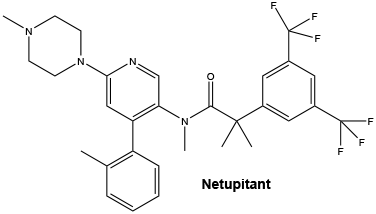
pKa2: 7.65.
Partition Coefficient: 5.1.
Palonosetron (as hydrochloride). Chemical name: (3aS)-2-[(S)-1-azabicyclo[2.2.2] oct-3-yl]-2,3,3a,4,5,6-hexahydro-1-oxo- 1Hbenz[de]isoquinoline hydrochloride.
Palonosetron hydrochloride exists as a single isomer.
CAS number. CAS Registry No: 135729-61-2 (Palonosetron), 135729-62-3 (Palonosetron Hydrochloride).
Molecular weight: 332.87.
Molecular formula: C19H24N2O.HCl.
Chemical structure.
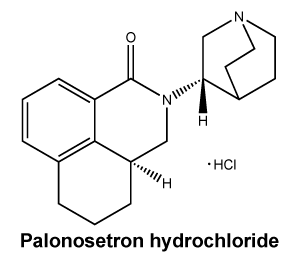
Partition Coefficient: 4.3 at pH 7.4.
7 Medicine Schedule (Poisons Standard)
Prescription Only Medicine (S4).
Date of First Approval
06 May 2015
Date of Revision
31 October 2025
Summary Table of Changes

Reasonable care is taken to provide accurate information at the time of creation. This information is not intended as a substitute for medical advice and should not be exclusively relied on to manage or diagnose a medical condition. The Australian Commission on Safety and Quality in Health Care disclaims all liability (including for negligence) for any loss, damage, injury or any other negative effects resulting from reliance on or use of this information. Read our full disclaimer. This website uses cookies. Read our privacy policy.