
Andriga
Brand Information
| Brand name | Andriga |
| Active ingredient | Abiraterone acetate, Prednisolone, Abiraterone acetate, Prednisolone |
| Schedule | S4 |
Consumer Medicine Information (CMI) leaflet
Please read this leaflet carefully before you start using the Andriga.
Summary CMI
ANDRIGA-5 and ANDRIGA-10 (ANDRIGA)
Consumer Medicine Information (CMI) summary
The full CMI on the next page has more details. If you are worried about using this medicine, speak to your doctor or pharmacist.
1. Why am I using ANDRIGA?
ANDRIGA is a combination pack which contains two different medicines, abiraterone acetate 500mg film-coated tablets and prednisolone 5mg tablets. ANDRIGA is used to treat prostate cancer that has spread to other parts of the body.
For more information, see Section 1. Why am I using ANDRIGA? in the full CMI.
2. What should I know before I use ANDRIGA?
Do not use if you have ever had an allergic reaction to abiraterone acetate, prednisolone or any of the ingredients listed at the end of the CMI.
Talk to your doctor if you have any other medical conditions, take any other medicines, or are pregnant or plan to become pregnant or are breastfeeding.
For more information, see Section 2. What should I know before I use ANDRIGA? in the full CMI.
3. What if I am taking other medicines?
Some medicines may interfere with ANDRIGA and affect how it works.
A list of these medicines is in Section 3. What if I am taking other medicines? in the full CMI.
4. How do I use ANDRIGA?
ANDRIGA should be used regularly each day. The dosage recommended by the doctor will depend on your condition. Do not take ANDRIGA with food.
More instructions can be found in Section 4. How do I use ANDRIGA? in the full CMI.
5. What should I know while taking ANDRIGA?
| Things you should do |
|
| Things you should not do |
|
| Driving or using machines |
|
| Drinking alcohol |
|
| Looking after your medicine |
|
For more information, see Section 5. What should I know while taking ANDRIGA? in the full CMI.
6. Are there any side effects?
Like all medicines, this medicine can cause side effects, although not everybody gets them.
Some common side effects include diarrhoea, fluid retention in legs and feet, low blood potassium, urinary tract infection, high blood pressure and bone fractures. Other side effects include high fat levels in your blood, liver function test increases, indigestion, blood in urine, chest pain, heartbeat irregularities, heart failure, rapid heart rate, muscle pains, adrenal gland problems and anaphylactic reaction. Some side effects can only be detected when your doctor does tests to check your progress. So it is important to visit your doctor for regular check-ups.
For more information, including what to do if you have any side effects, see Section 6. Are there any side effects? in the full CMI.
Full CMI
ANDRIGA-5 and ANDRIGA-10 (ANDRIGA)
Active ingredients: Abiraterone acetate and prednisolone
Consumer Medicine Information (CMI)
This leaflet provides important information about using ANDRIGA. You should also speak to your doctor or pharmacist if you would like further information or if you have any concerns or questions about using ANDRIGA.
Where to find information in this leaflet:
1. Why am I using ANDRIGA?
2. What should I know before I use ANDRIGA?
3. What if I am taking other medicines?
4. How do I use ANDRIGA?
5. What should I know while taking ANDRIGA?
6. Are there any side effects?
7. Product details
1. Why am I using ANDRIGA?
ANDRIGA is a combination medicine pack which contains two different medicines, abiraterone acetate (a hormonal therapy drug) and prednisolone (a corticosteroid).
ANDRIGA is used treat prostate cancer that has spread to other parts of the body.
The abiraterone acetate works by reducing the levels of male sex hormones in your body, including testosterone. The prednisolone must be taken to reduce the chance of developing high blood pressure, heart effects or low levels of potassium in your blood while you are taking abiraterone acetate.
2. What should I know before I use ANDRIGA?
Warnings
Do not use ANDRIGA if:
- you are allergic to abiraterone acetate, prednisolone, or any of the ingredients listed at the end of this leaflet.
- Always check the ingredients to make sure you can use this medicine.
- you are pregnant or may potentially be pregnant.
ANDRIGA is not for use in women and children. - you have severe liver failure. ANDRIGA should not be used in patients with severe liver failure. Ask your doctor if you have questions.
- you are being treated with XOFIGO. ANDRIGA and XOFIGO, a radiation therapy, should not be used together
- you have a current serious or uncontrolled infection, including fungal infections
- you have recently had any vaccinations
Do not use ANDRIGA:
- after the expiry date printed on the pack OR
- if the packaging is torn, doesn't look quite right or shows signs of tampering
If any of these apply, return the medicine to your pharmacist for disposal.
If you are not sure whether you should start using ANDRIGA, talk to your doctor.
Check with your doctor if you:
- have any other medical conditions, especially the following:
- problems with your liver or kidneys
- high blood pressure
- heart problems
- low levels of potassium in your blood
- fluid retention (bloating, swollen legs, feet, ankles, puffiness in the abdomen, face and hips, sudden unexplained increase in weight)
- hypoprothrombinaemia (a blood clotting disorder)
- emotional problems or mental disorders
- Cushing's disease (a hormone disorder)
- seizures/epilepsy
- a current serious or uncontrolled infection, including fungal infections
- recent surgery or serious injury
- stomach ulcers or other stomach or intestinal problems
- osteoporosis (softening of the bone)
- diabetes
- tuberculosis
- muscle weakness
- glaucoma (high pressure in the eye) or cataracts
- thyroid disease - take any medicines for any other condition
During treatment, you may be at risk of developing certain side effects. It is important you understand these risks and how to monitor for them. See additional information under Section 6. Are there any side effects?
Problems with your liver
- You should not take ANDRIGA if you have moderate or severe liver disease. Your doctor will decide whether ANDRIGA can be used if you have a mild liver problem.
- ANDRIGA may affect your liver. When you are taking ANDRIGA your doctor will check your blood to look for any effects of ANDRIGA on your liver.
High blood pressure and heart problems
- Abiraterone acetate (the violet-coloured film-coated tablets in the blister) can make high blood pressure or heart failure or low blood potassium worse. Taking prednisolone (the white tablets in the blister) with abiraterone helps to avoid worsening of these conditions. If you have these conditions, or other heart or blood vessel problems, discuss them with your doctor.
Pregnancy and breastfeeding
ANDRIGA must not be taken by women who are pregnant or breast-feeding or might be pregnant since ANDRIGA may affect the baby.
If you are having sex with a pregnant woman you need to use a condom. If you are having sex with a woman who can become pregnant you need to use a condom and another effective birth control method.
If you are pregnant or might be pregnant, wear gloves if you need to touch or handle ANDRIGA.
3. What if I am taking other medicines?
Tell your doctor or pharmacist if you are taking any other medicines, including any medicines, vitamins or supplements that you buy without a prescription from your pharmacy, supermarket or health food shop.
Some medicines and ANDRIGA may interfere with each other. These include:
- medicines for bacterial infections (antibiotics) such as rifampicin and rifabutin
- cough medicines such as dextromethorphan
- medicines used to treat diabetes, such as pioglitazone or repaglinide
- medicines for epilepsy such as phenobarbital, phenytoin and carbamazepine
- some immunisations and vaccinations
- some medicines for heart disease, such as digoxin
- diuretics used to help kidneys get rid of salt and water from the body by increasing the amount of urine, such as spironolactone.
- XOFIGO (radium 223 dichloride) for treating prostate cancer
- medicines used to treat upset stomachs such as antacids
- potassium or salt supplements
Check with your doctor or pharmacist if you are not sure about what medicines, vitamins or supplements you are taking and if these affect ANDRIGA.
4. How do I use ANDRIGA?
How much to take
ANDRIGA contains two different medicines that need to be taken each day.
Abiraterone 500 mg film-coated tablets
- The usual daily dose is two 500 mg film-coated tablets taken as a single dose.
Prednisolone 5 mg tablets
- The usual dose is either one or two 5 mg tablets daily taken according to your doctor's instructions.
Follow the instructions provided and use ANDRIGA until your doctor tells you to stop.
When to take ANDRIGA
DO NOT TAKE ANDRIGA WITH FOOD.
- ANDRIGA must be taken at least two hours after eating and food must not be eaten for at least one hour after taking the tablets.
- Swallow the tablets whole with water.
If you forget to take ANDRIGA
ANDRIGA should be taken regularly each day.
If you miss a daily dose of the medicines contained within
ANDRIGA, take your normal dose the following day. If more than one daily dose is missed, talk to your doctor.
Do not take a double dose to make up for the dose you missed.
If you are not sure what to do, ask your doctor.
If you take too much ANDRIGA
If you think that you have taken too much ANDRIGA, you may need urgent medical attention.
You should immediately:
- phone the Poisons Information Centre
(by calling 13 11 26), or - contact your doctor, or
- go to the Emergency Department at your nearest hospital.
You should do this even if there are no signs of discomfort or poisoning.
5. What should I know while taking ANDRIGA?
Things you should do
Keep all appointments with your doctor so that your progress can be checked.
Your doctor will want to do some blood and other tests from time to time to check on your progress.
Do not stop taking ANDRIGA unless your doctor tells you to do so.
Be sure to follow up your doctor's instructions about other medicines you should take, and other things you should do.
Remind any doctor, dentist or pharmacist you visit that you are using ANDRIGA. If you are undergoing anaesthesia, tell your anaesthetist that you are taking ANDRIGA.
If you are about to be started on any new medicines, tell your doctor or pharmacist that you are taking ANDRIGA.
Call your doctor straight away if you:
- monitor your blood sugar while taking a medicine for diabetes and notice a drop in your blood sugar
- notice signs that your blood potassium may be low such as, muscle weakness, muscle twitching or heart palpitations
Things you should not do
- Do not use stop taking this medicine suddenly.
- Do not give your medicine to anyone else, even if they have the same condition as you.
- Do not use more than the recommended daily dose.
Driving or using machines
Be careful before you drive or use any machines or tools until you know how ANDRIGA affects you.
Drinking alcohol
Tell your doctor if you drink alcohol.
Looking after your medicine
Follow the instructions in the carton on how to take care of your medicine properly.
Store it in a cool dry place away from moisture, heat or sunlight; for example, do not store it:
- in the bathroom or near a sink, or
- in the car or on window sills.
Keep it where young children cannot reach it.
When to discard your medicine
Ask your pharmacist what to do with any ANDRIGA that is left over if:
- your doctor tells you to stop using ANDRIGA, or
- the expiry date has passed.
Getting rid of any unwanted medicine
If you no longer need to use this medicine or it is out of date, take it to any pharmacy for safe disposal.
Do not use this medicine after the expiry date.
6. Are there any side effects?
All medicines can have side effects. If you do experience any side effects, most of them are minor and temporary. However, some side effects may need medical attention.
See the information below and, if you need to, ask your doctor or pharmacist if you have any further questions about side effects.
Tell your doctor or pharmacist if you have any unpleasant effects while you are using ANDRIGA.
Less serious side effects
| Less serious side effects | What to do |
Stomach or gut related:
| Speak to your doctor if you have any of these possible side effects and they worry you. |
Serious side effects
| Serious side effects | What to do |
Allergic reaction related:
| Call your doctor straight away, or go straight to the Emergency Department at your nearest hospital if you notice any of these serious side effects |
Some side effects can only be detected when your doctor does tests to check your progress. So it is important to visit your doctor for regular check-ups. Such side effects may include:
- osteoporosis or other changes in bone which can result in an increased chance of fractures due to brittleness or softening of the bone
- changes in other hormone levels in your body
- changes in the body's ability to handle glucose (steroid diabetes)
- effects on the parathyroid and thyroid glands which control calcium and body metabolism
- increased amounts of cholesterol in the blood
- changes to your white blood cells
- changes to your nervous system which may affect the way your nerves work
- changed sperm count
- increased blood pressure
- slow heart rate
- increased pressure in the skull
Tell your doctor or pharmacist if you notice anything else that may be making you feel unwell.
Other side effects not listed here may occur in some people.
Reporting side effects
After you have received medical advice for any side effects you experience, you can report side effects to the Therapeutic Goods Administration online at www.tga.gov.au/reporting-problems. By reporting side effects, you can help provide more information on the safety of this medicine.
Always make sure you speak to your doctor or pharmacist before you decide to stop taking any of your medicines.
7. Product details
This medicine is only available with a doctor's prescription.
What ANDRIGA contains
Abiraterone acetate 500 mg film-coated tablets:
| Active ingredient (main ingredient) | Abiraterone acetate |
| Other ingredients (inactive ingredients) | Lactose monohydrate Croscarmellose sodium Hypromellose Sodium lauryl sulfate Magnesium stearate Microcrystalline cellulose Colloidal anhydrous silica Macrogol poly (vinyl alcohol) grafted copolymer Purified talc Titanium dioxide Iron oxide red Iron oxide black |
| Potential allergens | Contains lactose |
Prednisolone 5 mg tablets:
| Active ingredient (main ingredient) | Prednisolone |
| Other ingredients (inactive ingredients) | Lactose monohydrate Potato starch Gelatin Purified talc Magnesium stearate |
| Potential allergens | Contains lactose |
Do not take this medicine if you are allergic to any of these ingredients.
What ANDRIGA looks like
ANDRIGA contains two different medicines:
Abiraterone acetate 500 mg film-coated tablets:
Violet, oval-shaped, film-coated tablets, debossed with “500” on one side and plain on the other side.
Prednisolone 5 mg tablets:
White, round, tablets with a score line on one side of the tablet.
ANDRIGA is available in blister packs in the following pack sizes:
ANDRIGA-5:
4 blisters containing a total of 56 abiraterone 500 mg film-coated tablets and 28 prednisolone 5 mg tablets (AUST R 437512).
8 blisters containing a total of 112 abiraterone 500 mg film-coated tablets and 56 prednisolone 5 mg tablets (AUST R 437512).
ANDRIGA-10:
4 blisters containing a total of 56 abiraterone 500 mg film-coated tablets and 56 prednisolone 5 mg tablets (AUST R 437511).
8 blisters containing a total of 112 abiraterone 500 mg film-coated tablets and 112 prednisolone 5 mg tablets (AUST R 437511).
Who distributes ANDRIGA
Actor Pharmaceuticals Pty Ltd
Level 6, 50 Berry Street
North Sydney, NSW, 2060
Australia
Telephone: 1800 322 690
www.actorpharma.com.au
This leaflet was prepared in March 2025.
Brand Information
| Brand name | Andriga |
| Active ingredient | Abiraterone acetate, Prednisolone, Abiraterone acetate, Prednisolone |
| Schedule | S4 |
MIMS Revision Date: 01 March 2026
1 Name of Medicine
Abiraterone acetate and prednisolone.
2 Qualitative and Quantitative Composition
Andriga-5 is a composite blister pack containing 2 medicinal products:
Abiraterone acetate 1000 mg (as two 500 mg film-coated tablets) and prednisolone 5 mg (as one 5 mg tablet).
Andriga-10 is a composite blister pack containing 2 medicinal products:
Abiraterone acetate 1000 mg (as two 500 mg film-coated tablets) and prednisolone 10 mg (as two 5 mg tablets).
Abiraterone acetate 500 mg film-coated tablets. Each abiraterone film-coated tablet contains 500 mg abiraterone acetate.
Excipient(s) with known effect. Contains sugars as lactose.
Prednisolone 5 mg tablets. Each prednisolone tablet contains 5 mg prednisolone.
Excipient(s) with known effect. Contains sugars as lactose.
For a full list of excipients, see Section 6.1 List of Excipients.
3 Pharmaceutical Form
Abiraterone acetate 500 mg film-coated tablet. Violet, oval, biconvex, film-coated tablets, debossed with "500" on one side.
Prednisolone 5 mg tablet. White, round, biplane, tablets with a score line on one side. The score line is not intended for breaking the tablet.
4 Clinical Particulars
4.1 Therapeutic Indications
Andriga-5 is indicated for the treatment of:
newly diagnosed high-risk metastatic hormone sensitive prostate cancer (mHSPC) in combination with androgen deprivation therapy (ADT).
Andriga-10 is indicated for the treatment of:
patients with metastatic advanced prostate cancer (castration resistant prostate cancer, mCRPC) who are asymptomatic or mildly symptomatic after failure of androgen deprivation therapy (ADT); or
patients with mCRPC who have received prior chemotherapy containing a taxane.
4.2 Dose and Method of Administration
The recommended dosage of abiraterone acetate is 1 g (i.e. two violet 500 mg film-coated tablets) as a single daily dose that must not be taken with food. Abiraterone acetate tablets must be taken as a single dose once daily on an empty stomach. Abiraterone acetate must be taken at least two hours after eating and food must not be eaten for at least one hour after taking abiraterone acetate. The tablets must be swallowed whole with water (see Section 5.2 Pharmacokinetic Properties, Absorption).
Important administration instructions. For hormone sensitive prostate cancer (mHSPC), abiraterone acetate is used with 5 mg prednisolone daily (i.e. Andriga-5, which contains abiraterone acetate 1000 mg (as two 500 mg film-coated tablets) and prednisolone 5 mg (as one 5 mg tablet).
For metastatic castration-resistant prostate cancer (mCRPC), abiraterone acetate is used with 10 mg prednisolone daily (i.e. Andriga-10, which contains abiraterone acetate 1000 mg (as two 500 mg film-coated tablets) and Prednisolone 10 mg tablets (as two 5 mg tablets).
See Section 4.4 Special Warnings and Precautions for Use.
Recommended monitoring. Serum transaminases and bilirubin should be measured prior to starting treatment with Andriga-5 or Andriga-10, every two weeks for the first three months of treatment and monthly thereafter. Blood pressure, serum potassium and fluid retention should be monitored monthly (see Section 4.4 Special Warnings and Precautions for Use).
Patients started on Andriga-5 or Andriga-10 who were receiving a LHRH agonist should continue to receive a LHRH agonist.
Special populations. Abiraterone acetate. Renal insufficiency. No dosage adjustment is necessary for patients with renal impairment.
Hepatic insufficiency. No dosage adjustment is necessary for patients with pre-existing mild hepatic impairment. There are no data on the clinical safety and efficacy of multiple doses of abiraterone acetate when administered to patients with moderate or severe hepatic impairment (Child-Pugh Class B or C). No dose adjustment can be predicted. Abiraterone acetate should be used with caution in patients with moderate hepatic impairment, only if the benefit clearly outweighs the possible risk. Abiraterone acetate should not be used in patients with pre-existing severe hepatic impairment (see Section 4.3 Contraindications; Section 4.4 Special Warnings and Precautions for Use; Section 5.2 Pharmacokinetic Properties).
For patients who develop hepatotoxicity during treatment with abiraterone acetate (alanine aminotransferase (ALT) or aspartate aminotransferase (AST) increases above 5 times the upper limit of normal or bilirubin increases above 3 times the upper limit of normal) treatment should be withheld immediately until liver function tests normalise (see Section 4.4 Special Warnings and Precautions for Use). Re-treatment following return of liver function tests to the patient's baseline may be given at a reduced dose of 500 mg of abiraterone acetate (one 500 mg film-coated tablet) once daily. For patients being re-treated, serum transaminases and bilirubin should be monitored at a minimum of every two weeks for three months and monthly thereafter. If hepatotoxicity recurs at the reduced dose of 500 mg daily, discontinue treatment with abiraterone acetate. Reduced doses should not be taken with food.
If patients develop severe hepatotoxicity (ALT or AST 20 times the upper limit of normal) anytime while on therapy, abiraterone acetate should be discontinued and patients should not be re-treated with abiraterone acetate.
4.3 Contraindications
Abiraterone acetate. Abiraterone acetate is contraindicated in women who are or may potentially be pregnant.
Abiraterone acetate is contraindicated in patients with severe hepatic impairment [Child-Pugh Class C]. (See Section 4.2 Dose and Method of Administration; Section 4.4 Special Warnings and Precautions for Use; Section 5.2 Pharmacokinetic Properties).
Abiraterone acetate plus prednisone/prednisolone is contraindicated in combination with Xofigo (radium 223 dichloride; see Section 4.4).
Prednisolone. Uncontrolled infections; known hypersensitivity to prednisolone, or any of the excipients in the tablet.
4.4 Special Warnings and Precautions for Use
Abiraterone acetate. Hypertension, hypokalaemia and fluid retention due to mineralocorticoid excess. Abiraterone should be used with caution in patients with a history of cardiovascular disease. The safety of abiraterone in patients with left ventricular ejection fraction (LVEF) < 50% or New York Heart Association (NYHA) Class III or IV heart failure (in study 301) or NYHA Class II to IV heart failure (in studies 3011 and 302) was not established. Before treatment with abiraterone, hypertension must be controlled and hypokalaemia must be corrected.
Abiraterone may cause hypertension, hypokalaemia and fluid retention (see Section 4.8 Adverse Effects (Undesirable Effects)) as a consequence of increased mineralocorticoid levels resulting from CYP17 inhibition (see Section 5.1 Pharmacodynamic Properties). Co-administration of a corticosteroid suppresses adrenocorticotropic hormone (ACTH) drive, resulting in a reduction in the incidence and severity of these adverse reactions. Caution is required in treating patients whose underlying medical conditions might be compromised by increases in blood pressure, hypokalaemia or fluid retention, e.g. those with heart failure, recent myocardial infarction or ventricular arrhythmia. In post-marketing experience, QT prolongation and torsades de pointes have been observed in patients who develop hypokalaemia or have underlying cardiovascular conditions while taking abiraterone.
Blood pressure, serum potassium and fluid retention should be monitored at least monthly.
Hepatotoxicity. Marked increases in liver enzymes leading to drug discontinuation or dosage modification occurred in controlled clinical studies (see Section 4.8 Adverse Effects (Undesirable Effects)). Very rarely hepatitis fulminant and hepatic failure has been seen. Serum transaminase and bilirubin levels should be measured prior to starting treatment with abiraterone, every two weeks for the first three months of treatment, and monthly thereafter. If clinical symptoms or signs suggestive of hepatotoxicity develop, serum transaminases, should be measured immediately. If at any time the ALT or AST rises above 5 times the upper limit of normal or the bilirubin rises above 3 times the upper limit of normal, treatment with abiraterone should be interrupted immediately and liver function closely monitored.
Re-treatment with abiraterone acetate may only take place after the return of liver function tests to the patient's baseline and at a reduced dose level (see Section 4.2 Dose and Method of Administration).
If patients develop severe hepatotoxicity (ALT or AST 20 times the upper limit of normal) anytime while on therapy, abiraterone should be discontinued and patients should not be re-treated with abiraterone.
Patients with active or symptomatic viral hepatitis were excluded from clinical trials; thus, there are no data to support the use of abiraterone acetate in this population.
There are no data on the clinical safety and efficacy of multiple doses of abiraterone acetate when administered to patients with moderate or severe hepatic impairment (Child-Pugh Class B or C). The use of abiraterone acetate should be cautiously assessed in patients with moderate hepatic impairment, in whom the benefit clearly should outweigh the possible risk. Abiraterone acetate should not be used in patients with severe hepatic impairment (see Section 4.3 Contraindications; Section 4.2 Dose and Method of Administration; Section 5.2 Pharmacokinetic Properties).
Hypoglycaemia. Isolated cases of hypoglycaemia have been reported when abiraterone acetate plus prednisone/prednisolone was administered to patients with pre-existing diabetes receiving pioglitazone or repaglinide (see Section 4.5 Interactions with Other Medicines and Other Forms of Interactions). Blood glucose should be monitored in patients with diabetes.
Use with chemotherapy. The safety and efficacy of concomitant use of abiraterone with cytotoxic chemotherapy has not been established.
Use in combination with radium 223 dichloride. In a randomised clinical trial in patients with asymptomatic or mildly symptomatic bone-predominant metastatic castration resistant prostate cancer, at the time of unblinding, the addition of radium 223 dichloride to abiraterone acetate plus prednisone/prednisolone showed an increase in mortality and an increased rate of fracture. Radium 223 dichloride is not recommended for use in combination with abiraterone acetate plus prednisone/prednisolone. It is recommended that subsequent treatment with radium 223 dichloride is not initiated for at least 5 days after the last administration of abiraterone acetate in combination with prednisone/prednisolone.
Paediatric use. This medicine is not for use in children.
Effects on laboratory tests. No data available.
Prednisolone. Scleroderma renal crisis. Caution is required in patients with systemic sclerosis because of an increased incidence of (possibly fatal) scleroderma renal crisis with hypertension and decreased urinary output observed with a daily dose of 15 mg or more prednisone or prednisolone. Blood pressure and renal function (s-creatinine) should therefore be routinely checked. When renal crisis is suspected, blood pressure should be carefully controlled.
Adrenal suppression. During prolonged corticosteroid therapy, adrenal suppression and atrophy may occur and secretion of corticotrophin may be suppressed.
Duration of treatment and dosage appear to be important factors in determining suppression of the pituitary adrenal axis and response to stress on cessation of steroid treatment. The patient's liability to suppression is also variable. Some patients may recover normal function rapidly. In others, the production of hydrocortisone in response to the stress of infections, surgical operations or accident may be insufficient, and death results. Therefore, withdrawal of corticosteroids should always be gradual, caution is advised and monitoring for adrenocortical insufficiency should occur. Additionally, in patients on prednisone or prednisolone who are subjected to unusual stress, increased dosage of a corticosteroid may be indicated before, during and after the stressful situation. 17α-hydroxylase inhibition by abiraterone decreases glucocorticoid production.
Abrupt withdrawal of corticosteroid therapy may precipitate acute adrenal insufficiency (see Section 4.8 Adverse Effects (Undesirable Effects)). In some cases, withdrawal symptoms may simulate a clinical relapse of the disease for which the patient has been under treatment.
Because prednisolone manifests little sodium retaining activity, the usual early sign of hydrocortisone overdosage (i.e. increase in bodyweight due to fluid retention) is not a reliable index of prednisolone overdosage. Hence recommended dose levels should not be exceeded, and all patients receiving prednisolone should be under close medical supervision. All precautions pertinent to the use of hydrocortisone apply to prednisolone.
Use with caution in the following circumstances. Use with caution in nonspecific ulcerative colitis, if there is a probability of impending perforation, abscess or other pyogenic infection. Caution must also be used in diverticulitis, fresh intestinal anastomoses, active or latent peptic ulcer, renal insufficiency, hypertension and myasthenia gravis, when steroids are used as direct or adjunctive therapy.
Use with caution in patients with epilepsy, diabetes mellitus, uraemia and in the presence of diminished cardiac reserve or congestive heart failure (see Section 4.8 Adverse Effects (Undesirable Effects)).
The possibility of development of osteoporosis should be an important consideration in initiating and managing corticosteroid therapy (see Section 4.8 Adverse Effects (Undesirable Effects)).
The risk of gastrointestinal ulceration or hemorrhage is increased when alcohol is used concurrently with glucocorticoids.
Infection. Corticosteroids may mask some signs of infection (such as fever and inflammation), and new infections may appear during their use. There may be decreased resistance and inability to localise infection when corticosteroids are used. Susceptibility to infection is not specific for any particular bacterial or fungal pathogen.
Patients should not be vaccinated with live vaccines while on corticosteroid therapy. Other immunisation procedures should not be undertaken in patients on corticosteroid therapy, especially on high doses, because of possible hazards of neurological complications and lack of antibody response. Immunisation procedures may be undertaken in patients receiving corticosteroids as replacement therapy.
In adults who have not had chickenpox and measles, particular care should be taken to avoid exposure. If exposed, therapy with varicella zoster immune globulin (VZIG) or pooled intravenous immunoglobulin (IVIG), as appropriate, may be indicated. If chickenpox develops, treatment with antiviral agents may be considered.
Tuberculosis. Patients with active or doubtfully quiescent tuberculosis should not be given prednisolone except as adjuncts to treatment with tuberculostatic drugs as reactivation of the disease may occur. Chemoprophylaxis is indicated during prolonged corticosteroid therapy.
Visual disturbance. Visual disturbance may be reported with systemic and topical corticosteroid use. If a patient presents with symptoms such as blurred vision or other visual disturbances, the patient should be considered for referral to an ophthalmologist for evaluation of possible causes which may include cataract, glaucoma or rare diseases such as central serous chorioretinopathy (CSCR) which have been reported after use of systemic and topical corticosteroids.
Hyperglycaemia. The use of glucocorticoids could increase hyperglycaemia, therefore blood sugar should be measured frequently in patients with diabetes.
Check the following before use. During long courses of treatment, laboratory and metabolic studies should be made. Fluid retention should be watched for via a fluid balance chart and daily weighing. Sodium intake may need to be reduced to less than 1 g daily and potassium supplements may be necessary.
Use in hepatic impairment. Use with caution in patients with impaired hepatic function, a reduction of dosage may be necessary.
Use in renal impairment. See Section 4.4, Scleroderma renal crisis.
Use in the elderly. Caution is recommended for elderly patients as they are more susceptible to adverse reactions.
Paediatric use. Prednisolone in combination with abiraterone is not for use in children.
Effects on laboratory tests. Glucocorticoids may decrease I131 uptake and protein-bound iodine concentrations, making it difficult to monitor the therapeutic response of patients receiving the drugs for thyroiditis. Glucocorticoids may produce false-negative results in the nitroblue tetrazolium test for systemic bacterial infection. Glucocorticoids may suppress reactions to skin tests.
4.5 Interactions with Other Medicines and Other Forms of Interactions
Abiraterone acetate. In vitro studies. In vitro studies with human hepatic microsomes showed that abiraterone is a strong inhibitor of CYP1A2, CYP2D6 and CYP2C8 and a moderate inhibitor of CYP2C9, CYP2C19 and CYP3A4/5. The major metabolites, abiraterone sulphate and N-oxide abiraterone sulphate are also strong inhibitors of CYP2C8 in vitro. In vitro abiraterone, abiraterone sulphate and N-oxide abiraterone sulphate are inhibitors of OATP1B1. The clinical relevance of this inhibition is not clear.
Clinical studies. CYP2D6. In a study to determine the effects of abiraterone acetate (plus prednisone) on a single dose of the CYP2D6 substrate dextromethorphan, the systemic exposure (AUC) of dextromethorphan was increased approximately 200%. The AUC24 for dextrorphan, the active metabolite of dextromethorphan, increased approximately 33%.
Caution is advised when abiraterone is administered with drugs activated by or metabolised by CYP2D6, particularly with drugs that have a narrow therapeutic index. Dose reduction of narrow therapeutic index drugs metabolised by CYP2D6 should be considered the same.
CYP3A4. Abiraterone is a substrate of CYP3A4. In a clinical pharmacokinetic interaction study of 20 healthy subjects pre-treated with a strong CYP3A4 inducer (rifampicin, 600 mg daily for 6 days) followed by a single dose of abiraterone acetate 1000 mg, the mean plasma Cmax and AUC∞ of abiraterone were decreased by 55%.
Strong inducers of CYP3A4 (e.g. phenytoin, carbamazepine, rifampicin, rifabutin, rifapentine, phenobarbital) during treatment with Abiraterone acetate are to be avoided, or used with careful evaluation of clinical efficacy, if there is no therapeutic alternative.
In a separate clinical pharmacokinetic interaction study of 19 healthy subjects, co-administration of ketoconazole, a strong inhibitor of CYP3A4 (ketoconazole 400 mg for 6 days), had no clinically meaningful effect on the pharmacokinetics of abiraterone.
CYP2C8. In a CYP2C8 drug-drug interaction trial in healthy subjects, the AUC of pioglitazone was increased by 46% and the AUCs for M-III and M-IV, the active metabolites of pioglitazone, each decreased by 10%, when pioglitazone was given together with a single dose of 1000 mg abiraterone acetate.
Patients should be monitored for signs of toxicity related to a CYP2C8 substrate with a narrow therapeutic index if used concomitantly with abiraterone acetate. Examples of medicinal products metabolized by CYP2C8 include pioglitazone and repaglinide (see Section 4.4 Special Warnings and Precautions for Use, Hypoglycaemia).
CYP1A2. In a clinical study to determine the effects of abiraterone acetate (plus prednisone) on a single dose of the CYP1A2 substrate theophylline, no increase in systemic exposure of theophylline was observed.
Use with spironolactone. Spironolactone binds to the androgen receptor and may increase prostate specific antigen (PSA) levels. Use with abiraterone acetate is not recommended (see Section 5.1 Pharmacodynamic Properties, Pharmacodynamic effects).
Prednisolone. The following drug interactions with corticosteroids have been selected on the basis of their potential clinical significance: antacids, antidiabetic agents (oral or insulin), digitalis glycosides, diuretics, drugs which induce hepatic microsomal enzymes, such as barbiturates, phenytoin and rifampicin; potassium supplements, ritodrine, sodium-containing medications or foods, somatrem or somatropin, vaccines, live viruses or other immunisations.
4.6 Fertility, Pregnancy and Lactation
Effects on fertility. Abiraterone acetate. In fertility studies in both male and female rats (4- and 3-weeks), abiraterone acetate reduced fertility, which was completely reversible in 4 to 16 weeks after abiraterone acetate was stopped.
In studies in mice (4 weeks), rats (4 up to 26-weeks) and monkeys (up to 39-weeks), decreases in testosterone levels, atrophy, aspermia/hypospermia, and/or hyperplasia in the reproductive system were observed at > 125 mg/kg/day in mice, ≥ 30 mg/kg/day in rats and ≥ 250 mg/kg/day in monkeys and were consistent with the antiandrogenic pharmacological activity of abiraterone. These effects were observed at exposure levels similar to or lower than the human clinical exposure, based on abiraterone AUC.
Prednisolone. No data available.
Use in pregnancy. (Category D)
Andriga is contraindicated in women who are or may potentially be pregnant (see Section 4.3 Contraindications).
Abiraterone acetate. There are no human data on the use of abiraterone in pregnancy and abiraterone is not for use in women of child-bearing potential. Maternal use of a CYP17 inhibitor is expected to produce changes in hormone levels that could affect development of the fetus.
In an embryofetal developmental study in the rat, abiraterone acetate at ≥ 10 mg/kg/day affected pregnancy including reduced fetal weight and survival, delayed ossification, and increases in late resorptions and post implantation loss with a subsequent reduction in live fetuses. Effects on the external genitalia (decreased fetal ano-genital distance) were observed though abiraterone acetate was not teratogenic.
In these fertility and developmental toxicity studies performed in the rat, all effects were related to the pharmacological activity of abiraterone.
It is not known if abiraterone or its metabolites are present in semen. A condom is required if the patient is engaged in sexual activity with a pregnant woman. If the patient is engaged in sex with a woman of child-bearing potential, a condom is required along with another effective contraceptive method.
To avoid inadvertent exposure, women who are pregnant or women who may be pregnant should not handle abiraterone acetate without protection, e.g. gloves.
Prednisolone. There are no data for use of prednisolone in combination with abiraterone acetate in women.
In animal experiments, corticosteroids have been found to cause malformations of various kinds (cleft palate, skeletal malformations) and abortion. These findings do not seem to be relevant to humans. Reduced placental and birth weight have been recorded in animals and humans after long term treatment. Since the possibility of suppression of the adrenal cortex in the newborn infant after long-term treatment must be considered, the needs of the mother must be carefully weighed against the risk to the fetus when prescribing corticosteroids. The short-term use of corticosteroids antepartum for the prevention of respiratory distress syndrome does not seem to pose a risk to the fetus or the newborn infant. Maternal pulmonary oedema has been reported with tocolysis and fluid overload.
Use in lactation. Abiraterone acetate. Abiraterone acetate is not for use in women.
It is not known if either abiraterone or its metabolites are excreted in human breast milk.
Prednisolone. There are no data for the use of prednisolone in combination with abiraterone acetate in women.
4.7 Effects on Ability to Drive and Use Machines
Abiraterone acetate. No studies on the effects of abiraterone on the ability to drive or use machines have been performed. It is not anticipated that abiraterone will affect the ability to drive and use machines.
Prednisolone. The effects of this medicine on a person's ability to drive and use machines were not assessed as part of its registration.
4.8 Adverse Effects (Undesirable Effects)
Abiraterone acetate. Adverse drug reactions from clinical trials. In an analysis of adverse reactions of composite Phase 3 studies with abiraterone, adverse reactions that were observed in ≥ 10% of patients were peripheral oedema, hypokalaemia, hypertension, urinary tract infection, and alanine aminotransferase increased, and/or aspartate aminotransferase increased.
Abiraterone may cause hypertension, hypokalaemia and fluid retention as a pharmacodynamic consequence of its mechanism of action. In Phase 3 studies anticipated mineralocorticoid effects were seen more commonly in patients treated with abiraterone versus patients treated with placebo; hypokalaemia 18% versus 8%, hypertension 22% versus 16% and fluid retention (peripheral oedema) 23% versus 17%, respectively. Grades 3/4 hypokalaemia were observed in 6% versus 1%, grades 3/4 hypertension were observed in 7% versus 5%, and grades 3/4 fluid retention oedema were observed in 1% versus 1% of patients treated with abiraterone versus patients treated with placebo, respectively. Mineralocorticoid effects generally were able to be successfully managed medically. Concomitant use of a corticosteroid reduces the incidence and severity of these adverse drug reactions (see Section 4.4 Special Warnings and Precautions for Use).
In a Phase 3 study of patients with newly diagnosed high-risk mHNPC or mHSPC (Study 3011) who were receiving and remained on ADT (a luteinising hormone-releasing hormone [LHRH] agonist or orchiectomy), abiraterone acetate was administered at a dose of 1000 mg daily in combination with low dose prednisone (5 mg daily) and ADT in the active treatment arm; ADT and placebo were given to control patients. The median duration of treatment with abiraterone acetate was 24 months.
Adverse reactions that occurred at a rate of ≥ 1% (all grades) are shown in Table 1.

Adverse drug reactions that occurred at a rate of ≥ 1% (all grades) are shown in Table 2.

Adverse drug reactions that occurred at a rate of ≥ 1% (all grades) are shown in Table 3.

The adverse drug reaction, adrenal insufficiency, occurred in the Phase 3 clinical studies at a rate 0.3% in patients taking abiraterone and at a rate of 0.1% inpatients taking placebo.
In the Phase 3 studies, 70% of patients were 65 years and over, and 27% were 75 years and over for patients taking abiraterone. Adverse effects were more common in patients ≥ 75 years old in both the abiraterone and placebo groups.
Cardiovascular effects. The three Phase 3 studies excluded patients with uncontrolled hypertension, clinically significant heart disease as evidenced by myocardial infarction, arterial thrombotic events in the past 6 months, severe or unstable angina, or NYHA Class III or IV heart failure (study 301) or Class II to IV heart failure (studies 3011 and 302) or cardiac ejection fraction measurement of < 50%. All patients enrolled (both active and placebo-treated patients) were concomitantly treated with androgen deprivation therapy, predominately with the use of LHRH agonists, which has been associated with diabetes, myocardial infarction, cerebrovascular accident and sudden cardiac death. The incidence of cardiovascular adverse reactions in the Phase 3 studies in patients taking abiraterone versus patients taking placebo were as follows: atrial fibrillation 2.6% vs. 2.0%, tachycardia 1.9% vs. 1.0%, angina pectoris 1.7% vs. 0.8%, cardiac failure 0.7% vs. 0.2% and arrhythmia 0.7% vs. 0.5%.
Hepatotoxicity. Drug-associated hepatotoxicity with elevated ALT, AST and total bilirubin has been reported in patients treated with abiraterone. Across Phase 3 clinical studies, hepatotoxicity grades 3 and 4 (e.g. ALT or AST increases of > 5 x ULN or bilirubin increases > 1.5 x ULN) were reported in approximately 4% of patients who received abiraterone, typically during the first 3 months after starting treatment. In Study 3011, grade 3 or 4 hepatotoxicity was observed in 8.4% of patients treated with abiraterone acetate. Ten patients who received abiraterone acetate were discontinued because of hepatotoxicity; two had Grade 2 hepatotoxicity, six had Grade 3 hepatotoxicity, and two had Grade 4 hepatotoxicity. No patient died of hepatotoxicity in Study 3011. In the 301 clinical study, patients whose baseline ALT or AST were elevated were more likely to experience liver function test elevations than those beginning with normal values. When elevations of either ALT or AST > 5 x ULN, or elevations in bilirubin > 3 x ULN were observed, abiraterone was withheld or discontinued. Hepatic metastases and baseline elevations in alkaline phosphatase associated with prostate cancer were present in a few of these patients. In two instances marked increases in liver function tests occurred (see Section 4.4 Special Warnings and Precautions for Use). These two patients with normal baseline hepatic function, experienced ALT or AST elevations 15 to 40 x ULN and bilirubin elevations 2 to 6 x ULN. Upon discontinuation of abiraterone, both patients had normalisation of their liver function tests and one patient was re-treated with abiraterone without recurrence of the elevations. In study 302, grade 3 or 4 ALT or AST elevations were observed in 35 (6.5%) patients treated with abiraterone. Aminotransferase elevations resolved in all but 3 patients (2 with new multiple liver metastases and 1 with AST elevation approximately 3 weeks after the last dose of abiraterone). In Phase 3 clinical studies, treatment discontinuations due to ALT and AST increases or abnormal hepatic function were reported in 1.1% of patients treated with abiraterone and 0.6% of patients treated with placebo. No deaths were reported due to hepatotoxicity events.
In clinical trials, the risk for hepatotoxicity was mitigated by exclusion of patients with baseline hepatitis or significant abnormalities of liver function tests. In the 3011 trial, patients with baseline ALT and AST > 2.5 x ULN, bilirubin > 1.5 x ULN or those with active or symptomatic viral hepatitis or chronic liver disease; ascites or bleeding disorders secondary to hepatic dysfunction were excluded. In the 301 trial, patients with baseline ALT and AST ≥ 2.5 x ULN in the absence of liver metastases and > 5 x ULN in the presence of liver metastases were excluded. In the 302 trial patients with liver metastases were not eligible and patients with baseline ALT and AST ≥ 2.5 x ULN were excluded. Abnormal liver function tests developing in patients participating in clinical trials were vigorously managed by requiring treatment interruption and permitting re-treatment only after return of liver function tests to the patient's baseline (see Section 4.2 Dose and Method of Administration). Patients with elevations of ALT or AST > 20 x ULN were not re-treated. The safety of re-treatment in such patients is unknown. The mechanism for hepatotoxicity associated with abiraterone is not understood.
Post-marketing data. Adverse drug reactions identified during the post-marketing experience based on spontaneous reports with abiraterone acetate are described below. The frequencies are provided according to the following convention:
Very common: ≥1/10; common: ≥ 1/100 and < 1/10; uncommon: ≥ 1/1,000 and < 1/100; rare: ≥ 1/10,000 and < 1/1,000; very rare: < 1/10,000; isolated reports: frequency unknown.
System organ class: Respiratory, thoracic and mediastinal disorders. Rare: allergic alveolitis.
System organ class: Musculoskeletal and connective tissue disorders. Uncommon: rhabdomyolysis, myopathy.
System organ class: Gastrointestinal disorders. Very common: diarrhoea.
System organ class: Hepatobiliary disorders. Very rare: hepatitis fulminant, hepatic failure.
System organ class: Cardiac disorders. Very rare: QT prolongation and torsades de pointes (observed in patients who developed hypokalaemia or had underlying cardiovascular conditions).
Prednisolone. More common reactions. Gastrointestinal. Adverse gastrointestinal effects of corticosteroids include nausea, vomiting, anorexia (which may result in weight loss), increased appetite (which may result in weight gain), diarrhoea or constipation, abdominal distension and gastric irritation.
Cardiovascular. The mineralocorticoid activity of a steroid may lead to salt and water retention which can also result in hypertension. Hypokalaemia can lead to arrhythmias and cardiac arrest.
Neurological. Adverse neurological effects have included headache, vertigo, insomnia, restlessness and increased motor activity, ischemic neuropathy, EEG abnormalities and seizures. Large doses can cause behavioural and personality changes ranging from nervousness, euphoria or mood swings to psychotic episodes which can include both manic and depressive states, paranoid states and acute toxic psychoses.
It is no longer believed that previous psychiatric problems predispose to behavioural disturbances during therapy with glucocorticoids. Conversely, the absence of a history of psychiatric illness is no guarantee against the occurrence of psychosis during hormonal therapy.
Dermatological. Dermatological adverse effects of corticosteroids include impaired wound healing, facial plethora, increased sweating, easy bruising, hirsutism, an acneiform eruption on the face, chest and back, red striae on the thighs, buttocks and shoulders. Several months of high dose therapy can often result in thinning of skin. Dermatologic manifestations of hypersensitivity to the corticosteroids include hives and/or allergic dermatitis, urticaria, and angioedema.
Corticosteroid induced purpura resembles senile purpura. This purpura usually occurs on extensor surfaces, dorsum of the hand, and radial aspect of the forearm.
Endocrine. The endocrine effects of the glucocorticoids involve variously the hypothalamic pituitary adrenal axis; the parathyroid and thyroid. There are also metabolic effects, primarily involving the carbohydrates. Suppression of growth may occur in children.
Cushing's syndrome may result from prolonged elevation of plasma glucocorticoid levels.
Corticosteroids have also been reported to increase or decrease motility and number of sperm in some men. Disorders of menstruation are common.
Antagonism occurs between the parathyroids and hypercorticism. Latent hypoparathyroidism may be unmasked by administration of corticosteroids. The phosphate retention occurring in renal failure caused by adrenal insufficiency may also make hypoparathyroidism manifest.
Biochemical. All glucocorticoids increase gluconeogenesis. Glucose tolerance and sensitivity to insulin are decreased but provided pancreatic islet function is normal carbohydrate metabolism will not be noticeably deranged. Steroid diabetes, has been reported to develop in one fifth of patients treated with high glucocorticoid dosage.
High dose corticosteroid therapy may induce marked hypertriglyceridaemia with milky plasma.
General. Retardation of growth by long term corticosteroid treatment in children.
Haematological. Corticosteroids will increase the total WBC count, with an increase in neutrophils and a decrease in monocytes, lymphocytes and eosinophils.
Immunological. The frequency and severity of clinical infections increase during glucocorticoid therapy.
Musculoskeletal. Osteoporosis and vertebral compression fractures can occur in patients of all ages. Osteoporosis is an indication for withdrawal of therapy.
Myopathy, characterised by weakness of the proximal musculature of arms and legs and their associated shoulder and pelvic muscles, is occasionally reported in patients taking large doses of corticosteroids. It may occur soon after treatment is begun and be sufficiently severe to prevent ambulation. It is an indication for withdrawal of therapy.
Avascular aseptic necrosis of bone has often been described and preferentially involves the femoral and humeral head.
Serious or life-threatening reactions. Suppression of the hypothalamic pituitary adrenal axis is one of the consequences of repeated administration of glucocorticoids (see Section 4.4 Special Warnings and Precautions for Use). In some cases, acute adrenal insufficiency after a period of glucocorticoid treatment has proved fatal.
Less common reactions. Gastrointestinal. Pancreatitis and ulcerative oesophagitis can occur. Peptic ulceration is an occasional complication. The high incidence of haemorrhage and perforation in these ulcers and the insidious nature of their development make them severe therapeutic problems. Some investigators believe the available evidence does not support the conclusion that steroids cause ulcers. Others feel that only patients with rheumatoid arthritis have an increased incidence of ulcers. It has been proposed that the glucocorticoids alter the mucosal defense mechanism.
Neurological. Latent epilepsy can be rendered manifest by corticosteroid treatment. Long term treatment may result in benign intracranial hypertension.
Ophthalmological. Prolonged use of glucocorticoids may result in posterior subcapsular cataracts (particularly in children), exophthalmos, or increased intraocular pressure which may result in glaucoma or may occasionally damage the optic nerve and in rare cases, lead to blindness. Establishment of secondary fungal and viral infections of the eye may also be enhanced.
Post marketing. Eye disorders. Blurred vision.
Scleroderma renal crisis. Frequency 'unknown'. Amongst the different subpopulations the occurrence of scleroderma renal crisis varies. The highest risk has been reported in patients with diffuse systemic sclerosis. The lowest risk has been reported in patients with limited systemic sclerosis (2%) and juvenile onset systemic sclerosis (1%).
Cardiac disorders. Frequency 'unknown'. Bradycardia has been reported following high doses.
Withdrawal adverse effects. Muscle weakness, hypotension, hypoglycaemia, headache, nausea, vomiting, restlessness and muscle and joint pain. Muscle weakness and stiff joints may persist for three to six months after discontinuation of treatment.
Reporting suspected adverse effects. Reporting suspected adverse reactions after registration of the medicinal product is important. It allows continued monitoring of the benefit-risk balance of the medicinal product. Healthcare professionals are asked to report any suspected adverse reactions at www.tga.gov.au/reporting-problems.
4.9 Overdose
Abiraterone acetate. There have been no reports of overdose of abiraterone acetate during clinical studies.
Treatment. There is no specific antidote. In the event of an overdose, administration of abiraterone acetate should be stopped and general supportive measures undertaken, including monitoring for arrhythmias. Liver function also should be assessed.
Prednisolone. Treatment is symptomatic with the dosage being reduced or the drug withdrawn.
Contact the Poisons Information Centre (telephone 131126) for advice on management of overdose.
5 Pharmacological Properties
5.1 Pharmacodynamic Properties
ATC code: L02BX53.
Abiraterone acetate. Mechanism of action. Abiraterone acetate is converted in vivo to abiraterone, an androgen biosynthesis inhibitor. Specifically, abiraterone selectively inhibits the enzyme 17α-hydroxylase/C17,20-lyase (CYP17). This enzyme is expressed in and is required for androgen biosynthesis in testicular, adrenal and in prostatic tumour tissues. It catalyses the conversion of pregnenolone and progesterone into testosterone precursors, DHEA and androstenedione, respectively, by 17α hydroxylation and cleavage of the C17,20 bond. CYP17 inhibition also results in increased mineralocorticoid production by the adrenals (see Section 4.4 Special Warnings and Precautions for Use).
Androgen-sensitive prostatic carcinoma responds to treatment that decreases androgen levels. Androgen deprivation therapies, such as treatment with luteinising hormone-releasing hormone (LHRH) agonists or orchiectomy, decrease androgen production in the testes but do not affect androgen production by the adrenals or in the tumour. Treatment with abiraterone decreases serum testosterone to undetectable levels (using commercial assays) when given with LHRH agonists (or orchiectomy).
Pharmacodynamic effects. Abiraterone decreases serum testosterone and other androgens to levels lower than those achieved by the use of LHRH agonists alone or by orchiectomy. Prostate specific antigen (PSA) serves as a biomarker in patients with prostate cancer. In a Phase 3 clinical study of patients who failed prior chemotherapy with taxanes, 29% of patients treated with abiraterone, versus 6% of patients treated with placebo, had at least a 50% decline from baseline in PSA levels.
Use of spironolactone. Patients in pivotal clinical trials with abiraterone acetate were not allowed to use spironolactone as spironolactone binds to the androgen receptor and may increase PSA levels.
Effects on the QT interval. In a cardiovascular safety study in patients with metastatic advanced prostate cancer there were no significant effects of abiraterone acetate on the cardiac QT/QTc interval.
Clinical trials. The efficacy of abiraterone was established in three randomised placebo controlled multicentre Phase 3 clinical studies (studies 3011, 301 and 302) of patients with hormone naïve metastatic prostate cancer and metastatic castration resistant prostate cancer.
Study 3011 enrolled patients who were newly diagnosed (within 3 months of randomisation) mHNPC who had high-risk prognostic factors. High-risk prognosis was defined as having at least 2 of the following 3 risk factors: (1) Gleason score of ≥ 8; (2) presence of 3 or more lesions on bone scan; (3) presence of measurable visceral (excluding lymph node disease) metastasis. In the active arm, abiraterone acetate was administered at a dose of 1 g daily in combination with low dose prednisone 5 mg once daily in addition to ADT (LHRH agonist or orchiectomy), which was the standard of care treatment. Patients in the control arm received ADT and placebos for both abiraterone acetate and prednisone.
Study 302 enrolled patients who were asymptomatic or mildly symptomatic and had not received prior chemotherapy, whereas study 301 enrolled patients who received prior chemotherapy containing a taxane. In both studies patients were using a LHRH agonist or were previously treated with orchiectomy. In the active treatment arms, abiraterone was administered at a dose of 1 g daily in combination with low dose prednisone or prednisolone 5 mg twice daily. Control patients received placebo and low dose prednisone or prednisolone 5 mg twice daily.
Because changes in PSA serum concentration do not always predict clinical benefit, in all studies patients were maintained on abiraterone until specific discontinuation criteria were met for each study below.
Study 3011 (patients with newly diagnosed high-risk metastatic hormone naïve prostate cancer (mHNPC) or hormone sensitive prostate cancer (mHSPC). In Study 3011, (n=1199) the median age of enrolled patients was 67 years. The ECOG performance status was 0 or 1 for 97% of patients. Patients with uncontrolled hypertension, significant heart disease, or NYHA Class II or worse heart failure were excluded. Co-primary efficacy endpoints were overall survival (OS) and radiographic progression-free survival (rPFS). The median baseline pain score, as measured by the Brief Pain Inventory Short Form (BPI-SF) was 2.0 in both the treatment and placebo groups. In addition to the co primary endpoint measures, benefit was also assessed using time to skeletal-related event (SRE), time to subsequent therapy for prostate cancer, time to initiation of chemotherapy, time to pain progression and time to PSA progression.
In the 3011 study, treatment continued until disease progression, withdrawal of consent, the occurrence of unacceptable toxicity, or death.
Radiographic progression-free survival was defined as the time from randomisation to the occurrence of radiographic progression or death from any cause. Radiographic progression included progression by bone scan (according to modified PCWG2) or progression of soft tissue lesions by CT or MRI (according to RECIST 1.1).
At the planned rPFS analysis there were 593 events; 239 (40.0%) of patients treated with abiraterone acetate and 354 (58.8%) of patients treated with placebo had radiographic evidence of progression or had died. A significant difference in rPFS between treatment groups was observed (see Table 4 and Figure 1).


Time to skeletal-related event (SRE). There was a 30% reduction in the risk of skeletal-related events (HR = 0.703; 95% CI: [0.539, 0.916] p < 0.0086). The median time to SRE has not been reached for the abiraterone acetate or placebo study arm.
Time to PSA progression based on PCWG2 criteria. The median time to PSA progression was 33.2 months for patients receiving abiraterone acetate and 7.4 months for patients receiving placebo (HR = 0.299; 95% CI: [0.255, 0.352], p < 0.0001).
Time to subsequent therapy. The median time to subsequent therapy at the time of interim analysis was not reached for patients receiving abiraterone acetate and was 21.6 months for patients receiving placebo (HR = 0.415; 95% CI: [0.346, 0.497], p < 0.0001).
Time to initiation of chemotherapy. The median time to initiation of chemotherapy was not reached for patients receiving abiraterone acetate and was 38.9 months for patients receiving placebo (HR = 0.443; 95% CI: [0.349, 0.561], p < 0.0001).
Time to pain progression. The median time to pain progression was not reached for patients receiving abiraterone acetate and was 16.6 months for patients receiving placebo (HR = 0.695; 95% CI: [0.583, 0.829], p = < 0.0001).
The majority of exploratory endpoints favored treatment with abiraterone acetate and prednisone (AA-P) over placebo. A statistically significant improvement in prostate cancer-specific OS was observed for AA-P treatment compared with placebo (HR=0.547, p < 0.0001). A confirmed PSA response was observed in 91.0% of subjects in the AA-P group and 66.8% of subjects in the placebo group (relative risk=1.362; p < 0.0001). The overall response rate (complete plus partial response) in subjects with measurable disease at baseline was significantly higher in the AA-P group compared with those in the placebo group (p=0.0002).
The time to degradation analyses of patient reported outcome (PRO) measures consistently demonstrated that treatment with AA-P delayed degradation and progression of pain, functional status, fatigue and health-related quality of life. Based on the change from baseline using repeated measures mixed-effect model statistically significant differences were observed between AA-P and placebo as early as Cycle 2 and maintained throughout the study.
Study 302 (asymptomatic or mildly symptomatic patients who did not receive prior chemotherapy). In study 302, (n=1088) the median age of enrolled patients was 71 years for patients treated with abiraterone plus prednisone or prednisolone and 70 years for patients treated with placebo plus prednisone or prednisolone. The ECOG performance status was 0 for 76% of patients, and 1 for 24% of patients in both arms. Co-primary efficacy endpoints were overall survival and radiographic progression-free survival (rPFS). In addition to the co-primary endpoint measures, benefit was also assessed using time to opiate use for cancer pain, time to initiation of cytotoxic chemotherapy, time to deterioration in ECOG performance score by ≥ 1 point and time to PSA progression based on Prostate Cancer Working Group-2 (PCWG2) criteria.
In study 302, treatments were discontinued at the time of unequivocal clinical progression. Treatments could also be discontinued at the time of confirmed radiographic progression at the discretion of the investigator. Patients should not be discontinued based on PSA progression alone and should remain on treatment until fully confirmed clinical progression utilising multiple assessment criteria.
Radiographic progression free survival was assessed with the use of sequential imaging studies as defined by PCWG2 criteria (for bone lesions) and modified Response Evaluation Criteria in Solid Tumours (RECIST) criteria (for soft tissue lesions). PCWG2 criteria require a confirmatory bone scan to document progression. Analysis of rPFS utilised centrally-reviewed radiographic assessment of progression.
At the planned rPFS analysis there were 401 radiographic progression events; 150 (28%) of patients treated with abiraterone and 251 (46%) of patients treated with placebo had radiographic evidence of progression or had died. A significant difference in rPFS between treatment groups was observed (see Table 6 and Figure 4).


Time to PSA progression based on PCWG2 criteria. Median time to PSA progression was 11.1 months for patients receiving abiraterone and 5.6 months for patients receiving placebo (HR=0.488; 95% CI: [0.420, 0.568], p < 0.0001). Time to PSA progression was approximately doubled with abiraterone treatment. The proportion of subjects with a confirmed PSA response was greater in the abiraterone group than in the placebo group (62% versus 24%; p < 0.0001).
Time to opiate use for cancer pain. The median time to opiate use for prostate cancer pain was not reached for patients receiving abiraterone and was 23.7 months for patients receiving placebo (HR=0.686; 95% CI: [0.566, 0.833], p=0.0001).
Time to initiation of cytotoxic chemotherapy. The median time to initiation of cytotoxic chemotherapy was 25.2 months for patients receiving abiraterone and 16.8 months for patients receiving placebo (HR=0.580; 95% CI: [0.487, 0.691], p < 0.0001).
Time to deterioration in ECOG performance score by ≥ 1 point. The median time to deterioration in ECOG performance score by ≥ 1 point was 12.3 months for patients receiving abiraterone and 10.9 months for patients receiving placebo (HR=0.821; 95% CI: [0.714, 0.943], p=0.0053).
The following study endpoints demonstrated a statistically significant advantage in favour of abiraterone treatment.
Objective response. Objective response was defined as the proportion of subjects with measurable disease achieving a complete or partial response according to RECIST criteria (baseline lymph node size was required to be ≥ 2 cm to be considered a target lesion). The proportion of subjects with measurable disease at baseline who had an objective response was 36% in the abiraterone group and 16% in the placebo group (p < 0.0001).
Pain. Treatment with abiraterone significantly reduced the risk of average pain intensity progression by 18% compared with placebo (p=0.0490). The median time to progression was 26.7 months in the abiraterone group and 18.4 months in the placebo group.
Time to degradation in the FACT-P (total score). Treatment with abiraterone decreased the risk of FACT-P (total score) degradation by 22% compared with placebo (p=0.0028). The median time to degradation in FACT-P (total score) was 12.7 months in the abiraterone group and 8.3 months in the placebo group.
Study 301 (patients who had received prior chemotherapy). Eleven percent of patients enrolled in study 301 had an ECOG performance score of 2; 70% had radiographic evidence of disease progression with or without PSA progression; 70% had received one prior cytotoxic chemotherapy and 30% received two. Liver metastasis was present in 11% of patients treated with abiraterone.
It was recommended that patients be maintained on their study drugs until there was PSA progression (confirmed 25% increase over the patient's baseline/nadir) together with protocol-defined radiographic progression and symptomatic or clinical progression. The primary efficacy endpoint was overall survival.
In a planned analysis conducted after 552 deaths were observed, 42% (333 of 797) of patients treated with abiraterone compared with 55% (219 of 398) of patients treated with placebo had died. A statistically significant improvement in median overall survival was seen in patients treated with abiraterone (see Table 8).


Patients receiving abiraterone demonstrated a significantly higher total PSA response rate (defined as a ≥ 50% reduction from baseline), compared with patients receiving placebo: 29% versus 6%, p < 0.0001.
The median time to PSA progression was 10.2 months for patients treated with abiraterone and 6.6 months for patients treated with placebo (HR= 0.580; 95% CI: [0.462, 0.728], p < 0.0001).
The median radiographic progression free survival was 5.6 months for patients treated with abiraterone and 3.6 months for patients who received placebo (HR= 0.673; 95% CI: [0.585, 0.776], p < 0.0001).
Pain. The proportion of patients with pain palliation was statistically significantly higher in the abiraterone group than in the placebo group (44% versus 27%, p=0.0002).
A lower proportion of patients treated with abiraterone had pain progression compared to patients taking placebo at 6 (22% vs. 28%), 12 (30% vs. 38%) and 18 months (35% vs. 46%). The time to pain progression at the 25th percentile was 7.4 months in the abiraterone group, versus 4.7 months in the placebo group.
Skeletal-related events. A lower proportion of patients in the abiraterone group had skeletal-related events compared with the placebo group at 6 months (18% vs. 28%), 12 months (30% vs 40%), and 18 months (35% vs. 40%).
The time to first skeletal-related event at the 25th percentile in the abiraterone group was twice that of the control group at 9.9 months vs 4.9 months.
Prednisolone. Mechanism of action. Prednisolone is a synthetic corticosteroid with glucocorticoid and anti-inflammatory effects. Prednisolone exceeds hydrocortisone in glucocorticoid and anti-inflammatory activity, being about three times more potent on a weight basis than the parent hormone but is considerably less active than hydrocortisone in mineralocorticoid activity.
Prednisolone like hydrocortisone is a potent therapeutic agent influencing the biochemical behaviour of most tissues of the body.
The mechanism of action of corticosteroids is thought to be by control of protein synthesis. Corticosteroids react with receptor proteins in the cytoplasm of sensitive cells in many tissues to form a steroid-receptor complex.
Corticosteroids are palliative symptomatic treatment by virtue of their anti-inflammatory effects; they are never curative.
Clinical trials. No data available.
5.2 Pharmacokinetic Properties
Abiraterone acetate. Following administration of abiraterone acetate, the pharmacokinetics of abiraterone has been studied in healthy subjects, patients with metastatic advanced prostate cancer and subjects without cancer with hepatic or renal impairment. Abiraterone acetate is rapidly converted in vivo to abiraterone (see Section 5.1 Pharmacodynamic Properties).
Absorption. Following oral administration of abiraterone acetate in the fasting state, the median time to reach maximum plasma abiraterone concentration is approximately 2 hours.
Effect of food on absorption. Administration of abiraterone acetate with food, compared with administration in a fasted state, results in up to a 17-fold increase in mean systemic exposure of abiraterone depending on the fat content of the meal. Given the normal variation in the content and composition of meals, taking abiraterone acetate with meals has the potential to result in highly variable exposures. Therefore, abiraterone acetate must not be taken with food. Abiraterone acetate must be taken as a single dose once daily on an empty stomach. Abiraterone acetate must be taken at least two hours after eating and food must not be eaten for at least one hour after taking abiraterone acetate. The tablets must be swallowed whole with water (see Section 4.2 Dose and Method of Administration).
Distribution. The plasma protein binding of 14C-abiraterone in human plasma is 99.8%. The apparent volume of distribution is approximately 5630 L, suggesting that abiraterone extensively distributes to peripheral tissues.
Metabolism. Following oral administration of 14C-abiraterone acetate as capsules, abiraterone acetate is hydrolysed to abiraterone, which then undergoes metabolism including sulphation, hydroxylation and oxidation primarily in the liver. The majority of circulating radioactivity (approximately 92%) is found in the form of metabolites of abiraterone. Of 15 detectable metabolites, 2 main metabolites, abiraterone sulphate and N-oxide abiraterone sulphate, each represent approximately 43% of total radioactivity.
The major enzymes involved in the metabolism of abiraterone are CYP3A4 for phase I (oxidative) metabolites, the sulfotransferase (SULT) isozyme SULT2A1, and UDP-glucuronosyl transferase (UGT) UGT1A4. No studies have been conducted to determine if drugs that induce or inhibit these enzymes affect the metabolism of abiraterone.
Excretion. The mean half-life of abiraterone in plasma is approximately 15 hours based on data from healthy subjects. Following oral administration of 14C-abiraterone acetate, approximately 88% of the radioactive dose is recovered in faeces and approximately 5% in urine. The major compounds present in faeces are unchanged abiraterone acetate and abiraterone (approximately 55% and 22% of the administered dose, respectively).
Additional information on special populations. Hepatic impairment. The pharmacokinetics of abiraterone was examined in subjects with pre-existing mild or moderate hepatic impairment (Child-Pugh class A and B, respectively) and in healthy control subjects.
Systemic exposure to abiraterone after a single oral 1 g dose increased by approximately 11% and 260% in subjects with mild and moderate pre-existing hepatic impairment, respectively. The mean half-life of abiraterone is prolonged to approximately 18 hours in subjects with mild hepatic impairment and to approximately 19 hours in subjects with moderate hepatic impairment. No dosage adjustment is necessary for patients with pre-existing mild hepatic impairment. There are no data on the clinical safety and efficacy of multiple doses of abiraterone acetate when administered to patients with moderate or severe hepatic impairment (Child-Pugh Class B or C). No dose adjustment can be predicted. Abiraterone acetate should be used with caution in patients with moderate hepatic impairment, only if the benefit clearly outweighs the possible risk. Abiraterone acetate should not be used in patients with pre-existing severe hepatic impairment (see Section 4.3 Contraindications; Section 4.4 Special Warnings and Precautions for Use; Section 4.2 Dose and Method of Administration).
For patients who develop hepatotoxicity during treatment with abiraterone suspension of treatment and dosage adjustment may be required (see Section 4.4 Special Warnings and Precautions for Use; Section 4.2 Dose and Method of Administration).
Renal impairment. The pharmacokinetics of abiraterone was compared in patients with end-stage renal disease on a stable haemodialysis schedule versus matched control subjects with normal renal function. Systemic exposure to abiraterone after a single oral 1 g dose did not increase in patients with end-stage renal disease on dialysis.
Administration of abiraterone in patients with renal impairment including severe renal impairment does not require dose reduction (see Section 4.2 Dose and Method of Administration).
Prednisolone. Prednisolone is readily absorbed from the gastrointestinal tract, but whereas prednisolone already exists in a metabolically active form, prednisone must be converted in the liver to its active metabolite, prednisolone.
Absorption. Peak plasma concentrations are obtained 1 or 2 hours after oral administration and prednisolone has a usual plasma half-life of 2 to 4 hours. Its initial absorption, but not its overall bioavailability, is affected by food. Prednisolone has high oral bioavailability.
Distribution. Prednisolone is 90 to 95% bound to plasma proteins.
Metabolism. Prednisolone is conjugated in the liver and to some extent in the kidney.
Excretion. Prednisolone is excreted in the urine as free and conjugated metabolites, together with an appreciable proportion of unchanged prednisolone. More than 90% of the given amount is excreted in the urine. 7-15% is excreted in unchanged form.
5.3 Preclinical Safety Data
Abiraterone acetate. Genotoxicity. Abiraterone acetate and abiraterone were devoid of genotoxic potential in the standard panel of genotoxicity tests including, an in vitro bacterial reverse mutation assay (the Ames test), an in vitro mammalian chromosome aberration test (using human lymphocytes) and an in vivo rat micronucleus assay. Genotoxicity studies have not been conducted with the main human metabolites of abiraterone.
Carcinogenicity. Carcinogenicity studies were not conducted with abiraterone acetate.
Prednisolone. Genotoxicity. In male rats, administration of prednisolone in the drinking water at a daily dose level of 0.4 mg/kg for two years caused an increased incidence of hepatocellular tumours. Similar results were obtained with triamcinolone acetonide and budesonide, indicating a class effect of glucocorticosteroids. The hepatocarcinogenic response to these drugs does not appear to be related to genotoxic activity.
Carcinogenicity. The carcinogenic potential of prednisone has been evaluated in mice at oral doses up to 5 mg/kg/day for 18 months. No carcinogenic effect was noted in the mouse.
6 Pharmaceutical Particulars
6.1 List of Excipients
Abiraterone 500 mg film-coated tablets. Microcrystalline cellulose, croscarmellose sodium, lactose monohydrate, magnesium stearate, hypromellose, colloidal anhydrous silica, sodium lauryl sulfate.
Film-coating. Iron oxide black (E172), iron oxide red (E172), macrogol poly (vinyl alcohol) grafted polymer, purified talc, titanium dioxide (E171).
Prednisolone 5 mg tablets. Lactose monohydrate, potato starch, gelatin, purified talc, magnesium stearate.
6.2 Incompatibilities
Incompatibilities were either not assessed or not identified as part of the registration of this medicine.
6.3 Shelf Life
In Australia, information on the shelf life can be found on the public summary of the Australian Register of Therapeutic Goods (ARTG). The expiry date can be found on the packaging.
6.4 Special Precautions for Storage
Store below 25°C.
6.5 Nature and Contents of Container
Andriga-5 is supplied in a PVC/PVdC-aluminium combination blister packed in a carton, in the following pack sizes:
56 abiraterone acetate 500 mg film-coated tablets and 28 prednisolone 5 mg tablets;
112 abiraterone acetate 500 mg film-coated tablets and 56 prednisolone 5 mg tablets.
Andriga-10 is supplied in a PVC/PVdC-aluminium combination blister packed in a carton, in the following pack sizes:
56 abiraterone acetate 500 mg film-coated tablets and 56 prednisolone 5 mg tablets;
112 abiraterone acetate 500 mg film-coated tablets and 112 prednisolone 5 mg tablets.
6.6 Special Precautions for Disposal
In Australia, any unused medicine or waste material should be disposed of by taking to your local pharmacy.
6.7 Physicochemical Properties
Abiraterone acetate. Chemical structure.
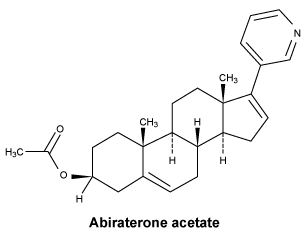
Molecular formula: C26H33NO2.
Molecular weight: 391.55.
CAS number. 154229-18-2.
Prednisolone. Prednisolone occurs as white to practically white, odourless, crystalline powder. It is very slightly soluble in water and sparingly soluble in alcohol.
Chemical structure.
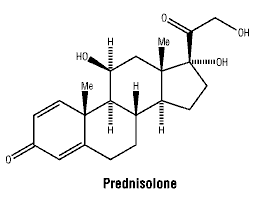
Molecular formula: C21H28NO5.
Molecular weight: 360.4.
CAS number. 50-24-8.
7 Medicine Schedule (Poisons Standard)
S4 - Prescription only medicine.
Date of First Approval
07 July 2025
Reasonable care is taken to provide accurate information at the time of creation. This information is not intended as a substitute for medical advice and should not be exclusively relied on to manage or diagnose a medical condition. The Australian Commission on Safety and Quality in Health Care disclaims all liability (including for negligence) for any loss, damage, injury or any other negative effects resulting from reliance on or use of this information. Read our full disclaimer. This website uses cookies. Read our privacy policy.