
Anzatax
Brand Information
| Brand name | Anzatax |
| Active ingredient | Paclitaxel |
| Schedule | S4 |
Consumer Medicine Information (CMI) leaflet
Please read this leaflet carefully before you start using the Anzatax.
Summary CMI
ANZATAX™
Consumer Medicine Information (CMI) summary
The full CMI on the next page has more details. If you are worried about using this medicine, speak to your doctor or pharmacist.
1. Why am I being treated with ANZATAX?
ANZATAX contains the active ingredient paclitaxel. ANZATAX is used to treat ovarian cancer, breast cancer and non-small cell lung cancer (NSCLC).
For more information, see Section 1. Why am I being treated with ANZATAX? in the full CMI.
2. What should I know before treatment with ANZATAX?
You should not be treated with ANZATAX if you have ever had an allergic reaction to ANZATAX, other medicines similar to paclitaxel called taxanes, or any of the ingredients listed at the end of the CMI including ethanol and PEG 35 castor oil.
Talk to your doctor if you have any other medical conditions including problems with your liver, heart or nerves; lowered immunity or blood disorders; take any other medicines; or are pregnant or plan to become pregnant or are breastfeeding.
For more information, see Section 2. What should I know before treatment with ANZATAX? in the full CMI.
3. What if I am taking other medicines?
Some medicines may interfere with ANZATAX and affect how it works.
A list of these medicines is in Section 3. What if I am taking other medicines? in the full CMI.
4. How is ANZATAX given?
The dose of medicine given to you will depend on your condition and other factors, such as your weight, kidney function and other chemotherapy medicines you are being given.
More instructions can be found in Section 4. How is ANZATAX given? in the full CMI.
5. What should I know while I am being treated with ANZATAX?
| Things you should do |
|
| Things you should not do |
|
| Driving or using machines |
|
| Drinking alcohol |
|
For more information, see Section 5. What should I know while I am being treated with ANZATAX? in the full CMI.
6. Are there any side effects?
Side effects include flushing, light-headedness, dizziness, headache, nausea, vomiting, diarrhoea, muscle or joint pain, changes in vision, hearing loss, tinnitus, hair loss, soreness or ulceration of the mouth, pain or irritation at the injection site. Serious side effects include severe allergic reaction; signs of infection (fever, sore throat); unusual bleeding or bruising (including black stools, blood in your stools or urine); red or purple rash with blisters; fast, slow or irregular heartbeat; seizures; tingling, numbness of the skin or pins and needles sensation; severe abdominal pain; swelling and yellowing of the skin or eyeballs.
For more information, including what to do if you have any side effects, see Section 6. Are there any side effects? in the full CMI.
Full CMI
ANZATAX™
Active ingredient(s): paclitaxel
Consumer Medicine Information (CMI)
This leaflet provides important information about using ANZATAX. You should also speak to your doctor or pharmacist if you would like further information or if you have any concerns or questions about using ANZATAX.
Where to find information in this leaflet:
1. Why am I being treated with ANZATAX?
2. What should I know before treatment with ANZATAX?
3. What if I am taking other medicines?
4. How is ANZATAX given?
5. What should I know while I am being treated with ANZATAX?
6. Are there any side effects?
7. Product details
1. Why am I being treated with ANZATAX?
ANZATAX contains the active ingredient paclitaxel. ANZATAX belongs to a group of medicines known as antineoplastic or cytotoxic agents. You may also hear it referred to as a chemotherapy medicine. ANZATAX works by killing cancer cells and stopping cancer cells from growing and multiplying.
ANZATAX is used to treat ovarian cancer, breast cancer and non-small cell lung cancer (NSCLC).
2. What should I know before treatment with ANZATAX?
Warnings
You should not be given ANZATAX if:
- you are allergic to paclitaxel, other medicines similar to paclitaxel called taxanes or any of the ingredients listed at the end of this leaflet. Always check the ingredients to make sure you can use this medicine.
- you have an allergy to medicines containing PEG-35 castor oil, such as ciclosporin injection.
- you have an allergy to ethanol (alcohol)
- you have a very low white blood cell count.
Check with your doctor if you have:
- any other medical conditions such as:
- kidney disease
- Problems with your liver
- heart problems - lowered immunity due to
- diseases
- treatment with medicines such as cyclosporin
- other medicines/treatment used to treat cancer (including radiation therapy) - any blood disorder with a reduced number of red blood cells, white blood cells, or platelets
- any disease of the nerves or neuropathy (numbness, tingling or pain, especially in the hands and feet, or muscle weakness or problems with bladder control)
- had a previous serious reaction to a similar drug to ANZATAX (called taxanes)
You must not be given this medicine if you have a very low white blood cell (WBC) count.
Tell your doctor if you have an infection or high temperature.
Your doctor may decide to delay your treatment until the infection has gone. A mild illness, such as a cold, is not usually a reason to delay treatment.
During treatment, you may be at risk of developing certain side effects. It is important you understand these risks and how to monitor for them. See additional information under Section 6. Are there any side effects?
Pregnancy and breastfeeding
Check with your doctor if you are pregnant or intend to become pregnant.
You must not be given this medicine if you are pregnant or plan to become pregnant.
Like most cytotoxic medicines ANZATAX is not recommended for use during pregnancy. If there is any need to consider this medicine during your pregnancy, your doctor will discuss with you the benefits and risks of using it.
Males: tell your doctor if your partner plans to become pregnant while you are being treated with this medicine or shortly after you have stopped treatment with it.
Male patients should seek advice regarding storage of sperm prior to treatment with paclitaxel due to the possibility of infertility. Female patients should seek advice regarding potential fertility preservation options.
ANZATAX may cause birth defects if either the male or female is being treated with it at the time of conception. It is recommended that males should use effective birth control while you are being treated with ANZATAX and for at least 4 months after you stop using it. It is recommended for females to use effective birth control while undergoing treatment and for at least 7 months after you stop using it. Your doctor will discuss this with you.
Talk to your doctor if you are breastfeeding or intend to breastfeed.
Do not breast-feed if you being given this medicine and for 2 weeks following the last dose of treatment.
ANZATAX may pass into breast milk and possibly cause serious effects to your baby.
Use in the elderly
There may be a greater chance of certain problems when using ANZATAX. Your doctor may order extra tests and will monitor you closely.
Use in the children
ANZATAX is not recommended for use in children less than 18 years old.
3. What if I am taking other medicines?
Tell your doctor or pharmacist if you are taking any other medicines, including any medicines, vitamins or supplements that you buy without a prescription from your pharmacy, supermarket or health food shop.
Some medicines may interfere with ANZATAX and affect how it works.
- Cisplatin, doxorubicin and trastuzumab, medicines used to treat cancer
- erythromycin, trimethoprim and rifampicin, antibiotics used to treat some bacterial infections
- gemfibrozil, a medicine used to lower high cholesterol levels
- deferasirox, a medicine used to treat iron overload
- filgrastim, a medicine used for white blood cell disorders
- fluoxetine, a medicine used to treat depression
- carbamazepine, phenytoin and phenobarbital (phenobarbitone), medicines used for epilepsy
- efavirenz and nevirapine, medicines used to treat HIV (Human Immunodeficiency Virus) infection
- herbal medicines containing St John's wort
You may need different amounts of your medicines, or you may need to take different medicines.
Check with your doctor or pharmacist if you are not sure about what medicines, vitamins or supplements you are taking and if these affect ANZATAX.
4. How is ANZATAX given?
How much is given
Your doctor will decide what dose of ANZATAX you will receive. This depends on your condition and other factors, such as your weight, kidney function and other chemotherapy medicines you are being given.
Before you are given ANZATAX, you must take some other medicines to prevent serious allergic reactions occurring during your treatment.
You will need to take dexamethasone tablets 12 hours and 6 hours before your treatment, which your doctor will prescribe for you. You will also be given 2 different injections 30 minutes prior to receiving ANZATAX. This will minimize the risk of serious allergic reactions occurring.
ANZATAX may be given alone or in combination with other drugs.
Several courses of ANZATAX therapy may be needed depending on your response to treatment.
Additional treatment may not be repeated until your blood cell numbers return to acceptable levels and any uncontrolled effects have been controlled.
How it is given
ANZATAX is usually given as intravenous infusion (as a slow drip into a vein) over 3 hours.
How long will it be given for
ANZATAX is usually given once every three weeks. Each infusion is called one ‘cycle’ of chemotherapy. Your doctor will decide how many of these cycles you will need.
If you are given too much ANZATAX
As ANZATAX is given to you under the supervision of your doctor, it is very unlikely that you will receive too much. However, if you experience severe side effects after being given this medicine, tell your doctor or nurse immediately.
You may need urgent medical attention.
Symptoms of an ANZATAX overdose include the side effects listed below in the ‘Side Effects’ section but are usually of a more severe nature. Alert your doctor immediately if you experience redness, swelling, pain, sores, ulcers or bleeding in the mouth or throat; or any numbness, pain or unusual sensations or problems with your muscles or motor skills.
You should immediately:
- phone the Poisons Information Centre
(by calling 13 11 26), or - contact your doctor, or
- go to the Emergency Department at your nearest hospital.
You should do this even if there are no signs of discomfort or poisoning.
5. What should I know while I am being treated with ANZATAX?
Things you should do
If you are about to be started on any new medicine, remind your doctor and pharmacist that you are being treated with ANZATAX.
Tell any other doctors, dentists, and pharmacists who are treating you that you are being given this medicine.
If you are going to have surgery, tell the surgeon or anaesthetist that you are being treated with this medicine.
It may affect other medicines used during surgery.
If you become pregnant while taking this medicine, tell your doctor immediately.
Keep follow-up appointments with your doctor and have any tests as directed by your doctor.
It is important to have your follow-up cycles of ANZATAX at the appropriate times to get the best effects from your treatments.
Tell your doctor straight away if you:
- have shortness of breath, feel dizzy or lightheaded, experience swelling of the face, tongue, lips, mouth or throat, or itching
- a cough with shortness of breath, and chest discomfort
- severe pain on eating, drinking or swallowing, or difficulty talking due to pain
- have stomach pain or severe or persistent diarrhoea during or after treatment
- problems with vision discomfort with your infusion site at the time of treatment
Things you should not do
- Do not breast-feed if you are being treated with this medicine and for 2 weeks following the last dose of treatment.
Things to be careful of
This medicine can lower the number of white blood cells and platelets in your blood. This means that you have an increased chance of getting an infection or bleeding.
The following precautions should be taken to reduce your risk of infection or bleeding:
- Avoid people who have infections. Check with your doctor immediately if you think you may be getting an infection, or if you get a fever, chills, cough, hoarse throat, lower back or side pain or find it painful or difficult to urinate.
- Be careful when using a toothbrush, toothpick or dental floss. Your doctor, dentist, nurse or pharmacist may recommend other ways to clean your teeth and gums. Check with your doctor before having any dental work.
- Be careful not to cut yourself when you are using sharp objects such as a razor or nail cutters.
- Avoid contact sports or other situations where you may bruise or get injured.
- Your body fluids will contain ANZATAX and its associated breakdown products for a number of days once you are given ANZATAX. Body fluids and waste, include blood, urine, faeces, vomitus and semen.
In general, precautions to protect other people should be taken while you are receiving chemotherapy and for one week after the treatment period by:
- Flushing the toilet twice to dispose of any body fluids and waste.
- Wearing gloves to clean any spill of body fluid or waste. Use paper towels or old rags, a strong solution of non-bleaching detergent and large amounts of water to mop up the spill. Discard the towels or rags into a separate waste bag and dispose of fluids in the toilet.
- Wash linen or clothing that is heavily contaminated by body fluids or waste separately from other items. Use a strong solution of non-bleaching detergent and large amounts of water.
- Place soiled disposable nappies and other pads in a plastic bag, seal and dispose into the garbage.
- For sexual intercourse, use a barrier method such as a condom.
Driving or using machines
Be careful before you drive or use any machines or tools until you know how ANZATAX affects you.
ANZATAX may cause dizziness or light-headedness in some people. If you have these symptoms, do not drive, operate machinery or do anything else that could be dangerous.
Drinking alcohol
ANZATAX contains alcohol. Discuss drinking alcohol with your doctor.
Looking after your medicine
ANZATAX will be stored in the pharmacy or on the ward.
6. Are there any side effects?
All medicines can have side effects. If you do experience any side effects, most of them are minor and temporary. However, some side effects may need medical attention.
See the information below and, if you need to, ask your doctor or pharmacist if you have any further questions about side effects.
| Side effects | What to do |
| Speak to your doctor if you have any of these side effects and they worry you. |
| Call your doctor straight away, or go straight to the Emergency Department at your nearest hospital if you notice any of these serious side effects. |
Tell your doctor or pharmacist if you notice anything else that may be making you feel unwell.
Some side effects (for example, changes to blood cell counts, elevated liver enzymes, blood pressure and heart abnormalities) can only be found when your doctor does tests from time to time to check your progress.
Other side effects not listed here may occur in some people.
Reporting side effects
After you have received medical advice for any side effects you have experienced, you can report side effects to the Therapeutic Goods Administration online at www.tga.gov.au/safety/reporting-problems. By reporting side effects, you can help provide more information on the safety of this medicine.
Always make sure you speak to your doctor or pharmacist before you decide to stop taking any of your medicines.
7. Product details
This medicine is only available with a doctor's prescription.
What ANZATAX contains
| Active ingredient (main ingredient) | paclitaxel |
| Other ingredients (inactive ingredients) | citric acid PEG 35 castor oil ethanol |
Do not take this medicine if you are allergic to any of these ingredients.
ANZATAX does not contain lactose, sucrose, gluten, tartrazine or any other azo dyes.
What ANZATAX looks like
ANZATAX is a clear to pale yellow solution, in a glass vial.
ANZATAX 30 mg/5 mL AUST R 50578
ANZATAX 100 mg/16.7 mL AUST R 106458
ANZATAX 150 mg/25 mL AUST R 50577
ANZATAX 300 mg/50 mL AUST R 91256
Who distributes ANZATAX
Pfizer Australia Pty Ltd
Sydney NSW
Toll Free Number: 1800 675 229
www.pfizermedicalinformation.com.au
This leaflet was prepared in December 2025.
Brand Information
| Brand name | Anzatax |
| Active ingredient | Paclitaxel |
| Schedule | S4 |
MIMS Revision Date: 01 September 2025
1 Name of Medicine
Paclitaxel.
2 Qualitative and Quantitative Composition
Paclitaxel is an anticancer agent from the taxane class of drugs.
Anzatax Injection Concentrate is a sterile solution containing 6 mg/mL paclitaxel. It is a white powder. Paclitaxel is extremely hydrophobic, and is therefore formulated in PEG-35 castor oil and ethanol.
Excipient(s) with known effect. Ethanol.
For the full list of excipients, see Section 6.1 List of Excipients.
3 Pharmaceutical Form
Concentrate for solution for injection.
Anzatax Injection Concentrate has a pH of 6 to 7. It is a clear to pale yellow solution, free of visible particles.
4 Clinical Particulars
4.1 Therapeutic Indications
Anzatax Injection Concentrate is indicated for the primary treatment of ovarian cancer in combination with a platinum agent.
Anzatax Injection Concentrate is indicated for the treatment of metastatic ovarian cancer and metastatic breast cancer, after failure of standard therapy.
Anzatax Injection Concentrate is indicated for the treatment of non-small cell lung cancer (NSCLC).
Anzatax Injection Concentrate is indicated for adjuvant treatment of node positive breast cancer administered sequentially to doxorubicin and cyclophosphamide.
Anzatax Injection Concentrate is indicated for the treatment of metastatic cancer of the breast, in combination with trastuzumab (Herceptin), in patients who have tumours that over-express HER-2 and who have not received previous chemotherapy for their metastatic disease.
4.2 Dose and Method of Administration
Dosage. All patients should be premedicated before paclitaxel is administered to prevent severe hypersensitivity reactions (see Section 4.4 Special Warnings and Precautions for Use). Before every treatment cycle, patients should be premedicated with:
dexamethasone 20 mg orally, 12 hours and 6 hours prior to starting the paclitaxel infusion;
promethazine 25 mg to 50 mg intravenously or other suitable H1-antagonist, 30 minutes prior to starting the paclitaxel infusion;
ranitidine 50 mg by intravenous infusion over 15 minutes, starting 30 minutes prior to the paclitaxel infusion.
For primary treatment of ovarian cancer, it is recommended that paclitaxel be used at a dose of:
175 mg/m2, administered intravenously over 3 hours, followed by cisplatin 75 mg/m2. The infusion should be repeated every three weeks.
135 mg/m2, administered intravenously over 24 hours, followed by cisplatin 75 mg/m2. The infusion should be repeated every three weeks.
For the treatment of metastatic ovarian cancer or metastatic breast cancer, it is recommended that paclitaxel be used as a single agent at a dose of 175 mg/m2. Paclitaxel should be administered as an intravenous infusion over 3 hours. The infusion should be repeated every 3 weeks as tolerated. Patients have tolerated treatment with up to 9 cycles of paclitaxel therapy, but the optimal course of therapy remains to be established.
For primary or secondary treatment of NSCLC, the recommended dose of paclitaxel is 175 mg/m2 administered intravenously over 3 hours with a 3 week interval between courses.
For node positive breast cancer, the recommended dose of paclitaxel is 175 mg/m2 administered intravenously over 3 hours every 3 weeks for four courses following doxorubicin and cyclophosphamide combination therapy.
For over-expression of HER-2 breast cancer, paclitaxel 175 mg/m2 administered intravenously over 3 hours with a 3 week interval between courses for six cycles. Herceptin 2 mg/kg administered intravenously once a week until progression of disease after an initial loading dose of 4 mg/kg body weight. Paclitaxel infusion may be started the day following the first dose of trastuzumab or immediately after the subsequent doses of trastuzumab if the preceding dose of trastuzumab was well tolerated.
Method of administration. Dilution. Anzatax Injection Concentrate must be diluted prior to intravenous infusion. It should be diluted in 5% glucose or 0.9% sodium chloride intravenous infusion.
Dilution should be made to a final concentration of 0.3 to 1.2 mg/mL.
After the final dilution of Anzatax Injection Concentrate, the bottle should be swirled gently to disperse the paclitaxel. Do not shake.
Avoid contact of paclitaxel solutions with plasticised polyvinyl chloride (PVC) equipment, infusion lines or devices used when preparing infusion solutions. Prepare and store diluted paclitaxel solutions in glass bottles or non-PVC infusion bags. These precautions are to avoid leaching of the plasticiser DEHP (di-[2-ethylhexyl] phthalate) from PVC infusion bags or sets. Paclitaxel solutions should be administered through polyethylene lined administration sets (e.g. Gemini 20 giving set) using an IMED pump.
Although solutions of paclitaxel for infusion prepared as outlined above are chemically stable for 3 days at room temperature (25°C) and 14 days at 2°C to 8°C, it is recommended that the solution for infusion should be administered immediately after preparation as it does not contain an antimicrobial agent. The infusion should be completed within 24 hours of preparation of the solution and any residue discarded, according to the guidelines for the disposal of cytotoxic drugs (see Section 6.6 Special Precautions for Disposal). Use in one patient on one occasion only.
Compounding centres which:
1. Are licensed by the TGA to reconstitute and/or further dilute cytotoxic products; and
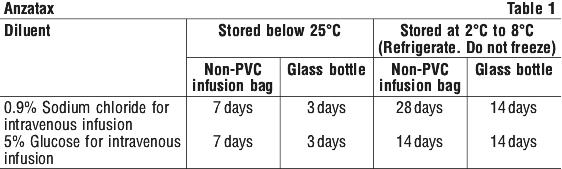
2. Have validated aseptic procedure and regular monitoring of aseptic technique, may apply the shelf lives shown in Table 1 when stored under the specified conditions:
Filtration. A microporous membrane of 0.22 microns or less in size is recommended as the in-line filter for all infusions of paclitaxel. The IMED 0.2 micron add on filter set composed of polysulfone and the IVEX II 0.2 micron filter composed of cellulose have both been found to be suitable for Anzatax Injection Concentrate.
Paclitaxel is a cytotoxic anticancer drug and as with other potentially toxic compounds, caution should be exercised in handling paclitaxel. The use of gloves is recommended. Following topical exposure, tingling, burning, redness have been observed. If paclitaxel solution contacts the skin, wash the skin immediately and thoroughly with soap and water. If paclitaxel contacts mucous membranes, the membranes should be flushed thoroughly with water. Upon inhalation, dyspnoea, chest pain, burning eyes, sore throat and nausea have been reported. Given the possibility of extravasation, it is advisable to closely monitor the infusion site for possible infiltration during drug administration.
The published guidelines related to procedures for the proper handling and disposal of cytotoxic drugs should be followed.
Care must be taken whenever handling cytostatic products. Always take steps to prevent exposure. This includes appropriate equipment, such as wearing gloves and washing hands with soap and water after handling such products.
Dosage adjustment. Subsequent doses of paclitaxel should be administered according to individual patient tolerance. Repetition of a course of paclitaxel is not recommended until the patient's neutrophil count is at least 1.5 x 10⁹ cells/L (1,500 cells/mm3) and the platelet count is at least 100 x 109 cells/L (100,000 cells/mm3). If there is severe neutropenia (neutrophil count less than 0.5 x 10⁹ cells/L for a minimum of 7 days) or severe peripheral neuropathy or severe mucositis during paclitaxel therapy, the dose of paclitaxel in subsequent courses should be reduced by 20% (see Section 4.4 Special Warnings and Precautions for Use). The incidence of neurotoxicity and the severity of neutropenia increase with dose within a regime.
Hepatic impairment. Inadequate data are available to recommend dosage alterations in patients with mild, moderate and severe hepatic impairments (see Section 4.4 Special Warnings and Precautions for Use).
Paediatric population. Paclitaxel is not recommended for use in children below 18 years due to lack of data on safety and efficacy.
4.3 Contraindications
Anzatax Injection Concentrate must not be used in patients who have exhibited hypersensitivity reactions to paclitaxel or other taxanes.
Anzatax Injection Concentrate must not be used in patients who have a history of hypersensitivity reactions to PEG-35 castor oil or drugs formulated in PEG-35 castor oil (e.g. ciclosporin for injection concentrate and teniposide for injection concentrate) or any of the other excipients.
Anzatax Injection Concentrate should not be administered in patients who have a baseline neutrophil counts of < 1.5 x 10⁹ cells/L.
4.4 Special Warnings and Precautions for Use
General. Paclitaxel should be administered under the supervision of a physician experienced in the use of chemotherapeutic agents. Appropriate management of complications is possible only when adequate diagnostic and treatment facilities are readily available.
Paclitaxel should be given before a platinum compound when it is given in combination with a platinum compound.
Premedication. In order to minimise the possibility of hypersensitivity reactions due to histamine release, patients should be premedicated before every treatment cycle of paclitaxel. Premedication should include corticosteroids (e.g. dexamethasone), antihistamines (e.g. diphenhydramine or promethazine) and an H2-receptor antagonist (e.g. ranitidine) (see Section 4.2 Dose and Method of Administration). The characteristic symptoms of hypersensitivity reactions are dyspnoea and hypotension, both requiring treatment, angioedema and widespread urticaria. In clinical trials, 2% of patients treated with paclitaxel experienced severe hypersensitivity. One of these reactions was fatal in a patient treated without premedication. Anzatax Injection Concentrate must not be used in patients who have exhibited hypersensitivity reactions to paclitaxel.
Neutropenia. (See Section 4.8 Adverse Effects (Undesirable Effects)).
As the dose limiting toxicity of paclitaxel is dose related bone marrow suppression (primarily neutropenia), paclitaxel should not be administered to patients with a pre-treatment neutrophil count of less than 1.5 x 10⁹ cells/L (1,500 cells/mm3) or platelet count of less than 100 x 109 cells/L. Blood counts should be frequently monitored during treatment with paclitaxel. Further cycles of paclitaxel should not be administered until the patient's neutrophil count is greater than 1.5 x 10⁹ cells/L (1,500 cells/mm3) and the platelet count is greater than 100 x 109 cells/L (100,000 cells/mm3).
If there is severe neutropenia during a course of paclitaxel (i.e. neutrophil count less than 0.5 x 10⁹ cells/L [500 cells/mm3]), the dose of paclitaxel in subsequent cycles should be reduced by 20%. Previous radiation therapy may induce more severe myelosuppression. There is little information available from such patients at doses above 135 mg/m2.
Cardiovascular toxicity. Hypotension, hypertension and bradycardia have been observed during paclitaxel administration, but generally do not require treatment. Frequent monitoring of vital signs, particular during the first hours of paclitaxel infusion is recommended (also see Section 4.8 Adverse Effects (Undesirable Effects)).
Electrocardiographic monitoring is recommended for patients with serious conduction abnormalities and should be commenced for patients who develop abnormal cardiovascular symptoms or signs during monitoring of vital signs.
Severe cardiac conduction abnormalities have been reported rarely during paclitaxel therapy. If patients develop significant conduction abnormalities during paclitaxel administration, appropriate therapy should be administered and continuous electrocardiographic monitoring should be commenced and performed during subsequent therapy with paclitaxel (see Section 4.8 Adverse Effects (Undesirable Effects)). Severe cardiovascular events were observed more frequently in patients with NSCLC than breast or ovarian cancer.
When paclitaxel is used in combination with trastuzumab or doxorubicin for treatment of metastatic breast cancer, monitoring of cardiac function is recommended. When patients are candidates for treatment with paclitaxel in these combinations, they should undergo baseline cardiac assessment including history, physical examination, ECG, echocardiogram, and/or MUGA scan. Cardiac function should be further monitored during treatment (e.g. every 3 months). Monitoring may help to identify patients who develop cardiac dysfunction and treating physicians should carefully assess the cumulative dose (mg/m2) of anthracycline administered when making decisions regarding frequency of ventricular function assessment. When testing indicates deterioration in cardiac function, even asymptomatic, treating physicians should carefully assess the clinical benefits of further therapy against the potential for producing cardiac damage, including potentially irreversible damage. If further treatment is administered, monitoring of cardiac function should be more frequent (e.g. every 1-2 cycles).
Anaphylaxis and severe hypersensitivity reactions. Severe hypersensitivity (anaphylactoid) reactions characterised by dyspnoea and hypotension requiring treatment, angioedema and generalised urticaria have occurred rarely in premedicated patients receiving paclitaxel. Rare fatal reactions have occurred in patients despite pre-treatment. Cross-hypersensitivity between Anzatax and other taxane products has been reported and may include severe reactions such as anaphylaxis. Patients with a previous history of hypersensitivity to other taxanes should be closely monitored during initiation of Anzatax therapy.
Since significant hypersensitivity reactions may occur, appropriate supportive equipment should be available. Patients receiving paclitaxel should be under continuous observation for at least the first 30 mins following the start of the infusion and frequently thereafter. In case of a severe hypersensitivity reaction, paclitaxel infusion should be discontinued immediately and appropriate treatment given as indicated for anaphylaxis. The patient should not be rechallenged with the drug. Minor hypersensitivity reactions such as flushing, skin reactions etc do not require interruption of therapy (see Section 4.8 Adverse Effects (Undesirable Effects)).
Gastrointestinal. In patients receiving paclitaxel who complain of abdominal pain with other signs and symptoms, bowel perforation should be excluded.
Administration. Anzatax Injection Concentrate is administered by intravenous infusion only; it must not be administered by the intracerebral, intrapleural or intraperitoneal routes. Anzatax Injection Concentrate must be diluted before intravenous infusion. Prior to intravenous infusion of paclitaxel, it must be ensured that the indwelling catheter is in the correct position, as extravasation, necrosis and/or thrombophlebitis may result with incorrect administration (see Section 4.2 Dose and Method of Administration).
Patients receiving paclitaxel should be under continuous observation for at least the first 30 minutes following the start of the infusion and frequently thereafter. In case of a severe hypersensitivity reaction, paclitaxel infusion should be discontinued immediately and appropriate treatment given as indicated for anaphylaxis. The patient should not be rechallenged with the drug. Minor hypersensitivity reactions such as flushing, skin reactions, etc. do not require interruption of therapy (see Section 4.8 Adverse Effects (Undesirable Effects)).
In some patients, temporary discontinuation of the infusion is sufficient to resolve the symptoms. Other patients may require therapy with bronchodilators, adrenaline, antihistamines and corticosteroids, either alone or in combination.
Injection site reaction. A specific treatment for extravasation reaction is unknown at this time. Given the possibility of extravasation, it is advisable to closely monitor the infusion site for possible infiltration during drug administration.
Nervous system. Patients with pre-existing neuropathy should be carefully monitored. Peripheral neuropathy is frequently reported in patients receiving paclitaxel and the severity is dose dependent. A 20% reduction in paclitaxel dose for all subsequent courses is recommended for patients who develop severe peripheral neuropathy during therapy (see Section 4.8 Adverse Effects (Undesirable Effects)).
In NSCLC patients, the administration of paclitaxel in combination with cisplatin resulted in a greater incidence of neurotoxicity than usually seen in patients receiving single agent paclitaxel.
Paclitaxel contains ethanol, 396 mg/mL; consideration should be given to possible CNS and other effects of alcohol.
Children may be more sensitive than adults to the effects of ethanol.
Interstitial pneumonia. Paclitaxel in combination with radiation of the lung, irrespective of their chronological order, may contribute to the development of interstitial pneumonia.
Pseudomembranous colitis. Pseudomembranous colitis has been reported in patients who have not been concomitantly treated with antibiotics. This reaction should be considered in the differential diagnosis of cases of severe or persistent diarrhoea occurring during or shortly after treatment with paclitaxel.
Mucositis. Severe mucositis has been reported which requires dose reduction (see Section 4.2 Dose and Method of Administration).
Ophthalmology. There have been reports of reduced visual acuity due to cystoid macular oedema (CMO) during treatment with paclitaxel as well as with other taxanes (see Section 4.8 Adverse Effects (Undesirable Effects)). Patients with visual impairment during paclitaxel treatment should seek a prompt and complete ophthalmologic examination. Paclitaxel should be discontinued if a CMO diagnosis is confirmed.
Use in hepatic impairment. The effect of hepatic impairment on the pharmacokinetics of paclitaxel has not been established. However, as the liver is thought to be the primary site for metabolism of the drug, paclitaxel should be given cautiously to patients with decreased liver function. Paclitaxel has been shown to cause a dose related elevation of liver enzymes.
Patients with hepatic impairment may be at increased risk of toxicity, particularly Grade 3-4 myelosuppression. There is no evidence that the toxicity of paclitaxel is increased when given as a 3-hour infusion to patients with mildly abnormal liver function. When paclitaxel is given as a greater than 3-hour infusion, increased myelosuppression may be seen in patients with moderate to severe hepatic impairment. Inadequate data are available to recommend dosage alterations in patients with mild to moderate hepatic impairments (see Section 5.2 Pharmacokinetic Properties). Patients with severe hepatic impairment must not be treated with paclitaxel.
Use in renal impairment. The effect of renal impairment on the pharmacokinetics of paclitaxel has not been established.
Use in the elderly. Of 2228 patients who received paclitaxel in eight clinical studies evaluating its safety and efficacy in the treatment of advanced ovarian cancer, breast carcinoma or NSCLC and 1570 patients who were randomised to receive paclitaxel in the adjuvant breast cancer study, 649 patients (17%) were 65 years or older, including 49 patients (1%) 75 years or older. In most studies, severe myelosuppression was more frequent in elderly patients; in some studies, severe neuropathy was more common in elderly patients. In two clinical studies in NSCLC, the elderly patients treated with paclitaxel had a higher incidence of cardiovascular events. Estimates of efficacy appeared similar in elderly patients and in younger patients; however, comparative efficacy cannot be determined with confidence due to the small number of elderly patients studied. In a study of first line treatment of ovarian cancer, elderly patients had a lower median survival than younger patients, but no other efficacy parameters favoured the younger group.
Paediatric use. The safety and effectiveness of paclitaxel in paediatric patients has not been established. There have been reports of central nervous system (CNS) toxicity (rarely associated with death) in a clinical trial in paediatric patients in which paclitaxel was infused intravenously over 3 hours at doses ranging from 350 mg/m2 to 420 mg/m2. The toxicity is most likely attributable to the high dose of the ethanol component of the paclitaxel vehicle given over a short infusion time. The use of concomitant antihistamines may intensify this effect. Although a direct effect of the paclitaxel itself cannot be discounted, the high doses used in this study (over twice the recommended adult dosage) must be considered in assessing the safety of paclitaxel for use in this population.
Effects on laboratory tests. No data available.
4.5 Interactions with Other Medicines and Other Forms of Interactions
Cisplatin. The recommended regimen of paclitaxel administration for the first-line chemotherapy of ovarian carcinoma is for paclitaxel to be given before cisplatin. When paclitaxel is given before cisplatin, the safety profile of paclitaxel is consistent with that reported for single-agent use. Administration of cisplatin prior to paclitaxel treatment leads to greater myelosuppression than that seen when paclitaxel is given prior to cisplatin. In patients receiving cisplatin prior to paclitaxel, there is about a 20% decrease in paclitaxel clearance. Patients treated with paclitaxel and cisplatin may have an increased risk of renal failure as compared to cisplatin alone in gynecological cancers.
Doxorubicin. Sequence effects characterised by more profound neutropenic and stomatitis episodes have been observed with combination use of paclitaxel and doxorubicin when paclitaxel was administered before doxorubicin and using longer than recommended infusion times (paclitaxel administered over 24 hours; doxorubicin over 48 hours). Plasma levels of doxorubicin (and its active metabolite doxorubicinol) may be increased when paclitaxel and doxorubicin are used in combination and are given closer in time. Paclitaxel for initial treatment of metastatic breast cancer should be administered 24 hours after doxorubicin (see Section 4.2 Dose and Method of Administration). However, data from a trial using bolus doxorubicin and 3 hour paclitaxel infusion found no sequence effects on the pattern of toxicity.
Drugs metabolised in the liver. The metabolism of paclitaxel is catalysed, in part, by cytochrome P450 isoenzymes CYP2C8 and 3A4. Clinical studies have demonstrated that CYP2C8 mediated metabolism of paclitaxel, to 6α-hydroxypaclitaxel, is the major metabolic pathway in humans. Concurrent administration of ketoconazole, a known potent inhibitor of CYP3A4, does not inhibit the elimination of paclitaxel in patients; thus, both medicinal products may be administered together without dosage adjustment. Further data on the potential of drug interactions between paclitaxel and CYP2C8 and 3A4 substrates/inhibitors are limited. Therefore, caution should be exercised when administering paclitaxel concomitantly with medicines known to inhibit (e.g. erythromycin, fluoxetine, gemfibrozil, deferasirox, trimethoprim) or induce (e.g. rifampicin, carbamazepine, phenytoin, phenobarbital, efavirenz, nevirapine, St John's wort) either CYP2C8 or 3A4.
In the clinical trial of paclitaxel in combination with trastuzumab (Herceptin), mean serum trough concentrations of trastuzumab were consistently elevated 1.5-fold as compared with serum concentrations of trastuzumab in combination with anthracycline plus cyclophosphamide (AC).
Arthralgia or myalgia adverse events of paclitaxel appear to be of a higher incidence in patients being treated concurrently with filgrastim (granulocyte colony stimulating factor; G-CSF).
4.6 Fertility, Pregnancy and Lactation
Effects on fertility. Following treatment with intravenous paclitaxel at a dose of 1 mg/kg (6 mg/m2), rats showed decreased fertility and toxicity in unborn offspring. Paclitaxel administered intravenously to rabbits during organogenesis at a dose of 3 mg/kg (33 mg/m2) was toxic to both mother and foetus.
Infertility in females and males. Based on findings in animal studies, Anzatax may impair fertility in females and males of reproductive potential. Male patients should seek advice regarding cryoconservation of sperm prior to treatment with paclitaxel because of the possibility of infertility. It is also recommended to discuss fertility preservation with female patients prior to treatment.
Use in pregnancy. (Category D)
Paclitaxel is a cytotoxic agent that can produce spontaneous abortion, foetal loss and birth defects and may cause foetal harm when administered to a pregnant woman. Therefore, paclitaxel should not be used during pregnancy unless clearly necessary. Studies have shown paclitaxel to be toxic to embryos and foetuses in rabbits at an intravenous dose of 3 mg/kg (33 mg/m2) given during organogenesis. Paclitaxel is toxic to rat foetuses at a dose of 1 mg/kg (6 mg/m2) and produced low fertility and foetal toxicity in rats. Examination revealed that no gross external, soft tissue or skeletal alterations occurred. There are no studies in pregnant women.
Women of childbearing potential should have a pregnancy test prior to starting treatment with Anzatax. If paclitaxel is used during pregnancy, or if the patient becomes pregnant while receiving this drug, the patient should be apprised of the potential hazard.
Females and males of reproductive potential. Males. Based on findings in genetic toxicity and animal reproduction studies, male patients with female partners of childbearing potential should be advised to use effective contraception in order to avoid fathering a child during treatment and for at least four months after the last dose of Anzatax.
Females. Due to the potential for genotoxicity, female patients of childbearing potential should be advised to use effective contraception in order to avoid becoming pregnant during treatment and for at least seven months after the last dose of Anzatax.
Use in lactation. Based on published case reports from three women, paclitaxel has been detected in breastmilk after administration. Because of the potential for serious adverse reactions due to paclitaxel in nursing infants, the mother should be advised not to breastfeed while on paclitaxel therapy and for 2 weeks following the last dose of treatment.
4.7 Effects on Ability to Drive and Use Machines
The effects of this medicine on a person's ability to drive and use machines were not assessed as part of its registration. Patients should refrain from driving or using machines until they know that paclitaxel does not negatively affect these abilities. It should be noted that paclitaxel contains ethanol.
4.8 Adverse Effects (Undesirable Effects)
The following is based on the experience of 812 patients treated in Phase II and III clinical trials. The frequency and severity of adverse effects are generally similar between patients receiving paclitaxel for the treatment of ovarian, breast or lung cancer. None of the observed effects were clearly influenced by age. Unless stated otherwise, percent figures, where given, are based on observed incidence when using the recommended dosing regime. If other regimes are used, the incidence of reaction may be higher.
Safety of the paclitaxel/platinum combination has been investigated in a large randomised trial in ovarian cancer and in two Phase III trials in NSCLC. Unless otherwise mentioned, the combination of paclitaxel with platinum agents did not result in any clinically relevant changes to the safety profile of single agent paclitaxel.
Adverse effects reported were those occurring during or following the first course of therapy, and have, where possible, been grouped by frequency according to the following criteria.
Very common: ≥ 1/10; common: ≥ 1/100 and < 1/10; uncommon: ≥ 1/1000 and < 1/100; rare: ≥ 1/10,000 and < 1/1000; very rare: < 1/10,000.
Cardiovascular. Very common: hypotension.
Common: bradycardia; ECG abnormalities (non-specific repolarisation and sinus tachycardia).
Uncommon: ECG abnormalities (premature beats), cardiomyopathy.
Rare: myocardial infarction; congestive heart failure (typically in patients who have received other chemotherapy, notably anthracyclines).
Six severe cardiovascular events possibly related to paclitaxel administration occurred including asymptomatic ventricular tachycardia, tachycardia with bigeminy, atrioventricular block (2 patients), and syncopal episodes (2 patients - in one associated with severe hypotension and coronary stenosis resulting in death). Severe hypotensive reactions have been associated with serious hypersensitivity reactions and have required intervention. Cardiac failure and sinus bradycardia have also been observed.
Haematological. Very common: myelosuppression, thrombocytopenia, leucopenia, fever, bleeding, anaemia; neutropenia. (Overall, 52% of the patients experienced severe Grade IV neutropenia and 56% had Grade III/IV severe neutropenia on their first course. Neutrophil nadirs occurred at a median of 11 days after paclitaxel administration.)
Common: febrile neutropenia (associated with an infectious episode, including UTI and URTI).
Rare: five septic episodes, which were associated with severe neutropenia attributable to paclitaxel administration, had a fatal outcome.
Patients who have received prior radiation or cisplatin therapy exhibit more frequent myelosuppression, which is generally of greater severity (see Section 4.4 Special Warnings and Precautions for Use; Section 4.5 Interactions with Other Medicines and Other Forms of Interactions).
Hepatobiliary. Very common: elevated alkaline phosphatase; elevated AST; elevated ALT.
Common: elevated bilirubin.
Rare: hepatic necrosis (leading to death); hepatic encephalopathy (leading to death).
Hypersensitivity. Very common: flushing; rash.
Common: dyspnoea; hypotension; chest pains; tachycardia.
Uncommon: significant hypersensitivity reactions requiring therapy (e.g. hypotension, angioneurotic oedema, bronchospasm, respiratory distress, generalised urticaria, oedema, back pains, pain in extremities, chills, diaphoresis).
Infections and infestation. Very common: infection.
Uncommon: septic shock.
Gastrointestinal. Very common: nausea; vomiting; diarrhoea; mucositis. (These manifestations were usually mild to moderate at the recommended dose.)
Rare: bowel perforation. (There have been several cases of bowel perforation associated with patients receiving paclitaxel. Patients receiving paclitaxel who complain of abdominal pain with other signs and symptoms should have bowel perforation excluded.)
Neutropenic enterocolitis has been reported.
Vascular disorders. Very common: hypotension.
Uncommon: hypertension, thrombosis, thrombophlebitis.
Musculoskeletal. Very common: arthralgia; myalgia. (The symptoms were usually transient occurring two to three days after paclitaxel administration and resolving within a few days.)
Neurological. Very common: peripheral neuropathy. (Peripheral neuropathy occurs and is dose dependent with 60% of patients experiencing Grade I toxicity, 10% Grade II and 2% Grade III at the recommended doses. Neuropathy was present in 87% of patients at higher doses. Severity of symptoms also increased with dose; 4% of patients experienced severe symptoms at the recommended dose versus 10% at higher doses. Neurologic symptoms may occur following the first course and symptoms may worsen with increasing exposure to paclitaxel. Peripheral neuropathy was the cause of paclitaxel discontinuation in 2% of patients. Sensory symptoms have usually improved or resolved within several months of paclitaxel discontinuation.)
Rare: optic nerve and/or visual disturbances (scintillating scotomata) particularly in patients who have received higher doses than recommended; these effects generally have been reversible; motor neuropathy with resultant minor distal weakness and autonomic neuropathy resulting in paralytic ileus and orthostatic hypotension.
Skin and appendages. Very common: alopecia.
Rare: nail and skin changes (mild and transient); radiation-recall dermatitis; recall dermatitis.
Local: phlebitis following intravenous administration has been reported. Extravasation leading to oedema, pain, erythema and induration has been reported. On occasions, extravasation can lead to cellulitis. Skin discolouration may also occur.
General disorders and administration site conditions. Very common: mucosal inflammation.
Common: injection site reactions (including localised oedema, pain, erythema, induration, on occasion extravasation can result in cellulitis).
Injection site reactions, including reactions secondary to extravasation, were usually mild and consisted of erythema, tenderness, skin discolouration, or swelling at the injection site. These reactions have been observed more frequently with the 24 hour infusion than with the 3 hour infusion. Recurrence of skin reactions at a site of previous extravasation following administration of paclitaxel at a different site, i.e. 'recall', has been reported rarely.
Rare reports of more severe events such as phlebitis, cellulitis, induration, skin exfoliation, necrosis and fibrosis have been received as part of the continuing surveillance of paclitaxel safety. In some cases the onset of the injection site reaction either occurred during a prolonged infusion or was delayed by a week to ten days.
A specific treatment for extravasation reactions is unknown at this time. Given the possibility of extravasation, it is advisable to closely monitor the infusion site for possible infiltration during drug administration.
Radiation pneumonitis has been reported in patients receiving concurrent radiotherapy.
Post-marketing experience. The following additional adverse reactions have been identified during post approval use of paclitaxel. Because the reactions are reported voluntarily from a population of uncertain size, it is not always possible to reliably estimate their frequency or establish a casual relationship to drug exposure.
Infections and infestations. Pneumonia, sepsis.
Cardiac disorders. Atrial fibrillations, supraventricular tachycardia, reduction of left ventricle ejection fraction, ventricular failure.
Haematological disorders. Acute myeloid leukaemia, myelodysplastic syndrome.
Immune system disorders. Anaphylactic reactions (with fatal outcome), anaphylactic shock, cross-hypersensitivity between Anzatax and other taxanes has been reported.
Metabolism and nutritional disorders. Anorexia, tumour lysis syndrome.
Psychiatric disorders. Confusion state.
Vascular disorders. Shock.
Respiratory, thoracic and mediastinal disorders. Dyspnoea, pleural effusion, respiratory failure, interstitial pneumonia, lung fibrosis, pulmonary embolism, cough.
Gastrointestinal disorders. Bowel obstruction, bowel perforation, ischemic colitis, pancreatitis, mesenteric thrombosis, pseudomembranous colitis, oesophagitis, constipation, ascites.
Neurological disorders. Autonomic neuropathy (resulting in paralytic ileus and orthostatic hypotension), grand mal seizures, convulsions, encephalopathy, dizziness, headache, ataxia, paraesthesia, hyperesthesia.
Eye disorders. Photopsia, visual floaters, cystoid macular oedema, macular oedema.
Ear and labyrinth disorders. Hearing loss, tinnitus, vertigo, ototoxicity.
Skin and subcutaneous tissue disorders. Stevens-Johnson syndrome, epidermal necrolysis, erythema multiforme, exfoliative dermatitis, urticaria, onycholysis (patients on therapy should wear sun protection on hands and feet), pruritus, rash, erythema, phlebitis, cellulitis, skin exfoliation, necrosis, fibrosis, palmar-plantar erythrodysesthesia syndrome.
Musculoskeletal and connective tissue disorders. Systemic lupus erythematosus, scleroderma.
Investigations. Increase in blood creatinine.
General disorders and administration site conditions. Asthenia, malaise, pyrexia, dehydration, oedema.
Reporting suspected adverse effects. Reporting suspected adverse reactions after registration of the medicinal product is important. It allows continued monitoring of the benefit-risk balance of the medicinal product. Healthcare professionals are asked to report any suspected adverse reactions at www.tga.gov.au/reporting-problems.
4.9 Overdose
At present there is no specific treatment for paclitaxel overdosage. In case of overdose, the patient should be closely monitored. Probable consequences of an overdose are mucositis, severe bone marrow suppression and peripheral neurotoxicity and treatment should be supportive.
Overdoses in paediatric patients may be associated with acute ethanol toxicity. Treatment is symptomatic and supportive.
For information on the management of overdose, contact the Poisons Information Centre on 13 11 26 (Australia).
5 Pharmacological Properties
5.1 Pharmacodynamic Properties
Mechanism of action. Paclitaxel is an antimicrotubule antineoplastic agent. It promotes microtubule assembly by enhancing the polymerisation of tubulin, the protein subunit of spindle microtubules, even in the absence of the mediators normally required for microtubule assembly (e.g. guanosine triphosphate [GTP]), thereby inducing the formation of stable, nonfunctional microtubules. While the precise mechanism of action of the drug is not completely known, paclitaxel disrupts the dynamic equilibrium within the microtubule system and blocks cells in the late G2 phase and M phase of the cell cycle, inhibiting cell replication and impairing function of nervous tissue.
Clinical trials. No data available.
5.2 Pharmacokinetic Properties
Distribution. After paclitaxel is administered intravenously, its plasma concentration declines biphasically.
The first phase shows rapid decline representing distribution of paclitaxel to the peripheral compartment and elimination. This initial phase is followed by a relatively slow elimination of paclitaxel from the peripheral compartment.
Mean steady state volume of distribution following single dose infusion of 135 and 175 mg/m2 has ranged from 198 to 688 L/m2, indicating extensive extravascular distribution and/or tissue binding.
The serum protein binding of paclitaxel is 89% following a three hour infusion of 175 mg/m2 paclitaxel.
Metabolism. The liver is thought to be the primary site of metabolism for paclitaxel.
Excretion. In patients treated with doses of 135 and 175 mg/m2 given as 3 and 24 hour infusions, mean terminal half-life has ranged from 3.0 to 52.7 hours and total body clearance has ranged from 11.6 to 24.0 L/hour/m2.
Following three hour infusions of 175 mg/m2, mean terminal half-life was estimated to be 9.9 hours; mean total body clearance was 12.4 L/hour/m2.
The mean cumulative urinary recovery of unchanged paclitaxel has been reported as 1.8 to 12.6% of the dose.
5.3 Preclinical Safety Data
Genotoxicity. In vitro studies (chromosome abnormalities in human lymphocytes) and in vivo (micronucleus test using mice) mammalian test systems have shown paclitaxel to be mutagenic. When testing using the Ames test or the CHO/HGPRT gene mutation assay, paclitaxel did not induce mutagenicity.
Carcinogenicity. No studies have examined the carcinogenic potential of paclitaxel, however, drugs similar to paclitaxel are carcinogens.
6 Pharmaceutical Particulars
6.1 List of Excipients
Citric acid, PEG-35 castor oil, ethanol.
6.2 Incompatibilities
Incompatibilities were either not assessed or not identified as part of the registration of this medicine.
6.3 Shelf Life
In Australia, information on the shelf life can be found on the public summary of the Australian Register of Therapeutic Goods (ARTG). The expiry date can be found on the packaging.
6.4 Special Precautions for Storage
Store below 25°C. Protect from light.
6.5 Nature and Contents of Container
Anzatax Injection Concentrate is available in glass vial in single packs in the following presentations:
Anzatax Injection Concentrate 30 mg/5 mL vials;
Anzatax Injection Concentrate 100 mg/16.7 mL vials;
Anzatax Injection Concentrate 150 mg/25 mL vials;
Anzatax Injection Concentrate 300 mg/50 mL vials.
6.6 Special Precautions for Disposal
In Australia, any unused medicine or waste material should be disposed of in accordance with local requirements.
6.7 Physicochemical Properties
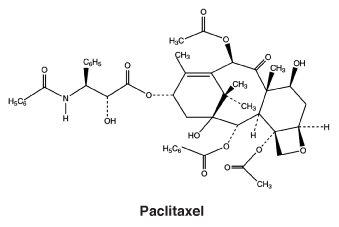
Chemical structure. Paclitaxel is described chemically as (2S,5R,7S,10R,13S)-10,20-bis(acetoxy)-2- benzoyloxy-1,7-dihydroxy-9-oxo-5,20-epoxytax-11-en-13-yl(3S)-3- benzoylamino-3-phenyl-D-lactate.
The chemical structure of paclitaxel is shown below:
CAS number. 33069-62-4.
7 Medicine Schedule (Poisons Standard)
S4 - Prescription Only Medicine.
Date of Revision
04 August 2025
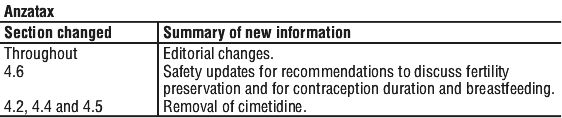
Summary Table of Changes
Reasonable care is taken to provide accurate information at the time of creation. This information is not intended as a substitute for medical advice and should not be exclusively relied on to manage or diagnose a medical condition. The Australian Commission on Safety and Quality in Health Care disclaims all liability (including for negligence) for any loss, damage, injury or any other negative effects resulting from reliance on or use of this information. Read our full disclaimer. This website uses cookies. Read our privacy policy.