
Atovacue
Brand Information
| Brand name | Atovacue |
| Active ingredient | Atovaquone |
| Schedule | S4 |
Consumer Medicine Information (CMI) leaflet
Please read this leaflet carefully before you start using the Atovacue.
Summary CMI
ATOVACUE®
Consumer Medicine Information (CMI) summary
The full CMI on the next page has more details. If you are worried about using this medicine, speak to your doctor or pharmacist.
1. Why am I using ATOVACUE?
ATOVACUE contains the active ingredient atovaquone. ATOVACUE is used to treat a type of pneumonia (lung infection) caused by Pneumocystis carinii.
For more information, see Section 1. Why am I using ATOVACUE? in the full CMI.
2. What should I know before I use ATOVACUE?
Do not use if you have ever had an allergic reaction to atovaquone or any of the ingredients listed at the end of the CMI.
Talk to your doctor if you have any other medical conditions, take any other medicines, or are pregnant or plan to become pregnant or are breastfeeding.
For more information, see Section 2. What should I know before I use ATOVACUE? in the full CMI.
3. What if I am taking other medicines?
Some medicines may interfere with ATOVACUE and affect how it works.
A list of these medicines is in Section 3. What if I am taking other medicines? in the full CMI.
4. How do I use ATOVACUE?
- It is very important that you take ATOVACUE oral suspension with food. It has been shown that taking ATOVACUE Suspension with a high fat meal helps your medicine to work more effectively.
- Shake well before use. Do not dilute.
More instructions can be found in Section 4. How do I use ATOVACUE? in the full CMI.
5. What should I know while using ATOVACUE?
| Things you should do |
|
| Things you should not do |
|
| Driving or using machines |
|
| Drinking alcohol |
|
| Looking after your medicine |
|
For more information, see Section 5. What should I know while using ATOVACUE? in the full CMI.
6. Are there any side effects?
Common side effects include fever, headache, abdominal pain, asthenia, nausea, diarrhoea, vomiting, dyspepsia, insomnia, rash and sinusitis.
For more information, including what to do if you have any side effects, see Section 6. Are there any side effects? in the full CMI.
Full CMI
ATOVACUE®
Active ingredient: Atovaquone
Consumer Medicine Information (CMI)
This leaflet provides important information about using ATOVACUE. You should also speak to your doctor or pharmacist if you would like further information or if you have any concerns or questions about using ATOVACUE.
Where to find information in this leaflet:
1. Why am I using ATOVACUE?
2. What should I know before I use ATOVACUE?
3. What if I am taking other medicines?
4. How do I use ATOVACUE?
5. What should I know while using ATOVACUE?
6. Are there any side effects?
7. Product details
1. Why am I using ATOVACUE?
ATOVACUE contains the active ingredient atovaquone. ATOVACUE belongs to a group of medicines called anti-infectives.
ATOVACUE oral suspension is used to treat a type of pneumonia (lung infection) caused by Pneumocystis carinii.
Pneumocystis carinii is a parasite that can lie dormant in the airways unless the body's immune system becomes weakened, for example in human immunodeficiency virus (HIV) infection. This can lead to Pneumocystis carinii pneumonia (PCP).
ATOVACUE suspension works by interfering with important functions within Pneumocystis carinii.
Your doctor may have prescribed ATOVACUE suspension for another reason.
Ask your doctor if you have any questions about why ATOVACUE suspension has been prescribed for you.
This medicine is available only with a doctor's prescription. ATOVACUE suspension is not addictive.
2. What should I know before I use ATOVACUE?
Warnings
Do not use ATOVACUE if:
- you are allergic to atovaquone, or any of the ingredients listed at the end of this leaflet.
- Always check the ingredients to make sure you can use this medicine.
- you are pregnant, trying to become pregnant or breastfeeding, unless your doctor says you should.
This medicine contains 50.00 mg benzyl alcohol in each 5 mL.
Benzyl alcohol may cause allergic reactions.
Check with your doctor if you:
- are allergic to foods, dyes, preservatives or any other medicines.
- have or have had diarrhoea or any other stomach or bowel problem.
- have or have had kidney or liver disease.
During treatment, you may be at risk of developing certain side effects. It is important you understand these risks and how to monitor for them. See additional information under Section 6. Are there any side effects?
Pregnancy and breastfeeding
Check with your doctor if you are pregnant or intend to become pregnant.
Talk to your doctor if you are breastfeeding or intend to breastfeed.
3. What if I am taking other medicines?
Tell your doctor or pharmacist if you are taking any other medicines, including any medicines, vitamins or supplements that you buy without a prescription from your pharmacy, supermarket or health food shop.
Some medicines may interfere with ATOVACUE and affect how it works.
Medicines that may increase the effect of ATOVACUE include:
- Indinavir, medicines used to treat HIV/ AIDS.
- Warfarin, a medicine used to prevent blood clots.
Medicines that may reduce the effect of ATOVACUE include:
- Metoclopramide, a medicine used for nausea and vomiting.
- Rifampicin (for example Rifadin)
- tetracycline (for example Doxylin)
- rifabutin (for example Mycobutin)
- cephalosporins (for example cefuroxime)
- medicines used to treat bacterial infections.
- anti-diarrhoeals and laxatives
- Paracetamol
- Benzodiazepines, medicines used to treat anxiety, seizures and insomnia.
- Aciclovir, a medicine used to treat viral infections.
- Opiates,(for example morphine, codeine and oxycodone).
Drugs that get affected by Atovacue Suspension: Zidovudine
Check with your doctor or pharmacist if you are not sure about what medicines, vitamins or supplements you are taking and if these affect ATOVACUE.
4. How do I use ATOVACUE?
How much to take / use
Dosage in adults
The usual dose in adults is one 5 mL spoonful (750 mg), taken twice a day with food, for 21 days.
It is important to take the recommended dose (5 mL: 750 mg) twice a day because this dosing schedule provides the optimum drug concentration in your blood. However, if you have difficulty with swallowing or are only able to eat one meal a day, then the dose is two 5 mL spoonfuls (1500 mg) taken with a meal, for 21 days.
When to take / use ATOVACUE
It is very important that you take ATOVACUE suspension with food. It has been shown that taking ATOVACUE Suspension with a high fat meal helps your medicine to work more effectively.
Make sure you shake the bottle of ATOVACUE Suspension before measuring your dose.
ATOVACUE Suspension should not be diluted.
If you forget to use ATOVACUE
ATOVACUE should be used regularly at the same time each day. If you miss your dose at the usual time, take it as soon as you remember.
If it is almost time for your next dose, skip the dose you missed and take your next dose when you are meant to.
Do not take a double dose to make up for the dose you missed.
If you use too much ATOVACUE
If you think that you have used too much ATOVACUE, you may need urgent medical attention.
You should immediately:
- phone the Poisons Information Centre
(by calling 13 11 26), or - contact your doctor, or
- go to the Emergency Department at your nearest hospital.
You should do this even if there are no signs of discomfort or poisoning.
5. What should I know while using ATOVACUE?
Things you should do
Tell your doctor or pharmacist that you are taking ATOVACUE suspension if you are about to be started on any new medicines.
Tell your doctor if you become pregnant or are trying to become pregnant.
Tell your doctor if, for any reason, you have not taken your medicine exactly as prescribed.
Otherwise, your doctor may think that it was not effective and change your treatment unnecessarily.
Things you should not do
- Do not stop taking ATOVACUE suspension or change the dose without first checking with your doctor.
- Do not give this medicine to anyone else, even if their symptoms seem similar to yours.
- Do not use ATOVACUE suspension to treat any other complaints unless your doctor says to.
Driving or using machines
Be careful before you drive or use any machines or tools until you know how ATOVACUE suspension affects you.
ATOVACUE suspension generally does not cause any problems with your ability to drive a car or operate machinery. However, as with many other medicines, ATOVACUE suspension may cause headache in some people.
Drinking alcohol
Tell your doctor if you drink alcohol.
Looking after your medicine
Follow the instructions in the carton on how to take care of your medicine properly.
Store below 25°C. Do not refrigerate. Do not freeze.
Unused product should be discarded 21 days after opening.
Do not store it:
- in the bathroom or near a sink, or
- in the car or on window sills.
Keep it where young children cannot reach it.
When to discard your medicine
If your doctor tells you to stop taking it or the suspension have passed their expiry date, ask your pharmacist what to do with any that are left over.
Getting rid of any unwanted medicine
If you no longer need to use this medicine or it is out of date, take it to any pharmacy for safe disposal.
Do not use this medicine after the expiry date.
6. Are there any side effects?
All medicines can have side effects. If you do experience any side effects, most of them are minor and temporary. However, some side effects may need medical attention.
See the information below and, if you need to, ask your doctor or pharmacist if you have any further questions about side effects.
In clinical studies, atovaquone suspension has been used to treat pneumocystis carinii pneumonia in patients with underlying HIV infection. Therefore, it is not known whether many of these side-effects are due to taking atovaquone suspension or taking atovaquone suspension with other medicines. Some of these symptoms may occur as part of advanced HIV disease.
Like other medicines, ATOVACUE suspension can cause some side-effects. If they occur, they are most likely to be minor and temporary. However, some may be serious and need medical attention.
Less serious side effects
| Less serious side effects | What to do |
Body as a whole:
| Speak to your doctor if you have any of these less serious side effects and they worry you. |
Serious side effects
| Serious side effects | What to do |
Symptoms of allergic reaction:
| Call your doctor straight away, or go straight to the Emergency Department at your nearest hospital if you notice any of these serious side effects. |
Tell your doctor or pharmacist if you notice anything else that may be making you feel unwell.
Other side effects not listed here may occur in some people.
Reporting side effects
After you have received medical advice for any side effects you experience, you can report side effects to the Therapeutic Goods Administration online at www.tga.gov.au/reporting-problems. By reporting side effects, you can help provide more information on the safety of this medicine.
Always make sure you speak to your doctor or pharmacist before you decide to stop taking any of your medicines.
7. Product details
This medicine is only available with a doctor's prescription.
What ATOVACUE contains
| Active ingredient | Atovaquone |
| Other ingredients | Benzyl alcohol Xanthan Gum Poloxamer 188 Hypromellose Saccharin sodium Citric acid monohydrate Sodium citrate dihydrate Purified water Tutti Frutti Flavour (051880AP0551) |
Do not take this medicine if you are allergic to any of these ingredients.
What ATOVACUE looks like
ATOVACUE is 210 mL bright yellow flavoured suspension filled in 250 mL plastic bottle (HPDE) with 28 mm child resistance (CR) clean peel closure and polypropylene double sided spoon (2.5 ml and 5 ml). (AUST R 407150).
Who distributes ATOVACUE
Glenamrk Pharmaceuticals Australia Pty Ltd
Suite 1503, Level 15
14 Martin Place
Sydney, NSW 2000
Australia
Phone number: 1800 371 274
Email ID: Medinfo.Australia@glenmarkpharma.com
This leaflet was prepared in April 2024.
Brand Information
| Brand name | Atovacue |
| Active ingredient | Atovaquone |
| Schedule | S4 |
MIMS Revision Date: 01 January 2025
1 Name of Medicine
Atovaquone.
2 Qualitative and Quantitative Composition
Atovacue oral liquid suspension contains the active atovaquone 750 mg in 5 mL.
Excipient with known effect. Saccharin.
For the full list of excipients, see Section 6.1 List of Excipients.
3 Pharmaceutical Form
Atovacue oral suspension is a bright yellow liquid.
4 Clinical Particulars
4.1 Therapeutic Indications
Atovacue oral suspension is indicated for:
Acute treatment of mild to moderate Pneumocystis carinii pneumonia (PCP) (difference of alveolar and arterial oxygen tensions [(A-a) DO2] ≤ 45 mmHg (6 kPa) and oxygen tension in arterial blood (PaO2) ≥ 60 mmHg (8 kPa) breathing room air) in adult patients with AIDS who are intolerant of trimethoprim/sulfamethoxazole therapy.
4.2 Dose and Method of Administration
The importance of taking the full prescribed dose of Atovacue with food should be stressed to patients. The presence of food, particularly high-fat food, increases bioavailability two to three fold.
Shake well before use. Do not dilute.
Dosage in adults. Pneumocystis carinii pneumonia. The recommended oral dose of Atovacue suspension is 750 mg (5 mL) administered with food twice daily for 21 days (see Section 5.2, Pharmacokinetics in adults). For patients with difficulty in swallowing and unable to take two meals a day, the dose should be 1,500 mg (2 x 5 mL) with food once a day for 21 days.
Dosage in children. Experience with atovaquone oral suspension in the paediatric population shows it to be well tolerated, but data are limited to a pharmacokinetic and safety study and at present there is insufficient data to recommend the use of atovaquone in children (see Section 4.4 Special Warnings and Precautions for Use, Paediatric use).
Dosage in elderly. There have been no studies of Atovacue in the elderly (see Section 4.4 Special Warnings and Precautions for Use, Use in the elderly).
4.3 Contraindications
Atovacue oral suspension is contra-indicated in individuals with known hypersensitivity to atovaquone or to any components of the formulation.
4.4 Special Warnings and Precautions for Use
Atovaquone has not been systematically evaluated i) in patients failing other PCP therapy, ii) for the treatment of severe episodes of PCP [(A-a) DO2 > 45 mmHg (6 kPa)], or iii) as a prophylactic agent for PCP.
Absorption of atovaquone is limited but can be significantly increased when the drug is taken with food. In clinical studies using atovaquone tablets, atovaquone plasma concentrations have been shown to correlate generally with the likelihood of successful treatment and survival. There is limited efficacy data on atovaquone suspension that examined the correlation between plasma concentration and treatment success rate. Gastro-intestinal disorders may further reduce absorption of orally administered drugs and patients may not achieve plasma levels of atovaquone associated with response to therapy. Therefore, alternative therapies should be considered for such patients and for patients who have difficulty taking atovaquone with food.
The prescriber must be aware that diarrhoea at the start of treatment has been shown to be correlated with higher incidences of therapy failures and a lower survival rate. Therefore, alternative therapies should be considered for such patients.
Patients with pulmonary disease should be carefully evaluated for causes of disease other than PCP and treated with additional agents as appropriate. Atovaquone is not expected to be effective therapy for concurrent bacterial, viral, fungal or mycobacterial diseases.
The concomitant administration of atovaquone and rifampicin is not recommended. A potential drug interaction has been reported for concomitant administration of zidovudine and rifabutin with atovaquone (see Section 4.5 Interactions with Other Medicines and Other Forms of Interactions).
This medicine contains 50 mg benzyl alcohol in each 5 mL. Benzyl alcohol may cause allergic reaction.
Use in hepatic impairment. Atovaquone has not been specifically studied in patients with impaired hepatic function. Elimination of atovaquone is substantially liver dependent.
Use in renal impairment. Atovaquone has not been specifically studied in patients with significant renal impairment. There is no theoretical reason for patients with renal impairment to be at increased risk (see Section 5.2 Pharmacokinetic Properties, Pharmacokinetics in adults).
Use in the elderly. No clinical experience of atovaquone treatment has been gained in patients over 65 years of age. Therefore, use in the elderly should be closely monitored reflecting the greater frequency of decreased hepatic, renal and cardiac function in this population.
Paediatric use. Experience with atovaquone tablets in the paediatric population shows it to be well tolerated, but data are limited to a pharmacokinetic and safety study (see Section 5.2 Pharmacokinetic Properties, Pharmacokinetics in children). There is no data from clinical studies using atovaquone suspension in the paediatric population.
Effects on laboratory tests. See Section 4.8 Adverse Effects (Undesirable Effects), Table 3 Lab test abnormalities.
4.5 Interactions with Other Medicines and Other Forms of Interactions
As experience is limited, care should be taken when combining other drugs with atovaquone. The causal relationship between the change in plasma concentrations of atovaquone and the administration of the drugs mentioned below is unknown.
Concomitant treatment with metoclopramide and rifampicin has been associated with significant decreases in plasma concentrations of atovaquone (mean decreases of 4.0 and 7.6 microgram/mL, respectively). Concomitant administration of tetracycline with atovaquone is associated with approximately 40% lower plasma atovaquone concentration. Caution should be exercised in prescribing either of these drugs with atovaquone until the potential interaction has been further studied.
Concomitant administration of rifabutin and atovaquone has been associated with a moderate reduction in the steady state plasma concentrations of both atovaquone (on average by 34%) and rifabutin (on average by 19%).
In clinical trials of atovaquone, small decreases in plasma concentrations of atovaquone (mean < 3 microgram/mL) were associated with concomitant administration of paracetamol, benzodiazepines, aciclovir, opiates, cephalosporins, anti-diarrhoeals and laxatives. The causal relationship between the change in plasma concentrations of atovaquone and the administration of these drugs is unknown.
Zidovudine does not appear to affect the pharmacokinetics of atovaquone. However, pharmacokinetic data have shown that atovaquone appears to decrease the rate of metabolism of zidovudine to its glucuronide metabolite (steady state AUC of zidovudine was increased by 33% and peak plasma concentration of the glucuronide was decreased by 19%). At zidovudine dosages of 500 or 600 mg/day it would seem unlikely that a three week, concomitant course of atovaquone for the treatment of acute PCP would result in an increased incidence of adverse reactions attributable to higher plasma concentrations of zidovudine. Extra care should be taken in monitoring patients receiving prolonged atovaquone therapy. There are no data available for other antiretrovirals.
In clinical trials of atovaquone the following medications were not associated with a change in steady state plasma concentrations of atovaquone: fluconazole, clotrimazole, ketoconazole, antacids, systemic corticosteroids, non-steroidal anti-inflammatory drugs, anti-emetics (excluding metoclopramide) and H2-antagonists.
Atovaquone is highly bound to plasma proteins and caution should be used when administering concurrently with other highly plasma protein bound drugs with narrow therapeutic indices. e.g. warfarin. There is no plasma protein binding interaction between atovaquone and quinine, or phenytoin in vitro.
Concomitant administration of atovaquone and indinavir results in a significant decrease in the Cmin of indinavir (23% decrease; 90% CI 8-35%). Caution should be exercised in prescribing atovaquone with indinavir due to the decrease in trough levels of indinavir.
4.6 Fertility, Pregnancy and Lactation
Effects on fertility. There are no data on the effect of atovaquone on human fertility. Data from animal studies show that atovaquone does not affect reproductive potential or performance at oral doses up to 1000 mg/kg.
In dosage range of 600 to 1200 mg/kg in rabbits gave indications of maternal and embryotoxic effects. At these doses maternal toxicity was observed, as demonstrated by weight loss, decrease in food consumption and foetal loss, was accompanied by both lower foetal body weight and foetal length. There were no teratogenic effects observed even at maternally toxic doses.
Use in pregnancy. (Category B2)
There is no information on effects of atovaquone administration during human pregnancy. Atovaquone should not be used during pregnancy unless the benefit of treatment to the mother outweighs any possible risk to the developing foetus.
Use in lactation. It is not known whether atovaquone is excreted in human milk and breast feeding is not recommended.
4.7 Effects on Ability to Drive and Use Machines
There have been no studies to investigate the effect of atovaquone on driving performance or the ability to operate machinery but a detrimental effect on such activities is not predicted from the pharmacology of the drug.
4.8 Adverse Effects (Undesirable Effects)
Patients participating in clinical trials with atovaquone have often had complications of advanced human immunodeficiency virus (HIV) disease and therefore the causal relationship between the adverse experiences and atovaquone is difficult to evaluate. No life-threatening or fatal adverse experiences have been specifically attributed to atovaquone. See Tables 1, 2 and 3.
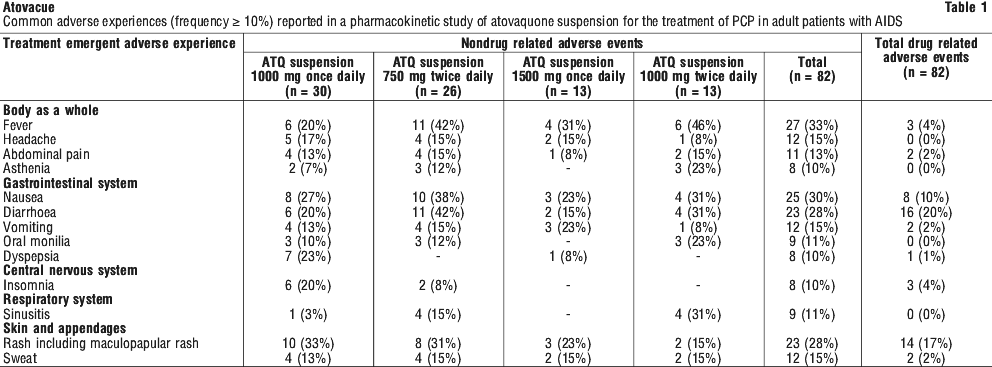
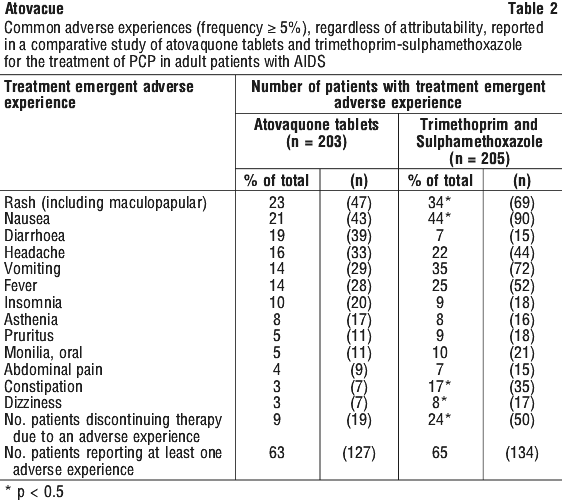
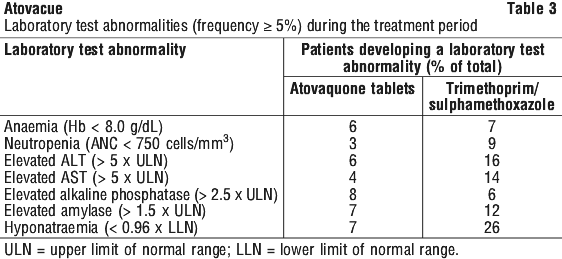
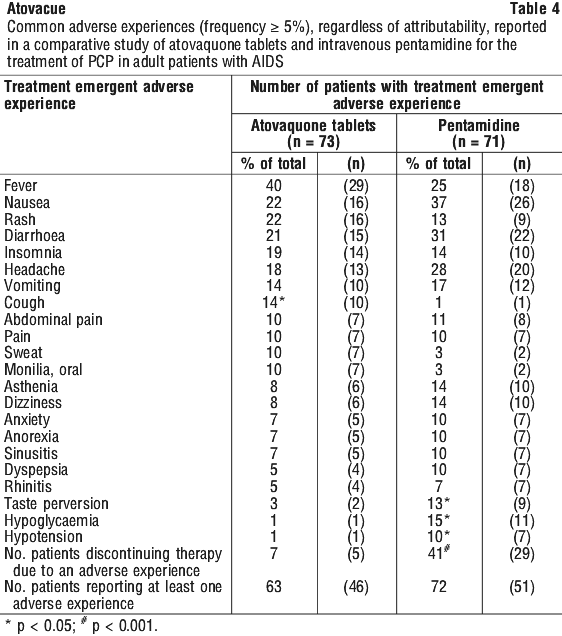
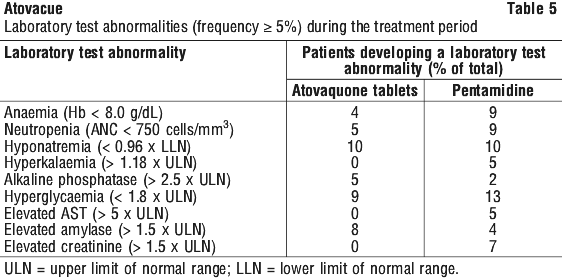
Although experience is limited, adverse experiences reported in children with AIDS (Acquired Immune Deficiency Syndrome) do not appear to differ significantly from those of adults with AIDS receiving atovaquone.
Reporting suspected adverse effects. Reporting suspected adverse reactions after registration of the medicinal product is important. It allows continued monitoring of the benefit-risk balance of the medicinal product. Healthcare professionals are asked to report any suspected adverse reactions at www.tga.gov.au/reporting-problems.
4.9 Overdose
Acute toxicity of atovaquone was not obvious in rats and mice given the highest practicable dose level.
There is insufficient experience to predict the consequences, or suggest specific management, of atovaquone overdose. If overdose occurs the patient should be monitored and standard supportive treatment administered.
For information on the management of overdose, contact the Poisons Information Centre on 13 11 26 (Australia).
5 Pharmacological Properties
5.1 Pharmacodynamic Properties
Mechanism of action. Atovaquone is a hydroxy-1,4-naphthoquinone, an analogue of ubiquinone, with antipneumocystis activity.
Atovaquone belongs to a therapeutic class with a novel mechanism of action. It is a selective and potent inhibitor of the eukaryotic mitochondrial electron transport chain in a number of parasitic protozoa. The site of action appears to be the cytochrome bc1 complex (complex III). The ultimate metabolic effect of such blockade is likely to be inhibition of nucleic acid and ATP synthesis.
Microbiology. Atovaquone has potent antiprotozoal activity, both in vitro and in animal models, particularly against the parasitic protozoa Pneumocystis carinii (IC50 0.3 - 3.0 microM), Toxoplasma gondii (IC50 0.002 - 0.2 microM) and Plasmodium species (e.g. P. falciparum IC50 0.7 - 4.3 nanoM).
Clinical trials. A comparative study of atovaquone with trimethoprim-sulphamethoxazole for the oral treatment of mild to moderate PCP was conducted in AIDS patients receiving 750 mg atovaquone tablets three times daily for 21 days, the mean steady-state atovaquone concentration was 13.0 microgram/mL (n=133). Analysis of this data established a relationship between plasma atovaquone concentration and successful treatment. The dosing regimen for atovaquone suspension has been selected to achieve average plasma atovaquone concentrations of approximately 20 microgram/mL because this concentration was previously shown to be well tolerated and associated with the highest treatment success rates (see Table 6).
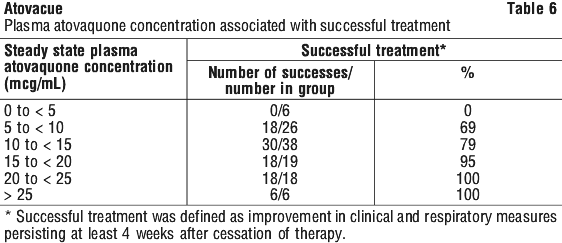
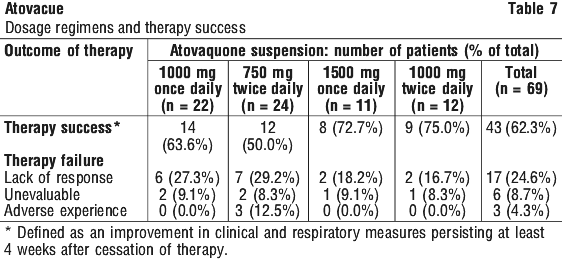
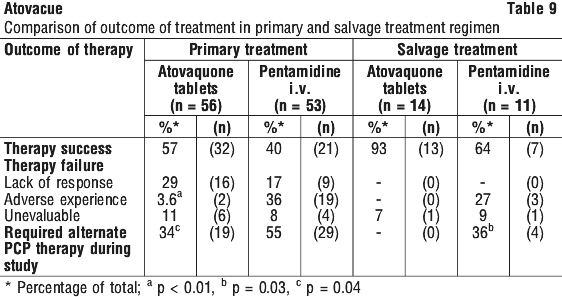
Sixty-two percent of patients on atovaquone and 64% of patients on TMP-SMX were classified as protocol-defined therapy successes. The outcome of treatment is shown in Table 8. The failure rate due to lack of response was significantly larger for patients receiving atovaquone while the failure rate due to adverse experiences was significantly larger for patients receiving TMP-SMX.
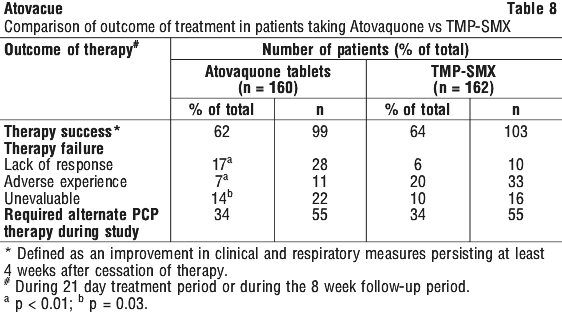
A correlation between plasma atovaquone concentrations and death was demonstrated. For those patients for whom plasma atovaquone levels were available at day 4, five (63%) of the eight patients with concentrations < 5 microgram/mL died during the study. However, only one (2.0%) of the 49 patients with day 4 plasma atovaquone levels ≥ 5 microgram/mL died.
Comparative study - atovaquone versus pentamidine. An open-label, randomised, multicentre efficacy and safety study was conducted in 174 adult AIDS patients. Thirty-nine patients without histological confirmation of mild or moderate PCP were excluded from the efficacy analyses (see Section 4.8 Adverse Effects (Undesirable Effects), Tables 3 and 4). Approximately 80% of patients had a history of intolerance to TMP or sulphur containing antibiotics (primary therapy group) or were experiencing intolerance to TMP-SMX (salvage treatment group).
Of the 134 patients with histologically confirmed PCP, 70 were randomised to receive atovaquone (three 750 mg tablets, tds for 21 days) and 64 to pentamidine (single daily iv infusion of 3 to 4 mg/kg for 21 days). The therapeutic outcome is shown in Table 9.
5.2 Pharmacokinetic Properties
Pharmacokinetics in adults. Absorption and distribution. Atovaquone is a highly lipophilic compound with a low aqueous solubility. It is 99% bound to plasma proteins. The bioavailability of the drug demonstrates a relative decrease with single doses above 750 mg and multiple doses over 750 mg, and shows considerable inter-individual variability. Average absolute bioavailability of a 750 mg single dose of atovaquone suspension administered with food to adult HIV positive males is 47%.
The bioavailability of atovaquone is increased greatly when administered with food than in the fasting state. In healthy volunteers, a standardised breakfast (23 g fat; 610 kCal) increased bioavailability two to three-fold following a single 750 mg dose. The mean area under the atovaquone plasma concentration-time curve (AUC) was increased 2.5 fold and the mean Cmax was increased 3.4 fold. The mean (± SD) AUC values for suspension were 324.3 (± 115.0) microgram/mL.hr fasted and 800.6 (± 319.8) microgram/mL.hr with food.
Significant differences in the bioavailability of atovaquone have been observed between healthy volunteers, asymptomatic HIV-infected volunteers and people with AIDS. In separate studies using the tablet formulation, steady state atovaquone plasma concentrations in people with AIDS ranged from one third to one half of the levels achieved in asymptomatic HIV-infected volunteers. For example, in volunteers with AIDS a dose of 3000 mg once daily produced a mean (± SD) maximum steady-state plasma concentration of 16.2 ± 6.6 microgram/mL, compared with asymptomatic HIV-infected volunteers who achieved 48.8 ± 21.6 microgram/mL.
In a safety and pharmacokinetics study in which patients with PCP received treatment with 750 mg atovaquone suspension twice daily the mean (± SD) steady state plasma concentration (Cavg,ss) was 22.0 (± 10.1) microgram/mL. Twelve of eighteen patients (67%) achieved a Cavg,ss level of ≥ 15 microgram/mL after 21 days of treatment. The mean Cavg,ss for the 1500 mg once daily treatment regimen was slightly lower at 17.6 microgram/mL (± 8.1; n = 9).
On pharmacokinetic grounds, the daily dose of 1500 mg might be taken as a single daily dose or divided between two daily doses. Previous study with the tablet formulation showed average steady state plasma concentrations of ≥ 15 microgram/mL are predictive of high (> 90%) successful treatment rate (see Section 5.1 Pharmacodynamic Properties, Clinical trials), therefore it is important to use twice daily dosing for atovaquone suspension to provide a higher plasma atovaquone concentration. The dependence of the absorption of atovaquone on a concomitant meal should be noted.
Metabolism and excretion. In healthy volunteers and people with AIDS atovaquone has a half-life of 2 to 3 days.
In healthy volunteers there is no evidence that the drug is metabolised and there is negligible excretion of atovaquone in the urine, with parent drug being predominantly (> 90%) excreted unchanged in faeces.
Pharmacokinetics in children. There are no studies on the use of atovaquone suspension in children. Studies using atovaquone tablets showed in children with AIDS, the pharmacokinetics of atovaquone appear to be similar to adults with AIDS. In 3 HIV positive children receiving atovaquone at a dose of 40 mg/kg/day, which approximates to the adult dose, maximum steady state concentrations ranged between 13 and 22 microgram/mL. The average half-life is 2.6 days.
5.3 Preclinical Safety Data
Genotoxicity and carcinogenicity. Oncogenicity studies in mice showed an increased incidence of hepatocellular adenomas and carcinomas at all dose levels tested. Studies in rats at dose of up to 500 mg/kg/day were negative. There was no evidence that atovaquone was mutagenic in bacterial and mammalian cell gene mutation assays in vitro, and in mouse bone marrow micronucleus assays for chromosome damage in vivo.
6 Pharmaceutical Particulars
6.1 List of Excipients
Benzyl alcohol, xanthan gum, poloxamer 188, hypromellose, saccharin sodium, citric acid monohydrate, sodium citrate dihydrate, purified water, tutti frutti flavour (051880 AP0551).
6.2 Incompatibilities
Incompatibilities were either not assessed or not identified as part of the registration of this medicine.
6.3 Shelf Life
In Australia, information on the shelf life can be found on the public summary of the Australian Register of Therapeutic Goods (ARTG). The expiry date can be found on the packaging.
Unused product should be discarded 21 days after opening.
6.4 Special Precautions for Storage
Store below 25°C. Do not refrigerate. Do not freeze.
6.5 Nature and Contents of Container
210 mL in a plastic bottle (HDPE) with child resistant closure (polypropylene).
A measuring double sided spoon (2.5 mL and 5 mL) (polypropylene) is included.
6.6 Special Precautions for Disposal
In Australia, any unused medicine or waste material should be disposed of by taking to your local pharmacy.
6.7 Physicochemical Properties
Atovaquone is an extremely insoluble yellow crystalline powder. Solubility at 25°C in water and 0.1 M hydrochloric acid is < 2 x 10⁻⁴ mg/mL; in 0.1 M sodium hydroxide it is 1.7 mg/mL.
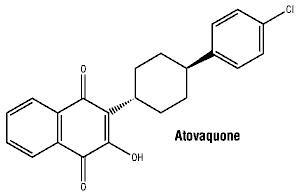
The chemical name of atovaquone is trans-2-[4-(4-chlorophenyl)cyclohexyl]-3-hydroxy-1,4- naphthoquinone, with a molecular formula C22H19ClO3 and a relative molecular mass of 366.84.
Chemical structure.
7 Medicine Schedule (Poisons Standard)
S4.
Date of First Approval
09 April 2024
Date of Revision
21 October 2024
Summary Table of Changes

Reasonable care is taken to provide accurate information at the time of creation. This information is not intended as a substitute for medical advice and should not be exclusively relied on to manage or diagnose a medical condition. The Australian Commission on Safety and Quality in Health Care disclaims all liability (including for negligence) for any loss, damage, injury or any other negative effects resulting from reliance on or use of this information. Read our full disclaimer. This website uses cookies. Read our privacy policy.