
Azithromycin Sandoz
Brand Information
| Brand name | Azithromycin Sandoz |
| Active ingredient | Azithromycin |
| Schedule | S4 |
Consumer Medicine Information (CMI) leaflet
Please read this leaflet carefully before you start using the Azithromycin Sandoz.
Summary CMI
Azithromycin Sandoz®
Consumer Medicine Information (CMI) summary
The full CMI on the next page has more details. If you are worried about using this medicine, speak to your doctor or pharmacist.
1. Why am I taking Azithromycin Sandoz?
Azithromycin Sandoz contains the active ingredient azithromycin. Azithromycin Sandoz is used to treat infections in different parts of the body caused by bacteria.
For more information, see Section 1. Why am I taking Azithromycin Sandoz? in the full CMI.
2. What should I know before I take Azithromycin Sandoz?
Do not use if you (or your child) have ever had an allergic reaction to azithromycin or other antibiotics that are the same type, or any of the ingredients listed at the end of the CMI. Your doctor will know which antibiotics are the same type as Azithromycin Sandoz. Azithromycin Sandoz tablets contain lactose.
Talk to your doctor if you (or your child) have kidney, liver or heart problems including abnormalities of the rhythm; muscle weakness; low levels of potassium or magnesium in your blood; take any other medicines; if you are pregnant, or plan to become pregnant or are breastfeeding.
For more information, see Section 2. What should I know before I take Azithromycin Sandoz? in the full CMI.
3. What if I am taking other medicines?
Some medicines may interfere with Azithromycin Sandoz and affect how it works.
A list of these medicines is in Section 3. What if I am taking other medicines? in the full CMI.
4. How do I take Azithromycin Sandoz?
Your doctor will decide how much Azithromycin Sandoz you or your child should take, it will depend on the type of infection, or child's bodyweight.
More instructions can be found in Section 4. How do I take Azithromycin Sandoz? in the full CMI.
5. What should I know while taking Azithromycin Sandoz?
| Things you should do |
|
| Things you should not do |
|
| Driving or using machines |
|
| Looking after your medicine |
|
For more information, see Section 5. What should I know while taking Azithromycin Sandoz? in the full CMI.
6. Are there any side effects?
Side effects of this medicine may include oral/vaginal thrush; nausea; vomiting; loss of appetite; fever; diarrhoea; stomach pain; constipation; indigestion; dizziness; headache; spinning sensation; drowsiness; fatigue; restlessness; aggression; nervousness; agitation; anxiety; chest pain; palpitations; sweat; shortness of breath; wheezing; convulsions; fainting; rash, itching or hives; swelling of face, lips, tongue or body; sunburn; decreased sensitivity especially skin; blisters or ulcers on skin, mouth or airways; muscle pain; numbness or weakness; trouble speaking, understanding or walking; loss of balance; lack of coordination; abnormal hearing; altered vision, taste/smell; dark urine or blood in urine or bowel motions; jaundice.
For more information, including what to do if you have any side effects, see Section 6. Are there any side effects? in the full CMI.
Full CMI
Azithromycin Sandoz®
Active ingredient(s): azithromycin (as dihydrate)
Consumer Medicine Information (CMI)
This leaflet provides important information about using Azithromycin Sandoz. You should also speak to your doctor or pharmacist if you would like further information or if you have any concerns or questions about using Azithromycin Sandoz.
Where to find information in this leaflet:
1. Why am I taking Azithromycin Sandoz?
2. What should I know before I take Azithromycin Sandoz?
3. What if I am taking other medicines?
4. How do I take Azithromycin Sandoz?
5. What should I know while taking Azithromycin Sandoz?
6. Are there any side effects?
7. Product details
1. Why am I taking Azithromycin Sandoz?
Azithromycin Sandoz contains the active ingredient azithromycin which is an antibiotic. It belongs to a group of medicines called azalides. The azalides are a sub-class of a group of antibiotics called macrolides.
Azithromycin Sandoz is used to treat infections in different parts of the body caused by bacteria.
It is commonly used to treat Chlamydia.
Azithromycin Sandoz works by killing or stopping the growth of bacteria causing your infection.
Azithromycin Sandoz will not work against viral infections such as colds or flu.
Your doctor may have prescribed it for another reason.
Ask your doctor if you have any questions about why Azithromycin Sandoz has been prescribed for you.
2. What should I know before I take Azithromycin Sandoz?
Warnings
Do not use Azithromycin Sandoz if you are allergic to:
- azithromycin
- any of the ingredients listed at the end of this leaflet
- any other macrolide or ketolide antibiotics (e.g., clarithromycin, erythromycin, roxithromycin, telithromycin). Your doctor will know which antibiotics are the same type as Azithromycin Sandoz
- lactose
Symptoms of an allergic reaction may include shortness of breath, wheezing or difficulty breathing; swelling of the face, lips, tongue or other parts of the body; rash, itching or hives on the skin.
Do not use Azithromycin Sandoz if:
- the packaging is torn or shows signs of tampering
- the expiry date printed on the pack has passed.
Check with your doctor if you have ever had:
- liver problems
- kidney problems
- heart problems, including abnormalities of the rhythm
- diabetes
- hereditary fructose intolerance, glucose-galactose malabsorption or saccharise-isomaltase deficiency
- cystic fibrosis
- muscle weakness
- low levels of potassium or magnesium in your blood.
During treatment, you may be at risk of developing certain side effects. It is important you understand these risks and how to monitor for them. See additional information under Section 6. Are there any side effects?
Pregnancy and breastfeeding
Check with your doctor if you are pregnant or intend to become pregnant.
Talk to your doctor if you are breastfeeding or intend to breastfeed.
Your doctor can discuss with you the risks and benefits involved.
This medicine is available only with a doctor's prescription.
Azithromycin Sandoz is not addictive.
3. What if I am taking other medicines?
Tell your doctor or pharmacist if you are taking any other medicines, including any medicines, vitamins or supplements that you buy without a prescription from your pharmacy, supermarket or health food shop.
Some medicines may interfere with Azithromycin Sandoz or increase the risk of side effects. These include:
- antacids (medicines used to treat indigestion)
- colchicine (a medicine used to treat gout)
- coumarin-type oral anti-coagulants (a medicine used to prevent blood clots)
- ciclosporin (a medicine used to prevent organ transplant rejection or to treat certain problems with the immune system)
- atorvastatin (a medicine used to lower cholesterol)
- digoxin (a medicine used to treat abnormal heart rhythm or heart failure)
- ergot derivatives (such as ergotamine, which is used to treat migraines)
- terfenadine or astemizole (medicines used to treat allergies and hay fever)
- zidovudine, a medicine used to treat patients with AIDS
- some medicines used to treat heart rhythm problems (heart arrhythmia) such as amiodarone, disopyramide, ibutilide and sotalol
- antipsychotic medicines used to treat schizophrenia or bipolar mania such as haloperidol, quetiapine and risperidone
- medicines used to treat depression (antidepressants) such as fluoxetine, sertraline and venlafaxine
- fluoroquinolone antibiotics such as ciprofloxacin, lomefloxacin, moxifloxacin and norfloxacin
- oral contraceptives (birth control pills). Some side effects from Azithromycin Sandoz may interfere with effectiveness of birth control pills.
These medicines may be affected by Azithromycin Sandoz or may affect how well it works. You may need different amounts of your medicines, or you may need to take different medicines.
Talk to your doctor about the need for additional contraception while taking Azithromycin Sandoz.
Check with your doctor or pharmacist if you are not sure about what medicines, vitamins or supplements you are taking and if these affect Azithromycin Sandoz.
Your doctor or pharmacist has more information on medicines to be careful with or to avoid while taking Zithromax.
4. How do I take Azithromycin Sandoz?
How much to take
The doctor will decide what dose of Azithromycin Sandoz is needed depending on certain factors such as the type of infection and bodyweight of your child.
The usual dose to treat Chlamydia is two 500 mg tablets taken as a single dose.
For other infections Azithromycin Sandoz is usually taken once a day. Sometimes the dose is taken once a week. Your doctor will decide the right dose for you.
Your pharmacist will explain how to use it if you are not sure.
Follow all directions given to you by your doctor or pharmacist carefully.
They may differ from the information contained in this leaflet.
If you do not understand the instructions on the pack, ask your doctor or pharmacist for help.
How long to take Azithromycin Sandoz
Continue taking Azithromycin Sandoz until you finish the pack or until your doctor recommends.
Do not stop taking it because you are feeling better.
If you do not complete the full course prescribed by your doctor, the infection may not clear completely or your symptoms may return.
If you are not sure how long you should be taking Azithromycin Sandoz, check with your doctor.
When to take Azithromycin Sandoz
Azithromycin may be taken with or without food.
If you are taking an antacid, take it at least one hour before or two hours after your Azithromycin Sandoz dose.
This will avoid any possible effect of the antacid on the absorption of Azithromycin Sandoz.
How to take Azithromycin Sandoz
Swallow the tablets whole with liquid.
If you forget to use Azithromycin Sandoz
If you are taking Azithromycin Sandoz for three days or longer and you miss a dose, take it as soon as you remember (within a 24-hour period), then continue as normal.
Do not try to make up for missed doses by taking more than one dose at a time.
If you are not sure what to do, check with your doctor or pharmacist.
If you have trouble remembering to take your Azithromycin Sandoz, ask your pharmacist for some hints
If you use too much Azithromycin Sandoz
If you think that you have used too much Azithromycin Sandoz, you may need urgent medical attention.
You should immediately:
- phone the Poisons Information Centre
(by calling 13 11 26), or - contact your doctor, or
- go to the Emergency Department at your nearest hospital.
You should do this even if there are no signs of discomfort or poisoning. You may need urgent medical attention.
If you take too many tablets, you may get an upset stomach, diarrhoea or skin rashes.
5. What should I know while taking Azithromycin Sandoz?
Things you should do
Call your doctor straight away if:
- the symptoms of your infection do not improve within a few days, or if they become worse
- you have chest pain, shortness of breath, sudden dizziness, light-headedness or numbness in the face, arm, or leg
- you have severe diarrhoea. Do this even if it occurs several weeks after Azithromycin Sandoz has been stopped.
Diarrhoea may mean that you have a serious condition affecting your bowel. You may need urgent medical care.
Do not take any diarrhoea medicine without first checking with your doctor.
- you have a sore, white mouth or tongue while taking, or soon after stopping Azithromycin Sandoz
- you have vaginal itching or discharge.
This may mean you have a yeast infection called thrush. Sometimes the use of Azithromycin Sandoz allows yeast to grow and the above symptoms to occur. Azithromycin Sandoz does not work against yeast.
- your baby develops irritability with feeding or starts vomiting.
This may be a sign of a stomach disorder in the infant.
- If you become pregnant while taking Azithromycin Sandoz.
If you are about to start any new medicines, tell your doctor and pharmacist that you are taking Azithromycin Sandoz.
Tell any other doctor or dentist you visit that you are taking Azithromycin Sandoz.
Things you should not do
- Do not stop taking Azithromycin Sandoz or lower the dosage without checking with your doctor.
If you do not complete the full course prescribed by your doctor, all the organisms causing your infection may not be killed. These organisms may continue to grow and multiply so that your infection may not clear completely or may return.
- Do not give Azithromycin Sandoz to anyone else, even if they have the same condition as you
- Do not use Azithromycin Sandoz to treat any other medical complaints unless your doctor tells you to
- Do not take any other medicines whether they require a prescription or not without first telling your doctor or consulting with a pharmacist.
Things to be careful of
Protect your skin when you are in the sun, especially between 10am and 3pm.
Some macrolide antibiotics may cause your skin to be more sensitive to sunlight than it is normally. Exposure to sunlight may cause a skin rash, itching, redness or severe sunburn.
If outdoors, wear protective clothing and use a 30+ sunscreen. If your skin does appear to be burning tell your doctor immediately.
Driving or using machines
Be careful before you drive or use any machines or tools until you know how Azithromycin Sandoz affects you.
Azithromycin Sandoz may cause dizziness in some people.
Drinking alcohol
No information available.
Looking after your medicine
Keep Azithromycin Sandoz in its original packaging until it is time to use it. If you take Azithromycin Sandoz out of its packaging, it may not keep as well.
Keep your Azithromycin Sandoz in a cool, dry place where the temperature stays below 25°C.
Do not store Azithromycin Sandoz or any other medicine in the bathroom or near a sink. Do not leave it in the car or on a window sill. Heat and dampness can destroy some medicines.
Do not use this medicine after the expiry date.
Keep it where young children cannot reach it.
A locked cupboard at least one-and-a-half meters above the ground is a good place to store medicines.
When to discard your medicine
If your doctor tells you to stop taking this medicine, or it has passed its expiry date, take it to any pharmacy for safe disposal.
6. Are there any side effects?
All medicines can have side effects. If you do experience any side effects, most of them are minor and temporary. However, some side effects may need medical attention.
See the information below and, if you need to, ask your doctor or pharmacist if you have any further questions about side effects.
Less serious side effects
| Less serious side effects | What to do |
| Speak to your doctor if you have any of these less serious side effects and they worry you. |
Serious side effects
| Serious side effects | What to do |
| Call your doctor straight away, or go straight to the Emergency Department at your nearest hospital if you notice any of these serious side effects. |
These are serious side effects. You may need urgent medical attention or hospitalisation. These side effects are rare.
Tell your doctor or pharmacist if you notice anything else that may be making you feel unwell.
Other side effects not listed here may occur in some people.
Some of these side effects (for example certain liver conditions, and blood abnormalities) can only be found when your doctor does tests from time to time to check your progress.
After finishing it
Tell your doctor immediately if you notice any of the following side effects, particularly if they occur several weeks after stopping treatment with Azithromycin Sandoz.
- Severe abdominal cramps or stomach cramps
- Watery and severe diarrhoea, which may also be bloody
- Fever in combination with one or both of the above.
Azithromycin Sandoz can cause some bacteria, which are normally present in the bowel and normally harmless, to multiply and therefore cause the above symptoms. You may need urgent medical attention. However, this side effect is rare.
Do not take any medicine for this diarrhoea without first checking with your doctor.
Ask your doctor or pharmacist if you don't understand anything in these lists.
Do not be alarmed by the lists of possible side effects. You may not experience any of them.
Reporting side effects
After you have received medical advice for any side effects you experience, you can report side effects to the Therapeutic Goods Administration online at www.tga.gov.au/reporting-problems. By reporting side effects, you can help provide more information on the safety of this medicine.
Always make sure you speak to your doctor or pharmacist before you decide to stop taking any of your medicines.
7. Product details
This medicine is only available with a doctor's prescription.
What Azithromycin Sandoz contains
| Active ingredient (main ingredient) | azithromycin (as dihydrate) |
| Other ingredients (inactive ingredients) | microcrystalline cellulose maize starch sodium starch glycollate – type A colloidal anhydrous silica magnesium stearate sodium lauryl sulfate lactose monohydrate hypromellose titanium dioxide macrogol 4000. |
| Potential allergens | lactose |
Do not take this medicine if you are allergic to any of these ingredients.
What Azithromycin Sandoz looks like
Azithromycin Sandoz 500 mg - white to off-white, oval, film-coated tablet, plain on one side, with a breaking notch and 'A500' embossed on the other side. Available in blister packs of 2 or 3 tablets (Aust R 158292).
Not all presentations may be available in Australia.
Who distributes Azithromycin Sandoz
Sandoz Pty Ltd
100 Pacific Highway
North Sydney, NSW 2060
Australia
Tel 1800 726 369
This leaflet was prepared in November 2025.
® Registered Trade Mark. The trade marks mentioned in this material are the property of their respective owners.
Brand Information
| Brand name | Azithromycin Sandoz |
| Active ingredient | Azithromycin |
| Schedule | S4 |
MIMS Revision Date: 01 October 2024
1 Name of Medicine
Azithromycin dihydrate.
2 Qualitative and Quantitative Composition
Each Azithromycin Sandoz 500 mg film coated tablet contains 500 mg azithromycin.
List of excipients with known effect. Lactose.
For the full list of excipients, see Section 6.1 List of Excipients.
3 Pharmaceutical Form
Azithromycin Sandoz 500 mg tablets - white to off-white, oval film-coated tablets, plain on one side, with a breaking notch and 'A500' embossed on the other side.
4 Clinical Particulars
4.1 Therapeutic Indications
Azithromycin is indicated for use in adults for the treatment of the following infections of mild to moderate severity:
Lower respiratory tract infections. Acute bacterial bronchitis due to Streptococcus pneumoniae, Haemophilus influenzae or Moraxella catarrhalis.
Community acquired pneumonia due to Streptococcus pneumoniae or Haemophilus influenzae in patients suitable for outpatient oral treatment.
Community acquired pneumonia caused by susceptible organisms in patients who require initial intravenous therapy. In clinical studies efficacy has been demonstrated against Chlamydia pneumoniae, Haemophilus influenzae, Legionella pneumophila, Moraxella catarrhalis, Mycoplasma pneumoniae, Staphylococcus aureus and Streptococcus pneumoniae.
Upper respiratory tract infections. Acute sinusitis due to Streptococcus pneumoniae or Haemophilus influenzae.
Acute streptococcal pharyngitis.
Note. Penicillin is the usual drug of choice in the treatment of Streptococcus pyogenes pharyngitis, including the prophylaxis of rheumatic fever. Azithromycin appears to be almost as effective in the treatment of streptococcal pharyngitis. However, substantial data establishing the efficacy of azithromycin in the subsequent prevention of rheumatic fever are not available at present.
Uncomplicated skin and skin structure infections. Uncomplicated infections due to Staphylococcus aureus, Streptococcus pyogenes or Streptococcus agalactiae. Abscesses usually require surgical drainage.
Sexually transmitted diseases. Uncomplicated urethritis and cervicitis due to Chlamydia trachomatis.
Note. At the recommended dose azithromycin cannot be relied upon to treat gonorrhoea or syphilis. As with other medicines for the treatment of non-gonococcal infections, it may mask or delay the symptoms of incubating gonorrhoea or syphilis. Appropriate tests should be performed for the detection of gonorrhoea or syphilis and treatment should be instituted as required.
Azithromycin is also indicated for the treatment of Chlamydia trachomatis conjunctivitis and trachoma.
4.2 Dose and Method of Administration
Dosage. Adults. Sexually transmitted uncomplicated urethritis and cervicitis due to Chlamydia trachomatis. 1 g as a single dose.
Conjunctivitis and trachoma due to Chlamydia trachomatis. 1 g either as a single dose or once weekly for up to three weeks (see Section 5.1 Pharmacodynamic Properties, Clinical trials).
Following IV therapy for the treatment of community acquired pneumoniae. 500 mg as a single daily dose to complete a 7 to 10 day course of therapy.
All other indications (including outpatients initiated on oral treatment of CAP due to S. pneumoniae or H. influenzae). Total dose of 1.5 g given as 500 mg on day 1, then 250 mg daily on days 2 to 5 or alternatively as 500 mg daily for 3 days.
Method of administration. Azithromycin should be given as a single daily dose. The tablets may be taken with food.
4.3 Contraindications
Azithromycin is contraindicated in patients with known hypersensitivity to azithromycin, erythromycin, any other macrolide or ketolide antibiotic, or to any of the inactive ingredients in the product (see Section 6.1 List of Excipients).
4.4 Special Warnings and Precautions for Use
In the treatment of pneumonia, azithromycin has been shown to be safe and effective only in the treatment of community acquired pneumonia (CAP) of mild severity due to Streptococcus pneumoniae or Haemophilus influenzae in patients appropriate for outpatient oral therapy. Azithromycin should not be used in patients with pneumonia who are judged to be inappropriate for outpatient oral therapy because of moderate to severe illness or risk factors such as any of the following:
patients with cystic fibrosis;
patients with nosocomially acquired infections;
patients with known or suspected bacteraemia;
patients requiring hospital admission;
elderly or debilitated patients; or
patients with significant underlying health problems that may compromise their ability to respond to their illness (including immunodeficiency or functional asplenia).
Clostridioides difficile associated diarrhoea (CDAD). Antibiotic-associated pseudomonas colitis has been reported with use of many antibiotics including azithromycin. A toxin produced by Clostridioides difficile appears to be the primary cause. The severity of the colitis may range from mild to life-threatening. It is important to consider this diagnosis in patients who develop diarrhoea or colitis in association with antibiotic use (this may occur up to several weeks after cessation of antibiotic therapy). Treatment with antibacterial agents alters the normal flora of the colon leading to overgrowth of C. difficile. C. difficile produces toxins A and B, which contribute to the development of CDAD.
Mild cases may respond to drug discontinuation alone. However, in moderate to severe cases appropriate therapy with a suitable oral antibacterial agent effective against C. difficile should be considered. Fluids, electrolytes and protein replacement should be provided when indicated. Hypertoxin-producing strains of C. difficile cause increased morbidity and mortality, as these infections can be refractory to antimicrobial therapy and may require colectomy.
Medicines which delay peristalsis e.g. opiates and diphenoxylate with atropine (Lomotil) may prolong and/or worsen the condition and should not be used.
Hypersensitivity. Rare, serious, allergic reactions, including angioedema and anaphylaxis (rarely fatal), dermatologic reactions including acute generalised exanthematous pustulosis (AGEP), Stevens-Johnson syndrome (SJS), toxic epidermal necrolysis (TEN) (rarely fatal) and drug reaction with eosinophilia and systemic symptoms (DRESS) have been reported in patients on azithromycin therapy (see Section 4.3 Contraindications). Despite initially successful symptomatic treatment of the allergic symptoms, when symptomatic therapy was discontinued, the allergic symptoms recurred soon thereafter in some patients without further azithromycin exposure. These patients required prolonged periods of observation and symptomatic treatment. The relationship of these episodes to the long tissue half-life of azithromycin and subsequent prolonged exposure to antigen is unknown at present.
If an allergic reaction occurs, the drug should be discontinued and appropriate therapy should be instituted. Physicians should be aware that reappearance of the allergic symptoms may occur when symptomatic therapy is discontinued.
Prolongation of the QT interval. Ventricular arrhythmias associated with QT interval, including ventricular tachycardia and torsades de pointes, have been reported with other macrolide products including azithromycin. Prescribers should consider the risk of QT prolongation (which can be fatal) when weighing the risks and benefits of azithromycin for at-risk groups including:
patients predisposed to QT interval prolongation;
patients taking other medications known to prolong QT interval such as antiarrhythmics of classes IA and III, cisapride and terfenadine, antipsychotic agents, antidepressants, and fluoroquinolones;
patients with electrolyte disturbance, particularly in cases of hypokalaemia and hypomagnesemia;
patients with clinically relevant bradycardia, cardiac arrhythmia or cardiac insufficiency;
elderly patients, as they may be more susceptible to drug-associated effects on the QT interval.
Cardiovascular death. Some observational studies have shown an approximately two-fold increased short-term potential rare risk of acute cardiovascular death in adults exposed to azithromycin relative to other antibacterial drugs, including amoxicillin. The data in these observational studies are insufficient to establish or exclude a causal relationship between acute cardiovascular death and azithromycin use. This potential risk was noted to be greater during the first five days of azithromycin use. In patients whose medical history and/or on-going medical treatments place them at high risk for a prolonged QTc, consider performing a screening ECG. Consider balancing this potential risk with treatment benefits when prescribing azithromycin.
Myasthenia gravis. Exacerbations of the symptoms of myasthenia gravis and new onset of myasthenia syndrome have been reported in patients receiving azithromycin therapy (see Section 4.8 Adverse Effects (Undesirable Effects)).
Ergot derivatives. In patients receiving ergot derivatives, ergotism has been precipitated by co-administration of some macrolide antibiotics. There are no data concerning the possibility of an interaction between ergot and azithromycin. However, because of the theoretical possibility of ergotism, azithromycin and ergot derivatives should not be co-administered.
Serious infections. Azithromycin is not intended to treat suitable severe infections, where fast high blood concentrations of antibiotic have to be achieved.
Superinfection. As with any antibiotic preparation, observation for signs of superinfection with non-susceptible organisms, including fungi, is recommended.
Other. The majority of cases of disseminated Mycobacterium avium complex infection occur in patients with CD4 counts below 50 cells/microL. Some authorities recommend delay of initiation of prophylaxis until the cell count has fallen to 50 cells/microL.
No evidence exists from formal studies to determine the need for, and frequency of, repeat dosing in the treatment of trachoma.
Use in hepatic impairment. No dose adjustment is recommended for patients with mild to moderate hepatic impairment. Nonetheless, since liver is the principal route of elimination for azithromycin, the use of azithromycin should be undertaken with caution in patients with significant hepatic disease (see Section 5.2 Pharmacokinetic Properties). Liver function tests/investigations should be performed in cases where signs and symptoms of liver dysfunction occur such as rapid developing asthenia associated with jaundice, hepatic necrosis, dark urine, bleeding tendency or hepatic encephalopathy.
Abnormal liver function, hepatitis, cholestatic jaundice, hepatic necrosis, and hepatic failure have been reported, some of which have resulted in death. Discontinue azithromycin immediately if signs and symptoms of hepatitis occur.
Use in renal impairment. No dose adjustment is needed in patients with GFR 10-80 mL/min. After oral administration of a single dose of azithromycin 1 g in subjects with GFR < 10 mL/min, mean AUC0-120h and mean Cmax were increased by approximately 30% and 60%, respectively, when compared to subjects with GFR > 80 mL/min. Caution should be exercised when azithromycin is administered to patients with GFR < 10 mL/min.
Use in the elderly. See Section 5.2 Pharmacokinetic Properties.
Paediatric use. Infantile hypertrophic pyloric stenosis (IHPS) has been reported following the use of azithromycin in neonates (treatment up to 42 days of life). Parents and caregivers should be informed to contact their physician if vomiting or irritability with feeding occurs.
Effects on laboratory tests. There are no reported laboratory test interactions.
4.5 Interactions with Other Medicines and Other Forms of Interactions
Azithromycin does not interact significantly with the hepatic cytochrome P450 system. It is not believed to undergo the pharmacokinetic drug interactions as seen with erythromycin and other macrolides. Hepatic cytochrome P450 induction or inactivation via cytochrome metabolite complex does not occur with azithromycin.
Medicines that should not be concomitantly administered with azithromycin. Antacids. In a pharmacokinetic study investigating the effects of simultaneous administration of antacid with azithromycin, no effect on overall bioavailability was seen although peak serum concentrations were reduced by up to 30%. In patients receiving both azithromycin and antacids, these medicines should not be taken simultaneously.
Ergot. Due to the theoretical possibility of ergotism, azithromycin and ergot derivatives should not be co-administered (see Section 4.4 Special Warnings and Precautions for Use, Ergot derivatives).
Medicines that require dosage adjustment when administered concomitantly with azithromycin. Ciclosporin. In a pharmacokinetic study with healthy volunteers that were administered a 500 mg/day oral dose of azithromycin for 3 days and were then administered a single 10 mg/kg oral dose of ciclosporin, the resulting Cmax and AUC0-5 were found to be significantly elevated. Consequently, caution should be exercised before considering concurrent administration of these medicines. If co-administration of these medicines is necessary, ciclosporin levels should be monitored and the dose adjusted accordingly.
Medicines that have been studied with no clinically significant interaction shown. Atorvastatin. Co-administration of atorvastatin (10 mg daily) and azithromycin (500 mg daily) did not alter the plasma concentrations of atorvastatin (based on a HMG-CoA reductase inhibition assay). However, post-marketing cases of rhabdomyolysis in patients receiving azithromycin with statins have been reported.
Carbamazepine. In a pharmacokinetic interaction study in healthy volunteers, no significant effect was observed on the plasma levels of carbamazepine or its active metabolite in patients receiving concomitant azithromycin.
Cetirizine. In healthy volunteers, co-administration of a 5-day regimen of azithromycin with 20 mg cetirizine at steady-state resulted in no pharmacokinetic interaction and no significant changes in the QT interval.
Cimetidine. In a pharmacokinetic study investigating the effects of a single dose of cimetidine, given 2 hours before azithromycin, on the pharmacokinetics of azithromycin, no alteration of azithromycin pharmacokinetics was seen.
Coumarin type oral anticoagulants. In a pharmacokinetic interaction study, azithromycin did not alter the anticoagulant effect of a single 15 mg dose of warfarin administered to healthy volunteers. There have been reports received in the post-marketing period of potentiated anticoagulation subsequent to co-administration of azithromycin and coumarin type oral anticoagulants. Although a causal relationship has not been established, consideration should be given to the frequency of monitoring prothrombin time, when azithromycin is used in patients receiving coumarin type oral anticoagulants.
Didanosine. Co-administration of 1200 mg/day azithromycin with 400 mg/day didanosine in 6 HIV positive subjects for 2 weeks had no effect on the steady-state pharmacokinetics of didanosine as compared with placebo.
Efavirenz. Co-administration of a 600 mg single dose of azithromycin and 400 mg efavirenz daily for 7 days did not result in any clinically significant pharmacokinetic interactions. No dose adjustment is necessary when azithromycin is given with efavirenz.
Fluconazole. Co-administration of a single dose of 1200 mg azithromycin did not alter the pharmacokinetics of a single dose of 800 mg fluconazole. Total exposure and half-life of azithromycin were unchanged by the co-administration of fluconazole, however, a clinically insignificant decrease in Cmax (18%) of azithromycin was observed. No dose adjustment is necessary when azithromycin is given with fluconazole.
Indinavir. Co-administration of a single dose of 1200 mg azithromycin had no statistically significant effect on the pharmacokinetics of indinavir administered as 800 mg three times daily for 5 days. No adjustment of the dose is necessary when azithromycin is given with indinavir.
Methylprednisolone. In a pharmacokinetic interaction study in healthy volunteers, azithromycin had no significant effect on the pharmacokinetics of methylprednisolone.
Midazolam. In healthy volunteers, co-administration of azithromycin 500 mg/day for 3 days did not cause clinically significant changes in the pharmacokinetics and pharmacodynamics of a single 15 mg dose of midazolam.
Nelfinavir. Co-administration of 1200 mg azithromycin and nelfinavir at steady state (750 mg three times daily) resulted in increased azithromycin concentrations. No clinically significant adverse effects were observed and no dose adjustment is required.
Rifabutin. Co-administration of azithromycin and rifabutin did not affect the serum concentrations of either drug. Neutropenia was observed in subjects receiving concomitant treatment with azithromycin and rifabutin. Although neutropenia has been associated with use of rifabutin, a causal relationship to combination with azithromycin has not been established.
Sildenafil. In normal healthy male volunteers, there was no evidence of an effect of azithromycin (500 mg daily for 3 days) on the AUC and Cmax, of sildenafil or its major circulating metabolite.
Terfenadine, astemizole. In a study in normal subjects, addition of azithromycin did not result in any significant changes in cardiac repolarisation (QTc interval) measured during the steady-state dosing of terfenadine. However, there have been cases reported where the possibility of such an interaction could not be entirely excluded.
Theophylline. There is no evidence of any pharmacokinetic interaction when azithromycin and theophylline are co-administered to healthy volunteers.
Triazolam. In 14 healthy volunteers, co-administration of 500 mg azithromycin on day 1 and 250 mg on day 2 with 0.125 mg triazolam on day 2 had no significant effect on any of the pharmacokinetic variables for triazolam compared to triazolam and placebo.
Trimethoprim/ sulfamethoxazole. Co-administration of trimethoprim/ sulfamethoxazole DS (160 mg/800 mg) for 7 days with 1200 mg azithromycin on day 7 had no significant effect on peak concentrations, total exposure or urinary excretion of either trimethoprim or sulfamethoxazole. Azithromycin serum concentrations were similar to those seen in other studies. No dose adjustment is necessary.
Zidovudine. Single 1000 mg doses and multiple 1200 mg or 600 mg doses of azithromycin had little effect on the plasma pharmacokinetics or urinary excretion of zidovudine or its glucuronide metabolite. However, administration of azithromycin increased the concentrations of phosphorylated zidovudine, the clinically active metabolite, in peripheral blood mononuclear cells. The clinical significance of this finding is unclear, but it may be of benefit to patients.
Other interactions. Digoxin and colchicine. Some of the macrolide antibiotics have been reported to impair the metabolism of P-glycoprotein substrates such as digoxin and colchicine (in the gut) in some patients and to result in increased serum levels. In patients receiving concomitant azithromycin, a related azalide antibiotic, and digoxin, the possibility of raised digoxin levels should be borne in mind. During treatment with azithromycin and after discontinuation thereof, clinical monitoring and measurement of serum digoxin levels may be necessary.
4.6 Fertility, Pregnancy and Lactation
Effects on fertility. In three fertility and general reproduction studies in rats, there was decreased fertility at doses of 20 and 30 mg/kg/day. The clinical significance of this is unknown.
Use in pregnancy. (Category B1)
Azithromycin was not foetotoxic or teratogenic in mice and rats at doses that were moderately maternotoxic (up to 200 mg/kg/day). At 200 mg/kg/day, mouse and rat foetal tissues homogenate concentrations were 5 to 10-fold higher than corresponding maternal plasma concentrations.
There are no adequate and well-controlled studies in pregnant women.
Data exists from published observational studies performed in several countries on exposure to azithromycin during pregnancy, compared to no antibiotic use or use of another antibiotic during the same period.
While most of these studies do not suggest an association with adverse fetal effects such as major congenital malformations or cardiovascular malformations, there is limited epidemiological evidence of an increased risk of miscarriage following azithromycin exposure in early pregnancy.
Azithromycin should only be used during pregnancy if clinically needed and the benefit of treatment is expected to outweigh any small increased risks which may exist.
Use in lactation. Limited information available from published literature indicates that azithromycin is present in human milk at an estimated highest median daily dose of 0.1 to 0.7 mg/kg/day. A decision must be made whether to discontinue breast-feeding or to discontinue/abstain from azithromycin therapy, taking into account the benefit of breast-feeding for the child and the benefit of therapy for the woman.
4.7 Effects on Ability to Drive and Use Machines
The effects of this medicine on a person's ability to drive and use machines were not assessed as part of its registration.
4.8 Adverse Effects (Undesirable Effects)
Clinical trials. In clinical trials, most of the reported adverse events were mild to moderate in severity and were reversible on discontinuation of the drug. Approximately 0.7% of patients discontinued azithromycin therapy because of treatment related adverse events. Most of the adverse events leading to discontinuation were related to the gastrointestinal tract, e.g. nausea, vomiting, diarrhoea or abdominal pain. Rare, but potentially serious, adverse events were angioedema (1 case) and cholestatic jaundice (1 case).
Hearing impairment has been reported in investigational studies, mainly where higher doses were used, for prolonged periods of time. In those cases where follow-up information was available, the majority of these events were reversible.
Adults. Multiple dose regimen. The most frequently reported adverse events in patients receiving the multiple dose regimen of azithromycin were related to the gastrointestinal system with diarrhoea/ loose stools (5%), nausea (3%) and abdominal pain (3%) being the most frequently reported. No other side effects occurred in patients on the multiple dose regimen with a frequency > 1%.
Side effects that occurred with a frequency of 1% or less included the following:
Allergic. Rash, photosensitivity, angioedema.
Cardiovascular. Palpitations, chest pain.
Gastrointestinal. Dyspepsia, flatulence, vomiting, melaena, cholestatic jaundice.
Genitourinary. Moniliasis, vaginitis, nephritis.
Nervous system. Dizziness, headache, vertigo, somnolence.
General. Fatigue.
Single 1 gram dose regimen. The most frequently reported adverse events in patients receiving a single dose regimen of 1 gram of azithromycin were related to the gastrointestinal system and were more frequently reported than in patients receiving the multiple dose regimen. Adverse events that occurred in patients on the single 1 gram dosing regimen of azithromycin with a frequency of 1% or greater included diarrhoea/ loose stools (7%), nausea (5%), abdominal pain (5%), vomiting (2%), vaginitis (2%) and dyspepsia (1%).
Laboratory abnormalities. Significant abnormalities (irrespective of drug relationship) occurring during the clinical trials were reported as follows:
Incidence > 1%. Elevated serum creatinine phosphokinase, potassium, ALT (SGPT), GGT and AST (SGOT), lymphocytes and neutrophils; decreased neutrophils.
Incidence < 1%. Leukopenia, neutropenia, thrombocytopenia; elevated serum alkaline phosphatase, bilirubin, BUN, creatinine, blood glucose, LDH, and phosphate, monocytes, basophils, bicarbonate; decreased sodium, potassium.
When follow-up was provided, changes in laboratory tests appeared to be reversible.
In multiple dose trials involving > 3000 patients, 3 patients discontinued therapy because of treatment related liver enzyme abnormalities and 1 patient because of a renal function abnormality. See Table 1.
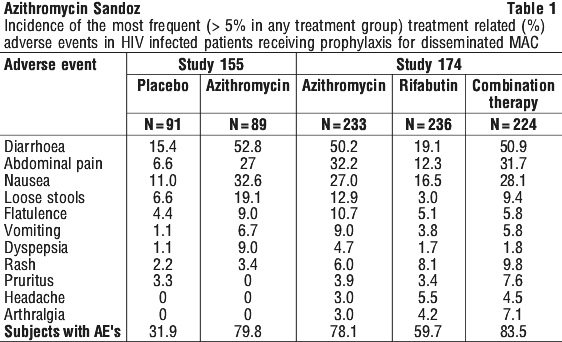
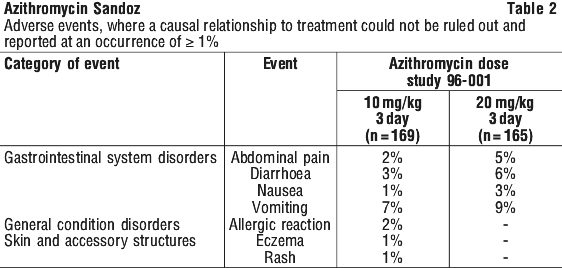
The following adverse events, where a causal relationship to treatment could not be ruled out, were reported at an occurrence of ≥ 1% (see Table 2):
Infections and infestations. Moniliasis and vaginitis.
Blood and lymphatic system disorders. Thrombocytopenia.
Cardiovascular disorders. Hypotension, palpitations and arrhythmias including ventricular tachycardia (as seen with other macrolides) have been reported. There have been rare reports of QT prolongation, torsades de pointes and cardiovascular death.
Eye disorders. Visual impairment.
Gastrointestinal disorders. Vomiting/ diarrhoea (rarely resulting in dehydration), dyspepsia, pancreatitis, constipation, pseudomembranous colitis, rare reports of tongue discolouration.
General disorders and administration site conditions. Asthenia, fatigue and malaise.
Hepatobiliary disorders. Abnormal liver function including hepatitis, fulminant hepatitis and cholestatic jaundice, hepatic necrosis and hepatic failure, which have resulted in death.
Immune system disorders. Anaphylaxis (rarely fatal).
Metabolism and nutritional disorders. Anorexia.
Musculoskeletal and connective tissue disorders. Arthralgia.
Nervous system disorders. Dizziness, somnolence, headache, syncope, convulsions (as seen with other macrolides), hypoesthesia, paraesthesia, psychomotor hyperactivity and myasthenia gravis.
Psychiatric disorders. Aggressive reaction, nervousness, agitation, anxiety.
Renal and urinary tract disorders. Acute renal failure, interstitial nephritis.
Skin and subcutaneous tissue disorders. Allergic reactions including pruritus, rash, photosensitivity, urticaria, oedema, angioedema, serious skin reactions including erythema multiforme, acute generalised exanthematous pustulosis (AGEP), Stevens-Johnson Syndrome (SJS), toxic epidermal necrolysis (TEN), drug reaction with eosinophilia and systemic symptoms (DRESS).
Special senses. Hearing disturbances and/or impairment including hearing loss, deafness and/or tinnitus, vertigo. Taste/smell perversion and/or loss.
Reporting suspected adverse effects. Reporting suspected adverse reactions after registration of the medicinal product is important. It allows continued monitoring of the benefit-risk balance of the medicinal product. Healthcare professionals are asked to report any suspected adverse reactions at www.tga.gov.au/reporting-problems.
4.9 Overdose
Most adverse events experienced in higher then recommended doses were similar in type and may be more frequent than those seen at normal doses. The incidence of tinnitus and ototoxicity is more frequent in overdosage than at normal doses. In the event of overdosage, general symptomatic and supportive measures are indicated as required.
As with many cationic amphiphilic medicines, phospholipidosis has been observed in some tissues of mice, rats and dogs given multiple doses of azithromycin. It has been demonstrated in numerous organ systems in dogs administered doses which, based on pharmacokinetics, are as low as 2-3 times greater than the recommended human dose and in rats at doses comparable to the human dose. This effect is reversible after cessation of azithromycin treatment. The significance of these findings for humans with overdose of azithromycin is unknown.
For information on the management of overdose, contact the Poison Information Centre on 131126 (Australia).
5 Pharmacological Properties
5.1 Pharmacodynamic Properties
Pharmacotherapeutic group: Antibacterials for systemic use. ATC code: J01FA10.
Mechanism of action. Azithromycin acts by binding to the 50S ribosomal subunit of susceptible organisms, thus, interfering with microbial protein synthesis. Nucleic acid synthesis is not affected.
Microbiology. Azithromycin demonstrates activity in vitro against a wide range of bacteria including:
Gram positive aerobic bacteria. Staphylococcus aureus, Streptococcus pyogenes (group A beta-haemolytic streptococci), Streptococcus pneumoniae, alpha-haemolytic Streptococci (viridans group) and other Streptococci, and Corynebacterium diphtheriae. Azithromycin demonstrates cross resistance with erythromycin resistant Gram positive strains, including Streptococcus faecalis (enterococcus) and most strains of methicillin resistant Staphylococci.
Gram negative aerobic bacteria. Haemophilus influenzae (including beta-lactamase producing Haemophilus influenzae), Haemophilus parainfluenzae, Moraxella catarrhalis, Acinetobacter species, Yersinia species, Legionella pneumophila, Bordetella pertussis, Bordetella parapertussis, Shigella species, Pasteurella species, Vibrio cholerae and parahaemolyticus, Plesiomonas shigelloides. Activities against Escherichia coli, Salmonella enteritidis, Salmonella typhi, Enterobacter species, Aeromonas hydrophila and Klebsiella species are variable and susceptibility tests should be performed. Proteus species, Serratia species, Morganella species, and Pseudomonas aeruginosa are usually resistant.
Anaerobic bacteria. Bacteroides fragilis and Bacteroides species, Clostridium perfringens, Peptococcus species, Peptostreptococcus species, Fusobacterium necrophorum and Propionibacterium acnes.
Organisms of sexually transmitted diseases. Azithromycin is active against Chlamydia trachomatis and also shows good activity against Treponema pallidum, Neisseria gonorrhoeae and Haemophilus ducreyi.
Other organisms. Borrelia burgdorferi (Lyme disease agent), Chlamydia pneumoniae, Mycoplasma pneumoniae, Mycoplasma hominis, Ureaplasma urealyticum, Campylobacter species and Listeria monocytogenes.
Opportunistic pathogens associated with HIV infections. Mycobacterium avium-intracellulare complex.
Azithromycin demonstrates activity in vivo against the following bacteria:
Gram positive aerobic bacteria. Staphylococcus aureus, Streptococcus pyogenes (group A beta-haemolytic Streptococci), Streptococcus pneumoniae, alpha-haemolytic streptococci (viridans group) and other Streptococci.
Gram negative aerobic bacteria. Haemophilus influenzae (including beta-lactamase producing Haemophilus influenzae), Haemophilus parainfluenzae, Moraxella catarrhalis.
Other organisms. Chlamydia trachomatis, Chlamydia pneumoniae, Mycoplasma pneumoniae.
Opportunistic pathogens associated with HIV infections. MAC- Mycobacterium avium-intracellulare complex.
Note. Erythromycin and penicillin resistant Gram positive isolates may demonstrate cross resistance to azithromycin.
In Australia, macrolide resistance for Streptococcus pneumoniae and Staphylococcus aureus has been increasing since the late 1990's. Resistance rates of 15% or more are regularly reported. The use of macrolides should be guided by culture susceptibility results and practice guidelines.
Susceptibility testing. Dilution or diffusion techniques. Either quantitative (MIC minimal inhibitory concentration) or breakpoint, should be used following a regularly updated, recognised and standardised method (e.g. NCCLS). Standardised susceptibility test procedures require the use of laboratory control microorganisms to control the technical aspects of the laboratory procedures.
A report of "susceptible" indicates that the pathogen is likely to be inhibited when the patient is given the recommended dose. A report of "intermediate" indicates that the result should be considered equivocal, and if the microorganism is not fully susceptible to alternative, clinically feasible medicines, the test should be repeated. This category implies possible clinical applicability in body site where the drug is physiologically concentrated or in situations where high dosage of drug can be used. This category also provides a buffer zone, which prevents small uncontrolled technical factors from causing major discrepancies in interpretation.
A report of "resistant" indicates that the pathogen is not likely to be inhibited when the patient is given the recommended dose; other therapy should be selected.
Note. The prevalence of resistance may vary geographically for selected species and local information on resistance is desirable, particularly when treating severe infections.
Susceptibility testing for Mycobacterium avium complex (MAC). The disk diffusion techniques and dilution methods for susceptibility testing against Gram positive and Gram negative bacteria should not be used for determining azithromycin MIC values against mycobacteria. In vitro susceptibility testing methods and diagnostic products currently available for determining minimal inhibitory concentration (MIC) values against Mycobacterium avium complex (MAC) organisms have not been established or validated. Azithromycin MIC values will vary depending on the susceptibility testing method employed, composition and pH of media and the utilization of nutritional supplements. Breakpoints to determine whether clinical isolates of M. avium or M. intracellulare are susceptible to azithromycin have not been established.
Clinical trials. Trachoma. Trachoma - children and adults. Information from clinical trial data and published reports of studies supports the efficacy of 20 mg/kg to 1 g, taken either as a single dose or once weekly for up to three weeks, in the treatment of trachoma in children and adults. The single dose schedule has not been compared with the three weekly dosing schedule in clinical trials.
Trachoma - repeat courses. While the statistically significant superiority of a single dose of azithromycin given as a single dose and repeated at 6 months versus a single dose of azithromycin to adults or children with active trachoma has not been determined, information from clinical trial data suggests that the trachoma free period may be extended by a repeat single dose of azithromycin at 6 months.
Pharyngitis/ tonsillitis. In a clinical trial (study 96-001), 501 children aged 2-12 years with a clinical diagnoses of acute tonsillitis received azithromycin 10 mg/kg/day or 20 mg/kg/day for 3 days or penicillin V, 50 mg/kg (in 3 divided doses) for 10 days.
Note. The recommended dose for penicillin V in Australia is 20 mg/kg/day. Similar clinical efficacy but greater bacteriological eradication was evident at the 20 mg/kg/day dose (the daily dose did not exceed 500 mg).
Group A beta-haemolytic streptococci (GABHS) eradication rates and clinical response rates are detailed in Tables 3 and 4.


5.2 Pharmacokinetic Properties
Absorption. Tablets. Following oral administration of a 500 mg dose, azithromycin is absorbed from the gastrointestinal tract with an absolute bioavailability of 37%. The maximum serum concentration (Cmax) of 0.2-0.6 microgram/mL is achieved in 2-3 hours with an area under the curve AUC(∞) of 4.4 microgram.h/mL.
Food has no significant effect on the bioavailability of azithromycin tablets, even after a high fat meal.
Pharmacokinetics in elderly subjects is substantially the same and no dosage adjustment is necessary. The extent of absorption is unaffected by co-administration with antacid; however, Cmax is reduced by up to 30%. Administration of an 800 mg dose of cimetidine two hours prior to azithromycin had no effect on azithromycin absorption. Azithromycin did not affect the plasma levels or pharmacokinetics of carbamazepine, methylprednisolone, zidovudine or multiple oral doses of theophylline (see Section 4.5 Interactions with Other Medicines and Other Forms of Interactions).
Distribution. Serum concentrations decline in a polyphasic pattern, resulting in an average terminal half-life of 68 hours. The high values for apparent steady-state volume of distribution (31.1 L/kg) and plasma clearance (630 mL/minute) suggest that the prolonged half-life is due to extensive uptake and subsequent release of drug from tissues. Azithromycin concentrations in the cerebrospinal fluid are very low. Concentrations in the peritoneal fluid are also very low.
Azithromycin is distributed widely throughout the body. Rapid movement of azithromycin from blood into tissues results in significantly higher azithromycin concentrations in tissue than in plasma (from 1-60 times the maximum observed concentration in plasma). It appears to be concentrated intracellularly. Concentrations in tissues, such as lung, tonsil and prostate, etc exceed the MIC90 for likely pathogens after a single dose of 500 mg, and remain high after serum or plasma concentrations decline to below detectable levels. Mean peak concentrations observed in peripheral leucocytes, the site of MAC infection, were 140 microgram/mL and remained above 32 microgram/mL for approximately 60 hours following a single 1200 mg oral dose.
The serum protein binding of azithromycin is variable in the concentration range approximating human exposure, decreasing from 51% at 0.02 microgram/mL to 7% at 2 microgram/mL.
Metabolism. Very high concentrations of unchanged drug have been found, together with 10 metabolites, formed by N and O-demethylation, by hydroxylation of the desosamine and aglycone rings, and by cleavage of the cladinose conjugate. Comparison of HPLC and microbiological assays in tissues suggests that metabolites play no part in the microbiological activity of azithromycin.
Excretion. Approximately 12% of an intravenously administered dose is excreted in the urine over 3 days as the parent drug, the majority in the first 24 hours. Biliary excretion of azithromycin is a major route of elimination for unchanged drug following oral administration.
Following a single oral dose of azithromycin 1 gram, the pharmacokinetics in subjects with GFR 10-80 mL/min were not affected. Statistically significant differences in AUC0-120 (8.8 microgram.hr/mL vs. 11.7 microgram.hr/mL), Cmax (1.0 microgram/mL vs. 1.6 microgram/mL) and CLr (2.3 mL/min/kg vs. 0.2 mL/min/kg) were observed between subjects with GFR < 10 mL/min and subjects with GFR > 80 mL/min.
In patients with mild (Class A) to moderate (Class B) hepatic impairment, there is no evidence of a marked change in serum pharmacokinetics of azithromycin compared to those with normal hepatic function. In these patients, urinary recovery of azithromycin appears to increase, perhaps to compensate for reduced hepatic clearance.
Azithromycin did not affect the prothrombin time response to a single dose of warfarin. However, prudent medical practice dictates careful monitoring of prothrombin time in all patients.
5.3 Preclinical Safety Data
Genotoxicity. Azithromycin showed no genotoxic potential in a range of standard laboratory tests for gene mutations and chromosomal damage.
Carcinogenicity. No studies have been done to determine the carcinogenic potential of azithromycin in animals.
6 Pharmaceutical Particulars
6.1 List of Excipients
Each Azithromycin Sandoz film coated tablet also contains microcrystalline cellulose, maize starch, sodium starch glycollate - type A, colloidal anhydrous silica, magnesium stearate, sodium lauryl sulfate, lactose monohydrate, hypromellose, titanium dioxide and macrogol 4000.
6.2 Incompatibilities
Incompatibilities were either not assessed or not identified as part of the registration of this medicine.
For information on interactions with other medicines and other forms of interactions, see Section 4.5 Interactions with Other Medicines and Other Forms of Interactions.
6.3 Shelf Life
In Australia, information on the shelf life can be found on the public summary of the Australian Register of Therapeutic Goods (ARTG). The expiry date can be found on the packaging.
6.4 Special Precautions for Storage
Store below 25°C.
Protect from light and moisture.
6.5 Nature and Contents of Container
Azithromycin Sandoz 500 mg tablets are available in PVC/Al blister packs of 2 and 3 tablets.
Not all presentations may be available in Australia.
6.6 Special Precautions for Disposal
In Australia, any unused medicine or waste material should be disposed of by taking to your local pharmacy.
6.7 Physicochemical Properties
Azithromycin dihydrate is a white or almost white powder which is practically insoluble in water, freely soluble in ethanol and in methylene chloride. Azithromycin contains a methyl substituted nitrogen atom at position 9a of the lactone ring.
Chemical structure.
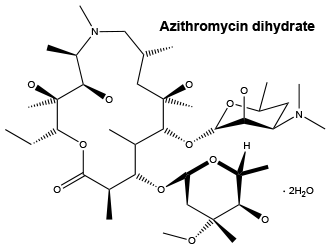
Molecular formula: C38H72N2O12.2H2O.
Molecular weight: 785.0.
CAS number. 117772-70-0.
7 Medicine Schedule (Poisons Standard)
S4 - Prescription Only Medicine.
Date of First Approval
29 April 2009
Date of Revision
15 August 2024
Summary Table of Changes

Reasonable care is taken to provide accurate information at the time of creation. This information is not intended as a substitute for medical advice and should not be exclusively relied on to manage or diagnose a medical condition. The Australian Commission on Safety and Quality in Health Care disclaims all liability (including for negligence) for any loss, damage, injury or any other negative effects resulting from reliance on or use of this information. Read our full disclaimer. This website uses cookies. Read our privacy policy.