
Azulvig
Brand Information
| Brand name | Azulvig |
| Active ingredient | Sildenafil, Sildenafil |
| Schedule | S4 |
Consumer Medicine Information (CMI) leaflet
Please read this leaflet carefully before you start using the Azulvig.
Summary CMI
AZULVIG™
Consumer Medicine Information (CMI) summary
The full CMI on the next page has more details. If you are worried about using this medicine, speak to your doctor or pharmacist.
1. Why am I using AZULVIG?
AZULVIG contains the active ingredient sildenafil (as citrate) 25 mg/mL. AZULVIG is used to treat erectile dysfunction, more commonly known as impotence, in men. For more information, see Section 1. Why am I using AZULVIG? in the full CMI.
2. What should I know before I use AZULVIG?
Do not use if you have ever had an allergic reaction to AZULVIG or any of the ingredients listed at the end of the CMI. Talk to your doctor if you have any other medical conditions or take any other medicines. For more information, see Section 2. What should I know before I use AZULVIG? in the full CMI.
3. What if I am taking other medicines?
Some medicines may interfere with AZULVIG and affect how it works. A list of these medicines is in Section 3. What if I am taking other medicines? in the full CMI.
4. How do I use AZULVIG?
- Take AZULVIG exactly as your doctor has prescribed.
- Your doctor will decide the correct dose for you depending on your condition and response.
- The possibility to adjust the dose according to comorbidities, tolerability and efficacy for each patient, is an important feature of a sildenafil-containing pharmaceutical dosage form. AZULVIG is a prescription medicinal product and therefore the doctor could prescribe you the most adequate dose taking into account your particular characteristics. AZULVIG allows the doctor to adjust to the lowest possible effective dose using the same product and facilitates the titration/flexibilization of the dose, in case it is required by the patient, and according to medical criteria. This also allows to minimize the adverse events.
- The goal of the doctor is to find the ideal dose, sufficient to gain the appropriate pharmacological effect, but as low as possible to minimize adverse effects.
More instructions can be found in Section 4. How do I use AZULVIG? in the full CMI.
5. What should I know while using AZULVIG?
| Things you should do |
|
| Things you should not do |
|
| Driving or using machines |
|
| Drinking alcohol |
|
| Looking after your medicine |
|
For more information, see Section 5. What should I know while using AZULVIG? in the full CMI.
6. Are there any side effects?
Tell your doctor or pharmacist if you notice any of the following and they worry you: headache, dizziness, flushing, hot flushes, indigestion, heartburn, nasal or sinus congestion, swelling of your nose, diarrhoea, rash, tightness in your throat, feeling hot or irritable, redness in your mouth or tongue. Tell your doctor or go straight to the Emergency Department if you notice any of the following: unusual heartbeat, persistent headache or fainting, bleeding from the nose, pain or tingling in your hands, toes or feet, red eye(s), swollen, puffy or pain in or around the eye(s), blood in the urine, changes to your normal vision, shortness of breath, wheezing or difficulty breathing, swelling of the face, lips, tongue or other parts, chest pain, increased heart rate, seizures, fits or convulsions or your erection is increased, painful or persists for longer than four hours.
For more information, including what to do if you have any side effects, see Section 6. Are there any side effects? in the full CMI.
Full CMI
AZULVIG™
Active ingredient(s): sildenafil (as citrate) 25 mg/mL oral suspension
Consumer Medicine Information (CMI)
This leaflet provides important information about using AZULVIG. You should also speak to your doctor or pharmacist if you would like further information or if you have any concerns or questions about using AZULVIG.
Where to find information in this leaflet:
1. Why am I using AZULVIG?
2. What should I know before I use AZULVIG?
3. What if I am taking other medicines?
4. How do I use AZULVIG?
5. What should I know while using AZULVIG?
6. Are there any side effects?
7. Product details
1. Why am I using AZULVIG?
AZULVIG contains the active ingredient sildenafil (as citrate) 25 mg/mL as oral suspension.
AZULVIG belongs to a group of medicines called phosphodiesterase type 5 (PDE5) inhibitors.
AZULVIG is used to treat erectile dysfunction, more commonly known as impotence, in men. This is when a man cannot get, or keep, a hard erect penis suitable for sexual activity.
It works by relaxing the blood vessels in your penis when you are sexually excited. This allows blood to flow into your penis, allowing you to get an erection in the natural way.
AZULVIG will work only if you are sexually excited.
AZULVIG will not increase your sex drive and will work only if you are sexually excited.
2. What should I know before I use AZULVIG?
Warnings
YOU MUST NOT TAKE AZULVIG IF YOU ARE TAKING NITRATES OR NITRITE MEDICATIONS OR SUBSTANCES. THIS COMBINATION MAY LEAD TO A SEVERE DROP IN YOUR BLOOD PRESSURE, WHICH MAY BE DIFFICULT TO TREAT.
BECAUSE SEXUAL ACTIVITY MAY PLACE A STRAIN ON YOUR HEART, YOUR DOCTOR WILL NEED TO CHECK WHETHER YOU ARE FIT ENOUGH TO TAKE AZULVIG.
Do not take AZULVIG if:
- you are allergic to sildenafil or similar medicines, or any of the ingredients listed at the end of this leaflet. An allergic reaction can include:
- hives, itching or skin rash
- swelling of the face, lips or tongue which may lead to difficulty swallowing or breathing.
Always check the ingredients to make sure you can take this medicine. - you are being treated for angina (chest pain) or other heart conditions with medicines called nitrates
Nitrate medicines include glyceryl trinitrate (also called nitroglycerin) which are available in multiple dosage forms such as tablets, patches, sprays and injections. - you are taking guanylate cyclase stimulators(GCS), such as riociguat
GCS is a type of medicine used to treat high blood pressure in the blood vessels in the lungs caused by blood clots in the lungs (chronic thromboembolic pulmonary hypertension or CTEPH) or narrowing of the vessels that carry blood from the heart to the lungs (pulmonary arterial hypertension or PAH). - you have heart or blood vessel problems that make sexual intercourse inadvisable
- you have suffered a heart attack or stroke in the last 6 months
- you have severe liver problems
- you have blood pressure that is unusually high or low or is not effectively treated
- you have loss of vision in one or both eyes from an eye disease called non-arteritic anterior ischaemic optic neuropathy (NAION)
- you have an eye disease called retinitis pigmentosa
- the packaging is torn or shows signs of tampering, or does not look quite right even if the tablets may look alright
- the expiry date on the pack has passed
If it has expired or is damaged, return it to your pharmacist for disposal.
Check with your doctor if you:
- have any allergies to any other medicines or any other substances such as foods, preservatives or dyes.
- have difficulty swallowing, a diagnosis of dysphagia, and/or require fluids, food, or any other thickening agent to assist with swallowing your medications.
- have any other heart or blood vessel problems.
- have previously had sudden loss of eyesight in one or both eyes.
- have any of the following medical conditions:
- diabetes, especially if you also have eye problems
- kidney or liver problems
- leukaemia (cancer of the blood cells)
- multiple myeloma (a cancer of the bone marrow)
- any disease or deformity of your penis
- any bleeding disorder such as haemophilia
- stomach ulcer
- a disease of the blood called sickle cell anaemia
- colour vision problems
- previously experienced sudden decrease or loss of hearing. - are taking or using any other treatment for impotence
- are taking any medicines to treat high blood pressure in the vessels of the lungs (pulmonary arterial hypertension) including bosentan or Revatio which also contains sildenafil.
Tell your doctor if you have any other medical conditions.
If you have not told your doctor or pharmacist about any of the above, tell them before you start taking AZULVIG.
During treatment, you may be at risk of developing certain side effects. It is important you understand these risks and how to monitor them. See additional information under Section 6. Are there any side effects?
3. What if I am taking other medicines?
Tell your doctor or pharmacist if you are taking any other medicines, including any medicines, vitamins or supplements that you buy without a prescription from your pharmacy, supermarket or health food shop.
Do not take AZULVIG if you are taking or using nitrate medicines for angina.
Do not take AZULVIG if you are taking guanylate cyclase stimulators (GCS), such as riociguat.
Some medicines and AZULVIG may interfere with each other. These include:
- cimetidine, a medicine used to treat ulcers
- some medicines used to treat fungal infections including ketoconazole and itraconazole
- some antibiotics including erythromycin and rifampicin
- some protease inhibitors such as ritonavir and saquinavir for the treatment of HIV infection
- medicines called alpha-blockers. These are used to treat high blood pressure or prostate problems
- bosentan, a medicine used to treat high blood pressure in the vessels of the lungs.
You may need different amounts of your medicine or you may need to take different medicines. Your doctor or pharmacist can tell you what to do if you are taking any of these medicines. They also have a more complete list of medicines to be careful with or avoid while taking AZULVIG.
Check with your doctor or pharmacist if you are not sure about what medicines, vitamins or supplements you are taking and if these affect AZULVIG.
4. How do I use AZULVIG?
Take AZULVIG exactly as your doctor has prescribed.
Follow all directions given to you by your doctor and pharmacist carefully.
They may differ from the information contained in this leaflet.
If you do not understand the instructions on the box, ask your doctor or pharmacist for help.
How much to take / use
- Use strictly the exact number of pump strokes of AZULVIG prescribed for you - No more, no less (see table 1 below).
Table 1: Usual recommended doses
| Number of pump strokes | Volume of suspension | Dose (quantity of sildenafil) |
| 2 | 1 mL | 25 mg |
| 4 | 2 mL | 50 mg |
- The usual starting dose is 4 pump strokes (2 mL of suspension or 50 mg sildenafil), although some patients may start with 2 pump strokes (1 mL of suspension).
- Each pump stroke delivers 0.5mL of suspension (containing 12.5 mg of sildenafil).
- The maximum daily dose is 4 pump strokes (2 mL of AZULVIG suspension, or 50 mg sildenafil) in 24 hours.
How to take / use
Always take AZULVIG exactly as advised by your doctor and/or pharmacist. Check with your doctor or pharmacist if you are not sure.
Take your dose by placing the prescribed quantity number of AZULVIG pumps onto the center, top of your tongue, then immediately swallow the whole dose with saliva.
Do not pump AZULVIG suspension onto the inside of your cheeks, or underneath your tongue or on the edges of your tongue.
Do not snack, chew gum or eat a meal at the same time as using AZULVIG suspension.
When to take / use AZULVIG
- Take your dose of AZULVIG about one hour before you intend to have sex.
- The amount of time AZULVIG takes to start working varies from person to person, but it normally takes between half an hour and one hour.
- You may find AZULVIG takes longer to work if you take it with a heavy meal.
- AZULVIG will work only if you are sexually excited.
How to use AZULVIG pump bottle
Before use
AZULVIG can deliver 10 accurate 25 mg doses or 8 accurate
50 mg doses if used as indicated in these instructions. You
should discard the product after taking this number of doses. In case your doctor has prescribed you different doses and you have taken both 25 mg doses and 50 mg doses using the same bottle, do not use the product if the remaining suspension is below the red line on the bottle. In both cases discard the product appropriately and safely with the child-resistant cap in place as accordance with advice in “Getting rid of any unwanted medicine” under “5. What should I know while using AZULVIG.”
Follow the 10 steps below for the correct use of AZULVIG pump bottle:
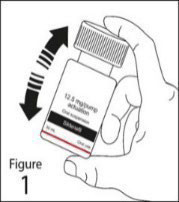
- Shake the bottle vigorously for approximately 20 seconds with the metering pump in closed position to ensure that no drug precipitate is observed in the bottom of the bottle before each use. See figure 1.
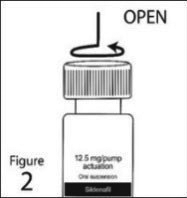
- The child-resistant screw cap should be removed by pushing it down firmly and turning it anticlockwise. See figure 2.
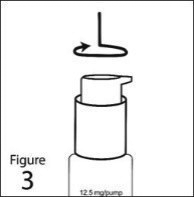
- Place the dosage pump on top of the bottle by sliding the plastic dip tube carefully into the bottle. The dosage pump then needs to be placed onto the neck of the bottle and screwed clockwise until it is firmly attached. See figure 3.
- Twist the head of the dosage pump into open position. See figure 4.

- Before every use (including first-time use): Activate the pump three times to prepare (prime) the dosage pump. Discard any product released during this activation into an absorbent material. The pump is now ready to be used and each metered spray delivers an average of 12.5 mg of sildenafil. A failure to this priming process may lead to a lower when used.
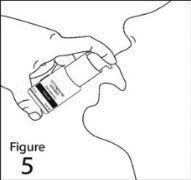
- Tilt your head back a little. Place the dosage pump in your mouth. Press the dosage pump as many times as required, according to the dose prescribed by your doctor and apply the suspension on the tongue and swallow the suspension immediately with saliva. Avoid direct contact between the end of the dosage pump and inside the mouth and tongue. Swallow it immediately with saliva. (See figure 5).
- Twist the dosage pump to closed position (figure 6) and remove the pump after dripping it against the internal wall of the bottle by unscrewing anticlockwise (figure 7).

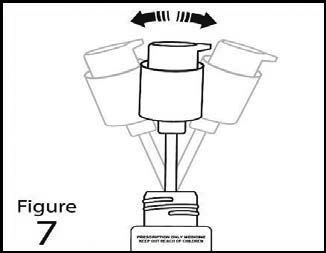
- The child resistant screw cap should be put back on the bottle to close it immediately after each use (See figure 8).
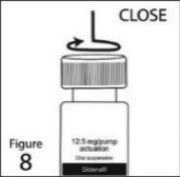
- Securely replace the child resistant screw cap onto the bottle immediately after each use. (See figure 8).
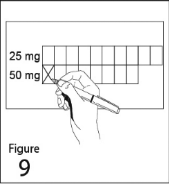
- Mark the checkbox on the bottle box to keep track of the number of doses. (See figure 9).
The quantity of current AZULVIG contents is visible through the translucent bottle container.
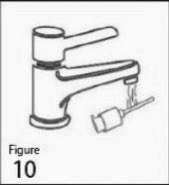
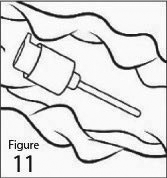
- Thoroughly wash the dosage pump with water and ensure that no product or water remains in the dosage pump by activating it several times over an absorbent material. Allow it to dry completely before the next use. (See figure 10 and figure 11).
Store this medicine out of the sight and reach of children.
Follow these instructions and do not store the product with the dosage pump as the closure to avoid any risk of accidental intake by children.
If you forget to use AZULVIG
AZULVIG should be used exactly as prescribed by your doctor. Check with your doctor if you forget to use AZULVIG.
If it is almost time for your next dose, skip the dose you missed and take your next dose when you are meant to.
Do not take a double dose to make up for the dose you missed.
If you use too much AZULVIG
If you think that you have used too much AZULVIG, you may need urgent medical attention.
You should immediately:
- phone the Poisons Information Centre
(Australia telephone 13 11 26) for advice, or - contact your doctor, or
- go to the Emergency Department at your nearest hospital.
You should do this even if there are no signs of discomfort or poisoning.
5. What should I know while using AZULVIG?
Things you should do
Stop taking AZULVIG if you have a loss of eyesight in one or both eyes, experience loss of hearing or have an erection that persists more than 4 hours. Seek medical attention urgently.
If AZULVIG does not help you get an erection or if your erection does not last long enough to complete sexual intercourse, tell your doctor.
In these cases, your doctor may decide that you need a higher dose.
- If you are about to start taking any new medicines, especially nitrates, or riociguat, tell your doctor and pharmacist that you are taking AZULVIG.
- See " 2. What should I know before I take AZULVIG?" for a list of common nitrate medications.
- Tell any other doctors, dentists and pharmacists who are treating you that you are taking AZULVIG.
Things you should not do
- Do not use drugs containing amyl nitrite (sometimes called "poppers") while you are taking AZULVIG.
- If you get an angina attack do not take nitrate medicines to relieve the pain but tell your doctor immediately. Make sure your doctor knows you are taking AZULVIG.
- Do not give AZULVIG to anyone else, even if they have the same condition as you.
Driving or using machines
Be careful before you drive or take any machines or tools until you know how AZULVIG affects you.
If you experience changes in vision, or dizziness when taking AZULVIG, you should not drive or operate machinery.
Drinking alcohol
Be careful drinking alcohol while taking AZULVIG.
Drinking alcohol can temporarily impair the ability to get an erection.
Do not drink large amounts of alcohol before sexual activity.
Looking after your medicine
- Store below 30°C
- Keep AZULVIG in their pack until it is time to take them. If you take AZULVIG out of the pack, they will not keep as well.
Follow the instructions in the carton on how to take care of your medicine properly.
Store it in a cool dry place away from moisture, heat or sunlight; for example, do not store it: - in the bathroom or near a sink, or
- in the car or on window sills.
Heat and dampness can destroy some medicines.
Keep it where young children cannot reach it.
A locked cupboard at least one-and-a-half meters (5 feet) above the ground is a good place to store medicines.
Getting rid of any unwanted medicine
If you no longer need to use this medicine or it is out of date, take it to any pharmacy for safe disposal.
Do not use this medicine after the expiry date. Do not use 12 months after first opening.
6. Are there any side effects?
While AZULVIG helps most people, it can cause some unwanted side effects in a few people. All medicines have side effects. If unwanted effects occur, most are likely to be minor and temporary. However, some may be serious and need medical attention.
Tell your doctor or pharmacist as soon as possible if you do not feel well while you are taking AZULVIG.
See the information below and, if you need to, ask your doctor or pharmacist if you have any further questions about side effects.
Do not be alarmed by this list of possible side effects.
You may not get any of them.
Less serious side effects
| Less serious side effects | What to do |
Nervous system related:
| Speak to your doctor or pharmacist if you have any of these less serious side effects and they worry you. |
Serious side effects
| Serious side effects | What to do |
Heart related:
| Call your doctor straight away if you notice any of these serious side effects. |
More serious side effects
| More serious side effects | What to do |
Allergy related:
Other side effects:
| Call your doctor straight away, or go straight to the Emergency Department at your nearest hospital if you notice any of these more serious side effects. |
Tell your doctor or pharmacist if you notice anything else that may be making you feel unwell or if you don't understand anything in this list.
This is not a complete list of all possible side effects. Other side effects not listed here may occur in some people.
Reporting side effects
After you have received medical advice for any side effects you experience, you can report side effects to the Therapeutic Goods Administration online at www.tga.gov.au/reporting-problems. By reporting side effects, you can help provide more information on the safety of this medicine.
Always make sure you speak to your doctor or pharmacist before you decide to stop taking any of your medicines.
7. Product details
This medicine is only available with a doctor's prescription.
What AZULVIG contains
| Active ingredient (main ingredient) | Sildenafil (as citrate) equivalent to 25 mg sildenafil |
| Other ingredients (inactive ingredients) | Sodium Benzoate Citric Acid Sucralose Acesulfame potassium (E-950) Hypromellose Xanthan Gum Peppermint flavour (PI 109068) Masking flavour (PI 111611) Purified Water |
This medicine does not contain lactose, sucrose, gluten, tartrazine or any other azo dyes.
Do not take this medicine if you are allergic to any of these ingredients.
What AZULVIG looks like
AZULVIG 25 mg/mL is a white to off-white oral suspension, with a characteristic mint odour. It is available in 30 mL plastic bottles, with a plastic pump nozzle which dispenses
0.5 mL of suspension per pump stroke. (Aust R 407839).
Who distributes AZULVIG
Sponsor
AdiraMedica Pty Ltd
Level 1, 441 South Road
Bentleigh VIC 3204.
This leaflet was prepared in April 2024.
™ = Trademark
Brand Information
| Brand name | Azulvig |
| Active ingredient | Sildenafil, Sildenafil |
| Schedule | S4 |
MIMS Revision Date: 01 June 2026
1 Name of Medicine
Sildenafil (as citrate).
2 Qualitative and Quantitative Composition
Azulvig oral suspension 25 mg/mL contains sildenafil (as citrate) as the active ingredient.
Excipients with known effect. Sodium benzoates and sucralose.
For the full list of excipients, see Section 6.1 List of Excipients.
3 Pharmaceutical Form
Azulvig sildenafil (as citrate) 25 mg/mL is white to off-white oral suspension with a mint odour.
4 Clinical Particulars
4.1 Therapeutic Indications
Azulvig is indicated for the treatment of erectile dysfunction in adult males. Azulvig is not indicated for use in adult women.
4.2 Dose and Method of Administration
Use in adults. Azulvig is a prescription medicinal product and therefore the doctor could prescribe the most adequate dose for each patient taking into account the particular characteristics of each patient. Azulvig allows the doctor to adjust to the lowest possible effective dose using the same product and facilitates the titration/flexibilization of the dose, in case it is required by the patient, and according to medical criteria. This also allows to minimize the adverse events (see Section 5.1).
The recommended dose is 50 mg (4 pump actuations), approximately one hour before sexual activity.
Based on efficacy and tolerability, the dose may be decreased to 25 mg (2 pump actuations) approximately one hour before sexual activity.
The maximum recommended dose of Azulvig is 50 mg (4 pump actuations). The maximum recommended dosing frequency is once per day.
If taken with food, the onset of activity of Azulvig may be delayed compared to the fasted state.
It is recommended that patients are directed to dispense each 0.5 mL pump actuation volume of Azulvig onto the centre of their tongue. The suspension is reasonably viscous, so it should easily remain in position until the 1 or 2 mL dose (2 or 4 pump actuations) has been completely dispensed. The dose should then be swallowed immediately with saliva.
Azulvig should not be administered nasally, sublingually or via the buccal route.
Use in children. Azulvig is not indicated for use in children.
Dosage adjustment in renal impairment. The dosing recommendations for use in adults should be followed for patients with mild to moderate renal impairment (Clcr = 30-80 mL/min).
Since sildenafil clearance is reduced in patients with severe renal impairment (Clcr < 30 mL/min) a 25 mg (2 pump actuations) starting dose should be considered. Based on efficacy and toleration, the dose may be increased to 50 mg (4 pump actuations).
Dosage adjustment in hepatic impairment. Since sildenafil clearance is reduced in patients with hepatic impairment (e.g. cirrhosis) a 25 mg (2 pump actuations) starting dose should be considered. Based on efficacy and toleration, the dose may be increased to 50 mg (4 pump actuations).
Dosage adjustment in the elderly 65 years or above. Since sildenafil clearance is reduced in elderly patients, a first dose of 25 mg (2 pump actuations) should be considered. Based on efficacy and toleration, the dose may be increased to 50 mg (4 pump actuations).
Use in patients using other medicines. Concomitant use of potent CYP 3A4 inhibitors has been associated with increased plasma levels of sildenafil (e.g. erythromycin, 182%, saquinavir, 210%). It can also be expected that more potent CYP 3A4 inhibitors such as ketoconazole and itraconazole would result in increased plasma levels of (see Section 4.5 Interactions with Other Medicines and Other Forms of Interactions, Effects of other medicines on Azulvig). Since higher plasma levels may increase both the efficacy and incidence of adverse events, a starting dose of 25 mg (2 pump actuations) should be considered in these patients.
Given the extent of the interaction with patients receiving concomitant therapy with ritonavir, it is recommended not to exceed a maximum single dose of 25 mg (2 pump actuations) of sildenafil in a 48-hour period (see Section 4.5 Interactions with Other Medicines and Other Forms of Interactions, Effects of other medicines on Azulvig).
In order to minimise the potential for developing postural hypotension, patients should be stable on alpha-blocker therapy prior to initiating sildenafil treatment. In addition, initiation of sildenafil at lower doses should be considered (see Section 4.4 Special Warnings and Precautions for Use; Section 4.5 Interactions with Other Medicines and Other Forms of Interactions).
Method of administration. Patients should be directed to dispense each 0.5 mL pump actuations volume of Azulvig onto the centre of their tongue. The suspension is reasonably viscous, so it should easily remain in position until the appropriate dose has been completely dispensed (see Section 4.2 Dose and Method of Administration, Use in adults). Once the dose has been completely dispensed onto the tongue, the dose should then be swallowed immediately with saliva.
Azulvig should be swallowed on its own, without a fluid (for example, water) or other food or thickening agent to assist swallowing. If the patient requires a swallowing aid to take their medication, a different formulation of sildenafil should be considered. This is to avoid dispersion of Azulvig within the oral cavity, thereby avoiding absorption via the buccal or sublingual routes, which have not been studied.
Patients should be directed to avoid having food in their mouth while taking Azulvig. Azulvig should not be administered nasally, sublingually, or via the buccal route.
Azulvig can deliver 10 accurate 25 mg doses or 8 accurate 50 mg doses if used as indicated in these instructions. The product should be discarded after taking this number of doses. In case that both doses (25 mg and 50 mg doses) are administered when using the same bottle, the product should not be used if the remaining solution is below the red line on the bottle. In both cases, the product should be discarded appropriately and safely with the child-resistant cap in place as accordance with advice in Section 6.6 Special Precautions for Disposal.
1. Shake the bottle vigorously for approximately 20 seconds with the metering pump in closed position to ensure that no drug precipitate is observed in the bottom of the bottle before each use.
2. The child-resistant screw cap should be removed by pushing it down firmly and turning it anticlockwise.
3. Place the dosage pump on top of the bottle by sliding the plastic dip tube carefully into the bottle. The dosage pump then needs to be placed onto the neck of the bottle and screwed clockwise until it is firmly attached.
4. Twist the head of the dosage pump into open position.
5. Before every use (including first-time use): activate the pump three times to prepare (prime) the dosage pump. Discard any product released during this activation into an absorbent material. The pump is now ready to be used and each metered spray delivers an average of 12.5 mg of sildenafil. A failure to this priming process may lead to a lower dose when used.
6. Tilt your head back a little. Place the dosage pump in your mouth. Press the dosage pump as many times as required, according to the dose prescribed by your doctor and apply the suspension on the tongue and swallow the suspension immediately with saliva. Avoid direct contact between the end of the dosage pump and inside the mouth and tongue.
7. Twist the dosage pump to closed position and remove the pump after dripping it against the internal wall of the bottle by unscrewing anticlockwise.
8. The child resistant screw cup should be put back on the bottle to close it immediately after each use.
9. Securely replace the child resistant screw cap onto the bottle immediately after each use.
10. Mark the checkbox on the bottle box to keep track of the number of doses.
The quantity of current Azulvig contents is visible through the translucent bottle container.
11. Thoroughly wash the dosage pump with water and ensure that no product or water remains in the dosage pump by activating it several times over an absorbent material. Allow it to dry completely before the next use.
Store this medicine out of the sight and reach of children.
The product should not be stored with the dosage pump as the container closure in order to avoid the risk of accidental intake by children.
4.3 Contraindications
"Hypersensitivity to the active substance or to any of the excipients listed in Section 2".
Nitrates and Azulvig must not be used concomitantly. Azulvig was shown to potentiate the hypotensive effects of both acute and chronic nitrate administration and therefore, its co-administration with NO donors, organic nitrates or organic nitrites in any form, either regularly or intermittently is contraindicated. Drugs which must not be used concomitantly include glyceryl trinitrate (injection, tablets, sprays or patches), isosorbide salts, sodium nitroprusside, amyl nitrite, nicorandil or organic nitrates in any form.
The co-administration of PDE5 inhibitors, including Azulvig, with guanylate cyclase stimulators, such as riociguat, is contraindicated as it may potentially lead to symptomatic hypotension.
Azulvig is contraindicated in men for whom sexual intercourse is inadvisable due to cardiovascular risk factors (e.g. patients with severe cardiovascular disease such as established cardiac failure and unstable angina pectoris) (see Section 4.4 Special Warnings and Precautions for Use). The possibility of undiagnosed cardiovascular disorders in men with erectile dysfunction should be considered before prescribing sildenafil (as citrate).
Azulvig is not recommended in patients with male erectile dysfunction with a previous episode of non-arteritic anterior ischaemic optic neuropathy (NAION) (see Section 4.4 Special Warnings and Precautions for Use; Section 4.8 Adverse Effects (Undesirable Effects), Post-marketing experience).
The safety of sildenafil has not been studied in the following sub-groups of patients and its use is therefore contraindicated until further information is available: severe hepatic impairment, hypotension (blood pressure < 90/50 mmHg), hypertension (blood pressure > 170/110 mmHg), recent history of stroke or myocardial infarction and known hereditary degenerative retinal disorders such as retinitis pigmentosa (a minority of these patients have genetic disorders of retinal PDEs).
Azulvig is not recommended in patients with dysphagia or swallowing difficulty requiring use of a swallowing aid. These individuals may consider alternative formulations that can be safely administered with these swallowing aids.
4.4 Special Warnings and Precautions for Use
Identified precautions. A thorough medical history and physical examination should be undertaken to diagnose erectile dysfunction, determine potential underlying causes, and identify appropriate treatment.
Prior to initiating any treatment for erectile dysfunction, physicians should consider the cardiovascular status of their patients, including those with recent onset angina, since there is a degree of cardiovascular risk associated with sexual intercourse. Azulvig has vasodilator properties, resulting in mild and transient decreases in blood pressure and, as such, potentiates the hypotensive effect of nitrates (see Section 4.3 Contraindications).
Physicians should advise patients to stop use of all PDE5 inhibitors, including Azulvig, and seek immediate medical attention in the event of a sudden loss of vision in one or both eyes. Such an event may be a sign of non-arteritic anterior ischaemic optic neuropathy (NAION), a cause of decreased vision including permanent loss of vision, that has been reported rarely post-marketing in temporal association with the use of all PDE5 inhibitors. An observational study evaluating whether recent use of PDE5 inhibitors, as a class, was associated with acute onset of NAION suggests an increase in the risk of NAION with PDE5 inhibitor use. In case of sudden visual loss, patients should be advised to stop taking Azulvig and consult a physician immediately.
Individuals who have already experienced NAION are at increased risk of NAION recurrence. PDE5 inhibitors, including Azulvig, are not recommended in patients with male erectile dysfunction with a previous episode of NAION (see Section 4.3 Contraindications; Section 4.8 Adverse Effects (Undesirable Effects), Post-marketing experience).
In clinical trials, sildenafil (as citrate) has been shown to have systemic vasodilatory properties that result in transient decreases in blood pressure (see Section 5.1 Pharmacodynamic Properties, Clinical trials). This is of little or no consequence in most patients. However, prior to prescribing Azulvig, physicians should carefully consider whether their patients with certain underlying conditions could be adversely affected by such vasodilatory effects, especially in combination with sexual activity. Patients with increased susceptibility to vasodilators include those with left ventricular outflow obstruction (e.g. aortic stenosis, hypertrophic obstructive cardiomyopathy), or those with the rare syndrome of multiple system atrophy manifesting as severely impaired autonomic control of blood pressure.
Agents for the treatment of erectile dysfunction should be used with caution in patients with anatomical deformation of the penis (such as angulation, cavernosal fibrosis or Peyronie's disease), or in patients who have conditions which may predispose them to priapism (such as sickle cell anaemia, multiple myeloma or leukaemia).
The safety and efficacy of combinations of Azulvig with other PDE5 inhibitors, or other pulmonary arterial hypertension (PAH) treatments containing sildenafil or with other treatments for erectile dysfunction have not been studied. Therefore, the use of such combinations is not recommended.
Caution is advised when sildenafil is administered to patients taking an alpha-blocker, as the co-administration may lead to symptomatic hypotension in a few susceptible individuals (see Section 4.5 Interactions with Other Medicines and Other Forms of Interactions). In order to minimise the potential for developing postural hypotension, patients should be haemodynamically stable on alpha-blocker therapy prior to initiating sildenafil treatment. Initiation of sildenafil at lower doses should be considered (see Section 4.2 Dose and Method of Administration). In addition, physicians should advise patients what to do in the event of postural hypotensive symptoms.
Sildenafil (as citrate) had no effect on bleeding time, including during co-administration with aspirin. In vitro studies with human platelets indicate that sildenafil potentiates the antiaggregatory effect of sodium nitroprusside (a NO donor). There is no safety information on the administration of Azulvig to patients with bleeding disorders or active peptic ulceration. Therefore, Azulvig should be administered with caution to these patients.
There are limited safety data in patients with diabetic retinopathy. The safety of Azulvig in patients with untreated diabetic retinopathy has not been studied and therefore Azulvig should be administered to these patients only after careful benefit-risk assessment.
Sudden decrease or loss of hearing, which may be accompanied by tinnitus and dizziness, has been reported in a small number of post marketing and clinical trials cases with the use of all PDE5 inhibitors, including sildenafil. Most of these patients had risk factors for sudden decrease or loss of hearing. No causal relationship has been made between the use of PDE5 inhibitors and sudden decrease or loss of hearing. In case of sudden decrease or loss of hearing patients should be advised to stop taking Azulvig and consult a physician promptly.
The incidence of adverse events may be greater in those patients who require the maximum recommended dose of 100 mg (e.g. some diabetic and spinal cord injury patients). However, the maximum recommended dose for Azulvig is 50 mg, therefore the incidence of adverse events for Azulvig is expected to be lower.
Patients with cardiovascular disease who have not engaged in sexual intercourse for a number of years should have their cardiovascular status carefully assessed prior to initiating treatment with Azulvig.
Prolonged erections greater than four hours in duration and priapism (painful erections greater than 6 hours) have been reported infrequently since market approval of sildenafil (as citrate). In the event of an erection that persists longer than 4 hours, the patient should seek immediate medical assistance. If priapism is not treated immediately, penile tissue damage and permanent loss of potency could result.
Use in hepatic impairment. Please see Section 4.2 Dose and Method of Administration, Dosage adjustment in hepatic impairment; Section 5.2 Pharmacokinetic Properties, Special population, Hepatic insufficiency.
Use in renal impairment. Please see Section 4.2 Dose and Method of Administration, Dosage adjustment in renal impairment; Section 5.2 Pharmacokinetic Properties, Special population, Renal insufficiency.
Use in the elderly. Please see Section 4.2 Dose and Method of Administration, Dosage adjustment in the elderly 65 years and above.
Paediatric use. Azulvig is not indicated for use in children. Please see Section 4.2 Dose and Method of Administration, Use in children.
Effects on laboratory tests. No data available.
4.5 Interactions with Other Medicines and Other Forms of Interactions
Effects of other medicines on Azulvig. Sildenafil metabolism is principally mediated by the cytochrome P450 (CYP) isoforms 3A4 (major route) and 2C9 (minor route). Therefore, inhibitors of these isoenzymes may reduce sildenafil clearance and inducers of these isoenzymes may increase sildenafil clearance.
Population pharmacokinetics analysis of clinical trial data indicated a reduction in sildenafil clearance when co-administered with CYP3A4 inhibitors (such as ketoconazole, erythromycin, cimetidine). However, there was no increased incidence of adverse events in these patients.
Cimetidine (800 mg), a non-specific CYP3A4 inhibitor, caused a 56% increase in plasma sildenafil concentrations when co-administered with sildenafil (as citrate) (50 mg) to healthy volunteers.
When a single 100 mg dose of sildenafil was administered with erythromycin, a specific CYP3A4 inhibitor, at steady state (500 mg twice daily for 5 days), there was a 182% increase in sildenafil systemic exposure (AUC).
Co-administration of the HIV protease inhibitor saquinavir, also a CYP3A4 inhibitor, at steady state (1200 mg three times daily) with sildenafil (as citrate) (100 mg single dose) resulted in a 140% increase in sildenafil Cmax and a 210% increase in sildenafil AUC (see Section 4.2 Dose and Method of Administration). Stronger CYP3A4 inhibitors such as ketoconazole and itraconazole would be expected to have still greater effects.
Co-administration with the HIV protease inhibitor ritonavir, which is a highly potent P450 inhibitor, at steady state (500 mg twice daily) with sildenafil (as citrate, 100 mg single dose) resulted in a 300% (4-fold) increase in sildenafil Cmax and a 1000% (11-fold) increase in sildenafil plasma AUC. At 24 hours the plasma levels of sildenafil were still approximately 200 nanogram/mL, compared to approximately 5 nanogram/mL when sildenafil was dosed alone. This is consistent with ritonavir's marked effects on a broad range of P450 substrates (see Section 4.2 Dose and Method of Administration).
Since systemic exposure to sildenafil citrate increases on co-administration with inhibitors of CYP3A4 the Azulvig dose may have to be reduced depending on tolerability.
It can be expected that concomitant administration of CYP3A4 inducers, such as rifampicin, will decrease plasma levels of sildenafil.
Population pharmacokinetics analysis showed no effect of concomitant medication on sildenafil pharmacokinetics when grouped as CYP2C9 inhibitors, CYP2D6 inhibitors (such as selective serotonin reuptake inhibitors, tricyclic antidepressants), thiazide and related diuretics, loop and potassium-sparing diuretics, ACE inhibitors, calcium channel blockers, beta-adrenoreceptor antagonists or inducers of CYP450 metabolism (such as barbiturates).
In a study of healthy male volunteers, co-administration of the endothelin antagonist, bosentan, (an inducer of CYP3A4 (moderate), CYP2C9 and possibly of CYP2C19) at steady state (125 mg twice a day) with sildenafil citrate at steady state (80 mg three times a day) resulted in 62.6% and 55.4% decrease in sildenafil citrate AUC and Cmax, respectively. Sildenafil (as citrate, 80 mg three times a day) increased bosentan AUC and Cmax by 49.8% and 42%, respectively.
Riociguat. Preclinical studies showed an additive systemic blood pressure lowering effect when PDE5 inhibitors were combined with riociguat. In clinical studies, riociguat has been shown to augment the hypotensive effects of sildenafil. There was no evidence of favourable clinical effect of the combination in the population studied. Concomitant use of riociguat with PDE5 inhibitors, including sildenafil, is contraindicated as it may potentially lead to symptomatic hypotension (see Section 4.3 Contraindications).
Single doses of antacid (magnesium hydroxide/aluminium hydroxide) did not affect the bioavailability of sildenafil (as citrate).
There is no information on the interaction between sildenafil and cyclosporin.
Effects of Azulvig on other medicines. Sildenafil is a weak inhibitor of the cytochrome P450 isoforms 1A2, 2C9, 2C19, 2D6, 2E1 and 3A4 (IC50 > 150 microM). Given sildenafil peak plasma concentrations of approximately 1 microM after recommended doses, it is unlikely that sildenafil will alter the clearance of substrates of these isoenzymes.
There is no data on the interaction of sildenafil and non-specific PDE inhibitors such as theophylline or dipyridamole.
In three specific drug-drug interaction studies, the alpha-blocker doxazosin (4 mg and 8 mg) and sildenafil (as citrate, 25 mg, 50 mg, or 100 mg) were administered simultaneously to patients with benign prostatic hyperplasia (BPH) stabilised on doxazosin therapy. In these study populations, mean additional reductions of supine blood pressure of 7/7 mmHg, 9/5 mmHg, and 8/4 mmHg, and mean additional reductions of standing blood pressure of 6/6 mmHg, 11/4 mmHg, and 4/5 mmHg, respectively, were observed. When sildenafil and doxazosin were administered simultaneously to patients stabilized on doxazosin therapy, there were infrequent reports of patients who experienced symptomatic postural hypotension. These reports included dizziness and light headedness, but not syncope. Concomitant administration of sildenafil to patients taking alpha-blocker therapy may lead to symptomatic hypotension in a few susceptible individuals (see Section 4.4 Special Warnings and Precautions for Use; Section 4.2 Dose and Method of Administration).
No significant interactions were shown when sildenafil (as citrate) 50 mg was co-administered with tolbutamide (250 mg) or warfarin (40 mg), both of which are metabolised by CYP2C9.
Sildenafil (as citrate, 50 mg) did not potentiate the increase in bleeding time caused by aspirin (150 mg).
Sildenafil causes a small reduction in supine and tilted diastolic blood pressure (3.5 and 6.1 mmHg respectively) in healthy subjects who had a blood alcohol level of 80 mg/dL.
No interaction was seen when sildenafil (as citrate, 100 mg) was co-administered with amlodipine in hypertensive patients. The mean additive reduction on supine blood pressure (systolic, 8 mmHg; diastolic, 7 mmHg) was of a similar magnitude to that seen when sildenafil was administered alone to healthy volunteers (see Section 5.1 Pharmacodynamic Properties).
Analysis of the safety database showed no difference in the side effect profile in patients taking sildenafil (as citrate) with and without anti-hypertensive medication.
Sildenafil was shown to potentiate the hypotensive effect of acute and chronic nitrate administration. Therefore, use of NO donors, organic nitrates, or organic nitrites in any form either regularly or intermittently with sildenafil is contraindicated (see Section 4.3 Contraindications).
4.6 Fertility, Pregnancy and Lactation
Effects on fertility. There was no impairment of fertility in rats given sildenafil for 36 days to females and 102 days to males at a dose producing an AUC value of more than 50 times the human male AUC at an oral dose of 50 mg.
There is no information on the effects of sildenafil on semen production, sperm motility/morphology in patients suffering from erectile dysfunction. There was no effect on sperm motility or morphology after single 100 mg oral doses of sildenafil (as citrate) in healthy volunteers.
Use in pregnancy. (Category B1)
Azulvig is not indicated for use by women.
No evidence of teratogenicity, embryotoxicity or fetotoxicity was observed in rats and rabbits which received up to 200 mg/kg/day of sildenafil during organogenesis. The dose results in total systemic drug exposure (AUC) for unbound sildenafil and its major metabolite of greater than 100 times the exposure observed in human males at a maximum recommended human dose (MRHD) of 50 mg. In the rat pre- and post-natal development study, the no observed adverse effect dose was 30 mg/kg/day given for 36 days. In non-pregnant rat the AUC at this dose was about 40 times the human AUC. There are no adequate and well controlled studies of sildenafil in pregnant women.
Use in lactation. Azulvig is not indicated for use in women. No information is available on its secretion into breast milk.
4.7 Effects on Ability to Drive and Use Machines
As transient visual disturbances and dizziness have been reported in some patients taking sildenafil (as citrate), particularly at the 100 mg dose, patients should be aware of how they react to Azulvig before driving or operating machinery, and the doctor should advise accordingly. However, the maximum recommended dose for Azulvig is 50 mg, therefore the incidence of adverse effects including visual disturbances and dizziness is expected to be lower.
4.8 Adverse Effects (Undesirable Effects)
Clinical trial data. Azulvig administered in single dose in the bioequivalence study was shown to have a safety profile comparable to that of sildenafil (as citrate) film-coated tablets.
Sildenafil (as citrate) was administered to over 3700 patients (aged 19-87) during clinical trials worldwide. Over 550 patients were treated for longer than one year.
Treatment with sildenafil (as citrate) was well tolerated. In placebo controlled clinical studies, the discontinuation rate due to adverse events was low and similar to placebo. The adverse events were generally transient and mild to moderate in nature.
Across trials of all designs, the profile of adverse events reported by patients receiving sildenafil (as citrate) was similar. In fixed dose studies, the incidence of adverse events increased with dose. The nature of the adverse events in flexible dose studies, which more closely reflect the recommended dosage regimen, was similar to that for fixed dose studies.
When sildenafil (as citrate) was taken as recommended (on an as needed basis in flexible dose placebo controlled clinical trials) the following adverse events were reported. See Table 1.

In fixed dose studies, dyspepsia (17%) and abnormal vision (11%) were more common at 100 mg than at lower doses.
At doses above the recommended dose range, adverse events were similar to those detailed above but generally were reported more frequently.
No cases of priapism were reported during controlled clinical trials.
The following events occurred in < 2% of patients in controlled clinical trials; a causal relationship to sildenafil (as citrate) is uncertain. Reported events include those with a plausible relation to drug use; omitted are minor events and reports too imprecise to be meaningful:
General disorders and administrative site conditions. Face oedema, oedema, peripheral oedema, asthenia, pain, chills, chest pain, thirst.
Immune systems disorders. Hypersensitivity.
Cardiac disorders. Angina pectoris, AV block, tachycardia, palpitation, myocardial ischaemia, cardiac arrest, heart failure, cardiomyopathy.
Vascular disorders. Hypotension, postural hypotension, vasodilation, shock.
Gastrointestinal disorders. Nausea, vomiting, glossitis, colitis, dysphagia, gastritis, oesophagitis, stomatitis, dry mouth, rectal haemorrhage, abdominal pain.
Blood and lymphatic systems disorders. Anaemia and leukopenia.
Metabolic and nutritional disorders. Gout, unstable diabetes, hyperglycaemia, hyperuricemia, hypoglycaemic reaction, hypernatremia.
Musculoskeletal and connective tissue disorders. Arthritis, arthrosis, myalgia, tenosynovitis, bone pain, myasthenia, synovitis.
Injury, poisoning and procedural complications. Accidental fall, accidental injury, tendon rupture.
Nervous system disorders. Ataxia, hypertonia, neuralgia, neuropathy, paraesthesia, tremor, vertigo, somnolence, hyporeflexia, hypaesthesia, migraine, syncope, cerebral thrombosis.
Psychiatric disorders. Depression, insomnia, abnormal dreams.
Respiratory, thoracic and mediastinal disorders. Respiratory disorder, asthma, dyspnoea, sputum increased, cough increased.
Infections and infestations. Infection, rhinitis, sinusitis bronchitis, laryngitis, pharyngitis, herpes simplex, gastroenteritis, gingivitis, cystitis.
Skin and subcutaneous tissue disorders. Urticaria, pruritus, sweating, skin ulcer, contact dermatitis, exfoliative dermatitis, photosensitivity reaction.
Eye disorders. Mydriasis, conjunctivitis, photophobia, eye pain, eye haemorrhage, cataract, dry eyes.
Ear and labyrinth disorders. Sudden decrease or loss of hearing, ear pain, tinnitus.
Reproductive and breast disorders. Prostatic disorder, breast enlargement, abnormal ejaculation, genital oedema and anorgasmia.
Renal and urinary disorders. Nocturia, urinary frequency, urinary incontinence.
Investigations. Abnormal electrocardiogram, liver tests abnormal.
Adverse reactions reported in clinical trials that are not included in the above section include:
Eye disorders. Visual disturbance, cyanopsia, photopsia, chromatopsia, ocular hyperaemia, visual brightness, eye oedema, eye swelling, dry eye, asthenopia, halo vision, xanthopsia, erythropsia, eye disorder, conjunctival hyperaemia, eye irritation, abnormal sensation in eye, eyelid oedema.
Vascular disorders. Hot flush.
Respiratory, thoracic and mediastinal disorders. Sinus congestion, epistaxis, throat tightness, nasal dryness, nasal oedema.
Gastrointestinal disorders. Gastro-oesophageal reflux disease, hypoaesthesia oral.
Musculoskeletal and connective tissue disorders. Pain in extremity.
Reproductive system and breast disorders. Erection increased.
General disorders and administration site conditions. Feeling hot, irritability.
Investigations. Heart rate increased.
Post-marketing experience. Cardiac disorders and vascular disorders. Serious cardiovascular events, including myocardial infarction, sudden cardiac death, ventricular arrhythmia, cerebrovascular haemorrhage, transient ischaemic attack and hypertension, have been reported post marketing in temporal association with the use of sildenafil (as citrate). Most, but not all, of these patients had pre-existing cardiovascular risk factors. Many of these events were reported to occur during or shortly after sexual activity, and a few were reported to occur shortly after the use of sildenafil (as citrate) without sexual activity. Others were reported to have occurred hours to days after the use of sildenafil (as citrate) and sexual activity. It is not possible to determine whether these events are related directly to sildenafil (as citrate), to sexual activity, to the patient's underlying cardiovascular disease, to a combination of these factors, or to other factors.
Tachycardia, hypotension, syncope, and epistaxis have also been reported post marketing. Rare spontaneous reports have been received of hypotensive events after the use of sildenafil (as citrate) in combination with alpha blockers.
Other events reported post marketing to have been observed in temporal association with sildenafil (as citrate) and not listed in the clinical trials adverse reactions section include:
Nervous system disorders. Seizure, seizure recurrence and anxiety.
Reproductive system and breast disorders. Priapism and prolonged erection.
Renal disorders. Haematuria.
Eye disorders. Diplopia, temporary vision loss/decreased vision, ocular redness or bloodshot appearance, ocular burning, ocular swelling/pressure, increased intraocular pressure, retinal vascular disease or bleeding, vitreous detachment/traction and paramacular oedema.
Non-arteritic anterior ischaemic optic neuropathy (NAION), a cause of decreased vision including permanent loss of vision, has been reported rarely post marketing in temporal association with the use of PDE5 inhibitors, including sildenafil (as citrate). Most, but not all, of these patients had underlying anatomic or vascular risk factors for developing NAION, including but not necessarily limited to: low cup to disc ratio ("crowded disc"), age over 50, diabetes, hypertension, coronary artery disease, hyperlipidaemia and smoking. An observational study evaluating whether recent use of PDE5 inhibitors, as a class, was associated with acute onset of NAION suggests an increase in the risk of NAION with PDE5 inhibitor use (see Section 4.3 Contraindications; Section 4.4 Special Warnings and Precautions for Use).
Immune system disorders. Hypersensitivity reaction.
Ear and labyrinth disorders. Cases of sudden decrease or loss of hearing have been reported post marketing in temporal association with the use of PDE5 inhibitors, including sildenafil (as citrate). In some of the cases, medical conditions and other factors were reported that may have also played a role in the otologic adverse events. In many cases, medical follow-up information was limited. It is not possible to determine whether these reported events are related directly to the use of sildenafil (as citrate) to the patient's underlying risk factors for hearing loss, a combination of these factors, or to other factors (see Section 4.4 Special Warnings and Precautions for Use).
Reporting suspected adverse effects. Reporting suspected adverse reactions after registration of the medicinal product is important. It allows continued monitoring of the benefit-risk balance of the medicinal product. Healthcare professionals are asked to report any suspected adverse reactions at www.tga.gov.au/reporting-problems.
4.9 Overdose
Overdose information is limited. In studies with healthy volunteers, of single doses up to 800 mg, adverse events were similar to those seen at lower doses, but incidence rates and severities were increased.
In cases of overdose, standard supportive measures should be adopted as required. Sildenafil blood levels are not clinically useful. Monitor ECG and blood pressure in symptomatic patients.
Renal dialysis is not expected to accelerate clearance as sildenafil is highly bound to plasma proteins and not eliminated in the urine.
For information on the management of overdose, contact the Poisons Information Centre on 13 11 26 (Australia).
5 Pharmacological Properties
5.1 Pharmacodynamic Properties
Mechanism of action. Sildenafil is an oral therapy for erectile dysfunction, which restores impaired erectile function by increasing blood flow to the penis, resulting in a natural response to sexual stimulation.
The physiological mechanism responsible for erection of the penis involves the release of nitric oxide (NO) in the corpus cavernosum during sexual stimulation. NO then activates the enzyme, guanylate cyclase, which results in increased levels of cyclic guanosine monophosphate (cGMP), producing smooth muscle relaxation in the corpus cavernosum and allowing inflow of blood.
Sildenafil is a potent and selective inhibitor of cGMP PDE5 which is responsible for degradation of cGMP in the corpus cavernosum. Sildenafil citrate has a peripheral site of action on erections. Sildenafil has no direct relaxant effect on isolated human corpus cavernosum but potently enhances the relaxant effect of NO on this tissue. When the NO/cGMP pathway is activated, as occurs with sexual stimulation, inhibition of PDE5 by sildenafil results in increased corpus cavernosum levels of cGMP. Therefore, sexual stimulation is required for sildenafil (as citrate) to produce its beneficial pharmacological effects.
Single oral doses of sildenafil (as citrate) up to 100 mg in healthy volunteers produced no clinically relevant effects on ECG. The mean maximum decreases in supine systolic blood pressure following 100 mg oral dosing were 8.4 mmHg. The corresponding change in supine diastolic blood pressure was 5.5 mmHg. These decreases in blood pressure are consistent with the vasodilatory effects of sildenafil, probably due to increased cGMP levels in vascular smooth muscle.
Sildenafil has no effect on visual acuity or contrast sensitivity. Mild and transient differences in colour discrimination (blue/green) were detected in some subjects using Farnsworth-Munsell 100 hue test at 1 hour following a 100 mg dose, with no effects evident after 2 hours post dose. The postulated mechanism for this change in colour discrimination is related to inhibition of PDE6, which is involved in the phototransduction cascade of the retina. In vitro studies show that sildenafil is 10-fold less potent against PDE6 than PDE5.
Human platelets contain PDE5 enzyme system. Sildenafil, in limited studies, did not affect platelet function in vivo. In in vitro studies, sildenafil was shown to potentiate the anti-aggregatory effect of the NO donor, sodium nitroprusside.
Studies in vitro have shown that sildenafil has between 10 and 10,000-fold greater selectivity for PDE5 than for other PDE isoforms (PDEs 1, 2, 3, 4, 6, 7 to 11). In particular, sildenafil has greater than 4,000-fold selectivity for PDE5 over PDE3, the cAMP-specific PDE isoform involved in the control of cardiac contractility.
Clinical trials. The efficacy and safety of sildenafil (as citrate) was evaluated in 21 randomised, double-blind placebo-controlled trials up to 6 months duration. Sildenafil (as citrate) was administered to more than 3,000 patients aged 19-87, with erectile dysfunction of various aetiologies (organic, psychogenic, mixed). The efficacy was evaluated by global assessment questions, diary of erections, the International Index of Erectile Function (IIEF, a validated sexual function questionnaire) and a partner questionnaire.
Sildenafil (as citrate) efficacy, determined as the ability to achieve and maintain an erection sufficient for sexual intercourse, was demonstrated in all 21 studies and was maintained in long term extension studies (one year). In fixed dose studies the proportions of patients reporting that treatment improved their erections were 62% (25 mg), 74% (50 mg), 82% (100 mg) compared to 25% on placebo. In addition to improvements in erectile function, analysis of IIEF showed that sildenafil (as citrate) treatment also improved the domains of orgasm, satisfaction with intercourse and overall satisfaction.
Across all trials, the proportion of patients reporting improvement on sildenafil (as citrate) were 59% of diabetic patients, 43% of radical prostatectomy patients and 83% of patients with spinal cord injury (versus 16%, 15% and 12% on placebo respectively).
The efficacy results for the 100 mg dose were demonstrated with an alternative sildenafil product. Based on the currently available data, the maximum dose recommended for Azulvig is 50 mg, which differs from 100 mg maximum dose recommended for the alternative product.
5.2 Pharmacokinetic Properties
Absorption. Sildenafil is rapidly absorbed after oral administration. Maximum observed plasma concentrations are reached within 30 to 120 minutes (median 60 minutes) of oral dosing in the fasted state. The mean absolute oral bioavailability is 41% (range 25-63%). The oral pharmacokinetics of sildenafil are proportional over the recommended dose range (25 mg-100 mg).
The bioavailability of sildenafil following oral administration of 50 mg of Azulvig is similar to that observed with an equivalent dose of sildenafil (as citrate) dosed as film-coated tablets.
After oral administration of a 50 mg dose of Azulvig in healthy subjects with an empty stomach, a maximum concentration (Cmax) of sildenafil (as citrate) of 161.61 nanogram/mL was reached at an approximately 1 hour and the area under the plasma concentration-time curve (AUC) was 475.6 nanogram*h/mL.
When sildenafil (as citrate) film-coated tablets are taken with a high fat meal, the rate of absorption of sildenafil is reduced with a mean delay in Tmax of 60 minutes and a mean reduction in Cmax of 29%. Patients may need to individualise their dosing relative to their food intake based on their own experienced clinical response.
Distribution. The mean steady state volume of distribution (Vss) for sildenafil is 105 L, indicating distribution into the tissues. Sildenafil and its major circulating N-desmethyl metabolite are both approximately 96% bound to plasma proteins. Protein binding is independent of total drug concentrations.
In sixteen healthy volunteers receiving sildenafil (as citrate, 100 mg single dose), the mean semen concentrations of sildenafil 1.5 and 4 hours post dose were 18% and 17% respectively of the plasma concentration at the same time point. The amount in the ejaculate at 90 minutes after dosing was less than 0.0002% of the administered dose.
Metabolism. Sildenafil is cleared predominantly by the CYP3A4 (major route) and CYP2C9 (minor route) hepatic microsomal isoenzymes. The major circulating metabolite results from N-demethylation of sildenafil. This metabolite has a PDE selectivity profile similar to sildenafil and an in vitro potency for PDE5 approximately 50% of the parent drug. Plasma concentrations of this metabolite are approximately 40% of those seen for sildenafil citrate. The N-desmethyl metabolite is further metabolised with a terminal half-life of approximately 4 hours.
Excretion. The total body clearance of sildenafil is 41 L/h with a resultant terminal phase half-life of 3-5 hours. After either oral or intravenous administration, sildenafil is excreted as metabolites predominantly in the faeces (approximately 80% of administered oral dose) to a lesser extent in the urine (approximately 13% of administered oral dose).
Special population. Elderly. Healthy elderly volunteers (65 years or over) had a reduced clearance of sildenafil, with free plasma concentrations approximately 40% greater than those seen in younger volunteers (18-45 years). However, analysis of the safety database showed that age had no effect on the incidence of adverse events.
Renal insufficiency. In volunteers with mild (Clcr = 50-80 mL/min) and moderate (Clcr = 30-49 mL/min) renal impairment, the pharmacokinetics of a single oral dose of sildenafil (as citrate, 50 mg) were not altered. In volunteers with severe (Clcr = ≤ 30 mL/min) renal impairment, sildenafil clearance was reduced, resulting in increases in AUC (100%) and Cmax (88%) compared to age-matched volunteers with no renal impairment.
Hepatic insufficiency. In volunteers with hepatic cirrhosis (Child-Pugh A and B), sildenafil clearance was reduced, resulting in increases in AUC (85%) and Cmax (47%) compared to age-matched volunteers with no hepatic impairment. The pharmacokinetics of sildenafil in patients with severe hepatic impairment has not been studied.
5.3 Preclinical Safety Data
Genotoxicity. Sildenafil was negative in in vitro bacterial and Chinese hamster ovary cell assays to detect mutagenicity, and in vitro human lymphocytes and in vivo mouse micronucleus assays to detect clastogenicity.
Carcinogenicity. Sildenafil was not carcinogenic when administered to rats for 24 months at a dose resulting in total systemic drug exposure (AUC) for unbound sildenafil and its major metabolite of more than 70 times, the exposures observed in human males given the maximum recommended human dose (MRHD) of 50 mg. Sildenafil was not carcinogenic when administered to mice for 18-21 months at dosages up to the maximum tolerated dose of 10 mg/kg/day, but resulting in total systemic drug exposure for unbound sildenafil and its major metabolite of less than the exposures observed in human males given the MRHD of 50 mg.
6 Pharmaceutical Particulars
6.1 List of Excipients
Azulvig (sildenafil [as citrate] 25 mg/mL) oral liquid suspension contains the following inactive ingredients: sodium benzoate, citric acid, sucralose, acesulfame potassium, hypromellose, xanthan gum, peppermint flavour (ID: 109068), masking flavour (ID: 111611) and purified water.
6.2 Incompatibilities
Incompatibilities were either not assessed or not identified as part of the registration of this medicine.
6.3 Shelf Life
In Australia, information on the shelf life can be found on the public summary of the Australian Register of Therapeutic Goods (ARTG). The expiry date can be found on the packaging.
6.4 Special Precautions for Storage
Stored below 30°C. Bottle should be discarded 10 months after first opening.
6.5 Nature and Contents of Container
Azulvig sildenafil (as citrate) 25 mg/mL is available in 30 mL HDPE bottles, with a polypropylene dosage pump delivering 0.5 mL of suspension (equivalent to 12.5 mg sildenafil) per activation.
6.6 Special Precautions for Disposal
In Australia, any unused medicine or waste material should be disposed of by taking to your local pharmacy.
6.7 Physicochemical Properties
Sildenafil citrate is a white to almost white, crystalline powder. Its aqueous solubility is equivalent to 2.6 mg sildenafil per mL at 25°C.
Sildenafil citrate is an orally active selective inhibitor of cGMP-specific phosphodiesterase type 5 (PDE5) which is the predominant PDE isoenzyme in human corpora cavernosa.
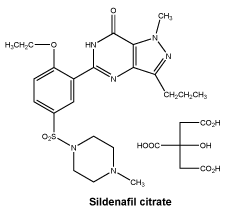
Chemical structure. Sildenafil citrate is 5-[2-Ethoxy-5-[(4-methylpiperazin-1-yl)sulfonyl]phenyl]-1-methyl-3-propyl-1,6-dihydro-7H-pyrazolo[4,3-d]pyrimidin-7-one dihydrogen 2-hydroxypropane-1,2,3- tricarboxylate.
The empirical formula for sildenafil citrate is C28H38N6O11S with a molecular weight of 666.7.
Sildenafil citrate has the following structural formula:
7 Medicine Schedule (Poisons Standard)
Prescription Only Medicine (S4).
Date of First Approval
28 March 2025
Summary Table of Changes

Reasonable care is taken to provide accurate information at the time of creation. This information is not intended as a substitute for medical advice and should not be exclusively relied on to manage or diagnose a medical condition. The Australian Commission on Safety and Quality in Health Care disclaims all liability (including for negligence) for any loss, damage, injury or any other negative effects resulting from reliance on or use of this information. Read our full disclaimer. This website uses cookies. Read our privacy policy.