
Beriplex AU
Brand Information
| Brand name | Beriplex AU |
| Active ingredient | Factor II + Factor VII + Factor IX + Factor X + Protein C + Protein S |
| Schedule | Unscheduled |
Consumer Medicine Information (CMI) leaflet
Please read this leaflet carefully before you start using the Beriplex AU.
Summary CMI
Beriplex® AU
Consumer Medicine Information (CMI) summary
The full CMI on the next page has more details. If you are worried about using this medicine, speak to your doctor or pharmacist.
1. Why am I being given Beriplex® AU?
Beriplex® AU contains the active ingredients, human coagulation factor II, factor VII, factor IX and factor X, proteins C and S. Beriplex® AU is used to treat bleeding conditions that may be caused when you are taking a blood thinner (e.g. warfarin) and unexpected bleeding occurs.
For more information, see Section 1. Why am I being given Beriplex® AU? in the full CMI.
2. What should I know before I am given Beriplex® AU?
Do not use if you have ever had an allergic reaction to Beriplex® AU or any of the ingredients listed at the end of the CMI.
Talk to your doctor if you have any other medical conditions, take any other medicines, or are pregnant or plan to become pregnant or are breastfeeding or are on a sodium controlled diet.
For more information, see Section 2. What should I know before I am given Beriplex® AU? in the full CMI.
3. What if I am taking other medicines?
Some medicines may interfere with Beriplex® AU and affect how it works.
A list of these medicines is in Section 3. What if I am taking other medicines? in the full CMI.
4. How will I be given Beriplex® AU?
- Your doctor will decide what dose is best for your particular situation or condition.
More instructions can be found in Section 4. How will I be given Beriplex® AU? in the full CMI.
5. What should I know after I am given Beriplex® AU?
| Things you should do |
|
| Things you should not do |
|
| Driving or using machines |
|
| Looking after your medicine |
|
For more information, see Section 5. What should I know after I am given Beriplex® AU? in the full CMI.
6. Are there any side effects?
All medicines can have side effects. Sometimes they are serious, most of the time they are not. You may need medical treatment if you get some of the side effects.
For more information, including what to do if you have any side effects, see Section 6. Are there any side effects? in the full CMI.
Full CMI
Beriplex® AU
Active ingredients: human coagulation factor II, factor VII, factor IX and factor X, proteins C and S.
Consumer Medicine Information (CMI)
This leaflet provides important information about using Beriplex® AU. You should also speak to your doctor or pharmacist if you would like further information or if you have any concerns or questions about using Beriplex® AU.
Where to find information in this leaflet:
1. Why am I being given Beriplex® AU?
2. What should I know before I am given Beriplex® AU?
3. What if I am taking other medicines?
4. How will I be given Beriplex® AU?
5. What should I know after I am given Beriplex® AU?
6. Are there any side effects?
7. Product details
1. Why am I being given Beriplex® AU?
Beriplex® AU contains the active ingredients human coagulation factor II, factor VII, factor IX and factor X, proteins C and S. Beriplex® AU is made from human plasma (the liquid component of blood) collected by Australian Red Cross Lifeblood.
Beriplex® AU is used to treat bleeding conditions that may be caused when you are taking a blood thinner (e.g. warfarin) and unexpected bleeding occurs.
The coagulation factors called factor II, factor VII, factor IX and factor X together make up the prothrombin complex. The factors are made in the liver when your body has enough vitamin K.
Medicines, like warfarin, which are used to thin the blood (also called vitamin K antagonists, or anticoagulants) prevent blood clotting and may work by stopping the liver from making coagulation factors.
If you do not have enough vitamin K, or you have been treated with medicines which are used to thin the blood, you may be at risk of bleeding and haemorrhage.
Beriplex® AU works by replacing the coagulation (clotting) factors your body needs.
Beriplex® AU belongs to a group of medicines called prothrombin complex products, which are made from human blood.
2. What should I know before I am given Beriplex® AU?
Warnings
You must not be given Beriplex® AU if:
- you are allergic to human coagulation factor II, factor VII, factor IX and factor X, proteins C and S, or any of the ingredients listed at the end of this leaflet. Always check the ingredients to make sure you can use this medicine.
- you have an increased risk of forming blood clots.
- you are allergic to a medicine called heparin (used to thin the blood and prevent clots).
Check with your doctor if you:
- have any other medical conditions, especially the following:
- a heart condition (e.g. angina, or a recent heart attack)
- liver disease
- a bleeding disorder. - have any allergies to any other medicines or any other substances, such as foods, preservatives or dyes.
- have recently had surgery or a blood transfusion.
- have had blood clots in a blood vessel (e.g. deep vein thrombosis).
- are taking or using any other medicines.
During treatment, you may be at risk of developing certain side effects. It is important you understand these risks and how to monitor for them. See additional information under Section 6. Are there any side effects?
Pregnancy and breastfeeding
Check with your doctor if you are pregnant or intend to become pregnant.
Talk to your doctor if you are breastfeeding or intend to breastfeed.
During pregnancy and breastfeeding Beriplex® AU should be given only if it is clearly indicated.
Virus safety
Beriplex® AU is made from human plasma (the liquid component of blood) collected by Australian Red Cross Lifeblood. When medicines are made from human blood and injected into you, it is possible that viruses or other substances could be present in the medicine and cause an illness. These could be viruses such as hepatitis, human immunodeficiency virus (HIV), or human parvovirus B19 and theoretically Creutzfeldt-Jakob Disease (CJD) agent.
There could also be other infectious agents some of which may not yet have been discovered.
To reduce the risk of this happening extra steps are taken when manufacturing this medicine. Strict controls are applied when selecting blood donors and donations. The medicine is specially treated to remove and kill certain viruses. This special treatment is considered effective against certain viruses known as enveloped viruses such as HIV, hepatitis B and hepatitis C viruses, and the non-enveloped viruses hepatitis A and parvovirus B19.
Despite these measures, the risk of viral and other agent's infectivity cannot be totally eliminated.
Vaccines are available against some of these viruses and your doctor will be able to help you decide whether it is worthwhile having any of those vaccines.
Please discuss the risk and benefits of this product with your doctor.
Beriplex® AU contains sodium
Beriplex® AU contains up to 343 mg sodium (approximately 15 mmol) per 100 mL. Please take this into account if you are on a sodium controlled diet.
3. What if I am taking other medicines?
Tell your doctor or pharmacist if you are taking any other medicines, including any medicines, vitamins or supplements that you buy without a prescription from your pharmacy, supermarket or health food shop. Some medicines may affect the way other medicines work.
Beriplex® AU may prevent the effects of medicines which cause blood thinning (called anticoagulants).
Your doctor or pharmacist has more information on medicines to be careful with or avoid while taking Beriplex® AU.
Check with your doctor or pharmacist if you are not sure about what medicines, vitamins or supplements you are taking and if these affect Beriplex® AU.
4. How will I be given Beriplex® AU?
How much will I be given
- The amount of Factor II, VII, IX, and X you need and the duration of treatment will depend on several factors, such as your body weight, the severity and nature of your disease, the site and intensity of the bleeding or the need to prevent bleeding during an operation or investigation.
When will Beriplex® AU be given
Treatment should be started and supervised by a doctor who is experienced in this type of disorder.
Beriplex® AU would usually be given in a hospital, in an emergency situation.
If too much Beriplex® AU is given
Your doctor should regularly check your blood clotting status during the treatment. High doses of prothrombin complex concentrate have been associated with instances of heart attack, disseminated intravascular coagulation and an increased formation of blood clots in blood vessel in patients at risk of these complications.
5. What should I know after I am given Beriplex® AU?
Things you should do
Call your doctor straight away if you:
notice:
- difficulty breathing,
- flushing,
- dizziness, or
- tightness of the chest
while you are being given Beriplex® AU or afterwards. These may be signs of a serious allergy or anaphylaxis.
If you are about to be started on any new medicine tell your doctor and pharmacist that you have had Beriplex® AU.
Remind any doctor, dentist or pharmacist you visit that you have been given Beriplex® AU.
Things you should not do
- Do not pass it on to others. It may harm them, even if their signs of illness are the same as yours.
Driving or using machines
No studies on the effects on the ability to drive and use machines have been performed.
Be careful before you drive or use any machines or tools until you know how Beriplex® AU affects you.
Looking after your medicine
- Store Beriplex® AU below 25°C. Do not freeze.
- Keep the vial in the outer carton, in order to protect from light.
- Keep this medicine out of the sight and reach of children.
- Beriplex® AU does not contain a preservative so the made-up solution should preferably be used immediately.
Follow the instructions in the carton on how to take care of your medicine properly.
Getting rid of any unwanted medicine
If you no longer need to use this medicine or it is out of date, take it to any pharmacy for safe disposal.
Do not use this medicine after the expiry date.
6. Are there any side effects?
All medicines can have side effects. If you do experience any side effects, most of them are minor and temporary. However, some side effects may need medical attention.
See the information below and, if you need to, ask your doctor or pharmacist if you have any further questions about side effects.
Less serious side effects
| Less serious side effects | What to do |
| Speak to your doctor if you have any of these less serious side effects and they worry you. |
Serious side effects
| Serious side effects | What to do |
| Call your doctor straight away, or go straight to the Emergency Department at your nearest hospital if you notice any of these serious side effects. |
Do not be alarmed by this list of possible side effects. You may not experience any of them.
Beriplex® AU is not addictive.
Tell your doctor or pharmacist if you notice anything else that may be making you feel unwell.
Other side effects not listed here may occur in some people.
Reporting side effects
After you have received medical advice for any side effects you experience, you can report side effects to the Therapeutic Goods Administration online at www.tga.gov.au/reporting-problems. By reporting side effects, you can help provide more information on the safety of this medicine.
Always make sure you speak to your doctor or pharmacist before you decide to stop taking any of your medicines.
7. Product details
Beriplex® AU is usually given in a hospital.
What Beriplex® AU contains
| Active ingredients (main ingredients) | Human coagulation factor II, Factor VII, Factor IX, Factor X, Proteins C and S |
| Other ingredients (inactive ingredients) | Beriplex® AU does not contain preservatives, however it does contain other materials that keep it stable. These ingredients are: Antithrombin III (human) Albumin (human) Heparin sodium (porcine) Sodium chloride Sodium citrate |
Do not take this medicine if you are allergic to any of these ingredients.
What Beriplex® AU looks like
Beriplex® AU is presented as a white or slightly coloured powder and is supplied with water for injection as solvent.
Beriplex® AU comes as a pack which contains:
- a vial of product (Beriplex® AU) which is a white or slightly coloured powder
- a Mix2Vial™ filter transfer set in a blister
- a vial of diluent (Water for Injections) to dissolve the powder.
500 IU: AUST R 328515
Who distributes Beriplex® AU
Beriplex® AU is supplied in Australia by
CSL Behring (Australia) Pty Ltd
ABN 48 160 734 761
189–209 Camp Road
Broadmeadows VIC 3047
Australia
For Medical/Technical Enquiries
TOLL FREE: 1800 642 865
For Customer Service Enquiries
TOLL FREE: 1800 063 892
customerservice@cslbehring.com.au
www.cslbehring.com.au
This leaflet was prepared in June 2024.
® Registered trademark of CSL Limited Group of Companies
™ Mix2Vial is a trademark of West Pharmaceutical Services, Inc. or a subsidiary thereof
Brand Information
| Brand name | Beriplex AU |
| Active ingredient | Factor II + Factor VII + Factor IX + Factor X + Protein C + Protein S |
| Schedule | Unscheduled |
MIMS Revision Date: 01 September 2024
Notes
Distributed by Australian Red Cross Lifeblood
1 Name of Medicine
Human prothrombin complex.
2 Qualitative and Quantitative Composition
Beriplex AU is presented as a powder, containing human prothrombin complex, in packs of 500 IU factor IX, for reconstitution with a vial of diluent.
The product contains the following IU of the human coagulation factors in Table 1.
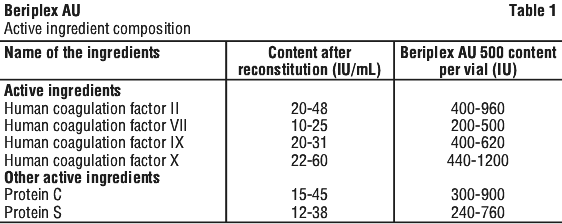
The specific activity of factor IX is 2.5 IU per mg total protein.
The activities of all coagulation factors as well as protein C and S (antigen) have been tested according to the current valid international WHO standards.
Beriplex AU is manufactured from human plasma collected in Australia by Australian Red Cross Lifeblood. Beriplex P/N is manufactured from human plasma collected outside Australia by or on behalf of CSL Plasma.
Beriplex AU contains up to 343 mg sodium (approximately 15 mmol) and up to 200 IU heparin per 100 mL reconstituted solution.
For the full list of excipients, see Section 6.1 List of Excipients.
3 Pharmaceutical Form
Powder and diluent for solution for injection.
Powder: white or slightly coloured powder or friable solid.
Diluent (water for injections): clear, colourless.
4 Clinical Particulars
4.1 Therapeutic Indications
Treatment and perioperative prophylaxis of bleedings in acquired deficiency of the prothrombin complex coagulation factors, such as deficiency caused by treatment with vitamin K antagonists, or in case of overdose of vitamin K antagonists, when rapid correction of the deficiency is required.
4.2 Dose and Method of Administration
Dosage. Only general dosage guidelines are given below. Treatment should be initiated under the supervision of a physician experienced in the treatment of coagulation disorders. The dosage and duration of the substitution therapy depend on the severity of the disorder, on the location and extent of bleeding and on the patient's clinical condition.
The amount and the frequency of administration should be calculated on an individual patient basis. Dosage intervals must be adapted to the different circulating half-lives of the respective coagulation factors in the prothrombin complex. Individual dosage requirements can only be identified on the basis of regular determinations of the individual plasma levels of the coagulation factors of interest, or on global tests of the prothrombin complex levels (e.g. International Normalised Ratio (INR)), and a continuous monitoring of the clinical condition of the patient.
In case of major surgical interventions, precise monitoring of the substitution therapy by means of coagulation assays is essential (specific coagulation factor assays and/or global tests for prothrombin complex levels).
The dosage and method of administration in elderly people (> 65 years) is equivalent to the general recommendations.
There is no experience in children.
Bleeding and perioperative prophylaxis of bleeding during vitamin K antagonist treatment. The dose will depend on the INR before treatment and the targeted INR. The pre-treatment INR should be measured as close as possible to the time of dosing in order to calculate the appropriate dose of Beriplex AU. In Table 2, approximate doses (mL/kg body weight of the reconstituted product and IU factor IX/kg body weight) required for normalisation of INR (e.g. ≤ 1.3) at different initial INR levels are given.

The correction of the vitamin K antagonist-induced impairment of haemostasis is commonly reached approximately 30 minutes after the injection. The simultaneous administration of vitamin K should be considered in patients receiving Beriplex AU for urgent reversal of vitamin K antagonists since vitamin K usually takes effect within 4-6 hours. Repeated dosing with Beriplex AU for patients requiring urgent reversal of vitamin K antagonist treatment is not supported by clinical data and therefore not recommended.
These recommendations are based on data from clinical studies with a limited number of subjects. Recovery and the duration of effect may vary, therefore monitoring of INR during treatment is mandatory.
Administration. Beriplex AU should be reconstituted according to the instructions provided. The reconstituted solution should be administered by a separate injection/infusion line by slow intravenous injection, at a rate not exceeding 3 IU/kg body weight/minute, max. 210 IU/minute, approximately 8 mL/minute.
Whilst the physico-chemical stability of the reconstituted solution has been demonstrated for 24 hours at room temperature (max. 25°C), Beriplex AU contains no antimicrobial preservative. Therefore, it is recommended that the product should be used immediately after reconstitution. Use in one patient on one occasion only. Any unused solution should be discarded appropriately. If a clot or a gel forms, do not use the product.
General instructions. The solution should be clear or slightly opalescent. After filtering/withdrawal reconstituted product should be inspected visually for particulate matter and discolouration prior to administration. Do not use solutions that are cloudy or have deposits.
Reconstitution and withdrawal must be carried out under aseptic conditions.
Reconstitution. Bring the diluent to room temperature. Ensure product and diluent vial flip caps are removed and the stoppers are treated with a disinfectant solution and allowed to dry prior to opening the Mix2Vial package.
1. Open the Mix2Vial package by peeling off the lid. Do not remove the Mix2Vial from the blister package.
2. Place the diluent vial on an even, clean surface and hold the vial tight. Take the Mix2Vial together with the blister package and push the spike of the blue adapter end straight down through the diluent vial stopper.
3. Carefully remove the blister package from the Mix2Vial set by holding at the rim and pulling vertically upwards. Make sure that you only pull away the blister package and not the Mix2Vial set.
4. Place the product vial on an even and firm surface. Invert the diluent vial with the Mix2Vial set attached and push the spike of the transparent adapter end straight down through the product vial stopper. The diluent will automatically flow into the product vial.
5. With one hand grasp the product-side of the Mix2Vial set, and with the other hand grasp the diluent-side and carefully unscrew the set anticlockwise into two pieces. Discard the diluent vial with the blue Mix2Vial attached.
6. Gently swirl the product vial with the transparent adapter attached until the substance is fully dissolved. Do not shake.
7. Draw air into an empty, sterile syringe. While the product vial is upright, connect the syringe to the Mix2Vial's Luer lock fitting by screwing clockwise. Inject air into the product vial.
Withdrawal and application. 8. While keeping the syringe plunger pressed, turn the system upside down and draw the solution into the syringe by pulling the plunger back slowly.
9. Now that the solution has been transferred into the syringe, firmly hold on to the barrel of the syringe (keeping the syringe plunger facing down) and disconnect the transparent Mix2Vial adapter from the syringe by unscrewing anticlockwise.
Care should be taken that no blood enters the syringe filled with product, as there is a risk that the blood could coagulate in the syringe and fibrin clots could therefore be administered to the patient.
In case more than one vial of Beriplex AU is required, it is possible to pool several vials of Beriplex AU for a single infusion via a commercially available infusion device.
The Beriplex AU solution must not be diluted.
4.3 Contraindications
Hypersensitivity to the active substance or to any of the excipients.
In the case of disseminated intravascular coagulation, prothrombin complex-preparations may only be applied after termination of the consumptive state.
Known history of Heparin-Induced Thrombocytopenia (HIT). Beriplex AU contains heparin.
4.4 Special Warnings and Precautions for Use
General precautions. The advice of a specialist experienced in the management of coagulation disorders should be sought.
In patients with acquired deficiency of vitamin K dependent coagulation factors (e.g. as induced by treatment with vitamin K antagonists), Beriplex AU should only be used when rapid correction of the prothrombin complex levels is necessary, such as major bleedings or emergency surgery. In other cases, reduction of the dose of the vitamin K antagonist and/or administration of vitamin K is usually sufficient.
Patients receiving a vitamin K antagonist may have an underlying hypercoagulable state and infusion of human prothrombin complex may exacerbate this.
In congenital deficiency of any of the vitamin K dependent factors, specific coagulation factor products should be used when available.
Hypersensitivity reactions. If allergic or anaphylactic-type reactions occur, the administration of Beriplex AU should be stopped immediately (e.g. discontinue injection) and an appropriate treatment initiated. Therapeutic measures depend on the kind and severity of the undesirable effect. The current medical standards for shock treatment are to be observed.
Thromboembolic risk. There is a risk of thrombosis or disseminated intravascular coagulation when patients, with either congenital or acquired deficiency, are treated with human prothrombin complex particularly with repeated dosing. The risk may be higher in treatment of isolated factor VII deficiency, since the other vitamin K dependent coagulation factors, with longer half-lives, may accumulate to levels considerably higher than normal. Patients given human prothrombin complex should be observed closely for signs or symptoms of disseminated intravascular coagulation or thrombosis.
Because of the risk of thromboembolic complications, close monitoring should be exercised when administering Beriplex AU to patients with a history of coronary heart disease or myocardial infarction, to patients with liver disease, to patients peri- or postoperatively, to neonates or to patients at risk of thromboembolic phenomena or disseminated intravascular coagulation or simultaneous inhibitor deficiency. In each of these situations, the potential benefit of treatment with Beriplex AU should be weighed against the potential risk of such complications.
Beriplex P/N was not studied in subjects who had in the prior 3 months, a thromboembolic event, myocardial infarction, disseminated intravascular coagulation, cerebral vascular accident, transient ischaemic attack, unstable angina pectoris or severe peripheral vascular disease. Beriplex AU may not be suitable in patients with thromboembolic events in the prior 3 months.
Disseminated intravascular coagulation (DIC). In patients with disseminated intravascular coagulation, it may, under certain circumstances, be necessary to substitute the coagulation factors of the prothrombin complex. This substitution may, however, only be carried out after termination of the consumptive state (e.g. by treatment of the underlying cause, persistent normalisation of the antithrombin III level). Beriplex P/N was not studied in patients with complex coagulation disorders such as DIC or hyperfibrinolysis.
Resumption of anticoagulation. Reversing vitamin K antagonists exposes patients to the risk of the underlying disease. Resumption of anticoagulation should be carefully considered as soon as possible.
Heparin-induced thrombocytopenia type II. Undesirable reactions may include the development of HIT type II. Characteristic signs of HIT are a platelet count drop > 50% and/or the occurrence of new or unexplained thromboembolic complications during heparin therapy. Onset is typically from 4 to 14 days after initiation of heparin therapy but may occur within 10 hours in patients recently exposed to heparin (within the previous 100 days).
Other. No data is available regarding the use of Beriplex AU in case of perinatal bleeding due to vitamin K deficiency in neonates.
Beriplex AU contains up to 343 mg sodium (approximately 15 mmol) per 100 mL and this is to be taken into consideration by patients on a controlled sodium diet.
Pathogen safety. Standard measures to prevent infections resulting from the use of medicinal products prepared from human blood or plasma include selection of donors, screening of individual donations and plasma pools for specific markers of infection. In addition, the Beriplex AU manufacturing process includes pasteurisation (60°C for 10 hours) and nanofiltration as dedicated virus inactivation and removal steps to reduce the possibility of virus transmission.
The measures taken are considered effective for enveloped viruses such as human immunodeficiency virus (HIV), hepatitis B virus (HBV), hepatitis C virus (HCV) and for the non-enveloped virus hepatitis A (HAV) and parvovirus B19.
Despite this, when medicinal products prepared from human blood or plasma are administered, the possibility of transmitting infective agents cannot be totally excluded. This also applies to unknown or emerging viruses and other pathogens.
Appropriate vaccination (hepatitis A and B) should be considered for patients in regular/repeated receipt of human plasma-derived prothrombin complex products.
It is strongly recommended that every time that Beriplex AU is administered to a patient, the name and batch number of the product are recorded in order to maintain a link between the patient and the batch of the product.
Use in the elderly. The safety and efficacy of Beriplex P/N in elderly people (> 65 years) has been demonstrated in clinical studies.
Paediatric use. The safety and efficacy of Beriplex P/N in the paediatric population has not been established in clinical studies.
Effects on laboratory tests. When performing clotting tests which are sensitive to heparin in patients receiving high doses of human prothrombin complex, the heparin as a constituent of the administered product must be taken into account.
4.5 Interactions with Other Medicines and Other Forms of Interactions
Human prothrombin complex products neutralise the effect of vitamin K antagonist treatment, but no interactions with other medicinal products are known.
4.6 Fertility, Pregnancy and Lactation
Effects on fertility. The effects of Beriplex AU on fertility are unknown.
Use in pregnancy. The safety of human prothrombin complex during pregnancy has not been established. Animal studies to assess effects on embryofoetal development have not been conducted because there is no evidence that clotting factors cross the placental barrier.
Human prothrombin complex should only be used in pregnancy if clearly indicated.
Use in lactation. The safety of human prothrombin complex during lactation has not been established.
Human prothrombin complex should only be used in lactation if clearly indicated.
4.7 Effects on Ability to Drive and Use Machines
No studies on the effects on the ability to drive and use machines have been performed.
4.8 Adverse Effects (Undesirable Effects)
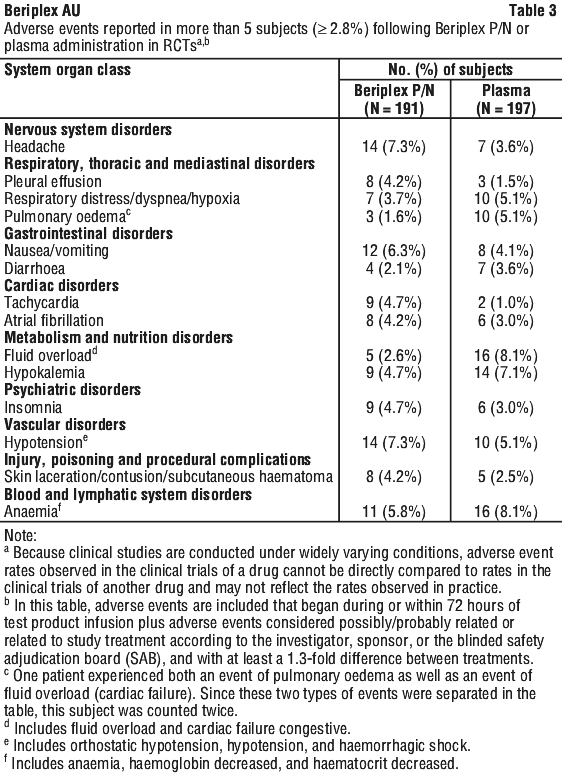
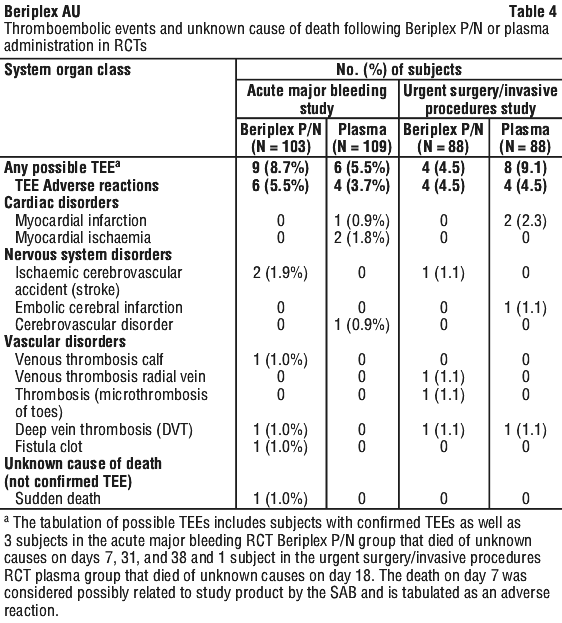
Clinical trial experience. Adverse events reported for Beriplex P/N and plasma during the acute major bleeding and urgent surgery/invasive procedures randomised controlled trials (RCTs) are summarised in Table 3. Both RCTs were prospective, randomised, open-label, active-controlled multicentre non-inferiority trials. The acute major bleeding trial enrolled a total of 212 subjects (103 treated with Beriplex P/N and 109 with plasma) that were aged from 26 years to 96 years. The urgent surgery/invasive procedures trial enrolled a total of 176 subjects (88 treated with Beriplex P/N and 88 with plasma) that were aged from 27 years to 94 years.
Allergic or anaphylactic-type reactions have been uncommonly observed, including severe anaphylactic reactions. See Section 4.4 Special Warnings and Precautions for Use.
Replacement therapy may lead to the formation of circulating antibodies inhibiting one or more of the human prothrombin complex factors. If such inhibitors occur, the condition will manifest itself as a poor clinical response. In such cases, it is recommended to contact a specialised haemophilia centre for guidance.
Anaphylactic reactions have been observed in patients with antibodies to factors contained in Beriplex P/N.
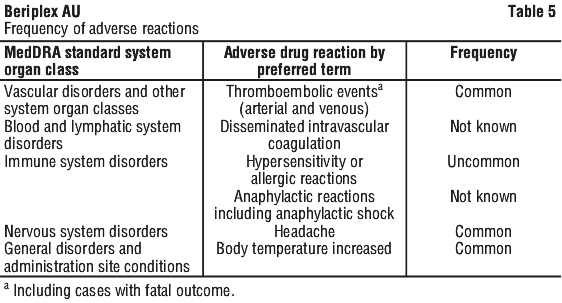
Increase in body temperature has been commonly observed.
There is a risk of thromboembolic episodes following the administration of human prothrombin complex. See Section 4.4 Special Warnings and Precautions for Use.
Adverse reactions in Table 5 are classified according to the MedDRA system organ classification (SOC and preferred term level). Frequencies have been based on clinical trial data, according to the following convention: very common (≥ 1/10); common (≥ 1/100 and < 1/10); uncommon (≥ 1/1000 and < 1/100); rare (≥ 1/10,000 and < 1/1000); very rare (< 1/10,000) or not known (cannot be estimated from the available data).
For safety with respect to transmissible agents, see Section 4.4 Special Warnings and Precautions for Use, Pathogen safety.
Reporting suspected adverse effects. Reporting suspected adverse reactions after registration of the medicinal product is important. It allows continued monitoring of the benefit/risk balance of the medicinal product. Healthcare professionals are asked to report any suspected adverse reactions at www.tga.gov.au/reporting-problems.
4.9 Overdose
To avoid overdose, regular monitoring of the coagulation status is indicated during the treatment as the use of high doses of prothrombin complex concentrate (overdose) has been associated with instances of myocardial infarction, disseminated intravascular coagulation, venous thrombosis and pulmonary embolism. In case of overdose the risk of thromboembolic complications or disseminated intravascular coagulation is enhanced in patients at risk of these complications.
For information on the management of overdose, contact the Poisons Information Centre on 13 11 26 (Australia).
5 Pharmacological Properties
5.1 Pharmacodynamic Properties
Mechanism of action. Pharmacotherapeutic group: antihaemorrhagics, blood coagulation factors II, VII, IX and X in combination.
The coagulation factors II, VII, IX and X, which are synthesised in the liver with the help of vitamin K, are commonly called the prothrombin complex. In addition to the coagulation factors Beriplex AU contains the vitamin K dependent coagulation inhibitors protein C and protein S.
Factor VII is the zymogen of the active serine protease factor VIIa by which the extrinsic pathway of blood coagulation is initiated. The tissue thromboplastin factor-factor VIIa complex activates coagulation factors IX and X, whereby factor IXa and Xa are formed. With further activation of the coagulation cascade, prothrombin (factor II) is activated and transformed to thrombin. By the action of thrombin, fibrinogen is converted to fibrin, which results in clot formation. The normal generation of thrombin is also of vital importance for platelet function as a part of the primary haemostasis.
The further ingredients, the coagulation inhibitors protein C and protein S, are also synthesised in the liver. The biological activity of protein C is enforced by the cofactor protein S.
Activated protein C inhibits the coagulation by inactivating the coagulation factors Va and VIIIa. Protein S as cofactor of protein C supports the inactivation of the coagulation. Protein C deficiency is associated with an increased risk of thrombosis.
Acquired deficiency of the vitamin K dependent coagulation factors occurs during treatment with vitamin K antagonists. If the deficiency becomes severe, a severe bleeding tendency results, characterised by retroperitoneal or cerebral bleeds rather than muscle and joint haemorrhage. Severe hepatic insufficiency also results in markedly reduced levels of the vitamin K dependent coagulation factors and a clinically relevant bleeding tendency. However, this is often complex due to a simultaneously ongoing low-grade intravascular coagulation, low platelet levels, deficiency of coagulation inhibitors and disturbed fibrinolysis.
The administration of human prothrombin complex provides an increase in plasma levels of the vitamin K dependent coagulation factors, and can temporarily correct the coagulation defect of patients with deficiency of one or several of these factors.
Clinical trials. Clinical trials have been conducted with Beriplex P/N.
Beriplex P/N has been evaluated in three pivotal Phase III studies to determine the efficacy, safety and tolerability of Beriplex P/N in subjects with acquired deficiency of prothrombin complex coagulation factors. The three studies evaluated the efficacy, safety and tolerability of Beriplex P/N in subjects who had undergone vitamin K antagonist (VKA) therapy and who required urgent replacement of their vitamin K dependent clotting factors to treat acute major bleeding or to prepare for an urgent surgery/invasive procedure. The results of these studies demonstrate that replacement of vitamin K dependent clotting factors with Beriplex P/N (i) effectively reverses the effect of oral anticoagulation by rapidly decreasing the INR, (ii) achieves haemostatic efficiency comparable to plasma and (iii) decreases the INR more rapidly than plasma in subjects who have been treated with oral VKA and who required urgent replacement of their vitamin K dependent clotting factors.
Acute major bleeding study. The acute major bleeding Phase IIIb study was a prospective, open-labelled, non-inferiority multicentre trial using plasma as active control. The primary objective was to compare the haemostatic efficacy of Beriplex P/N and plasma over the first 24 hours following infusion. Efficacy was determined by a blinded independent board. Criteria for effective haemostasis were based upon standard clinical assessments including vital signs, haemoglobin measurements, and computed tomography assessments at pre-defined time points, as relevant to the type of bleeding. A co-primary objective was to compare the efficacy of Beriplex P/N and plasma in reducing the INR to ≤ 1.3 (normalisation) at 30 minutes after the end of infusion.
The modified efficacy population comprised 202 subjects (101 female and 101 male; mean age 69.8, range 29-96 in the Beriplex P/N treated group and mean age 69.8, range 26-92 for the plasma treated group) with a baseline INR > 1.3 and recent use of a VKA anticoagulant.
These were randomised to a single dose of Beriplex P/N (98 subjects) or plasma (104 subjects). The subjects were allocated to three dose groups according to their baseline INR. In the Beriplex P/N treated group, subjects with INR 2 to < 4, 4 to 6 or > 6 received 25, 35 or 50 IU of factor X/kg, respectively. In the plasma treated group, subjects with INR 2 to < 4, 4 to 6 or > 6 received 10, 12 or 15 mL of plasma/kg, respectively. Intravenous vitamin K was administered concomitantly.
Haemostatic efficacy was classified as excellent or good (i.e. effective) in 71 subjects (72.4%, 95% CI [63.6; 81.3]) in the Beriplex P/N treated group and 68 subjects (65.4%) in the plasma treated group. The difference between groups was 7.1% in favour of Beriplex P/N, and the lower limit of the 95% CI was -5.8%. Analysis of the treatment difference confirmed the non-inferiority of Beriplex P/N treatment compared to plasma treatment (lower limit of 95% CI was > -10%), but did not demonstrate superiority (lower limit of 95% CI was not > 0). For the co-primary endpoint, there was a rapid reduction in INR in 61 subjects (62.2%) in the Beriplex P/N group and 10 subjects (9.6%) in the plasma group. The difference between the groups was 52.6%. The lower limit of the 95% confidence interval (CI) of 31.9% demonstrated superiority of Beriplex P/N versus plasma for this endpoint.
Urgent surgery/invasive procedure study. This Phase IIIb study was a prospective, open-label, non-inferiority, multicentre clinical trial using plasma as active control. The primary efficacy objective was haemostatic efficacy over the time period from the start of infusion of Beriplex P/N or plasma until the end of the urgent surgery/invasive procedure. Criteria for effective haemostasis were based upon the difference between predicted and actual blood losses, subjective haemostasis rating, and the need for additional blood products containing coagulation factors. A co-primary objective was to compare the efficacy of Beriplex P/N and plasma in reducing the preoperative INR values to ≤ 1.3 at 30 minutes after the end of the infusion.
The modified efficacy population comprised 168 subjects (68 female and 100 male; mean age 69.4, range 32-94 in the Beriplex P/N treated group and mean age 66.0, range 27-90 for the plasma treated group) with a baseline INR > 1.3 and recent use of a VKA anticoagulant. Eighty-seven of these were randomised to receive a single dose of Beriplex P/N; 81 were randomised to receive a single dose of plasma. The subjects were allocated to one of three dose groups according to their baseline INR. In the Beriplex P/N treated group, subjects with INR 2 to < 4, 4 to 6 or > 6 received 25, 35 or 50 IU of factor IX/kg, respectively. In the plasma treated group, subjects with INR 2 to < 4, 4 to 6 or > 6 received 10, 12 or 15 mL of plasma/kg, respectively. Intravenous or oral vitamin K was administered concomitantly.
Haemostatic efficacy was classified as excellent or good (i.e. effective) in 78 subjects (89.7% with a 95% CI [83.3; 96.1]) in the Beriplex P/N group and 61 subjects (75.3% with a 95% CI [65.9; 84.7]) in the plasma group. The difference between groups was 14.3% in favour of Beriplex P/N and the lower limit of the 95% CI was 2.8%. Analysis of the treatment difference confirmed the non-inferiority (lower limit of 95% CI was > -10%) and the superiority (lower limit of 95% CI was > 0) of Beriplex P/N compared to plasma. For the co-primary objective, there was a rapid reduction in INR in 48 subjects (55.2%) in the Beriplex P/N group and 8 subjects (9.9%) in the plasma group. The difference between the groups was 45.3%. The lower limit of the 95% CI of 31.9% demonstrated superiority of Beriplex P/N versus plasma for this endpoint.
European bleeding and surgical study. A phase III, uncontrolled study was undertaken to provide pivotal efficacy and safety data for Beriplex P/N in the reversal of coagulopathy in subjects treated with anticoagulants who required immediate correction of their INR due to emergency surgery or acute bleeding. The primary objective was to demonstrate reduction in INR to ≤ 1.3 (normalisation) within 30 minutes after the end of the Beriplex P/N infusion. Secondary efficacy variables included the haemostatic efficacy assessment by the investigator and examination of the increase in plasma levels of the coagulation factors.
Forty-three subjects (22 female, 21 male; median age 70, range 22-85) were allocated to three dose groups based on their baseline INR; subjects with INR 2-3.9, 4-6 and > 6 receiving 25, 35 and 50 IU of FIX/kg respectively. Vitamin K was administered concomitantly to 38 of the 43 subjects at doses ranging from 5 mg to 20 mg (most at 10 mg).
Forty of the 43 subjects achieved INR of ≤ 1.3; the remaining three subjects had an INR of 1.4 (clinically sufficient to start surgery or enable normal coagulation). The efficacy across groups indicated that a dose based on initial INR is effective. Haemostatic efficacy was classified as very good or satisfactory in 42 subjects (98%). Levels of coagulation factors II, VII, IX, X, protein C and protein S were measured after the infusion of Beriplex P/N or plasma. Results were similar for subjects with acute major bleeding or subjects requiring an urgent surgery or invasive procedure. The single infusion of Beriplex P/N led to a direct increase of all component plasma levels, reaching normal or near normal median values for factors II and X and protein C within 30 minutes. Levels of some factors continued to increase at later time points, consistent with the effect of concomitant vitamin K treatment.
Other studies. The efficacy of Beriplex P/N was also assessed in three supportive trials. The first two studies enrolled patients requiring urgent reversal of an acquired deficiency of the vitamin K dependent coagulation factors. In the first study, 33 subjects (79%) achieved an INR of < 1.3 and eight subjects (21%) achieved an INR 1.3-1.9 within 20 minutes of Beriplex P/N administration. In the second acquired deficiency study, clinical efficacy was assessed by the physician's judgement concerning the adequacy of stopping an ongoing bleeding or avoidance of excessive bleeding during a surgical intervention. Clinical efficacy was assessed as very good in 80% of subjects and satisfactory in the remaining subjects, following a Beriplex P/N dose of 1000 IU. After a second dose of Beriplex P/N (n = 7), efficacy was very good in 71% of subjects and satisfactory in 29% of subjects. In the third study, subjects requiring urgent reversal of over anticoagulation (INR > 8.0) were administered a Beriplex P/N dose of 30 IU/kg with 5 mg intravenous vitamin K. Cessation of bleeding occurred within 8 hours of treatment in all 10 subjects.
5.2 Pharmacokinetic Properties
Pharmacokinetic and in vivo recovery (IVR) data were generated in a healthy volunteer study (n = 15) and in two studies in reversal of vitamin K antagonist treatment for acute major bleeding or perioperative prophylaxis of bleedings (n = 98, n = 43).
Healthy volunteer study. Fifteen healthy volunteers were administered 50 IU/kg of Beriplex P/N. The IVR is the increase in measurable factor levels in plasma (IU/mL) that may be expected following an infusion of factors (IU/kg) administered as a dose of Beriplex P/N. Incremental IVRs for factors II, VII, IX, X and protein C and protein S were assessed. All maximum component levels occurred within the 3 hour time interval. Mean incremental IVRs ranged between 0.016 IU/mL for factor IX and 0.028 IU/mL for protein C. Median plasma half-lives and incremental IVRs are indicated in Table 6.
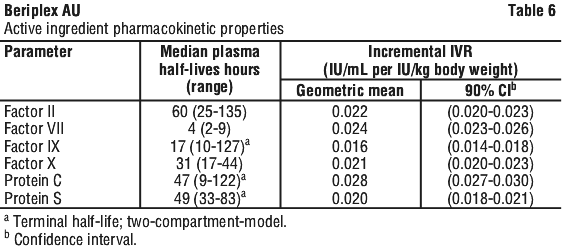
Intravenous administration means that the preparation is available immediately; bioavailability is equivalent to the dose administered.
Study in reversal of vitamin K antagonist treatment for acute major bleeding. The mean IVR was calculated in 98 subjects who received Beriplex P/N for treatment of bleeding during vitamin K antagonist treatment. Doses of Beriplex P/N administered were 25, 35 or 50 IU of factor IX/kg depending on the subject's baseline INR. The incremental IVR responses ranged between 0.016 IU/mL for factor VII and 0.019 IU/mL for protein C.
Study in reversal of vitamin K antagonist treatment for acute major bleeding or perioperative prophylaxis of bleeding. The mean IVR was calculated in 43 subjects who received Beriplex P/N for treatment of bleeding or perioperative prophylaxis of bleedings during vitamin K antagonist treatment. The intravenous administration of 1 IU/kg Beriplex P/N increased plasma levels of the vitamin K dependent coagulation factors ranging from 0.013-0.023 IU/mL.
5.3 Preclinical Safety Data
Genotoxicity. The genotoxic potential of Beriplex AU has not been assessed.
Carcinogenicity. The carcinogenic potential of Beriplex AU has not been assessed.
6 Pharmaceutical Particulars
6.1 List of Excipients
Heparin sodium (porcine), albumin, antithrombin III, sodium chloride, sodium citrate, HCl or NaOH (in small amounts for pH adjustment).
6.2 Incompatibilities
Do not mix Beriplex AU with other medicinal products; administer through a separate injection/infusion line.
6.3 Shelf Life
In Australia, information on the shelf life can be found on the public summary of the Australian Register of Therapeutic Goods (ARTG). The expiry date can be found on the carton.
Reconstituted product. Whilst the physicochemical stability of the reconstituted solution has been demonstrated for 24 hours at room temperature (max. 25°C), Beriplex AU contains no antimicrobial preservative. Therefore, it is recommended that the product should be used immediately after reconstitution.
6.4 Special Precautions for Storage
Store below 25°C. Do not freeze. Keep the vial in the outer carton, in order to protect from light. Do not use after the expiry date.
6.5 Nature and Contents of Container
Beriplex AU 500. Powder. Injection vial of glass, sealed with rubber infusion stopper, aluminium seal and plastic flip-off cap.
Diluent. 20 mL Water for Injections in an injection vial of glass, sealed with rubber infusion stopper, aluminium seal and plastic flip-off cap.
Device for reconstitution. One Mix2Vial filter transfer set 20/20.
Beriplex AU is packaged in latex free materials.
6.6 Special Precautions for Disposal
Any unused medicine or waste material should be disposed of in accordance with local requirements.
6.7 Physicochemical Properties
CAS number. 37224-63-8.
7 Medicine Schedule (Poisons Standard)
Unscheduled.
Date of First Approval
07 July 2020
Date of Revision
28 June 2024
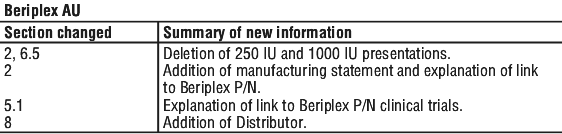
Summary Table of Changes
Reasonable care is taken to provide accurate information at the time of creation. This information is not intended as a substitute for medical advice and should not be exclusively relied on to manage or diagnose a medical condition. The Australian Commission on Safety and Quality in Health Care disclaims all liability (including for negligence) for any loss, damage, injury or any other negative effects resulting from reliance on or use of this information. Read our full disclaimer. This website uses cookies. Read our privacy policy.