
Boostrix
Brand Information
| Brand name | Boostrix |
| Active ingredient | Diphtheria toxoid + Tetanus toxoid + Pertussis vaccine |
| Schedule | S4 |
Consumer Medicine Information (CMI) leaflet
Please read this leaflet carefully before you start using the Boostrix.
Summary CMI
BOOSTRIX
Consumer Medicine Information (CMI) summary
The full CMI on the next page has more details. If you are worried about receiving this vaccine, speak to your doctor, nurse or pharmacist.
1. Why are my child or I being given BOOSTRIX?
BOOSTRIX is a vaccine used as a booster to prevent three diseases: diphtheria, tetanus and pertussis (whooping cough) in adults and children aged 4 years and older who have been previously vaccinated against these diseases. BOOSTRIX is also used during pregnancy to help protect your baby from whopping cough in the first few months of life before he/she receives the primary immunisation.
BOOSTRIX contains the active ingredients of non-infectious substances from diphtheria bacteria, tetanus bacteria, and purified proteins of pertussis bacteria.
For more information, see Section 1. Why are my child or I being given BOOSTRIX? in the full CMI.
2. What should I know before my child or I are given BOOSTRIX?
Do not receive this vaccine if you or your child has ever had an allergic reaction to BOOSTRIX, or any of the ingredients listed at the end of the CMI.
Talk to your doctor if you or your child has any other medical conditions, take any other medicines, or if you are pregnant, plan to become pregnant or are breastfeeding.
For more information, see Section 2. What should I know before my child or I are given BOOSTRIX? in the full CMI.
3. What if my child or I are taking other medicines?
Some medicines may interfere with BOOSTRIX and affect how it works.
A list of these medicines is in Section 3. What if my child or I are taking other medicines? in the full CMI.
4. How is BOOSTRIX given?
BOOSTRIX will be injected into the upper arm muscle. The vaccine should never be given intravenously (into the vein).
More instructions can be found in Section 4. How is BOOSTRIX given? in the full CMI.
5. What should I know while my child or I are being given BOOSTRIX?
| Things you should do |
|
| Looking after your vaccine |
|
For more information, see Section 5. What should I know while my child or I are being given BOOSTRIX? in the full CMI.
6. Are there any side effects?
Side effects which have been reported include irritability, sleepiness, swelling, pain, redness where the injection was given, tiredness, loss of appetite, headache, vomiting, diarrhoea, fever (more than 37.5°C), generally feeling unwell, dizziness, hard lump and abscess at the injection site. As with all vaccines given by injection there is a very small risk of serious allergic reaction. For more information, including what to do if you have any side effects, see Section 6. Are there any side effects? in the full CMI.
Full CMI
BOOSTRIX
Active ingredient(s): diphtheria toxoid, tetanus toxoid, pertussis toxoid, pertussis filamentous haemagglutinin and pertactin
Consumer Medicine Information (CMI)
This leaflet provides important information about BOOSTRIX. You should also speak to your doctor, nurse or pharmacist if you would like further information or if you have any concerns or questions about BOOSTRIX.
Where to find information in this leaflet:
1. Why are my child or I being given BOOSTRIX?
2. What should I know before my child or I are given BOOSTRIX?
3. What if my child or I are taking other medicines?
4. How is BOOSTRIX given?
5. What should I know while my child or I are being given BOOSTRIX?
6. Are there any side effects?
7. Product details
1. Why are my child or I being given BOOSTRIX?
BOOSTRIX is a vaccine used as a booster to prevent three diseases: diphtheria, tetanus and pertussis (whooping cough) in adults and children aged 4 years and older who have been previously vaccinated against these diseases.
BOOSTRIX is also used during pregnancy to help protect your baby from whopping cough in the first few months of life before he/she receives the primary immunisation.
BOOSTRIX contains the active ingredients of non-infectious substances from diphtheria bacteria, tetanus, and purified proteins of pertussis bacteria.
The vaccine cannot cause these diseases.
The vaccine works by causing the body to produce its own protection (antibodies) against these diseases.
Diphtheria, tetanus and pertussis are all serious life-threatening diseases caused by bacterial infection.
Diphtheria
Diphtheria mainly affects the airways and sometimes the skin. Generally, the airways become inflamed (swollen) causing severe breathing difficulties and sometimes suffocation. The bacteria also release a toxin (poison), which can cause nerve damage, heart problems, and death. The risk of serious complications and death is greater in the very young and elderly.
Tetanus (Lockjaw)
Tetanus bacteria enter the body through wounded skin. Wounds that are especially prone to infection are burns, fractures, deep wounds or wounds contaminated with soil, dust, horse manure or wood splinters. The bacteria release a toxin (poison), which can cause muscle stiffness, painful muscle spasms, fits and death. The spasms can be strong enough to cause bone fractures of the spine. The death rate is 10% of cases.
Pertussis (Whooping cough)
Pertussis is a highly infectious illness. The disease affects the breathing tract causing severe spells of coughing that may interfere with normal breathing. The coughing is often accompanied by a ‘whooping’ sound. The cough may last for 1-2 months or longer. Pertussis can also cause inner ear infections, long-lasting bronchitis, pneumonia, fits, brain damage and death. The risk of severe complications and death is greatest in infants under 6 months of age. The death rate is 0.5% for infants under 6 months of age.
Vaccination is the best way to protect against these diseases.
The vaccine will not protect against diseases caused by other types of bacteria or organisms.
A primary course of tetanus, diphtheria and pertussis vaccine is usually given during early childhood.
2. What should I know while my child or I are given BOOSTRIX?
Warnings
You should not be given BOOSTRIX if:
- you or your child has had an allergic reaction to BOOSTRIX, or any of the ingredients listed at the end of this leaflet. Signs of an allergic reaction may include itchy skin rash, shortness of breath and swelling of the face or tongue. Always check the ingredients to make sure you can receive this vaccine
- you or your child has had BOOSTRIX before and became unwell. Tell your doctor, nurse or pharmacist before the next dose is given
- you or your child has had an allergic reaction to any other diphtheria, tetanus or pertussis containing vaccine (such as Infanrix, Tripacel or Triple Antigen vaccine)
- you or your child experienced a disease of the brain within 7 days after previous vaccination with a pertussis containing vaccine
- you or your child had a low blood platelet count or bled or bruised more easily following earlier immunisation against diphtheria and/or tetanus even if only for a short time
- you or your child suffered from problems associated with your nervous system following earlier immunisation against diphtheria and/or tetanus even if only for a short time
- you or your child has a severe infection with a high temperature. A minor infection such as a cold should not be a problem but talk to your doctor or nurse about this before vaccination
- your child is under 11 years of age and has not received a complete course of diphtheria or tetanus vaccine previously
- your child is less than 4 years of age. The vaccine is only intended for use in children 4 years and older, adolescents and adults. The vaccine may not be as effective in infants younger than 4 years of age, because it is a low strength vaccine meant for older children and adults.
If you are not sure whether you or your child should receive BOOSTRIX, talk to your doctor, nurse or pharmacist. Do not give this vaccine to anyone else; your doctor has prescribed it specifically for you or your child.
Check with your doctor if you or your child:
- has any other medical conditions such as:
- neurological disorders, including infantile spasms, uncontrolled epilepsy or progressive. encephalopathy (a disease of the brain)
- lowered immunity due to medical treatment or a medical condition
- a tendency to febrile convulsions (seizures/fits due to a fever or high body temperature) - has a bleeding problem or bruises easily
- had any problems after receiving BOOSTRIX previously
- has not previously received the full course of diphtheria and tetanus vaccination
- experienced any problems after having a pertussis-containing vaccine (such as Infanrix, Tripacel or Triple Antigen), especially:
- a high temperature (over 40°C) within 2 days of vaccination
- a collapse or shock-like state within 2 days of vaccination
- crying lasting 3 hours or more within 2 days of vaccination
- convulsions (seizures/fits) with or without a fever within 3 days of vaccination. - has fainted with a previous injection. Fainting can occur following, or even before, any needle injection.
During treatment, you or your child may be at risk of developing certain side effects. It is important you understand these risks and how to monitor for them. See additional information under Section 6. Are there any side effects?
Pregnancy and breastfeeding
Check with your doctor if you are pregnant or intend to become pregnant. Your doctor will discuss with you the possible risks and benefits of receiving BOOSTIX during pregnancy.
The use of BOOSTRIX during pregnancy will help to protect your baby from whooping cough in the first few months of life before he/she receives the primary immunisation series.
Talk to your doctor, nurse or pharmacist if you are breastfeeding or intend to breastfeed. It is not known if BOOSTRIX passes into breast milk.
3. What if my child or I are taking other medicines?
Tell your doctor, nurse or pharmacist if you or your child are taking any other medicines, including any medicines, vitamins or supplements that you buy without a prescription from your pharmacy, supermarket or health food shop.
Some medicines may interfere with BOOSTRIX and affect how it works:
- medicines which suppress the immune system, such as high-dose steroids.
Having other vaccines
Tell your doctor, nurse or pharmacist if you or your child have received another vaccine recently.
Some vaccines may be affected by other vaccines.
Check with your doctor or pharmacist if you are not sure about what medicines, vitamins or supplements you or your child are taking and if these affect BOOSTRIX.
4. How is BOOSTRIX given?
The doctor or nurse will give BOOSTRIX as an injection.
If you have any concerns about how this vaccine is to be given, talk to your doctor, nurse or pharmacist.
How it is given
- BOOSTRIX is given as a 0.5 mL injection into the upper arm muscle.
The vaccine should never be given intravenously (into the vein).
When it is given
- BOOSTRIX is generally given whenever a booster dose of diphtheria and tetanus vaccine is required and where a booster for pertussis is desired.
- BOOSTRIX may be given to pregnant women during the second or the third trimester of pregnancy in accordance with official recommendations.
- BOOSTRIX may also be given in the case of a tetanus-prone injury where a booster for diphtheria and pertussis is also required, provided no previous dose of tetanus vaccine was given within five years previously.
If you or your child is given too much BOOSTRIX
If you think that you or your child has been given too much BOOSTRIX, you may need urgent medical attention.
You should immediately:
- phone the Poisons Information Centre
(by calling 13 11 26), or - contact your doctor, or
- go to the Emergency Department at your nearest hospital.
You should do this even if there are no signs of discomfort or poisoning.
5. What should I know while my child or I are being given BOOSTRIX?
Things you should do
- Keep a record of you or your child's vaccination history.
Remind any doctor, dentist or pharmacist you visit that you/your child has been given BOOSTRIX.
Driving or using machines
Be careful before you drive or use any machines or tools until you know how BOOSTRIX affects you.
BOOSTRIX is unlikely to affect the ability to drive and use machines.
Looking after your vaccine
BOOSTRIX is usually stored at the doctor's clinic or surgery, or at the pharmacy.
If you need to store BOOSTRIX:
- store in the refrigerator between 2°C and 8°C
- THE PACK SHOULD NEVER BE FROZEN. FREEZING DESTROYS THE VACCINE
- keep BOOSTRIX in the original pack until it is time for it to be given
- protect from light.
Follow the instructions in the carton on how to take care of your vaccine properly.
Keep it where young children cannot reach it.
Getting rid of any unwanted vaccine
If you no longer need to use this vaccine or it is out of date, take it to any pharmacy for safe disposal.
Do not use this vaccine after the expiry date.
6. Are there any side effects?
All vaccines can have side effects. If you do experience any side effects, most of them are minor and temporary. However, some side effects may need medical attention.
See the information below and, if you need to, ask your doctor, nurse or pharmacist if you have any further questions about side effects.
Less serious side effects
| Less serious side effects | What to do |
| All age groups: General disorders and administration site conditions:
Skin and subcutaneous tissue disorders:
Respiratory disorders:
Gastrointestinal disorders:
General disorders and administration site conditions:
Nervous system disorders:
Gastrointestinal disorders:
Eye disorders:
General disorders and administration site conditions:
Nervous system disorders:
Gastrointestinal disorders:
Lymphatic disorders:
Skin and subcutaneous tissue disorders:
Musculoskeletal and connective tissue disorders:
Respiratory disorders:
| Speak to your doctor if you or your child have any of these less serious side effects and they worry you. |
Serious side effects
| Serious side effects | What to do |
| All age groups: Immune system disorders and allergic reactions:
Nervous system disorders:
General disorders and administration site conditions:
| Call your doctor straight away, or go straight to the Emergency Department at your nearest hospital if you notice any of these serious side effects in you or your child. |
Tell your doctor or pharmacist if you notice anything else that may be making you feel unwell.
Other side effects not listed here may occur in some people.
Reporting side effects
After you have received medical advice for any side effects that you or your child experience, you can report side effects to the Therapeutic Goods Administration online at www.tga.gov.au/reporting-problems. By reporting side effects, you can help provide more information on the safety of this medicine.
Always make sure you speak to your doctor or pharmacist before you decide to stop taking any of your medicines.
7. Product details
This vaccine is only available with a doctor's prescription.
What BOOSTRIX contains
| Active ingredients (main ingredients) |
|
| Other ingredients (inactive ingredients) |
|
You should not be given this vaccine if you are allergic to any of these ingredients.
The manufacture of this product includes exposure to bovine derived materials. No evidence exists that any case of vCJD (considered to be the human form of bovine spongiform encephalopathy) has resulted from the administration of any vaccine product.
What BOOSTRIX looks like
BOOSTRIX is a white, slightly milky liquid in prefilled syringes (AUST R 158363).
Who distributes BOOSTRIX
GlaxoSmithKline Australia Pty Ltd
Level 4, 436 Johnston Street,
Abbotsford, Victoria, 3067
Phone: 1800 033 109
www.gsk.com.au
Trade marks are owned by or licensed to the GSK group of companies.
©2025 GSK group of companies or its licensor.
This leaflet was prepared on 12 August 2025.
Version 10
Brand Information
| Brand name | Boostrix |
| Active ingredient | Diphtheria toxoid + Tetanus toxoid + Pertussis vaccine |
| Schedule | S4 |
MIMS Revision Date: 01 September 2023
1 Name of Medicine
Combined diphtheria-tetanus-acellular pertussis (dTpa) vaccine.
2 Qualitative and Quantitative Composition
Boostrix dTpa vaccine is a sterile suspension which contains diphtheria toxoid, tetanus toxoid and three purified antigens of Bordetella pertussis [pertussis toxoid (PT), pertussis filamentous haemagglutinin (FHA) and pertactin (PRN)] adsorbed onto aluminium salts.
1 dose (0.5 mL) contains: diphtheria toxoid1 not less than 2 International Units (IU) (2.5 Lf);
tetanus toxoid1 not less than 20 International Units (IU) (5 Lf);
Bordetella pertussis antigens: pertussis toxoid1 8 microgram, filamentous haemagglutinin1 8 microgram, pertactin1 2.5 microgram.
1Adsorbed on aluminium hydroxide hydrate (Al(OH)3) 0.3 mg Al3+, aluminium phosphate (AlPO4) 0.2 mg Al3+.
The manufacture of this product includes exposure to bovine derived materials. No evidence exists that any case of vCJD (considered to be the human form of bovine spongiform encephalopathy) has resulted from the administration of any vaccine product.
No substances of human origin are used in its manufacture.
For the full list of excipients, see Section 6.1 List of Excipients.
This medicine contains less than 1 mmol (39 mg) per dose of potassium and less than 1 mmol (23 mg) per dose of sodium, i.e. essentially 'potassium-free' and 'sodium-free'.
3 Pharmaceutical Form
Boostrix is a turbid white suspension for injection.
4 Clinical Particulars
4.1 Therapeutic Indications
Boostrix is indicated for booster vaccination against diphtheria, tetanus and pertussis of individuals aged four years and older (see Section 4.2 Dose and Method of Administration).
Boostrix is also indicated for passive protection against pertussis in early infancy following maternal immunisation during pregnancy (see Section 4.2 Dose and Method of Administration; Section 4.6 Fertility, Pregnancy and Lactation; Section 5.1 Pharmacodynamic Properties).
The use of Boostrix should be in accordance with official recommendations.
4.2 Dose and Method of Administration
All parenteral drug and vaccine products should be inspected visually for any particulate matter or discolouration prior to administration. Before use of Boostrix, the vaccine should be well shaken to obtain a homogenous turbid suspension. Do not administer the vaccine if it appears otherwise.
Dosage. Each dose consists of a 0.5 mL ready to use sterile suspension.
Boostrix can be administered to pregnant women during the second or the third trimester of pregnancy in accordance with official recommendations (see Section 4.1 Therapeutic Indications; Section 4.6 Fertility, Pregnancy and Lactation; Section 5.1 Pharmacodynamic Properties).
Administration. Boostrix is administered by deep intramuscular injection, preferably in the deltoid region. The vaccine should never be administered intravenously.
Boostrix should be administered with caution to subjects with thrombocytopenia or a bleeding disorder since bleeding may occur following an intramuscular administration to these subjects. If in accordance with official recommendations, the vaccine may need to be administered subcutaneously to these subjects. With both routes of administration, firm pressure should be applied to the injection site (without rubbing) for at least two minutes.
This product is for use by one patient on a single occasion.
Any unused product or waste material should be disposed of in accordance with local requirements.
Boostrix can be given in accordance with current local recommendations for booster vaccination with reduced-content combined diphtheria-tetanus vaccine, when a booster against pertussis is desired.
Boostrix may also be administered to adolescents with unknown vaccination status or incomplete vaccination against diphtheria, tetanus and pertussis. Boostrix is not precluded in adult subjects with an incomplete, or no, history of previous pertussis vaccination. However, a booster response will only be elicited in adults who have been previously primed by vaccination or by natural infection (see Section 5.1 Pharmacodynamic Properties).
Tetanus prone injury. In case of tetanus prone injury, Boostrix can be used as an alternative to adult type combined diphtheria tetanus in individuals with no history of tetanus toxoid within the preceding five years, if a booster against diphtheria and pertussis is additionally desired.
Boostrix can be used as an alternative to diphtheria tetanus in the management of tetanus prone injuries in persons who have previously received a primary vaccination series of tetanus toxoid vaccine. If required, tetanus immunoglobulin may be administered concomitantly in accordance with official recommendations.
Instructions for the pre-filled syringe. Hold the syringe by the barrel and not the plunger.
Unscrew the syringe cap by twisting it anticlockwise.
To attach a needle, connect the hub to the Luer lock adaptor and rotate a quarter turn clockwise until you feel it lock.
Do not pull the syringe plunger out of the barrel. If it happens, do not administer the vaccine.
4.3 Contraindications
Boostrix should not be administered to subjects with known hypersensitivity to any component of the vaccine, or to subjects having shown signs of hypersensitivity after previous administration of diphtheria, tetanus or pertussis vaccines.
As with other vaccines, the administration of Boostrix should be postponed in subjects suffering from acute severe febrile illness. The presence of a minor infection, however, is not a contraindication.
Boostrix is contraindicated if the subject has experienced an encephalopathy of unknown aetiology, occurring within 7 days following previous vaccination with pertussis containing vaccine. In these circumstances, pertussis vaccination should be discontinued and the vaccination course should be continued with diphtheria and tetanus vaccines.
Boostrix should not be administered to subjects who have experienced transient thrombocytopenia or neurological complications following an earlier immunisation against diphtheria and/or tetanus (for convulsions or hypotonic hyporesponsive episodes, see Section 4.4 Special Warnings and Precautions for Use).
4.4 Special Warnings and Precautions for Use
Boostrix should under no circumstances be administered intravenously.
It is good clinical practice that immunisation should be preceded by a review of the medical history (especially with regard to previous immunisation and possible occurrence of undesirable events) and a clinical examination.
If any of the following events have occurred in temporal relation to receipt of pertussis containing vaccines, the decision to give doses of pertussis containing vaccines should be carefully considered.
There may be circumstances, such as a high incidence of pertussis, when the potential benefits outweigh possible risks, particularly since these events are not associated with permanent sequelae.
Temperature of ≥ 40.0°C within 48 hours of vaccination, not due to another identifiable cause.
Collapse or shock-like state (hypotonic hyporesponsive episode) within 48 hours of vaccination.
Persistent, inconsolable crying lasting ≥ 3 hours, occurring within 48 hours of vaccination.
Convulsions with or without fever, occurring within 3 days of vaccination.
In children with progressive neurological disorders, including infantile spasms, uncontrolled epilepsy or progressive encephalopathy, it is better to defer pertussis (Pa or Pw) immunisation until the condition is corrected or stable. However, the decision to give pertussis vaccine must be made on an individual basis after careful consideration of the risks and benefits.
As with all injectable vaccines, appropriate medical treatment and supervision should always be readily available in case of anaphylactic reactions following the administration of the vaccine.
Boostrix should be administered with caution to subjects with thrombocytopenia or a bleeding disorder since bleeding may occur following an intramuscular administration to these subjects. If in accordance with official recommendations, the vaccine may need to be administered subcutaneously to these subjects. With both routes of administration, firm pressure should be applied to the injection site (without rubbing) for at least two minutes.
A history or a family history of convulsions and a family history of an adverse event following DTP vaccination do not constitute contraindications.
Human Immunodeficiency Virus (HIV) infection is not considered a contraindication for diphtheria, tetanus and pertussis (whole cell or acellular) immunisation. However in patients with immunodeficiency or in patients receiving immunosuppressive therapy, an adequate immunologic response may not be achieved. In these patients, when tetanus vaccine is needed for tetanus prone wound, plain tetanus vaccine should be used.
Syncope (fainting) can occur following, or even before, any vaccination as a psychogenic response to the needle injection. It is important that procedures are in place to avoid injury from faints.
As with any vaccine, a protective immune response may not be elicited in all vaccinees.
Use in the elderly. No data available.
Paediatric use. See Section 4.4 Special Warnings and Precautions for Use.
Effects on laboratory tests. No data available.
4.5 Interactions with Other Medicines and Other Forms of Interactions
Concomitant use with other inactivated vaccines and with immunoglobulin is unlikely to result in interference with the immune responses.
If Boostrix is to be given at the same time as another injectable vaccine or immunoglobulin, the products should always be administered at different sites.
Boostrix must not be mixed with other vaccines.
4.6 Fertility, Pregnancy and Lactation
Effects on fertility. No human data are available. In combined fertility and embryofetal development studies in rats and rabbits, female fertility was unaffected by IM administration of Boostrix twice before mating with 2/5 x (rats) or 1 x (rabbits) the human dose.
Use in pregnancy. (Category A)
Boostrix can be used during the second or third trimester of pregnancy in accordance with official recommendations.
For data relating to the prevention of pertussis disease in infants born to women vaccinated during pregnancy, see Section 5.1 Pharmacodynamic Properties.
Safety data from a randomised controlled clinical trial (341 pregnancy outcomes) and from a prospective observational study (793 pregnancy outcomes) where Boostrix was administered to pregnant women during the third trimester have shown no vaccine related adverse effect on pregnancy or on the health of the foetus/newborn child.
Safety data from prospective clinical studies on the use of Boostrix or Boostrix-IPV during the first and second trimester of pregnancy are not available.
Data from post-marketing surveillance where pregnant women were exposed to Boostrix or to Boostrix-IPV (dTpa-inactivated poliovirus vaccine) in the second or third trimester do not suggest any elevated frequency or unusual patterns of adverse events in pregnant women and their newborn child following pertussis vaccination.
As with other inactivated vaccines, it is not expected that vaccination with Boostrix harms the foetus at any trimester of pregnancy.
Although lower concentrations of antibodies against some pertussis antigens were observed post primary and post booster vaccination in infants and toddlers born to mothers vaccinated with Boostrix during pregnancy, clinical data demonstrated such immune interferences to be non-clinically relevant. The lower antibody concentrations did not prevent effective priming of the immune system of infants born to Boostrix-vaccinated mothers as indicated by the establishment of a strong booster response against all vaccine antigens by the age of 11-18 months.
Combined embryo-foetal development studies in which rats or rabbits were IM administered Boostrix twice before mating and several times during gestation (and once during lactation in rats) with 2/5 x (rats) or 1 x (rabbits) the human dose showed no effects on embryo-foetal development, nor on postnatal development in rats.
When protection against tetanus is sought, consideration should be given to tetanus or combined diphtheria-tetanus vaccines.
Use in lactation. The safety of Boostrix when administered to breastfeeding women has not been evaluated.
It is unknown whether Boostrix is excreted in human breast milk.
Boostrix should only be used during breastfeeding when the possible advantages outweigh the potential risks.
4.7 Effects on Ability to Drive and Use Machines
The vaccine is unlikely to produce an effect on the ability to drive and use machines.
4.8 Adverse Effects (Undesirable Effects)
Clinical trial experience. The safety profile below is based on data from clinical trials where Boostrix was administered to 839 children (from 4 to 9 years of age) and 1931 adults, adolescents and children (above 10 years of age).
The adverse reactions are listed within body systems and are listed according to the following frequency: very common: ≥ 1/10; common: ≥ 1/100 and < 1/10; uncommon: ≥ 1/1000 and < 1/100; rare: ≥ 1/10,000 and < 1/1000; very rare: < 1/10,000.
Children from 4 to 9 years of age. Infections and infestations. Uncommon: upper respiratory tract infection.
Metabolism and nutrition disorders. Common: anorexia.
Psychiatric disorders. Very common: irritability.
Nervous system disorders. Very common: somnolence.
Common: headache.
Uncommon: disturbances in attention.
Eye disorders. Uncommon: conjunctivitis.
Gastrointestinal disorders. Common: diarrhoea, vomiting, gastrointestinal disorders.
Skin and subcutaneous tissue disorders. Uncommon: rash.
General disorders and administration site conditions. Very common: injection site reactions (including pain, redness and swelling), fatigue.
Common: fever ≥ 37.5°C (including fever > 39°C).
Uncommon: other injection site reactions (such as induration), pain.
Adults, adolescents and children from the age of 10 years onwards. Infections and infestations. Uncommon: upper respiratory tract infection, pharyngitis.
Blood and lymphatic system disorders. Uncommon: lymphadenopathy.
Nervous system disorders. Very common: headache.
Common: dizziness.
Uncommon: syncope.
Respiratory, thoracic and mediastinal disorders. Uncommon: cough.
Gastrointestinal disorders. Common: nausea, gastrointestinal disorders.
Uncommon: diarrhoea, vomiting.
Skin and subcutaneous tissue disorders. Uncommon: hyperhidrosis, pruritus, rash.
Musculoskeletal and connective tissue disorders. Uncommon: arthralgia, myalgia, joint stiffness, musculoskeletal stiffness.
General disorders and administration site conditions. Very common: injection site reactions (including pain, redness and swelling), fatigue, malaise.
Common: fever ≥ 37.5°C, injection site reactions (such as injection site mass and injection site abscess sterile).
Uncommon: fever > 39°C, influenza-like illness, pain.
Reactogenicity after a repeat dose of Boostrix. Data on 146 subjects suggests a small increase in local reactogenicity (pain, redness, swelling) with repeated vaccination according to a 0, 1, 6 months schedule in adults (> 40 years of age).
Subjects fully primed with 4 doses of DTPw followed by Boostrix dose around 10 years of age show an increase of local reactogenicity after an additional Boostrix dose administered 10 years later compared to after the first Boostrix dose.
Post-marketing experience. Extremely rare cases of collapse or shock-like state (hypotonic hyporesponsiveness episode) and convulsions within 2 to 3 days of vaccination have been reported following DTPa and DTPa combination vaccines.
Blood and lymphatic system disorders. Rare: angioedema.
Immune system disorders. Very rare: allergic reactions, including anaphylactic and anaphylactoid reactions.
Nervous system disorders. Rare: convulsions (with or without fever).
Skin and subcutaneous tissue disorders. Rare: urticaria.
General disorders and administration site conditions. Rare: extensive swelling of the vaccinated limb, asthenia.
Reporting suspected adverse effects. Reporting suspected adverse reactions after registration of the medicinal product is important. It allows continued monitoring of the benefit-risk balance of the medicinal product. Healthcare professionals are asked to report any suspected adverse reactions at www.tga.gov.au/reporting-problems.
4.9 Overdose
Cases of overdose have been reported during post-marketing surveillance. Adverse events following overdosage, when reported, were similar to those reported with normal vaccine administration.
For information on the management of overdose, contact the Poisons Information Centre on 13 11 26 (Australia).
5 Pharmacological Properties
5.1 Pharmacodynamic Properties
Mechanism of action. Boostrix (dTpa vaccine) induces antibodies against all vaccine antigens.
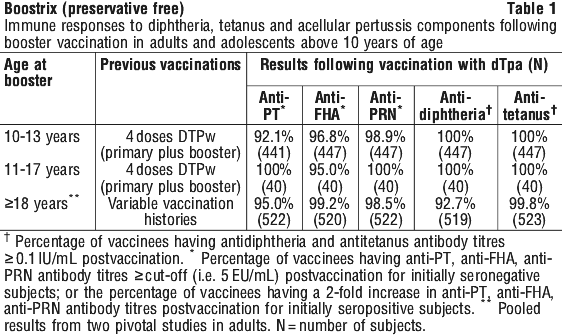
Clinical trials. Immune response. Immune response results to the diphtheria, tetanus and acellular pertussis components in four comparative studies (dTpa versus dT) of booster vaccination in different age groups are presented in Table 1.
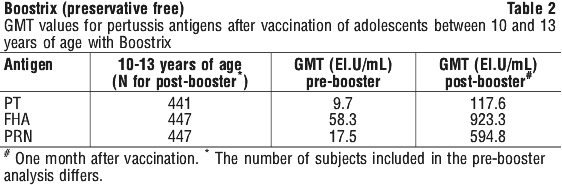
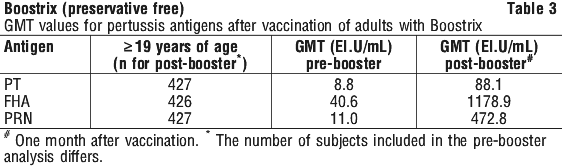
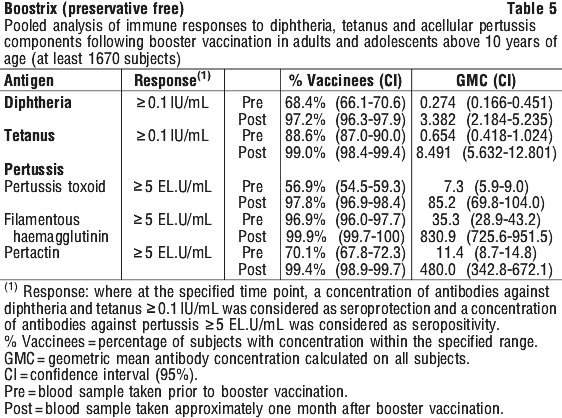
The GMT values for the three pertussis antigens following a booster dose of Boostrix to adolescents and adults are provided in Tables 2 and 3:
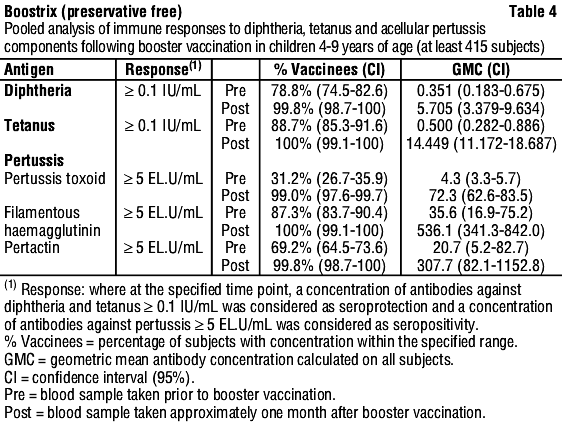
A prospective blinded household contact study performed in Germany (3, 4, 5 months schedule). Based on data collected from secondary contacts in households where there was an index case with typical pertussis, the protective efficacy of the vaccine was 88.7%. Protection against laboratory confirmed mild disease, defined as 14 days or more of cough of any type was 73% and 67% when defined as 7 days or more of cough of any type.
An NIH sponsored efficacy study performed in Italy (2, 4, 6 months schedule). The vaccine efficacy was found to be 84%. When the definition of pertussis was expanded to include clinically milder cases with respect to type and duration of cough, the efficacy of Infanrix was calculated to be 71% against > 7 days of any cough and 73% against > 14 days of any cough. In a follow-up of the same cohort, the efficacy was confirmed up to 5 years after completion of primary vaccination without administration of a booster dose of pertussis.
The study assessed duration of protection of Infanrix given in a 3 dose schedule to infants. A similar duration of protection cannot be assumed to apply to older children or adults given a single dose of Boostrix, regardless of previous vaccination against pertussis.
Although the protective efficacy of Boostrix has not been demonstrated in adolescents and adult age groups, vaccinees in these age groups who received Boostrix achieved antipertussis antibody titres greater than those in the German household contact study where the protective efficacy of Infanrix was 88.7%.
There are currently no data which demonstrate a reduction of transmission of pertussis after immunisation with Boostrix. However, it could be expected that immunisation of immediate close contacts of newborn infants, such as parents, grandparents and healthcare workers, childcare workers, would reduce exposure of pertussis to infants not yet adequately protected through immunisation.
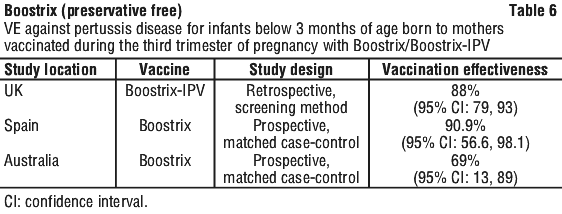
Passive protection against pertussis in infants (below 3 months of age) born to mothers vaccinated during pregnancy. In a randomised, cross-over, placebo-controlled study, higher pertussis antibody concentrations were demonstrated at delivery in the cord blood of babies born to mothers vaccinated with Boostrix (N=291) versus placebo (N=292) during the third trimester of pregnancy. The concentrations of antibodies against the pertussis antigens PT, FHA and PRN were respectively 8, 16 and 21 times higher in the cord blood of babies born to vaccinated mothers versus controls. These antibody titres may provide passive protection against pertussis, as shown by observational effectiveness studies.
Immunogenicity in infants and toddlers born to mothers vaccinated during pregnancy. In follow-up trials in more than 500 infants and toddlers born to vaccinated mothers, clinical data did not show clinically relevant interference between maternal vaccination with Boostrix and the infant and toddler response to diphtheria, tetanus, hepatitis B, inactivated polio virus, Haemophilus influenzae type b or pneumococcal antigens. Although lower concentrations of antibodies against some pertussis antigens were observed post primary and post booster vaccination, 92.1-98.1% of subjects born to vaccinated mothers showed a booster response against all pertussis antigens. Current epidemiological data on pertussis disease do not suggest any clinical relevance of this immune interference.
Effectiveness in the protection against pertussis disease in infants born to women vaccinated during pregnancy. Boostrix or Boostrix-IPV vaccine effectiveness (VE) was evaluated in three observational studies, in UK, Spain and Australia. The vaccine was used during the third trimester of pregnancy to protect infants below 3 months of age against pertussis disease, as part of a maternal immunisation programme.
Details of each study design and results are provided in Table 6.
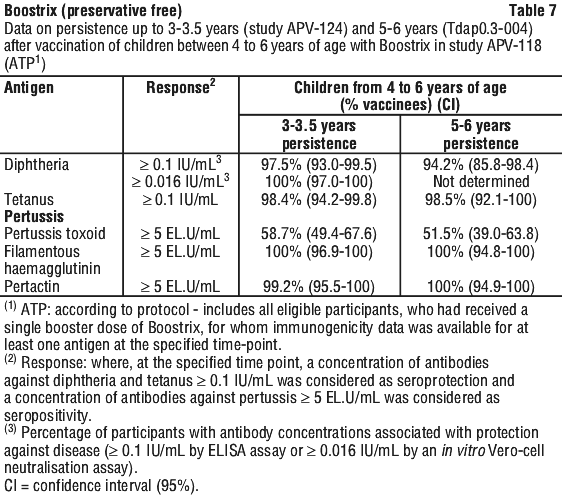
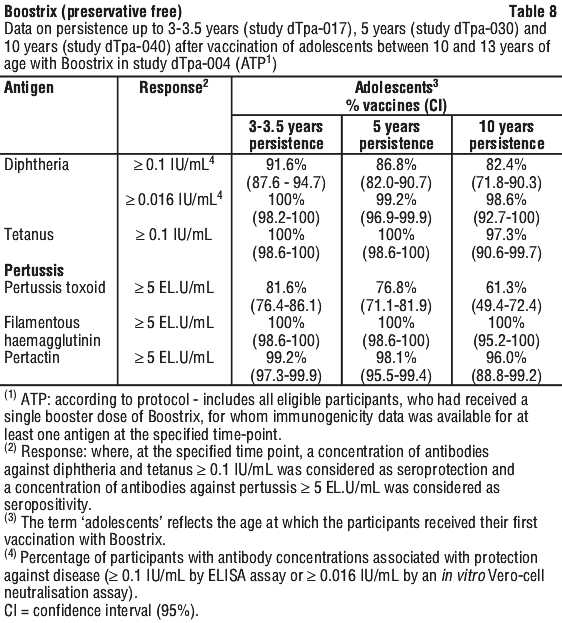
Persistence of the immune response. The following responses for diphtheria, tetanus and pertussis were observed 3 to 3.5 years and 5 years following vaccination with Boostrix in children (Table 7):
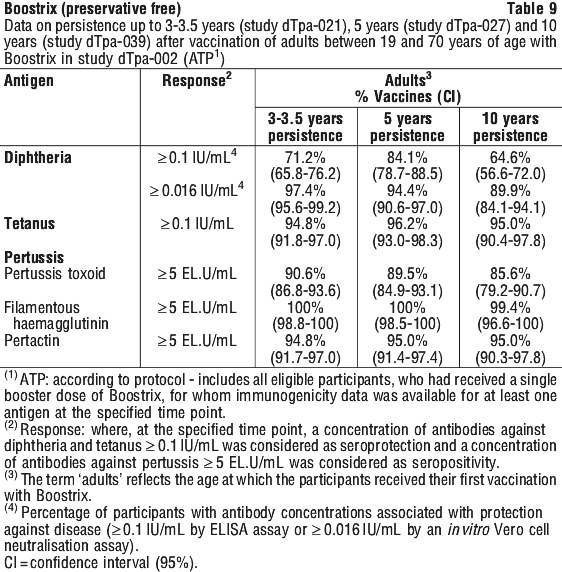
Adults. After administration of one dose of Boostrix to 139 adults ≥ 40 years of age that had not received any diphtheria and tetanus containing vaccine in the past 20 years, more than 98.5% of adults were seropositive for all three pertussis antigens and 81.5% and 93.4% were seroprotected against diphtheria and tetanus respectively. After administration of two additional doses one and six months after the first dose, the seropositivity rate was 100% for all three pertussis antigens and the seroprotection rates for diphtheria and tetanus reached 99.3% and 100% respectively. While the study included patients who had either not received vaccination against pertussis or had received pertussis vaccination more than 40 years before, almost all subjects were positive for anti-FHA and anti-PT antibodies and approximately half were positive to anti-PRN antibodies at baseline.
Immune response after a repeat dose of Boostrix. The immunogenicity of Boostrix, administered 10 years after a previous booster dose with Boostrix or reduced-antigen content diphtheria, tetanus and acellular pertussis vaccines has been evaluated in adults. One month after the decennial Boostrix dose, > 99% of subjects were seroprotected against diphtheria and tetanus and all were seropositive for antibodies against pertussis antigens PT, FHA and PRN.
5.2 Pharmacokinetic Properties
Not relevant to vaccines.
5.3 Preclinical Safety Data
Genotoxicity. Boostrix has not been evaluated for genotoxicity.
Carcinogenicity. Boostrix has not been evaluated for carcinogenicity.
6 Pharmaceutical Particulars
6.1 List of Excipients
The diphtheria toxoid, tetanus toxoid and acellular pertussis vaccine (dTpa) components are adsorbed on 0.5 mg aluminium and suspended in isotonic sodium chloride.
6.2 Incompatibilities
Incompatibilities were either not assessed or not identified as part of the registration of this medicine.
6.3 Shelf Life
In Australia, information on the shelf life can be found on the public summary of the Australian Register of Therapeutic Goods (ARTG). The expiry date can be found on the packaging.
6.4 Special Precautions for Storage
Boostrix should be stored in a refrigerator (2°C - 8°C). Do not freeze. Discard if vaccine has been frozen.
Upon storage a white deposit and clear supernatant can be observed. This is a normal finding.
Stability data indicate that the vaccine is stable at temperatures up to 37°C for 7 days. At the end of this period, Boostrix must be used or discarded. It must not be returned to storage. These data are intended to guide healthcare professionals in case of temporary temperature excursion only.
Protect from light.
6.5 Nature and Contents of Container
0.5 mL of suspension in a pre-filled syringe (type I glass) with a plunger stopper (butyl rubber) and with a rubber tip cap. The tip cap and rubber plunger stopper are not made with natural rubber latex.
Pack size: 1, 10.
Not all pack sizes and presentations may be distributed in Australia.
6.6 Special Precautions for Disposal
In Australia, any unused medicine or waste material should be disposed of by taking to your local pharmacy.
6.7 Physicochemical Properties
Chemical structure. Not relevant to vaccines.
CAS number. Not relevant to vaccines.
7 Medicine Schedule (Poisons Standard)
Schedule 4 - Prescription Only Medicine.
Date of First Approval
20 April 2009
Date of Revision
12 July 2023
Summary Table of Changes

Reasonable care is taken to provide accurate information at the time of creation. This information is not intended as a substitute for medical advice and should not be exclusively relied on to manage or diagnose a medical condition. The Australian Commission on Safety and Quality in Health Care disclaims all liability (including for negligence) for any loss, damage, injury or any other negative effects resulting from reliance on or use of this information. Read our full disclaimer. This website uses cookies. Read our privacy policy.