
Brevibloc Injection
Brand Information
| Brand name | Brevibloc Injection |
| Active ingredient | Esmolol hydrochloride |
| Schedule | S4 |
Consumer Medicine Information (CMI) leaflet
Please read this leaflet carefully before you start using the Brevibloc Injection.
Summary CMI
Brevibloc® Injection
Consumer Medicine Information (CMI) summary
The full CMI on the next page has more details. If you are worried about using this medicine, speak to your doctor or pharmacist.
1. Why is Brevibloc Injection being given?
Brevibloc Injection contains the active ingredient esmolol hydrochloride. Brevibloc Injection is used as a short-term treatment for irregular heartbeat before, during or after surgery. It is also used in emergency situations. For more information, see Section 1. Why is Brevibloc Injection being given? in the full CMI.
2. What should I know before Brevibloc Injection is given?
Do not use if you have ever had an allergic reaction to Brevibloc Injection or any of the ingredients listed at the end of the CMI.
Talk to your doctor if you have any other medical conditions, take any other medicines, or are pregnant or plan to become pregnant or are breastfeeding.
For more information, see Section 2. What should I know before Brevibloc Injection is given? in the full CMI.
3. What if I am taking other medicines?
Some medicines may interfere with Brevibloc Injection and affect how it works.
A list of these medicines is in Section 3. What if I am taking other medicines? in the full CMI.
4. How is Brevibloc Injection given?
Brevibloc Injection must only be given by a doctor or nurse. It is given as a slow injection into a vein.
More instructions can be found in Section 4. How is Brevibloc Injection given? in the full CMI.
5. What should I know while using Brevibloc Injection?
| Things you should do |
|
| Looking after your medicine |
|
For more information, see Section 5. What should I know while using Brevibloc Injection? in the full CMI.
6. Are there any side effects?
The most common and serious side effects are tiredness, drowsiness, sweating, mood changes, stomach upset, dizziness or light-headedness, skin reactions at the injection site, visual disturbances, difficulty in speaking, fever and chills, abnormal thinking or hallucinations, shortness of breath, chest pain, changes in heart rate, chest tightness, swelling of the face, lips, tongue or throat, seizures, fits or convulsions. Other side effects not listed can also occur. For more information, including what to do if you have any side effects, see Section 6. Are there any side effects? in the full CMI.
Full CMI
1. Why is Brevibloc Injection being given?
Brevibloc Injection contains the active ingredient esmolol hydrochloride.
Irregular heartbeat, also known as arrhythmia, means that there is a disturbance of the heart's normal rhythm or beat. Arrhythmia may be caused by a number of factors, including some heart diseases, an overactive thyroid gland, or chemical imbalances. Brevibloc Injection helps restore the heart's normal rhythm. Brevibloc Injection belongs to a group of medicines called beta-blockers.
Brevibloc Injection is used as a short-term treatment for irregular heartbeat before, during or after surgery. It is also used in emergency situations.
Ask your doctor if you have any questions about why Brevibloc Injection has been prescribed for you.
Your doctor may have prescribed it for another reason.
This medicine is available only with a doctor's prescription.
There is not enough information to recommend the use of Brevibloc Injection in children.
2. What should I know before Brevibloc Injection is given?
Warnings
You should not be given Brevibloc Injection if you are allergic to:
- any medicine containing esmolol hydrochloride
- any of the ingredients listed at the end of this leaflet
- any other beta-blocker medicines
- Always check the ingredients to make sure you can use this medicine.
Some of the symptoms of an allergic reaction may include:
- shortness of breath
- wheezing or difficulty breathing
- swelling of the face lips tongue or other parts of the body
- rash, itching or hives on the skin.
You should not be given Brevibloc Injection
- If you have a very slow or irregular heartbeat
- you have heart disease or certain other heart conditions
- you are taking certain heart medicines, called calcium channel blockers or calcium antagonists, such as verapamil
- you are receiving emergency treatment for shock or severely low blood pressure.
You should not be given Brevibloc Injection if the solution is discoloured, cloudy, turbid, or particles or a precipitate is present. The solution is normally a clear, colourless to light yellow liquid.
You should not be given this medicine after the expiry date printed on the pack or if the packaging is torn or shows signs of tampering.
If this medicine is used after the expiry date it may not work as well.
If you are not sure whether you should be given this medicine, talk to your doctor.
Tell your doctor if you have allergies to any other medicines, foods preservatives or dyes.
Check with your doctor if you:
- have allergies to any other medicines, foods preservatives or dyes.
- have or have had any of the following medical conditions:
- low blood pressure
- any other heart problem
- history of severe life-threatening allergic reactions
- asthma, wheezing, difficulty breathing or other lung problems
- diabetes
- low sugar levels in the blood
- kidney problems.
During treatment, you may be at risk of developing certain side effects. It is important you understand these risks and how to monitor for them. See additional information under Section 6. Are there any side effects?
Pregnancy and breastfeeding
Check with your doctor if you are pregnant or intend to become pregnant.
Talk to your doctor if you are breastfeeding or intend to breastfeed.
Your doctor can discuss with you the risks and benefits involved.
If you have not told your doctor about any of the above, tell him/her before you are given Brevibloc Injection.
3. What if I am taking other medicines?
Tell your doctor if you are taking any other medicines, including any that you buy without a prescription from your pharmacy, supermarket, health food shop, naturopath or herbalist.
Some medicines and Brevibloc Injection may interfere with each other. These include:
- other beta-blocker medicines, including beta-blocker eye drops
- verapamil, a calcium channel blocker or calcium antagonist which is used to treat high blood pressure and chest pain
- reserpine, a medicine used to treat high blood pressure
- succinylcholine a muscle relaxant used during surgery
- warfarin, a medicine used to prevent blood clots
- digoxin, a medicine used to treat heart failure
- morphine, a medicine used for pain relief
- medicines commonly used during surgery or in emergency situations such as dopamine, adrenaline, noradrenaline and certain anaesthetics.
These medicines may be affected by Brevibloc Injection, or may affect how well it works. You may need to be given different amounts of your medicines, or you may need to be given different medicines.
Your doctor and pharmacist may have more information on medicines to be careful with or avoid while being given Brevibloc Injection.
Check with your doctor or pharmacist if you are not sure about what medicines, vitamins or supplements you are taking and if these affect Brevibloc Injection.
4. How is Brevibloc Injection given?
How much will be given
Your doctor will decide what dose and how long you will receive Brevibloc Injection. This depends on your condition and other factors, such as your weight.
How is Brevibloc Injection given
Brevibloc Injection must only be given by a doctor or nurse. It is given as a slow injection into a vein.
If you use too much Brevibloc Injection
Brevibloc Injection must only be given by a doctor or nurse so an overdose is not likely to occur.
Symptoms of an overdose may include:
- dizziness, faintness or light-headedness
- chest pain
- drowsiness and loss of consciousness.
Your doctor has information on how to recognise and treat an overdose. Ask your doctor if you have any concerns.
If you think you have used too much Brevibloc Injection, you may need urgent medical attention.
You should immediately:
- phone the Poisons Information Centre
(by calling 13 11 26), or - contact your doctor, or
- go to the Emergency Department at your nearest hospital.
You should do this even if there are no signs of discomfort or poisoning.
5. What should I know while using Brevibloc Injection?
Things you should do
- If you are about to be started on any new medicines, remind your doctor or pharmacist that you have recently been given Brevibloc Injection.
- Tell any other doctors or dentists, and pharmacists who treat you that you have been given this medicine.
- If you are going to have surgery, tell the surgeon or anaesthetist that you have been given this medicine. It may affect other medicines used during the surgery.
- If you plan to become pregnant, tell your doctor that you have been given this medicine. Your doctor can discuss with you the risks and benefits involved.
- If you have a severe allergic reaction to foods, medicines or insect stings, tell your doctor immediately. If you have a history of allergies, there is a chance that Brevibloc Injection may cause allergic reactions to be worse and more difficult to treat.
- If you are being treated for diabetes, make sure you check your blood sugar level regularly and report any changes to your doctor. Brevibloc Injection may change how well your diabetes is controlled. It may also cover up some of the symptoms of low blood sugar, called hypoglycaemia, such as fast heartbeat. Brevibloc Injection may make low blood sugar last longer. Your doses of diabetic medicines, including insulin, may need to change.
- Be sure to keep all of your doctor's appointments so that your progress can be checked.
Remind any doctor, dentist or pharmacist you visit that you are using Brevibloc Injection.
Things you be careful of
If you feel light-headed, dizzy or faint when getting out of bed or standing up, get up slowly.
You may feel light-headed or dizzy after you are given Brevibloc Injection. Standing up slowly, especially when you get up from bed or chairs, will help your body get used to the change in position and blood pressure. If this problem gets worse or continues, talk to your doctor.
Looking after your medicine
Brevibloc Injection will be stored in the pharmacy or on the ward of a hospital. The injection is kept in a cool dry place, protected from light, where the temperature stays below 25°C. Store in the original packaging.
Brevibloc Injection will be opened for use on you. It will be used only once and then it will be discarded. It will never be stored after it is opened nor used for more than one person.
6. Are there any side effects?
All medicines can have side effects. If you do experience any side effects, most of them are minor and temporary. However, some side effects may need medical attention.
See the information below and, if you need to, ask your doctor or pharmacist if you have any further questions about side effects.
Do not be alarmed by the following list of side effects you may not experience any of them.
Less serious side effects
| Less serious side effects | What to do |
| Speak to your doctor if you have any of these less serious side effects and they worry you. These side-effects are mild. |
Serious side effects
| Serious side effects | What to do |
| Tell your doctor as soon as possible if you notice any of these serious side effects. Serious effects are rare. |
Very serious side effects
| Call your doctor straight away, or go straight to the Emergency Department at your nearest hospital if you notice any of these serious side effects. These side effects are rare. |
Tell your doctor or pharmacist if you notice anything else that may be making you feel unwell.
Other side effects not listed here may occur in some people.
Reporting side effects
After you have received medical advice for any side effects you experience, you can report side effects to the Therapeutic Goods Administration online at www.tga.gov.au/reporting-problems. By reporting side effects, you can help provide more information on the safety of this medicine.
Always make sure you speak to your doctor or pharmacist before you decide to stop taking any of your medicines.
7. Product details
This medicine is only available with a doctor's prescription.
What Brevibloc Injection contains
| Active ingredient (main ingredient) | Esmolol hydrochloride |
| Other ingredients (inactive ingredients) |
|
Brevibloc Injection does not contain lactose, sucrose, gluten, tartrazine, alcohol, dyes or any preservatives.
Do not take this medicine if you are allergic to any of these ingredients.
What Brevibloc Injection looks like
Brevibloc Injection is a clear colourless to light yellow solution in a clear glass vial with a plastic top.
Brevibloc Injection is supplied in a 10 mL vial and is available in cartons containing 5 or 20 vials (Aust R 43494).
The vial stopper is not made with natural rubber latex.
Not all pack sizes may be marketed.
Who distributes Brevibloc Injection
Phebra Pty Ltd
17 - 19 Orion Road
Lane Cove West, NSW 2066
Australia

This leaflet was prepared in December 2025.
Brevibloc, Phebra and the Phi symbol are trademarks of Phebra Pty Ltd.
Brand Information
| Brand name | Brevibloc Injection |
| Active ingredient | Esmolol hydrochloride |
| Schedule | S4 |
MIMS Revision Date: 01 March 2021
1 Name of Medicine
Esmolol hydrochloride.
2 Qualitative and Quantitative Composition
Brevibloc Injection is supplied as 100 mg/10 mL vial.
Brevibloc Powder for Injection is supplied in a 50 mL vial containing 2.5 g esmolol hydrochloride.
For the full list of excipients, see Section 6.1 List of Excipients.
3 Pharmaceutical Form
100 mg/10 mL vial. Brevibloc Injection is a clear, colourless to light yellow, sterile, nonpyrogenic solution for intravenous infusion. The single dose vial has a pH range of 4.5 to 5.5.
2.5 g vial. Powder for concentrate for solution for infusion.
Esmolol hydrochloride powder is a white to almost white powder.
The reconstituted solution is a clear and colourless liquid free from visible particles.
4 Clinical Particulars
4.1 Therapeutic Indications
Supraventricular tachycardia. Brevibloc is indicated for the rapid control of ventricular rate in patients with atrial fibrillation or atrial flutter in perioperative, postoperative or other emergent circumstances where short-term control of ventricular rate with a short acting agent is desirable. Brevibloc is also indicated in noncompensatory sinus tachycardia where, in the physician's judgement, the rapid heart rate requires specific intervention. Brevibloc is not intended for use in chronic settings where transfer to another agent is anticipated, or for treatment periods greater than 24 hours duration.
4.2 Dose and Method of Administration
Note. Parenteral drug products should be inspected visually prior to administration. Any solutions which contain visible particulate matter or are hazy or discoloured should not be used. Product is for single use in one patient only. Discard any residue.
100 mg/10 mL vial. This dosage form is prediluted to provide a ready-to-use 10 mg/mL concentration recommended for Brevibloc intravenous administration. It may be used to administer the appropriate Brevibloc loading dosage infusions by hand-held syringe while the maintenance infusion is being prepared.
When using the 100 mg vial, a loading dose of 0.5 mg/kg for a 70 kg patient would be 3.5 mL.
2.5 g vial. Brevibloc powder for injection is not for direct intravenous injection. This dosage form must be reconstituted and diluted prior to infusion. The administration of incorrectly reconstituted/diluted Brevibloc Powder for Injection may result in death (see Section 4.4 Special Warnings and Precautions for Use; Section 4.9 Overdose).
Dosage. Supraventricular tachycardia. In the treatment of supraventricular tachycardia, responses to Brevibloc usually (over 95%) occur within the range of 50 to 200 microgram/kg/min (0.05 to 0.2 mg/kg/min). The average effective dosage is approximately 100 microgram/kg/min (0.1 mg/kg/min) although dosages as low as 25 microgram/kg/min (0.025 mg/kg/min) have been adequate in some patients. Dosages as high as 300 microgram/kg/min (0.3 mg/kg/min) have been used, but these provide little added effect and an increased rate of adverse effects, and are not recommended. Dosage of Brevibloc in supraventricular tachycardia must be individualised by titration in which each step consists of a loading dosage followed by a maintenance dosage.
To initiate treatment of a patient with supraventricular tachycardia, administer a loading infusion of 500 microgram/kg/min (0.5 mg/kg/min) over one minute followed by a 4 minute maintenance infusion of 50 microgram/kg/min (0.05 mg/kg/min). If an adequate therapeutic effect is observed over the five minutes of drug administration, maintain the maintenance infusion dosage with periodic check and adjustments up or down as needed. If an adequate therapeutic effect is not observed, repeat the same loading dosage infusion over one minute and increase the maintenance infusion to 100 microgram/kg/min (0.1 mg/kg/min).
Continue titration procedure as above, repeating the original loading dose of 500 microgram/kg/min (0.5 mg/kg/min) over 1 minute, and further increasing the maintenance infusion rate over the subsequent four minutes by 50 microgram/kg/min (0.05 mg/kg/min) increments. As the desired heart rate or blood pressure is approached reduce the maintenance infusion rate downward as appropriate. If desired, increase the interval between steps from 5-10 minutes. Maintenance dosages above 200 microgram/kg/min (0.2 mg/kg/min) have not been shown to have significantly increased benefits and are not recommended. The interval between titration steps may be increased.
The safety of maintenance dosages above 300 microgram/kg/min (0.3 mg/kg/min) has not been studied.
This specific dosage and administration regimen has not been studied intraoperatively and, because of the time required for titration, may not be optimal for intraoperative use.
In the event of an adverse reaction, Brevibloc should be discontinued. If benefits outweigh risks, Brevibloc may be resumed at a lower infusion rate without a loading dose after the condition has subsided. If a local infusion site reaction develops, an alternative infusion site should be used and caution should be taken to prevent extravasation. The use of butterfly needles should be avoided.
Abrupt cessation of Brevibloc in patients has not been reported to produce the withdrawal effects which may occur with abrupt withdrawal of beta-blockers following chronic use in coronary artery disease (CAD) patients. However, caution should still be used in abruptly discontinuing infusions of Brevibloc in CAD patients.
After achieving an adequate control of the heart rate and a stable clinical status in patients with supraventricular tachycardia, transition to alternative antiarrhythmic agents, such as propranolol, or digoxin, may be accomplished. A recommended guideline for such a transition is given in Table 1 but the physician should carefully consider the labelling instructions for the alternative agent selected.

1. Thirty minutes following the first dose of the alternative agent, reduce the infusion rate of Brevibloc by one-half (50%).
2. Following the second dose of the alternative agent, monitor the patient's response and, if satisfactory control is maintained for the first hour, discontinue Brevibloc.
The use of infusions of Brevibloc up to 24 hours duration has been well documented.
Method of administration. Brevibloc Powder for Injection reconstitutes to a concentrated solution for infusion which must be diluted before administration. Each mL of the diluted solution for infusion contains 10 mg esmolol hydrochloride (10 mg/mL). Instruction for use is provided in Table 2.
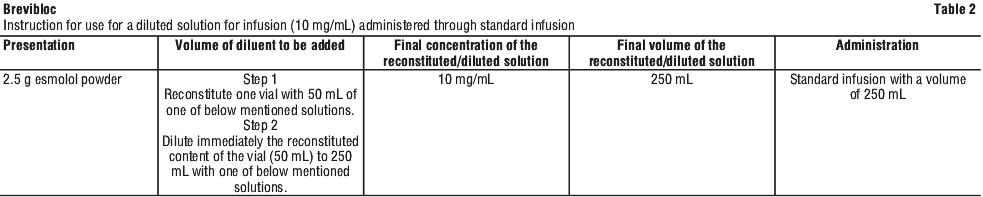
Once the infusion solution is prepared, it should be administered immediately (see Section 4.4 Special Warnings and Precautions for Use). The reconstituted and diluted product is physiochemically stable during 24 hours at room temperature. From a microbiological point of view the reconstituted and diluted product must be used immediately. To reduce microbiological hazard, use as soon as practicable after dilution. If storage is necessary, hold at 2 - 8°C for not more than 24 hours. The white to almost white lyophilised powder will dissolve completely after reconstitution. Mix gently until a clear solution is obtained.
Reconstituted solutions should be visually examined for particulate matter and discoloration. Only a clear and colourless solution should be used.
Compatibility with commonly used intravenous fluids. 100 mg/10 mL vial. Brevibloc Injection was tested for compatibility with eight commonly used intravenous fluids at a final concentration of 10 mg esmolol hydrochloride per mL. Brevibloc injection was found to be physically and chemically compatible with the solutions listed below for at least 24 hours when stored below 25°C or under refrigeration. However, in order to reduce microbial contamination hazards, infusion should be commenced as soon as practicable after preparation of the admixture. The resulting solutions should be used within 24 hours of preparation and any residue discarded.
Glucose (5%) Injection USP; glucose (5%) in Ringer's injection; glucose (5%) in lactated Ringer's injection; Glucose (5%) and Sodium Chloride 0.45% Injection USP; Glucose 5% and Sodium Chloride 0.9% Injection USP; Lactated Ringer's Injection USP; Sodium Chloride 0.45% Injection USP; Sodium Chloride 0.9% Injection USP.
2.5 g vial. Brevibloc Powder for Injection was tested for compatibility with three commonly used intravenous fluids at a final concentration of 10 mg esmolol hydrochloride per mL. Brevibloc Powder for Injection was found to be physically and chemically compatible with the solutions listed below for at least 24 hours when stored below 25°C. However, in order to reduce microbial contamination hazards, infusion should be commenced as soon as practicable after preparation of the admixture. The resulting solutions should be used within 24 hours of preparation and any residue discarded.
Sodium Chloride (0.9%) Injection USP; Glucose (5%) Injection USP; Lactated Ringer's Injection USP.
4.3 Contraindications
Patients with hypersensitivity to esmolol hydrochloride or any of the excipients should not be given Brevibloc.
Brevibloc is contraindicated in patients with sinus bradycardia, heart block greater than first degree, cardiogenic shock or overt heart failure (see Section 4.4 Special Warnings and Precautions for Use). Brevibloc is also contraindicated in patients with severe bradycardia (less than 50 beats per minute), sick sinus syndrome, severe A-V nodal conductance disorders (without pacemaker), second and third degree A-V block, severe hypotension, nontreated phaeochromocytoma, pulmonary hypertension, acute asthma attack and metabolic acidosis.
Brevibloc is contraindicated in patients who require inotropic agents and/or vasopressors to maintain systemic blood pressure and cardiac output. The use of intravenous calcium channel antagonist agents with a beta-blocker may cause severe depression of myocardial function. Brevibloc should not be administered concomitantly with IV verapamil or within close proximity since fatal cardiac arrest has occurred in patients receiving both drugs. (The half-life of Brevibloc is approximately 9 minutes with a range of 5-23 minutes. In normal patients the elimination half-life of IV verapamil is 2-5 hours.)
4.4 Special Warnings and Precautions for Use
Hypotension. In clinical trials, 20-50% of patients treated with Brevibloc have had hypotension, generally defined as systolic pressure less than 90 mmHg and/or diastolic pressure less than 50 mmHg. About 12% of the patients have been symptomatic (mainly sweating or dizziness). Hypotension can occur at any dose but is dose related so that maintenance doses beyond 200 microgram/kg/min (0.2 mg/kg/min) are not recommended. Patients should be closely monitored, especially if pretreatment blood pressure is low. Decrease of dose or termination of infusion reverses hypotension, usually within 30 minutes. It is advised to continuously monitor the blood pressure and ECG in all patients treated with esmolol hydrochloride.
Cardiac failure. Sympathetic stimulation is necessary in supporting circulatory function in congestive heart failure, and beta-blockade carries the potential hazard of further depressing myocardial contractility and precipitating more severe failure. Continued depression of the myocardium with beta-blocking agents over a period of time can, in some cases, lead to cardiac failure. At the first sign or symptom of impending cardiac failure, Brevibloc should be withdrawn. Although withdrawal may be sufficient because of the short elimination half-life of Brevibloc, specific treatment may also be considered. (See Section 4.9 Overdose.)
The use of Brevibloc for control of ventricular response in patients with supraventricular arrhythmias should be undertaken with caution when the patient is compromised haemodynamically or is taking other drugs that decrease any or all of the following: peripheral resistance, myocardial filling, myocardial contractility or electrical impulse propagation in the myocardium. Despite the rapid onset and offset of the effects of Brevibloc, several cases of death have been reported in complex clinical states where Brevibloc was presumably being used to control ventricular rate.
Brevibloc should not be used to slow the heart rate in the presence of agents which are both inotropic and vasoconstrictive (such as dopamine, adrenaline and noradrenaline) because of the danger of blocking contractility when systemic vascular resistance is high.
Beta-blockers. Due to its negative effect on conduction time, beta-blockers should only be given with caution to patients with first degree heart block. The elderly should be treated with caution, starting with a lower dosage, but tolerance is usually good in the elderly.
Beta-blockers may increase the number and the duration of anginal attacks in patients with Prinzmetal's angina due to unopposed alpha receptor mediated coronary artery vasoconstriction. Nonselective beta-blockers should not be used for these patients and beta1-selective blockers only with the utmost care.
If the patient is already on a beta2-receptor stimulating agent, re-evaluate the dose of esmolol hydrochloride.
In patients with peripheral circulatory disorders (Raynaud's disease or syndrome, intermittent claudication), beta-blockers should be used with great caution as aggravation of these disorders may occur.
Beta-blockers may induce bradycardia. If the pulse rate decreases to less than 50-55 beats per minute at rest and the patient experiences symptoms related to bradycardia, the dosage should be reduced.
Anaphylactic reaction. While taking beta-blockers, patients with a history of severe anaphylactic reaction to a variety of allergens may be more reactive to repeated challenge, either accidental, diagnostic or therapeutic. Such patients may be unresponsive to the usual doses of adrenaline used to treat the allergic reaction.
Bronchospastic diseases. Patients with bronchospastic diseases should, in general, not receive beta-blockers.
Because of its relative beta1-selectivity and titratability, Brevibloc may be used with caution in patients with bronchospastic diseases. However, since beta1-selectivity is not absolute, Brevibloc should be carefully titrated to obtain the lowest possible effective dose. In the event of bronchospasm, the infusion should be terminated immediately; a beta2-stimulating agent may be administered if conditions warrant but should be used with particular caution as patients already have rapid ventricular rates.
Brevibloc should be used with caution in patients with a history of wheezing or asthma.
Diabetes mellitus and hypoglycaemia. Brevibloc should be used with caution in diabetic patients requiring a beta-blocking agent. Beta-blockers may mask tachycardia occurring with hypoglycaemia, but other manifestations such as dizziness and sweating may not be significantly affected.
Psoriasis. In patients with psoriasis or a history of psoriasis, the administration of esmolol hydrochloride should be carefully weighed.
Infusion concentrations of 20 mg/mL were associated with more venous irritation, including thrombophlebitis, than concentrations of 10 mg/mL. Concentrations greater than 10 mg/mL or infusion into small veins or through a butterfly catheter should be avoided. Extravasation may lead to a serious local reaction and possible skin necrosis. Care should be taken in the intravenous administration of Brevibloc as sloughing of the skin and necrosis have been reported in association with infiltration and extravasation of intravenous infusions.
Use in renal impairment. Because the acid metabolite of Brevibloc is primarily excreted unchanged by the kidney, Brevibloc should be administered with caution to patients with impaired renal function. The elimination half-life of the acid metabolite was prolonged tenfold and the plasma level was considerably elevated in patients with endstage renal disease.
In all patients, it is advised to terminate the infusion of Brevibloc gradually because of the risk of rebound tachycardia.
Use in the elderly. See Section 4.4 Special Warnings and Precautions for Use, Beta-blockers.
Paediatric use. The safety and effectiveness of Brevibloc in children (under 18 years) have not been established.
Effects on laboratory tests. No data available.
4.5 Interactions with Other Medicines and Other Forms of Interactions
Also see Section 6.2 Incompatibilities.
Calcium antagonists such as verapamil and to a lesser extent diltiazem, have a negative influence on contractility and A-V conduction. As with other beta-blocking agents esmolol hydrochloride should be used with caution in combination with verapamil in patients with impaired ventricular function. Fatal cardiac arrests have occurred in patients receiving both drugs. Both Brevibloc and verapamil decrease myocardial contractility and atrioventricular conduction. Serious adverse events with this combination are more likely to occur in patients with severe cardiac myopathy, congestive heart failure or recent myocardial infarction (see Section 4.3 Contraindications). The combination should not be given to patients with conduction abnormalities and Brevibloc should not be administered within 48 hours of discontinuing verapamil.
Calcium antagonists such as dihydropyridine derivatives (e.g. nifedipine and amlodipine) may increase the risk of hypotension. In patients with cardiac insufficiency and who are being treated with a calcium antagonist, treatment with beta-blocking agents may lead to cardiac failure. Careful titration of Brevibloc and appropriate haemodynamic monitoring is recommended.
Brevibloc should not be used to slow the heart rate in the presence of agents which are both inotropic and vasoconstrictive such as dopamine, adrenaline and noradrenaline because of the danger of blocking contractility when systemic vascular resistance is high (see Section 4.4 Special Warnings and Precautions for Use).
Concomitant use of esmolol hydrochloride and class I antiarrhythmic agents (such as disopyramide and quinidine) and also amiodarone can increase the action of both on the A-V conductance time and induce negative inotropic effect.
Sympathomimetic agents may counteract the effect of beta-adrenergic blocking agents.
Catecholamine depleting drugs, e.g. reserpine, may have an additive effect when given with beta-blocking agents. Patients treated concurrently with Brevibloc and a catecholamine depletor should therefore be closely observed for evidence of hypotension or marked bradycardia, which may result in vertigo, syncope or postural hypotension.
A study of interaction between Brevibloc and warfarin showed that concomitant administration of Brevibloc and warfarin does not alter warfarin plasma levels. Brevibloc concentrations were equivocally higher when given with warfarin, but this is not likely to be clinically important.
When digoxin and Brevibloc were concomitantly administered intravenously to normal volunteers, there was a 10-20% increase in digoxin blood levels at some time points. The combination of digitalis glycosides and Brevibloc may increase A-V conduction time. Digoxin did not affect Brevibloc pharmacokinetics.
Concomitant use of clonidine and beta-blockers increases the risk of rebound hypertension. When clonidine is used in conjunction with nonselective beta-blockers, such as propranolol, treatment with clonidine should be continued for some time after treatment with the beta-blocker has been discontinued.
When intravenous morphine and Brevibloc were concomitantly administered in normal subjects, no effect on morphine blood levels was seen, but Brevibloc steady-state blood levels were increased by 46% in the presence of morphine. No other pharmacokinetic parameters were changed.
The effect of Brevibloc on the duration of succinylcholine induced neuromuscular blockade was studied in patients undergoing surgery. The onset of neuromuscular blockade by succinylcholine was unaffected by Brevibloc, but the duration of neuromuscular blockade was prolonged from 5 minutes to 8 minutes.
Although the interactions observed in these studies do not appear to be of major clinical importance, Brevibloc should be titrated with caution in patients being treated concurrently with digoxin, morphine, succinylcholine or warfarin.
Concomitant use of esmolol hydrochloride and insulin and oral antidiabetic drugs may intensify the blood sugar lowering effect (especially nonselective beta-blockers). Beta-adrenergic blockade may prevent the appearance of signs of hypoglycemia (tachycardia).
Anaesthetic medicines: In the situation where the patient's volume status is uncertain or concomitant antihypertensive drugs are utilized, there may be attenuation of reflex tachycardia and an increase of the risk of hypotension. Continuation of beta blockade reduces the risk of arrhythmia during induction and intubation. The anaesthesiologist should be informed when the patient is receiving a beta-blocking agent in addition to esmolol hydrochloride.
The hypotensive effects of inhalation anaesthetic agents may be increased in the presence of Brevibloc. The dosage of either agent may be modified, as needed, to maintain the desired haemodynamics.
NSAIDs may decrease the hypotensive effects of beta-blockers.
Concomitant administration of tricyclic antidepressants, barbiturates and phenothiazines as well as other antihypertensive agents may increase the blood pressure lowering effect. Dosing of esmolol hydrochloride should be adjusted downward to avoid unexpected hypotension.
Special caution must be taken when using amisulpride concomitantly with beta-blockers.
The combination of Brevibloc with ganglion blocking agents can enhance the hypotensive effect.
4.6 Fertility, Pregnancy and Lactation
Effects on fertility. Because of its short term usage no carcinogenicity, mutagenicity or reproductive performance studies have been conducted with Brevibloc.
Use in pregnancy. (Category C)
There are no adequate and well controlled studies in pregnant women. Beta-adrenergic blocking agents may cause pharmacological effects such as bradycardia in the foetus and newborn infant.
Use in lactation. It is not known whether Brevibloc is excreted in human milk. Lactation is not advised during the use of esmolol hydrochloride.
4.7 Effects on Ability to Drive and Use Machines
No specific studies have been conducted to assess the direct effect of esmolol hydrochloride on the ability to drive and use machines. However, adverse effects of esmolol hydrochloride include dizziness which could affect the ability to drive or use machines. See Section 4.8 Adverse Effects (Undesirable Effects).
4.8 Adverse Effects (Undesirable Effects)
The adverse reaction rates provided in Table 3 are based on use of Brevibloc in clinical trials involving 369 patients with supraventricular tachycardia and over 600 intraoperative and postoperative patients enrolled in clinical trials. Most adverse effects observed in controlled clinical trial settings have been mild and transient. The most important adverse effect has been hypotension (see Section 4.4 Special Warnings and Precautions for Use). Deaths have been reported in postmarketing experience occurring during complex clinical states where Brevibloc was presumably being used simply to control ventricular rate (see Section 4.4 Special Warnings and Precautions for Use, Cardiac failure).
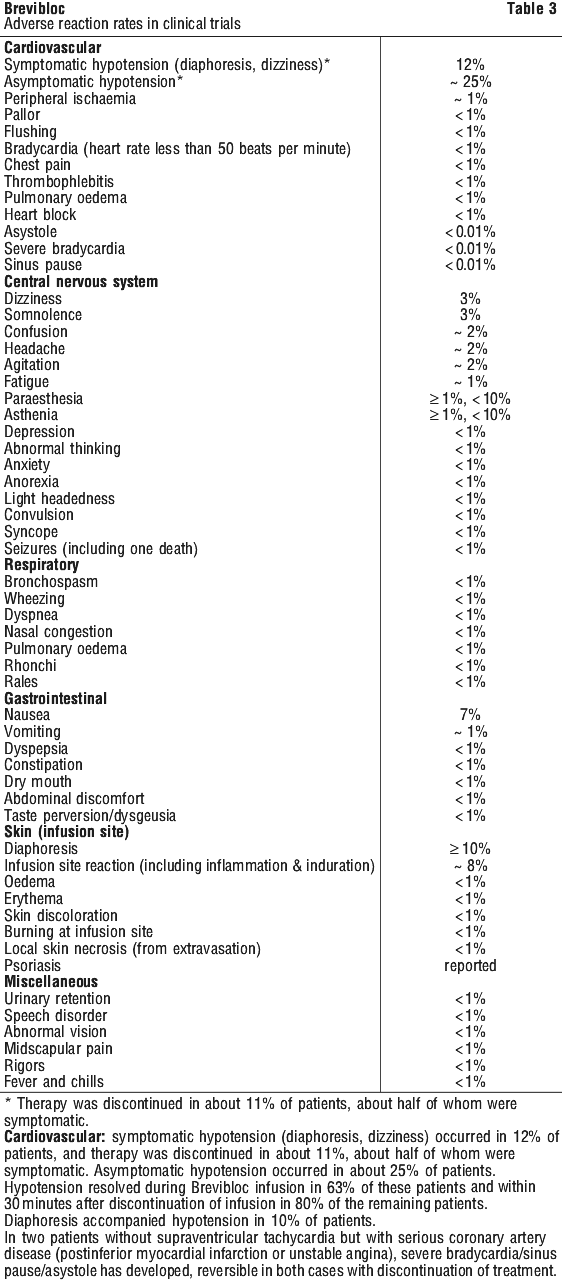
Cardiovascular. Death, cardiac arrest, hypertension, ventricular tachycardia and idioventricular rhythm.
Dermatological reactions. Discolouration, blistering, rash, facial flushing and skin dryness.
Neurological. Cerebral hypoxia, anoxic encephalopathy, aphasia, coma, dysphagia, lethargy, somnolence and prolonged response to neuromuscular blockage.
Haematological. Leucopenia, thrombocytopenia.
Respiratory. Apnoea, hypoxia, respiratory arrest, pneumonia.
Renal. Renal failure, metabolic acidosis.
Esmolol hydrochloride can cause psoriasis in some situations or worsen it or cause rash in similar skin disorders.
In case of undesirable effects, the infusion of esmolol hydrochloride shall be reduced or interrupted. Most of these undesirable effects disappear within 30 minutes after discontinuation of the administration of esmolol hydrochloride.
Reporting suspected adverse effects. Reporting suspected adverse reactions after registration of the medicinal product is important. It allows continued monitoring of the benefit-risk balance of the medicinal product. Healthcare professionals are asked to report any suspected adverse reactions at www.tga.gov.au/reporting-problems.
4.9 Overdose
Acute toxicity. Overdoses of Brevibloc can cause cardiac arrest. In addition, overdoses can produce bradycardia, hypotension, electromechanical dissociation and loss of consciousness. Cases of massive accidental overdoses of Brevibloc have occurred due to dilution errors. Some of these overdoses have been fatal while others resulted in permanent disability. Bolus doses in the range of 625 to 2,500 mg (12.5 to 50 mg/kg) have been fatal. Patients have recovered completely from overdoses as high as 1.75 g given over one minute or doses of 7.5 g given over one hour for cardiovascular surgery. The patients who survived appear to be those whose circulation could be supported until the effects of Brevibloc resolved.
Because of its approximately 9-minute elimination half-life, the first step in the event of toxicity should be to discontinue the Brevibloc infusion. Then, based on the observed clinical effects, the following general measures should also be considered.
Bradycardia. Intravenous administration of atropine or another anticholinergic drug.
Bronchospasm. Nebulised beta2-stimulating agent should be given. If this is not sufficient, intravenous administration of a beta2-stimulating agent and/or a theophylline derivative can be considered.
Cardiac failure. Intravenous administration of a diuretic and/or digitalis glycoside. In shock resulting from inadequate cardiac contractility, intravenous administration of dopamine, dobutamine or isoprenaline may be considered. In case further treatment is necessary, the following agents can be given intravenously: atropine; inotropic agents; calcium ions.
Symptomatic hypotension. Intravenous administration of fluids and/or pressor agents.
For information on the management of overdose, contact the Poisons Information Centre on 131126 (Australia).
5 Pharmacological Properties
5.1 Pharmacodynamic Properties
Brevibloc is a beta1-selective (cardioselective) adrenergic blocking agent with rapid onset and a short duration of action (elimination half-life is approximately 9 minutes).
Mechanism of action. Brevibloc is a beta1-selective (cardioselective) adrenergic receptor blocking agent with rapid onset, a very short duration of action and no significant intrinsic sympathomimetic or membrane stabilising activity at therapeutic dosages. Its elimination half-life after intravenous infusion is approximately 9 minutes. Brevibloc inhibits the beta1-receptors located chiefly in cardiac muscle, but this preferential effect is not absolute and at higher doses it begins to inhibit beta2-receptors located chiefly in the bronchial and vascular musculature.
Pharmacodynamics. Clinical pharmacology studies in normal volunteers have confirmed the beta-blocking activity of Brevibloc, showing reduction in heart rate at rest and during exercise, and attenuation of isoprenaline induced increases in heart rate. Blood levels of Brevibloc have been shown to correlate with extent of beta-blockade. After termination of infusion, substantial recovery from beta-blockade is observed in 10-20 minutes.
In human electrophysiology studies, Brevibloc produced effects typical of a beta-blocker: a decrease in the heart rate, increase in sinus cycle length, prolongation of the sinus node recovery time, prolongation of the AH interval during normal sinus rhythm and during atrial pacing, and an increase in antegrade Wenckebach cycle length.
In patients undergoing radionuclide angiography, Brevibloc at dosages of 200 microgram/kg/min (0.2 mg/kg/min) produced reductions in heart rate, systolic blood pressure, rate pressure product, left and right ventricular ejection fraction and cardiac index at rest, which were similar in magnitude to those produced by intravenous propranolol (4 mg). During exercise, Brevibloc produced reductions in heart rate, rate pressure product and cardiac index which were also similar to those produced by propranolol, but produced a significantly larger fall in systolic blood pressure. In patients undergoing cardiac catheterisation, the maximum therapeutic dose of 300 microgram/kg/min (0.3 mg/kg/min) of Brevibloc produced similar effects and, in addition, there were small, clinically insignificant increases in the left ventricular end diastolic pressure and pulmonary capillary wedge pressure. At 30 minutes after the discontinuation of Brevibloc infusion, all the haemodynamic parameters had returned to pretreatment levels.
The relative cardioselectivity of Brevibloc was demonstrated in 10 mildly asthmatic patients. Infusions of Brevibloc at 100, 200 and 300 microgram/kg/min (0.1, 0.2 and 0.3 mg/kg/min) produced no significant increases in specific airway resistance compared to placebo. At 300 microgram/kg/min (0.3 mg/kg/min), Brevibloc produced slightly enhanced bronchomotor sensitivity to dry air stimulus. These effects were not clinically significant and Brevibloc was well tolerated by all patients. Six of the patients also received intravenous propranolol and, at a dosage of 1 mg, two experienced significant, symptomatic bronchospasm requiring bronchodilator treatment.
One other propranolol treated patient also experienced dry air induced bronchospasm. No adverse pulmonary effects were observed in patients with chronic obstructive pulmonary disease who received therapeutic dosages of Brevibloc for treatment of supraventricular tachycardia (51 patients) or in perioperative settings (32 patients).
Clinical trials. No data available.
5.2 Pharmacokinetic Properties
Absorption. No data available.
Distribution. Brevibloc has been shown to be 55% bound to human plasma protein, while the acid metabolite is only 10% bound.
Metabolism. Brevibloc is rapidly metabolised by hydrolysis of the ester linkage, chiefly by the esterases in the cytosol of red blood cells and not by plasma cholinesterases or red cell membrane acetylcholinesterase. Total body clearance in man was found to be about 20 L/kg/hour, which is greater than cardiac output; thus the metabolism of Brevibloc is not limited by the rate of blood flow to metabolising tissues such as the liver, or affected by hepatic or renal blood flow. Brevibloc has a rapid distribution half-life of about two minutes and an elimination half-life of about nine minutes. Using an appropriate loading dose, steady-state blood levels of Brevibloc for dosages from 50 to 300 microgram/kg/min (0.05 to 0.3 mg/kg/min) are obtained within five minutes. (Steady-state is reached in about 30 minutes without the loading dose.) Steady-state blood levels of Brevibloc increase linearly over this dosage range and elimination kinetics are dose independent over this range. Steady-state blood levels are maintained during infusion but decrease rapidly after termination of the infusion. Because of its short half-life, blood levels of Brevibloc can be rapidly altered by increasing or decreasing the infusion rate and rapidly eliminated by discontinuing the infusion.
Excretion. Consistent with the high rate of blood based metabolism of Brevibloc, less than 2% of the drug is excreted unchanged in the urine. Within 24 hours of the end of infusion, approximately 73 to 88% of the dosage has been accounted for in the urine as the acid metabolite of Brevibloc.
Metabolism of Brevibloc results in the formation of the corresponding free acid and methanol. The acid metabolite has been shown in animals to have about 1/1,500 of the activity of esmolol hydrochloride and in normal volunteers its blood levels do not correspond to the level of beta-blockade. The acid metabolite has an elimination half-life of about 3.7 hours and is excreted in the urine with a clearance approximately equivalent to the glomerular filtration rate. Excretion of the acid metabolite is significantly decreased in patients with renal disease, with the elimination half-life increased to about tenfold that of normal and plasma levels considerably elevated. Methanol blood levels, monitored in subjects receiving Brevibloc for up to 6 hours at 300 microgram/kg/min (0.3 mg/kg/min) and 24 hours at 150 microgram/kg/min (0.15 mg/kg/min), approximated endogenous levels and were less than 2% of levels usually associated with methanol toxicity.
5.3 Preclinical Safety Data
Genotoxicity. Because of its short term usage no carcinogenicity, mutagenicity or reproductive performance studies have been conducted with Brevibloc.
Carcinogenicity. Because of its short term usage no carcinogenicity, mutagenicity or reproductive performance studies have been conducted with Brevibloc.
6 Pharmaceutical Particulars
6.1 List of Excipients
100 mg/10 mL vial. Excipients in the 10 mL vial are sodium acetate trihydrate, glacial acetic acid, hydrochloric acid and water for injections.
2.5 g powder/vial. None.
6.2 Incompatibilities
Brevibloc must not be used in combination with sodium carbonate solutions or other medicinal products (e.g. furosemide, diazepam and thiopental) that are chemically incompatible with esmolol hydrochloride.
Brevibloc is not compatible with Sodium Bicarbonate (5%) Injection USP. Please see Section 4.2 for list of compatible diluents.
6.3 Shelf Life
In Australia, information on the shelf life can be found on the public summary of the ARTG1. The expiry date can be found on the packaging.
1 AUST R 43494, AUST R 310943.
6.4 Special Precautions for Storage
Store below 25°C.
6.5 Nature and Contents of Container
Brevibloc is supplied as:
100 mg/10 mL glass vials.
Phebra product code: INJ168.
It is supplied in a carton containing 5 or 20 vials.
2.5 g powder per glass vial.
Phebra product code: INJ210.
It is supplied in a carton containing 1 vial.
The vial stopper is not made with natural rubber latex.
Not all pack sizes may be marketed.
6.6 Special Precautions for Disposal
In Australia, any unused medicine or waste material should be disposed of in accordance with local requirements.
6.7 Physicochemical Properties
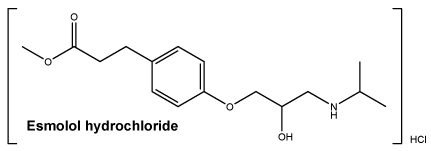
Esmolol hydrochloride is ± methyl 3-[4-[2-hydroxy- 3-(isopropylamino) propoxy]phenyl] propionate hydrochloride.
Esmolol hydrochloride has the empirical formula C16H25NO4.HCl and a molecular weight of 331.8. It has one asymmetric centre and exists as a racemic mixture. It is a relatively hydrophilic compound which is very soluble in water and freely soluble in alcohol. Its partition coefficient (octanol/water) at pH 7.0 is 0.42 compared to 17.0 for propranolol.
Chemical structure.
7 Medicine Schedule (Poisons Standard)
Schedule 4 - Prescription only medicine.
Date of Revision
22 January 2021
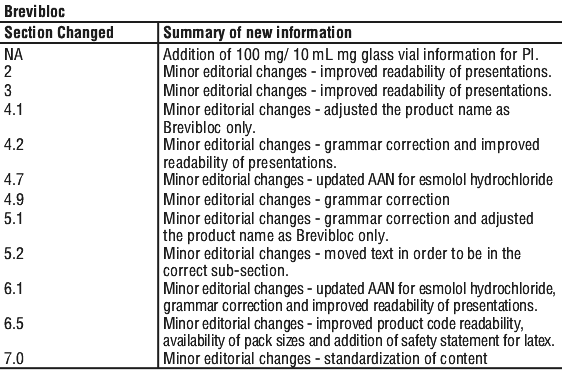
Summary Table of Changes
Reasonable care is taken to provide accurate information at the time of creation. This information is not intended as a substitute for medical advice and should not be exclusively relied on to manage or diagnose a medical condition. The Australian Commission on Safety and Quality in Health Care disclaims all liability (including for negligence) for any loss, damage, injury or any other negative effects resulting from reliance on or use of this information. Read our full disclaimer. This website uses cookies. Read our privacy policy.