
Brimica Genuair 340/12
Brand Information
| Brand name | Brimica Genuair 340/12 |
| Active ingredient | Aclidinium + Formoterol (eformoterol) fumarate dihydrate |
| Schedule | S4 |
Consumer Medicine Information (CMI) leaflet
Please read this leaflet carefully before you start using the Brimica Genuair 340/12.
Summary CMI
BRIMICA® GENUAIR® 340/12
Consumer Medicine Information (CMI) summary
The full CMI on the next page has more details. If you are worried about using this medicine, speak to your doctor or pharmacist.
1. Why am I using BRIMICA GENUAIR 340/12?
BRIMICA GENUAIR 340/12 contains the active ingredient aclidinium bromide and formoterol fumarate dihydrate. BRIMICA GENUAIR 340/12 is used to open the airways and make breathing easier to relieve symptoms in adult patients with chronic obstructive pulmonary disease (COPD) as a long-term maintenance bronchodilator treatment.
For more information, see Section 1. Why am I using BRIMICA GENUAIR 340/12? in the full CMI.
2. What should I know before I use BRIMICA GENUAIR 340/12?
Do not use if you have ever had an allergic reaction to BRIMICA GENUAIR 340/12 or any of the ingredients listed at the end of the CMI.
Talk to your doctor if you have any other medical conditions, take any other medicines, or are pregnant or plan to become pregnant or are breastfeeding.
For more information, see Section 2. What should I know before I use BRIMICA GENUAIR 340/12? in the full CMI.
3. What if I am taking other medicines?
Some medicines may interfere with BRIMICA GENUAIR 340/12 and affect how it works. A list of these medicines is in Section 3. What if I am taking other medicines? in the full CMI.
4. How do I use BRIMICA GENUAIR 340/12?
- The recommended dose is one inhalation of BRIMICA GENUAIR 340/12 twice a day in the morning and night, 12 hours apart.
More instructions can be found in Section 4. How do I use BRIMICA GENUAIR 340/12? in the full CMI.
5. What should I know while using BRIMICA GENUAIR 340/12?
| Things you should do |
|
| Things you should not do |
|
| Driving or using machines |
|
| Looking after your medicine |
|
For more information, see Section 5. What should I know while using BRIMICA GENUAIR 340/12? in the full CMI.
6. Are there any side effects?
Common side effects include inflammation of the throat and nasal passages, headache, cough, diarrhoea, vomiting, inflammation of the sinuses, runny nose and sneezing, pain in the middle of the throat, urinary tract infection, dizziness, muscle spasms, fast or irregular heartbeat, tremor and throat irritation. Side effects that require urgent medical attention are serious allergic reactions which can include the following: shortness of breath; wheezing or difficulty breathing; swelling of the face, lips, tongue, throat or other parts of the body; rash, itching or hives on the skin; fast or irregular heart beat; or dizziness or fainting.
For more information, including what to do if you have any side effects, see Section 6. Are there any side effects? in the full CMI.
Full CMI
BRIMICA® GENUAIR® 340/12
Active ingredients: aclidinium bromide / formoterol fumarate dihydrate
Consumer Medicine Information (CMI)
This leaflet provides important information about using BRIMICA GENUAIR 340/12. You should also speak to your doctor or pharmacist if you would like further information or if you have any concerns or questions about using BRIMICA GENUAIR 340/12.
Where to find information in this leaflet:
1. Why am I using BRIMICA GENUAIR 340/12?
2. What should I know before I use BRIMICA GENUAIR 340/12?
3. What if I am taking other medicines?
4. How do I use BRIMICA GENUAIR 340/12?
5. What should I know while using BRIMICA GENUAIR 340/12?
6. Are there any side effects?
7. Product details
1. Why am I using BRIMICA GENUAIR 340/12?
BRIMICA GENUAIR 340/12 contains two active ingredients aclidinium bromide and formoterol fumarate dihydrate. BRIMICA GENUAIR 340/12 belongs to a group of medicines known as bronchodilators, which relax airways and help keep bronchioles open.
BRIMICA GENUAIR 340/12 is a dry powder inhaler that uses your breath to deliver the medicine directly into your lungs. This makes it easier for chronic obstructive pulmonary disease (COPD) patients to breathe.
BRIMICA GENUAIR 340/12 is used to help open the airways and relieve symptoms of COPD, a serious long-term lung disease characterised by breathing difficulties.
Regular use of BRIMICA GENUAIR 340/12 can help you when you have ongoing shortness of breath related to your disease and will help you to minimise the effects of the disease on your everyday life.
BRIMICA GENUAIR 340/12 is used for maintenance treatment of your COPD; it should not be used to treat a sudden attack of breathlessness or wheezing. If your COPD symptoms (breathlessness, wheezing, cough) do not improve or get worse you should contact your doctor for advice as soon as possible.
2. What should I know before I use BRIMICA GENUAIR 340/12?
Warnings
BRIMICA GENUAIR 340/12 is a maintenance bronchodilator and should not be used for the relief of acute episodes of bronchospasm, including a sudden attack of breathlessness or wheezing.
Do not use BRIMICA GENUAIR 340/12 if:
- you are allergic to aclidinium bromide, formoterol fumarate dihydrate, or any of the ingredients listed at the end of this leaflet.
- always check the ingredients to make sure you can use this medicine.
Some of the symptoms of an allergic reaction may include:
- shortness of breath
- wheezing or difficulty breathing
- swelling of the face, lips, tongue or other parts of the body
- rash, itching or hives on the skin
Check with your doctor if you:
Have or have had any other medical conditions:
- asthma
- heart problems
- epilepsy
- thyroid gland problems
- a tumour in one of your adrenal glands
- difficulty passing urine
- see halos around lights and coloured images, have eye pain or discomfort or temporary blurring of vision (narrow angle glaucoma)
- an enlarged prostate, problems passing urine, or a blockage in your bladder
- rare hereditary galactose intolerance, total lactase deficiency or glucose-galactose malabsorption
- take any medicines for any other condition
BRIMICA GENUAIR 340/12 may cause dryness in the mouth, which may cause tooth decay after using your medicine for a long time. Therefore, please remember to pay attention to oral hygiene.
During treatment, you may be at risk of developing certain side effects. It is important you understand these risks and how to monitor for them. See additional information under Section 6. Are there any side effects?
Pregnancy and breastfeeding
Check with your doctor if you are pregnant or intend to become pregnant.
Talk to your doctor if you are breastfeeding or intend to breastfeed.
If it is necessary for you to use this medicine during pregnancy or while breastfeeding, your doctor will discuss with you the benefits and risks involved.
Children and adolescence
- BRIMICA GENUAIR 340/12 is not for use in children or adolescents below 18 years of age.
3. What if I am taking other medicines?
Tell your doctor or pharmacist if you are taking any other medicines, including any medicines, vitamins or supplements that you buy without a prescription from your pharmacy, supermarket or health food shop.
Some medicines may interfere with BRIMICA GENUAIR 340/12 and affect how it works.
These include:
- Other medicines used to treat breathing difficulties
- Medicines that lower the amount of potassium in your blood
- steroids that you take by mouth such (such as prednisolone)
- diuretics (such as furosemide or hydrochlorothiazide)
- certain medicines used to treat breathing conditions (such as theophylline) - Medicines called beta blockers that may be used to treat high blood pressure or other heart problems (such as atenolol or propanolol) or to treat glaucoma (such as timolol)
- Medicines which can cause a change in your heart trace (electrocardiogram) known as QT interval prolongation. These include medicines for the treatment of:
- depression, such as monoamine oxidase inhibitors or tricyclic antidepressants
- bacterial infections (such as erythromycin, clarithromycin, telithromycin)
- allergic reaction (such as anti-histamines)
You may need to take different amounts of your medicines or you may need to take different medicines. Your doctor and pharmacist will have more information
Check with your doctor or pharmacist if you are not sure about what medicines, vitamins or supplements you are taking and if these affect BRIMICA GENUAIR 340/12.
4. How do I use BRIMICA GENUAIR 340/12?
How much to use
- The recommended dose is one inhalation twice a day in the morning and night, 12 hours apart.
- Follow the instructions provided and use BRIMICA GENUAIR 340/12 until your doctor tells you to stop.
When to use BRIMICA GENUAIR 340/12
- BRIMICA GENUAIR 340/12 should be used at the same time every morning and night as the effects last for 12 hours. This ensures that there is always enough medicine in your body to help you breathe more easily throughout the day and night.
How to use BRIMICA GENUAIR 340/12
- Refer to the booklet contained within the carton for instructions on how to use the BRIMICA GENUAIR 340/12 inhaler.
You can also find instructions on how to use the BRIMICA GENUAIR 340/12 inhaler online:
The Instructions for Use leaflet is available here: medsinfo.com.au/media/fkibrimg
The Instructions for Use video is available here: medsinfo.com.au/media/fkvgenua
- If you are not sure of how to use BRIMICA GENUAIR 340/12, ask your doctor or pharmacist
If you forget to use BRIMICA GENUAIR 340/12
BRIMICA GENUAIR 340/12 should be used regularly at the same time each day. If you miss your dose at the usual time, inhale the dose as soon as you remember.
If it is almost time for your next dose, skip the dose you missed and take your next dose when you are meant to.
Do not take a double dose to make up for the dose you missed.
This may increase the chance of you getting an unwanted side effect
If you are not sure what to do, ask your doctor or pharmacist
If you use too much BRIMICA GENUAIR 340/12
If you think that you have used too much BRIMICA GENUAIR 340/12, you may need urgent medical attention.
You should immediately:
- phone the Poisons Information Centre
(by calling 13 11 26), or - contact your doctor, or
- go to the Emergency Department at your nearest hospital.
You should do this even if there are no signs of discomfort or poisoning.
5. What should I know while using BRIMICA GENUAIR 340/12?
Things you should do
Use this medicine exactly as your doctor has prescribed.
Try not to miss any doses and use it even if you feel well.
If you find that the usual dose of BRIMICA 340/12 is not giving as much relief as before, or does not last as long as usual, contact your doctor so that your condition can be checked.
This is important to ensure your COPD is controlled properly.
Call your doctor straight away if you:
- Become pregnant while using this medicine
Remind any doctor, dentist or pharmacist you visit that you are using BRIMICA 340/12, especially if you are about to be started on any new medicine.
Things you should not do
- Do not stop using this medicine suddenly.
- Do not exceed the recommended daily dose.
- Do not take any other medicines for your breathing problems without checking with your doctor.
- Do not give your medicine to anyone else, even if they have the same condition as you.
- Do not use BRIMICA GENUAIR 340/12 to treat other complaints unless your doctor tells you to.
Driving or using machines
Be careful before you drive or use any machines or tools until you know how BRIMICA GENUAIR 340/12 affects you.
BRIMICA GENUAIR 340/12 may cause headache, dizziness, or blurred vision in some people. If you have any of these symptoms, do not drive, operate machinery, or do anything else that could be dangerous.
Looking after your medicine
- Keep the BRIMICA GENUAIR 340/12 inhaler protected in the sealed pouch until you need to start using it.
- Keep your inhaler below 30°C.
Follow the instructions provided on how to take care of your medicine properly.
Store it in a cool dry place away from moisture, heat or sunlight; for example, do not store it:
- in the bathroom or near a sink, or
- in the car or on window sills.
Keep it where young children cannot reach it.
When to discard your medicine
The inhaler must be used within 60 days of opening the pouch.
Getting rid of any unwanted medicine
If you no longer need to use this medicine or it is out of date, take it to any pharmacy for safe disposal.
Do not use this medicine after the expiry date, or if the packaging is torn or shows signs of tampering.
6. Are there any side effects?
All medicines can have side effects. If you do experience any side effects, most of them are minor and temporary. However, some side effects may need medical attention.
See the information below and, if you need to, ask your doctor or pharmacist if you have any further questions about side effects.
Less serious side effects
| Less serious side effects | What to do |
Stomach-related:
| Speak to your doctor if you have any of these less serious side effects and they worry you. |
Serious side effects
| Serious side effects | What to do |
Allergy-related:
| Call your doctor straight away, or go straight to the Emergency Department at your nearest hospital if you notice any of these serious side effects. |
Tell your doctor or pharmacist if you notice anything else that may be making you feel unwell.
Other side effects not listed here may occur in some people. Some of these side effects (abnormal blood test results including high blood sugar levels) can only be found when your doctor does tests from time to time to check your progress.
Reporting side effects
After you have received medical advice for any side effects you experience, you can report side effects to the Therapeutic Goods Administration online at www.tga.gov.au/reporting-problems. By reporting side effects, you can help provide more information on the safety of this medicine.
Always make sure you speak to your doctor or pharmacist before you decide to stop taking any of your medicines.
7. Product details
This medicine is only available with a doctor's prescription.
What BRIMICA GENUAIR 340/12 contains
| Active ingredient (main ingredient) | 396 micrograms aclidinium bromide and 12 micrograms formoterol fumarate dihydrate. |
| Other ingredients (inactive ingredients) | Lactose monohydrate |
| Potential allergens | Lactose |
Do not take this medicine if you are allergic to any of these ingredients.
What BRIMICA GENUAIR 340/12 looks like
BRIMICA GENUAIR 340/12 is a white or almost white powder.
The BRIMICA GENUAIR 340/12 inhaler device is white coloured with an integral dose indicator and an orange dosage button. The mouthpiece is covered with an orange removable protective cap. It is supplied in a sealed pouch.
(AUST R 224899).
Who distributes BRIMICA GENUAIR 340/12
A. Menarini Australia Pty Ltd
Sydney, Australia
Medical Information: 1800 644 542
BRIMICA® is a registered trademark of Almirall, S.A.
GENUAIR® is a registered trademark of AstraZeneca AB
This leaflet was prepared in September 2025.
For the most up to date version of this document, please go to www.menarini.com.au/cmi
[vA08-0]
Brand Information
| Brand name | Brimica Genuair 340/12 |
| Active ingredient | Aclidinium + Formoterol (eformoterol) fumarate dihydrate |
| Schedule | S4 |
MIMS Revision Date: 01 November 2025
1 Name of Medicine
Aclidinium bromide and formoterol fumarate dihydrate.
2 Qualitative and Quantitative Composition
Brimica Genuair 340/12 contains an adhesive mixture of micronised aclidinium bromide, formoterol fumarate dihydrate (hereafter referred to as formoterol) and α-lactose monohydrate, contained in a metered device, dry powder inhaler.
Each metered dose is equal to 400 micrograms aclidinium bromide (equivalent to 343 micrograms aclidinium) and 12 micrograms formoterol fumarate dihydrate.
Each delivered dose (the dose leaving the mouthpiece) contains 396 micrograms aclidinium bromide (equivalent to 340 micrograms aclidinium) and 11.8 micrograms formoterol fumarate dihydrate.
List of excipients with known effect. Contains lactose.
For the full list of excipients, see Section 6.1 List of Excipients.
3 Pharmaceutical Form
The inhalation powder is white or almost white, and is delivered from a white inhaler with an integral dose indicator and an orange dosage button.
4 Clinical Particulars
4.1 Therapeutic Indications
Brimica Genuair 340/12 is indicated as a long-term twice daily maintenance bronchodilator treatment to relieve symptoms in adult patients with chronic obstructive pulmonary disease (COPD).
4.2 Dose and Method of Administration
Use in adults. The recommended dose is one inhalation of Brimica Genuair 340/12 twice daily, once in the morning and once at night.
Method of administration. Brimica Genuair 340/12 must be administered only by the oral inhalation route. Brimica Genuair 340/12 should be administered in the morning and at night and should be taken 12 hours apart. If a dose is missed the next dose should be taken as soon as possible. However, if it is nearly time for the next dose, the missed dose should be skipped.
Use in children. Brimica Genuair 340/12 should not be used in patients under 18 years of age.
Use in the elderly. No dose adjustments are required for elderly patients (see Section 5.2 Pharmacokinetic Properties).
Use in patients with impaired renal function. No dose adjustments are required for patients with renal impairment (see Section 5.2 Pharmacokinetic Properties).
Use in patients with impaired hepatic function. No dose adjustments are required for patients with hepatic impairment (see Section 5.2 Pharmacokinetic Properties).
4.3 Contraindications
Patients with hypersensitivity to aclidinium bromide, formoterol fumarate dihydrate or to any other component of Brimica Genuair 340/12.
4.4 Special Warnings and Precautions for Use
Asthma. Brimica Genuair 340/12 should not be used for the treatment of asthma; clinical studies of Brimica Genuair 340/12 in the treatment of asthma have not been conducted.
Paradoxical bronchospasm. In clinical studies, paradoxical bronchospasm was not observed in patients using Brimica Genuair 340/12. However, paradoxical bronchospasm has been observed with other inhalation therapies. If this occurs, medication should be stopped and other treatment considered.
Deterioration of disease. Brimica Genuair 340/12 is intended for the maintenance treatment of COPD. Brimica Genuair 340/12 should not be used for the relief of acute episodes of bronchospasm, i.e. as a rescue therapy. In the event of a change in COPD intensity while the patient is being treated with Brimica Genuair 340/12 so that the patient considers additional rescue medication is required, medical advice and a re-evaluation of the patient and the patient's treatment regimen should be conducted. An increase in the daily dose of Brimica Genuair 340/12 beyond the maximum dose is not appropriate.
Sympathomimetic amines. In patients with increased susceptibility to sympathomimetic amines (e.g. inadequately controlled hyperthyroidism), Brimica Genuair 340/12 should be used with caution.
Cardiovascular effects. Patients with a myocardial infarction during the previous 6 months, unstable angina or hospitalisation within the previous 12 months for heart failure functional classes III and IV as per the "New York Heart Association" were excluded from the clinical studies, therefore Brimica Genuair 340/12 should be used with caution in these patients groups.
β2-adrenergic agonists may produce increases in pulse rate and blood pressure, electrocardiogram (ECG) changes such as T-wave flattening, ST segment depression and prolongation of the QTc-interval in some patients. In case such effects occur, treatment may need to be discontinued.
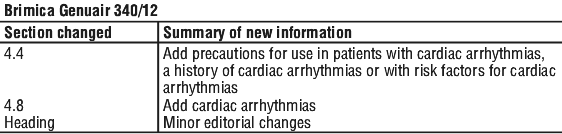
Cardiac arrhythmias, including atrial fibrillation and paroxysmal tachycardia were seen after the administration of Brimica Genuair 340/12 (see Section 4.8 Adverse Effects (Undesirable Effects)). Therefore, Brimica Genuair 340/12 should be used with caution in patients with cardiac arrhythmias, a history of cardiac arrhythmias or with risk factors for cardiac arrhythmias.
Systemic effects. Brimica Genuair 340/12 should be used with caution in patients with severe cardiovascular disorders, convulsive disorders, thyrotoxicosis and phaeochromocytoma.
Metabolic effects of hyperglycaemia and hypokalaemia may be observed with high doses of β2-adrenergic agonists. In phase III clinical studies, the frequency of notable increases in blood glucose with Brimica Genuair 340/12 was low (0.1%) and similar to placebo. Hypokalaemia is usually transient, not requiring supplementation. In patients with severe COPD, hypokalaemia may be potentiated by hypoxia and concomitant treatment. Hypokalaemia increases susceptibility to cardiac arrhythmias.
Due to its anticholinergic activity, Brimica Genuair 340/12 should be used with caution in patients with symptomatic prostatic hyperplasia, urinary retention or narrow angle glaucoma (even though direct contact of the product with the eyes is very unlikely). Dry mouth, which has been observed with anticholinergic treatment, may in the long term be associated with dental caries.
Excipients. Patients with rare hereditary problems of galactose intolerance, total lactase deficiency or glucose-galactose malabsorption should not take this medicine.
Use in the elderly. No pharmacokinetic studies have been performed with aclidinium/formoterol in elderly subjects.
Paediatric use. Brimica Genuair 340/12 should not be used in patients under 18 years of age.
Effects on laboratory tests. No available data.
4.5 Interactions with Other Medicines and Other Forms of Interactions
COPD medicinal products. Co-administration of Brimica Genuair 340/12 with other inhaled anticholinergic (e.g. tiotropium bromide, glycopyrronium, aclidinium) and/or long-acting β2-adrenergic agonist (e.g. indacaterol, salmeterol, formoterol) containing medicinal products has not been studied, therefore caution should be taken when co-administering Brimica Genuair 340/12 with these drugs.
Although no formal in vivo drug interaction studies have been performed with Brimica Genuair 340/12, it has been used concomitantly with other COPD medicinal products including short-acting β2-adrenergic bronchodilators, methylxanthines, and oral and inhaled steroids without clinical evidence of drug interactions.
Metabolic interactions. In vitro studies have shown that aclidinium or its metabolites at the therapeutic dose are not expected to cause interactions with P-glycoprotein (P-gp) substrate drugs or drugs metabolised by cytochrome P450 (CYP450) enzymes and esterases. Formoterol does not inhibit the CYP450 enzymes at therapeutically relevant concentrations.
Hypokalaemic treatment. Concomitant treatment with methylxanthine derivatives, steroids, or non-potassium-sparing diuretics may potentiate the possible hypokalaemic effect of β2-adrenergic agonists, therefore caution is advised in their concomitant use.
β-adrenergic blockers. β-adrenergic blockers may weaken or antagonise the effect of β2-adrenergic agonists. If β-adrenergic blockers are required (including eye drops), cardioselective β-adrenergic blockers are preferred, although they should be administered with caution.
Other pharmacodynamic interactions. Brimica Genuair 340/12 should be administered with caution to patients being treated with medicines known to prolong the QTc interval such as monoamine oxidase inhibitors, tricyclic antidepressants, antihistamines or macrolides because the action of formoterol, a component of Brimica Genuair 340/12, on the cardiovascular system may be potentiated by these medicinal products. Medicinal products that are known to prolong the QTc interval are associated with an increased risk of ventricular arrhythmias.
4.6 Fertility, Pregnancy and Lactation
Effects on fertility. No animal studies have been conducted with aclidinium and formoterol in combination to evaluate effects on fertility. In studies with the individual active components, fertility was unaffected in rats with inhalational administration of aclidinium bromide at doses up to 0.86 mg/kg/day (females) or 1.84 mg/kg/day (males), yielding plasma AUC values for aclidinium bromide > 78 times higher than in patients at the recommended human dose. No effect on male or female fertility was observed with formoterol in rats dosed orally at 60 mg/kg/day. It is considered unlikely that Brimica Genuair 340/12 administered at the recommended dose will affect fertility in humans.
Use in pregnancy. (Category B3)
There are no data available on the use of Brimica Genuair 340/12 in pregnant women. No animal embryofetal development studies have been conducted with aclidinium and formoterol in combination.
Aclidinium bromide and/or its metabolites were shown to cross the placenta in rats. Developmental toxicity studies in animals revealed delayed ossification of fetuses in rats treated at ≥ 0.78 mg/kg/day by inhalation (yielding 29 times the plasma AUC for aclidinium bromide in patients at the recommended dose) and decreased fetal weight in rabbits with oral administration at ≥ 300 mg/kg/day; these doses were maternotoxic. Embryofetal development was unaffected in the rabbit at inhalational doses ≤ 3.58 mg/kg/day (yielding 13 times the plasma AUC in patients). Aclidinium bromide was not teratogenic in either animal species.
In studies completed by other companies, no teratogenic effects have been observed in rats receiving formoterol fumarate at doses up to 1.2 mg/kg/day by inhalation or oral doses of up to 60 mg/kg/day or in rabbits given formoterol fumarate at oral doses of up to 500 mg/kg/day over the period of organogenesis. Decreases in birth weight and increases in perinatal mortality have been observed when formoterol fumarate was given to rats at oral doses greater than 0.2 mg/kg/day during late gestation.
β2-adrenoceptor agonists including formoterol may inhibit labour due to a relaxant effect on uterine smooth muscle.
Because there are no adequate and well controlled studies in pregnant women, Brimica Genuair 340/12 should only be used during pregnancy if the expected benefits justify the potential risks to the fetus.
Use in lactation. It is unknown whether aclidinium (and/or its metabolites) are excreted in human milk.
Studies in rats have shown excretion of small amounts of aclidinium (and/or its metabolites) and formoterol into milk. Postnatal body weight gain was suppressed in the offspring of animals given aclidinium bromide during pregnancy and lactation at ≥ 0.20 mg/kg/day by inhalation (there was no effect at 0.018 mg/kg/day, estimated to yield around 8 times the clinical plasma AUC), and increased postnatal mortality was observed with formoterol at maternal oral doses of 0.2 mg/kg/day, with retardation of pup growth at 15 mg/kg/day.
A decision must be made whether to discontinue breast-feeding or to discontinue therapy with Brimica Genuair 340/12 taking into account the benefit of breast-feeding for the child and the benefit of long-term Brimica Genuair 340/12 therapy to the woman.
4.7 Effects on Ability to Drive and Use Machines
Brimica Genuair 340/12 has no or negligible influence on the ability to drive and use machines. The occurrence of blurred vision or dizziness may influence the ability to drive or to use machinery.
4.8 Adverse Effects (Undesirable Effects)
The safety profile of Brimica Genuair 340/12 is based on the experience with Brimica Genuair 340/12 and the individual components which comprised exposure in clinical trials at the recommended therapeutic dose for up to 12 months and in post-marketing experience. Adverse events associated with Brimica Genuair 340/12 were similar to those of the individual components. As Brimica Genuair 340/12 contains aclidinium bromide and formoterol fumarate dihydrate, the type and severity of adverse events associated with each of the components may be expected with Brimica Genuair 340/12.
A total of 1222 patients (527 females and 695 males) with moderate to severe COPD were treated with Brimica Genuair 340/12 at the recommended therapeutic dose. The incidence of adverse events associated with Brimica Genuair 340/12 is based on a pooled analysis of three placebo controlled trials in patients with COPD of at least 6 months duration or on experience with individual components. In these trials, 720 COPD patients were treated with Brimica Genuair 340/12 at the recommended dose of twice daily. Of these, 557 patients were treated with Brimica Genuair 340/12 for at least 6 months and 127 patients were treated with Brimica Genuair 340/12 for at least 12 months.
Across these studies, 8.4% of patients who received placebo and 7.2% of patients who received Brimica Genuair 340/12 twice daily discontinued prematurely due to adverse events. Pooled data from these placebo controlled clinical trials in COPD patients showed that the most frequently reported adverse reactions with Brimica Genuair 340/12 were nasopharyngitis (7.9%) and headache (6.8%).
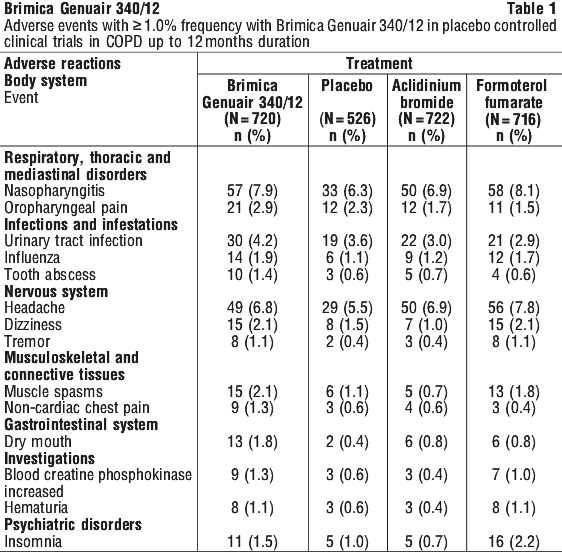
Clinical trial adverse drug reactions. Table 1 summarises the common adverse reactions that occurred with a frequency of ≥ 1.0% in the Brimica Genuair 340/12 group in the three placebo controlled clinical trials from 6 to 12 months duration, where the rates in the Brimica Genuair 340/12 group exceeded placebo by 0.5%.
Cardiac disorders. Tachycardia.
Eye disorders. Blurred vision.
Ear and labyrinth disorders. Cerumen impaction.
Gastrointestinal disorders. Diverticulum.
General disorders and administration site conditions. Product taste abnormal.
Infections and infestations. Cellulitis, fungal infection.
Investigations. Gamma-glutamyltransferase increased, prostatic specific antigen increased.
Metabolism and nutrition disorders. Hypercholesterolemia.
Psychiatric disorders. Anxiety.
Respiratory, thoracic and mediastinal disorders. Dysphonia, pulmonary congestion, pulmonary mass.
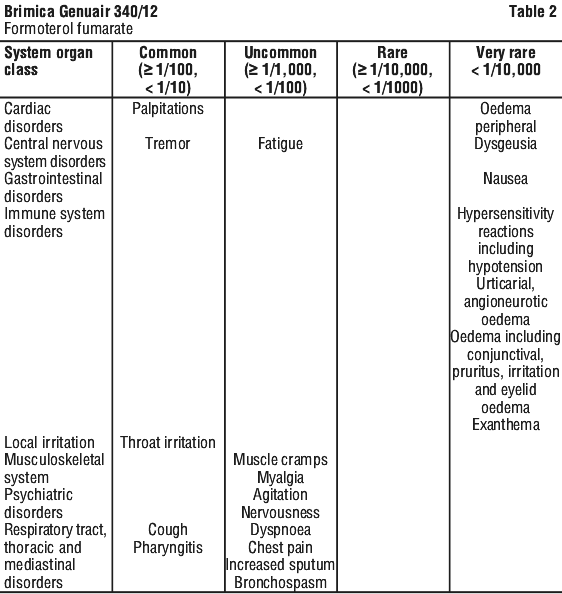
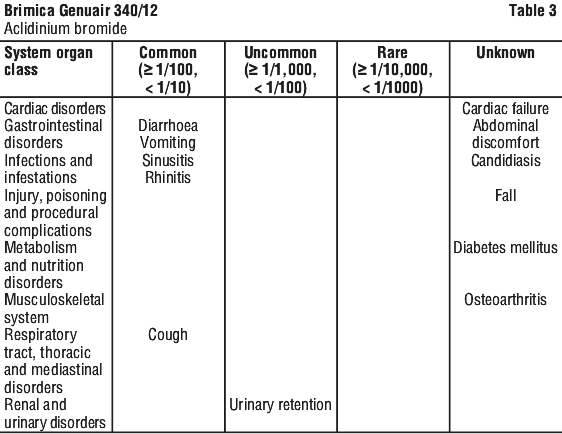
The following adverse reactions, not already listed above, were reported in clinical trials of the individual components of Brimica Genuair 340/12 and are listed in each component PI (see Tables 2 and 3):
Metabolism and nutrition disorders. Hypokalaemia, hyperglycaemia.
Investigations. Electrocardiogram QT prolonged, blood pressure increased (including hypertension).
Skin and subcutaneous tissue disorders. Rash.
Cardiac disorders. Angina pectoris, cardiac arrhythmias, e.g. atrial fibrillation, ventricular extrasystoles, tachyarrhythmia.
Respiratory, thoracic and mediastinal disorders. Cough.
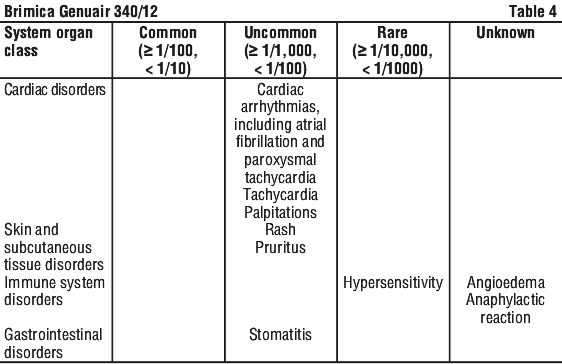
Aclidinium. The following post-marketing events have been reported in patients treated with aclidinium bromide. Adverse drug reactions are listed according to system organ classes in MedDRA and the frequency established in the EU SmPC. See Table 4.
4.9 Overdose
For information on the management of overdose, contact the Poisons Information Centre on 13 11 26 (Australia).
There is limited evidence on the management of overdose with Brimica Genuair 340/12. High doses of Brimica Genuair 340/12 may lead to signs and symptoms that are typical of anticholinergic (e.g. dry mouth, blurred vision, nausea and tachycardia) and/or β2-adrenergic agents (e.g. hypertension, tremor, headache, tachycardia, palpitations, dizziness and muscle spasms).
Brimica Genuair 340/12 should be discontinued in case of overdose. Supportive and symptomatic treatment is indicated.
5 Pharmacological Properties
5.1 Pharmacodynamic Properties
Pharmacotherapeutic group: Drugs for obstructive airway diseases, adrenergics in combination with anticholinergics. ATC code: R03AL05.
Mechanism of action. Brimica Genuair 340/12 contains two bronchodilators: aclidinium is a long acting muscarinic antagonist (also known as an anticholinergic) and formoterol is a long-acting β2-adrenergic agonist. The combination of these substances with different mechanisms of action results in additive efficacy compared to that achieved with either component alone. As a consequence of the differential density of muscarinic receptors and β2-adrenoceptors in the central and peripheral airways of the lung, muscarinic antagonists should be more effective in relaxing central airways and β2-adrenergic agonists should be more effective in relaxing peripheral airways; relaxation of both central and peripheral airways with combination treatment may contribute to its beneficial effects on lung function. Further information regarding these two substances is provided below.
Aclidinium is a competitive muscarinic receptor antagonist, with subnanomolar affinity for all five human muscarinic receptor subtypes (M1-M5) and a longer residence time at the M3 receptors than the M2 receptors. M3 receptors mediate contraction of airway smooth muscle. Inhaled aclidinium bromide acts locally in the lungs to antagonise M3 receptors of airway smooth muscle and induce bronchodilation. Aclidinium has also been shown to provide benefits to patients with COPD in terms of symptom reduction, improvement in disease specific health status, reduction in exacerbation rates and improvements in exercise tolerance. Since aclidinium bromide is quickly broken down in plasma, the level of systemic anticholinergic side effects is therefore low.
Formoterol is a potent selective β2-adrenoceptor agonist. Bronchodilation is induced by causing direct relaxation of airway smooth muscle as a consequence of the increase in cyclic AMP through activation of adenylate cyclase. In addition to improving pulmonary function, formoterol has been shown to improve symptoms and quality of life in patients with COPD.
Pharmacodynamic effects. Clinical efficacy studies showed that Brimica Genuair 340/12 provides clinically meaningful improvements in lung function (as measured by the forced expiratory volume in 1 second [FEV1]) over 12 hours following administration.
Brimica Genuair 340/12 demonstrated a rapid onset of action within 5 minutes of the first inhalation relative to placebo (p < 0.0001). The onset of action of Brimica Genuair 340/12 was comparable to the effect of the fast-acting β2-agonist formoterol 12 micrograms. Maximal bronchodilator effects (peak FEV1) relative to baseline were evident from day one (304 mL) and were maintained over the 6 month treatment period (326 mL).
Cardiac electrophysiology. No clinically relevant effects of Brimica Genuair 340/12 on ECG parameters (including QT-interval) compared with aclidinium, formoterol and placebo were seen in phase III studies of 6 to 12 months duration conducted in approximately 4,000 patients with COPD. No clinically significant effects of Brimica Genuair 340/12 on cardiac rhythm were observed on 24 hour Holter monitoring in a subset of 551 patients, of whom 114 received Brimica Genuair 340/12 twice daily.
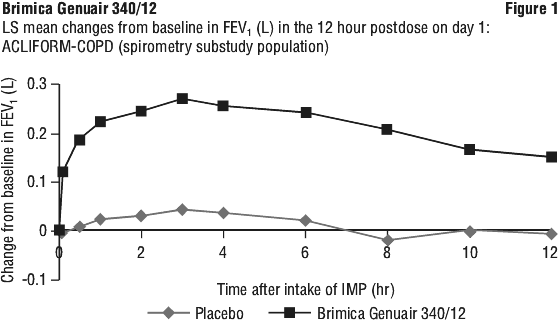
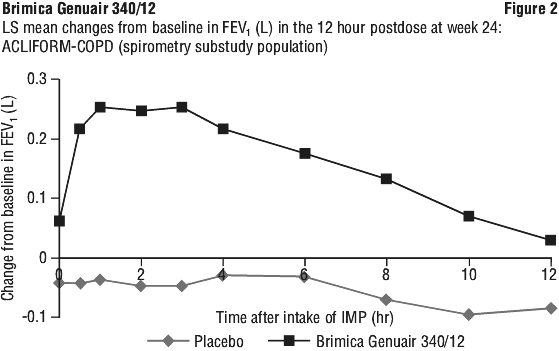
Duration and persistence of effects on lung function. A 12-hour serial spirometry substudy, which evaluated the bronchodilation time-profile over 12 hrs post-dose, was performed in both the ACLIFORM-COPD (n = 366) and AUGMENT (n = 270) clinical studies. Statistically significant and clinically relevant adjusted mean increases from baseline in FEV1 were observed with Brimica Genuair 340/12 compared to placebo at all post-dose time points from 5 min post-dose to 12 hrs post-dose on day 1 and from 0.5 hrs to 12 hrs post-dose at week 24 (see Figure 1 and Figure 2).
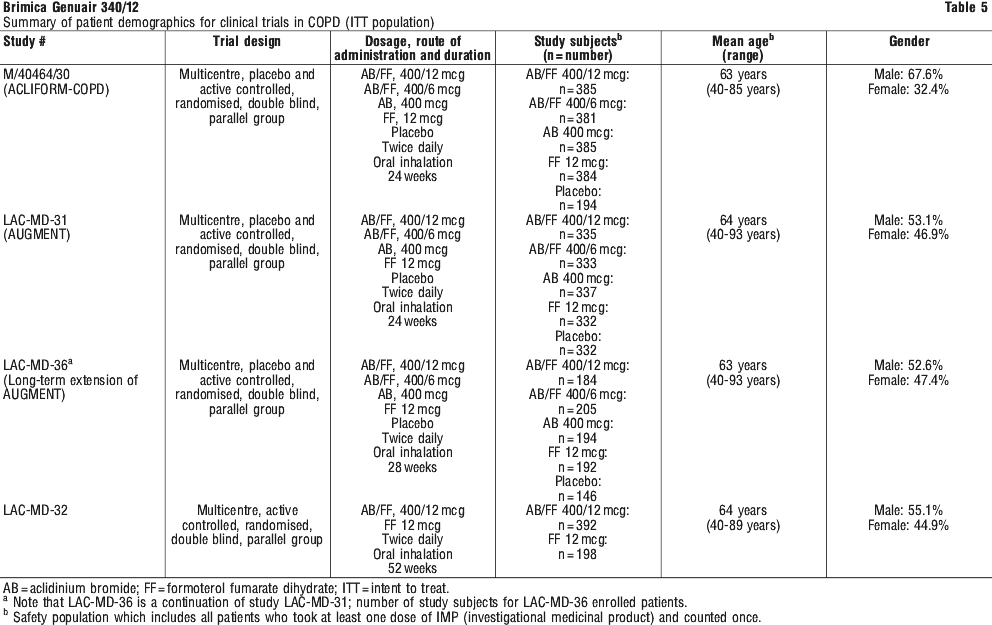
The co-primary endpoints in both pivotal studies (ACLIFORM-COPD and AUGMENT) where the changes from baseline in FEV1 at 1 hour post-dose and in trough FEV1 at week 24 (compared to aclidinium bromide 400 micrograms and formoterol fumarate dihydrate 12 micrograms, respectively) to demonstrate the bronchodilator contributions of aclidinium and formoterol in Brimica Genuair 340/12, respectively. Secondary endpoints were improvement from baseline to week 24 in the Transition Dyspnoea Index (TDI) focal score and the change from baseline to week 24 in the St. George's Respiratory Questionnaire (SGRQ) total score. Other efficacy variables included: rescue medication usage, COPD exacerbations, COPD symptoms (recorded using an electronic patient diary) and other measures of lung function (FEV1 at various time points, forced vital capacity and inspiratory capacity).
Effects on lung function. Inhalation of Brimica Genuair 340/12 twice daily by patients with moderate to severe COPD resulted in statistically and clinically meaningful improvements in lung function (as measured by FEV1) relative to placebo in both ACLIFORM-COPD and AUGMENT.
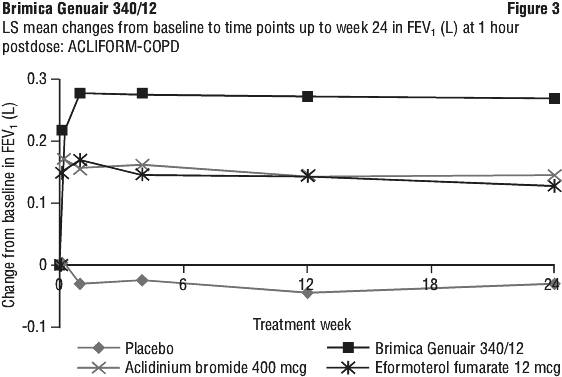
In ACLIFORM-COPD, Brimica Genuair 340/12 showed statistically significant improvements in FEV1 at 1 hour post-dose relative to placebo and aclidinium bromide of 299 mL and 125 mL, respectively (both p < 0.0001) and statistically significant improvements in trough FEV1 relative to placebo and formoterol fumarate of 143 mL and 85 mL, respectively (both p < 0.0001) at week 24. In AUGMENT, Brimica Genuair 340/12 showed statistically significant improvements in FEV1 at 1 hour post-dose relative to placebo and aclidinium bromide of 284 mL and 108 mL (both p < 0.0001), respectively, and improvements in trough FEV1 relative to placebo and formoterol fumarate of 130 mL (p < 0.0001) and 45 mL (p = 0.01), respectively.
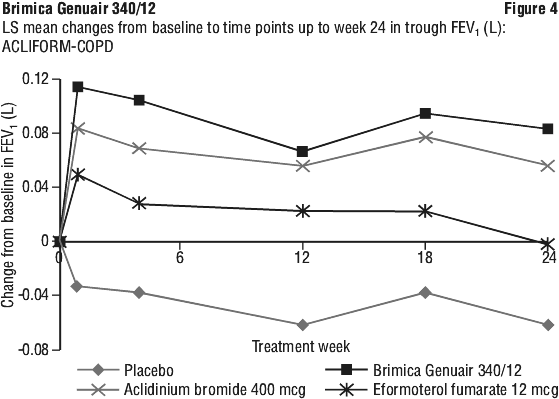
The lung function effects of Brimica Genuair 340/12 were observed within 5 minutes of the first dose and were maintained over the dosing interval. There was a sustained effect over time in the 6 months (see Figure 3 and Figure 4 for representative data from ACLIFORM-COPD) and one year phase III studies.
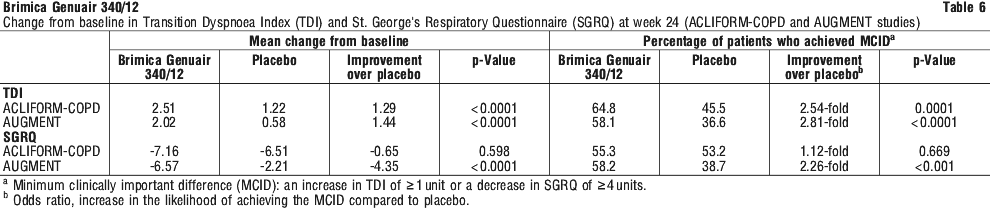
Following 24 weeks of treatment, Brimica Genuair 340/12 provided statistically significant (p < 0.0001) and clinically meaningful improvements in breathlessness (assessed by the TDI) with a mean difference compared to placebo of 1.29 units and 1.44 units in ACLIFORM-COPD and AUGMENT, respectively. Significantly more patients treated with Brimica Genuair 340/12 had an increase in TDI focal score greater than the minimal clinically important difference (MCID) of 1 unit compared to placebo in both studies (Table 6). Improvements were observed in each of the individual TDI domains (functional impairment, magnitude of effort and magnitude of task) at all time points in both ACLIFORM-COPD and AUGMENT when compared to placebo (p < 0.05 for each measure).
Following 24 weeks of treatment, Brimica Genuair 340/12 provided improvements in disease specific health status (assessed by the St. George's Respiratory Questionnaire [SGRQ] total score) relative to placebo (-4.35 units, p < 0.0001) as well as improvements in all 3 SGRQ domains (symptoms, activities and impact; p < 0.02 for each domain) in AUGMENT, while only a small decrease in SGRQ total score compared to placebo was observed in ACLIFORM-COPD (-0.65 units, p = 0.598) due to an unexpectedly large placebo response (see Table 6).
Brimica Genuair 340/12 improved daily symptoms of COPD (assessed by E-RS total score) as well as overall night-time symptoms, overall early morning symptoms and symptoms limiting early morning activities compared to placebo, aclidinium bromide and formoterol fumarate (all p < 0.05).
COPD exacerbations. Pooled efficacy analysis of the two 6-month phase III studies demonstrated a statistically significant reduction of 29% in the rate of moderate or severe exacerbations (requiring treatment with antibiotics or corticosteroids or resulting in hospitalisations) with Brimica Genuair 340/12 compared to placebo (rates per patient per year: 0.29 vs. 0.42, respectively; p = 0.036).
In addition, Brimica Genuair 340/12 statistically significantly delayed the time to first moderate or severe exacerbation compared to placebo (hazard ratio = 0.70; p = 0.027).
Use of rescue medication. Brimica Genuair 340/12 reduced the use of rescue medication over 6 months compared to placebo (by 0.9 puffs per day [p < 0.0001]), aclidinium (by 0.4 puffs/day [p < 0.001]) and formoterol (by 0.2 puffs/day [p = 0.062]).
5.2 Pharmacokinetic Properties
When aclidinium and formoterol were administered in combination by the inhaled route, the pharmacokinetics of each component showed no relevant differences from those observed when the medicinal products were administered separately.
Absorption. Following inhalation of a single dose of Brimica Genuair 340/12, aclidinium and formoterol were rapidly absorbed into plasma, reaching peak plasma concentrations within 5 minutes of inhalation in healthy subjects and within 24 minutes of inhalation in patients with COPD. The peak plasma concentrations at steady state of aclidinium and formoterol observed in patients with COPD treated with Brimica Genuair 340/12 twice daily for 5 days were reached within 5 minutes post-inhalation and were 128 picogram/mL and 17 picogram/mL, respectively.
Distribution. Whole lung deposition of inhaled aclidinium via Genuair averaged approximately 30% of the metered dose. The plasma protein binding of aclidinium determined in vitro most likely corresponded to the protein binding of the metabolites due to the rapid hydrolysis of aclidinium in plasma; human plasma protein binding was 87% for the carboxylic acid metabolite and 15% for the alcohol metabolite. The main plasma protein that binds aclidinium is albumin.
The plasma protein binding of formoterol is 61% to 64% (34% primarily to albumin). There is no saturation of binding sites in the concentration range reached with therapeutic doses.
Metabolism. Aclidinium is rapidly and extensively hydrolysed to its pharmacologically inactive alcohol- and carboxylic acid-derivatives. Plasma levels of the acid metabolite are approximately 100-fold greater than those of the alcohol metabolite and the unchanged active substance following inhalation. The hydrolysis occurs both chemically (non-enzymatically) and enzymatically by esterases (principally in plasma), with butyrylcholinesterase being the main human esterase involved in the hydrolysis. The low absolute bioavailability of inhaled aclidinium (< 5%) is because aclidinium undergoes extensive systemic and pre-systemic hydrolysis whether deposited in the lung or swallowed. Biotransformation via CYP450 enzymes plays a minor role in the total metabolic clearance of aclidinium. In vitro studies have shown that aclidinium bromide and its major metabolites do not inhibit human CYPs 1A2, 2A6, 2B6, 2B8, 2C9, 2C19, 2D6, 2E1, 3A4/5 or 4A9/11, do not induce CYPs 1A2, 2B6, 2C8, 2C9, 2C19 or 3A4/5, and do not inhibit esterases (carboxylesterase, acetylcholinesterase and butyrylcholinesterase) at therapeutic concentrations. In vitro studies have shown that neither aclidinium bromide nor the main metabolites of aclidinium bromide are inhibitors of P-glycoprotein. The same studies have also demonstrated that aclidinium bromide and its acid metabolite are not substrates of P-glycoprotein however its alcohol metabolite is a potentially weak substrate.
Formoterol is eliminated primarily by metabolism. The prominent pathway involves direct glucuronidation, with O-demethylation followed by glucuronide conjugation being a further metabolic pathway. Cytochrome P450 isoenzymes CYP2D6, CYP2C19, CYP2C9 and CYP2A6 are involved in the O-demethylation of formoterol. Formoterol does not inhibit CYP450 enzymes at therapeutically relevant concentrations.
Excretion. Following inhalation of Brimica Genuair 340/12 micrograms, with plasma sampling up to 24 hours post-dose, the terminal elimination half-life observed for aclidinium bromide ranged from 11-33 hours and for formoterol from 12-18 hours.
Mean effective half-lives* observed for both aclidinium and formoterol (based on the accumulation ratio) are approximately 10 hours.
*Half-life consistent with product accumulation based on a known dose regimen.
Following intravenous administration of radiolabelled aclidinium 400 micrograms to healthy subjects, approximately 1% of the dose was excreted as unchanged aclidinium bromide in the urine. Up to 65% of the dose was eliminated as metabolites in the urine and up to 33% as metabolites in the faeces. Following inhalation of aclidinium 200 micrograms and 400 micrograms by healthy subjects or patients with COPD, the urinary excretion of unchanged aclidinium was very low at about 0.1% of the administered dose, indicating that renal clearance plays a minor role in the total aclidinium clearance from plasma.
The major part of a dose of formoterol is transformed by liver metabolism followed by renal elimination. After inhalation, 6% to 9% of the delivered dose of formoterol is excreted in the urine unchanged or as direct conjugates of formoterol.
Special populations. Elderly patients. No pharmacokinetics studies have been performed with aclidinium/formoterol in elderly subjects. Since no dosage adjustments are needed for either aclidinium or formoterol medicinal products in elderly patients, no dosage adjustment is warranted for aclidinium/formoterol in geriatric patients.
Renally and hepatically impaired patients. There are no data regarding the specific use of aclidinium/formoterol in patients with renal or hepatic impairment. Since no dosage adjustments are needed for either aclidinium or formoterol medicinal products in patients with renal or hepatic impairment, no dosage adjustment is warranted for aclidinium/formoterol.
Race. Following repeated inhalations of Brimica Genuair 340/12, the systemic exposure of aclidinium and formoterol, as measured by AUC, is similar in Japanese and Caucasian patients.
5.3 Preclinical Safety Data
Genotoxicity. Aclidinium bromide. Aclidinium bromide returned equivocal results in assays for bacterial mutagenicity and in the mouse lymphoma-TK assay in vitro. Aclidinium bromide, at high levels of systemic exposure, was devoid of genotoxicity in vivo in the mouse bone marrow micronucleus test and in the unscheduled DNA synthesis (UDS) assay in rat liver. Aclidinium bromide is not considered to pose a genotoxic hazard to patients.
Formoterol fumarate. Mutagenicity tests covering a broad range of experimental endpoints have been conducted. No genotoxic effects were found in any of the in vitro or in vivo tests performed.
Carcinogenicity. Aclidinium bromide. No treatment-related neoplastic lesions were noted in the carcinogenicity studies of 2 years duration in mice and rats, involving inhalational administration. The highest dose levels employed in the respective species (2.45 mg/kg/day in mice and 0.20 mg/kg/day in rats) yield approximately 63 and 26 times the plasma AUC in patients at the recommended dose and approximately 120 and 11 times the local dose in the lung.
Formoterol fumarate. In studies performed by other companies over 2 years in rats and mice, formoterol fumarate, given via the diet or drinking water at very high doses, was associated with increases in a variety of tumour types. In rats, treatment was associated with benign granulosa/ theca cell tumours in the ovaries (≥ 0.5 mg/kg/day), mesovarian leiomyomas (≥ 18 mg/kg/day), mammary adenocarcinomas (≥ 36 mg/kg/day) and thyroid C-cell neoplasms (46 mg/kg/day). A mesovarian leiomyoma was also seen in a female rat dosed by inhalation at 130 micrograms/kg/day for two years (approximately 49 times the MRHD (maximum recommended human dose) in adults and children on a micrograms/m2 basis). In mice, these included hepatocellular adenoma and carcinomas (≥ 2 mg/kg/day), leiomyomas and leiomyosarcomas in the female reproductive tract (≥ 2 mg/kg/day) and adrenal subcapsular cell tumours (≥ 66 mg/kg/day). Mammary adenocarcinomas, smooth muscle tumours in the female reproductive tract and effects on the ovary have been reported in rats and mice treated with other β2-adrenoreceptor agonists and are likely to be secondary to prolonged stimulation of β2-adrenoreceptors in these tissues.
6 Pharmaceutical Particulars
6.1 List of Excipients
Lactose monohydrate.
6.2 Incompatibilities
Incompatibilities were either not assessed or not identified as part of the registration of this medicine.
6.3 Shelf Life
In Australia, information on the shelf life can be found on the public summary of the Australian Register of Therapeutic Goods (ARTG). The expiry date can be found on the packaging.
In-use shelf life. Keep the Genuair inhaler inside the sealed pouch until the administration period starts.
To be used within 60 days of opening the pouch.
6.4 Special Precautions for Storage
Store below 30°C.
6.5 Nature and Contents of Container
The inhaler device is a multicomponent device. It is white-coloured with an integral dose indicator and a orange dosage button. The mouthpiece is covered with a removable orange protective cap.
The inhaler is supplied in an aluminium laminated pouch, placed in a cardboard carton.
Carton containing 1 inhaler with 30 unit doses.
Carton containing 1 inhaler with 60 unit doses.
Carton containing 3 inhalers each with 60 unit doses.
Not all pack sizes may be marketed.
6.6 Special Precautions for Disposal
In Australia, any unused medicine or waste material should be disposed of by taking to your local pharmacy.
6.7 Physicochemical Properties
Chemical structure. Aclidinium bromide.
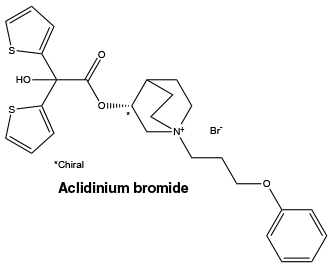
Chemical name: (3R)-3-[(hydroxy)di(thiophen-2-yl)acetyloxy]-1-(3-phenoxypropyl)-1 lambda5-azabicyclo[2.2.2] octan-1-ylium bromide.
Molecular formula: C26H30NO4S2Br.
Molecular mass: 564.56.
AAN: aclidinium bromide.
Formoterol fumarate dihydrate.
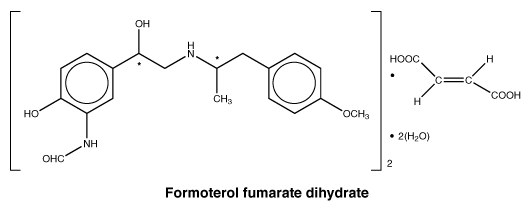
Chemical name: (±)-N-[2-Hydroxy-5- [(1RS)-1-hydroxy-2- [[(1RS)-2-(4-methoxyphenyl)-1-methylethyl]amino]ethyl]phenyl] formamide, E-butenedioate (2:1 salt) dihydrate.
Molecular formula: C42H52N4O12.2H2O.
Molecular mass: 840.9.
AAN: formoterol fumarate dihydrate.
CAS number. Aclidinium bromide. 320345-99-1.
Formoterol fumarate dihydrate. 183814-30-4.
7 Medicine Schedule (Poisons Standard)
S4 - Prescription only medicine.
Date of First Approval
01 May 2015
Date of Revision
12 September 2025
Summary Table of Changes
Reasonable care is taken to provide accurate information at the time of creation. This information is not intended as a substitute for medical advice and should not be exclusively relied on to manage or diagnose a medical condition. The Australian Commission on Safety and Quality in Health Care disclaims all liability (including for negligence) for any loss, damage, injury or any other negative effects resulting from reliance on or use of this information. Read our full disclaimer. This website uses cookies. Read our privacy policy.