
Briumvi
Brand Information
| Brand name | Briumvi |
| Active ingredient | Ublituximab |
| Schedule | S4 |
Consumer Medicine Information (CMI) leaflet
Please read this leaflet carefully before you start using the Briumvi.
Summary CMI
Briumvi
Consumer Medicine Information (CMI) summary
The full CMI on the next page has more details. If you are worried about using this medicine, speak to your doctor or pharmacist.
▼ This medicine is new or being used differently. Please report side effects. See the full CMI for further details.
1. Why am I using Briumvi?
Briumvi contains the active ingredient ublituximab. Briumvi is used to treat adults with relapsing forms of multiple sclerosis (RMS), where the patient has flare-ups (relapses) followed by periods with milder or no symptoms.
For more information, see Section 1. Why am I using Briumvi? in the full CMI.
2. What should I know before I use Briumvi?
Do not use if you have ever had an allergic reaction to ublituximab or any of the ingredients listed at the end of the CMI.
Talk to your doctor if you have any other medical conditions, take any other medicines, or are pregnant or plan to become pregnant or are breastfeeding.
For more information, see Section 2. What should I know before I use Briumvi? in the full CMI.
3. What if I am taking other medicines?
Some medicines may interfere with Briumvi and affect how it works.
A list of these medicines is in Section 3. What if I am taking other medicines? in the full CMI.
4. How is Briumvi given?
- Briumvi will be given to you by a doctor or a nurse. Briumvi must be diluted before it is given to you. Dilution will be done by a healthcare professional. It will be given as an infusion into a vein (intravenous infusion).
- You will be closely monitored while you are being given Briumvi and for at least 1 hour after the first two infusions have been given. This is in case you have any side effects such as infusion-related reactions.
More instructions can be found in Section 4. How is Briumvi given? in the full CMI.
5. What should I know while using Briumvi?
| Things you should do |
|
| Things you should not do |
|
| Driving or using machines |
|
| Looking after your medicine |
|
For more information, see Section 5. What should I know while using Briumvi? in the full CMI.
6. Are there any side effects?
Tell your doctor or nurse straight away if you experience any signs or symptoms of an infusion-related reaction during the infusion or up to 24 hours after the infusion. Symptoms can include, but are not limited to itchy skin, hives, redness of the face or skin, throat irritation, trouble breathing, swelling of tongue or throat, wheezing, chills, fever, headache, dizziness, feeling faint, nausea, abdominal (belly) pain and rapid heartbeat.
Tell your doctor or nurse straight away if you notice any of these signs of infection, fever or chills, cough which does not go away and/ or herpes (such as cold sore, shingles or genital sores)
For more information, including what to do if you have any side effects, see Section 6. Are there any side effects? in the full CMI.
Full CMI
▼ This medicine is subject to additional monitoring. This will allow quick identification of new safety information. You can help by reporting any side effects you may get. You can report side effects to your doctor, or directly at www.tga.gov.au/reporting-problems.
Briumvi
Active ingredient(s): ublituximab
Consumer Medicine Information (CMI)
This leaflet provides important information about using Briumvi. You should also speak to your doctor or pharmacist if you would like further information or if you have any concerns or questions about using Briumvi.
Where to find information in this leaflet:
1. Why am I using Briumvi?
2. What should I know before I use Briumvi?
3. What if I am taking other medicines?
4. How is Briumvi given?
5. What should I know while using Briumvi?
6. Are there any side effects?
7. Product details
1. Why am I using Briumvi?
Briumvi contains the active ingredient ublituximab.
Briumvi is a type of protein called a monoclonal antibody. Antibodies work by attaching to specific targets in your body.
Briumvi is used to treat adults with relapsing forms of multiple sclerosis (RMS), where the patient has flare-ups (relapses) followed by periods with milder or no symptoms.
Multiple Sclerosis (MS) affects the central nervous system, especially the nerves in the brain and spinal cord. In MS, white blood cells called B cells that are part of the immune system (the body's defence system) work incorrectly and attack a protective layer (called myelin sheath) around nerve cells, causing inflammation and damage. Breakdown of the myelin sheath stops the nerves from working properly and causes symptoms of MS. Symptoms of MS depend on which part of the central nervous system is affected and can include problems with walking and balance, muscle weakness, numbness, double vision and blurring, poor coordination, and bladder problems.
In relapsing forms of MS, the patient has repeated attacks of symptoms (relapses) that can appear suddenly within a few hours, or slowly over several days. The symptoms disappear or improve between relapses, but damage may build up and lead to permanent disability.
Briumvi works by attaching to a target called CD20 on the surface of B cells. B cells are a type of white blood cell which are part of the immune system. In multiple sclerosis, the immune system attacks the protective layer around nerve cells. B cells are involved in this process. Briumvi targets and removes the B cells and thereby reduces the chance of a relapse, relieves symptoms and slows down the progression of the disease.
2. What should I know before I use Briumvi?
Warnings
Do not use Briumvi if:
- you are allergic to ublituximab, or any of the ingredients listed at the end of this leaflet.
- Always check the ingredients to make sure you can use this medicine.
- Do not use Briumvi if you are suffering from a severe infection, if you have been told that you have severe problems with your immune system, or if you have cancer.
- Do not use Briumvi if you are pregnant unless you have discussed this with your doctor.
Check with your doctor if you:
- have any other medical conditions
- take any medicines for any other condition
- have an infection. Your doctor will wait until the infection is resolved before giving you Briumvi.
- have ever had hepatitis B or are a carrier of the hepatitis B virus. This is because medicines like Briumvi can cause the hepatitis B virus to become active again. Before your Briumvi treatment, your doctor will check if you are at risk of hepatitis B infection. Patients who have had hepatitis B or are carriers of the hepatitis B virus will have a blood test and will be monitored by a doctor for signs of hepatitis B infection.
- have recently been given any vaccine or might be given a vaccine in the near future.
- have cancer or if you have had cancer in the past. Your doctor may decide to delay your treatment.
During treatment, you may be at risk of developing certain side effects. It is important you understand these risks and how to monitor for them. See additional information under Section 6. Are there any side effects?
Infusion-related reactions
- To reduce the risk of infusion-related reaction, your doctor will give you other medicines before each infusion of Briumvi (see Section 4. How do I use Briumvi?) and you will be closely monitored during the infusion.
- If you get an infusion reaction, your doctor may need to stop or slow down the rate of infusion.
Infections
- Talk to your doctor before you are given Briumvi if you have or think you have an infection. Your doctor will wait until the infection is resolved before giving you Briumvi.
- You might get infections more easily with Briumvi.
This is because the immune cells that Briumvi targets also help to fight infection.
Vaccinations
- Tell your doctor if you have recently been given any vaccine or might be given a vaccine in the near future.
- Your doctor will check if you need any vaccinations before you start your treatment with Briumvi. You should receive a type of vaccine called a live or live attenuated vaccines at least 4 weeks before you start treatment with Briumvi. While you are being treated with Briumvi, you should not be given live or live attenuated vaccines until your doctor tells you that your immune system is no longer weakened.
- When possible, you should receive other types of vaccine called inactivated vaccines at least 2 weeks before you start treatment with Briumvi. If you would like to receive any inactivated vaccines while you are being treated with Briumvi, talk to your doctor.
Pregnancy and breastfeeding
Check with your doctor if you are pregnant, think that you might be pregnant or intend to become pregnant. This is because Briumvi may cross the placenta and affect your baby.
Do not use Briumvi if you are pregnant unless you have discussed this with your doctor. Your doctor will consider the benefit of you taking Briumvi against the risk to your baby.
If you have a baby and you received Briumvi during your pregnancy, it is important to tell your baby's doctor about receiving Briumvi so they can recommend when your baby should get vaccinated.
Talk to your doctor if you are breastfeeding or intend to breastfeed. It is not known whether Briumvi passes into your breast milk.
Use in children and adolescents
- Briumvi is not intended to be used in children and adolescents under 18 years old. This is because it has not yet been studied in this age group.
3. What if I am taking other medicines?
Tell your doctor or pharmacist if you are taking any other medicines, including any medicines, vitamins or supplements that you buy without a prescription from your pharmacy, supermarket or health food shop.
Some medicines may interfere with Briumvi and affect how it works.
Tell your doctor if you are taking, have recently taken or might take medicines that affect your immune system, such as chemotherapy, immunosuppressants (except corticosteroids) or other medicines used to treat MS. This is because these may have an added effect on the immune system.
If you plan to have any vaccinations (see Section 2. What should I know before I use Briumvi? above)
Check with your doctor or pharmacist if you are not sure about what medicines, vitamins or supplements you are taking and if these affect Briumvi.
4. How is Briumvi given?
How much Briumvi is given?
- The first dose of Briumvi will be 150 mg. This infusion will last 4 hours.
- The second dose of Briumvi will be 450 mg given 2 weeks after the first dose. This infusion will last 1 hour.
- Subsequent dosing of Briumvi will be 450 mg given 24 weeks after the first dose and every 24 weeks thereafter. These infusions will last 1 hour
How Briumvi is given
- Before you are given Briumvi, you will receive other medicines to prevent or reduce possible side effects such as infusion-related reactions (see Sections 2. What should I know before I use Briumvi? and 6. Are there any side effects? for information about infusion-related reactions). You will receive a corticosteroid and an antihistamine before each infusion and you may also receive other medicines to reduce fever.
- Briumvi will be given to you by a doctor or a nurse. Briumvi must be diluted before it is given to you. Dilution will be done by a healthcare professional. It will be given as an infusion into a vein (intravenous infusion).
- You will be closely monitored while you are being given Briumvi and for at least 1 hour after the first two infusions have been given. This is in case you have any side effects such as infusion-related reactions. The infusion may be slowed, temporarily stopped, or permanently stopped if you have an infusion-related reaction, depending on how serious it is (see Sections 2. What should I know before I use Briumvi? and 6. Are there any side effects? for information about infusion-related reactions).
If you miss an infusion of Briumvi
- If you miss an infusion of Briumvi, talk to your doctor to arrange to have it as soon as possible. Do not wait until your next planned infusion.
- To get the full benefit of Briumvi, it is important that you receive each infusion when it is due.
If you are given too much Briumvi
This medicine will be given to you by your doctor or nurse. In the unlikely event that you are given too much (an overdose) your doctor or nurse will check you for side effects.
In the unlikely event you are not with a healthcare professional, you may need urgent medical attention.
You should immediately:
- phone the Poisons Information Centre
(by calling 13 11 26), or - contact your doctor, or
- go to the Emergency Department at your nearest hospital.
You should do this even if there are no signs of discomfort or poisoning.
5. What should I know while using Briumvi?
Things you should do
- Tell your partner or carer about your Briumvi treatment. They might notice symptoms of progressive multifocal leukoencephalopathy (PML see following) that you do not, such as memory lapses, trouble thinking, difficulty walking, sight loss, changes in the way you talk, which your doctor may need to investigate.
- Tell your doctor if you are planning to become pregnant.
- If you are able to become pregnant (conceive), you must use contraception during treatment with Briumvi and for at least 4 months after your last infusion of Briumvi.
Call your doctor straight away if you:
- have or think you may have any infusion-related reaction (See Section 6. Are there any side effects?). Infusion related reactions can happen during the infusion or up to 24 hours after the infusion.
- have an infection or any of the following signs of infection during or after Briumvi treatment: fever or chills, cough that does not go away, and/ or herpes (such as cold sore, shingles or genital sores)
- have a headache with fever, neck stiffness, sensitivity to light, nausea, confusion, seizures, personality change, incoordination (ataxia), altered consciousness and/or coma. These may be symptoms of an infection of the lining around the brain and spine (meningitis), an infection of the brain (encephalitis) or both (meningoencephalitis), which can be fatal.
- think your MS is getting worse or if you notice any new symptoms. This is because of a very rare and life-threatening brain infection, called ‘progressive multifocal leukoencephalopathy’ (PML), which can cause symptoms similar to those of MS. PML can occur in patients taking medicines like Briumvi, and other medicines used for treating MS.
Remind any doctor, dentist or pharmacist you visit that you are using Briumvi.
Things you should not do
- Your doctor will tell you how long you need to receive Briumvi. Do not stop treatment with Briumvi unless your doctor tells you to.
- You should not be given live or live attenuated vaccines until your doctor tells you that your immune system is no longer weakened.
Driving or using machines
Briumvi is unlikely to affect your ability to drive and use machines.
Looking after your medicine
- Do not use this medicine after the expiry date which is stated on the carton and vial after EXP. The expiry date refers to the last day of that month.
- It is recommended that the product is used immediately after dilution. If not used immediately, in-use storage times and conditions prior to use are the responsibility of the healthcare professional and would normally not be longer than 24 hours at 2°C - 8°C and subsequently 8 hours at room temperature
- Store at 2°C to 8°C (Refrigerate. Do not freeze)
- Keep vial in the outer carton to protect from light.
- Do not shake
Follow the instructions in the carton on how to take care of your medicine properly.
Store it in a cool dry place away from moisture, heat or sunlight; for example, do not store it:
- in the bathroom or near a sink, or
- in the car or on window sills.
Keep it where young children cannot reach it.
Getting rid of any unwanted medicine
Do not throw away any medicines via wastewater or household waste. Your doctor or nurse will throw away any medicines that are no longer being used. These measures will help protect the environment.
6. Are there any side effects?
All medicines can have side effects. If you do experience any side effects, most of them are minor and temporary. However, some side effects may need medical attention.
See the information below and, if you need to, ask your doctor or pharmacist if you have any further questions about side effects.
Less serious side effects
| Less serious side effects | What to do |
Musculoskeletal and connective tissue disorders:
| Speak to your doctor if you have any of these less serious side effects and they worry you. |
Serious side effects
| Serious side effects | What to do |
Infusion-related reactions:
| Call your doctor straight away, or go straight to the Emergency Department at your nearest hospital if you notice any of these serious side effects. |
Tell your doctor or pharmacist if you notice anything else that may be making you feel unwell.
Other side effects not listed here may occur in some people.
Reporting side effects
After you have received medical advice for any side effects you experience, you can report side effects to the Therapeutic Goods Administration online at www.tga.gov.au/reporting-problems. By reporting side effects, you can help provide more information on the safety of this medicine.
Always make sure you speak to your doctor or pharmacist before you decide to stop taking any of your medicines.
7. Product details
This medicine is only available with a doctor's prescription.
What Briumvi contains
| Active ingredient (main ingredient) | Ublituximab |
| Other ingredients (inactive ingredients) | Sodium chloride Sodium citrate Polysorbate 80 Hydrochloric acid (for pH adjustment) Water for injections |
| Potential allergens | Not applicable |
Do not use this medicine if you are allergic to any of these ingredients.
What Briumvi looks like
Briumvi is clear to opalescent, and colourless to slightly yellow solution. It is supplied as a concentrate for solution for infusion.
This medicine is available in packs containing 1 vial, and 3 vials (glass vial of 6 ml concentrate)
Aust R 453648.
Who distributes Briumvi
Accelagen Pty Ltd.
Suite 2.02
785 Toorak Road
Hawthorn East, Victoria, Australia 3123
E-mail: info@accelagen.com.au
This leaflet was prepared in November 2025
Brand Information
| Brand name | Briumvi |
| Active ingredient | Ublituximab |
| Schedule | S4 |
▼ This medicinal product is subject to additional monitoring in Australia. This will allow quick identification of new safety information. Healthcare professionals are asked to report any suspected adverse events at www.tga.gov.au/reporting-problems.
MIMS Revision Date: 01 January 2026
1 Name of Medicine
Ublituximab.
2 Qualitative and Quantitative Composition
Each vial contains 150 mg of ublituximab in 6 mL at a concentration of 25 mg/mL. The final concentration after dilution is approximately 0.6 mg/mL for the first infusion and 1.8 mg/mL for the second infusion and all subsequent infusions.
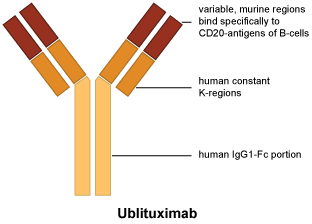
Ublituximab is a chimeric monoclonal antibody produced in a clone of the rat myeloma cell line YB2/0 by recombinant DNA technology.
For the full list of excipients, see Section 6.1 List of Excipients.
3 Pharmaceutical Form
Concentrate for solution for infusion [sterile solution].
Clear to opalescent, and colourless to slightly yellow solution.
The pH of the solution is 6.3 to 6.7, and the osmolality is 340 to 380 mOsm/kg.
4 Clinical Particulars
4.1 Therapeutic Indications
Briumvi is indicated for the treatment of adult patients with relapsing forms of multiple sclerosis (RMS) with active disease defined by clinical or imaging features.
4.2 Dose and Method of Administration
Treatment should be initiated and supervised by specialised physicians experienced in the diagnosis and treatment of neurological conditions and who have access to appropriate medical support to manage severe reactions such as serious infusion-related reactions (IRRs).
Premedication for infusion-related reactions. The following two premedications must be administered (orally, intravenously, intramuscular, or subcutaneously) prior to each infusion to reduce the frequency and severity of IRRs (see Section 4.4 Special Warnings and Precautions for Use for additional steps to reduce IRRs):
100 mg methylprednisolone or 10-20 mg dexamethasone (or an equivalent) approximately 30-60 minutes prior to each infusion;
Antihistaminic (e.g. diphenhydramine) approximately 30-60 minutes prior to each infusion.
In addition, premedication with an antipyretic (e.g. paracetamol) may also be considered.
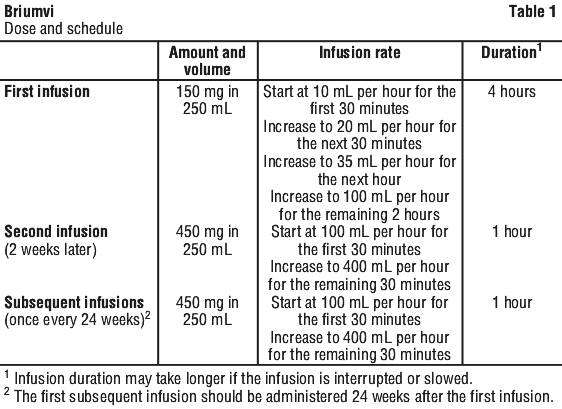
Dose. First and second doses. The first dose is administered as a 150 mg intravenous infusion (first infusion), followed by a 450 mg intravenous infusion (second infusion) 2 weeks later (see Table 1).
Subsequent doses. Subsequent doses are administered as a single 450 mg intravenous infusion every 24 weeks (Table 1). The first subsequent dose of 450 mg should be administered 24 weeks after the first infusion.
A minimal interval of 5 months should be maintained between each dose of ublituximab.
Infusion adjustments in case of IRRs. Life-threatening IRRs. If there are signs of a life-threatening or disabling IRR during an infusion, the infusion must be stopped immediately and the patient should receive appropriate treatment. Treatment must be permanently discontinued in these patients (see Section 4.4 Special Warnings and Precautions for Use).
Severe IRRs. If a patient experiences a severe IRR, the infusion should be interrupted immediately and the patient should receive symptomatic treatment. The infusion should be restarted only after all symptoms have resolved. When restarting, the infusion rate should be at half of the infusion rate at the time of onset of the IRR. If the rate is tolerated, the rate should be increased as described in Table 1.
Mild to moderate IRRs. If a patient experiences a mild to moderate IRR, the infusion rate should be reduced to half the rate at the onset of the event. This reduced rate should be maintained for at least 30 minutes. If the reduced rate is tolerated, the infusion rate may then be increased as described in Table 1.
Dose modifications during treatment. No dose reductions are recommended. In case of dose interruption or infusion rate reduction due to IRR, the total duration of the infusion would be increased, but not the total dose.
Delayed or missed doses. If an infusion is missed, it should be administered as soon as possible; administration after a delayed or missed dose should not wait until the next planned dose. The treatment interval of 24 weeks (with a minimum of 5 months) should be maintained between doses (see Table 1).
Special populations. Adults over 55 years old and elderly. Based on the limited data available (see Section 5.1 Pharmacodynamic Properties; Section 5.2 Pharmacokinetic Properties), no dose adjustment is considered necessary in patients over 55 years of age.
Renal impairment. No dose adjustment is expected to be required for patients with renal impairment (see Section 5.2 Pharmacokinetic Properties).
Hepatic impairment. No dose adjustment is expected to be required for patients with hepatic impairment (see Section 5.2 Pharmacokinetic Properties).
Paediatric population. The safety and efficacy of Briumvi in children and adolescents aged 0 to 18 years have not yet been established. No data are available.
Method of administration. After dilution, Briumvi is administered as an intravenous infusion through a dedicated line. Infusions should not be administered as an intravenous push or bolus.
Instructions for dilution. Briumvi should be prepared by a healthcare professional using aseptic technique. Do not shake the vial.
The product is intended for single use only.
Do not use the solution if it is discoloured or if it contains foreign particulate matter.
This medicinal product must be diluted before administration. The solution for intravenous administration is prepared by dilution of the product into an infusion bag containing isotonic sodium chloride 9 mg/mL (0.9%) solution for injection.
No incompatibilities between ublituximab and polyvinyl chloride (PVC) or polyolefin (PO) bags and intravenous administration sets have been observed.
For the first infusion, dilute one vial of product into the infusion bag (150 mg/250 mL) to a final concentration of approximately 0.6 mg/mL.
For subsequent infusions, dilute three vials of product into the infusion bag (450 mg/250 mL) to a final concentration of approximately 1.8 mg/mL.
Prior to the start of the intravenous infusion, the content of the infusion bag should be at room temperature (20°C-25°C).
In case an intravenous infusion cannot be completed the same day, the remaining solution should be discarded.
4.3 Contraindications
Hypersensitivity to the active substance or to any of the excipients listed in Section 6.1 List of Excipients;
Severe active infection (see Section 4.4 Special Warnings and Precautions for Use);
Patients in a severely immunocompromised state (see Section 4.4 Special Warnings and Precautions for Use);
Known active malignancies.
4.4 Special Warnings and Precautions for Use
Traceability. In order to improve the traceability of biological medicinal products, the name and the batch number of the administered product should be clearly recorded.
Infusion-related reactions (IRRs). Symptoms of IRR may include pyrexia, chills, headache, tachycardia, nausea, abdominal pain, throat irritation, erythema, and anaphylactic reaction (see Section 4.8 Adverse Effects (Undesirable Effects)).
Patients should premedicate with a corticosteroid and an antihistamine to reduce the frequency and severity of IRRs (see Section 4.2 Dose and Method of Administration). The addition of an antipyretic (e.g. paracetamol) may also be considered. Patients treated with ublituximab should be observed during infusions. Patients should be monitored for at least one hour after the completion of the first two infusions. Subsequent infusions do not require monitoring post-infusion unless IRR and/or hypersensitivity has been observed. Physicians should inform patients that IRRs can occur up to 24 hours after the infusion.
For guidance regarding posology for patients experiencing IRR symptoms, see Section 4.2 Dose and Method of Administration.
Infection. Administration must be delayed in patients with an active infection until the infection is resolved.
It is recommended to verify the patient's immune status before dosing since severely immunocompromised patients (e.g. significant neutropenia or lymphopenia) should not be treated (see Section 4.3 Contraindications; Section 4.8 Adverse Effects (Undesirable Effects)).
Ublituximab has the potential for serious, sometimes life-threatening or fatal, infections (see Section 4.8 Adverse Effects (Undesirable Effects)).
Most of the serious infections that occurred in controlled clinical trials in relapsing forms of multiple sclerosis (RMS) resolved. There were 3 infection-related deaths that occurred, all in patients treated with ublituximab; the infections leading to death were post-measles encephalitis, pneumonia, and postoperative salpingitis following an ectopic pregnancy.
Progressive multifocal leukoencephalopathy (PML). John Cunningham virus (JCV) infection resulting in PML has been observed very rarely in patients treated with anti-CD20 antibodies and mostly associated with risk factors (e.g. patient population, lymphopenia, advanced age, polytherapy with immunosuppressants).
Physicians should be vigilant for the early signs and symptoms of PML, which can include any new onset, or worsening of neurological signs or symptoms, as these can be similar to MS disease.
If PML is suspected, dosing with ublituximab must be withheld. Evaluation including magnetic resonance imaging (MRI) scan preferably with contrast (compared with pre-treatment MRI), confirmatory cerebro-spinal fluid (CSF) testing for JCV deoxyribonucleic acid (DNA) and repeat neurological assessments, should be considered. If PML is confirmed, treatment must be discontinued permanently.
Hepatitis B virus (HBV) reactivation. HBV reactivation, in some cases resulting in fulminant hepatitis, hepatic failure and death, has been observed in patients treated with anti-CD20 antibodies.
HBV screening should be performed in all patients before initiation of treatment as per local guidelines. Patients with active HBV (i.e. an active infection confirmed by positive results for HBsAg and anti HB testing) should not be treated with ublituximab. Patients with positive serology (i.e. negative for HBsAg and positive for HB core antibody (HBcAb +) or who are carriers of HBV (positive for surface antigen, HBsAg+) should consult liver disease experts before starting the treatment and should be monitored and managed following local medical standards to prevent hepatitis B reactivation.
Vaccinations. The safety of immunisation with live or live-attenuated vaccines, during or following therapy has not been studied and vaccination with live-attenuated or live vaccines is not recommended during treatment and not until B-cell repletion (see Section 5.1 Pharmacodynamic Properties).
All immunisations should be administered according to immunisation guidelines at least 4 weeks prior to treatment initiation for live or live-attenuated vaccines and, whenever possible, at least 2 weeks prior to treatment initiation for inactivated vaccines.
Vaccination of infants born to mothers treated with ublituximab during pregnancy. In infants of mothers treated with ublituximab during pregnancy, live or live-attenuated vaccines should not be administered before the recovery of B-cell counts has been confirmed. Depletion of B cells in these infants may increase the risks associated with live or live-attenuated vaccines. Measuring CD19-positive B-cell levels, in neonates and infants, prior to vaccination is recommended.
Inactivated vaccines may be administered as indicated prior to recovery from B-cell depletion. However, assessment of vaccine immune responses, including consultation with a qualified specialist, should be considered to determine whether a protective immune response was mounted.
The safety and timing of vaccination should be discussed with the infant's physician (see Section 4.6 Fertility, Pregnancy and Lactation).
Liver injury. Clinically significant liver injury, without findings of viral hepatitis, has been reported in the post marketing setting in patients treated with anti-CD20 B-cell depleting therapies approved for the treatment of MS, including Briumvi. Signs of liver injury, including markedly elevated serum hepatic enzymes with elevated total bilirubin, have occurred weeks to months after administration.
Patients treated with Briumvi found to have an alanine aminotransferase (ALT) or aspartate aminotransferase (AST) greater than 3x the upper limit of normal (ULN) with serum total bilirubin greater than 2x ULN, are potentially at risk for severe drug-induced liver injury.
Obtain liver function tests prior to initiating treatment with Briumvi and monitor for signs and symptoms of any hepatic injury during treatment. Measure serum aminotransferases, alkaline phosphatase, and bilirubin levels promptly in patients who report symptoms that may indicate liver injury, including new or worsening fatigue, anorexia, nausea, vomiting, right upper abdominal discomfort, dark urine, or jaundice. If liver injury is present and an alternative etiology is not identified, discontinue Briumvi.
Use in the elderly. The use of Briumvi in the elderly patient with RMS has not been studied.
Paediatric use. The safety and efficacy of Briumvi in children and adolescents aged 0 to 18 years have not yet been established. No data are available.
Effects on laboratory tests. For more information see Section 4.8 Adverse Effects (Undesirable Effects).
Immunoglobulins decrease. In active-controlled RMS trials, treatment with ublituximab resulted in a decrease in total immunoglobulins over the controlled period of the studies, mainly driven by the reduction in IgM.
Lymphocytes. In active controlled RMS trials, a transient decrease in lymphocytes was observed in 91% of ublituximab patients at week 1.
Neutrophils counts. In active-controlled RMS trials, a decrease in neutrophils counts < LLN was observed in 15% of ublituximab patients.
4.5 Interactions with Other Medicines and Other Forms of Interactions
No interaction studies have been performed.
Vaccinations. The safety of immunisation with live or live-attenuated vaccines following ublituximab therapy has not been studied, and vaccination with live-attenuated or live vaccines is not recommended during treatment or until B-cell repletion (see Section 4.4 Special Warnings and Precautions for Use; Section 5.1 Pharmacodynamic Properties).
Immunosuppressants. It is not recommended to use other immunosuppressives concomitantly with ublituximab except corticosteroids for symptomatic treatment of relapses.
When initiating Briumvi after an immunosuppressive therapy, or when initiating an immunosuppressive therapy after Briumvi, the potential for overlapping pharmacodynamic effects should be taken into consideration (see Section 5.1 Pharmacodynamic Properties). Caution should be exercised when prescribing Briumvi taking into consideration the pharmacodynamics of other disease modifying MS therapies.
4.6 Fertility, Pregnancy and Lactation
Effects on fertility. No studies in animals have been conducted to assess the effects of ublituximab on male or female fertility. No direct adverse effects on male or female reproductive organs were observed at the only dose level evaluated (30 mg/kg/week) in a 26-week intravenous toxicity study in monkeys, which was associated with plasma exposures (AUC) approximately 25 times that in humans at the maximum recommended human dose (450 mg).
Use in pregnancy. (Category C)
Ublituximab is a monoclonal antibody of an immunoglobulin G1 subtype and immunoglobulins are known to cross the placental barrier.
There is a limited amount of data from the use of ublituximab in pregnant women. Postponing vaccination with live or live-attenuated vaccines should be considered for neonates and infants born to mothers who have been exposed to ublituximab during pregnancy. No B-cell count data have been collected in neonates and infants exposed to ublituximab and the potential duration of B-cell depletion in neonates and infants is unknown (see Section 4.4 Special Warnings and Precautions for Use).
Transient peripheral B-cell depletion and lymphocytopenia have been reported in infants born to mothers exposed to other anti-CD20 antibodies during pregnancy.
Briumvi should be avoided during pregnancy unless the potential benefit to the mother outweighs the potential risk to the fetus.
In an enhanced pre- and post-natal development study, pregnant cynomolgus monkeys were administered weekly intravenous doses during organogenesis to parturition of 30 mg/kg ublituximab (corresponding to AUC 24 times the AUC in patients at the maximum recommended dose), which resulted in maternal moribundity and fetal loss. Pathological observations in exposed dams involved multiple organ systems (thrombi in multiple organs, vascular necrosis in the intestine and liver, inflammation and oedema in the lungs and heart) as well as the placenta and these findings were consistent with immune-mediated adverse effects secondary to immunogenicity.
Infant abnormalities were absent in dams exposed during the first trimester of pregnancy. Ublituximab-related external, visceral and skeletal abnormalities were noted in two infants from dams treated during the second trimester of pregnancy. Histopathology evaluations revealed minimal to moderate degeneration/necrosis in the brain. Fetal findings included contractures and abnormal flexion of multiple limbs and tail, shortened mandible, elongate calvarium, enlargement of ears, and/or craniomandibular abnormalities which were attributed to brain necrosis. These findings were potentially related to the immunogenic response of ublituximab in the mothers, which affected the placental exchange of nutrients.
Women of child-bearing potential. Women of child-bearing potential should use effective contraception while receiving ublituximab and for at least 4 months after the last infusion (see below; see Section 5.1 Pharmacodynamic Properties; Section 5.2 Pharmacokinetic Properties).
Use in lactation. It is unknown whether ublituximab is excreted in human milk. Human IgGs are known to be excreted in breast milk. Risk to the breast-fed child cannot be excluded.
4.7 Effects on Ability to Drive and Use Machines
Briumvi has no or negligible influence on the ability to drive and use machines.
4.8 Adverse Effects (Undesirable Effects)
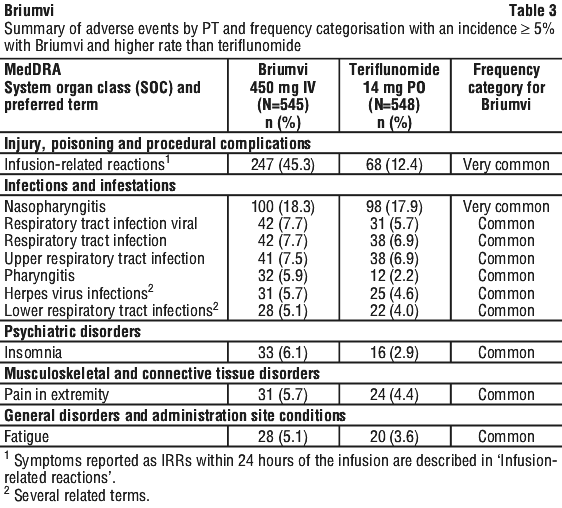
Summary of the safety profile. The most important and frequently reported adverse reactions are IRRs (45.3%) and infections (55.8%).
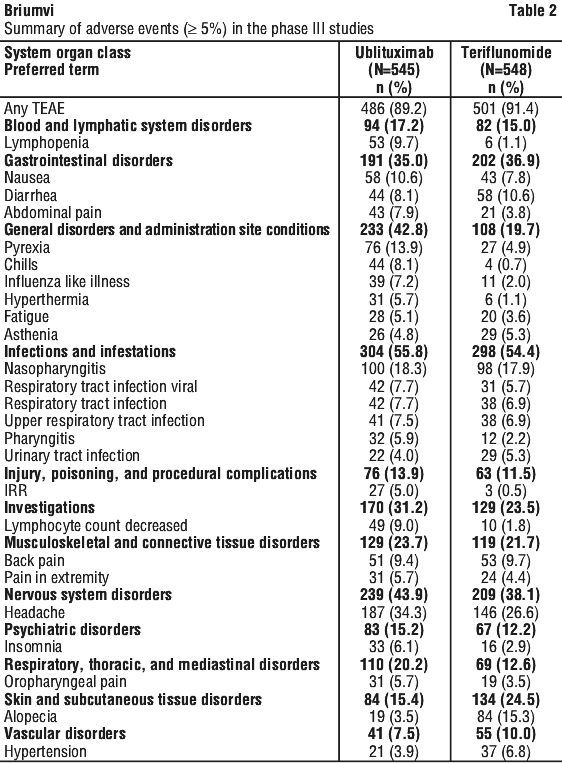
Table 2 summarises the adverse events regardless of causal association that have been reported in ≥ 5% of patients who were treated with either ublituximab or teriflunomide in the phase III studies.
Frequency not known adverse reactions. Hepatobiliary disorders: liver injury.
Description of selected adverse reactions. Infusion-related reactions. In active-controlled RMS trials, symptoms of IRR included pyrexia, chills, headache, tachycardia, nausea, abdominal pain, throat irritation, erythema, hyperthermia, influenza-like illness, and anaphylactic reaction. IRRs were primarily mild to moderate in severity. The incidence of IRRs in patients treated with ublituximab was 45.3%, with the highest incidence with the first infusion (40.4%). The incidence of IRRs was 8.6% with the second infusion and decreased thereafter. 1.7% of patients experienced IRRs that led to treatment interruption. 0.4% of patients experienced IRRs that were serious. There were no fatal IRRs.
Infection. In active-controlled RMS trials, the proportion of patients who experienced a serious infection with ublituximab was 5.0% compared to 2.9% in the teriflunomide group. The overall rate of infections in patients treated with ublituximab was similar to patients who were treated with teriflunomide (55.8% vs 54.4%, respectively). The infections were predominantly mild to moderate in severity and consisted primarily of respiratory tract-related infections (mostly nasopharyngitis and bronchitis). Upper respiratory tract infections occurred in 33.6% of ublituximab treated patients and 31.8% teriflunomide treated patients. Lower respiratory tract infections occurred in 5.1% of ublituximab treated patients and 4.0% of teriflunomide treated patients.
Immunoglobulins decrease. In active-controlled RMS trials, treatment with ublituximab resulted in a decrease in total immunoglobulins over the controlled period of the studies, mainly driven by the reduction in IgM. The proportion of patients at baseline reporting IgG, IgA, and IgM below the lower limit of normal (LLN) in ublituximab treated patients was 6.3%, 0.6%, and 1.1%, respectively. Following treatment, the proportion of ublituximab treated patients reporting IgG, IgA, and IgM below the LLN at 96 weeks was 6.5%, 2.4%, and 20.9%, respectively.
Lymphocytes. In active controlled RMS trials, a transient decrease in lymphocytes was observed in 91% of ublituximab patients at week 1. The majority of lymphocyte decreases were observed only once for a given patient treated with ublituximab and resolved by week 2 at which time only 7.8% of the patients reported a decrease in lymphocytes. All decreases in lymphocytes were grade 1 (< LLN-800 cells/mm3) and 2 (between 500 and 800 cells/mm3) in severity.
Neutrophils counts. In active-controlled RMS trials, a decrease in neutrophils counts < LLN was observed in 15% of ublituximab patients compared with 22% of patients treated with teriflunomide. The majority of the neutrophil decreases were transient (only observed once for a given patient treated with ublituximab) and were grade 1 (between < LLN and 1500 cells/mm3) and 2 (between 1000 and 1500 cells/mm3) in severity. Approximately 1% of the patients in the ublituximab group had grade 4 neutropenia vs. 0% in the teriflunomide group. One ublituximab treated patient with grade 4 (< 500 cells/mm3) neutropenia required specific treatment with granulocyte-colony stimulating factor.
Reporting of suspected adverse effects. Reporting suspected adverse reactions after registration of the medicinal product is important. It allows continued monitoring of the benefit-risk balance of the medicinal product. Healthcare professionals are asked to report any suspected adverse reactions at www.tga.gov.au/reporting-problems.
4.9 Overdose
There is limited clinical trial experience in RMS with doses higher than the approved intravenous dose of ublituximab. The highest dose tested to date in RMS patients is 600 mg (phase II dose finding study in RMS). The adverse reactions were consistent with the safety profile for ublituximab in the pivotal clinical studies.
There is no specific antidote in the event of an overdose; the infusion should be immediately interrupted and the patient should be observed for IRRs (see Section 4.4 Special Warnings and Precautions for Use).
For information on the management of overdose, contact the Poisons Information Centre on 131126 (Australia).
5 Pharmacological Properties
5.1 Pharmacodynamic Properties
Pharmacotherapeutic group: selective immunosuppressants, ATC code: L04AG14.
Mechanism of action. Ublituximab is a chimeric monoclonal antibody that selectively targets CD20-expressing cells.
CD20 is a cell surface antigen found on pre-B cells, mature and memory B cells but not expressed on lymphoid stem cells and plasma cells. The precise mechanism by which ublituximab exerts its therapeutic effects in multiple sclerosis is unknown, but is presumed to involve binding to CD20 inducing lysis of CD20+ B cells primarily through antibody-dependent cell-mediated cytotoxicity (ADCC) and, to a lesser extent through complement-dependent cytotoxicity (CDC).
Pharmacodynamic effects. Treatment with ublituximab leads to rapid depletion of CD19+ cells in blood by the first day post treatment as an expected pharmacologic effect. This was sustained throughout the treatment period. For the B cell counts, CD19 is used, as the presence of ublituximab interferes with the recognition of CD20 by the assay.
In the phase III studies, treatment with ublituximab resulted in a median reduction of 97% of CD19+ B cell counts from baseline values after the first infusion in both studies and remained depleted at this level for the duration of dosing.
In the phase III studies, between each dose of ublituximab, 5.5% of patients showed B-cell repletion (> lower limit of normal (LLN) or baseline) at least at one time point.
The longest follow up time after the last ublituximab infusion in the phase III studies indicates that the median time to B-cell repletion (return to baseline/LLN whichever occurred first) was 70 weeks.
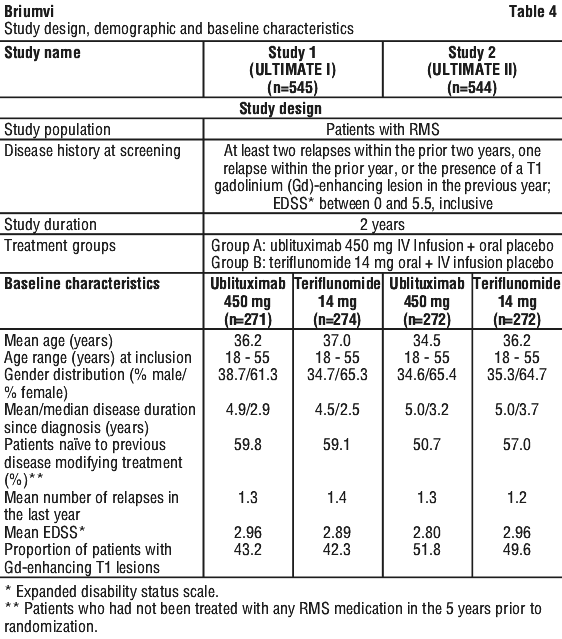
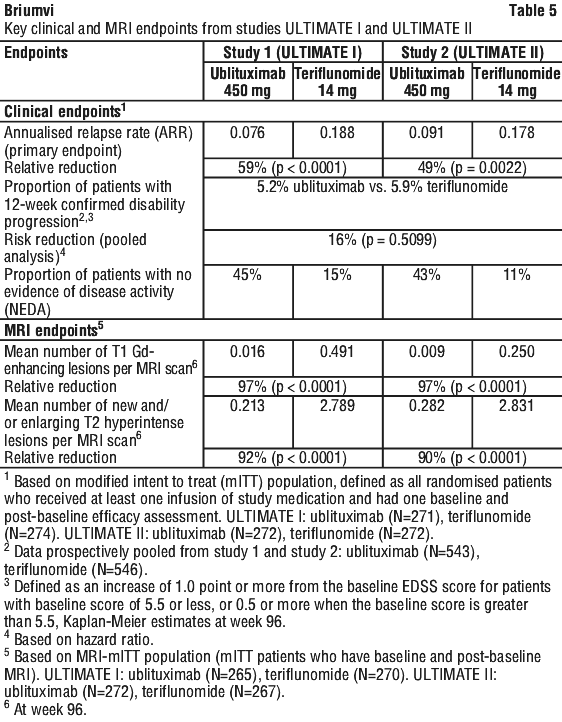
Clinical trials. Efficacy and safety of ublituximab were evaluated in two randomised, double-blind, double dummy, active comparator-controlled clinical trials (ULTIMATE I and ULTIMATE II), with identical design, in patients with RMS (in accordance with McDonald criteria 2010) and evidence of disease activity (as defined by clinical or imaging features) within the previous two years. Study design and baseline characteristics of the study population are summarised in Table 4.
Demographic and baseline characteristics were well balanced across the two treatment groups. Patients were to receive either: (1) ublituximab 450 mg plus oral placebo; or (2) teriflunomide 14 mg plus placebo infusion. Oral treatment (active or placebo) was to start on week 1 day 1 and treatment was to continue until the last day of week 95. Infusions (active or placebo) were to begin on week 1 day 1 at 150 mg then increase to 450 mg on week 3 day 15, and continue at 450 mg on week 24, week 48, and week 72.
The results of these studies show that ublituximab significantly suppressed relapses and subclinical disease activity measured by MRI compared with oral teriflunomide 14 mg.
5.2 Pharmacokinetic Properties
In the RMS studies, the pharmacokinetics (PK) of ublituximab following repeated intravenous infusions was described by a two-compartment model with first-order elimination and with PK parameters typical for an IgG1 monoclonal antibody. Ublituximab exposures increased in a dose-proportional manner (i.e. linear pharmacokinetics) over the dose range of 150 to 450 mg in patients with RMS. Administration of 150 mg ublituximab by intravenous infusion on day 1 followed by 450 mg ublituximab by intravenous infusion over one hour on day 15, week 24 and week 48 led to a geometric mean steady-state AUC of 3000 microgram/mL per day (CV=28%) and a mean maximum concentration of 139 microgram/mL (CV=15%).
Absorption. Ublituximab is administered as an intravenous infusion. There have been no studies performed with other routes of administration.
Distribution. In the population pharmacokinetic analysis of ublituximab, the central volume of distribution was estimated to be 3.18 L and the peripheral volume of distribution was estimated to be 3.6 L.
Metabolism. The metabolism of ublituximab has not been directly studied, as antibodies are cleared principally by catabolism (i.e. breakdown into peptides and amino acids).
Excretion. Following intravenous infusion of 150 mg ublituximab on day 1 followed by 450 mg ublituximab on day 15, week 24 and week 48, the mean terminal elimination half-life of ublituximab was estimated to be 22 days.
Special populations. Paediatrics. No studies have been conducted to investigate the pharmacokinetics of ublituximab in children and adolescents < 18 years of age.
Adults over 55 years old. There are no dedicated PK studies of ublituximab in patients ≥ 55 years due to limited clinical experience (see Section 4.2 Dose and Method of Administration).
Renal impairment. No specific studies of ublituximab in patients with renal impairment have been performed. Patients with mild renal impairment were included in the clinical studies. There is no experience in patients with moderate and severe renal impairment. However, as ublituximab is not excreted via urine, it is not expected that patients with renal impairment require dose modification.
Hepatic impairment. No specific studies of ublituximab in patients with hepatic impairment have been performed.
Since hepatic metabolism of monoclonal antibodies such as ublituximab is negligible, hepatic impairment is not expected to impact its pharmacokinetics. Therefore, it is not expected that patients with hepatic impairment require dose modification.
5.3 Preclinical Safety Data
Genotoxicity. As a monoclonal antibody, ublituximab is not expected to interact directly with DNA.
Carcinogenicity. Carcinogenicity studies have not been conducted with ublituximab.
6 Pharmaceutical Particulars
6.1 List of Excipients
Sodium chloride; sodium citrate; polysorbate 80; hydrochloric acid (for pH adjustment); water for injections.
6.2 Incompatibilities
This medicinal product must not be mixed with other medicinal products except those mentioned in Section 4.2 Dose and Method of Administration.
6.3 Shelf Life
In Australia, information on the shelf life can be found on the public summary of the Australian Register of Therapeutic Goods (ARTG). The expiry date can be found on the packaging.
Diluted solution for intravenous infusion. Chemical and physical in-use stability has been demonstrated for 24 hours at 2°C - 8°C and subsequently for 8 hours at room temperature.
From a microbiological point of view, the prepared infusion should be used immediately. If not used immediately, in-use storage times and conditions prior to use are the responsibility of the user and would normally not be longer than 24 hours at 2°C - 8°C and subsequently for 8 hours at room temperature, unless dilution has taken place in controlled and validated aseptic conditions.
6.4 Special Precautions for Storage
Store at 2°C to 8°C (Refrigerate. Do not freeze.).
Do not shake.
Keep the vial in the outer carton in order to protect from light.
For storage conditions after dilution of the medicinal product, see Section 6.3 Shelf Life.
6.5 Nature and Contents of Container
6 mL concentrate in a glass vial. Pack size of 1 or 3 vials.
6.6 Special Precautions for Disposal
This medicinal product is for single use in one patient only.
In Australia, any unused medicinal product or waste material should be disposed of in accordance with local requirements.
6.7 Physicochemical Properties
Chemical structure.
7 Medicine Schedule (Poisons Standard)
Schedule 4 (prescription only medicine).
Date of First Approval
11 June 2025
Date of Revision
20 November 2025
Summary Table of Changes

Reasonable care is taken to provide accurate information at the time of creation. This information is not intended as a substitute for medical advice and should not be exclusively relied on to manage or diagnose a medical condition. The Australian Commission on Safety and Quality in Health Care disclaims all liability (including for negligence) for any loss, damage, injury or any other negative effects resulting from reliance on or use of this information. Read our full disclaimer. This website uses cookies. Read our privacy policy.