
Carbaglu
Brand Information
| Brand name | Carbaglu |
| Active ingredient | Carglumic acid |
| Schedule | S4 |
Consumer Medicine Information (CMI) leaflet
Please read this leaflet carefully before you start using the Carbaglu.
Summary CMI
Carbaglu®
Consumer Medicine Information (CMI) summary
The full CMI on the next page has more details. If you are worried about using this medicine, speak to your doctor or pharmacist.
1. Why am I using Carbaglu?
Carbaglu contains the active ingredient carglumic acid. Carbaglu is used to eliminate excessive levels of ammonia, referred to as hyperammonaemia. For more information, see Section 1. Why am I using Carbaglu? in the full CMI.
2. What should I know before I use Carbaglu?
Do not use if you have ever had an allergic reaction to Carbaglu or any of the ingredients listed at the end of the CMI.
Talk to your doctor if you have any other medical conditions, take any other medicines, or are pregnant or plan to become pregnant or are breastfeeding.
For more information, see Section 2. What should I know before I use Carbaglu? in the full CMI.
3. What if I am taking other medicines?
Some medicines may interfere with Carbaglu and affect how it works. A list of these medicines is in Section 3. What if I am taking other medicines? in the full CMI.
4. How do I use Carbaglu?
- The normal initial dose of Carbaglu is 100mg per kilogram of body weight per day. This dose may be increased to 250mg per kilogram of body weight per day. Follow all directions given to you by your doctor and pharmacist carefully.
- Each 200mg Carbaglu tablet should be dispersed in 5 to 10 ml of water and taken immediately.
More instructions can be found in Section 4. How do I use Carbaglu? in the full CMI.
5. What should I know while using Carbaglu?
| Things you should do |
|
| Things you should not do |
|
| Driving or using machines |
|
| Drinking alcohol |
|
| Looking after your medicine |
|
For more information, see Section 5. What should I know while using Carbaglu? in the full CMI.
6. Are there any side effects?
Like all medicines, this medicine can cause side effects, although not everybody gets them. Sometimes they are serious, most of the time they are not. More common side effects include vomiting and diarrhoea. Sign of a serious side effect is slowed heartbeat. You may need medical treatment if you get some of the side effects. Ask your doctor or pharmacist to answer any questions you may have.
For more information, including what to do if you have any side effects, see Section 6. Are there any side effects? in the full CMI.
Full CMI
Carbaglu®
Active ingredient: Carglumic acid
Consumer Medicine Information (CMI)
This leaflet provides important information about using Carbaglu. You should also speak to your doctor or pharmacist if you would like further information or if you have any concerns or questions about using Carbaglu.
Where to find information in this leaflet:
1. Why am I using Carbaglu?
2. What should I know before I use Carbaglu?
3. What if I am taking other medicines?
4. How do I use Carbaglu?
5. What should I know while using Carbaglu?
6. Are there any side effects?
7. Product details
1. Why am I using Carbaglu?
Carbaglu contains the active ingredient carglumic acid.
Carbaglu helps the body's natural process to eliminate ammonia by triggering the enzymes required to convert this to urea. This is eliminated from the body in urine.
Carbaglu is used to eliminate excessive levels of ammonia, referred to as hyperammonaemia. The high levels of ammonia in the blood may be caused by a lack of a specific liver enzyme called N-acetyl glutamate synthase (NAGS), or due to isovaleric acidemia, methylmalonic acidemia or propionic acidemia.
High levels of ammonia in the blood are toxic for the brain and leads in severe cases, to reduced levels of consciousness and coma.
Some people are born with inherited diseases that cause some of the body's enzymes to be missing or defective. The deficiency of NAGS is a rare disorder and results in patients not being able to eliminate nitrogen waste from the body which builds up after eating protein. This disorder persists for life and therefore the need for this treatment is lifelong.
Isovaleric acidaemia, methylmalonic acidaemia and propionic acidaemias are rare disorders that can inhibit NAGS and cause episodes of hyperammonaemia. The treatment of elevated ammonia in these disorders is required during these episodes.
Ask your doctor if you have any questions about why Carbaglu has been prescribed for you.
2. What should I know before I use Carbaglu?
Warnings
Do not use Carbaglu:
- if you are allergic to carglumic acid, or any of the ingredients listed at the end of this leaflet.
- to treat any other complaints unless your doctor tells you.
Always check the ingredients to make sure you can use this medicine.
Check with your doctor if you:
- have any other medical conditions, especially if you have renal impairment. Your daily dose may need to be reduced.
- take any medicines for any other condition.
During treatment, you may be at risk of developing certain side effects. It is important you understand these risks and how to monitor for them. See additional information under Section 6. Are there any side effects?
Pregnancy and breastfeeding
Check with your doctor if you are pregnant or intend to become pregnant.
Talk to your doctor if you are breastfeeding or intend to breastfeed.
3. What if I am taking other medicines?
Tell your doctor or pharmacist if you are taking any other medicines, including any medicines, vitamins or supplements that you buy without a prescription from your pharmacy, supermarket or health food shop.
Some medicines may interfere with Carbaglu and affect how it works.
Check with your doctor or pharmacist if you are not sure about what medicines, vitamins or supplements you are taking and if these affect Carbaglu.
4. How do I use Carbaglu?
Follow all directions given to you by your doctor and pharmacist carefully. These directions may differ from the information contained in this leaflet. If you do not understand the instructions, ask your doctor or pharmacist for help.
Your doctor will evaluate your individual responsiveness to Carbaglu before initiating any long-term treatment. The dose will be adjusted in order to maintain normal ammonia plasma levels.
How much to take
- Each tablet contains 200mg.
- The normal initial dose of Carbaglu is 100mg per kilogram of body weight per day. The dose may be increased to 250mg per kilogram of body weight per day.
- For patients suffering from NAGS deficiency, in the long term, the daily dose usually ranges from 10mg to 100mg per kilogram of body weight. The total daily dose should be divided into 2 to 4 doses and round to the nearest 100mg (half a Carbaglu tablet).
- Your doctor may also recommend other therapies to help lower ammonia levels.
Always consult your doctor with questions about your prescribed dose. Your doctor may discuss with you the need to be on a restricted diet while you take Carbaglu.
Follow the instructions provided and use Carbaglu until your doctor tells you to stop.
When to take Carbaglu
- Carbaglu treatment should be initiated under the supervision of a doctor and given before meals or feeding.
- Take Carbaglu for as long as your doctor tells you.
- Carbaglu helps to lower your levels of ammonia in the blood, but it does not cure your condition.
How to take Carbaglu
- Carbaglu tablets should not be swallowed whole or crushed.
Adults
- Each 200mg tablet should be dispersed in 5 to 10 ml of water and taken immediately.
- Carbaglu tablets do not dissolve completely in water and undissolved particles of the tablet may remain in the mixing container. To ensure complete delivery of the dose, rinse the mixing container with additional volumes of water and swallow the contents immediately.
- The suspension may taste slightly acidic.
Children
- Each 200mg tablet should be dispersed in a minimum of 2.5 ml of water. For swallowing using a syringe, draw up the volume of the liquid using an oral syringe and administer immediately. The syringe may be refilled with a small amount of water (1-2 ml) and administered.
- For use with a nasogastric tube, the dose is given the same way as above, with the tube flushed with water after administration.
If you forget to use Carbaglu
If it is almost time for your next dose, skip the dose you missed and take your next dose when you are meant to.
Do not take a double dose to make up for the dose you missed. This may increase the chance of you getting an unwanted side effect.
If you are not sure what to do, talk to your doctor or pharmacist.
If you use too much Carbaglu
If you think that you have used too much Carbaglu, you may need urgent medical attention.
You should immediately:
- phone the Poisons Information Centre
(by calling 13 11 26), or - contact your doctor, or
- go to the Emergency Department at your nearest hospital.
You should do this even if there are no signs of discomfort or poisoning.
5. What should I know while using Carbaglu?
Things you should do
Your doctor may ask you to have your liver, kidney, heart functions and blood teste from time to time to make sure the medicine is working to prevent unwanted side effects.
Your blood ammonia levels also need to be checked regularly while you are taking this medicine.
Tell your doctor if you have renal impairment. Your daily dose may need to be reduced.
Call your doctor straight away if you:
- If you become pregnant while you are taking Carbaglu, contact your doctor immediately.
- If you are about to be started on any new medication.
Remind any doctor, dentist or pharmacist you visit that you are using Carbaglu.
Things you should not do
- Do not give Carbaglu to anyone else even if they have the same condition as you.
- Do not take Carbaglu to treat any other complaints unless your doctor tells you.
Driving or using machines
Be careful before you drive or use any machines or tools until you know how Carbaglu affects you.
Drinking alcohol
Tell your doctor if you drink alcohol.
Looking after your medicine
- Keep your tablets in the container until it is time to take them. If you take the tablet out of the bottle they may not keep well.
- Store the unopened bottle in a refrigerator at 2°C to 8°C. Do not freeze the tablets.
- Once the tablet bottle has been opened, the opened bottle can be stored in a cool dry place away from moisture, heat or sunlight; for example, do not store:
- in the bathroom or near a sink, or
- in the car or on windowsills.
Once the bottle containing the Carbaglu tablets has been opened, the tablets can be used for 3 months. Write the date when the bottle was first opened in the space provided on the bottle label.
Keep your tablets where young children cannot reach them.
When to discard your medicine
The bottle must be used within 3 months of the bottle being opened.
Getting rid of any unwanted medicine
If you no longer need to use this medicine or it is out of date, take it to any pharmacy for safe disposal.
Do not use this medicine after the expiry date.
6. Are there any side effects?
All medicines can have side effects. If you do experience any side effects, most of them are minor and temporary. However, some side effects may need medical attention.
See the information below and, if you need to, ask your doctor or pharmacist if you have any further questions about side effects.
Less serious side effects
| Less serious side effects | What to do |
Gastrointestinal disorders:
| Speak to your doctor if you have any of these less serious side effects and they worry you. |
Tell your doctor or pharmacist if you notice anything else that may be making you feel unwell.
Other side effects not listed here may occur in some people.
Reporting side effects
After you have received medical advice for any side effects you experience, you can report side effects to the Therapeutic Goods Administration online at www.tga.gov.au/reporting-problems. By reporting side effects, you can help provide more information on the safety of this medicine.
Always make sure you speak to your doctor or pharmacist before you decide to stop taking any of your medicines.
7. Product details
This medicine is only available with a doctor's prescription.
What Carbaglu contains
| Active ingredient (main ingredient) |
|
| Other ingredients (inactive ingredients) |
|
This medicine does not contain lactose or gluten.
Do not take this medicine if you are allergic to any of these ingredients.
What Carbaglu looks like
Carbaglu dispersible tablets are a white bar-shaped tablet, with 4 punches on one side and with 3 break-mark on both sides. The tablets are elongated and can be divided into equal halves.
Carbaglu is supplied in two container sizes, one containing 5 tablets and the other containing 60 tablets. The tablets are stored in a re-sealable bottle (Aust R 215632).
Who distributes Carbaglu
Recordati Rare Diseases Australia Pty Ltd
Level 10
100 Arthur Street
North Sydney
NSW 2060
Australia
Phone: +61 (0) 408 061 403
rrdaustraliainfo@recordati.com
This leaflet was prepared in January 2026.
Brand Information
| Brand name | Carbaglu |
| Active ingredient | Carglumic acid |
| Schedule | S4 |
MIMS Revision Date: 01 March 2026
1 Name of Medicine
Carglumic acid.
2 Qualitative and Quantitative Composition
Carglumic acid is a white crystalline powder, soluble in boiling water, slightly soluble in cold water, practically insoluble in organic solvents (cyclohexane, dichloromethane, ether).
Carbaglu contains 200 mg of carglumic acid as the active ingredient. For the list of excipients, see Section 6.1 List of Excipients.
3 Pharmaceutical Form
Carbaglu is a dispersible tablet containing 200 mg of carglumic acid. The tablets are white and elongated and can be divided into equal halves.
4 Clinical Particulars
4.1 Therapeutic Indications
Carbaglu is indicated in treatment of:
hyperammonaemia due to N-acetylglutamate synthase primary deficiency;
hyperammonaemia due to organic acidaemias such as hyperammonaemia due to isovaleric acidaemia, hyperammonaemia due to methylmalonic acidaemia, hyperammonaemia due to propionic acidaemia.
4.2 Dose and Method of Administration
Carbaglu treatment should be initiated under the supervision of a physician experienced in the treatment of metabolic disorders.
Any episode of acute symptomatic hyperammonaemia should be treated as a life threatening emergency and may be started as early as the first day of life. Treatment of hyperammonaemia may require dialysis, preferably hemodialysis, to remove a large burden of ammonia. Uncontrolled hyperammonaemia can rapidly result in brain injury/ damage or death, and prompt use of all therapies necessary to reduce plasma ammonia levels is essential.
Plasma levels of ammonia and amino acids should be maintained within normal limits. Ongoing monitoring of neurological and cardiac status, laboratory tests (renal, hepatic, haematological) and clinical responses in patients receiving carglumic acid is crucial to assess patient response.
Carbaglu tablets should not be swallowed whole or crushed. Disperse Carbaglu tablets in water immediately before use. Carbaglu is for oral administration only.
Adult dosage. The recommended initial dose for acute hyperammonaemia is 100 mg/kg/day to 250 mg/kg/day. Concomitant administration of other ammonia lowering therapies is recommended during acute decompensations. Dosing should be titrated based on individual patient plasma ammonia levels and clinical symptoms.
The recommended maintenance dose should be titrated to target normal plasma ammonia level for age.
In the long-term, the dose should be individually adjusted to maintain adequate metabolic control (normal plasma ammonia).
The total daily dose should be divided into 2 to 4 doses and rounded to the nearest 100 mg (i.e. half a Carbaglu tablet).
Paediatric dosage. The recommended initial dose for acute hyperammonaemia is 100 mg/kg/day to 250 mg/kg/day. Concomitant administration of other ammonia lowering therapies is recommended during acute decompensations. Dosing should be titrated based on individual patient plasma ammonia levels and clinical symptoms.
As with the use in adults, the recommended maintenance dose should be titrated to target normal plasma ammonia level for age.
In the long term, the dose should be individually adjusted to maintain adequate metabolic control (normal plasma ammonia).
The total daily dose should be divided into 2 to 4 doses.
Carglumic acid responsiveness test. It is recommended to test individual responsiveness to Carbaglu before initiating any long-term treatment. As examples:
in a comatose child, start with a dose of 100 to 250 mg/kg/day and measure ammonia plasma concentration at least before each administration; it should normalise within a few hours after starting Carbaglu;
in a patient with moderate hyperammonaemia, administer a test dose of 100 to 200 mg/kg/day for 3 days with a constant protein intake and perform repeated determinations of ammonia plasma concentration (before and 1 hour after a meal); adjust the dose in order to maintain normal ammonia plasma levels.
Renal impairment. Caution is advised when administering Carbaglu to patients with impaired renal function (see Section 5.2 Pharmacokinetic Properties). The following recommendations for dosing in patients with renal impairment are based on a study in adults in which absolute GFR (i.e. not normalised to a body surface area of 1.73 m2) was used to categorise renal function.
Patients with moderate renal impairment (GFR 30 - 59 mL/min). The recommended initial dose is 50 mg/kg/day to 125 mg/kg/day for patients presenting an hyperammonemia due to NAGS deficiency or organic acidaemia.
In the long term use the daily dose will be in the range of 5 mg/kg/day to 50 mg/kg/day and should be adjusted individually in order to maintain normal ammonia plasma levels.
Patients with severe renal impairment (GFR ≤ 29 mL/min). The recommended initial dose is 15 mg/kg/day to 40 mg/kg/day for patients presenting an hyperammonaemia due to NAGS deficiency or organic acidaemia.
In the long term use the daily dose will be in the range of 2 mg/kg/day to 20 mg/kg/day and should be adjusted individually in order to maintain normal ammonia plasma levels.
Administration. Oral administration in adults. Carbaglu tablets should not be swallowed whole or crushed. Disperse Carbaglu tablets in water immediately before use.
Each 200 mg tablet should be dispersed in 5-10 mL of water and taken immediately. The suspension has a slightly acidic taste. Carbaglu tablets do not dissolve completely in water and undissolved particles of the tablet may remain in the mixing container. To ensure complete delivery of the dose, the mixing container should be rinsed with additional volumes of water (5-10 mL) and the contents swallowed immediately.
For patients who have a nasogastric tube in place, Carbaglu should be administered as follows:
Mix each 200 mg tablet in 5-10 mL of water. Shake gently to allow for quick dispersal.
Administer the dispersion immediately through the nasogastric tube.
Flush with additional water to clear the nasogastric tube.
Based on pharmacokinetic data and clinical experience, it is recommended to divide the total daily dose into two to four doses to be given before meals or feedings. The breaking of the tablets in halves allows most of the required posology adjustments. Occasionally, the use of quarter tablets may also be useful to adjust the posology prescribed by the physician.
Oral administration using an oral syringe in paediatrics. For administration via oral syringe, Carbaglu should be administered as follows:
Mix each 200 mg tablet in 2.5 mL of water to yield a concentration of 80 mg/mL in a mixing container. Shake gently to allow for quick dispersal.
Draw up the appropriate volume of dispersion in an oral syringe and administer immediately. Discard the unused portion.
Refill the oral syringe with a minimum volume of water (1-2 mL) and administer immediately.
Nasogastric tube administration in paediatrics. For patients who have a nasogastric tube in place, Carbaglu should be administered as follows:
Mix each 200 mg tablet in 2.5 mL of water to yield a concentration of 80 mg/mL in a mixing container. Shake gently to allow for quick dispersal.
Draw up the appropriate volume of dispersion and administer immediately through a nasogastric tube. Discard the unused portion.
Flush with additional water to clear the nasogastric tube.
4.3 Contraindications
Hypersensitivity to the active substance or to any of the excipients.
Breastfeeding during the use of carglumic acid is contraindicated.
4.4 Special Warnings and Precautions for Use
Cardiotoxicity and hepatotoxicity. Due to the small dataset, any association between carglumic acid and cardiotoxicity or hepatotoxicity cannot be reliably determined. Therefore, cardiac and hepatic function monitoring is advised during treatment with carglumic acid.
Nutritional management. Protein restriction during acute phase and protein supplementation during maintenance phase may be indicated. Specialised advice may be sought.
Use in the elderly. No data is available regarding the administration of carglumic acid in the elderly.
Paediatric use. See Section 4.2 Dose and Method of Administration.
Use in patients with renal impairment. The dose of Carbaglu must be reduced in patients with renal impairment (see Section 4.2 Dose and Method of Administration).
Effects on laboratory tests. Plasma levels of ammonia and amino acids should be maintained within normal limits. Ongoing monitoring of neurological and cardiac status, laboratory tests (renal, hepatic, haematological) and clinical responses in patients receiving carglumic acid is crucial to assess patient response.
4.5 Interactions with Other Medicines and Other Forms of Interactions
No specific clinical studies have been performed to assess possible interactions. Based on in vitro studies, carglumic acid is not an inducer of CYP1A1/2, 2B6 or 3A4/5 enzymes and is not an inhibitor of CYP1A2, 2A6, 2B6, 2C8, 2C9, 2C19, 2D6, 2E1 or 3A4/5.
4.6 Fertility, Pregnancy and Lactation
Effects on fertility. No formal clinical studies have been conducted to assess the effects of carglumic acid on fertility. There were no effects on fertility or reproductive performance in female rats at oral doses up to 2000 mg/kg/day (resulting in 28 times the clinical AUC). In a separate study, mating and fertility were unaffected in male rats at oral doses up to 1000 mg/kg/day (resulting in 14 times the estimated clinical AUC at the maximum recommended human dose, MRHD).
Use in pregnancy. (Category B1)
There are no adequate and well controlled studies or available human data with carglumic acid in pregnant women. In embryofoetal development studies, no adverse effects were observed in pregnant rats and rabbits that received oral carglumic acid during organogenesis at doses up to 2000 mg/kg/day and 1000 mg/kg/day, respectively. These doses resulted in exposures (AUC) 28 and 2.4 times the estimated clinical AUC at the MRHD.
Use in lactation. It is not known whether carglumic acid is excreted into human milk. Carglumic acid is excreted in the milk of lactating rats and an increase in mortality and impairment of bodyweight gain occurred in neonatal rats nursed by mothers receiving carglumic acid (see Section 4.3 Contraindications). Therefore, breastfeeding during the use of carglumic acid is contraindicated.
4.7 Effects on Ability to Drive and Use Machines
The effects of this medicine on a person's ability to drive and use machines were not assessed as part of its registration.
4.8 Adverse Effects (Undesirable Effects)
NAGS deficiency. The most common adverse events (occurring in ≥ 13% of patients), regardless of causality, are: infections, vomiting, abdominal pain, pyrexia, tonsillitis, anaemia, ear infection, diarrhoea, nasopharyngitis, and headache.
Table 1 summarises adverse events occurring in 2 or more patients treated with carglumic acid in the retrospective study.
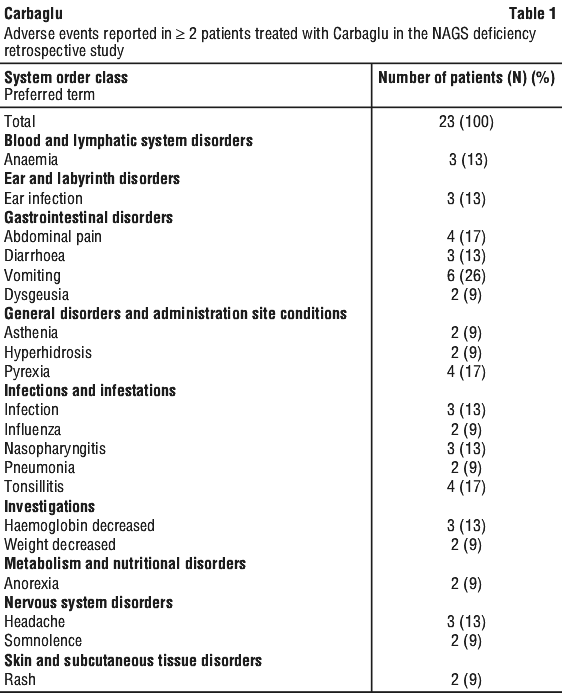
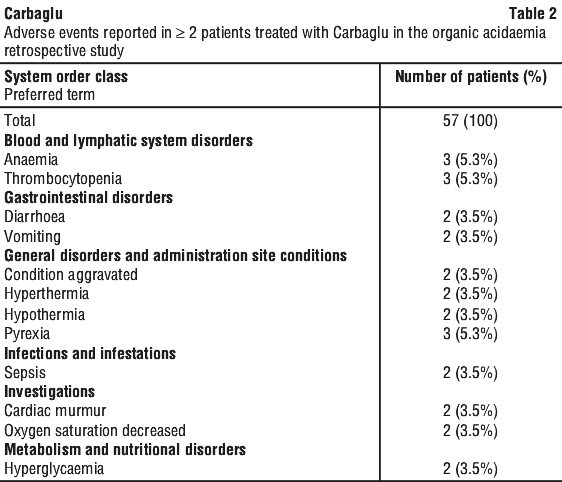
Table 2 summarises adverse events occurring in 2 or more patients treated with carglumic acid in the retrospective study.
Reporting suspected adverse effects. Reporting suspected adverse reactions after registration of the medicinal product is important. It allows continued monitoring of the benefit-risk balance of the medicinal product. Healthcare professionals are asked to report any suspected adverse reactions at www.tga.gov.au/reporting-problems.
4.9 Overdose
In one patient treated with carglumic acid, where the dose was increased up to 750 mg/kg/day, symptoms of intoxication occurred which can be characterised as a sympathomimetic reaction: tachycardia, profuse sweating, increased bronchial secretion, increased body temperature and restlessness. These symptoms resolved once the dose was reduced.
For information on the management of overdose, contact the Poison Information Centre on 131126 (Australia).
5 Pharmacological Properties
5.1 Pharmacodynamic Properties
Mechanism of action. Carglumic acid is a structural analogue of N-acetylglutamate (NAG), which is the naturally occurring activator of carbamoyl phosphate synthetase 1 (CPS 1), the first enzyme of the urea cycle. N-acetylglutamate is the product of N-acetylglutamate synthase (NAGS). Where NAGS is defective, NAG synthesis is impaired and thus CPS 1 is not activated; consequently the urea cycle is not triggered. Carglumic acid has been shown in vitro to activate hepatic CPS 1. Although carglumic acid has a lower affinity for CPS than the naturally occurring NAG, in vivo it has showed more effective and longer lasting effect than NAG.
Other studies have been conducted in rats under different experimental conditions leading to increased ammonia availability (starvation, protein free or high protein diet). Carglumic acid was shown to decrease blood ammonia levels and increase urea levels in blood and urine, whereas the liver content of carbamoyl phosphate synthetase activators was significantly increased.
Clinical trials. NAGS deficiency. In patients with N-acetylglutamate synthase (NAGS) deficiency, carglumic acid has been shown to induce a rapid normalisation of plasma ammonia levels, usually within 24 hours. When the treatment was instituted before any permanent brain damage, patients exhibited normal growth and psychomotor development.
In a retrospective, noncomparative descriptive study, data was collected from NAGS deficiency patients treated with carglumic acid for the management of hyperammonaemia. Of the 23 patients reviewed, 18 were on long-term continuous therapy with carglumic acid. The mean baseline biochemistry results are summarised in Table 3.
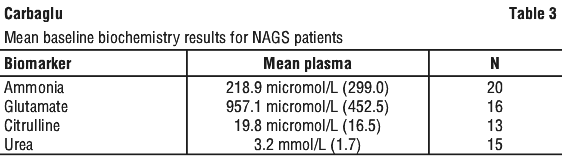
Following treatment with carglumic acid in the acute phase, ammonaemia, glutaminaemia and citrullinaemia normalised quickly. Normal concentrations of these biomarkers were obtained 24-72 hours after the first dose of carglumic acid.
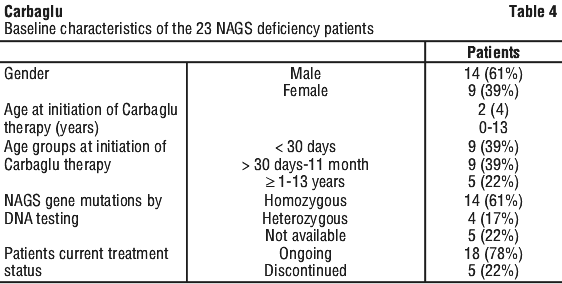
The demographic characteristics of the patient population are shown in Table 4.
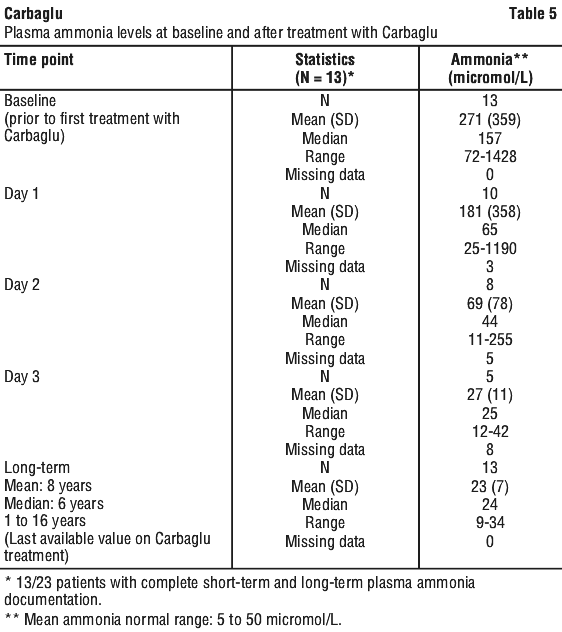
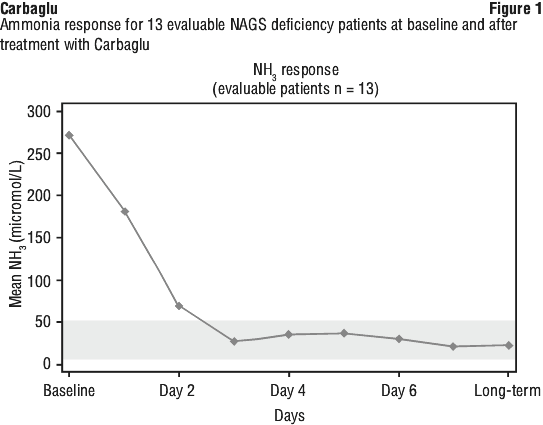
There were no decompensation events during treatment with carglumic acid as long as the dose administered was adequate. Extremely low doses for age and weight exposed patients to sudden metabolic status decompensation.
Organic acidaemias. In patients with organic acidaemia (neonates and non-neonates), the treatment with carglumic acid induced a quick decrease of ammonia plasma levels, reducing the risk of neurological complications.
In an observational study, based on retrospective analysis of the outcomes from treatment with carglumic acid, the reduction in plasma ammonia levels was assessed in patients during organic acidaemia (OA) decompensation episodes. In total, 57 patients were enrolled, with 41 included in the efficacy analysis following the treatment with carglumic acid during the OA decompensation episode. Seven patients reported two or more episodes during the treatment phase. No predefined dose of carglumic acid was stated, however the standard recommended initial dose of carglumic acid is 100-250 mg/kg/day, given twice or thrice daily, which was taken as reference for data analysis. The primary endpoint assigned for the study was the reduction in plasma ammonia levels following carglumic acid treatment.
From the 41 patients included in the efficacy analysis, 4 (9.8%) were confirmed as isovaleric acidaemia (IVA), 21 patients (51.2%) were confirmed as methylmalonic acidaemia (MMA), and 16 patients (39.0%) as confirmed propionic acidaemia (PA). The baseline age of the episodes in the efficacy population was a median of 9.0 days. At the initiation of the treatment with carglumic acid, 29 episodes (out of 48) occurred during the first 4 weeks after birth (neonates) and 19 episodes occurred beyond the neonatal period (non-neonates).
The baseline ammonaemia recorded was a mean of 350.7 micromol/L (range: 76.0 to 1633.0 micromol/L) in the efficacy population.
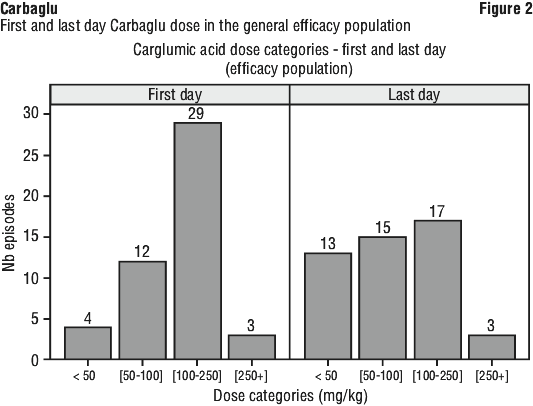
Treatment with carglumic acid in IA was aimed at resolution of acute decompensation episode. The majority of episodes were initially treated with a dose of carglumic acid 100-250 mg/kg/day. The duration of treatment ranged from 1 to 15 days with a mean of 5.5 days (5.2 days PA, 6.1 days MMA, 3.5 days IVA). The mean duration of treatment was 4.9 days in neonates and 5.3 days in non-neonates. A trend to decrease the dose from 1st to the last day (up to 15 days at the discretion of the treating physician) was seen as shown in Figure 2.
The mean time to achieve the primary endpoint was 2.4 days (58.7 hours), with this time equivalent in the disease category groups. The median time to achieve the primary endpoint for the three OA was: 40.5 hours for the IVA episodes; 37.5 hours for the MMA episodes; and 36.0 hours for the PA episodes.
5.2 Pharmacokinetic Properties
The pharmacokinetics of carglumic acid has been studied in healthy male volunteers using radiolabelled and unlabelled product.
Absorption. After a single oral dose of 100 mg/kg bodyweight, approximately 30% of carglumic acid is estimated to be absorbed. At that dose level, in 12 volunteers given Carbaglu tablets, plasma concentration peaked at 2.6 microgram/mL (median; range 1.8-4.8) after 3 hours (median; range 2-4).
Absolute bioavailability of carglumic acid has not been determined.
Distribution. The plasma elimination curve of carglumic acid is biphasic with a rapid phase over the first 12 hours after administration followed by a slow phase (terminal half-life up to 28 hours).
Protein binding has not been determined.
Metabolism. A proportion of carglumic acid is metabolised, possibly by the intestinal flora. One possible end product of carglumic acid metabolism is carbon dioxide, which is eliminated through the lungs.
Excretion. After a single oral dose of 100 mg/kg bodyweight, 9% of the dose is excreted unchanged in the urine and up to 60% in the faeces.
Plasma levels of carglumic acid were measured in patients of all age categories, from newborn infants to adolescents, treated with various daily doses (7-122 mg/kg/day). The ranges reported were consistent with those measured in healthy adults, including those from newborn infants. Regardless of the daily dose, plasma levels slowly declined over 15 hours to levels approximately 100 nanogram/mL.
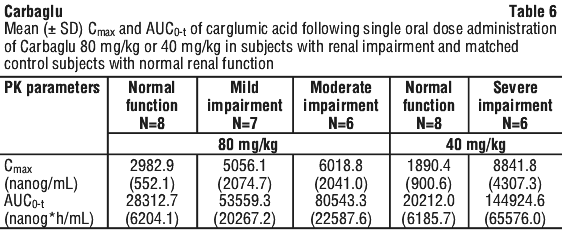
Special populations. Patients with renal impairment. The pharmacokinetics of carglumic acid in subjects with renal impairment, categorised by absolute GFR (i.e. not normalised to a body surface area of 1.73 m2), were compared with subjects with normal renal function (GFR ≥ 90 mL/min) following oral administration of a single dose of Carbaglu 40 mg/kg or 80 mg/kg. The Cmax and AUC0-t of carglumic acid are summarized in Table 6. The geometric mean ratio (90% CI) of AUC0-t in subjects with mild (GFR between 60 and < 90 mL/min), moderate (GFR between 30 and < 60 mL/min), and severe (GFR < 30 mL/min) renal impairment relative to those in their matched control subjects with normal renal function were approximately 1.8 (1.34, 2.47), 2.8 (2.17, 3.65), and 6.9 (4.79, 9.96), respectively. Renal clearance (CLr) decreased by 21%, 47%, and 85% in mild, moderate and severe renal impaired subjects, respectively, when compared to subjects with normal renal function. It is considered that the PK changes of carglumic acid accompanied with impaired renal function are clinically relevant, and dosage adjustment on the dose would be warranted in moderate and severe renal impaired subjects (see Section 4.2 Dose and Method of Administration).
5.3 Preclinical Safety Data
Genotoxicity. Carglumic acid was negative in the Ames test, chromosomal aberration assay in human lymphocytes and in the in vivo micronucleus assay in rats.
Carcinogenicity. Carcinogenicity studies have not been conducted.
6 Pharmaceutical Particulars
6.1 List of Excipients
Carbaglu contains the following inactive ingredients: microcrystalline cellulose, sodium lauryl sulfate, hypromellose, croscarmellose sodium, anhydrous colloidal silica, sodium stearyl fumarate.
6.2 Incompatibilities
Incompatibilities were either not assessed or not identified as part of the registration of this medicine.
6.3 Shelf Life
In Australia, information on the shelf life can be found on the public summary of the Australian Register of Therapeutic Goods (ARTG). The expiry date can be found on the packaging.
6.4 Special Precautions for Storage
Store at 2°C to 8°C (Refrigerate. Do not freeze). Protect from light.
Once the tablet container has been opened, it must be used within 3 months. Store the opened container below 30°C (do not refrigerate). Keep the container tightly closed in order to protect from moisture.
6.5 Nature and Contents of Container
Carbaglu is a white, elongated tablet with three score marks and engraved on one side. The tablet can be divided into two halves.
Carbaglu is supplied in 5- or 60- polyethylene tablet tube containers closed by a polypropylene child-resistant tamper-evident screw cap with a mounted silica gel desiccant.
Not all pack sizes may be marketed.
6.6 Special Precautions for Disposal
In Australia, any unused medicine or waste material should be disposed of in accordance with local requirements.
6.7 Physicochemical Properties
Chemical structure. Its structural formula is:
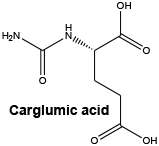
CAS number. 1188-381.
7 Medicine Schedule (Poisons Standard)
Schedule 4 Prescription Only Medicine.
Date of First Approval
12 February 2015
Date of Revision
28 January 2026
Summary Table of Changes

Reasonable care is taken to provide accurate information at the time of creation. This information is not intended as a substitute for medical advice and should not be exclusively relied on to manage or diagnose a medical condition. The Australian Commission on Safety and Quality in Health Care disclaims all liability (including for negligence) for any loss, damage, injury or any other negative effects resulting from reliance on or use of this information. Read our full disclaimer. This website uses cookies. Read our privacy policy.