
Cerdelga
Brand Information
| Brand name | Cerdelga |
| Active ingredient | Eliglustat |
| Schedule | S4 |
Consumer Medicine Information (CMI) leaflet
Please read this leaflet carefully before you start using the Cerdelga.
Summary CMI
Cerdelga®
Consumer Medicine Information (CMI) summary
The full CMI on the next page has more details. If you are worried about using this medicine, speak to your doctor or pharmacist.
1. Why am I using Cerdelga?
Cerdelga contains the active ingredient eliglustat. Cerdelga is used for the long-term treatment of adult patients with Gaucher disease type 1.
For more information, see Section 1. Why am I using Cerdelga? in the full CMI.
2. What should I know before I use Cerdelga?
Do not use if you have ever had an allergic reaction to Cerdelga or any of the ingredients listed at the end of the CMI.
Talk to your doctor if you have any other medical conditions, take any other medicines, or are pregnant or plan to become pregnant or are breastfeeding.
For more information, see Section 2. What should I know before I use Cerdelga? in the full CMI.
3. What if I am taking other medicines?
Some medicines may interfere with Cerdelga and affect how it works.
A list of these medicines is in Section 3. What if I am taking other medicines? in the full CMI.
4. How do I use Cerdelga?
- If you are an intermediate metaboliser or extensive metaboliser: swallow one 84 mg capsule whole, twice per day. Take one capsule in the morning and one capsule at night.
- If you are a poor metaboliser: swallow one 84 mg capsule whole, once per day. Take the capsule at the same time each day.
More instructions can be found in Section 4. How do I use Cerdelga? in the full CMI.
5. What should I know while using Cerdelga?
| Things you should do |
|
| Things you should not do |
|
| Driving or using machines |
|
| Drinking alcohol |
|
| Looking after your medicine |
|
For more information, see Section 5. What should I know while using Cerdelga? in the full CMI.
6. Are there any side effects?
Common side effects include indigestion, stomach ache, feeling sick (nausea), diarrhoea, constipation, heartburn, bloating, feeling of hard or irregular heart beat, headache, dizziness, tiredness (fatigue), joint pain. In clinical studies, a small number of patients fainted. All of these patients had risk factors for fainting. Tell your doctor straight away if you are feeling faint or you have fainted. For more information, including what to do if you have any side effects, see Section 6. Are there any side effects? in the full CMI.
Full CMI
Cerdelga®
Active ingredient: eliglustat
Consumer Medicine Information (CMI)
This leaflet provides important information about using Cerdelga. You should also speak to your doctor or pharmacist if you would like further information or if you have any concerns or questions about using Cerdelga.
Where to find information in this leaflet:
1. Why am I using Cerdelga?
2. What should I know before I use Cerdelga?
3. What if I am taking other medicines?
4. How do I use Cerdelga?
5. What should I know while using Cerdelga?
6. Are there any side effects?
7. Product details
1. Why am I using Cerdelga?
Cerdelga contains the active ingredient eliglustat.
Cerdelga belongs to a group of medicines that decrease the production of a substance called glucosylceramide in the body.
Cerdelga is used for the long term treatment of adult patients with Gaucher disease type 1.
Gaucher disease type 1 is a lifelong condition and you must continue to take Cerdelga as prescribed by your doctor to gain the maximum benefit from your medicine.
Gaucher disease type 1 is a rare, inherited condition in which a substance called glucosylceramide builds up in the cells of your spleen, liver and bones. The build-up can prevent these organs from working properly.
Cerdelga decreases the production of glucosylceramide, preventing its build-up. In turn this helps your affected organs to work better.
Some people's bodies break down this medicine faster than others. As a result the amount of this medicine in the blood can differ between patients which could affect how you will respond. Cerdelga is meant to be used in patients whose body breaks down this medicine at normal speed (known as intermediate metaboliser and extensive metaboliser) or slow speed (known as poor metaboliser).
Your doctor will determine if Cerdelga is suitable for you before you start taking it, using a simple laboratory test.
2. What should I know before I use Cerdelga?
Warnings
Do not use Cerdelga if:
- you are allergic to eliglustat, or any of the ingredients listed at the end of this leaflet.
Always check the ingredients to make sure you can use this medicine. - you are being treated with any medicines other than Cerdelga until after you have consulted with your doctor. Certain medicines can interfere with your body's ability to breakdown Cerdelga and this can result in higher levels of Cerdelga than needed in your body (see Section 3. What if I am taking other medicines? for an expanded list of medicines).
- you are having any problems with your liver or kidney function until after you have consulted with your doctor. Certain problems with liver or kidney function can result in higher levels of Cerdelga than needed in your body.
Check with your doctor if you:
- are currently taking or are about to start taking any of the medicines listed in Section 3. What if I am taking other medicines?
- are currently taking a medicine for an irregular heart beat (antiarrhythmic medicine), such as quinidine, amiodarone, or sotalol
- have any other medical conditions, including:
- liver or kidney problems
- heart attack or heart failure
- slow heart rate
- an irregular, or abnormal heart beat, including a heart condition called long QT syndrome
- any other heart problems
During treatment, you may be at risk of developing certain side effects. It is important you understand these risks and how to monitor for them. See additional information under Section 6. Are there any side effects?
Pregnancy and breastfeeding
Check with your doctor if you are pregnant or intend to become pregnant.
Talk to your doctor if you are breastfeeding or intend to breastfeed. It is unknown if Cerdelga enters breast milk.
Breastfeeding is not recommended during treatment with this medicine.
Children under the age of 18 years
Do not give Cerdelga to a child under the age of 18 years.
Safety and effectiveness in children have not been established.
3. What if I am taking other medicines?
Tell your doctor or pharmacist if you are taking any other medicines, including any medicines, vitamins or supplements that you buy without a prescription from your pharmacy, supermarket or health food shop.
Some medicines may interfere with Cerdelga and affect how it works.
Cerdelga must not be used with certain types of medicines. These medicines can interfere with your body's ability to break down Cerdelga and this can result in higher levels of Cerdelga in your blood.
Medicines that must not be taken in combination with each other and Cerdelga include:
- strong or moderate CYP2D6 inhibitors
- strong or moderate CYP3A inhibitors
There are many medicines in these categories and depending on how your body breaks down Cerdelga, the effects may differ from person to person.
Please speak to your doctor about these medicines before you start taking Cerdelga. Your doctor will determine which medicines you can use based on how fast your body breaks down Cerdelga.
Some medicines may increase the level of Cerdelga in the blood include:
- paroxetine, fluoxetine, fluvoxamine, duloxetine, fluvoxamine, moclobemide - antidepressants used to treat depression
- quinidine, dronedarone, verapamil - antiarrhythmics used to treat irregular heartbeat
- bupropion - used in smoking cessation
- ciclosporin - used in transplant patients
- clarithromycin, erythromycin, ciprofloxacin - antibiotics used to treat infections
- terbinafine, itraconazole, fluconazole, posaconazole, voriconazole - antifungals used to treat fungal infections
- mirabegron - used to treat overactive bladders
- cinacalcet - calcimimetic used in some dialysis patients and specific cancers
- atazanavir, darunavir, fosamprenavir, elvitegravir, indinavir, lopinavir, ritonavir, saquinavir, telaprevir, tipranavir - antiretrovirals used to treat HIV
- cobicistat - used to improve the effects of antiretrovirals (used to treat HIV)
- aprepitant - antiemetic used to reduce vomiting
- diltiazem - antihypertensive used to increase blood flow and decrease heart rate
- boceprevir, telaprevir - antiviral used to treat Hepatitis C
- imatinib - anticancer used to treat cancer
- amlodipine, ranolazine - used to treat angina pectoris
- cilostazol - used to treat cramp-like pain in your legs when you walk caused by insufficient blood supply in your legs
- isoniazid - an antibiotic used to treat tuberculosis
- cimetidine, ranitidine - antacids used to treat indigestion
- goldenseal (also known as Hydrastis canadensis) - a herbal preparation obtained without a prescription, used as a digestive aid.
Some medicines may decrease the level of Cerdelga in the blood include:
- rifampicin, rifabutin - antibiotics used to treat infections
- carbamazepine, phenobarbital, phenytoin – anti-epileptics used to treat epilepsy and seizures
- St. John's wort (also known as Hypericum perforatum)
– a herbal preparation obtained without a prescription, used to treat depression and other conditions.
Cerdelga may increase the level of the following types of medicines in the blood:
- dabigatran – anticoagulant used to thin the blood
- phenytoin – anti-epileptic used to treat epilepsy and seizures
- nortryptyline, amitriptyline, imipramine, desipramine – antidepressants used to treat depression
- flecainide and propafenone – antiarrhythmics used to treat irregular heartbeat
- phenothiazines – antipsychotics used to treat schizophrenia and psychosis
- digoxin - used to treat heart failure and atrial fibrillation
- colchicine - used to treat gout
- metoprolol - used to lower blood pressure and/or reduce heart rate
- dextromethorphan - cough medicine
- atomoxetine - used to treat attention deficit hyperactivity disorder (ADHD)
- pravastatin - used to lower cholesterol and prevent heart disease
These medicines will be affected by Cerdelga or may affect how Cerdelga works. You may need different amounts of your medicines, or take different medicines.
Check with your doctor or pharmacist if you are not sure about what medicines, vitamins or supplements you are taking and if these affect Cerdelga.
4. How do I use Cerdelga?
How much to take
If you are an intermediate metaboliser or extensive metaboliser:
- Swallow one 84 mg capsule whole twice per day. Take one capsule in the morning and one capsule at night.
- Follow the instructions provided and use Cerdelga until your doctor tells you to stop.
If you are a poor metaboliser:
- Swallow one 84 mg capsule whole once per day. Take the capsule at the same time every day.
- Follow the instructions provided and use Cerdelga until your doctor tells you to stop.
Your doctor may have prescribed a different dose. If you have liver problems and/or you are taking other medicines, you should consult with your doctor.
Ask your doctor or pharmacist if you are unsure of the correct dose for you.
How to take it
- It may be taken with or without food.
- Swallow the capsules whole with a full glass of water.
- Do not open, crush, dissolve, or chew capsule before swallowing. If you cannot swallow the capsule whole, tell your doctor.
- Avoid grapefruit or grapefruit products since grapefruit may increase the level of Cerdelga in your blood.
When to take Cerdelga
- Take Cerdelga at about the same time each morning and night. Taking it at the same time each day will have the best effect. It will also help you remember when to take it.
If you forget to take Cerdelga
Cerdelga should be used regularly at the same time each day.
If you miss your dose at the usual time, do not take a double dose to make up for the dose that you missed.
If it is almost time for your next dose, skip the dose you missed and take your next dose when you are meant to.
If there is still a long time to go before your next dose, take it as soon as you remember, and then go back to taking it as you would normally.
If you take too much Cerdelga
If you think that you have taken too much Cerdelga, you may need urgent medical attention. Symptoms of an overdose may include: dizziness marked by loss of balance, slow heart rate, nausea, vomiting and light-headedness.
You should immediately:
- phone the Poisons Information Centre
(by calling 13 11 26), or - contact your doctor, or
- go to the Emergency Department at your nearest hospital.
You should do this even if there are no signs of discomfort or poisoning.
5. What should I know while using Cerdelga?
Things you should do
Call your doctor straight away if you:
- become pregnant while taking this medicine
Remind any doctor, dentist or pharmacist you visit that you are using Cerdelga.
If you are going to have surgery, tell the surgeon or anaesthetist that you are taking Cerdelga. It may affect other medicines used during surgery.
Remember to provide your Cerdelga Patient Card to any health care professional when seeking treatment.
Things you should not do
- Do not stop taking this medicine suddenly, or lower the dosage, without checking with your doctor.
- Avoid grapefruit or grapefruit products since grapefruit may increase the level of Cerdelga in your blood.
Driving or using machines
Be careful before you drive or use any machines or tools until you know how Cerdelga affects you.
Cerdelga may cause dizziness in some people.
Drinking alcohol
Tell your doctor if you drink alcohol.
Looking after your medicine
- Keep your capsules in the pack until it is time to take them.
Store it in a cool dry place away from moisture, heat or sunlight; for example, do not store it:
- in the bathroom or near a sink, or
- in the car or on window sills.
Keep it where young children cannot reach it.
Getting rid of any unwanted medicine
If you no longer need to use this medicine or it is out of date, take it to any pharmacy for safe disposal.
Do not use this medicine after the expiry date.
6. Are there any side effects?
All medicines can have side effects. If you do experience any side effects, most of them are minor and temporary. However, some side effects may need medical attention.
See the information below and, if you need to, ask your doctor or pharmacist if you have any further questions about side effects.
Less serious side effects
| Less serious side effects | What to do |
Gut related:
| Speak to your doctor if you have any of these less serious side effects and they worry you. |
These are the more common side effects of Cerdelga.
Cough has also been reported by patients who use Cerdelga.
In clinical studies, a small number of patients fainted. All of these patients had risk factors for fainting. Please tell your doctor immediately if you are feeling faint or you have fainted.
Tell your doctor or pharmacist if you notice anything else that may be making you feel unwell.
Other side effects not listed here may occur in some people.
Reporting side effects
After you have received medical advice for any side effects you experience, you can report side effects to the Therapeutic Goods Administration online at www.tga.gov.au/reporting-problems. By reporting side effects, you can help provide more information on the safety of this medicine.
Always make sure you speak to your doctor or pharmacist before you decide to stop taking any of your medicines.
7. Product details
This medicine is only available with a doctor's prescription.
What Cerdelga contains
| Active ingredient (main ingredient) | Each capsule contains 84 mg of the active ingredient, eliglustat (as tartrate). |
| Other ingredients (inactive ingredients) | lactose monohydrate microcrystalline cellulose hypromellose glycerol dibehenate The ingredients of the capsule shell are: The ingredients of the printing ink are: |
Do not take this medicine if you are allergic to any of these ingredients.
What Cerdelga looks like
Cerdelga capsules have a pearl blue-green opaque cap and a pearl white opaque body with “GZ02” printed in black on the capsule.
Each carton contains 56 hard capsules in 4 blister wallets of 14 capsules each (Aust R 218172).
Who distributes Cerdelga
Cerdelga® is supplied in Australia by:
sanofi-aventis australia pty ltd
12-24 Talavera Road
Macquarie Park NSW 2113
Freecall: 1800 818 806
Email: medinfo.australia@sanofi.com
® = Registered Trademark
This leaflet was prepared in June 2023
cer-ccdsv9-cmiv5-23jun23
Brand Information
| Brand name | Cerdelga |
| Active ingredient | Eliglustat |
| Schedule | S4 |
MIMS Revision Date: 01 August 2023
1 Name of Medicine
Cerdelga (eliglustat).
2 Qualitative and Quantitative Composition
Each Cerdelga capsule contains 84 mg eliglustat (equivalent to 100 mg eliglustat tartrate).
For the full list of excipients, see Section 6.1 List of Excipients.
Eliglustat is a synthetic small molecule and is a white to off-white powder. Eliglustat tartrate is highly soluble in water. It has a pKa of 8.79 and log P of 2.84.
3 Pharmaceutical Form
Cerdelga is formulated as a hard capsule for oral administration.
Cerdelga is available as pearl blue-green opaque cap and pearl white opaque body capsules with "GZ02" printed in black on the capsule. The size of the capsule is 'size 2' (dimensions 18.0 x 6.4 mm).
4 Clinical Particulars
4.1 Therapeutic Indications
Cerdelga is indicated for the long-term treatment of adult patients with Gaucher disease type 1 (GD1).
4.2 Dose and Method of Administration
Therapy with Cerdelga should be initiated and supervised by a physician knowledgeable in the management of Gaucher disease.
Before initiation of treatment with eliglustat, patients should be genotyped for CYP2D6 to determine the CYP2D6 metaboliser status.
Eliglustat can be taken with or without food. Avoid consumption of grapefruit or grapefruit juice with eliglustat because grapefruit is a strong CYP3A inhibitor.
The capsules should be swallowed whole, preferably with water, and should not be crushed, dissolved, or opened.
If a dose is missed, the prescribed dose should be taken at the next scheduled time; the next dose should not be doubled.
CYP2D6 intermediate metabolisers (IMs) and extensive metabolisers (EMs). The recommended dose of Cerdelga in CYP2D6 IMs and EMs is 84 mg twice daily taken orally.
Important dosing information. Co-administration of eliglustat with other CYP2D6 or CYP3A inhibitors affects its systemic exposure (see Section 4.5 Interactions with Other Medicines and Other Forms of Interactions) and the following doses are recommended (see Table 1).
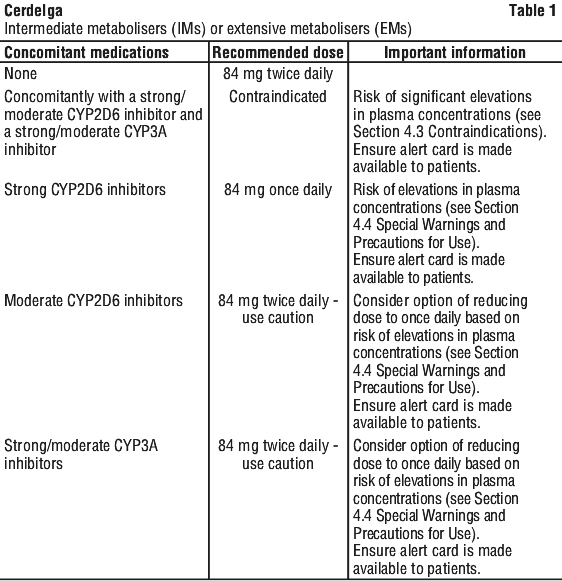
Dosing of Cerdelga 84 mg once daily has not been studied in CYP2D6 PMs. Based on physiologically based pharmacokinetic (PBPK) modelling, the systemic exposures in PMs with 84 mg once daily dosing are predicted to be within the range of those observed in non-PM patients. Appropriate adverse event monitoring is recommended.
Co-administration of eliglustat in CYP2D6 PMs concomitantly with strong CYP3A inhibitors is contraindicated (see Section 4.3 Contraindications).
CYP2D6 ultra-rapid metabolisers (URMs) and indeterminate metabolisers. Patients who are CYP2D6 ultra-rapid metabolisers (URMs) may not achieve adequate concentrations of Cerdelga to achieve a therapeutic effect.
A specific dosage cannot be recommended for those patients whose CYP2D6 genotype cannot be determined (indeterminate metabolisers).
Therefore, eliglustat should not be used in patients who are CYP2D6 ultra-rapid (URM), or indeterminate metabolisers.
Prior treatment with enzyme replacement therapy. In clinical trials enzyme replacement treatment was allowed up to the day before the first dose of eliglustat.
For patients with stable disease who switch from enzyme replacement therapy to eliglustat, monitoring for disease progression (e.g. after 6 months with regular monitoring thereafter) should be performed for all disease domains to evaluate disease stability. Reinstitution of enzyme replacement therapy or an alternative treatment modality should be considered in individual patients who have a sub-optimal response.
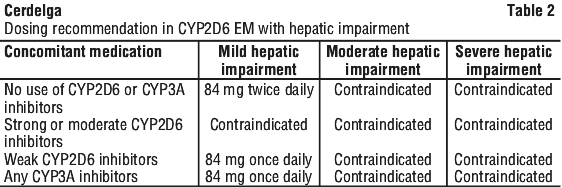
Special populations. Hepatic impairment. Cerdelga is contraindicated in CYP2D6 IMs or PMs with any degree of hepatic impairment and in CYP2D6 EMs with moderate (Child-Pugh Class B) or severe (Child-Pugh Class C) hepatic impairment.
In CYP2D6 EMs with mild hepatic impairment (Child-Pugh Class A), no dose adjustment is required and the recommended dose is 84 mg eliglustat twice daily (see Section 5.2 Pharmacokinetic Properties). See Table 2.
In CYP2D6 IMs or PMs with mild, moderate or severe renal impairment or end stage renal disease, Cerdelga is not recommended.
In CYP2D6 EMs with mild, moderate or severe renal impairment, no dosage adjustment is required and the recommended dose is 84 mg eliglustat twice daily.
See Section 5.2 Pharmacokinetic Properties, Special populations.
4.3 Contraindications
Hypersensitivity to the active substance or to any of the excipients.
Cerdelga is contraindicated in patients who are:
CYP2D6 intermediate metabolisers (IMs) or extensive metabolisers (EMs) taking a strong or moderate CYP2D6 inhibitor concomitantly with a strong or moderate CYP3A inhibitor;
CYP2D6 poor metabolisers (PMs) who are taking a strong CYP3A inhibitor.
Use of Cerdelga under these conditions results in substantially elevated eliglustat plasma concentrations. For a list of strong and moderate CYP2D6 and CYP3A inhibitors, see Section 4.5 Interactions with Other Medicines and Other Forms of Interactions.
Limited or no data are available in CYP2D6 IMs or PMs with any degree of hepatic impairment; use of Cerdelga in these patients is contraindicated since metabolism is the predominant route of elimination.
Due to significantly increased eliglustat plasma concentrations, Cerdelga is contraindicated in CYP2D6 EMs with moderate or severe hepatic impairment and in CYP2D6 EMs with mild hepatic impairment taking a strong or moderate CYP2D6 inhibitor.
4.4 Special Warnings and Precautions for Use
Before initiation of treatment with Cerdelga, patients should be genotyped for CYP2D6 to determine the CYP2D6 metaboliser status. Cerdelga 84 mg should not be used in patients who are ultra-rapid metabolisers (URMs), or indeterminate metabolisers.
Drug-drug interactions. Cerdelga is contraindicated in patients who are:
CYP2D6 intermediate metabolisers (IMs) or extensive metabolisers (EMs) taking a strong (e.g. paroxetine, fluoxetine, quinidine) or moderate (e.g. duloxetine, terbinafine) CYP2D6 inhibitor concomitantly with a strong (e.g. clarithromycin, itraconazole) or moderate (e.g. erythromycin, fluconazole) CYP3A inhibitor;
CYP2D6 poor metabolisers (PMs) taking a strong CYP3A inhibitor.
Under these conditions both major metabolic pathways for eliglustat metabolism are impaired, with predicted substantially elevated eliglustat plasma concentrations. Although no significant QTc increases were seen in a thorough QT/QTc study in healthy volunteers (see Section 5.1 Pharmacodynamic Properties, Electrocardiographic evaluation), based on PK/PD modelling, eliglustat plasma concentrations 11-fold above those expected at the indicated dose are predicted to cause mild increases in the PR, QRS, and QTc intervals of 20.4, 7.1, and 14.2 msec, respectively. For more information see Section 4.5 Interactions with Other Medicines and Other Forms of Interactions.
For use of Cerdelga with one strong or moderate inhibitor of CYP2D6 or CYP3A, see Section 4.5 Interactions with Other Medicines and Other Forms of Interactions.
Use of Cerdelga with strong CYP3A inducers substantially decreases the exposure to eliglustat, which may reduce the therapeutic effectiveness of Cerdelga; therefore co-administration is not recommended (see Section 4.5 Interactions with Other Medicines and Other Forms of Interactions).
Patients with pre-existing cardiac conditions. Use of Cerdelga in patients with pre-existing cardiac conditions has not been studied during clinical trials. Because eliglustat is predicted to cause mild increases in ECG intervals at substantially elevated plasma concentrations, use of eliglustat should be avoided in patients with cardiac disease (congestive heart failure, recent acute myocardial infarction, bradycardia, heart block, ventricular arrhythmia and structural heart disease associated with arrhythmia), long QT syndrome, and in combination with class IA (e.g. quinidine) and class III (e.g. amiodarone, sotalol) antiarrhythmic medications.
Lactose. Patients with rare hereditary problems of galactose intolerance, the Lapp lactase deficiency or glucose-galactose malabsorption should not take this medicine.
Use in hepatic impairment. Concomitant use of Cerdelga with CYP2D6 or CYP3A inhibitors in CYP2D6 EMs with mild hepatic impairment can result in further elevation of eliglustat plasma concentrations, with the magnitude of the effect depending on the enzyme inhibited and the potency of the inhibitor. In CYP2D6 EMs with mild hepatic impairment taking a weak CYP2D6 inhibitor or a strong, moderate or weak CYP3A inhibitor, a dose of 84 mg eliglustat once daily should be considered (see Section 4.2 Dose and Method of Administration; Section 5.2 Pharmacokinetic Properties).
See Section 4.2 Dose and Method of Administration; Section 5.2 Pharmacokinetic Properties, Special populations.
Use in renal impairment. See Section 4.2 Dose and Method of Administration; Section 5.2 Pharmacokinetic Properties, Special populations.
Use in the elderly. A limited number of patients aged 65 and over were enrolled in clinical trials. No significant differences were found in the efficacy and safety profiles of older patients and younger patients.
Paediatric use. The safety and efficacy of eliglustat in children under the age of 18 years has not been established. No data are available.
Effects on laboratory tests. There is no data available on the effects of Cerdelga on laboratory tests.
4.5 Interactions with Other Medicines and Other Forms of Interactions
Eliglustat is metabolised primarily by CYP2D6 and to a lesser extent by CYP3A4. Eliglustat is also a substrate of the P-glycoprotein (P-gp) efflux transporter. Eliglustat is an inhibitor of P-gp and CYP2D6 in vitro.
The list of substances in this section is not an inclusive list and the prescriber is advised to consult the PI of all other prescribed medicines for potential drug-drug interactions with eliglustat.
Agents that may increase eliglustat exposure. Cerdelga is contraindicated in patients who are:
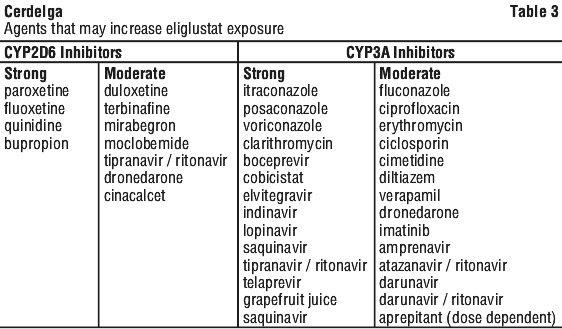
CYP2D6 intermediate metabolisers (IMs) or extensive metabolisers (EMs) taking a strong or moderate CYP2D6 inhibitor concomitantly with a strong or moderate CYP3A inhibitor (see Table 3);
CYP2D6 poor metabolisers (PMs) taking a strong CYP3A inhibitor.
Under these conditions both major metabolic pathways for eliglustat metabolism are impaired, with predicted substantially elevated eliglustat plasma concentrations (predicted increase of up to 17-fold for Cmax and 25-fold for AUC0-12).
A dose of eliglustat 84 mg once daily should be considered when a strong CYP2D6 inhibitor (e.g. paroxetine, fluoxetine, quinidine, bupropion) is used concomitantly in IMs and EMs.
At 84 mg twice daily dosing with eliglustat in non-PMs, it is predicted that concomitant use of moderate CYP2D6 inhibitors (e.g. duloxetine, terbinafine) would increase eliglustat exposure approximately 4-fold. Use caution with moderate CYP2D6 inhibitors in IMs and EMs.
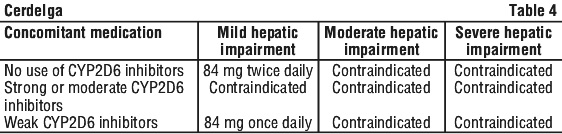
In extensive metabolisers (EMs) with hepatic impairment. See Table 4.
At 84 mg twice daily dosing with eliglustat in non-PMs, it is predicted that moderate CYP3A inhibitors (e.g. erythromycin, fluconazole) would increase eliglustat exposure approximately 3-fold. Use caution with moderate CYP3A inhibitors in IMs and EMs.
In extensive metabolisers (EMs) with hepatic impairment. See Table 5.

At 84 mg once daily dosing with eliglustat in PMs, it is predicted that concomitant use of moderate CYP3A inhibitors (e.g. erythromycin, fluconazole) would increase the Cmax and AUC0-24 of eliglustat 2- and 3-fold, respectively. Use of moderate CYP3A inhibitors with eliglustat is not recommended in PMs.
Caution should be used with weak CYP3A inhibitors (e.g. amlodipine, cilostazol, fluvoxamine, goldenseal, isoniazid, ranitidine, ranolazine) in PMs.
CYP2D6 inhibitors used simultaneously with CYP3A inhibitors. In intermediate (IMs) and extensive metabolisers (EMs). At 84 mg twice daily dosing with eliglustat in non-PMs, it is predicted that the concomitant use of strong or moderate CYP2D6 inhibitors and strong or moderate CYP3A inhibitors would increase Cmax and AUC0-12 up to 17- and 25-fold, respectively. The use of a strong or moderate CYP2D6 inhibitor concomitantly with a strong or moderate CYP3A inhibitor is contraindicated in IMs and EMs.
Grapefruit products contain one or more components that inhibit CYP3A and can increase plasma concentrations of eliglustat. Excessive consumption of grapefruit or its juice should be avoided.
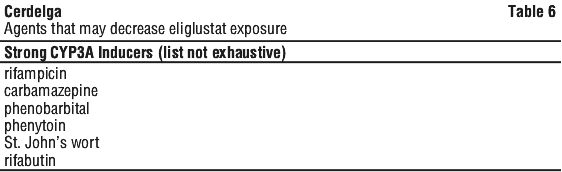
Agents that may decrease eliglustat exposure. See Table 6.
Agents whose exposure may be increased by eliglustat. Eliglustat is an inhibitor of P-gp and CYP2D6 in vitro. See Table 7.
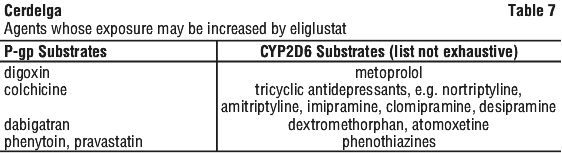
CYP2D6 substrates. Concomitant administration with metoprolol, a CYP2D6 substrate, resulted in a 1.5 and 2.1-fold increase in metoprolol Cmax and AUC, respectively. Lower doses of CYP2D6 substrate drugs may be required. These include certain antidepressants (tricyclic antidepressants, e.g. nortriptyline, amitriptyline, imipramine, desipramine), phenothiazines, dextromethorphan, atomoxetine and class 1C antiarrhythmics (e.g. propafenone, flecainide).
4.6 Fertility, Pregnancy and Lactation
Effects on fertility. Fertility studies in rats revealed no evidence of impaired fertility due to eliglustat treatment.
In a reproductive toxicity study with mature male rats reversible inhibition of spermatogenesis together with effects on sperm motility and morphology were observed at a systemically toxic dose (200 mg/kg/day: equivalent to approx. 20 times the clinical exposure, based on AUC) as well as increased germ cell necrosis and seminal vesicle inflammation at 100 mg/kg/day (equivalent to 10 times the clinical exposure, based on AUC).
Use in pregnancy. (Category B3)
There are no or limited amount of data from the use of eliglustat in pregnant women. Eliglustat showed no embryofoetal toxicity in rats or rabbits at oral doses corresponding to approximately 4 times the clinical exposure (based on AUC). However, higher maternotoxic doses in rats (> 16-fold clinical exposure based on AUC) showed an increased incidence of delayed ossification and skeletal malformations in an embryofoetal development study and increased postimplantation loss, reduced pup numbers, and lower pup body weight in a rat pre/ postnatal study. Because animal reproduction studies are not always predictive of human response, eliglustat should only be used during pregnancy if the benefit clearly outweighs the risk.
Use in lactation. It is unknown whether eliglustat or its metabolites are excreted in human milk. However, in rats, there was decreased body weight gain in dams and offspring following daily administration of eliglustat through weaning. Therefore, a risk to the newborns/ infants cannot be excluded. A decision must be made whether to discontinue breast-feeding or to discontinue/ abstain from eliglustat therapy taking into account the benefit of breast-feeding for the child and the benefit of therapy for the woman.
4.7 Effects on Ability to Drive and Use Machines
Cerdelga has no or negligible influence on the ability to drive and use machines. Patients should take care when driving or operating machinery until they know how this medicine could affect them.
4.8 Adverse Effects (Undesirable Effects)
Reporting suspected adverse effects. Reporting suspected adverse reactions after registration of the medicinal product is important. It allows continued monitoring of the benefit-risk balance of the medicinal product. Healthcare professionals are asked to report any suspected adverse reactions at www.tga.gov.au/reporting-problems (Australia).
Summary of the safety profile. The majority of adverse drug reactions seen in clinical trials are mild and transient. The most commonly reported adverse reaction with Cerdelga is dyspepsia, in approximately 6% of the patients. About 2% of patients receiving Cerdelga in clinical trials permanently discontinued treatment due to any adverse reaction.
The most frequently reported serious adverse reaction in clinical studies was syncope (0.8%). All events were associated with predisposing risk factors and appeared to be vasovagal in nature. None of these events led to discontinuation from the study.
For information on using Cerdelga in special patient populations see Section 4.4 Special Warnings and Precautions for Use.
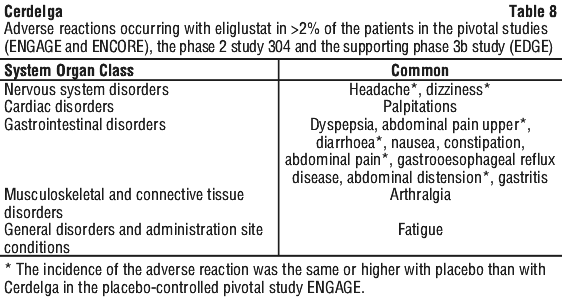
Tabulated list of adverse reactions. The overall adverse reaction profile of eliglustat is based on 1400 patient-years of treatment exposure and pooled results from the primary analysis periods and extension periods of two pivotal Phase 3 studies (ENGAGE and ENCORE) and one 8-year Phase 2 study (study 304), and one supporting Phase 3b study (EDGE). In these four studies, a total of 393 patients between the ages of 16-75 years received eliglustat for a median treatment duration of 3.5 years (up to 9.3 years) and between the ages of 16-69 years.
The most common adverse drug reactions are presented in Table 8 using the following categories of frequency: common (≥ 1/100 to < 1/10). Within each frequency grouping, adverse reactions are presented in order of decreasing seriousness.
Respiratory, thoracic and mediastinal disorders. Cough.
4.9 Overdose
The highest eliglustat plasma concentration experienced to date occurred in a Phase 1 single dose dose escalation study in healthy subjects, in a subject taking a dose equivalent to approximately 21 times the recommended dose for GD1 patients. At the time of the highest plasma concentration (59-fold higher than normal therapeutic conditions), the subject experienced dizziness marked by disequilibrium, hypotension, bradycardia, nausea, and vomiting.
In the event of acute overdose, the patient should be carefully observed and given symptomatic and supportive treatment.
For information on the management of overdose, contact the Poisons Information Centre on 131126 (Australia).
5 Pharmacological Properties
5.1 Pharmacodynamic Properties
Pharmacotherapeutic group: Other alimentary tract and metabolism products, Various alimentary tract and metabolism products, ATC code: A16AX10.
Mechanism of action. Gaucher disease is caused by a deficiency of the lysosomal enzyme, acid β-glucosidase, which results in the accumulation of its major natural substrate, glucosylceramide (GL-1), especially in the liver, spleen, and bone marrow. Eliglustat is a potent and specific inhibitor of glucosylceramide synthase, and acts as a substrate reduction therapy for Gaucher disease type 1 (GD1). The goal of this approach is to reduce the rate of synthesis of glucosylceramide to match its impaired rate of catabolism in patients with GD1, thereby preventing glucosylceramide accumulation and alleviating clinical manifestations.
In clinical trials in treatment naïve GD1 patients, plasma GL-1 levels were elevated in the majority of these patients and decreased with eliglustat treatment. Additionally, in a clinical trial in GD1 patients stabilised on enzyme replacement therapy (ERT) (i.e. having already achieved therapeutic goals on ERT prior to initiating eliglustat treatment), plasma GL-1 levels were normal in most patients and decreased with eliglustat treatment.
Cardiac effects. Eliglustat was found to inhibit the hERG tail current (K+ channel), hNav1.5 (Na+ channel), and hCav1.2 (Ca2+ channel) in vitro at 8, 117 and 240 times the clinical exposure (based on Cmax), respectively. Overall, the nonclinical safety pharmacology and repeat dose toxicity data suggest that there will be no ECG effects of eliglustat in humans at plasma levels up to 7-fold clinical Cmax.
Electrocardiographic evaluation. No clinically significant QTc prolonging effect of eliglustat was observed for single doses up to 675 mg.
Prolongation of QT interval was evaluated in a randomised, placebo controlled and active controlled (moxifloxacin 400 mg) single dose crossover study in 47 healthy subjects. In this trial, the upper bound of one sided 95% confidence interval for the largest placebo adjusted, baseline corrected QTcF was below 10 msec. The largest time matched mean differences (LTMMDs) versus placebo for QTcF interval were 0.7 msec (one sided 95% CI upper bound of 3.5 msec at hour 10) and 6.5 msec (one sided 95% CI upper bound of 9.3 msec at hour 7) for the single therapeutic (200 mg) and supratherapeutic (800 mg) doses, respectively.
While there was no apparent effect on heart rate, concentration related increases were observed for the placebo corrected change from baseline in the PR, QRS, and QTc intervals.
Clinical trials. Clinical efficacy and safety. The efficacy and safety of Cerdelga was evaluated in two randomised, controlled pivotal studies (ENGAGE and ENCORE) and one open label, long-term study (study 304), in 226 patients with GD1.
Pivotal study of Cerdelga in treatment-naïve GD1 patients - ENGAGE. ENGAGE was a randomised, double-blind, placebo-controlled, multicentre clinical study evaluating the efficacy and safety of Cerdelga in 40 treatment-naïve GD1 patients 16 years of age or older (median age 30.4 years) with pre-existing splenomegaly and haematological abnormalities. Patients were required to have received no treatment with substrate reduction therapy within 6 months or enzyme replacement therapy within 9 months prior to randomisation; all but 5 patients in the study had no prior therapy. Patients were stratified according to baseline spleen volume (≤ 20 or > 20 multiples of normal [MN]) and randomised in a 1:1 ratio to receive eliglustat or placebo for the duration of the 9-month blinded primary analysis period. Patients randomised to eliglustat treatment received a starting dose of 42 mg twice daily, with a dose increase to 84 mg twice daily possible at week 4 based on the plasma trough concentration at week 2 (patients with a plasma trough concentration of < 5 nanogram/mL at week 2 received a dose increase at week 4).
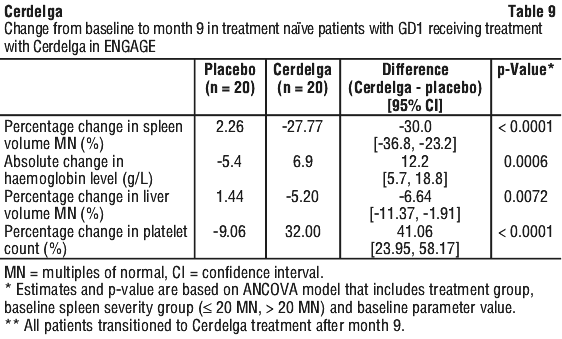
The primary endpoint was the percentage change in spleen volume (in MN) from baseline to 9 months as compared to placebo. Secondary endpoints were absolute change in haemoglobin level, percentage change in liver volume (in MN), and percentage change in platelet count from baseline to 9 months compared to placebo.
At baseline, mean spleen volumes were 12.5 and 13.9 MN in the placebo and Cerdelga groups, respectively, and mean liver volumes were 1.4 MN for both groups. Mean haemoglobin levels were 128 and 121 g/L, and platelet counts were 78.5 and 75.1 x 10⁹/L, respectively.
During the 9-month primary analysis period, Cerdelga demonstrated statistically significant improvements in all primary and secondary endpoints compared to placebo, as shown in Table 9.
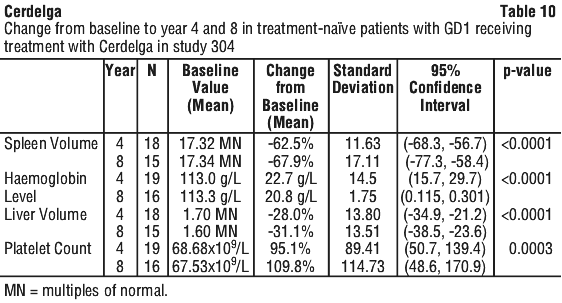
Long-term clinical outcomes in treatment-naïve patients - study 304. Study 304 was a single-arm, open-label, multicentre study of Cerdelga in 26 treatment-naïve adult patients with GD1. Patients were required to have received no treatment with miglustat, enzyme replacement therapy, or corticosteroids for GD1 within 12 months, or bisphosphonates within 3 months prior to enrolment. Twenty-six patients were enrolled, of which 77% (p < 0.0001) met the primary endpoint at 12 months, defined as a response in at least 2 of 3 parameters (haemoglobin, platelets, and spleen) that were abnormal at study entry: an increase of ≥ 5 g/L in haemoglobin; an increase of ≥ 15% in platelets; and/or a reduction of ≥ 15% in total spleen volume (based on MRI or spiral CT). Long-term data on visceral and haematological endpoints for up to 19 patients who had an efficacy endpoint assessment at Year 4 and up to 16 patients who had an efficacy endpoint assessment at year 8 are shown in Table 10.
At baseline, mean spleen volumes were 2.6 and 3.2 MN in the Cerezyme and Cerdelga groups, respectively, and liver volumes were 0.9 MN in both groups. Mean haemoglobin levels were 138 and 136 g/L, and platelet counts were 192 and 207 x 109/L, respectively.
The primary composite endpoint required stability in all four component domains (haemoglobin level, platelet count, liver volume, and spleen volume) based on changes between baseline and 12 months. Stability was defined by the following prespecified thresholds of change: haemoglobin level < 15 g/L decrease, platelet count < 25% decrease, liver volume < 20% increase, and spleen volume < 25% increase. The percentages of patients meeting the criteria for stability in the individual components of the composite endpoint were assessed as secondary efficacy endpoints.
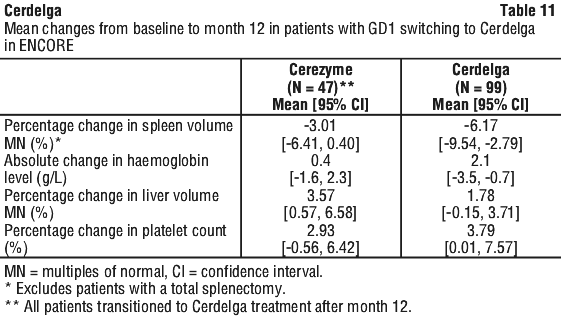
Cerdelga met the criteria to be declared noninferior to Cerezyme in maintaining patient stability. After 12 months of treatment, the percentage of patients meeting the primary composite endpoint was 84.8% for the Cerdelga group compared to 93.6% for the Cerezyme group. The lower bound of the 95% CI of the 8.8% difference, -17.6%, was within the prespecified noninferiority margin of -25%. At month 12, the percentages of Cerdelga and Cerezyme patients, respectively, who met stability criteria for the individual components of the composite endpoint were: haemoglobin level, 94.9% and 100%; platelet count, 92.9% and 100%; spleen volume, 95.8% and 100%; and liver volume, 96.0% and 93.6%. Of the patients who did not meet stability criteria for the individual components, 12 of 15 Cerdelga patients and 3 of 3 Cerezyme patients remained within therapeutic goals for GD1.
Mean changes from baseline in the haematological and visceral parameters through 12 months of treatment are shown in Table 11. There were no clinically meaningful differences between groups for any of the four parameters.
Clinical experience in CYP2D6 poor metabolisers (PMs) and ultra-rapid metabolisers (URMs). There is limited experience with Cerdelga treatment of patients who are PMs or URMs. In the primary analysis periods of the three clinical studies, a total of 5 PMs and 5 URMs were treated with Cerdelga. All PMs received 42 mg eliglustat twice daily, and four of these (80%) had an adequate clinical response. The majority of URMs (80%) received a dose escalation to 127 mg eliglustat twice daily, all of which had adequate clinical responses. The one URM who received 84 mg twice daily did not have an adequate response.
The predicted exposures with 84 mg eliglustat once daily in patients who are PMs are expected to be similar to exposures observed with 84 mg eliglustat twice daily in CYP2D6 intermediate metabolisers (IMs). Patients who are URMs may not achieve adequate concentrations to achieve a therapeutic effect. No dosing recommendation for URMs can be given.
Effects on skeletal pathology. In the single-arm, open-label study in treatment-naïve patients (study 304), improvements in bone marrow infiltration of the femur (as assessed by MRI) were observed in the majority of patients after 8 years (n=15) of treatment with Cerdelga. The mean total lumbar spine bone mineral density (BMD) increased by 9.9% g/cm2 (p = 0.0176) after 4 years of treatment, and by 12.6% (SD 16.56) after 8 years. Baseline mean (SD) BMD lumbar spine T-score was in the osteopenic range -1.63 (1.07) and reached the normal range after 4 years of treatment -0.88 (1.26) (p = 0.0139). After 8 years of treatment, the mean (SD) lumbar spine T-score increased to -0.59 (1.294). Baseline mean (SD) lumbar spine Z-score was -1.21 (0.948) and after 4 years of treatment was -0.48 (1.073) (p = 0.0039). After 8 years of treatment, the mean (SD) lumbar spine Z-score was -0.29 (1.088). Femur BMD was in the normal range at baseline and showed little change.
After 9 months of treatment with Cerdelga in the placebo-controlled pivotal study ENGAGE in treatment-naïve patients, bone marrow infiltration by Gaucher cells, as determined by the Total Bone Marrow Burden (BMB) Score (assessed by MRI in lumbar spine and femur), decreased by a mean of 1.1 points in Cerdelga-treated patients (n = 19); 5 Cerdelga-treated patients (26%) achieved a reduction of at least 2 points in the BMB score after 9 months compared to none in the placebo treated patients (n=20). After 18 months and 30 months of treatment, BMB score had decreased by a mean of 2.2 (n=18) and 2.7 (n=15) points, respectively, for the patients originally randomized to Cerdelga, compared to a mean decrease of 1 point (n=20) and 0.8 (n=16) in those originally randomized to placebo. Baseline mean (SD) BMD lumbar spine T-score was -1.07 (0.82) in the Cerdelga group (n = 17) and -1.12 (1.19) in the placebo group (n = 18). After 9 months of treatment, mean lumbar spine T-score was -1.03 (0.83) in the Cerdelga group and -1.22 (1.15) in the placebo group. After 18 months of treatment with Cerdelga in an open-label extension phase, the mean (SD) lumbar spine BMD T-score increased from -1.14 (1.0118) at baseline (n=34) to -0.918 (1.1601) (n=33) in the normal range. After 30 months and 4.5 years of treatment, the T-score further increased to -0.722 (1.1250) (n=27) and -0.533 (0.8031) (n=9), respectively. Mean Z-scores increased in all patients in a similar pattern.
In the pivotal study ENCORE in patients previously treated with enzyme replacement therapy, at baseline, mean lumbar spine and femur BMD were in the normal range and mean BMB Scores were in the moderately affected range for both Cerdelga and Cerezyme groups. After 12 months of treatment, the mean changes in BMD and BMB scores were similar for both arms and were not significantly different from baseline. Lumbar spine and femur BMD T- and Z-scores were maintained within the normal range in patients treated with Cerdelga for up to 4 years.
5.2 Pharmacokinetic Properties
At a given dose of eliglustat, the systemic exposure (Cmax and AUC) depends on the CYP2D6 phenotype. In CYP2D6 extensive metabolisers (EMs) and intermediate metabolisers (IMs), the eliglustat pharmacokinetics is time-dependent and the systemic exposure increases in a more than dose proportional manner. Following repeated dosing of eliglustat 84 mg twice daily, steady state was reached by 4 days, with an accumulation ratio of 3-fold or less.
Absorption. Median time to reach maximum plasma concentrations occurs between 1.5 to 3 hours after dosing with 84 mg twice daily. The oral bioavailability is low (< 5%) due to significant first pass metabolism. Eliglustat is a substrate of the efflux transporter P-gp. Administration of eliglustat with a high fat meal resulted in a 15% decrease in Cmax but no change in AUC. Food does not have a clinically relevant effect on eliglustat pharmacokinetics.
Distribution. Eliglustat is moderately bound to human plasma proteins (76 to 83%) without significant red blood cell partitioning. The estimated volume of distribution is 816 L in CYP2D6 intermediate and extensive metabolisers (IMs and EMs), suggesting wide distribution to tissues.
Metabolism. Eliglustat is extensively metabolised with high clearance, mainly by CYP2D6 and to a lesser extent CYP3A4. Primary metabolic pathways of eliglustat involve sequential oxidation of the octanoyl moiety followed by oxidation of the 2,3-dihydro-1,4-benzodioxane moiety, or a combination of the two pathways, resulting in multiple oxidative metabolites.
Excretion. Metabolism was the predominant route of elimination, as indicated by the < 1% total radioactivity of unchanged free base in urine and faeces. After oral administration, the majority of the administered dose is excreted in urine (41.8%) and faeces (51.4%), mainly as metabolites.
Total body clearance of eliglustat was estimated to be 86 L/h. Mean renal clearance of the unchanged free base was 5.27 L/h.
After repeated oral doses of 84 mg eliglustat twice daily, eliglustat elimination half-life is approximately 4-7 hours in non-PMs and 9 hours in PMs.
Special populations. CYP2D6 phenotype. Population pharmacokinetic analysis shows that CYP2D6 predicted phenotype based on genotype is the most important factor affecting pharmacokinetic variability. Individuals with a poor CYP2D6 metaboliser predicted phenotype (approximately 5 to 10% of the population) exhibit higher eliglustat concentrations than intermediate or extensive CYP2D6 metabolisers.
In poor metabolisers (PMs), the systemic exposure following 84 mg twice daily at steady state was 7 to 9-fold higher compared to extensive metabolisers (EMs). Oral dosing of 84 mg twice daily is not recommended in CYP2D6 poor metabolisers (PMs).
Gender, elderly, paediatric patients. Based on the population pharmacokinetic analysis, gender, body weight, age, and race had limited or no impact on the pharmacokinetics of eliglustat.
Hepatic impairment. Effects of mild and moderate hepatic impairment were evaluated in a single dose phase 1 study. After a single 84 mg dose, eliglustat Cmax and AUC were 1.22 and 1.15-fold higher in CYP2D6 EMs with mild hepatic impairment, and 2.81 and 5.16-fold higher in CYP2D6 EMs with moderate hepatic impairment compared to healthy CYP2D6 EMs. Simulated 84 mg twice daily doses of Cerdelga with a physiologically-based PK model showed Cmax and AUC0-12 are predicted to be 2.38 and 2.85-fold higher in CYP2D6 EMs with mild hepatic impairment and 6.41 and 8.86-fold higher in CYP2D6 EMs with moderate hepatic impairment compared to healthy EMs (see Section 4.3 Contraindications).
Steady state pharmacokinetic exposure could not be predicted in CYP2D6 IMs and PMs with mild and moderate hepatic impairment due to limited or no single-dose data. The effect of severe hepatic impairment was not studied in subjects with any CYP2D6 phenotype (see Section 4.3 Contraindications).
Renal impairment. Effect of severe renal impairment was evaluated in a single dose phase 1 study. After a single 84 mg dose, eliglustat Cmax and AUC were similar in CYP2D6 EMs with severe renal impairment and healthy CYP2D6 EMs.
Limited or no data were available in patients with end stage renal disease and in CYP2D6 IMs or PMs with severe renal impairment.
5.3 Preclinical Safety Data
Genotoxicity. Eliglustat was not mutagenic in a standard battery of genotoxicity tests.
Carcinogenicity. Eliglustat did not show any carcinogenic potential in standard lifetime bioassays in mice and rats. Exposures in the carcinogenicity studies were approximately 4-fold and 3-fold, respectively, greater than the mean predicted human eliglustat exposure (based on AUC).
6 Pharmaceutical Particulars
6.1 List of Excipients
Inactive ingredients: microcrystalline cellulose, lactose monohydrate, hypromellose and glycerol dibehenate.
Capsule shell: gelatin, candurin silver fine (E555 and E171), iron oxide yellow (E172), indigo carmine (E132).
Printing ink: shellac, iron oxide black (E172), propylene glycol, ammonium hydroxide.
6.2 Incompatibilities
Incompatibilities were either not assessed or not identified as part of the registration of this medicine.
6.3 Shelf Life
In Australia, information on the shelf life can be found on the public summary of the Australian Register of Therapeutic Goods (ARTG). The expiry date can be found on the packaging.
6.4 Special Precautions for Storage
Store below 25°C.
6.5 Nature and Contents of Container
Cerdelga is supplied in blister packs. Each pack contains 56 hard capsules in blister wallets of 14 hard capsules each.
Blister lidding material is aluminium foil; forming material is composed of PETG/cyclic olefin copolymer/PETG with a PCTFE film.
6.6 Special Precautions for Disposal
In Australia, any unused medicine or waste material should be disposed of by taking to your local pharmacy.
6.7 Physicochemical Properties
Chemical structure. The chemical structure of eliglustat tartrate is:
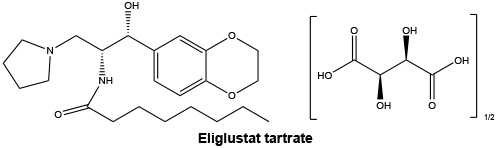
Molecular Weight: 479.59 g/mol.
Chemical Name: Octanamide, N-[(1R,2R)-2-(2,3-dihydro-1,4-benzodioxin-6-yl)-2-hydroxy-1-(1-pyrrolidinylmethyl) ethyl]-, (2R,3R)-2,3-dihydroxybutanedioate (2:1).
CAS number. CAS Registry Number: 928659-70-5.
7 Medicine Schedule (Poisons Standard)
Schedule 4 (Prescription Only Medicine).
Date of First Approval
17 February 2015
Date of Revision
23 June 2023
Summary Table of Changes

Reasonable care is taken to provide accurate information at the time of creation. This information is not intended as a substitute for medical advice and should not be exclusively relied on to manage or diagnose a medical condition. The Australian Commission on Safety and Quality in Health Care disclaims all liability (including for negligence) for any loss, damage, injury or any other negative effects resulting from reliance on or use of this information. Read our full disclaimer. This website uses cookies. Read our privacy policy.