
Cleviprex
Brand Information
| Brand name | Cleviprex |
| Active ingredient | Clevidipine |
| Schedule | S4 |
Consumer Medicine Information (CMI) leaflet
Please read this leaflet carefully before you start using the Cleviprex.
Summary CMI
CLEVIPREX®
Consumer Medicine Information (CMI) summary
The full CMI on the next page has more details. If you are worried about this medicine, speak to your doctor or pharmacist.
1. Why am I being given CLEVIPREX?
CLEVIPREX contains the active ingredient clevidipine. CLEVIPREX belongs to a group of medicines called calcium channel blockers. CLEVIPREX is given to adults to reduce high blood pressure.
For more information, see Section 1. Why am I being given CLEVIPREX? in the full CMI.
2. What should I know before I am given CLEVIPREX?
You must not be given CLEVIPREX it if you have ever had an allergic reaction to clevidipine, soybeans, soy products, eggs or egg products or any of the ingredients listed at the end of the CMI.
Talk to your doctor if:
- your body cannot process lipids (fats, including cholesterol) properly
- you have narrowing of a heart valve, heart failure or phaeochromocytoma.
- you are pregnant, planning to become pregnant, breastfeeding or planning to breastfeed.
For more information, see Section 2. What should I know before I am given CLEVIPREX? in the full CMI.
3. What if I am taking other medicines?
Some medicines may interfere with CLEVIPREX and affect how it works. Tell your doctor about any other medicines you are taking.
More information is in Section 3. What if I am taking other medicines? in the full CMI.
4. How is CLEVIPREX given?
CLEVIPREX will be given to you by a doctor or nurse as a slow infusion (drip) into a vein. Your doctor will decide what dose you will receive.
More information can be found in Section 4. How is CLEVIPREX given? in the full CMI.
5. What should I know while being given CLEVIPREX?
| Things you should do |
|
| Driving or using machines | CLEVIPREX may make you dizzy, light-headed or tired, so do not drive or operate machines or do anything else that requires you to be alert. |
| Storage | CLEVIPREX will be stored in the hospital pharmacy or on the ward, away from light in a refrigerator where the temperature stays between 2°C and 8°C. Once opened, any left-over liquid will be thrown away. |
For more information, see Section 5. What should I know while I am being given CLEVIPREX? in the full CMI.
6. Are there any side effects?
All medicines can have side effects. If you do experience any side effects, most of them are minor and temporary. Less serious side effects include dizziness, headache, nausea, flushing, feeling anxious, confused, unable to sleep. More serious side effects include racing or fluttering heartbeat, chest pain, wheezing or problems breathing and serious allergic reactions (swollen nose, lips, face, eye or throat).
For more details about side effects, and what to do, see Section 6. Are there any side effects? in the full CMI.
Full CMI
CLEVIPREX®
Active ingredient: Clevidipine
Consumer Medicine Information (CMI)
This leaflet provides important information about being given CLEVIPREX.
Speak to your doctor or pharmacist if you would like further information or if you have any concerns or questions about being given CLEVIPREX.
Where to find information in this leaflet:
1. Why am I being CLEVIPREX?
2. What should I know before I am given CLEVIPREX?
3. What if I am taking other medicines?
4. How is CLEVIPREX given?
5. What should I know while I am given CLEVIPREX?
6. Are there any side effects?
7. Product details
1. Why am I being given CLEVIPREX?
CLEVIPREX contains the active ingredient clevidipine.
CLEVIPREX belongs to a group of medicines called calcium channel blockers.
CLEVIPRIX is used to treat:
- patients with raised blood pressure (also called hypertension)
- patients who are having surgery and need to have their blood pressure lowered for the procedure.
2. What should I know before I am given CLEVIPREX?
Warnings
You must not be given CLEVIPREX if:
- you have ever had an allergic reaction to clevidipine or any of the ingredients listed at the end of this leaflet
- you have ever had an allergic reaction to soybeans, soy products, eggs or egg products
- your body cannot process lipids (fats, including cholesterol) properly - this can happen if you have hyperlipidaemia (high lipid levels), lipoid nephrosis (a kidney disorder) or acute pancreatitis with hyperlipidaemia
- you have narrowing of a heart valve (critical aortic stenosis)
Always check the ingredients to make sure you can have this medicine.
Check with your doctor if you:
- have any other medical conditions
- are allergic to any other medicines or foods, preservatives or dyes
- take any medicines for anything else, for example, beta-blockers for heart conditions or medicines where your lipids need to be restricted
While being given CLEVIPREX, you may be at risk of getting certain side effects. It is important you understand these risks and how to watch for them. See extra information under Section 6. Are there any side effects?
Pregnancy and breastfeeding
Talk to your doctor if you are pregnant. CLEVIPREX should not be given during pregnancy unless clearly necessary.
Talk to your doctor if you are breastfeeding. It is not known if CLEVIPREX passes into breast milk, so it is recommended that you do not breastfeed while being given it.
Your doctor will look at whether the benefits of having CLEVIPREX outweigh any possible effects on unborn or newborn babies.
Children
CLEVIPRIX is not recommended for use in children or adolescents. There is not enough information to recommend the use of this medicine for children or adolescents under the age of 18 years.
3. What if I am taking other medicines?
Tell your doctor or pharmacist if you are taking any other medicines including any medicines, vitamins or supplements that you buy without a prescription from your pharmacy, supermarket or health food shop.
Check with your doctor or pharmacist if you are not sure about what medicines, vitamins or supplements you are taking and if these interfere with CLEVIPREX.
4. How is CLEVIPREX given?
How it is given
- CLEVIPREX is given as a slow infusion (drip) into the vein.
- Your doctor or nurse will inject this medicine for you.
- Never inject this medicine yourself. Always let your doctor or nurse do this.
How much is given
- Your doctor will decide what dose you will have, depending on your condition and what your blood pressure level needs to be. They will start you with a lower dose and increase it until your blood pressure reaches the target level.
- Ask your doctor if you want to know more about the dose they are giving you.
If you have too much CLEVIPREX
It is unlikely that you will receive too much CLEVIPREX, however if you think you have received too much, tell your doctor or nurse straight away. Your doctor or nurse will treat and monitor your side effects.
You can also contact the Poisons Information Centre (by calling 13 11 26) if you have any concerns.
5. What should I know while being given CLEVIPREX?
Things you should do
- Tell your doctor or nurse straight away if you develop a fluttering or rapid heart rate and/or feel very dizzy or light-headed while having CLEVIPREX. They may adjust your dose.
- Because your blood pressure has been lowered, get up slowly out of a chair or from your bed in case you are dizzy or light-headed.
- Tell your doctor or nurse if the dizziness or light-headedness gets worse or does not improve.
- Stay in hospital for as long as your doctor says so they can make sure that your blood pressure does not suddenly go up again.
- Keep your follow-up appointments with your doctor, so they can monitor your blood pressure.
- Remind any doctor, dentist or pharmacist you visit that you have been given CLEVIPREX.
Driving or using machines
Be careful before you drive or use any machines or tools until you know how CLEVIPREX affects you.
CLEVIPREX may make you dizzy, light-headed or tired.
Looking after CLEVIPREX
CLEVIPREX will be stored in the hospital pharmacy or on the ward, away from light in a refrigerator where the temperature stays between 2°C and 8°C.
When your medicine will be discarded
- Once opened, any left-over liquid will be thrown away after 12 hours.
- The medicine will also be thrown away if the expiry date has passed
6. Are there any side effects?
All medicines can have side effects. If you do have any side effects, most of them will be minor and temporary. However, some side effects may need medical attention.
See the information below and, if you need to, ask your doctor or pharmacist if you have any further questions about side effects.
Less serious side effects
| Less serious side effects | What to do |
General body
| Speak to your doctor or nurse if you have any of these less serious side effects and they worry you. |
Serious side effects
| Serious side effects | What to do |
General body
| Tell your doctor or nurse straight away or (if you have finished your treatment and are not in hospital) go straight to the Emergency Department at your nearest hospital if you notice any of these serious side effects. |
Tell your doctor, nurse or pharmacist if you notice anything else that may be making you feel unwell.
Other side effects not listed may occur in some people.
Always speak to your doctor or pharmacist before you decide to stop taking any of your medicines.
Reporting side effects
After you have spoken to your doctor, nurse or pharmacist about any side effects you have, you can report side effects to the Therapeutic Goods Administration online at www.tga.gov.au/reporting-problems. By reporting side effects, you can help provide more information on the safety of this medicine.
7. Product details
This medicine is only available with a doctor's prescription.
What CLEVIPREX contains
| Active ingredient (main ingredient) | Clevidipine |
| Other ingredients (inactive ingredients) |
|
Do not have this medicine if you are allergic to any of these ingredients.
What CLEVIPREX looks like
CLEVIPREX is a white, milky liquid (emulsion) with a reflective surface and no particles, in a sterile, clear glass vial.
Each vial contains 0.5 mg clevidipine per mL of liquid.
There are two sizes:
CLEVIPREX 25 mg/ 50 mL; Aust R 203313
CLEVIPREX 50 mg/ 100 mL; Aust R 203314
Not all pack sizes may be available.
Who supplies CLEVIPREX
Chiesi Australia Pty Ltd
Level 7, Suite 1, 500 Bourke Street,
Melbourne, VIC 3000
Email: medinfo.au@chiesi.com
Website: www.chiesi.com.au
This leaflet was prepared in September 2025.
Brand Information
| Brand name | Cleviprex |
| Active ingredient | Clevidipine |
| Schedule | S4 |
MIMS Revision Date: 01 November 2025
1 Name of Medicine
Clevidipine.
2 Qualitative and Quantitative Composition
Cleviprex 25 mg/50 mL injectable emulsion contains 25 mg clevidipine.
Cleviprex 50 mg/100 mL injectable emulsion contains 50 mg clevidipine.
The injection has a pH of 6.0-8.0.
Excipients with known effect. Egg products and soya bean products. For the full list of excipients, see Section 6.1 List of Excipients.
3 Pharmaceutical Form
Cleviprex is a milky white opaque injectable emulsion with non-reflective surface and free of visible particulate matter.
4 Clinical Particulars
4.1 Therapeutic Indications
Cleviprex is indicated for the short term treatment of hypertension when oral therapy is not feasible or desirable.
4.2 Dose and Method of Administration
Dosage. Cleviprex is intended for intravenous use.
Cleviprex should not be used in patients with known allergies to soybeans, soy products, eggs or egg products.
Initial dose. Initiate the intravenous infusion of Cleviprex at 1-2 mg/h; the dose may be doubled every 90 seconds initially. As the blood pressure approaches goal, the increase in doses should be less than doubling and the time between dose adjustments should be lengthened to every 5-10 minutes. Continue titration until desired target range is achieved.
Maintenance dose. The desired therapeutic response for most patients occurs at doses of 4-6 mg/h. Patients with severe hypertension may require doses up to 32 mg/h but there is limited experience at this dose rate.
Maximum dose. The maximum recommended dose is 32 mg/h although most patients were treated with maximum doses of 16 mg/h or less. Because of lipid load restrictions, no more than 1000 mL or an average of 21 mg/hour of Cleviprex infusion is recommended per 24 hour period. In clinical trials, 55 hypertensive patients were treated with > 500 mL of Cleviprex infusion per 24 hour period. There is little experience with infusion durations beyond 72 hours at any dose.
Transition to an oral antihypertensive agent. Discontinue Cleviprex or titrate downward while appropriate oral therapy is established. When an oral antihypertensive agent is being instituted, consider the lag time of onset of the oral agent's effect. Continue blood pressure monitoring until desired effect is achieved.
Adults/ elderly population. Cleviprex is intended for intravenous use in a hospital setting only. Titrate drug to achieve the desired blood pressure reduction. Individualise dosage depending on the blood pressure to be obtained and the response of the patient.
The duration of treatment may vary according to individual needs of the patient. In patients undergoing cardiac surgery in the ESCAPE trial (versus placebo) the mean (± SD) duration of therapy was 0.50 (± 0.22) hours. In patients undergoing cardiac surgery in the ECLIPSE trial (versus active comparators) the mean (± SD) duration of therapy was 8.23 (± 11.24) hours, whilst for severely hypertensive patients in the VELOCITY trial the mean (± SD) duration of therapy was 21.26 (± 6.64) hours. There is little experience with infusion durations beyond 72 hours.
Method of administration. Cleviprex is for single use in one patient only. Strict aseptic technique must be maintained while handling Cleviprex. Cleviprex is a single use parenteral product that contains phospholipids and can support the growth of microorganisms. Do not use if contamination is suspected. Once spiked, begin infusion immediately. Use within 12 hours and discard any unused portion.
Cleviprex is a sterile, white opaque emulsion. Visually inspect for particulate matter and discolouration prior to use. Solutions that are discoloured or contain particulate matter should not be used.
Gently invert vial before use to ensure uniformity of the emulsion prior to administration.
Cleviprex may be administered using a syringe or volumetric pump. Commercially available standard plastic cannulae may be used to administer the infusion. Cleviprex can be administered via a central line or a peripheral line.
Protection from light during administration is not required.
Cleviprex should not be diluted.
Cleviprex should not be administered in the same line or injection site as other medications. However, when using separate injection sites, Cleviprex can be administered with the following:
Water for Injection, USP;
Sodium Chloride (0.9%) Injection, USP;
Glucose (5%) Injection, USP;
Glucose (5%) in Sodium Chloride (0.9%) Injection, USP;
Glucose (5%) in Ringers Lactate Injection, USP;
Lactated Ringers Injection, USP;
10% amino acid.
Monitoring. Cleviprex should be administered in a hospital setting with appropriate personnel and capabilities for monitoring blood pressure and heart rate. Monitor blood pressure and heart rate continually during infusion, and then until vital signs are stable. Patients who receive prolonged Cleviprex infusions and are not transitioned to other antihypertensive therapies should be monitored for the possibility of rebound hypertension for at least 8 hours after the infusion is stopped. These patients may need follow-up adjustments in blood pressure control.
Hepatic impairment. No dose adjustment is required in patients with hepatic or renal impairment.
In clinical trials, 78 patients with abnormal hepatic function (one or more of the following: elevated serum bilirubin, AST/SGOT, and/or ALT/SGPT) were treated with Cleviprex.
Renal impairment. No dose adjustment is required in patients with hepatic or renal impairment.
In clinical trials, 121 patients with moderate to severe renal impairment were treated with Cleviprex.
Paediatric population. There is no experience with Cleviprex in children or adolescents. Cleviprex is not recommended in the paediatric age group until further data become available.
Patients on other lipid based therapies. Cleviprex contains approximately 0.2 g of lipid per mL (2.0 kcal). In patients with lipid load restrictions, the quantity of concurrently administered lipids may need to be adjusted to compensate for the amount of lipid infused as part of the Cleviprex formulation.
4.3 Contraindications
Cleviprex is contraindicated in patients with known allergies to clevidipine, soybeans, soy products, eggs or egg products or to any of the excipients.
Defective lipid metabolism. Cleviprex should not be used in patients with defective lipid metabolism such as pathologic hyperlipemia, lipoid nephrosis, or acute pancreatitis if it is accompanied by hyperlipidemia.
Severe aortic stenosis. Cleviprex should not be used in patients with severe aortic stenosis because excessive afterload reduction can reduce myocardial oxygen delivery in these patients.
4.4 Special Warnings and Precautions for Use
Use strict aseptic technique. Once spiked, begin infusion immediately. Use within 12 hours and discard any unused portion.
Identified precautions. Hypotension and reflex tachycardia. Rapid pharmacologic reductions in blood pressure may produce systemic hypotension and reflex tachycardia that may be associated with a worsening of clinical outcome. If either occurs with Cleviprex, decrease the dose. There is little experience with short-term treatment with beta-blockers for clevidipine induced tachycardia and beta-blocker use for this purpose is not recommended.
Negative inotropy. Dihydropyridine calcium channel blockers can produce negative inotropic effects and exacerbate heart failure. Monitor heart failure patients carefully.
Beta-blocker withdrawal. Cleviprex does not reduce heart rate and offers no protection against the effects of abrupt beta-blocker withdrawal. Beta-blockers should be withdrawn only after gradual reduction in dose.
Rebound hypertension. Patients who receive prolonged Cleviprex infusions and are not transitioned to other antihypertensive therapies should be monitored for the possibility of rebound hypertension for at least 8 hours after the infusion is stopped.
Pheochromocytoma. There is no information to guide use of Cleviprex in treating hypertension associated with pheochromocytoma.
Use in the elderly. Of the 1406 subjects (1307 with hypertension) treated with Cleviprex in clinical studies, 620 were ≥ 65 years of age and 232 were ≥ 75 years of age. No overall differences in safety or effectiveness were observed between these and younger patients. Although dose adjustment is not required in, elderly patients, doses should be titrated cautiously, usually starting at the low end of the dosing range, reflecting the greater frequency of decreased hepatic, renal or cardiac function, and of concomitant disease or other drug therapy.
Paediatric use. There is no experience with Cleviprex in children or adolescents. Cleviprex is not recommended in the paediatric age group until further data become available.
Effects on laboratory tests. No data available.
4.5 Interactions with Other Medicines and Other Forms of Interactions
No formal drug-drug interaction studies were conducted. Pharmacokinetic drug interactions are unlikely as clevidipine is rapidly metabolised by hydrolysis in vivo. Clevidipine and its major dihydropyridine metabolite appear to have limited potential for inhibiting or inducing any CYP enzyme.
4.6 Fertility, Pregnancy and Lactation
Effects on fertility. There were no adverse effects on fertility or mating behaviour of male rats at Cleviprex doses of up to 55 mg/kg/day, approximately 5-8 times higher than the normal maintenance dose of 4-6 mg/h and equivalent to the maximum recommended human dose (MRHD) of 504 mg/day (21 mg/hour x 24 hours) on a body surface area basis. Female rats demonstrated pseudopregnancy and changes in estrus cycle at doses as low as 13 mg/kg/day (similar to the normal maintenance dose and approximately 1/4 the MRHD); however, doses up to 55 mg/kg/day did not affect mating performance or fertility.
Use in pregnancy. (Category C)
There are no adequate and well controlled studies of Cleviprex use in pregnant women. Calcium channel blockers can suppress uterine contractions in humans. In animal studies, clevidipine caused increases in maternal and fetal mortality and length of gestation.
Calcium channel blockers as a class carry the potential to produce fetal hypoxia associated with maternal hypotension. Cleviprex should be used during pregnancy only if the potential benefit justifies the potential risk to the fetus.
There was decreased fetal survival when pregnant rats and rabbits were treated with clevidipine during organogenesis at doses 0.7 times (on a body service area basis) the maximum recommended human dose (MRHD) in rats and 2 times the MRHD in rabbits.
In pregnant rats dosed with clevidipine during late gestation and lactation, there were dose related increases in maternal mortality, length of gestation and prolonged parturition at doses greater than or equal to 1/6 of the MRHD based on body surface area. When offspring of these dams were mated, they had a conception rate lower than that of controls. Clevidipine has been shown to cross the placenta in rats.
Use in lactation. It is unknown whether clevidipine is excreted in human breast milk. The excretion of clevidipine in milk has not been studied in animals. A decision on whether to continue/ discontinue breastfeeding or to continue/ discontinue therapy with Cleviprex should be made, taking into account the benefit of breastfeeding to the child and the benefit of Cleviprex therapy to the woman.
4.7 Effects on Ability to Drive and Use Machines
The effects of this medicine on a person's ability to drive and use machines were not assessed as part of its registration.
4.8 Adverse Effects (Undesirable Effects)
Cleviprex has been evaluated for safety in 19 completed studies, with 99 healthy subjects and 1307 hypertensive patients who received at least one dose of clevidipine (1406 total exposures). Clevidipine was evaluated in 15 studies in hypertensive patients: 1099 patients with perioperative hypertension, 126 with severe hypertension and 82 patients with essential hypertension.
Cleviprex was infused for < 24 hours in the majority of patients (n = 1199); it was infused as a continuous infusion in an additional 93 patients for durations between 24 and 72 hours.
Perioperative hypertension. Atrial fibrillation, sinus tachycardia and hypotension were all frequently observed adverse events in the perioperative population. In all phase III clinical trials on cardiac surgical patients, the incidence of atrial fibrillation in patients treated with Cleviprex as compared to active comparators and placebo was 32.8%, 32.9% and 12.0%, respectively, among which 3.9%, 2.5%, and 0.0% were considered treatment related. The incidence of sinus tachycardia in perioperative patients treated with Cleviprex as compared to active comparators and placebo was 25.5%, 30.5%, and 0.0%, respectively, among which 1.3%, 1.2%, and 0.0% were considered treatment related. The incidence of hypotension in perioperative patients treated with Cleviprex as compared to active comparators and placebo was 15.1%, 14.9%, and 1.0%, respectively, among which 2.5%, 2.5%, and 0.0% were considered treatment related.
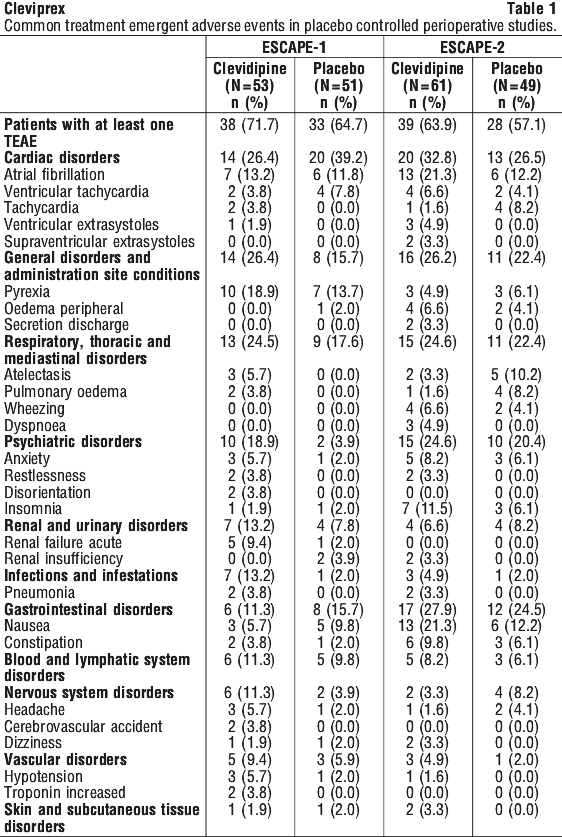
The placebo controlled experience with Cleviprex in the perioperative setting was both small and brief (about 30 minutes). Table 1 shows treatment emergent adverse events and the category of "any common adverse event" in ESCAPE-1 and ESCAPE-2 where the rate on Cleviprex exceeded the rate on placebo by at least 2% (common adverse events).
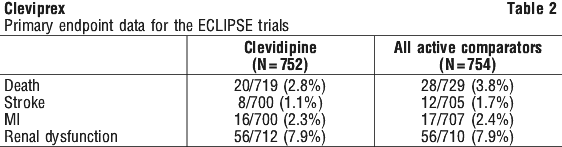
Serious adverse events and discontinuation - perioperative hypertension studies. The incidence of adverse events leading to study drug discontinuation in patients with perioperative hypertension receiving Cleviprex was 5.9% versus 3.2% for all active comparators. For patients receiving Cleviprex and all active comparators, the incidence of serious adverse events within one hour of drug infusion discontinuation was similar.
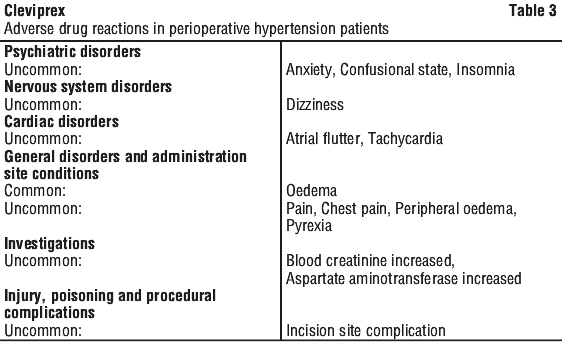
Adverse drug reactions, defined as adverse events at least possibly causally related to Cleviprex (see Table 3: in perioperative hypertension; Table 4: essential hypertension) reported in excess (> 0.5%) in patients receiving placebo and as more than an isolated case in patients receiving Cleviprex in controlled clinical trials, are listed below by system organ class and absolute frequency.
Frequencies are defined as: very common > 1/10; common > 1/100, < 1/10; uncommon > 1/1000, < 1/100. Within each frequency grouping, undesirable effects are presented in order of decreasing seriousness.
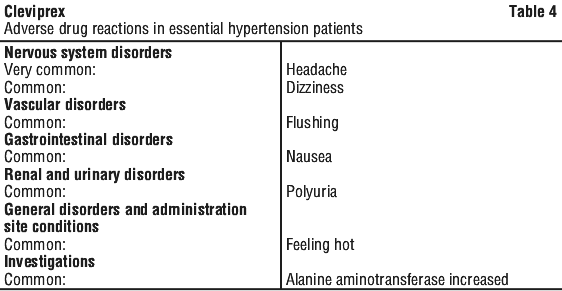
The common adverse events for Cleviprex in severe hypertension included headache (6.3%), nausea (4.8%), vomiting (3.2%) and pruritus (1.6%). The incidence of adverse events leading to study drug discontinuation for Cleviprex in severe hypertension was 4.8%.
Less common adverse events in patients with severe or essential hypertension. Adverse events that were reported in < 1% of patients with severe or essential hypertension included:
Cardiac. Myocardial infarction, cardiac arrest.
Nervous system. Syncope.
Respiratory. Dyspnea.
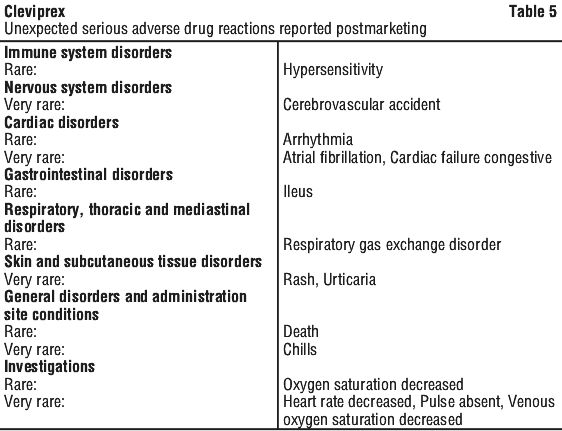
A summary of available postmarketing unexpected serious adverse drug reactions is provided in Table 5. Reported rates are based on estimated exposure data and are defined as: rare > 1/10,000, < 1/1000; very rare < 1/10,000. Within each frequency grouping, undesirable effects are presented in order of decreasing seriousness.
Post marketing experience. The following adverse reaction has been identified during post-approval use of Cleviprex: increased blood triglycerides.
Reporting suspected adverse effects. Reporting suspected adverse reactions after registration of the medicinal product is important. It allows continued monitoring of the benefit-risk balance of the medicinal product. Healthcare professionals are asked to report any suspected adverse reactions at www.tga.gov.au/reporting-problems.
4.9 Overdose
The expected major effects of overdose would be hypotension and reflex tachycardia.
Discontinuation of Cleviprex leads to a reduction in antihypertensive effects within 5 to 15 minutes. In case of suspected overdosage, Cleviprex should be discontinued immediately and the patient's blood pressure should be supported.
Contact the Poisons Information Centre on 13 11 26 (Australia only), or the National Poisons Centre on 0800 764 766 (New Zealand only), for advice on management of overdose.
5 Pharmacological Properties
5.1 Pharmacodynamic Properties
Mechanism of action. Clevidipine is a dihydropyridine L-type calcium channel blocker. L-type calcium channels mediate the influx of calcium during depolarisation in arterial smooth muscle. Experiments in anaesthetised rats and dogs show that clevidipine reduces mean arterial blood pressure by decreasing systemic vascular resistance. Clevidipine does not reduce cardiac filling pressure (preload), confirming lack of effects on the venous capacitance vessels.
Pharmacodynamic effects. Cleviprex is titrated to achieve the desired reduction in blood pressure. In the perioperative patient population, Cleviprex produces a 4-5% reduction in systolic blood pressure (SBP) within 2-4 minutes after starting a 0.4 microgram/kg/min infusion (approximately 1-2 mg/h). In studies of up to 72 hours there was no evidence of tolerance.
In most patients, full recovery of blood pressure is achieved in 5-15 minutes after the infusion is stopped. In studies of up to 72 hours there was no evidence of rebound hypertension.
Haemodynamics. Cleviprex causes a dose dependent decrease in systemic vascular resistance.
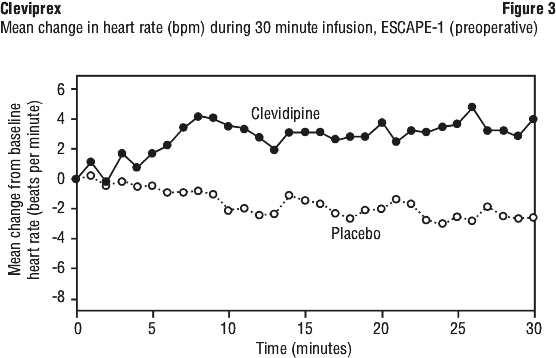
A reflex increase in heart rate may be a normal response to vasodilation and decreases in blood pressure, the observed effect being similar for clevidipine and all other comparators studied; in some patients these increases in heart rate may be pronounced (see Section 4.4 Special Warnings and Precautions for Use).
The effect of Cleviprex in anaesthetised cardiac surgery patients on central haemodynamics, myocardial blood flow and metabolism was studied. In these patients, cardiac output and stroke volume increased by 10%. As the dose of Cleviprex was escalated, myocardial oxygen extraction decreased significantly, indicating preservation of myocardial perfusion and a direct coronary vasodilatory effect. No increase in net lactate production in coronary sinus blood was observed, confirming the absence of myocardial ischaemia due to coronary steal.
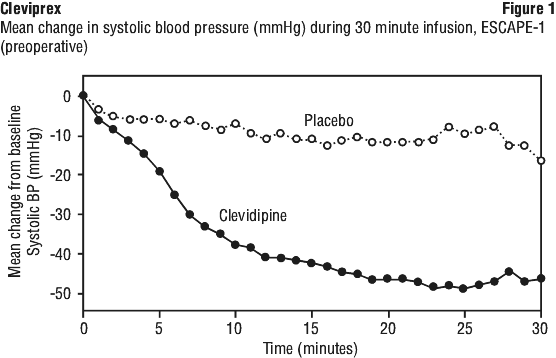
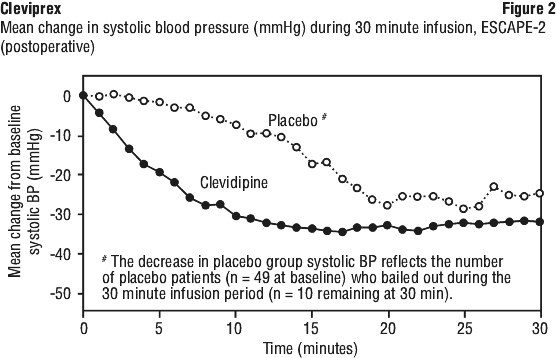
Clinical trials. Perioperative hypertension. Cleviprex was evaluated in two double blind, randomized, parallel, placebo controlled, multicenter trials in cardiac surgery patients undergoing coronary artery bypass grafting, with or without valve replacement. Preoperative use was studied in ESCAPE-1 (n = 105); postoperative use in ESCAPE-2 (n = 110). Inclusion in ESCAPE-1 required a systolic pressure ≥ 160 mmHg. In ESCAPE-2, the entry criterion was systolic pressure of ≥ 140 mmHg within 4 hours of the completed surgery. The mean baseline blood pressure was 178/77 mmHg in ESCAPE-1 and 150/71 mmHg in ESCAPE-2. The population of both studies included 27% females, 47% of patients were older than age 65.
Cleviprex was infused in ESCAPE-1 preoperatively for 30 minutes, until treatment failure, or until induction of anaesthesia, whichever came first. Cleviprex was infused in ESCAPE-2 postoperatively for a minimum of 30 minutes unless alternative therapy was required. The maximum infusion time allowed in the ESCAPE studies was 60 minutes.
In both studies, infusion of Cleviprex was started at a dose of 1-2 mg/hour and was titrated upwards, as tolerated, in doubling increments every 90 seconds up to an infusion rate of 16 mg/hour in order to achieve the desired blood pressure lowering effect. At doses above 16 mg/hour, increments were 7 mg/hour. The average Cleviprex infusion rate in ESCAPE-1 was 15.3 mg/hour and in ESCAPE-2 it was 5.1 mg/hour. The mean duration of exposure in the same ESCAPE studies was 30 minutes for the Cleviprex treated patients.
Approximately 4% of Cleviprex treated subjects in ESCAPE-1 and 41% in ESCAPE-2 were on concomitant vasodilators during the first 30 minutes of Cleviprex administration.
Cleviprex lowered blood pressure within 2-4 minutes. The change in systolic blood pressure over 30 minutes for ESCAPE-1 (preoperative) and ESCAPE-2 (postoperative) are shown in Figure 1 and Figure 2.
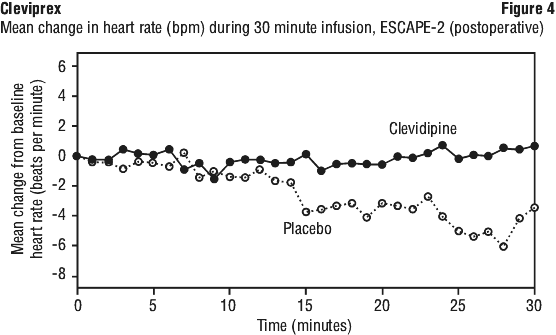
Essential hypertension. Cleviprex was evaluated in a randomized, placebo controlled, single blind, parallel 72 hour continuous infusion study in 61 mild to moderate essential hypertension patients. The mean baseline blood pressure was 151/86 mmHg.
Subjects were randomized to placebo or to 2, 4, 8, or 16 mg/hour. Doses above 2 mg/hour were started at 2 mg/hour and force titrated in 2-fold increments at 3 minute intervals. Blood pressure, heart rate, and blood levels of clevidipine were measured during the infusion period. Blood levels were monitored 1 hour after the infusion was discontinued. Blood pressure and heart rate were monitored for 8 hours, and also at 96 hours after the termination of infusion. Systolic blood pressure effect was related to the concentration of clevidipine and plateaued at higher measured concentrations, with the maximal effect estimated at 25% of baseline systolic blood pressure. The estimated infusion rate necessary to achieve half of this maximal effect was approximately 10 mg/hour.
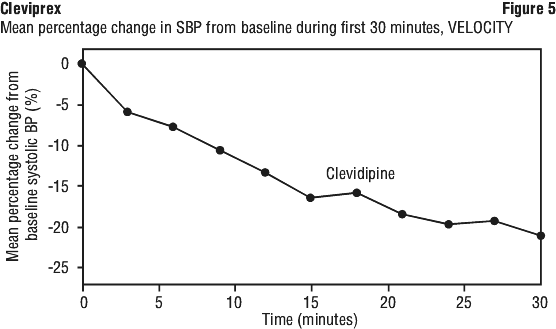
Severe hypertension. Cleviprex was evaluated in an open label, uncontrolled clinical trial (VELOCITY) in 126 patients with severe hypertension (SBP > 180 mmHg or diastolic blood pressure [DBP] > 115 mmHg). Cleviprex infusion was initiated at 2 mg/hour and up titrated every 3 minutes, doubling up to a maximum dose of 32 mg/hour as required to achieve a prespecified target blood pressure range within 30 minutes (primary endpoint). The transition to oral antihypertensive therapy was assessed for up to 6 hours following cessation of Cleviprex infusion.
The blood pressure effect in this study is shown in Figure 5. The average infusion rate was 9.5 mg/hour. The mean duration of Cleviprex exposure was 21 hours.
5.2 Pharmacokinetic Properties
Clevidipine is rapidly distributed and metabolised, resulting in a very short half-life. The arterial blood concentration of clevidipine declines in a multiphasic pattern following termination of the infusion. The initial phase half-life is approximately 1 minute, and accounts for 85-90% of clevidipine elimination. The terminal half-life is approximately 15 minutes.
Absorption. Clevidipine is > 99.5% bound to proteins in plasma at 37°C.
Distribution. The steady-state volume of distribution was determined to be 0.17 L/kg in arterial blood.
Metabolism. Clevidipine is rapidly metabolised by hydrolysis of the ester linkage, primarily by esterases in the blood and extravascular tissues, making its elimination unlikely to be affected by hepatic or renal dysfunction. The primary metabolite is the carboxylic acid metabolite and formaldehyde formed by hydrolysis of the ester group. The carboxylic acid metabolite is inactive as an antihypertensive. This metabolite is further metabolised by glucuronidation or oxidation to the corresponding pyridine derivative. The clearance of the primary dihydropyridine metabolite is 0.03 L/h/kg and the terminal half-life is approximately 9 hours.
In vitro studies showed that clevidipine and its metabolite did not markedly inhibit or induce CYP enzymes at the concentrations achieved in clinical practice.
Excretion. In a clinical study with radiolabelled clevidipine, 83% of the drug was excreted in urine and faeces. The major fraction, 63-74% is excreted in the urine, 7-22% in the faeces. More than 90% of the recovered radioactivity is excreted within the first 72 hours of collection.
5.3 Preclinical Safety Data
Genotoxicity. Clevidipine displayed positive genotoxic potential in in vitro assays (Ames test, mouse lymphoma thymidine kinase locus assay, chromosomal aberration assay) but not in vivo in the mouse micronucleus test. The positive in vitro results are consistent with the formation of formaldehyde, a minor metabolite of clevidipine, which is known to be genotoxic in vitro and a probable human carcinogen. However, human in vivo exposure to formaldehyde at the maximum clinical dose of clevidipine (32 mg/h) is at least several hundred times less than normal daily endogenous formaldehyde generation, and is therefore not of clinical concern.
Carcinogenicity. Long-term studies for evaluation of carcinogenic potential have not been performed with clevidipine due to the intended short-term duration of human use.
6 Pharmaceutical Particulars
6.1 List of Excipients
Soya oil, glycerol, egg lecithin, oleic acid, disodium edetate, water for injections and sodium hydroxide to adjust pH.
6.2 Incompatibilities
Incompatibilities were either not assessed or not identified as part of the registration of this medicine.
6.3 Shelf Life
In Australia, information on the shelf life can be found on the public summary of the Australian Register of Therapeutic Goods (ARTG). The expiry date can be found on the packaging.
6.4 Special Precautions for Storage
Store at 2-8°C. Do not freeze. Protect from light.
6.5 Nature and Contents of Container
Cleviprex is supplied in sterile, single-use, clear Type I glass vials with a grey silicone butyl-elastomer stopper. Each single vial is packaged in its own separate carton and is marketed in a multi carton pack of 10 vials.
6.6 Special Precautions for Disposal
In Australia, any unused medicine or waste material should be disposed of in accordance with local requirements.
6.7 Physicochemical Properties
Chemical structure.
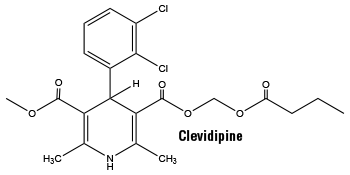
Molecular formula: C21H23Cl2NO6. MW: 456.3.
Clevidipine is a white to off white powder. It is practically insoluble in water.
CAS number. 167221-71-8.
7 Medicine Schedule (Poisons Standard)
Schedule 4.
Date of First Approval
09 April 2010
Date of Revision
26 September 2025
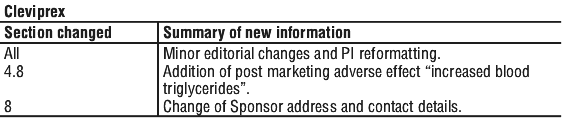
Summary Table of Changes
Reasonable care is taken to provide accurate information at the time of creation. This information is not intended as a substitute for medical advice and should not be exclusively relied on to manage or diagnose a medical condition. The Australian Commission on Safety and Quality in Health Care disclaims all liability (including for negligence) for any loss, damage, injury or any other negative effects resulting from reliance on or use of this information. Read our full disclaimer. This website uses cookies. Read our privacy policy.