
Curam Duo 400/57
Brand Information
| Brand name | Curam Duo 400/57 |
| Active ingredient | Amoxicillin + Clavulanic acid |
| Schedule | S4 |
Consumer Medicine Information (CMI) leaflet
Please read this leaflet carefully before you start using the Curam Duo 400/57.
Summary CMI
CURAM® DUO 400/57
Consumer Medicine Information (CMI) summary
The full CMI on the next page has more details. If you are worried about using this medicine, speak to your doctor or pharmacist.
1. Why is my child using Curam Duo 400/57?
Curam Duo 400/57 contains the active ingredients amoxicillin and clavulanic acid. Curam Duo 400/57 is used for the short term treatment of a wide range of infections caused by bacteria. These infections may affect the chest (e.g. bronchitis or pneumonia), bladder (e.g. cystitis), sinuses (e.g. sinusitis), the ears (e.g. otitis media) or the skin.
For more information, see Section 1. Why is my child using Curam Duo 400/57? in the full CMI.
2. What should I know before giving my child Curam Duo 400/57?
Do not use if you have ever had an allergic reaction to amoxicillin, clavulanic acid, other penicillin based antibiotics or similar antibiotics (such as cephalosporins) or any of the ingredients listed at the end of the CMI.
Talk to your doctor if you have any other medical conditions, take any other medicines, or are pregnant or plan to become pregnant or are breastfeeding.
For more information, see Section 2. What should I know before giving my child Curam Duo 400/57? in the full CMI.
3. What if my child is taking other medicines?
Some medicines may interfere with Curam Duo 400/57 and affect how it works.
A list of these medicines is in Section 3. What if my child is taking other medicines? in the full CMI.
4. How do I give Curam Duo 400/57?
- Always use this medicine exactly as the doctor or pharmacist has told you to.
- The usual dose of this medicine is one dose taken twice a day. The dose may vary depending on your child's weight.
More instructions can be found in Section 4. How do I give Curam Duo 400/57? in the full CMI.
5. What should I know while giving Curam Duo 400/57?
| Things you should do |
|
| Things you should not do |
|
| Driving or using machines |
|
| Looking after your medicine |
|
For more information, see Section 5. What should I know while giving Curam Duo 400/57? in the full CMI.
6. Are there any side effects?
Side effects include diarrhoea, thrust, nausea, vomiting, dizziness, headache, indigestion, skin rash, and itching. Serious side effects include severe allergic reactions, skin reactions, yellowing of skin/eyes (liver problems), and severe diarrhoea.
For more information, including what to do if you have any side effects, see Section 6. Are there any side effects? in the full CMI.
Full CMI
CURAM® DUO 400/57
Active ingredient(s): amoxicillin trihydrate & potassium clavulanate
Consumer Medicine Information (CMI)
This leaflet provides important information about using Curam Duo 400/57. You should also speak to your doctor or pharmacist if you would like further information or if you have any concerns or questions about using Curam Duo 400/57.
Where to find information in this leaflet:
1. Why is my child using Curam Duo 400/57?
2. What should I know before giving my child Curam Duo 400/57?
3. What if my child is taking other medicines?
4. How do I give Curam Duo 400/57?
5. What should I know while giving Curam Duo 400/57?
6. Are there any side effects?
7. Product details
1. Why is my child using Curam Duo 400/57?
Curam Duo 400/57 contains two active ingredients. One of these is a penicillin called amoxicillin and the other is clavulanic acid. Curam Duo 400/57 belongs to the penicillin group of antibiotics.
Curam Duo 400/57 is used for the short term treatment of a wide range of infections caused by bacteria. These infections may affect the chest (e.g. bronchitis or pneumonia), bladder (e.g. cystitis), sinuses (e.g. sinusitis), the ears (e.g. otitis media) or the skin.
Curam Duo 400/57 works by killing the bacteria that cause these infections.
Curam Duo 400/57 is used for the treatment of the infections listed. However, the doctor may prescribe these medicines for another use. If you want more information, ask the doctor.
There is no evidence that Curam Duo 400/57 is addictive.
2. What should I know before giving my child Curam Duo 400/57?
Warnings
Do not give Curam Duo 400/57 if:
- your child is allergic to amoxicillin, clavulanic acid, other penicillin based antibiotics or similar antibiotics (such as cephalosporins) or any of the ingredients listed at the end of this leaflet. If your child has ever had an allergic reaction (such as a rash) when taking an antibiotic you should tell the doctor before any Curam Duo 400/57 is given.
Always check the ingredients to make sure you can use this medicine. - your child has previously experienced liver problems or jaundice when taking an antibiotic or any other medicines.
- the expiry date (EXP) printed on the pack has passed.
- the packaging is torn or shows signs of tampering.
This medicine is for the person named by the doctor. Do not give this medicine to anyone else.
Check with your doctor if your child:
- has ever had an allergic reaction (such as a rash) to any antibiotics or medicines in the past
- is allergic to foods, dyes, preservatives or any other medicines.
- has glandular fever (mononucleosis) or a blood disorder.
- has liver or kidney problems. The dosage of Curam Duo 400/57 may need to be changed or your child may need to be given an alternative medicine.
- Is not urinating regularly or not able to drink very much.
- has phenylketonuria. Curam Duo 400/57 contains aspartame.
- is required to have urine glucose (sugar) test.
This medicine may affect the results of these tests.
Curam Duo 400/57 can make some existing conditions worse, or cause serious side effects, such as severe allergic reactions, serious skin reactions, chest pain, repetitive vomiting within 1 to 4 hours of Curam Duo 400/57 administration, serious liver problems or severe diarrhoea or inflammation of the large intestines (pseudomembranous colitis). You must look out for certain symptoms while giving this medicine to your child to help reduce the risk of any problems.
During treatment, your child may be at risk of developing certain side effects. It is important you understand these risks and how to monitor for them. See additional information under Section 6. Are there any side effects?
Pregnancy and breastfeeding
If your child is pregnant or intend to become pregnant, do not take this medicine without checking with your doctor.
Before taking this medicine, talk to your doctor if your child is breastfeeding or intend to breastfeed.
Your doctor will consider the risks and benefits of this treatment.
3. What if my child is taking other medicines?
Tell your doctor or pharmacist if you are giving your cild any other medicines, including any medicines, vitamins or supplements that you buy without a prescription from your pharmacy, supermarket or health food shop.
In particular, tell the doctor if your child is taking any of the following:
- warfarin or other anticoagulants used to prevent blood clots
- mycophenolate
- medicines used to treat gout (e.g. probenecid or allopurinol)
- other antibiotics
- methotrexate (a medicine used to treat cancer or rheumatic diseases
- contraceptive pill. As with other antibiotics, your child may need to use extra birth control methods (e.g. condoms) while taking Curam Duo 400/57.
These may affect how Curam Duo 400/57 works or make it more likely that your child will have side effects.
Some medicines may interfere with Curam Duo 400/57 and affect how it works.
Check with your doctor or pharmacist if you are not sure about what medicines, vitamins or supplements your child is taking and if these affect Curam Duo 400/57.
4. How do I give Curam Duo 400/57?
Always follow the directions given to you by the doctor or pharmacist. Their directions may differ from the information contained in this leaflet.
Please read the direction label carefully. If you have any concerns about how to give this medicine, talk to the doctor or pharmacist.
How much to give
- Give this medicine as directed by the doctor or pharmacist
- The usual dose of this medicine is one dose taken twice a day. The dose may vary depending on your child's weight.
- Ask your doctor or pharmacist if you are unsure of the correct dose for your child.
- They will tell you exactly how much to give.
- Follow the instructions they give you.
- If you give the wrong dose, Curam Duo 400/57 may not work as well and your child's problem may not improve.
How to give Curam Duo 400/57
- The suspension will be prepared by your pharmacist who checks the seal prior to reconstitution. Shake the bottle well and accurately measure the dose with a measuring spoon. Your pharmacist will explain how many millilitres of suspension will be needed to receive the correct dose.
- Do not use the reconstituted suspension if the colour is not off-white.
- Shaking the bottle and using a measuring spoon will make sure that you get the correct dose. A measuring spoon is included with the product. Make sure the whole dose is swallowed each time.
When to give Curam Duo 400/57
- Give this medicine at about the same time each day.
- Giving this medicine at about the same time each day will have the best effect. It will also help you remember when to give it.
- Curam Duo 400/57 should be given immediately before or with the first mouthful of food. Curam Duo 400/57 works best when given this way. It may also help to prevent stomach upsets. However, this medicine will still work if given without food.
How long to give Curam Duo 400/57
- Continue giving this medicine until the course is finished or for as long as your doctor advises. Do not stop giving this medicine just because your child feels better as the infection can return.
- Do not stop giving Curam Duo 400/57, or change the dose without first checking with your doctor.
If you forget to give Curam Duo 400/57
Give the missed dose as soon as you remember, and continue to give it as you would normally.
If it is almost time for your next dose, skip the dose you missed and give that next dose when you are meant to.
Do not take a double dose to make up for the dose you missed.
This may increase the chance of your child getting an unwanted side effect.
If you are not sure what to do, ask your doctor or pharmacist.
If you have trouble remembering to give the medicine, ask your pharmacist for some hints.
If your child takes too much Curam Duo 400/57
If you think that your child has used too much Curam Duo 400/57, your child may need urgent medical attention.
You should immediately:
- phone the Poisons Information Centre
(by calling 13 11 26), or - contact your doctor, or
- go to the Emergency Department at your nearest hospital.
You should do this even if there are no signs of discomfort or poisoning.
5. What should I know while giving Curam Duo 400/57?
Things you should do
Tell your doctor if, for any reason, your child has not taken this medicine exactly as directed. Otherwise, your doctor may think that it was not effective and change your child's treatment unnecessarily.
If your child is about to be started on any new medicines, tell the doctor or pharmacist that your child is taking Curam Duo 400/57.
Call your doctor straight away if your child:
- develops itching, swelling or a skin rash while taking Curam Duo 400/57, do not give any more this medicine.
- develops severe diarrhoea either while taking this medicine or within several weeks after treatment. Do not give any medication to stop the diarrhoea (e.g. Lomotil® or Imodium®).
Remind any doctor, dentist or pharmacist your child visits that your child is using Curam Duo 400/57.
Things you should not do
- Do not give this medicine to anyone else, even if their symptoms seem similar to your child's.
- Do not use this medicine to treat any other complaints unless your child's doctor says to.
Driving or using machines
Be careful before your child drives or uses any machines or tools until you know how Curam Duo 400/57 affects your child.
Looking after your medicine
- Do not keep the bottle of Curam Duo 400/57 longer than 7 days after it has been made up and store in the fridge between 2°C and 8°C. Do not freeze.
Follow the instructions in the carton on how to take care of your medicine properly.
Store it in a cool dry place away from moisture, heat or sunlight; for example, do not store it:
- in the bathroom or near a sink, or
- in the car or on window sills.
Keep out of the sight and reach of children.
Getting rid of any unwanted medicine
If you no longer need to use this medicine or it is out of date, take it to any pharmacy for safe disposal.
Do not use this medicine after the expiry date.
6. Are there any side effects?
All medicines can have side effects. If you do experience any side effects, most of them are minor and temporary. However, some side effects may need medical attention.
See the information below and, if you need to, ask your doctor or pharmacist if you have any further questions about side effects.
Less serious side effects
| Less serious side effects | What to do |
Fungal Infection related:
| Speak to your doctor if your child has any of these less serious side effects and they worry you. |
Serious side effects
| Serious side effects | What to do |
Gut or Gastrointestinal related:
| Call your doctor straight away, or go straight to the Emergency Department at your nearest hospital if you notice any of these serious side effects. |
Tell your doctor or pharmacist if you notice anything else that may be making you feel unwell.
Other side effects not listed here may occur in some people.
Reporting side effects
After you have received medical advice for any side effects your child experiences, you can report side effects to the Therapeutic Goods Administration online at www.tga.gov.au/reporting-problems. By reporting side effects, you can help provide more information on the safety of this medicine.
Always make sure you speak to your doctor or pharmacist before you decide to stop giving any of your child's medicines.
7. Product details
This medicine is only available with a doctor's prescription.
What Curam Duo 400/57 contains
| Active ingredient (main ingredient) |
|
| Other ingredients (inactive ingredients) |
|
Curam Duo 400/57 does not contain sucrose, gluten, tartrazine or any other azo dyes.
Do not take this medicine if you are allergic to any of these ingredients.
What Curam Duo 400/57 looks like
Curam Duo 400/57 powder for suspension – available as an off-white powder, and when reconstituted with water it becomes an off-white suspension.
Available in 120 mL bottles containing 60 mL suspension, with a measuring spoon included. (Aust R 147109).
Who distributes Curam Duo 400/57
Sandoz Pty Ltd
100 Pacific Highway
North Sydney, NSW 2060
Australia
Tel 1800 726 369
This leaflet was prepared in June 2024.
® Registered Trade Mark. The trade marks mentioned in this material are the property of their respective owners.
Brand Information
| Brand name | Curam Duo 400/57 |
| Active ingredient | Amoxicillin + Clavulanic acid |
| Schedule | S4 |
MIMS Revision Date: 01 August 2024
1 Name of Medicine
Amoxicillin trihydrate and potassium clavulanate.
2 Qualitative and Quantitative Composition
Curam Duo 400/57 contains 400 mg/5 mL amoxicillin (as trihydrate) and 57 mg/5 mL clavulanic acid (as potassium clavulanate).
Excipients with known effect. When reconstituted as directed, Curam Duo 400/57 contains aspartame 8.5 mg/5 mL.
Each 5 mL of suspension contains 0.29 mmol of potassium. Also contains sulfites.
For the full list of excipients, see Section 6.1 List of Excipients.
3 Pharmaceutical Form
Powder for suspension: off-white powder and off-white suspension.
4 Clinical Particulars
4.1 Therapeutic Indications
Curam Duo 400/57 (amoxicillin and clavulanic acid) is indicated for the short-term treatment of the following bacterial infections when caused by sensitive organisms (see Section 5.1 Pharmacodynamic Properties, Microbiology):
skin and skin structure infections;
urinary tract infections (complicated and uncomplicated);
upper respiratory tract infections including sinusitis and otitis media;
lower respiratory tract infections including acute exacerbations of chronic bronchitis and community acquired pneumonia.
Appropriate culture and susceptibility studies should be performed to identify the causative organism(s) and determine its (their) susceptibility to Curam Duo 400/57 (amoxicillin and clavulanic acid). However, when there is reason to believe an infection may involve any of the beta-lactamase producing organisms listed in Microbiology, therapy may be instituted prior to obtaining the results from bacteriological and susceptibility studies. Once these results are known, therapy should be adjusted if appropriate.
The treatment of mixed infections caused by amoxicillin susceptible organisms and beta-lactamase producing organisms susceptible to Curam Duo 400/57 (amoxicillin and clavulanic acid) should not require the addition of another antibiotic due to the amoxicillin content of Curam Duo 400/57.
4.2 Dose and Method of Administration
Dosage. Adults. Curam Duo 400/57 (amoxicillin and clavulanic acid) should be taken immediately before or with the first mouthful of food, to minimise potential gastrointestinal intolerance and to optimise absorption.
Infants and children. Children aged 2 months up to 12 years. For moderate to severe infections the dose should be 45 mg/kg/day, based on the amoxicillin component, (or clavulanic acid 6.4 mg/kg/day) in two divided doses every 12 hours.
The children's dosage is intended for individuals whose weight will not cause dosage to be calculated greater than that recommended for adults.
There are no clinical data available for Curam Duo 400/57 (amoxicillin and clavulanic acid) in infants with immature renal function. The use of Curam Duo 400/57 (amoxicillin and clavulanic acid) in this group cannot be recommended.
Method of administration. Directions for reconstituting the oral suspension. Prepare the oral suspension at time of dispensing as follows. Tap bottle until all the powder flows freely. Add approximately one-half of the total amount of water for reconstitution and shake vigorously to suspend powder. Add remainder of the water and again shake vigorously.
Add 55 mL of water to 10.1 g of the powder for reconstitution of 60 mL ready for use suspension.
Add 63 mL of water to 11.80 g of the powder for reconstitution of 70 mL ready for use suspension.
Add 68 mL of water to 12.60 g of the powder for reconstitution of 75 mL ready for use suspension.
Add 89 mL of water to 16.50 g powder for reconstitution of 100 mL ready for use suspension.
Add 125 mL of water to 23.10 g of the powder for reconstitution of 140 mL ready for use suspension.
Each 5 mL will contain amoxicillin (as the trihydrate) 400 mg and clavulanic acid (as the potassium salt) 57 mg.
Shake oral suspension well before using. Reconstituted suspension must be stored under refrigeration (2°C to 8°C) and discarded after seven days.
Dosage adjustment. Renal impairment. Curam Duo 400/57 (amoxicillin and clavulanic acid) is not recommended for use in children with renal impairment or in haemodialysis. In children with renal impairment, dosage should be adjusted according to degree of impairment using the alternative Curam 125/31.25 formulation.
Hepatic impairment. Data are currently insufficient for a dosage recommendation. Dose with caution and monitor hepatic function at regular intervals.
4.3 Contraindications
Curam Duo 400/57 (amoxicillin and clavulanic acid) is contraindicated in patients with hypersensitivity to the active substance or to any of the excipients.
Curam Duo 400/57 (amoxicillin and clavulanic acid) is contraindicated in patients with a history of allergic reaction to beta-lactams, e.g. penicillins, cephalosporins, carbapenems or monobactams.
Curam Duo 400/57 (amoxicillin and clavulanic acid) is also contraindicated in patients with a previous history of cholestatic jaundice/hepatic dysfunction associated with amoxicillin and clavulanic acid.
4.4 Special Warnings and Precautions for Use
Use with caution in the following circumstances:
Curam Duo 400/57 (amoxicillin and clavulanic acid) contains aspartame, and should be used with caution in patients with phenylketonuria.
Before initiating therapy with amoxicillin/clavulanic acid, careful enquiry should be made concerning previous hypersensitivity reactions to penicillins, cephalosporins or other allergens.
Serious and occasionally fatal hypersensitivity (including anaphylactoid and severe cutaneous adverse reactions) reactions have been reported in patients on penicillin therapy. Although anaphylaxis is more frequent following parenteral therapy, it has occurred in patients on oral penicillins. These reactions are more likely to occur in individuals with a history of penicillin hypersensitivity and/or a history of sensitivity to multiple allergens. There have been reports of individuals with a history of penicillin hypersensitivity who have experienced severe reactions when treated with cephalosporins. Before initiating therapy with any penicillin, careful inquiry should be made concerning previous hypersensitivity reactions to penicillins, cephalosporins or other allergens. Hypersensitivity reactions can also progress to Kounis syndrome, a serious allergic reaction that can result in myocardial infarction. Presenting symptoms of such reactions can include chest pain occurring in association with an allergic reaction to amoxicillin/clavulanic acid (see Section 4.8 Adverse Effects (Undesirable Effects)). If an allergic reaction occurs, Curam Duo 400/57 (amoxicillin and clavulanic acid) should be discontinued and the appropriate therapy instituted. Serious anaphylactoid reactions require immediate emergency treatment with adrenaline. Oxygen, intravenous steroids and airway management, including intubation, should also be administered as indicated.
Drug-induced enterocolitis syndrome (DIES) has been reported mainly in children receiving amoxicillin/clavulanate (see Section 4.8 Adverse Effects (Undesirable Effects)). DIES is an allergic reaction with the leading symptom of protracted vomiting (1-4 hours after administration of amoxicillin/clavulanate) in the absence of allergic skin or respiratory symptoms. Further symptoms could comprise abdominal pain, diarrhoea, hypotension or leucocytosis with neutrophilia. There have been severe cases including progression to shock.
Antibiotic associated pseudomembranous colitis has been reported with many antibiotics including amoxicillin. A toxin produced by Clostridium difficile appears to be the primary cause. The severity of the colitis may range from mild to life threatening. It is important to consider this diagnosis in patients who develop diarrhoea or colitis in association with antibiotic use (this may occur up to several weeks after cessation of antibiotic therapy). Mild cases usually respond to drug discontinuation alone. However, in moderate to severe cases appropriate therapy with a suitable oral antibiotic agent effective against Clostridium difficile should be considered. Fluids, electrolytes and protein replacement should be provided when indicated. Drugs which delay peristalsis, e.g. opiates and diphenoxylate with atropine (Lomotil) may prolong and/or worsen the condition and should not be used.
As with any potent drug, periodic assessment of organ system functions, including renal, hepatic and haemopoietic function is advisable during prolonged therapy.
Since Curam Duo 400/57 (amoxicillin and clavulanic acid) contains amoxicillin, an aminopenicillin, it is not the treatment of choice in patients presenting with sore throat or pharyngitis because of the possibility that the underlying cause is infectious mononucleosis, in the presence of which there is a high incidence of rash if amoxicillin is used.
Curam Duo 400/57 (amoxicillin and clavulanic acid) should be given with caution to patients with lymphatic leukaemia since they are especially susceptible to amoxicillin induced skin rashes.
Amoxicillin/clavulanic acid should be avoided if infectious mononucleosis is suspected since the occurrence of a morbilliform rash has been associated with this condition following the use of amoxicillin.
Prolonged use may also occasionally result in overgrowth of non-susceptible organisms.
Abnormal prolongation of prothrombin time (increased INR) has been reported rarely in patients receiving amoxicillin/clavulanic acid and oral anticoagulants. Appropriate monitoring should be undertaken when anticoagulants are prescribed concurrently. Adjustments in the dose of oral anticoagulants may be necessary to maintain the desired level of anticoagulation.
The possibility of superinfections with mycotic or bacterial pathogens should be kept in mind during therapy. If superinfections occur (usually involving Aerobacter, Pseudomonas or Candida), the drug should be discontinued and/or appropriate therapy instituted.
Cholestatic hepatitis, which may be severe but is usually reversible, has been reported. Signs and symptoms may not become apparent until several weeks after treatment has ceased. In most cases resolution has occurred with time. However, in extremely rare circumstances, deaths have been reported. These have almost always been cases associated with serious underlying disease or concomitant medications. Hepatic events subsequent to amoxicillin and clavulanic acid have occurred predominantly in males and elderly patients and may be associated with prolonged treatment. These events have been very rarely reported in children.
Use in hepatic impairment. Curam Duo 400/57 (amoxicillin and clavulanic acid) should be used with care in patients with evidence of hepatic dysfunction.
Use in renal impairment. In patients with reduced urine output, crystalluria has been observed very rarely, predominantly with parenteral therapy. During the administration of high doses of amoxicillin, it is advisable to maintain adequate fluid intake and urinary output in order to reduce the possibility of amoxicillin crystalluria (including acute renal injury) (see Section 4.8 Adverse Effects (Undesirable Effects); Section 4.9 Overdose).
Use in the elderly. No data available.
Paediatric use. In children with renal impairment, dosage should be adjusted according to degree of impairment using the Curam 125/31.25 formulation. Curam Duo 400/57 suspension is not recommended for use in children with renal impairment.
Effects on laboratory tests. Oral administration of Curam Duo 400/57 (amoxicillin and clavulanic acid) will result in high urine concentrations of amoxicillin. Since high urine concentrations of ampicillin may result in false positive reactions when testing for the presence of glucose in urine using Clinitest, Benedict's solution or Fehling's solution, it is recommended that glucose tests based on enzymatic glucose oxidase reactions (such as Clinistix or Tes-Tape) be used.
The presence of clavulanic acid in amoxicillin/clavulanic acid tablets may cause a non-specific binding of IgG and albumin by red cell membranes leading to a false positive Coombs test.
There have been reports of positive test results using the Bio-Rad Laboratories Platelia Aspergillus EIA test in patients receiving amoxicillin/clavulanic acid who were subsequently found to be free of Aspergillus infection. Cross-reactions with non-Aspergillus polysaccharides and polyfuranoses with Bio-Rad Laboratories Platelia Aspergillus EIA test have been reported. Therefore, positive test results in patients receiving amoxicillin/clavulanic acid should be interpreted cautiously and confirmed by other diagnostic methods.
Following administration of ampicillin to pregnant women, a transient decrease in plasma concentration of total conjugated oestriol, oestriol-glucuronide, conjugated oestrone and oestradiol has been noted. This effect may also occur with amoxicillin and therefore Curam Duo 400/57 (amoxicillin and clavulanic acid).
4.5 Interactions with Other Medicines and Other Forms of Interactions
Concomitant use of probenecid is not recommended. Probenecid decreases the renal tubular secretion of amoxicillin but does not notably affect clavulanic acid excretion. Concurrent use with Curam Duo 400/57 (amoxicillin and clavulanic acid) may result in increased and prolonged blood levels of amoxicillin but not of clavulanic acid.
The concurrent administration of allopurinol and ampicillin increases substantially the incidence of rashes in patients receiving both drugs as compared to patients receiving ampicillin alone. It is not known whether this potentiation of ampicillin rashes is due to allopurinol or the hyperuricaemia present in these patients. There are no data with Curam Duo 400/57 (amoxicillin and clavulanic acid) and allopurinol administered concurrently.
In common with other antibiotics, Curam Duo 400/57 (amoxicillin and clavulanic acid) may affect the gut flora, leading to lower oestrogen reabsorption and reduced efficacy of oral contraceptives. Patients should be warned accordingly.
In the literature, there are rare cases of increased international normalised ratio in patients maintained on acenocoumarol or warfarin and prescribed a course of amoxicillin. If co-administration is necessary, the prothrombin time or international normalised ratio should be carefully monitored with the addition or withdrawal of amoxicillin.
Penicillins may reduce the excretion of methotrexate causing a potential increase in toxicity.
In patients receiving mycophenolate mofetil, reduction in pre-dose concentration of the active metabolite mycophenolic acid (MPA) has been reported following commencement of oral amoxicillin plus clavulanic acid. The change in pre-dose level may not accurately represent changes in overall MPA exposure. However, close clinical monitoring should be performed during the combination and shortly after antibiotic treatment.
4.6 Fertility, Pregnancy and Lactation
Effects on fertility. Amoxicillin and clavulanic acid at oral doses of up to 1,200 mg/kg/day had no effect on fertility and reproductive performance in rats dosed with a 2:1 ratio formulation of amoxicillin and clavulanate.
Use in pregnancy. (Category B1)
Animal studies with orally and parenterally administered amoxicillin and clavulanic acid have shown no teratogenic effects. There is limited experience of the use of amoxicillin and clavulanic acid in human pregnancy. In women with preterm, premature rupture of the foetal membrane (pPROM), prophylactic treatment with amoxicillin and clavulanic acid may be associated with an increased risk of necrotising enterocolitis in neonates. As with all medicines, use should be avoided in pregnancy, especially during the first trimester, unless considered essential by the doctor.
Use in labour and delivery. Oral ampicillin class antibiotics are generally poorly absorbed during labour. Studies in guinea pigs have shown that intravenous administration of ampicillin decreased the uterine tone, frequency of contractions, height of contractions and duration of contractions. However, it is not known whether the use of Curam Duo 400/57 (amoxicillin and clavulanic acid) in humans during labour or delivery has immediate or delayed adverse effects on the foetus, prolongs the duration of labour or increases the likelihood that forceps delivery or other obstetric intervention or resuscitation of the newborn infant will be necessary.
Use in lactation. Both amoxicillin and clavulanic acid are excreted into breast milk. Consequently, diarrhoea and fungus infection of the mucous membranes are possible in the breastfed infant. The possibility of sensitisation should be taken into account. Therefore, caution should be exercised when Curam Duo 400/57 (amoxicillin and clavulanic acid) is administered to a breastfeeding woman.
4.7 Effects on Ability to Drive and Use Machines
Adverse effects on the ability to drive or operate machinery have not been observed. However, undesirable effects may occur (e.g. allergic reactions, dizziness, convulsions), which may influence the ability to drive and use machines.
4.8 Adverse Effects (Undesirable Effects)
Amoxicillin and clavulanic acid is generally well tolerated. The majority of events were of a mild and transient nature.
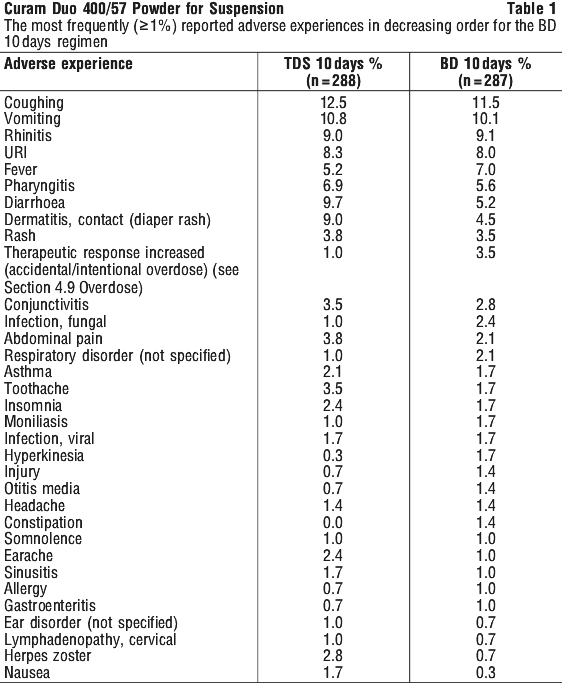
Clinical trials. The following adverse events reported in a pivotal clinical trial with amoxicillin and clavulanic acid 400 mg/57 mg/5 mL oral suspension (45/6.4 mg/kg/day every 12 hours for ten days) and are compared to amoxicillin and clavulanic acid 125 mg/31.25 mg/5 mL oral suspension (40/10 mg/kg/day every 8 hours for ten days) in Table 1.
Infections and infestations. Common: mucocutaneous candidiasis.
Not known: overgrowth of non-susceptible organisms.
Cardiac disorders. Not known: Kounis syndrome (see Section 4.4 Special Warnings and Precautions for Use).
Gastrointestinal disorders. Very common: diarrhoea.
Common: nausea, vomiting.
Uncommon: indigestion.
Rare: gastritis, stomatitis, glossitis, black 'hairy' tongue, enterocolitis, antibiotic associated colitis (including pseudomembranous colitis and haemorrhagic colitis) (see Section 4.4 Special Warnings and Precautions for Use).
Not known: drug-induced enterocolitis syndrome, pancreatitis acute.
Hepatobiliary. Uncommon: moderate rise in AST and/or ALT.
Rare: hepatitis, cholestatic jaundice which may be severe but is usually reversible.
Nervous system disorders. Uncommon: dizziness, headache.
Very rare: reversible hyperactivity, convulsions. Convulsions may occur in patients with impaired renal function or those receiving high doses.
Not known: aseptic meningitis.
Haemopoietic and lymphatic systems. Uncommon: thrombocytosis.
Rare: anaemia, thrombocytopenia, thrombocytopenic purpura, eosinophilia, reversible leucopenia (including neutropenia or agranulocytosis); these are usually reversible on discontinuation of therapy and are believed to be hypersensitivity phenomena; prolongation of bleeding time and prothrombin time.
Not known: haemolytic anaemia.
Hypersensitivity and skin. Common: skin rashes, pruritus, urticaria.
Rare: angioneurotic oedema, anaphylaxis, serum sickness-like syndrome, erythema multiforme, Stevens-Johnson syndrome, hypersensitivity, vasculitis, toxic epidermal necrolysis, bullous exfoliative dermatitis, acute generalised exanthematous pustulosis (AGEP), drug reaction with eosinophilia and systemic symptoms (DRESS), and symmetrical drug-related intertriginous and flexural exanthema (SDRIFE) (baboon syndrome) have been reported rarely. Whenever such reactions occur, Curam Duo 400/57 (amoxicillin and clavulanic acid) should be discontinued, unless in the opinion of the doctor no alternative treatment is available and continued use of Curam Duo 400/57 (amoxicillin and clavulanic acid) is considered essential. Serious and occasional fatal hypersensitivity (anaphylactic) reactions and angioneurotic oedema can occur with oral penicillins (see Section 4.4 Special Warnings and Precautions for Use).
Not known: linear IgA disease.
Renal and urinary disorders. Rare: interstitial nephritis.
Not known: crystalluria (including acute renal injury) (see Section 4.9 Overdose).
Miscellaneous. Rare: superficial tooth discolouration which can usually be removed by brushing.
Reporting suspected adverse effects. Reporting suspected adverse reactions after registration of the medicinal product is important. It allows continued monitoring of the benefit-risk balance of the medicinal product. Healthcare professionals are asked to report any suspected adverse reactions at www.tga.gov.au/reporting-problems.
4.9 Overdose
Problems of overdosage with Curam Duo 400/57 (amoxicillin and clavulanic acid) are unlikely to occur. If encountered, gastrointestinal symptoms and disturbance of the fluid and electrolyte balance may be evident. They may be treated symptomatically, with attention to the water/ electrolyte balance.
Amoxicillin crystalluria, in some cases leading to renal failure, has been observed. (See Section 4.4 Special Warnings and Precautions for Use).
Amoxicillin may be removed from the circulation by haemodialysis.
For information on the management of overdose, contact the Poisons Information Centre on 131126 (Australia).
5 Pharmacological Properties
5.1 Pharmacodynamic Properties
Pharmacotherapeutic group: combinations of penicillins, incl. beta-lactamase inhibitors; ATC code: J01CR02.
Mechanism of action. Microbiology. Like other penicillins, amoxicillin has a bactericidal effect on sensitive organisms during the stage of active multiplication. However, amoxicillin is susceptible to hydrolysis by beta-lactamases and the addition of clavulanic acid in Curam Duo 400/57 extends the antimicrobial spectrum of amoxicillin to include organisms normally resistant to amoxicillin due to beta-lactamase production.
In vitro studies. In vitro studies do not always reflect the target patient population, in which the host's immune system usually plays an important role in the clinical and microbiological outcome of infection. For example, they are essentially simulations of infection in immunocompromised persons in that the total antibacterial activity observed is solely dependent on the medicine. Also methodological differences between laboratories and the difficulties of dilution and diffusion techniques can make the data unreliable.
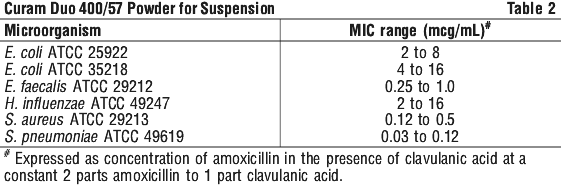
Susceptibility tests. Dilution or diffusion techniques - either quantitative (MIC) or breakpoint, should be used following a regularly updated, recognised and standardised method (e.g. CLSI formerly NCCLS). Standardised susceptibility test procedures require the use of laboratory control microorganisms to control the technical aspects of the laboratory procedures.
Current standards for amoxicillin/clavulanic acid powder should provide the following MIC values. See Table 2.
Susceptible (S). A report of "susceptible" indicates that the pathogen is likely to be inhibited if the antimicrobial compound in the blood reaches the concentrations usually achievable.
Intermediate (I). A report of "intermediate" category includes isolates with antimicrobial agent MICs that approach usually attainable blood and tissue levels and for which response rates may be lower than for susceptible isolates. This category implies possible clinical applicability in body sites where the drug is physiologically concentrated or in situations where high dosage of drug can be used. This category also provides a buffer zone, which prevents small uncontrolled technical factors from causing major discrepancies in interpretation.
Resistant (R). A report of "resistant" indicates that the pathogen is not likely to be inhibited if the antimicrobial compound in the blood reaches the concentrations usually achievable; other therapy should be selected.
Note. The prevalence of resistance may vary geographically for selected species and local information on resistance is desirable, particularly when treating severe infections.
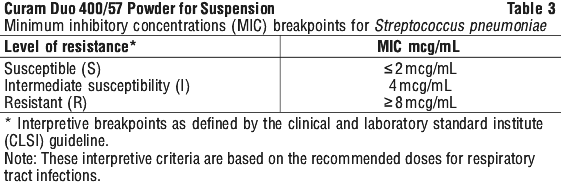
Streptococcus pneumoniae. Antimicrobial susceptibility and resistance by S. pneumoniae is usually defined and discussed in the context of activity by penicillin. By definition, a S. pneumoniae isolate with a minimum inhibitory concentration (MIC) ≤ 0.06 microgram/mL or less is considered to be susceptible. Non-susceptible isolates are defined as intermediate non-susceptible (0.12-1 microgram/mL) or resistant (≥ 2 microgram/mL). Until 2000, the MIC interpretive standards for penicillin and amoxicillin were similar for S. pneumoniae.
For S. pneumoniae from non-meningitis sources, isolates should be tested using amoxicillin/clavulanic acid and the following criteria should be used (see Table 3):

Resistance in Haemophilus influenzae. See Table 5.

Minimal Inhibitory Concentrations (MICs) to 16 different antibiotics were determined for collection of 970 isolates of H. influenzae within Australia. The overall rate of beta-lactamase production was 16% but there was wide variation between the states. In invasive strains, beta-lactamase production was 22.3% but in respiratory tract isolates, it was 35.3%. In noninvasive strains, the resistance to amoxicillin-clavulanate was 2.1%.
Clinical trials. A randomised, single blind study in 868 children aged 2 months to 12 years with acute otitis media compared the efficacy of amoxicillin and clavulanic acid oral suspension (7:1 ratio) amoxicillin 45 mg/kg/day (clavulanic acid 6.4 mg/kg/day) administered every 12 hours for five days (n=293) or ten days (n=287) with amoxicillin and clavulanic acid oral suspension (4:1 ratio) amoxicillin 40 mg/kg/day (clavulanic acid 10 mg/kg/day) given every eight hours for ten days (n=288). At the end of therapy (days 12 to 14) equivalent per protocol clinical success rates of 78.8% (n=189) and 86.5% (n=178), respectively, were demonstrated for the 8 and 12 hourly ten-day treatment groups, compared with a 71.1% (n=197) success rate for the 12 hourly five day treatment group. At 32 to 38 days follow-up, equivalent success rates were demonstrated for 8 and 12 hourly ten-day regimens of 64.2 and 63.1%, respectively, compared with a 57.8% success rate for the 12 hourly five-day treatment group.
5.2 Pharmacokinetic Properties
Absorption. Amoxicillin and clavulanic acid are stable in the presence of gastric acid. These two components are rapidly absorbed if administered before or with a meal, but if given after meals, the serum levels of clavulanic acid are significantly reduced. To optimise absorption of clavulanic acid, amoxicillin and clavulanic acid oral suspension should be administered at the start of a meal. The pharmacokinetics of amoxicillin are not affected by food.
In children aged 2 to 12 years, oral administration of amoxicillin and clavulanic acid oral suspension (7:1 ratio) every 12 hours at a dose of amoxicillin 45 mg/kg/day (clavulanic acid 6.4 mg/kg/day) was compared to amoxicillin and clavulanic acid oral suspension (4:1 ratio) every eight hours at a dose of amoxicillin 40 mg/kg/day (clavulanic acid 10 mg/kg/day), either immediately prior to the start of a meal or at least three hours after a meal.
In this study, the following mean pharmacokinetic parameters were observed for amoxicillin for amoxicillin and clavulanic acid oral suspension (45 mg/kg/day) taken every 12 hours and amoxicillin and clavulanic acid oral suspension (40 mg/kg/day) taken every 8 hours respectively: peak plasma concentration (Cmax) of 12.0 and 7.33 microgram/mL, area under the plasma concentration time curve between 0 and 24 hours after the first dose (AUC(0 to 24 hours)) of 35.2 and 18.6 microgram.hour/mL, half-life (t1/2) of 1.22 and 1.02 hours, median time to peak plasma concentration (Tmax) of 1.0 and 2.1 hours and the mean predicted time above the minimum inhibitory concentration (TMIC24 hours) of 12.3 and 14.0 hours.
The following pharmacokinetic parameters were observed for clavulanic acid for amoxicillin and clavulanic acid oral suspension (45 mg/kg/day) taken every 12 hours and amoxicillin and clavulanic acid oral suspension (40 mg/kg/day) taken every 8 hours, respectively: Cmax of 5.49 and 2.66 microgram/mL, AUC(0 to 24 hours) of 13.3 and 5.51 microgram.hour/mL, t1/2 of 0.99 and 0.94 hours and median Tmax of 1.0 and 1.6 hours, and mean predicted TMIC24 hours of 9.80 and 9.81 hours.
The clinical efficacy of amoxicillin and clavulanic acid oral suspension (7:1 ratio) and amoxicillin and clavulanic acid oral suspension (4:1 ratio) have been shown to be comparable in the approved indications, despite the differences in some pharmacokinetic parameters.
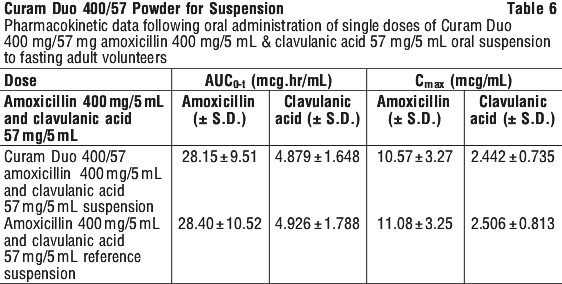
Oral administration of single doses of Curam Duo 400/57 amoxicillin 400 mg/5 mL and clavulanic acid 57 mg/5 mL oral suspension to fasting adult volunteers yielded comparable pharmacokinetic data to reference amoxicillin 400 mg/5 mL and clavulanic acid 57 mg/5 mL oral suspension and these data are tabulated in Table 6.
Neither amoxicillin nor clavulanic acid is highly protein bound. Clavulanic acid has been variously reported to be bound to human serum in the range of 9 to 30% and amoxicillin approximately 20% bound. From animal studies, there is no evidence to suggest either component accumulates in any organ.
Metabolism. No data available.
Excretion. As with other penicillins, renal excretion is the major route of amoxicillin clearance, while clavulanate clearance is via both renal and nonrenal mechanisms. Approximately 70% of the dose of amoxicillin is excreted in urine as amoxicillin. For clavulanic acid, following the administration of 125 mg of radiolabelled potassium clavulanate orally to normal volunteers 68% of the administered radioactivity was recovered in the urine in 24 hours. Of this, 34% (i.e. 23% of the administered dose) represented unchanged clavulanic acid. 2,5-dihydro-4-(2-hydroxyethyl)-5-oxo-1H-pyrrole-3-carboxylic acid (the major metabolite) and 1-amino-4-hydroxy-butan-2-one accounted for a further 23 and 12% (i.e. 16 and 8%, respectively, of the administered dose). Small amounts of other yet unidentified metabolites were also present. These metabolites were also present in the urine of rat and dog. The extent of urinary excretion of clavulanic acid and its metabolites is lower in rat urine than in dog and human urine.
Concurrent administration of probenecid delays amoxicillin excretion but does not notably delay renal excretion of clavulanic acid.
Similar elimination pharmacokinetics occur in adults, children and infants with mature renal function.
5.3 Preclinical Safety Data
Genotoxicity. The genotoxic potential of amoxicillin and clavulanic acid was investigated in assays for chromosomal damage (mouse micronucleus test and a dominant lethal test) and gene conversion. All were negative.
Carcinogenicity. Long-term studies in animals have not been performed to evaluate the carcinogenic potential of Curam Duo 400/57 (amoxicillin and clavulanic acid).
6 Pharmaceutical Particulars
6.1 List of Excipients
Lemon flavouring 15.12.0598 (ARTG PI: 10094), peach-apricot flavour 26F22 (ARTG PI: 10089), citric acid, sodium citrate, aspartame, purified talc, orange 55301 AP0551 (ARTG PI: 12686), guar gum and silicon dioxide. Contains sulfites.
6.2 Incompatibilities
Incompatibilities were either not assessed or not identified as part of the registration of this medicine.
For information on interactions with other medicines and other forms of interactions, see Section 4.5 Interactions with Other Medicines and Other Forms of Interactions.
6.3 Shelf Life
In Australia, information on the shelf life can be found on the public summary of the Australian Register of Therapeutic Goods (ARTG). The expiry date can be found on the packaging.
6.4 Special Precautions for Storage
Store dry powder below 25°C. Under these conditions, the shelf life is 3 years.
Store reconstituted suspension at 2°C to 8°C in a refrigerator. Under these conditions, the shelf life is 7 days.
6.5 Nature and Contents of Container
Packaged in 60 mL, 120 mL or 150 mL amber glass bottle with screw closure.
Also contains a 5 mL measuring spoon.
Not all presentations may be marketed in Australia.
6.6 Special Precautions for Disposal
In Australia, any unused medicine or waste material should be disposed of in accordance with local requirements.
6.7 Physicochemical Properties
Amoxicillin trihydrate. Curam Duo 400/57 is a combination product containing the semisynthetic antibiotic, amoxicillin (as the trihydrate) and the beta-lactamase inhibitor, clavulanic acid (as the potassium salt). Amoxicillin is susceptible to hydrolysis by beta-lactamases.
Chemical structure.
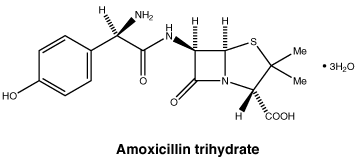
Molecular formula: C16H19N3O5S.3H2O.
Molecular weight: 419.5.
Potassium clavulanate. Clavulanic acid is produced by the fermentation of Streptomyces clavuligerus. It is an irreversible inhibitor of many beta-lactamase enzymes except type 1 (Richmond). It is a beta-lactam compound with only weak antibacterial activity.
Chemical structure.
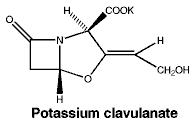
Molecular formula: C8H8KNO5.
Molecular weight: 237.3
CAS number. Amoxicillin trihydrate. 61336-70-7.
Potassium clavulanate. 61177-45-5.
7 Medicine Schedule (Poisons Standard)
S4 - Prescription Only Medicine.
Date of First Approval
06 March 2009
Date of Revision
27 June 2024
Summary Table of Changes

Reasonable care is taken to provide accurate information at the time of creation. This information is not intended as a substitute for medical advice and should not be exclusively relied on to manage or diagnose a medical condition. The Australian Commission on Safety and Quality in Health Care disclaims all liability (including for negligence) for any loss, damage, injury or any other negative effects resulting from reliance on or use of this information. Read our full disclaimer. This website uses cookies. Read our privacy policy.