
Curosurf Intratracheal Suspension
Brand Information
| Brand name | Curosurf Intratracheal Suspension |
| Active ingredient | Poractant alfa |
| Schedule | S4 |
Consumer Medicine Information (CMI) leaflet
Please read this leaflet carefully before you start using the Curosurf Intratracheal Suspension.
Summary CMI
CUROSURF® Intratracheal suspension
Consumer Medicine Information (CMI) summary
The full CMI on the next page has more details. If you are worried about this medicine, speak to your doctor or pharmacist.
1. Why is my baby having CUROSURF?
CUROSURF contains the active ingredient poractant alfa, a surfactant (surface active agent). CUROSURF is used to treat Respiratory Distress Syndrome (RDS) in premature babies and to prevent it from happening to babies that are at risk of developing this.
For more information, see Section 1. Why is my baby having CUROSURF? in the full CMI.
2. What should I know before my baby has CUROSURF?
Your baby must not be given CUROSURF if they are hypersensitive to poractant alfa or any of the ingredients listed at the end of the CMI.
For more information, see Section 2. What should I know before my baby has CUROSURF? in the full CMI.
3. What if my baby is having other medicines?
Tell your doctor about any other medicines you are taking.
More information is in Section 3. What if my baby is having other medicines? in the full CMI.
4. How is CUROSURF given?
CUROSURF is given using a thin tube (catheter) into your baby's trachea (windpipe) where it goes into the bronchi (lungs). It is given by a doctor or nurse trained and experienced in the care of pre-term babies.
More information can be found in Section 4. How is CUROSURF given? in the full CMI.
5. What should I know while my baby is having CUROSURF?
| Things you should be aware of | While your baby is being given CUROSURF they may need extra help to make sure they are getting enough oxygen. Your baby will be monitored by a nurse or doctor so that oxygen and ventilation can be adjusted if needed and their airways are clear. |
| Things you should do | Go to all follow-up appointments after your baby is discharged from hospital so that your doctor can check on your baby's progress. |
| Storage | CUROSURF will be stored in the hospital pharmacy or on the ward, away from light and moisture, in a refrigerator where the temperature stays between 2°C and 8°C. |
For more information, see Section 5. What should I know while my baby is having CUROSURF? in the full CMI.
6. Are there any side effects?
Most side effects, will generally be mild and short-lived, and your baby will be continuously monitored. Side effects may include: slow heart rate (bradycardia), low blood pressure (hypotension), sleeping problems (apnoea), decreased oxygen saturation, froth at the mouth, coughing, choking and sneezing.
For more details about side effects, see Section 6. Are there any side effects? in the full CMI.
Full CMI
CUROSURF® Intratracheal suspension
Active ingredient: Poractant alfa
Consumer Medicine Information (CMI)
This leaflet provides important information about using CUROSURF.
Speak to your doctor or pharmacist if you would like further information or if you have any concerns or questions about using CUROSURF.
Where to find information in this leaflet:
1. Why is my baby having CUROSURF?
2. What should I know before my baby has CUROSURF?
3. What if my baby is having other medicines?
4. How is CUROSURF given?
5. What should I know while my baby is having CUROSURF?
6. Are there any side effects?
7. Product details
1. Why is my baby having CUROSURF?
CUROSURF contains the active ingredient poractant alfa.
CUROSURF is a surfactant (surface active agent).
CUROSURF is used to treat babies suffering from or at risk of a condition called respiratory distress syndrome (RDS). Most babies are born with a substance known as surfactant in their lungs. This substance lines the lungs and stops them from sticking together and so makes normal breathing (respiration) possible. Some babies, however, particularly premature babies, are born without surfactant and this causes RDS.
CUROSURF is a natural surfactant obtained from pigs which works in the same way as human surfactant. It will therefore help your baby to breathe normally until your baby produces their own surfactant.
CUROSURF helps to treat and prevent RDS but cannot be expected to help with other problems which are sometimes associated with premature birth.
It will be given to your baby by the doctor or nurse in hospital.
2. What should I know before my baby has CUROSURF?
Warnings
Your baby must not be given CUROSURF if:
- they are hypersensitive to poractant alfa or any of the ingredients listed at the end of this leaflet
The doctor or nurse will check the ingredients to make sure your baby can have this medicine.
While having CUROSURF, your baby may be at risk of getting certain side effects. The doctor and nursing staff will watch for them.
See extra information under Section 6. Are there any side effects?
3. What if my baby is having other medicines?
It is not known if CUROSURF will interfere with, or be affected by, other medicines that your baby may be having.
Check with your doctor, nurse or pharmacist if you want to know more about CUROSURF or other medicines your baby may be given.
4. How is CUROSURF given?
How it is given
CUROSURF is given using a thin tube (catheter) into your baby's trachea (windpipe) or bronchi where it goes into the lungs. It is given by a doctor or nurse trained and experienced in the care of pre-term babies.
How much is given
Your baby's doctor will decide what dose should be given and how long your baby will have it for. This depends on your baby's weight and other factors, such as how premature your baby is.
Ask your doctor if you want to know more about how much they are giving your baby.
If your baby has too much CUROSURF
As CUROSURF will be given to your baby in a hospital by a suitably trained doctor, the chance of your baby getting too much CUROSURF is very small. However, should this happen, your baby's doctor will know what to do.
5. What should I know while my baby is having CUROSURF?
Things you should be aware of
While your baby is being given CUROSURF they may need extra help to make sure they are getting enough oxygen. Your baby will be monitored by a nurse or doctor so that oxygen and ventilation can be adjusted if needed and their airways are clear.
Your baby may also be treated at the same time for other complications of pre-term birth.
Things you should do
Go to all follow-up appointments after your baby is discharged from hospital so that your doctor can check on your baby's progress.
Looking after CUROSURF
CUROSURF:
- will be stored in the hospital pharmacy or on the ward, away from light and moisture in a refrigerator where the temperature stays between 2°C and 8°C.
- Should not be shaken
- may be taken out of the refrigerator and brought up to room temperature over 24 hours before it is given. If not used it can only be returned to the refrigerator on one occasion.
- will be checked before use to see that there are no particles in it
When your baby's medicine will be discarded
Each vial of CUROSURF is used once only and anything left in the vial is discarded.
It will also be thrown away if the expiry date has passed.
6. Are there any side effects?
All medicines can have side effects. If your baby does have any side effects, be aware that your baby will be continuously monitored and treated in hospital and the doctor or nurse will know what to do.
See the information below and, if you need to, ask your doctor, nurse or pharmacist if you have questions.
Less serious side effects
| Less side effects | What to do |
Heart:
| Tell your doctor or nurse straight away if you notice these side effects. Your doctor or nurse will know what to do. |
Serious side effects
| Serious side effects | What to do |
Hypersensitivity (allergic) reaction* may include:
| Tell your doctor or nurse straight away if you notice these side effects. Your doctor or nurse will know what to do. |
Talk to your doctor if you are worried about CUROSURF causing side effects in your baby.
Reporting side effects
After you have spoken to your doctor, nurse or pharmacist about any side effects your baby may have, you can report side effects to the Therapeutic Goods Administration online at www.tga.gov.au/reporting-problems. By reporting side effects, you can help provide more information on the safety of this medicine.
7. Product details
This medicine is only available with a doctor's prescription.
What CUROSURF contains
| Active ingredient (main ingredient) |
|
| Other ingredients (inactive ingredients) |
|
Your baby must not have this medicine if they are hypersensitive to any of these ingredients.
What CUROSURF looks like
CUROSURF is a white/creamy white suspension in a sterile, clear glass vial. It contains 80 mg poractant alfa per mL of liquid.
There are two sizes:
1.5 mL vial containing 120 mg poractant alfa or
3 mL vial containing 240 mg poractant alfa.
Not all pack sizes may be available.
ARTG Numbers:
AUST R 99514 - CUROSURF 120 mg/ 1.5 mL
AUST R 99515 - CUROSURF 240 mg/ 100 mL
Who distributes CUROSURF
Chiesi Australia Pty Ltd
Level 7, Suite 1, 500 Burke Street,
Melbourne, VIC 3000
Email: medinfo.au@chiesi.com
Website: www.chiesi.com.au
This leaflet was prepared in September 2025
Brand Information
| Brand name | Curosurf Intratracheal Suspension |
| Active ingredient | Poractant alfa |
| Schedule | S4 |
MIMS Revision Date: 01 November 2025
1 Name of Medicine
Poractant alfa.
2 Qualitative and Quantitative Composition
Vials contain poractant alfa 120 mg in 1.5 mL or 240 mg in 3 mL.
Each mL of surfactant suspension contains 80 mg of total phospholipids (including 54 mg of phosphatidylcholine of which 30.5 mg is dipalmitoyl phosphatidylcholine) and 1 mg of protein including 0.3 mg of SP-B.
Curosurf is a natural surfactant is prepared from porcine lungs consisting of 99% polar lipids (mainly phospholipids) and about 1% hydrophobic low molecular weight proteins (surfactant associated proteins SP-B and SP-C).
For the full list of excipients, see Section 6.1 List of Excipients.
3 Pharmaceutical Form
Suspension for intratracheal administration.
White to creamy white suspension.
4 Clinical Particulars
4.1 Therapeutic Indications
Curosurf is indicated for the treatment (rescue) of respiratory distress syndrome (RDS) in premature infants and for prophylactic use in infants at risk of RDS.
4.2 Dose and Method of Administration
For intratracheal administration only.
The clinician administering Curosurf must be experienced in neonatal intensive care, including endotracheal intubation, mechanical ventilation and cardiorespiratory and oxygen monitoring.
Curosurf is administered intratracheally by instillation through a 5 French end-hole catheter and briefly disconnecting the endotracheal tube from the ventilator. Alternatively, Curosurf may be administered through the secondary lumen of a dual lumen endotracheal tube without interrupting mechanical ventilation, or in the delivery room through temporary placement of an endotracheal tube (ET) tube followed by continuous positive airway pressure (CPAP).
Before administering Curosurf, ensure proper placement and patency of the endotracheal tube. At the discretion of the clinician, the endotracheal tube may be suctioned before administering Curosurf. The infant should be allowed to stabilise before proceeding with dosing.
Rescue treatment. The initial recommended dose is 2.5 mL/kg birth weight (200 mg/kg). Treatment should commence as soon as possible after diagnosing RDS. Up to two repeat doses of 1.25 mL/kg birth weight (100 mg/kg) each may be administered, at approximately 12 hour intervals, in infants who remain intubated and in whom RDS is considered responsible for their persisting or deteriorating respiratory status. The maximum recommended total dose (sum of the initial and two repeat doses) is 5 mL/kg (400 mg/kg).
Prophylaxis. A single dose of 100-200 mg/kg should be administered as soon as possible after birth (preferably within 15 minutes). Further doses of 100 mg/kg can be given 6-12 hours after the first dose and then 12 hours later in infants who have persistent signs of RDS and remain ventilator dependent (maximum total dose: 300-400 mg/kg).
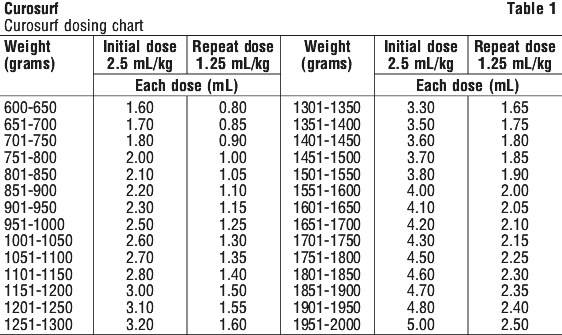
Doses may be determined from the Curosurf dosing chart shown in Table 1.
Insert the precut 5 French catheter into the endotracheal tube and instill the first aliquot (1.25 mL/kg birth weight). The infant should be positioned such that either the right or left side is dependent for this aliquot. After the first aliquot is instilled, remove the catheter from the endotracheal tube and manually ventilate the infant with 100% oxygen at a rate of 40-60 breaths/minute for one minute. When the infant is stable, reposition the infant such that the other side is dependent and administer the remaining aliquot using the same procedures. Do not suction airways for 1 hour after surfactant instillation unless signs of significant airway obstruction occur.
After completion of the dosing procedure, resume usual ventilator management and clinical care. In the clinical trials, ventilator management was modified to maintain a PaO2 of about 55 mmHg, PaCO2 of 35-45 and pH > 7.3.
B. Endotracheal instillation using the secondary lumen of a dual lumen endotracheal tube. Slowly withdraw the entire contents of the vial into a 3 mL or 5 mL plastic syringe through a large gauge needle (e.g. at least 20 gauge). Do not attach 5 French end-hole catheter. Keep the infant in a neutral position (head and body in alignment without inclination). Administer the suspension through the proximal end of the secondary lumen of the endotracheal tube as a single dose, given over 1 minute and without interrupting mechanical ventilation.
After completion of this dosing procedure, ventilatory management may require transient increases in FiO2, ventilatory rate or peak inspiratory pressure (PIP).
C. Endotracheal instillation using the intubation surfactant extubation (INSURE) treatment protocol. There is a third option of administration through an endotracheal tube in the delivery room before mechanical ventilation has been started. In this case a bagging technique is used to distribute the surfactant through the lungs. Extubation to CPAP is an option either in the delivery room or later after admission to the neonatal unit.
Directions for use. Visually inspect the suspension for discolouration prior to administration. The colour of Curosurf is white to creamy white. Before use, the vial should be slowly warmed to room temperature and gently turned upside down in order to obtain a uniform suspension. Do not shake.
Vials are for single use only. Contains no antimicrobial agents. After opening the vial, discard the unused portion of the drug.
See Section 6.4 Special Precautions for Storage for storage of unopened vials.
4.3 Contraindications
Hypersensitivity to the active substances or to any of the excipients listed in Section 6.1 List of Excipients.
4.4 Special Warnings and Precautions for Use
Prophylaxis with surfactant should only be performed where adequate delivery room facilities are available and according to the following recommendations:
prophylaxis (within 15 min of birth) should be given to almost all babies under 27 weeks' gestation;
prophylaxis should be considered for babies over 26 weeks but < 30 weeks' gestation if intubation is required in the delivery suite or if the mother has not received prenatal corticosteroids;
when prenatal corticosteroids were administered, surfactant should be administered only if RDS develops;
considering the other risk factors prophylaxis should also be considered in preterm infants when any of the following are present: perinatal asphyxia, maternal diabetes, multiple pregnancies, male sex family history of RDS and caesarean section.
In all other preterm neonates it is recommended that surfactant be administered using early rescue or selective approaches.
Before administration of Curosurf. Prior to starting the treatment with Curosurf the infant's general conditions should be stabilised. Correction of acidosis, hypotension, anaemia, hypoglycaemia and hypothermia is recommended.
During administration of Curosurf. In the event of reflux, administration of Curosurf should be stopped and, if necessary, peak inspiratory pressure on the ventilator should be increased until clearing of the endotracheal tube occurs.
Infants whose ventilation becomes markedly impaired during or shortly after dosing may have mucus plugging of the endotracheal tube, particularly if pulmonary secretions were prominent prior to drug administration. Suctioning of infants prior to dosing may lessen the probability of mucus plugs obstructing the endotracheal tube. If endotracheal tube obstruction is suspected, and suctioning is unsuccessful in clearing the obstruction, the endotracheal tube should be replaced immediately.
However, aspiration of tracheal secretions is not recommended for at least 6 hours after administration, with the exception of life threatening conditions.
The administration of exogenous surfactants, including Curosurf, can rapidly affect oxygenation and lung compliance. Therefore infants receiving Curosurf should receive frequent clinical and laboratory assessments so that oxygen and ventilatory support can be modified to respond to respiratory changes.
In the event of occurrence of episodes of bradycardia, hypotension, endotracheal tube blockage and oxygen desaturation (see Section 4.8 Adverse Effects (Undesirable Effects)) administration of Curosurf should be stopped and appropriate measures to normalise heart rate should be considered and undertaken. After stabilisation, the infant can still be treated with appropriate monitoring of vital signs.
After administration of Curosurf. After administration of Curosurf pulmonary compliance (chest expansion) and oxygenation can improve rapidly, thus requiring prompt adjustment of ventilator settings.
The occurrence of intracranial haemorrhages after Curosurf instillation has been related to reduction in mean arterial blood pressure and early peaks in arterial oxygenation (PaO2). Avoidance of high PaO2 peaks by ventilator adjustment immediately after instillation is recommended.
The improvement of alveolar gas exchange can result in a rapid increase of arterial oxygen concentration: therefore, a rapid adjustment of the inspired oxygen concentration should be made to avoid hyperoxia. In order to maintain proper blood oxygenation values, in addition to periodic blood gas analysis, continuous monitoring of transcutaneous PaO2 or oxygen saturation is also advisable.
Nasal continuous positive airway pressure (nCPAP) can be used to continue the treatment, but only in units equipped to perform this technique.
Infants treated with surfactant should be carefully monitored with respect to signs of infection. At the earliest signs of infection the infant should immediately be given appropriate antibiotic therapy.
In cases of unsatisfactory response to treatment with Curosurf or rapid relapse, it is advisable to consider the possibility of other complications of immaturity such as patent ductus arteriosus or other lung diseases such as pneumonia before the administration of the next dose.
Apnoea and sepsis may occur as consequences of the immaturity of the infants.
Preterm newborns have relatively high incidences of cerebral haemorrhages and cerebral ischemia, reported as periventricular leukomalacia and haemodynamic anomalies such as patent ductus arteriosus and persistence of foetal circulation despite the provision of intensive care. These infants are also at high risk of developing infections such as pneumonia and bacteraemia (or septicaemia). Seizures may also occur in the perinatal period. Preterm babies also commonly develop haematological and electrolyte disorders which may be worsened by severe illness and mechanical ventilation. To complete the picture of complications of prematurity, the following disorders directly related to illness severity and use of mechanical ventilation, necessary for reoxygenation, may occur: pneumothorax, interstitial pulmonary emphysema and pulmonary haemorrhage. Finally, the prolonged use of high concentrations of oxygen and mechanical ventilation are associated with the development of bronchopulmonary dysplasia and retinopathy of prematurity.
Infants born following very prolonged rupture of the membranes (greater than 3 weeks) may have some degree of pulmonary hypoplasia and may not show an optimal response to exogenous surfactant.
Surfactant administration can be expected to reduce the severity of RDS but cannot be expected to eliminate entirely the mortality and morbidity associated with preterm birth, as preterm infants may present other complications associated with their immaturity.
There is no information available on effects of initial doses other than 100 or 200 mg/kg, dosing more frequently than every 12 hours, or administration of Curosurf starting more than 15 hours after diagnosing RDS.
The administration of Curosurf to preterm infants with severe hypotension has not been studied.
When Curosurf was administered with the LISA technique, an increase in frequency of bradycardia, apnoea and reduced oxygen saturation was reported. These events were generally of brief duration, without consequences during administration and easily managed. When these events became serious, the surfactant treatment was stopped and the complications were treated.
Use in the elderly. No data available.
Paediatric use. See Section 4.2 Dose and Method of Administration; Section 4.4 Special Warnings and Precautions for Use.
Effects on laboratory tests. No data available.
4.5 Interactions with Other Medicines and Other Forms of Interactions
Not known.
4.6 Fertility, Pregnancy and Lactation
Effects on fertility. No data available.
Use in pregnancy. No data available.
Use in lactation. No data available.
4.7 Effects on Ability to Drive and Use Machines
The effects of this medicine on a person's ability to drive and use machines were not assessed as part of its registration.
4.8 Adverse Effects (Undesirable Effects)
Clinical trial experience. Transient adverse effects seen with the administration of Curosurf include bradycardia, hypotension, endotracheal tube blockage and oxygen desaturation.
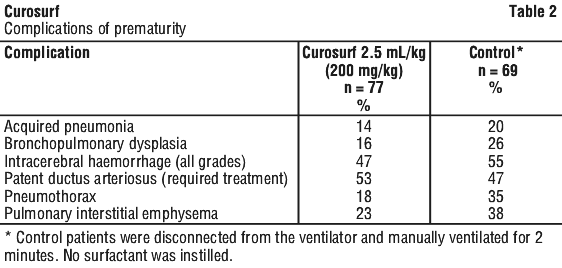
The rates of common complications of prematurity observed in study 1 are shown in Table 2.
Less invasive surfactant administration with a thin catheter (LISA) technique. In clinical trials, some transient and mild adverse events, without consequences during administration, were more frequent in the LISA groups than in the standard treatment control groups; in particular: oxygen desaturation (57.4% LISA group vs. 26.6% standard group), apnoea (21.8% vs. 12.8%), bradycardia (11.9% vs. 2.8%), froth at the mouth (21.8 vs. 2.8%), coughing (7.9% vs. 0.9%), choking (6.9% vs 1.8%) and sneezing (5% vs. 0). This difference between the two groups could be justified by the less frequent use of sedation in the LISA groups vs. standard of care. The majority of these events were easily managed.
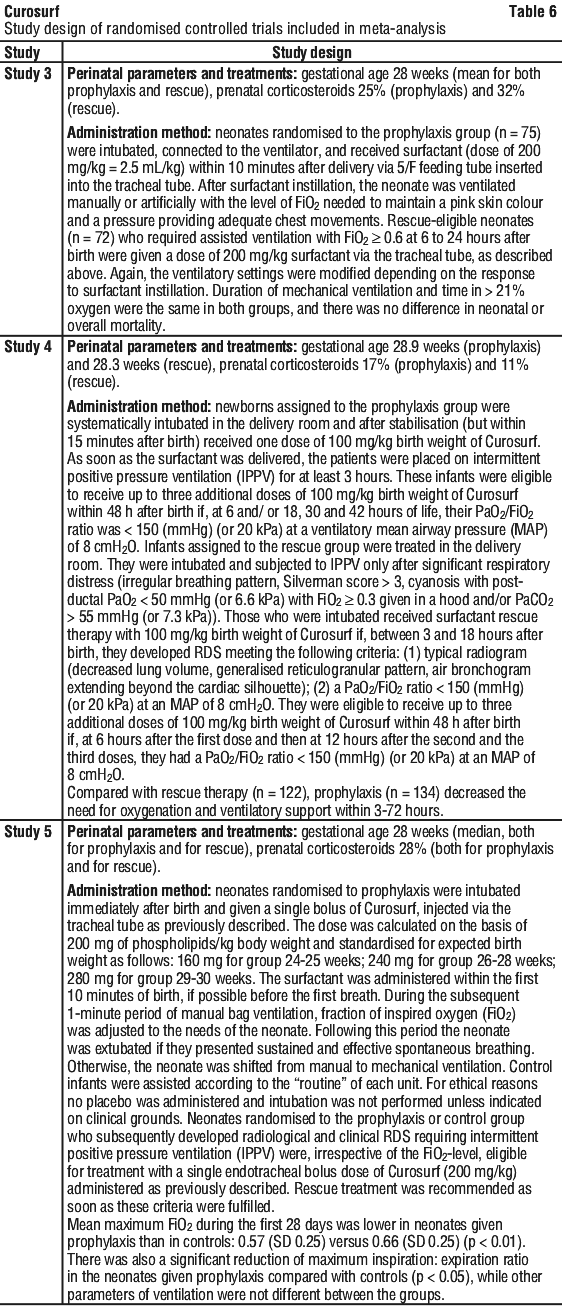
During a spontaneous comparative clinical trial (Study 3) there was an increased incidence of cases of necrotizing enterocolitis requiring surgery (8.4% in the group with LISA method and 3.8% in the group with standard administration-intubation/MV) and focal intestinal perforation requiring surgery (11.2% in the LISA group and 10.6% in the standard group) in the LISA group, with no statistically significant difference between groups. These events could be either complications of prematurity or consequences of treatments used in these preterm babies.
Follow-up evaluations. Seventy six infants (45 treated with Curosurf) were evaluated at 1 year of age and 73 infants (44 treated with Curosurf) at 2 years of age. Data from follow-up evaluations for weight and length, persistent respiratory symptoms, incidence of cerebral palsy, visual impairment or auditory impairment was similar between treatment groups. In 33 survivors (17 treated and 16 controls) at one year, the mean of the developmental quotient (derived using the Griffiths Mental Developmental Scales) was similar between groups.
Reporting suspected adverse effects. Reporting suspected adverse reactions after registration of the medicinal product is important. It allows continued monitoring of the benefit-risk balance of the medicinal product. Healthcare professionals are asked to report any suspected adverse reactions at www.tga.gov.au/reporting-problems.
4.9 Overdose
There have been no reports of overdosage following the administration of Curosurf. In the event of accidental overdosage, and only if there are clear clinical effects on the infant's respiration, ventilation or oxygenation, as much of the suspension as possible should be aspirated and the infant should be managed with supportive treatment, with particular attention to fluid and electrolyte balance.
For information on the management of overdose, contact the Poisons Information Centre on 13 11 26 (Australia).
5 Pharmacological Properties
5.1 Pharmacodynamic Properties
Mechanism of action. Endogenous pulmonary surfactant reduces surface tension at the air-liquid interface of the alveoli during ventilation and stabilises the alveoli against collapse at resting transpulmonary pressures. A deficiency of pulmonary surfactant in preterm infants results in RDS characterised by poor lung expansion, inadequate gas exchange and a gradual collapse of the lungs (atelectasis). Curosurf compensates for the deficiency of surfactant and restores surface activity to the lungs of these infants.
Activity. In vitro. Curosurf lowers minimum surface tension to ≤ 4 mN/m as measured by the Wilhelmy Balance System.
In vivo. In several pharmacodynamic studies, Curosurf improved lung compliance, pulmonary gas exchange and survival in premature rabbits.
In pharmacodynamic studies in premature infants, Curosurf treatment produced improved arterial oxygen concentration within 5 minutes of administration, with increases in the ratios of a/A PO2 and PaO2/FiO2. Improved oxygenation allowed reductions in the concentration of inspired oxygen (FiO2) within 1 hour, and reductions in ventilator settings (peak insufflation pressure and mean airway pressure). Treatment was also associated with increased chest wall movements, improved lung compliance and decreased inspiratory resistance.
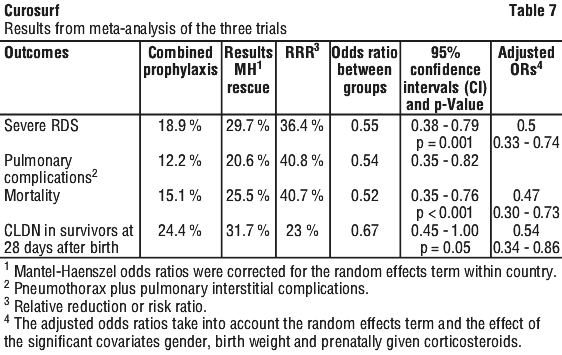
Clinical trials. Activity. Large international open and controlled clinical trials have documented the therapeutic effects of Curosurf in infants with RDS and preterm infants at risk for RDS. Preterm newborn infants treated with a single dose of Curosurf (1.25-2.5 mL/kg equal to 100-200 mg/kg of phospholipids) showed a rapid and dramatic improvement of oxygenation with reduction of the inhaled oxygen concentration (FiO2) and increase of PaO2 and of PaO2/FiO2 and a/APO2 ratios; mortality rate and incidence of major pulmonary complications were shown to be reduced. The administration of a second or third dose of 100 mg/kg further reduced the incidence of pneumothorax and mortality.
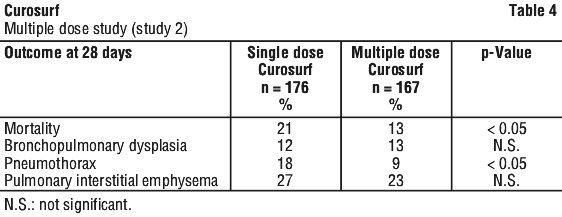
Rescue treatment. The clinical efficacy of Curosurf was demonstrated in one single dose study (study 1) and one multiple dose study (study 2) in the treatment of established neonatal RDS involving approximately 500 infants. Each study was randomised, multicentre and controlled.
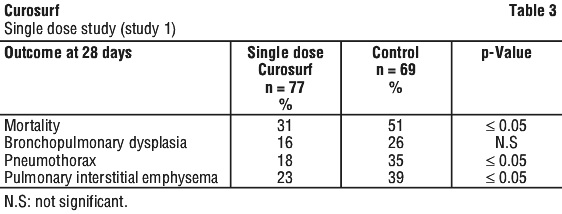
In study 1, infants 700-2000 g birth weight with RDS requiring mechanical ventilation and a FiO2 > 0.60 were enrolled. Curosurf 2.5 mL/kg single dose (200 mg/kg) or control (disconnection from the ventilator and manual ventilation for 2 minutes) was administered after RDS developed and before 15 hours of age. The results from study 1 are shown in Table 3.
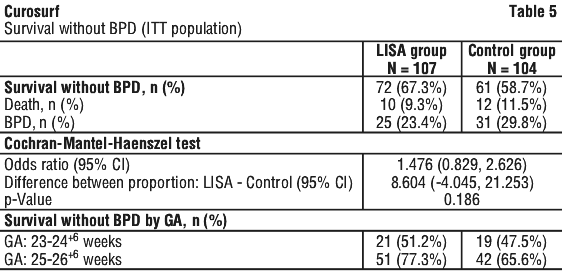
A spontaneous clinical trial (Study 6) has compared the administration of Curosurf with the LISA technique and the standard one (intubation, administration and mechanical ventilation) in two groups of preterm newborns with RDS and gestational age between 23 and 27 weeks (LISA group: n = 108, control group: n = 105). LISA technique was not inferior to the standard one on the primary end-point (survival without bronchopulmonary dysplasia at 36 gestational weeks). The need of mechanical ventilation was significantly reduced with LISA. Preterm infants in the LISA group achieved statistically significant treatment difference for composite secondary endpoints (survival without major complications such as IVH > II, cystic PVL, ROP requiring surgery), compared to infants in mechanical ventilation group. No statistically significant difference in treatment outcomes were found between LISA and control group for other secondary endpoints such as NEC requiring surgery, duration of mechanical ventilation or CPAP or oxygen supplementation (see Table 5).
5.2 Pharmacokinetic Properties
Curosurf is administered directly to the target organ, the lung, where biophysical effects occur at the alveolar surface. No human pharmacokinetic studies to characterise the absorption, biotransformation or excretion of Curosurf have been performed.
No information is available about the metabolic fate of the surfactant associated proteins in Curosurf.
5.3 Preclinical Safety Data
Genotoxicity. No data available for genotoxicity and reproductive toxicity effects.
Carcinogenicity. Studies to assess potential carcinogenic effect of Curosurf, or other surfactants have not been conducted. Mutagenicity studies with Curosurf, which included gene mutation assays in bacteria (the Ames test) and Chinese hamster V79 cells, chromosomal aberration assay in Chinese hamster ovarian cells, an assay of unscheduled DNA synthesis in HeLa S3 cells and an in vivo mouse micronucleus test, were negative.
6 Pharmaceutical Particulars
6.1 List of Excipients
Sodium chloride, water for injections.
The pH may be adjusted as required with sodium bicarbonate to a pH of 6.2 (5.5 - 6.5). Contains no preservatives.
6.2 Incompatibilities
Incompatibilities were either not assessed or not identified as part of the registration of this medicine.
6.3 Shelf Life
In Australia, information on the shelf life can be found on the public summary of the Australian Register of Therapeutic Goods (ARTG). The expiry date can be found on the packaging.
6.4 Special Precautions for Storage
Store at 2°C to 8°C (Refrigerate. Do not freeze). Store in the original package to protect from light and moisture.
Unopened vials that have been warmed to room temperature can be returned to the refrigerator within 24 hours for future use. Do not warm to room temperature and return to the refrigerator more than once.
6.5 Nature and Contents of Container
Single-use sterile, glass Type 1 clear vial with a chlorobutyl rubber stopper and sealed with aluminium flip off cap.
Available in 1.5 mL or 3 mL vials (120 mg or 240 mg poractant alfa).
One vial per carton.
6.6 Special Precautions for Disposal
In Australia, any unused medicine or waste material should be disposed of in accordance with local requirements.
6.7 Physicochemical Properties
CAS number. 129069-19-8.
7 Medicine Schedule (Poisons Standard)
Schedule 4 - Prescription Only Medicine.
Date of First Approval
13 January 2005
Date of Revision
01 September 2025
Summary Table of Changes

Reasonable care is taken to provide accurate information at the time of creation. This information is not intended as a substitute for medical advice and should not be exclusively relied on to manage or diagnose a medical condition. The Australian Commission on Safety and Quality in Health Care disclaims all liability (including for negligence) for any loss, damage, injury or any other negative effects resulting from reliance on or use of this information. Read our full disclaimer. This website uses cookies. Read our privacy policy.