
Cytarabine Injection
Brand Information
| Brand name | Cytarabine Injection |
| Active ingredient | Cytarabine |
| Schedule | S4 |
Consumer Medicine Information (CMI) leaflet
Please read this leaflet carefully before you start using the Cytarabine Injection.
Summary CMI
Cytarabine Injection
Consumer Medicine Information (CMI) summary
The full CMI on the next page has more details. If you are worried about using this medicine, speak to your doctor or pharmacist.
1. Why am I being treated with Cytarabine Injection?
Cytarabine Injection contains the active ingredient cytarabine. Cytarabine Injection is used to treat certain blood, bone marrow, and brain cancers. For more information, see Section 1. Why am I being treated with Cytarabine Injection? in the full CMI.
2. What should I know before treatment with Cytarabine Injection?
Do not use if you have ever had an allergic reaction to Cytarabine Injection or any of the ingredients listed at the end of the CMI.
Talk to your doctor if you have any other medical conditions, take any other medicines, or are pregnant or plan to become pregnant or are breastfeeding. Cytarabine Injection should not be used in pregnant women or women whose partners are receiving treatment, and for a period after treatment stops. Women should not breastfeed when being treated with Cytarabine Injection or for at least a week after treatment stops. For more information, see Section 2. What should I know before treatment with Cytarabine Injection? in the full CMI.
3. What if I am taking other medicines?
Some medicines may interfere with Cytarabine Injection and affect how it works. A list of these medicines is in Section 3. What if I am taking other medicines? in the full CMI.
4. How is Cytarabine Injection given?
Cytarabine Injection can be given in a number of different ways. More instructions can be found in Section 4. How is Cytarabine Injection given? in the full CMI.
5. What should I know during treatment with Cytarabine Injection?
| Things you should do |
|
| Things you should not do |
|
| Driving or using machines |
|
| Drinking alcohol |
|
For more information, see Section 5. What should I know during treatment with Cytarabine Injection? in the full CMI.
6. Are there any side effects?
Side effects may include hot/tender/red skin or hard area under injection site; sore throat, sore mouth/ulcers; anal ulcer/inflammation; diarrhoea; vomiting, nausea; constipation; sleepiness; cold hands/feet; sweating, chills, shivering; loss of appetite; aching muscles; bone pain; hair loss; itching, rash, ulceration, peeling, or swelling/colour changes to skin; stomach pain; generally feeling unwell; freckling; fever; infection; yellowish skin/eyes; irregular or rapid heart rate; difficulty passing urine; headache; redness, swelling, tender palms of hands/soles of feet with thick calluses or blisters; boils/abscesses in armpit/groin; burning/pain/redness of ears; paralysis; cough with yellow/green/bloody mucus; dizziness/light-headedness; confusion, change in mental status or personality; coordination/movement/balance problems; numbness; trouble sleeping slurred speech; problems with vision; conjunctivitis or eye discomfort; any unusual bruising/bleeding; bluish skin/lips/nails; severe upper or lower stomach pain; allergic reaction; shortness of breath, fast/ shallow breathing, wheezing; chest pain; coma; convulsions.
For more information, including what to do if you have any side effects, see Section 6. Are there any side effects? in the full CMI.
Full CMI
Cytarabine Injection
Active ingredient(s): cytarabine
Consumer Medicine Information (CMI)
This leaflet provides important information about using Cytarabine Injection. You should also speak to your doctor, nurse or pharmacist if you would like further information or if you have any concerns or questions about being treated with Cytarabine Injection.
Where to find information in this leaflet:
1. Why am I being treated with Cytarabine Injection?
2. What should I know before treatment with Cytarabine Injection?
3. What if I am taking other medicines?
4. How is Cytarabine Injection given?
5. What should I know during treatment with Cytarabine Injection?
6. Are there any side effects?
7. Product details
1. Why am I being treated with Cytarabine Injection?
Cytarabine Injection contains the active ingredient cytarabine, which is a synthetic pyrimidine nucleoside. It is a cytotoxic agent, also referred to as chemotherapy medicine. It is used to treat cancers by inhibiting DNA synthesis to kill the cancer cells and stop them from growing and multiplying.
Cytarabine Injection is used to treat adults and children with:
- leukaemia which is cancer of the blood and bone marrow
- meningeal leukaemia/neoplasms, a form of brain cancer
2. What should I know before treatment with Cytarabine Injection?
Warnings
You should not be treated with Cytarabine Injection if:
- you are allergic to cytarabine, or any of the ingredients listed at the end of this leaflet.
Check with your doctor if you:
- have had prior treatment with L-asparaginase
- plan to have any vaccinations
- have problems with your liver
- have problems with your kidneys
- plan to have children
During treatment, you may be at risk of developing certain side effects. It is important you understand these risks and how to monitor for them. See additional information under Section 6. Are there any side effects?
Pregnancy
Cytarabine Injection should not be used in pregnant woman as it may be harmful to the fetus. Immediately inform your doctor if you or your partner are pregnant, or intend to become pregnant.
Women should use effective contraception during treatment with Cytarabine Injection and for at least 6 months after treatment.
Men should use effective contraception during treatment with Cytarabine Injection and for at least 3 months after treatment.
Talk to your doctor about the need for additional contraception while being given Cytarabine Injection.
Cytarabine Injection may affect male and female fertility. Check with your doctor for advice on fertility preservation before you begin treatment.
Breastfeeding
Talk to your doctor if you are breastfeeding or intend to breastfeed.
Do not breastfeed if you being given this medicine and for at least 1 week following the last dose of treatment.
Cytarabine Injection may pass into breast milk and affect your baby.
3. What if I am taking other medicines?
Tell your doctor, nurse or pharmacist if you are taking any other medicines, including any medicines, vitamins or supplements that you buy without a prescription from your pharmacy, supermarket or health food shop.
Some medicines may interfere with Cytarabine Injection and affect how it works. These include:
- L-asparaginase, a medicine used to treat certain cancer
- Some other medicines used to treat cancer
- methotrexate, a medicine used to treat psoriasis, arthritis and cancer
- digoxin, a medicine used to treat heart problems
- some medicines used to treat infections, including gentamicin
- some vaccines
Check with your doctor, nurse or pharmacist if you are not sure about what medicines, vitamins or supplements you are taking and if these affect Cytarabine Injection.
4. How is Cytarabine Injection given?
How much is given
Your doctor will decide how much Cytarabine Injection you should receive and the length of time for which you should receive it
How is Cytarabine Injection given
Cytarabine Injection can be given alone or as part of a treatment plan with other chemotherapy medicines. It can be given in a number of different ways:
- as a single injection into a vein
- as a intravenous infusion (as a slow drip into a vein)
- as a single injection under the skin, where different places should be used for each injection
- as a single injection into the space around the spinal cord
If you use too much Cytarabine Injection
Cytarabine Injection is given under the close supervision of your doctor, it is very unlikely that you will receive too much. Symptoms of an overdose include: fever; muscle or bone pain; chest pain; problems breathing; conjunctivitis, eye pain or discomfort, problems with vision; vomiting, nausea; diarrhoea; severe skin rash; blood in your stool (poo); problems with balance, movement, speech or thinking. If you experience any side effects, tell your doctor or nurse immediately.
5. What should I know during treatment with Cytarabine Injection?
Things you should do
Keep all of your doctor's appointments and attend any appointments and tests as directed by your doctor, as treatment with Cytarabine Injection requires your doctor to monitor your kidneys, liver and blood.
Tell your doctor straight away if you experience:
- Infection
- unusual bleeding or bruising
- loss of movement
- loss of or a change in sensation,
- loss of bowel or bladder control
- headache
- coma, stroke-like episodes
- painful, swollen joints
- severe upper or lower stomach pain, nausea, vomiting
- severe mouth ulcers
- diarrhoea (usually with blood and mucus)
- fever
- personality changes
- severe and unusual sleepiness
- coughing, difficulty breathing, wheezing
- severe shortness of breath, unusual laboured and rapid breathing, cough, chest discomfort, fast heart rate, confusion and extreme tiredness
- fatigue, chest pain, and palpitations
- severe skin rash, leading to peeling of the skin
Remind any doctor, nurse or dentist you visit that you are using Cytarabine Injection.
Things you should not do
Do not take any other medicines, including vaccines, whether they require a prescription or not without first telling your doctor or consulting with a pharmacist.
Driving or using machines
Be careful before you drive or use any machines or tools until you know how Cytarabine Injection affects you.
Drinking alcohol
No information is available.
Looking after your medicine
Cytarabine Injection is stored in the pharmacy or on the hospital ward under the correct conditions.
Disposal of Cytarabine Injection
The hospital staff will correctly dispose of any Cytarabine Injection.
6. Are there any side effects?
All medicines can have side effects. Some side effects may need medical attention.
See the information below and, if you need to, ask your doctor or pharmacist if you have any further questions about side effects.
| Side effects | What to do |
| Speak to your doctor or nurse if you have any of these side effects and they worry you. |
| Speak to your doctor or nurse as soon as possible if you notice any of these side effects. |
| Call your doctor straight away, or go straight to the Emergency Department at your nearest hospital if you notice any of these serious side effects. |
Tell your doctor or pharmacist if you notice anything else that may be making you feel unwell.
Other side effects not listed here may occur in some people.
Some of these side effects (for example certain liver conditions, and blood abnormalities) can only be found when your doctor does tests from time to time to check your progress.
Reporting side effects
After you have received medical advice for any side effects you experience, you can report side effects to the Therapeutic Goods Administration online at www.tga.gov.au/safety/reporting-problems. By reporting side effects, you can help provide more information on the safety of this medicine.
Always make sure you speak to your doctor or pharmacist before you decide to stop taking any of your medicines.
7. Product details
This medicine is only available with a doctor's prescription.
What Cytarabine Injection contains
| Active ingredient (main ingredient) | Cytarabine |
| Other ingredients (inactive ingredients) | Hydrochloric acid Sodium hydroxide Water for injections |
Do not take this medicine if you are allergic to any of these ingredients.
Each Cytarabine Injection contains cytarabine 20 mg per 1 mL.
What Cytarabine Injection looks like
Cytarabine Injection is a clear, colourless sterile solution in a 5 mL glass vial.
AUST R 11351
Who distributes Cytarabine Injection
Pfizer Australia Pty Ltd
Sydney NSW
Toll Free Number: 1800 675 229
www.pfizermedicalinformation.com.au
This leaflet was prepared in April 2026.
Brand Information
| Brand name | Cytarabine Injection |
| Active ingredient | Cytarabine |
| Schedule | S4 |
MIMS Revision Date: 01 May 2026
1 Name of Medicine
Cytarabine.
2 Qualitative and Quantitative Composition
Cytarabine 20 mg/mL is a sterile, isotonic, preservative-free solution containing Cytarabine BP 20 mg/mL with Sodium Chloride BP 6.8 mg/mL in Water for Injections BP or Cytarabine BP 100 mg/mL in Water for Injections BP.
Each 5 mL vial of Cytarabine 20 mg/mL contains 100 mg cytarabine and 34 mg of sodium chloride BP in Water for Injections BP.
3 Pharmaceutical Form
Cytarabine Injection is a clear, colourless solution for injection.
4 Clinical Particulars
4.1 Therapeutic Indications
Cytarabine is indicated primarily for induction and maintenance of remission in acute myelocytic leukaemia of both adults and children.
It has also been found to be useful in the treatment of other leukaemias, such as: acute lymphocytic leukaemia; chronic myelocytic leukaemia (blast phase).
Cytarabine may be used alone or in combination with other antineoplastic agents; the best results are often obtained with combination therapy.
Children with non-Hodgkin's lymphoma have benefited from a combination drug program (LSA2L2) that includes cytarabine.
Remissions induced by cytarabine not followed by maintenance treatment have been brief. Maintenance therapy has extended these and provided useful and comfortable remissions with relatively little toxicity.
Cytarabine has been used intrathecally in meningeal leukaemia. Focal leukaemic involvement of the central nervous system may not respond to intrathecal cytarabine and may better be treated with radiotherapy.
4.2 Dose and Method of Administration
Cytarabine may be administered by intravenous injection or infusion, or subcutaneously. It has been administered intrathecally as a special application.
Thrombophlebitis has occurred at the site of drug injection or infusion in some patients, and rarely patients have noted pain and inflammation at subcutaneous injection sites. In most instances, however, the drug has been well tolerated.
Patients can tolerate higher total doses when they receive the drug by rapid intravenous injection as compared with slow infusion. This phenomenon is related to the drug's rapid inactivation and brief exposure of susceptible normal and neoplastic cells to significant levels after rapid injection. Normal and neoplastic cells seem to respond in somewhat parallel fashion to these different modes of administration and no clear cut clinical advantage has been demonstrated for either.
Dose regimens are usually at the discretion of the attending physician. Clinical and haematological responses and tolerance vary between patients and a dose which gives the optimal therapeutic effect with minimum toxicity should be used.
Normal adult dosage, single agent therapy. Doses of up to 200 mg/m2 daily as a continuous intravenous infusion for five days (120 hours), repeated at approximately two weekly intervals, have been used. Modification must be made based on results of daily haematological monitoring.
After each five day treatment, drug therapy should be withdrawn to allow for bone marrow recovery.
Dilutions of cytarabine should be made in glucose 5% or sodium chloride 0.9% intravenous infusions to concentrations as low as 0.1 mg/mL. In order to reduce any microbiological hazard, it is recommended that dilution should be effected immediately prior to use and infusion commenced as soon as practicable after preparation of the admixture. Infusion should be completed within 24 hours of preparation and any residue discarded. Any storage should be between 2-8°C, protected from light.
Maintenance of acute myelocytic leukaemia in adults. Maintenance programs are generally modifications of induction programs. Similar schedules of drug therapy to those used for induction are normally employed. Most programs have a greater interval between courses of therapy during remission maintenance.
Induction and maintenance of acute myelocytic leukaemia (AML) in children. Childhood AML has been shown to respond better than adult AML given similar regimes. Where the adult dosage is given in terms of body weight or surface area, the paediatric dosage may be calculated on the same basis, being adjusted on the consideration of such factors as age, body weight or body surface area.
Conditions requiring dosage adjustment. Myelosuppression. The dose of cytarabine should be modified if signs of severe myelosuppression appear, e.g. consideration of discontinuation of the drug if the polymorphonuclear granulocyte count falls below 1 x 10⁹/L or the platelet count falls below 50 x 109/L.
Combination therapy. Dosage modifications may have to be made when cytarabine is used in combination with other myelosuppressive drugs. Before instituting a program of combined therapy, the physician should be familiar with the adverse effects, precautions, contraindications and warnings applicable to all the drugs in the program.
Intrathecal use in meningeal leukaemia. Cytarabine has been used intrathecally in acute leukaemia in doses ranging from 5 mg/m2 to 75 mg/m2 of body surface area. The frequency of administration varied from once a day for 4 days to once every 4 days. The most frequently used dose was 30 mg/m2 every 4 days until cerebrospinal fluid findings were normal, followed by one additional treatment. The dosage schedule is usually governed by the type and severity of central nervous system manifestations and the response to previous therapy.
Cytarabine has been used intrathecally with hydrocortisone sodium succinate and methotrexate, both as prophylaxis in newly diagnosed children with acute lymphocytic leukaemia, as well as in the treatment of meningeal leukaemia. It has been reported that prophylactic triple therapy has prevented late CNS disease and given overall cure and survival rates similar to those seen in patients in whom CNS radiation and intrathecal methotrexate were used as initial CNS prophylaxis. The dose of cytarabine was 30 mg/m2, hydrocortisone sodium succinate 15 mg/m2, and methotrexate 15 mg/m2 (an absolute maximum single dose of 15 mg of methotrexate). The physician should be aware of this regimen and note that methotrexate dosage in paediatric patients is otherwise based on age rather than body surface area.
Prophylactic triple therapy following the successful treatment of the acute meningeal episode may be useful. The physician should familiarise himself with the current literature before instituting such a program.
Incompatibilities. Cytarabine must not be mixed with other medicinal products except those mentioned above. Cytarabine has been known to be physically incompatible with heparin, insulin, fluorouracil, penicillins such as oxacillin and penicillin G sodium, and methylprednisolone sodium succinate.
Handling precautions. As with all antineoplastic agents, trained personnel should prepare Cytarabine Injection. This should be performed in a designated area (preferably a cytotoxic laminar flow cabinet). Protective gown, mask, gloves and appropriate eye protection should be worn when handling cytarabine. Where solution accidentally contacts skin or mucosa, the affected area should be immediately washed thoroughly with soap and water. It is recommended that pregnant personnel not handle cytotoxic agents such as cytarabine.
Luer-Lock fitting syringes are recommended. Large bore needles are recommended to minimise pressure and possible formation of aerosols. Aerosols may also be reduced by using a venting needle during preparation.
Items used to prepare cytarabine, or articles associated with body waste, should be disposed of by placing in a double sealed polythene bag and incinerating at 1100°C.
For information on spills and disposal, see Section 6.6 Special Precautions for Disposal.
4.3 Contraindications
Known hypersensitivity to cytarabine.
4.4 Special Warnings and Precautions for Use
Cytarabine should be administered only under constant supervision by physicians experienced in therapy with cytotoxic agents and only when the potential benefits of cytarabine therapy outweigh the possible risks. Patients should be treated in a facility with laboratory and supportive resources sufficient to monitor drug tolerance and protect and maintain a patient compromised by drug toxicity. Appropriate facilities should be available for adequate management of complications should they arise.
The main toxic effect of cytarabine is bone marrow suppression with leukopenia, thrombocytopenia and anaemia. Less serious toxicity includes nausea, vomiting, diarrhoea and abdominal pain, oral ulceration, and hepatic dysfunction.
Myelosuppression. Cytarabine is a potent bone marrow suppressant and the severity depends on the dose of the drug and schedule of administration. Therapy should be started cautiously in patients with pre-existing drug induced bone marrow suppression. Patients should undergo close medical supervision including daily assessment of leukocyte and platelet levels. Bone marrow examinations should be performed frequently after blasts have disappeared from the peripheral blood. Facilities should be available for management of complications, possibly fatal, of bone marrow suppression (infection resulting from granulocytopenia and other impaired body defences, and haemorrhage secondary to thrombocytopenia). Consider suspending or modifying therapy when drug induced marrow depression has resulted in a platelet count under 50 x 109/L or a polymorphonuclear granulocyte count under 1 x 10⁹/L. Counts of formed elements in the peripheral blood may continue to fall after the drug is stopped and reach lowest values after drug free intervals of 12 to 24 days. When indicated, restart therapy when definite signs of marrow recovery appear (on successive bone marrow studies). Patients whose drug is withheld until "normal" peripheral blood values are attained may escape from control.
Intrathecal use. Cytarabine given intrathecally may cause systemic toxicity and careful monitoring of the haemopoietic system is indicated. Modification of other anti-leukaemia therapy may be necessary (see Section 4.2 Dose and Method of Administration). When cytarabine is administered both intrathecally and intravenously within a few days, there is an increased risk of spinal cord toxicity.
Hepatic and/or renal effects. The liver is the main site of inactivation of cytarabine and the normal dosage regimen should be used with caution in patients with pre-existing liver dysfunction or poor renal function. In particular, patients with renal or hepatic function impairment may have a higher likelihood of CNS toxicity after high dose treatment with cytarabine.
Monitoring. Periodic checks of bone marrow, liver and kidney functions should be performed in patients receiving cytarabine.
Neurological. Cases of severe neurological adverse reactions that ranged from headache to paralysis, coma and stroke-like episodes have been reported mostly in juveniles and adolescents given intravenous cytarabine in combination with intrathecal methotrexate.
Hyperuricaemia. Like other cytotoxic drugs, cytarabine may induce hyperuricaemia secondary to rapid lysis of neoplastic cells. The clinician should monitor the patient's blood uric acid level and be prepared to use such supportive and pharmacological measures as might be necessary to control this problem.
Anaphylaxis. Anaphylactic reactions have occurred with cytarabine treatment. Anaphylaxis that resulted in acute cardiopulmonary arrest and required resuscitation has been reported. This occurred immediately after intravenous administration of cytarabine.
Acute pancreatitis. Acute pancreatitis has been reported to occur in patients being treated with cytarabine who have had prior treatment with L-asparaginase.
Immunosuppressant effects/increased susceptibility to infections. Administration of live or live attenuated vaccines in patients immunocompromised by chemotherapeutic agents including cytarabine, may result in serious or fatal infections. Vaccination with a live vaccine should be avoided in patients receiving cytarabine. Killed or inactivated vaccines may be administered; however, the response to such vaccines may be diminished.
Vomiting. When large intravenous doses are given quickly, patients are frequently nauseated and may vomit for several hours postinjection. The severity is less if the solution is infused.
Conventional dose schedules. Abdominal tenderness (peritonitis) and guaiac positive colitis, with concurrent neutropenia and thrombocytopenia, have been reported in patients treated with conventional doses of cytarabine in combination with other drugs. Patients have responded to nonoperative medical management. Delayed progressive ascending paralysis resulting in death has been reported in children with AML following intrathecal and intravenous cytarabine at conventional doses in combination with other drugs.
Experimental doses. Severe and at times fatal CNS, GI and pulmonary toxicity (different from that seen with conventional therapy regimens of cytarabine) have been reported following some experimental dose schedules of cytarabine. These reactions include reversible corneal toxicity, and haemorrhagic conjunctivitis (which may be prevented or diminished by prophylaxis with a local corticosteroid eye drop); usually reversible cerebral and cerebellar dysfunction (including personality changes, somnolence and coma); severe gastrointestinal ulceration (including pneumatosis cystoides intestinalis leading to peritonitis); sepsis and liver abscess; pulmonary oedema, liver damage with increased hyperbilirubinaemia; bowel necrosis; and necrotising colitis.
Severe sometimes fatal pulmonary toxicity, adult respiratory distress syndrome and pulmonary oedema have occurred following high dose schedules with cytarabine therapy. A syndrome of sudden respiratory distress, rapidly progressing to pulmonary oedema and radiographically pronounced cardiomegaly has been reported following experimental high dose therapy with cytarabine used for the treatment of relapsed leukaemia. The outcome of this syndrome can be fatal.
Cases of cardiomyopathy with subsequent death have been reported following experimental high dose therapy with cytarabine and cyclophosphamide therapy when used for bone marrow transplant preparation. This may be schedule dependent.
Peripheral motor and sensory neuropathies after consolidation with high dose cytarabine, daunorubicin and asparaginase have occurred in adult patients with non-lymphocytic leukaemia. Patients treated with high dose cytarabine should be observed for neuropathy since dose schedule alterations may be needed to avoid irreversible neurologic disorders.
Rarely, severe skin rash, leading to desquamation has been reported. Complete alopecia is more commonly seen with experimental high dose therapy than with standard cytarabine treatment programs.
Use in the elderly. No data available.
Paediatric use. No data available.
Effects on laboratory tests. No data available.
4.5 Interactions with Other Medicines and Other Forms of Interactions
Methotrexate. Intravenous cytarabine given concomitantly with intrathecal methotrexate may increase the risk of severe neurological adverse reactions such as headache, paralysis, coma and stroke-like episodes (see Section 4.4 Special Warnings and Precautions for Use).
Cytarabine has been reported to inhibit the cellular uptake of methotrexate, thus reducing its effectiveness. Conversely, methotrexate has been reported to reduce the cellular activity of cytarabine. These factors should be taken into consideration if the two drugs are used concomitantly.
Digoxin. Reversible decreases in steady-state plasma digoxin concentrations and renal glycoside excretion were observed in patients receiving beta-acetyldigoxin and chemotherapy regimens containing cyclophosphamide, vincristine and prednisone with or without cytarabine or procarbazine. Steady-state plasma digitoxin concentrations did not appear to change. Therefore, monitoring of plasma digoxin levels may be indicated in patients receiving similar combination chemotherapy regimens. The utilisation of digitoxin for such patients may be considered as an alternative.
Gentamicin. An in vitro interaction study between gentamicin and cytarabine showed a cytarabine related antagonism for the susceptibility of K. pneumoniae strains. This study suggests that in patients on cytarabine being treated with gentamicin for a K. pneumoniae infection, the lack of a prompt therapeutic response may indicate the need for re-evaluation of antibacterial therapy.
Fluorocytosine. Clinical evidence in one patient showed possible inhibition of fluorocytosine efficacy therapy with cytarabine. This may be due to potential competitive inhibition of its uptake.
4.6 Fertility, Pregnancy and Lactation
Women of childbearing potential/contraception in males and females. Due to the potential for genotoxicity, advise female patients of reproductive potential to use highly effective contraception during treatment and for 6 months after the last dose of cytarabine.
Due to the potential for genotoxicity, advise male patients with female partners of reproductive potential to use highly effective contraception during treatment and for 3 months after the last dose of cytarabine.
Effects on fertility. No data available.
Use in pregnancy. (Category D)
Cytarabine is known to be teratogenic in some animal species and its use in pregnant women is not recommended. Cytarabine should only be used in women of child-bearing potential if the expected benefits outweigh the risks of therapy and adequate contraception is used.
A review of the literature has shown 32 reported cases where cytarabine was given during pregnancy, either alone or in combination with other cytotoxic agents. Eighteen normal infants were delivered. Four of these had first trimester exposure. Five infants were premature or of low birth weight. Twelve of the 18 normal infants were followed up at ages ranging from 6 weeks to 7 years, and showed no abnormalities. One apparently normal infant died at 90 days of gastroenteritis.
Two cases of congenital abnormalities have been reported, one with upper and lower distal limb defects, and the other with extremity and ear deformities. Both of these cases had first trimester exposure. There were seven infants with various problems in the neonatal period, including pancytopenia; transient depression of WBC, haematocrit or platelets; electrolyte abnormalities; transient eosinophilia; and one case of increased IgM levels and hyperpyrexia possibly due to sepsis. Six of the seven infants were also premature. The child with pancytopenia died at 21 days of sepsis.
Therapeutic abortions were done in five cases. Four fetuses were grossly normal, but one had an enlarged spleen and another showed Trisomy C chromosome abnormality in the chorionic tissue.
Because of the potential for abnormalities with cytotoxic therapy, particularly during the first trimester, a patient who is or who may become pregnant while on cytarabine should be apprised of the potential risk to the fetus and the advisability of pregnancy continuation. There is a definite but considerably reduced risk if therapy is initiated during the second or third trimester. Although normal infants have been delivered to patients treated in all three trimesters of pregnancy, follow-up of such infants would be advisable.
Use in lactation. It is not known whether cytarabine is excreted in breast milk so breast feeding should be discontinued during cytarabine therapy, and for at least one week after the last dose, in lactating women.
4.7 Effects on Ability to Drive and Use Machines
The effects of this medicine on a person's ability to drive and use machines were not assessed as part of its registration.
4.8 Adverse Effects (Undesirable Effects)
Summary of safety profile (also see Section 4.4 Special Warnings and Precautions for Use). Haematological. Myelosuppression. Cytarabine is a potent bone marrow suppressant and anaemia, leukopenia, thrombocytopenia, reduced reticulocytes and megaloblastosis can be expected. The severity of these effects is dose and schedule dependent. Cellular changes in the morphology of bone marrow and peripheral smears can be expected.
Following 5 day constant infusions or acute injections of 50 mg/m2 to 600 mg/m2, white cell depression follows a biphasic course. Regardless of initial count, dosage level or schedule, there is an initial fall starting the first 24 hours with a nadir at days 7-9. This is followed by a brief rise which peaks around the twelfth day. A second and deeper fall reaches nadir at days 15-24. Then there is a rapid rise to above baseline in the next 10 days. Platelet depression is noticeable at 5 days with a peak depression occurring between days 12-15. Thereupon, a rapid rise to above baseline occurs in the next 10 days.
Gastrointestinal. Nausea and vomiting are common and are more severe following rapid intravenous infusion.
Cytarabine (ara-C) syndrome. A cytarabine syndrome characterised by fever, myalgia, bone pain, occasionally chest pain, maculopapular rash, conjunctivitis and malaise has been reported. It usually occurs 6-12 hours following drug administration. Corticosteroids have been shown to be beneficial in treating or preventing this syndrome. If the symptoms of the syndrome are deemed treatable, corticosteroids should be contemplated as well as continuation of therapy with cytarabine.
Infectious complications. Viral, bacterial, fungal, parasitic or saprophytic infections, in any location in the body, may be associated with the use of cytarabine alone or in combination with other immunosuppressive agents following immunosuppressant doses that affect cellular or humoral immunity. These infections may be mild, but can be severe and at times fatal.
Tabulated summaries of adverse effects. The reported adverse reactions are listed in Tables 1 and 2 by system organ class and by frequency. Frequencies are defined as: very common (≥ 10%), common (≥ 1%, < 10%), uncommon (≥ 0.1%, < 1%), rare (≥ 0.01%, < 0.1%), and frequency not known (cannot be estimated from available data).
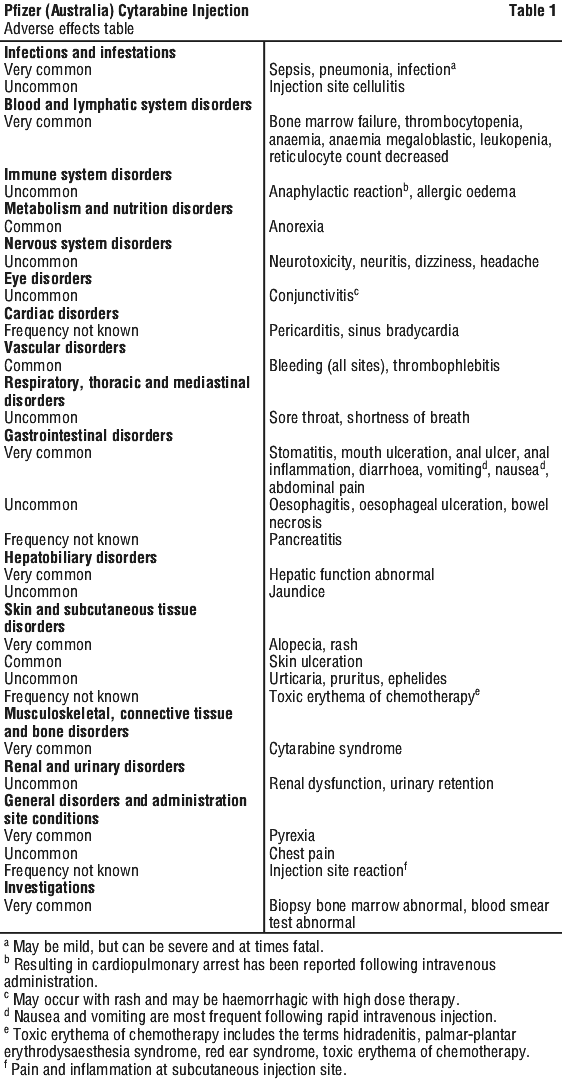
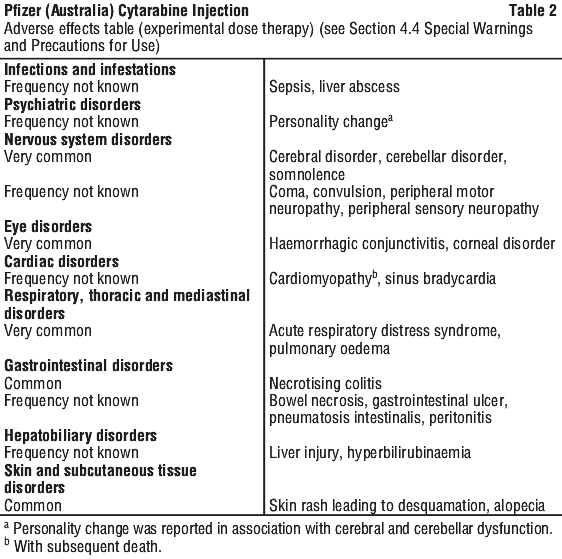
Intermediate dose schedule. A diffuse interstitial pneumonitis without clear cause that may have been related to cytarabine was reported in patients treated with experimental intermediate doses of cytarabine (1 g/m2) with and without other chemotherapeutic agents (meta-AMSA, daunorubicin, VP-16).
Intrathecal administration. The most frequently reported adverse reactions after intrathecal administration were nausea, vomiting and fever; these reactions are mild and self limiting. Paraplegia has been reported. Necrotising leukoencephalopathy with or without convulsions has also been reported; in some cases patients had also been treated with intrathecal methotrexate and/or hydrocortisone, as well as by central nervous system radiation. Isolated neurotoxicity has been reported. Blindness occurred in two patients in remission whose treatment consisted of combination systemic chemotherapy, prophylactic central nervous system radiation and intrathecal cytarabine. Delayed progressive ascending paralysis resulting in death has been reported in children with acute myelogenous leukaemia (AML) following intrathecal and intravenous cytarabine at conventional doses in combination with other drugs.
Reporting suspected adverse effects. Reporting suspected adverse reactions after registration of the medicinal product is important. It allows continued monitoring of the benefit-risk balance of the medicinal product. Healthcare professionals are asked to report any suspected adverse reactions at www.tga.gov.au/safety/reporting-problems.
4.9 Overdose
There is no antidote for cytarabine overdosage. Doses of 4.5 g/m2 by intravenous infusion over 1 hour every 12 hours for 12 doses has caused an unacceptable increase in irreversible CNS toxicity and death. Symptoms of overdose include nausea, vomiting, diarrhoea, ulceration and bleeding of the gastrointestinal tract, myelosuppression, severe skin rash, CNS toxicity (including cerebral and cerebellar dysfunction), cardiac disorders, pulmonary and corneal toxicity, fever, myalgia, bone pain, chest pain and conjunctivitis.
For information on the management of overdose, contact the Poisons Information Centre on 131126 (Australia).
5 Pharmacological Properties
5.1 Pharmacodynamic Properties
Mechanism of action. The exact mechanism(s) of action of cytarabine has not been fully elucidated, however it appears to act through DNA synthesis inhibition. Cytarabine is cytotoxic to a wide variety of proliferating mammalian cells in culture. It exhibits cell phase specificity, primarily killing cells undergoing DNA synthesis (S-phase) and under certain conditions blocking the progression of cells from the G1 phase to the S-phase. A limited, but significant, incorporation of cytarabine into both DNA and RNA has also been reported. Extensive chromosomal damage, including chromatoid breaks, have been produced by cytarabine and malignant transformation of rodent cells in culture has been reported. Deoxycytidine prevents or delays (but does not reverse) the cytotoxic activity.
Cell culture studies have shown an antiviral effect. However, efficacy against herpes zoster or smallpox could not be demonstrated in controlled clinical trials.
Cytarabine is converted intracellularly to an active metabolite (cytarabine triphosphate) which inhibits DNA synthesis. The enzyme responsible for this conversion is deoxycytidine kinase which is found predominantly in the liver and possibly the kidney. Cytarabine is inactivated by the enzyme cytidine deaminase found in the intestine, kidney and liver. The ratio of the activating enzyme (deoxycytidine kinase) to the inactivating enzyme (cytidine deaminase) in cells determines the susceptibility of the tissue to the cytotoxic effects of cytarabine. Tissues with a high susceptibility have high levels of the activating enzyme. Cytarabine has no effect on non-proliferating cells or on proliferating cells unless in the S or DNA synthesis phase. Thus, cytarabine is a cell cycle phase specific antineoplastic drug.
Immunosuppressive action. Cytarabine is capable of obliterating immune responses in man during administration with little or no accompanying toxicity. Suppression of antibody responses to E. coli-V1 antigen and tetanus toxoid have been demonstrated. This suppression was obtained during both primary and secondary antibody responses.
Cytarabine also suppressed the development of cell mediated immune responses such as delayed hypersensitivity skin reaction to dinitrochlorobenzene. However, it had no effect on already established delayed hypersensitivity reactions.
Following 5 day courses of intensive therapy with cytarabine the immune response was suppressed, as indicated by the following parameters: macrophage ingress into skin windows; circulating antibody response following primary antigenic stimulation; lymphocyte blastogenesis with phytohaemagglutinin. A few days after termination of therapy there was a rapid return to normal.
Clinical trials. No data available.
5.2 Pharmacokinetic Properties
Absorption. Orally, less than 20% of a dose of cytarabine is absorbed from the gastrointestinal tract and is ineffective by this route. Subcutaneously or intramuscularly, tritium labelled cytarabine produces peak plasma concentrations of radioactivity within 20-60 minutes and are considerably lower than those attained after intravenous administration. Continuous intravenous infusions produce relatively constant plasma levels in 8-24 hours.
Distribution. Cytarabine is widely distributed into tissues including liver, plasma and peripheral granulocytes. Cytarabine crosses the blood brain barrier to a limited extent and is thought to cross the placental barrier. It is not known if cytarabine is distributed into milk.
Cerebrospinal fluid levels of cytarabine are low in comparison to plasma levels after single intravenous injection. However, in one patient in whom cerebrospinal levels were examined after 2 hours of constant intravenous infusion, levels approached 40 percent of the steady-state plasma level. With intrathecal administration, levels of cytarabine in the cerebrospinal fluid declined with a first order half-life of about 2 hours. Because cerebrospinal fluid levels of deaminase are low, little conversion to ara-U was observed.
Metabolism. Intravenous doses of cytarabine exhibit a biphasic elimination, with an initial distribution half-life of about 10 minutes during which time a major portion of the drug is metabolised in the liver to the inactive metabolite uracil arabinoside. The secondary elimination half-life is longer, approximately 1-3 hours. Metabolism occurs also in the kidneys, gastrointestinal mucosa, granulocytes and other tissues.
Excretion. Cytarabine is mainly excreted via the kidney with 70-80% of a dose administered by any route appearing in the urine within 24 hours; approximately 90% as the metabolite and 10% as unchanged drug.
5.3 Preclinical Safety Data
Genotoxicity. No data available.
Carcinogenicity. No data available.
6 Pharmaceutical Particulars
6.1 List of Excipients
Cytarabine 20 mg/mL. Hydrochloric acid, sodium chloride, sodium hydroxide, water for injections.
Cytarabine 100 mg/mL. Hydrochloric acid, sodium hydroxide, water for injections.
6.2 Incompatibilities
Cytarabine must not be mixed with other medicinal products except those mentioned in Section 4.2 Dose and Method of Administration. Cytarabine has been known to be physically incompatible with heparin, insulin, fluorouracil, penicillins such as oxacillin and penicillin G sodium, and methylprednisolone sodium succinate.
6.3 Shelf Life
In Australia, information on the shelf life can be found on the public summary of the Australian Register of Therapeutic Goods (ARTG). The expiry date can be found on the packaging.
6.4 Special Precautions for Storage
Store at 15°C to 25°C. Protect from light. Single use only. Discard unused portion. The expiry date (month/year) is stated on the package after EXP.
If a precipitate has formed as a result of exposure to low temperatures, redissolve by warming up to 55°C for no longer than 30 minutes and shake until the precipitate has dissolved. Allow to cool prior to use.
6.5 Nature and Contents of Container
Cytarabine Injection 100 mg in 5 mL (sterile) plastic vial and 100 mg in 5 mL clear glass vial.
Cytarabine Injection 1 g in 10 mL (sterile) plastic vial.
Cytarabine Injection 2 g in 20 mL (sterile) plastic vial.
Cytarabine Injection 500 mg in 25 mL (sterile) plastic vial.
Not all presentations may be available locally.
6.6 Special Precautions for Disposal
Spills and disposal. If spills occur, restrict access to the affected area. Wear two pairs of gloves (latex rubber), a respirator mask, a protective gown and safety glasses. Limit the spread of the spill by covering with a suitable material such as absorbent towel or adsorbent granules. Spills may also be treated with 5% sodium hypochlorite. Collect up absorbent/adsorbent material and other debris from spill and place in a leak proof plastic container and label accordingly. Cytotoxic waste should be regarded as hazardous or toxic and clearly labelled 'Cytotoxic waste for incineration at 1100°C'. Waste material should be incinerated at 1100°C for at least 1 second. Cleanse the remaining spill area with copious amounts of water.
In Australia, any unused medicine or waste material should be disposed of in accordance with local requirements.
6.7 Physicochemical Properties
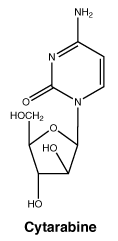
Cytarabine is a synthetic nucleoside which differs from the normal nucleosides cytidine and deoxycytidine in that the sugar moiety is arabinose rather than ribose or deoxyribose. It is a white or almost white, crystalline powder, freely soluble in water, very slightly soluble in alcohol and in methylene chloride.
Chemical structure. Non-proprietary name: cytarabine.
Chemical name: 1-beta-D-arabinofuranosylcytosine commonly known as ara-C.
The empirical formula of cytarabine is C9H13N3O5 and the formula weight is 243.2.
The structural formula is:
7 Medicine Schedule (Poisons Standard)
Schedule 4 (Prescription Only Medicine).
Date of Revision
01 April 2026
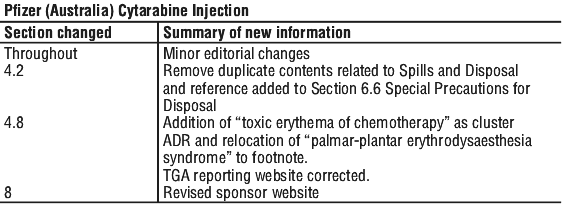
Summary Table of Changes
Reasonable care is taken to provide accurate information at the time of creation. This information is not intended as a substitute for medical advice and should not be exclusively relied on to manage or diagnose a medical condition. The Australian Commission on Safety and Quality in Health Care disclaims all liability (including for negligence) for any loss, damage, injury or any other negative effects resulting from reliance on or use of this information. Read our full disclaimer. This website uses cookies. Read our privacy policy.