
DBL Oxaliplatin
Brand Information
| Brand name | DBL Oxaliplatin |
| Active ingredient | Oxaliplatin |
| Schedule | S4 |
Consumer Medicine Information (CMI) leaflet
Please read this leaflet carefully before you start using the DBL Oxaliplatin.
Summary CMI
DBL™ Oxaliplatin
Consumer Medicine Information (CMI) summary
The full CMI on the next page has more details. If you are worried about using this medicine, speak to your doctor or pharmacist.
1. Why am I being treated with DBL Oxaliplatin?
DBL Oxaliplatin contains the active ingredient oxaliplatin. DBL Oxaliplatin is used to treat cancers of the colon and rectum (colorectal cancer or bowel cancer). For more information, see Section 1. Why am I being treated with DBL Oxaliplatin? in the full CMI.
2. What should I know before I am given DBL Oxaliplatin?
Do not use if you have ever had an allergic reaction to oxaliplatin, any other platinum compound or any of the ingredients listed at the end of the CMI.
Talk to your doctor if you have any other medical conditions including severe kidney disease, nerve damage and low blood counts; take any other medicines; or are pregnant or plan to become pregnant or are breastfeeding.
For more information, see Section 2. What should I know before I am given DBL Oxaliplatin? in the full CMI.
3. What if I am taking other medicines?
Some medicines may interfere with DBL Oxaliplatin and affect how it works. For more information, see Section 3. What if I am taking other medicines? in the full CMI.
4. How am I given DBL Oxaliplatin?
Your doctor will give you DBL Oxaliplatin as a slow injection (drip) into a vein and decide how much you will be given and for how long. You may also be given other drugs to help DBL Oxaliplatin work. More information can be found in Section 4. How am I given DBL Oxaliplatin? in the full CMI.
5. What should I know while being treated with DBL Oxaliplatin?
| Things you should do |
|
| Things you should not do |
|
| Driving or using machines |
|
| Drinking alcohol |
|
For more information, see Section 5. What should I know while being treated with DBL Oxaliplatin? in the full CMI.
6. Are there any side effects?
Side effects may include: Conjunctivitis; runny/blocked nose; weakness, fatigue; general or joint pain; hair loss; abnormal tongue sensations or taste; flushing; hiccups; sweating; nail problems; injection site redness, swelling, local pain; rash; constipation; loss of appetite, weight loss or gain; indigestion; nausea, vomiting.
Serious side effects may include: Allergic reaction; loss of feeling, paralysis; problems with palms of hands/soles of feet; depression; unusual/irregular heartbeat; mouth ulcers; chest pain/discomfort; inability to sleep; headache; changes in mental state; seizures; persistent vomiting; dehydration; bone pain; cough, breathing difficulties; fever, chills; signs of infection; persistent or severe diarrhoea; signs of infection; weakness or pain in the muscles, arms or legs; trouble swallowing, sore throat, jaw spasms; jaundice; light headedness, dizziness, fainting; visual disturbances; abnormal bruising or bleeding; severe stomach pain or cramping; dark coloured or little urine (wee).
For more information, including what to do if you have any side effects, see Section 6. Are there any side effects? in the full CMI.
Full CMI
DBL™ Oxaliplatin
Active ingredient(s): oxaliplatin
Consumer Medicine Information (CMI)
This leaflet provides important information about using DBL Oxaliplatin. You should also speak to your doctor or pharmacist if you would like further information or if you have any concerns or questions about using DBL Oxaliplatin.
Where to find information in this leaflet:
1. Why am I being treated with DBL Oxaliplatin?
2. What should I know before I am given DBL Oxaliplatin?
3. What if I am taking other medicines?
4. How am I given DBL Oxaliplatin?
5. What should I know while being treated with DBL Oxaliplatin?
6. Are there any side effects?
7. Product details
1. Why am I being treated with DBL Oxaliplatin?
DBL Oxaliplatin contains the active ingredient oxaliplatin. DBL Oxaliplatin belongs to a group of medicines called antineoplastic or cytotoxic medicines. You may also hear these being called chemotherapy medicines.
DBL Oxaliplatin is used to treat cancers of the colon and rectum (colorectal cancer or bowel cancer).
It is often used in combination with other medicines, such as fluorouracil and folinic acid, to treat cancer.
Oxaliplatin works by killing cancer cells and/or stopping cancer cells from growing and multiplying.
Because cancer cells are similar to normal cells, anti-cancer drugs often have side effects on normal cells.
Many side effects from anti-cancer drugs are predictable and can be prevented or lessened. Your doctor will take all the precautions needed to reduce the side effects of treatment.
2. What should I know before I am given DBL Oxaliplatin?
Warnings
You should not be given DBL Oxaliplatin if:
- you are allergic to oxaliplatin, any other platinum compound or any of the ingredients listed at the end of this leaflet.
Always check the ingredients to make sure you can use this medicine.
Symptoms of an allergic reaction to oxaliplatin may include:
- shortness of breath
- wheezing or difficulty breathing
- swelling of the face, lips, tongue or other parts of the body
- rash, itching or hives on the skin - you have, or have had, any of the following medical conditions:
- severe kidney disease
- nerve damage
- low blood count (white or red blood cells, or platelets) - you are pregnant or breastfeeding
Check with your doctor if you:
- have any other medical conditions, including:
- a history of reactions to any other platinum compound
- blood disease or any infections
- nerve damage (neuropathy)
- stomachache or diarrhoea
- lung disease
- heart problems
- liver or kidney disease
- plan to have any vaccinations
- any other medical condition that they are not aware of - take any medicines for any other condition
Before each treatment with DBL Oxaliplatin you will be examined for any condition that may be affected by chemotherapy (e.g. infection or loss of feeling). This will include those conditions caused by previous treatment, those caused by your disease, and those caused by other things.
DBL Oxaliplatin may affect fertility. Check with your doctor for advice on fertility preservation before you begin treatment. During treatment, you may be at risk of developing certain side effects. It is important you understand these risks and how to monitor for them. See additional information under Section 6. Are there any side effects?
Pregnancy
Check with your doctor if you or your partner are pregnant or intend to become pregnant.
- Oxaliplatin may cause birth defects if you are being treated with it at the time of conception or it is given to you if you are already pregnant.
- Women of childbearing potential being treated with DBL Oxaliplatin should use effective contraception prior to and for at least 9 months after the last dose.
- Men being treated with DBL Oxaliplatin should use effective contraception prior to and for at least 6 months after the last dose if their female partner is of childbearing potential.
- Adequate contraception is required during treatment with DBL Oxaliplatin. You should discuss this with your doctor.
Breastfeeding
Talk to your doctor if you are breastfeeding or intend to breastfeed.
- Do not breastfeed if you are being treated with DBL Oxaliplatin, and for three months after the last dose.
There is a possibility that your baby may be affected.
Use in Children
Safety and effectiveness have not been established with use of DBL Oxaliplatin in children.
3. What if I am taking other medicines?
Tell your doctor or pharmacist if you are taking any other medicines, including any medicines, vitamins or supplements that you buy without a prescription from your pharmacy, supermarket or health food shop.
Some medicines may interfere with DBL Oxaliplatin and affect how it works.
Your doctor and pharmacist have more information on medicines to be careful with or avoid while taking this medicine.
Check with your doctor or pharmacist if you are not sure about what medicines, vitamins or supplements you are taking and if these affect DBL Oxaliplatin.
4. How am I given DBL Oxaliplatin?
How DBL Oxaliplatin is given
DBL Oxaliplatin is given as a single intravenous infusion (as a slow drip into a vein) over 2 to 6 hours.
You may be given other drugs to help oxaliplatin work. These drugs are:
- fluorouracil (another medicine used to treat cancer) and
- leucovorin (also called folinic acid)
How much is given
Your doctor will decide how much DBL Oxaliplatin you should receive and the length of time (number of cycles) for which you should receive it.
If you are given too much DBL Oxaliplatin
Your doctor will decide what dose of DBL Oxaliplatin you need, and this will be given under close supervision, usually in a hospital. The risk of an over dose in these circumstances is low. If you are given too much, your doctor will decide on the treatment necessary. If you experience any side effects, tell your doctor or nurse immediately.
If you think that you have been given too much DBL Oxaliplatin, you should immediately:
- phone the Poisons Information Centre
(by calling 13 11 26), or - contact your doctor, or
- go to the Emergency Department at your nearest hospital.
You should do this even if there are no signs of discomfort or poisoning. You may need urgent medical attention.
5. What should I know while being treated with DBL Oxaliplatin?
Things you should do
- Avoid cold food and drinks, and cover your skin before exposure to the cold during or within 48 hours following your dose of DBL Oxaliplatin.
Some side effects may be brought on or worsened by exposure to the cold. - Tell the surgeon or anaesthetist that you are using this medicine if you are planning to have surgery. It may affect other medicines used during surgery.
- Tell your doctor you are taking this medicine if you are about to have any blood tests. It may interfere with the results of some tests.
- Keep all of your doctor's appointments so that your progress can be checked.
Your doctor may do some tests from time to time to make sure the medicine is working and to prevent unwanted side effects.
Call your doctor straight away if you:
- develop a fever and persistent diarrhoea or signs of an infection (e.g. chills, sweats, sore throat, cough, a blocked nose etc.) or mouth ulcers. This may indicate you have a low blood count.
- develop persistent vomiting with diarrhoea, dehydration or thirst, cough or breathing difficulties or signs of an allergic reaction.
- develop tingling/numbness or weakness of the hands of feet or have trouble passing urine (wee)
- develop headache, altered mental functioning, seizures, hypertension, confusion, neurological disturbances and abnormal vision from blurriness to blindness.
- have unusual bruising or bleeding including blood in your urine (poo) or stool (poo)
- muscle pain and swelling combined with fever, weakness or dark urine (wee)
- have a sharp pain in your stomach that doesn't go away and blood in vomit or stool (poo)
- chest pain or fast/slow/irregular heartbeats
- become pregnant while being on this medicine.
Remind any doctor, dentist or pharmacist you visit that you are using DBL Oxaliplatin.
Things to be careful of
- If you feel light-headed, dizzy or faint when getting out of bed or standing up, get up slowly.
Standing up slowly, especially when you get up from bed or chairs, will help your body get used to the change in position and blood pressure. If this problem continues or gets worse, talk to your doctor.
Driving or using machines
Be careful before you drive or use any machines or tools until you know how DBL Oxaliplatin affects you.
DBL Oxaliplatin may cause nausea, tiredness, weakness, numbness or vision loss/disturbances in some people.
If you have any of these symptoms, do not drive, operate machinery or do anything else that could be dangerous.
Drinking alcohol
Talk to your doctor if you drink alcohol.
Looking after your medicine
DBL Oxaliplatin will be stored at the hospital pharmacy or on the ward.
6. Are there any side effects?
All medicines can have side effects. If you do experience any side effects, most of them are minor and temporary. However, some side effects may need medical attention.
See the information below and, if you need to, ask your doctor or pharmacist if you have any further questions about side effects.
Side effects
| Side effects | What to do |
Changes affecting your eyes, nose or mouth:
| Speak to your doctor or nurse if you have any of these side effects and they worry you. |
Changes to your body:
| Tell your doctor as soon as possible if you notice any of these side effects. |
Changes to your body:
| Call your doctor straight away, or go straight to the Emergency Department at your nearest hospital if you notice any of these serious side effects. |
Tell your doctor or pharmacist if you notice anything else that may be making you feel unwell.
Other side effects not listed here may occur in some people.
Reporting side effects
After you have received medical advice for any side effects you experience, you can report side effects to the Therapeutic Goods Administration online at www.tga.gov.au/safety/reporting-problems. By reporting side effects, you can help provide more information on the safety of this medicine.
Always make sure you speak to your doctor or pharmacist before you decide to stop taking any of your medicines.
7. Product details
This medicine is only available with a doctor's prescription.
What DBL Oxaliplatin contains
| Active ingredient (main ingredient) | oxaliplatin |
| Other ingredients (inactive ingredients) | tartaric acid sodium hydroxide water for injection |
| Potential allergens | n/a |
Do not take this medicine if you are allergic to any of these ingredients.
DBL Oxaliplatin does not contain lactose, sucrose, gluten, tartrazine or any other azo dyes.
What DBL Oxaliplatin looks like
DBL Oxaliplatin is a sterile, preservative-free colourless or almost colourless solution in a vial.
DBL Oxaliplatin is available in the following strengths:
- 100 mg/20 mL (AUST R 131758)
Who distributes DBL Oxaliplatin
Pfizer Australia Pty Ltd
Sydney NSW
Toll Free Number: 1800 675 229
www.pfizermedicalinformation.com.au
This leaflet was prepared in December 2025.
Brand Information
| Brand name | DBL Oxaliplatin |
| Active ingredient | Oxaliplatin |
| Schedule | S4 |
MIMS Revision Date: 01 January 2024
1 Name of Medicine
Oxaliplatin.
2 Qualitative and Quantitative Composition
Each vial of DBL Oxaliplatin Concentrate contains 50 mg/10 mL or 100 mg/20 mL of oxaliplatin as well as tartaric acid, sodium hydroxide and water for injections.
For the full list of excipients, see Section 6.1 List of Excipients.
3 Pharmaceutical Form
DBL Oxaliplatin Concentrate is an injection for intravenous infusion.
4 Clinical Particulars
4.1 Therapeutic Indications
Oxaliplatin, in combination with fluorouracil and folinic acid, is indicated for:
adjuvant treatment of stage III (Duke's C) colon cancer after complete resection of the primary tumour;
treatment of advanced colorectal cancer.
4.2 Dose and Method of Administration
Dosage. In combination with fluorouracil and folinic acid the recommended dose for the treatment of advanced colorectal cancer is 85 mg/m2 intravenously repeated every two weeks.
In combination with fluorouracil and folinic acid the recommended dose for adjuvant treatment is 85 mg/m2 intravenously repeated every two weeks for 12 cycles (6 months).
Dosage modification. Prior to each treatment cycle, patients should be evaluated for toxicity and the dose of oxaliplatin adjusted accordingly.
Neurological toxicity. If acute neurological reactions occur, e.g. acute pharyngolaryngeal dysaesthesia, increase the oxaliplatin infusion time from 2 hours to 6 hours. This decreases Cmax by 30% and may lessen acute toxicities.
If sensory loss or paraesthesia persists longer than 7 days or interferes with function (grade 2 toxicity), reduce oxaliplatin dose by 25%.
If sensory loss or paraesthesia interferes with activities of daily living (grade 3 toxicity), oxaliplatin should be discontinued.
Haematological toxicity. If haematological toxicity (neutrophils < 1.5 x 10⁹/L or platelets < 75 x 109/L) is present before starting treatment or prior to the next course:
delay treatment until neutrophil count is ≥ 1.5 x 10⁹/L and platelet count is ≥ 75 x 109/L; and
reduce the 85 mg/m2 oxaliplatin dose to 75 mg/m2 every two weeks and fluorouracil (FU) dose by 20% (adjuvant treatment);
reduce the 85 mg/m2 oxaliplatin dose to 65 mg/m2 every two weeks and FU dose by 20% (advanced treatment).
Gastrointestinal toxicity. If grade 3-4 gastrointestinal reactions occur, as assessed according to US National Cancer Institute criteria:
delay treatment until resolution of the adverse reactions; and
reduce the 85 mg/m2 oxaliplatin dose to 75 mg/m2 every two weeks and FU dose by 20% (adjuvant treatment);
reduce the 85 mg/m2 oxaliplatin dose to 65 mg/m2 every two weeks and FU dose by 20% (advanced treatment).
Toxicity associated with fluorouracil. Dose adjustments should also be made for fluorouracil associated toxicities (see relevant product information).
Oxaliplatin should be administered before fluorouracil.
Oxaliplatin is administered as a 2 to 6 hour intravenous infusion in 250 to 500 mL of 5% glucose injection.
Method of administration. Special precautions for administration. Do not use any injection material containing aluminium.
Do not administer undiluted.
Do not mix or administer with sodium chloride injection or any other solution containing chlorides.
Do not mix with any other medication or administer simultaneously by the same infusion line (in particular fluorouracil and folinic acid). A Y-tube may be used (see Infusion).
Use only the recommended diluents (see below).
Handling. As with other potentially toxic compounds, caution should be exercised when handling and preparing oxaliplatin solutions.
The handling of this cytotoxic agent by health care personnel requires every precaution to guarantee the protection of the handler and their surroundings. It is essential to use appropriate protective clothing, including protective goggles, mask and gloves. Pregnant women must be warned to avoid handling cytotoxic agents. If premixed solution or infusion solution should come into contact with skin, mucous membranes or eyes, wash immediately and thoroughly with water.
Preparation. Dilution of DBL Oxaliplatin Concentrate before infusion. The solution must be further diluted in an infusion solution of 250-500 mL of 5% glucose injection. From a microbiological and chemical point of view, this infusion preparation should be used immediately. Inspect visually prior to use. Only clear solutions without particles should be used. The product is for single use only. Discard any remaining contents. Never use sodium chloride solution for dilution.
Administration. The administration of oxaliplatin does not require prehydration. Oxaliplatin diluted in 250 to 500 mL of a glucose 5% injection must be infused either by central venous line or peripheral vein over 2 to 6 hours. When oxaliplatin is administered with fluorouracil, the oxaliplatin infusion should precede that of fluorouracil.
Oxaliplatin can be coadministered with folinic acid infusion using a Y-tube placed immediately before the site of injection. The medicines should not be combined in the same infusion bag. Folinic acid must be diluted using isotonic infusion solutions such as 5% glucose solution but not sodium chloride solutions or alkaline solutions.
Flush the line after oxaliplatin administration.
While oxaliplatin has minimal to no vesicant potential, extravasation may result in local pain and inflammation which may be severe and lead to complications especially when oxaliplatin is infused through a peripheral vein. In case of oxaliplatin extravasation, the infusion must be stopped immediately and the usual local symptomatic treatment initiated.
To reduce microbiological hazard, use as soon as practicable after preparation. If storage is necessary, hold at 2°C-8°C for not more than 24 hours.
4.3 Contraindications
Oxaliplatin is contraindicated in patients who:
have a known history of hypersensitivity to oxaliplatin, any of the excipients or other platinum compounds;
are pregnant;
are breastfeeding;
have myelosuppression prior to starting first course, as evidenced by baseline neutrophils < 1.5 x 10⁹/L and/or platelet count of < 75 x 109/L;
have a peripheral sensory neuropathy with functional impairment prior to first course;
have severely impaired renal function (creatinine clearance less than 30 mL/min).
If contraindications exist to any of the agents in combination regimens, that agent should not be used.
4.4 Special Warnings and Precautions for Use
General. Oxaliplatin should be administered only by or under the supervision of an experienced clinical oncologist.
In case of oxaliplatin extravasation, the infusion must be stopped immediately and the usual local symptomatic treatment initiated.
For oxaliplatin combined with fluorouracil (with or without folinic acid), the usual dose adjustments for fluorouracil toxicities should apply (see relevant Product Information).
Allergic reactions. Hypersensitivity, anaphylactic reactions and/or allergic reactions to oxaliplatin have been reported. These allergic reactions which may be fatal and can occur within minutes of oxaliplatin injection administration are similar in nature and severity to those reported with other platinum-containing compounds, such as rash, urticaria, erythema, pruritus and rarely, bronchospasm and hypotension. Patients with a history of allergic reactions to platinum compounds should be monitored for allergic symptoms. Allergic reactions can occur during any cycle. In case of an anaphylactic type reaction to oxaliplatin, the infusion should be immediately discontinued and appropriate symptomatic treatment initiated. Rechallenge with oxaliplatin is contraindicated. Cross reactions, sometimes fatal, have been reported with all platinum compounds.
Immunosuppressant effects/increased susceptibility to infections. Administration of live or live attenuated vaccines in patients immunocompromised by chemotherapeutic agents, may result in serious or fatal infections. Vaccination with a live vaccine should be avoided in patients receiving oxaliplatin. Killed or inactivated vaccines may be administered; however, the response to such vaccines may be diminished.
Neurological toxicity. Neurological toxicity (see Section 4.8 Adverse Effects (Undesirable Effects)) of oxaliplatin should be carefully monitored, especially if coadministered with other medications with specific neurological toxicity. A neurological examination should be performed before initiation of each administration, and periodically thereafter. Dose modification may be required (see Section 4.2 Dose and Method of Administration). It is not known whether patients with pre-existing medical conditions associated with peripheral nerve damage have a reduced threshold for oxaliplatin induced peripheral neuropathy.
Patients should be informed of the possibility of persistent symptoms of peripheral sensory neuropathy after the end of the treatment. Localised moderate paraesthesias or paraesthesias that may interfere with functional activities can persist up to 3 years following treatment cessation in the adjuvant setting.
If sensory loss or paraesthesia persists longer than 7 days or interferes with function (grade 2 toxicity), reduce oxaliplatin dose by 25%.
If sensory loss or paraesthesia interferes with activities of daily living (grade 3 toxicity), oxaliplatin should be discontinued.
For patients who develop acute laryngopharyngeal dysaesthesias during or within 48 hours following the 2 hour infusion, the next oxaliplatin infusion should be administered over 6 hours. To prevent such dysaesthesia, advise the patient to avoid exposure to cold and to avoid ingesting cold food and/or beverages during or within 48 hours following oxaliplatin administration.
Reversible posterior leukoencephalopathy syndrome (RPLS). Cases of Reversible Posterior Leukoencephalopathy Syndrome (RPLS also known as Posterior Reversible Encephalopathy Syndrome [PRES]) have been reported in patients receiving oxaliplatin in combination chemotherapy. RPLS is a rare, reversible, rapidly evolving neurological condition. Signs and symptoms of RPLS can include headache, altered mental functioning, seizures, hypertension, confusion, neurological disturbances and abnormal vision from blurriness to blindness (see Section 4.8 Adverse Effects (Undesirable Effects)). Diagnosis of RPLS is based upon confirmation by brain imaging, preferably MRI (Magnetic Resonance Imaging).
Gastrointestinal toxicity. Gastrointestinal toxicity, which manifests as nausea and vomiting, warrants prophylactic antiemetic therapy, including 5HT3 antagonists and corticosteroids. Dehydration, paralytic ileus, intestinal obstruction, hypokalemia, metabolic acidosis and renal impairment may be caused by severe diarrhoea/emesis, particularly when combining oxaliplatin with fluorouracil (see Section 4.2 Dose and Method of Administration).
Intestinal ischaemia. Cases of intestinal ischaemia, including fatal outcomes, have been reported with oxaliplatin treatment. In case of intestinal ischaemia, oxaliplatin treatment should be discontinued and appropriate measures initiated (see Section 4.8 Adverse Effects (Undesirable Effects)).
Haematological toxicity. Monitor haematological toxicity with a full blood count and white cell differential count prior to starting therapy and before each subsequent course. Idiosyncratic haematological toxicity may occur, especially in patients who have received previous myelotoxic treatment (see Section 4.2 Dose and Method of Administration). If severe/life threatening diarrhoea, severe neutropenia, febrile neutropenia or severe thrombocytopenia occur, oxaliplatin must be discontinued until improvement or resolution and appropriate dose adjustments may apply.
Patients must be adequately informed of the risk of diarrhoea/emesis and neutropenia after oxaliplatin/fluorouracil administration so that they can urgently contact their treating physician for appropriate management.
Infection. Sepsis, neutropenic sepsis and septic shock have been reported in patients treated with oxaliplatin, including fatal outcomes. If any of these events occurs, oxaliplatin should be discontinued (see Section 4.8 Adverse Effects (Undesirable Effects)).
Disseminated intravascular coagulation (DIC). DIC, including fatal outcomes, has been reported in association with oxaliplatin treatment. If DIC is present, oxaliplatin treatment should be discontinued and appropriate treatment should be administered (see Section 4.8 Adverse Effects (Undesirable Effects)).
Pulmonary toxicity. Oxaliplatin has been associated with pulmonary fibrosis (0.7% of study patients), which may be fatal. In the case of unexplained respiratory symptoms such as nonproductive cough, dyspnoea, crackles or radiological pulmonary infiltrates, oxaliplatin should be discontinued until further pulmonary investigations exclude an interstitial lung disease or pulmonary fibrosis (see Section 4.8 Adverse Effects (Undesirable Effects)).
Haemolytic-uraemic syndrome (HUS). Haemolytic-uraemic syndrome (HUS) is a life-threatening side effect (see Section 4.8 Adverse Effects (Undesirable Effects)). Oxaliplatin should be discontinued at the first signs of any evidence of microangiopathic haemolytic anaemia, such as rapidly falling haemoglobin with concomitant thrombocytopenia, elevation of serum bilirubin, serum creatinine, blood urea nitrogen, or lactate dehydrogenase. Renal failure may not be reversible with discontinuation of therapy and dialysis may be required.
Hepatic toxicity. Reactions related to liver sinusoidal obstruction syndrome, including nodular regenerative hyperplasia, have been reported (see Section 4.8 Adverse Effects (Undesirable Effects)). In the case of abnormal liver function test results or portal hypertension which could not be explained by liver metastases, reactions related to liver sinusoidal obstruction syndrome should be investigated and very rare cases of drug induced hepatic vascular disorders should be considered.
QT prolongation. QT prolongation may lead to an increased risk for ventricular arrhythmias including Torsade de Pointes, which can be fatal (see Section 4.8 Adverse Effects (Undesirable Effects)). Caution should be exercised in patients with a history or a predisposition for prolongation of QT, those who are taking medicinal products known to prolong QT interval, and those with electrolyte disturbances such as hypokalemia, hypocalcaemia, or hypomagnesaemia. In case of QT prolongation, oxaliplatin treatment should be discontinued (see Section 4.5 Interactions with Other Medicines and Other Forms of Interactions; Section 4.8 Adverse Effects (Undesirable Effects)).
Cardiac disorders. Post-marketing reports with oxaliplatin use include acute coronary syndrome (including myocardial infarction, coronary arteriospasm, and cardiac arrest). In case of acute coronary syndrome, treatment with oxaliplatin may need to be interrupted or discontinued based on the individual benefit-risk assessment (see Section 4.8 Adverse Effects (Undesirable Effects)).
Post-marketing reports with oxaliplatin include cardiac arrhythmias (including bradyarrhythmia, tachycardia and atrial fibrillation). In case of cardiac arrhythmias, treatment with oxaliplatin may need to be interrupted or discontinued based on the individual benefit-risk assessment (see Section 4.8 Adverse Effects (Undesirable Effects)).
Rhabdomyolysis. Rhabdomyolysis has been reported in patients treated with oxaliplatin, including fatal outcomes. In case of muscle pain and swelling, in combination with weakness, fever or darkened urine, oxaliplatin treatment should be discontinued. If rhabdomyolysis is confirmed, appropriate measures should be taken. Caution is recommended if medicinal products associated with rhabdomyolysis are administered concomitantly with oxaliplatin (see Section 4.5 Interactions with Other Medicines and Other Forms of Interactions; Section 4.8 Adverse Effects (Undesirable Effects)).
Duodenal ulcer. Oxaliplatin treatment can cause duodenal ulcer and potential complications, such as duodenal ulcer haemorrhage and perforation, which can be fatal. In case of duodenal ulcer, oxaliplatin treatment should be discontinued and appropriate measures taken (see Section 4.8 Adverse Effects (Undesirable Effects)).
Off-label route of administration. Do not use oxaliplatin intraperitoneally. Peritoneal haemorrhage may occur when oxaliplatin is administered by intraperitoneal route (off-label route of administration).
Use in hepatic impairment. Oxaliplatin has not been studied in patients with severe hepatic impairment. No increase in oxaliplatin acute toxicities was observed in the subset of patients with abnormal liver function tests at baseline. No specific dose adjustment for patients with abnormal liver function tests was performed during clinical development.
Use in renal impairment. Oxaliplatin has not been studied in patients with severe renal impairment. It is therefore contraindicated in patients with severe renal impairment.
There is limited information on safety in patients with moderately impaired renal function, and administration should only be considered after suitable appraisal of the benefit/risk for the patient; however, treatment may be initiated at the normally recommended dose. In this situation, renal function should be closely monitored and dose adjusted according to toxicity.
There is no need for dose adjustment in patients with mild renal dysfunction.
Use in the elderly. No increase in severe toxicities was observed when oxaliplatin was used as a single agent or in combination with fluorouracil in patients over the age of 65. In consequence no specific dose adaptation is required for elderly patients.
Paediatric use. Oxaliplatin is not recommended for use in children as safety and efficacy have not been established in this group of patients.
Effects on laboratory tests. No data available.
Advice to patients. Patients must be adequately informed of the risk of diarrhoea/emesis and neutropenia after oxaliplatin/fluorouracil administration so that they can urgently contact their treating physician for appropriate management.
Patients and caregivers should be informed of the expected side effects of oxaliplatin and, in particular, patients should be advised to:
Avoid cold foods and drinks and cover skin prior to exposure to cold during or within 48 hours following oxaliplatin administration, since neurological effects may be precipitated or exacerbated by exposure to cold.
Contact their doctor immediately if they develop fever, particularly in association with persistent diarrhoea or evidence of infection since this may indicate low blood count.
Contact their doctor if persistent vomiting, diarrhoea, signs of dehydration, cough or breathing difficulties or signs of allergic reaction occur.
Vision abnormalities, in particular transient vision loss (reversible following therapy discontinuation), may affect patient's ability to drive and use machines (see Section 4.7 Effects on Ability to Drive and Use Machines).
4.5 Interactions with Other Medicines and Other Forms of Interactions
In patients who have received a single dose of 85 mg/m2 of oxaliplatin, immediately before administration of fluorouracil, no change in the level of exposure to fluorouracil has been observed. However, in patients dosed with fluorouracil weekly and oxaliplatin 130 mg/m2 every 3 weeks, increases of 20% in fluorouracil plasma concentrations have been observed.
In vitro, little or no displacement of oxaliplatin binding to plasma proteins has been observed with the following agents: erythromycin, salicylates, granisetron, paclitaxel, and sodium valproate.
Oxaliplatin is incompatible with chloride containing solutions and basic solutions (including fluorouracil), therefore oxaliplatin should not be mixed with these or administered simultaneously via the same IV line. There is no data for compatibility with other drugs.
The lack of cytochrome P450 mediated metabolism indicates that oxaliplatin is unlikely to modulate the P450 metabolism of concomitant medications through a competitive mechanism.
Caution is advised when oxaliplatin treatment is co-administered with other medicinal products known to cause QT interval prolongation. In case of combination with such medicinal products, the QT interval should be closely monitored (see Section 4.4 Special Warnings and Precautions for Use).
Caution is advised when oxaliplatin treatment is administered concomitantly with other medicinal products known to be associated with rhabdomyolysis (see Section 4.4 Special Warnings and Precautions for Use).
4.6 Fertility, Pregnancy and Lactation
Contraception in males and females. Based on reproductive toxicity and genetic toxicity findings, female patients of childbearing potential should be advised to use effective contraception prior to initiating treatment with oxaliplatin, during treatment with oxaliplatin, and for at least 9 months after the last dose.
Based on genetic toxicity findings, male patients with female partners of childbearing potential should be advised to use effective contraception prior to initiating treatment with oxaliplatin, during treatment with oxaliplatin, and for at least 6 months after the last dose.
Effects on fertility. Testicular damage, characterized by degeneration, hypoplasia and atrophy, was observed in dogs administered oxaliplatin at 0.75 mg/kg/day (approximately one-sixth of the recommended human dose on a body surface area basis) for 5 days every 28 days for three cycles. A no effect level was not identified.
Male patients treated with oxaliplatin are advised to seek guidance on conservation of sperm prior to treatment because oxaliplatin may have an anti-fertility effect which could be irreversible. Individual genetic counselling should be considered for patients intending to have a child following treatment with oxaliplatin.
Use in pregnancy. (Category D1)
1 Category D: Drugs which have caused, are suspected to have caused or may be expected to cause, an increased incidence of human fetal malformations or irreversible damage. These drugs may also have adverse pharmacological effects.
Reproductive toxicity studies showed no teratogenic activity in rats or rabbits at intravenous doses up to 6 and 9 mg/m2/day respectively (1/20 of the maximum recommended clinical dose, based on body surface area). However, increased embryonic deaths, decreased foetal weight and delayed ossifications were observed in rats. Related compounds with similar mechanisms of action have been reported to be teratogenic. There are no adequate and well controlled studies in pregnant women. If this drug is used during pregnancy, or if the patient becomes pregnant while receiving this drug, the patient should be apprised of the potential hazard to the fetus. Oxaliplatin is probably toxic to the human fetus at the recommended therapeutic dose and is therefore contraindicated during pregnancy. Oxaliplatin is not recommended in female patients of childbearing potential not using contraceptive measures.
Use in lactation. There are no data on the excretion of oxaliplatin into milk of animals or humans. Breastfeeding is contraindicated during oxaliplatin therapy and for 3 months after the last dose.
4.7 Effects on Ability to Drive and Use Machines
Vision abnormalities, in particular transient vision loss (reversible following therapy discontinuation), may affect patient's ability to drive and use machines. Therefore, patients should be warned of the potential effect of these events on the ability to drive or use machines.
4.8 Adverse Effects (Undesirable Effects)
Note: very common ≥ 1/10 (≥ 10%); common ≥ 1/100 and < 1/10 (≥ 1% and < 10%); uncommon ≥ 1/1000 and < 1/100 (≥ 0.1% and < 1.0%); rare ≥ 1/10,000 and < 1/1000 (≥ 0.01% and < 0.1%); very rare < 1/10,000 (< 0.01%).
Neurological. See Table 1.
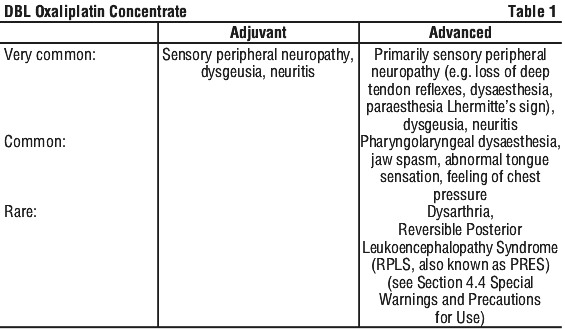
If symptoms persist or pain or functional impairment develops, the dose should be reduced or treatment discontinued (see Section 4.2 Dose and Method of Administration).
In the adjuvant setting, for a cumulative dose of 850 mg/m2 (10 cycles) the risk of occurrence of persistent symptoms is 10% and for a cumulative dose of 1,020 mg/m2 (12 cycles) the risk of occurrence is 20%.
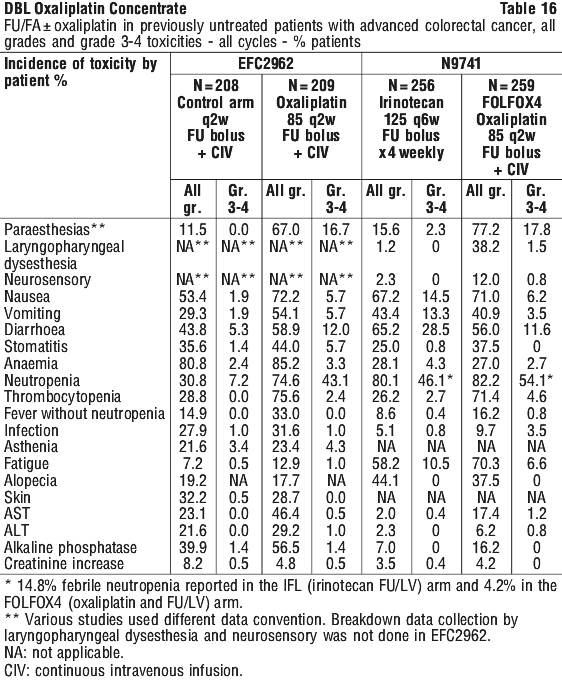
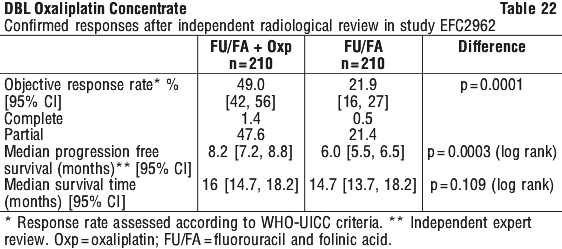
In the advanced setting, in EFC2962, 16% of patients receiving oxaliplatin + FU/folinic acid (FA) developed paraesthesia and associated functional impairment lasting longer than two weeks, after a median cumulative oxaliplatin dose of 874 mg/m2. Two percent were withdrawn due to persisting paraesthesia (i.e. persisting between treatment cycles) after cumulative oxaliplatin doses of 759-1,100 mg/m2.
In the majority of cases, the neurological signs and symptoms improve when treatment is discontinued. Analysis of patients in EFC2962 showed that of the 34 patients who developed grade 3 neurotoxicity (the maximum grade in that study), 25 (73.5%) had an improvement of their symptoms in a median time of 13.2 weeks. Eight of the 34 patients (23%) had complete resolution of their symptoms. The mean duration of the grade 3 neurotoxicity was 13.6 weeks. The mean cumulative oxaliplatin dose at date of onset was 913.6 mg/m2 (range 169.7-1713.15 mg/m2). The median follow up time for these 34 patients was 55.71 weeks.
In the adjuvant setting of colon cancer within 6 months after treatment cessation 87% of patients had no or mild symptoms. After up to 3 years of follow-up, about 3% of patients presented either with persisting localised paresthesias of moderate intensity (2.3%) or with paresthesias that may interfere with functional activities (0.5%).
An acute pharyngolaryngeal dysaesthesia syndrome occurs in 1% to 2% of patients. It often occurs on exposure to cold and changes in temperature. It is characterised by subjective sensations of dysphagia and dyspnoea, feeling of suffocation, without evidence of respiratory distress (no cyanosis or hypoxia, laryngospasm, bronchospasm). Although antihistamines and bronchodilators have been administered in such cases, the symptoms are rapidly reversible even in the absence of treatment. Prolongation of the infusion helps to reduce the incidence of this syndrome (see Section 4.4 Special Warnings and Precautions for Use).
Other symptoms occasionally observed, particularly of cranial nerve dysfunction, may be either associated with other symptoms or also may occur in isolation, such as ptosis, diplopia, aphonia/dysphonia/hoarseness, sometimes described as vocal cord paralysis, abnormal tongue sensation or dysarthria, sometimes described as aphasia, trigeminal neuralgia/facial pain/eye pain, decrease of visual acuity, visual field disorders. In addition, the following symptoms have been observed: jaw spasm/muscle spasm/muscle contractions - involuntary/muscle twitching/myoclonus, coordination abnormal/gait abnormal/ataxia/balance disorders, throat or chest tightness/pressure/discomfort/pain.
Psychiatric disorders. Depression and insomnia have been observed.
Vascular disorders. See Table 2.
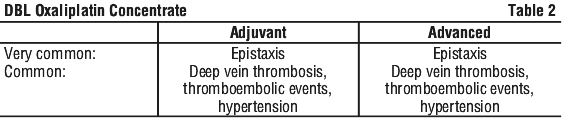
Infections and infestations. See Table 3.

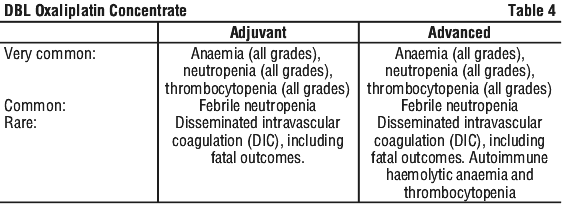
In both adjuvant and advanced cancer treatment, addition of oxaliplatin to fluorouracil and folinic acid:
substantially increased the incidence of neutropenia and severe neutropenia (neutrophils < 1.0 x 10⁹/L); and
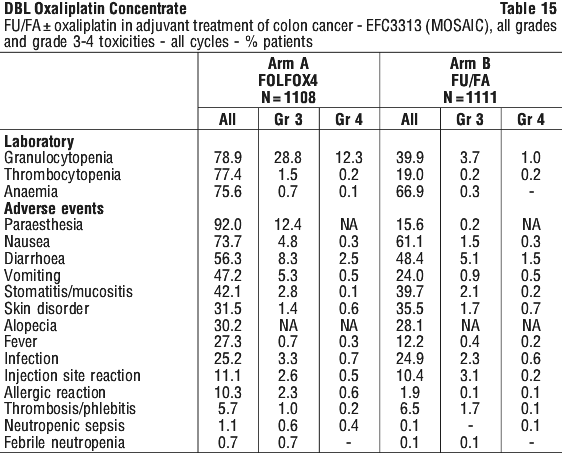
substantially increased the incidence of thrombocytopenia (see Tables 15 and 16).
Gastrointestinal. See Table 5.
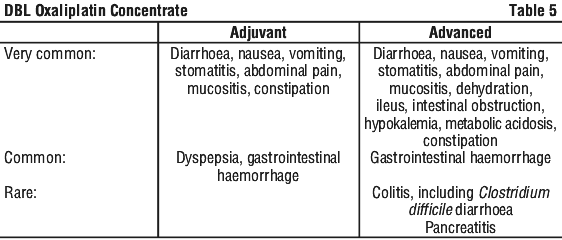
Addition of oxaliplatin to fluorouracil and folinic acid: increased the incidence of severe nausea, vomiting, diarrhoea and stomatitis in the adjuvant setting (see Table 15) and substantially increased these effects in the advanced cancer setting (see Table 16).
Metabolism and nutrition disorders. See Table 6.

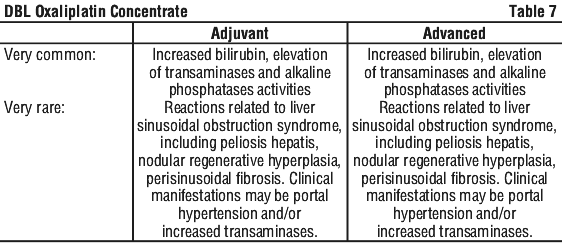
Hepatobiliary. See Table 7.

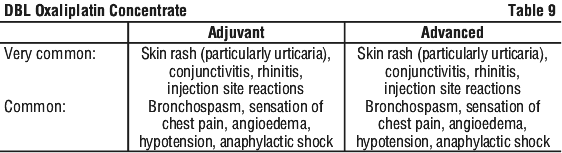
Hypersensitivity. See Table 9.
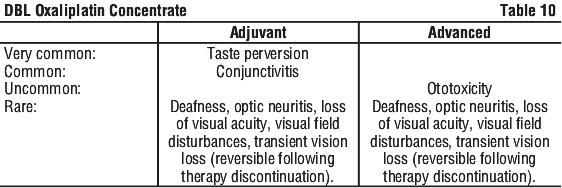

Haematuria, dysuria and abnormal micturition frequency have been observed.
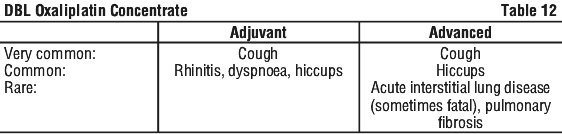
Respiratory. See Table 12.


General disorders and administration site conditions. Pain and injection site reaction have been observed.
Investigations. Hepatic enzyme increase, blood bilirubin increase, blood lactate dehydrogenase increase, weight increase (adjuvant setting), blood creatinine increase and weight decrease (metastatic setting) have been observed.
Care of intravenous site. Extravasation may result in local pain and inflammation that may be severe and lead to complications, including necrosis, especially when oxaliplatin is infused through a peripheral vein. Injection site reaction, including redness, swelling, thrombosis and local pain, have been reported.
Table 15 provides adverse events reported in the study (see Section 5.1 Pharmacodynamic Properties, Clinical trials) in decreasing order of frequency in the oxaliplatin and infusional FU/FA combination.
Infections and infestations. Septic shock, including fatal outcomes.
Blood and lymphatic system disorders. Haemolytic-uraemic syndrome, autoimmune pancytopenia, pancytopenia, secondary leukemia.
Immune system disorders. Delayed hypersensitivity.
Nervous system disorders. Convulsion, ischemic and haemorrhagic cerebrovascular disorder.
Cardiac disorders. QT prolongation, which may lead to ventricular arrhythmias including Torsade de Pointes, which may be fatal (see Section 4.4 Special Warnings and Precautions for Use).
Acute coronary syndrome including myocardial infarction, coronary arteriospasm, and cardiac arrest.
Cardiac arrhythmias including bradyarrhythmia, tachycardia and atrial fibrillation.
Respiratory, thoracic and mediastinal disorders. Laryngospasm, pneumonia and bronchopneumonia, including fatal outcomes.
Gastrointestinal disorders. Intestinal ischaemia, including fatal outcomes (see Section 4.4 Special Warnings and Precautions for Use), ascites.
Esophagitis.
Duodenal ulcer, and complications, such as duodenal ulcer haemorrhage or perforation, which can be fatal (see Section 4.4 Special Warnings and Precautions for Use).
Hepatobiliary. Focal nodular hyperplasia, hepatic failure.
Skin and subcutaneous tissue disorders. Hypersensitivity vasculitis.
Injury, poisoning, and procedural complications. Fall and fall-related injuries.
Musculoskeletal and connective tissue disorders. Rhabdomyolysis, including fatal outcomes (see Section 4.4 Special Warnings and Precautions for Use).
Reporting suspected adverse effects. Reporting suspected adverse reactions after registration of the medicinal product is important. It allows continued monitoring of the benefit-risk balance of the medicinal product. Healthcare professionals are asked to report any suspected adverse reactions at www.tga.gov.au/reporting-problems.
4.9 Overdose
There is no known antidote to oxaliplatin. In cases of overdose, exacerbation of adverse events can be expected. Monitoring of haematological parameters should be initiated and symptomatic treatment given.
For information on the management of overdose, contact the Poisons Information Centre on 13 11 26 (Australia).
5 Pharmacological Properties
5.1 Pharmacodynamic Properties
Mechanism of action. Oxaliplatin is an antineoplastic drug belonging to a new class of platinum-based compounds in which the platinum atom is complexed with 1,2-diaminocyclohexane (DACH) and an oxalate group. Oxaliplatin is a single enantiomer, the cis-[oxalato(trans-l -1,2-DACH) platinum].
Oxaliplatin exhibits a wide spectrum of both in vitro cytotoxicity and in vivo antitumour activity in a variety of tumour model systems, including human colorectal cancer models. Oxaliplatin also demonstrates in vitro and in vivo activity in various cisplatin resistant models.
A synergistic cytotoxic action has been observed in combination with fluorouracil both in vitro and in vivo.
Studies on the mechanism of action of oxaliplatin, although not completely elucidated, show that the aqua derivatives resulting from the biotransformation of oxaliplatin interact with DNA to form both inter- and intra-strand cross links, resulting in the disruption of DNA synthesis leading to cytotoxic and antitumour effects.
Clinical trials. Adjuvant treatment of stage III (Duke's C) colon cancer. Use in combination with fluorouracil and folinic acid (FU/FA). EFC3313 (MOSAIC). EFC3313 (MOSAIC) was an international, multicentre, open label, randomised phase III study comparing two treatment regimens (FOLFOX4 versus (FU/FA)) as adjuvant treatment of Duke's stage B2/C colon cancer. FOLFOX4 day 1: oxaliplatin 85 mg/m2 as 2-hour infusion, folinic acid 200 mg/m2 over 2 hours, followed by a FU bolus of 400 mg/m2, then a FU infusion of 600 mg/m2 over 22 hours. Folinic acid and FU repeated on day 2. FU/FA: the same regimen without oxaliplatin. Both were repeated every two weeks. A total of 1,108 patients were treated in the FOLFOX4 arm and 1,111 in the FU/FA arm. The median number of cycles received in both arms was 12.
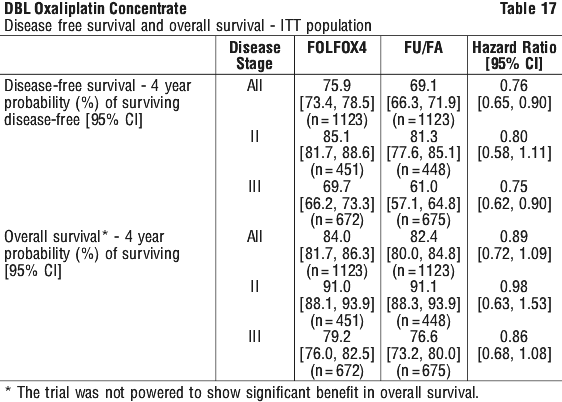
In the intention-to-treat (ITT) population, after a median of 4 years follow up, patients treated with FOLFOX4 had significantly increased disease free survival, the primary endpoint, compared to patients treated with FU/FA (Table 17). In the subgroup analysis by disease stage, only patients with stage III disease had significantly increased disease free survival. The trial was not powered to show such a benefit with stage II disease but the trend indicated a small benefit is likely. This benefit is not as great as in stage III patients. The trial was not powered to show significant benefit in overall survival.
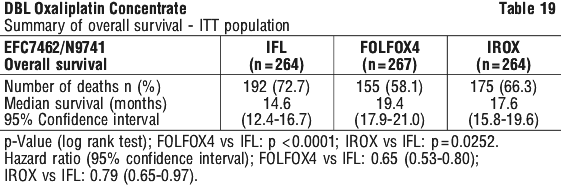
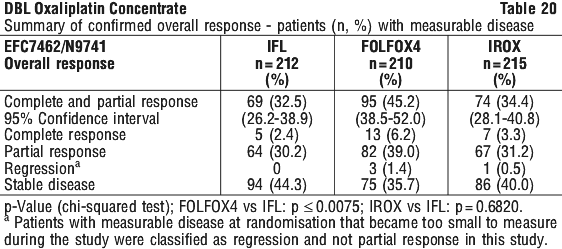
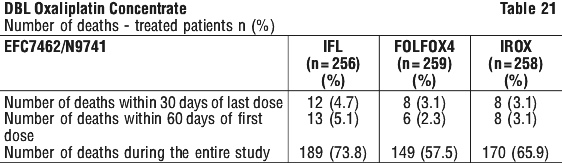
EFC7462/N9741. EFC7462/N9741 was a multicentre open label randomised, three arm phase III study of irinotecan and FU/LV (IFL), or oxaliplatin and irinotecan (IROX), or oxaliplatin and FU/LV (FOLFOX4) as initial treatment of patients with advanced colorectal cancer. Therapy consisted of two-week FOLFOX4, six-week IFL or three-week IROX treatment cycles.
A total of 795 patients were enrolled and 773 treated from May 1999 in 301 centres in the United States and Canada.
Treatment arms. FOLFOX4 day 1: oxaliplatin 85 mg/m2 over two hours, folinic acid 200 mg/m2 over two hours, followed by an FU bolus of 400 mg/m2, then an FU infusion of 600 mg/m2 over 22 hours. Folinic acid and FU repeated on day 2. Cycle repeated every two weeks.
IFL day 1: irinotecan 125 mg/m2 over 90 minutes, folinic acid 20 mg/m2 over 15 minutes or IV push, FU bolus of 500 mg/m2 weekly x 4. Cycle repeated every six weeks.
IROX day 1: oxaliplatin 85 mg/m2 over two hours, irinotecan 200 mg/m2 over 30 minutes. Cycle repeated every three weeks.
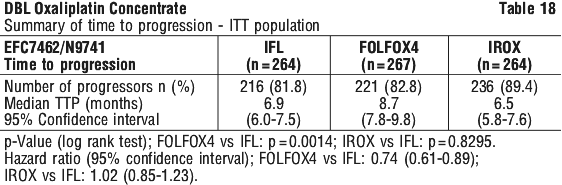
This study has demonstrated a statistically significant longer TTP (time to progression) and OS (overall survival), and a significantly higher overall RR (response rate) for oxaliplatin in combination with bolus/infusional FU/LV (FOLFOX4) compared with the IFL control arm. The IROX arm has a significantly longer OS compared with the IFL arm, while TTP and RR on the IROX arm were not significantly different from the IFL arm. Median durations of treatment for each group were 24, 24 and 21 weeks for IFL, FOLFOX4 and IROX, respectively. See Tables 18, 19, 20 and 21.
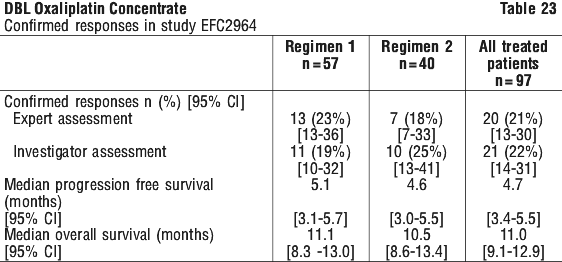
EFC2964. EFC2964 was an open label multicentre study in which patients whose disease had progressed on one of two fluorouracil/folinic acid regimens continued on the same fluorouracil/folinic acid regimen with the addition of oxaliplatin 85 mg/m2 two-weekly. The two study regimens were as follows:
Regimen 1: day 1; folinic acid 200 mg/m2 over 2 hours, followed by a FU bolus of 400 mg/m2, then a FU infusion of 600 mg/m2 over 22 hours. Repeated on day 2.
Regimen 2: folinic acid 500 mg/m2 over 2 hours, followed by a FU infusion of 1,500 mg/m2 over 22 hours, repeated on day 2.
The results are shown in Table 23.
5.2 Pharmacokinetic Properties
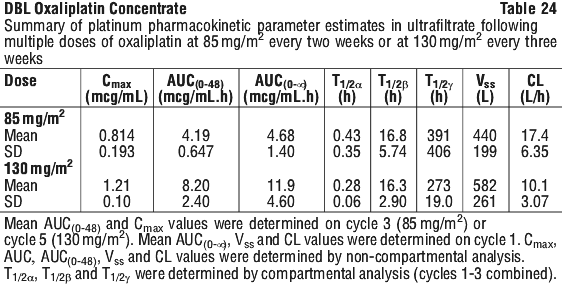
The pharmacokinetics of individual active compounds have not been determined. The pharmacokinetics of ultrafiltrable platinum, representing a mixture of all unbound, active and inactive platinum species, following a two hour infusion of oxaliplatin at 130 mg/m2 every three weeks for one to five cycles and at 85 mg/m2 every two weeks for one to three cycles are shown in Table 24.
Biotransformation in vitro is considered to be the result of nonenzymatic degradation and there is no evidence of cytochrome P450 mediated metabolism of the diaminocyclohexane (DACH) ring.
Oxaliplatin undergoes extensive biotransformation in patients and no intact drug was detectable in plasma ultrafiltrate at the end of a 2-hour infusion. Several cytotoxic biotransformation products including the monochloro, dichloro and diaquo DACH platinum species have been identified in the systemic circulation together with a number of inactive conjugates at later time points.
Platinum is predominantly excreted in urine, with clearance mainly in the 48 hours following administration. By day 5, approximately 54% of the total dose was recovered in the urine and < 3% in the faeces.
A significant decrease in clearance of ultrafilterable platinum from 17.6 ± 2.18 L/h to 9.95 ± 1.91 L/h in renal impairment (creatinine clearance 12-57 mL/min) was observed together with a statistically significant decrease in distribution volume from 330 ± 40.9 to 241 ± 36.1 L. The effect of severe renal impairment on platinum clearance has not been evaluated.
5.3 Preclinical Safety Data
Genotoxicity. Oxaliplatin was shown to be mutagenic and clastogenic in mammalian test systems in vitro and in vivo.
Carcinogenicity. The carcinogenic potential of oxaliplatin has not been studied, but compounds with similar mechanisms of action and genotoxicity profiles have been reported to be carcinogenic. Oxaliplatin should be considered a probable carcinogen.
6 Pharmaceutical Particulars
6.1 List of Excipients
Tartaric acid, sodium hydroxide, water for injections.
6.2 Incompatibilities
Oxaliplatin is incompatible with chloride containing solutions and basic solutions (including fluorouracil), therefore oxaliplatin should not be mixed with these or administered simultaneously via the same IV line. There is no data for compatibility with other medicines.
6.3 Shelf Life
In Australia, information on the shelf life can be found on the public summary of the Australian Register of Therapeutic Goods (ARTG). The expiry date can be found on the packaging.
6.4 Special Precautions for Storage
DBL Oxaliplatin Concentrate: Store below 25°C. Protect from light.
6.5 Nature and Contents of Container
DBL Oxaliplatin Concentrate clear glass vial 50 mg/10 mL and 100 mg/20 mL: 1 vial.
Not all pack sizes and strengths may be marketed.
6.6 Special Precautions for Disposal
In Australia, any unused medicine or waste material should be disposed of in accordance with local requirements.
6.7 Physicochemical Properties
Chemical structure. Oxaliplatin is a white to off white crystalline powder. It is slightly soluble in water, very slightly soluble in methanol and practically insoluble in ethanol.
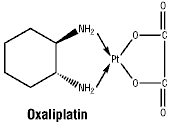
Oxaliplatin is designated chemically as [SP-4-2]-(1R,2R)- (cyclohexane-1,2-diamine-k2N,N'(oxalato(2-) -k2O1,O2]platinum (II).
The empirical formula of oxaliplatin is C8H14N2O4Pt and its molecular weight is 397.3.
7 Medicine Schedule (Poisons Standard)
S4 - Prescription Only Medicine.
Date of First Approval
20 February 2009
Date of Revision
17 November 2023
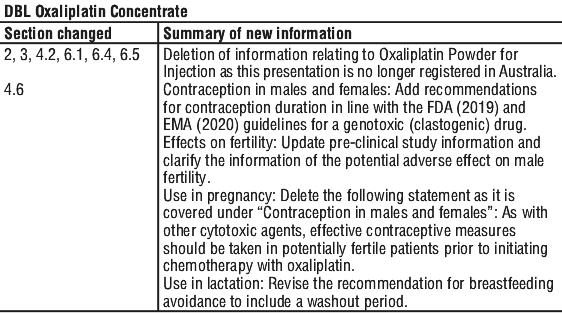
Summary Table of Changes
Reasonable care is taken to provide accurate information at the time of creation. This information is not intended as a substitute for medical advice and should not be exclusively relied on to manage or diagnose a medical condition. The Australian Commission on Safety and Quality in Health Care disclaims all liability (including for negligence) for any loss, damage, injury or any other negative effects resulting from reliance on or use of this information. Read our full disclaimer. This website uses cookies. Read our privacy policy.