
DigiFab
Brand Information
| Brand name | DigiFab |
| Active ingredient | Digoxin immune Fab |
| Schedule | S4 |
Consumer Medicine Information (CMI) leaflet
Please read this leaflet carefully before you start using the DigiFab.
Summary CMI
DIGIFab®
Consumer Medicine Information (CMI) summary
The full CMI on the next page has more details. If you are worried about using this medicine, speak to your doctor or pharmacist.
1. Why am I being given DIGIFab?
DIGIFab Injection contains the active ingredient Digoxin-specific antibody fragment f(Ab) (Ovine). DIGIFab is an antidote used to treat life-threatening digoxin overdose.
For more information, see Section 1. Why am I being given DIGIFab? in the full CMI.
2. What should I know before DIGIFab is given?
Do not use if you have ever had an allergic reaction to DIGIFab or any of the ingredients listed at the end of the CMI.
Talk to your doctor if you have any other medical conditions, take any other medicines, or are pregnant or plan to become pregnant or are breastfeeding.
For more information, see Section 2. What should I know before DIGIFab Injection is given? in the full CMI.
3. What if I am taking other medicines?
Some medicines may interfere with DIGIFab Injection and affect how it works.
A list of these medicines is in Section 3. What if I am taking other medicines? in the full CMI.
4. How is DIGIFab given?
- DIGIFab Injection must only be given by a doctor or nurse.
- DIGIFab Injection is initially dissolved in sterile water for injections before being further diluted in 0.9% saline and slowly injected into a vein over a period of 30 minutes.
More instructions can be found in Section 4. How is DIGIFab given? in the full CMI.
5. What should I know while DIGIFab is being given?
| Things you should do |
|
| Looking after your medicine |
|
For more information, see Section 5. What should I know while DIGIFab is being given? in the full CMI.
6. Are there any side effects?
Common side effects include low or high potassium concentration, headache, nausea and vomiting, fatigue, irritation at the infusion site, worsening of poor heart function due to the neutralised effects of digoxin, swelling at injection site, swelling of the face. Serious side effects include wheezing, swelling of the lips/mouth, difficulty in breathing, hayfever, lumpy rash (hives) and fainting. For more information, including what to do if you have any side effects, see Section 6. Are there any side effects? in the full CMI.
Full CMI
DIGIFab® (Dij-i-fab)
Active ingredient: Digoxin-specific antibody fragment f(Ab) (Ovine)
Consumer Medicine Information (CMI)
This leaflet provides important information about using DIGIFab. You should also speak to your doctor or pharmacist if you would like further information or if you have any concerns or questions about using DIGIFab.
Where to find information in this leaflet:
1. Why am I being given DIGIFab?
2. What should I know before DIGIFab is given?
3. What if I am taking other medicines?
4. How is DIGIFab given?
5. What should I know while DIGIFab is being given?
6. Are there any side effects?
7. Product details
1. Why am I being given DIGIFab?
DIGIFab Injection contains the active ingredient Digoxin-specific antibody fragment f(Ab) (Ovine). DIGIFab Injection belongs to a group of medicines called the antigen binding fragments. DIGIFab is a sterile freeze-dried powder of antigen binding fragments (Fab) obtained from antidigoxin antibodies raised in sheep. Fab fragments react with digoxin in the blood to prevent death from digoxin overdose. The total number of people treated with this medication in trials is small and the data regarding dosing and outcomes are limited.
DIGIFab Injection is an antidote used to treat life-threatening digoxin overdose.
Ask your doctor if you have any questions about why this medicine has been prescribed for you.
Your doctor may have prescribed it for another reason.
This medicine is available only with a doctor's prescription.
2. What should I know before DIGIFab is given?
Warnings
You should not be given DIGIFab if you are allergic to:
- any medicine containing digoxin-specific Fab fragments or any of the ingredients listed at the end of this leaflet.
- papain, chymopapain, or other papaya extracts
- alpha-gal or have been diagnosed with alpha-gal syndrome
- any other similar medicines.
Always check the ingredients to make sure you can use this medicine.
Some of the symptoms of allergic reaction may include:
- shortness of breath
- wheezing or difficulty breathing
- swelling of the face, lips, tongue or other parts of the body
- rash, itching or hives on the skin.
If you are not sure whether you should be given this medicine, talk to your doctor.
Check with your doctor if you:
- have allergies to any other medicines, foods, preservatives or dyes, including any allergy to sheep protein and pineapple enzyme bromelain and alpha-gal.
- have or have had any of the following medical conditions:
- previously received treatment with a similar medication made from Fab fragments
- kidney disease.
During treatment, you may be at risk of developing certain side effects. It is important you understand these risks and how to monitor for them. See additional information under Section 6. Are there any side effects?
Pregnancy and breastfeeding
Check with your doctor if you are pregnant or intend to become pregnant.
Talk to your doctor if you are breastfeeding or intend to breastfeed.
Your doctor can discuss with you the risks and benefits involved.
If you have not told your doctor about any of the above, tell him/her before you are given DIGIFab Injection.
3. What if I am taking other medicines?
Tell your doctor or pharmacist if you are taking any other medicines, including any medicines, vitamins or supplements that you buy without a prescription from your pharmacy, supermarket or health food shop.
Some medicines may be affected by DIGIFab Injection or may affect how well it works.
You may need different amounts of your medicines, or you may need to take different medicines.
Your doctor has more information on medicines to be careful with or avoid while being given this medicine.
Check with your doctor or pharmacist if you are not sure about what medicines, vitamins or supplements you are taking and if these affect DIGIFab.
4. How is DIGIFab given?
How much DIGIFab is given
Your doctor will decide what dose of DIGIFab you will receive and how long you will receive it for. This depends on your medical condition and other factors, such as your weight.
How is DIGIFab given
DIGIFab Injection must only be given by a doctor or nurse.
DIGIFab Injection is initially dissolved in sterile water for injections before being further diluted in 0.9% saline and slowly injected into a vein over a period of 30 minutes.
When initially reconstituted in water for injections the resulting solution may be clear to slightly opalescent and colourless to pale yellow. However, once DIGIFab is further diluted for use in 0.9% saline, the solution is normally a clear, colourless solution.
The doctor or nurse will check to ensure the medicine is not past its expiry date and has not been tampered with.
If too much DIGIFab is given
As DIGIFab Injection is always given to you in a hospital under the supervision of a doctor, it is unlikely that you will receive an overdose.
Symptoms of an overdose are the same as side effects but may be more severe. The symptoms of a side effect are listed under Side effects below.
If you think you have used too much DIGIFab, you may need urgent medical attention.
You should immediately:
- phone the Poisons Information Centre
(by calling 13 11 26), or - contact your doctor, or
- go to the Emergency Department at your nearest hospital.
You should do this even if there are no signs of discomfort or poisoning.
5. What should I know while DIGIFab is being given?
Things you should do
- If you are about to be started on any new medicine, remind your doctor and pharmacist that you have been given DIGIFab Injection.
- Tell any other doctors, dentist and pharmacist who treat you that you have been given this medicine.
- If you are going to have surgery, tell the surgeon or anaesthetist that you have been given this medicine. It may affect other medicines used during surgery.
- If you become pregnant while being given these medicines, tell your doctor immediately.
- If you are breastfeeding or planning to breast feed, tell your doctor immediately.
- If you are about to have any blood tests, tell your doctor that you are being given this medicine. It may interfere with the results of some tests, for example digoxin levels.
- Keep all of your doctor's appointments so that your progress can be checked.
Things to be careful of
DIGIFab Injection can lower the potassium levels in your blood. For this reason, the potassium levels in your blood should be closely monitored, particularly in the first few hours after DIGIFab Injection has been given.
Looking after your medicine
DIGIFab Injection will be stored in the surgery, pharmacy or ward of a hospital. The injection is kept in refrigerator, where the temperature stays between 2-8°C.
DIGIFab Injection will only be opened when it is time for you to have the injection.
6. Are there any side effects?
All medicines can have side effects. If you do experience any side effects, most of them are minor and temporary. However, some side effects may need medical attention.
See the information below and, if you need to, ask your doctor or pharmacist if you have any further questions about side effects.
Less serious side effects
| Less serious side effects | What to do |
| Speak to your doctor if you have any of these less serious side effects and they worry you. |
Serious side effects
| Serious side effects | What to do |
| Call your doctor straight away, or go straight to the Emergency Department at your nearest hospital if you notice any of these serious side effects. |
Tell your doctor or pharmacist if you notice anything else that may be making you feel unwell.
Other side effects not listed here may occur in some people.
Reporting side effects
After you have received medical advice for any side affects you experience, you can report side effects to the Therapeutic Goods Administration online at www.tga.gov.au/reporting-problems. By reporting side effects, you can help provide more information on the safety of this medicine.
Always make sure you speak to your doctor or pharmacist before you decide to stop taking any of your medicines.
7. Product details
This medicine is only available with a doctor's prescription.
What DIGIFab contains
| Active ingredient | Digoxin-specific Fab: 40 mg |
| Excipients | mannitol: 75 mg sodium acetate: 1.7 mg |
Do not take this medicine if you are allergic to any of these ingredients.
This medicine does not contain lactose, sucrose, gluten, tartrazine, alcohol, dyes or preservatives.
What DIGIFab looks like
DIGIFab Injection is an off-white powder in clear glass vial sealed with a butyl rubber stopper and aluminium flip top seal. The vial stopper is not made with natural rubber latex.
DIGIFab 40 mg powder for injection is available as one vial per carton (AUST R 203623).
Who distributes DIGIFab
Phebra Pty Ltd
17-19 Orion Road
Lane Cove West, NSW 2066
Australia
Telephone: 1800 720 020

The leaflet was prepared in December 2025
DIGIFab is a registered trademark of Perseus BidCo US, Inc. Phebra and the Phi symbol are registered trademarks of Phebra Pty Ltd.
Brand Information
| Brand name | DigiFab |
| Active ingredient | Digoxin immune Fab |
| Schedule | S4 |
MIMS Revision Date: 01 March 2023
1 Name of Medicine
Digoxin-specific antibody fragment F(Ab) (Ovine).
2 Qualitative and Quantitative Composition
Each vial of Digifab Powder for Injection, will bind approximately 0.5 mg digoxin, contains 40 mg of digoxin-specific antibody fragment F(Ab).
These fragments are obtained from blood of healthy sheep immunized with a digoxin derivative, digoxin-dicarboxymethoxylamine (DDMA), a digoxin analogue which contains the functionally essential cyclopentanoperhydrophenanthrene:lactone ring moiety coupled to keyhole limpet hemocyanin (KLH).
The final product is prepared by isolating the immunoglobulin fraction of the ovine serum, digesting it with papain and isolating the digoxin-specific Fab fragments by affinity chromatography.
For the full list of excipients, see Section 6.1 List of Excipients.
3 Pharmaceutical Form
DigiFab, digoxin-specific antibody fragment F(Ab) (Ovine) Powder for Injection, is a sterile, purified, lyophilized off-white powder of digoxin-specific antibody ovine Fab (monovalent) immunoglobulin fragments.
The pH of the reconstituted solution is in between 4.5-5.5.
The product is intended for intravenous administration after reconstitution with 4 mL of sterile water for injection.
4 Clinical Particulars
4.1 Therapeutic Indications
Digoxin-specific antibody fragment F(Ab) (Ovine) DigiFab is indicated for the treatment of known (or strongly suspected) life-threatening digoxin toxicity associated with ventricular arrhythmias, progressive bradycardia, or second or third degree heart block not responsive to atropine, and where additional measures besides withdrawal of digoxin and correction of serum electrolyte abnormalities are considered necessary. Consequences of multiple dosing with DigiFab have not been evaluated.
4.2 Dose and Method of Administration
General guidelines. Digoxin-specific antibody fragment F(Ab) (Ovine), DigiFab, is administered by the intravenous route over 30 minutes. If cardiac arrest is imminent, it can be given as a bolus injection. The dosage of DigiFab will vary according to the amount of digoxin to be neutralized. Consequences of multiple dosing with DigiFab have not been evaluated.
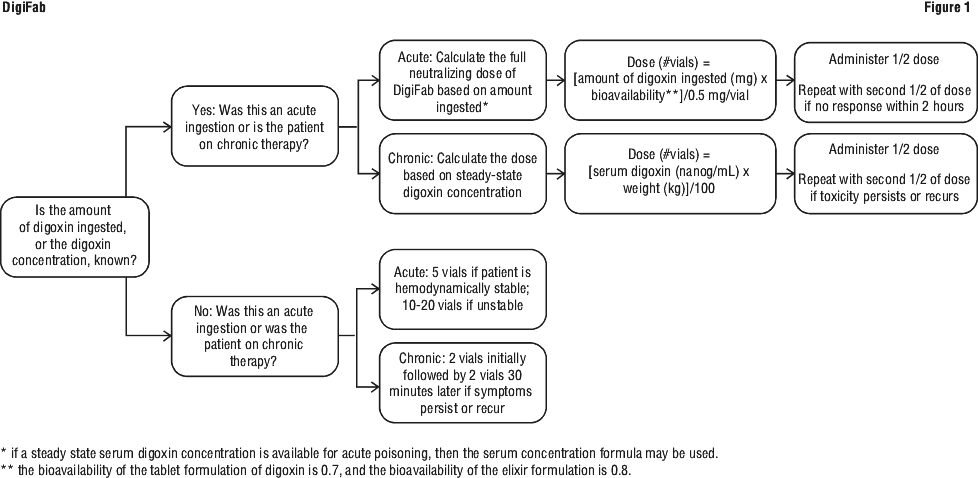
Dosage calculation. For calculation of the appropriate dosage, please utilise either the tables (see Tables 1-4), the dosing calculation example, or the dose determination flowchart (see Figure 1) that follow.
The management of patients with digoxin toxicity follows a step-wise decision process, as shown in Table 1.

Rationale: in acute digoxin poisoning, the serum digoxin concentration does not reflect total body load and complete neutralisation is not necessary in digoxin-naive patients.
Step 1: (ii) chronic digoxin poisoning. Half the estimated dose required for full neutralisation can be given initially followed by monitoring for 6-12 hours. The remainder may be given if there is recurrence of toxicity.
Rationale: in chronic digoxin poisoning, the dose of antibody required for full neutralisation depends on the total body load of cardiac glycoside which has to be counteracted. However, as these patients are receiving digoxin therapeutically, full neutralisation is not necessary.
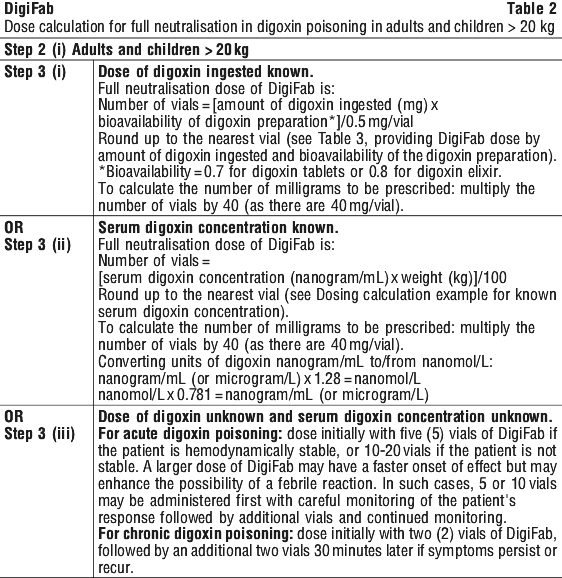
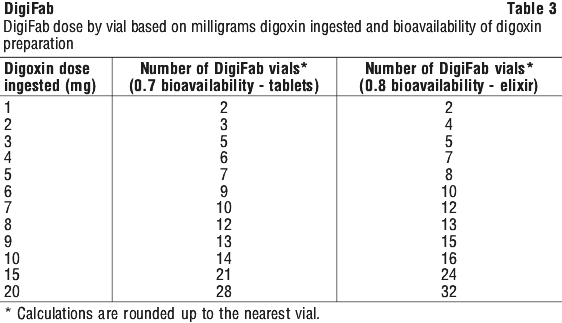
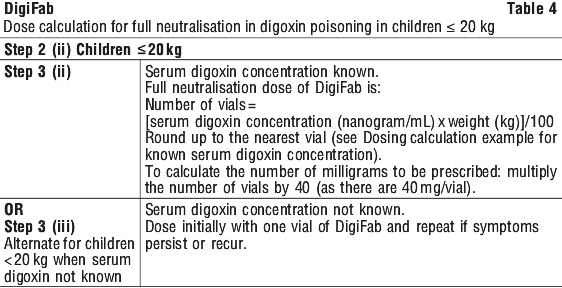
Calculate DigiFab dose by multiplying the serum concentration by the patient's weight and dividing by 100. Dose = (60 kg x 3 nanogram/mL)/100 = 1.8 vials (round up to 2 vials).
Administer 1/2 the calculated dose (1 vial of DigiFab) and monitor the patient closely for persistent or recurrent signs and symptoms of toxicity. Administer second vial if symptoms persist or recur.
Determining the dose of DigiFab for adults and children > 20 kg. See Figure 1.
For infants and small children who may require very small doses, reconstitute the 40 mg vial as directed and administer undiluted using a tuberculin syringe. For very small doses, a reconstituted vial can be diluted with an additional 36 mL of isotonic saline to achieve a concentration of 1 mg/mL.
Use immediately after reconstitution. The reconstituted solution should be a clear to slightly opalescent, colourless to pale yellow solution.
Parenteral drug products should be inspected visually for particulate matter and discolouration prior to administration, whenever solution and container permit.
DigiFab injection should be used in one patient on one occasion only. It contains no anti-microbial preservative. Unused solution should be discarded.
Method of administration. The final solution of DigiFab should be infused intravenously over a 30-minute period.
4.3 Contraindications
Hypersensitivity to the active substance or any of the excipients.
4.4 Special Warnings and Precautions for Use
General. Digoxin specific antibody fragments F(Ab) (Ovine) has been used on only a limited scale in man and its safety has therefore not yet been completely defined.
Suicidal ingestion may involve more than one drug. Toxic effects of other drugs or poisons should not be overlooked, especially in cases where signs and symptoms of digitalis toxicity are not relieved by administration of DigiFab.
Standard management of digitalis intoxication includes withdrawal of the intoxicating agent, correction of electrolyte disturbances (especially hypokalaemia and hypomagnesemia), acid-base imbalances, hypoxia and treatment of cardiac arrhythmias.
Massive digitalis intoxication can cause hyperkalemia; administration of potassium supplements in the setting of digitalis intoxication may be hazardous. After treatment with DigiFab, the serum potassium concentration may drop rapidly and must be monitored frequently, especially for the first few hours following DigiFab administration (see Effects on laboratory tests).
Patients with poor cardiac function may deteriorate secondary to the withdrawal of the inotropic action of digoxin by DigiFab. If needed, additional support can be provided by using other intravenous inotropes such as dopamine, dobutamine or vasodilators. However, care must be taken not to aggravate the digitalis induced rhythm disturbances. Re-digitalization should be postponed, if possible, until the Fab fragments have been eliminated from the body, which may require several days, and patients with impaired renal function may require a week or longer.
Hypersensitivity reactions. The possible risks and side-effects that attend the administration of heterologous animal proteins in humans include anaphylactic and anaphylactoid reactions, delayed allergic reactions and a possible febrile response to immune complexes formed by animal antibodies.
Since the Fab fragment of the antibody lacks the antigenic determinants of the Fc fragment, it should pose a reduced immunogenic threat to patients compared with intact immunoglobulin molecules. Being monovalent, the product is also unlikely to form extended immune complexes with the antigen.
Although no patient in the clinical studies of DigiFab experienced a severe anaphylactic reaction, the number of patients exposed was small, therefore the possibility of an anaphylactic reaction should be considered. All patients should be informed of the possibility of an anaphylactic reaction and when receiving DigiFab should be carefully monitored for signs and symptoms of an acute allergic reaction (e.g. urticaria, pruritus, erythema, angioedema, bronchospasm with wheezing or cough, stridor, laryngeal edema, hypotension, tachycardia) and treated immediately with appropriate emergency medical care (e.g. oxygen, diphenhydramine, corticosteroids, volume expansion and airway management).
If an anaphylactic reaction occurs during the infusion, DigiFab administration should be discontinued at once and appropriate treatment administered. The need for adrenaline should be balanced against its potential risk in the setting of digitalis toxicity. Patients with known allergies to sheep protein would be particularly at risk for an anaphylactic reaction, as would individuals who have previously received intact ovine antibodies or ovine Fab.
Papain is used to cleave the whole antibody into Fab and Fc fragments, and trace amounts of papain or inactivated papain residues may be present in DigiFab. Patients with allergies to papain, chymopapain, other papaya extracts, or the pineapple enzyme bromelain may also be at risk for an allergic reaction to DigiFab. Some dust mite allergens and some latex allergens share antigenic structures with papain and patients with these allergies may be allergic to papain. DigiFab should not be administered to patients with a known history of hypersensitivity to papaya or papain unless the benefits outweigh the risks and appropriate management for anaphylactic reactions is readily available.
Alpha-gal is a sugar molecule found in most mammals and mammalian derived products. The likelihood of an allergic reaction may be higher in patients who are allergic to alpha-gal or have been diagnosed with alpha-gal syndrome. Alpha-gal syndrome is a type of food allergy to red meat and other products made from mammals.
Prior treatment with digoxin-specific ovine immune Fab carries a theoretical risk of sensitization to ovine serum protein and possible diminution of the efficacy of the drug due to the presence of human antibodies against ovine Fab. Human antibodies to ovine Fab have been reported in some patients receiving Digibind, however, to date, there have been no clinical reports of human antiovine immunoglobulin antibodies causing a reduction in binding of ovine digoxin immune Fab or neutralization response to ovine digoxin immune Fab.
Skin testing has not proved useful in predicting allergic response to Digibind. Because of this, and because it may delay urgently needed therapy, skin testing was not performed during the clinical studies of DigiFab and is not suggested prior to dosing with this product.
Formation of antibodies to DigiFab. Prior treatment with digoxin-specific ovine antibody fragment carries a theoretical risk of sensitization to ovine serum protein (see Section 4.4 Special Warnings and Precautions for Use) and possible diminution of efficacy of the drug due to the presence of human antibodies against ovine Fab. Human antibodies to ovine Fab have been reported in some patients receiving Digibind, however, to date, there have been no clinical reports of human antiovine immunoglobulin antibodies causing a reduction in binding of ovine digoxin immune Fab or neutralization response to ovine digoxin immune Fab.
Use in renal impairment. The elimination half-life of DigiFab in renal failure has not been clearly defined, although patients with renal dysfunction have been successfully treated with Digibind. There is no evidence to suggest that the time-course of therapeutic effect is any different in these patients than in patients with normal renal function, but excretion of the Fab fragment-digoxin complex from the body is probably delayed.
There is one case report of recurrence of atrioventricular block due to digoxin in a functionally anephric patient 10 days after its initial reversal by ovine Fab therapy. This clinical event persisted for more than a week. In patients that are functionally anephric, failure to clear the Fab-digoxin complex from the blood by glomerular filtration and renal excretion may be anticipated. It is uncertain whether the failure to eliminate the Fab-digoxin complex in severe renal impairment may lead to reintoxication with digoxin following the release of previously bound digoxin into the blood. However, patients with severe renal failure who receive DigiFab for digitalis toxicity should be monitored for a prolonged period for possible recurrence of toxicity.
Monitoring of free (unbound) digoxin concentrations after the administration may be appropriate in order to establish recrudescent toxicity in renal failure patients.
Use in the elderly. Specific studies in elderly patients have not been conducted. Of the 15 patients given DigiFab for digoxin toxicity in one clinical trial, the average age of all patients was 64 years and over half of the patients (8 of the 15) were 65 years of age or older. The oldest patient studied was 86 years old. There is no evidence that the efficacy of DigiFab would be altered due to advanced age alone, however elderly patients have a higher chance of having impaired renal function and therefore should be monitored more closely for recurrent toxicity (see Use in renal impairment).
Paediatric use. Specific studies in paediatric patients have not been conducted and no paediatric patients were enrolled in the clinical studies of DigiFab. A similar digoxin ovine Fab product, Digibind, has been used successfully to treat infants. As with all drugs, the use of DigiFab in infants and children should be based on careful consideration of the benefits compared with the potential risks.
Effects on laboratory tests. DigiFab will interfere with digitalis immunoassay measurements in the same way that has been reported for Digibind. Thus, standard serum digoxin concentration measurements may be clinically misleading until the Fab fragments are eliminated from the body. This may take several days or a week or more in patients with markedly impaired renal function. Therefore, serum samples for digoxin concentration should be obtained before DigiFab administration, if at all possible. Such measurements would establish the level of serum digoxin at the time of diagnosis of digitalis intoxication.
At least 6 to 8 hours are required for equilibration of digoxin between serum and tissue, so absorption of the last dose may continue from the intestine. Therefore, serum measurements may be difficult to interpret if samples are drawn soon after the last digitalis dose.
The total serum digoxin concentration may rise precipitously following administration of DigiFab, but this will be almost entirely bound to the Fab fragment and therefore not able to react with receptors in the body.
Patients should be closely monitored, including temperature, blood pressure, electrocardiogram, and potassium concentration, during and after administration of DigiFab. Digoxin causes a shift of potassium from inside to outside the cell, such that severe acute intoxication can cause an elevation of serum potassium. This may lead to increased urinary excretion of potassium so that a patient may have hyperkalemia but a whole body deficit of potassium. When the toxic effects of digoxin are reversed by DigiFab, potassium shifts back into the cell with a resulting decline in serum potassium concentration. This hypokalemia may develop rapidly. For these reasons, serum potassium concentration should be followed closely, especially during the first several hours after DigiFab administration. Cautious potassium supplementation should then be given when necessary.
4.5 Interactions with Other Medicines and Other Forms of Interactions
Studies of drug interactions have not been conducted with DigiFab.
4.6 Fertility, Pregnancy and Lactation
Effects on fertility. There have been no studies performed in animals to evaluate effects on fertility.
Use in pregnancy. (Category B2)
There is no data on the use of DigiFab in pregnant women. The use of DigiFab should be considered only if the expected clinical benefit of treatment to the mother outweighs any possible risk to the developing fetus.
Category B2: Drugs which have been taken by only a limited number of pregnant women and women of childbearing age, without an increase in the frequency of malformation or other direct or indirect harmful effects on the human fetus having been observed.
Studies in animals are inadequate or may be lacking, but available data show no evidence of an increased occurrence of fetal damage.
Use in lactation. It is not known whether DigiFab is excreted in human breast milk. A risk to the suckling child cannot be excluded. Breastfeeding should be discontinued during treatment with DigiFab.
4.7 Effects on Ability to Drive and Use Machines
The effects of this medicine on a person's ability to drive and use machines were not assessed as part of its registration.
4.8 Adverse Effects (Undesirable Effects)
As a limited number of patients were exposed in clinical studies, reporting of any concerns or adverse events to the sponsor or the Therapeutic Goods Administration (TGA) is encouraged.
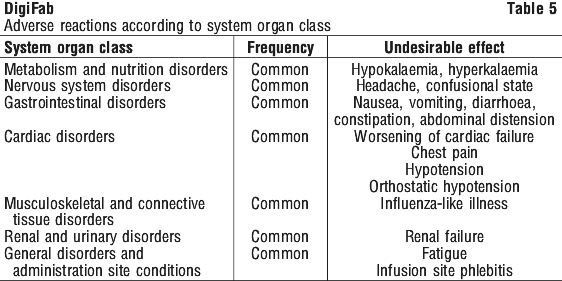
Adverse reactions reported from 23 subjects in clinical studies are listed in Table 5 according to system organ class. Adverse reactions are ranked by frequency, the most frequent first, using the following convention: very common (≥ 1/10); common (≥ 1/100 to < 1/10); uncommon (≥ 1/1,000 to < 1/100); rare (≥ 1/10,000 to < 1/1,000); very rare (< 1/10,000), including isolated reports.
Exacerbation of low cardiac output states and congestive heart failure or a rapid ventricular response in patients with atrial fibrillation may occur owing to withdrawal of effect of digoxin.
Adverse reactions may occur up to 14 days after the infusion has been administered.
4.9 Overdose
The maximum amount of DigiFab that can safely be administered in single or multiple doses has not been determined. Please see Section 4.4 Special Warnings and Precautions for Use regarding withdrawal of the inotropic action of digoxin by DigiFab, which may be of concern in overdosage of DigiFab.
For information on the management of overdose, contact the Poisons Information Centre on 131126 (Australia).
5 Pharmacological Properties
5.1 Pharmacodynamic Properties
Mechanism of action. DigiFab has an affinity for digoxin in the range of 109 to 1010 M-1, which is greater than the affinity of digoxin for its receptor [sodium, potassium adenosine triphosphatase (ATPase)], the presumed receptor for its therapeutic and toxic effects. When administered to the intoxicated patient, DigiFab binds to molecules of digoxin reducing free digoxin levels, which results in a shift in the equilibrium away from binding to the receptors, thereby reducing cardio-toxic effects. Fab-digoxin complexes are then cleared by the kidney and reticuloendothelial system.
Clinical trials. The total number of people treated with this medication in trials is small and the data regarding dosing and outcomes are limited.
There have been two clinical trials conducted with DigiFab: a pharmacokinetic and pharmacodynamic study of DigiFab as compared to Digibind in healthy volunteers, and a prospective multi-center study of the efficacy of DigiFab in patients presenting with life-threatening digoxin toxicity.
The objective of the pharmacokinetic and pharmacodynamic study was to compare these parameters for DigiFab to those for Digibind. This trial was conducted in 16 healthy volunteers who were administered a 1 mg intravenous dose of digoxin, followed 2 hours later by an equimolar neutralizing dose of either DigiFab or Digibind. The pharmacokinetics of both digoxin and Fab were determined (see Section 5.2 Pharmacokinetic Properties for Fab pharmacokinetic parameters). The primary outcome measure was the serum level of free (unbound) digoxin. The results demonstrated that both products reduced the level of free digoxin in the serum to below the limit of assay quantitation for several hours after Fab administration. Cumulative urinary excretion of digoxin was comparable for both products and exceeded 40% of the administered dose by 24 hours. These results demonstrate that DigiFab and Digibind have equivalent pharmacodynamic effects on the digoxin parameters that are relevant to the treatment of digoxin toxicity. In this study, no patients developed a measurable immune response (human antiovine antibodies) to DigiFab.
The objective of the efficacy study was to demonstrate safety and also to determine the pharmacokinetics of, and clinical response to, DigiFab in patients. Results were compared to historical data on Digibind. Fifteen patients received doses of DigiFab based on its theoretical binding capacity for digoxin, and based on the known amount of digoxin ingested or on blood concentrations of digoxin at the time of admission. This study was conducted in both the U.S. and in Finland. The primary outcome of the study was met in that serum free digoxin concentrations in all patients fell to undetectable levels following DigiFab administration. This was an expected outcome that is consistent with data in the literature showing that free digoxin concentrations fall rapidly following administration of Digibind.
In the DigiFab trial (TAb007-01), an independent blinded review of each patient's ECG showed that 10 of the 15 patients studied had ECG abnormalities that improved within 4 hours after the DigiFab infusion. The remaining 5 patients had ECG abnormalities that were unchanged from baseline throughout the 24-hour assessment period, and in one case through the 30-day follow up period. Although the reason for the lack of ECG resolution could not be clearly determined in all cases, it is possible that the ECG abnormalities observed in these patients were not entirely due to digoxin toxicity, but rather to another underlying cardiac problem. Assessing all manifestations of toxicity, investigators classified 7 out of the 15 patients (47%) studied as having complete resolution of digoxin toxicity within 4 hours of DigiFab administration, and 14 patients (93%) were classified as having resolved their digoxin toxicity by 20 hours. The data for the proportion of patients who responded to treatment with DigiFab is similar to, and consistent with, historical data available for Digibind. In this study, where 2/15 patients had serum available for human anti-ovine antibody determination, there was no measurable immune response.
5.2 Pharmacokinetic Properties
The pharmacokinetics of DigiFab were assessed in a randomized and controlled study of DigiFab and Digibind (comparator Fab product for treatment of digoxin toxicity). Sixteen healthy subjects were given 1 mg of intravenous digoxin followed by an approximately equimolar neutralizing dose of either DigiFab (n = 8) or Digibind (n = 8). The pharmacokinetic profiles of Fab were similar for both products.
Absorption. No data available.
Distribution. The similar volumes of distribution (0.3 L/kg and 0.4 L/kg for DigiFab and Digibind, respectively) indicate considerable penetration from the circulation into the extracellular space and are consistent with previous reports of ovine Fab distribution.
Metabolism. No data available.
Excretion. The elimination half-life values (15 hours and 23 hours for DigiFab and Digibind, respectively) are consistent with previous reports. The elimination half-life of 15-20 hours in patients with normal renal function appears to be increased up to 10-fold in patients with renal impairment, although volume of distribution remains unaffected.
5.3 Preclinical Safety Data
Genotoxicity. Genotoxicity studies have not been conducted with DigiFab.
Carcinogenicity. Animal carcinogenicity and reproduction studies have not been conducted with DigiFab.
6 Pharmaceutical Particulars
6.1 List of Excipients
Each vial of DigiFab, Digoxin-specific antibody fragment F(Ab) (Ovine) Powder for Injection contains 75 mg of mannitol USP, and 1.7 mg sodium acetate USP as a buffering agent. The product contains no preservatives.
6.2 Incompatibilities
Incompatibilities were either not assessed or not identified as part of the registration of this medicine.
6.3 Shelf Life
In Australia, information on the shelf life can be found on the public summary of the Australian Register of Therapeutic Goods (ARTG)1. The expiry date can be found on the packaging.
1 AUST R 203623.
6.4 Special Precautions for Storage
Store at 2°C to 8°C. (Refrigerate. Do not freeze). Use immediately after opening.
6.5 Nature and Contents of Container
DigiFab is supplied in a single, clear, neutral glass vial closed with a butyl rubber stopper and fitted with aluminium flip top seal. One 10 mL glass vial of DigiFab per pack.
The vial stopper is not made with natural rubber latex.
Phebra product code: INJ172.
6.6 Special Precautions for Disposal
In Australia, any unused medicine or waste material should be disposed of by taking to your local pharmacy.
6.7 Physicochemical Properties
Digoxin specific antibody fragments F(Ab) (ovine) have a molecular weight of approximately 46,000 Da.
7 Medicine Schedule (Poisons Standard)
Schedule 4 - Prescription Only Medicine.
Date of First Approval
14 February 2014
Date of Revision
24 January 2023
Summary Table of Changes

Reasonable care is taken to provide accurate information at the time of creation. This information is not intended as a substitute for medical advice and should not be exclusively relied on to manage or diagnose a medical condition. The Australian Commission on Safety and Quality in Health Care disclaims all liability (including for negligence) for any loss, damage, injury or any other negative effects resulting from reliance on or use of this information. Read our full disclaimer. This website uses cookies. Read our privacy policy.