
DuoTrav Eye Drops
Brand Information
| Brand name | DuoTrav Eye Drops |
| Active ingredient | Travoprost + Timolol |
| Schedule | S4 |
Consumer Medicine Information (CMI) leaflet
Please read this leaflet carefully before you start using the DuoTrav Eye Drops.
Summary CMI
DuoTrav®
Consumer Medicine Information (CMI) summary
The full CMI on the next page has more details. If you are worried about using this medicine, speak to your doctor or pharmacist.
1. Why am I using DuoTrav?
DuoTrav contains the active ingredients Travoprost and Timolol maleate. It is used to treat certain types of eye conditions such as high pressure inside your eye and open angle glaucoma (an eye condition caused by fluid buildup that damages the optic nerve).
For more information, see Section 1. Why am I using DuoTrav? in the full CMI.
2. What should I know before I use DuoTrav?
Do not use if you have ever had an allergic reaction to DuoTrav or any of the ingredients listed at the end of the CMI.
Talk to your doctor if you have any other medical conditions, take any other medicines, or are pregnant or plan to become pregnant or are breastfeeding.
For more information, see Section 2. What should I know before I use DuoTrav? in the full CMI.
3. What if I am taking other medicines?
Some medicines may interfere with DuoTrav and affect how it works.
A list of these medicines is in Section 3. What if I am taking other medicines? in the full CMI.
4. How do I use DuoTrav?
- Put one drop of DuoTrav once daily into the affected eye(s).
- Follow the instructions provided and use DuoTrav until your doctor tells you to stop.
More instructions can be found in Section 4. How do I use DuoTrav? in the full CMI.
5. What should I know while using DuoTrav?
| Things you should do |
|
| Things you should not do |
|
| Driving or using machines |
|
| Looking after your medicine |
|
For more information, see Section 5. What should I know while using DuoTrav? in the full CMI.
6. Are there any side effects?
Common side effects include redness of the eye(s), eye pain, reduced vision, dry eye, eye irritation, eye swelling, excessive secretion of tears from the eye(s).
Full CMI
DuoTrav® Eye Drops Solution
Active ingredients: Travoprost and Timolol maleate
Consumer Medicine Information (CMI)
This leaflet provides important information about using DuoTrav. You should also speak to your doctor or pharmacist if you would like further information or if you have any concerns or questions about using DuoTrav.
Where to find information in this leaflet:
1. Why am I using DuoTrav?
2. What should I know before I use DuoTrav?
3. What if I am taking other medicines?
4. How do I use DuoTrav?
5. What should I know while using DuoTrav?
6. Are there any side effects?
7. Product details
1. Why am I using DuoTrav?
DuoTrav contains the active ingredients Travoprost and Timolol maleate. Travoprost belongs to class of drugs called Prostaglandin analogs. Timolol maleate belongs to class of drugs called beta-blockers.
DuoTrav is used to treat certain types of eye conditions such as high pressure inside your eye and open angle glaucoma (an eye condition caused by fluid buildup that damages the optic nerve).
DuoTrav helps to lower the increased eye pressure in two ways. The active ingredient Travoprost helps in increasing the amount of fluid that drains from the eye and Timolol maleate helps to decrease the production of fluid.
2. What should I know before I use DuoTrav?
Warnings
Do not use DuoTrav if:
- you are allergic to Travoprost and Timolol maleate, or any of the ingredients listed at the end of this leaflet. Always check the ingredients to make sure you can use this medicine. Symptoms of allergic reaction may include shortness of breath, difficulty breathing, swelling of the face, lips, tongue or other parts of the body, rash, hives.
- you are pregnant or planning to become pregnant.
- you suffer from any respiratory problems such as asthma (disease of airways) or a history of asthma, or severe chronic obstructive pulmonary disease (serious lung condition caused due to damage to the lungs)
- you have any heart problems such as problems with your heart beat, problems with heart function, any history of heart attack, low blood pressure or any other heart disease.
Check with your doctor if you:
- have any problems with your blood vessels such as severe forms of Raynaud's disease (a condition characterized by skin colour changes, affected part feels cold or numb, skin ulcers).
- use any other beta-blocker eye drop and/or another prostaglandin eye drop.
- have diabetes or problems with low blood sugar levels or problems with your thyroid gland.
- suffer from myasthenia gravis (a serious disease that causes muscle weakness along with symptoms such as dropping eyelid, double vision, difficulty in swallowing).
- have a history of allergic problems, e.g. hives or hay fever.
- suffer from any swelling of the eye or any diseases of the eye(s).
During treatment, you may be at risk of developing certain side effects. It is important you understand these risks and how to monitor for them. See additional information under Section 6. Are there any side effects?
Pregnancy and breastfeeding
Check with your doctor if you are pregnant or intend to become pregnant.
DuoTrav should not be used in pregnancy or in women planning to become pregnant.
Talk to your doctor if you are breastfeeding or intend to breastfeed.
It is not recommended to use DuoTrav while breastfeeding.
3. What if I am taking other medicines?
Tell your doctor or pharmacist if you are taking any other medicines, including any medicines, vitamins or supplements that you buy without a prescription from your pharmacy, supermarket or health food shop.
Some medicines may interfere with DuoTrav and affect how it works.
Tell your doctor if you take any of the following medicines:
- medicines used to treat high blood pressure or heart problems, e.g. beta-blockers (Metoprolol), calcium channel blockers or digoxin, digitalis glycosides
- medicines used to treat irregular heartbeats e.g. amiodarone and quinidine
- fluoxetine or paroxetine, monoamine oxidase inhibitors (MAOIs) medicines used to treat depression
- narcotics e.g. morphine which is used to treat moderate to severe pain
- medicines used to treat severe allergic reaction e.g. adrenaline
- medicines used to treat high blood sugar
- any other eye drops that are similar DuoTrav or other eye drops used in treatment of glaucoma.
Check with your doctor or pharmacist if you are not sure about what medicines, vitamins or supplements you are taking and if these affect DuoTrav.
4. How do I use DuoTrav?
How much to use
- Follow the instructions provided and use DuoTrav until your doctor tells you to stop.
- Put one drop of DuoTrav once daily at about the same time each day in the affected eye(s).
- Do not put DuoTrav in more than once daily.
- If you are using any other eye drops, use the eye drops at least 5 minutes apart.
- Tell your doctor or pharmacist if you do not understand your dose.
When to use DuoTrav
- DuoTrav should be used at about the same time each day unless your doctor tells you otherwise.
How to use DuoTrav
- Sitting or lying down might make administration of your eye drops process simpler.
- Remove contact lenses if you are wearing them before instilling the eye drops.
- Shake the bottle well prior to use.
Follow the steps below to use DuoTrav:
- Wash your hands thoroughly with soap and water.
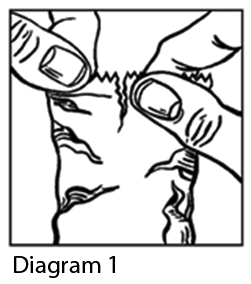
- Before using a bottle for the first time, tear off the overwrap pouch and take the bottle out (refer diagram 1).
- Remove the cap from the bottle.
- Mix the contents of the bottle by inverting 5 to 10 times.
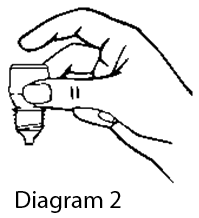
- Hold the bottle upside down in one hand between your thumb and middle finger (refer diagram 2).
- Tilt your head back, gently pull down the lower eyelid of your eye to form a pouch/pocket.
- Place the tip of the bottle close to your eye. Do not touch the tip to your eye as this may cause injury to the eye.
- Do not touch the dropper tip to eyelid or surrounding areas or any surface to avoid contamination of the dropper tip and solution.
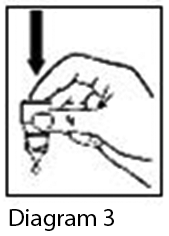
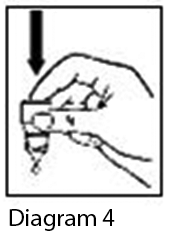
- Release one drop into the pouch/pocket formed between your eye and eyelid by gently tapping or pressing the base of the bottle with your forefinger (refer diagrams 3 and 4).
- Gently close your eye. Do not blink or rub your eye.
- When your eye is closed, place your index finger against the inside corner of your eye and press against your nose for about two minutes. This will help to prevent the medicine from draining through the tear duct to the nose and throat, from where it can be absorbed into other parts of your body and may result in less side effects.
- This will also help to prevent the unpleasant taste sensation that some people experience while using these eye drops.
- If necessary, repeat the above steps for the other eye.
- You may feel a slight burning sensation in the eye shortly after using DuoTrav. If it continues, or is uncomfortable, contact your doctor or pharmacist.
- If you want to use any other eye drops wait at least 5 minutes after putting DuoTrav in.
- It is normal for a small amount of eye drops to spill onto your cheek since your eyelids can only hold less than one drop at a time. Wipe away any spillage with a tissue.
- Replace the cap on the bottle and close it tightly.
- Always keep the bottle tightly closed when not in use.
- Wash your hands again with soap and water to remove any residue.
- Discard DuoTrav 4 weeks after opening it.
If you forget to use DuoTrav
DuoTrav should be used regularly at the same time each day. If you miss your dose at the usual time, put the drops in as soon as you remember and then go back to using them as told by your doctor.
If it is almost time for your next dose, skip the dose you missed and take your next dose when you are meant to.
Do not take a double dose to make up for the dose you missed.
If you use too much DuoTrav
If you think that you have used too much DuoTrav, you may need urgent medical attention.
You should immediately:
- phone the Poisons Information Centre
(by calling 13 11 26), or - contact your doctor, or
- go to the Emergency Department at your nearest hospital.
You should do this even if there are no signs of discomfort or poisoning.
If you accidentally put several DuoTrav Eye Drops in your eyes, immediately wash your eyes with warm tap water.
5. What should I know while using DuoTrav?
Things you should do
- Tell your doctor immediately if you are going to have any surgery.
- Remove soft contact lenses before putting in DuoTrav. Put your lenses back in 15 minutes after putting in the eye drops.
Call your doctor straight away if you:
- notice any change in your eye colour.
- have any heart or breathing problems.
- have any changes in your eyelashes such as increased length, thickness, pigmentation, and/or number of lashes or unwanted hollows of the upper eyelid, eyelid skin darkening after starting the treatment with DuoTrav.
- develop any signs of allergic reaction.
- become pregnant, are planning to become pregnant or if you are breast feeding while using DuoTrav.
Remind any doctor, dentist, pharmacist or specialist you visit that you are using DuoTrav.
Things you should not do
- Do not stop using this medicine suddenly.
- Do not use DuoTrav in children.
- Do not give DuoTrav to anyone else, even if they seem to have the same condition as you.
Driving or using machines
Be careful before you drive or use any machines or tools until you know how DuoTrav affects you.
DuoTrav may cause temporary blurred vision after putting in the eye drops in some people.
If so, then wait until your vision clears before driving or using machinery.
Looking after your medicine
- Store below 25°C
- Follow the instructions in the carton on how to take care of your medicine properly.
Store it in a cool dry place away from moisture, heat or sunlight; for example, do not store it:
- in the bathroom or near a sink, or
- in the car or on window sills.
Keep it where young children cannot reach it.
When to discard your medicine
Discard DuoTrav 4 weeks after opening it.
Getting rid of any unwanted medicine
If you no longer need to use this medicine or it is out of date, take it to any pharmacy for safe disposal.
Do not use this medicine after the expiry date.
6. Are there any side effects?
All medicines can have side effects. If you do experience any side effects, most of them are minor and temporary. However, some side effects may need medical attention.
See the information below and, if you need to, ask your doctor or pharmacist if you have any further questions about side effects.
Less serious side effects
| Less serious side effects | What to do |
Eye problems:
| Speak to your doctor if you have any of these less serious side effects and they worry you. |
Serious side effects
| Serious side effects | What to do |
Eye problems:
| Call your doctor straight away, or go straight to the Emergency Department at your nearest hospital if you notice any of these serious side effects. |
Tell your doctor or pharmacist if you notice anything else that may be making you feel unwell.
Other side effects not listed here may occur in some people.
Reporting side effects
After you have received medical advice for any side effects you experience, you can report side effects to the Therapeutic Goods Administration online at www.tga.gov.au/reporting-problems. By reporting side effects, you can help provide more information on the safety of this medicine.
Always make sure you speak to your doctor or pharmacist before you decide to stop taking any of your medicines.
7. Product details
This medicine is only available with a doctor's prescription.
What DuoTrav contains
| Active ingredient (main ingredient) | 40 micrograms (0.004%) travoprost and 5 mg (0.5%) timolol (as timolol maleate 6.83 mg) |
| Other ingredients (inactive ingredients) | Ethoxylated hydrogenated castor oil, propylene glycol, boric acid, mannitol, sodium chloride, sodium hydroxide and/or hydrochloric acid and purified water. The solution is preserved with polyquaternium-1. |
| Potential allergens | NA |
Do not take this medicine if you are allergic to any of these ingredients.
What DuoTrav looks like
DuoTrav is a colourless to light yellow aqueous solution. It comes in 2.5 mL bottle with or without a pouch.
Australian Registration Number
AUST R: 177772
Who distributes DuoTrav
This product is supplied in Australia by:
Novartis Pharmaceuticals Australia Pty Limited
ABN 18 004 244 160
54 Waterloo Road
Macquarie Park NSW 2113
Telephone 1 800 671 203
Web site: www.novartis.com.au
® = Registered Trademark
This product is supplied in New Zealand by:
Novartis New Zealand Limited
PO Box 99102
Newmarket
Auckland 1149
New Zealand
Free Phone: 0800 354 335.
This leaflet was prepared in June 2025.
Internal document code:
dut031123c_V2 based on PI dut031123i
Brand Information
| Brand name | DuoTrav Eye Drops |
| Active ingredient | Travoprost + Timolol |
| Schedule | S4 |
MIMS Revision Date: 01 January 2024
1 Name of Medicine
Travoprost and timolol maleate.
2 Qualitative and Quantitative Composition
DuoTrav Eye Drops is a combination eye drop containing a topical prostaglandin analogue, travoprost and a topical beta-adrenergic receptor blocking agent, timolol maleate. Each mL of DuoTrav Eye Drops contains 40 micrograms (0.004%) travoprost and 5 mg (0.5%) timolol (as timolol maleate 6.83 mg).
It is a sterile, isotonic aqueous solution with a buffered pH of approximately 6.8 and an osmolality of approximately 290 mOsmol/kg. The product is benzalkonium chloride (BAK) free and uses polyquaternium-1 (Polyquad) as a preservative.
For the full list of excipients, see Section 6.1 List of Excipients.
3 Pharmaceutical Form
Eye drops, solution.
Colourless to light yellow aqueous solution.
4 Clinical Particulars
4.1 Therapeutic Indications
Reduction of elevated intraocular pressure in patients with open angle glaucoma or ocular hypertension for whom single agent therapy provides insufficient intraocular pressure reduction.
4.2 Dose and Method of Administration
Recommended dosage for adults (including the elderly). Instil one drop of DuoTrav Eye Drops once daily at about the same time each day in the conjunctival sac of the affected eye(s).
DuoTrav Eye Drops should not be given more than once daily because travoprost is most effective at this dosage. If there is inadequate response to DuoTrav Eye Drops, consideration should be given to using the individual agents with timolol dosed twice daily.
If more than one topical ophthalmic product is being used, the eye drop products should be administered at least five minutes apart.
Switching to therapy with DuoTrav eye drops. When substituting another ophthalmic antiglaucoma agent with DuoTrav Eye Drops, discontinue the other agent and start the following day with DuoTrav Eye Drops.
4.3 Contraindications
DuoTrav Eye Drops are contraindicated in patients with a known hypersensitivity to travoprost, timolol or any of the excipients in DuoTrav (see Section 6.1 List of Excipients).
DuoTrav Eye Drops are also contraindicated in pregnant women or women attempting to become pregnant (see Section 4.6 Fertility, Pregnancy and Lactation, Use in pregnancy).
Reactive airway disease including bronchial asthma, a history of bronchial asthma, or severe chronic obstructive pulmonary disease.
Sinus bradycardia, sick sinus syndrome, including sinoatrial block, second or third degree atrioventricular block, overt cardiac failure or cardiogenic shock.
4.4 Special Warnings and Precautions for Use
Not for injection or oral ingestion.
Cardiovascular/ respiratory reaction. Like other topically applied ophthalmic agents, DuoTrav may be absorbed systemically. Due to the beta-adrenergic component timolol, the same types of adverse reactions seen with systemic beta-blockers may occur, including aggravation of Prinzmetal angina, aggravation of severe peripheral and central circulatory disorders, bradycardia and hypotension.
In patients with cardiovascular diseases (e.g. coronary heart disease, Prinzmetal's angina and cardiac failure) and hypotension, therapy with beta-blockers should be critically assessed and therapy with other active substances should be considered. Patients with cardiovascular diseases should be monitored for signs of deterioration of these diseases and for adverse reactions.
Patients with severe peripheral circulatory disturbance/ disorders (i.e. severe forms of Raynaud's disease or Raynaud's syndrome) should be treated with caution.
Respiratory and cardiac reactions, including death due to bronchospasm in patients with asthma and rarely death associated with cardiac failure have been reported following administration of timolol. Cardiac failure should be adequately controlled before treatment.
Anaphylactic reactions. While taking beta-blockers, patients with a history of atopy or a history of severe anaphylactic reaction to a variety of allergens may be more reactive to repeated challenge with such allergens, whether accidental, diagnostic or therapeutic. In addition, such patients may be unresponsive to the usual doses of adrenaline used to treat anaphylactic reactions.
Concomitant therapy. Timolol may react with other drugs (see Section 4.5 Interactions with Other Medicines and Other Forms of Interactions). The effect on IOP or the known effects of systemic beta-blockade may be exaggerated when DuoTrav Eye Drops is given to patients already receiving an oral beta-blocking agent. The response of these patients should be closely monitored. The use of two topical beta-blockers or topical prostaglandins is not recommended.
The use of DuoTrav Eye Drops may be considered in patients who require both timolol and travoprost, but it is unknown whether patients who are adequately controlled with timolol given twice daily plus travoprost given once daily will be as well controlled with DuoTrav Eye Drops given once daily. DuoTrav Eye Drops should not be used to initiate therapy.
Additional effects of beta-blockade. Beta-blockers should be administered with caution in patients subject to spontaneous hypoglycaemia or to diabetic patients (especially those with labile diabetes) who are receiving insulin or oral hypoglycaemic agents. Beta-blockers may mask the signs and symptoms of acute hypoglycaemia.
Therapy with beta-blockers may mask certain symptoms of hyperthyroidism and abrupt withdrawal of therapy may precipitate a worsening of symptoms.
Therapy with beta-blockers may aggravate symptoms of myasthenia gravis.
Surgical anaesthesia. Beta-blocking ophthalmological preparations may block systemic beta-agonist effects, e.g. of adrenaline. The anaesthesiologist should be informed when the patients is receiving timolol.
Ocular effects. Travoprost may gradually change the eye colour by increasing the number of melanosomes (pigment granules) in melanocytes. Before treatment is instituted patients must be informed of the possibility of these changes. Unilateral treatment can result in permanent heterochromia. The long-term effects on the melanocytes and any consequences thereof are currently unknown. The change in iris colour occurs slowly and may not be noticeable for months to years. It may be permanent. The change in eye colour has predominantly been seen in patients with mixed coloured irides, i.e. blue brown, grey brown, yellow brown and green brown; however, it has also been observed in patients with brown eyes. Typically, the brown pigmentation around the pupil spreads concentrically towards the periphery in affected eyes, but the entire iris or parts of it may become more brownish. After discontinuation of therapy, no further increase in brown iris pigment has been observed.
Periorbital and/or eyelid skin darkening and deepening of the eyelid sulcus have been reported in association with the use of travoprost.
Eyelash changes occurred in over a third of patients treated with DuoTrav Eye Drops. These changes include: increased length, thickness, pigmentation and/or number of lashes.
There is no experience of DuoTrav Eye Drops in inflammatory ocular conditions, inflammatory, neovascular, angle closure or congenital glaucoma and only limited experience in open angle glaucoma of pseudophakic patients and in pigmentary glaucoma.
Although not reported during pivotal clinical trials with DuoTrav Eye Drops, macular oedema, including cystoid macular oedema, has been reported during treatment with prostaglandin F2α analogues. These reports have mainly occurred in aphakic patients, pseudophakic patients with a torn posterior lens capsule or anterior chamber lenses, or in patients with known risk factors for macular oedema. DuoTrav Eye Drops should be used with caution in these patients.
DuoTrav Eye Drops should be used with caution in patients with active intraocular inflammation, as well as patients with predisposing risk factors for uveitis.
Choroidal detachment has been reported with administration of aqueous suppressant therapy (e.g. timolol, acetazolamide) after filtration procedures.
Use of contact lens(es). If patients continue to wear contact lenses while under treatment with DuoTrav Eye Drops they should remove their lens(es) prior to instilling DuoTrav Eye Drops in the affected eye(s) and should not insert their lens(es) until 15 minutes after instillation of the eye drops.
Actions the healthcare professional should take. Systemic absorption can be minimised if patients are instructed to gently occlude the nasolacrimal ducts for two minutes immediately after instillation of the eye drop.
Use in hepatic and renal impairment. No dosage alteration of DuoTrav Eye Drops is necessary in these patients.
Use in the elderly. No overall differences in safety and effectiveness have been reported between elderly and other adult patients.
Paediatric use. DuoTrav Eye Drops is not recommended for use in children. The safety and effectiveness in paediatric patients have not been established.
Effects on laboratory tests. No data available.
4.5 Interactions with Other Medicines and Other Forms of Interactions
No pharmacokinetic interactions were observed between travoprost and timolol following topical ocular administration of DuoTrav Eye Drops. No specific interaction studies were performed with DuoTrav Eye Drops and other drugs.
Travoprost. The plasma protein binding of the active free acid form of travoprost is moderate (approximately 80%) and, therefore, drug-drug interactions involving protein binding are unlikely.
Timolol. The potential exists for additive effects resulting in hypotension and/or marked bradycardia when timolol ophthalmic drops are administered with oral calcium channel blockers, catecholamine depleting drugs or β-adrenergic blocking agents, antiarrhythmics (including amiodarone and quinidine), digitalis glycosides, parasympathomimetics, narcotics and monoamine oxidase inhibitors (MAOIs).
Potentiated systemic beta-blockade (e.g. decreased heart rate, depression) has been reported during combined treatment with CYP2D6 inhibitors (e.g. quinidine, fluoxetine, paroxetine) and timolol.
Beta-blockers can decrease the response to adrenaline used to treat anaphylactic reactions.
Special caution should be exercised in patients with a history of atopy or anaphylaxis. (See Section 4.4 Special Warnings and Precautions for Use).
Although DuoTrav Eye Drops used alone has little or no effect on pupil size, mydriasis has occasionally been reported when timolol is given with adrenaline.
Beta-blockers may increase the hypoglycaemic effect of antidiabetic agents.
4.6 Fertility, Pregnancy and Lactation
Effects on fertility. There are no human data on the effects of DuoTrav Eye Drops on male or female fertility.
Travoprost. Travoprost had no effects on mating behaviour or fertility in male and female rats at subcutaneous doses up to 10 microgram/kg/day (equivalent to 54 times the human exposure at the MRHOD), although embryo-foetal resorption was increased at 10 microgram/kg/day (further information on effects on pregnancy is included under Section 4.6 Fertility, Pregnancy and Lactation, Use in pregnancy).
Timolol. Timolol maleate alone had no effects on male or female fertility when administered at 300 microgram/kg/day, PO.
Use in pregnancy. (Category C)
No adequate and well controlled studies have been performed in pregnant women. DuoTrav Eye Drops may interfere with the maintenance of pregnancy. It should not be used by women during pregnancy or by women attempting to become pregnant.
Travoprost. The human dose of travoprost with the recommended dosage of DuoTrav Eye Drops is 2.2 microgram/day or 0.044 microgram/kg/day, with plasma concentrations of up to 0.020 nanogram/mL. Travoprost and/or its metabolites crossed the placenta in rats. Travoprost was teratogenic in rats at intravenous doses of 10 microgram/kg/day, equivalent to 98 times the human exposure; it increased the incidence of hydrocephaly and bone abnormalities (e.g. vertebral malformations). Travoprost was not teratogenic in rats at intravenous doses of up to 3 microgram/kg/day (29 times the human exposure). When administered to rats during organogenesis (gestation days 6 to 17), travoprost produced increases in postimplantation loss and early delivery at intravenous doses of 10 microgram/kg/day (98 times the human exposure). Postimplantation loss increased in rats at subcutaneous doses of 10 microgram/kg/day (54 times human exposure) administered from 2 weeks prior to mating to gestation day 7. Travoprost was not teratogenic in mice at subcutaneous doses of up to 0.3 microgram/kg/day; postimplantation loss and early delivery were increased in mice at subcutaneous doses of 1 microgram/kg/day (5.8 times the human exposure), but not at 0.3 microgram/kg/day (1.7 times the human exposure).
Travoprost Eye Drops 0.003% administered to rabbits during organogenesis appeared to increase incidence of foetal loss.
In rats administered travoprost from gestation day 7 to lactation day 21 by subcutaneous injection, abortions occurred at 0.72 microgram/kg/day (4 times human exposure), and decreased gestation length and increased stillbirths (also see Use in lactation) occurred at ≥ 0.12 microgram/kg/day (0.65 times human exposure).
Timolol. Timolol maleate was not teratogenic in mice, rats and rabbits. Embryo-foetal development studies with timolol maleate in mice and rabbits showed no evidence of embryo-foetal toxicity at doses up to 50 mg/kg/day. At higher doses, increases in resorptions and foetal variations (14 ribs and hypoplastic sternebrae) were noted in mice (1,000 mg/kg/day) and increased resorption in rabbits (≥ 90 mg/kg/day). In rats, delayed ossification was seen at ≥ 50 mg/kg/day and a decreased number of caudal vertebral bodies and arches and an increase in hypoplastic sternebrae were noted at 500 mg/kg/day.
Epidemiological studies show a risk for intrauterine growth retardation when beta-blockers are administered by the oral route. In addition, signs and symptoms of beta-blockade (e.g. bradycardia, hypotension, respiratory distress and hypoglycaemia) have been observed in the neonate when systemic beta-blockers have been administered to the mother until delivery.
Use in lactation. Nursing women who use DuoTrav Eye Drops should use caution because of the potential for serious adverse reactions from DuoTrav Eye Drops in breastfeeding infants.
Travoprost. There are no data on the excretion of travoprost into human milk or on the safety of travoprost exposure in infants. Because many drugs are excreted in human milk and adverse effects in rat pups were observed at low doses of travoprost (see below), nursing women who use DuoTrav Eye Drops should stop breastfeeding. A study in rats showed that travoprost and/or its metabolites were excreted in milk. Increased pup mortality and depressed pup growth and development occurred in rats where the dams were subcutaneously administered travoprost from gestation day 7 to lactation day 21 at greater than or equal to 0.12 microgram/kg/day, corresponding to 2.7 the expected human dose.
Timolol. Timolol maleate has been detected in human milk following oral and ocular administration.
4.7 Effects on Ability to Drive and Use Machines
As with other ophthalmic medications, patients should be advised to exercise caution if they experience transient blurred vision following instillation of eye drops. Patients should wait until their vision clears before driving or using machinery.
4.8 Adverse Effects (Undesirable Effects)
DuoTrav (polyquad preserved). Adverse events arising from clinical trials of 6 week to 12 month duration involving DuoTrav (Polyquad preserved) were consistent with the known safety profile for DuoTrav (BAK preserved).
In 3 clinical trials involved in the development of DuoTrav (Polyquad preserved), 372 patients/ subjects were exposed for up to 12 months. The most frequently reported treatment related undesirable effect with DuoTrav (Polyquad preserved) was hyperaemia of the eye (11.8%), which included ocular or conjunctival hyperaemia. The majority of patients (91%) who experienced hyperaemia of the eye did not discontinue therapy as a result of this reaction.
The following adverse reactions listed below were observed in clinical studies. They are ranked according to system organ class and classified according to the following convention: very common (≥ 1/10), common (≥ 1/100 to < 1/10), uncommon (≥ 1/1000 to < 1/100), rare (≥ 1/10,000 to < 1/1000), very rare (< 1/10,000), or not known (cannot be estimated from the available data). Within each frequency grouping, adverse reactions are presented in decreasing order of seriousness.
The following adverse reactions listed below were observed in the clinical studies.
Immune system disorders. Uncommon: hypersensitivity.
Nervous system disorders. Uncommon: headache.
Eye disorders. Common: eye pain, ocular discomfort, dry eye, eye pruritus, ocular hyperaemia.
Uncommon: punctate keratitis, iritis, photophobia, vision blurred, conjunctivitis, meibomianitis, eyelid margin crusting, asthenopia, lacrimation increased, growth of eye lashes.
Cardiac disorders. Uncommon: bradycardia.
Vascular disorders. Uncommon: hypotension.
Skin and subcutaneous tissue disorders. Uncommon: skin discolouration, hair growth abnormal (hypertrichosis).
General disorders and administration site conditions. Uncommon: fatigue.
Investigations. Uncommon: heart rate decreased.
Additional adverse reactions that have been seen with one of the active substances and may potentially occur with DuoTrav.
Travoprost. Eye disorders. Uveitis, conjunctival disorder, conjunctival follicles, iris hyperpigmentation.
Skin and subcutaneous tissue disorders. Skin exfoliation.
Timolol. Metabolism and nutrition disorders. Hypoglycaemia.
Nervous system disorders. Cerebral ischaemia, myasthenia gravis.
Eye disorders. Diplopia.
Cardiac disorders. Cardiac arrest, atrioventricular block, palpitations.
Respiratory, thoracic and mediastinal disorders. Respiratory failure, nasal congestion.
Gastrointestinal disorders. Diarrhoea, nausea.
General disorders and administration site conditions. Asthenia.
Postmarketing experience. Additional adverse reactions identified from post-marketing surveillance include the following. Frequencies cannot be estimated from the available data.
Nervous system disorders. Dizziness.
Eye disorders. Macular oedema, keratitis, blepharitis, conjunctivitis, erythema of eyelid, eye swelling, lacrimation increased, eyelid oedema, eyelid ptosis, eye irritation, lid sulcus deepened, iris hyperpigmentation.
Cardiac disorders. Chest pain, palpitations.
Vascular disorders. Hypertension.
Respiratory, thoracic and mediastinal disorders. Dyspnoea, cough, asthma.
Skin and subcutaneous tissue disorders. Rash, alopecia.
DuoTrav (BAK preserved). The following adverse reactions listed below were observed in clinical studies with DuoTrav BAK-preserved formulation only. They are ranked according to system organ class and classified according to the following convention: very common (≥ 1/10), common (≥ 1/100 to < 1/10), uncommon (≥ 1/1000 to < 1/100), rare (≥ 1/10,000 to < 1/1000), very rare (< 1/10,000), or not known (cannot be estimated from the available data). Within each frequency grouping, adverse reactions are presented in decreasing order of seriousness.
Psychiatric disorders. Common: nervousness.
Immune system disorders. Uncommon: hypersensitivity.
Nervous system disorders. Common: dizziness, headache.
Eye disorders. Very common: ocular discomfort, ocular hyperaemia.
Common: punctate keratitis, anterior chamber inflammation, eye pain, photophobia, eye swelling, conjunctival haemorrhage, visual acuity reduced, visual disturbance, vision blurred, dry eye, eye pruritus, conjunctivitis, eye irritation, lacrimation increased, erythema of eyelid, blepharitis, asthenopia, growth of eyelashes.
Uncommon: keratitis, iritis, corneal erosion, eye allergy, conjunctival oedema, eyelid oedema.
Rare: trichiasis, distichiasis.
Cardiac disorders. Common: arrhythmia, heart rate irregular, bradycardia (heart rate decreased).
Vascular disorders. Common: hypertension, hypotension.
Respiratory, thoracic and mediastinal disorders. Common: bronchospasm.
Uncommon: dyspnoea, cough, oropharyngeal pain, throat irritation, nasal discomfort, postnasal drip.
Rare: dysphonia.
Hepatobiliary disorders. Uncommon: alanine aminotransferase increased, aspartate aminotransferase increased.
Skin and subcutaneous tissue disorders. Common: urticaria, skin hyperpigmentation (periocular).
Uncommon: dermatitis contact, hypertrichosis, skin hyperpigmentation.
Rare: alopecia.
Musculoskeletal and connective tissue disorders. Common: pain in extremity.
Renal and urinary disorders. Uncommon: chromaturia.
General disorders and administration site conditions. Uncommon: thirst.
Postmarketing experience. Additional adverse reactions identified from postmarketing surveillance include the following. Frequencies cannot be estimated from the available data.
Nervous system disorders. Cerebrovascular accident, syncope, paraesthesia.
Psychiatric disorders. Hallucination, depression.
Eye disorders. Corneal disorder.
Vascular disorders. Oedema peripheral.
Gastrointestinal disorders. Dysgeusia.
Reporting suspected adverse effects. Reporting suspected adverse reactions after registration of the medicinal product is important. It allows continued monitoring of the benefit-risk balance of the medicinal product. Healthcare professionals are asked to report any suspected adverse reactions at www.tga.gov.au/reporting-problems.
4.9 Overdose
There are no human data available on overdosage with DuoTrav Eye Drops, although overdosage data are available on timolol, one of its individual active constituents.
If DuoTrav Eye Drops is accidentally ingested, the following information should be useful. One 2.5 mL bottle contains travoprost 0.1 mg and timolol 12.5 mg. Both timolol and travoprost are extensively metabolised in the liver.
Travoprost. A single dose intravenous study in rats was conducted to elucidate maximal acute hazard. The dose employed was 250,000 times the proposed daily clinical exposure and over 5,000 times the possible exposure from the entire contents of one product container. No treatment related pharmacotoxic signs were present in the animals receiving travoprost.
Timolol. Symptoms of systemic timolol overdosage are bradycardia, hypotension, bronchospasm and cardiac arrest. If such symptoms occur, treatment should be symptomatic and supportive. Studies have shown that timolol is not readily dialysable.
If overdosage with DuoTrav Eye Drops occurs, treatment should be symptomatic.
A topical overdose of DuoTrav Eye Drops may be flushed from the eyes with warm tap water.
For information on the management of overdose, contact the Poisons Information Centre on 13 11 26 (Australia).
5 Pharmacological Properties
5.1 Pharmacodynamic Properties
Mechanism of action. DuoTrav Eye Drops contains two active components, travoprost and timolol, which lower intraocular pressure (IOP) by complementary mechanisms of action. Following the administration of DuoTrav Eye Drops, the reduction in IOP starts within 30 minutes and the maximum effect is reached after 12 hours. Significant IOP reduction is maintained for at least 24 hours after multiple treatments.
Glaucoma is defined as an optic neuropathy resulting in optic nerve head damage and visual field loss. The pathogenesis of glaucoma is multifactorial; the primary risk factors, however, are considered to be sustained elevated IOP and poor ocular perfusion. Clinical studies have shown that DuoTrav Eye Drops results in additional IOP reduction compared to either component administered alone and that the IOP lowering effect is comparable to Travatan Eye Drops (travoprost 0.004%) and timolol 0.5% administered concomitantly once daily.
Travoprost. Travoprost is an ester prodrug of a PGF2α analogue and is hydrolysed to the active acid. The free acid is a prostaglandin FP receptor agonist. PGF2α analogues are believed to reduce the intraocular pressure (IOP) by increasing the outflow of aqueous humour via trabecular meshwork and uveoscleral pathways. Reduction of IOP in man starts about 2 hours after administration and maximum effect is reached after twelve hours. Pressure reduction is maintained for at least twenty four hours. Pivotal clinical studies have demonstrated that Travatan Eye Drops is effective as monotherapy at reducing IOP. Repeated observations over a period of one year indicate that the IOP lowering effect of travoprost is well maintained. In addition, travoprost slightly, but significantly, increased optic nerve head blood flow in a single study in rabbits.
Timolol. Timolol maleate is a nonselective β1 and β2-adrenergic receptor blocking agent that does not have significant intrinsic sympathomimetic, direct myocardial depressant or local anaesthetic (membrane stabilising) activity. Timolol lowers IOP by decreasing the formation of aqueous humour in the ciliary epithelium. The precise mechanism of action is not clearly established.
Clinical trials. Clinical studies with DuoTrav eye drops (polyquad preserved, BAK free). Pharmacokinetics. A double blind, two way crossover pharmacokinetic study (n = 24) was conducted comparing DuoTrav Eye Drops preserved with Polyquad (BAK free) or preserved with benzalkonium chloride (BAK). Patients were dosed in the morning for 5 days to evaluate the steady state plasma pharmacokinetics of travoprost (travoprost free acid (AL-5848)) and timolol. Plasma concentrations were below the limit of quantitation (LOQ = 0.0100 microgram/mL) in 94% of samples. Tmax and t1/2 were similar for timolol.
Efficacy studies. A randomised double blind clinical equivalence study (n = 388) was conducted to compare DuoTrav (BAK free) against DuoTrav (BAK). Patients with open angle glaucoma or ocular hypertension were dosed once daily in the morning for 6 weeks. The primary efficacy parameter was mean IOP at the 9 am, 11 am and 4 pm time points at week 6. The percentage of patients with IOP < 18 mmHg or IOP percent reduction of ≥ 30% was a secondary variable.
DuoTrav Eye Drops (BAK free) and DuoTrav Eye Drops (BAK) produced statistically equivalent IOP lowering efficacy. Mean IOP reductions from baseline for both formulations were clinically relevant and statistically significant at all measurement times. Mean IOP reductions ranged from 7.5 to 8.3 mmHg for DuoTrav Eye Drops (BAK free) and from 8.1 to 8.5 mmHg for DuoTrav Eye Drops (BAK). Differences in mean IOP between DuoTrav Eye Drops (BAK free) and DuoTrav Eye Drops (BAK) ranged from 0.1 to 0.7 mmHg when evaluated across all on therapy visits and times (i.e. 3 diurnal times at 2 visits).
The percentage of patients with IOP < 18 mmHg or percent reduction ≥ 30% at each study visit ranged from 60% to 73% in the DuoTrav Eye Drops (BAK free) group and from 67% to 73% in the DuoTrav Eye Drops (BAK) group. The estimates of pooled IOP response in the two treatment groups were similar and not statistically significantly different (67% vs 70%, p = 0.3710). No clinically relevant safety differences were identified.
Clinical studies with DuoTrav eye drops (BAK). Adult patients with diagnoses of predominantly primary open angle glaucoma, ocular hypertension or pigmentary glaucoma participated in three randomised, double masked, parallel group multicenter studies (n = 982) to demonstrate the safety and efficacy of DuoTrav Eye Drops. These studies evaluated the IOP lowering effect of DuoTrav Eye Drops dosed once daily (morning) over three months compared to:
monotherapy with its individual components (mean baseline intraocular pressures of 27 to 30 mmHg), travoprost 0.004% dosed once daily (evening) and timolol 0.5% dosed twice daily (contribution of elements; study 1);
concomitant administration of travoprost 0.004% and timolol 0.5% (mean baseline intraocular pressures of 23 to 26 mmHg), both dosed once daily (evening and morning, respectively; study 2). One study also used timolol 0.5% dosed twice daily (study 3).
The primary efficacy parameter for all studies was mean IOP at 8 am, 10 am and 4 pm. The proportion of patients with IOP < 18 mmHg was measured as a secondary efficacy parameter.
Approximately 22% to 37% of the patients included in the studies were treatment naïve patients. All other patients were receiving monotherapy (49% to 57%) with either timolol, a prostaglandin or other medication; two medications (11% to 17%) or three plus medications (2% to 4%).
In the contribution of elements study (study 1), the mean IOP lowering effect of DuoTrav Eye Drops dosed once daily in the morning was 8.7 to 11.5 mmHg, and was 0.4 to 1.8 mmHg greater than Travatan 0.004% dosed once daily in the evening and 1.5 to 2.7 mmHg greater than that of timolol 0.5% dosed twice daily. However, there are no data to show the optimal dose of these agents in combination. In the two concomitant administration studies, the mean IOP reductions of DuoTrav Eye Drops were similar to those achieved by concomitant therapy with Travatan dosed once daily in the evening and timolol dosed once daily in the morning (see Table 1). Differences in mean IOP change from baseline at 10 am and 4 pm were approximately 1 mmHg, favouring concomitant therapy. No differences were observed at 8 am. When DuoTrav Eye Drops was compared to concomitant therapy (study 2 and study 3), noninferiority was not demonstrated at all time points. However, pooled analyses revealed noninferiority. Six month extension data were consistent with previous findings in the individual studies.
DuoTrav Eye Drops yielded IOP < 18 mmHg at one or more timepoints at all visits throughout the entire 3 month period for 50% of patients in the contribution of elements study, and for 74% of patients in a pooled analysis of the concomitant administration studies.
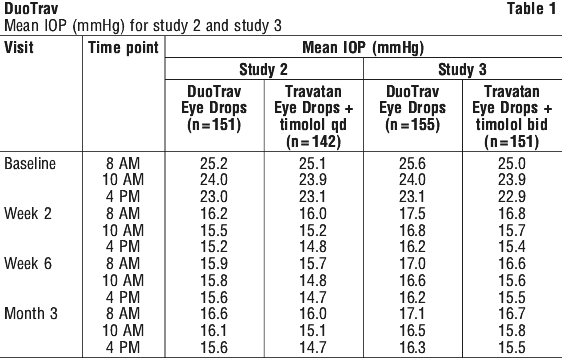
A separate dosing study (morning or evening) confirmed that the IOP lowering efficacy of once daily DuoTrav Eye Drops is independent of the time of dosing.
A similar safety profile was observed comparing therapy with DuoTrav Eye Drops to concomitant therapy with the individual components (travoprost 0.004% + timolol 0.5%) or to monotherapy with each component (travoprost 0.004%; timolol 0.5%).
5.2 Pharmacokinetic Properties
Absorption. Travoprost and timolol are absorbed through the cornea. Travoprost undergoes rapid ester hydrolysis in the cornea to the active free acid. Following topical ocular administration of DuoTrav Eye Drops (Polyquad preserved) once daily in healthy subjects (n = 22) for 5 days, the travoprost free acid was not quantifiable in plasma samples from the majority of subjects (94.4%) and generally was not detectable in samples one hour after dosing. In those subjects in whom travoprost free acid was measurable (≥ 0.01 nanogram/mL, the assay limit of quantitation), plasma concentration ranged from 0.01 to 0.03 nanogram/mL. The mean peak timolol steady-state concentration was 1.34 nanogram/mL after once daily administration of DuoTrav Eye Drops (Polyquad preserved). Timolol Tmax was approximately 0.69 hours after dosing.
Distribution. Travoprost free acid can be measured in the aqueous humour during the first few hours in animals and in human plasma only during the first hour after topical ocular administration of DuoTrav Eye Drops. Timolol can be measured in human aqueous humour after topical ocular administration of timolol and in plasma for up to 12 hours after topical ocular administration of DuoTrav Eye Drops.
Metabolism. The metabolic pathways of the travoprost free acid parallel those of endogenous PGF2α and are characterised by reduction of the 13-14 double bond, oxidation of the 15-hydroxyl group and β-oxidation of the carboxylic acid chain. The plasma elimination of the free acid was rapid with a mean apparent t1/2 of approximately 45 minutes. There was no difference in plasma concentrations between days 1 and 3, indicating lack of drug accumulation following repeated administration of DuoTrav Eye Drops. Timolol is extensively metabolised in the liver. The apparent terminal elimination t1/2 of timolol in plasma was approximately 4 hours after topical ocular administration of DuoTrav Eye Drops.
Excretion. Travoprost free acid and its metabolites are mainly excreted by the kidneys. In humans, less than 2% of a topical ocular dose of travoprost was recovered in urine as free acid. Timolol and its metabolites are primarily excreted by the kidneys. Approximately 20% of a timolol dose is excreted in the urine unchanged and the remainder excreted in urine as metabolites.
5.3 Preclinical Safety Data
Genotoxicity. Mutagenicity studies with DuoTrav Eye Drops have not been conducted.
Travoprost. Travoprost did not cause gene mutation in bacteria or chromosomal aberrations in bone marrow cells of mice and rats. A slight increase in mutation frequency was observed in one of two mouse lymphoma L5178Y assays. Weight of evidence indicates that travoprost is unlikely to pose a genotoxic risk from clinical use.
Timolol. In vitro and in vivo studies with timolol maleate did not reveal a mutagenic potential.
Carcinogenicity. Carcinogenicity studies with DuoTrav Eye Drops have not been conducted.
Travoprost. Long-term studies in mice and rats at subcutaneous doses up to 100 microgram/kg/day did not provide any evidence of carcinogenic potential. These doses correspond to exposure levels over 200 times human exposure at the maximum recommended human ophthalmic dose (MRHOD), based on plasma active drug levels.
Timolol. No evidence of carcinogenicity was observed with timolol maleate at oral doses up to 100 mg/kg/day in rats and 50 mg/kg/day in mice. However, there was a statistically significant increase in the incidence of adrenal phaeochromocytomas in male rats administered 300 mg/kg/day. In female mice, statistically significant increases in the incidence of benign and malignant pulmonary tumours, benign uterine polyps and mammary carcinomas were found at 500 mg/kg/day. The increased incidence of mammary tumours was considered to be attributed to a species elevation in serum prolactin.
6 Pharmaceutical Particulars
6.1 List of Excipients
Ethoxylated hydrogenated castor oil, propylene glycol, boric acid, mannitol, sodium chloride, sodium hydroxide and/or hydrochloric acid and purified water. The solution is preserved with polyquaternium-1.
6.2 Incompatibilities
Incompatibilities were either not assessed or not identified as part of the registration of this medicine.
6.3 Shelf Life
In Australia, information on the shelf life can be found on the public summary of the Australian Register of Therapeutic Goods (ARTG). The expiry date can be found on the packaging.
6.4 Special Precautions for Storage
Store below 25°C. Discard four weeks after opening.
6.5 Nature and Contents of Container
DuoTrav Eye Drops: 2.5 mL bottle with or without pouch.
6.6 Special Precautions for Disposal
In Australia, any unused medicine or waste material should be disposed of in accordance with local requirements.
6.7 Physicochemical Properties
Travoprost is a clear to slightly opalescent, colourless to yellow oil. Travoprost is practically insoluble in water (approximately 44 ppm).
Timolol maleate is a white to off white, crystalline powder which is soluble in water, alcohol and practically insoluble in ether.
Chemical structure. Travoprost.
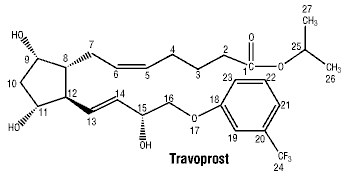
Empirical formula: C26H35F3O6.
Chemical name: (5Z,13E)-(9S,11R,15R)-9,11,15-trihydroxy-16-(m trifluoromethylphenoxy) 17,18,19,20-tetranor-5,13-prostadienoic acid, isopropyl ester.
Timolol maleate.
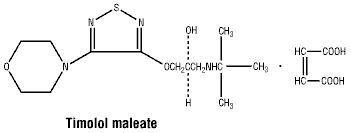
Empirical formula: C13H24N4O3S.C4H4O4.
Chemical name: (S)-1-(tert-butylamino)-3-[(4-morpholino-1,2,5-thiadiazol-3-yl) oxy]-2 propanol maleate (1:1) (salt).
CAS number. Travoprost. 157283-68-6.
Timolol maleate. 26921-17-5.
7 Medicine Schedule (Poisons Standard)
Prescription Only Medicine (Schedule 4).
Date of First Approval
15 March 2012
Date of Revision
03 November 2023
Summary Table of Changes

Reasonable care is taken to provide accurate information at the time of creation. This information is not intended as a substitute for medical advice and should not be exclusively relied on to manage or diagnose a medical condition. The Australian Commission on Safety and Quality in Health Care disclaims all liability (including for negligence) for any loss, damage, injury or any other negative effects resulting from reliance on or use of this information. Read our full disclaimer. This website uses cookies. Read our privacy policy.