
Entecavir APO
Brand Information
| Brand name | Entecavir APO |
| Active ingredient | Entecavir |
| Schedule | S4 |
Consumer Medicine Information (CMI) leaflet
Please read this leaflet carefully before you start using the Entecavir APO.
Summary CMI
ENTECAVIR APO
Consumer Medicine Information (CMI) summary
The full CMI on the next page has more details. If you are worried about using this medicine, speak to your doctor or pharmacist.
1. Why am I using ENTECAVIR APO?
ENTECAVIR APO contains the active ingredient entecavir (as monohydrate). ENTECAVIR APO is used to treat chronic hepatitis B virus infection in adults 16 years or older.
For more information, see Section 1. Why am I using ENTECAVIR APO? in the full CMI.
2. What should I know before I use ENTECAVIR APO?
Do not use if you have ever had an allergic reaction to ENTECAVIR APO or any of the ingredients listed at the end of the CMI.
Talk to your doctor if you have any other medical conditions, take any other medicines, or are pregnant or plan to become pregnant or are breastfeeding.
For more information, see Section 2. What should I know before I use ENTECAVIR APO? in the full CMI.
3. What if I am taking other medicines?
Some medicines may interfere with ENTECAVIR APO and affect how it works.
A list of these medicines is in Section 3. What if I am taking other medicines? in the full CMI.
4. How do I use ENTECAVIR APO?
Follow all directions given to you by your doctor or pharmacist carefully. They may differ from the information contained in this leaflet.
More instructions can be found in Section 4. How do I use ENTECAVIR APO? in the full CMI.
5. What should I know while using ENTECAVIR APO?
| Things you should do |
|
| Things you should not do |
|
| Driving or using machines |
|
| Looking after your medicine |
|
For more information, see Section 5. What should I know while using ENTECAVIR APO? in the full CMI.
6. Are there any side effects?
Tell your doctor and pharmacist as soon as possible if you do not feel well while you are taking ENTECAVIR APO.
This medicine helps most people but may cause unwanted side effects in some people. All medicines can have side effects. Sometimes they are serious, most of the time they are not. You may need medical attention if you get some side effects.
For more information, including what to do if you have any side effects, see Section 6. Are there any side effects? in the full CMI.
Full CMI
ENTECAVIR APO
Active ingredient: entecavir (as monohydrate)
Consumer Medicine Information (CMI)
This leaflet provides important information about using ENTECAVIR APO. You should also speak to your doctor or pharmacist if you would like further information or if you have any concerns or questions about using ENTECAVIR APO.
Where to find information in this leaflet:
1. Why am I using ENTECAVIR APO?
2. What should I know before I use ENTECAVIR APO?
3. What if I am taking other medicines?
4. How do I use ENTECAVIR APO?
5. What should I know while using ENTECAVIR APO?
6. Are there any side effects?
7. Product details
1. Why am I using ENTECAVIR APO?
ENTECAVIR APO contains the active ingredient entecavir (as monohydrate). ENTECAVIR APO belongs to a group of medicines called antiviral medicines.
ENTECAVIR APO is used to treat adults infected with hepatitis B virus. ENTECAVIR APO is not recommended for use in children under 16 years, as there have been no studies of its effects in children.
Infection by the hepatitis B virus can lead to damage to the liver. ENTECAVIR APO reduces the amount of virus in your body, and has been shown to improve the condition of the liver. It is not known how safe ENTECAVIR APO is when taken for long periods.
Your doctor may have prescribed ENTECAVIR APO for another reason. Ask your doctor if you have any questions about why ENTECAVIR APO has been prescribed for you. ENTECAVIR APO is not addictive. This medicine is available only with a doctor's prescription.
2. What should I know before I use ENTECAVIR APO?
Warnings
Do not use ENTECAVIR APO if:
- you are allergic to entecavir (as monohydrate) or any of the ingredients listed at the end of this leaflet.
Symptoms of an allergic reaction may include: cough, shortness of breath, wheezing or difficulty breathing, swelling of the face, lips, tongue, throat or other parts of the body; rash, itching or hives on the skin; fainting; or hay fever-like symptoms.
- Always check the ingredients to make sure you can use this medicine.
Do not take this medicine after the expiry date printed on the pack or if the packaging is torn or shows signs of tampering.
- If it has expired or is damaged, return it to your pharmacist for disposal.
It is important to remain under the care of your doctor during ENTECAVIR APO therapy and after stopping ENTECAVIR APO.
You should report any new symptoms, medications or any other aspects affecting your health to your doctor. Your hepatitis B virus infection may get worse if you stop taking ENTECAVIR APO. If your doctor advises you to stop ENTECAVIR APO, they will monitor your health and perform regular blood tests to monitor your liver.
Check with your doctor if you:
- have allergies to any other medicines or substances such as foods, preservatives or dyes.
- have any other medical conditions, especially the following:
- problems with your kidneys,
- Hepatitis C or D,
- advanced liver disease,
- you have received a liver transplant,
- you have HIV and you are not currently on HIV treatment. ENTECAVIR APO may affect your HIV which could impact on future treatment options for HIV - are lactose intolerant. ENTECAVIR APO tablets contain lactose,
- planning to have surgery or anaesthetic,
- currently receiving or are planning to receive dental treatment,
- you are taking or are planning to take any other medicines. This includes vitamins and supplements that are available from your pharmacy, supermarket or health food shop.
During treatment, you may be at risk of developing certain side effects. It is important you understand these risks and how to monitor for them. See additional information under Section 6. Are there any side effects?
Pregnancy and breastfeeding
Check with your doctor if you are pregnant or intend to become pregnant.
Experience is limited with the use of ENTECAVIR APO in pregnant women. Therefore, it should not be used during pregnancy unless it is clearly needed. It is important that women of childbearing age receiving treatment with ENTECAVIR APO use an effective method of contraception to avoid becoming pregnant. If there is an urgent need to consider ENTECAVIR APO during pregnancy, your doctor will discuss with you the benefits and risks of taking it.
Talk to your doctor if you are breastfeeding or intend to breastfeed. It is not known whether ENTECAVIR APO passes into breast milk. Therefore to avoid possible side effects in the nursing infant, mothers should stop breastfeeding if they are taking ENTECAVIR APO.
3. What if I am taking other medicines?
Tell your doctor or pharmacist if you are taking any other medicines, including any medicines, vitamins or supplements that you buy without a prescription from your pharmacy, supermarket or health food shop.
Check with your doctor or pharmacist if you are not sure about what medicines, vitamins or supplements you are taking and if these affect ENTECAVIR APO.
4. How do I use ENTECAVIR APO?
How much to take / use
The usual dose of ENTECAVIR APO RBX is 0.5 mg or 1 mg once a day.
Your doctor will tell you what dose to take and how often you should take your ENTECAVIR APO tablets.
Please talk to you doctor or pharmacist for more information.
How to take it
Swallow the tablets whole with a glass of water. The dose of ENTECAVIR APO should be taken on an empty stomach (at least 2 hours after a meal and 2 hours before the next meal).
When to take ENTECAVIR APO
Take this medicine at the same time each day. Taking it at the same time each day will have the best effect and will also help you remember when to take it.
Talk to your doctor or pharmacist to work out when it is best for you to take your dose of ENTECAVIR APO.
How to long to take ENTECAVIR APO
Entecavir helps control your condition but does not cure it. Therefore you must continue taking entecavir for as long as your doctor tells you to.
Your doctor has prescribed ENTECAVIR APO to prevent hepatitis B virus from further damaging your liver.
Entecavir is a very important treatment that can improve the inflammation and scar tissue caused by the hepatitis B virus in your liver and may reduce the chance of developing cirrhosis, liver failure and liver cancer.
It is extremely important that you do not stop taking entecavir without discussing it with your doctor. If entecavir is stopped suddenly, the hepatitis B virus can become very active again and lead to sudden development of severe liver failure. There is a high risk of dying if liver failure develops and liver transplantation may be necessary to save your life.
It is important to take ENTECAVIR APO every day or as directed by your doctor, to not miss medicine doses, and to make sure you have enough to last over weekends and holidays, or until you next see your doctor.
If you forget to use ENTECAVIR APO
If it is almost time to take your next dose, skip the missed dose and take your next dose at the usual time. Otherwise, take it as soon as you remember and then go back to taking your medicine as you would normally.
Do not take a double dose to make up for missed doses.
This may increase the chance of you experiencing side effects. It is very important not to miss your doses of entecavir.
If you have trouble remembering to take your medicine, ask your pharmacist for some hints to help you remember.
If you use too much ENTECAVIR APO
If you think that you have used too much ENTECAVIR APO, you may need urgent medical attention.
You should immediately:
- phone the Poisons Information Centre
(by calling 13 11 26), or - contact your doctor, or
- go to the Emergency Department at your nearest hospital.
You should do this even if there are no signs of discomfort or poisoning.
5. What should I know while using ENTECAVIR APO?
Things you should do
Tell your doctor if you are taking this medicine if:
- you are about to be started on any new medicine
- you are pregnant or are planning to become pregnant
- you are breastfeeding or are planning to breast-feed
- you are about to have any blood tests
- you are going to have surgery or an anaesthetic or are going into hospital.
Go to your doctor regularly for a check-up. Your doctor may want to do tests to make sure the medicine is working and to prevent side effects.
When your treatment with entecavir is stopped, your doctor will continue to monitor you and take blood tests for several months.
Things to be careful of
Be careful when driving or operating machinery until you know how this medicine affects you. Dizziness, fatigue and sleepiness are common side effects which may impair your ability to drive and use machines. If you have any concerns consult your doctor.
There is no evidence that entecavir reduces the risk of infecting others with hepatitis B through sexual contact or body fluids (including blood contamination).
Therefore it is important to take appropriate precautions to prevent others being infected with hepatitis B. Talk to your doctor about safe sexual practices that protect your partner. Never share needles. Do not share personal items that can have blood or bodily fluids on them, like toothbrushes and razor blades. A vaccine is available to protect those at risk of becoming infected with hepatitis B.
Things you should not do
- Do not give this medicine to anyone else, even if they have the same condition as you.
- Do not take your medicine to treat any other complaint unless your doctor tells you to.
- Do not stop taking your medicine or change the dosage without first checking with your doctor.
Driving or using machines
Be careful before you drive or use any machines or tools until you know how ENTECAVIR APO affects you.
ENTECAVIR APO generally does not affect your ability to drive a car or operate machinery. However, this medicine may cause dizziness in some people. Make sure you know how you react to this medicine before you drive a car or operate machinery.
Looking after your medicine
Storage
Store ENTECAVIR APO tablets in a cool dry place where the temperature stays below 25°C.
Keep your tablets in the blister pack until it is time to take one. If you take the tablets out of the pack they may not keep as well.
Follow the instructions in the carton on how to take care of your medicine properly.
Store it in a cool dry place away from moisture, heat or sunlight; for example, do not store it:
- in the bathroom or near a sink, or
- in the car or on window sills.
Keep it where young children cannot reach it.
Getting rid of any unwanted medicine
If you no longer need to use this medicine or it is out of date, take it to any pharmacy for safe disposal.
Do not use this medicine after the expiry date.
6. Are there any side effects?
All medicines can have side effects. If you do experience any side effects, most of them are minor and temporary. However, some side effects may need medical attention.
See the information below and, if you need to, ask your doctor or pharmacist if you have any further questions about side effects.
Less serious side effects
| Less serious side effects | What to do |
| Speak to your doctor if you have any of these less serious side effects and they worry you. |
Serious side effects
| Serious side effects | What to do |
| Call your doctor straight away, or go straight to the Emergency Department at your nearest hospital if you notice any of these serious side effects. |
Tell your doctor or pharmacist if you notice anything else that may be making you feel unwell.
Other side effects not listed here may occur in some people.
Reporting side effects
After you have received medical advice for any side effects you experience, you can report side effects to the Therapeutic Goods Administration online at www.tga.gov.au/reporting-problems. By reporting side effects, you can help provide more information on the safety of this medicine.
Always make sure you speak to your doctor or pharmacist before you decide to stop taking any of your medicines.
7. Product details
This medicine is only available with a doctor's prescription.
What ENTECAVIR APO contains
| Active ingredient (main ingredient) | Each tablet contains 0.5 mg and 1.0 mg of entecavir (as monohydrate) as the active ingredient. |
| Other ingredients (inactive ingredients) |
|
| Potential allergens | Contains sugars as lactose |
Do not take this medicine if you are allergic to any of these ingredients.
This medicine is gluten-free, sucrose-free, tartrazine-free and free of other azo dyes.
What ENTECAVIR APO looks like
ENTECAVIR APO 0.5 mg Tablets
0.5 mg film-coated tablet is white to off-white, triangular shaped film coated tablets, debossed with ‘RL1’ on one side and plain on other side.
Blister packs of 30 tablets: AUST R 256432.
ENTECAVIR APO 1.0 mg Tablets
1.0 mg film-coated tablet is light pink to pink, triangular shaped film coated tablets, debossed with ‘RL2’ on one side and plain on other side
Blister packs of xx tablets: AUST R 256492.
*Not all strengths, pack types and/or pack sizes may be available.
Who distributes ENTECAVIR APO
Arrotex Pharmaceuticals Pty Ltd
15-17 Chapel Street
Cremorne VIC 3121
Australia
www.arrotex.com.au
This leaflet was prepared in April 2026.
Brand Information
| Brand name | Entecavir APO |
| Active ingredient | Entecavir |
| Schedule | S4 |
MIMS Revision Date: 01 May 2026
1 Name of Medicine
Entecavir monohydrate.
2 Qualitative and Quantitative Composition
Each tablet contains 0.5 mg or 1 mg entecavir (as monohydrate).
Excipients with known effects. Sugars as lactose.
For the full list of excipients, see Section 6.1 List of Excipients.
3 Pharmaceutical Form
0.5 mg film-coated tablet is white to off-white, triangular shaped film coated tablets, debossed with 'RL1' on one side and plain on other side.
1.0 mg film-coated tablet is light pink to pink, triangular shaped film coated tablets, debossed with 'RL2' on one side and plain on other side.
4 Clinical Particulars
4.1 Therapeutic Indications
Entecavir is indicated for the treatment of chronic hepatitis B virus infection in adults 16 years or older with evidence of active liver inflammation.
This indication is based on histologic, virologic, biochemical and serological responses in nucleoside-treatment naïve and lamivudine-resistant adult patients with HBeAg-positive or HBeAg-negative chronic HBV infection with compensated liver disease.
4.2 Dose and Method of Administration
Recommended dosage. Entecavir should be taken orally, on an empty stomach (at least 2 hours after a meal and at least 2 hours before the next meal).
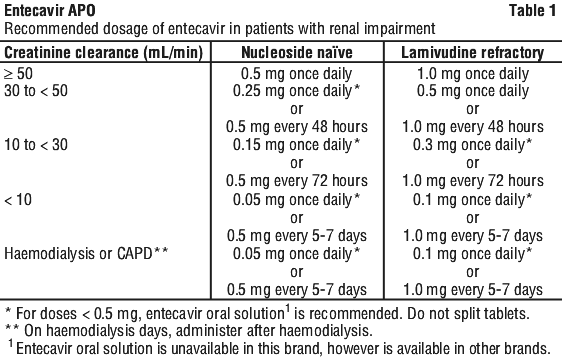
The recommended oral dose of entecavir in adults and adolescents older than 16 years is 0.5 mg once daily. For lamivudine-refractory patients [history of hepatitis B viremia while receiving lamivudine therapy or known lamivudine resistance (LVDR commonly called YMDD mutations)], the recommended dose is 1 mg once daily.
Renal impairment. In patients with renal impairment, the apparent oral clearance of entecavir decreased as creatinine clearance decreased (see Section 5.2 Pharmacokinetic Properties, Special populations). Dosage adjustment of entecavir is recommended for patients with creatinine clearance < 50 mL/min, including patients on hemodialysis or CAPD, as shown in Table 1.
Duration of therapy. The optimal duration of treatment with entecavir for patients with chronic hepatitis B infection and the relationship between treatment and long-term outcomes such as cirrhosis and hepatocellular carcinoma are unknown.
4.3 Contraindications
This medicine is contraindicated in patients with previously demonstrated hypersensitivity to entecavir or any component of the product.
4.4 Special Warnings and Precautions for Use
Co-infection with human immunodeficiency virus (HIV). Therapy with entecavir is not recommended for HIV/hepatitis B virus (HBV) co-infected patients who are not receiving highly active antiretroviral therapy. There is a potential for the development of HIV resistance if entecavir is used to treat chronic hepatitis B infection in patients with untreated HIV infection.
Before initiating entecavir therapy, HIV antibody testing should be recommended to all patients.
HIV/HBV co-infected patients receiving concomitant antiretroviral therapy. Entecavir has been studied in 68 adults with HIV/HBV co-infection receiving a lamivudine-containing HAART regimen (see Section 5.1 Pharmacodynamic Properties, Clinical trials). No data are available on the efficacy of entecavir in HBeAg-negative patients co-infected with HIV. There are limited data on patients co-infected with HIV who have low CD4 cell counts (< 200 cells/mm3).
Lactic acidosis and severe hepatomegaly with steatosis. Lactic acidosis and severe hepatomegaly with steatosis, including fatal cases, have been reported with the use of nucleoside analogues alone or in combination with antiretrovirals.
As entecavir is a nucleoside analogue, this risk cannot be excluded. Treatment with nucleoside analogues should be discontinued when rapidly elevating aminotransferase levels, progressive hepatomegaly or metabolic/lactic acidosis of unknown aetiology occur. Benign digestive symptoms, such as nausea, vomiting and abdominal pain, might be indicative of lactic acidosis development. Severe cases, sometimes with fatal outcome, were associated with pancreatitis, liver failure/hepatic steatosis, renal failure and higher levels of serum lactate. Caution should be exercised when prescribing nucleoside analogues to any patient (particularly obese women) with hepatomegaly, hepatitis or other known risk factors for liver disease. These patients should be followed closely.
To differentiate between elevations in aminotransferases due to response to treatment and increases potentially related to lactic acidosis, physicians should ensure that changes in ALT are associated with improvements in other laboratory markers of chronic hepatitis B.
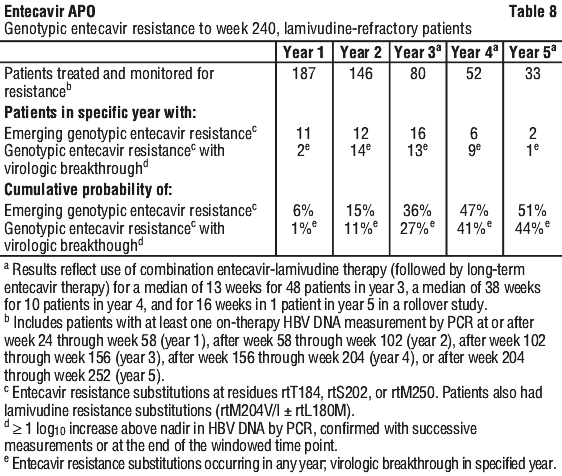
Resistance and specific precaution for lamivudine-refractory patients. Mutations in the HBV polymerase that encode lamivudine-resistance substitutions may lead to the subsequent emergence of secondary substitutions, including those associated with entecavir associated resistance (ETVr). In a small percentage of lamivudine refractory patients, ETVr substitutions at residues rtT184, rtS202 or rtM250 were present at baseline. Patients with lamivudine-resistant HBV are at higher risk of developing subsequent entecavir resistance than patients without lamivudine resistance. The cumulative probability of emerging genotypic entecavir resistance after 1, 2, 3, 4 and 5 years treatment 5 in the lamivudine-refractory studies was 6%, 15%, 36%, 47% and 51%, respectively. Virological response should be frequently monitored in the lamivudine-refractory population and appropriate resistance testing should be performed. In patients with a suboptimal virological response after 24 weeks of treatment with entecavir, a modification of treatment should be considered (see Section 4.5 Interactions with Other Medicines and Other Forms of Interactions; Section 5.1 Pharmacodynamic Properties). When starting therapy in patients with a documented history of lamivudine-resistant HBV, combination use of entecavir plus a second antiviral agent (which does not share cross-resistance with either lamivudine or entecavir) should be considered in preference to entecavir monotherapy.
Pre-existing lamivudine-resistant HBV is associated with an increased risk for subsequent entecavir resistance regardless of the degree of liver disease; in patients with decompensated liver disease, virologic breakthrough may be associated with serious clinical complications of the underlying liver disease. Therefore, in patients with both decompensated liver disease and lamivudine-resistant HBV, combination use of entecavir plus a second antiviral agent (which does not share cross-resistance with either lamivudine or entecavir) should be considered in preference to entecavir monotherapy.
Exacerbations of hepatitis. Spontaneous exacerbations in chronic hepatitis B are relatively common and are characterised by transient increases in serum ALT. After initiating antiviral therapy, serum ALT may increase in some patients as serum HBV DNA levels decline (see Section 4.8 Adverse Effects (Undesirable Effects)). Among entecavir-treated patients on-treatment exacerbations had a median time of onset of 4-5 weeks. In patients with compensated liver disease, these increases in serum ALT are generally not accompanied by an increase in serum bilirubin concentrations or hepatic decompensation. Patients with advanced liver disease or cirrhosis may be at a higher risk for hepatic decompensation following hepatitis exacerbation, and therefore should be monitored closely during therapy.
Acute exacerbation of hepatitis has also been reported in patients who have discontinued hepatitis B therapy (see Section 4.8 Adverse Effects (Undesirable Effects)). Post-treatment exacerbations are usually associated with rising HBV DNA, and the majority appears to be self-limited. However, severe exacerbations, including fatalities, have been reported. Among entecavir-treated nucleoside naive patients, post-treatment exacerbations had a median time to onset of 23-24 weeks, and most were reported in HBeAg negative patients (see Section 4.8 Adverse Effects (Undesirable Effects)). Hepatic function should be monitored at repeated intervals with both clinical and laboratory follow-up for at least 6 months after discontinuation of hepatitis B therapy. If appropriate, resumption of hepatitis B therapy may be warranted.
Use in renal impairment. Dosage adjustment of entecavir monohydrate is recommended for patients with renal impairment who have creatinine clearance < 50 mL/min including patients on hemodialysis or CAPD (continuous ambulatory peritoneal dialysis; see Section 4.2 Dose and Method of Administration). The proposed dose modifications are based on extrapolation of limited data, and their safety and effectiveness have not been clinically evaluated. Therefore, virological response should be closely monitored.
Liver transplant recipients. Limited data are available on the safety and efficacy of entecavir in liver transplant recipients. In a single-arm, open-label study, patients who had HBV DNA less than 172 IU/mL at the time of transplant were treated with entecavir 1 mg once daily post-transplant. On treatment, 15 subjects (23%) had liver-related adverse events of interest: fourteen subjects had ascites (22%) and 1 subject each had bacterial peritonitis, hepatic encephalopathy and recurrent hepatocellular carcinoma (HCC). In 12 of the 15 subjects, all liver-related events occurred during the first 30 days post-transplant and were considered post-operative complications.
During the first 30 days post-transplant, 18 of 65 treated subjects (28%) or 8 of 61 evaluable subjects (13%) had episodes of acute liver rejection with 1 subject who required re-transplantation. None of the 61 evaluable patients had virologic recurrence. The frequency and nature of adverse events and acute liver rejection in this study were consistent with those expected in patients who have received a liver transplant and the known safety profile of entecavir monohydrate (see Section 5.1 Pharmacodynamic Properties, Clinical trials).
Renal function should be carefully monitored before and during entecavir therapy in liver transplant recipients receiving an immunosuppressant that may affect renal function such as ciclosporin or tacrolimus (see Section 4.2 Dose and Method of Administration, Hepatic impairment; Section 5.2 Pharmacokinetic Properties, Special populations, Hepatic impairment, Post-liver transplant).
Decompensated liver disease. A study of entecavir at a dose of 1 mg once daily has been conducted in patients with decompensated liver disease A higher rate of serious hepatic adverse events (regardless of causality) has been observed in patients with decompensated liver disease, in particular in those with Child-Turcotte-Pugh (CTP) class C disease, compared with rates in patients with compensated liver function. Also, patients with decompensated liver disease may be at higher risk for lactic acidosis and for specific renal adverse events such as hepatorenal syndrome. Therefore, clinical and laboratory parameters should be closely monitored in this patient population (also see Section 4.8 Adverse Effects (Undesirable Effects); Section 5.1 Pharmacodynamic Properties, Clinical trials).
Co-infection with hepatitis C or D. There are no data on the efficacy of entecavir in patients co-infected with hepatitis C or D.
Paediatric use. Safety and effectiveness of entecavir in paediatric patients below the age of 16 years have not been established.
Use in the elderly. Clinical studies of entecavir did not include sufficient numbers of participants aged 65 years and over to determine whether they respond differently from younger participants. Other reported clinical experience has not identified differences in responses between the elderly and younger patients. Entecavir is substantially excreted by the kidney and the risk of toxic reactions to this drug may be greater in patients with impaired renal function. Because elderly patients are more likely to have decreased renal function, care should be taken in dose selection and it may be useful to monitor renal function (see Section 4.2 Dose and Method of Administration, Renal impairment).
Lactose. This medicine contains 112.5 mg of lactose in each 0.5 mg daily dose and 225 mg of lactose in each 1 mg daily dose. These tablets should be used with caution in patients with lactose intolerance. Patients with rare hereditary problems of galactose intolerance, the Lapp lactase deficiency of glucose-galactose malabsorption should not take this medicine.
Effects on laboratory tests. No data available.
Patient information. A Consumer Medicine Information leaflet for this medicine is available for patient information.
Patients should remain under the care of a physician while taking entecavir. They should discuss any new symptoms or concurrent medications with their physician.
Patients should be advised to take entecavir on an empty stomach (at least 2 hours before and at least 2 hours after a meal).
Patients should be informed that deterioration of liver disease may occur in some cases if treatment is discontinued and that they should discuss any change in regimen with their physician.
Patients should be advised that treatment with entecavir has not been shown to reduce the risk of transmission of HBV to others through sexual contact or blood contamination (see Section 4.6 Fertility, Pregnancy and Lactation, Use in pregnancy).
4.5 Interactions with Other Medicines and Other Forms of Interactions
Medicinal products. Since entecavir is predominantly eliminated by the kidney (see Section 5.2 Pharmacokinetic Properties, Excretion), co-administration with medicinal products that reduce renal function or compete for active tubular secretion may increase serum concentrations of either medicinal product. Co-administration of entecavir with either lamivudine, adefovir dipivoxil or tenofovir disoproxil fumarate resulted in no significant drug interactions. The effects of co-administration of entecavir with other medicinal products that are excreted renally or affect renal function have not been evaluated. Patients should be monitored closely for adverse events when entecavir is co-administered with such medicinal products.
4.6 Fertility, Pregnancy and Lactation
Effects on fertility. Male and female rat fertility was unaffected by drug exposures (AUC) up to approximately 160 (male) and 230 (female) times that in humans treated with a daily dose of 1 mg.
Testicular seminiferous tubule degeneration or germinal epithelial maturation arrest was observed in long-term rodent studies, at drug exposures that were ≥ 10 (mice) and 29 (rats) times the human value and in dog studies at exposures > 379 times the human value. No testicular changes were evident in monkeys at exposures up to 114 times the clinical exposure.
Use in pregnancy. (Category B3)
There are no adequate and well-controlled studies in pregnant women. Given that the potential risks to the developing fetus are unknown, women of childbearing potential should use effective contraception. Entecavir should be used during pregnancy only if the potential benefit justifies the potential risk to the fetus.
There is no research on the labour and delivery in pregnant women and no data on the effect of entecavir on transmission of HBV from mother to infant. Therefore, appropriate interventions should be used to prevent neonatal acquisition of HBV.
In animal experiments, embryofetal development was unaffected at drug exposures (AUC) of up to 23 (rats) and 175 (rabbits) times the maximum human exposure (1 mg daily dose).
Slightly increased resorptions occurred in rats at a maternotoxic dose resulting in a higher drug exposure (150 times the human value), while embryofetal development was severely retarded at a maternotoxic dose resulting in a drug exposure > 2500 times the human value; tail and vertebral malformations were observed. A drug exposure 730 times the maximum human value resulted in increased resorptions and incomplete fetal hyoid ossification in rabbits, in the absence of maternal toxicity. Rat offspring development was unaffected at drug exposures approximately 230 times the human value, when mothers were treated from early gestation to the end of lactation.
Use in lactation. Entecavir and/or its conjugate metabolites are excreted in the milk of rats. It is not known whether excretion occurs in human milk. Mothers should be instructed not to breast-feed if they are taking entecavir monohydrate.
4.7 Effects on Ability to Drive and Use Machines
The effects of this medicine on a person's ability to drive and use machines were not assessed as part of its registration. However, dizziness, fatigue and somnolence are common side effects which may impair the ability to drive and use machines.
4.8 Adverse Effects (Undesirable Effects)
Assessment of adverse reactions is based on four clinical studies in which 1,720 patients with chronic HBV infection received double-blind treatment with entecavir monohydrate 0.5 mg/day (n = 679), entecavir monohydrate 1 mg/day (n = 183) or lamivudine (n = 858) for up to 107 weeks. The safety profiles of entecavir and lamivudine were comparable in these studies. Among entecavir-treated patients, the most common adverse events of any severity with at least a possible relation to entecavir were headache (9%), fatigue (6%), dizziness (4%) and nausea (3%). Exacerbations of hepatitis during and after discontinuation of entecavir therapy have also been reported.
In these clinical studies, the 594 entecavir-treated patients who received blinded therapy for more than 52 weeks reported adverse reactions similar in nature and severity to those reported during the first 52 weeks of treatment.
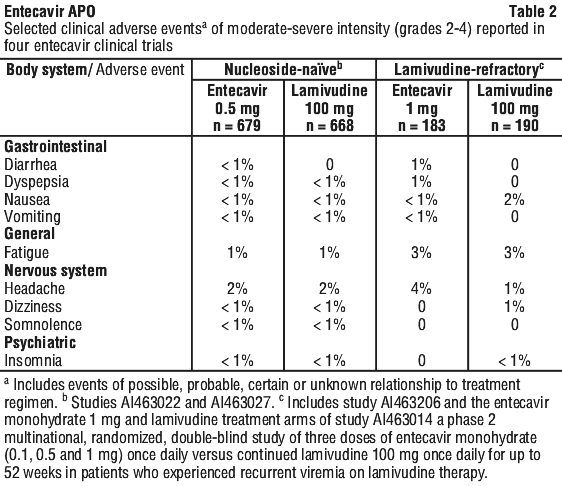
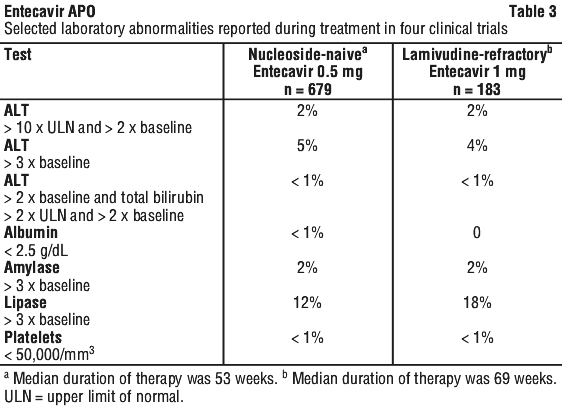
Clinical trials adverse events. Selected clinical adverse events of moderate-severe intensity and considered at least possibly related to treatment occurring during therapy in four clinical studies in which entecavir monohydrate was compared to lamivudine are presented in Table 2.
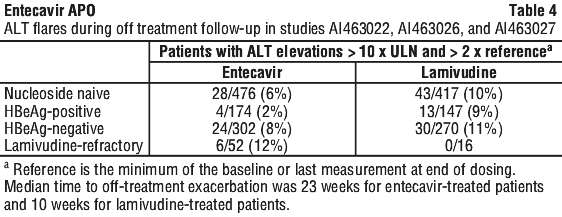
Exacerbations after discontinuation of treatment. Acute exacerbations of hepatitis have been reported in patients who have discontinued anti-HBV therapy, including therapy with entecavir monohydrate (see Section 4.4 Special Warnings and Precautions for Use). The frequency of exacerbations of hepatitis or ALT flare (defined as ALT > 10 x ULN and 2 x the patient's reference level) during off-treatment follow-up in clinical studies with entecavir is presented in Table 4.
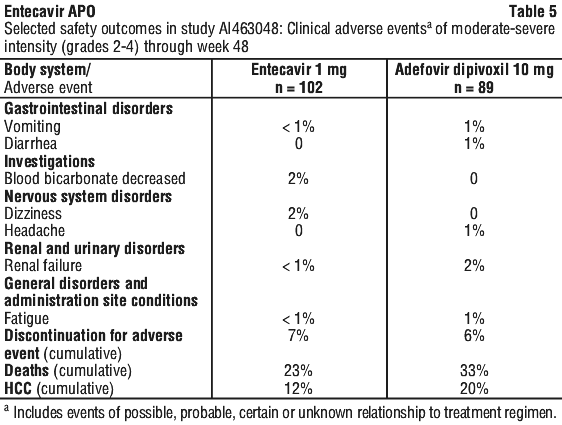
Other special populations. Patients with decompensated liver disease. Clinical adverse reactions observed through Week 48 in Study AI463048 in which entecavir monohydrate 1 mg once daily was compared with adefovir dipivoxil in patients with chronic hepatitis B infection and decompensated liver disease are listed in Table 5. The cumulative rates of discontinuation for adverse events and on-study cumulative rates of death and HCC are also shown in Table 5.
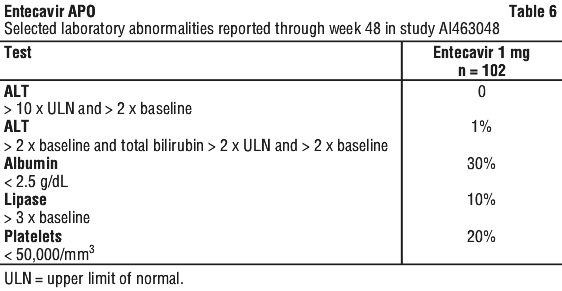
Laboratory test abnormalities reported through Week 48 in study AI463048 are listed in Table 6.
Gender/age. There was no apparent difference in the safety profile of entecavir with respect to gender or age.
Post-marketing experience. The following events have been identified during post-approval use of entecavir. Because reports are voluntary from a population of unknown size, an estimate of frequency cannot be made.
Gastrointestinal disorders. Upper abdominal pain, pancreatitis.
Blood and lymphatic system disorders. Leukopenia, neutropenia, platelet count decreased.
Immune system disorders. Hypersensitivity and drug hypersensitivity including anaphylactoid reaction.
Skin and subcutaneous tissue disorders. Alopecia, rash.
Hepatobiliary disorders. Increased transaminases.
Metabolism and nutrition disorders. Lactic acidosis, often in association with hepatic decompensation, other serious medical conditions or drug exposures.
Reporting suspected adverse effects. Reporting suspected adverse reactions after registration of the medicinal product is important. It allows continued monitoring of the benefit-risk balance of the medicinal product. Healthcare professionals are asked to report any suspected adverse reactions at www.tga.gov.au/reporting-problems.
4.9 Overdose
There is limited experience of entecavir overdosage reported in patients. Healthy participants who received single entecavir doses up to 40 mg or multiple doses up to 20 mg/day for up to 14 days had no increase in or unexpected adverse events. If overdose occurs, the patient must be monitored for evidence of toxicity and standard supportive treatment applied as necessary.
Following a single 1 mg dose of entecavir, a 4-hour hemodialysis session removed approximately 13% of the entecavir dose.
For information on the management of overdose, contact the Poisons Information Centre on 13 11 26 (Australia).
5 Pharmacological Properties
5.1 Pharmacodynamic Properties
Mechanism of action. Entecavir is a guanosine nucleoside analogue with activity against HBV polymerase. It is phosphorylated to the active triphosphate (TP) form, which has an intracellular half-life of 15 hours. Intracellular TP levels are directly related to extracellular entecavir concentrations, with no significant accumulation beyond initial plateau levels. By competing with the natural substrate deoxyguanosine-TP, entecavir-TP inhibits all 3 functional activities of the viral polymerase: (1) priming of the HBV polymerase, (2) reverse transcription of the negative strand from the pre-genomic messenger RNA, and (3) synthesis of the positive strand of HBV DNA. Entecavir-TP Ki value for inhibition of HBV DNA polymerase is 1.2 nanoM. Entecavir-TP is a weak inhibitor of cellular DNA polymerases α, β, δ and ε with Ki values of 18 to 40 microM. It did not inhibit mitochondrial γ polymerase (Ki > 160 microM) and did not affect the mitochondrial DNA content of human hepatoma cells in vitro. Entecavir inhibited HBV DNA synthesis at a concentration of 0.004 microM in human HepG2 cells transfected with wild-type HBV. IC50 values for entecavir against lamivudine-resistant HBV ranged 0.029-0.061 microM.
Resistance in vitro. There was reduced susceptibility to entecavir when LVDR substitutions (M204I/V ± L180M) were present. Entecavir inhibited the replication of LVDR HBV at 8-fold higher concentrations than that for the wild-type virus in cell-based studies. At extracellular concentrations representative of plasma levels achieved with 1 mg dosing, intracellular entecavir-TP levels would be expected to surpass those needed to inhibit the enzyme activity of lamivudine-resistant HBV polymerases. Recombinant viruses encoding adefovir-resistant substitutions at either rtN236T or rtA181V remained fully susceptible to entecavir.
Clinical resistance. Genotyping was performed on paired baseline and on-treatment samples from all continuously treated patients with PCR detectable HBV DNA (≥ 300 copies/mL) at Week 48, 96, 144, 192 and 240 or at the end of dosing to identify any novel or known resistance substitutions that emerged during entecavir therapy. Virologic breakthrough (≥ 1 log10 increase above nadir in HBV DNA by PCR) due to resistance to entecavir requires the existence of primary lamivudine resistance substitutions (M204I/V ± L180M) along with an additional substitution at residues T184, S202 and/or M250 of the polymerase protein.
Nucleoside-naïve studies. Patients in nucleoside-naïve studies received 0.5 mg entecavir for up to 96 weeks (see Section 5.1 Pharmacodynamic Properties, Clinical trials). Study participants who failed to achieve the study-defined complete response by Week 96 were offered continued entecavir monohydrate treatment in a rollover study. Complete response for HBeAg positive was < 0.7 MEq/mL (approximately 7 x 10⁵ copies/mL) serum HBV DNA and HBeAg loss and, for HBeAg negative, was < 0.7 MEq/mL HBV DNA and ALT normalisation.
By Week 96, evidence of emerging amino acid substitution rtS202G with rtM204V and rtL180M was detected in the HBV of 2 subjects and 1 of them experienced virologic rebound (≥ 1 log10 increased above nadir). In addition, emerging amino acid substitution at rtM204I/V and rtL180M, rtL80I or rtV173L, which conferred decreased phenotypic susceptibility to entecavir in the absence of rtT184, rtS202 or rtM250 changes, were detected in the HBV of 3 subjects who experienced virologic rebound.
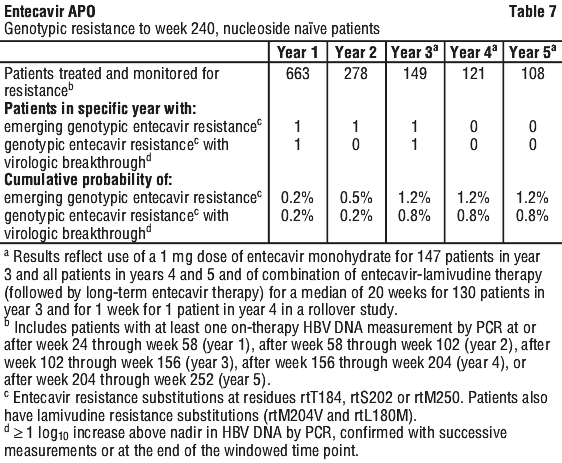
Results in Table 7 reflect use of a 1 mg dose of entecavir for 147 of 149 patients in Year 3 and 121 patients in Year 4, 108 patients in Year 5 and of combination entecavir plus lamivudine therapy (followed by long-term entecavir monotherapy) for a median of 20 weeks for 130 of 149 patients in Year 3 and for 1 week for 1 of 121 patients in Year 4 in the rollover study. Through Week 240 in nucleoside-naïve studies, genotypic evidence of ETVr substitutions at rtT184, rtS202 or rtM250 was identified in 3 patients treated with entecavir, 2 of whom experienced virologic breakthrough (see Table 7). These substitutions were observed only in the presence of LVDr substitutions (rtM204V and rtL180M).
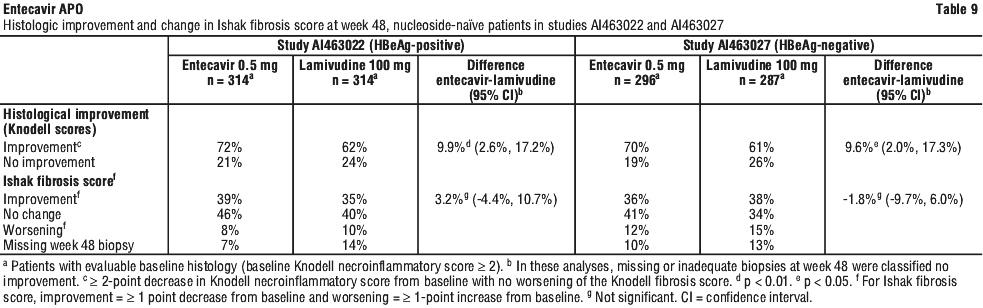
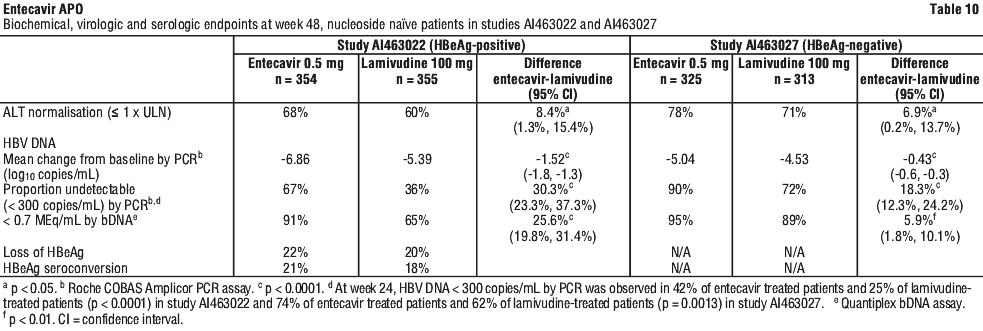
Nucleoside-naïve patients with compensated liver disease. Outcomes at 48 weeks. HBeAg-positive. Study AI463022 was a multinational, randomized, double-blind study of entecavir 0.5 mg once daily versus lamivudine 100 mg once daily for 52 weeks in 709 (of 715 randomized) nucleoside-naïve patients with chronic hepatitis B infection and detectable HBeAg. The mean age of patients was 35 years (range: 16-78) and 75% were male; 57% were Asian, 40% were Caucasian and 13% had previously received interferon-α treatment. At baseline, patients had a mean Knodell Necroinflammatory Score of 7.8, mean serum HBV DNA level as measured by Roche COBAS Amplicor PCR assay of 9.66 log10 copies/mL and mean serum ALT level of 143 U/L. Response was assessed at Week 52 based on test results obtained at the Week 48 visit. Ninety-six percent of patients had a baseline liver biopsy, paired samples were collected for 89% of patients.
HBeAg-negative (anti-HBe positive/HBV DNA positive). Study AI463027 was a multinational, randomized, double-blind study of entecavir 0.5 mg once daily versus lamivudine 100 mg once daily for 52 weeks in 638 (of 648 randomized) nucleoside-naïve patients with HBeAg-negative (HBeAb-positive) chronic hepatitis B infection (presumed to have pre-core or core-promoter mutants). The mean age of patients was 44 years (range: 18-77) and 76% were male. Thirty-nine percent were Asian and 58% were Caucasian; 13% had previously received interferon-α treatment. At baseline, patients had a mean Knodell Necroinflammatory Score of 7.8, mean serum HBV DNA level as measured by Roche COBAS Amplicor PCR assay of 7.58 log10 copies/mL and mean serum ALT level of 142 U/L. Ninety-eight percent of patients had a baseline liver biopsy and 89% had a biopsy at Week 48; paired samples were collected for 88% of patients. Response was assessed at Week 52 based on test results obtained at the Week 48 visit. In Studies AI463022 and AI463027, entecavir was superior to lamivudine on the primary efficacy endpoint of Histologic Improvement, defined as ≥ 2-point reduction in Knodell Necroinflammatory Score with no worsening in Knodell Fibrosis Score at Week 48.
Histologic Improvement and change in Ishak Fibrosis Score are shown in Table 9. Biochemical, virologic and serologic outcome measures are shown in Table 10.
Covalently closed circular deoxyribonucleic acid (cccDNA) is a stable genomic form of nuclear HBV DNA that serves as an hepatic reservoir of virus, provides the template for HBV transcription and contributes to viral persistence and relapse. For a subset of patients with paired liver samples in Study AI463022, the mean change from baseline in hepatic cccDNA at Week 48 was -0.9 log10 copies/human genome equivalents (approximately 8-fold reduction) for entecavir-treated patients (n = 159) and -0.7 log10 copies/HGEq (approximately 5-fold reduction) for lamivudine-treated patients (n = 146). In Study AI463027, the mean change from baseline in hepatic cccDNA at Week 48 was -0.5 log10 copies/HGEq (approximately 3-fold reduction) in each treatment group (n = 107 for entecavir-treated patients and n = 104 for lamivudine-treated patients).
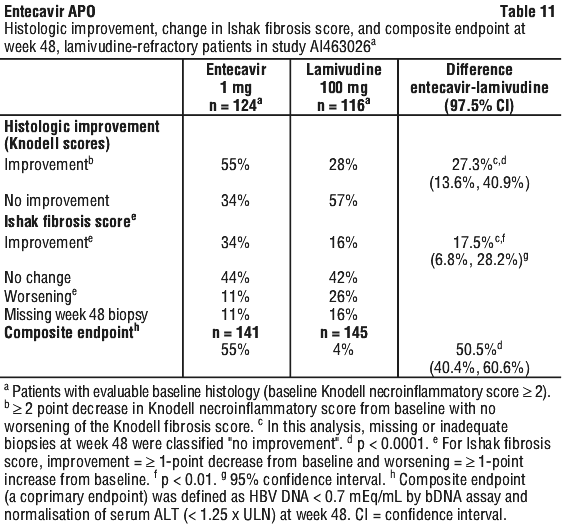
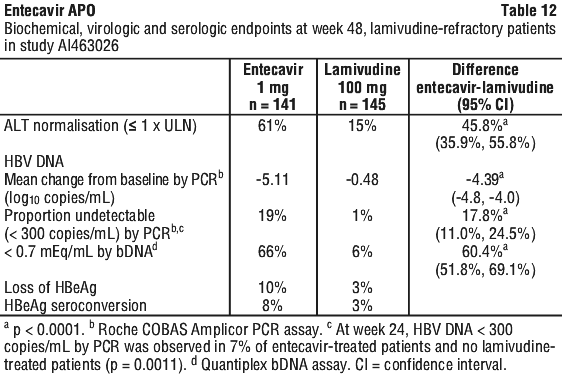
Lamivudine-refractory patients. Outcomes at 48 weeks. Study AI463026 was a multinational, randomized, double-blind study of entecavir in 286 (of 293 randomized) patients with lamivudine-refractory chronic hepatitis B infection. Patients receiving lamivudine at study entry either switched to entecavir 1 mg once daily (with neither a washout nor an overlap period) or continued on lamivudine 100 mg for 52 weeks. The mean age of patients was 39 years (range: 16-74), and 76% were male; 37% were Asian and 62% were Caucasian. Eighty-five percent had LVDR mutations at baseline. Patients had a mean Knodell Necroinflammatory Score of 6.5, mean serum HBV DNA level as measured by Roche COBAS Amplicor PCR assay of 9.36 log10 copies/mL and mean serum ALT level of 128 U/L. Response was assessed at Week 52 based on test results obtained at the Week 48 visit. Ninety-eight percent of patients had a baseline liver biopsy and 88% had a biopsy at Week 48; paired samples were collected for 87% of patients.
In Study AI463026, entecavir was superior to lamivudine on the coprimary endpoints of Histologic Improvement (using the Knodell Score at Week 48) and Composite Endpoint (proportion of patients with HBV DNA < 0.7 MEq/mL by bDNA assay and ALT < 1.25 x ULN at Week 48). These results and change in Ishak Fibrosis Score are shown in Table 11. Table 12 shows biochemical, virologic and serologic endpoints.
For a subset of patients with paired liver samples in Study AI463026, the mean change from baseline in hepatic cccDNA at Week 48 was -0.6 log10 copies/HGEq (approximately 4-fold reduction) for entecavir-treated patients (n = 74) and 0.0 log10 copies/HGEq for lamivudine-treated patients (n = 59).
Health-related quality of life (HRQoL) was assessed in Study AI463026 using the standardized and validated EQ-5D instrument developed by the EurolQol group. After 48 weeks of therapy, entecavir-treated patients experienced significantly less worsening compared to lamivudine-treated patients in the dimensions of mobility, self care and pain/discomfort.
Outcomes beyond 48 weeks. The optimal duration of therapy with entecavir is unknown. According to protocol mandated criteria in the Phase 3 clinical trials, participants discontinued entecavir or lamivudine treatment after 52 weeks according to a definition of response based on HBV virologic suppression (< 0.7 mEq/mL by bDNA assay) and either loss of HBeAg in HBeAg-positive participants or ALT < 1.25 x ULN in HBeAg-negative participants at Week 48. Participants who achieved virologic suppression but did not have serologic response (HBeAg-positive) or did not achieve ALT < 1.25 x ULN (HBeAg-negative) continued blinded dosing until 96 weeks or until the response criteria were met. These protocol-specific participant management guidelines are not intended as guidance for clinical practice.
Nucleoside-naïve HBeAg-positive. Among nucleoside-naïve HBeAg-positive participants (Study AI463022), 243/354 (69%) entecavir-treated participants and 164/355 (46%) lamivudine-treated participants continued blinded treatment for up to 96 weeks. Of those continuing blinded treatment in Year 2, 180/243 (74%) entecavir-treated participants and 60/164 (37%) lamivudine-treated participants achieved HBV DNA < 300 copies/mL by PCR at the end of dosing; 193/243 (79%) entecavir-treated participants achieved ALT ≤ 1 x ULN compared to 112/164 (68%) lamivudine-treated participants. The number of participants with virologic response but not serologic response who achieved a loss of HBeAg at the end of dosing in the second year of blinded treatment was 37/243 (15%) for entecavir and 28/164 (17%) for lamivudine. The proportion who achieved HBeAg seroconversion was 26/243 (11%) for entecavir and 20/164 (12%) for lamivudine.
Post-treatment follow-up: Among nucleoside-naïve HBeAg-positive participants, 111/354 (31%) entecavir-treated participants and 93/355 (26%) lamivudine-treated participants met the definition of response at end of dosing, discontinued study drugs and were followed off-treatment for up to 24 weeks. In this cohort, 34/111 (31%) entecavir-treated patients and 27/93 (29%) lamivudine-treated patients had HBV DNA < 300 copies/mL by PCR at the end of follow-up. At the end of follow-up, 78/111 (70%) of the entecavir group and 59/93 (63%) of the lamivudine group recorded ALT ≤ 1 x ULN.
Nucleoside-naïve HBeAg-negative. Among nucleoside-naïve, HBeAg-negative participants (Study AI463027), 26/325 (8%) entecavir-treated participants and 28/313 (9%) lamivudine-treated participants continued blinded treatment for up to 96 weeks. In the cohorts continuing treatment, 22/26 entecavir-treated and 16/28 lamivudine-treated participants had HBV DNA < 300 copies/mL by PCR; 7 entecavir-treated and 6 lamivudine-treated patients had ALT ≤ 1 x ULN at the end of dosing (up to 96 weeks).
Post-treatment follow-up: Among the nucleoside-naïve, HBeAg-negative participants, 286/325 (88%) treated with entecavir and 253/313 (81%) treated with lamivudine met the definition of response at end of dosing, discontinued study drugs and were followed off-treatment for up to 24 weeks. In this cohort, 7/286 (2%) entecavir-treated patients and 10/253 (4%) lamivudine-treated patients had HBV DNA < 300 copies/mL by PCR at the end of follow-up. At the end of follow-up 129/286 (45%) in the entecavir group and 85/253 (34%) in the lamivudine group recorded ALT ≤ 1 x ULN.
Liver biopsy results. 57 patients from the pivotal nucleoside-naïve studies AI463022 (HBeAg positive) and AI463027 (HBeAg negative) who enrolled in a long-term rollover study were evaluated for long-term liver histology outcomes. All 57 patients had both an evaluable baseline and long-term biopsy, with a median duration of entecavir therapy of 280 weeks (approximately 6 years). 55 of 57 (96%) of these patients had Histologic Improvement (a ≥ 2-point decrease in Knodell necroinflammatory score from baseline with no worsening of the Knodell fibrosis score) and 50 of 57 (88%) had a ≥ 1-point decrease in Ishak fibrosis score. Of the 43 patients with a baseline Ishak fibrosis score of ≥ 2, 25 (58%) had a ≥ 2-point decrease. All (10/10) patients with advanced fibrosis or cirrhosis at baseline (Ishak fibrosis score of 4.5 or 6) had a ≥ 1-point decrease (median decrease from baseline of 1.5 points). At the time of the long-term biopsy, 57 (100%) of patients had HBV DNA < 300 copies/mL and 49 (86%) had serum ALT ≤ 1 x ULN.
Lamivudine-refractory. Among lamivudine-refractory participants (Study AI463026), 77/141 (55%) in the entecavir-treated group and 3/145 (2%) in the lamivudine-treated group continued blinded treatment for up to 96 weeks. In the entecavir-treated cohort, 31/77 (40%) achieved HBV DNA < 300 copies/mL, 62/77 (81%) had ALT ≤ 1 x ULN and 8/77 (10%) demonstrated HBeAg seroconversion at the end of dosing.
Post-treatment follow-up. Of the 22/141 (16%) lamivudine-refractory patients who met response criteria (HBV DNA < 0.7 mEq/mL on bDNA assay and loss of HBeAg) while receiving entecavir monohydrate, 5/22 (23%) had HBV DNA < 300 copies/mL by PCR and 12/22 (55%) had ALT ≤ 1 x ULN at the end of follow-up.
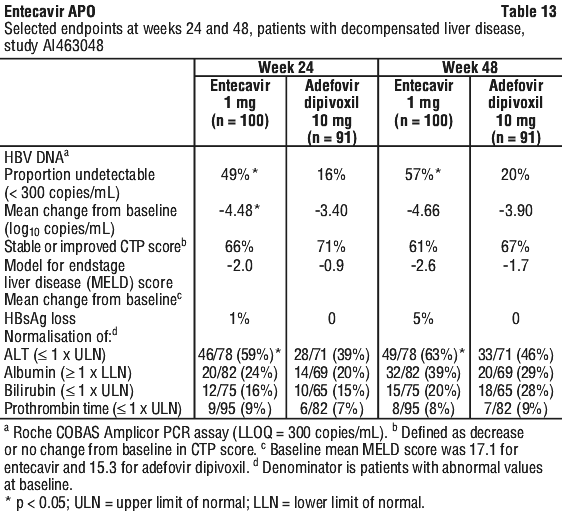
Special populations. Patients with decompensated liver disease. Study AI463048 was a randomized, open-label study of entecavir versus adefovir dipivoxil in 191 (of 195 randomised) patients with HBeAg-positive or -negative chronic HBV infection and evidence of hepatic decompensation, defined as Child-Turcotte-Pugh (CTP) score of 7 or higher. Patients were either HBV-treatment naïve or pre-treated (excluding pre-treatment with entecavir, adefovir dipivoxil or tenofovir disoproxil fumarate). At baseline, patients had a mean serum HBV DNA by PCR of 7.83 log10 copies/mL and mean ALT level of 100 U/L; 54% of patients were HBeAg-positive; 35% had genotypic evidence of lamivudine resistance. The baseline mean CTP score was 8.6. The dose of entecavir monohydrate in this study was 1 mg once daily. Entecavir was superior to adefovir dipivoxil on the primary efficacy endpoint of mean change from baseline in serum HBV DNA by PCR at Week 24. Results for selected study endpoints at Weeks 24 and 48 are shown in Table 13.
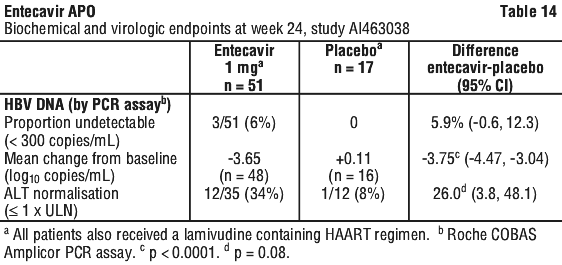
Liver transplant recipients. The safety and efficacy of entecavir 1 mg once daily were assessed in a single-arm, open label study in 65 patients who received a liver transplant for complications of chronic HBV infection and had HBV DNA < 172 IU/mL (approximately 1000 copies/mL) at the time of transplant. The study population was 82% male, 39% Caucasian and 37% Asian, with a mean age of 49 years; 89% of patients had HBeAg-negative disease at the time of transplant. Of the 61 patients who were evaluable for efficacy (received entecavir for at least 1 month), 60 also received hepatitis B immune globulin as part of the post-transplant prophylaxis regimen. At Week 72 post-transplant, none of the evaluable patients had HBV recurrence [defined as HBV DNA ≥ 50 IU/mL (approximately 300 copies/mL)] by last-observation-carried forward analysis. The frequency and nature of adverse events in this study were consistent with those expected in patients who have received a liver transplant and the known safety profile of entecavir monohydrate.
5.2 Pharmacokinetic Properties
Absorption. In healthy participants, entecavir was rapidly absorbed with peak plasma concentrations occurring between 0.5 and 1.5 hours. There was a dose-proportionate increase in peak plasma concentration (Cmax) and area under the concentration-time curve (AUC) values following multiple doses ranging from 0.1 to 1 mg. Steady-state was achieved after 6-10 days of once-daily dosing with approximately 2-fold accumulation. Cmax and trough plasma concentration (Ctrough) at steady-state were 4.2 and 0.3 nanogram/mL, respectively, for a 0.5 mg dose and 8.2 and 0.5 nanogram/mL, respectively, for a 1 mg dose. In healthy participants, the bioavailability of the tablet was 100% relative to the oral solution2. The oral solution and tablet may be used interchangeably.
Oral administration of entecavir 0.5 mg with a standard high-fat meal (945 kcal, 54.6 g fat) or a light meal (379 kcal, 8.2 g fat) resulted in a minimal delay in absorption (1-1.5 hour fed vs. 0.75 hour fasted), a decrease in Cmax of 44-46% and a decrease in AUC of 18-20%. Therefore, entecavir should be administered on an empty stomach (at least 2 hours before a meal and at least 2 hours after a meal) (see Section 4.2 Dose and Method of Administration).
2 Entecavir oral solution is unavailable in this brand, however is available in other brands.
Distribution. The estimated volume of distribution for entecavir was in excess of total body water, suggesting that it has good penetration into tissues. Protein binding to human serum protein in vitro was approximately 13%.
Metabolism. Entecavir is not a substrate, inhibitor or inducer of the CYP450 enzyme system. At concentrations approximately 10,000-fold higher than those obtained in humans, entecavir inhibited none of the major human CYP450 enzymes 1A2, 2C9, 2C19, 2D6, 3A4, 2B6 and 2E1. At concentrations approximately 340-fold higher than those observed in humans, entecavir did not induce the human CYP450 enzymes 1A2, 2C9, 2C19, 3A4, 3A5 and 2B6. Following administration of 14C-entecavir in humans and rats, no oxidative or acetylated metabolites and minor amounts of the phase II metabolites glucuronide and sulfate conjugates were observed.
Excretion. After reaching peak levels, entecavir plasma concentrations decreased in a bi-exponential manner with a terminal elimination half-life of approximately 128-149 hours. The observed drug accumulation index is approximately 2-fold with once-daily dosing, suggesting an effective accumulation half-life of about 24 hours.
Entecavir is predominantly eliminated by the kidney with urinary recovery of unchanged drug at steady-state ranging from 62% to 73% of the dose. Renal clearance is independent of dose and ranges between 360 and 471 mL/min suggesting that entecavir undergoes both glomerular filtration and net tubular secretion.
Special populations. Gender/race. The pharmacokinetic profile of entecavir monohydrate does not vary by gender or race.
Elderly. The pharmacokinetic profile of entecavir does not vary by age.
Renal impairment. The pharmacokinetics of entecavir following a single 1 mg dose were studied in patients (without chronic hepatitis B infection) with selected degrees of renal impairment, including patients whose renal impairment was managed by hemodialysis or continuous ambulatory peritoneal dialysis (CAPD). Results are shown in Table 15.
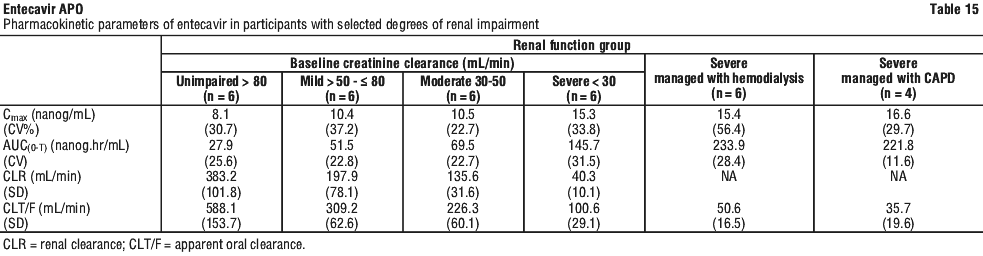
Following a single 1 mg dose of entecavir, hemodialysis removed approximately 13% of the entecavir dose over 4 hours and CAPD removed approximately 0.3% of the dose over 7 days. Entecavir should be administered after hemodialysis.
Hepatic impairment. The pharmacokinetics of entecavir following a single 1 mg dose were studied in patients (without chronic hepatitis B infection) with moderate and severe hepatic impairment. The pharmacokinetics of entecavir were similar between hepatically impaired patients and healthy control participants; therefore, no dosage adjustment of entecavir is recommended for patients with hepatic impairment.
Post-liver transplant. Entecavir exposure in HBV-infected liver transplant recipients on a stable dose of ciclosporin A (n = 5) or tacrolimus (n = 4) was approximately 2-fold the exposure in healthy participants with normal renal function. Altered renal function contributed to the increase in entecavir exposure in these patients. Before and during entecavir therapy in liver transplant recipients receiving ciclosporin or tacrolimus, renal function should be carefully evaluated (see Section 4.2 Dose and Method of Administration, Renal impairment).
Paediatrics. Pharmacokinetic studies have not been conducted in children.
Drug interactions. Entecavir is not a substrate, inhibitor or inducer of the CYP450 enzyme system (see Section 5.2 Pharmacokinetic Properties, Metabolism, Excretion, above). The pharmacokinetics of entecavir are unlikely to be affected by co-administration with agents that are either metabolized by, inhibit or induce the CYP450 system. Likewise, the pharmacokinetics of known CYP substrates are unlikely to be affected by co-administration of entecavir.
The steady-state pharmacokinetics of entecavir and co-administered drug were not altered in interaction studies of entecavir monohydrate with each of the following: lamivudine, adefovir dipivoxil, tenofovir disoproxil fumarate (see Section 4.5 Interactions with Other Medicines and Other Forms of Interactions).
A pilot study in nine HBV-infected liver transplant recipients suggested that concurrent ciclosporin A (n = 5) or tacrolimus (n = 4) therapy did not affect the pharmacokinetics of entecavir (see Section 5.2 Pharmacokinetic Properties, Special populations, Post-liver transplant). The effect of entecavir on the pharmacokinetics of ciclosporin A or tacrolimus is unknown.
5.3 Preclinical Safety Data
Genotoxicity. Entecavir was not genotoxic in in vitro assays for bacterial gene mutation, cell transformation and DNA repair or in an in vivo micronucleus assay for clastogenicity. High concentrations were clastogenic in vitro in human lymphocyte (> 10 microgram/mL) and mouse L5178Y+/- lymphoma cell (> 28 microgram/mL) assays, with evidence that the L5178Y+/- cell response was related to perturbation of cellular deoxyribonucleotide triphosphate pools.
Carcinogenicity. Two-year carcinogenicity studies with entecavir were conducted in mice and rats. In mice, entecavir was administered orally at 4 dosage levels representing exposure multiples of 1, 2.4, 10 and 34 times human exposure at the 1 mg dose. The doses in rats achieved exposure multiples relative to the human 1 mg dose of < 0.3, 0.3, 3.9 and 29 times and 0.3, 0.6, 3.6 and 20 times in males and females, respectively. Increases in the incidence of lung tumours were observed in male and female mice at exposures ≥ 2.4 times that in humans. Mechanistic studies suggest the lung tumours are likely to be species-specific to mice and probably not relevant to humans. In male rats, entecavir caused pancreatic acinar cell hyperplasia and adenomas at ≥ 3.9 times human exposure. An increase in skin fibromas was seen in female rats at ≥ 3.6 times the exposure in humans at 1 mg/day. The incidence of microglial tumours was increased in rats at and above 0.3 times the exposures in humans at 1 mg/day, reaching statistical significance at 20 times human exposure. Other tumours, which were observed only at exposures ≥ 20 times the exposure in humans at 1 mg/day, included hepatocellular adenomas and/or carcinomas (mice, rats), vascular tumours (mice, rats) salivary duct adenoacanthomas (mice), kidney oncocytoma and malignant mesenchymal tumours (rats) and Zymbal's gland carcinomas (rats; no human counterpart). With the exception of the mouse lung tumours, disruption of cellular deoxyribonucleotide triphosphated (dNTP) pools is likely a significant factor in the carcinogenicity of entecavir, which involves a threshold mechanism. These tumours were generally late appearing and required long-term exposure. Based on animal data, an increased risk of cancer in humans treated with entecavir for an extended period cannot be excluded.
6 Pharmaceutical Particulars
6.1 List of Excipients
Lactose monohydrate, povidone, crospovidone, microcrystalline cellulose and magnesium stearate. The 0.5 mg tablet coating is Opadry complete film coating system 13B58802 White (which contains hypromellose, titanium dioxide, macrogol 400 and polysorbate 80). The 1 mg tablet coating is Opadry complete film coating system 13B84610 Pink (which contains hypromellose, titanium dioxide, macrogol 400, polysorbate 80 and iron oxide red).
6.2 Incompatibilities
Incompatibilities were either not assessed or not identified as part of the registration of this medicine.
6.3 Shelf Life
In Australia, information on the shelf life can be found on the public summary of the Australian Register of Therapeutic Goods (ARTG). The expiry date can be found on the packaging.
6.4 Special Precautions for Storage
Store below 25°C. Store in original package.
6.5 Nature and Contents of Container
Blister pack (PA/Al/PVC/Al) of 30s.
0.5 mg tablets - AUST R 256432; 1 mg tablets - AUST R 256492.
6.6 Special Precautions for Disposal
Unused or waste material should be disposed of by taking to your local pharmacy.
6.7 Physicochemical Properties
Chemical structure.
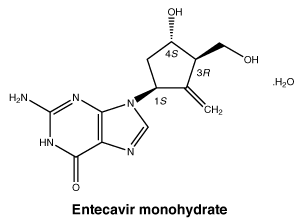
Molecular Formula: C12H15N5O3.H2O.
Molecular Weight: 295.3.
Entecavir monohydrate is a white to off-white powder. It is slightly soluble in water (2.4 mg/mL) and the pH of the saturated solution in water is 7.9 at 25° ± 0.5°C. The partition coefficient log P is -0.81, -1.4 and the pKa in strongest acid is 8 and strongest basic is 2.77.
CAS number. 209216-23-9.
7 Medicine Schedule (Poisons Standard)
S4 - Prescription Only Medicine.
Date of First Approval
19 May 2016
Date of Revision
01 April 2026
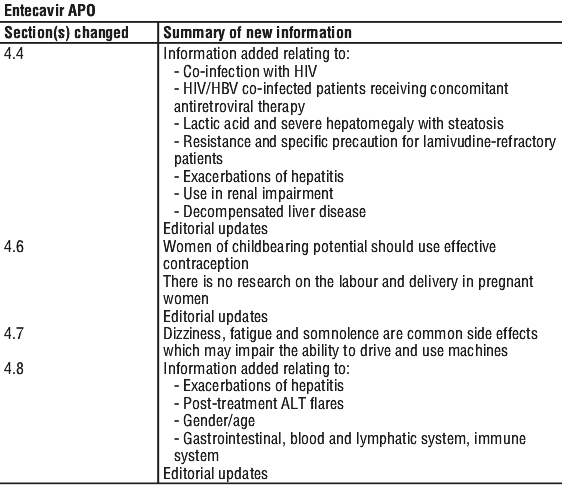
Summary Table of Changes
Reasonable care is taken to provide accurate information at the time of creation. This information is not intended as a substitute for medical advice and should not be exclusively relied on to manage or diagnose a medical condition. The Australian Commission on Safety and Quality in Health Care disclaims all liability (including for negligence) for any loss, damage, injury or any other negative effects resulting from reliance on or use of this information. Read our full disclaimer. This website uses cookies. Read our privacy policy.