
Entonox
Brand Information
| Brand name | Entonox |
| Active ingredient | Nitrous oxide + Oxygen |
| Schedule | S4 |
Consumer Medicine Information (CMI) leaflet
Please read this leaflet carefully before you start using the Entonox.
Summary CMI
Entonox®
Consumer Medicine Information (CMI) summary
The full CMI on the next page has more details. If you are worried about using this medicine, speak to your health professional.
1. Why am I using Entonox®?
Entonox® is a gas mixture containing the active ingredients 50% Nitrous oxide and 50% Oxygen.
Entonox® is used for rapid pain relief.
For more information, see Section 1. Why am I using Entonox®? in the full CMI.
2. What should I know before I use Entonox®?
Entonox® is a gas mixture supplied in high pressure gas cylinders and is only available with a prescription.
Do not use if you have ever had an allergic reaction to nitrous oxide or any of the ingredients listed at the end of the CMI.
Talk to your health professional if you have any other medical conditions, take any other medicines, or are pregnant or plan to become pregnant or are breastfeeding.
For more information, see Section 2. What should I know before I use Entonox®? in the full CMI.
3. What if I am taking other medicines?
Some medicines may interfere with Entonox® and affect how it works.
A list of these medicines is in Section 3. What if I am taking other medicines? in the full CMI.
4. How do I use Entonox®?
Entonox® should only be used under the supervision of your doctor, dentist, ambulance officer or nurse.
Entonox® is administered to you as you breathe in through a mask or mouthpiece attached to a demand valve. Your healthcare professional will ensure the equipment is set up correctly and that you receive the right amount of Entonox®.
More instructions can be found in Section 4. How do I use Entonox®? in the full CMI.
5. What should I know while using Entonox®?
| Things you should do |
|
| Things you should not do |
|
| Driving or using machines |
|
| Looking after your medicine |
|
For more information, see Section 5. What should I know while using Entonox®? in the full CMI.
6. Are there any side effects?
- Common side effects are euphoria, dizziness, light headedness, nausea, vomiting, sense of intoxication, headache.
- Less common side effects are sleepiness, increased pressure in the middle ear, bloating, increased volume of gas in the intestines, effects on nerve function including sensations of numbness, tingling and weakness, usually in the legs, difficulty walking.
For more information, including what to do if you have any side effects, see Section 6. Are there any side effects? in the full CMI.
Full CMI
WARNING: Entonox® contains nitrous oxide and oxygen which can make things catch fire very easily—even items that don't normally burn. Never smoke or go near flames when using nitrous oxide. Keep nitrous oxide away from oils, grease, or tar, as these can cause it to ignite suddenly.
Entonox®
Active ingredient(s): 50% v/v Nitrous oxide, N2O and 50% v/v Oxygen, O2
Consumer Medicine Information (CMI)
This leaflet provides important information about using Entonox®. Entonox® is usually given by a doctor, dentist, ambulance officer or nurse. You should also speak to your prescribing health professional if you would like further information or if you have any concerns or questions about using Entonox®.
Where to find information in this leaflet:
1. Why am I using Entonox?
2. What should I know before I use Entonox?
3. What if I am taking other medicines?
4. How do I use Entonox?
5. What should I know while using Entonox?
6. Are there any side effects?
7. Product details
1. Why am I using Entonox®?
Entonox® contains the active ingredients nitrous oxide and oxygen and is used to relieve pain during:
- labour in childbirth.
- dental treatment.
- wound cleaning, stitching or dressing.
- acute trauma such as broken bones.
- other medical conditions or surgical and investigative treatments where pain relief is required.
Entonox® is a gas mixture supplied in high pressure gas cylinders and is only available with a prescription. It is given to you in a hospital or clinic under the supervision of a healthcare professional
2. What should I know before I use Entonox®?
Warnings
Do not use Entonox® if:
- You have an allergy to Entonox® or have had an allergic reaction in the past.
- You have a condition where air is entrapped within your body and it might expand when given Entonox® (e.g. a bowel obstruction, blocked middle ear, air lodged in an artery). Ask your doctor for full details of these conditions.
- You have a collapsed lung.
- You have decompression sickness (the bends) or if you have been deep diving within the past 48 hours.
- You have lung disease or breathing difficulties such as emphysema or COPD.
- You have injuries to the face and jaw or head injuries or suspected or known increased pressure on the brain.
- You have a severely bloated stomach.
- You have been using Entonox® for a prolonged period without proper monitoring of your blood.
- You are intoxicated.
Check with your health professional if you:
- have had a reaction to Entonox® or any other general anaesthetic or pain relief medication in the past
- have had any other health problems or medical conditions, including:
- Low vitamin B12 levels
- Problems with addiction to medicines
- Bone marrow problems including various cells in the blood
- Neurological diseases - have had long term usage or been chronically exposed to Entonox®.
- have recently had eye or ear surgery where injections of gas have been used.
- if you have accidentally taken Paraquat (a type of weed killer), as there is a possibility of toxic effects to the lungs combined with the high concentration of oxygen.
- take any medicines for any other condition.
During treatment, you may be at risk of developing certain side effects. It is important you understand these risks and how to monitor for them. See additional information under Section 6. Are there any side effects?
Pregnancy and breastfeeding
Check with your health professional if you are.
- pregnant or intend to become pregnant.
- breastfeeding or intend to breastfeed.
They will advise you on the safe use of Entonox®.
Medical Gases Under Pressure
- OXYGEN and NITROUS OXIDE (ingredients in Entonox®) STRONGLY SUPPORT COMBUSTION AND INCREASES THE CHANCE OF FIRE.
- DO NOT SMOKE or have a naked flame near your Entonox® gas cylinder.
- Care should be taken when using Entonox® as it is stored under high pressure in gas cylinders.
- DO NOT use if the cylinder appears damaged or shows signs of tampering or it has degraded.
- DO NOT use if the tamper evident plastic seal has been removed on receipt from supplier.
- Always ensure a pressure regulator/flow controller is attached to a cylinder prior to use.
- NEVER use oil-based moisturising creams with your oxygen cylinder equipment e.g. Vaseline.
- If using alcohol gels allow plenty of time for the alcohol gel to dry before handling your cylinder equipment.
- There are safe working exposure levels for nitrous oxide gas (an ingredient in Entonox®) and workplace gas scavenging system are required.
- It is recommended to store the cylinder upright on a flat surface and secured so that it will not fall over.
- Never place the cylinder on a bed when it is in use, for risk of oxygen enrichment of your bed linen.
- Always refer to product labelling and the safety data sheet on www.boc.com.au for storage and handling information.
- Please discuss these points with your health professional if you have any questions.
3. What if I am taking other medicines?
Tell your doctor or health professional if you are taking any other medicines, including any medicines, vitamins or supplements that you buy without a prescription from your pharmacy, supermarket or health food shop.
Some medicines may interfere with Entonox® and affect how it works.
- These include.
- Pain relievers
- Anaesthetics
- Methotrexate
- Bleomycin
- Amiodarone
- Nitrofurantoin and similar antibiotics
- Medicines which may affect your nervous system
If you are taking methotrexate for treating arthritis or cancer with Entonox®, your blood cell count may be affected.
If you are taking medicines to treat anxiety or help you sleep such as diazepam the effect of Entonox® may be increased.
If you are taking Bleomycin (to treat cancer), Amiodarone (to treat an irregular heartbeat) or Nitrofurantoin and similar antibiotics (to treat infection), there is a possibility of toxic affects to the lungs when these drugs are combined with Entonox® use.
Check with your health professional if you are not sure about what medicines, vitamins or supplements you are taking and if these affect Entonox®.
4. How do I use Entonox®?
How much to use
- Entonox® should only be used under the supervision of your healthcare professional. They will decide for how long and how much Entonox® you need depending on the amount of pain relief required.
- If you are elderly or have lung problems, you may need a less Entonox®.
- Follow all directions given to you by your health professional carefully and ask for help if you do not understand.
When to use Entonox®
- Entonox® should be used as prescribed under the supervision of your health professional.
How to use Entonox®
- Entonox® is administered to you as you breathe in through a mask or mouthpiece attached to a demand valve.
- Entonox® will begin to take effect immediately when you start to inhale the gas. The effects of Entonox® will quickly wear off once you stop breathing the gas. You will be able to control how much Entonox® you use, depending on the amount of pain you experience.
- Your healthcare professional will ensure the equipment has been set up correctly and that you receive the right amount of Entonox®.
If you use too much Entonox®
As Entonox® will be given to you in a hospital, clinic or ambulance under the direction of your health professional, it is very unlikely you will receive an overdose.
- If you continue to inhale Entonox® for too long, you will become very drowsy, and the mask or mouthpiece will fall away as you relax and hence there is little risk of an overdose with Entonox® when used correctly.
If you do think you have used too much Entonox®, you may need urgent medical attention. Quick action must be taken to maintain your breathing and replace the Entonox® with oxygen.
If you think that you have used too much Entonox® you may need urgent medical attention.
You should immediately:
- Tell the person treating you; or
- go to the Emergency Department at your nearest hospital; or
- phone the Poisons Information Centre
(by calling 13 11 26).
If you have any further questions on how this product is used, ask your healthcare professional.
5. What should I know while using Entonox®?
Things you should do
Call your health professional straight away if you:
- Do not feel well while you are using Entonox®.
Driving or using machines
- Although the nitrous oxide component of Entonox® is rapidly eliminated from the body, always ask your health professional when it is safe for you to drive, operate machinery or perform activities following its use.
Looking after your medicine
- Cylinders should preferably be restrained upright in a secure, well-ventilated space above 0°C and below 65°C.
- At temperatures below 0°C the nitrous oxide component may separate. Should this occur, the cylinder should be placed in a warm room for at least 2 hours, then rolled horizontally for at least 5 minutes to remix the components.
- Refer to product labelling and safety data sheet on www.boc.com.au.
Keep your medical Entonox® cylinder where young children cannot reach it.
When to discard your medicine
There is no shelf-life on the contained product therefore there is no expiry date listed on the product.
Gas cylinders are however subject to periodic inspection and testing at varying intervals depending on their specification as defined in Australian Standard AS 2030.5. Provided the cylinder has been subjected to normal conditions of use and has not been abused or treated in a way to render the cylinder unsafe, there is no general requirement for the user to return a cylinder before the gas contents have been used, even though the cylinder test interval may have lapsed.
All cylinders are the property of BOC and are returnable.
Getting rid of any unwanted medicine
If you no longer need to use this medicine, please return the cylinder to BOC.
6. Are there any side effects?
All medicines can have side effects. If you do experience any side effects, most of them are minor and temporary. However, some side effects may need medical attention.
See the information below and, if you need to, ask your health professional if you have any further questions.
Common side effects
| Common side effects | What to do |
| Euphoria, dizziness, light headedness, nausea, vomiting sense of intoxication, headache. | Speak to your health professional if you have any of these less serious side effects and they worry you. |
Less common side effects
| Less common side effects | What to do |
| Sleepiness Increased pressure in the middle ear, bloating, increased volume of gas in the intestines. Effects on nerve function including sensations of numbness, tingling and weakness, usually in the legs, difficulty walking. | Call your doctor straight away or go straight to the Emergency Department at your nearest hospital if you notice any of these serious side effects. |
Other side effects (frequency unknown)
| Other side effects (frequency unknown) | What to do |
| Interference with the way your body uses Vitamin B12 which may affect your blood cell count Psychosis, confusion, anxiety, addiction. Difficulty with breathing. | Call your doctor straight away or go straight to the Emergency Department at your nearest hospital if you notice any of these serious side effects. |
Tell your health professional if you notice anything else that may be making you feel unwell.
Other side effects not listed here may occur in some people.
Reporting side effects
After you have received medical advice for any side affects you experience, you can report side effects to the Therapeutic Goods Administration online at www.tga.gov.au/reporting-problems. By reporting side effects, you can help provide more information on the safety of this medicine.
7. Product details
This medicine is only available with a prescription.
What Entonox® contains
| Active ingredient (main ingredient) | 50% v/v Nitrous oxide, N2O and 50% v/v Oxygen, O2 |
| Other | Carbon dioxide - 300ppm v/v max Carbon monoxide - 5ppm v/v max Oxides of nitrogen - 2ppm v/v max Water (vapour) - 67ppm v/v max |
Do not take this medicine if you are allergic to any of these ingredients.
What Entonox® looks like?
Entonox® is a clear, colourless, slightly sweet smelling, non-irritating gas supplied in white cylinders with a blue (ultramarine) and white cylinder shoulder in 4 off 90° Sectors (quadrants) as determined by Australian Standard: AS:4484 Gas cylinders for industrial, scientific, medical and refrigerant use - Labelling and colour coding.
Medical gas cylinders are supplied with product specific pin-indexed valves as per Australian Standard: AS: 2473.3 Valves for compressed gas cylinders Part 3: Outlet connections for medical gases (including pin-indexed yoke connections)
The contents of a gas cylinder are identified primarily by the labelling on the cylinder. Labels on a gas cylinder should always be consulted prior to use.
Entonox® is registered as
Aust R 34470.
BOC GASES ENTONOX OXYGEN 50%v/v and NITROUS OXIDE 50%v/v MIXTURE, Gas Medicinal
Who distributes Entonox®?
BOC Ltd
10 Julius Ave
North Ryde NSW 2113
This leaflet was prepared in November 2025
Brand Information
| Brand name | Entonox |
| Active ingredient | Nitrous oxide + Oxygen |
| Schedule | S4 |
MIMS Revision Date: 01 January 2021
1 Name of Medicine
Nitrous oxide and oxygen.
2 Qualitative and Quantitative Composition
Nitrous oxide 50% v/v.
Oxygen 50% v/v.
Entonox is a homogenous gas mixture of oxygen and nitrous oxide in equal volumetric proportions. Nitrous oxide is the active ingredient.
There are no excipients.
3 Pharmaceutical Form
Compressed medical gas mixture (for medicinal use only).
Nitrous oxide is a sweet smelling colourless non-irritating gas. Oxygen is a colourless, odourless and tasteless gas. Nitrous oxide is not very soluble in water and has a low solubility in blood and tissues.
4 Clinical Particulars
4.1 Therapeutic Indications
Nitrous oxide with oxygen (Entonox) is indicated in adults and children for analgesia.
4.2 Dose and Method of Administration
Entonox should only be administered by medical personnel trained in the appropriate techniques and in an adequate environment with access to adequate resuscitation equipment.
Cylinders should only be used in conjunction with special Entonox gas pressure regulators and demand valves.
Entonox is self administered and inhaled via a demand valve through a face mask or mouthpiece. The gas is breathed in by the patient on demand and absorbed through the lungs.
In dentistry, the use of a double mask is recommended, alternatively, a mask with adequate scavenging/ventilation should be used.
4.3 Contraindications
Hypersensitivity to nitrous oxide or any other component in the gas is a contraindication.
Nitrous oxide should not be used with any condition where air is entrapped within a body and where its expansion might be dangerous, such as: the presence of intracranial air; artificial, traumatic or spontaneous pneumothorax; pneumopericardium; air (or gas) embolism; severe head trauma; decompression sickness; following a recent dive; severe bullous emphysema; during myringoplasty; occluded middle ear; cysts; gross abdominal distension; maxillofacial injuries, following cardiopulmonary bypass or air encephalography and after intraocular gas injection in ophthalmic surgery, for example with sulphur hexafluoride (SF6) or perfluoropropane (C3F8), until the intraocular gas had been completely absorbed (due to the risk of further expansion of the gas bubble possibly leading to blindness).
Nitrous oxide should not be used on intoxicated or heavily sedated patients.
Entonox is also contraindicated:
In patients with cardiac failure or severely impaired cardiac function (e.g. after cardiac surgery), since the mild myocardio-depressive effect may cause further deterioration in heart function.
In patients presenting persistent signs of confusion, changed cognitive function or other signs that could be related to increased intra-cranial pressure as nitrous oxide may further increase the intra-cranial pressure.
In patients presenting decreased consciousness and/or co-operability because of the risk for loss of protecting reflexes.
In patients presenting with a vitamin B12 or folic acid deficiency or genetic perturbation in this system.
In patients with facial injury where use of a face mask may present difficulties or risks.
There are no absolute contraindications to the use of oxygen, but the inspired concentration should be limited in the case of premature infants and patients with chronic bronchitis and emphysema or whose respiration is dependent upon hypoxic drive.
4.4 Special Warnings and Precautions for Use
Entonox should only be administered by medical personnel with access to adequate resuscitation equipment (see Section 4.2).
Addiction and abuse of nitrous oxide have been reported. Delirium has been reported upon withdrawal.
Nitrous oxide is a simple asphyxiant in the absence of oxygen. Classified as hazardous according to the criteria of Worksafe Australia.
Reduced fertility in medical and paramedical personnel has been reported after repeated exposure to nitrous oxide in inadequately ventilated rooms. It is not currently possible to confirm or exclude the existence of any causal connection between these cases and nitrous oxide exposure. It is important that the nitrous oxide content in the ambient air is kept as low as possible and well below the nationally set limit value.
Scavenging of waste nitrous oxide gas should be used to reduce operating theatre and equivalent treatment room levels to a level below 25 ppm exposure limit of nitrous oxide (Worksafe exposure standard TLV TWA). Rescue personnel are advised to monitor nitrous oxide concentration before entering confined spaces and poorly ventilated areas which have been contaminated by a nitrous oxide leak. Chronic occupational exposure to nitrous oxide may lead to bone marrow or neurological impairment (see Section 4.6, Use in pregnancy).
Interference with vitamin B12 metabolism leading to neurological and bone marrow toxicity. The nitrous oxide component of Entonox causes inactivation of vitamin B12 (a co-factor of methionine synthesis), which interferes with folic acid metabolism. Nitrous oxide inhibits methionine synthetase which contributes to the conversion of homocysteine to methionine. The inhibition of this enzyme affects/reduces the formation of thymidine, which is an important part of DNA formation. Thus, DNA synthesis is impaired following prolonged nitrous oxide administration. These disturbances can result in megaloblastic bone marrow changes and possibly polyneuropathy and/or subacute combined degeneration of the spinal cord (see Section 4.8). The effect on DNA synthesis is one of the probable reasons for the influence of nitrous oxide on blood formation and the foetal damage seen in animal studies.
After inhaling nitrous oxide for 5-7 days, leucopenia and megaloblastic anaemia have been described, in some case fatal. A polyneuritic type of neuropathy and spinal cord sclerosis can appear during chronic administration of high concentrations of nitrous oxide.
Continuous administration for periods of more than 6 hours should be applied with caution because of the potential risk for clinical manifestations from the inhibitory effects on the methionine synthase. Prolonged continuous use or recurrent use should be accompanied by haematological monitoring to minimise risk of potential side effects. Thus intermittent Entonox inhalations should not be used for more than a total of 24 hours, or more frequently than every 4 days, without close clinical supervision and haematological monitoring. Where there is prolonged exposure, monitoring of peripheral blood for features of megaloblastic anaemia and leucopenia is recommended. Specialist advice should be sought from a haematologist in such cases.
Haematological assessment should include an assessment for megaloblastic change in red cells and hypersegmentation of neutrophils. Neurological toxicity can occur without anaemia or macrocytosis and with B12 levels in the normal range.
Entonox should be used with caution in patients at risk of vitamin B12 or folic acid deficiency, i.e. those with deficient intake or absorption of vitamin B12/folic acid or genetic perturbations in this system, and in immunocompromised patients. The possibility of vitamin B12/folic acid replacement or substitution therapy should be considered.
In patients with undiagnosed subclinical deficiency of vitamin B12, neurological toxicity has occurred after single exposures to nitrous oxide during general anaesthesia.
Other analgesic therapies should be considered in patients showing signs of vitamin B12/folate deficiency. See Section 4.3 Contraindications.
Chronic exposure. Care should be taken with long term usage of nitrous oxide. Chronic exposure to nitrous oxide, such as in abuse, can inactivate vitamin B12 and may result in polyneuropathy, megaloblastic anaemia, bone marrow depression and reproductive effects (see Section 4.8 Adverse Effects (Undesirable Effects)). A full blood examination should be performed in abusers, professionals chronically exposed and patients receiving ongoing therapy for evidence of megaloblastic change in red blood cells and hypersegmentation of neutrophils.
Other precautions. Nitrous oxide should be used with caution in patients with severe hypotension.
Entonox can, by diffusion of nitrous oxide, induce increase in middle ear pressure. Prolonged exposure may result in middle ear damage and rupture of ear drums.
In patients taking other centrally acting depressant medicinal products, e.g. morphine derivatives and/or benzodiazepines, concomitant administration of Entonox may result in increased sedation, and consequently have effects on respiration, circulation and protective reflexes (see Section 4.5).
Entonox should be used with caution in patients with compromised chemoreceptor sensitivity/function (e.g. chronic obstructive pulmonary disease - COPD) due to the relative high content (50 vol.%) of oxygen. Inhalation of high doses of oxygen may in such patients cause respiratory depression and increase in PaCO2.
After cessation of Entonox administration, nitrous oxide rapidly diffuses from blood to the alveoli. Due to the rapid wash-out dilution, a decrease of the alveolar oxygen concentration, diffusion hypoxia might occur. This can be prevented by oxygen supplementation.
Nitrous oxide passes into gas containing spaces in the body faster than nitrogen passes out. Prolonged usage may result in bowel distension and expansion of other non-vented gas containing cavities.
At high altitude or in the presence of disorders affecting oxygenation, the amount of nitrous oxide required will vary. Entonox contains 50% nitrous oxide/ 50% oxygen.
Smoking is prohibited when the product is in use and no naked flames should be allowed.
Check the following before use. Cylinders should not have been stored below 0°C (see Section 6.4 Special Precautions for Storage).
Nitrous oxide is non-flammable but strongly supports combustion (including some materials which do not normally burn in air). It is highly dangerous when nitrous oxide comes into contact with oils, greases and tarry substances due to the risk of spontaneous combustion.
Dispensing equipment connection matches cylinder valve pin index outlet and demand valve is operational.
Cylinder pressure may be used as an indicator of the quantity of the gas remaining in the cylinder.
Use of gas cylinders. Cylinders should be kept out of the reach of children.
Care is needed in the handling and use of Entonox gas cylinders. Entonox is stored in high pressure gas cylinders under pressure at ambient temperature.
Entonox cylinders must be stored above 0°C. At temperatures below this the nitrous oxide component may separate, leading to risk for potential inhalation of a hypoxic gas mixture. Should this occur, the cylinder should be placed in a warm room for at least 2 hours, then rolled horizontally for at least 5 minutes to remix the components.
Overdose can arise as the result of inappropriate storage of the gas cylinders at temperatures below 0°C.
Additional information is contained in the material safety data sheet for Entonox from the sponsor.
For further information, see Section 6.4.
Occupational exposure standard. Worksafe exposure standard TLV TWA is 25 ppm.
Use in the elderly. No data available.
Paediatric use. Paediatric neurotoxicity. Some published studies in children have observed cognitive deficits after repeated or prolonged exposures to anaesthetic agents early in life. These studies have substantial limitations, and it is not clear if the observed effects are due to the anaesthetic/analgesic/sedation drug administration or other factors such as the surgery or underlying illness.
Published animal studies of some anaesthetic/analgesic/sedation drugs have reported adverse effects on brain development in early life and late pregnancy. The clinical significance of these nonclinical finding is yet to be determined.
With inhalation or infusion of such drugs, exposure is longer than the period of inhalation or infusion. Depending on the drug and patient characteristics, as well as dosage, the elimination phase may be prolonged relative to the period of administration.
Effects on laboratory tests. There are no known significant effects on laboratory tests, other than those associated with megaloblastic anaemia.
4.5 Interactions with Other Medicines and Other Forms of Interactions
Nitrous oxide and CNS depressants may lead to increased CNS depression, increased respiratory depression and increased hypotensive effects.
The pulmonary toxicity associated with drugs such as bleomycin, amiodarone, (paraquat), furadantin and similar antibiotics may be exacerbated by inhalation of increased concentration of oxygen.
Nitrous oxide and opioids together may lead to further circulatory depression. High dose fentanyl with nitrous oxide may decrease heart rate and cardiac output.
Methotrexate. Nitrous oxide potentiates the effect of methotrexate on folate metabolism, yielding increased toxicity such as severe, unpredictable myelosuppression, stomatitis and neurotoxicity with intrathecal administration. Avoid concomitant use of nitrous oxide in patients receiving methotrexate.
The pharmacokinetic activity of oxygen is modified by changes in the blood carbon dioxide tension but this has little clinical significance.
4.6 Fertility, Pregnancy and Lactation
Effects on fertility. The germ cells of mice exposed to nitrous oxide for 14 weeks (50% nitrous oxide, 4 hours/day) showed no evidence of toxic effects due to nitrous oxide.
The fecundity of female dental assistants was reduced by 60% for those women working greater than or equal to 5 hours per week with unscavenged nitrous oxide. Similarly, fecundity was reduced in a Swedish study of midwives in those women assisting at more than 30 deliveries per month.
Use in pregnancy. (Category A)
The Nitrous oxide component interferes with vitamin B12/folic acid metabolism (see Section 4.4). Inhibition of the methionine synthase may cause adverse effects during early stages of pregnancy.
There are no adequate data from the use of Entonox in pregnant women to assess the potential harmful effects on human embryonic/foetal development.
Animal studies have demonstrated that high concentration or prolonged exposure during particular stages of pregnancy can induce teratogenic effects. The potential risk for humans is unknown.
Published animal studies of some anaesthetic/analgesic/sedation drugs have reported adverse effects on brain development in early life and late pregnancy.
Published studies in pregnant and juvenile animals demonstrate that the use of anaesthetic/analgesic and sedation drugs that block NMDA receptors and/or potentiate GABA activity during the period of rapid brain growth or synaptogenesis may result in neuronal and oligodendrocyte cell loss in the developing brain and alterations in synaptic morphology and neurogenesis when used for longer than 3 hours. These studies included anaesthetic agents from a variety of drug classes.
Inhalation anaesthetics cross the placenta. Treatment of rats with nitrous oxide (75% or 60% for each 24 hour period during organogenesis) resulted increased incidences of resorptions (days 8 and 11 of gestation), visceral abnormalities (day 8, right sided aortic arch and left-sided umbilical artery) and minor skeletal anomalies (days 8 and 9). Increased rates of resorptions, decreased fetal size and skeletal abnormalities have been reported in rats exposed to nitrous oxide concentrations of 0.1% throughout gestation. There were no adverse effects on the fetuses of mice exposed to 50% nitrous oxide during organogenesis.
There was no evidence of teratogenic effects in pregnant women exposed to single, brief anaesthetic exposure to nitrous oxide during pregnancy.
Studies of operating room personnel chronically exposed to low concentrations of inhalation anaesthetics show that pregnancies in female personnel and the wives of male personnel may be subject to increased incidences of spontaneous abortions, stillbirths and possibly birth defects. However, the methods used in obtaining and interpreting the data in these studies have been questioned. Studies on dental staff's exposure to anaesthetic gases had conflicting results. One study showed an increased risk of spontaneous abortion among dental assistants exposed to nitrous oxide. Another showed no increased risk for dental assistants either practicing in private clinics or working in dental school services (OR 0.4). Others demonstrated increased risk of spontaneous abortion among dental assistants exposed to nitrous oxide for 3 or more hours weekly in places without scavenging systems. A study of Swedish midwives exposed to nitrous oxide in more than 50% of deliveries showed no increased risk of spontaneous abortion (OR 0.95). The effect of scavenging was excluded because many midwives were unsure about whether such equipment had been present in the delivery rooms. Several animal studies (in which operating room conditions were simulated) have failed to show fetotoxic or teratogenic effects following chronic exposure of male and/or female animals to low concentrations of inhalation anaesthetics prior to and/or during gestation.
Use in lactation. It is not known whether this drug is excreted in human milk. Because many drugs are excreted in human milk, nitrous oxide should not be administered to a nursing woman.
4.7 Effects on Ability to Drive and Use Machines
The nitrous oxide component of Entonox is rapidly eliminated from the body after brief inhalation and adverse psychometric effects will normally cease shortly after the administration has stopped while its influence on the cognitive capabilities can persist for several hours.
When used as the sole analgesic/sedative agent, driving and use of complex machinery is not recommended for at least 30 minutes after cessation of the administration of Entonox and until the patient has returned to their initial mental status as judged by the attending healthcare professional.
Additional care is needed when Entonox is administered to a patient who has been given concomitant medication.
4.8 Adverse Effects (Undesirable Effects)
The undesirable effects listed are derived from public domain scientific medical literature and post marketing safety surveillance.
Tabulated summary of adverse reactions. See Table 1.
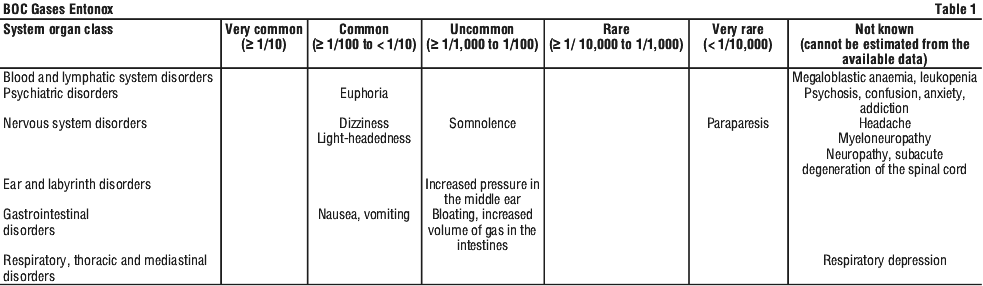
Cardiovascular. Cardiovascular depression, hypotension, arrhythmia, increased pulmonary vascular resistance.
Respiratory. Hypoxia, diffusion hypoxia, asphyxia, pulmonary toxicity.
Neurological. Confusion, CNS excitation and depression, raised intracranial pressure, anxiolytic effects, euphoria, neuropathy, seizures/convulsions, drowsiness. Exceptionally heavy occupational exposure or frequent use and addiction have resulted in myeloneuropathy (including polyneuropathy) and subacute combined degeneration of the cord.
Gastrointestinal. Bowel distension following prolonged usage.
Pregnancy and lactation. See Section 4.6 Fertility, Pregnancy and Lactation, Use in pregnancy, Use in lactation.
Prolonged occupational exposure to high levels of nitrous oxide may affect a woman's ability to become pregnant.
Addiction and abuse of nitrous oxide have been reported.
Retrolental fibroplasia can occur in premature infants exposed to oxygen concentrations of greater than 40%.
Reporting suspected adverse effects. Reporting suspected adverse reactions after registration of the medicinal product is important. It allows continued monitoring of the benefit-risk balance of the medicinal product. Healthcare professionals are asked to report any suspected adverse reactions at www.tga.gov.au/reporting-problems.
4.9 Overdose
Symptoms and signs. Inappropriate or deliberate inhalation of nitrous oxide will ultimately result in unconsciousness, passing through stages of increasing light-headedness and intoxication, and, if the person were to be within a confined space, death from anoxia could result.
Other signs may include: bradycardia, respiratory depression, cardiovascular depression and severe hypotension.
Treatment. There is no specific antidote. Treatment measures include: discontinuation of Entonox, basic life support, assisted or controlled ventilatory support with oxygen and other symptomatic and supportive treatment.
For information on the management of overdose, contact the Poisons Information Centre on 13 11 26 (Australia).
5 Pharmacological Properties
5.1 Pharmacodynamic Properties
Oxygen. Oxygen comprises approximately 21% of atmospheric air and acts in the maintenance of various metabolic processes in the body.
Mechanism of action. Nitrous oxide. Nitrous oxide is an inhalational anaesthetic. The MAC (minimum alveolar concentration) in oxygen is greater than 100%.
Nitrous oxide has analgesic and weak anaesthetic properties. It has no dose related muscle relaxant effect. Onset and recovery from its effects are relatively rapid. Pain reduction may be achieved at a concentration of around 25%.
Nitrous oxide alone may increase pulse rate and have depressant effects on respiration.
Clinical trials. No data available.
5.2 Pharmacokinetic Properties
Nitrous oxide. Nitrous oxide is rapidly absorbed via inhalation.
The alveolar concentration of N2O rises rapidly due to its low blood:gas partition coefficient. Likewise, its elimination is very rapid.
The blood:gas partition coefficient of nitrous oxide at 37°C is 0.47 compared with that of nitrogen of 0.015, causing nitrous oxide to expand into internal gas spaces.
The metabolism of nitrous oxide is minimal.
Nitrous oxide is eliminated from the body mostly by the lungs.
Oxygen. Oxygen is rapidly absorbed via inhalation, distributed mostly in combination with haemoglobin, consumed and exhaled along with carbon dioxide.
5.3 Preclinical Safety Data
Carcinogenicity. Nitrous oxide was tested for carcinogenic potential in rats and mice. No carcinogenic effect was seen in mice exposed to nitrous oxide (40%, 4 hours per day) or rats exposed to low concentrations of halothane-nitrous oxide (10 ppm:500 ppm, 7 hours per day).
Mutagenicity. Nitrous oxide gave mixed results in limited assays for genotoxicity. In assays for gene mutations nitrous oxide was negative in the Ames test and sex-linked recessive lethal assay in Drosophilia melanogaster, but was positive in Chinese hamster lung cells. The potential to cause chromosomal damage has not been investigated. An increased frequency of chromosomal aberrations was observed in bone marrow cells and spermatogonia of rats treated with a mixture of nitrous oxide and halothane. Nitrous oxide also caused an increased incidence of sister chromatid exchanges (SCE) in human lymphocytes in vitro.
Clinical studies have suggested that nitrous oxide may be associated with genotoxic events. DNA strand breaks were reported in surgical patients treated with isoflurane-nitrous oxide-oxygen, 1 day after surgery. An increased frequency of SCE, but not micronuclei, was found in the lymphocytes of operating room personnel exposed to nitrous oxide and isoflurane. An increase in SCE was also found in operating room personnel exposed to halothane and nitrous oxide.
6 Pharmaceutical Particulars
6.1 List of Excipients
None.
6.2 Incompatibilities
Incompatibilities were either not assessed or not identified as part of the registration of this medicine.
6.3 Shelf Life
Not applicable.
6.4 Special Precautions for Storage
The normal precautions required in the storage and use of medical gas cylinders are applicable. Please refer to Commonwealth, State and Territory Dangerous Goods legislation and the appropriate Australian Standards e.g. AS 4332. Cylinders should be stored away from sources of ignition, poisons, flammable or combustible materials. They should preferably be stored upright, in a secure area, below 45°C but above 0°C, in a dry well ventilated area constructed of non-combustible material with a firm, level floor (preferably concrete) away from heavy traffic and emergency exits.
At temperatures below 0°C the nitrous oxide component may separate. Should this occur, the cylinder should be placed in a warm room for at least 2 hours, then rolled horizontally for at least 5 minutes to remix the components.
6.5 Nature and Contents of Container
Compressed medical gas (for medicinal use only) supplied in cylinders in accordance with AS2030 and fitted with AS2472, figure 11 single pin index valve outlet.
Cylinder colour: AS4484. Body colour - white. Shoulder colour - Ultramarine AS2700 B21 and white quadrants.
Cylinder pressure: 12000 kPa (max) at 15°C.
Cylinder size (nominal water capacity, litres): B (1.5 L), C (3.0 L), D (10 L), E (25 L), G (50 L).
Combinations of the above cylinders may be supplied in a unit called a pack (or bundle). Actual water capacity may vary about the nominal figures indicated.
6.6 Special Precautions for Disposal
Cylinders are returned to BOC.
Other handling. General. Do not smoke or use flame in areas where medicinal gases are stored or administered.
Never use oil or grease, even if the cylinder valve sticks or if the regulator is difficult to connect.
Handle valves and devices belonging to them with clean and grease-free (hand-cream etc.) hands.
In case of cleaning of cylinder or attached equipment, do not use combustible products and especially oil-based material. In case of doubt, check compatibility.
Prior to any use, ensure the sufficient quantity of product remains to allow completion of the planned administration. During use, ensure that sufficient quantity of product remains to allow sufficient necessary flow.
Use only standard devices that are designed for nitrous oxide - oxygen mixture administration.
Preparation for use. Remove the seal from the valve before use.
The instructions below are applicable for Entonox cylinders where a separate pressure regulator shall be connected before use.
Ensure that an appropriate Entonox regulator is selected for connection to the cylinder.
Check that the connection on the coupling or regulator is clean and that the connections are in good condition.
Never use pliers to force pressure/flow regulators that are designed to be connected manually, as this can damage the joint.
Check that the pressure regulator is properly attached before opening the valve.
Open the cylinder valve gently and check for leaks.
Leaks:
Should leaks occur this will usually be evident by a hissing noise.
Should a leak occur between the valve outlet and the regulator or manifold yoke, depressurise and remove the fitting and fit an approved sealing washer. Reconnect the fitting to the valve with moderate force only, fitting a replacement regulator or manifold tailpipe as required.
Sealing or jointing compounds must never be used to cure a leak.
Never use excessive force when connecting equipment to cylinders.
If leak persists. Close the valve and disconnect the regulator. Mark the defective cylinder, keep it separate and return to BOC.
In the event of leakage, close the valve and uncouple the regulator. Label defective cylinders, put them aside, and return them to the supplier.
Use of the gas cylinder. Only used for medicinal purposes.
Close the cylinder in the event of fire (if safe to do so).
Turned off, when not in use, using moderate force to close the valve.
Ensure Entonox cylinders are secured to a suitable cylinder support in vertical position when in use, to prevent them from falling.
Only moved with the appropriate size and type of trolley or handling device.
Handled with care and not knocked violently or allowed to fall.
Not used in the vicinity of persons smoking or near naked lights.
Use in a well ventilated area with waste gas scavenging systems in place. See Section 4.4 Special Warnings and Precautions for Use.
When the medical nitrous oxide cylinder is empty ensure that:
the cylinder valve is closed using moderate force only and the pressure in the regulator is released.
the empty cylinders are immediately returned to the empty cylinder store for return to BOC.
6.7 Physicochemical Properties
Chemical structure. Nitrous oxide, N2O is a linear but unsymmetrical molecule of the form:


Oxygen, O2, CAS number 7782-44-7.
The specifications for each of the main components are presented separately.
Nitrous oxide. Complies with the requirements of the current European Pharmacopoeia monograph for nitrous oxide.
Nitrous oxide: 98.0% v/v minimum.
Carbon dioxide: 300 ppm v/v maximum.
Carbon monoxide: 5 ppm v/v maximum.
Oxides of nitrogen (NO/NO2): 2 ppm v/v maximum.
Water (vapour): 67 ppm v/v maximum.
Oxygen. Complies with the requirements of the current European Pharmacopoeia monograph for oxygen.
Oxygen: 99.5% v/v minimum.
Carbon dioxide: 300 ppm v/v maximum.
Carbon monoxide: 5 ppm v/v maximum.
Water (vapour): 67 ppm v/v maximum.
Physical data. Molecular weight: N2O 44.01, O2 32.00.
Physical state in the cylinder: High pressure gas at ambient temperature.
Combustion characteristics: Non flammable, strongly supports combustion.
Nitrous oxide and oxygen are oxidising substances which will support combustion of materials which may not normally burn in air. Nitrous oxide is stable and comparatively unreactive at ordinary temperatures and pressures. At elevated temperatures it decomposes to nitrogen and oxygen. Nitrous oxide will react with powerful reducing agents such as phosphine, stannous chloride and hydrogen. Rust and other impurities, especially oil and grease may cause ignitions.
7 Medicine Schedule (Poisons Standard)
Schedule 4 Prescription Medicine.
Date of First Approval
01 November 2001
Date of Revision
04 June 2019
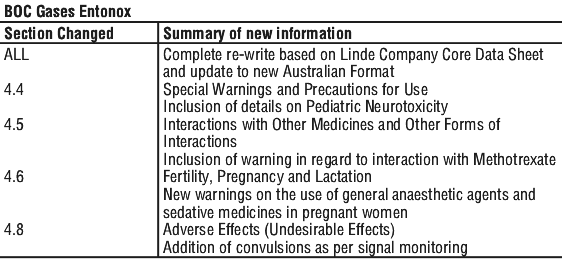
Summary Table of Changes
Reasonable care is taken to provide accurate information at the time of creation. This information is not intended as a substitute for medical advice and should not be exclusively relied on to manage or diagnose a medical condition. The Australian Commission on Safety and Quality in Health Care disclaims all liability (including for negligence) for any loss, damage, injury or any other negative effects resulting from reliance on or use of this information. Read our full disclaimer. This website uses cookies. Read our privacy policy.