
Estradot
Brand Information
| Brand name | Estradot |
| Active ingredient | Estradiol |
| Schedule | S4 |
Consumer Medicine Information (CMI) leaflet
Please read this leaflet carefully before you start using the Estradot.
Summary CMI
Estradot®
Consumer Medicine Information (CMI) summary
The full CMI on the next page has more details. If you are worried about using this medicine, speak to your doctor or pharmacist.
WARNING: Important safety information is provided in a boxed warning in the full CMI. Read before using this medicine.
1. Why am I using Estradot?
Estradot contains the active ingredient estradiol. Estradot is used for the short-term relief of symptoms of the menopause.
For more information, see Section 1. Why am I using Estradot? in the full CMI.
2. What should I know before I use Estradot?
Do not use if you have ever had an allergic reaction to estradiol, or any of the ingredients listed at the end of the CMI.
Talk to your doctor if you have any other medical conditions, take any other medicines, or are pregnant or plan to become pregnant or are breastfeeding.
For more information, see Section 2. What should I know before I use Estradot? in the full CMI.
3. What if I am taking other medicines?
Some medicines may interfere with Estradot and affect how it works.
A list of these medicines is in Section 3. What if I am taking other medicines? in the full CMI.
4. How do I use Estradot?
- You will have a patch on all the time. You will apply a new patch twice weekly (every 3 or 4 days). There are 8 patches in the carton, enough for a 4-week cycle.
More instructions can be found in Section 4. How do I use Estradot? in the full CMI.
5. What should I know while using Estradot?
| Things you should do |
|
| Things you should not do |
|
| Looking after your medicine |
|
For more information, see Section 5. What should I know while using Estradot? in the full CMI.
6. Are there any side effects?
Common side effects: irregular vaginal bleeding or spotting, tender, painful or swollen breasts, period-like pain, redness, irritation or itching under the patch, itching or inflammation of the vagina or discharge of vaginal fluid, swelling of the lower legs, ankles, fingers or abdomen due to fluid retention, nausea, vomiting, abdominal cramps, bloating, headache, migraine, dizziness, depression, eye irritation when wearing contact lenses, uncontrollable jerky movements, changes in weight, spotty darkening of the skin, especially on the face, changes in hair growth, increase or decrease in sex drive
For more information, including what to do if you have any side effects, see Section 6. Are there any side effects? in the full CMI.
Full CMI
WARNING: Do not use Estradot or other estrogens, with or without a progestogen to prevent heart attacks, stroke or dementia.
A study called the Women's Health Initiative indicated increased risk of heart attack, stroke, breast cancer, and blood clots in the legs or lungs in women receiving treatment with a product containing conjugated estrogens 0.625 mg and the progestogen medroxyprogesterone acetate (MPA). The researchers stopped the study after 5 years when it was determined the risks were greater than the benefits in this group. The Women's Health Initiative Memory Study indicated increased risk of dementia in women aged 65-79 years taking conjugated estrogens and MPA. There are no comparable data currently available for other doses of conjugated estrogens and MPA or other combinations of estrogens and progestogens. Therefore, you should assume the risks will be similar for other medicines containing estrogen and progestogen combinations.
Talk regularly with your doctor about whether you still need treatment with Estradot.
Treatment with estrogens, with or without progestogens should be used at the lowest effective dose and for the shortest period of time.
Estradot®
Active ingredient(s): estradiol
Consumer Medicine Information (CMI)
This leaflet provides important information about using Estradot. You should also speak to your doctor or pharmacist if you would like further information or if you have any concerns or questions about using Estradot.
Where to find information in this leaflet:
1. Why am I using Estradot?
2. What should I know before I use Estradot?
3. What if I am taking other medicines?
4. How do I use Estradot?
5. What should I know while using Estradot?
6. Are there any side effects?
7. Product details
1. Why am I using Estradot?
Estradot contains the active ingredient estradiol. Estradot is a type of treatment called hormone replacement therapy (HRT). It is a stick-on patch that contains a hormone called estradiol.
Estradot is used for the short-term relief of symptoms of the menopause.
HRT should not be used for the long-term maintenance of general health or to prevent heart disease or dementia.
Estradot is not suitable for birth control and it will not restore fertility.
How it works
Estradiol is a natural female sex hormone called an estrogen. It is the same hormone that your ovaries were producing before the menopause.
The menopause occurs naturally in the course of a woman's life, usually between the ages of 45 and 55. It may happen sooner if the ovaries are removed by surgery (e.g. total hysterectomy). After menopause, your body produces much less estrogen than it did before. This can cause unpleasant symptoms such as a feeling of warmth in the face, neck and chest, "hot flushes" (sudden, intense feelings of heat and sweating throughout the body), sleep problems, irritability and depression. Some women also have problems with dryness of the vagina causing discomfort during or after sex. Estrogens can be given to reduce or eliminate these symptoms.
Estradot releases estradiol in a continuous and controlled way just as your ovaries were doing before. Because the medicine does not have to pass through your stomach and liver, it allows you to take a much lower dose of estrogen than would be needed in a tablet and helps to avoid some unpleasant side effects.
Ask your doctor if you have any questions about why this medicine has been prescribed for you.
Your doctor may have prescribed it for another purpose.
2. What should I know before I use Estradot?
Do not use Estradot if you have an allergy to:
- estradiol, or any of the ingredients listed at the end of this leaflet. Always check the ingredients to make sure you can use this medicine.
- any other medicine containing estrogen, including the birth control pill
Some of the symptoms of an allergic reaction may include shortness of breath, wheezing or difficulty breathing; swelling of the face, lips, tongue or other parts of the body; rash, itching or hives on the skin.
If you had a severe skin reaction in the past, you could have a very serious reaction if you use any type of estrogen (patch, tablet, cream, etc.) again.
Do not use Estradot if you have:
- cancer of the breast or uterus (womb) or any other estrogen dependent cancer, or you have had this condition in the past
- ever had blood clots in the veins or lungs. You may have had painful inflammation of the veins or blockage of a blood vessel in the legs, lungs, brain or heart
- a condition that increases the tendency for you to get blood clots
- abnormal vaginal bleeding that has not been investigated
- severe liver problems
- a condition called porphyria, this condition affects your liver
If you are not sure whether any of the above conditions apply to you, your doctor can advise you.
Check with your doctor if you have:
- a family history of breast cancer
- nodules, lumps or cysts in your breasts or any other benign breast condition (not cancer)
- endometriosis (a disorder of the uterus that may cause painful periods and abnormal bleeding)
- fibroids or other benign tumours of the uterus (not cancer)
- had one or more pregnancies where you lost the baby before birth
- high blood pressure
- heart disease
- kidney or liver problems
- diabetes
- epilepsy
- migraine or other severe headaches
- gall bladder disease
- asthma
- hearing loss due to a problem with the bones in the ear called otosclerosis
- a high level of triglycerides in the blood
- a disorder called systemic lupus erythematosus (SLE)
- a bone disease causing high calcium levels in the blood
- very low calcium levels in the blood
- had a problem in the past with jaundice (a liver problem) or itching skin when you took an estrogen (e.g. the birth control pill or HRT) or during pregnancy
- a skin condition that could be made worse by applying the patch
- hypothyroidism (a condition in which your thyroid gland fails to produce enough thyroid hormone and for which you are treated with thyroid hormone replacement therapy). Your doctor will then have to monitor your thyroid hormone levels regularly
- severe allergic reactions
- hereditary angioedema or episodes of rapid swelling of the hands, feet, face, lips, eyes, tongue, throat (airway blockage) or digestive tract
If you still have a uterus (womb), do not use Estradot unless you are also taking another drug called a progestogen.
Women who still have a uterus must take both estrogen and progestogen as part of HRT. This is because estrogen stimulates the growth of the lining of the uterus (called the endometrium). Before menopause this lining is removed during your period through the action of a natural progestogen. After menopause, taking estrogen on its own as HRT may lead to irregular bleeding and to a disorder called endometrial hyperplasia. Your doctor will prescribe a progestogen to protect the lining of the uterus from the effects of estrogen.
Tell your doctor if any of these apply to you before you use Estradot.
Your doctor may want to take special precautions if you have or have had any of the above conditions.
Tell your doctor if you are likely to have an increased risk of developing blood clots in your blood vessels. The risk increases as you get older and it may also be increased if:
- anyone in your immediate family has ever had blood clots in the blood vessels of the legs or lungs
- you are overweight
- you have varicose veins
- you have a disorder called systemic lupus erythematosus (SLE)
During treatment, you may be at risk of developing certain side effects. It is important you understand these risks and how to monitor for them. See additional information under Section 6. Are there any side effects?
Pregnancy and breastfeeding
Do not use Estradot if you are pregnant or breastfeeding.
It may affect your baby.
3. What if I am taking other medicines?
Tell your doctor or pharmacist if you are taking any other medicines, including any medicines, vitamins or supplements that you buy without a prescription from your pharmacy, supermarket or health food shop.
Tell your doctor if you are taking birth control pills.
Estradot is not a contraceptive. Since pregnancy may be possible early in the menopause while you are still having menstrual periods, you should ask your doctor to suggest another (non-hormonal) method of birth control.
Some medicines and Estradot may interfere with each other. These include:
- herbal medicines containing St. John's wort
- some medicines to help you sleep, including barbiturates and meprobamate
- some medicines for epilepsy, including phenytoin, phenobarbitone and carbamazepine
- phenylbutazone, a medicine for pain and inflammation
- some antibiotics and other anti-infective medicines, including rifampicin, ketoconazole, erythromycin, rifabutin, nevirapine, efavirenz, ritonavir and nelfinavir
You may need to take different amounts of your medicines or to take different medicines while you are using Estradot. Your doctor and pharmacist have more information.
Check with your doctor or pharmacist if you are not sure about what medicines, vitamins or supplements you are taking and if these affect Estradot.
4. How do I use Estradot?
How much to use
- Estradot patches come in five strengths. You will usually start with the Estradot 50 patch. Your doctor will check your progress and may change you to a lower or higher strength, depending on your response to treatment.
When to use Estradot
- If you are not already using HRT, you can start Estradot at a convenient time for you. If you are already using a different type of HRT, your doctor can advise you when to switch to Estradot.
How to use Estradot
- A leaflet in the carton contains pictures and information on how to apply the patch properly.
- You will have a patch on all the time. You will apply a new patch twice weekly (every 3 or 4 days). There are 8 patches in the carton, enough for a 4-week cycle.
- If you have not had a hysterectomy (operation to remove the uterus), you must take another type of hormone called a progestogen as well as using the patches. A progestogen helps to protect the lining of the uterus. If you have not been asked to take a progestogen, talk to your doctor.
How long to take Estradot
- If you want to continue using HRT for longer than a few months, discuss the possible risks and benefits with your doctor.
- You may have an increased risk of developing breast cancer, heart disease, stroke, blood clots on the lungs and dementia. On the other hand, the risk of hip fractures and bowel cancer may be reduced. If you have had a hysterectomy but still have your ovaries, there may also be a small increase in the risk of developing cancer of the ovaries. Women taking estrogens alone, or in combination with progestogens, may have a higher risk of ovarian cancer that may appear within 5 years of use and slowly diminishes over time after discontinuation. Your doctor can discuss these risks and benefits with you, taking into account your particular circumstances.
If you forget to use Estradot
Apply a new patch as soon as you remember, and then go back to your usual schedule.
If you have trouble remembering when to use or replace your patches, ask your pharmacist for some hints.
If you use too much Estradot
If you think that you have used too much Estradot, you may need urgent medical attention.
You should immediately:
- phone the Australian Poisons Information Centre (by calling 13 11 26), or the New Zealand National Poisons Information Centre (by calling 0800 POISONS or 0800 764 766), or
- contact your doctor, or
- go to the Emergency Department at your nearest hospital.
You should do this even if there are no signs of discomfort or poisoning.
Because of the way this medicine is used, an intentional overdose is unlikely. Swallowing a patch may cause nausea and vomiting.
5. What should I know while using Estradot?
Things you should do
If you become pregnant while using Estradot, tell your doctor immediately.
It should not be used while you are pregnant.
See your doctor at least once a year for a check-up. Some women will need to go more often. Your doctor will:
- check your breasts and order a mammogram at regular intervals
- check your uterus and cervix and do a pap smear at regular intervals
- check your blood pressure and cholesterol level.
Check your breasts each month and report any changes promptly to your doctor.
Your doctor or nurse can show you how to check your breasts properly.
Tell your doctor that you are using Estradot well in advance of any expected hospitalisation or surgery. If you go to hospital unexpectedly, tell the doctor who admits you that you are using it.
The risk of developing blood clots in your blood vessels may be temporarily increased as a result of an operation, serious injury or having to stay in bed for a prolonged period. If possible, this medicine should be stopped at least 4 weeks before surgery and it should not be restarted until you are fully mobile.
If you are about to have any blood tests, tell the person who takes the blood that you are using Estradot.
It may interfere with the results of some tests.
If you are about to be started on any new medicine, remind your doctor and pharmacist that you are using Estradot.
Remind any doctor, dentist or pharmacist you visit that you are using Estradot.
Things you should not do
Do not use this medicine to treat any other complaints unless your doctor tells you to.
Do not give it to anyone else, even if their symptoms seem similar to yours.
Tell your doctor if you drink alcohol.
Looking after your medicine
- Keep your medicine in the original container until it is time to use it.
- Store it in a cool dry place.
Follow the instructions in the carton on how to take care of your medicine properly.
Store it in a cool dry place away from moisture, heat or sunlight; for example, do not store it:
- in the bathroom or near a sink, or
- in the car or on window sills.
Keep it where young children cannot reach it.
A locked cupboard at least one-and-a-half metres above the ground is a good place to store medicines.
When to discard your medicine
Fold used patches in half with the sticky side inwards. Dispose of them where children cannot reach them.
Used patches still contain some estradiol which could harm a child.
Getting rid of any unwanted medicine
If your doctor tells you to stop using this medicine or the expiry date has passed, ask your pharmacist what to do with any patches that are left over.
Do not use this medicine after the expiry date.
6. Are there any side effects?
All medicines can have side effects. If you do experience any side effects, most of them are minor and temporary. However, some side effects may need medical attention.
See the information below and, if you need to, ask your doctor or pharmacist if you have any further questions about side effects.
Less serious side effects
| Less serious side effects | What to do |
| Speak to your doctor if you have any of these less serious side effects and they worry you. |
Serious side effects
| Serious side effects | What to do |
| Call your doctor straight away, or go straight to the Emergency Department at your nearest hospital if you notice any of these serious side effects. |
Tell your doctor or pharmacist if you notice anything else that may be making you feel unwell.
Other side effects not listed here may occur in some people. Some side effects (e.g. increase in blood sugar level) can only be found when laboratory tests are done.
Reporting side effects
After you have received medical advice for any side effects you experience, you can report side effects to the Therapeutic Goods Administration online at www.tga.gov.au/reporting-problems or to Medsafe at pophealth.my.site.com/carmreportnz/s/. By reporting side effects, you can help provide more information on the safety of this medicine.
Always make sure you speak to your doctor or pharmacist before you decide to stop taking any of your medicines.
7. Product details
This medicine is only available with a doctor's prescription.
What Estradot contains
| Active ingredient (main ingredient) | estradiol |
| Other ingredients (inactive ingredients) | silicone adhesive acrylic adhesive dipropylene glycol povidone oleyl alcohol Dow BLF 2550 non-removable backing layer Scotchpak 1022 removable release liner |
Do not take this medicine if you are allergic to any of these ingredients.
What Estradot looks like
Estradot patches come in five strengths:
Estradot 25 – 2.5 cm2 rectangular patches with rounded corners. Each carton contains 2 or 8 patches (AUST R 338056).
Estradot 37.5 – 3.75 cm2 rectangular patches with rounded corners. Each carton contains 2 or 8 patches (AUST R 338057).
Estradot 50 – 5 cm2 rectangular patches with rounded corners. Each carton contains 2 or 8 patches (AUST R 338058).
Estradot 75 – 7.5 cm2 rectangular patches with rounded corners. Each carton contains 2 or 8 patches (AUST R 338059).
Estradot 100 – 10 cm2 rectangular patches with rounded corners. Each carton contains 2 or 8 patches (AUST R 338060).
Not all strengths and pack sizes may be available.
Who distributes Estradot
Estradot is distributed in Australia by:
Sandoz Pty Ltd
100 Pacific Highway
North Sydney, NSW 2060
Australia
Tel 1800 726 369
Estradot is distributed in New Zealand by:
Sandoz New Zealand Limited
12 Madden Street
Auckland 1010
New Zealand
Tel 0800 726 369
This leaflet was prepared in December 2025.
® Registered Trade Mark. The trade marks mentioned in this material are the property of their respective owners.
Brand Information
| Brand name | Estradot |
| Active ingredient | Estradiol |
| Schedule | S4 |
MIMS Revision Date: 01 September 2024
The Women's Health Initiative (WHI) study reported increased risks of stroke and deep vein thrombosis in postmenopausal women (50 to 79 years of age) during 6.8 years of treatment with conjugated estrogens (0.625 mg) relative to placebo (see Section 5.1 Pharmacodynamic Properties, Clinical trials; Section 4.4 Special Warnings and Precautions for Use).
The WHI study reported increased risks of myocardial infarction, stroke, invasive breast cancer, pulmonary emboli, and deep vein thrombosis in postmenopausal women (50 to 79 years of age) during 5 years of treatment with conjugated estrogens (0.625 mg) combined with medroxyprogesterone acetate (2.5 mg) relative to placebo (see Section 5.1 Pharmacodynamic Properties, Clinical trials; Section 4.4 Special Warnings and Precautions for Use).
The Women's Health Initiative Memory Study (WHIMS), a substudy of WHI, reported increased risk of developing probable dementia in postmenopausal women 65 years of age or older during 4 to 5.2 years of treatment with conjugated estrogens, with or without medroxyprogesterone acetate, relative to placebo. It is unknown whether this finding applies to younger postmenopausal women (see Section 5.1 Pharmacodynamic Properties, Clinical trials; Section 4.4 Special Warnings and Precautions for Use).
Other doses of conjugated estrogens and medroxyprogesterone acetate, and other combinations and dosage forms of estrogens and progestogens were not studied in the WHI clinical trials and, in the absence of comparable data, these risks should be assumed to be similar. Because of these risks, estrogens with or without progestogens should be prescribed at the lowest effective doses and for the shortest duration consistent with treatment goals and risks for the individual woman.
1 Name of Medicine
Estradiol.
2 Qualitative and Quantitative Composition
Estradot is a matrix transdermal drug delivery system (patch) containing estradiol.
Estradot is available in five strengths and sizes:
Estradot 25. 2.5 cm2 patch containing 0.39 mg estradiol (as hemihydrate) with a nominal in vivo release rate of 25 micrograms estradiol per day.
Estradot 37.5. 3.75 cm2 patch containing 0.585 mg estradiol (as hemihydrate) with a nominal in vivo release rate of 37.5 micrograms estradiol per day.
Estradot 50. 5 cm2 patch containing 0.78 mg estradiol (as hemihydrate) with a nominal in vivo release rate of 50 micrograms estradiol per day.
Estradot 75. 7.5 cm2 patch containing 1.17 mg estradiol (as hemihydrate) with a nominal in vivo release rate of 75 micrograms estradiol per day.
Estradot 100. 10 cm2 patch containing 1.56 mg estradiol (as hemihydrate) with a nominal in vivo release rate 100 micrograms estradiol per day.
For the full list of excipients, see Section 6.1 List of Excipients.
3 Pharmaceutical Form
Transdermal drug delivery system (patch).
Rectangular patch with round corners, comprising an adhesive layer with a translucent polymeric backing on one side and a release liner on the other side.
4 Clinical Particulars
4.1 Therapeutic Indications
Short-term treatment of symptoms of estrogen deficiency due to the menopause, whether natural or surgically induced.
In women with an intact uterus, estrogen should always be opposed by progestogen in an adequate dosage regimen to ensure secretory transformation of the endometrium at regular intervals (see Section 5.1 Pharmacodynamic Properties, Clinical trials; Section 4.2 Dose and Method of Administration).
Combination HRT should not be used in hysterectomised women because it is not needed in these women and it may increase the risk of breast cancer.
4.2 Dose and Method of Administration
The lowest effective dose should be used and consideration should be given to the shortest duration of use. A careful appraisal of the risks and benefits should be undertaken over time in women treated with HRT and the need for treatment re-evaluated periodically. Treatment with either estrogens alone or estrogen-progestogen combined HRT therapy should only be continued as long as the benefits outweigh the risks for the individual (see Section 4.4 Special Warnings and Precautions for Use).
Dosage. Treatment is usually initiated with an Estradot 50 patch. Depending on the clinical response the dose should then be adjusted to the woman's individual needs. If, after three months, there is an insufficient response in the form of alleviated symptoms, the dose should be increased. If symptoms of overdose arise (e.g. tender breasts) the dose should be decreased. Maintenance therapy must always be at the lowest effective dose.
General instructions. Estradot is administered as continuous therapy (uninterrupted application twice weekly).
In women with an intact uterus, Estradot should be combined with a progestogen approved for addition to estrogen treatment as follows: the progestogen is added either for the last 12 to 14 days of every 4 week cycle (continuous sequential) or every day without interruption (continuous combined).
In women not currently taking oral estrogens or in women switching from another estradiol transdermal therapy, treatment with Estradot may be initiated at any convenient time. In women who are currently taking oral estrogens, treatment with Estradot should be initiated one week after withdrawal of oral hormone replacement therapy, or sooner if menopausal symptoms reappear within one week.
Method of administration. The adhesive side of Estradot should be placed on a clean, dry area of the abdomen.
Estradot should be replaced twice weekly (i.e. every 3 to 4 days). (It's easier to remember if the patch is changed on the same days, e.g. Monday morning and Thursday evening so that each patch is worn for 3½ days).
The site of application must be rotated, with an interval of at least 1 week allowed between applications to a particular site. The area selected should not be oily, damaged or irritated. The waistline should be avoided, since tight clothing may dislodge the patch.
The patch should be applied immediately after opening the sachet and removing the protective liner. The patch should be pressed firmly in place with the palm of the hand for about 10 seconds, making sure there is good contact, especially around the edges.
In the event that a patch should fall off, the same patch may be reapplied. If necessary, a new patch may be applied. In either case, the original treatment schedule should be continued.
If a woman has forgotten to apply a patch, she should apply a new patch as soon as possible. The subsequent patch should be applied according to the original treatment schedule. Interruption of treatment may increase the likelihood of recurrence of symptoms.
Estradot must not be applied to the breasts.
The patch should not be affixed twice in succession to the same site.
The applied patch should not be directly exposed to sunlight or worn in a solarium. Immediately after removal from the pouch, Estradot should be applied to skin sites that will be covered by clothes.
The patch must not be cut or torn.
4.3 Contraindications
Known, past or suspected carcinoma (or history of carcinoma) of the breast.
Known or suspected carcinoma of the endometrium or other estrogen dependent neoplasia.
Undiagnosed abnormal vaginal bleeding.
Severe hepatic impairment.
Active venous thromboembolism [VTE] (e.g. deep venous thrombosis, pulmonary embolism), known thrombophilic or thromboembolic disorders (e.g. thrombophlebitis), arterial thromboembolic disease (e.g. coronary heart disease, stroke), or a documented history of these conditions.
Porphyria.
Known or suspected pregnancy.
Breastfeeding.
Nonhysterectomised women unless on concomitant progestogen therapy.
Known hypersensitivity to estrogens or any other component of the Estradot transdermal patch.
4.4 Special Warnings and Precautions for Use
The benefits and risks of estrogen/ progestogen therapy must always be carefully weighed, including consideration of the emergence of risks as therapy continues.
1. Cardiovascular disorders. Estrogen and estrogen/progestogen therapy has been associated with an increased risk of cardiovascular events such as myocardial infarction and stroke, as well as venous thrombosis and pulmonary embolism (venous thromboembolism or VTE). Should any of these occur or be suspected, estrogen/progestogen therapy should be discontinued immediately.
Risk factors for arterial vascular disease (e.g. hypertension, diabetes mellitus, tobacco use, hypercholesterolaemia and obesity) and/or venous thromboembolism (e.g. personal history or family history of VTE, obesity and systemic lupus erythematosus) should be managed appropriately.
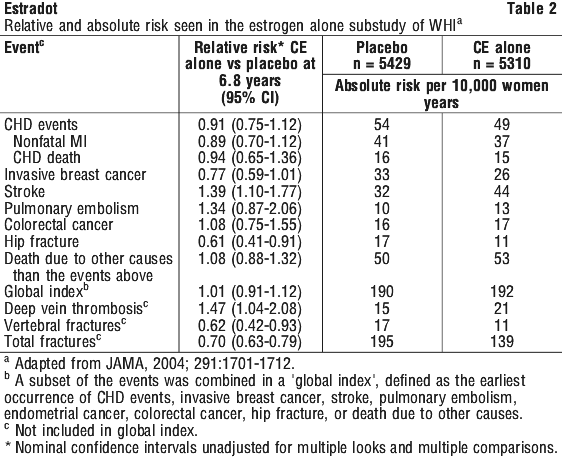
a. Coronary heart disease and stroke. In the estrogen alone substudy of the Women's Health Initiative (WHI) study, an increased risk of stroke was observed in women receiving conjugated estrogens (CE) 0.625 mg per day compared to women receiving placebo (44 vs 32 per 10,000 women years). The increase in risk was observed in year one and persisted. (See Section 5.1 Pharmacodynamic Properties, Clinical trials).
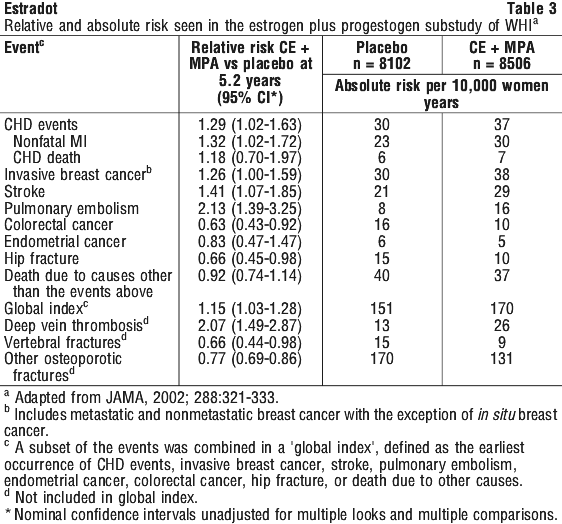
In the estrogen plus progestogen substudy of WHI, an increased risk of coronary heart disease (CHD) events (defined as nonfatal myocardial infarction and CHD death) was observed in women receiving CE + MPA (conjugated estrogens 0.625 mg/day plus medroxyprogesterone acetate 2.5 mg/day) compared to women receiving placebo (37 vs 30 per 10,000 women years). The increase in risk was observed in year one and persisted.
In the same estrogen plus progestogen substudy of WHI, an increased risk of stroke was observed in women receiving CE + MPA compared to women receiving placebo (29 vs 21 per 10,000 women years). The increase in risk was observed after the first year and persisted.
In postmenopausal women with documented heart disease (n = 2,763, average age 66.7 years) a controlled clinical trial of secondary prevention of cardiovascular disease (Heart and Estrogen/progestin Replacement Study; HERS) treatment with CE + MPA demonstrated no cardiovascular benefit. During an average follow-up of 4.1 years, treatment with CE + MPA did not reduce the overall rate of CHD events in postmenopausal women with established coronary heart disease. There were more CHD events in the CE + MPA treated group than in the placebo group in year 1, but not during the subsequent years. Two thousand three hundred and twenty one women from the original HERS trial agreed to participate in an open label extension of HERS, HERS II. Average follow-up in HERS II was an additional 2.7 years, for a total of 6.8 years overall. Rates of CHD events were comparable among women in the CE + MPA group and the placebo group in HERS, HERS II, and overall.
b. Venous thromboembolism (VTE). In the estrogen alone substudy of the Women's Health Initiative (WHI) study, an increased risk of deep vein thrombosis was observed in women receiving CE compared to placebo (21 vs 15 per 10,000 women years). The increase in VTE risk was observed during the first year. (See Section 5.1 Pharmacodynamic Properties, Clinical trials).
In the estrogen plus progestogen substudy of WHI, a 2-fold greater rate of VTE, including deep venous thrombosis and pulmonary embolism, was observed in women receiving CE + MPA compared to women receiving placebo. The rate of VTE was 34 per 10,000 women years in the CE + MPA group compared to 16 per 10,000 women years in the placebo group. The increase in VTE risk was observed during the first year and persisted.
If feasible, estrogens should be discontinued at least 4 to 6 weeks before surgery of the type associated with an increased risk of thromboembolism, or during periods of prolonged immobilisation.
Generally recognised risk factors for VTE include a personal history (see Section 4.3 Contraindications), a family history of thromboembolic disease (the occurrence of VTE in a direct relative at a relatively early age may indicate genetic predisposition), severe obesity (Body Mass Index > 30 kg/m2) and systemic lupus erythematosus (SLE). The risk of VTE also increases with age. There is no consensus about the possible role of varicose veins in VTE.
A history of recurrent spontaneous abortions should be investigated to exclude thrombophilic predisposition. In patients in whom this diagnosis is confirmed, the use of Estradot is contraindicated.
Patients should be told to contact their doctor immediately if they become aware of a potential thromboembolic symptom (e.g. painful swelling of a leg, sudden pain in the chest, dyspnoea).
If VTE develops after initiating HRT, the drug should be discontinued.
2. Malignant neoplasms. a. Endometrial cancer. The use of unopposed estrogens in women with intact uteri has been associated with an increased risk of endometrial cancer. The reported endometrial cancer risk among unopposed estrogen users with an intact uterus is about 2 to 12-fold greater than in nonusers, and appears dependent on duration of treatment and on estrogen dose. Most studies show no significant increased risk associated with the use of estrogens for less than one year. The greatest risk appears associated with prolonged use, with increased risks of 15 to 24-fold for five to ten years or more, and this risk has been shown to persist for at least 8 to 15 years after estrogen therapy is discontinued.
Clinical surveillance of all women taking estrogen/progestogen combinations is important. Adequate diagnostic measures, including endometrial sampling when indicated, should be undertaken to rule out malignancy in all cases of undiagnosed persistent or recurring abnormal vaginal bleeding. There is no evidence that the use of natural estrogens results in a different endometrial risk profile than synthetic estrogens of equivalent estrogen dose. Adding a progestogen to postmenopausal estrogen therapy has been shown to reduce the risk of endometrial hyperplasia, which may be a precursor to endometrial cancer.
b. Breast cancer. In some studies, the use of estrogens and progestogens by postmenopausal women has been reported to increase the risk of breast cancer. The most important randomised clinical trial providing information about this issue is the Women's Health Initiative (WHI) trial of estrogen plus progestogen (see Section 5.1 Pharmacodynamic Properties, Clinical trials). The results from observational studies are generally consistent with those of the WHI clinical trial.
After a mean follow-up of 5.6 years, the WHI trial reported an increased risk of breast cancer in women who took estrogen plus progestogen. Observational studies have also reported an increased risk for estrogen/progestogen combination therapy, and a smaller increased risk for estrogen alone therapy, after several years of use. For both findings, the excess risk increased with duration of use, and appeared to return to baseline over about five years after stopping treatment (only the observational studies have substantial data on risk after stopping). In these studies, the risk of breast cancer was greater, and became apparent earlier, with estrogen/progestogen combination therapy as compared to estrogen alone therapy. However, these studies have not found significant variation in the risk of breast cancer among different estrogens or among different estrogen/progestogen combinations, doses or routes of administration.
In the WHI trial of estrogen plus progestogen, 26% of the women reported prior use of estrogen alone and/or estrogen/progestogen combination hormone therapy. After a mean follow-up of 5.6 years during the clinical trial, the overall relative risk of invasive breast cancer was 1.24 (95% confidence interval: 1.01-1.54), and the overall absolute risk was 41 vs 33 cases per 10,000 women years, for estrogen plus progestogen compared with placebo. Among women who reported prior use of hormone therapy, the relative risk of invasive breast cancer was 1.86, and the absolute risk was 46 vs 25 cases per 10,000 women years, for estrogen plus progestogen compared with placebo. Among women who reported no prior use of hormone therapy, the relative risk of invasive breast cancer was 1.09, and the absolute risk was 40 vs 36 cases per 10,000 women years for estrogen plus progestogen compared with placebo. In the WHI trial, invasive breast cancers were larger and diagnosed at a more advanced stage in the estrogen plus progestogen group compared with the placebo group. Metastatic disease was rare with no apparent difference between the two groups. Other prognostic factors such as histologic subtype, grade and hormone receptor status did not differ between the groups.
The observational Million Women Study in Europe reported an increased risk of mortality due to breast cancer among current users of estrogens alone or estrogens plus progestogens compared to never users, while the estrogen plus progestogen substudy of WHI showed no effect on breast cancer mortality with a mean follow-up of 5.6 years.
The use of estrogen plus progestogen has been reported to result in an increase in abnormal mammograms requiring further evaluation. All women should receive yearly breast examinations by a healthcare provider and perform monthly breast self-examinations. In addition, mammography examinations should be scheduled based on patient age, risk factors, and prior mammogram results.
3. Dementia. In the estrogen alone Women's Health Initiative Memory Study (WHIMS), a substudy of WHI, a population of 2,947 hysterectomised women aged 65 to 79 years was randomised to conjugated estrogens (CE) 0.625 mg/day or placebo. In the estrogen plus progestogen WHIMS substudy, a population of 4,532 postmenopausal women aged 65 to 79 years was randomised to CE + MPA or placebo.
In the estrogen alone substudy, after an average follow-up of 5.2 years, 28 women in the estrogen alone group and 19 women in the placebo group were diagnosed with probable dementia. The relative risk of probable dementia for CE alone versus placebo was 1.49 (95% CI 0.83 - 2.66). The absolute risk of probable dementia for CE alone versus placebo was 37 versus 25 cases per 10,000 women years.
In the estrogen plus progestogen substudy, after an average follow-up of 4 years, 40 women in the estrogen plus progestogen group and 21 women in the placebo group were diagnosed with probable dementia. The relative risk of probable dementia for estrogen plus progestogen versus placebo was 2.05 (95% CI 1.21 - 3.48). The absolute risk of probable dementia for CE + MPA versus placebo was 45 versus 22 cases per 10,000 women years.
Since both substudies were conducted in women aged 65 to 79 years, it is unknown whether these findings apply to younger postmenopausal women. (See Boxed Warnings; see Section 4.4 Special Warnings and Precautions for Use, Use in the elderly).
4. Severe anaphylactic/anaphylactoid reactions and angioedema. Cases of anaphylactic/anaphylactoid reactions, which developed anytime during the course of estradiol treatment and required emergency medical management, have been reported in the postmarketing setting. Involvement of skin (urticaria, pruritus, swelling of the face, throat, lips, tongue, skin and periorbital oedema) and either respiratory tract (respiratory compromise) or gastrointestinal tract (abdominal pain, vomiting) has been noted.
Angioedema requiring medical intervention involving eye/eyelid, face, larynx, pharynx, tongue and extremity (hands, legs, ankles, and fingers) with or without urticaria has occurred in the postmarketing experience of using estradiol. If angioedema involves the tongue, glottis, or larynx, airway obstruction may occur. Patients who develop angioedema after treatment with estradiol should not receive Estradot again.
Estrogens may induce or exacerbate symptoms of angioedema, in particular in women with hereditary angioedema.
5. Gallbladder disease. A 2 to 4-fold increase in the risk of gallbladder disease requiring surgery in postmenopausal women receiving estrogens has been reported.
6. Hypercalcaemia. Estrogen administration may lead to severe hypercalcaemia in patients with breast cancer and bone metastases. If hypercalcaemia occurs, use of the drug should be stopped and appropriate measures taken to reduce the serum calcium level.
7. Visual abnormalities. Retinal vascular thrombosis has been reported in patients receiving estrogens. Discontinue medication pending examination if there is sudden partial or complete loss of vision, or a sudden onset of proptosis, diplopia, or migraine. If examination reveals papilledema or retinal vascular lesions, estrogens should be discontinued.
8. General precautions. a. Addition of a progestogen when a woman has not had a hysterectomy. Studies of the addition of a progestogen for 10 or more days of a cycle of estrogen administration, or daily with estrogen in a continuous regimen, have reported a lowered incidence of endometrial hyperplasia than would be induced by estrogen treatment alone. Endometrial hyperplasia may be a precursor to endometrial cancer.
There are, however, possible risks that may be associated with the use of progestogens with estrogens compared with estrogen-alone regimens. These include a possible increased risk of breast cancer and impairment of glucose tolerance.
b. Elevated blood pressure. In a small number of case reports, substantial increases in blood pressure have been attributed to idiosyncratic reactions to estrogens. In a large, randomised, placebo controlled clinical trial, a generalised effect of estrogen therapy on blood pressure was not seen. Blood pressure should be monitored at regular intervals with estrogen use.
c. Hypertriglyceridaemia. In patients with pre-existing hypertriglyceridaemia, estrogen therapy may be associated with elevations of plasma triglycerides leading to pancreatitis and other complications.
d. Impaired liver function and past history of cholestatic jaundice. Estrogens may be poorly metabolised in patients with impaired liver function. For patients with a history of cholestatic jaundice associated with past estrogen use or with pregnancy, caution should be exercised and in the case of recurrence, medication should be discontinued.
e. Hypothyroidism. Estrogen administration leads to increased thyroid binding globulin (TBG) levels. Patients with normal thyroid function can compensate for the increased TBG by making more thyroid hormone, thus maintaining free T4 and T3 serum concentrations in the normal range. Patients dependent on thyroid hormone replacement therapy who are also receiving estrogens may require increased doses of their thyroid replacement therapy. These patients should have their thyroid function monitored in order to maintain their free thyroid hormone levels in an acceptable range.
f. Fluid retention. Because estrogens/progestogens may cause some degree of fluid retention, patients with conditions that might be influenced by this factor, such as cardiac or renal dysfunction, warrant careful observation when estrogens are prescribed.
g. Hypocalcaemia. Estrogens should be used with caution in individuals with severe hypocalcaemia.
h. Ovarian cancer. Ovarian cancer is much rarer than breast cancer.
Epidemiological evidence from a large meta-analysis suggests a slightly increased risk in women taking estrogen-only or combined estrogen-progestogen HRT, which becomes apparent within 5 years of use and diminishes over time after stopping.
Some other studies, including the WHI trial suggest that use of combined HRTs may be associated with a similar or slightly smaller risk (see Section 4.8 Adverse Effects (Undesirable Effects)).
i. Exacerbation of endometriosis. Endometriosis may be exacerbated with administration of estrogen therapy.
A few cases of malignant transformation of residual endometrial implants have been reported in women treated posthysterectomy with estrogen alone therapy. For patients known to have residual endometriosis posthysterectomy, the addition of progestogen should be considered.
j. Exacerbation of other conditions. Estrogen therapy may cause an exacerbation of asthma, diabetes mellitus with or without vascular involvement, epilepsy, migraine or severe headache, porphyria, systemic lupus erythematosus and hepatic hemangiomas and should be used with caution in women with these conditions.
The patient should also be closely monitored if any of the following conditions are present or have occurred previously (including during pregnancy or a previous hormone treatment): leiomyoma (uterine fibroids), hepatic disorders (e.g. liver adenoma), cholelithiasis, heart failure, past endometriosis, endometrial hyperplasia, otosclerosis, gallbladder disease, estrogen related jaundice and pruritus.
It should be taken into account that these conditions may recur or be aggravated during treatment with estrogens. If worsening of any of the above conditions is diagnosed or suspected during HRT, the benefits and risks of continuing HRT should be reassessed.
Treatment with HRT should be stopped in the following situations: an increase in epileptic seizures, jaundice or deterioration in liver function, a significant increase in blood pressure, new onset of migraine type headache, pregnancy or if a condition described (see Section 4.3 Contraindications) develops.
Thyroid function should be monitored regularly in patients who require thyroid hormone replacement therapy and who are also taking estrogen in order to ensure that thyroid hormone levels remain within an acceptable range.
k. Contact sensitisation. Contact sensitisation is known to occur with all topical drug applications. Although contact sensitisation to any components of the patch is extremely rare, patients who develop it should be warned that a severe hypersensitivity reaction may occur with subsequent exposure to the causative agent.
l. Patient monitoring. Estradot, like any other form of sex hormone therapy, should only be prescribed or reinstated after a thorough general medical and family history and a gynaecological examination, including a cervical smear, and endometrial abnormalities and breast cancer have been ruled out. In patients receiving prolonged treatment, these examinations should be repeated at least once a year.
Regular examination of the breasts is desirable. Women should be advised that changes in their breasts should be reported to their doctor or nurse. Investigations, including mammography, should be carried out in accordance with currently accepted screening practices and adapted to the clinical needs of the individual woman.
In all cases of undiagnosed persistent or irregular vaginal bleeding, adequate diagnostic measures, including endometrial sampling when indicated, should be undertaken to rule out abnormality and the treatment should be re-evaluated.
Women should be advised that Estradot is not a contraceptive, nor will it restore fertility.
Use in hepatic impairment. No studies were performed in patients with hepatic impairment.
All estrogen preparations are contraindicated in patients with severe hepatic impairment (see Section 4.3 Contraindications).
Use in renal impairment. No studies were performed in patients with renal impairment.
Use in the elderly. Of the total number of subjects in the estrogen alone substudy of the Women's Health Initiative (WHI) study, 46% (n = 4,943) were 65 years and over, while 7.1% (n = 767) were 75 years and over. There was a higher relative risk (CE vs. placebo) of stroke in women less than 75 years of age compared to women 75 years and over.
In the estrogen alone substudy of the Women's Health Initiative Memory Study (WHIMS), a substudy of WHI, a population of 2,947 hysterectomised women, aged 65 to 79 years, was randomised to conjugated estrogens (CE) 0.625 mg/day or placebo. In the estrogen alone group, after an average follow-up of 5.2 years, the relative risk (CE versus placebo) of probable dementia was 1.49 (95% CI 0.83-2.66).
Of the total number of subjects in the estrogen plus progestogen substudy of the Women's Health Initiative Study, 44% (n = 7,320) were 65 years and over, while 6.6% (n = 1,095) were 75 years and over. There was a higher relative risk (CE + MPA vs placebo) of stroke and invasive breast cancer in women 75 and over compared to women less than 75 years of age.
In the estrogen plus progestogen substudy of WHIMS, a population of 4,532 postmenopausal women, aged 65 to 79 years, was randomised to CE + MPA or placebo. In the estrogen plus progestogen group, after an average follow-up of 4 years, the relative risk (CE + MPA versus placebo) of probable dementia was 2.05 (95% CI 1.21-3.48).
Pooling the events in women receiving CE or CE + MPA in comparison to those in women on placebo, the overall relative risk for probable dementia was 1.76 (95% CI 1.19-2.60). Since both substudies were conducted in women aged 65 to 79 years, it is unknown whether these findings apply to younger postmenopausal women. (See Boxed Warnings; see Section 4.4 Special Warnings and Precautions for Use, Dementia).
Paediatric use. Estradot should not be used in children.
Effects on laboratory tests. Some laboratory tests may be influenced by estrogen therapy, such as tests for glucose tolerance or thyroid function.
4.5 Interactions with Other Medicines and Other Forms of Interactions
The metabolism of estrogens and progestogens may be increased by concomitant use of substances known to induce drug metabolising enzymes, specifically cytochrome P450 enzymes, such as anticonvulsants (e.g. phenobarbitone, phenytoin, carbamazepine), meprobamate, phenylbutazone and anti-infectives (e.g. rifampicin, rifabutin, nevirapine, efavirenz).
Estradiol is predominantly metabolized by CYP3A4; concomitant administration of inhibitors of CYP3A4 such as ketoconazole, erythromycin or ritonavir may therefore result in an increase of approximately 50% in estradiol exposure.
Caution should be used if the patient is receiving protease inhibitors (e.g. ritonavir and nelfinavir), which are known as strong inhibitors of cytochrome P450 enzymes and, by contrast, exhibit inducing properties when used concomitantly with steroid hormones.
Effect of HRT with estrogens on other medicinal products. Although the potential interaction between hormone replacement therapy and lamotrigine has not been studied, concomitant administration of lamotrigine with estradiol has been shown to significantly decrease plasma concentrations of lamotrigine when co-administered due to induction of lamotrigine glucuronidation. This may lead to a reduction in seizure control among women taking both medicinal products together.
Herbal preparations containing St John's wort (Hypericum perforatum) may induce the metabolism of estrogens and progestogens.
Clinically, increased metabolism of estrogens and progestogens may lead to decreased effect and changes in the uterine bleeding profile. With transdermal HRT administration, the first-pass effect in the liver is avoided and, thus, transdermally applied estrogens may be less affected by enzyme inducers than oral hormones.
4.6 Fertility, Pregnancy and Lactation
Effects on fertility. None known.
Use in pregnancy. (Category B1)
Estrogens must not be used during pregnancy (see Section 4.3 Contraindications). Both estrogens and progestogens may cause foetal harm when administered to a pregnant woman.
Use in lactation. Estrogens must not be used while breast-feeding (see Section 4.3 Contraindications).
4.7 Effects on Ability to Drive and Use Machines
No known effects. However, adverse effects of these medicines include dizziness which could affect the ability to drive or use machines (see Section 4.8 Adverse Effects (Undesirable Effects)).
4.8 Adverse Effects (Undesirable Effects)
Reporting suspected adverse effects. Reporting suspected adverse reactions after registration of the medicinal product is important. It allows continued monitoring of the benefit-risk balance of the medicinal product. Healthcare professionals are asked to report any suspected adverse reactions at www.tga.gov.au/reporting-problems.
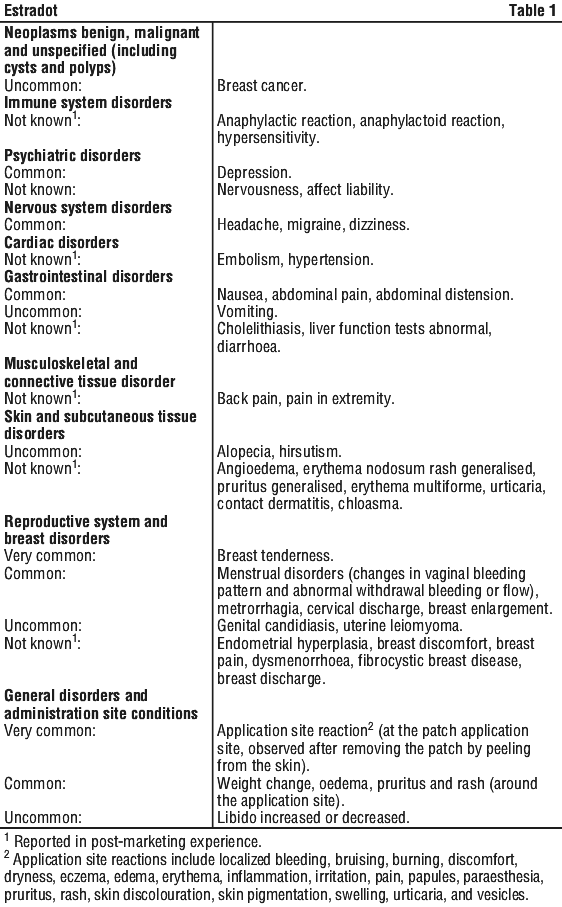
Adverse reactions from multiple sources including clinical trials (Table 1) and postmarketing experience are listed according to the system organ class in MedDRA. Within each system organ class, the adverse drug reactions are ranked by frequency, the most frequent first. Within each frequency grouping, adverse drug reactions are presented in the order of decreasing seriousness. In addition the corresponding frequency using the following convention (CIOMS III) is also provided for each adverse drug reaction: very common (≥ 1/10); common (≥ 1/100, < 1/10); uncommon (≥ 1/1,000, < 1/100); rare (≥ 1/10,000, < 1/1,000); very rare (< 1/10,000), including isolated reports and not known.
estrogen-dependent neoplasms, benign and malignant (e.g. endometrial cancer);
embolism venous thromboembolism (e.g. deep leg or pelvic venous thrombosis and pulmonary embolism);
cerebrovascular accident;
myocardial infarction;
cholestatic jaundice;
gallbladder disease;
aggravation of porphyria (see Section 4.3 Contraindications);
dementia;
chorea;
contact lens intolerance (dry eyes and tear film compositions changes);
purpura;
chloasma;
carbohydrate tolerance decreased.
Ovarian cancer. Use of estrogen-only or combined estrogen-progestogen HRT has been associated with a slightly increased risk of having ovarian cancer diagnosed.
A meta-analysis from 52 epidemiological studies reported an increased risk of ovarian cancer in women currently using HRT compared to women who have never used HRT (RR 1.43, 95% CI 1.31-1.56). For women aged 50 to 54 years taking 5 years of HRT, this results in about 1 extra case per 2000 users. In women aged 50 to 54 who are not taking HRT, about 2 women in 2000 will be diagnosed with ovarian cancer over a 5-year period.
4.9 Overdose
For information on the management of overdose, contact the Poisons Information Centre on 13 11 26 (Australia).
Acute overdosage is unlikely due to the mode of administration. The most common symptoms of overdosage in clinical use are breast tenderness and/or vaginal bleeding. If such symptoms occur, a reduction in dosage should be considered. The effects of overdosage can be rapidly reversed by removal of the patch.
Safety note concerning children. Estradot should be kept out of the reach of children both before and after use. Used patches contain residual estradiol.
5 Pharmacological Properties
5.1 Pharmacodynamic Properties
Mechanism of action. The active substance in Estradot, 17beta-estradiol, is chemically and biologically identical to the endogenous human 17beta-estradiol and is classified as a natural estrogen. It compensates for the decreasing estrogen production in menopausal women and alleviates menopausal symptoms. Estradiol prevents bone loss after the menopause or after an ovariectomy. When Estradot is used for the short-term relief of menopausal symptoms, it will provide a concomitant preventative effect in reducing bone mineral density loss.
Clinical trials. There are no clinical efficacy and safety data available for Estradot. However, the development of Estradot was based on the essential similarity of this product to Menorest (estradiol) patches, for which there are clinical data.
Study 305. A two year, randomised, double blind, placebo controlled study was conducted with Menorest in postmenopausal women. 242 (intent to treat) women received Menorest (25, 50 or 75 microgram/day) or placebo patches applied twice weekly for a 28 day cycle. In women with an intact uterus, dydrogesterone tablets were taken with Menorest, or placebo tablets with the placebo patch, for the last 14 days of the cycle. Changes in postmenopausal symptoms were evaluated as a secondary efficacy variable. All three active treatments produced a statistically significant decrease in the severity of hot flushes when compared to placebo. The difference between each active treatment group and placebo at 3 months was statistically significant (p ≤ 0.01) and continued throughout the study. The severity of sweating was also decreased in the active treatment groups compared to placebo at 3 months and was maintained for the duration of the study (p < 0.027 for all active treatment groups compared to baseline values).
Clinical data are not available for the elderly postmenopausal population.
Women's health initiative (WHI) studies. The Women's Health Initiative (WHI) enrolled a total of 27,000 predominantly healthy postmenopausal women to assess the risks and benefits of either the use of oral conjugated estrogens (CE) 0.625 mg/day alone or the use of a continuous combined regimen of conjugated estrogens 0.625 mg/day plus medroxyprogesterone acetate 2.5 mg/day (CE + MPA) compared to placebo in the prevention of certain chronic diseases. The primary endpoint was the incidence of coronary heart disease (CHD) (nonfatal myocardial infarction and CHD death), with invasive breast cancer as the primary adverse outcome studied. A "global index" included the earliest occurrence of CHD, invasive breast cancer, stroke, pulmonary embolism (PE), endometrial cancer, colorectal cancer, hip fracture, or death due to other cause. The study did not evaluate the effects of CE alone or CE + MPA on menopausal symptoms.
The estrogen alone substudy was stopped early because an increased risk of stroke was observed and it was deemed that no further information would be obtained regarding the risks and benefits of estrogen alone in predetermined primary endpoints. Results of the estrogen alone substudy, which included 10,739 women (average age of 63 years, range 50 to 79; 75.3% White, 15% Black, 6.1% Hispanic), after an average follow-up of 6.8 years are presented in Table 2.
The estrogen plus progestogen substudy was also stopped early because, according to the predefined stopping rule, the increased risk of breast cancer and cardiovascular events exceeded the specified benefits included in the "global index". Results of the estrogen plus progestogen substudy, which included 16,608 women (average age of 63 years, range 50 to 79; 83.9% White, 6.5% Black, 5.5% Hispanic), after an average follow-up of 5.2 years are presented in Table 3.
Women's health initiative memory study. The estrogen alone Women's Health Initiative Memory Study (WHIMS), a substudy of WHI, enrolled 2,947 predominantly healthy postmenopausal women 65 years of age and older (45% were age 65 to 69 years, 36% were 70 to 74 years, and 19% were 75 years of age and older) to evaluate the effects of conjugated estrogens (CE) 0.625 mg/day alone on the incidence of probable dementia (primary outcome) compared with placebo.
After an average follow-up of 5.2 years, 28 women in the estrogen alone group (37 per 10,000 women years) and 19 in the placebo group (25 per 10,000 women years) were diagnosed with probable dementia. The relative risk of probable dementia in the estrogen alone group was 1.49 (95% CI, 0.83 to 2.66) compared to placebo. It is unknown whether these findings apply to younger postmenopausal women. (See Boxed Warnings; see Section 4.4 Special Warnings and Precautions for Use, Dementia, Use in the elderly).
The estrogen plus progestogen WHIMS substudy enrolled 4,532 predominantly healthy postmenopausal women 65 years of age and older (47% were age 65 to 69 years, 35% were 70 to 74 years, and 18% were 75 years of age and older) to evaluate the effects of oral conjugated estrogens 0.625 mg/day plus medroxyprogesterone acetate 2.5 mg/day (CE + MPA) on the incidence of probable dementia (primary outcome) compared with placebo.
After an average follow-up of 4 years, 40 women in the estrogen/progestogen group (45 per 10,000 women years) and 21 in the placebo group (22 per 10,000 women years) were diagnosed with probable dementia. The relative risk of probable dementia in the hormone therapy group was 2.05 (95% CI, 1.21 to 3.48) compared to placebo. Differences between groups became apparent in the first year of treatment. It is unknown whether these findings apply to younger postmenopausal women. (See Boxed Warnings; see Section 4.4 Special Warnings and Precautions for Use, Dementia, Use in the elderly).
5.2 Pharmacokinetic Properties
Absorption. Transdermal administration of estradiol achieves therapeutic plasma concentrations using a lower total dose of estradiol than required with oral administration. Plasma levels of oestrone and oestrone conjugates are also lower with the transdermal route.
In studies in postmenopausal women with application of 2.5, 3.75, 5 and 10 cm2 Estradot patches, average peak estradiol serum levels (Cmax) were approximately 25 picogram/mL, 35 picogram/mL, 50-55 picogram/mL and 95-105 picogram/mL, respectively. Dose proportional pharmacokinetics have been demonstrated for estradiol following transdermal administration.
At steady state, after repeated applications of 5 cm2 (50 microgram/day) Estradot patches, estradiol Cmax and Cmin values (57 and 28 picogram/mL, respectively) were similar to those in the single application study, while oestrone Cmax and Cmin values were lower (42 and 31 picogram/mL, respectively).
A comparative, multiple dose, crossover bioequivalence study in 30 healthy postmenopausal women administered Estradot 50 or Menorest 50 for four 84 hour dosing periods with a 7 day washout period between treatments demonstrated that, at steady state, the AUC(0-84 h) and Cmax values for estradiol were comparable for the Estradot 50 microgram/day patch and the Menorest 50 microgram/day patch.
Distribution. Estradiol is more than 50% bound to plasma proteins such as sex hormone binding globulin and albumin. Only 2% is free and biologically active.
Metabolism. Once systemically absorbed, transdermally applied estradiol is metabolised in the same way as the endogenous hormone. Estradiol is metabolised primarily in the liver to oestrone, then later to oestriol, epioestriol and catechol estrogens, which are then conjugated to sulphates and glucuronides. Cytochrome 450 isoforms CYP1A2 and CYP3A4 catalyze the hydroxylation of estradiol forming oestriol. Oestriol is glucuronidated by UGT1A1 and UGT2B7 in humans. Estradiol metabolites are subject to enterohepatic circulation.
Excretion. The sulfate and glucuronide esters along with a small proportion of estradiol and several other metabolites are excreted in the urine. Only a small amount is excreted in faeces.
Since estradiol has a short half-life (approximately one hour), serum concentrations of estradiol and oestrone returned to baseline values within 24 hours following removal of the patch.
5.3 Preclinical Safety Data
Genotoxicity. There is limited evidence available in the literature suggesting that estradiol may be weakly genotoxic. Genotoxicity assays with estradiol have revealed no evidence of gene mutation in bacterial or mammalian cells, but there is evidence for the induction of chromosomal aberrations and aneuploidy and an increased incidence of sister chromatid exchanges (indicative of DNA damage) in mammalian cells. None of these effects were induced by estradiol in human lymphocyte cultures. Importantly, there was no evidence of micronuclei formation in rodent bone marrow micronucleus assays.
Carcinogenicity. Unopposed estrogen therapy in women with intact uteri is associated with an increased risk of endometrial carcinoma, particularly with prolonged use. An increased risk of tumours in estrogen-sensitive target organs, such as breast and ovary, is also associated with prolonged estrogen therapy (see Section 4.4 Special Warnings and Precautions for Use).
Long-term animal studies of natural and synthetic estrogens have shown an increased incidence of carcinomas in the breast, uterus, cervix, vagina, testis and liver.
6 Pharmaceutical Particulars
6.1 List of Excipients
Dipropylene glycol, povidone and oleyl alcohol. Proprietary ingredients: Gelva RA-788 acrylic adhesive, BIO PSA (R) 7 4502 silicone adhesive, Dow BLF 2550 non-removable backing layer film and Scotchpak 1022 removable release liner.
6.2 Incompatibilities
Incompatibilities were either not assessed or not identified as part of the registration of this medicine.
6.3 Shelf Life
In Australia, information on the shelf life can be found on the public summary of the Australian Register of Therapeutic Goods (ARTG). The expiry date can be found on the packaging.
6.4 Special Precautions for Storage
Store below 25°C. Protect from light. Do not freeze.
6.5 Nature and Contents of Container
Each Estradot patch is individually sealed in an aluminium laminate sachet.
Estradot is available in packs of 2 (sample pack) and 8 patches.
6.6 Special Precautions for Disposal
In Australia, any unused medicine or waste material should be disposed of by taking to your local pharmacy.
6.7 Physicochemical Properties
Chemical structure.
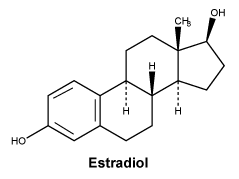
CAS number. CAS: 50-28-2.
7 Medicine Schedule (Poisons Standard)
Schedule 4 - Prescription Only Medicine Only.
Date of First Approval
05 February 2004
Date of Revision
08 July 2024
Summary Table of Changes

Reasonable care is taken to provide accurate information at the time of creation. This information is not intended as a substitute for medical advice and should not be exclusively relied on to manage or diagnose a medical condition. The Australian Commission on Safety and Quality in Health Care disclaims all liability (including for negligence) for any loss, damage, injury or any other negative effects resulting from reliance on or use of this information. Read our full disclaimer. This website uses cookies. Read our privacy policy.