
Fentanyl-hameln Injection
Brand Information
| Brand name | Fentanyl-hameln Injection |
| Active ingredient | Fentanyl |
| Schedule | S8 |
Consumer Medicine Information (CMI) leaflet
Please read this leaflet carefully before you start using the Fentanyl-hameln Injection.
Summary CMI
Fentanyl-hameln Injection
Consumer Medicine Information (CMI) summary
The full CMI on the next page has more details. If you are worried about using this medicine, speak to your doctor or pharmacist.
WARNING: Important safety information is provided in a boxed warning in the full CMI. Read before using this medicine.
1. Why am I being treated with Fentanyl-hameln Injection?
Fentanyl-hameln Injection contains the active ingredient fentanyl (as citrate). Fentanyl-hameln Injection is a short-term pain reliever that belongs to a group of medicines called opioid analgesics. It is most commonly used to relieve severe pain. It may also be used just before, or during, an operation, to help the anaesthetic work better.
For more information, see Section 1. Why am I being treated with Fentanyl-hameln Injection? in the full CMI.
2. What should I know before treatment with Fentanyl-hameln Injection?
Do not use if you have ever had an allergic reaction to fentanyl or any of the ingredients listed at the end of the CMI.
Talk to your doctor if you have any other medical conditions, take any other medicines, or are pregnant or plan to become pregnant or are breastfeeding.
For more information, see Section 2. What should I know before treatment with Fentanyl-hameln Injection? in the full CMI.
3. What if I am taking other medicines?
Some medicines may interfere with Fentanyl-hameln Injection and affect how it works.
A list of these medicines is in Section 3. What if I am taking other medicines? in the full CMI.
4. How is Fentanyl-hameln Injection given?
Your doctor will decide what dose of fentanyl you will receive. This depends on your age, physical condition and other factors, such as your weight.
More instructions can be found in Section 4. How is Fentanyl-hameln Injection given? in the full CMI.
5. What should I know during treatment with Fentanyl-hameln Injection?
| Things you should do |
|
| Things you should not do |
|
| Driving or using machines |
|
| Drinking alcohol |
|
| Looking after your medicine |
|
For more information, see Section 5. What should I know during treatment with Fentanyl-hameln Injection? in the full CMI.
6. Are there any side effects?
Common side effects include sweating, dizziness, faintness, nausea or vomiting. Tell your doctor immediately if you notice slow or troubled breathing, muscle stiffness, slowed heart rate, blurred vision, spasm of the larynx (voice box) or itching. If you experience serious side effects such as allergic reactions, agitation, hallucinations, twitching or loss of coordination, severe dizziness and weakness, irregular heart rate, changes in blood pressure, skin turning blue or unconsciousness, you may need urgent medical attention or hospitalisation.
For more information, including what to do if you have any side effects, see Section 6. Are there any side effects? in the full CMI.
Full CMI
WARNING:
Limitations of use
Fentanyl-hameln Injection should only be used when your doctor decides that other treatment options are not able to effectively manage your pain or you cannot tolerate them.
Hazardous and harmful use
Fentanyl-hameln Injection poses risks of abuse, misuse and addiction which can lead to overdose and death. Your doctor will monitor you regularly during treatment.
Life threatening breathing problems
Fentanyl-hameln Injection can cause life-threatening or fatal breathing problems (slow, shallow, unusual or no breathing) even when used as recommended. These problems can occur at any time during use, but the risk is higher when first starting fentanyl and after a dose increase, if you are older, or have an existing problem with your lungs. Your doctor will monitor you and change the dose as appropriate.
Use of other medicines while using fentanyl
Using fentanyl with other medicines that can make you feel drowsy such as sleeping tablets (e.g. benzodiazepines), other pain relievers, antihistamines, antidepressants, antipsychotics, gabapentinoids (e.g. gabapentin and pregabalin), cannabis and alcohol may result in severe drowsiness, decreased awareness, breathing problems, coma and death. Your doctor will minimise the dose and duration of use; and monitor you for signs and symptoms of breathing difficulties and sedation. You must not drink alcohol while using fentanyl.
Fentanyl-hameln Injection
Active ingredient(s): fentanyl (as citrate)
Consumer Medicine Information (CMI)
This leaflet provides important information about using Fentanyl-hameln Injection. You should also speak to your doctor or pharmacist if you would like further information or if you have any concerns or questions about using Fentanyl-hameln Injection.
Where to find information in this leaflet:
1. Why am I being treated with Fentanyl-hameln Injection?
2. What should I know before treatment with Fentanyl-hameln Injection?
3. What if I am taking other medicines?
4. How is Fentanyl-hameln Injection given?
5. What should I know during treatment with Fentanyl-hameln Injection?
6. Are there any side effects?
7. Product details
1. Why am I being treated with Fentanyl-hameln Injection?
Fentanyl-hameln Injection contains the active ingredient fentanyl (as citrate). Fentanyl-hameln Injection is a short-term pain reliever that belongs to a group of medicines called opioid analgesics. Fentanyl acts in the brain and spinal cord. It works quickly to reduce pain and its effects wear off quickly.
Fentanyl may be used alone but is usually used in hospital with other anaesthetics or with a sedative.
Your doctor may have prescribed it for another reason.
Ask your doctor if you have any questions about why this medicine has been prescribed for you.
If you are not sure whether you should be given this medicine, talk to your doctor or pharmacist.
2. What should I know before treatment with Fentanyl-hameln Injection?
Warnings
Do not use Fentanyl-hameln Injection if you:
- are allergic to fentanyl, or any of the ingredients listed at the end of this leaflet. Symptoms of an allergic reaction may include:
- shortness of breath
- wheezing or difficulty breathing
- swelling of the face, lips, tongue or other parts of the body
- rash, itching or hives on the skin.
Always check the ingredients to make sure you can use this medicine.
Check with your doctor if you:
- have or have had any other medical conditions, especially the following:
- kidney or liver problems
- lung or breathing problems
-- severe asthma
-- severe bronchitis
-- emphysema
- slow or irregular heartbeats;
- heart problems
- snoring or sleep apnoea (you temporarily stop breathing or have difficulty breathing while asleep)
- recent head injury
- are undergoing treatment with monoamine oxidase (MAO) inhibitors (e.g. phenelzine, tranylcypromine, moclobemide or selegiline) or have stopped MAO inhibitor treatment during the last fourteen days
- have myasthenia gravis (severe muscle weakness)
- have long-standing pain not related to cancer
- you have an underactive thyroid gland
- if you take any medicine that slows down your reactions (CNS depressants), especially benzodiazepines or related drugs. - or anyone in your family has ever abused or been dependent on alcohol, prescription medicines or illegal drugs (“addiction”)
- are a smoker
- have ever had problems with your mood (depression, anxiety or a personality disorder) or have been treated by a psychiatrist for other mental illnesses
- Fentanyl-hameln can cause sleep-related breathing disorders such as sleep apnoea and sleep related hypoxemia (low oxygen level in the blood). The symptoms can include breathing pauses during sleep, night awakening due to shortness of breath, difficulties to maintain sleep or excessive drowsiness during the day.
- Contact your doctor if you experience severe upper abdominal pain possibly radiating to the back, nausea, vomiting or fever as this could be symptoms associated with inflammation of the pancreas (pancreatitis) and the biliary tract system.
- adrenal insufficiency symptoms such as weakness, fatigue, lack of appetite, nausea, vomiting or low blood pressure.
- androgen deficiency symptoms such as loss of libido, impotence (erectile dysfunction) or your menstrual cycle stops.
- have difficulty swallowing, regurgitation, chest pain that is not related to your heart, especially if you have been using this medicine for a long time.
- take any medicines for any other condition
- have allergies to any other medicines, foods, preservatives or dyes.
- Repeated long term use of opioid painkillers may result in the drug being less effective (you become accustomed to it). It may also lead to dependence and abuse which may result in life-threatening overdose. If you have concern that you may become dependent on Fentanyl-hameln, it is important that you consult your doctor.
If you have not told your doctor or pharmacist about any of the above, tell them before you are given Fentanyl-hameln Injection.
During treatment, you may be at risk of developing certain side effects. It is important you understand these risks and how to monitor for them. See additional information under Section 6. Are there any side effects?
Pregnancy and breastfeeding
Check with your doctor if you are pregnant or intend to become pregnant.
If Fentanyl-hameln is used during labour, there is a risk that the newborn infant will experience breathing problems and signs of withdrawal.
Prolonged use of Fentanyl-hameln during pregnancy may cause drug dependence in the newborn infant and neonatal withdrawal syndrome.
Fentanyl-hameln given to the mother during labour can cause breathing problems and signs of withdrawal in the newborn.
Talk to your doctor if you are breastfeeding or intend to breastfeed.
Fentanyl-hameln passes into human breast milk and may cause sedation and breathing problems in the newborn infant. breastfeeding is not recommended for 24 hours following use of Fentanyl-hameln. Your doctor or pharmacist will discuss the possible risks and benefits of being given Fentanyl-hameln during breastfeeding.
Children
Fentanyl-hameln Injection should not be given to children under the age of 2 years. There is not enough information to recommend the use of this medicine for children under the age of 2 years.
3. What if I am taking other medicines?
Tell your doctor or pharmacist if you are taking any other medicines, including any medicines, vitamins or supplements that you buy without a prescription from your pharmacy, supermarket or health food shop.
Some medicines may interfere with Fentanyl-hameln Injection and affect how it works. These include:
- antidepressants or medicines for anxiety disorders such as:
- selective serotonin re-uptake inhibitors (SSRIs)
- serotonin norepinephrine reuptake inhibitors (SNRIs)
- monoamine oxidase (MAO) inhibitors (e.g. phenelzine, tranylcypromine and moclobemide) - MAO inhibitors used to treat Parkinson's disease e.g. selegiline, rasagiline and safinamide.
Medicines that may increase the effect of Fentanyl Injection include:
- macrolide antibiotics (e.g. erythromycin)
- azole-antifungal agents (e.g. ketoconizole)
- protease inhibitors or medication for HIV (e.g. ritonavir)
- barbiturates
- general anaesthetics and strong pain killers (e.g. opioid analgesics)
- sedating antipsychotics (e.g. droperidol, chlorpromazine, fluphenazine and thioridazine)
- centrally-active anti-emetics (e.g. metoclopramide and promethazine)
- benzodiazepines
- other medicines which may make you drowsy such as sleeping tablets, tablets to calm your nerves, sedatives, tranquilisers, hypnotics and muscle relaxants
- Gabapentinoids e.g. gabapentin, pregabalin
Medicines that may reduce the effect of Fentanyl Injection include:
- Rifampin (anti-tuberculosis medication)
- Carbamazepine
- Phenytoin
These medicines may be affected by Fentanyl-hameln Injection or may affect how well it works. You may need different amounts of your medicine, or different medicines. Your doctor or pharmacist will advise you.
Check with your doctor or pharmacist if you are not sure about what medicines, vitamins or supplements you are taking and if these affect Fentanyl-hameln Injection.
4. How is Fentanyl-hameln Injection given?
How much is given
- Your doctor will decide what dose you will receive.
This depends on your age, physical condition and other factors, such as your weight.
How is it given
- Your doctor or nurse will usually give Fentanyl-hameln Injection to you.
- Fentanyl-hameln Injection is given as an injection into a vein or muscle.
If you are given too much Fentanyl-hameln Injection (overdose)
Fentanyl-hameln Injection is administered under the care of a highly trained doctor so overdose rarely occurs.
If you think that you or somebody else has been given too much Fentanyl-hameln, you may need urgent medical attention.
You should immediately:
- phone the Poisons Information Centre (by calling 13 11 26), or
- contact your doctor, or
- go to the Emergency Department at your nearest hospital.
You should do this even if there are no signs of discomfort or poisoning
Symptoms of an overdose may include:
- slow, unusual or difficult breathing causing skin to turn blue
- severe drowsiness, dizziness or unconsciousness
- slow or weak heartbeat, decreases in heart rate and blood pressure
- nausea or vomiting
- convulsions or fits
- severe weakness or muscle stiffness
5. What should I know during treatment with Fentanyl-hameln Injection?
Things you should do
- Tell any other doctors, dentists and pharmacists who are treating you that you are being given Fentanyl-hameln Injection.
- If you are about to be started on any new medicine, tell your doctor, dentist or pharmacist that you are being given Fentanyl-hameln Injection.
- If you plan to have surgery that needs a local or general anaesthetic, tell your doctor or dentist you are being given Fentanyl-hameln Injection.
- If you become pregnant while you are being treated with Fentanyl-hameln Injection, tell your doctor or pharmacist.
- Tell your doctor, pharmacist or nurse if you have any concerns about being given Fentanyl-hameln Injection.
Addiction
You can become addicted to fentanyl even if you use it exactly as prescribed. Fentanyl may become habit forming causing mental and physical dependence. If abused it may become less able to reduce pain.
Dependence
As with all other opioid containing products, your body may become used to you using fentanyl. Using it for a long time (i.e. more than two weeks) may result in physical dependence (i.e. it can be habit-forming or addictive). Physical dependence means that you may experience withdrawal symptoms if you stop using fentanyl suddenly, so it is important to use it exactly as directed by your doctor.
However, it is also important to keep your pain under control. Your doctor can advise you on how to manage this.
Tolerance
Tolerance to fentanyl may develop, which means that the effect of the medicine may decrease. If this happens, more may be needed to maintain the same effect.
Withdrawal
Continue using your medicine for as long as your doctor tells you. If you stop using this medicine suddenly, your pain may worsen and you may experience some or all of the following withdrawal symptoms:
- nervousness, restlessness, agitation, trouble sleeping or anxiety
- body aches, weakness or stomach cramps
- loss of appetite, nausea, vomiting or diarrhoea
- increased heart rate, breathing rate or pupil size
- watery eyes, runny nose, chills or yawning
- increased sweating
Driving or using machines
Be careful before you drive or use any machines or tools until you know how Fentanyl-hameln Injection affects you.
Fentanyl-hameln Injection may cause feelings of weakness, dizziness, drowsiness and impairment of coordination in some people. Do not drive a car, operate machinery, or do anything else that could be dangerous until you doctor says it is safe to do so.
Drinking alcohol
Tell your doctor if you drink alcohol.
Fentanyl-hameln can increase the effect of alcohol.
Looking after your medicine
If you are being given Fentanyl-hameln Injection while in hospital, it will be stored in the pharmacy or in a locked cupboard on the ward.
Fentanyl-hameln Injection should be stored in a cool, dry place, protected from light where the temperature stays below 30°C.
Keep it where young children cannot reach it.
When to discard your medicine
Do not use this medicine after the expiry date.
Fentanyl-hameln Injection should not be given to you if the packaging is torn or shows signs of tampering.
6. Are there any side effects?
All medicines can have side effects. If you do experience any side effects, most of them are minor and temporary. However, some side effects may need medical attention.
See the information below and, if you need to, ask your doctor or pharmacist if you have any further questions about side effects.
Less serious side effects
| Less serious side effects | What to do |
| Speak to your doctor if you have any of these side effects and they worry you. |
Serious side effects
| Serious side effects | What to do |
Cardiovascular related
| Call your doctor straight away, or go straight to the Emergency Department at your nearest hospital if you notice any of these serious side effects. |
Tell your doctor or pharmacist if you notice anything else that may be making you feel unwell.
Other side effects not listed here may occur in some people.
Tell your doctor immediately if you have unwanted side effects which continue after your treatment has stopped.
Reporting side effects
After you have received medical advice for any side effects you experience, you can report side effects to the Therapeutic Goods Administration online at www.tga.gov.au/reporting-problems. By reporting side effects, you can help provide more information on the safety of this medicine.
Always make sure you speak to your doctor or pharmacist before you decide to stop taking any of your medicines.
7. Product details
This medicine is only available with a doctor's prescription.
What Fentanyl-hameln Injection contains
| Active ingredient (main ingredient) | Fentanyl citrate |
| Other ingredients (inactive ingredients) | Sodium hydroxide Hydrochloric acid Sodium chloride Water for injections |
Do not take this medicine if you are allergic to any of these ingredients.
Fentanyl-hameln Injection does not contain lactose, sucrose, gluten, tartrazine or any other azo dyes.
What Fentanyl-hameln Injection looks like
Fentanyl-hameln Injection is a sterile, aqueous, preservative-free, colourless or almost colourless solution in glass ampoules or vials.
It is available in the following strengths and pack sizes:
- 100 micrograms/2 mL x 5 or 10 ampoules (AUST R 434650)
- 500 micrograms/10 mL x 5 or 10 ampoules (AUST R 434651)
Who distributes Fentanyl-hameln Injection
hameln pharma Pty Ltd
Level 3, 302 Burwood Rd
Hawthorn, Victoria 3122
Australia
This leaflet was prepared in March 2026.
Brand Information
| Brand name | Fentanyl-hameln Injection |
| Active ingredient | Fentanyl |
| Schedule | S8 |
MIMS Revision Date: 01 May 2026
Hazardous and harmful use. Fentanyl-hameln poses risks of hazardous and harmful use which can lead to overdose and death. Assess the patient's risk of hazardous and harmful use before prescribing and monitor the patient regularly during treatment (see Section 4.4 Special Warnings and Precautions for Use).
Life threatening respiratory depression. Serious, life-threatening or fatal respiratory depression may occur with the use of Fentanyl-hameln. Be aware of situations which increase the risk of respiratory depression, modify dosing in patients at risk and monitor patients closely, especially on initiation or following a dose increase (see Section 4.4 Special Warnings and Precautions for Use).
Concomitant use of benzodiazepines and other central nervous system (CNS) depressants, including alcohol. Concomitant use of opioids with benzodiazepines, gabapentinoids, antihistamines, tricyclic antidepressants, antipsychotics, cannabis or other central nervous system (CNS) depressants, including alcohol, may result in profound sedation, respiratory depression, coma, and death.
Limit dosages and durations to the minimum required; and monitor patients for signs and symptoms of respiratory depression and sedation. Caution patients not to drink alcohol while taking Fentanyl-hameln.
1 Name of Medicine
Fentanyl (as citrate).
2 Qualitative and Quantitative Composition
100 microgram/2 mL. Each 2 mL of Fentanyl-hameln solution for injection contains 100 microgram of fentanyl (as citrate).
500 microgram/10 mL. Each 10 mL of Fentanyl-hameln solution for injection contains 500 microgram of fentanyl (as citrate).
For the full list of excipients, see Section 6.1 List of Excipients.
3 Pharmaceutical Form
Fentanyl-hameln solution for injection is a clear colourless solution with a pH 3.8-7.5.
4 Clinical Particulars
4.1 Therapeutic Indications
Fentanyl-hameln is indicated for:
analgesic action of short duration during anaesthetic periods, premedication, induction and maintenance, and in the immediate post-operative period (recovery room) as the need arises;
use as an opioid analgesic supplement in general and regional anaesthesia;
administration with a neuroleptic such as droperidol injection as an anaesthetic premedication, for the induction of anaesthesia, and as an adjunct in the maintenance of general and regional anaesthesia.
4.2 Dose and Method of Administration
This product contains no antimicrobial preservative. Fentanyl-hameln is for single use in one patient only. Discard any residue.
Dosage should be individualised. Some of the factors to be considered in determining the dose are: age, body weight, physical status, underlying pathological condition, use of other drugs, type of anaesthesia to be used, and the surgical procedure involved.
Vital signs should be monitored routinely.
Usual dosage in adults. Premedication (to be appropriately modified in the elderly, debilitated and those who have received other depressant drugs). 50 to 100 microgram (1 to 2 mL) may be administered intramuscularly 30 to 60 minutes prior to surgery.
Adjunct to general anaesthesia. Induction. 50 to 100 microgram (1 to 2 mL) may be administered initially intravenously and may be repeated at 2 to 3 minute intervals until the desired effect is achieved. A reduced dose as low as 25 to 50 microgram (0.5 to 1 mL) is recommended in elderly and poor-risk patients.
Maintenance. 25 to 50 microgram (0.5 to 1 mL) may be administered intravenously or intramuscularly when movement and/or changes in vital signs indicate surgical stress or lightening of analgesia.
Adjunct to regional anaesthesia. 50 to 100 microgram (1 to 2 mL) may be administered intramuscularly or slowly intravenously when additional analgesia is required.
Post-operatively - (recovery room). 50 to 100 microgram (1 to 2 mL) may be administered intramuscularly for the control of pain, tachypnoea, and emergence delirium. The dose may be repeated in one or two hours as needed.
Special populations. Elderly and debilitated patients. As with other opioids, the initial dose should be reduced in the elderly (> 65 years of age) and in debilitated patients. The effect of the initial dose should be taken into account in determining supplemental doses.
Renal impairment. See Section 4.4 Special Warnings and Precautions for Use, Use in renal impairment.
Paediatrics. For induction and maintenance in children 2-12 years of age, a reduced dose as low as 20 to 30 microgram (0.4 to 0.6 mL) per 10 kg is recommended. (See Section 4.4 Special Warnings and Precautions for Use of Fentanyl-hameln with other CNS depressants and in patients with altered response.)
Instructions for use and handling. Fentanyl should be given only in an environment where the airway can be controlled and by personnel who can control the airway (see Section 4.4 Special Warnings and Precautions for Use, Respiratory depression (hypoventilation)).
Wear gloves while opening the ampoule.
Accidental dermal exposure should be treated by rinsing the affected area with water. Avoid usage of soap, alcohol, and other cleaning materials that may cause chemical or physical abrasions to the skin.
4.3 Contraindications
Fentanyl-hameln is contraindicated in patients with known intolerance to fentanyl, any of the components of Fentanyl-hameln or other opioids.
Fentanyl-hameln should not be administered to children two years of age or younger, because safe conditions for use have not been established. (See Section 4.4 Special Warnings and Precautions for Use, Paediatric use.)
Fentanyl-hameln should not be administered to patients suffering from bronchial asthma. As for any opioid analgesic, it should not be used in patients with severe respiratory disease, acute respiratory disease and who may be particularly susceptible to respiratory depression, such as comatose patients who may have a head injury or brain tumour (see Section 4.4 Special Warnings and Precautions for Use). Severe and unpredictable potentiation by MAO inhibitors has been reported with opioid analgesics.
There is no evidence that fentanyl is potentiated by MAO inhibitors, but since such potentiation is found with other opioid analgesics, the use of Fentanyl-hameln in patients who have received MAO inhibitors within 14 days is not recommended. (See Section 4.4 Special Warnings and Precautions for Use; Section 4.5 Interactions with Other Medicines and Other Forms of Interactions.)
Fentanyl-hameln may cause thoracic muscle rigidity upon intravenous administration. Therefore, the need for reversal with muscle relaxants contraindicates its use in patients with a history of myasthenia gravis.
Fentanyl-hameln is contraindicated for use in chronic (long-term) non-cancer pain (CNCP).
4.4 Special Warnings and Precautions for Use
Hazardous and harmful use. Fentanyl-hameln contains the opioid fentanyl and is a potential drug of abuse, misuse and addiction. Addiction can occur in patients appropriately prescribed Fentanyl-hameln at recommended doses.
The risk of addiction is increased in patients with a personal or family history of substance abuse (including alcohol and prescription and illicit drugs) or mental illness. The risk also increases the longer the drug is used and with higher doses. Patients should be assessed for their risks for opioid abuse or addiction prior to being prescribed Fentanyl-hameln.
All patients receiving opioids should be routinely monitored for signs of misuse and abuse. Abuse or intentional misuse of Fentanyl-hameln may result in overdose and/or death. Opioids are sought by people with addiction and may be subject to diversion. Strategies to reduce these risks include prescribing the drug in the smallest appropriate quantity and advising the patient on the safe storage and proper disposal of any unused drug (see Section 6.4 Special Precautions for Storage; Section 6.6 Special Precautions for Disposal). Caution patients that abuse of oral or transdermal forms of opioids by parenteral administration can result in serious adverse events, which may be fatal.
Patients should be advised not to share Fentanyl-hameln with anyone else.
Respiratory depression (hypoventilation). Profound analgesia is accompanied by marked respiratory depression, which can persist or recur in the post-operative period. Hyperventilation during anaesthesia may alter the patient's responses to CO2, thus affecting respiration post-operatively. Therefore, patients should remain under appropriate surveillance.
Serious, life-threatening or fatal respiratory depression can occur with the use of opioids even when used as recommended. It can occur at any time during the use of Fentanyl-hameln but the risk is greatest during initiation of therapy or following an increase in dose. Patients should be monitored closely for respiratory depression at these times.
The risk of life-threatening respiratory depression is also higher in elderly, frail, or debilitated patients, in patients with existing impairment of respiratory function (e.g. chronic obstructive pulmonary disease; asthma) and in patients with renal and hepatic impairment (also see Use in renal impairment and Use in the elderly or debilitated patient). Opioids should be used with caution and with close monitoring in these patients (see Section 4.2 Dose and Method of Administration). During anaesthesia, this risk can be managed by assisted or controlled respiration. The use of opioids is contraindicated in patients with severe respiratory disease, acute respiratory disease and respiratory depression (see Section 4.3 Contraindications).
The risk of respiratory depression is greater with the use of high doses of opioids, especially high potency and modified release formulations, and in opioid naïve patients. Initiation of opioid treatment should be at the lower end of the dosage recommendations with careful titration of doses to achieve effective pain relief. Careful calculation of equianalgesic doses is required when changing opioids or switching from immediate release to modified release formulations, together with consideration of pharmacological differences between opioids. Consider starting the new opioid at a reduced dose to account for individual variation in response.
Respiratory depression caused by opioid analgesics is dose related and can be reversed by opioid antagonists, such as naloxone, but additional doses of naloxone may be necessary because the respiratory depression may last longer than the duration of action of the opioid antagonist. Consult individual prescribing information (naloxone) before employing opioid antagonists. Appropriate surveillance should be maintained because the duration of respiratory depression of doses of fentanyl employed during anaesthesia may be longer than the duration of opioid antagonist action. The use of an opioid antagonist will also reverse analgesia. Also see discussion of opioid antagonists in Section 4.9 Overdose.
Respiratory depression is more likely to occur with intravenous administration if a dose is given too rapidly and it rarely occurs with intramuscular administration.
Resuscitative equipment and an opioid antagonist should be readily available to manage apnoea.
Risk from concomitant use of benzodiazepines or other central nervous system (CNS) depressants including alcohol. Concomitant use of opioids and benzodiazepines or other CNS depressants, including alcohol, may result in sedation, respiratory depression, coma and death. Because of these risks, concomitant prescribing of Fentanyl-hameln with CNS depressant medicines, such as other opioid analgesics, benzodiazepines, gabapentinoids, cannabis, sedatives, hypnotics, tricyclic antidepressants, antipsychotics, antihistamines, centrally-active anti-emetics and other CNS depressants, should be reserved for patients for whom other treatment options are not possible. If a decision is made to prescribe Fentanyl-hameln concomitantly with any of the medicines, the lowest effective dose should be used, and the duration of treatment should be as short as possible. Patients should be followed closely for signs and symptoms of respiratory depression and sedation. Patients and their caregivers should be made aware of these symptoms. Patients and their caregivers should also be informed of the potential harms of consuming alcohol while taking Fentanyl-hameln.
Tolerance and opioid use disorder (abuse and dependence). Neuroadaptation of the opioid receptors to repeated administration of opioids can produce tolerance and physical dependence. Tolerance is the need for increasing doses to maintain analgesia. Tolerance may occur to both the desired and undesired effects of the opioid. Patients on chronic opioid therapy or with a history of opioid abuse may require higher doses.
Repeated use of opioids may lead to opioid use disorder (OUD). Abuse or intentional misuse of opioids may result in overdose and/or death. The risk of developing OUD is increased in patients with a personal or a family history (parents or siblings) of substance use disorders (including alcohol use disorder), in current tobacco users or in patients with a personal history of other mental health disorders (e.g. major depression, anxiety and personality disorders).
Physical dependence, which can occur after several days to weeks of continued opioid usage, results in withdrawal symptoms if the opioid is ceased abruptly or the dose is significantly reduced. Withdrawal symptoms can also occur following the administration of an opioid antagonist (e.g. naloxone) or partial agonist (e.g. buprenorphine). Withdrawal can result in some or all of the following symptoms: dysphoria, restlessness/agitation, lacrimation, rhinorrhoea, yawning, sweating, chills, myalgia, mydriasis, irritability, anxiety, increasing pain, backache, joint pain, weakness, abdominal cramps, insomnia, nausea, anorexia, vomiting, diarrhoea, increased blood pressure, increased respiratory rate and increased heart rate.
When discontinuing Fentanyl-hameln in a person who may be physically dependent, the drug should not be ceased abruptly but withdrawn by tapering the dose gradually (see Ceasing opioids; see Section 4.2 Dose and Method of Administration).
Neonatal withdrawal syndrome. There is a risk that newborn infants will experience neonatal withdrawal syndrome following prolonged use of opioids, including fentanyl, during pregnancy (see Section 4.6 Fertility, Pregnancy and Lactation, Use in pregnancy).
Accidental ingestion/exposure. Accidental ingestion or exposure of Fentanyl-hameln, especially by children, can result in a fatal overdose of fentanyl. Patients and their caregivers should be given information on safe storage and disposal of unused Fentanyl-hameln (see Section 6.4 Special Precautions for Storage; Section 6.6 Special Precautions for Disposal).
Hyperalgesia. Hyperalgesia may occur with the use of opioids, particularly at high doses. Hyperalgesia may manifest as an unexplained increase in pain, increased levels of pain with increasing opioid dosages or diffuse sensitivity not associated with the original pain. Hyperalgesia should not be confused with tolerance (see Tolerance, dependence and withdrawal). If opioid induced hyperalgesia is suspected, the dose should be reduced and tapered off if possible. A change to a different opioid may be required.
Ceasing opioids. Abrupt discontinuation or rapid decreasing of the dose in a person physically dependent on an opioid may result in serious withdrawal symptoms and uncontrolled pain (see Tolerance, dependence and withdrawal). Such symptoms may lead the patient to seek other sources of licit or illicit opioids. Opioids should not be ceased abruptly in a patient who is physically dependent but withdrawn by tapering the dose slowly. Factors to take into account when deciding how to discontinue or decrease therapy include the dose and duration of the opioid the patient has been taking, the type of pain being treated and the physical and psychological attributes of the patient. A multimodal approach to pain management should be in place before initiating an opioid analgesic taper. During tapering, patients require regular review and support to manage any increase in pain, psychological distress and withdrawal symptoms.
There are no standard tapering schedules suitable for all patients and an individualised plan is necessary. In general, tapering should involve a dose reduction of no more than 10 percent to 25 percent every 2 to 4 weeks (see Section 4.2 Dose and Method of Administration). If the patient is experiencing increased pain or serious withdrawal symptoms, it may be necessary to go back to the previous dose until stable before proceeding with a more gradual taper.
When ceasing opioids in a patient who has a suspected opioid use disorder, the need for medication assisted treatment and/or referral to a specialist should be considered.
Muscle rigidity. Fentanyl-hameln may cause muscle rigidity, particularly involving the muscles of respiration. This effect is related to the speed of injection and its incidence can be reduced by a slow intravenous injection (ordinarily sufficient for lower doses), premedication with benzodiazepines and the use of muscle relaxants.
Once the effect occurs, it is managed by the use of assisted or controlled respiration and, if necessary, by a neuromuscular blocking agent compatible with the patient's condition.
Non-epileptic (myo)clonic movements can occur.
Head injuries and increased intracranial pressure. Fentanyl-hameln is contraindicated in patients who may be particularly susceptible to respiratory depression, such as comatose patients who may have a head injury or brain tumour (see Section 4.3 Contraindications). In addition, Fentanyl-hameln fentanyl may obscure the clinical course of patients with a head injury.
The use of rapid bolus injections of opioids should be avoided in patients with compromised intracerebral compliance; in such patients the transient decrease in the mean arterial pressure has occasionally been accompanied by a short-lasting reduction of the cerebral perfusion pressure.
Cardiac effects. Fentanyl-hameln may produce bradycardia and possibly cardiac arrest if the patient has received an insufficient amount of anticholinergic, or when Fentanyl-hameln is combined with non-vagolytic muscle relaxants. Bradycardia may be treated with atropine. However, Fentanyl-hameln should be used with caution in patients with cardiac bradyarrhythmias.
Opioids may induce hypotension, especially in hypovolaemic patients. Appropriate measures to maintain a stable arterial pressure should be taken.
Serotonin syndrome. Caution is advised when Fentanyl-hameln is co-administered with drugs that affect the serotonergic neurotransmitter systems.
The development of a potentially life-threatening serotonin syndrome may occur with the concomitant use of serotonergic drugs such as selective serotonin re-uptake inhibitors (SSRIs) and serotonin norepinephrine re-uptake inhibitors (SNRIs), and with drugs which impair metabolism of serotonin (including monoamine oxidase inhibitors [MAOIs]). This may occur within the recommended dose.
Serotonin syndrome may include mental-status changes (e.g. agitation, hallucinations, coma), autonomic instability (e.g. tachycardia, labile blood pressure, hyperthermia), neuromuscular abnormalities (e.g. hyperreflexia, incoordination, rigidity), and/or gastrointestinal symptoms (e.g. nausea, vomiting, diarrhoea).
If serotonin syndrome is suspected, rapid discontinuation of Fentanyl-hameln should be considered.
General. As has been observed with all opioid analgesics, episodes suggestive of sphincter of Oddi spasm may occur with Fentanyl-hameln.
Vital signs should be monitored carefully.
Obese patients. Fentanyl-hameln should be administered with additional caution in obese patients. Obese patients should be observed carefully for signs of fentanyl toxicity.
Use in renal impairment. Opioids should be titrated with caution. It is recommended to reduce the dosage of Fentanyl-hameln in patients with renal impairment. They should be observed carefully for signs of fentanyl toxicity. Such patients also require prolonged post-operative monitoring.
Use in the elderly or debilitated patient. It is recommended to reduce the dosage of Fentanyl-hameln in the elderly and in debilitated patients. Opioids should be titrated with caution in patients with any of the following conditions: uncontrolled hypothyroidism, pulmonary disease, decreased respiratory reserve, alcoholism, or impaired hepatic function. Such patients also require prolonged post-operative monitoring.
Paediatric use. The safety of Fentanyl-hameln in children younger than two years of age has not been established.
Effects on laboratory tests. No data available.
Sleep‐related breathing disorders. Opioids can cause sleep-related breathing disorders including central sleep apnoea (CSA) and sleep-related hypoxemia. Opioid use increases the risk of CSA in a dose-dependent fashion. In patients who present with CSA, consider decreasing the total opioid dosage.
Adrenal insufficiency. Adrenal insufficiency has been reported with opioid use, more often following long-term use. Symptoms may include nausea, vomiting, anorexia, fatigue, weakness, dizziness, or low blood pressure. If adrenal insufficiency is suspected, appropriate laboratory testing is recommended and discontinuation of treatment with Fentanyl-hameln should be considered.
Endocrine effects. Opioids, such as Fentanyl-hameln, may influence the hypothalamic-pituitary-adrenal or -gonadal axes. Hormonal disturbances that have been observed include an increase in serum prolactin and decreases in plasma cortisol and testosterone. Clinical symptoms may manifest from these hormonal changes.
Androgen deficiency may manifest as low libido, impotence, erectile dysfunction, amenorrhea, or infertility.
Hepatobiliary disorders. Opioids may cause dysfunction and spasm of the sphincter of Oddi, thus raising intrabiliary pressure and increasing the risk of biliary tract symptoms and pancreatitis. Therefore, Fentanyl-hameln has to be administered with caution in patients with pancreatitis and diseases of the biliary tract.
Gastrointestinal toxicity. Reports of significant oesophageal dysfunction have been observed via high-resolution manometry in patients taking opioid medicines on a long-term basis. Discontinuation or weaning of opioids should be considered in patients presenting with oesophageal complaints including but not limited to dysphagia, regurgitation, or non-cardiac chest pain.
4.5 Interactions with Other Medicines and Other Forms of Interactions
Effects of other medicines on Fentanyl-hameln. Central nervous system (CNS) depressants. Drugs, such as, barbiturates, benzodiazepines or related drugs, neuroleptics, opioids, alcohol, antihistamines, cannabis, centrally active antiemetics, gabapentinoids (gabapentin and pregabalin), general anaesthetics, hypnotics, sedatives, tricyclic antidepressants and other CNS depressants will have additive or potentiating effects with Fentanyl-hameln. When patients have received such CNS depressant drugs, the dose of Fentanyl-hameln required may be less than usual. Concomitant use with Fentanyl-hameln in spontaneous breathing patients may increase the risk of respiratory depression, profound sedation, coma and death (see Section 4.4 Special Warnings and Precautions for Use). Post-operative opioids including Fentanyl-hameln and other depressants should be given initially in reduced doses, as low as 1/4 to 1/3 of those usually recommended. As with other opioids, the respiratory depressant effect of Fentanyl-hameln persists longer than the measured analgesic effect. The total dose of all opioid analgesics should be considered before ordering opioid analgesics during recovery from anaesthesia.
Conduction anaesthesia. Certain forms of conduction anaesthesia, such as spinal anaesthesia and some peridural anaesthetics, can alter respiration by blocking intercostal nerves. Through other mechanisms (see Section 5 Pharmacological Properties) Fentanyl-hameln can also alter respiration. Therefore, when Fentanyl-hameln is used to supplement these forms of anaesthesia, the anaesthetist should be familiar with the special properties of each drug (particularly with the widely differing durations of actions), the physiological alterations involved and be prepared to manage them in patients selected for these forms of anaesthesia.
Neuroleptics. If Fentanyl-hameln is administered with a neuroleptic, the user should be familiar with the special properties of each drug, particularly the difference in duration of action. When Fentanyl-hameln is used with a neuroleptic such as droperidol, blood pressure may be altered and hypotension can occur. If this occurs, the possibility of hypovolaemia should also be considered and managed with appropriate parenteral fluid therapy. Repositioning the patient improves venous return to the heart and should be considered when operative conditions permit. Care should be exercised in moving and positioning patients because of the possibility of orthostatic hypotension. If volume expansion with fluids together with other counter measures do not correct hypotension, the administration of pressor agents other than adrenaline should be considered. Because of the alpha-adrenergic blocking action of droperidol, adrenaline may paradoxically decrease the blood pressure in patients treated with droperidol. Pulmonary arterial pressure may also be decreased. This should be considered when interpreting pulmonary arterial pressure measurements as it might determine the final management of the patient. When droperidol is used with Fentanyl-hameln and the EEG is used for post-operative monitoring, it may be found that the EEG pattern returns to normal slowly. Neuroleptics can induce extrapyramidal symptoms that can be controlled with anti-Parkinson agents.
Monoamine oxidase inhibitors (MAOI). Severe and unpredictable potentiation by MAO inhibitors has been reported with opioid analgesics. Since the safety of fentanyl in this regard has not been established, the use of Fentanyl-hameln in patients who have received MAO inhibitors within 14 days is not recommended.
Serotonergic drugs. Coadministration of fentanyl with a serotonergic agent, such as a selective serotonin re-uptake inhibitor (SSRI) or a serotonin norepinephrine re-uptake inhibitor (SNRI) or a monoamine oxidase inhibitor (MAOI), may increase the risk of serotonin syndrome, a potentially life-threatening condition.
Cytochrome P450 3A4 (CYP 3A4) inhibitors. Fentanyl, a high clearance drug, is rapidly and extensively metabolised in the liver via CYP 3A4 enzyme and has a high hepatic extraction ratio. Therefore, hepatic blood flow rather than enzyme activity is the main determinant of fentanyl clearance. Theoretically, co administration of CYP 3A4 enzyme inhibitors should cause only a small increase in plasma concentrations of fentanyl. When Fentanyl-hameln is used, the concomitant use of a CYP3A4 inhibitor may result in a decrease in fentanyl clearance. With single-dose Fentanyl-hameln administration, the period of a risk of respiratory depression may be prolonged, which may require special patient care and longer observation. With multiple-dose Fentanyl-hameln administration, the risk for acute and/or delayed respiratory depression may be increased, and a dose reduction of Fentanyl-hameln may be required to avoid accumulation of fentanyl.
Ritonavir is a highly potent inhibitor of CYP 3A4. Oral administration of ritonavir in healthy volunteers, at 200-300 mg t.d.s. for 2 days, significantly inhibits the metabolism of fentanyl at a dose of 5 microgram/kg, given as a single intravenous infusion over 2 minutes. Ritonavir decreased the clearance of fentanyl by 67%, prolonged the half-life of fentanyl by 100% and increased AUC (0 to infinity) by 174%. Ritonavir had no significant effect on the steady state volume of distribution of fentanyl. When fentanyl is given continuously with ritonavir, the dose of fentanyl should be reduced in order to lower the risk for severe and prolonged respiratory depression. When fentanyl is given as a single dose concomitantly with ritonavir, the duration of respiratory monitoring should be increased and the dose of fentanyl may need to be reduced. Oral administration of itraconazole (another potent inhibitor of CYP 3A4) at 200 mg/day for 4 days did not have a statistically significant effect on the pharmacokinetics of fentanyl at a dose of 3 microgram/kg given as a single intravenous infusion over 2 minutes. Co-administration of other potent or less potent CYP3A inhibitors, such as voriconazole or fluconazole, and Fentanyl-hameln may also result in an increased and/or prolonged exposure to fentanyl.
There are no data on the in vivo interactions between fentanyl and other drugs inhibiting CYP 3A4 (e.g. ketoconazole, erythromycin, diltiazem and cimetidine).
Effects of Fentanyl-hameln on other medicines. Following the administration of fentanyl, the dose of other CNS-depressant drugs should be reduced. This is particularly important after surgery, because profound analgesia is accompanied by marked respiratory depression, which can persist or recur in the postoperative period. Administration of a CNS depressant, such as benzodiazepine or related drugs, during this period may disproportionally increase the risk of respiratory depression (see Section 4.4 Special Warnings and Precautions for Use).
For etomidate, the total plasma clearance is decreased by 2.7-fold and volume of distribution is decreased by a factor 2.4 while half-life increased by 1.2 times when administered with fentanyl. Simultaneous administration of fentanyl and intravenous midazolam results in an increase in the terminal plasma half-life and a reduction in the plasma clearance of midazolam. When these drugs are co-administered with fentanyl their dose may need to be reduced.
4.6 Fertility, Pregnancy and Lactation
Effects on fertility. Impairment of fertility has been observed in female rats given fentanyl 160 microgram/kg/day subcutaneously (no effect dose not established) or 400 microgram/kg/day intravenously (no effect dose 100 microgram/kg/day). Fertility in male rats was unaffected at 400 microgram/kg/day intravenously.
Use in pregnancy. (Category C)
There are no adequate data from the use of fentanyl in pregnant women. The foetal respiratory centre is particularly sensitive to opiates. Intramuscular or intravenous administration during childbirth (including caesarean section) is not recommended because fentanyl crosses the placenta (foetal blood concentrations about 40% of maternal blood concentrations) and may suppress spontaneous respiration in the newborn period. If fentanyl is administered, assisted ventilation equipment must be immediately available for the mother and infant if required. An opioid antagonist for the child must always be available. Prolonged use of an opioid, including fentanyl, during pregnancy may cause drug dependence in the neonate, leading to neonatal withdrawal syndrome. If opioid use is required for a prolonged period in a pregnant woman, advise the patient of the risk of neonatal opioid withdrawal syndrome and ensure that appropriate treatment will be available.
In pregnant rats, fentanyl is embryocidal as evidenced by increased resorptions at doses of 30 microgram/kg/day intravenously or 160 microgram/kg/day or greater subcutaneously. Intravenous administration to rats at 30 microgram/kg/day during organogenesis was associated with prolonged delivery time and increased postnatal mortality of offspring. There was no effect on embryofoetal development when rats received subcutaneous fentanyl at doses up to 500 microgram/kg/day throughout gestation, and no evidence of teratogenicity in rabbits administered fentanyl at intravenous doses up to 400 microgram/kg/day during organogenesis. The potential risk for humans is unknown.
Use in lactation. Fentanyl is excreted into human milk and may cause sedation/respiratory depression in the newborn/infant. Therefore, breast-feeding or use of expressed breast milk is not recommended for 24 hours following the administration of Fentanyl-hameln. The risk/benefit of breast-feeding following Fentanyl-hameln administration should be considered.
4.7 Effects on Ability to Drive and Use Machines
Patients should only drive or operate a machine if sufficient time has elapsed (at least 24 hours) after the administration of Fentanyl-hameln.
4.8 Adverse Effects (Undesirable Effects)
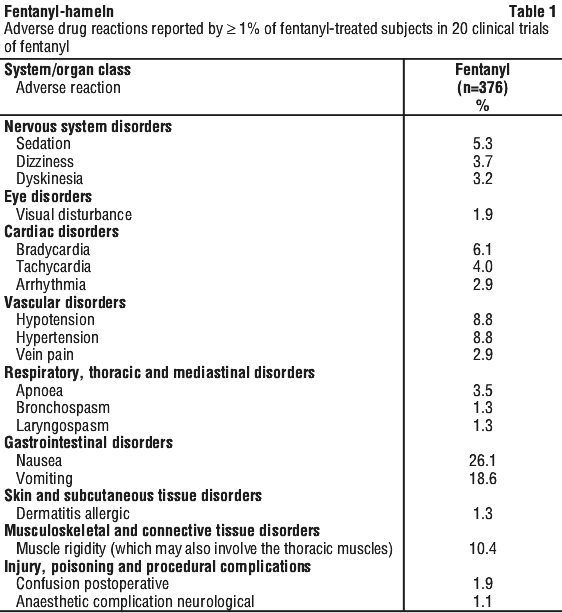
Clinical trial data. The safety of fentanyl was evaluated in 376 subjects who participated in 20 clinical trials evaluating fentanyl used as an anaesthetic. These subjects took at least one dose of fentanyl and provided safety data. Adverse drug reactions (ADRs), as identified by the investigator, reported for ≥ 1% of fentanyl-treated subjects in these studies are shown in Table 1.
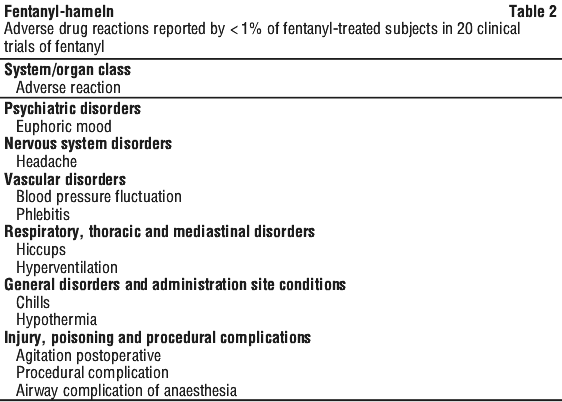
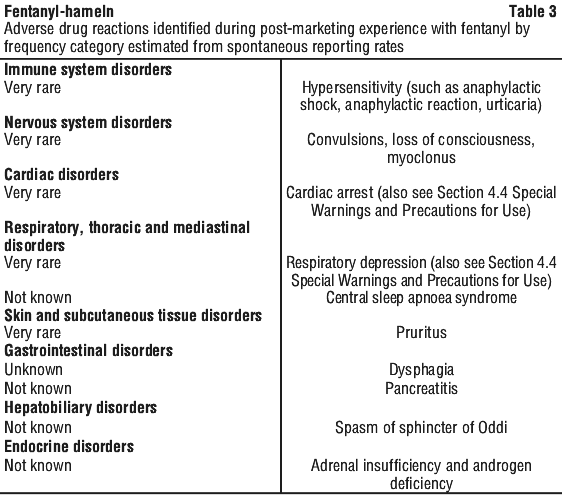
Reporting suspected adverse effects. Reporting suspected adverse reactions after registration of the medicinal product is important. It allows continued monitoring of the benefit-risk balance of the medicinal product. Healthcare professionals are asked to report any suspected adverse reactions at www.tga.gov.au/reporting-problems.
4.9 Overdose
The oral LD50 for fentanyl in rats is 18.0 mg/kg. The intravenous LD50 is 2.3 mg/kg, and the intramuscular LD50 is 1.0 mg/kg in rats. The toxic dose in man is unknown.
Signs and symptoms. The manifestations of fentanyl overdosage are an extension of its pharmacological actions. In sufficient overdosage, fentanyl would produce narcosis, which may be preceded by marked skeletal muscle rigidity. Respiratory depression, which can vary in severity from bradyapnoea to apnoea, may occur. This may be accompanied by cyanosis, followed by a fall in body temperature, circulatory collapse, coma and death. Toxic leukoencephalopathy has been observed with fentanyl overdose.
Treatment. In the presence of hypoventilation or apnoea, oxygen should be administered and respiration should be assisted or controlled as indicated. A patent airway must be maintained. An oropharyngeal airway or endotracheal tube might be indicated. If depressed respiration is associated with muscular rigidity, an intravenous neuromuscular blocking agent might be required to facilitate assisted or controlled respiration.
A specific opioid antagonist, such as naloxone, should be available for use as indicated to manage respiratory depression. This does not preclude the use of more immediate countermeasures. The duration of respiratory depression following over dosage of fentanyl may be longer than the duration of opioid antagonist action. Consult the package insert of the individual opioid antagonists for details about use. The patient should be carefully observed for 24 hours. Body warmth and adequate fluid intake should be maintained. If hypotension occurs, and is severe or persists, the possibility of hypovolaemia should be considered and managed with appropriate parenteral fluid therapy. The use of an opioid antagonist will also reverse analgesia.
For information on the management of overdose, contact the Poisons Information Centre on 13 11 26 (Australia).
5 Pharmacological Properties
5.1 Pharmacodynamic Properties
Mechanism of action. Fentanyl is a potent opioid analgesic with a rapid onset and short duration of action. The principal actions of therapeutic value are analgesia and sedation. At a dose of 100 microgram (2 mL), the analgesic activity of fentanyl is approximately equivalent to 10 mg of morphine or 75 mg of pethidine. Fentanyl differs from morphine by its short duration of analgesic activity, lack of emetic activity, and minimal hypotensive activity.
The action of fentanyl is qualitatively similar to those of morphine and pethidine, i.e. analgesia, euphoria, miosis, bradycardia, respiratory depression, bronchoconstriction, muscle rigidity and suppression of cough reflexes. These effects can be reversed by specific opioid antagonists, e.g. naloxone. As with morphine, fentanyl-induced bradycardia from vagal stimulation is blocked or reversed by atropine. Alterations in respiratory rate and alveolar ventilation, associated with opioid analgesics may last longer than the analgesic effect. As the dose of the opioid is increased, the decrease in pulmonary exchange becomes greater. Larger doses may produce apnoea. The behavioural effects in mice of fentanyl and morphine are similar, and with toxic doses death is due to respiratory depression. The respiratory depressant properties of fentanyl appear to be due to a central effect by decreasing the sensitivity of the respiratory centre to carbon dioxide. In an experiment in cats, no effect on neuromuscular transmission was observed in the presence of severe respiratory depression.
Histamine assays and skin wheal testing in man, as well as in vivo testing in dogs, indicate that histamine release rarely occurs with fentanyl. Experiments in dogs, have shown that intravenously administered fentanyl at doses 2-4 times the recommended human dose, had minimal effect on blood pressure and heart rate. Much higher doses of fentanyl citrate, ranging from 100-400 microgram/kg, produce an immediate fall in blood pressure, followed by partial recovery, and a sustained hypotensive effect lasting up to 30 minutes.
Fentanyl produces a minimum of cortical depression, and it is suggested that it exerts its action by filling receptor sites located in the thalamus, mid-brain, and spinal cord. A specific opioid antagonist, e.g. naloxone, produces reversal of respiratory, cardiovascular, miotic, and motor incoordination effects, as well as analgesia, euphoria, and sedation. Rigidity of the diaphragm and intercostal muscles can be eliminated by succinylcholine. Cholinergic effects, e.g. bradycardia, are reversed by atropine.
Clinical trials. No data available.
5.2 Pharmacokinetic Properties
The onset of action of fentanyl is almost immediate when the drug is given intravenously. However, the maximal analgesic and respiratory depressant effect may not be noted for several minutes. The usual duration of action of analgesic effect is 30 to 60 minutes after a single I.V. dose of up to 100 microgram. Following intramuscular administration, the onset of action is from 7 to 8 minutes and the duration of action is 1 to 2 hours.
As with longer acting opioid analgesics, the duration of the respiratory depressant effect of fentanyl may be longer than the analgesic effect. The following observations have been reported concerning altered respiratory response to CO2 stimulation following administration of fentanyl to man:
Diminished sensitivity to CO2 stimulation may persist longer than depression of respiratory rate.
Fentanyl frequently slows the respiratory rate, but this effect is seldom noted for longer than 30 minutes regardless of the dose administered. Altered sensitivity to CO2 stimulation has been demonstrated for up to four hours following a single intravenous dose of 600 microgram (12 mL) fentanyl to healthy volunteers. Duration and degree of respiratory depression is dose-related.
The peak respiratory depressant effect of a single intravenous dose of fentanyl is noted 5 to 15 minutes following injection. (Also see Section 4.4 Special Warnings and Precautions for Use concerning respiratory depression.)
Distribution. After intravenous injection, fentanyl plasma concentrations fall rapidly, with sequential distribution half-lives of 1 minute and 18 minutes and a terminal elimination half-life of 475 minutes. Fentanyl has a Vc (volume of distribution of the central compartment) of 13 L, and a total Vdss (distribution volume at steady-state) of 339 L. The total blood binding of fentanyl is about 83% (comprised of plasma protein binding about 43% and red blood cell binding about 40%).
Metabolism. Fentanyl is extensively metabolised by the liver and it has a high hepatic extraction ratio (0.8 - 1.0). Consequently, the hepatic clearance of fentanyl approaches hepatic blood flow. In humans, in vitro experiments have demonstrated that fentanyl is metabolised mainly by cytochrome P450 3A4 (CYP 3A4) to norfentanyl via oxidative N-dealkylation.
Elimination. Approximately 75% of the administered dose is excreted in the urine within 72 hours and only 8.4% of the dose recovered in urine is present as unchanged drug.
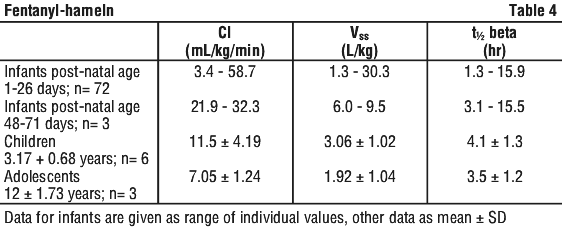
Special populations. Paediatrics. Pharmacokinetic information in children is limited and obtained from different sources. CYP3A4 activity is very low at birth but increases after birth to reach 30-40% of adult levels at 1 month of age. The clearance and volume of distribution adjusted for body weight are higher in infants and children than in adults after iv administration of fentanyl. The terminal elimination half-life is longer in newborn infants. See Table 4.
Adult patients with burns. An increase in median clearance of 45% together with a larger volume of distribution results in lower fentanyl plasma concentrations. This may require an increased dose of fentanyl.
5.3 Preclinical Safety Data
Genotoxicity. Fentanyl showed no evidence of genotoxic potential in assays for gene mutations (Ames reverse mutation test, mouse lymphoma thymidine kinase assay), chromosomal damage (Chinese hamster ovary cells, mouse micronucleus test) and other genotoxic effects (unscheduled DNA synthesis in rat hepatocytes, mammalian cell transformation assay). The genotoxic potential of fentanyl is considered to be low.
Carcinogenicity. In a two-year carcinogenicity study in rats, fentanyl was not associated with an increased incidence of tumours at subcutaneous doses up to 33 microgram/kg/day in males or 100 microgram/kg/day in females, which were the respective maximum tolerated doses.
6 Pharmaceutical Particulars
6.1 List of Excipients
Sodium chloride, hydrochloric acid and sodium hydroxide for pH adjustment, water for injection.
6.2 Incompatibilities
Incompatibilities were either not assessed or not identified as part of the registration of this medicine.
6.3 Shelf Life
In Australia, information on the shelf life can be found on the public summary of the Australian Register of Therapeutic Goods (ARTG). The expiry date can be found on the packaging.
6.4 Special Precautions for Storage
Keep container in outer carton to protect from light. Store below 30°C.
6.5 Nature and Contents of Container
Fentanyl-hameln fentanyl (as citrate) 100 microgram/2 mL solution for injection is supplied in Type 1 clear glass ampoules, in cartons of 5 and 10 ampoules.
Fentanyl-hameln fentanyl (as citrate) 500 microgram/10 mL solution for injection is supplied in Type 1 clear glass ampoules, in cartons of 5 and 10 ampoules.
6.6 Special Precautions for Disposal
In Australia, any unused medicine or waste material should be disposed of in accordance with local requirements.
6.7 Physicochemical Properties
Chemical structure. Fentanyl citrate is a 4-anilinopiperidine derivative.
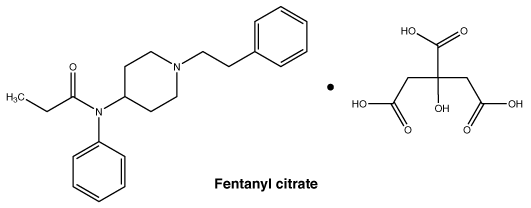
Formula: C22H28N2O,C6H8O7.
MW: 528.6.
CAS number. 438-38-7.
7 Medicine Schedule (Poisons Standard)
Controlled Drug (Schedule 8).
Date of First Approval
22 April 2025
Date of Revision
26 March 2026
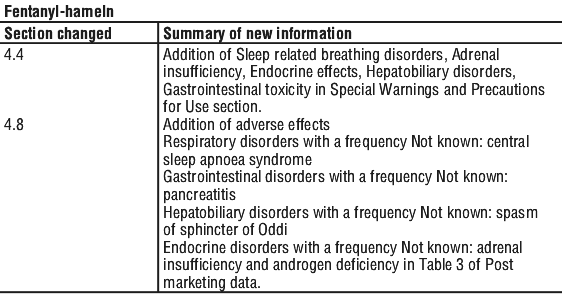
Summary Table of Changes
Reasonable care is taken to provide accurate information at the time of creation. This information is not intended as a substitute for medical advice and should not be exclusively relied on to manage or diagnose a medical condition. The Australian Commission on Safety and Quality in Health Care disclaims all liability (including for negligence) for any loss, damage, injury or any other negative effects resulting from reliance on or use of this information. Read our full disclaimer. This website uses cookies. Read our privacy policy.