
Ferriprox 500 mg Tablets
Brand Information
| Brand name | Ferriprox 500 mg Tablets |
| Active ingredient | Deferiprone |
| Schedule | S4 |
Consumer Medicine Information (CMI) leaflet
Please read this leaflet carefully before you start using the Ferriprox 500 mg Tablets.
Summary CMI
FERRIPROX®
Consumer Medicine Information (CMI) summary
The full CMI on the next page has more details. If you are worried about using this medicine, speak to your doctor or pharmacist.
1. Why am I taking FERRIPROX?
FERRIPROX contains the active ingredient deferiprone. FERRIPROX is used in adults and children over 1 year old for the treatment of iron overload in patients with thalassaemia major who are unable to take desferrioxamine or in whom desferrioxamine therapy has proven ineffective.
For more information, see Section 1. Why am I taking FERRIPROX? in the full CMI.
2. What should I know before I take FERRIPROX?
Do not use if you have had an allergic or hypersensitivity reaction to deferiprone in the past, or any of the ingredients lis ted at the end of the CMI.
Do not use if you have a history of repeated episodes of neutropenia (low white blood cell count) or a history of agranulocytosis (very low white blood cell count <0.5x10⁹/L).
Talk to your doctor if you have any other medical conditions, take any other medicines, or are pregnant or plan to become pregnant or are breastfeeding.
For more information, see Section 2. What should I know before I take FERRIPROX? in the full CMI.
3. What if I am taking other medicines?
Tell your doctor about any other medicines you are taking. Some medicines and FERRIPROX may interfere with each other or make you more likely to get side effects.
A list of these medicines is in Section 3. What if I am taking other medicines? in the full CMI.
4. How do I take FERRIPROX?
Your doctor will tell you how much to take. The usual dose is three times a day, with or without food.
More instructions can be found in Section 4. How do I take FERRIPROX? in the full CMI.
5. What should I know while taking FERRIPROX?
| Things you should do |
|
| Things you must not do |
|
| Driving or using machines | FERRIPROX should not affect your ability to drive or use machinery. However, be careful driving, operating machinery or doing jobs that require you to be alert until you know how this medicine affects you. |
| Looking after your medicine |
|
For more information, see Section 5. What should I know while taking FERRIPROX? in the full CMI.
6. Are there any side effects?
All medicines can have side effects. If you do experience any side effects, most of them are minor and temporary.
Less serious side effects include joint pain and swelling, abdominal pain, diarrhoea, nausea, vomiting, increase in appetite, headache, and change in colour of your urine to reddish/brown.
Serious side effects that need you to tell your doctor about immediate include symptoms of an infection such as fever, sore throat, flu-like symptoms); allergic symptoms (such as rash, itching, hives on the skin, swelling of the face, lips, tongue or other parts of the body); problems with your heart such as fast, slow or irregular heartbeat.
For more details and the complete list of possible side effects and what to do, see Section 6. Are there any side effects? in the full CMI.
Full CMI
FERRIPROX®
Active ingredient: deferiprone
Consumer Medicine Information (CMI)
This leaflet provides important information about taking FERRIPROX. Speak to your doctor or pharmacist if you would like further information or if you have any concerns or questions about using FERRIPROX.
Where to find information in this leaflet:
1. Why am I taking FERRIPROX?
2. What should I know before I take FERRIPROX?
3. What if I am taking other medicines?
4. How do I take FERRIPROX?
5. What should I know while taking FERRIPROX?
6. Are there any side effects?
7. Product details
1. Why am I taking FERRIPROX?
FERRIPROX contains the active ingredient deferiprone. Ferriprox is a medicine that removes iron from the body.
FERRIPROX is used in adults and children over 1 year old is used for the treatment of iron overload in patients with thalassaemia major who are unable to take desferrioxamine or in whom desferrioxamine therapy has proven ineffective.
In a disease such as thalassaemia major, there is accumulation of iron in the body in those patients who are dependent on blood transfusions. If not removed, the iron levels can reach a serious level in the body as a result of the accumulation. By removing the excess iron from the body, Ferriprox can reduce the serious effects of iron overload.
2. What should I know before I take FERRIPROX?
Warnings
Do not take FERRIPROX if you:
- are allergic to deferiprone or any of the ingredients listed at the end of this leaflet
- have a history of repeated episodes of neutropenia (low white blood cell count)
- have a history of agranulocytosis (a very low white blood cell count <0.5x10⁹/L)
Always check the ingredients to make sure you can take this medicine.
Check with your doctor if:
- You have or have had any of the following medical conditions:
- liver problems including hepatitis.
- kidney problems.
- heart problems, low potassium or low magnesium levels.
- HIV or other medical conditions where your immune system is compromised. - You take any medicines for anything else.
While taking FERRIPROX, you may be at risk of getting certain side effects. It is important you understand these risks and how to watch for them. See extra information under Section 6. Are there any side effects?
Pregnancy and breastfeeding
Check with your doctor if you are pregnant or intend to become pregnant.
Do not take FERRIPROX if you are pregnant, or if you are trying to become pregnant. This medication could seriously harm your baby. You must use effective contraception while you are taking FERRIPROX.
Do not take FERRIPROX if you are breast-feeding. It is not known if this medicine passes into breastmilk.
3. What if I am taking other medicines?
Tell your doctor or pharmacist if you are taking any other medicines, including any medicines, vitamins or supplements that you buy without a prescription from your pharmacy, supermarket or health food shop.
Other medicines and FERRIPROX may interfere with each other, affect the way they all work and/or increase the risk of side effects. These include:
- medicines that have the effect of lowering your blood white cell count, which could make you more likely to get an infection
- antacids (medicines that relieve heartburn and indigestion) that contain aluminium as an ingredient
- Vitamin C
Check with your doctor or pharmacist if you are not sure about what medicines, vitamins or supplements you are taking and if these interfere with FERRIPROX.
4. How do I take FERRIPROX?
How much to take
Your doctor (specialist) will tell you how much to take. It depends on your blood tests and your body weight.
The usual dose of FERRIPROX is three (3) times per day.
When to take FERRIPROX
Take your first dose in the morning. Take your second dose at midday. Take your third dose in the evening. Take it at about the same time every day.
You can take it with or without food, but it may help to take it with meals to help you remember to take it, or if you have nausea or vomiting (feeling or being sick).
How to take FERRIPROX
- To open bottles with child-resistant caps, press down on the cap and turn it counter-clockwise. To close it, turn it clockwise.
- Use the measuring cup provided with FERRIPROX Oral Solution to measure the volume your doctor has told you to take.
- Add about 10-15 mL of water to the measuring cup and swirl it around to mix the water with any remaining medicine in the cup and drink the mixture.
- The measuring cup should be hand-washed with water after use.
If you forget to take FERRIPROX
If you miss your dose at the usual time, skip the dose you missed and take your next dose when you are meant to.
Do not take a double dose to make up for the dose you missed.
If you take too much FERRIPROX
You should immediately:
- phone the Poisons Information Centre
(by calling 13 11 26) in Australia, or - contact your doctor, or
- go to the Emergency Department at your nearest hospital.
You should do this even if there are no signs of discomfort or poisoning.
5. What should I know while taking FERRIPROX?
Things you should do
- Keep your appointments with your doctor.
- Have all tests recommended by your doctor, to monitor your progress and manage any side effects. These may include tests on your blood, liver and kidney.
- Take any supplements that your doctor recommends.
- Make sure you always use sunscreen when taking FERRIPROX, as it can make your skin more likely to react to the sun - i.e., sunburn, rash.
- Remind any doctor, dentist or pharmacist you visit that you are taking FERRIPROX, especially if they are giving you a new medicine to take, or if you are having any other blood tests, as FERRIPROX can interfere with some tests.
Stop taking FERRIPROX and call your doctor straight away if:
- you become pregnant or plan to become pregnant.
- you get symptoms of an infection (fever, sore throat, flu-like symptoms)
Things you must not do
- Do not change the dosage or stop taking FERRIPROX unless your doctor tells you to.
- Do not take FERRIPROX to treat any other complaints unless your doctor tells you to.
- Do not give your medicine to anyone else, even if they have the same condition as you.
Driving or using machines
FERRIPROX is unlikely to affect your alertness but be careful before you drive or use any machines or tools until you know how FERRIPROX affects you.
Looking after FERRIPROX
Storage instructions:
Keep your medicine in its original container until it is time to take your dose.
- Store below 30°C, protect it from light.
- After first opening, store it in the refrigerator (2°C to 8°C) and do not freeze.
- Use within 35 days of first opening.
Store all medicines in a cool dry place away from moisture, heat or sunlight; for example, do not store them:
- in the bathroom or near a sink, or
- in the car or on windowsills.
Keep them where young children cannot see or reach them.
When to discard your medicine
Discard your medicine if:
- your doctor or pharmacist tells you to stop taking this medicine
- the expiry date has passed
- the packaging is torn or shows signs of tampering
Getting rid of any unwanted medicine
Take it to any pharmacy where it will be disposed of safely.
6. Are there any side effects?
All medicines can have side effects. If you do have any side effects, most of them will be minor and short-lived. However, some side effects may need medical attention.
See the information below and ask your doctor or pharmacist if you have any questions about side effects.
Less serious side effects
| Less serious side effects | What to do |
Bone, muscle and tissues
| Speak to your doctor if you have any of these less serious side effects and they worry you. |
Serious side effects
| Serious side effects | What to do |
General body
| Call your doctor straight away or go straight to the Emergency Department at your nearest hospital if you notice any of these serious side effects. |
Tell your doctor or pharmacist if you notice anything else that may be making you feel unwell.
Other side effects not listed may occur in some people.
Always speak to your doctor or pharmacist before you decide to stop taking any of your medicines.
Reporting side effects
After you have received medical advice for any side effects you experience, you can report side effects to the Therapeutic Goods Administration online at www.tga.gov.au/reporting-problems.
7. Product details
This medicine is only available with a doctor's prescription.
What FERRIPROX contains
| Active ingredient (main ingredient) |
|
| Other ingredients (inactive ingredients) |
|
| Potential allergens |
|
Do not take this medicine if you are allergic to any of these ingredients.
What FERRIPROX looks like
Clear, reddish orange solution with a peppermint and cherry -flavoured aroma.
The solution is packed in a round amber PET bottles with white child-resistant caps and graduated 30 mL plastic dosing cup.
Bottle sizes of :
250 mL (containing a total of 25 g deferiprone) and
500 mL (containing a total of 50 g deferiprone).
Not all pack sizes or strengths may be available.
ARTG Numbers:
Ferriprox 25 g in 250 mL oral solution: AUST R 125665
Ferriprox 50 g in 500 mL oral solution: AUST R 125666
Who distributes FERRIPROX
Chiesi Australia Pty Ltd
Level 7, Suite 1, 500 Bourke Street,
Melbourne, VIC 3000
Email: medinfo.au@chiesi.com
Website: www.chiesi.com.au
This leaflet was prepared in November 2025
Brand Information
| Brand name | Ferriprox 500 mg Tablets |
| Active ingredient | Deferiprone |
| Schedule | S4 |
MIMS Revision Date: 01 January 2026
1 Name of Medicine
Deferiprone.
2 Qualitative and Quantitative Composition
Ferriprox 500 mg film-coated tablet. Each film-coated tablet contains 500 mg deferiprone as the active ingredient.
Ferriprox 1000 mg film-coated tablet. Each film-coated tablet contains 1000 mg deferiprone as the active ingredient.
Ferriprox 100 mg/mL oral solution. Each mL of oral solution contains 100 mg deferiprone as the active substance. The 250 mL bottle contains a total dose of 25 g of deferiprone and the 500 mL bottle contains a total dose of 50 g of deferiprone.
Excipients with known effect. Sucralose (oral solution only).
For the full list of excipients, see Section 6.1 List of Excipients.
3 Pharmaceutical Form
500 mg film-coated tablet. Ferriprox tablets are white to off white, capsule-shaped, film-coated, scored and imprinted "APO" bisect "500" on one side, and plain on the other side. The tablets are breakable in half.
1000 mg film-coated tablet. Ferriprox tablets are white to off-white, capsule-shaped, film-coated, scored and imprinted "APO" bisect "1000" on one side, and plain on the other side. The tablets are breakable in half.
100 mg/mL oral solution. Ferriprox oral solution is a clear, reddish orange solution with a peppermint and cherry-flavoured aroma.
4 Clinical Particulars
4.1 Therapeutic Indications
Ferriprox is indicated for the treatment of iron overload in patients with thalassaemia major who are unable to take desferrioxamine or in whom desferrioxamine therapy has proven ineffective.
4.2 Dose and Method of Administration
Method of administration. For oral administration.
Therapy with Ferriprox should be initiated and maintained by a physician experienced in the treatment of patients with transfusional haemosiderosis.
Dosage. The effect of Ferriprox in decreasing the body iron is influenced by the dose and degree of iron overload. Ferriprox is given as 25 mg/kg to 33 mg/kg body weight, orally, three times a day for a total daily dose of 75 mg/kg to 100 mg/kg body weight. The recommended initial total daily dose of Ferriprox is 75 mg/kg body weight. After starting Ferriprox therapy, it is recommended that serum ferritin concentrations or other indicators of body iron load be monitored every two to three months to assess the long-term effectiveness of the chelation regimen in controlling body iron load. Dose adjustments should be tailored to the individual patient's response and therapeutic goals (maintenance or reduction of body iron burden). Interruption of Ferriprox therapy should be considered if serum ferritin falls below 500 microgram/L.
Doses above 100 mg/kg/day are not recommended because of the limited experience with these higher doses of Ferriprox.
Dosage per kilogram body weight should be calculated to the nearest half tablet or to the nearest 2.5 mL. See dosage tables.
Dosage tables for 75 mg/kg/day. To obtain a dose of about 75 mg/kg/day, use the dose suggested in Tables 1, 2 and 3 for the body weight of the patient.
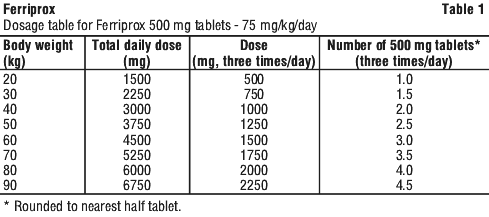
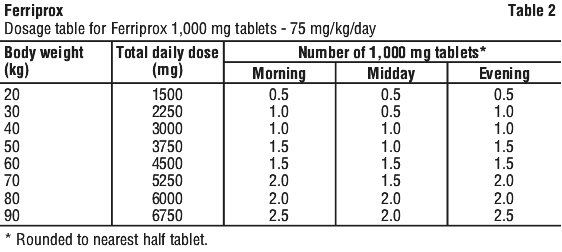
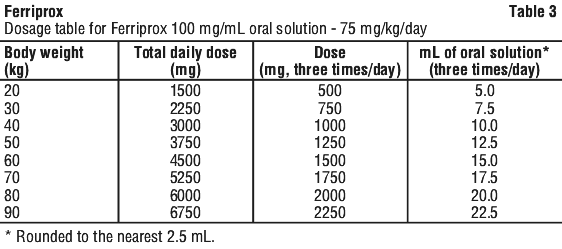
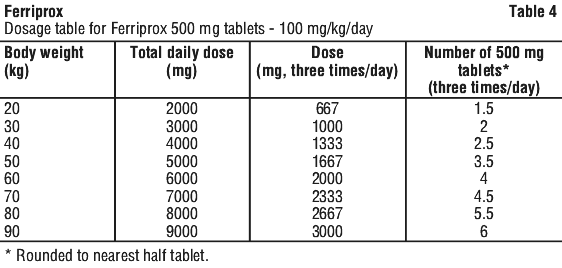
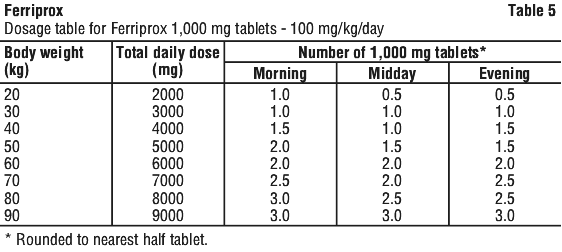
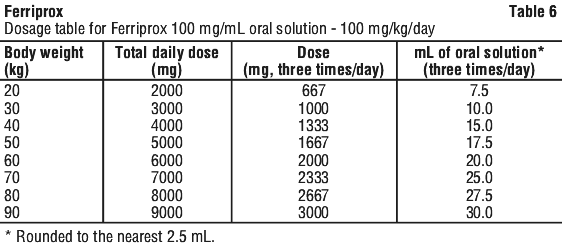
Dosage adjustment in renal and hepatic impairment. Currently there are no available data in patients with renal impairment and limited data on the use of Ferriprox in patients with hepatic impairment. Caution must be used when treating patients with renal insufficiency or hepatic dysfunction (see Section 4.4 Special Warnings and Precautions for Use).
4.3 Contraindications
Ferriprox is contraindicated in patients who:
have demonstrated hypersensitivity to the active substance or any of the excipients;
have a history of recurrent episodes of neutropenia;
have a history of agranulocytosis;
are pregnant or breastfeeding.
4.4 Special Warnings and Precautions for Use
Neutropenia/ agranulocytosis. Ferriprox has been shown to cause neutropenia, including agranulocytosis, which may lead to the development of a serious and potentially life-threatening infection. It is recommended that a patient's neutrophil count be monitored every week.
The most serious adverse event of therapy reported in clinical trials with Ferriprox is agranulocytosis (absolute neutrophil count < 0.5 x 10⁹/L) with an incidence of 1.9% (0.9 cases per 100 patient years of treatment). The observed incidence of the less severe form of neutropenia (absolute neutrophil count < 1.5 x 10⁹/L but > 0.5 x 10⁹/L) is 6.4% (3.6 cases per 100 patient years). This rate should be considered in context of the underlying elevated incidence of neutropenia in thalassaemia patients, particularly in those with hypersplenism.
Based on clinical trials, it is recommended that the absolute neutrophil count be monitored weekly to enable prompt detection of neutropenia and agranulocytosis. In the event of neutropenia or agranulocytosis, Ferriprox treatment should be stopped (see below for guidelines on re-initiating treatment).
If the patient develops an infection, Ferriprox therapy should be interrupted and the absolute neutrophil count should be monitored more frequently. Patients should be advised to report immediately to their physician any symptoms indicative of infection such as: fever, sore throat or flu-like symptoms.
Suggested management for cases of neutropenia is outlined below. It is recommended that such a management protocol be in place prior to initiating any patient on Ferriprox treatment.
Treatment with Ferriprox should not be initiated if the patient is neutropenic.
In the event of neutropenia. Instruct the patient to immediately discontinue Ferriprox and all other medications with a potential to cause medicinal product associated neutropenia. The patient should be advised to limit contact with other individuals in order to reduce the risk of potential infection. Obtain a complete blood cell count immediately upon diagnosing the event and then repeat daily. It is recommended that following recovery of the absolute neutrophil count, weekly complete blood cell count continue to be obtained for three consecutive weeks, to ensure that the patient recovers fully. Should any evidence of infection develop concurrent with the neutropenia, the appropriate cultures and diagnostic procedures should be performed and an appropriate antibiotic regimen instituted.
In the event of severe neutropenia or agranulocytosis. Follow the guidelines above and administer appropriate therapy such as granulocyte colony stimulating factor, beginning the same day that the event is identified; administer daily until the absolute neutrophil count recovers. Provide protective isolation and if clinically indicated, admit patient to hospital.
Limited data are available regarding rechallenge. Therefore in the event of neutropenia rechallenge is not recommended. In the event of agranulocytosis a rechallenge is contraindicated.
HIV positive or other immune compromised patients. No data are available on the use of Ferriprox in HIV positive or in other immune compromised patients. Given that Ferriprox is associated with neutropenia and agranulocytosis, therapy in immune compromised patients should not be initiated unless potential benefits outweigh potential risks.
Allergic reactions. Ferriprox oral solution contains the colouring agent sunset yellow FCF which may cause allergic reactions.
QT prolongation. No significant inhibition of hERG K+ channels was seen at deferiprone concentrations up to 3,000 microM, and no effect on QT interval or other cardiovascular and electrocardiographic parameters were noted in iron loaded and non-iron loaded monkeys that received deferiprone for up to 12 months. However, the tested concentrations and doses were low, limiting the predictive value of negative findings. One episode of Torsade de pointes during therapy with Ferriprox was observed in a patient with a history of QT prolongation. Ferriprox should be administered with caution to patients who may be at increased risk of prolongation of the cardiac QT interval (e.g. those with congestive heart failure, bradycardia, use of a diuretic, cardiac hypertrophy, hypokalemia or hypomagnesemia). Any patient taking Ferriprox who experiences symptoms suggestive of an arrhythmia (such as palpitations, dizziness, lightheadedness, syncope, or seizures) should seek medical attention immediately.
Discolouration of urine. Patients should be informed that a reddish/brown discolouration of the urine is commonly associated with Ferriprox use; the discolouration is due to the excretion of the iron-Ferriprox complex, which is a chromophore.
Neurological disorders. Neurological disorders have been observed in children treated with more than 2.5 times the maximum recommended dose for several months but have also been observed with standard doses of deferiprone in patients with mild or normal iron load. Prescribers are reminded that the dose should be adjusted to the severity of the iron load and that the use of doses above 100 mg/kg/day is not recommended. Deferiprone use should be discontinued if neurological disorders are observed (see Section 4.8 Adverse Effects (Undesirable Effects); Section 4.9 Overdose).
Use in hepatic impairment. There are limited data on the safety and efficacy of Ferriprox in patients with hepatic impairment. Ferriprox is metabolised by the liver and therefore caution should be exercised in such patients and hepatic function should be monitored.
In thalassaemia patients there is an association between liver fibrosis and hepatitis C. Special care must be taken to ensure that iron chelation in patients with hepatitis C is optimal. In these patients, careful monitoring of liver histology is recommended.
Ferriprox has been associated with hepatotoxicity (increased ALT) in some patients. If there is a persistent increase in serum ALT, interruption of Ferriprox therapy should be considered.
Use in renal impairment. Currently, there are no available data in patients with renal impairment. Since Ferriprox and its metabolites are excreted by the kidney, there may be an increased risk of complications in patients with impaired renal function. Caution must be used when treating patients with renal impairment.
Use in the elderly. Currently, there are no available data in elderly patients.
Paediatric use. The safety and efficacy of Ferriprox for paediatric use was evaluated in 220 children aged 1 to 15 years with transfusion dependent anaemias. The data show that Ferriprox was effective in decreasing body iron load as measured by serum ferritin concentrations and it was not associated with new health concerns in this patient population. The effects of Ferriprox on growth are unknown.
Effects on laboratory tests. Serum ferritin concentrations. It is recommended that serum ferritin concentrations be monitored regularly (every two to three months) to assess the long-term effectiveness of the chelation regimen in controlling the body iron load. Interruption of therapy with Ferriprox should be considered if serum ferritin measurements fall below 500 microgram/L.
Plasma Zn2+. Monitoring of plasma Zn2+, and supplementation in case of a deficiency is recommended.
4.5 Interactions with Other Medicines and Other Forms of Interactions
Due to the unknown mechanism of Ferriprox induced neutropenia, patients should not take medicinal products known to be associated with neutropenia or those that can cause agranulocytosis.
Interactions between Ferriprox and other medicinal products have not been reported. However, since this compound binds to some metallic cations, the potential exists for interactions between Ferriprox and trivalent cation dependent medicinal products such as aluminium based antacids. Therefore, it is not recommended to concomitantly ingest aluminium based antacids with Ferriprox.
The safety of concurrent use of Ferriprox and vitamin C has not been formally studied. Based on the reported adverse interaction that can occur between desferrioxamine and vitamin C, caution should be used when administering concurrent Ferriprox and vitamin C.
Studies in vitro and in animals suggest that Ferriprox does not increase the risk of opportunistic Yersinia infections in iron overload conditions.
4.6 Fertility, Pregnancy and Lactation
Effects on fertility. No effect on fertility or early embryonic development, and no effect on reproductive performance were noted in naive (non-iron loaded) male and female rats that received deferiprone orally at 75 mg/kg twice daily (0.3 times the clinical dose based on body surface area) for 28 days (males) or 2 weeks (females) prior to mating and until termination (males) or through early gestation (females).
Atrophy of the testis was reported at oral doses of greater than or equal to 400 mg/kg/day in non-iron loaded dogs, corresponding to about 3 times the recommended initial human dose of 75 mg/kg/day, based on body surface area.
Use in pregnancy. (Category D)
Reproductive studies in non-iron loaded rats and rabbits have indicated that Ferriprox is teratogenic and embryotoxic at doses corresponding to human equivalent doses (on a body surface area basis) considerably below the recommended daily dose in patients.
Women of childbearing potential should be advised to avoid pregnancy due to the potential mutagenic, clastogenic and teratogenic properties identified in preclinical studies with Ferriprox. Women should be counselled to take contraceptive measures and should be advised to immediately stop taking Ferriprox should they become pregnant or plan to become pregnant.
Use in lactation. There is no relevant data on the use of Ferriprox in nursing mothers. No perinatal/postnatal reproductive studies have been conducted in animals. Ferriprox should not be used in nursing mothers.
4.7 Effects on Ability to Drive and Use Machines
There is no evidence that Ferriprox affects the ability of patients to drive or use machines.
4.8 Adverse Effects (Undesirable Effects)
Adverse effect information for Ferriprox represents the pooled data collected from 590 subjects with chronic iron overload secondary to transfusion dependent anemias, primarily subjects with thalassaemia major, who participated in single arm or active controlled clinical studies. (See Table 7.)
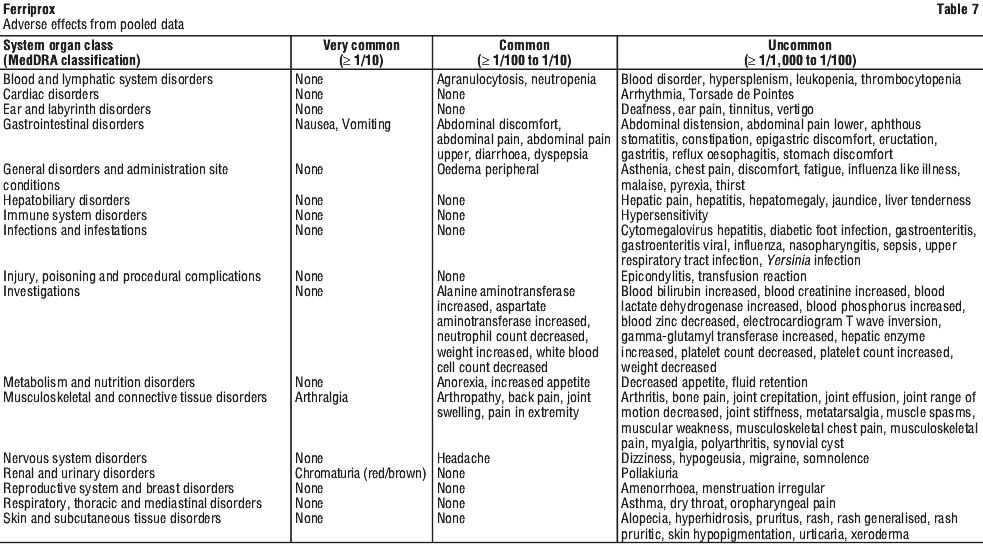
Arthropathy events ranged from mild pain in one or more joints to severe arthritis with effusion and significant disability. Mild arthropathies are generally transient.
Increased ALT levels have been reported in some patients taking Ferriprox. This increase, which occurred most frequently during the first 3 months of therapy, was generally mild, and resolved either without discontinuation or after decreasing the dosage of Ferriprox in the majority of patients.
Some patients experienced progression of liver fibrosis associated with an increase in iron overload or hepatitis C. Special care must be taken to ensure that iron chelation in patients with hepatitis C is optimal. In these patients, careful monitoring of liver histology is recommended.
Low plasma zinc levels have been associated with Ferriprox, in a minority of patients. The levels normalised with oral zinc supplementation.
Neurological disorders (such as cerebellar symptoms, diplopia, lateral nystagmus, psychomotor slowdown, hand movements and axial hypotonia) have been observed in children who had been voluntarily prescribed more than 2.5 times the maximum recommended dose of 100 mg/kg/day for several months. Episodes of hypotonia, instability, inability to walk, and hypertonia with inability of limb movement, have been reported in children in the post-marketing setting with standard doses of deferiprone. The neurological disorders progressively regressed after deferiprone discontinuation (see Section 4.4 Special Warnings and Precautions for Use; Section 4.9 Overdose).
Postmarketing experience. The following adverse experiences have been reported in patients receiving Ferriprox worldwide since its first market authorisation in 1999. Because these reactions are reported voluntarily from a population of uncertain size, it is not always possible to reliably estimate their frequency or to establish a causal relationship to drug exposure.
Blood and lymphatic system disorders. Agranulocytosis and mild/moderate neutropenia, febrile neutropenia, thrombocytopenia, thrombocythemia, leukopenia, granulocytopenia, pancytopenia.
Cardiac disorders. Atrial fibrillation, cardiac disorder, cardiac failure, congestive cardiac failure, sinus tachycardia.
Congenital, familial and genetic disorders. Congenital anomaly, hypospadias, nonacute porphyria.
Eye disorders. Diplopia, papilloedema, eye movement disorder, periorbital oedema, retinal toxicity visual impairment.
Gastrointestinal disorders. Cecitis, enterocolitis, rectal haemorrhage, gastric ulcer, vomiting, nausea, diarrhoea, abdominal pain, stomatitis, pancreatitis, dysphagia, parotid gland enlargement.
General disorders and administration site conditions. Asthenia, chills, difficulty in walking, face oedema, hyperpyrexia, pyrexia, fatigue, oedema peripheral, multiorgan failure.
Hepatobiliary disorders. Hepatic function abnormal, jaundice, hepatomegaly.
Immune system disorders. Anaphylactic shock, hypersensitivity.
Infections and infestations. Cryptococcal cutaneous infection, encephalitis enteroviral, neutropenic sepsis, parapharyngeal abscess, Yersinia infection, bacterial infection, septic shock, pneumonia, infection, sepsis, parapharyngeal abscess, furuncle, subcutaneous abscess, tonsillitis urinary tract infection.
Investigations. Anti-HBs antibody positive, blood arsenic increased, blood bilirubin increase, haemoglobin decrease, alanine aminotransferase increased, aspartate aminotransferase increased, blood corticotrophin decreased, blood cortisol decreased, hepatic enzymes increased, neutrophil count decreased, urine colour abnormal.
Metabolism and nutrition disorders. Metabolic disorders, dehydration.
Musculoskeletal and connective tissue disorders. Arthralgia, arthritis, bone pain, joint effusion, joint swelling pain in extremity, chondropathy, osteoarthritis, myositis, polyarthritis.
Neoplasms benign, malignant and unspecified (including cysts and polyps). Hepatic neoplasm malignant.
Nervous system disorders. Cerebellar syndrome, cerebral haemorrhage, convulsion, coordination abnormal, dystonia, febrile convulsion, hypotonia, intracranial pressure increased, nystagmus, psychomotor skills impaired, headache, depressed level of consciousness, dizziness, balance disorder.
Pregnancy, puerperium and perinatal conditions. Intrauterine death.
Psychiatric disorders. Depression, obsessive compulsive disorder.
Renal and urinary disorders. Renal failure, haemoglobinuria, glycosuria, chromaturia.
Reproductive system and breast disorders. Balanitis.
Respiratory, thoracic and mediastinal disorders. Respiratory acidosis, haemoptysis, dyspnoea, lung disorder, pulmonary embolism, epistaxis, oropharyngolaryngeal pain, pharyngeal erythema.
Skin, subcutaneous tissue disorders. Photosensitivity reaction, pruritus, urticaria, rash erythematous, rash, Henoch-Schonlein purpura, rash maculopapular.
Vascular disorders. Hypotension, hypertension.
Reporting suspected adverse effects. Reporting suspected adverse reactions after registration of the medicinal product is important. It allows continued monitoring of the benefit-risk balance of the medicinal product. Healthcare professionals are asked to report any suspected adverse reactions at www.tga.gov.au/reporting-problems.
4.9 Overdose
Acute toxicity and symptoms. There have been no reports of acute overdose with Ferriprox.
Neurological disorders (such as cerebellar symptoms, diplopia, lateral nystagmus, psychomotor slowdown, hand movements and axial hypotonia) have been observed in children who had been voluntarily prescribed more than 2.5 times the maximum recommended dose of 100 mg/kg/day for several months. The neurological disorders progressively regressed after Ferriprox discontinuation.
Management and treatment. In case of overdosage, close clinical supervision of the patient is required.
For information on the management of overdose, contact the Poisons Information Centre on 13 11 26 (Australia).
5 Pharmacological Properties
5.1 Pharmacodynamic Properties
Mechanism of action. Deferiprone is an orally active synthetic bidentate iron (III) chelator (pFe3+ = 19.4) that forms a 3:1 (deferiprone iron) complex. Deferiprone is uncharged at physiological pH and is rapidly absorbed from the gut. Deferiprone has been shown to mobilise iron from primary cultures of cells derived from organs affected clinically by iron overload, including cardiomyocytes, hepatocytes and reticuloendothelial cells.
Clinical trials. In a randomised study (LA-01), the efficacy of Ferriprox (25 mg/kg three times per day) was compared with desferrioxamine (50 mg/kg/day, 4 to 7 times/week) in the treatment of iron overload in patients with thalassaemia major for about two years. There were 35 patients in the Ferriprox group and 36 in the desferrioxamine group. At the completion of the second year of the study, no significant change from baseline was observed in serum ferritin concentration or hepatic iron concentration of patients treated with either therapy. The power to detect a 20% difference in serum ferritin or hepatic iron concentration between groups was less than 80% due to the variability of the data and a relatively small sample size.
An uncontrolled multicentre prospective iron chelation study (LA-02) was performed in 187 transfusion dependent thalassaemia patients over a year. Patients were aged ≥ 10 years and had previously been regularly chelated with desferrioxamine. Ferriprox 25 mg/kg orally three times per day was not associated with an increase in body iron stores (as assessed by serum ferritin) after changing from desferrioxamine.
On completion of the study, 84 patients continued Ferriprox treatment in an extension study (LA-06) for a total treatment duration of 4 years. Ferriprox maintained stable body iron stores.
In a randomised, open label, parallel group trial (LA-16) in patients with thalassaemia major who had received chelation therapy with desferrioxamine for at least 5 years, 29 patients were switched to Ferriprox and 31 remained on desferrioxamine. Subjects were aged 18 to 35 years. The mean dose of Ferriprox was 92 mg/kg/day and desferrioxamine 43 mg/kg/day (mean 5.7 days per week in the case of desferrioxamine). After 12 months, there were no significant differences between Ferriprox and desferrioxamine in reduction in serum ferritin or liver iron concentration.
5.2 Pharmacokinetic Properties
Absorption. Deferiprone is rapidly absorbed from the upper part of the gastrointestinal tract.
Peak serum concentration is reported to occur 45 to 60 minutes following a single dose in fasted patients. This may be extended to 2 hours in fed patients.
Following a dose of 25 mg/kg, lower peak serum concentrations have been detected in patients in the fed state (85 micromol/L) than in the fasting state (126 micromol/L), although there was no decrease in the amount of substance absorbed when given with food.
Distribution. The protein binding of deferiprone is low (< 10%). Following oral administration of deferiprone, the volume of distribution is at least 1.73 L/kg in thalassaemia patients.
Metabolism. Deferiprone is cleared from plasma by metabolism, predominantly to a glucuronide metabolite. The rate of clearance has not been determined. The glucuronide metabolite lacks iron binding capacity because of inactivation of the 3-hydroxy group of deferiprone. Peak concentrations of the glucuronide metabolite occur 2 to 3 hours after administration of deferiprone.
Excretion. In humans, deferiprone is eliminated mainly via the kidneys with reports of 75% to 90% of the ingested dose being recovered in the urine in the first 24 hours, mainly in the form of the glucuronide metabolite and the iron-deferiprone complex. Only 5% of an administered dose of deferiprone is excreted unchanged in the urine. A variable amount of elimination into the faeces has been reported. The elimination half-life in most patients is 2 to 3 hours.
5.3 Preclinical Safety Data
Genotoxicity. The genotoxic potential of deferiprone was evaluated in a set of in vitro and in vivo tests. Deferiprone was shown to be clastogenic in mouse micronucleus assays, as well as mutagenic and clastogenic in vitro in mammalian cells. Deferiprone was nonmutagenic in the bacterial reverse mutation assay.
A comparative study on the assessment of lymphocyte clastogenicity in patients with thalassaemia treated with deferiprone or with desferrioxamine did not show a significant difference in chromosomal aberration frequency between the two therapies.
Carcinogenicity. The carcinogenic potential of deferiprone has not been adequately investigated in long-term animal studies. In view of the genotoxicity results a carcinogenic potential of deferiprone cannot be excluded.
6 Pharmaceutical Particulars
6.1 List of Excipients
Ferriprox 500 mg film-coated tablet. Microcrystalline cellulose, magnesium stearate, silicon dioxide, hypromellose, macrogol 3350, titanium dioxide.
Ferriprox 1000 mg film-coated tablet. Methylcellulose, crospovidone, magnesium stearate, hypromellose, hyprolose, macrogol 8000, titanium dioxide.
Ferriprox 100 mg/mL oral solution. Purified water, hyetellose, glycerol, hydrochloric acid, cherry flavour artificial 33.12676 (proprietary ingredient number 12384), peppermint oil, sunset yellow FCF, sucralose.
6.2 Incompatibilities
Incompatibilities were either not assessed or not identified as part of the registration of this medicine.
6.3 Shelf Life
In Australia, information on the shelf life can be found on the public summary of the Australian Register of Therapeutic Goods (ARTG).
500 mg film-coated tablet. The expiry date can be found on the packaging.
1000 mg film-coated tablet. The expiry date can be found on the packaging. After first opening, use within 50 days.
100 mg/mL oral solution. The expiry date can be found on the packaging. After first opening, store at 2°C to 8°C (Refrigerate. Do not freeze). Use within 35 days.
6.4 Special Precautions for Storage
500 mg film-coated tablet. Store below 25°C.
1000 mg film-coated tablet. Store below 30°C. Keep the bottle tightly closed in order to protect from moisture.
100 mg/mL oral solution. Store below 30°C. Protect from light.
6.5 Nature and Contents of Container
500 mg film-coated tablet. Bottle (HDPE bottle with child resistant cap) of 100 tablets.
1000 mg film-coated tablet. Bottle (HDPE bottle with child resistant cap) of 50 tablets.
100 mg/mL oral solution. Bottle (round amber PET bottles with white polypropylene child resistant caps) of 250 mL and one graduated 30 mL plastic dosing cup.
Bottle (round amber PET bottles with white polypropylene child resistant caps) of 500 mL and one graduated 30 mL plastic dosing cup.
Not all pack sizes may be available.
6.6 Special Precautions for Disposal
In Australia, any unused medicine or waste material should be disposed of by taking to your local pharmacy.
6.7 Physicochemical Properties
Deferiprone is a white to off-white powder. Deferiprone is sparingly soluble in water, very slightly soluble in acetone and slightly soluble in methanol. It has a melting range of 272°C to 278°C. Deferiprone does not show stereoisomerism.
Chemical structure.
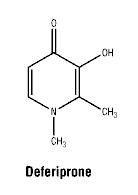
Molecular formula: C7H9NO2.
Molecular weight: 139.15.
CAS number. 30652-11-0.
7 Medicine Schedule (Poisons Standard)
S4 - Prescription Only Medicine.
Date of First Approval
09 April 2003
Date of Revision
25 November 2025
Summary Table of Changes

Reasonable care is taken to provide accurate information at the time of creation. This information is not intended as a substitute for medical advice and should not be exclusively relied on to manage or diagnose a medical condition. The Australian Commission on Safety and Quality in Health Care disclaims all liability (including for negligence) for any loss, damage, injury or any other negative effects resulting from reliance on or use of this information. Read our full disclaimer. This website uses cookies. Read our privacy policy.