
Flixotide Accuhaler, Flixotide Junior Accuhaler
Brand Information
| Brand name | Flixotide Accuhaler, Flixotide Junior Accuhaler |
| Active ingredient | Fluticasone propionate |
| Schedule | S4 |
Consumer Medicine Information (CMI) leaflet
Please read this leaflet carefully before you start using the Flixotide Accuhaler, Flixotide Junior Accuhaler.
Summary CMI
FLIXOTIDE ACCUHALER, FLIXOTIDE JUNIOR ACCUHALER
Consumer Medicine Information (CMI) summary
The full CMI on the next page has more details. If you are worried about using this medicine, speak to your doctor or pharmacist.
1. Why am I using FLIXOTIDE ACCUHALER?
FLIXOTIDE ACCUHALER contains the active ingredient fluticasone propionate. FLIXOTIDE ACCUHALER is used to reduce the swelling and irritation in the walls of the small air passages in your lungs.
For more information, see Section 1. Why am I using FLIXOTIDE ACCUHALER? in the full CMI.
2. What should I know before I use FLIXOTIDE ACCUHALER?
Do not use if you have ever had an allergic reaction to fluticasone propionate or any of the ingredients listed at the end of the CMI.
Talk to your doctor if you have any other medical conditions, take any other medicines, or are pregnant or plan to become pregnant or are breastfeeding.
For more information, see Section 2. What should I know before I use FLIXOTIDE ACCUHALER? in the full CMI.
3. What if I am taking other medicines?
Some medicines may interfere with FLIXOTIDE ACCUHALER and affect how it works.
A list of these medicines is in Section 3. What if I am taking other medicines? in the full CMI.
4. How do I use FLIXOTIDE ACCUHALER?
- For adults: The usual dose is in the range of 100 to 1000 micrograms twice daily.
- For children: The usual dose is in the range of 50 to 100 micrograms twice daily.
More instructions can be found in Section 4. How do I use FLIXOTIDE ACCUHALER? in the full CMI.
5. What should I know while using FLIXOTIDE ACCUHALER?
| Things you should do |
|
| Things you should not do |
|
| Driving or using machines |
|
| Looking after your medicine |
|
For more information, see Section 5. What should I know while using FLIXOTIDE ACCUHALER? in the full CMI.
6. Are there any side effects?
Less serious side effects which have been reported include a sore throat or tongue, hoarseness or throat irritation, soreness in the oesophagus, rounded face, slowing of growth in children, loss of bone density, anxiety, disturbed sleep, increased irritability (mainly in children) or hyperglycaemia. Serious side effects include eye problems, effects on adrenal glands or allergic reaction.
For more information, including what to do if you have any side effects, see Section 6. Are there any side effects? in the full CMI.
Full CMI
FLIXOTIDE ACCUHALER, FLIXOTIDE JUNIOR ACCUHALER
Active ingredient: fluticasone propionate
Consumer Medicine Information (CMI)
This leaflet provides important information about using FLIXOTIDE ACCUHALER. You should also speak to your doctor or pharmacist if you would like further information or if you have any concerns or questions about using FLIXOTIDE ACCUHALER.
Where to find information in this leaflet:
1. Why am I using FLIXOTIDE ACCUHALER?
2. What should I know before I use FLIXOTIDE ACCUHALER?
3. What if I am taking other medicines?
4. How do I use FLIXOTIDE ACCUHALER?
5. What should I know while using FLIXOTIDE ACCUHALER?
6. Are there any side effects?
7. Product details
1. Why am I using FLIXOTIDE ACCUHALER?
FLIXOTIDE ACCUHALER contains the active ingredient fluticasone propionate. Fluticasone propionate belongs to a group of medicines known as corticosteroids, frequently called 'steroids'. They are not 'anabolic steroids' which are the steroids sometimes misused by athletes. FLIXOTIDE ACCUHALER provides a measured amount of steroid for you to breathe into your lungs.
FLIXOTIDE ACCUHALER reduces the swelling and irritation in the walls of the small air passages in your lungs, if used regularly every day.
FLIXOTIDE ACCUHALER contains the type of asthma medicine known as a 'preventer'. It does not give immediate relief from an asthma attack and may take up to a week to start to work. If your shortness of breath or wheeze does not get better after 7 days, tell your doctor. When used every day, your FLIXOTIDE ACCUHALER helps to ease breathing problems and prevent asthma attacks.
This medicine is only one part of a general plan to help you manage your asthma. You should discuss this plan with your doctor. You may also be using a 'reliever puffer'. Keep using it according to your doctor's advice. Ask your doctor to check your treatment regularly.
FLIXOTIDE ACCUHALER should not be used to relieve a sudden attack of breathlessness or wheezing. If you get this sort of attack, you will need a different kind of medicine called a 'reliever' which your doctor will have told you to take.
Ask your doctor if you have any questions about why FLIXOTIDE ACCUHALER has been prescribed for you.
This medicine is not addictive.
2. What should I know before I use FLIXOTIDE ACCUHALER?
Warnings
Do not use FLIXOTIDE ACCUHALER if:
- you are allergic (hypersensitive) to fluticasone propionate, or any of the ingredients listed at the end of this leaflet.
- you are allergic (hypersensitive) to lactose or milk protein.
- the expiry date (EXP) printed on the pack has passed or if the packaging is torn or shows signs of tampering.
Always check the ingredients to make sure you can use this medicine.
Check with your doctor if you:
- are allergic to foods, dyes, preservatives or any other medicines.
- are not sure whether you should be using FLIXOTIDE ACCUHALER.
- have any other medical conditions.
- have ever had to stop taking other asthma medicines.
- have tuberculosis (TB) of the lung or other long term lung infection.
During treatment, you may be at risk of developing certain side effects. It is important you understand these risks and how to monitor for them. See additional information under Section 6. Are there any side effects?
Pregnancy and breastfeeding
Check with your doctor if you are pregnant or intend to become pregnant.
Talk to your doctor if you are breastfeeding or intend to breastfeed.
It is important that your asthma is managed well during your pregnancy and you should not stop your medicine without asking your doctor.
Your doctor will discuss the risks and benefits of using FLIXOTIDE ACCUHALER if you are pregnant or breastfeeding.
3. What if I am taking other medicines?
Tell your doctor or pharmacist if you are taking any other medicines, including any medicines, vitamins or supplements that you buy without a prescription from your pharmacy, supermarket or health food shop.
Some medicines may interfere with FLIXOTIDE ACCUHALER and affect how it works.
These medicines include:
- ketoconazole, to treat fungal infections.
- ritonavir, to treat HIV infection.
- other steroid medicines by mouth or inhalation. If you are already taking steroid tablets, you should carry a warning card about needing extra oral steroids during periods of stress e.g. worsening asthma attacks, chest infections, surgery, trauma and other major illnesses occurring at the same time.
Check with your doctor or pharmacist if you are not sure about what medicines, vitamins or supplements you are taking and if these affect FLIXOTIDE ACCUHALER.
4. How do I use FLIXOTIDE ACCUHALER?
How to use FLIXOTIDE ACCUHALER
Always use FLIXOTIDE ACCUHALER exactly as your doctor has told you to. Check with your doctor or pharmacist if you are not sure.
- The medicine in FLIXOTIDE ACCUHALER is taken by inhalation only.
- Rinse your mouth out with water without swallowing after you have used FLIXOTIDE ACCUHALER if possible. This will make it less likely that you will develop a sore mouth or throat as side effects. Your doctor may prescribe treatment if you experience 'oral thrush' while you continue to use your FLIXOTIDE ACCUHALER.
- You will find the instructions on how to use your FLIXOTIDE ACCUHALER in the pack. Follow the instructions carefully.
How much to use
The pharmacist's label will usually tell you how many inhalations and how often to use FLIXOTIDE ACCUHALER. If you are not sure, ask your doctor or pharmacist.
Adults:
- The usual dose is in the range of 100 to 1000 micrograms twice daily.
Children:
- The usual dose is in the range of 50 to 100 micrograms twice daily.
Your doctor will decide what dose you should take, how often you should take it, and what strength of FLIXOTIDE ACCUHALER you should use.
You should visit your doctor or pharmacist regularly to check that you are using your FLIXOTIDE ACCUHALER in the right way. If you are not breathing the medicine in correctly, the medicine may not be helping you as much as it could.
When to use FLIXOTIDE ACCUHALER
- Use FLIXOTIDE ACCUHALER every day. Do not stop using it, even if you feel better, unless your doctor tells you.
If you forget to use FLIXOTIDE ACCUHALER
If you forget to take a dose, do not worry. Just take the next dose when it is due.
Do not take a double dose to make up for the dose you missed.
- If you become wheezy or feel tight in the chest before the next dose is due, use a 'reliever puffer' in the usual way. You should get relief from the 'reliever puffer' within a few minutes.
If you use too much FLIXOTIDE ACCUHALER (overdose)
If you think that you have used too much FLIXOTIDE ACCUHALER, you may need urgent medical attention.
You should immediately:
- phone the Poisons Information Centre
(by calling 13 11 26 in Australia), or - contact your doctor, or
- go to the Emergency Department at your nearest hospital.
You should do this even if there are no signs of discomfort or poisoning.
5. What should I know while using FLIXOTIDE ACCUHALER?
Things you should do
- Remind any doctor or pharmacist you visit that you are using FLIXOTIDE ACCUHALER. It is important that all doctors treating you are aware that you are on inhaled steroids. If your body is stressed by, for example, severe infection, surgical operation, an accident etc., you may need steroid tablets or injections for a time.
- If you are about to have surgery, tell the surgeon or anaesthetist that you are taking this medicine.
Call your doctor straight away if you:
- become pregnant or are trying to become pregnant.
- experience a change in your vision.
- have not taken your medicine exactly as prescribed. Otherwise your doctor may think that your medicine was not effective and change your treatment unnecessarily.
- notice your chest condition gets worse. Your doctor may tell you to take extra puffs of your FLIXOTIDE ACCUHALER or add another medicine (such as a 'reliever puffer') to your treatment.
- notice your breathing suddenly becomes more difficult just after you have used your FLIXOTIDE ACCUHALER. You will need to use a 'reliever puffer'.
- notice your 'reliever puffer' does not help your breathing as much as usual.
- notice the effect of your 'reliever puffer' does not last as long as usual.
- need more puffs of your 'reliever puffer' than usual to get relief.
Things you should not do
- Do not stop using FLIXOTIDE ACCUHALER, or change the dose without first checking with your doctor.
- Do not give this medicine to anyone else, even if their symptoms seem similar to yours.
- Do not use FLIXOTIDE ACCUHALER to treat any other complaints unless your doctor says to.
Driving or using machines
Be careful before you drive or use any machines or tools until you know how FLIXOTIDE ACCUHALER affects you.
FLIXOTIDE ACCUHALER generally does not cause any problems with your ability to drive a car or operate machinery.
Looking after your medicine
- Store FLIXOTIDE ACCUHALER in the foil overwrap until you are ready to use it for the first time. Once opened, the foil overwrap should be discarded.
Follow the instructions in the carton on how to take care of your medicine properly.
Store it in a cool dry place away from moisture, heat or sunlight where the temperature stays below 30°C.
Do not store it:
- in the bathroom or near a sink, or
- in the car or on window sills.
Keep it where young children cannot reach it.
A locked cupboard at least one-and-a-half metres above the ground is a good place to store medicines.
Getting rid of any unwanted medicine
If you no longer need to use this medicine or it is out of date, take it to any pharmacy for safe disposal.
Do not use this medicine after the expiry date or if the packaging is torn or shows signs of tampering.
6. Are there any side effects?
All medicines can have side effects. If you do experience any side effects, most of them are minor and temporary. However, some side effects may need medical attention.
See the information below and, if you need to, ask your doctor or pharmacist if you have any further questions about side effects, even if you do not think they are connected with the medicine or are not listed in this leaflet.
Do not be alarmed by this list of possible side effects. You may not experience any of them.
Less serious side effects
| Less serious side effects | What to do |
Nervous system disorders:
| Speak to your doctor if you have any of these less serious side effects and they worry you. |
Less serious side effects that require medical intervention. Please consult your doctor if you experience any of the following:
| Contact your doctor if you experience any of these less serious side effects. |
Serious side effects
| Serious side effects | What to do |
Immune system disorders and allergic reactions:
| Call your doctor straight away, or go straight to the Emergency Department at your nearest hospital if you notice any of these serious side effects. |
Tell your doctor or pharmacist if you notice anything else that may be making you feel unwell.
Other side effects not listed here may occur in some people.
Reporting side effects
After you have received medical advice for any side effects you experience, you can report side effects to the Therapeutic Goods Administration online at www.tga.gov.au/reporting-problems. By reporting side effects, you can help provide more information on the safety of this medicine.
Always make sure you speak to your doctor or pharmacist before you decide to stop taking any of your medicines.
7. Product details
This medicine is only available with a doctor's prescription.
What FLIXOTIDE ACCUHALER contains
| Active ingredient | Fluticasone propionate |
| Other ingredients | Lactose monohydrate |
| Potential allergens | Milk protein |
Do not take this medicine if you are allergic to any of these ingredients.
What FLIXOTIDE ACCUHALER looks like
FLIXOTIDE ACCUHALER is a plastic device which contains a foil strip inside. The foil strip has pockets (called blisters) which contain your medicine. The FLIXOTIDE ACCUHALER is packaged within a foil overwrap. The plastic device is labelled, "FLIXOTIDE ACCUHALER".
Each device contains 60 blisters. FLIXOTIDE ACCUHALER has a dose counter which tells you how many doses are left. To let you know when you have reached the last five doses, the numbers appear in red.
FLIXOTIDE ACCUHALER is available in three strengths:
FLIXOTIDE JUNIOR ACCUHALER 100 micrograms of fluticasone propionate in a blister (AUST R 58439).
FLIXOTIDE ACCUHALER 250 micrograms of fluticasone propionate in a blister (AUST R 58438).
FLIXOTIDE ACCUHALER 500 micrograms of fluticasone propionate in a blister (AUST R 58437).
Who distributes FLIXOTIDE ACCUHALER
GlaxoSmithKline Australia Pty Ltd
Level 4, 436 Johnston Street,
Abbotsford, Victoria, 3067
Phone: 1800 033 109
www.gsk.com.au
Trade marks are owned by or licensed to the GSK group of companies.
© 2025 GSK group of companies or its licensor.
This leaflet was prepared on 18 July 2025.
Version 7.0
Brand Information
| Brand name | Flixotide Accuhaler, Flixotide Junior Accuhaler |
| Active ingredient | Fluticasone propionate |
| Schedule | S4 |
MIMS Revision Date: 01 October 2021
1 Name of Medicine
Fluticasone propionate.
2 Qualitative and Quantitative Composition
Flixotide Accuhaler is a moulded plastic device containing a foil strip with regularly placed blisters each containing a mixture of microfine fluticasone propionate (100 micrograms, 250 micrograms or 500 micrograms) and larger particle size lactose monohydrate.
Flixotide Inhaler contains a pressurised inhalation suspension, delivering either 50, 125 or 250 micrograms of fluticasone propionate per inhalation.
List of excipients with known effect. Flixotide Accuhaler also contains the excipient lactose monohydrate (which contains milk protein).
For the full list of excipients, see Section 6.1 List of Excipients.
3 Pharmaceutical Form
Flixotide Accuhaler. Powder for inhalation.
Flixotide Inhaler. Pressurised inhalation.
4 Clinical Particulars
4.1 Therapeutic Indications
For use in the prophylactic management of asthma in adults and children of ages 1 year and older.
4.2 Dose and Method of Administration
Fluticasone propionate has a marked anti-inflammatory effect in the lungs. It reduces symptoms and exacerbations of asthma in patients receiving either no prophylactic treatment or other available anti-asthma therapy.
Flixotide Accuhaler is administered via the inhaled route only.
Flixotide Inhaler is administered via the inhaled route only. It is intended that each prescribed dose is given by a minimum of 2 inhalations.
In patients who find coordination of a pressurised metered dose inhaler difficult, a spacer may be used with Flixotide Inhaler.
Patients should be made aware of the prophylactic nature of therapy with inhaled fluticasone propionate and that it should be taken regularly even when they are asymptomatic. The onset of therapeutic effect is within 4 to 7 days.
If patients find that relief with short acting bronchodilator treatment becomes less effective or they need more inhalations than usual, medical attention must be sought.
The dosage of fluticasone propionate should be adjusted according to the individual response.
See Section 6.5 Nature and Contents of Container for further information.
The Australian Asthma Handbook provides an additional source of reference information for prescribers.
Adults and children over 16 years. 100 to 1000 microgram twice daily.
Prophylactic management in:
Mild asthma. (PEF values greater than 80% predicted at baseline with less than 20% variability.) Patients requiring intermittent symptomatic bronchodilator asthma medication on more than an occasional basis.
Moderate asthma. (PEF values 60-80% predicted at baseline with 20-30% variability.) Patients requiring regular asthma medication and patients with unstable or worsening asthma on currently available prophylactic therapy or bronchodilator alone.
Severe asthma. (PEF values less than 60% predicted at baseline with greater than 30% variability.) Patients with severe chronic asthma. On introduction of inhaled fluticasone propionate many patients who are dependent on systemic corticosteroids for adequate control of symptoms may be able to reduce significantly or to eliminate their requirement for oral corticosteroids.
Patients should be given a starting dose of inhaled fluticasone propionate which is appropriate for the severity of their disease.
Mild asthma: 100 to 250 microgram twice daily.
Moderate asthma: 250 to 500 microgram twice daily.
Severe asthma: 500 to 1000 microgram twice daily.
Once asthma symptoms have been controlled, the dose of fluticasone propionate should be reduced to the lowest dose which maintains control of asthma symptoms.
Alternatively, the starting dose of fluticasone propionate may be gauged at half the total daily dose of beclomethasone dipropionate as administered by metered dose inhaler or equivalent. Any initial lack of effect using this guideline may indicate too small a dose rather than a treatment failure.
If patients find that relief with short acting bronchodilator treatment becomes less effective or they need more inhalations than usual, medical attention must be sought.
Children 1 year and older. 50 to 100 microgram twice daily.
Any child who requires prophylactic medication, including patients not controlled on currently available prophylactic medication.
Clinical trials in 1 to 4 year old children have shown that the optimal control of asthma symptoms is achieved with 100 microgram twice daily.
However, children should be given a starting dose of inhaled fluticasone propionate which is appropriate for the severity of their disease, this may be 50 or 100 microgram twice daily.
Once asthma symptoms have been controlled, the dose of fluticasone propionate should be reduced to the lowest dose which maintains control of asthma symptoms.
The diagnosis and treatment of asthma should be kept under regular review.
In children under the age of eight, it is strongly recommended that a spacer device be used to administer Flixotide Junior CFC-free metered dose inhaler.
Flixotide Accuhaler is not recommended for use in children aged 1 to 4 years.
Inhaled fluticasone propionate is of benefit to younger children in the control of frequent and persistent asthma symptoms.
Special patient groups. There is no need to adjust the dose in elderly patients or in those with hepatic or renal impairment.
4.3 Contraindications
Flixotide Accuhaler. Contraindicated in patients with severe milk-protein allergy or who have demonstrated hypersensitivity to any ingredient of the preparation (see Section 6.1 List of Excipients).
Flixotide Inhaler. Hypersensitivity to any ingredient of the preparation (see Section 6.1 List of Excipients).
4.4 Special Warnings and Precautions for Use
The management of asthma should follow a stepwise programme, and patient response should be monitored clinically and by lung function tests. Increasing use of short acting inhaled beta-2 agonists to control symptoms indicates deterioration of asthma control. Under these conditions, the patient's therapy plan should be reassessed. Sudden and progressive deterioration in asthma control is potentially life threatening and consideration should be given to increasing corticosteroid dosage. In patients considered at risk, daily peak flow monitoring may be instituted.
Lack of response or severe exacerbations of asthma may be an indication for review of the patient. Treatment options may include increasing the dose of inhaled fluticasone propionate and, if necessary, giving a systemic steroid and/or an antibiotic if there is an infection.
Flixotide is not for use in acute attacks but for routine long-term management. Patients will require a fast and short acting inhaled bronchodilator to relieve acute asthmatic symptoms.
Treatment with Flixotide should not be stopped abruptly.
There have been very rare reports of increases in blood glucose levels (see Section 4.8 Adverse Effects (Undesirable Effects)) and this should be considered when prescribing to patients with a history of diabetes mellitus.
As with all inhaled corticosteroids, special care is necessary in patients with active or quiescent pulmonary tuberculosis.
A drug interaction study in healthy subjects has shown that ritonavir (a highly potent cytochrome P450 3A4 inhibitor) can greatly increase fluticasone propionate plasma concentrations, resulting in markedly reduced serum cortisol concentrations. During postmarketing use, there have been reports of clinically significant drug interactions in patients receiving fluticasone propionate and ritonavir, resulting in systemic corticosteroid effects including Cushing's syndrome and adrenal suppression. Therefore, concomitant use of fluticasone propionate and ritonavir should be avoided, unless the potential benefit to the patient outweighs the risk of systemic corticosteroid side effects.
As with other inhalation therapy, paradoxical bronchospasm may occur rarely, with an immediate increase in wheezing after dosing. This should be treated immediately with a fast and short-acting inhaled bronchodilator. Flixotide should be discontinued immediately, the patient assessed, and if necessary alternative therapy instituted if necessary.
Flixotide inhaler. Patient's inhaler technique should be checked to make sure that inhaler actuation is synchronised with inspiration to ensure optimum delivery of the drug to the lungs.
Spacer devices. Most patients will benefit from the consistent use of a spacer device with their metered dose inhaler (MDI or 'puffer'), particularly those with poor inhaler technique. Use of a spacer will also decrease the amount of drug deposited in the mouth and back of the throat, and, therefore, reduce the incidence of local side effects such as 'thrush' and a hoarse voice.
A change in the make of spacer may be associated with alterations in the amount of drug delivered to the lungs. The clinical significance of these alterations is uncertain. However, in these situations, the person should be monitored for any loss of asthma control.
If using a spacer, the patient should be instructed to actuate the inhaler into the spacer and then slowly breathe in as far as possible. Hold your breath for as long as comfortable, before breathing out slowly. This should be repeated for each actuation of the drug into the spacer. Any delays between actuation and inhalation should be kept to a minimum.
Static on the walls of the spacer may cause variability in drug delivery. Patients should be instructed to wash the spacer in warm water and detergent and allow it to air dry without rinsing or drying with a cloth. This should be performed before initial use of the spacer and at least monthly thereafter.
Possible systemic effects, including adrenocortical function, bone density and growth. Inhaled steroids are designed to direct glucocorticoid delivery to the lungs in order to reduce overall systemic glucocorticoid exposure and side effects. With sufficient doses, however, all inhaled steroids can have adverse effects; possible systemic effects include Cushing's syndrome, Cushingoid features, depression of the hypothalamic pituitary adrenal (HPA) axis (see Section 4.9 Overdose), reduction of bone density, retardation of growth rate, cataract, glaucoma and central serous chorioretinopathy. If a patient presents with a change in vision, the patient should be considered for referral to an ophthalmologist for evaluation of possible causes.
The lowest doses of inhaled corticosteroids that cause suppression of the HPA axis (as indicated by the 24 hour urinary cortisol concentrations), effects on bone mineral density or growth retardation in children has not yet been established. Some depression of plasma cortisol may occur in a small number of adult patients receiving inhaled FP at recommended and higher doses but it is not possible to predict which patients are at risk based solely on dose, previous history or length of exposure to inhaled or oral steroids. Adrenal function and adrenal reserve usually remain within normal range on inhaled fluticasone propionate therapy. To minimise the systemic effects of orally inhaled corticosteroids, including fluticasone propionate, each patient should be titrated down to the lowest dose that effectively controls his/her asthma (see Section 4.2 Dose and Method of Administration).
Medical emergency. Patients in a medical or surgical emergency who in the past have required high doses of other inhaled steroids and/or intermittent treatment with oral steroids remain at risk of impaired adrenal reserve for a considerable time after transferring to inhaled fluticasone propionate. The extent of the adrenal impairment may require specialist advice before elective procedures. The possibility of residual impaired adrenal response should always be borne in mind in emergency and elective situations likely to produce stress and appropriate corticosteroid treatment must be considered (see Section 4.9 Overdose).
Transfer of patients being treated with oral corticosteroids. Because of the possibility of impaired adrenal response, patients transferring from oral steroid therapy to inhaled fluticasone propionate should be treated with special care and adrenocortical function regularly monitored.
Following introduction of inhaled fluticasone propionate, withdrawal of systemic therapy should be gradual and patients whose adrenocortical function is still impaired should carry a steroid warning card indicating that they may need supplementary systemic steroid during periods of stress, e.g. worsening asthma attacks, chest infections, major intercurrent illness, surgery, trauma, etc.
In rare cases inhaled therapy may unmask underlying eosinophilic conditions (e.g. Churg-Strauss syndrome). These cases have usually been associated with reduction or withdrawal of oral corticosteroid therapy. A direct causal relationship has not been established.
Similarly, replacement of systemic steroid treatment with inhaled therapy sometimes unmasks allergies such as allergic rhinitis or eczema previously controlled by the systemic drug. These allergies should be symptomatically treated with antihistamine and/or topical preparations, including topical steroids.
Use in the elderly. There are no special precautions for use in the elderly.
Paediatric use. The growth of paediatric patients receiving corticosteroids, including fluticasone propionate, should be monitored. The potential growth effects of prolonged treatment should be weighed against the clinical benefits obtained.
In children taking recommended doses of inhaled fluticasone propionate, adrenal function and adrenal reserve usually remain within the normal range. However, the possible effects of previous or intermittent treatment with oral steroids should not be discounted. Nevertheless, the benefits of inhaled fluticasone propionate should minimise the need for oral steroids.
Effects on laboratory tests. No data available.
4.5 Interactions with Other Medicines and Other Forms of Interactions
Under normal circumstances, low plasma concentrations of fluticasone propionate are achieved after inhaled dosing, due to extensive first-pass metabolism and high systemic clearance mediated by cytochrome P450 3A4 in the gut and liver. Hence, clinically significant drug interactions mediated by fluticasone propionate are unlikely.
A drug interaction study in healthy subjects has shown that ritonavir (a highly potent cytochrome P450 3A4 inhibitor) can greatly increase fluticasone propionate plasma concentrations, resulting in markedly reduced serum cortisol concentrations. During postmarketing use, there have been reports of clinically significant drug interactions in patients receiving fluticasone propionate and ritonavir, resulting in systemic corticosteroid effects including Cushing's syndrome and adrenal suppression. Therefore, concomitant use of fluticasone propionate and ritonavir should be avoided, unless the potential benefit to the patient outweighs the risk of systemic corticosteroid side effects.
Studies have shown that other inhibitors of cytochrome P450 3A4 produce negligible (erythromycin) and minor (ketoconazole) increases in systemic exposure to fluticasone propionate without notable reductions in serum cortisol concentrations. Nevertheless, care is advised when coadministering potent cytochrome P450 3A4 inhibitors (e.g. ketoconazole) as there is potential for increased systemic exposure to fluticasone propionate.
4.6 Fertility, Pregnancy and Lactation
Effects on fertility. There are no data on human fertility. No effects of fluticasone propionate on male or female fertility were observed in rats at subcutaneous doses up to 50 microgram/kg/day.
Use in pregnancy. (Category B3)
There are limited data in pregnant women. Administration of fluticasone propionate during pregnancy should only be considered if the expected benefit to the mother is greater than any possible risk to the fetus.
An observational retrospective epidemiological cohort study utilising electronic health records from the United Kingdom was conducted to evaluate the risk of major congenital malformations (MCMs) following first trimester exposure to inhaled fluticasone propionate alone and salmeterol-fluticasone propionate combination relative to nonfluticasone propionate containing inhaled corticosteroids. No placebo comparator was included in this study.
Within the asthma cohort of 5,362 first trimester inhaled corticosteroid exposed pregnancies, 131 diagnosed MCMs were identified: 1,612 (30%) were exposed to fluticasone propionate or salmeterol-fluticasone propionate of which 42 diagnosed MCMs were identified. The adjusted odds ratio for MCMs diagnosed by 1 year was 1.1 (95% CI: 0.5-2.3) for fluticasone propionate exposed vs nonfluticasone propionate inhaled corticosteroid exposed women with moderate asthma and 1.2 (95%: 0.7-2.0) for women with considerable to severe asthma. No difference in the risk of MCMs was identified following first trimester exposure to fluticasone propionate alone versus salmeterol-fluticasone propionate combination. Absolute risks of MCM across the asthma severity strata ranged from 2.0 to 2.9 per 100 fluticasone propionate exposed pregnancies which is comparable to results from a study of 15,840 pregnancies unexposed to asthma therapies in the General Practice Research Database (2.8 MCM events per 100 pregnancies).
Results from the retrospective epidemiological study did not find an increased risk of MCMs following exposure to fluticasone propionate when compared to other inhaled corticosteroids, during the first trimester of pregnancy.
Corticosteroids are known to induce fetotoxic and teratogenic effects in rodent studies. However, equivalent effects have not been reported when these compounds have been given to humans during pregnancy. Teratology studies with fluticasone propionate in mice and rats have shown the expected fetotoxic and teratogenic effects at SC doses of 100 to 150 microgram/kg/day and above. In an inhalational teratology study in rats, fluticasone propionate was not teratogenic at inhalational doses up to 68.7 microgram/kg/day, but reduced fetal bodyweight and delayed fetal development were noted at maternal doses of 25.7 microgram/kg/day and greater. Mean fetal weight, retardation of ossification, and decreased postnatal viability were observed in rats receiving fluticasone propionate at 50 microgram/kg/day SC. As for previous compounds of this class, these effects are unlikely to be relevant to human therapy.
Use in lactation. The excretion of fluticasone propionate into human breast milk has not been investigated. Subcutaneous administration of tritiated drug to lactating rats resulted in measurable radioactivity in both plasma and milk (levels in milk were 3-7 times plasma levels) 1-8 hours postdose.
However, the amount of fluticasone propionate ingested by the newborn is estimated to be very small as a consequence of very low maternal plasma concentration of fluticasone propionate.
Administration during lactation should only be considered if the expected benefit to the mother is greater than any possible risk to the child.
4.7 Effects on Ability to Drive and Use Machines
Fluticasone propionate is unlikely to produce an effect.
4.8 Adverse Effects (Undesirable Effects)
Adverse events are listed below by system organ class and frequency. Frequencies are defined as: very common (≥ 1/10), common (≥ 1/100 to < 1/10), uncommon (≥ 1/1000 to < 1/100), rare (≥ 1/10,000 to < 1/1000) and very rare (< 1/10,000) including isolated reports. Very common, common and uncommon events were generally determined from clinical trial data. Rare and very rare events were generally determined from spontaneous data.
Infections and infestations. Very common: candidiasis (thrush) of the mouth and throat.
Candidiasis of the mouth and throat (thrush) occurs in some patients. Patients may find it helpful to rinse out their mouth with water after inhalation. Symptomatic candidiasis can be treated with topical antifungal therapy whilst still continuing with the fluticasone propionate.
Rare: oesophageal candidiasis.
Immune system disorders. Hypersensitivity reactions with the following manifestations have been reported.
Uncommon: cutaneous hypersensitivity reactions.
Rare: angioedema (mainly facial and oropharyngeal oedema), respiratory symptoms (dyspnoea and/or bronchospasm).
Very rare: anaphylactic reactions.
Skin and subcutaneous tissue disorders. Common: contusions.
Endocrine disorders. Possible systemic effects include (see Section 4.4 Special Warnings and Precautions for Use).
Rare: adrenal suppression, growth retardation in children and adolescents, decrease in bone mineral density, cataract, glaucoma.
There have also been reports of Cushing's syndrome and Cushingoid features.
Psychiatric disorders. Very rare: anxiety, sleep disorders and behavioural changes, including hyperactivity and irritability (predominantly in children).
Metabolism and nutrition disorders. Very rare: hyperglycaemia.
Respiratory, thoracic and mediastinal disorders. Common: hoarseness.
In some patients Flixotide may cause hoarseness. It may be helpful to rinse out the mouth with water immediately after inhalation.
Rare: paradoxical bronchospasm (see Section 4.4 Special Warnings and Precautions for Use).
In two studies in children from ages 1-4, fluticasone propionate 50 microgram twice daily, 100 microgram twice daily and 250 microgram twice daily was as well tolerated as placebo. In these studies, skin rash, allergic skin reactions, throat irritation, nasal irritation, epistaxis, hoarseness/ dysphonia, and candidiasis of the mouth/ throat were reported at frequencies between 0% and 5%. There were no significant differences in incidence of these occurrences between groups.
Reporting suspected adverse effects. Reporting suspected adverse reactions after registration of the medicinal product is important. It allows continued monitoring of the benefit-risk balance of the medicinal product. Healthcare professionals are asked to report any suspected adverse reactions at www.tga.gov.au/reporting-problems.
4.9 Overdose
Acute inhalation of fluticasone propionate doses in excess of those approved may lead to temporary suppression of the hypothalamic pituitary adrenal axis. This does not usually require emergency action, as normal adrenal function typically recovers within a few days.
If higher than approved doses are continued over prolonged periods, significant adrenocortical suppression is possible. There have been very rare reports of acute adrenal crisis occurring in children exposed to higher than approved doses (typically 1000 microgram daily and above), over prolonged periods (several months or years). Presenting symptoms are typically vague and may include anorexia, abdominal pain, weight loss, tiredness, headache, nausea, vomiting, decreased level of consciousness, hypoglycaemia and seizures. Situations which could potentially trigger acute adrenal crisis include exposure to trauma, surgery, infection or any rapid reduction in dosage. Additional systemic corticosteroid cover should be considered during periods of stress or elective surgery.
It is not recommended that patients receive higher than approved doses. It is important to review therapy regularly and titrate down to the lowest dose at which effective control of disease is maintained (see Section 4.2 Dose and Method of Administration).
For information on the management of overdose, contact the Poisons Information Centre on 13 11 26 (Australia).
5 Pharmacological Properties
5.1 Pharmacodynamic Properties
Mechanism of action. Fluticasone propionate given by inhalation at recommended doses has potent glucocorticoid activity in the airway. The potent anti-inflammatory action improves the symptomatic control of asthma, allows reduction of other drugs, such as rescue bronchodilators, and may limit the risk of decline in lung function over time. The low systemic bioavailability of fluticasone propionate provides a better risk/ benefit outcome without the adverse effects that accompany systemically administered corticosteroids.
Clinical trials. Adults and children over 4 years of age. Flixotide Inhaler and Accuhaler. The clinical trial program evaluated the efficacy and safety of inhaled fluticasone propionate (FP) in over 6,000 patients with mild, moderate or severe asthma. The studies ranged from a few weeks to 12 months in duration, and included paediatric (≥ 4 years old), adult and elderly patients. Most studies were double blind in design; some were placebo controlled, while others included beclomethasone dipropionate or budesonide as the comparator.
Fluticasone propionate was demonstrated to be an effective and well tolerated inhaled corticosteroid suitable for the treatment of asthmatics of all ages with varying disease severity. The onset of therapeutic effect occurred within 4 to 7 days. Maximum improvement in lung function occurred as early as 3 months, and response was well sustained over periods of up to 12 months.
In some studies where fluticasone propionate was administered at half the dosage of beclomethasone dipropionate and budesonide, inhaled fluticasone propionate was shown to be at least as effective as the comparator in patients with mild to moderate or severe asthma.
Fluticasone propionate 1 mg twice daily was also shown to provide an oral corticosteroid sparing effect in a small group of adult patients. Over 6 months, mean prednisolone needs were markedly reduced from 11.9 mg to 6 mg, accompanied by sustained improvements in lung function.
Flixotide Inhaler and Accuhaler are clinically equivalent.
Throughout the proposed therapeutic range and in studies extended to 12 months, the geometric mean cortisol concentration for both children and adults remained within the normal range. Individual patient data indicated that the incidence of clinically relevant reductions in serum cortisol concentrations was very low. Twelve-month data comparing fluticasone propionate 1.5 mg/day to beclomethasone dipropionate 1.5 mg/day demonstrated no difference in plasma cortisol concentration at any time point. At the dose of 2 mg/day fluticasone propionate over 12 months, there was a net increase of 7% of patients whose serum cortisol concentrations fell below the lower limit of normal, although this may have been partly due to past or concurrent treatment with oral corticosteroids.
In addition, five clinical studies were conducted with fluticasone propionate CFC free inhaler, in which 885 adults were treated at doses of 100 microgram twice daily, 250 microgram twice daily, 500 microgram twice daily and 1000 microgram twice daily over periods of 4 weeks to 12 months. One further study was conducted in children, in which 158 children received 100 microgram twice daily fluticasone propionate from CFC free inhaler for four weeks. These studies established the clinical efficacy and safety of the CFC free formulations, and their equivalence with previous CFC containing formulations.
1-4 year old children. Flixotide Inhaler. 462 children aged 1 to 4 years, with asthma symptoms, were entered into 2 pivotal safety and efficacy studies, of which 310 received inhaled fluticasone propionate (FP) for 12 week treatment periods. Both studies were conducted with the CFC containing formulation and were double blind, parallel group and placebo controlled. Treatment was administered via a metered dose inhaler, with a Babyhaler spacer and face mask.
Patients receiving at least one day's treatment were assessed.
In one study (n = 233), a dose of FP 100 microgram twice daily (n = 76) was statistically significantly better than placebo (n = 80) in the primary efficacy variables of percentage cough free days (median difference 13.2%, [95% CI: 3.3%, 21.4%]) and percentage wheeze free days (median difference 6.0% [95% CI: 1.3%, 13.3%]). A dose of FP 50 microgram twice daily (n = 77) was of borderline significance with respect to differences from placebo: percentage cough free days (median difference 8.3% [95% CI: -0.6%, 17.5%]) and percentage wheeze free days (median difference 5.5%, [95% CI: 0.0%, 11.7%]).
In a second study (n = 211), there were no significant differences in percentage cough or wheeze free days amongst the treatment groups, FP 100 microgram twice daily, FP 250 microgram twice daily and placebo, over the 12 weeks.
A subgroup analysis of the data from the two trials for the FP 100 microgram twice daily group found significant benefits over placebo in patients with chronic persistent symptoms but not in patients with episodic symptoms. In patients with chronic persistent symptoms, the median difference from placebo in cough free days was 15.0% [95% CI: 4.1%, 25.7%] and in wheeze free days, 8.6% [95% CI: 2.4%, 17.3%].
Studies in 1-4 year old children have not been conducted with the CFC free formulation. However, equivalence between formulations has been demonstrated in older children and significant differences between formulations would, therefore, not be expected in the younger age group.
5.2 Pharmacokinetic Properties
Following inhaled doses of 2000 microgram per day (1000 microgram twice daily) for 14 days in healthy volunteers, peak plasma concentrations of about 0.3 nanogram/mL were observed at 30-60 minutes postdosing.
Absorption. The absolute bioavailability of fluticasone propionate for each of the available inhaler devices has been estimated from within and between study comparisons of inhaled and intravenous pharmacokinetic data based on AUC(0-infinity) data. In healthy adult subjects the absolute bioavailability has been estimated for Flixotide Accuhaler (8%) and Flixotide Inhaler (10.9%) respectively. Since the bioavailability of the swallowed portion of an inhaled dose which reaches the gastrointestinal tract is virtually zero, the systemic absorption would be a reflection of the amount of drug reaching the lungs.
Fluticasone propionate has many pharmacokinetic and pharmacodynamic features similar to those of other inhaled glucocorticoids used for the treatment of asthma. However, in contrast to these other steroids, a combination of incomplete gastrointestinal absorption and high first-pass metabolic extraction ensures that virtually no fluticasone propionate swallowed after oral inhalation reaches the systemic circulation.
Distribution. Following intravenous administration, the pharmacokinetics of fluticasone propionate are proportional to the dose. Fluticasone propionate is extensively distributed within the body.
The volume of distribution at steady state is approximately 300 litres and has a very high clearance which is estimated to be 1.1 litre/minute indicating extensive hepatic extraction. Peak plasma fluticasone propionate concentrations are reduced by approximately 98% within 3-4 hours and only low plasma concentrations are associated with the terminal half-life, which is approximately 8 hours.
Metabolism. In animals and humans, propellant HFA-134a was eliminated rapidly in the breath, with no evidence of metabolism or accumulation in the body. Time to maximum plasma concentration (tmax) and mean residence time are both extremely short, leading to a transient appearance of HFA-134a in the blood with no evidence of accumulation.
Excretion. Studies with radiolabelled and unlabelled fluticasone propionate administered orally to human volunteers indicate that the majority of the dose (87%-100%) is excreted in the faeces, with up to 75% as unchanged drug, depending on the dose administered. Between 1% and 5% of the dose is excreted as metabolites in urine.
Single oral doses of 16 mg in healthy volunteers produced plasma levels of less than 0.5 nanogram/mL.
Single intravenous doses of 2 mg in healthy volunteers revealed that the clearance of fluticasone propionate approximates liver blood flow (900 mL/min), with renal clearance (0.11 mL/min) accounting for less than 1%. These results indicate that hepatic extraction is almost complete and that oral bioavailability is close to zero.
5.3 Preclinical Safety Data
Genotoxicity. There was no evidence of mutagenic or clastogenic activity for fluticasone propionate in the standard battery of genotoxicity assays.
Carcinogenicity. No evidence of a tumorigenic effect was observed in either a 2 year study in rats receiving doses of fluticasone propionate up to 57 microgram/kg/day by inhalation or in an 18 month study in mice receiving oral doses of fluticasone propionate up to 1 mg/kg/day.
6 Pharmaceutical Particulars
6.1 List of Excipients
Flixotide Inhaler also contains the excipient norflurane which is a CFC-free propellant.
Flixotide Accuhaler also contains the excipient lactose monohydrate (which contains milk protein).
6.2 Incompatibilities
Incompatibilities were either not assessed or not identified as part of the registration of this medicine.
6.3 Shelf Life
In Australia, information on the shelf life can be found on the public summary of the Australian Register of Therapeutic Goods (ARTG). The expiry date can be found on the packaging.
6.4 Special Precautions for Storage
Flixotide Accuhaler and Junior Accuhaler should be stored below 30°C.
Store in a dry place.
Junior (CFC-free) Inhalers and CFC-free Inhalers should be stored between 2°C and 30°C. Protect from frost and direct sunlight. As with most inhaled medications in pressurised canisters, the therapeutic effect of this medication may decrease when the canister is cold. Warning: Do not expose to temperatures higher than 50°C. The canister should not be punctured, broken or burnt even when apparently empty.
Replace the mouthpiece cover firmly and snap it into position.
6.5 Nature and Contents of Container
1. Dry powder inhalers. Flixotide Junior Accuhaler is a moulded plastic device containing a foil strip with 60 regularly placed blisters, containing a mixture of microfine fluticasone propionate (100 micrograms) and larger particle size lactose monohydrate (which contains milk protein). The accuhaler is packaged within a foil overwrap.
Flixotide Accuhaler is a moulded plastic device containing a foil strip with 60 regularly placed blisters, containing a mixture of microfine fluticasone propionate (250 micrograms or 500 micrograms) and larger particle size lactose monohydrate (which contains milk protein). The accuhaler is packaged within a foil overwrap.
Not all strengths and dose forms may be distributed in Australia.
2. Flixotide inhaler. A pressurised metered-dose inhaler available in three strengths.
Flixotide Junior (CFC-free) Inhaler 50 micrograms/actuation delivers 50 micrograms of fluticasone propionate per inhalation. 120 doses.
Flixotide (CFC-free) Inhaler 125 micrograms/actuation delivers 125 micrograms of fluticasone propionate per inhalation. 120 doses.
Flixotide (CFC-free) Inhaler 250 micrograms/actuation delivers 250 micrograms of fluticasone propionate per inhalation. 120 doses.
6.6 Special Precautions for Disposal
In Australia, any unused medicine or waste material should be disposed of by taking to your local pharmacy.
6.7 Physicochemical Properties
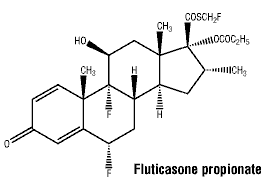
Chemical name: S-fluoromethyl 6α,9α-difluoro-11β-hydroxy-16α-methyl-3-oxo-17 α-propionyloxy-androsta-1, 4-diene-17β-carbothioate.
Molecular formula: C25H31F3O5S.
Chemical structure.
CAS number. 80474-14-2.
7 Medicine Schedule (Poisons Standard)
Schedule 4 - Prescription Only Medicine.
Date of First Approval
25 November 1993
Date of Revision
07 September 2021
Summary Table of Changes

Reasonable care is taken to provide accurate information at the time of creation. This information is not intended as a substitute for medical advice and should not be exclusively relied on to manage or diagnose a medical condition. The Australian Commission on Safety and Quality in Health Care disclaims all liability (including for negligence) for any loss, damage, injury or any other negative effects resulting from reliance on or use of this information. Read our full disclaimer. This website uses cookies. Read our privacy policy.