
Fluanxol
Brand Information
| Brand name | Fluanxol |
| Active ingredient | Flupentixol decanoate |
| Schedule | S4 |
Consumer Medicine Information (CMI) leaflet
Please read this leaflet carefully before you start using the Fluanxol.
Summary CMI
Fluanxol®
Consumer Medicine Information (CMI) summary
The full CMI on the next page has more details. If you are worried about using this medicine, speak to your doctor or pharmacist.
1. Why am I using Fluanxol?
Fluanxol contains the active ingredient flupentixol decanoate. Fluanxol is used for the long-term treatment of schizophrenia, a mental illness with disturbances in thinking, emotional reactions and behaviour, and other chronic mental conditions. For more information, see Section 1. Why am I using Fluanxol? in the full CMI.
2. What should I know before I use Fluanxol?
Do not use if you have ever had an allergic reaction to Fluanxol or any of the ingredients listed at the end of the CMI. Talk to your doctor if you have any other medical conditions, take any other medicines, or are pregnant or plan to become pregnant or are breastfeeding. For more information, see Section 2. What should I know before I use Fluanxol? in the full CMI.
3. What if I am taking other medicines?
Some medicines may interfere with Fluanxol and affect how it works. A list of these medicines is in Section 3. What if I am taking other medicines? in the full CMI.
4. How will I be given Fluanxol?
Fluanxol is given by a doctor, nurse or other trained person. Fluanxol is given as an injection into a large muscle where it is slowly released over time.
More instructions can be found in Section 4. How will I be given Fluanxol? in the full CMI.
5. What should I know while using Fluanxol?
| Things you should do |
|
| Things you should not do |
|
| Driving or using machines |
|
| Drinking alcohol |
|
| Looking after your medicine |
|
For more information, see Section 5. What should I know while using Fluanxol? in the full CMI.
6. Are there any side effects?
Some of the common side effects include movement disorders (e.g. involuntary muscle contractions, slowing of movements), restlessness, blurred vision or difficulty focusing, painful or weak muscles, tiredness, fatigue, difficulty passing urine or other urinary disorder, difficult or painful breathing, increased salivation or increased sweating, skin rash and itchy skin. Serious side effects include sudden onset of unusual movements, blood clots in the veins, serious allergic reaction, convulsions, sudden increase in body temperature, unusual stiff of the muscles and changes in consciousness.
For more information, including what to do if you have any side effects, see Section 6. Are there any side effects? in the full CMI.
Full CMI
Fluanxol® (flu-ANK-sol)
Active ingredient(s): Flupentixol decanoate (flu-PEN-tic-sol deck-can-OH-ate)
Consumer Medicine Information (CMI)
This leaflet provides important information about using Fluanxol. You should also speak to your doctor or pharmacist if you would like further information or if you have any concerns or questions about using Fluanxol.
Where to find information in this leaflet:
1. Why am I using Fluanxol?
2. What should I know before I use Fluanxol?
3. What if I am taking other medicines?
4. How will I be given Fluanxol?
5. What should I know while using Fluanxol?
6. Are there any side effects?
7. Product details
1. Why am I using Fluanxol?
Fluanxol contains the active ingredient flupentixol decanoate. Fluanxol belongs to a group of medicines called thioxanthene neuroleptics. It helps to correct chemical imbalances in the brain, which may cause mental illness.
Fluanxol is used for the long-term treatment of schizophrenia, a mental illness with disturbances in thinking, emotional reactions and behaviour, and other chronic mental conditions.
Your doctor, however, may prescribe it for another purpose.
Ask your doctor if you have any questions about why it has been prescribed for you.
Fluanxol is not addictive.
2. What should I know before I use Fluanxol?
Warnings
Do not use Fluanxol if:
- you are allergic to flupentixol decanoate, to any other similar medicines (such as thioxanthenes or phenothiazines), to the ingredient fractionated coconut oil, or any of the ingredients listed at the end of this leaflet.
- Symptoms of an allergic reaction may include shortness of breath, wheezing or difficulty breathing, swelling of the face, lips, tongue or other parts of the body, or rash, itching or hives on the skin.
Always check the ingredients to make sure you can use this medicine. - you have diminished consciousness due to any cause
- you collapse due to very low blood pressure
- you have brain damage
- you have diseases of the blood with a reduced number of red or white blood cells or platelets
- you have phaeochromocytoma, a rare tumour of the adrenal gland which sits near the kidney.
Do not give Fluanxol to anyone who currently has alcohol poisoning, or poisoning with medicines used to produce calmness or to help you sleep, or medicines used to treat epilepsy or strong pain.
Do not give Fluanxol to anyone who is unconscious or in a coma.
Do not give Fluanxol to patients with mental illness who are highly distressed, or elderly patients who are confused and/or distressed.
Check with your doctor if you:
- have allergies to any other substances such as foods, preservatives or dyes.
- have, or have had, the following medical conditions:
- arteriosclerosis, a disease affecting the arteries
- convulsions, fits or seizures
- decreased blood supply to the brain
- diabetes, a disorder of metabolism in which the amount of sugar in the blood is too high
- glaucoma, a condition in which there is usually a build-up of pressure in the eye
- heart and blood vessel problems
- kidney problems
- liver problems
- low potassium and/or low magnesium levels in the blood
- organic brain syndrome
- parkinsonism, a disease of the brain affecting movement
- risk factors for stroke
- tardive dyskinesia, a reaction to some medicines with worm-like movements of the tongue, or other uncontrolled movements of the mouth, tongue, cheeks or jaw which may progress to the arms and legs
- treatment for cancer
- you or someone else in your family has a history of blood clots, as medicines like these have been associated with formation of blood clots
Also tell your doctor if you will be in a hot environment or you do a lot of vigorous exercise.
Fluanxol may make you sweat less, causing your body to overheat.
Tell your doctor if you are exposed to pesticides that contain phosphorus.
The risk of you experiencing a side effect may be increased.
During treatment, you may be at risk of developing certain side effects. It is important you understand these risks and how to monitor for them. See additional information under Section 6. Are there any side effects?
Pregnancy and breastfeeding
Check with your doctor if you are pregnant or intend to become pregnant.
Fluanxol may affect your fertility. If you are intending to start a family, ask your doctor for advice.
Like most medicines of this kind, Fluanxol is not recommended for use during pregnancy unless clearly necessary. The general condition of your baby might be affected by the use of this medicine.
The following symptoms may occur in newborn babies of mothers who have used Fluanxol in the last three months of their pregnancy: shaking, muscle stiffness and/or weakness, sleepiness, agitation, breathing problems and difficulty in feeding. If your baby develops any of these symptoms you should contact your doctor.
Talk to your doctor if you are breastfeeding or intend to breastfeed.
It is not recommended that you breast-feed while using Fluanxol. Its active ingredient passes into breast milk and therefore there is a possibility that your baby might be affected.
Children and adolescents
Do not give Fluanxol to a child or adolescent.
There is no experience with its use in children or adolescents under 18 years old.
3. What if I am taking other medicines?
Tell your doctor or pharmacist if you are taking any other medicines, including any medicines, vitamins or supplements that you buy without a prescription from your pharmacy, supermarket or health food shop.
Some medicines may interfere with Fluanxol and affect how it works. These include:
- tricyclic antidepressants, monoamine oxidase (MAO) inhibitors and lithium, medicines used to treat depression or mood swings
- phenobarbitone and carbamazepine, medicines used to treat convulsions and epilepsy
- medicines used to treat strong pain
- medicines used to produce calmness or to help you sleep
- medicines used to treat high blood pressure (hypertension), including debrisoquine, guanethidine and clonidine
- levodopa, a medicine used to treat Parkinson's disease
- medicines which stimulate the body, getting it ready for action, such as adrenaline
- metoclopramide, a medicine used to relieve nausea and vomiting
- piperazine, a medicine used to treat worm infections
- medicines used to treat changes in the rhythm or rate of the heart beat, e.g. quinidine, amiodarone, sotalol and dofetilide
- antipsychotics, a class of medicines used to treat certain mental and emotional conditions, e.g. thioridazine
- certain medicines used to treat infections, such as erythromycin, gatifloxacin and moxifloxacin
- medicines used to relieve the symptoms of allergy, including terfenadine and astemizole
- cisapride, used to treat stomach problems
- medicines that disturb water or salt balance e.g. thiazide diuretics, also called fluid or water tablets
- medicines known to increase the concentration of Fluanxol in your blood
- medicines used to relieve stomach cramps or spasms, to prevent travel sickness and to treat Parkinson's disease, such as atropine or related medicines.
- medicines used to treat cancer
These medicines may be affected by Fluanxol or may affect how well it works. You may need to use different amounts of your medicines or take different medicines. Your doctor will advise you.
Your doctor or pharmacist has more information on medicines to be careful with or avoid while using Fluanxol.
4. How will I be given Fluanxol?
How much is given
Your doctor will decide what dose you will receive. This depends on your condition and other factors, such as your weight and your response to the medicine.
Fluanxol Depot
- Generally, the starting dose is 20 to 40 mg (1 to 2 mL). A second dose of 20 to 40 mg (1 to 2 mL) is usually given 4-10 days after the first injection, and further doses are given every 2 to 4 weeks for the majority of patients.
Fluanxol Concentrated Depot
- Patients who require higher doses and/or who have problems with larger injection volumes may be given Fluanxol Concentrated Depot.
Your doctor may have prescribed a different dose.
Ask your doctor or pharmacist if you are unsure of the correct dose for you. Follow the instructions they give you.
They will tell you exactly how much you will be given.
How is Fluanxol given
- Fluanxol is given as an injection into a large muscle where it is slowly released over time. The injection should only be given by a doctor, nurse or other trained person.
When is Fluanxol given
- It is recommended that Fluanxol is given every 2-4 weeks, depending on how your body responds to the medicine.
How many injections will you need
- Continue having your injections for as long as your doctor tells you to.
- Fluanxol helps control your condition. Therefore, you will need regular injections.
If you forget to have a Fluanxol injection
If you forget to keep an appointment, contact your doctor as soon as you remember, so that you can make another one.
If you have been given too much Fluanxol (overdose)
As Fluanxol is given to you under the supervision of your doctor, it is very unlikely that you will be given too much.
However, if you experience any side effects after being given Fluanxol, you should immediately:
- phone the Poisons Information Centre in Australia
(by calling 13 11 26) or the National Poisons Centre in New Zealand (by calling 0800 POISON or 0800 764 766), or - contact your doctor, or
- go to the Emergency Department at your nearest hospital.
You may need urgent medical attention.
Symptoms of an overdose may include sleepiness, coma, extreme agitation, excitement, confusion, convulsions and extremely high or low body temperature.
Uncontrollable movements may develop, and collapse due to very low blood pressure or difficulty breathing may occur. Changes in the rhythm or rate of the heart beat have been seen in Fluanxol overdose when medicines known to affect the heart have also been taken.
5. What should I know while using Fluanxol?
Things you should do
- If you are about to be started on any new medicine, remind your doctor and pharmacist that you are using Fluanxol.
- Remind any doctor, dentist or pharmacist you visit that you are using Fluanxol.
- Tell your doctor if you notice any soreness of the mouth, gums, throat or other flu-like symptoms.
- Talk to your doctor or mental health professional if you are thinking or talking about death, suicide, self-harm or harm to others.
- These may be signs of changes or worsening in your mental illness. - If you are going to have surgery, tell the surgeon or anaesthetist that you are using this medicine.
- Fluanxol may affect other medicines used during surgery. - If you are about to have any blood tests, tell your doctor that you are taking this medicine.
- It may interfere with the results of some tests. - Keep all of your doctor's appointments so that your progress can be checked.
- Your doctor may do some blood and liver tests from time to time, particularly during the first months of therapy, to make sure the medicine is working and to prevent unwanted side effects. - Protect your skin when you are in the sun, especially between 10am and 3pm.
- If you are outdoors, wear protective clothing and use a SPF 30+ sunscreen.
- If your skin appears to be burning, tell your doctor.
- Fluanxol may cause your skin to be much more sensitive to sunlight than it is normally. This could cause skin rash, itching, redness, or severe sunburn.
Call your doctor straight away if you:
- become pregnant while using Fluanxol.
- notice any worm-like movements of the tongue, or other uncontrolled movements of the tongue, mouth, cheeks or jaw which may progress to the arms and legs.
- These are symptoms of a condition called tardive dyskinesia, which may develop in people taking similar medicines, including Fluanxol.
- This condition is more likely to occur during long-term treatment with Fluanxol, especially in elderly women. In very rare cases, this may be permanent. However, if detected early, these symptoms are usually reversible.
Things you should not do
- Do not give your medicine to anyone else, even if they have the same condition as you.
- Do not take any medicines that cause drowsiness while you are using Fluanxol, unless recommended by your doctor.
- Do not miss any injections, even if you feel better.
- Fluanxol helps control your condition. Therefore, you will need regular injections. - Do not stop using Fluanxol suddenly.
- If Fluanxol is stopped suddenly, you may experience symptoms such as nausea, vomiting, loss of appetite, diarrhoea, runny nose, sweating, aching muscles, pins and needles, sleeplessness, restlessness, anxiety, or agitation.
- Your doctor may want to gradually reduce the amount you are given before stopping completely.
Driving or using machines
Be careful before you drive or use any machines or tools until you know how Fluanxol affects you.
It may cause drowsiness, tiredness, sleepiness or blurred vision in some people. If you have any of these symptoms, do not drive, operate machinery, or do anything else that could be dangerous.
Drinking alcohol
Tell your doctor if you drink alcohol.
Be careful when drinking alcohol while you are using this medicine.
If you drink alcohol, drowsiness or sleepiness may be worse.
Feeling light-headed, dizzy or faint
If you feel light-headed, dizzy or faint when getting out of bed or standing up, get up slowly.
Standing up slowly will help your body get used to the change in position and blood pressure. If this problem continues or gets worse, talk to your doctor.
Looking after your medicine
- Store Fluanxol below 25°C and keep it in the pack until it is time to use it.
- If you take the ampoules out of the box they may not keep well.
Follow the instructions in the carton on how to take care of your medicine properly.
Store it in a cool dry place away from moisture, heat or sunlight; for example, do not store it:
- in the bathroom or near a sink, or
- in the car or on window sills.
Keep it where young children cannot reach it.
Getting rid of any unwanted medicine
If you no longer need to use this medicine or it is out of date, take it to any pharmacy for safe disposal.
Do not use this medicine after the expiry date, or if the packaging is torn or shows signs of tampering. If you use it after the expiry date has passed, it may not work as well.
The expiry date refers to the last day of the month.
6. Are there any side effects?
All medicines can have side effects. If you do experience any side effects, most of them are minor and temporary. However, some side effects may need medical attention.
See the information below and, if you need to, ask your doctor or pharmacist if you have any further questions about side effects.
Tell your doctor or pharmacist as soon as possible if you do not feel well while you are using Fluanxol.
It helps most people with mental illness, but it may have unwanted side effects in a few people.
If you are over 65 years of age you may have an increased chance of getting side effects.
Less serious side effects
| Less serious side effects | What to do |
Musculoskeletal, connective tissue, and movement disorders:
| Speak to your doctor if you have any of these less serious side effects and they worry you. |
Serious side effects
| Serious side effects | What to do |
Musculoskeletal, connective tissue, and movement disorders:
| Speak to your doctor immediately if you notice any of these serious side effects |
These may be serious side effects of Fluanxol. You may need urgent medical attention.
Very serious side effects
| Very serious side effects | What to do |
Immune system disorders
| Call your doctor straight away, or go straight to the Emergency Department at your nearest hospital if you notice any of these serious side effects. |
These are very serious side effects. You may need urgent medical attention or hospitalisation.
These side effects are generally rare.
Tell your doctor or pharmacist if you notice anything else that may be making you feel unwell.
Other side effects not listed here may occur in some people.
Reporting side effects
After you have received medical advice for any side effects you experience, you can report side effects to the Therapeutic Goods Administration online at www.tga.gov.au/reporting-problems or in New Zealand at pophealth.my.site.com/carmreportnz/s/. By reporting side effects, you can help provide more information on the safety of this medicine.
Always make sure you speak to your doctor or pharmacist before you decide to stop taking any of your medicines.
7. Product details
This medicine is only available with a doctor's prescription.
What Fluanxol contains
| Active ingredient (main ingredient) | Fluanxol 20 mg/mL injection
|
| Other ingredients (inactive ingredients) | fractionated coconut oil |
Do not take this medicine if you are allergic to any of these ingredients.
What Fluanxol looks like
Fluanxol comes in two types of injections:
- Fluanxol Depot 20 mg/mL solution for injection - clear, colourless to slightly yellowish oil (AUST R 47109 or AUST R 47247).
- Fluanxol Concentrated Depot 100 mg/mL concentrated injection - clear, yellow to yellowish oil (AUST R 47107).
A box contains 5 ampoules.
Who distributes Fluanxol
Distributed in Australia by:
Lundbeck Australia Pty Ltd
1 Innovation Rd
North Ryde NSW 2113
Ph: +61 2 8669 1000
Distributed in New Zealand by:
Pharmacy Retailing t/a
Healthcare Logistics
58 Richard Pearse Drive
Mangere
Auckland 2022
Ph: 0800 540 555
This leaflet was prepared in June 2025.
"Fluanxol" is the registered trademark of H. Lundbeck A/S.
Brand Information
| Brand name | Fluanxol |
| Active ingredient | Flupentixol decanoate |
| Schedule | S4 |
MIMS Revision Date: 01 November 2020
1 Name of Medicine
Flupentixol decanoate.
2 Qualitative and Quantitative Composition
Fluanxol depot. Solution for injection containing 20 mg/mL flupentixol decanoate.
Fluanxol concentrated depot. Concentrated injection containing 100 mg/mL flupentixol decanoate.
For the full list of excipients, see Section 6.1 List of Excipients.
3 Pharmaceutical Form
Flupentixol decanoate is insoluble in water, soluble in alcohol, ether and chloroform.
Fluanxol depot injection presents as a clear, colourless to slightly yellowish oil.
Fluanxol concentrated depot injection presents as a clear, yellowish to yellow oil.
4 Clinical Particulars
4.1 Therapeutic Indications
Flupentixol is indicated for the maintenance treatment of chronic schizophrenia and other related chronic psychoses, in patients intolerant of and/or refractory to other depot preparations.
Flupentixol is intended for maintenance therapy and not for short-term use (less than 3 months).
4.2 Dose and Method of Administration
Adults. Fluanxol (flupentixol decanoate) is administered by intramuscular injection, in the gluteus maximus. Fluanxol is not for intravenous use. It is not intended for short-term therapy (less than 3 months).
As a long acting depot preparation, Fluanxol has been found useful in the maintenance treatment of nonagitated chronic schizophrenic patients who have been stabilised with short acting neuroleptics and might benefit from transfer to a longer acting injectable medication. The changeover of medication should aim at maintaining a clinical outcome similar to or better than that obtained with the previous therapy. To achieve and maintain the optimum dose, the changeover from other neuroleptic medication should proceed gradually and constant supervision is required during the period of dosage adjustment in order to minimise the risk of overdosage or insufficient suppression of psychotic symptoms before the next injection.
Patients not previously treated with long acting depot neuroleptics should be given an initial test dose of 5 mg to 20 mg. An initial dose of 20 mg is usually well tolerated; however, a 5 mg test dose is recommended in elderly, frail and cachectic patients, and in patients whose individual or family history suggests a predisposition to extrapyramidal reactions. In the subsequent 5 to 10 days, the therapeutic response and the appearance of extrapyramidal symptoms should be carefully monitored. Oral neuroleptic drugs may be continued, but in diminishing dosage, during this period.
In patients previously treated with long acting depot neuroleptics who displayed good tolerance to these drugs, an initial dose of 20 to 40 mg may be adequate. Patients transferred from fluphenazine decanoate should receive flupentixol decanoate in a dose ratio of 25 mg fluphenazine decanoate equals 40 mg flupentixol decanoate. For haloperidol decanoate, dose equivalence has not been systematically established, but is approximately 40 mg flupentixol decanoate equals 50 mg haloperidol decanoate.
Subsequent doses and the frequency of administration must be determined for each patient. There is no reliable dosage comparability between a shorter acting neuroleptic and depot flupentixol, and therefore, the dosage of the long acting drug must be individualised.
Except in particularly sensitive patients, a second dose of 20 mg or 40 mg can be given 4 to 10 days after the initial injection. Subsequent dosage adjustments are made in accordance with the response of the patient, but the majority of patients can be adequately controlled by 20 to 40 mg of Fluanxol every 2 to 4 weeks. The optimal amount of the drug has been found to vary with the clinical circumstances and individual response.
Since higher doses increase the incidence of extrapyramidal reactions and other adverse effects, the amount of drug used should not be increased merely in order to prolong the intervals between injections. With higher doses there may also be more variability in the action of Fluanxol and, therefore, unit dose increments should not exceed 20 mg (1.0 mL). If volumes larger than 2-3 mL of the 20 mg/mL solution are required, the 100 mg/mL should be preferred. After an appropriate dosage adjustment is achieved, regular and continuous supervision and reassessment is considered essential in order to permit any further dosage adjustments that might be required to ensure use of the lowest effective individual dose and avoid troublesome side effects.
Fluanxol Concentrated Depot. Doses greater than 100 mg/fortnight are usually not deemed necessary although higher doses have been used occasionally in some treatment resistant patients.
Patients who require higher doses of Fluanxol Depot to control symptoms of schizophrenia and/or those who complain of discomfort with a large injection volume may be administered Fluanxol Concentrated Depot (100 mg/mL) in preference to Fluanxol Depot (20 mg/mL).
As with all oily injections it is important to ensure, by aspiration before injection, that inadvertent intravascular injection does not occur.
4.3 Contraindications
Flupentixol is contraindicated in patients with known hypersensitivity to the thioxanthenes. The possibility of cross sensitivity between the thioxanthenes and phenothiazine derivatives should be considered.
Flupentixol is also contraindicated in patients with known hypersensitivity to the excipient used (fractionated coconut oil) in the injection.
Flupentixol is also contraindicated in the presence of depressed level of consciousness due to any cause (e.g. intoxication with alcohol, barbiturates or opiates), circulatory collapse, coma and suspected or established subcortical brain damage, blood dyscrasias and phaeochromocytoma.
Flupentixol is not recommended for use in children (see Section 4.4 Special Warnings and Precautions for Use).
4.4 Special Warnings and Precautions for Use
Neuroleptic malignant syndrome. The neuroleptic malignant syndrome (NMS) is a rare but potentially fatal complication of the use of neuroleptic drugs. Core features of NMS are hyperthermia, muscle rigidity and fluctuating consciousness along with autonomic dysfunction (labile blood pressure, tachycardia, diaphoresis). Aside from immediate cessation of the neuroleptic medication the use of general supportive measures and symptomatic treatment are vital. Symptoms may persist for more than a week after oral neuroleptics are discontinued and somewhat longer when associated with the depot forms of the drugs. Note that neuroleptic malignant syndrome has been reported with Fluanxol.
Initiation of therapy. Severe adverse reactions requiring immediate medical attention may occur and are difficult to predict. Therefore, the evaluation of tolerance and response, and establishment of adequate maintenance therapy require careful stabilisation of each patient under continuous, close medical observation and supervision.
Suicide. The possibility of a suicide attempt is inherent in schizophrenia and bipolar disorder, and close supervision of high risk patients should accompany therapy.
Special patient groups. Fluanxol should be used with caution in liver damage, cerebrovascular or renal insufficiency, and severe cardiovascular disorders. It is not indicated for the management of severely agitated psychotic patients, psychoneurotic patients or geriatric patients with confusion and/or agitation, as these characteristics may be exaggerated.
Use in hepatic impairment. Significant reduction of liver function may cause a decrease in the elimination rate of Fluanxol. Careful dosing and, if possible, a serum level determination is advisable in patients with reduced liver function (also see Section 5.2 Pharmacokinetic Properties).
Parkinsonism. The drug should be used with caution in patients with parkinsonism.
Arteriosclerosis. The drug should be used with caution in patients with severe arteriosclerosis.
Organic brain syndrome. Like other neuroleptics, Fluanxol should be used with caution in patients with organic brain syndrome.
Stroke. An approximate 3-fold increase in risk of cerebrovascular adverse events has been seen in randomised placebo controlled clinical trials in the dementia population with some atypical antipsychotics. The mechanism for this increased risk is not known. An increased risk cannot be excluded for other antipsychotics or other patient populations. Therefore, flupentixol decanoate should be used with caution in patients with risk factors for stroke.
Convulsions. Flupentixol should be used with caution in patients with a history of convulsions since it may lower the convulsive threshold.
Anticholinergic effects. Although its anticholinergic properties are weak, flupentixol should be used with caution in patients who are known or are suspected to have glaucoma, and in those patients who might be exposed to extreme heat, or organophosphorus insecticides or who are receiving atropine or related drugs. Paralytic ileus has occasionally been reported, particularly in the elderly, when several drugs with anticholinergic effects have been used simultaneously.
White blood cell disorders. Leukopenia, neutropenia and agranulocytosis have been reported with antipsychotics, including flupentixol.
Long acting depot antipsychotics should be used with caution in combination with other medicines known to have a myelosuppressive potential, as these cannot rapidly be removed from the body in conditions where this may be required.
Laboratory tests required. Blood dyscrasias and liver damage have been reported sporadically with this class of drugs including Fluanxol. Therefore, routine blood counts and hepatic function tests are advisable, particularly during the first months of therapy. Should either of these disorders occur, supportive treatment should be instituted and further injections avoided.
Cellular depression. If any soreness of the mouth, gums or throat or any symptoms of upper respiratory infection occur and confirmation leukocyte count indicates cellular depression, therapy should be discontinued and other appropriate measures instituted immediately.
Cardiac disorders. Caution should be observed when using a drug of this category in patients who may have a propensity for development of defects in cardiac conduction.
As with other drugs belonging to the therapeutic class of antipsychotics, flupentixol decanoate may cause QT prolongation. Persistently prolonged QT intervals may increase the risk of malignant arrhythmias. Therefore, flupentixol decanoate should be used with caution in susceptible individuals (with hypokalaemia, hypomagnesaemia or genetic predisposition) and in patients with a history of cardiovascular disorders, e.g. QT prolongation, significant bradycardia (< 50 beats per minute), recent acute myocardial infarction, uncompensated heart failure or cardiac arrhythmia. Concomitant treatment with other antipsychotics should be avoided (see Section 4.5 Interactions with Other Medicines and Other Forms of Interactions).
Venous thromboembolism (VTE). Cases have been reported with antipsychotic drugs. Since patients treated with antipsychotics often present with acquired risk factors for VTE, all possible risk factors for VTE should be identified before and during treatment with flupentixol decanoate and preventive measures undertaken.
Diabetes. As described for other psychotropics, flupentixol decanoate may modify insulin and glucose responses calling for adjustment of the antidiabetic therapy in diabetic patients.
Surgery. Patients on large doses of flupentixol who are undergoing surgery should be watched carefully for possible hypotensive phenomena, and dosages of anaesthetic or central nervous system depressant agents may have to be reduced.
Monitoring. Patients on long-term therapy, particularly on high doses, should be evaluated periodically to decide whether the maintenance dosage can be lowered or drug therapy discontinued.
Persistent tardive dyskinesia. Tardive dyskinesia may develop in some patients on long-term therapy with antipsychotic medications or may occur after therapy has been discontinued. The risk seems to be greater in elderly patients on high dose therapy, especially females. The symptoms are potentially irreversible in some patients. The syndrome is characterised by rhythmical involuntary movements of the tongue, face, mouth or jaw. Sometimes these may be accompanied by involuntary movements of the extremities. There is no known effective treatment available for tardive dyskinesia; antiparkinson agents usually do not alleviate the symptoms. It is suggested that all antipsychotic agents be gradually reduced and withdrawn, if possible, if these symptoms appear. It has been reported that fine vermicular movements of the tongue may be the first sign of the syndrome and if medication is stopped at this time the syndrome may remit. If it is necessary to reinstitute treatment or increase the dosage or change to a different antipsychotic agent, the syndrome may be masked.
Antiemetic effect. The antiemetic effect observed with flupentixol in animal studies may also occur in man; therefore, the drug may mask signs of toxicity due to overdosage of other drugs, or it may mask the symptoms of disease, such as brain tumor or intestinal obstruction.
Paediatric use. Since the safety and efficacy of flupentixol in children have not been established, its use is not recommended in the paediatric age group (see Section 4.3 Contraindications).
Use in the elderly. Increased mortality in elderly people with dementia. Data from two large observational studies showed that elderly people with dementia who are treated with antipsychotics are at a small increased risk of death compared with those who are not treated. There are insufficient data to give a firm estimate of the precise magnitude of the risk and the cause of the increased risk is not known.
Flupentixol is not approved for the treatment of dementia related behavioural disturbances.
Effects on laboratory tests. Transient slight alterations in liver function tests have infrequently been reported.
4.5 Interactions with Other Medicines and Other Forms of Interactions
Tricyclic antidepressants. Tricyclic antidepressants and neuroleptics mutually inhibit the metabolism of each other.
Lithium. Concomitant use of neuroleptics and lithium increases the risk of neurotoxicity.
MAO inhibitors. Although no specific clinical incompatibilities have been encountered, on theoretical pharmacodynamic grounds, it may be wise to allow an interval of not less than 2 weeks between completion of MAOI treatment and the initiation of flupentixol treatment.
Alcohol, other CNS depressant drugs. Fluanxol may enhance the sedative effects of alcohol and the effects of barbiturates and other CNS depressants (including opioid analgesics).
As with other neuroleptics, the plasma concentration of flupentixol may be decreased by concomitant administration of phenobarbitone and carbamazepine and influenced by the intake of alcohol.
Hypnotics. As with all phenothiazines, Fluanxol should not be used concomitantly with large doses of hypnotics due to the possibility of potentiation.
Antihypertensives. Neuroleptics may increase or reduce the effect of antihypertensive drugs.
Fluanxol should not be given concomitantly with guanethidine, debrisoquine, clonidine or similarly acting compounds since neuroleptics may block the antihypertensive effect of these compounds.
Levodopa, adrenergic drugs. Fluanxol may lower the effect of levodopa and adrenergic drugs.
Metoclopramide, piperazine. Concomitant use of metoclopramide or piperazine increases the risk of extrapyramidal disorder.
Drugs known to increase the QT interval. Increases in the QT interval related to antipsychotic treatment may be exacerbated by the coadministration of other drugs known to significantly increase the QT interval. Coadministration of such drugs should be avoided.
Relevant classes include:
class Ia and III antiarrhythmics (e.g. quinidine, amiodarone, sotalol, dofetilide);
some antipsychotics (e.g. thioridazine);
some macrolides (e.g. erythromycin);
some antihistamines (e.g. terfenadine, astemizole);
some quinolone antibiotics (e.g. gatifloxacin, moxifloxacin).
The above list is not exhaustive and other individual drugs known to significantly increase the QT interval (e.g. cisapride, lithium) should be avoided.
Drugs known to cause electrolyte disturbances, such as thiazide diuretics (hypokalaemia) and drugs known to increase the plasma concentration of flupentixol decanoate should also be used with caution as they may increase the risk of QT prolongation and malignant arrhythmias (see Section 4.4 Special Warnings and Precautions for Use).
4.6 Fertility, Pregnancy and Lactation
Effects on fertility. In humans, adverse events such as hyperprolactinaemia, galactorrhoea, amenorrhoea, libido decreased, female orgasmic disorder, vulvovaginal dryness, erectile dysfunction and ejaculation failure have been reported (see Section 4.8 Adverse Effects (Undesirable Effects)). These events may have a negative impact on female and/or male sexual function and fertility.
If clinical significant hyperprolactinaemia, galactorrhoea, amenorrhoea or sexual dysfunctions occur, a dose reduction (if possible) or discontinuation should be considered.
In preclinical fertility studies in rats, flupentixol slightly affected the pregnancy rate of female rats.
Use in pregnancy. (Category C)
Safety in pregnancy has not been established. Therefore, it should not be administered to women of childbearing potential unless, in the opinion of the physician, the expected benefit to the patient outweighs the potential risk to the foetus.
Animal studies have shown reproductive toxicity.
In fertility studies in rats, flupentixol slightly affected the pregnancy rate of female rats.
Animal reproduction studies in mice, rats and rabbits have not shown evidence of teratogenic effects. Foetal effects in terms of increased post implantation loss/ increased absorption rates or occasional abortions were seen in rats and rabbits.
Nonteratogenic class effect. Neonates exposed to antipsychotic drugs (including flupentixol) during the third trimester of pregnancy are at risk of experiencing extrapyramidal neurological disturbances and/or withdrawal symptoms following delivery. There have been postmarket reports of agitation, hypertonia, hypotonia, tremor, somnolence, respiratory distress and feeding disorder in these neonates. These complications have varied in severity; while in some cases symptoms have been self limited; in other cases neonates have required additional medical treatment or monitoring.
Flupentixol should be used during pregnancy only if the anticipated benefit outweighs the risk and administered dose and duration of treatments should be as low and short as possible.
Use in lactation. Small amounts of the drug are excreted in breast milk, so that lactating mothers should undertake alternative feeding of the infant.
4.7 Effects on Ability to Drive and Use Machines
Although flupentixol is a relatively nonsedating drug, sedation may occur in some patients. Therefore, ambulatory patients should be warned about engaging in activities such as driving a car or operating machinery.
4.8 Adverse Effects (Undesirable Effects)
The most common adverse reaction reported with flupentixol has been extrapyramidal disorder.
Flupentixol shares many of the pharmacological properties of other thioxanthenes and phenothiazines. Therefore, the known adverse reactions of these drugs should be borne in mind when flupentixol is used.
Autonomic nervous system. Dry mouth, blurred vision, constipation, excessive salivation, excessive perspiration, nausea, disturbances in micturition, dizziness, palpitations and fainting have been observed with flupentixol but are uncommon. Miosis, mydriasis, paralytic ileus, polyuria, nasal congestion, glaucoma, tachycardia, hypotension, hypertension, fluctuations in blood pressure, nonspecific ECG changes and cardiac arrhythmias have been reported with related drugs. If hypotension occurs, adrenaline should not be used as a pressor agent since a paradoxical further lowering of blood pressure may result.
Cardiac disorders. Cardiac failure, tachycardia and palpitations have been reported. As with other drugs belonging to the therapeutic class of antipsychotics, rare cases of QT prolongation, ventricular arrhythmias, ventricular fibrillation, ventricular tachycardia, torsades de pointes and sudden unexplained death have been reported for flupentixol decanoate (see Section 4.4 Special Warnings and Precautions for Use).
Central nervous system. Extrapyramidal symptoms, including hypo- and hyperkinetic states, tremors, pseudoparkinsonism, dystonia, hypertonia, akathisia, oculogyric crises and tardive dyskinesia (see Section 4.4 Special Warnings and Precautions for Use). The symptoms, if they are to occur, usually appear within the first few days after administration and can usually be controlled or totally curtailed by reduction in dosage and/or standard antiparkinsonian medication. The incidence of extrapyramidal symptoms appears to be more frequent with the first few injections of flupentixol and diminish thereafter. The routine prophylactic use of antiparkinsonian medication is not recommended. Extrapyramidal reactions may be alarming, and patients should be forewarned and reassured. Reduction in dosage or, if possible, discontinuation of flupentixol therapy is recommended.
Other CNS effects reported with flupentixol include restlessness, insomnia, overactivity, psychomotor agitation, nervousness, confusional state, speech disorder, involuntary muscle contractions, tics, hyperkinesia, hypokinesia, dyskinesia, hypomania, epileptiform convulsions, headache, drowsiness, somnolence, depression, fatigue, and anergia.
Neuroleptic malignant syndrome has been reported with Fluanxol (see Section 4.4 Special Warnings and Precautions for Use).
Endocrine disorders, metabolism and nutrition disorders. Weight changes, increased and decreased appetite, hyperglycaemia, abnormal glucose tolerance, gynaecomastia, impotence, loss of libido, and sexual excitement have been reported with flupentixol. Elevated serum prolactin levels may cause hormonal effects in some patients, e.g. menstrual disturbance, galactorrhoea in men and women. Related drugs have been also associated with false positive pregnancy tests, peripheral oedema, gynaecomastia, hypo- and hyperglycaemia and glycosuria. Elevated creatine phosphokinase levels have also been reported.
Eye disorders. Accommodation disorder and abnormal vision have been reported commonly and oculogyration reported uncommonly with Fluanxol use. Lenticular and corneal opacities have been seen following long-term use of phenothiazines, but not reported with flupentixol.
Gastrointestinal disorders. Dysphagia, gingival hypertrophy, dry mouth, salivary hypersecretion, constipation, vomiting, dyspepsia, diarrhoea, abdominal pain, nausea, flatulence, hepatitis and hepatic failure have been reported.
General disorders and administration site conditions. Asthenia and fatigue have been commonly reported. Local inflammation and abscess at injection site have also been reported.
Hepatobiliary disorders. Abnormal liver function test has been reported uncommonly and jaundice very rarely.
Musculoskeletal and connective tissue disorders. Myalgia has been reported commonly and muscle rigidity uncommonly reported.
Pregnancy, puerperium and perinatal conditions. Neonatal drug withdrawal syndrome, frequency not known.
Renal and urinary disorders Micturition disorder and urinary retention have been commonly reported.
Reproductive system and breast disorders. Ejaculation failure and erectile dysfunction have been reported uncommonly and gynaecomastia, galactorrhoea and amenorrhoea reported rarely.
Respiratory, thoracic and mediastinal disorders. Dyspnoea has been reported commonly.
Skin and subcutaneous tissue disorders. Hyperhidrosis and pruritus have been reported commonly. There have been uncommon reports of rash, photosensitivity reaction and dermatitis.
Toxic and allergic. Isolated cases of hyperbilirubinaemia, jaundice, SLE and haemolytic uraemic syndrome have been reported. Blood dyscrasias (leukopenia, neutropenia, agranulocytosis, pancytopenia, aplastic anaemia, thrombocytopenia and thrombocythaemia) have been reported with flupentixol but the causality has not been confirmed.
Increased levels of AST, ALT and alkaline phosphatase have also been reported. Other antipsychotic drugs have been associated with leukopenia, agranulocytosis, thrombocytopenic or nonthrombocytopenic purpura, haemolytic anaemia and pancytopenia.
Skin reactions, such as rash and erythema, have rarely been reported with flupentixol (frequency < 1%). Alopecia and eczema have also been reported with flupentixol. The possibility of hypersensitivity and anaphylactoid reactions occurring in some patients should be borne in mind.
Vascular disorders. Hypotension and hot flush have been reported uncommonly and cases of venous thromboembolism very rarely.
Discontinuation. Abrupt discontinuation of flupentixol decanoate may be accompanied by withdrawal symptoms. The most common symptoms are nausea, vomiting, anorexia, diarrhoea, rhinorrhoea, sweating, myalgias, paraesthesias, insomnia, restlessness, anxiety, and agitation. Patients may also experience vertigo, alternate feelings of warmth and coldness, and tremor. Symptoms generally begin within 1 to 4 days of withdrawal and abate within 7 to 14 days.
Miscellaneous. Sudden, unexpected and unexplained deaths have occasionally been reported in patients who have received certain phenothiazine derivatives. Previous brain damage or seizures may be predisposing factors; high doses should be avoided in known seizure patients. Several patients have shown flare-ups of psychotic behaviour patterns shortly before death. Autopsy findings have usually revealed acute fulminating pneumonia or pneumonitis, aspiration of gastric contents or intramyocardial lesions.
Polymyositis and facial oedema have also been reported.
Reporting suspected adverse effects. Reporting suspected adverse reactions after registration of the medicinal product is important. It allows continued monitoring of the benefit-risk balance of the medicinal product. Healthcare professionals are asked to report any suspected adverse reactions at www.tga.gov.au/reporting-problems.
4.9 Overdose
In general, the main therapy for all overdoses is supportive and symptomatic care.
Symptoms. Overdosage may cause somnolence, coma, extreme agitation, excitement, confusion, convulsions, extrapyramidal symptoms, shock, respiratory and circulatory collapse and hyperthermia/ hypothermia.
ECG changes, QT prolongation, torsades de pointes, cardiac arrest and ventricular arrhythmias have been reported when administered in overdose together with drugs known to affect the heart.
Treatment. Treatment is symptomatic and supportive. No further injections of flupentixol should be given. Measures to support the respiratory and cardiovascular systems should be instituted. If severe hypotension occurs, an i.v. vasopressor drug should be administered immediately. Epinephrine (adrenaline) should not be used as further lowering of blood pressure may result. Convulsions may be treated with diazepam and extrapyramidal symptoms with an antiparkinsonian medication.
For information on the management of overdose, contact the Poisons Information Centre on 13 11 26 (Australia) and 0800 764 766 (New Zealand).
5 Pharmacological Properties
5.1 Pharmacodynamic Properties
Mechanism of action. Flupentixol is a potent, relatively nonsedating neuroleptic drug of the thioxanthene class. In low to moderate dosages (up to 100 mg/2 weeks) Fluanxol is nonsedating, while a sedative effect may be expected when higher doses are administered. Flupentixol shows antipsychotic effects in patients with schizophrenia. It may be of benefit in patients with flat or depressed affect. In low doses, Fluanxol possesses disinhibiting and mood elevating properties.
Flupentixol dose dependently increases the serum prolactin levels.
Clinical trials. No data available.
5.2 Pharmacokinetic Properties
The decanoic acid esterification of flupentixol results in the slow release of the drug from the oily solution at the injection site with consequent prolongation of duration of action. The onset of action usually occurs in the range of 24 to 72 hours after injection and the improvement of symptoms continues for 2 to 4 weeks. A preinjection serum concentration of 2-8 nanomol/L is recommended for maintenance treatment of schizophrenic patients with a low to moderate degree of illness. However, there is considerable variation in the individual response of patients to flupentixol decanoate and its use for maintenance therapy requires careful supervision. The maximal serum concentration is reached at the end of the first week after injection. Estimates of half-life varied considerably between studies; elimination is prolonged, in the order of 3 weeks to 3 months and probably reflects release of the active compound from the depot.
Steady state is probably achieved within 3 to 6 months. The depot is administered every 2 to 4 weeks. Limited data suggest that excretion and metabolism proceed along the same routes as found in animals. In one human study, urine contained flupentixol, N-dealkyl flupentixol and their corresponding sulphoxides. After an oral dose, another study demonstrated a relatively small amount of flupentixol in urine and faeces.
5.3 Preclinical Safety Data
Genotoxicity. No data available.
Carcinogenicity. No data available.
6 Pharmaceutical Particulars
6.1 List of Excipients
Fractionated coconut oil.
6.2 Incompatibilities
Flupentixol decanoate should not be mixed with depot formulations that use sesame oil as the vehicle, because this would result in definite changes in the pharmacokinetic properties of the involved preparations.
6.3 Shelf Life
In Australia, information on the shelf life can be found on the public summary of the Australian Register of Therapeutic Goods (ARTG). The expiry date can be found on the packaging.
6.4 Special Precautions for Storage
Store below 25°C. Protect from light.
6.5 Nature and Contents of Container
Fluanxol depot. Solution for injection containing 20 mg/mL flupentixol decanoate.
1 mL (20 mg) and 2 mL (40 mg) glass ampoules in packs of 5 ampoules.
Fluanxol concentrated depot. Concentrated injection containing 100 mg/mL flupentixol decanoate.
1 mL (100 mg) glass ampoules in packs of 5 ampoules.
6.6 Special Precautions for Disposal
In Australia, any unused medicine or waste material should be disposed of by taking to your local pharmacy.
6.7 Physicochemical Properties
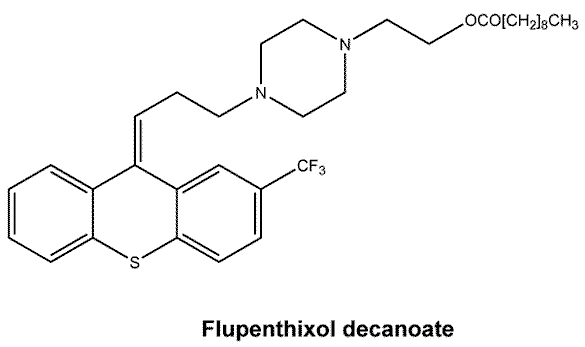
Chemical name: cis(z)-2-[4-[3-(2-(trifluoromethyl) thioxanthenylidene-(9))propyl]- piperaziny-(1)]ethanol-(1) decanoic acid ester.
Molecular formula: C33H43F3N2O2S.
Molecular weight: 588.82.
Chemical structure.
7 Medicine Schedule (Poisons Standard)
S4 - Prescription only medicine.
Date of First Approval
13 July 1994
Date of Revision
23 September 2020
Summary Table of Changes

Reasonable care is taken to provide accurate information at the time of creation. This information is not intended as a substitute for medical advice and should not be exclusively relied on to manage or diagnose a medical condition. The Australian Commission on Safety and Quality in Health Care disclaims all liability (including for negligence) for any loss, damage, injury or any other negative effects resulting from reliance on or use of this information. Read our full disclaimer. This website uses cookies. Read our privacy policy.