
Fluorescite
Brand Information
| Brand name | Fluorescite |
| Active ingredient | Fluorescein |
| Schedule | S4 |
Consumer Medicine Information (CMI) leaflet
Please read this leaflet carefully before you start using the Fluorescite.
Summary CMI
FLUORESCITE™
Consumer Medicine Information (CMI) summary
The full CMI on the next page has more details. If you are worried about using this medicine, speak to your doctor or pharmacist.
1. Why am I using FLUORESCITE?
FLUORESCITE contains the active ingredient fluorescein sodium. It is a diagnostic agent which possesses the property of “fluorescence”.
For more information, see Section 1. Why am I using FLUORESCITE? in the full CMI.
2. What should I know before I use FLUORESCITE?
Do not use if you have ever had an allergic reaction to FLUORESCITE or any of the ingredients listed at the end of the CMI.
Talk to your doctor if you have any other medical conditions, take any other medicines, or are pregnant or plan to become pregnant or are breastfeeding.
For more information, see Section 2. What should I know before I use FLUORESCITE? in the full CMI.
3. What if I am taking other medicines?
Some medicines may interfere with FLUORESCITE and affect how it works.
A list of these medicines is in Section 3. What if I am taking other medicines? in the full CMI.
4. How do I use FLUORESCITE?
- The dose of FLUORESCITE Injection will be determined and administered by your doctor.
- FLUORESCITE is only to be used by your doctor.
More instructions can be found in Section 4. How do I use FLUORESCITE? in the full CMI.
5. What should I know while using FLUORESCITE?
| Things you should do |
|
| Things you should not do |
|
| Driving or using machines |
|
| Looking after your medicine |
|
For more information, see Section 5. What should I know while using FLUORESCITE? in the full CMI.
6. Are there any side effects?
All medicines can have side effects although not everybody gets them. The most common side effects of FLUORESCITE include reactions at or near the site of injection. Less common side effects can include strong taste in the mouth, nausea and/or headache, gastrointestinal discomfort, abdominal pain, dizziness, light-headed or fainting, fatigue, etc.
For more information, including what to do if you have any side effects, see Section 6. Are there any side effects? in the full CMI.
Full CMI
FLUORESCITE™
Active ingredient(s): fluorescein sodium
Consumer Medicine Information (CMI)
This leaflet provides important information about using FLUORESCITE. You should also speak to your doctor or pharmacist if you would like further information or if you have any concerns or questions about using FLUORESCITE.
Where to find information in this leaflet:
1. Why am I using FLUORESCITE?
2. What should I know before I use FLUORESCITE?
3. What if I am taking other medicines?
4. How do I use FLUORESCITE?
5. What should I know while using FLUORESCITE?
6. Are there any side effects?
7. Product details
1. Why am I using FLUORESCITE?
FLUORESCITE contains the active ingredient fluorescein sodium. Fluorescein sodium possesses the property of “fluorescence” and is a diagnostic agent.
FLUORESCITE allows your doctor to see the blood moving through the small blood vessels at the back of your eye(s). It assists your doctor in determining if areas of your eye(s) are damaged or unhealthy.
Ask your doctor if you have any questions or concerns about why this medicine has been used on your eye(s).
2. What should I know before I use FLUORESCITE?
Warnings
Do not use FLUORESCITE if:
- you are allergic to fluorescein sodium, any of the ingredients listed at the end of this leaflet or any other similar medicines.
- Always check the ingredients to make sure you can use this medicine.
- Some of the symptoms of an allergic reaction may include:
- shortness of breath, wheezing or difficulty breathing
- swelling of the face, lips, tongue, or other parts of the body
- rash, itching or hives on the skin. - Do not use FLUORESCITE if the expiry date has passed, the vial/packaging shows signs of tampering. If this medicine is used after the expiry date has passed, it may not work as well.
- If you are not sure whether you should be given FLUORESCITE talk to your doctor.
Check with your doctor if you:
- Have any of the following medical conditions: heart disease or are on a controlled low sodium diet.
- Have had an allergy to any other medicines or any other substances, such as foods, preservatives, or dyes.
- take any medicines for any other conditions.
If you have not told your doctor about any of the above, tell them before they administer FLUORESCITE injection.
During treatment, you may be at risk of developing certain side effects. It is important you understand these risks and how to monitor for them. See additional information under Section 6. Are there any side effects?
Pregnancy and breastfeeding
Check with your doctor if you are pregnant or intend to become pregnant. Your doctor will discuss the possible risks and benefits of using FLUORESCITE during pregnancy.
Talk to your doctor if you are breastfeeding or intend to breastfeed. FLUORESCITE comes through breast milk for up to 7 days after it is used. Discontinue breastfeeding for at least 7 days after FLUORESCITE use.
Use in children
The safety and effectiveness of FLUORESCITE Injection has not been established.
3. What if I am taking other medicines?
Tell your doctor or pharmacist if you are taking any other medicines, including any medicines, vitamins, or supplements that you buy without a prescription from your pharmacy, supermarket, or health food shop.
Some medicines may interfere with FLUORESCITE and affect how it works. These includes:
- Probenecid or other compounds that inhibit or compete with the active transport of organic anions.
- Beta-adrenergic blocking agents that are used to treat heart conditions, lower blood pressure, and treat glaucoma. Using FLUORESCITE when you are on a beta-adrenergic blocking medicine can cause a severe allergic reaction and affect the body's ability to respond to this reaction.
Check with your doctor or pharmacist if you are not sure about what medicines, vitamins or supplements you are taking and if these affect FLUORESCITE.
Your doctor will advise you and decide whether or not to give you FLUORESCITE.
4. How do I use FLUORESCITE?
How much to use
- The dose of FLUORESCITE Injection will be determined and administered by your doctor.
- The usual adult dose of FLUORESCITE is 10% or one 5 mL vial.
- The usual dose for a child is based on the child's weight.
When to use FLUORESCITE
Before using FLUORESCITE Injection your doctor will put some eye drops in your eye(s) that will open (dilate) your pupil(s). This allows your doctor to see the back of your eye(s) clearly.
Your doctor will usually administer FLUORESCITE Injection into your arm. It normally takes between 7 and 14 seconds for the fluorescein to reach the back of your eye(s). Following the administration of FLUORESCITE Injection your doctor will turn the lights off and take a series of photographs of the back of your eye(s). These photographs will allow your doctor to study the movement of blood through the vessels at the back of your eye(s).
If you forget to use FLUORESCITE
Not applicable as FLUORESCITE is only used by your doctor.
If you are given too much FLUORESCITE
If you think that you have been given too much FLUORESCITE, you may need urgent medical attention.
You should immediately:
- phone the Poisons Information Centre
(by calling 13 11 26), or - contact your doctor, or
- go to the Emergency Department at your nearest hospital.
You should do this even if there are no signs of discomfort or poisoning.
5. What should I know while using FLUORESCITE?
Things you should be aware of
It is likely that you will notice a yellow discolouration of your skin. Normally this will not last longer than 6 to 12 hours.
You will also notice a bright yellow colouring of your urine. Normally this will not last longer than 24 to 36 hours.
You may also notice a strong taste following the administration of FLUORESCITE.
FLUORESCITE can stain contact lenses.
Driving or using machines
You should not drive or operate any machinery after you have been given FLUORESCITE.
Temporary blurred vision or other visual disturbances may occur. Wait until your vision is clear before driving or operating machinery.
Looking after your medicine
Not applicable as FLUORESCITE is not supposed to be stored at your home.
Getting rid of any unwanted medicine
If you no longer need to use this medicine or it is out of date, take it to any pharmacy for safe disposal.
Do not use this medicine after the expiry date.
6. Are there any side effects?
Tell your doctor as soon as possible if you do not feel well following the use of FLUORESCITE.
All medicines can have side effects. If you do experience any side effects, most of them are minor and temporary. However, some side effects may need medical attention.
See the information below and, if you need to, ask your doctor if you have any further questions about side effects.
Less serious side effects
| Less serious side effects | What to do |
At or near the site of the injection:
| Speak to your doctor if you have any of these less serious side effects and they worry you. |
Serious side effects
| What to do | |
Serious side effects:
| Tell your doctor as soon as possible. |
Very serious side effects:
Some of the symptoms of an allergic reaction include:
These reactions may begin by an itching or tingling around the lips or tongue.
| Call your doctor straight away, or go straight to the Emergency Department at your nearest hospital if you notice any of these serious side effects. |
If you feel any pain or discomfort during the administration of FLUORESCITE Injection, tell your doctor immediately.
Tell your doctor immediately if you notice any discomfort in or around your chest or feel lightheaded shortly after the administration of FLUORESCITE Injection.
Tell your doctor or pharmacist if you notice anything else that may be making you feel unwell.
Other side effects not listed here may occur in some people.
Reporting side effects
After you have received medical advice for any side effects you experience, you can report side effects to the Therapeutic Goods Administration online at www.tga.gov.au/reporting-problems. By reporting side effects, you can help provide more information on the safety of this medicine.
Always make sure you speak to your doctor, nurse, or pharmacist before you decide to stop taking any of your medicines.
7. Product details
This medicine is only available with a doctor's prescription.
What FLUORESCITE contains
| Active ingredient (main ingredient) | Fluorescein 100 mg in 1 mL (equivalent to 113.2 mg/mL of fluorescein sodium) |
| Other ingredients (inactive ingredients) | Sodium hydroxide and/or hydrochloric acid (to adjust pH) Water for injections |
| Potential allergens | FLUORESCITE does not contain gluten, latex, corn/corn derivatives, mercury, dyes, sulpha, sulphites or sulphate, phthalates (DEHP/PVC), dairy, eggs, BSE/TSE, and alcohol. |
Do not use this medicine if you are allergic to any of these ingredients.
What FLUORESCITE looks like
FLUORESCITE Injection 10% is a red-orange, sterile solution packed in a 5 mL glass vial with a stopper and aluminium flip-off cap. (AUST R 124267)
FLUORESCITE Injection 10% is for single dose use only. It contains no preservative and must be discarded after use. It has a pH of 8.0 to 9.8.
Who distributes FLUORESCITE
FLUORESCITE is distributed in Australia by:
Alcon Laboratories (Australia) Pty Ltd
ABN 88 000 740 83054
15 Talavera Road
Macquarie Park NSW 2113
Telephone: 1800 224 153
This leaflet was prepared in October 2025. Internal document code Flu031025c.
You should ensure that you speak to your doctor to obtain the most up to date information on the medicine.
You can also obtain a copy of the most up to date leaflet from your pharmacist. The updates may contain important information about the medicine and its use of which you should be aware.
Brand Information
| Brand name | Fluorescite |
| Active ingredient | Fluorescein |
| Schedule | S4 |
MIMS Revision Date: 01 May 2025
1 Name of Medicine
Fluorescein.
2 Qualitative and Quantitative Composition
Fluorescite injection 10% is a sterile solution. It contains 100 mg/mL fluorescein (equivalent to 113.2 mg/mL fluorescein sodium).
For the full list of excipients, see Section 6.1 List of Excipients.
3 Pharmaceutical Form
Fluorescite injection 10% is supplied as a sterile, unpreserved, pyrogen free, buffered unit dose aqueous solution for use as a diagnostic aid that has pH of 8.0-9.8 and an osmolality of 572-858 mOsm/kg.
4 Clinical Particulars
4.1 Therapeutic Indications
Indicated in diagnostic fluorescein angiography or angioscopy of the fundus and of the iris vasculature.
4.2 Dose and Method of Administration
The usual adult dose is the contents of one Fluorescite injection 10% vial (5 mL of 10% solution) via intravenous administration.
For children, the dose is calculated on the basis of 8 mg/kg of body weight.
Parenteral drug products should be inspected visually for particulate matter and discolouration prior to administration. Do not mix or dilute with other solutions or drugs. Flush intravenous cannulae before and after drugs are injected to avoid physical incompatibility reactions.
Product is for single use in one patient only. Discard any residue. Contains no antimicrobial agent.
Inject the contents of the vial rapidly into the antecubital vein after taking precautions to avoid extravasation. A syringe filled with Fluorescite injection 10% is attached to transparent tubing and a 23 gauge butterfly needle for injection. Insert the needle and draw the patient's blood to the hub of the syringe so that a small air bubble separates the patient's blood in the tubing from the Fluorescite injection 10%. With the room lights on, slowly inject the blood back into the vein while watching the skin over the needle tip. If the needle has extravasated, the patient's blood will be seen to bulge the skin and the injection should be stopped immediately before any Fluorescite injection 10% is administered. When assured that extravasation has not occurred, the room light may be switched off and the Fluorescite injection 10% administration completed. Luminescence appears in the retina and choroidal vessels in 7 to 14 seconds and can be observed by standard viewing equipment. An emergency tray and oxygen should be present when administering this product (see Section 4.4 Special Warnings and Precautions for Use).
4.3 Contraindications
Contraindicated in those persons who have shown hypersensitivity to any component of this preparation. Fluorescite injection 10% should not be injected intrathecally or intra-arterially.
For a list of excipients, see Section 6.1 List of Excipients.
4.4 Special Warnings and Precautions for Use
Not for intrathecal use. For ophthalmic diagnostic use only.
Hypersensitivity reactions. Fluorescein sodium can induce serious hypersensitivity and intolerance reactions. These reactions of intolerance are always unpredictable but they are more frequent in patients who have previously experienced an adverse reaction after fluorescein injection (symptoms other than nausea and vomiting) or in patients with history of allergy such as food or drug induced urticaria, asthma, eczema, allergic rhinitis or in patients with history of bronchial asthma.
Intradermal skin tests have limited predictive value for serious intolerance reactions to fluorescein. Fluorescein intolerance reactions can occur following a negative intradermal skin test.
The benefit to risk of the angiography procedure should be considered in patients with pre-existing conditions such as cardiovascular disease, diabetes mellitus, and multiple concomitant drug therapies (in particular beta-blockers).
Fluorescein Angiography (FA) may cause contrast-induced Nephropathy (CIN) based on increased serum creatinine. CIN is a possible risk factor for end-stage renal disease progression.
In the event of serious hypersensitivity and intolerance reactions during a first angiography, the benefit of an additional fluorescein angiography should be balanced with the risk of severe hypersensitivity reactions (with fatal outcome in some cases).
The risk of hypersensitivity reactions with fluorescein sodium requires:
close monitoring of the patient by the ophthalmologist performing the examination, throughout the examination and for at least 30 minutes thereafter;
maintaining the infusion line for at least 5 minutes, to treat a possible severe adverse reaction without delay;
to have at one's disposal appropriate material for emergency resuscitation which is based at first on the installation of a 2nd intravenous line, allowing the restoration of the plasma volume (aqueous solution polyionic or colloidal substitute of plasma) and the intravenous injection of adrenaline at the recommended dosage.
In addition, in patients identified as being at risk of hypersensitivity reactions, but in whom a fluorescein angiography is considered to be essential, it is recommended to carry out the procedure with the equipment and personnel trained in emergency resuscitation in the treatment room.
Extravasation should be avoided during injection as the high pH of fluorescein solution can result in severe local tissue damage. The following complications resulting from extravasation of fluorescein have been noted to occur: sloughing of the skin, superficial phlebitis, subcutaneous granuloma and toxic neuritis along the median curve in the antecubital area. Complications resulting from extravasation can cause severe pain in the arm for up to several hours. The correct intravenous position of the needle tip must be ascertained. When extravasation occurs, the injection should immediately be discontinued and conservative measures to treat damaged tissue and relieve pain should be implemented. Do not mix or dilute Fluorescite injection 10% with other solutions or drugs.
Flush intravenous cannulae before and after drugs are injected to avoid physical incompatibility reactions.
Anaphylaxis. Rare cases of death due to anaphylaxis have been reported with sodium fluorescein injection (see Section 4.8 Adverse Effects (Undesirable Effects)). A protocol for management of anaphylaxis, and appropriate resuscitation equipment such as adrenaline for intravenous or intramuscular use, intravenous fluids and oxygen must always be available in case of such a reaction.
Cardiovascular disease. Patients with a history of cardiovascular disease require careful evaluation before undergoing an elective procedure with sodium fluorescein. Rarely, severe cardiovascular complications such as chest pain, myocardial infarction and death have occurred following administration of sodium fluorescein.
Detailed questioning of each patient must be carried out before the angiography to evaluate any prior history of cardiopulmonary disease or allergy or concomitant medications.
Other considerations. This medicinal product contains up to 3.15 mmol (72.45 mg) sodium per dose. This should be taken into consideration by patients on a controlled sodium diet.
Special instructions. The skin and urine may be coloured yellow but this is transient. Fluorescein sodium can stain skin, clothing and soft contact lenses on contact. Intraocular fluorescein can produce transient blurring of vision.
Use in renal impairment. Limited experience in renally impaired subjects suggests that no dose adjustment is necessary in renal impaired patients.
Use in hepatic impairment. Fluorescein undergoes hepatic metabolism to fluorescein.
Use in the elderly. No overall differences in safety or effectiveness have been observed between elderly and other adult patients.
Paediatric use. Safety and effectiveness in children have not been established.
Effects on laboratory tests. No data available.
4.5 Interactions with Other Medicines and Other Forms of Interactions
Fluorescein is a relatively inert dye and specific drug interaction studies are not reported. There are few case reports on potential interactions with organic anion transporters and interference with certain laboratory tests. The fluorescence may interfere with the analysis of blood and urinary parameters for a period of 3 to 4 days. Caution is advised when performing therapeutic drug monitoring for drugs with a narrow therapeutic window, e.g. digoxin, quinidine. Compounds that inhibit or compete with the active transport of organic anions (e.g. probenecid) may affect the systemic profile of fluorescein.
The concomitant use of Fluorescite 100 mg/mL solution for injection with beta-blocking agents (including eye drops solutions) may rarely provoke severe anaphylactic reactions. Beta-blocking agents could reduce the vascular compensation reactions to anaphylactic shock and also reduce the effectiveness of adrenaline in the presence of cardiovascular collapse.
Concomitant intravenous injection of other solutions or the mixing of Fluorescite 100 mg/mL solution for injection with other solutions or drugs should be avoided as the possibility of interactions cannot be excluded.
4.6 Fertility, Pregnancy and Lactation
Effects on fertility. No studies investigating the effect of fluorescein on fertility have been conducted.
Use in pregnancy. (Category B2)
Embryo-foetal toxicity studies in animals showed that doses of sodium fluorescein associated with exposure levels approximately 9 times higher (rats) or the same (rabbits) as the human dose (on relative mg/m2 body surface area basis) caused no foetal harm when administered IV during organogenesis.
Avoid angiography on patients who are pregnant, especially those in the first trimester. There have been no adequate and well controlled human studies on the safety of Fluorescite injection 10% during pregnancy. Fluorescite injection 10% should be used in pregnancy only if clearly needed.
Use in lactation. Fluorescein has been demonstrated to be excreted in human milk for up to 7 days. Following fluorescein angiography, breastfeeding should therefore be discontinued for at least 7 days and the milk should be pumped off and discarded during this period. Because of the potential for serious reactions in breastfed infants from fluorescein, a decision should be made whether to discontinue breastfeeding or to discontinue the drug, taking into account the importance of the drug to the mother.
4.7 Effects on Ability to Drive and Use Machines
The patient must be made aware that after application and until visual acuity returns to normal, driving a vehicle or operating dangerous machinery is not recommended.
4.8 Adverse Effects (Undesirable Effects)
The safety and diagnostic utility of Fluorescite injection 10% were clinically investigated in patients with various ocular pathologies requiring fluorescein angiography including macular degeneration, diabetic retinopathy, macular oedema, intraocular tumors and vascular occlusions.
A summary of treatment emergent adverse events based on 4 clinical trials with Fluorescite injection 10% and 25% (N = 735) and their estimate of frequencies (very common, common, uncommon, rare, very rare, and not known) in accordance with preferred term and system organ classes (SOC) of any severity are listed below.
Nervous system disorders. Common (> 1% to < 10%): syncope.
Uncommon (> 0.1% to ≤ 1%): dizziness, paresthesia.
Respiratory, thoracic and mediastinal disorders. Uncommon (> 0.1% to ≤ 1%): cough, throat tightness.
Gastrointestinal disorders. Very common (≥ 10%): nausea.
Common (> 1% to < 10%): vomiting.
Uncommon (> 0.1% to ≤ 1%): abdominal pain.
Skin and subcutaneous tissue disorders. Uncommon (> 0.1% to ≤ 1%): urticarial.
General disorders and administration site conditions. Common (> 1% to < 10%): extravasation.
Uncommon (> 0.1% to ≤ 1%): dysphasia, feeling hot, pain.
Postmarketing experience. The most frequently reported treatment related undesirable effects were nausea, vomiting, syncope and pruritus. Less frequent but more severe adverse reactions have been reported shortly after fluorescein injection such as respiratory disorders (bronchospasm, laryngeal oedema), anaphylactic shock, hypotension, loss of consciousness, convulsion, respiratory and cardiac arrest.
Additionally a yellowish discoloration of the skin could appear but usually disappears within 6 to 12 hours. Urine, which may also exhibit a bright yellow colouration, returns to its normal colour after 24 to 36 hours.
A summary of treatment emergent adverse events based on literature and postmarketing experience and their estimate of frequencies (very common, common, uncommon, rare, very rare, and not known) in accordance with preferred term and system organ classes (SOC) of any severity are listed below.
Immune system disorders. Uncommon (> 0.1% to ≤ 1%): hypersensitivity.
Rare (> 0.01% to ≤ 0.1%): anaphylactic reaction.
Very rare (≤ 0.01%): anaphylactic shock, anaphylactoid reaction, anaphylactoid shock, hypersensitivity.
Nervous system disorders. Common (> 1% to < 10%): dysgeusia, syncope.
Uncommon (> 0.1% to ≤ 1%): headache, paraesthesia, dizziness.
Very rare (≤ 0.01%): convulsion.
Not known: vertebrobasilar insufficiency, loss of consciousness, tremor, hypoaesthesia, cerebrovascular accident.
Cardiac disorders. Rare (> 0.01% to ≤ 0.1%): cardiac arrest.
Very rare (≤ 0.01%): angina pectoris, bradycardia, tachycardia.
Not known: myocardial infarction.
Vascular disorders. Uncommon (> 0.1% to ≤ 1%): thrombophlebitis.
Rare (> 0.01% to ≤ 0.1%): hypotension, shock.
Very rare (≤ 0.01%): hot flush, hypertension, intermittent claudication, pallor, peripheral vascular disorder, vasodilation, vasospasm.
Respiratory, thoracic and mediastinal disorders. Uncommon (> 0.1% to ≤ 1%): cough, throat tightness.
Rare (> 0.01% to ≤ 0.1%): bronchospasm.
Very rare (≤ 0.01%): asthma, cough, dyspnoea, hypoventilation, laryngeal oedema, nasal oedema, pulmonary oedema, respiratory arrest, sneezing.
Not known: throat irritation.
Gastrointestinal disorders. Very common (≥ 10%): nausea.
Common (> 1% to < 10%): abdominal discomfort, vomiting.
Uncommon (> 0.1% to ≤ 1%): abdominal pain.
Not known: retching, diarrhoea.
Skin and subcutaneous tissue disorders. Common (> 1% to < 10%): pruritus, urticarial.
Not known: rash, cold sweat, eczema, erythema, hyperhidrosis, skin discolouration.
General disorders and administration site conditions. Common (> 1% to < 10%): extravasation.
Uncommon (> 0.1% to ≤ 1%): pain, feeling hot.
Very rare (≤ 0.01%): death.
Not known: oedema, malaise, asthenia, chills.
Reporting suspected adverse effects. Reporting suspected adverse reactions after registration of the medicinal product is important. It allows continued monitoring of the benefit-risk balance of the medicinal product. Healthcare professionals are asked to report any suspected adverse reactions at www.tga.gov.au/reporting-problems and in New Zealand, at www.medsafe.govt.nz/Safety/report-a-problem.asp.
4.9 Overdose
Each vial of Fluorescite injection 10%, is considered to be a complete adult dose of fluorescein. An emergency tray (see Section 4.4 Special Warnings and Precautions for Use) should always be available when administering Fluorescite injection 10%. No case of overdose has been reported. In the event that an unexpected reaction occurs appropriate supportive therapy should be instituted.
For information on the management of overdose, contact the Poisons Information Centre on 131126 in Australia; in New Zealand call 0800 POISON or 0800 764 766.
5 Pharmacological Properties
5.1 Pharmacodynamic Properties
Mechanism of action. Fluorescein sodium responds to electromagnetic radiation or light between the wavelengths of 465-490 nanometer and fluoresces, i.e. emits light at wavelengths of 520-530 nanometer. Thus, the fluorescein dye is excited by blue light and emits light that appears yellowish green. Following intravenous injection of fluorescein sodium in an aqueous solution, the unbound fraction of the fluorescein can be excited with a blue light flash from a fundus camera as it circulates through the ocular vasculature, and the yellowish green fluorescence of the dye captured on film. In the fundus, the fluorescence of the dye demarcates the retinal and/or choroidal vasculature under observation, distinguishing it from adjacent areas/ structures.
Some factors that affect the quality of a fluorescein angiogram (i.e. the intensity of fluorescence light) are the intravascular fluorescein concentration, the injection technique and the status of blood circulation.
Clinical trials. No data are available.
5.2 Pharmacokinetic Properties
Absorption. Following IV and oral administration of 188 mg fluorescein sodium in a crossover design using 10 healthy subjects, the mean plasma Cmax values were 10.9 microgram/mL (IV) and 3.5 microgram/mL (oral), and the mean AUC values were 1350 microgram.min/mL (IV) and 1480 microgram.min/mL (oral). Peak blood fluorescein concentrations are typically observed within an hour after oral administration. Within 7 to 14 seconds of intravenous administration into the antecubital vein, fluorescein appears in the central artery of the eye. The mean peak concentration of fluorescein sodium in the retinal artery is amounted to 0.5 mg/mL.
Distribution. Fluorescein binds to albumin and red blood cells in a reversible fashion and the binding is moderate (~ 70-80%) during the first hour.
Within a few minutes of intravenous administration of fluorescein sodium, a yellowish discoloration of the skin occurs, which begins to fade after 6 to 12 hours of dosing. Various estimates of volume of distribution indicate that fluorescein distributes well into interstitial space (0.5 to 0.8 L/kg).
Metabolism. Fluorescein undergoes rapid metabolism to fluorescein monoglucuronide. After intravenous administration of fluorescein sodium (14 mg/kg) to 7 healthy subjects, approximately 80% of fluorescein in plasma was converted to glucuronide after a period of 1 hour postdose, indicating relatively rapid conjugation. Fluorescein monoglucuronide is about 1/3 to 1/4 as fluorescent as fluorescein, depending on the wavelength of excitation of the blue light.
Excretion. Fluorescein and its metabolites are mainly eliminated via renal excretion. After intravenous administration, the urine remains slightly fluorescent for 24 to 36 hours. A renal clearance of 1.75 mL/min/kg and a hepatic clearance (due to conjugation) of 1.50 mL/min/kg have been estimated. The systemic clearance of fluorescein was essentially complete by 48 to 72 hours after administration of 500 mg fluorescein.
5.3 Preclinical Safety Data
Genotoxicity. The genotoxicity of fluorescein has not been investigated.
Carcinogenicity. No long-term studies in animals to evaluate the carcinogenic potential of fluorescein have been conducted.
6 Pharmaceutical Particulars
6.1 List of Excipients
Sodium hydroxide and/or hydrochloric acid (to adjust pH); water for injections.
6.2 Incompatibilities
Not known.
6.3 Shelf Life
3 years.
6.4 Special Precautions for Storage
Store below 25°C. Do not freeze. Protect from light.
6.5 Nature and Contents of Container
Fluorescite injection 10% is supplied as a single use 5 mL glass vial with a grey butyl (latex free) stopper and aluminium flip-off cap. It contains sterile, isotonic, buffered, red-orange solution of fluorescein sodium.
6.6 Special Precautions for Disposal
In Australia, any unused medicine or waste material should be disposed of in accordance with local requirements.
6.7 Physicochemical Properties
Chemical structure. The chemical structure of fluorescein sodium is represented as:
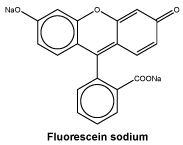
Molecular weight: 376.27.
Chemical name: Disodium 2-(6-oxido-3-oxo-3H-xanthen-9-yl) benzoate.
CAS number. 518-47-8 (fluorescein sodium); 2321-07-5 (fluorescein).
7 Medicine Schedule (Poisons Standard)
Prescription Only Medicine (Schedule 4).
Date of First Approval
12 April 2006
Date of Revision
27 March 2025
Summary Table of Changes

Reasonable care is taken to provide accurate information at the time of creation. This information is not intended as a substitute for medical advice and should not be exclusively relied on to manage or diagnose a medical condition. The Australian Commission on Safety and Quality in Health Care disclaims all liability (including for negligence) for any loss, damage, injury or any other negative effects resulting from reliance on or use of this information. Read our full disclaimer. This website uses cookies. Read our privacy policy.