
Fragmin
Brand Information
| Brand name | Fragmin |
| Active ingredient | Dalteparin sodium |
| Schedule | S4 |
Consumer Medicine Information (CMI) leaflet
Please read this leaflet carefully before you start using the Fragmin.
Summary CMI
FRAGMIN®
Consumer Medicine Information (CMI) summary
The full CMI on the next page has more details. If you are worried about using this medicine, speak to your doctor or nurse.
1. Why am I being treated with FRAGMIN?
FRAGMIN contains the active ingredient dalteparin sodium, derived from pig intestines. It is used to treat and/or prevent blood clots forming in deep blood vessels and/or your lungs (in patients with some cancers); treat certain types of heart disease; prevent clots before and after an operation or during kidney dialysis. For more information, see Section 1. Why am I being treated with FRAGMIN? in the full CMI.
2. What should I know before being treated with FRAGMIN?
Do not start treatment if you have ever had an allergic reaction to dalteparin sodium/heparin/other medicines derived from heparin, pork products, or any of the ingredients listed at the end of the CMI; have major bleeding disorders; injury to the brain including stroke; stomach/bowel problems; bacterial infections in your heart/heart valves; very high blood pressure; or following injury or operation on your brain, spinal cord, eyes or ears.
Talk to your doctor if you have: allergy to latex (natural rubber); medical conditions which involve increased risk of bleeding including stomach ulcers or blood clotting disorders; high blood pressure; heart infections or an artificial heart valve; diabetes or eye disease related to diabetes; kidney or liver disease; cancer including brain tumours; had recent surgical procedures; had metabolic acidosis or high blood potassium; are being treated for severe pain; take any medicines; or are pregnant, planning to become pregnant or are breastfeeding.
For more information, see Section 2. What should I know before being treated with FRAGMIN? in the full CMI.
3. What if I am taking other medicines?
Some medicines may interfere with FRAGMIN and affect how it works. A list of these medicines is in Section 3. What if I am taking other medicines? in the full CMI.
4. How is FRAGMIN given?
FRAGMIN is given by injection either under the skin, or as a slow 'drip' into a vein. If you need to use FRAGMIN after you have left hospital, you will be taught to self-inject. More instructions can be found in Section 4. How is FRAGMIN given? in the full CMI.
5. What should I know during treatment with FRAGMIN?
| Things you should do |
|
| Things you should not do |
|
| Driving or using machines |
|
| Looking after your medicine |
|
For more information, see Section 5. What should I know during treatment with FRAGMIN? in the full CMI.
6. Are there any side effects?
Side effects may include: allergic reaction; pain/bruising/lump at injection site; hair loss; unusual bleeding including nosebleeds, blood in wee/poo; tingling/numbness of hands/feet or limbs; slow/irregular heartbeat; dizziness; fever; muscle weakness; severe headache; bleeding on the brain; osteoporosis; rash, blisters; upset stomach/pain/vomiting; chest pain; fainting; tiredness.
For more information, including what to do if you have any side effects, see Section 6. Are there any side effects? in the full CMI.
Full CMI
FRAGMIN® ('frahg-minh')
Active ingredient(s): Dalteparin sodium
Consumer Medicine Information (CMI)
This leaflet provides important information about being treated with FRAGMIN. You should also speak to your doctor or nurse if you would like further information or if you have any concerns or questions about being treated with FRAGMIN.
Where to find information in this leaflet:
1. Why am I being treated with FRAGMIN?
2. What should I know before being treated with FRAGMIN?
3. What if I am taking other medicines?
4. How is FRAGMIN given?
5. What should I know during treatment with FRAGMIN?
6. Are there any side effects?
7. Product details
1. Why am I being treated with FRAGMIN?
FRAGMIN belongs to a group of medicines known as low molecular weight heparins (LMWHs). It contains the active ingredient dalteparin sodium, which is derived from pig intestines.
FRAGMIN is used to treat:
- Deep vein thrombosis, "DVT" (a blood clot in a deep vein, usually in the leg or arm)
- Blood clots in the veins of the lungs (pulmonary embolism), in certain types of cancer
- Unstable heart disease caused by poor blood flow in the blood vessels of the heart (e.g. angina or heart attack).
FRAGMIN may also be used to prevent:
- DVTs before or after an operation
- Blood clotting during haemodialysis, a procedure that uses a machine to remove waste products from the blood in people with kidney failure.
Your doctor may have prescribed it for another reason.
Ask your doctor if you have any questions about why it has been prescribed for you.
2. What should I know before being treated with FRAGMIN?
Warnings
You should not be given FRAGMIN:
- If you have an allergy to dalteparin sodium, heparin or other similar medicines (such as other LMWHs), pork products, or any of the ingredients listed at the end of this leaflet.
- always check the ingredients to make sure you can be given this medicine.
- if you have, or have ever had, any of the following medical conditions: major bleeding disorders (e.g. haemophilia, severe liver disease); certain types of injury to the brain including stroke (bleeding in your brain); stomach or bowel problems, such as ulcers or ulcerative colitis; bacterial infections in your heart or heart valves; very high blood pressure.
- following an injury or operation on your brain, spinal cord, eyes or ears.
If you are being treated with FRAGMIN, you should not:
- have a procedure known as 'sympathetic block' (where anaesthesia medicine is injected to treat specific types of pain).
If you are being treated with high doses of FRAGMIN (eg. for blood clots in the lung or poor blood flow in the heart), you should not:
- have a procedure known as 'regional anaesthesia' (where only a specific area of the body is numbed, so you can stay awake or sedated while undergoing a procedure or surgery without losing consciousness).
Check with your doctor if you:
- have an allergy to latex (natural rubber). The needle shield on the pre-filled syringe may contain latex.
- have any other medical conditions such as: low platelet count (thrombocytopenia); high blood pressure; severe problems with blood clotting, bleeding or bruising; infection or inflammation of the heart valves or have an artificial heart valve; diabetes; eye disease related to diabetes or high blood pressure; kidney or liver disease, cancer including brain tumours or thinning of the bones (osteoporosis).
- take any medicines for any other condition including other anticoagulant/antiplatelet medicines or chemotherapy treatment.
- have had any recent surgical procedures.
- have ever had metabolic acidosis (a serious electrolyte disorder) or high potassium in your blood.
If your doctor is planning for you to have an anaesthetic injection in your back (spinal or epidural injection), tell your doctor you are being treated with FRAGMIN.
During treatment, you may be at risk of developing certain side effects. It is important you understand these risks. See additional information under Section 6. Are there any side effects?
Pregnancy and breastfeeding
Check with your doctor if you are pregnant, intend to become pregnant or are breastfeeding.
FRAGMIN is not recommended for use during pregnancy as it may result in adverse outcomes for the pregnant woman or unborn child. Discuss the risks with your doctor.
FRAGMIN is not recommended for use during breastfeeding. FRAGMIN may pass into breastmilk.
Use in children
- It is not recommended that FRAGMIN be given to children.
Use in the elderly
- FRAGMIN should be used with caution in the elderly, especially in patients aged 80 years and above, as they may be at an increased risk of bleeding complications, even when the correct dosages are being used.
3. What if I am taking other medicines?
Tell your doctor or nurse if you are taking any other medicines, including vitamins or supplements that you buy without a prescription from your pharmacy, supermarket or health food shop.
Some medicines may interfere with FRAGMIN and affect how it works.
Medicines that may increase the effect of FRAGMIN (i.e. increase the risk of bleeding) include:
- Non-steroidal anti-inflammatory drugs ('NSAIDs') - such as naproxen, ibuprofen, diclofenac, piroxicam, meloxicam, indometacin and keterolac
- Aspirin, however this may be prescribed by your doctor to take with FRAGMIN. Speak with your doctor before taking aspirin.
- Anticoagulants ('blood thinners') - such as warfarin, heparin and other medicines derived from heparin eg. enoxaparin sodium
- Platelet inhibitors - such as clopidogrel, prasugrel, ticagrelor, tirofiban, eptifibatide and dipyradamole
- Thrombolytics (clot-dissolving medicines) - such as alteplase, tenecteplase, apixaban, rivaroxaban and dabigatran
- Dextran, a medicine used to treat shock, which occurs when you have dangerously low blood pressure
- probenecid, a medicine used to treat gout, certain complications associated with HIV, or used in conjunction with certain antibiotic treatment
- medicines used to treat some cancers (known as 'cytostatics' - cytarabine, daunorubicin, fluorouracil and methotrexate are some examples)
Medicines that may decrease the effect of FRAGMIN (i.e. increase the risk of clotting) include:
- medicines to control bleeding such as andexanet alfa
- antihistamines (medicines used to prevent or relieve the symptoms of allergy, hay fever or rashes) - especially those containing diphenhydramine
- digoxin, a medicine used to treat heart failure
- tetracycline antibiotics, such as doxycycline, minocycline and tigecycline
- medicines or vitamins that contain ascorbic acid (vitamin C).
FRAGMIN may also increase blood potassium levels in patients taking the following medicines:
- potassium salts, some fluid tablets (e.g. amiloride, spironolactone and eplerenone), some medicines for heart problems (e.g. perindopril, lisinopril, enalapril and telmisartan, candesartan, irbesartan, losartan) and some antibiotics (e.g. trimethoprim and pentamidine).
If you are taking any of these medicines while using FRAGMIN, your doctor will need to carefully monitor your blood clotting factors and other blood levels, such as potassium.
Check with your doctor, nurse or pharmacist if you are not sure about what medicines, vitamins or supplements you are taking and if these affect FRAGMIN.
4. How is FRAGMIN given?
How much is given
Your doctor will decide what dose, how often and how long you will receive FRAGMIN. This depends on your condition and other factors, such as your age, weight, level of mobility, how well your kidneys are working, and whether other medicines are being given at the same time.
If you are being treated for deep vein thrombosis (DVT), your doctor may tell you to start taking another oral medicine to prevent blood clots, such as warfarin tablets.
If you are being treated for unstable heart disease (e.g. angina or heart attack), your doctor might tell you to take aspirin as well.
How it is given
- FRAGMIN may be given as an injection either under the skin (subcutaneously) or through a slow infusion “drip” into a vein (intravenously).
- It should not be given as an injection into a muscle (intramuscularly).
- FRAGMIN is usually only given by a doctor or nurse. However, in certain conditions you might have to use FRAGMIN after you have left hospital. In that case, your doctor or nurse will teach you how to self-inject before you leave the hospital.
How to use FRAGMIN at home
To inject FRAGMIN, you should be sitting or lying down.
Do not expel the air bubble from the syringe before injection. This should ensure delivery of the full dose.
The injection should be given under the skin. You can inject yourself in either your stomach or the fleshiest part of your upper buttock.
Your doctor or nurse will tell you which of these two areas is better for you to use. Whichever area you use, try to make sure that you inject yourself in slightly different spots each time to avoid soreness at the injection site.
Before you inject, make sure that the injection site is clean by wiping the area with an antiseptic or alcohol swab, or by washing it with soap and water and patting it dry with a clean towel.
If you are injecting yourself in the stomach, you will need to lift up a fold of skin to make a slight bulge, as the layer of fat may be quite thin. Keep a firm grip of the skin throughout the whole injection without pinching yourself too tightly.
If you are injecting yourself in the buttock, there is no need to lift a fold of skin, as the layer of fat is thick enough.
Hold the base of the rubber cover that protects the needle, then twist to remove it from the needle. Insert the needle into the skin vertically, as far as it will go. Press on the plunger and withdraw the needle when you have injected the whole content of the syringe.
Dispose of the used syringe and needle in a safe manner. If you have any questions, ask your doctor or nurse for help.
If you forget to use FRAGMIN
IF YOU HAVE TWICE DAILY INJECTIONS:
If it is less than 6 hours since you should have injected, give yourself an injection and then continue as usual. If more than 6 hours has passed, give yourself the next injection when it is time to do so.
IF YOU HAVE ONCE DAILY INJECTIONS:
If it is less than 12 hours since you should have injected, give yourself an injection as soon as you can and then continue as usual. If more than 12 hours have passed, give yourself the next injection when it is time to do so.
In either case, contact your doctor if you are concerned or have any questions.
If you are given too much FRAGMIN
If FRAGMIN is being given to you in hospital, it is given under the close supervision of your doctor, so it is very unlikely that you will receive too much. Your condition will also be carefully monitored following administration. A symptom of too much FRAGMIN may be abnormal bleeding.
Tell your doctor or nurse immediately if you are concerned that you may have been given too much FRAGMIN.
If you are using FRAGMIN at home and you think that you have used too much, you may need urgent medical attention.
You should immediately:
- phone the Poisons Information Centre
(by calling 13 11 26), or - contact your doctor, or
- go to the Emergency Department at your nearest hospital.
You should do this even if there are no signs of discomfort or poisoning.
5. What should I know during treatment with FRAGMIN?
Things you should do
Use FRAGMIN exactly as your doctor has prescribed.
Remind any doctor, dentist or pharmacist you visit that you are using FRAGMIN.
If you are going to have surgery or undergo any procedures involving anaesthesia medicines (including spinal or epidural injections), tell your doctor, anaesthetist or dentist that you are being treated with FRAGMIN.
FRAGMIN may affect other medicines used during those procedures.
Follow your doctor's instructions carefully and be sure to keep all medical appointments.
Your doctor may ask you to have blood tests to check your progress and prevent unwanted side effects, particularly if you have cancer, liver or kidney disease or are very thin or very overweight.
Tell your doctor straight away if you:
- become pregnant while using FRAGMIN. FRAGMIN is not recommended for use during pregnancy.
- experience back pain, numbness or weakness in your lower limbs or have any problems going to the toilet.
- experience any unusual bruising or abnormal bleeding.
- have chest pain, fast or irregular heartbeat, or muscle weakness or numbness in your limbs.
Things you should not do
- Do not use FRAGMIN to treat any other complaints unless your doctor tells you to.
- Do not give FRAGMIN to anyone else, even if they have the same condition as you.
- Do not stop using your medicine or change the dosage without checking with your doctor.
- Do not mix FRAGMIN with other injections or infusion solutions.
- Do not inject FRAGMIN into a muscle.
FRAGMIN is not interchangeable with other low molecular weight heparins (LMWHs), such as exoxaparin sodium, or other heparin products.
Driving or using machines
Be careful driving or operating machinery until you know if FRAGMIN affects you.
Drinking alcohol
No information is available. If you drink alcohol discuss this with your doctor while using FRAGMIN.
Looking after your medicine
In the hospital, FRAGMIN will be stored in the pharmacy or on the ward under the correct conditions.
If using FRAGMIN at home, follow the instructions in the carton on how to take care of your medicine properly.
Keep the syringes in the pack until it is time to use them. If you take the syringes out of the pack, they may not keep well.
Keep FRAGMIN in a cool dry place away from moisture, heat and sunlight, where the temperature stays below:
- 30 degrees Celsius for FRAGMIN 2,500 IU, 5,000 IU, 12,500 IU, 15,000 IU and 18,000 IU.
- 25 degrees Celsius for FRAGMIN 10,000 IU.
Do not store it:
- in the bathroom or near a sink, or
- in the car or on window sills.
Keep it where young children cannot reach it.
Dispose of the used syringe and needle safely in a 'sharps' container or similar puncture proof container made of hard plastic.
Getting rid of any unwanted medicine
If you no longer need to use this medicine or it is out of date, take it to any pharmacy for safe disposal.
Do not use this medicine after the expiry date.
6. Are there any side effects?
All medicines can have side effects. If you do experience any side effects, most of them are minor and temporary. However, some side effects may need medical attention.
See the information below and, if you need to, ask your doctor or nurse if you have any further questions about side effects.
Side effects
| Side effects | What to do |
| Speak to your doctor or nurse if you have any of these side effects and they worry you. |
| If you are already in hospital, alert your doctor or nurse straight away, if you notice any of these side effects. If you are being treated at home, call your doctor or go to your nearest hospital if you notice any of these serious side effects. |
Tell your doctor or nurse if you notice anything else that may be making you feel unwell.
Other side effects not listed here may occur in some people.
Reporting side effects
After you have received medical advice for any side-effects you experience, you can report side effects to the Therapeutic Goods Administration online at www.tga.gov.au/safety/reporting-problems. By reporting side effects, you can help provide more information on the safety of this medicine.
Always make sure you speak to your doctor or nurse before you decide to stop taking any of your medicines.
7. Product details
What FRAGMIN contains
| Active ingredient (main ingredient) | dalteparin sodium |
| Other ingredients (inactive ingredients) | water for Injections 2,500 IU & 10,000 IU only: sodium chloride |
Do not take this medicine if you are allergic to any of these ingredients.
FRAGMIN does not contain lactose, sucrose, gluten, tartrazine or any other azo dyes.
What FRAGMIN looks like
FRAGMIN is a clear, colourless or straw-coloured solution. The solution is contained in a pre-filled glass syringe.
A non-removable needle is attached to each syringe, which is enclosed by a needle shield.
FRAGMIN is available as fixed single dose syringes:
2,500 IU/0.2 mL: AUST R 25347
5,000 IU/0.2 mL: AUST R 25349
12,500 IU/0.5 mL: AUST R 61939
15,000 IU/0.6 mL: AUST R 61938
18,000 IU/0.72 mL: AUST R 61937.
It is also available as graduated single dose syringes:
10,000 IU/1 mL: AUST R 66626.
Who distributes FRAGMIN
Pfizer Australia Pty Ltd
Sydney NSW
Toll Free Number: 1800 675 229
www.pfizermedicalinformation.com.au
® Registered Trademark
This leaflet was prepared in December 2025.
Brand Information
| Brand name | Fragmin |
| Active ingredient | Dalteparin sodium |
| Schedule | S4 |
MIMS Revision Date: 01 August 2025
1 Name of Medicine
Dalteparin sodium.
2 Qualitative and Quantitative Composition
2,500 IU (anti-Xa) dalteparin sodium/0.2 mL injection syringe.
5,000 IU (anti Xa) dalteparin sodium/0.2 mL injection syringe.
7,500 IU (anti-Xa) dalteparin sodium/0.75 mL injection syringe.
10,000 IU (anti-Xa) dalteparin sodium/1 mL injection syringe.
12,500 IU (anti-Xa) dalteparin sodium/0.5 mL injection syringe.
15,000 IU (anti-Xa) dalteparin sodium/0.6 mL injection syringe.
18,000 IU (anti-Xa) dalteparin sodium/0.72 mL injection syringe.
The 10,000 IU (anti-Xa)/1 mL syringe, 7,500 IU (anti-Xa)/0.75 mL syringe, 5,000 IU (anti-Xa)/0.2 mL syringe and 2,500 IU (anti-Xa)/0.2 mL syringe have the following anti-IIa factor potencies 3900, 2940, 1960 and 980, respectively.
The 0.5, 0.6 and 0.72 mL single dose syringe presentations have the same anti-IIa factor potency per mL as the 5,000 IU (anti-Xa)/0.2 mL single dose syringe, corresponding to 4900, 5880 and 7060 IU anti-IIa respectively per syringe.
For the full list of excipients, see Section 6.1 List of Excipients.
3 Pharmaceutical Form
Solution for injection.
A clear colourless or straw-coloured solution.
4 Clinical Particulars
4.1 Therapeutic Indications
Prophylaxis against thrombotic complications during haemodialysis and treatment of acute deep vein thrombosis (DVT).
Extended treatment of symptomatic venous thromboembolism (VTE) (proximal deep vein thrombosis and/or pulmonary embolism) to reduce the recurrence of VTE in patients with solid tumour cancers.
Treatment of unstable coronary artery disease, i.e. unstable angina and non-ST-elevation myocardial infarction (also known as non-Q-wave myocardial infarction).
Prophylaxis against thromboembolic complications in the peri- or postoperative period of surgery.
4.2 Dose and Method of Administration
Do not administer Fragmin by the intramuscular route.
Thromboprophylaxis in conjunction with surgery. 2,500 IU administered subcutaneously (s.c.) 1-2 hours before the operation and thereafter 2,500 IU subcutaneously each morning until the patient is mobilised, in general 5-7 days.
Thromboprophylaxis in conjunction with general surgery associated with high risk of thrombosis (e.g. malignancy). 5,000 IU is given subcutaneously the evening before the operation and 5,000 IU subcutaneously the following evenings. As an alternative 2,500 IU subcutaneously 1-2 hours before operation and 2,500 IU subcutaneously twelve hours later. On the following days 5,000 IU subcutaneously each morning. Treatment is continued until the patient is mobilised, in general 5-7 days.
Prolonged thromboprophylaxis in orthopaedic surgery (e.g. hip replacement surgery). Additional risk factors for developing venous thromboembolism, such as previous DVT or PE, malignancy, advanced age, family history, obesity and immobilisation should be considered.
5,000 IU is given subcutaneously the evening before the operation and 5,000 IU subcutaneously the following evenings. Treatment is continued for five postoperative weeks.
As an alternative 2,500 IU is given subcutaneously 1-2 hours before the operation and 2,500 IU subcutaneously 8-12 hours later. On the following, days 5,000 IU s.c. each morning for five postoperative weeks.
Treatment of acute deep vein thrombosis. For patients with acute deep vein thrombosis Fragmin can be given either as a continuous intravenous (i.v.) infusion or as twice daily s.c. injections.
The following initial dosage is recommended:
Subcutaneous injections of 100 IU/kg twice daily or 100 IU/kg administered during 12 hours as a continuous i.v. infusion.
Doses up to 120 IU/kg/12 hours do not give a significant accumulation of anti-Xa activity.
As a rule, parallel treatment with vitamin K antagonists should be started immediately. Treatment with Fragmin should be continued until the levels of the prothrombin complex factors (F II, F VII, F IX, F X) have decreased to a therapeutic level, usually for at least 5 days.
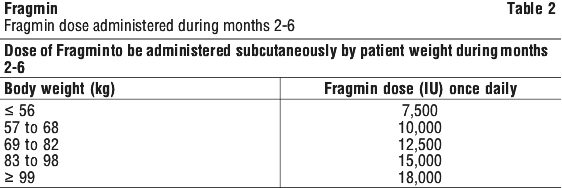
Extended treatment of symptomatic venous thromboembolism to reduce recurrence of VTE in patients with solid tumours. In patients with cancer and symptomatic venous thromboembolism, the recommended dosing of Fragmin is as follows.
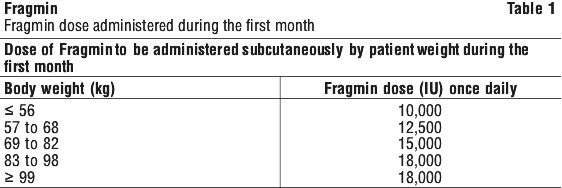
Month 1. Administer Fragmin 200 IU/kg total body weight subcutaneously once daily for the first 30 days of treatment. The total daily dose should not exceed 18,000 IU. Table 1 lists the dose of Fragmin to be administered once daily during the first month for a range of patient weights.
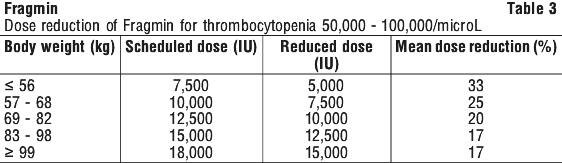
Dose reductions for chemotherapy induced thrombocytopenia in patients with cancer and acute symptomatic VTE. In patients receiving Fragmin who experience platelet counts between 50,000/microL and 100,000/microL, reduce the daily dose of Fragmin according to the dosage schedule in Table 3 until the platelet count recovers to ≥ 100,000/microL. In patients receiving Fragmin who experience platelet counts < 50,000/microL, Fragmin should be discontinued until the platelet count recovers above 50,000/microL.
Treatment of unstable coronary artery disease. 120 IU/kg bodyweight is administered subcutaneously twice daily. Maximum dose is 10,000 IU/12 hours. Treatment should be continued for 6 days. There are insufficient data regarding the benefits from treatment beyond 6 days.
Concomitant therapy with low dose aspirin is recommended.
Anticoagulation for haemodialysis. Chronic renal failure - patients with no known bleeding risk. Haemodialysis for more than 4 hours: i.v. bolus injection of 30-40 IU/kg bodyweight followed by i.v. infusion of 10-15 IU/kg bodyweight per hour.
Haemodialysis for a maximum of 4 hours: A single bolus injection of 5,000 IU can be administered into the arterial side of the extracorporeal system, at the start of the procedure. The 5,000 IU starting dose for the single bolus dosing regimen can be adjusted, session-to-session, based on the outcome of the previous dialysis; the dose may be increased or decreased in steps of 500 or 1,000 IU until a satisfactory outcome is obtained (see Section 5.1 Pharmacodynamic Properties). If a dose of 10,000 IU or more will be required to achieve adequate anticoagulation, based on clinical assessment of clotting in the extracorporeal circuit, use with caution and consider performing an evaluation of the patient (including anti-Xa level) and the dialysis equipment before proceeding with the higher dose.
If anti-Xa levels are obtained during haemodialysis, expected levels are expected to be about 0.5 IU/mL during dialysis (2 hrs post-dosing) and 0.25 IU/mL at the end of dialysis (4 hrs post-dosing); however, dalteparin dose adjustments should generally be based on clinical assessment of clotting in the extracorporeal circuit along with access site compression time or other bleeding events (see Section 5.1 Pharmacodynamic Properties).
Alternatively, administer 30-40 IU/kg body weight intravenous bolus injection followed by 10-15 IU/kg body weight per hour intravenous infusion.
Acute renal failure - patients with high bleeding risk. Intravenous bolus injection of 5-10 IU/kg bodyweight followed by i.v. infusion of 4-5 IU/kg bodyweight per hour.
Plasma anti-Xa level should be in the interval 0.2-0.4 IU/mL.
Compatibility. Fragmin injection is compatible with isotonic sodium chloride and isotonic glucose infusions. Prepared infusion solution should be used within 12 hours.
Monitoring advice. Fragmin has an anticoagulant effect which may, for example, induce a certain elevation of activated partial thromboplastin time (APTT) and thrombin time. For laboratory monitoring of effect, however, anti-Xa methods based on chromogenic peptide substrate are to be recommended for measuring anti-Xa levels. Prolongation of APTT on haemodialysis and treatment of acute deep vein thrombosis should only be used as a criterion of overdose. Dose increases aiming at prolonging APTT may result in overdosing and haemorrhage. APTT or thrombin time should not be used because these tests are relatively insensitive to the activity of dalteparin.
Haemodialysis. New patients undergoing haemodialysis should be regularly checked with respect to anti-Xa levels during the first few weeks. As a rule, subsequent checks will be needed less frequently. Patients undergoing acute haemodialysis have a narrower therapeutic interval and should be subjected to comprehensive monitoring of anti-Xa levels.
Other indications. Available data suggest that routine monitoring of anti-Xa levels is not required when Fragmin is used for indications other than haemodialysis, provided that the recommended dosages are not exceeded. However, monitoring should be considered for the specific patient populations identified, see Section 4.4 Special Warnings and Precautions for Use.
4.3 Contraindications
Hypersensitivity to Fragmin or other low molecular weight heparins and/or heparins, or pork products, e.g. history of confirmed or suspected immunologically mediated heparin induced thrombocytopenia.
Ulcerative conditions showing a tendency to haemorrhage (e.g. gastrointestinal ulcer, ulcerative colitis).
Cerebral haemorrhage.
Severe coagulation disorder.
Acute or subacute septic endocarditis.
Sympathetic block.
Spinal and epidural puncture (Fragmin in the dosage of 2,500 to 5,000 IU can however be used as a thromboprophylactic; see Section 4.4 Special Warnings and Precautions for Use).
Fragmin should not be used following injuries to or surgery involving brain, spinal cord, eye or ears.
In patients being treated for venous thromboembolism (VTE) or unstable coronary artery disease where the patients receive high doses of Fragmin, regional anaesthesia is contraindicated due to an increased risk of bleeding.
Since it is derived from heparin, it cannot be excluded that the same contraindications are valid also for Fragmin, viz; haemorrhagic diathesis, haemorrhagic stroke, severe hypertension, endocarditis lenta.
It is not known whether Fragmin passes the placental barrier.
4.4 Special Warnings and Precautions for Use
Epidural or spinal anaesthesia. When neuraxial anaesthesia (epidural/ spinal anaesthesia) or spinal puncture is employed, patients anticoagulated or scheduled to be anticoagulated with low molecular weight heparins or heparinoids for prevention of thromboembolic complications are at risk of developing an epidural or spinal haematoma which can result in long term or permanent paralysis. The risk of these events is increased by the use of indwelling epidural catheters for administration of analgesia or by the concomitant use of drugs affecting haemostasis such as nonsteroidal anti-inflammatory drugs (NSAIDs), platelet inhibitors or other anticoagulants. The risk also appears to be increased by traumatic or repeated epidural or spinal puncture. Patients should be monitored frequently for signs and symptoms of neurological impairment. If neurological compromise is noted, urgent treatment (decompression) is necessary. The physician should consider the potential benefit versus the risk before neuraxial intervention in patients anticoagulated for thromboprophylaxis (see Section 4.3 Contraindications).
Insertion or removal of the epidural or spinal catheter should be postponed to 10-12 hours after dalteparin doses administered for thrombosis prophylaxis, while in those receiving higher therapeutic dalteparin doses (such as 100 IU/kg-120 IU/kg every 12 hours or 200 IU/kg once daily), the interval should be a minimum of 24 hours. Extreme vigilance and frequent monitoring must be exercised to detect any signs and symptoms of neurologic impairment such as back pain, sensory or motor deficits (numbness and weakness in lower limbs) and bowel or bladder dysfunction.
Interchangeability with other anticoagulants. As low molecular weight heparins are unique and separate entities with regard to potency, kinetics and possible modes of action, these products are not interchangeable clinically.
Dalteparin cannot be used interchangeably (unit for unit) with unfractionated heparin, other low molecular weight heparins, or synthetic polysaccharides. Each of these medicines differ in their starting raw materials, manufacturing process, physicochemical, biological and clinical properties, leading to differences in biochemical identity, dosing, and possibly clinical efficacy and safety. Each of these medicines is unique and has its own instructions for use.
Intracranial bleeding. Limited data are available regarding the safety and efficacy of antithrombotic therapy in patients with primary or metastatic tumours of the brain who develop concurrent thromboembolic events. There is a risk of fatal intracranial bleeding with use of anticoagulation in this category of patients. Therefore, if the treatment with Fragmin was considered, it should be monitored closely with regular reassessment of the status of tumour involvement of the brain and other individual risks.
Prosthetic heart valves. Cases of prosthetic valve thrombosis have been reported in patients who have received low molecular weight heparins for thromboprophylaxis. Some of these patients were pregnant women in whom thrombosis led to maternal and/or foetal deaths. Pregnant women are at higher risk of thromboembolism (see Section 4.6 Fertility, Pregnancy and Lactation, Use in pregnancy). Fragmin is not approved for use in prosthetic heart valve thromboprophylaxis.
Thrombocytopenia. Thrombocytopenia of any degree should be monitored closely. Special precautions should be taken with Fragmin use in conjunction with thrombocytopenia or disorders of platelet function. It is recommended that platelets be counted before starting treatment with Fragmin and monitored regularly. Special caution is necessary in rapidly developing thrombocytopenia and severe thrombocytopenia (< 100,000/microL) during administration of Fragmin. In these patients a positive or unknown result with in vitro tests for antiplatelet antibody in the presence of Fragmin or other low molecular weight heparins and/or heparins contraindicates Fragmin (see Section 4.3 Contraindications).
In Fragmin clinical trials supporting noncancer indications, platelet counts of < 100,000/microL and < 50,000/microL occurred in < 1% and < 1% of patients, respectively.
In the clinical trial of patients with cancer and acute symptomatic venous thromboembolism treated for up to 6 months in the Fragmin treatment arm, platelet counts of < 100,000/microL occurred in 13.6% of patients, including 6.5% who also had platelet counts less than 50,000/microL. In the same clinical trial, thrombocytopenia was reported as an adverse event in 10.9% of patients in the Fragmin arm and 8.1% of patients in the oral anticoagulant (OAC) arm. Fragmin dose was decreased or interrupted in patients whose platelet counts fell below 100,000/microL.
Haemorrhage. As with all antithrombotic agents, there is a risk of systemic bleeding with Fragmin administration. Fragmin should be used with caution in patients who have a potentially higher risk of haemorrhage, such as patients with cancer, thrombocytopenia, platelet disorders, severe liver or kidney insufficiency, and in the thromboprophylaxis and treatment of patients with uncontrolled hypertension or hypertensive or diabetic retinopathy, and in patients receiving concurrent anticoagulant/ antiplatelet agents.
The concomitant use with drugs affecting haemostasis, such as thrombolytic agents, other anticoagulants, NSAIDs, platelet inhibitors, or dextran may enhance the anticoagulant effect of dalteparin and is not recommended. Appropriate caution should be exercised under specific circumstances of switching anticoagulant therapy (see Section 4.5 Interactions with Other Medicines and Other Forms of Interactions).
High doses of dalteparin, such as those needed to treat deep vein thrombosis, pulmonary embolism or unstable coronary artery disease should be used with caution in patients who had a recent surgical procedure. After treatment is initiated patients should be carefully monitored for bleeding complications. This may be done by regular physical examination of the patients, close observation of the surgical drain and periodic measurements of haemoglobin, and anti-Xa determinations.
Higher doses probably carry an increased risk of postoperative bleeding (about two-fold compared with standard heparin), so that the prescribing clinician will need to balance the opposing probabilities of enhanced efficacy versus increased bleeding in forming a judgement about the appropriate dose in an individual patient. The anticoagulant effect of Fragmin is enhanced by concurrent treatment with antithrombin III and fresh frozen plasma in patients with hereditary antithrombin III deficiency, thus in order to avoid bleeding, reduced dosage of Fragmin is recommended.
If a transmural myocardial infarction occurs in patients with unstable coronary artery disease, i.e. unstable angina and non-ST-elevation myocardial infarction, thrombolytic treatment might be appropriate. However, since combined Fragmin and thrombolytic therapy confers a high risk of major bleeding events, patients who develop ST-elevation myocardial infarction should cease Fragmin therapy and commence thrombolytic therapy in combination with aspirin.
Hyperkalaemia. Heparin and low molecular weight heparin can suppress adrenal secretion of aldosterone leading to hyperkalaemia, particularly in patients such as those with diabetes mellitus, chronic renal failure, pre-existing metabolic acidosis, raised plasma potassium or taking potassium sparing drugs. Plasma potassium should be measured in patients at risk.
Osteoporosis. Long term treatment with heparin has been associated with a risk of osteoporosis. The risk of osteoporosis with dalteparin cannot be excluded. Caution should be observed in patients with known osteoporosis and spontaneous fractures.
Monitoring anti-Xa levels. Monitoring of the anticoagulant effect of dalteparin during maintenance treatment is generally not necessary but should be considered for specific patient populations such as those with cancer, renal failure, those who are very thin or morbidly obese, pregnant or those at increased risk of bleeding or rethrombosis.
Patients with severely disturbed hepatic function, significant renal failure or chemotherapy induced thrombocytopenia may need a reduction in dosage and should be monitored accordingly.
Allergic reactions. For labels with the prefilled syringes (fixed dose and graduated syringes). The needle shield of Fragmin prefilled syringes may contain latex (natural rubber) which may cause severe allergic reactions in individuals with hypersensitivity to latex (natural rubber).
Use in the elderly. Fragmin should be used with caution in the elderly. Elderly patients (especially patients aged eighty years and above) may be at an increased risk for bleeding complications within the therapeutic dosage ranges. Careful clinical monitoring is advised.
Paediatric use. Fragmin should not be used in children. There is limited safety and efficacy information on the use of dalteparin in paediatric patients.
Effects on laboratory tests. A nonspecific increase of hepatic enzymes (AST/SGOT, ALT/SGPT, GGT) has been reported. It is of the same magnitude as occurs with standard heparin and is reversible.
In Fragmin clinical trials supporting noncancer indications where hepatic transaminases were measured, asymptomatic increases in transaminase levels (AST/SGOT and ALT/SGPT) greater than three times the upper limit of normal of the laboratory reference range were seen in 4.7% and 4.2%, respectively, of patients during treatment with Fragmin.
In the Fragmin clinical trial of patients with cancer and acute symptomatic venous thromboembolism treated with Fragmin for up to 6 months, asymptomatic increases in transaminase levels, AST and ALT, greater than three times the upper limit of normal of the laboratory reference range were reported in 8.9% and 9.5% of patients, respectively. The frequencies of grades 3 and 4 increases in AST and ALT, as classified by the National Cancer Institute, Common Toxicity Criteria (NCI-CTC) scoring system, were 3% and 3.8%, respectively. Grades 2, 3 and 4 combined have been reported in 12% and 14% of patients, respectively.
4.5 Interactions with Other Medicines and Other Forms of Interactions
As with heparin therapy, the following interactions with other drugs may occur:
1. Drugs increasing effects of dalteparin. Enhancement of anticoagulant effect by thrombolytic agents, aspirin and other NSAIDs with effects on platelets, other anticoagulants, vitamin K antagonists, dipyridamole, dextran, sulphinpyrazone, probenecid, ethacrynic acid and cytostatics. However, unless specifically contraindicated, patients with unstable coronary artery disease (unstable angina and non-ST-elevation myocardial infarction), should also receive oral low dose aspirin (see Section 4.4 Special Warnings and Precautions for Use, Haemorrhage).
2. Drugs antagonising effects of dalteparin. Reduction of anticoagulant effect by antihistamines, digitalis glycosides, tetracycline and ascorbic acid. The concomitant use of dalteparin with andexanet alfa may reduce the effectiveness of dalteparin. Andexanet alfa, a recombinant modified human coagulation factor Xa used for reversal of anticoagulation with apixaban or rivaroxaban, has been shown to bind to heparin-bound anti-thrombin III (ATIII) and may reduce the anticoagulant effect of dalteparin.
Because NSAIDs and aspirin analgesic/ anti-inflammatory doses reduce production of vasodilatory prostaglandins, and thereby renal blood flow and the renal excretion, particular care should be taken when administering dalteparin concomitantly with NSAIDs or high dose aspirin in patients with renal failure.
4.6 Fertility, Pregnancy and Lactation
Effects on fertility. No data available.
Use in pregnancy. (Category C)
(Same as standard heparin.) The use of heparin in pregnancy has the usual risks for the mother, in particular osteoporosis and thrombocytopenia. Although heparin does not cause malformations, an increased incidence of human foetal loss and prematurity associated with haemorrhage has been reported.
Caution is recommended when treating patients with an increased risk of haemorrhage, such as perinatal women (see Section 4.4 Special Warnings and Precautions for Use, Haemorrhage).
There are also postmarketing reports of prosthetic valve thrombosis in pregnant women with prosthetic heart valves while receiving low molecular weight heparins for thromboprophylaxis. These events led to maternal death or surgical interventions.
Pregnant women with prosthetic heart valves appear to be at exceedingly high risk of thromboembolism. An incidence of thromboembolism approaching 30% has been reported in these patients, in some cases even with apparent adequate anticoagulation at treatment doses of low molecular weight heparins or unfractionated heparin.
Fragmin is not approved for use in prosthetic heart valve thromboprophylaxis.
Use in lactation. Not recommended for lactating women as there is limited data available as to whether Fragmin passes into breast milk. One study in 15 lactating women receiving prophylactic doses of dalteparin detected small amounts of anti-Xa activity in breast milk, equivalent to a milk/ plasma ratio of < 0.025-0.224. As oral absorption of low molecular weight heparin is extremely low the clinical implications, if any, of this small amount of anticoagulant activity on the breastfeeding infant are unknown.
4.7 Effects on Ability to Drive and Use Machines
Fragmin does not affect the ability to drive or operate machinery.
4.8 Adverse Effects (Undesirable Effects)
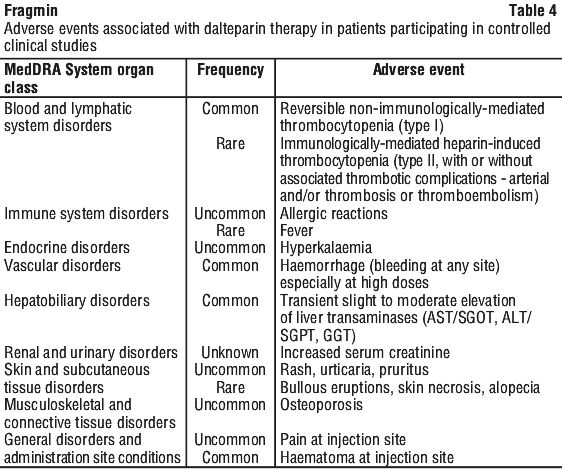
In Table 4, the adverse reactions are listed by system organ class and frequency: very common (≥ 1/10); common (≥ 1/100 to < 1/10); uncommon (≥ 1/1,000 to < 1/100); rare (≥ 1/10,000 to < 1/1,000); very rare (< 1/10,000); not known (cannot be estimated from the available data).
Within each frequency grouping, adverse effects are presented in order of decreasing seriousness.
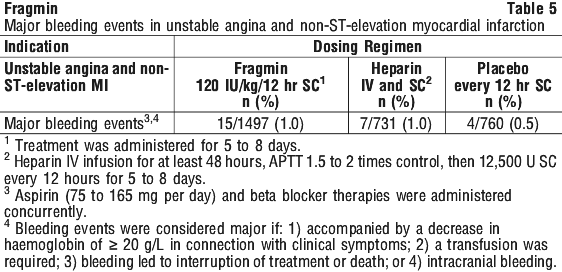
1. All major bleeding events.
2. Other bleeding events possibly or probably related to treatment with Fragmin (preoperative dosing regimen), warfarin sodium, or heparin in two hip replacement surgery clinical trials.
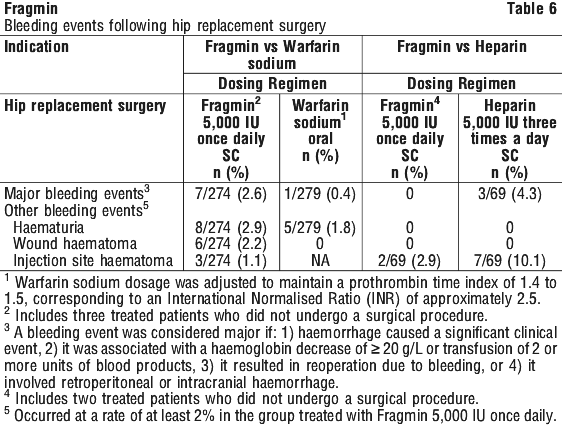
In the third hip replacement surgery clinical trial, the incidence of major bleeding events was similar in all three treatment groups: 3.6% (18/496) for patients who started Fragmin before surgery; 2.5% (12/487) for patients who started Fragmin after surgery; and 3.1% (15/489) for patients treated with warfarin sodium.
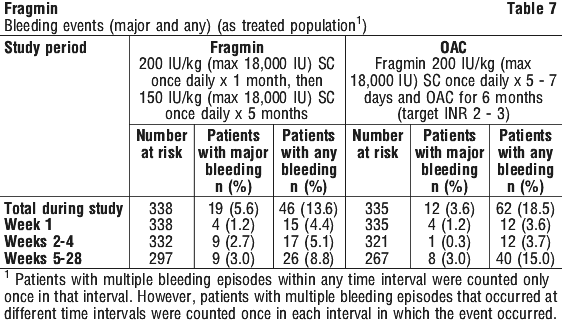
Patients with cancer and acute symptomatic venous thromboembolism. Table 7 summarises the number of patients with bleeding events that occurred in the clinical trial of patients with cancer and acute symptomatic venous thromboembolism. A bleeding event was considered major if it met one the following criteria:
1. Accompanied by a decrease in haemoglobin of ≥ 20 g/L in connection with clinical symptoms.
2. Occurred at a critical site (intraocular, spinal/ epidural, intracranial, retroperitoneal, or pericardial bleeding).
3. Required transfusion of ≥ 2 units of blood products.
4. Led to death.
Minor bleeding was classified as clinically overt bleeding that did not meet criteria for major bleeding.
At the end of the six month study, a total of 46 (13.6%) patients in the Fragmin arm and 62 (18.5%) patients in the oral anticoagulant (OAC) arm experienced any bleeding event. One bleeding event (haemoptysis in a patient in the Fragmin arm at day 71) was fatal.
Immune system disorders. Anaphylactic reactions.
Metabolic and nutrition disorders. Hyperkalaemia.
Endocrine disorders. Hypoaldosteronism.
Cardiac disorders. Prosthetic cardiac valve thrombosis.
Nervous system disorders. Intracranial bleeds have been reported and some have been fatal.
Gastrointestinal disorders. Retroperitoneal bleeds have been reported and some have been fatal.
Skin and subcutaneous tissue disorders. Skin necrosis, alopecia, rash.
Vascular disorders. Haemorrhage (bleeding at any site), some cases reported have been fatal.
Injury, poisoning and procedural complications. Spinal or epidural haematoma.
Reporting suspected adverse effects. Reporting suspected adverse reactions after registration of the medicinal product is important. It allows continued monitoring of the benefit-risk balance of the medicinal product. Healthcare professionals are asked to report any suspected adverse reactions at www.tga.gov.au/safety/reporting-problems.
4.9 Overdose
Signs and symptoms. Doses of Fragmin exceeding the recommended dose may result in over-anticoagulation or bleeding.
Treatment of overdosage. These may generally be stopped by the slow intravenous injection of protamine sulfate (1% solution), at a dose of 1.0 mg protamine for every 100 IU of Fragmin given. A second infusion of 0.5 mg protamine sulfate per 100 IU of Fragmin may be administered if the APTT measured 2 to 4 hours after the first infusion remains prolonged. Even with these additional doses of protamine, the APTT may remain more prolonged than would usually be found following administration of conventional heparin. In all cases, the anti-Xa activity is never completely neutralised (maximum about 60 to 75%).
Protamine has an inhibiting effect on primary haemostasis and should only be used in an emergency. Particular care should be taken to avoid overdosage with protamine sulfate. Administration of protamine sulfate can cause severe hypotension and anaphylactoid reactions. Because fatal reactions, often resembling anaphylaxis, have been reported with protamine sulfate, it should be given only when resuscitation techniques and treatment of anaphylactic shock are readily available.
For information on the management of overdose, contact the Poisons Information Centre on 13 11 26 (Australia).
5 Pharmacological Properties
5.1 Pharmacodynamic Properties
Mechanism of action. Fragmin is composed of molecules with and without the specially characterised pentasaccharide (the antithrombin binding site). Fragmin, therefore, acts antithrombotically by accelerating the rate of the neutralisation of certain activated coagulation factors, largely factor Xa, but also factor XIIa and kallikrein by antithrombin. Other mechanisms may also be involved. Coagulation time, e.g. activated partial thromboplastin time (APTT), and inhibition of thrombin are influenced to only a small degree. Compared with heparin, Fragmin has relatively little effect on platelet function and adhesion and thus has little effect on primary haemostasis. In addition, some of the antithrombotic properties of Fragmin are thought to be mediated through the effect on the vessel wall or the fibrinolytic system.
Clinical trials. Unstable coronary artery disease (unstable angina and non-ST-elevation myocardial infarction). In a double blind, randomised, placebo controlled clinical trial, patients who recently experienced unstable angina with ECG changes or non-ST-elevation myocardial infarction were randomised to Fragmin Injection 120 IU/kg every 12 hours subcutaneously (s.c.) or placebo every 12 hours s.c. In this trial, unstable angina was defined to include only angina with ECG changes. All patients, except when contraindicated, were treated concurrently with aspirin (75 mg once daily) and beta blockers. Treatment was initiated within 72 hours of the event (the majority of patients received treatment within 24 hours) and continued for 5 to 8 days. A total of 1506 patients were enrolled and treated; 746 received Fragmin and 760 received placebo. The mean age of the study population was 68 years (range 40 to 90 years) and the majority of patients were white (99.7%) and male (63.9%). The combined incidence of the double endpoint of death or myocardial infarction was lower for Fragmin compared with placebo at 6 days after initiation of therapy. These results were observed in an analysis of all randomised and all treated patients. The combined incidence of death, myocardial infarction (MI), need for intravenous (i.v.) heparin or i.v. glyceryl trinitrate, and revascularisation was also lower for Fragmin than for placebo (see Table 8).
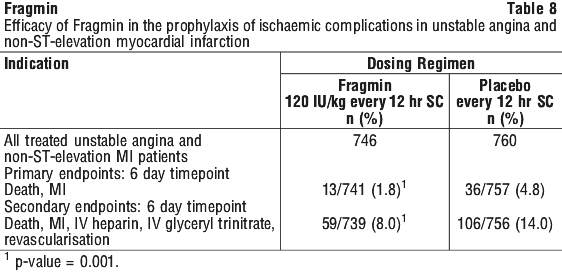
There are insufficient data regarding the benefits from treatment beyond 6 days.
Prolonged thromboprophylaxis in orthopaedic surgery. Two placebo controlled studies conducted in Denmark and Norway with a total of 496 patients have been performed to study the effect and safety of extended thromboprophylaxis after hip replacement surgery. Fragmin 5,000 IU was given subcutaneously once daily up to 35 days postoperatively and was compared with placebo. In both studies Fragmin achieved a significant reduction of the frequency of phlebographically detected venous thrombosis. None of the patients receiving Fragmin developed pulmonary embolism (PE) in either of the studies, while two cases of PE were reported in the placebo group of the Norwegian study. The difference in the incidence of PE between the Fragmin and placebo groups was not significant. There were no serious haemorrhagic complications.
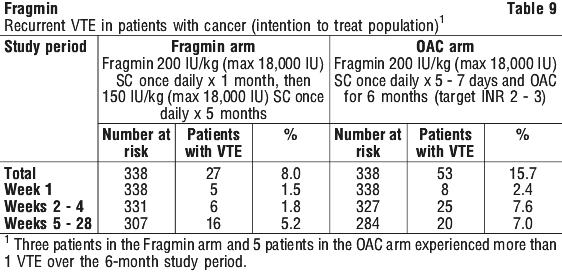
Patients with cancer and acute symptomatic venous thromboembolism. In a prospective, multicentre, open label, clinical trial (CLOT* study), 676 patients with cancer and newly diagnosed, objectively confirmed acute deep vein thrombosis (DVT) and/or pulmonary embolism (PE) were studied. Patients were randomised to either Fragmin 200 IU/kg (max 18,000 IU subcutaneously (s.c.) daily for one month) then 150 IU/kg (maximum 18,000 IU s.c. daily for five months) (Fragmin arm) or Fragmin 200 IU/kg (max 18,000 IU s.c. daily for five to seven days) and oral anticoagulant (OAC) for six months. In the OAC arm, oral anticoagulation was adjusted to maintain an International Normalised Ratio (INR) of 2 to 3. Patients were evaluated for recurrence of symptomatic venous thromboembolism (VTE) every two weeks for six months.
The median age of patients was 64 years (range: 22 to 89 years); 51.5% of patients were females; 95.3% of patients were Caucasians. Types of tumours were: gastrointestinal tract (23.7%), genitourinary (21.5%), breast (16%), lung (13.3%), haematological tumours (10.4%) and other tumours (15.1%). Venous thrombotic events were adjudicated by a blinded central committee.
A total of 27 (8.0%) and 53 (15.7%) patients in the Fragmin and OAC arms, respectively, experienced at least one episode of an objectively confirmed, symptomatic DVT and/or PE during the 6 month study period. Most of the difference occurred during the first month of treatment (see Table 9). The benefit was maintained over the 6 month study period.
* CLOT study: randomised comparison of low molecular weight heparin (dalteparin) versus oral anticoagulant therapy for long term anticoagulation in cancer patients with venous thromboembolism.
There was no significant difference in mortality between the two groups in deaths at 6 and 12 months (131 vs. 137 and 190 vs. 194 in the dalteparin and OAC arms, respectively).
Parrot study (A6301091). A phase IIIb open-label study in adults aged 18 to 85 years that allowed flexible dosing with increment/decrement of 500 or 1,000 IU following standard dalteparin sodium 5,000 IU bolus to optimise treatment for the prevention of clotting within the extracorporeal system during haemodialysis procedures for subjects with chronic renal insufficiency.
Subjects had been previously treated with UFH or LMWH and had end-stage renal failure requiring 3 or 4 haemodialysis (HD) sessions each of 4 hours or less per week. See Table 10.
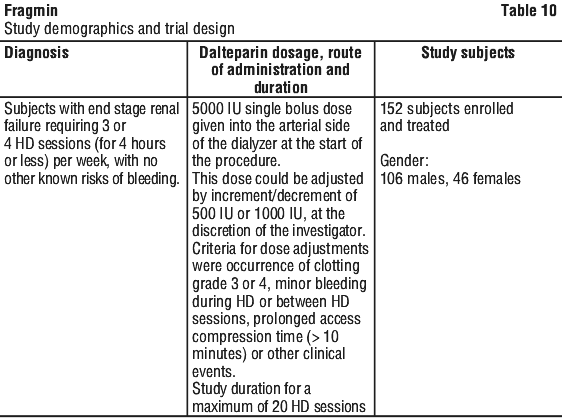
For subjects who completed at least one HD session, the dalteparin dose was adjusted for 79 (52.3%) subjects, and 72 (47.7%) subjects received the standard fixed dose of 5000 IU per HD session at all HD sessions.
The mean Fragmin dose was 5,488 IU and the median Fragmin dose was 5,000 IU. Very few subjects received a dose over 10,000 IU. There was no evidence of bioaccumulation of anti-Xa serum levels. Only for 2 subjects, the pre-HD session value was above the threshold of < 0.4 IU/mL at HD 10 but this was resolved at HD session 20. For each HD session, the anti-Xa serum levels at 2 hours post analysis increased from pre-HD session, before starting to decrease at 4 hours post-HD session.
Within the limitations of a single-arm, open label study, the results demonstrate that a flexible dosing regimen of dalteparin sodium administered into the arterial side of the extracorporeal system during HD sessions up to 4 hours in subjects with chronic renal failure and no other known risks of bleeding is effective and well tolerated, and that a flexible dosing regimen is appropriate to address the potential limitations of the fixed dose regimen (5,000 IU).
5.2 Pharmacokinetic Properties
Absorption. Bioavailability is approximately 90% after subcutaneous injection.
Elimination. Half-life after intravenous injection is two hours and after subcutaneous injection is 3 - 4 hours. Pharmacokinetic activity is not dose dependent with regard to anti-Xa half-life within the therapeutic interval.
5.3 Preclinical Safety Data
Genotoxicity. No data available.
Carcinogenicity. No carcinogenicity tests have been performed with this agent.
6 Pharmaceutical Particulars
6.1 List of Excipients
Sodium chloride q.s. (in the 2,500 IU anti-Xa/0.2 mL, 7,500 IU anti-Xa/0.75 mL and 10,000 IU anti-Xa/1 mL syringe presentations only); water for injections.
6.2 Incompatibilities
Incompatibilities were either not assessed or not identified as part of the registration of this medicine.
6.3 Shelf Life
In Australia, information on the shelf life can be found on the public summary of the Australian Register of Therapeutic Goods (ARTG). The expiry date can be found on the packaging.
6.4 Special Precautions for Storage
Fixed single dose syringes 2,500 IU and 5,000 IU anti-Xa/0.2 mL: Store below 30°C.
Graduated single-dose syringes 7,500 IU anti-Xa/0.75 mL and 10,000 IU anti-Xa/1 mL: Store below 25°C.
Fixed single-dose syringes 12,500 IU anti-Xa/0.5 mL, 15,000 IU anti-Xa/0.6 mL and 18,000 IU anti-Xa/0.72 mL: Store below 25°C.
6.5 Nature and Contents of Container
Fixed single-dose syringes 2,500 IU anti-Xa/0.2 mL. Packs of 5s#, 10s.
Fixed single-dose syringes 5,000 IU anti-Xa/0.2 mL. Packs of 5s#, 10s, 15s#.
Graduated single-dose syringes 7,500 IU anti-Xa/0.75 mL. Packs of 2s#, 5s#, 6s#, 10s#, 15s#.
Graduated single-dose syringes 10,000 IU anti-Xa/1 mL. Packs of 2s#, 5s#, 6s#, 10s, 15s#.
Fixed single-dose syringes 12,500 IU anti-Xa/0.5 mL. Packs of 2s#, 5s#, 10s.
Fixed single-dose syringes 15,000 IU anti-Xa/0.6 mL. Packs of 2s#, 5s#,10s.
Fixed single-dose syringes 18,000 IU anti-Xa/0.72 mL. Packs of 2s#, 5s#, 10s.
To assist with preventing needle stick injuries, the single-dose syringes are available with a Needle-Trap feature# (needle catcher), which forms part of the syringe label attached directly to the glass barrel of the syringe.
# Not currently marketed in Australia.
6.6 Special Precautions for Disposal
In Australia, any unused medicine or waste material should be disposed of by taking to your local pharmacy.
6.7 Physicochemical Properties
The active substance of Fragmin is the sodium salt of low molecular weight heparin extracted from the intestinal mucosa of pig and is manufactured by controlled depolymerisation of heparin to produce sulphated polysaccharide chains having an average molecular weight of 5,000 Da with 90% between 2,000 and 9,000 Da.
One unit anti-Xa of Fragmin is equivalent in effect to the activity of one unit of the 1st international standard for low molecular weight heparin with regard to inhibition of coagulation factor Xa in plasma.
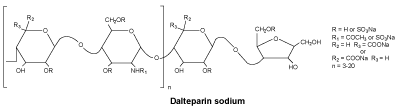
Chemical structure.
7 Medicine Schedule (Poisons Standard)
S4 - Prescription Only Medicine.
Date of First Approval
05 October 2022
Date of Revision
03 July 2025
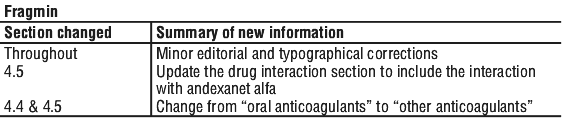
Summary Table of Changes
Reasonable care is taken to provide accurate information at the time of creation. This information is not intended as a substitute for medical advice and should not be exclusively relied on to manage or diagnose a medical condition. The Australian Commission on Safety and Quality in Health Care disclaims all liability (including for negligence) for any loss, damage, injury or any other negative effects resulting from reliance on or use of this information. Read our full disclaimer. This website uses cookies. Read our privacy policy.