
Grazax
Brand Information
| Brand name | Grazax |
| Active ingredient | Phleum pratense pollen allergen extract |
| Schedule | S4 |
Consumer Medicine Information (CMI) leaflet
Please read this leaflet carefully before you start using the Grazax.
Summary CMI
GRAZAX®
Consumer Medicine Information (CMI) summary
The full CMI on the next page has more details. If you are worried about using this medicine, speak to your doctor or pharmacist.
1. Why am I using GRAZAX®?
GRAZAX® contains the active ingredient standardized allergen extract of grass pollen from Timothy grass. GRAZAX® is used to treat grass pollen allergies that are characterised by rhinitis (sneezing, runny or itchy nose, nasal congestion) and allergic conjunctivitis (itchy eyes) in adults and children 5 years or older.
For more information, see Section 1. Why am I using GRAZAX®? in the full CMI.
2. What should I know before I take GRAZAX®?
Do not use if you have ever had an allergic reaction to GRAZAX® or any of the ingredients listed at the end of the CMI.
Talk to your doctor if you have any other medical conditions, take any other medicines, or are pregnant or plan to become pregnant or are breastfeeding.
For more information, see Section 2. What should I know before I take GRAZAX®? in the full CMI.
3. What if I am taking other medicines?
Some medicines may interfere with GRAZAX® and affect how it works.
A list of these medicines is in Section 3. What if I am taking other medicines? in the full CMI.
4. How do I take GRAZAX®?
- The recommended dose of GRAZAX® is one tablet per day. Each tablet contains 75,000 SQ T standardised allergen extract of grass pollen from Timothy grass (Phleum pratense).
- Follow the instructions provided by your doctor or pharmacist carefully. They may differ from the information contained in this leaflet.
More instructions can be found in Section 4. How do I take GRAZAX®? in the full CMI.
5. What should I know while using GRAZAX®?
| Things you should do |
|
| Things you should not do |
|
| Driving or using machines |
|
| Looking after your medicine |
|
For more information, see Section 5. What should I know while using GRAZAX®? in the full CMI.
6. Are there any side effects?
All medicines can have side effects. Sometimes they are serious, most of the time they are not. If you experience any of the following, worsening of existing asthma, swelling of face mouth or throat, difficulty breathing or swallowing, voice changing, hives or severe discomfort, tell your doctor immediately or go to straight to the Emergency Department at your nearest hospital.
For more information, including what to do if you have any side effects, see Section 6. Are there any side effects? in the full CMI.
Full CMI
GRAZAX® (gra-zaks)
Active ingredient(s): standardised allergen extract of Timothy grass pollen (Phleum pratense)
Consumer Medicine Information (CMI)
This leaflet provides important information about using GRAZAX®. You should also speak to your doctor or pharmacist if you would like further information or if you have any concerns or questions about using GRAZAX®.
Where to find information in this leaflet:
1. Why am I using GRAZAX®?
2. What should I know before I take GRAZAX®?
3. What if I am taking other medicines?
4. How do I take GRAZAX®?
5. What should I know while using GRAZAX®?
6. Are there any side effects?
7. Product details
1. Why am I using GRAZAX®?
GRAZAX® contains the active ingredient standardized allergen extract of grass pollen from Timothy grass. GRAZAX® belongs to a group of medicines called anti-allergy preparations. It comes in a tablet form which is intended to be absorbed by the body by placing it under the tongue.
GRAZAX® is used to treat grass pollen allergies that are characterized by rhinitis (sneezing, runny or itchy nose, nasal congestion) and allergic conjunctivitis (itchy eyes) in adults and children 5 years or older.
GRAZAX® works by increasing your immunological tolerance to grass pollen, thereby reducing the severity of your allergic reactions over time.
Before starting treatment, the doctor will check if GRAZAX® is suitable for you by performing the appropriate blood and/or skin prick tests.
Ask your doctor if you have any questions about why this medicine has been prescribed for you. Your doctor may have prescribed it for another reason.
2. What should I know before I take GRAZAX®?
Warnings
Do not use GRAZAX® if:
- you are allergic to any of the ingredients listed at the end of this leaflet.
- Always check the ingredients to make sure you can use this medicine.
- you have an illness which affects your immune system or have cancer.
- you have severe asthma (as assessed by your doctor).
- you have recently had a tooth taken out, had other forms of mouth surgery, or have ulcers or infections in the mouth.
- the packaging is torn or shows signs of tampering.
Check with your doctor if you:
- have any other medical conditions
- take any medicines for any other condition
- have an allergy to any of the ingredients listed at the end of this leaflet
- are being treated for depression or Parkinson's disease
- have previously been treated for grass pollen allergies and had a severe allergic reaction
- have asthma and a chest infection. Your doctor may recommend delaying the start of your treatment until you are better
- have recently had a tooth taken out, had other forms of mouth surgery, are planning to have any form of mouth surgery, or have ulcers or infections in the mouth. Your doctor may delay or stop your treatment until your condition has resolved
- are recovering or are in remission from an illness which affects your immune system
- have an inflamed oesophagus
During treatment, you may be at risk of developing certain side effects. It is important you understand these risks and how to monitor for them. See additional information under Section 6. Are there any side effects?
Pregnancy and breastfeeding
Check with your doctor if you are pregnant or intend to become pregnant during treatment.
Talk to your doctor if you are breastfeeding or intend to breastfeed during treatment.
3. What if I am taking other medicines?
Tell your doctor or pharmacist if you are taking any other medicines, including any medicines, vitamins or supplements that you buy without a prescription from your pharmacy, supermarket or health food shop.
Some medicines may interfere with GRAZAX® and affect how it works.
Check with your doctor or pharmacist if you are not sure about what medicines, vitamins or supplements you are taking and if these affect GRAZAX®.
4. How do I take GRAZAX®?
How much to take
- The recommended dose of GRAZAX® is one tablet per day. Each tablet contains 75,000 SQ T standardised allergen extract of grass pollen from Timothy grass (Phleum pratense).
- Follow the instructions provided by your doctor or pharmacist carefully. They may differ from the information contained in this leaflet.
When to take GRAZAX®
- GRAZAX® should be used as prescribed by your doctor.
- Take your medicine at about the same time each day. It will also help you remember when to take it.
- Do not consume food or drink for 5 minutes after taking this medicine. Food can interfere with the absorption of this medicine.
How to GRAZAX®
Make sure your hands are clean and dry before handling the medicine. Follow the instructions below when taking GRAZAX®.
If you do not understand the instructions in this leaflet, ask your doctor or pharmacist for help.
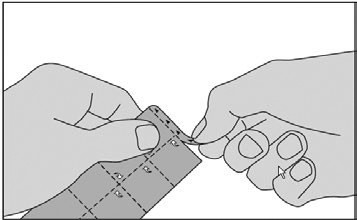
Figure 1: tear off the strip marked with triangles at the top of the pack.
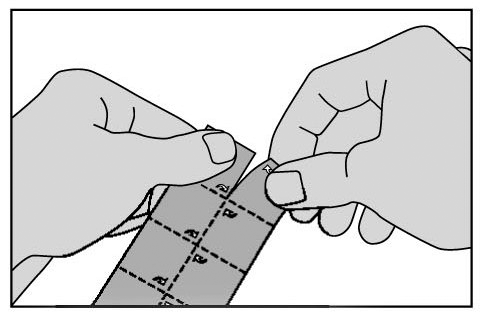
Figure 2: tear a square off the pack along the dotted lines.
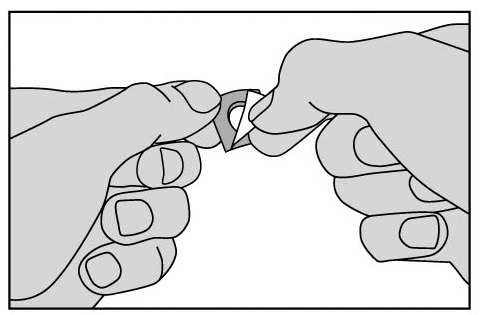
Figure 3: To remove the tablet, fold back the marked corner of the foil and then pull it off. Do not force the tablet through the foil - as it breaks easily.
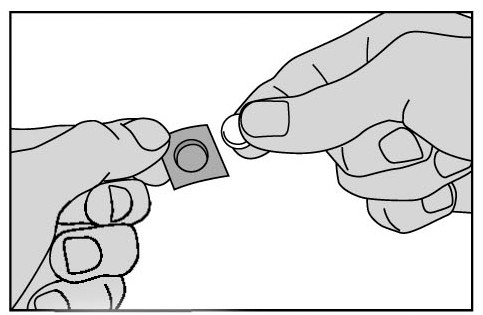
Figure 4: Remove the tablet carefully from the foil and place it under your tongue immediately.
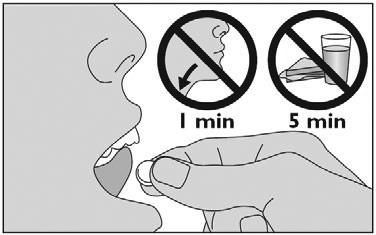
Figure 5: Keep the tablet under your tongue until it has dissolved. Do not swallow for 1 minute. Do not eat or drink for at least 5 minutes after taking the tablet.
Your doctor should give you the first tablet under medical supervision and then monitor you for 30 minutes. This gives you the opportunity to discuss any possible side effects with your doctor.
If you forget to use GRAZAX®
GRAZAX® should be used regularly at the same time each day. If you miss your dose at the usual time, take it later in the day.
If it is almost time for your next dose, skip the dose you missed and take your next dose when you are meant to.
Do not take a double dose to make up for the dose you missed.
- If you are not sure what to do, ask your doctor or pharmacist.
- If you have trouble remembering when to take your medicine, ask your pharmacist for some hints.
If you use too much GRAZAX®
If you think that you have used too much GRAZAX®, you may need urgent medical attention.
You should immediately:
- phone the Poisons Information Centre
(by calling 13 11 26), or - contact your doctor, or
- go to the Emergency Department at your nearest hospital.
You should do this even if there are no signs of discomfort or poisoning.
5. What should I know while using GRAZAX®?
Things you should do
If you are about to be started on any new medicine, inform your doctor or pharmacist that you are taking GRAZAX®.
Call your doctor straight away if you:
- become pregnant while taking this medicine
- have any severe reactions. You can expect some mild to moderate localized allergic reactions during your treatment. In most cases these reactions are only temporary. However if you think these are severe, talk to your doctor to see if you need any anti allergic medicines such as antihistamines.
- feel the treatment is not helping your condition.
Remind any doctor, dentist or pharmacist you visit that you are using GRAZAX®.
Things you should not do
- Do not stop using this medicine until your doctor tells you to, even if you feel better. If you stop taking it suddenly, your condition may worsen or you may have unwanted side effects.
- Do not use GRAZAX® to treat any other conditions unless your doctor tells you to.
- Do not give this medicine to anyone else even if they have the same conditions as you.
- Do not give this medicine to children under 5 years of age.
Driving or using machines
Be careful before you drive or use any machines or tools until you know how GRAZAX® affects you.
This medicine is not expected to affect your ability to drive a car or operate machinery.
Looking after your medicine
- Store the blister pack in the carton to protect the tablets from light.
Follow the instructions in the carton on how to take care of your medicine properly.
Store it in a cool dry place where the temperature stays below 25°C and away from moisture, heat or sunlight; for example, do not store it:
- in the bathroom or near a sink, or
- in the car or on window sills.
Heat and dampness can destroy some medicines.
Keep it where young children cannot reach it.
A locked cupboard at least one and a half metres above the ground is a good place to store medicines.
Getting rid of any unwanted medicine
If you no longer need to use this medicine or it is out of date, take it to any pharmacy for safe disposal.
Do not use this medicine after the expiry date.
6. Are there any side effects?
All medicines can have side effects. If you do experience any side effects, most of them are minor and temporary. However, some side effects may need medical attention.
See the information below and, if you need to, ask your doctor or pharmacist if you have any further questions about side effects.
Less serious side effects
| Less serious side effects | What to do |
| Speak to your doctor if you have any of these less serious side effects and they worry you. |
Serious side effects
| Serious side effects | What to do |
| Call your doctor straight away if you notice any of these serious side effects. In most cases these reactions are only temporary. |
| Call your doctor straight away, or go straight to the Emergency Department at your nearest hospital if you notice any of these serious side effects. |
Tell your doctor or pharmacist if you notice anything else that may be making you feel unwell.
Other side effects not listed here may occur in some people.
Reporting side effects
After you have received medical advice for any side effects you experience, you can report side effects to the Therapeutic Goods Administration online at www.tga.gov.au/reporting-problems. By reporting side effects, you can help provide more information on the safety of this medicine.
Always make sure you speak to your doctor or pharmacist before you decide to stop taking any of your medicines.
7. Product details
This medicine is only available with a doctor's prescription.
What GRAZAX® contains
| Active ingredient (main ingredient) | 75,000 SQ-T standardised allergen extract of grass pollen from Timothy grass (Phleum pratense) |
| Other ingredients (inactive ingredients) |
|
This medicine does not contain lactose, sucrose, gluten, tartrazine or any other azo dyes.
Do not take this medicine if you are allergic to any of these ingredients.
What GRAZAX® looks like
GRAZAX® tablets are white to off-white with an imprint on one side. The tablets are individually packed in blister foils. (Aust R 267955).
The following pack sizes are available: 10, 30, 90 or 100 tablets.
Not all pack sizes may be marketed.
Who distributes GRAZAX®
Biocelect Pty Ltd
ABN 88 168 092 171
Level 29, 66 Goulburn Street, Sydney NSW 2000 Australia
Customer enquiries and Medical Information:
Telephone: 1300 848 628
Email: info@biocelect.com
GRAZAX® is a registered trademark of ALK Abello A/S used under license
This leaflet was prepared in August 2025.
Brand Information
| Brand name | Grazax |
| Active ingredient | Phleum pratense pollen allergen extract |
| Schedule | S4 |
MIMS Revision Date: 01 December 2025
1 Name of Medicine
Phleum pratense.
2 Qualitative and Quantitative Composition
Grazax sublingual tablets contain 75,000 SQ-T standardised allergen extract of Timothy grass pollen (Phleum pratense) which is a temperate grass.
SQ-T is the dose unit for Grazax. SQ is a method for standardisation on biological potency, major allergen content and complexity of the allergen extract.
Grazax sublingual tablets 75,000 SQ-T also contains gelatine (fish), mannitol and sodium hydroxide.
3 Pharmaceutical Form
Grazax 75,000 SQ-T is supplied as white to off-white freeze-dried debossed tablets.
4 Clinical Particulars
4.1 Therapeutic Indications
Grazax is indicated for disease modifying treatment of grass pollen (Phleum pratense or allergens cross reacting with P. pratense) induced allergic rhinitis with or without conjunctivitis in adults, adolescents and children above the age of 5 years.
4.2 Dose and Method of Administration
Treatment with Grazax should be initiated by a clinician with experience in treatment of allergies. Patients should have a confirmed clinical history and diagnosis by a positive test of grass pollen sensitisation to Phleum pratense or cross reacting allergens (specific IgE and/or skin prick test) prior to treatment.
The recommended dose is one sublingual tablet (75,000 SQ-T) daily.
It is recommended that the first sublingual tablet is taken under medical supervision and that the patient is monitored for 30 minutes, to enable discussion and possible treatment of any immediate side effects. Also see Section 4.4 Special Warnings and Precautions for Use. Management of specific allergy symptoms should be discussed prior to initiation of treatment.
The sublingual tablet should be taken with dry fingers from the blister unit immediately after opening the blister and placed under the tongue, where it will disperse. Swallowing should be avoided for approximately 1 minute.
Food and beverage should not be consumed for the following 5 minutes.
For clinical effect in the grass pollen season, treatment should be initiated at least 16 weeks before the grass pollen season and continued daily. If treatment is initiated 2-3 months before the grass pollen season some efficacy may also be obtained.
For long-term efficacy and disease modification treatment should be continued daily for 3 consecutive years. Also see Section 5.1 Pharmacodynamic Properties, Clinical trials.
Efficacy data is available for 3 years of treatment and 2 years of follow-up in adults. No data on treatment with Grazax in children beyond 1 grass pollen season is available (see Section 5.1 Pharmacodynamic Properties, Clinical trials). If no improvement is observed during the first year of treatment with Grazax there is no indication for continuing treatment.
Grazax is not recommended for use in patients below 5 years of age due to insufficient data on safety and efficacy in this population (see Section 4.4 Special Warnings and Precautions for Use).
4.3 Contraindications
Grazax is contraindicated:
in patients with a known hypersensitivity to the any of the excipients;
in adult patients with uncontrolled asthma or FEV1 < 70% of predicted value (after adequate pharmacological treatment) at initiation of treatment;
in paediatric patients with uncontrolled asthma or FEV1 < 80% of predicted value (after adequate pharmacological treatment) at initiation of treatment;
in patients with malignant or systemic disease affecting the immune system e.g. autoimmune diseases, immune complex diseases or immune deficiency diseases;
in patients with acute severe oral inflammation or oral wounds (see Section 4.4 Special Warnings and Precautions for Use);
in patients who have experienced a severe asthma exacerbation within the last 3 months.
4.4 Special Warnings and Precautions for Use
In patients with asthma and experiencing an acute respiratory tract infection, initiation of Grazax treatment should be postponed until the infection has resolved.
If patients with concomitant asthma experience symptoms and signs indicating asthma deterioration, treatment should be discontinued and medical attention must be sought immediately in order to evaluate the continuation of treatment.
When treated with Grazax the patient is exposed to the allergen that causes the allergic symptoms. Therefore, mild or moderate local allergic reactions are to be expected during the treatment period (see Section 4.8 Adverse Effects (Undesirable Effects)). The use of anti-allergic medication (e.g. antihistamines) could be considered at clinician's discretion for any potential significant local adverse reactions to Grazax.
Treatment with Grazax should be discontinued immediately and urgent medical attention sought in cases of serious anaphylactic reactions including anaphylactic shock, angioedema, difficulty in swallowing, difficulty in breathing, changes in voice, hypotension or feeling of fullness in the throat.
Initiation of Grazax in patients who have previously had a systemic reaction to subcutaneous grass allergen immunotherapy should be carefully considered, and measures to treat any potential adverse reactions should be available.
Serious anaphylactic reactions may be treated with adrenaline. The effects of adrenaline may be potentiated in patients treated with tricyclic antidepressants, monoamine oxidase inhibitors (MAOIs) and/or COMT inhibitors with possible fatal consequences. This should be taken into consideration prior to initiating allergy immunotherapy. The effects of adrenaline may be reduced in patients treated with beta-blockers. Patient with cardiac disease may be at increased risk in case of severe systemic allergic reactions.
In patients with severe oral inflammation (e.g. oral lichen planus, mouth ulcers or thrush), oral wounds or following oral surgery, including dental extraction, or following tooth loss, initiation of Grazax treatment should be postponed and any ongoing treatment should be temporarily interrupted to allow healing of the oral cavity.
Isolated cases of eosinophilic esophagitis have been reported in association with Grazax treatment. In patients with severe or persisting gastro-esophageal symptoms such as dysphagia or dyspepsia, discontinuation of treatment with Grazax should be considered.
The efficacy and safety of Grazax for the treatment of allergy induced by sub-tropical grasses has not been assessed in the submitted studies.
Use in the elderly. Special studies in the geriatric population have not been performed.
Paediatric use. The efficacy and safety of Grazax has not been demonstrated in subjects aged less than 5 years.
Effect on laboratory tests. Grazax has no effect on laboratory tests.
4.5 Interactions with Other Medicines and Other Forms of Interactions
No interaction trials have been conducted. Vaccination may be given without interrupting treatment with Grazax after medical evaluation of the general condition of the patient.
Concomitant therapy with symptomatic anti-allergic agents (e.g. antihistamines, corticosteroids and/or mast cell stabilisers) may increase the tolerance level of the patient to immunotherapy.
There are no data available on possible risks of simultaneous immunotherapy with other marketed allergy immunotherapy products.
4.6 Fertility, Pregnancy and Lactation
Effects on fertility. There is no human data available regarding fertility and use of Grazax.
A fertility study in mice revealed no evidence of impaired fertility due to Timothy grass pollen allergen extract following oral dosing at up to approximately 1522 times the human clinical dose (based on body surface area comparisons).
Use in pregnancy. (Category B2)
There is no data available regarding use of Grazax during pregnancy. The effects of Timothy grass (Phleum pratense) pollen allergen extract, the active component of Grazax, on embryo-fetal development was evaluated in mice. No adverse effects on embryo-fetal development were observed following oral dosing at up to approximately 1522 times the human clinical dose (based on body surface area comparisons) during the period of organogenesis.
Treatment with Grazax should not be initiated during pregnancy. If pregnancy occurs during treatment, the treatment may continue after evaluation of the general condition (including lung function) of the patient and reactions to previous administration of Grazax.
Because animal reproduction studies are not always predictive of human response, Grazax should be used during pregnancy only if clearly needed.
Because systemic and local adverse reactions with immunotherapy may be poorly tolerated during pregnancy, Grazax should be used during pregnancy only if clearly needed.
Close supervision during pregnancy is recommended for patients with pre-existing asthma.
Use in lactation. No clinical data are available for the use of Grazax during lactation.
Studies in animals to investigate excretion of Grazax into milk were not conducted.
Initiation of allergy immunotherapy while breast feeding is not recommended. However, if breast feeding is required during treatment, patients should be closely monitored.
4.7 Effects on Ability to Drive and Use Machines
Treatment with Grazax has no or negligible influence on the ability to drive or use machines.
4.8 Adverse Effects (Undesirable Effects)
Subjects taking Grazax should primarily expect mild to moderate local allergic reactions to occur early in therapy that tend to subside spontaneously within 1 to 7 days. For the majority of events, the reaction should be expected to start within 5 minutes after intake of Grazax on each day of occurrence and abate after minutes to hours. More severe oropharyngeal allergic reactions may occur (see Section 4.4 Special Warnings and Precautions for Use).
In a pooled analysis of all subjects in the Grazax clinical development program, 76% of subjects administered Grazax reported a treatment emergent adverse event (TEAE). This was similar compared to those subjects administered placebo (73%).
The majority of subjects in the pooled Grazax studies reported TEAEs that were mild to moderate in intensity.
The most frequently reported TEAEs (defined as those occurring in ≥ 5% of subjects in any active group) are summarised by system organ class (SOC) in Table 1.
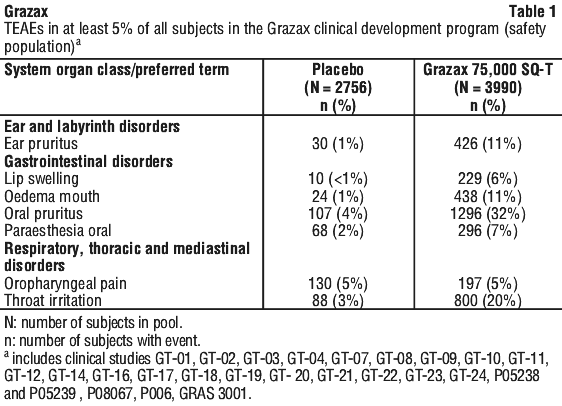
Adverse reactions reported in clinical trials with frequencies < 5% are listed below.
Adverse reactions are divided into groups according to the MedDRA convention frequencies: very common (≥ 1/10); common (≥ 1/100 to < 1/10); uncommon (≥ 1/1,000 to < 1/100); rare (≥ 1/10,000 to < 1/1,000); very rare (< 1/10,000).
Immune system disorders. Uncommon: anaphylactic reaction, systemic allergic reaction.
Nervous system disorders. Uncommon: dysgeusia, paraesthesia.
Eye disorders. Common: eye pruritus, conjunctivitis, eye swelling.
Uncommon: ocular hyperaemia, eye irritation, lacrimation increased.
Cardiac disorders. Uncommon: palpitations.
Ear and labyrinth disorders. Uncommon: ear discomfort, ear pain.
Rare: ear swelling.
Respiratory, thoracic and mediastinal disorders. Common: sneezing, dry throat, dyspnoea, pharyngeal oedema, rhinorrhoea, cough, throat tightness, nasal pruritus.
Uncommon: pharyngeal hypoaesthesia, tonsillar hypertrophy, laryngeal oedema, dysphonia, pharyngeal erythema.
Rare: bronchospasm.
Gastrointestinal disorders. Common: oral discomfort, stomatitis, dysphagia, abdominal pain, diarrhoea, dyspepsia, nausea, vomiting, oral mucosal erythema, mouth ulceration, oral pain, lip pruritus.
Uncommon: dry mouth, lip blister, cheilitis, odynophagia, salivary gland enlargement, salivary hypersecretion, tongue disorder, glossitis, gastritis, gastroesophageal reflux disease, abdominal discomfort, lip ulceration, oral mucosal blistering.
Rare: Eosinophilic oesophagitis.
Skin and subcutaneous tissue disorders. Common: pruritus, urticaria, rash.
Uncommon: angioedema, erythema.
General disorders and administration site conditions. Common: fatigue, chest discomfort.
Uncommon: sensation of foreign body.
Overall, the adverse event profile in paediatric patients treated with Grazax was similar to that observed in adults. Most events were seen with a similar frequency category for paediatric patients compared to adults. However, the following adverse reactions were different to that reported above. Eye irritation, ear pain, pharyngeal erythema and oral mucosal blistering were common and ear swelling was uncommon in the paediatric population. The events were primarily mild to moderate in severity.
Post marketing experience. Cases of serious anaphylactic reactions including anaphylactic shock have been reported for Grazax and are considered a class effect. Medical supervision at first sublingual tablet intake is therefore recommended (see Section 4.2 Dose and Method of Administration).
Isolated cases of eosinophilic esophagitis have been reported in association with Grazax (see Section 4.4 Special Warnings and Precautions for Use).
Reporting suspected adverse effects. Reporting suspected adverse reactions after registration of the medicinal product is important. It allows continued monitoring of the benefit-risk balance of the medicinal product. Healthcare professionals are asked to report any suspected adverse reactions at www.tga.gov.au/reporting-problems.
4.9 Overdose
If doses higher than the recommended daily dose are taken, the risk of undesirable effects, including systemic side effects or severe local adverse reactions, may increase. In case of severe reaction such as angioedema, difficulty in swallowing, difficulty in breathing, changes in voice, or feeling of fullness in the throat, immediate medical evaluation is needed.
In the event of an overdose, the adverse effects should be treated symptomatically.
Contact the Poisons Information Centre on 131 126 for advice on overdosage management.
5 Pharmacological Properties
5.1 Pharmacodynamic Properties
Mechanism of action. Grazax is allergy immunotherapy. Allergy immunotherapy with allergen products is the repeated administration of allergens to allergic individuals with the purpose of modifying the immunological response to the allergen to provide sustained relief of symptoms and less need for medications. The immune system is the target for the pharmacodynamic effect of allergy immunotherapy, but the complete and exact mechanism of action is not fully understood.
Grazax is for the treatment of patients diagnosed with specific IgE mediated allergy symptoms induced by grass pollen such as allergic rhinitis and/or allergic rhinoconjunctivitis. Daily treatment with Grazax for 3 years has been demonstrated to induce an increase in specific IgG4 and this effect was maintained after 2 years follow up. Treatment with Grazax induces a systemic antibody response that can compete with IgE in the binding of grass allergens. This effect is observed after 8 weeks of treatment.
Grazax works by modifying the immune response to grass pollen induced allergic disease. Daily treatment with Grazax in adult patients for 3 years resulted in disease modification as demonstrated by a continued effect for 2 years after the completion of treatment (see Section 5.1 Pharmacodynamic Properties, Clinical trials). The underlying protection provided by Grazax leads to improvement in disease control and quality of life during subsequent natural allergen exposure.
Clinical trials. Adults. The efficacy and safety of Grazax in adults with seasonal grass pollen induced rhinoconjunctivitis has been investigated in a pivotal Phase 3 randomised, double blind, placebo controlled, multicentre study (GT-08). The trial was initially planned as a 1 year trial (n = 634). The trial was extended with 2 more years of treatment and 2 years of follow-up.
The trial commenced 4-8 months prior to the anticipated start of the (Northern hemisphere) grass pollen season 2005. The treatment period ended at the end of the grass pollen season 2007, and subjects were followed up until end of the grass pollen season 2009. The trial remained blinded for the 5 years.
During the treatment phase of the trial (years 1-3), subjects were randomised to receive Grazax 75,000 SQ-T or placebo once daily. Use of symptomatic medication in a step wise approach was permitted as needed during both the treatment period and the follow-up period. For symptoms of rhinoconjunctivitis, permitted medication included oral antihistamines (desloratadine tablets, 5 mg); antihistamine eye drops (olopatadine 1 mg/mL) nasal steroids (budesonide 64 microgram/dose) and oral steroids (prednisolone tablets up to 50 mg/day for 3 days). For symptoms of asthma, permitted medication included short acting beta-agonists (SABA; salbutamol 200 microgram/dose), nasal steroids (fluticasone 250 microgram/inhalation), and oral steroids (prednisolone tablets up to 50 mg/day for 3 days).
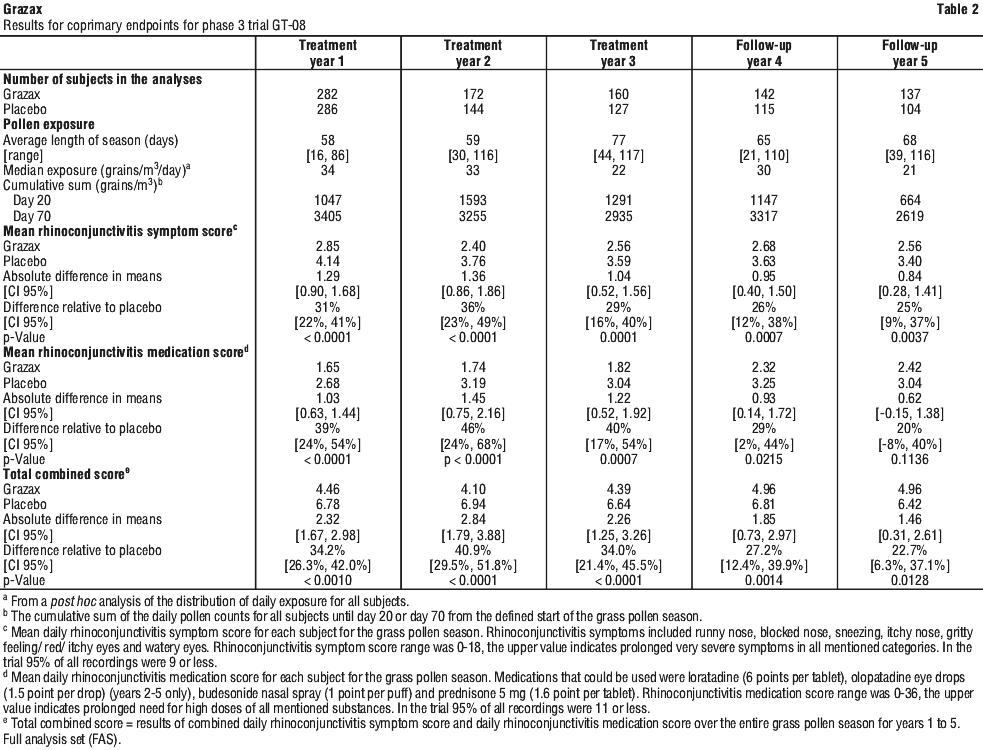
The co-primary endpoints were average daily rhinoconjunctivitis symptom score as well as average daily rhinoconjunctivitis medication score for the entire grass pollen season each year.
The results for the primary endpoint are summarised in Table 2. Subjects administered Grazax demonstrated statistically significant improvement in rhinoconjunctivitis symptom score at all time points through years 1 to 5, and statistically significant reduction in rhinoconjunctivitis medication score at years 1 to 4. The magnitude of effect varied over the 5 seasons. The results demonstrate long term efficacy and a disease modifying effect.
The trial commenced approximately 4 months prior to the anticipated start of the (Northern hemisphere) grass pollen season 2007 and ceased at the end of that grass pollen season.
Subjects were randomised to receive Grazax 75,000 SQ-T or placebo once daily. Use of symptomatic medication in a step wise approach was permitted as needed. For symptoms of rhinoconjunctivitis, permitted medication included oral antihistamines (loratadine tablets, 5-10 mg); antihistamine eye drops (levocabastine 0.5 mg/mL), nasal steroids (budesonide 50 microgram/dose) and oral steroids (prednisolone tablets up to 25-50 mg/day for 7 days). For symptoms of asthma, permitted medication included short acting beta agonists (SABA; salbutamol 0.10%/dose), nasal steroids (fluticasone 125 or 250 microgram/inhalation), and oral steroids (prednisolone tablets up to 50 mg/day for 7 days).
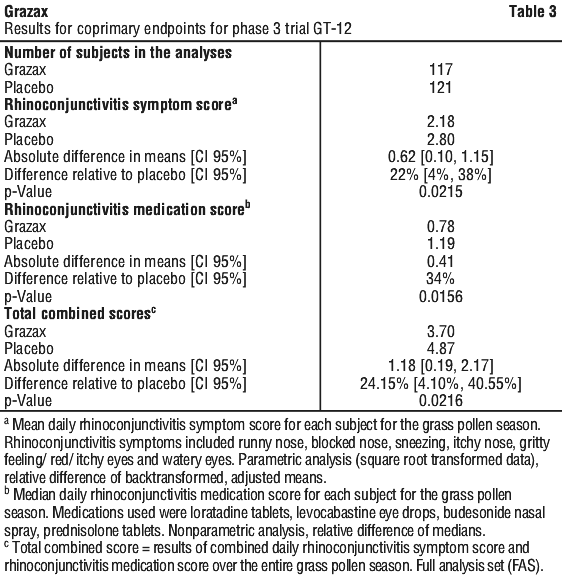
The co-primary endpoints were average daily rhinoconjunctivitis symptom score as well as average daily rhinoconjunctivitis medication score for the entire grass pollen season.
The results for the primary endpoint are summarised in Table 3. Grazax 75,000 SQ-T demonstrated statistical significance compared to placebo for rhinoconjunctivitis symptom score, and for rhinoconjunctivitis medication score. Subjects administered Grazax demonstrated a 22% improvement in rhinoconjunctivitis symptom score (p = 0.0215) and a 34% reduction in rhinoconjunctivitis medication score (p = 0.0156) compared to placebo.
5.2 Pharmacokinetic Properties
No clinical studies investigating the pharmacokinetic profile and metabolism of Grazax have been conducted. The effect of allergy immunotherapy is mediated through immunological mechanisms, and there is limited information available on the pharmacokinetic properties.
The active molecules of an allergen extract are composed primarily of proteins. For sublingually administered allergy immunotherapy (SLIT) products, studies have shown that no passive absorption of the allergen through the oral mucosa occurs. Evidence points towards the allergen being taken up through the oral mucosa by dendritic cells, in particular Langerhans cells. Allergen which is not absorbed in this manner is expected to be hydrolysed to amino acids and small polypeptides in the lumen of the gastrointestinal tract.
5.3 Preclinical Safety Data
Genotoxicity. Timothy grass allergen extract did not induce reversion mutations in bacteria or forward mutations in cultured mammalian cells in vitro. No in vivo studies of genotoxicity have been performed.
Carcinogenicity. Dedicated carcinogenicity studies with Grazax have not been conducted.
6 Pharmaceutical Particulars
6.1 List of Excipients
See Section 2 Qualitative and Quantitative Composition for the complete list of excipients.
6.2 Incompatibilities
Incompatibilities were either not assessed or not identified as part of the registration of this medicine.
6.3 Shelf Life
In Australia, information on the shelf life can be found on the public summary of the Australian Register of Therapeutic Goods (ARTG). The expiry date can be found on the packaging.
6.4 Special Precautions for Storage
Store Grazax 75,000 SQ-T sublingual tablet below 25°C. Protect from light.
6.5 Nature and Contents of Container
Packs contain 10, 30, 90 and 100 sublingual tablets supplied in aluminium blister foils.
Not all pack sizes may be available.
6.6 Special Precautions for Disposal
In Australia, any unused medicine or waste material should be disposed of by talking to your local pharmacy.
6.7 Physicochemical Properties
Chemical structure. No data available.
CAS number. Not applicable.
Pharmacotherapeutic group: Allergen extracts, grass pollen.
ATC Code: V01AA02.
7 Medicine Schedule (Poisons Standard)
Prescription Only Medicine, S4.
Date of First Approval
07 March 2017
Date of Revision
31 October 2025
Summary Table of Changes

Reasonable care is taken to provide accurate information at the time of creation. This information is not intended as a substitute for medical advice and should not be exclusively relied on to manage or diagnose a medical condition. The Australian Commission on Safety and Quality in Health Care disclaims all liability (including for negligence) for any loss, damage, injury or any other negative effects resulting from reliance on or use of this information. Read our full disclaimer. This website uses cookies. Read our privacy policy.