
Heparin Sodium
Brand Information
| Brand name | Heparin Sodium |
| Active ingredient | Heparin sodium |
| Schedule | S4 |
Consumer Medicine Information (CMI) leaflet
Please read this leaflet carefully before you start using the Heparin Sodium.
Summary CMI
HEPARIN SODIUM
Consumer Medicine Information (CMI) summary
The full CMI on the next page has more details. If you are worried about using this medicine, speak to your doctor or nurse.
1. Why am I being given HEPARIN SODIUM?
HEPARIN SODIUM contains the active ingredient heparin sodium, derived from pig products. It is used to prevent and treat blood clots in blood vessels that have started to clog up. It is also used to prevent clots from forming during and/or after surgery, kidney dialysis, blood transfusions or similar procedures.
For more information, see Section 1. Why am I being given HEPARIN SODIUM? in the full CMI.
2. What should I know before being given HEPARIN SODIUM?
Do not start treatment if you have ever had an allergic reaction to heparin or any medicine derived from heparin, pork products or any of the ingredients listed at the end of the CMI.
Talk to your doctor if you have any other medical conditions, especially those which involve increased risk of bleeding such as haemophilia, low platelet count, very high or very low blood pressure, a heart infection, ulcers, liver or kidney disease, diabetes, cancer or allergies/asthma, or if you have recently had a stroke or major surgery, given birth, or are pregnant/ breastfeeding or have heavy or unusual menstrual periods.
For more information, see Section 2. What should I know before being given HEPARIN SODIUM? in the full CMI.
3. What if I am taking other medicines?
Some medicines may interfere with HEPARIN SODIUM and affect how it works. Heparin treatment may also lead to an increase of potassium in your blood, so you must tell your doctor if you are taking any other medicines, including those which raise your potassium levels. Also tell your doctor if you are a smoker or a heavy drinker (of alcohol).
A list of relevant medicines is in Section 3. What if I am taking other medicines? in the full CMI.
4. How is HEPARIN SODIUM given?
HEPARIN SODIUM is given by injection either under the skin or into a vein, or as a slow 'drip' into a vein.
Your doctor will decide what dose you will receive and for how long you will receive HEPARIN SODIUM. It must only be given by a doctor or a nurse.
- More instructions can be found in Section 4. How is HEPARIN SODIUM given? in the full CMI.
5. What should I know during treatment with HEPARIN SODIUM?
| Things you should do |
|
| Driving or using machines |
|
| Drinking alcohol |
|
For more information, see 5. What should I know during treatment with HEPARIN SODIUM? in the full CMI.
6. Are there any side effects?
Side effects include: pain/bruising at injection site, allergic reaction, feeling sick/vomiting, unusual/increased bleeding, tingling/numbness or discolouration of hands/feet, abnormal heartbeat; muscle weakness, fever, severe back/tummy pain or headache, bleeding in tummy, gut, spine or brain, dizziness, osteoporosis, chest tightness/pain, difficulty breathing, stroke.
For more information, including what to do if you have any side effects, see Section 6. Are there any side effects? in the full CMI.
Full CMI
HEPARIN SODIUM ('hep-ah-rin soh-dee-um')
Active ingredient(s): heparin sodium (from pig products)
Consumer Medicine Information (CMI)
This leaflet provides important information about being treated with HEPARIN SODIUM.
You should also speak to your doctor or nurse if you would like further information or if you have any concerns or questions about being treated with HEPARIN SODIUM.
Where to find information in this leaflet:
1. Why am I being given HEPARIN SODIUM?
2. What should I know before being given HEPARIN SODIUM?
3. What if I am taking other medicines?
4. How is HEPARIN SODIUM given?
5. What should I know during treatment with HEPARIN SODIUM?
6. Are there any side effects?
7. Product details
1. Why am I being given HEPARIN SODIUM?
HEPARIN SODIUM contains the active ingredient heparin sodium, which is derived from pig products.
It belongs to a group of medicines known as anti-coagulants, which work by decreasing the clotting ability of the blood, to help stop blood clots from forming.
Anti-coagulants are sometimes called "blood thinners", although they do not actually thin the blood.
Heparin will not dissolve blood clots that have already formed, but it may prevent any clots that have already formed from becoming larger and causing serious problems.
HEPARIN SODIUM is used to:
- Prevent and treat blood clots in vessels that have started to clog up, in conditions such as deep vein thrombosis (DVT) and other blood vessel, heart and lung conditions.
- Prevent blood clots from forming during and/or surgery, kidney dialysis, blood transfusions or similar procedures.
Your doctor may have prescribed it for another reason.
Ask your doctor if you have any questions about why it has been prescribed for you.
2. What should I know before being given HEPARIN SODIUM?
Warnings
Do not use HEPARIN SODIUM:
- If you have an allergy to heparin or medicines derived from heparin, pork products or any of the ingredients listed at the end of this leaflet. Always check the ingredients to make sure you can be given this medicine.
- if you have, or have ever had, any of the following medical conditions: diseases or conditions where bleeding may be a problem, such as haemophilia, problems with fragile capillaries (small blood vessels), tumours, stroke (bleeding on the brain), endocarditis (inflammation of the lining of the heart), very high blood pressure, low blood platelet count (thrombocytopenia), stomach or gut ulcers, or other conditions which may bleed, such as severe kidney or liver disease, or very recent major surgery involving the eyes, brain or spinal cord.
- Tell your doctor if you are pregnant, and if so, whether you have a history of miscarriage, or if you have recently had a baby.
Check with your doctor if you:
- have any other medical conditions such as: asthma or allergies, high blood pressure, ulcers, heart problems, cancer, diabetes, any disorders associated with your blood, have an infection, liver or kidney disease or eye diseases
- have had any very recent medical, surgical or dental procedures
- are scheduled to have any surgical or major dental procedures in the next few weeks
- are scheduled to have any contrast scans/x-rays in the next few weeks
- have any tummy/gut drainage tubes
- heavy or unusual menstrual periods.
During treatment, you may be at risk of developing certain side effects. It is important you understand these risks. See additional information under Section 6. Are there any side effects?
Pregnancy and breastfeeding
Tell your doctor if you are pregnant or are breastfeeding.
When heparin is used in pregnant women, it may cause premature (early) delivery or harm your baby. Talk to your doctor about the risks and benefits of treatment with HEPARIN SODIUM in pregnancy and when breastfeeding.
Use in children
- HEPARIN SODIUM may be given to children.
Use in the elderly
- HEPARIN SODIUM should be used with caution in the elderly, especially in patients aged 60 years and above, as they may be at an increased risk of bleeding complications. Your doctor will consider this with treatment and will monitor accordingly.
3. What if I am taking other medicines?
Tell your doctor, nurse or pharmacist if you are taking any other medicines, including vitamins or supplements that you buy without a prescription from your pharmacy, supermarket or health food shop.
Some medicines may interfere with HEPARIN SODIUM and affect how it works.
Medicines that may increase the effect of HEPARIN SODIUM (i.e. increase the risk of bleeding) include:
- medicines derived from heparin - such as dalteparin sodium or enoxaparin sodium
- other anticoagulants ('blood thinners') - such as warfarin
- non-steroidal anti-inflammatory drugs ('NSAIDs') - such as aspirin, naproxen, ibuprofen, diclofenac, piroxicam, meloxicam, indometacin and keterolac
- platelet inhibitors - such as clopidogrel, prasugrel, ticagrelor, tirofiban, eptifibatide and dipyradamole
- thrombolytics (clot-dissolving medicines) - such as alteplase, tenecteplase, apixaban, rivaroxaban and dabigatran
- dextran, a medicine used to treat 'shock', which occurs when you have dangerously low blood pressure
- systemic corticosteroids - for example prednisone, prednisolone, methylprednisolone, beclomethasone, dexamethasone, hydrocortisone and triamcinolone
- hydroxychloroquine, used to treat/prevent malaria, or to treat rheumatoid arthritis (RA) or systemic lupus erythematosus ('lupus')
- probenecid, used to treat gout
- medicines used to treat some cancers, known as 'cytostatics' - for example cytarabine, daunorubicin, fluorouracil and methotrexate
- asparaginase, used to treat a cancer of the white blood cells known as acute lymphocytic leukaemia ('ALL')
- some antibiotics - such as penicillin and cefamandole
- sodium valproate (also known as 'valproic acid'), used to treat epilepsy
- epoprostenol, used to treat pulmonary arterial hypertension ('PAH')
- propylthiouracil, used to treat thyroid issues
- contrast media used in some scans/x-rays
Medicines that may decrease the effect of HEPARIN SODIUM (i.e. increase the risk of clotting) include:
- medicines to control bleeding such as andexanet alfa
- antihistamines (medicines used to prevent or relieve the symptoms of allergy, hay fever or rashes) - especially those containing diphenhydramine
- digoxin, a medicine used to treat heart failure
- tetracycline antibiotics, such as doxycycline, minocycline and tigecycline, used to treat some infections
- medicines that contain ascorbic acid (vitamin C)
- quinine, used to treat malaria
- glyceryl trinitrate (also known as nitroglycerin), used to treat angina (chest pain) and anal fissures
- nicotine (including e-cigarettes, vapes, nicotine patches, tablets etc.)
- alcohol
HEPARIN SODIUM may also increase blood potassium levels in patients taking the following medicines:
- potassium salts, some fluid tablets (e.g. amiloride, spironolactone and eplerenone), some medicines for heart problems (e.g. perindopril, lisinopril, enalapril and telmisartan, candesartan, irbesartan, losartan) and some antibiotics (e.g. trimethoprim and pentamidine).
HEPARIN SODIUM may also increase the effects of:
- oral anti-diabetic drugs known as 'sulfonylureas', such as gliclazide, glimepiride and glipizide
- benzodiazepines, also known as 'benzos', such as diazepam, oxazepam, midazolam
- propranolol, used to treat high blood pressure and other heart issues.
If you are taking any of these medicines while using HEPARIN SODIUM, your doctor will need to carefully monitor your blood clotting factors and other blood levels, such as potassium.
Check with your doctor, nurse or pharmacist if you are not sure about what medicines, vitamins or supplements you are taking and if these affect HEPARIN SODIUM.
4. How is HEPARIN SODIUM given?
How much is given
Your doctor will decide what dose, how often and how long you will receive HEPARIN SODIUM.
How it is given
- HEPARIN SODIUM may be given as an injection under the skin (subcutaneously), by an injection into a vein, or through a slow infusion “drip” into a vein (intravenously). It should not be injected into muscle.
If you are given too much HEPARIN SODIUM
As HEPARIN SODIUM is being given to you in hospital, under the close supervision of your doctor, it is very unlikely that you will receive too much. Your condition will also be carefully monitored following administration.
Tell your doctor or nurse immediately if you are concerned that you may have been given too much HEPARIN SODIUM. Symptoms of an overdose may be abnormal bleeding from your bowel motion (poo), urine (wee), under your skin, from your nose, or abnormal bruising or coughing up blood.
5. What should I know during treatment with HEPARIN SODIUM?
Things you should do
Follow your doctor's instructions carefully and be sure to keep all medical appointments.
Tell your doctor if you notice any unusual bleeding, such as nose bleeds, bleeding gums after brushing your teeth, heavier than normal menstrual bleeding, excessive bleeding at the injection site, blood in your wee/poo, or from any open wounds or have unusual stomach pain.
Tell your doctor if you notice sudden or severe headaches, numbness or tingling, vision or hearing changes, memory loss, muscle weakness or tremors, balance and coordination issues, slurred or changed speech, seizures, unexplained fatigue, problems with swallowing, or changes in mood or personality.
Your doctor may ask you to have blood tests to check your progress and prevent unwanted side effects. If you are scheduled to have any blood tests or contrast scans/x-rays in the next few weeks after you leave hospital, remind your doctor that you have recently been given HEPARIN SODIUM, as it may interfere with the results of some tests.
If you have any physical accidents once you leave hospital, seek medical attention and advise your treating doctor or nurse that you have been given HEPARIN SODIUM recently, as you are at greater risk of bleeding and complications.
If you need medical, dental or surgical procedures in the next few weeks after you leave hospital, tell your doctor, dentist, anaesthetist or pharmacist that you have recently been treated with HEPARIN SODIUM, as it may affect other medicines being used.
Remind any doctor, dentist or pharmacist that you visit that you have recently been treated with HEPARIN SODIUM.
Driving or using machines
Do not drive a car or use any machines or tools until you know how HEPARIN SODIUM affects you.
In some cases, HEPARIN SODIUM may cause drowsiness, tiredness, dizziness, confusion or anxiety/agitation.
Drinking alcohol
If you drink heavily, you have a greater risk of bleeding associated with HEPARIN SODIUM compared to moderate drinkers or non-drinkers.
Looking after your medicine
HEPARIN SODIUM will be stored in the pharmacy or on the ward under the correct conditions.
6. Are there any side effects?
All medicines can have side effects. If you do experience any side effects, most of them are minor and temporary. However, some side effects may need medical attention.
See the information below and, if you need to, ask your doctor or nurse if you have any further questions about side effects.
If you are over 60 years of age you may have an increased chance of getting side effects, especially if you are female. Some side effects may occur several weeks after finishing treatment with HEPARIN SODIUM.
Side effects
| Side effects | What to do |
| Speak to your doctor or nurse if you have any of these side effects and they worry you. |
| If you are already in hospital, alert your doctor or nurse straight away, if you notice any of these side effects. If you have already left hospital, call your doctor, or go to the nearest hospital Emergency Department, if you notice any of these serious side effects |
Tell your doctor or nurse if you notice anything else that may be making you feel unwell.
Other side effects not listed here may occur in some people.
Reporting side effects
After you have received medical advice for any side-effects you experience, you can report side effects to the Therapeutic Goods Administration online at www.tga.gov.au/safety/reporting-problems. By reporting side effects, you can help provide more information on the safety of this medicine.
Always make sure you speak to your doctor or nurse before you decide to stop taking any of your medicines.
7. Product details
What HEPARIN SODIUM contains
| Active ingredient (main ingredient) | heparin sodium (from pig products) |
| Other ingredients (inactive ingredients) | hydrochloric acid sodium hydroxide water for Injections |
Do not take this medicine if you are allergic to any of these ingredients.
HEPARIN SODIUM does not contain lactose, sucrose, gluten, preservatives, tartrazine or any other azo dyes.
What HEPARIN SODIUM looks like
HEPARIN SODIUM is a clear, colourless to straw-coloured solution in plastic ampoules.
5,000 IU / 5 mL: AUST R 49232
25,000 IU / 5 mL: AUST R 49236
Who distributes HEPARIN SODIUM
Pfizer Australia Pty Ltd
Sydney NSW
Toll Free Number: 1800 675 229
www.pfizermedicalinformation.com.au
This leaflet was prepared in December 2025.
Brand Information
| Brand name | Heparin Sodium |
| Active ingredient | Heparin sodium |
| Schedule | S4 |
MIMS Revision Date: 01 September 2025
1 Name of Medicine
Heparin sodium.
2 Qualitative and Quantitative Composition
Heparin Injection contains Heparin sodium 5,000 IU/5 mL or 25,000 IU/5 mL.
For the full list of excipients, see Section 6.1 List of Excipients.
Heparin sodium is a preparation containing the sodium salt of a sulfated glucosaminoglycan present in mammalian tissues. It is prepared from the lungs or from the intestinal mucosae of pigs. Heparin sodium is a white or almost white powder, moderately hygroscopic, freely soluble in water.
3 Pharmaceutical Form
Solution for injection.
Heparin Injection is a clear, colourless to straw coloured, sterile, preservative-free solution.
4 Clinical Particulars
4.1 Therapeutic Indications
Prophylaxis and treatment of thromboembolic disorders, such as thrombophlebitis, pulmonary embolism, coronary or venous thrombosis and occlusive vascular disease.
As a low dose regimen for the prevention of thromboembolic complications arising as a result of cardiac and arterial surgery.
As an anticoagulant during blood transfusions, extracorporeal circulation, dialysis and other perfusion techniques and in blood samples for laboratory purposes.
4.2 Dose and Method of Administration
Heparin Injection contains no antimicrobial agent and is, therefore, intended for single use only.
Heparin may be given by intermittent intravenous injection, intravenous infusion or deep subcutaneous injection. It should not be given intramuscularly due to the risk of haematoma formation at the injection site. There is a wide variation between individuals in the dose required to control thromboembolism and heparin dose is usually determined empirically by adjustment according to the results of laboratory tests.
The dosage of heparin sodium should be adjusted according to the patient's coagulation test results. When heparin is given by continuous intravenous infusion, the coagulation time should be determined approximately every 4 hours in the early stages of treatment. When the drug is administered intermittently by intravenous injection, coagulation tests should be performed before each injection during the early stages of treatment and at appropriate intervals thereafter. Dosage is considered adequate when the activated partial thromboplastin time (APTT) is 1.5 to 2 times normal or when the whole blood clotting time is elevated approximately 2.5 to 3 times the control value. After deep subcutaneous (intrafat) injections, tests for adequacy of dosage are best performed on samples drawn 4 to 6 hours after the injections.
When heparin is added to an infusion solution for continuous intravenous administration, the container should be inverted at least 6 times to ensure adequate mixing and prevent pooling of the heparin in the solution.
When an oral anticoagulant of the coumarin (or similar) type is to be administered in patients already receiving heparin sodium, baseline and subsequent tests of prothrombin activity must be determined at a time when heparin activity is too low to affect the prothrombin time. This is about 5 hours after the last IV bolus and 24 hours after the last subcutaneous dose. If heparin is continuously infused by IV, prothrombin time can usually be measured at any time. In converting from heparin to an oral anticoagulant, the oral anticoagulant should be given in the usual initial amount and thereafter prothrombin time should be determined at the usual intervals. To ensure continuous anticoagulation, it is advisable to continue full heparin therapy for several days after the prothrombin time has reached the therapeutic range. Heparin therapy may then be discontinued without tapering.
Surgery of the heart and blood vessels. Patients undergoing total body perfusion for open heart surgery should receive an initial dose of not less than 150 units of heparin sodium per kilogram of bodyweight. Frequently a dose of 300 units of heparin sodium per kilogram of bodyweight is used for procedures estimated to last less than 60 minutes; or 400 units per kilogram for those estimated to last longer than 60 minutes.
Laboratory tests. Periodic platelet counts, haematocrits, and tests for occult blood in the stool are recommended during the entire course of heparin therapy, regardless of the route of administration.
Adult (based on 68 kg patient). Low dose prophylaxis of postoperative thromboembolism. A number of well controlled clinical trials have demonstrated that low dose heparin prophylaxis, given just prior to and after surgery, will reduce the incidence of postoperative deep vein thrombosis in the legs (as measured by the I-125 fibrinogen technique and venography) and of clinical pulmonary embolism.
Therapy should be initiated about two hours prior to surgery. The usual dose is 5,000 IU by deep subcutaneous injection, repeated every 8-12 hours for seven days following surgery or until the patient is ambulatory, whichever is longer. It is recommended that injection sites be rotated to prevent formation of haematomas.
Heparin is given by deep subcutaneous (intrafat, i.e. above the iliac crest or abdominal fat layer, arm or thigh) injection with a fine (25 to 26 gauge) needle to minimise tissue trauma. A concentrated solution of heparin sodium is recommended. Such prophylaxis should be reserved for patients over the age of 40 who are undergoing major surgery. Patients with bleeding disorders and those having brain or spinal cord surgery, spinal anaesthesia, eye surgery or potentially sanguineous operations should be excluded, as should patients receiving oral anticoagulants or platelet active drugs. The value of such prophylaxis in hip surgery has not been established. The possibility of increased bleeding during surgery or postoperatively should be borne in mind. If such bleeding occurs, discontinuance of heparin and neutralisation with protamine sulfate are advisable. If clinical evidence of thromboembolism develops despite low dose prophylaxis, full therapeutic doses of anticoagulants should be given unless contraindicated. Prior to initiating heparinisation the physician should rule out bleeding disorders by appropriate history and laboratory tests, and appropriate coagulation tests should be repeated just prior to surgery. Coagulation tests values should be normal or only slightly elevated at these times.
Treatment of established venous thrombosis or pulmonary embolism. The following regimens may be followed:
i.) Continuous intravenous infusion. A bolus dose of 5,000 IU may be given initially followed by an infusion of 20,000-40,000 IU in one litre of 0.9% sodium chloride injection or in any other compatible solution over 24 hours.
ii.) Intermittent intravenous injection. An initial dose of 10,000 IU either undiluted or in 50-100 mL 0.9% sodium chloride injection followed by 5,000-10,000 IU every four to six hours.
iii.) Deep subcutaneous injection. A different site should be used for each injection to prevent the development of massive haematoma. Usual dose is 5,000 IU injected intravenously followed by a subcutaneous injection of 10,000 IU every eight hours or 15,000 IU every 12 hours.
Paediatric. The suggested dose is 50 IU/kg bodyweight initially by intravenous infusion, followed by 100 IU/kg bodyweight every four hours (according to clotting time) or continuous infusion of 20,000 IU/m2/24 hours.
Geriatric. Patients over 60 years of age may require lower doses of heparin.
Extracorporeal dialysis. Follow equipment manufacturers' operating directions carefully.
Blood transfusion. The addition of 400 to 600 IU per 100 mL of whole blood is usually employed to prevent coagulation. Usually, 7,500 IU of heparin sodium are mixed with 100 mL of 0.9% sodium chloride injection and 6 to 8 mL of this sterile solution is then added to each 100 mL of whole blood.
Laboratory samples. 70 to 150 IU of heparin sodium per 10 to 20 mL sample of whole blood is usually employed to prevent coagulation of the sample. Leukocyte counts should be performed on heparinised blood within 2 hours after the addition of the heparin. Heparinised blood should not be used for isoagglutinin, complement or erythrocyte fragility tests or platelet counts.
4.3 Contraindications
Heparin Injection should not be administered by intramuscular injection because of the increased incidence of haematomas, irritation and pain at the injection site. Heparin is contraindicated in the following conditions:
Known hypersensitivity to heparin or pork products.
History of heparin-induced thrombocytopenia and heparin-induced thrombocytopenia and thrombosis.
Severe thrombocytopenia or patients for whom suitable blood coagulation tests, e.g. the whole blood clotting time, partial thromboplastin time etc, cannot be performed at appropriate intervals (for full dose administration of heparin).
Heparin sodium should not be administered to patients in an uncontrollable active bleeding state (see Section 4.4 Special Warnings and Precautions for Use) except when this condition is the result of disseminated intravascular coagulation.
4.4 Special Warnings and Precautions for Use
Haemorrhage. Haemorrhage can occur at virtually any site in patients receiving heparin. An unexplained fall in haematocrit, a fall in blood pressure, or any other unexplained symptom should lead to serious consideration of a haemorrhagic event. Heparin should be used with extreme caution in conditions in which there is an increased risk of haemorrhage such as:
Gastrointestinal. Gastric or duodenal ulcers, continuous tube drainage of the stomach or small intestine.
Cardiovascular. Subacute bacterial endocarditis, severe hypertension.
Surgical. During and immediately after (a) spinal tap or spinal anaesthesia; or (b) major surgery, especially those involving the brain, eye or spinal cord.
Haematological. Conditions associated with increased bleeding tendencies, such as haemophilia, thrombocytopenia and some vascular purpuras.
The anticoagulant effect of heparin is enhanced by concurrent treatment with antithrombin III (human) in patients with hereditary antithrombin III deficiency. Hence, in order to avoid bleeding, reduced dosage of heparin is recommended during treatment with antithrombin III (human).
Elderly patients (patients over 60 years of age), particularly women, appear to have a higher risk of haemorrhage and should be carefully monitored.
Other. Patients' conditions such as menstruation, liver disease with impaired haemostasis and renal disease, should be taken into consideration when heparin is administered.
Heparin therapy increases the risk of localised haemorrhage during and following oral surgical (dental) procedures. Temporary heparin dosage reduction or withdrawal may therefore be advisable prior to oral surgery.
Outpatients should be warned of the haemorrhagic risks in case of possible trauma.
Spinal/ epidural haematomas. When neuraxial anaesthesia (epidural/ spinal anaesthesia) or spinal puncture is employed, patients anticoagulated or scheduled to be anticoagulated with unfractionated heparin or low molecular weight heparins/ heparinoids for prevention of thromboembolic complications are at risk of developing an epidural or spinal haematoma which can result in long-term or permanent paralysis.
The risk of these events is increased by the use of indwelling epidural or spinal catheters for administration of analgesia, anaesthesia or by the concomitant use of drugs affecting haemostasis, such as nonsteroidal anti-inflammatory drugs (NSAIDs), platelet inhibitors or other anticoagulants. The risk also appears to be increased by traumatic or repeated epidural or spinal puncture.
Patients should be frequently monitored for signs and symptoms of neurological impairment. If neurological compromise is noted, urgent treatment is necessary.
The physician should consider the potential benefit versus risk before neuraxial intervention in patients anticoagulated or to be anticoagulated for thromboprophylaxis.
Thrombocytopenia. The occurrence of thrombocytopenia has been reported in patients receiving heparin, with an incidence of 0% to 30%. Platelet counts should be obtained at baseline and periodically during heparin administration. Thrombocytopenia-induced by heparin may be of two types. The first is an acute, but usually mild, fall in platelet count occurring within 1 to 4 days of initiation of therapy. A direct effect of heparin on platelet aggregation appears to be responsible. Mild thrombocytopenia (count greater than 100,000/mm3) may remain stable or reverse even if heparin is continued. The second type is a delayed onset thrombocytopenia, which has an immunological basis, and is more severe. It usually occurs after 7 to 11 days of heparin although its onset may be more rapid in some patients. It is generally reversible, platelet counts usually begin to return to normal within 4 days of stopping heparin. However, thrombocytopenia of any degree should be monitored closely. If the count falls below 100,000/mm3 or if recurrent thrombosis develops (see Section 4.4 Special Warnings and Precautions for Use, Heparin-induced thrombocytopenia (HIT) and heparin-induced thrombocytopenia and thrombosis (HITT)), the heparin product should be discontinued and, if necessary, an alternative anticoagulant administered.
Heparin-induced thrombocytopenia (HIT) and heparin-induced thrombocytopenia and thrombosis (HITT). Heparin-induced thrombocytopenia (HIT) is a serious antibody mediated reaction resulting from irreversible aggregation of platelets. HIT may progress to the development of venous and arterial thromboses, a condition referred to as heparin-induced thrombocytopenia and thrombosis (HITT), the so called "white clot syndrome". Thrombotic events may also be the initial presentation for HITT. These serious thromboembolic events include deep vein thrombosis, pulmonary embolism, cerebral vein thrombosis, limb ischaemia, stroke, myocardial infarction, mesenteric thrombosis, renal arterial thrombosis, skin necrosis, gangrene of the extremities that may lead to amputation and, possibly, death. Thrombocytopenia of any degree should be monitored closely. If the platelet count falls below 100,000/mm3 or if recurrent thrombosis develops, the heparin product should be promptly discontinued and alternative anticoagulants considered if patients require continued anticoagulation.
Delayed onset of HIT and HITT. Heparin-induced thrombocytopenia and heparin-induced thrombocytopenia and thrombosis can occur up to several weeks after the discontinuation of heparin therapy. Patients presenting with thrombocytopenia or thrombosis after discontinuation of heparin should be evaluated for HIT and HITT.
Skin necrosis. With subcutaneous administration of heparin, some cases of skin necrosis have been described, sometimes preceded by painful erythematous lesions. In these cases, immediate suspension of the treatment is advised.
Heparin resistance. Increased resistance to heparin is frequently encountered in fever, thrombosis, thrombophlebitis, infections with thrombosing tendencies, myocardial infarction, cancer, in postsurgical patients and patients with antithrombin III deficiency. Adjustment of heparin doses based on anti Factor Xa levels may be warranted.
Patient testing. Heparin therapy should be carefully monitored and adjusted to the patient's coagulation test results. This will reduce the risk of overdosage and consequent haemorrhage. It is also important as a pre-emptory signal to the development of serious adverse effects, such as thrombocytopenia. If the coagulation test is unduly prolonged or if haemorrhage occurs, heparin sodium should be discontinued promptly.
Hypersensitivity. As heparin is derived from animal tissues it should be used with caution in patients with a history of allergy as hypersensitivity reactions may occur (see Section 4.8 Adverse Effects (Undesirable Effects)).
Hyperkalaemia. Heparin can suppress adrenal secretion of aldosterone leading to hyperkalaemia, particularly in patients with raised plasma potassium or at risk of increased potassium levels, such as patients with diabetes mellitus, renal insufficiency or taking drugs that may increase plasma potassium levels, such as ACE inhibitors. The risk of hyperkalaemia appears to increase with the duration of treatment, but is normally reversible.
Use in hepatic impairment. See Section 5.2 Pharmacokinetic Properties; Section 4.4 Special Warnings and Precautions for Use, Haemorrhage, Other.
Use in renal impairment. See Section 5.2 Pharmacokinetic Properties; Section 4.4 Special Warnings and Precautions for Use, Haemorrhage, Other.
Use in the elderly. Elderly patients (patients over 65 years of age), particularly women, appear to have a higher risk of haemorrhage and should be carefully monitored.
(See Section 4.2 Dose and Method of Administration.)
Paediatric use. (See Section 4.2 Dose and Method of Administration.)
Laboratory tests. Periodic platelet counts, haematocrits and tests for occult blood in stool are recommended during the entire course of heparin therapy, regardless of the route of administration.
Effects on laboratory tests. Hyperaminotransferasemia. Significant elevations of aminotransferase [serum glutamic oxaloacetic transaminase (SGOT) and serum glutamic pyruvic transaminase (SGPT)] levels have occurred in a high percentage of patients (and healthy subjects) who have received heparin. Since aminotransferase determinations are important in the differential diagnosis of myocardial infarction, liver disease, and pulmonary emboli, rises that might be caused by drugs like heparin should be interpreted with caution.
4.5 Interactions with Other Medicines and Other Forms of Interactions
Drugs increasing effects of heparin. Heparin sodium may prolong the one stage prothrombin time. Therefore, when heparin sodium is given with dicumarol or warfarin sodium, a period of at least 5 hours after the last intravenous dose or 24 hours after the last subcutaneous dose should elapse before blood is drawn if a valid prothrombin time is to be obtained.
Drugs such as aspirin, dextran, phenylbutazone, ibuprofen, indometacin, dipyridamole, hydroxychloroquine, glycoprotein IIb/IIIa antagonists, and others that interfere with platelet aggregation reactions (the main haemostatic defence of heparinised patients), may induce bleeding and should be used with caution in patients receiving heparin sodium. Where concomitant use cannot be avoided, careful clinical and biological monitoring should be undertaken.
Heavy alcohol drinkers are at greater risk of major heparin associated bleeding than moderate or nondrinkers.
Drugs antagonizing effects of heparin. Intravenous nitroglycerin administered to heparinised patients may result in a decrease of the partial thromboplastin time with subsequent rebound effect upon discontinuation of nitroglycerin. Careful monitoring of partial thromboplastin time and adjustment of heparin dosage are recommended during coadministration of heparin and intravenous nitroglycerin.
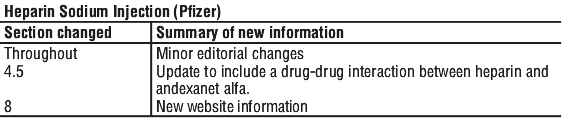
The concomitant use of heparin with andexanet alfa may reduce the effectiveness of heparin. Andexanet alfa, a recombinant modified human coagulation Factor Xa used for reversal of anticoagulation with apixaban or rivaroxaban, has been shown to bind to heparin bound antithrombin III (ATIII) and may reduce the anticoagulant effect of heparin.
Experimental evidence suggests that heparin may antagonise the actions of ACTH, corticosteroids and insulin.
Effect of heparin on other drugs. Heparin can increase the effect of oral antidiabetic agents such as sulfonylureas, as well as benzodiazepines (chlordiazepoxide, diazepam, oxazepam) and propranolol.
Digitalis, tetracyclines, nicotine or antihistamines may partially counteract the anticoagulant action of heparin sodium. Heparin should be used with caution in patients receiving other drugs, such as alteplase, streptokinase and urokinase, which effect the coagulation process and which may, therefore, increase the risk of haemorrhage.
Other medicines which may potentiate the effect of heparin include probenecid, etacrynic acid, vitamin K antagonists, cytostatic agents, cefamandole, valproic acid and propylthiouracil. High doses of penicillins, some contrast media, asparaginase (colaspase) and epoprostenol may also affect the coagulation process and increase the risk of haemorrhage.
Since heparin decreases aldosterone production, elevation of serum potassium may occur. Concomitant use of ACE inhibitors, potassium sparing diuretics (e.g. spironolactone, triamterene, amiloride) or potassium supplements may lead to significant increases in serum potassium.
4.6 Fertility, Pregnancy and Lactation
Effects on fertility. No data available.
Use in pregnancy. (Category C)
Animal reproduction studies have not been conducted with heparin sodium. It is also not known whether heparin sodium can cause fetal harm when administered to a pregnant woman or can affect reproduction capacity. Long-term usage (> 3 to 5 months) of therapeutic doses of heparin during pregnancy may increase the risk of osteoporosis. Heparin therapy during the last trimester and immediate postpartum period is associated with a risk of maternal haemorrhage. Heparin sodium should be given to a pregnant woman only if clearly needed.
Heparin use during pregnancy has been associated with adverse events including perinatal death and prematurity.
Use in lactation. Heparin is not excreted in the breast milk.
4.7 Effects on Ability to Drive and Use Machines
The effects of this medicine on a person's ability to drive and use machines were not assessed as part of its registration. Patients should refrain from driving or using machines until they know that the medicinal product does not negatively affect these abilities.
4.8 Adverse Effects (Undesirable Effects)
Haematological. Haemorrhage is the major risk associated with heparin therapy. An overly prolonged clotting time or minor bleeding during therapy can usually be controlled by withdrawing the drug. Gastrointestinal or urinary tract bleeding during anticoagulant therapy may indicate the presence of an underlying occult lesion. Bleeding can occur at any site, but certain specific haemorrhagic complications may be difficult to detect.
Hypoaldosteronism, adrenal haemorrhage, with resultant acute adrenal insufficiency, has occurred during anticoagulant therapy. Therefore, such treatment should be discontinued in patients who develop signs and symptoms of acute adrenal haemorrhage and insufficiency. Initiation of corrective therapy should not depend on laboratory confirmation of the diagnosis, since any delay in an acute situation may result in the patient's death.
Ovarian (corpus luteum) haemorrhage developed in a number of women of reproductive age receiving short or long-term anticoagulant therapy. This complication, if unrecognised, may be fatal.
Retroperitoneal haemorrhage has occurred.
Spinal haematoma, epidural haematoma.
Thrombocytopenia, heparin-induced thrombocytopenia (HIT) and heparin-induced thrombocytopenia and thrombosis (HITT) and delayed onset of HIT and HITT. The occurrence of thrombocytopenia has been reported in patients receiving heparin, with an incidence of 0% to 30%. Although often mild and of no obvious clinical significance, such thrombocytopenia can be accompanied by severe thromboembolic complications, such as skin necrosis, gangrene of the extremities that may lead to amputation, myocardial infarction, pulmonary embolism, stroke and, possibly, death (see Section 4.4 Special Warnings and Precautions for Use). Delayed onset thrombocytopenia has also been reported. If this occurs, drug withdrawal is indicated.
Local irritation. Skin necrosis at the injection site has been reported and is thought to be a local manifestation of heparin-induced platelet aggregation and thrombosis. This should be taken as a warning sign in patients who develop it and heparin therapy should be immediately discontinued. Local irritation, erythema, mild pain, haematoma or ulceration may follow deep subcutaneous (intrafat) injection of heparin sodium. These complications are much more common after intramuscular use, and such use is not recommended.
Hypersensitivity. Generalised hypersensitivity reactions have been reported, with chills, fever and urticaria as the most usual manifestations. Asthma, rhinitis, lacrimation, headache, nausea and vomiting, and anaphylactoid reactions (including shock) occur more rarely. Itching and burning, especially on the plantar site of the feet, may occur.
Miscellaneous. Osteoporosis following long-term administration of high doses of heparin, cutaneous necrosis after systemic administration, suppression of aldosterone synthesis, hyperkalaemia (due to aldosterone suppression), delayed transient alopecia, priapism and rebound hyperlipidaemia on discontinuation of heparin sodium have also been reported.
Hypereosinophilia, which is reversible on discontinuation of heparin treatment, has occurred.
Suppression of renal functions has occurred following long-term, high dose administration of heparin.
Significant elevations of aminotransferase (SGOT and SGPT) levels have occurred in a high percentage of patients (and healthy subjects) who have received heparin.
Reporting suspected adverse effects. Reporting suspected adverse reactions after registration of the medicinal product is important. It allows continued monitoring of the benefit-risk balance of the medicinal product. Healthcare professionals are asked to report any suspected adverse reactions at www.tga.gov.au/safety/reporting-problems.
4.9 Overdose
Symptoms. The usual sign of overdosage is bleeding or haemorrhage. Nosebleeds, blood in urine or tarry stools may be noted as the first sign of bleeding. Easy bruising or petechial formations may precede frank bleeding.
Treatment. The drug should be withdrawn and clotting time and platelet count should be determined. Prolonged clotting time will indicate that there is an anticoagulant effect requiring neutralisation and, in this case, protamine sulfate should be administered. The dose should be calculated by titration of the individual patient's requirements but, as a general guide, approximately 1 mg of protamine sulfate neutralises 100 IU of heparin (mucous) that has been injected in the previous 15 minutes. No more than 50 mg should be administered, very slowly, in any 10 minute period. Since heparin is being continuously eliminated the dose should be reduced as time elapses. Although the metabolism of heparin is complex, it may, for the purpose of choosing a protamine dose, be assumed to have a half-life of about half an hour after intravenous injection.
Administration of protamine sulfate can cause severe hypotensive and anaphylactoid reactions. Because fatal reactions often resembling anaphylaxis have been reported, the drug should be given only when resuscitation techniques and treatment of anaphylactoid shock are readily available.
For additional information the labelling of Protamine Sulfate Injection should be consulted.
For information on the management of overdose, contact the Poisons Information Centre on 13 11 26 (Australia).
5 Pharmacological Properties
5.1 Pharmacodynamic Properties
Mechanism of action. Anticoagulant.
Heparin is a naturally occurring mucopolysaccharide with in vitro and in vivo anticoagulant activity.
Heparin inhibits reactions that lead to the clotting of blood and the formation of fibrin clots both in vitro and in vivo. Heparin acts at multiple sites in the normal coagulation system. Small amounts of heparin in combination with antithrombin III (heparin cofactor) can inhibit thrombosis by inactivating activated factor X and inhibiting the conversion of prothrombin to thrombin. Once active thrombosis has developed, larger amounts of heparin can inhibit further coagulation by inactivating thrombin and preventing the conversion of fibrinogen to fibrin. Heparin also prevents the formation of a stable fibrin clot by inhibiting the activation of the fibrin stabilising factor.
Clinical trials. No data available.
5.2 Pharmacokinetic Properties
The anticoagulant action is immediate following intravenous injection and is effective for three to six hours. Following deep subcutaneous injection absorption is variable among patients, although onset of activity is between 20 and 60 minutes. Heparin is extensively bound to plasma proteins. It does not cross the placenta and is not excreted in breast milk.
Bleeding time is usually unaffected by heparin. Clotting time is prolonged by full therapeutic doses of heparin; in most cases, it is not measurably affected by low doses of heparin.
Patients over 60 years of age, following similar doses of heparin, may have higher plasma levels of heparin and longer activated partial thromboplastin times (APTTs) compared with patients under 60 years of age.
Peak plasma levels of heparin are achieved 2 to 4 hours following subcutaneous administration, although there are considerable individual variations. Log linear plots of heparin plasma concentrations with time for a wide range of dose levels are linear, which suggests the absence of zero order processes. Liver and the reticuloendothelial system are the sites of biotransformation. The biphasic elimination curve, a rapidly declining alpha phase (t1/2 = 10 minutes) and, after the age of 40, a slower beta phase indicates uptake in organs. The absence of a relationship between anticoagulant half-life and concentration half-life may reflect factors such as protein binding of heparin. The half-life may be slightly prolonged in renal impairment, decreased in patients with pulmonary embolism, and either increased or decreased in patients with liver disorders. Heparin is excreted in the urine, mainly as metabolites although, following administration of large doses, up to 50% may be excreted unchanged.
Heparin does not have fibrinolytic activity; therefore, it will not lyse existing clots.
5.3 Preclinical Safety Data
Genotoxicity. No reproduction studies in animals have been performed concerning mutagenesis or impairment of fertility.
Carcinogenicity. No long-term studies in animals have been performed to evaluate the carcinogenic potential of heparin.
6 Pharmaceutical Particulars
6.1 List of Excipients
Hydrochloric acid, sodium hydroxide, water for injections.
6.2 Incompatibilities
Heparin Injection is incompatible with certain substances in solution. Specialised literature should be consulted to verify with which substances incompatibilities have been noted. The following incompatibilities have been reported: alteplase, amikacin sulfate, amiodarone hydrochloride, ampicillin sodium, aprotinin, cefalotin sodium, cytarabine, dacarbazine, daunorubicin hydrochloride, diazepam, dobutamine hydrochloride, erythromycin lactobionate, gentamicin sulfate, kanamycin sulfate, netilmicin sulfate, oxytetracycline hydrochloride, polymyxin B sulfate, streptomycin sulfate, tetracycline sulfate, tobramycin sulfate, vancomycin hydrochloride, hydrocortisone sodium succinate, doxorubicin, droperidol, ciprofloxacin, mitozantrone, morphine sulfate pentahydrate, haloperidol lactate, promethazine hydrochloride, codeine phosphate hemihydrate, hyaluronidase, benzylpenicillin sodium, methadone hydrochloride, pethidine hydrochloride, methicillin sodium, reteplase, levorphanol bitartrate, some phenothiazines and vinblastine sulfate.
Heparin sodium has also been reported to be incompatible with cisatracurium besilate, labetalol hydrochloride and nicardipine hydrochloride. Admixture with glucose can have variable effects. Incompatibility has been reported between heparin and fat emulsion.
6.3 Shelf Life
In Australia, information on the shelf life can be found on the public summary of the Australian Register of Therapeutic Goods (ARTG). The expiry date (month/year) is stated on the package after EXP.
6.4 Special Precautions for Storage
Store below 25°C. Single use only. Discard unused portion.
6.5 Nature and Contents of Container
Porcine mucous. AUST R 49232 Heparin Injection 5,000 IU/5 mL Steriluer ampoule (50s).
AUST R 49232 Heparin Injection 5,000 IU/5 mL Steriluer ampoule (10s).
AUST R 49236 Heparin Injection 25,000 IU/5 mL Steriluer ampoule (50s).
6.6 Special Precautions for Disposal
In Australia, any unused medicine or waste material should be disposed of in accordance with local requirements.
6.7 Physicochemical Properties
Heparin is a heterogeneous group of straight-chain anionic mucopolysaccharides, called glycosaminoglycans, possessing anticoagulant properties. It is composed of polymers of alternating derivations of α-D-glucosamido (N-sulfated O-sulfated or N-acetylated) and O-sulfated uronic acid (α-L-iduronic acid or β-D-glucuronic acid).
CAS number. 9005-49-6.
7 Medicine Schedule (Poisons Standard)
S4 (Prescription Medicine).
Date of First Approval
22 May 1994
Date of Revision
17 July 2025
Summary Table of Changes
Reasonable care is taken to provide accurate information at the time of creation. This information is not intended as a substitute for medical advice and should not be exclusively relied on to manage or diagnose a medical condition. The Australian Commission on Safety and Quality in Health Care disclaims all liability (including for negligence) for any loss, damage, injury or any other negative effects resulting from reliance on or use of this information. Read our full disclaimer. This website uses cookies. Read our privacy policy.