
Inrebic
Brand Information
| Brand name | Inrebic |
| Active ingredient | Fedratinib |
| Schedule | S4 |
Consumer Medicine Information (CMI) leaflet
Please read this leaflet carefully before you start using the Inrebic.
Summary CMI
INREBIC®
Consumer Medicine Information (CMI) summary
The full CMI on the next page has more details. If you are worried about using this medicine, speak to your doctor or pharmacist.
▼ This medicine is new or being used differently. Please report side effects. See the full CMI for further details.
WARNING: Important safety information is provided in a boxed warning in the full CMI. Read before using this medicine.
1. Why am I using INREBIC?
INREBIC contains the active ingredient fedratinib. INREBIC is used to treat the disease-related symptoms of myelofibrosis in adult patients, such as enlarged spleen and other related myelofibrosis symptoms. For more information, see Section 1. Why am I using INREBIC? in the full CMI.
2. What should I know before I use INREBIC?
Do not use if you have ever had an allergic reaction to fedratinib or any of the ingredients listed at the end of the CMI.
Talk to your doctor if you have any other medical conditions, take any other medicines, or are pregnant or plan to become pregnant or are breastfeeding. For more information, see Section 2. What should I know before I use INREBIC? in the full CMI.
3. What if I am taking other medicines?
Some medicines may interfere with INREBIC and affect how it works. A list of these medicines is in Section 3. What if I am taking other medicines? in the full CMI.
4. How do I use INREBIC?
Take INREBIC once a day. Your doctor will tell you how many capsules to take.
Swallow the capsule whole with a full glass of water. Do not open, break or chew the capsule. INREBIC capsules can be taken either with or without food. Taking INREBIC with food may reduce nausea or vomiting.
More instructions can be found in Section 4. How do I use INREBIC? in the full CMI.
5. What should I know while using INREBIC?
| Things you should do |
|
| Things you should not do |
|
| Driving or using machines |
|
| Looking after your medicine |
|
For more information, see Section 5. What should I know while using INREBIC? in the full CMI.
6. Are there any side effects?
Serious side effects: Signs of a serious condition which affects the brain called encephalopathy (including Wernicke's encephalopathy): confusion, memory loss or difficulty thinking; loss of balance or difficulty walking; eye problems such as double-vision, blurred vision loss of vision or random eye movements. Very common side effects include: low levels of red blood cells, blood platelets, changes in blood test results, nausea, vomiting, diarrhoea, headache, tiredness or weakness. For more information, including what to do if you have any side effects, see Section 6. Are there any side effects? in the full CMI.
Full CMI
▼ This medicine is subject to additional monitoring. This will allow quick identification of new safety information. You can help by reporting any side effects you may get. You can report side effects to your doctor, or directly at www.tga.gov.au/reporting-problems.
WARNING: INREBIC may cause a serious and sometimes fatal neurological problem called encephalopathy (including Wernicke's encephalopathy).
Wernicke's encephalopathy is a neurologic problem that requires emergency care. It can happen if you do not have enough Vitamin B1 (thiamine) in your body. Follow instructions from your healthcare provider including taking a Vitamin B1 supplement and Vitamin B1 blood tests.
INREBIC® (inn-REH-bik)
Active ingredient(s): fedratinib (fe dra' ti nib)
Consumer Medicine Information (CMI)
This leaflet provides important information about using INREBIC. You should also speak to your doctor or pharmacist if you would like further information or if you have any concerns or questions about using INREBIC.
Where to find information in this leaflet:
1. Why am I using INREBIC?
2. What should I know before I use INREBIC?
3. What if I am taking other medicines?
4. How do I take INREBIC?
5. What should I know while using INREBIC?
6. Are there any side effects?
7. Product details
1. Why am I using INREBIC?
INREBIC contains the active ingredient fedratinib. INREBIC belongs to a group of medicines called Janus Kinase (JAK) inhibitors.
INREBIC is used to treat the disease-related symptoms of myelofibrosis in adult patients, such as enlarged spleen and other related myelofibrosis symptoms.
An enlarged spleen is one of the characteristics of myelofibrosis. Myelofibrosis is a disorder of the bone marrow, in which the marrow is replaced by scar tissue. The abnormal marrow can no longer produce enough normal blood cells. As a result, the spleen tries to compensate by producing them outside of the bone marrow and hence the spleen can become significantly enlarged. By blocking the action of certain enzymes (called Janus Associated Kinases), Inrebic can reduce the size of the spleen in patients with myelofibrosis and relieve symptoms such as fever, night sweats, bone pain and weight loss in patients with myelofibrosis.
2. What should I know before I use INREBIC?
Warnings
Do not use INREBIC if:
- you are allergic to fedratinib, or any of the ingredients listed at the end of this leaflet.
- Always check the ingredients to make sure you can use this medicine.
Contact your doctor immediately if you get any of the following signs or symptoms before taking these capsules and during treatment:
- Confusion, memory loss, or difficulty thinking
- Loss of balance or difficulty walking
- Eye problems such as random eye movement, double-vision, blurred vision and loss of vision
These may be signs of a brain condition called encephalopathy, including Wernicke's encephalopathy, which may lead to death.
Check with your doctor if you:
- are feeling very tired, being short of breath, pale skin or fast heartbeat – these may be signs of a low red blood cell count
- have unusual bleeding or bruising under the skin, longer than usual bleeding after your blood has been drawn, or bleeding from your gums – these may be signs of a low blood platelet count
- have nausea, vomiting or diarrhoea
- have or ever had any kidney problems
- have or ever had any liver problems
- have or ever had any problems with your pancreas
- have eye problems, especially an inflammation of the eye called uveitis
- have or have had heart problems
- have or have had blood clots in the veins of your legs, arms or lungs
- have or have had cancer, including skin cancer
- smoked in the past or currently smoke
- have any other medical conditions
- take any medicines for any other condition
Blood tests
Before and during treatment, you will have blood tests to check your blood cell levels (red blood cells, white blood cells and platelets), your vitamin B1 levels and your liver and pancreatic function. Your doctor may adjust the dose or stop treatment based on the results of the blood tests.
During treatment, you may be at risk of developing certain side effects. It is important you understand these risks and how to monitor for them. See additional information under Section 6. Are there any side effects?
Pregnancy and breastfeeding
Tell your doctor if you are pregnant or intend to become pregnant. Do not take INREBIC if you are pregnant or attempting to become pregnant. Your doctor can discuss with you the risks and benefits involved.
If you are able to become pregnant, use effective birth control during treatment with INREBIC and for at least 1 month after the last dose.
Talk to your doctor if you are breastfeeding or intend to breastfeed. It is not known if INREBIC is found in breast milk. Do not breastfeed if you are taking INREBIC and for at least 1 month after the last dose.
Use in children or adolescents
Inrebic should not be used in children or young people under 18 years of age because this medicine has not been studied in this age group.
3. What if I am taking other medicines?
Tell your doctor or pharmacist if you are taking any other medicines, including any medicines, vitamins or supplements that you buy without a prescription from your pharmacy, supermarket or health food shop.
Tell your doctor or pharmacist if you are taking or have recently taken any of the following medicines:
- medicines used to treat fungal infections, such as ketoconazole or fluconazole
- medicines used to treat depression, such as fluvoxamine
- medicines used to help you sleep or relieve anxiety, such as midazolam
- medicines used to treat viral infections medicines used to treat HIV/AIDS such as ritonavir or efavirenz
- antibiotics used to treat types of bacterial infections, such as rifampicin
- medicines used to treat epilepsy, such as phenytoin
- medicines used to treat high blood pressure and heart rhythm, such as metoprolol
- medicines used to treat stomach problems, such as omeprazole
- medicines used to lower blood sugar levels, such as metformin
These medicines may be affected by INREBIC or may affect how well it works. You may need different amounts of your medicines, or you may need to take different medicines. Your doctor will decide if your dose needs to be changed.
Check with your doctor or pharmacist if you are not sure about what medicines, vitamins or supplements you are taking and if these affect INREBIC.
4. How do I take INREBIC?
How much to take
- Your doctor will tell you how many capsules to take.
- You will have blood tests before and while you take this medicine to monitor your progress. If you get certain side effects while you are taking INREBIC, your doctor may lower your dose or pause or stop treatment.
- Take INREBIC once a day.
- Swallow the capsule whole with a full glass of water.
Do not open, break or chew the capsule. - INREBIC capsules can be taken either with or without food. Taking INREBIC with food may reduce nausea or vomiting.
- Follow the instructions provided and use INREBIC until your doctor tells you to stop.
If you forget to take INREBIC
INREBIC should be used regularly at the same time each day.
If it is almost time for your next dose, skip the dose you missed and take your next dose when you are meant to.
Do not take a double dose to make up for the dose you missed.
If you have taken too much INREBIC
If you think that you have taken too much INREBIC, you may need urgent medical attention.
You should immediately:
- phone the Poisons Information Centre
(by calling 13 11 26), or - contact your doctor, or
- go to the Emergency Department at your nearest hospital.
You should do this even if there are no signs of discomfort or poisoning.
5. What should I know while using INREBIC?
Things you should do
- Keep all of your doctor's appointments so that your progress can be checked, including having blood tests.
- Remind any doctor, dentist or pharmacist you visit that you are using INREBIC.
- Tell your doctor if you are pregnant or attempting to become pregnant. Do not take INREBIC if you are pregnant or attempting to become pregnant.
- If you are able to become pregnant, use effective birth control during treatment with INREBIC and for at least 1 month after the last dose.
Call your doctor straight away if you:
- get any of the following signs or symptoms before taking these capsules and during treatment: Confusion, memory loss, or difficulty thinking; loss of balance or difficulty walking; eye problems such as random eye movement, double-vision, blurred vision and loss of vision.
Things you should not do
- Do not stop using this medicine suddenly without talking to your doctor first.
Driving or using machines
Be careful before you drive or use any machines or tools until you know how INREBIC affects you.
INREBIC may cause dizziness in some people. Do not drive or operate machines if you experience dizziness after taking INREBIC.
Looking after your medicine
- Store below 30°C
Follow the instructions in the carton on how to take care of your medicine properly.
Store it in a cool dry place away from moisture, heat or sunlight; for example, do not store it:
- in the bathroom or near a sink, or
- in the car or on window sills.
Keep it where young children cannot reach it.
Getting rid of any unwanted medicine
If you no longer need to use this medicine or it is out of date, take it to any pharmacy for safe disposal.
Do not use this medicine after the expiry date.
6. Are there any side effects?
All medicines can have side effects. If you do experience any side effects, most of them are minor and temporary. However, some side effects may need medical attention.
See the information below and, if you need to, ask your doctor or pharmacist if you have any further questions about side effects.
Serious side effects
| Serious side effects | What to do |
Signs of a serious condition which affects the brain called encephalopathy (including Wernicke's encephalopathy):
| Call your doctor straight away, or go straight to the Emergency Department at your nearest hospital if you notice any of these serious side effects. |
Other side effects
| Very common side effects | What to do |
| Speak to your doctor if you have any of these side effects and they worry you. |
Common side effects
|
Tell your doctor or pharmacist if you notice anything else that may be making you feel unwell.
Other side effects not listed here may occur in some people.
Reporting side effects
After you have received medical advice for any side effects you experience, you can report side effects to the Therapeutic Goods Administration online at www.tga.gov.au/reporting-problems. By reporting side effects, you can help provide more information on the safety of this medicine.
Always make sure you speak to your doctor or pharmacist before you decide to stop taking any of your medicines.
7. Product details
This medicine is only available with a doctor's prescription.
What INREBIC contains
| Active ingredient (main ingredient) | Fedratinib (as dihydrochloride monohydrate) |
| Other ingredients (inactive ingredients) | silicified microcrystalline cellulose sodium stearylfumarate Capsule shell: Gelatin, titanium dioxide, iron oxide red Printing ink: OPACODE monogramming ink S-1-18086 White |
Do not take this medicine if you are allergic to any of these ingredients.
What INREBIC looks like
INREBIC 100 mg capsule is reddish brown, size 0 opaque capsule, with "FEDR” on cap and “100 mg” on body in white ink (AUST R 433750).
Each bottle contains 120 capsules.
Who distributes INREBIC
Bristol-Myers Squibb Australia Pty Ltd
4 Nexus Court, Mulgrave
Victoria 3170, Australia
Toll free number: 1800 067 567
Email: MedInfo.Australia@bms.com
This leaflet was prepared in February 2025.
INREBIC® is a trademark of Celgene Corporation, a Bristol-Myers Squibb company.
Brand Information
| Brand name | Inrebic |
| Active ingredient | Fedratinib |
| Schedule | S4 |
▼ This medicinal product is subject to additional monitoring in Australia. This will allow quick identification of new safety information. Healthcare professionals are asked to report any suspected adverse events at www.tga.gov.au/reporting-problems.
MIMS Revision Date: 01 April 2026
Wernicke's encephalopathy is a neurologic emergency. The risk of Wernicke's encephalopathy is reduced via thiamine monitoring and prophylaxis with daily oral thiamine (see Section 4.2 Dose and Method of Administration; Section 4.4 Special Warnings and Precautions for Use).
1 Name of Medicine
Fedratinib.
2 Qualitative and Quantitative Composition
Each capsule contains 100 mg fedratinib (equivalent to 117.30 mg fedratinib dihydrochloride monohydrate).
For the full list of excipients, see Section 6.1 List of Excipients.
3 Pharmaceutical Form
Hard capsule.
Reddish brown, size 0 opaque capsule, with "FEDR" on cap and "100 mg" on body in white ink.
4 Clinical Particulars
4.1 Therapeutic Indications
Inrebic is indicated for the treatment of disease-related splenomegaly or symptoms in adult patients with primary myelofibrosis, post polycythaemia vera myelofibrosis or post essential thrombocythaemia myelofibrosis who are Janus Associated Kinase (JAK) inhibitor naïve or have been treated with ruxolitinib.
4.2 Dose and Method of Administration
Dosage. Conduct baseline testing of thiamine (vitamin B1) levels and a complete blood count prior to initiation of Inrebic (see Section 4.4 Special Warnings and Precautions for Use).
The recommended dose of Inrebic is 400 mg taken orally once daily for patients with a baseline platelet count of ≥ 50 x 109/L. Fedratinib has not been studied in patients with a baseline platelet count less than 50 x 109/L.
Inrebic may be taken with or without food. Administration with a high fat meal may reduce the incidence of nausea and vomiting. If a dose is missed, the next scheduled dose should be taken the following day.
Patients that are on treatment with ruxolitinib before the initiation of Inrebic must taper and discontinue ruxolitinib according to the ruxolitinib prescribing information.
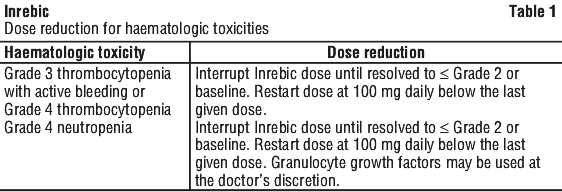
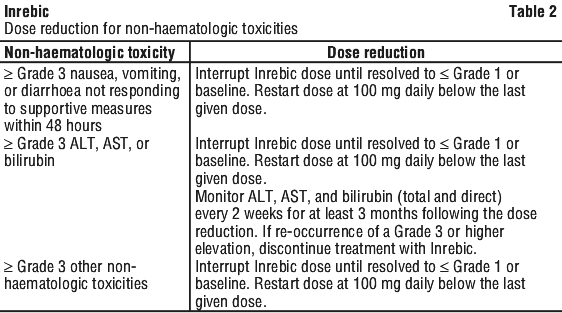
Dose modifications. Haematologic toxicities and non-haematologic toxicities. Dose modifications should be considered for haematologic and non-haematologic toxicities. Discontinue Inrebic in patients who are unable to tolerate a dose of 200 mg daily. See Table 1.
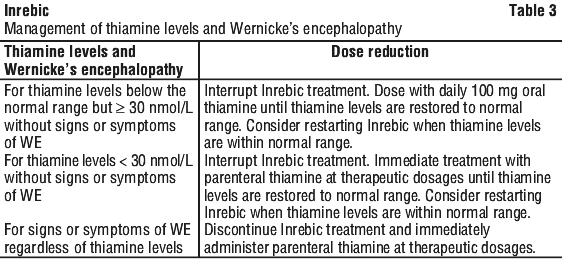
While on treatment, all patients should receive prophylaxis with daily 100 mg oral thiamine and should have thiamine levels assessed periodically as clinically indicated.
If Wernicke's encephalopathy is suspected, immediately discontinue treatment with Inrebic and initiate parenteral thiamine treatment. Monitor until symptoms resolve or improve and thiamine levels normalise (see Section 4.4 Special Warnings and Precautions for Use; Section 4.8 Adverse Effects (Undesirable Effects)).
In cases where co-administration with a strong CYP3A4 inhibitor is discontinued, the Inrebic dose should be increased to 300 mg once daily during the first two weeks after discontinuation of the CYP3A4 inhibitor, and then to 400 mg once daily thereafter as tolerated. Additional dose adjustments should be made as needed based upon frequent monitoring of safety and efficacy.
Special populations. Renal impairment. In patients with severe renal impairment (creatinine clearance [CrCl] 15 mL/min to 29 mL/min), reduce the Inrebic dose to 200 mg. No modification of the starting dose is recommended for patients with mild to moderate renal impairment (CrCl 30 mL/min to 89 mL/min). Due to potential increase of exposure, patients with pre-existing moderate renal impairment may require more intensive safety monitoring and if necessary, dose modifications based on adverse reactions.
Hepatic impairment. No modification of the starting dose is recommended for patients with mild, moderate and severe hepatic impairment.
Paediatric population. The safety and efficacy of Inrebic in paediatric patients less than 18 years of age have not been established.
Elderly population. No dose adjustment based on age is recommended for elderly subjects.
4.3 Contraindications
Hypersensitivity to the active substance or to any of the excipients listed, see Section 6.1 List of Excipients.
4.4 Special Warnings and Precautions for Use
Encephalopathy, including Wernicke's. Serious and fatal encephalopathy, including Wernicke's, was reported in patients taking Inrebic. Wernicke's encephalopathy is a neurologic emergency resulting from thiamine (vitamin B1) deficiency. Signs and symptoms of Wernicke's encephalopathy may include ataxia, mental status changes, and ophthalmoplegia (e.g. nystagmus, diplopia). Any change in mental status confusion, or memory impairment should raise concern for potential encephalopathy, including Wernicke's and prompt a full evaluation including a neurologic examination, assessment of thiamine levels, and imaging.
Assess thiamine levels and nutritional status in all patients prior to starting treatment with Inrebic. Do not start Inrebic in patients with thiamine deficiency; replenish thiamine prior to treatment initiation. While on treatment all patients should receive prophylaxis with oral thiamine and should have thiamine levels assessed as clinically indicated. If encephalopathy is suspected, immediately discontinue Inrebic and initiate parenteral thiamine treatment while evaluating for all possible causes. Monitor until symptoms resolve or improve and thiamine levels normalise (see Section 4.2 Dose and Method of Administration, Table 3; Section 4.8 Adverse Effects (Undesirable Effects)).
Anaemia, thrombocytopenia and neutropenia. Treatment with Inrebic may cause anaemia, thrombocytopenia and neutropenia. Complete blood counts should be obtained at baseline, periodically during treatment, and as clinically indicated (see Section 4.2 Dose and Method of Administration, Table 1; Section 4.8 Adverse Effects (Undesirable Effects)). Inrebic has not been studied in patients with a baseline platelet count < 50 x 109/L and absolute neutrophil count < 1.0 x 10⁹/L.
Anaemia. Anaemia generally occurs within the first 3 months of treatment. Patients with a haemoglobin level below 10.0 g/dL at the start of therapy are more likely to develop anaemia of Grade 3 or above during treatment and should be carefully monitored as clinically indicated. Patients developing anaemia may require blood transfusions. Consider dose reduction for patients who become red blood cell transfusion dependent (see Section 4.2 Dose and Method of Administration, Table 1; Section 4.8 Adverse Effects (Undesirable Effects)).
Thrombocytopenia. Thrombocytopenia generally occurs within the first 3 months of treatment. Patients with low platelet counts (< 100 x 109/L) at the start of therapy are more likely to develop thrombocytopenia of Grade 3 or above during treatment and should be carefully monitored as clinically indicated. Thrombocytopenia is generally reversible and is usually managed by supportive treatment such as dose interruptions, dose reduction and/or platelet transfusions if necessary. Patients should be made aware of the increased risk of bleeding associated with thrombocytopenia. For Grade 3 thrombocytopenia with active bleeding or Grade 4 thrombocytopenia, dose reduction is recommended (see Section 4.2 Dose and Method of Administration, Table 1; Section 4.8 Adverse Effects (Undesirable Effects)).
Neutropenia. Neutropenia was generally reversible and was managed by temporarily withholding Inrebic (see Section 4.2 Dose and Method of Administration, Table 1; Section 4.8 Adverse Effects (Undesirable Effects)).
Gastrointestinal toxicity. Nausea, vomiting, and diarrhoea are among the most frequent adverse reactions in Inrebic-treated patients.
Consider providing appropriate prophylactic anti-emetic therapy (e.g. 5-HT3 receptor antagonists) during Inrebic treatment. Treat diarrhoea with anti-diarrhoeal medications promptly at the first onset of symptoms. For Grade 3 or higher nausea, vomiting, or diarrhoea not responsive to supportive measures within 48 hours, interrupt Inrebic until resolved to Grade 1 or less or baseline. Restart dose at 100 mg daily below the last given dose (see Section 4.2 Dose and Method of Administration, Table 2; Section 4.8 Adverse Effects (Undesirable Effects)). Monitor thiamine levels and replenish as needed.
Hepatic toxicity. Elevations of ALT and AST have been reported with Inrebic treatment.
Monitor hepatic function at baseline, periodically during treatment, and as clinically indicated. For Grade 3 or higher ALT and/or AST elevations (greater than 5 x ULN), interrupt Inrebic dose until resolved to Grade 1 or less or to baseline. Restart dose at 100 mg daily below the last given dose. If re-occurrence of a Grade 3 or higher elevation of ALT/AST, discontinue treatment with Inrebic. Grade 3 or 4 ALT and AST elevations were generally reversible with dose modification or permanent treatment discontinuation (see Section 4.2 Dose and Method of Administration, Table 2; Section 4.8 Adverse Effects (Undesirable Effects)).
Elevated amylase/lipase. Elevations of amylase and/or lipase have been reported with Inrebic treatment.
Monitor amylase and lipase at baseline, periodically during treatment, and as clinically indicated. For Grade 3 or higher amylase and/or lipase elevations, interrupt Inrebic until resolved to Grade 1 or less or to baseline. Restart dose at 100 mg daily below the last given dose (see Section 4.2 Dose and Method of Administration, Table 2; Section 4.8 Adverse Effects (Undesirable Effects)).
Uveitis. Uveitis has been observed in post-marketing clinical trials (FREEDOM1, FREEDOM2 and FREEDOM3) (see Section 4.8 Adverse Effects (Undesirable Effects)).
Advise patients on the risks of developing uveitis before starting fedratinib therapy. Certain ethnic groups (such as Asians) may be at higher risk of developing uveitis. Common uveitis symptoms include eye pain, redness, photophobia, floaters, and decreased vision. In case of symptoms, prompt ophthalmologic evaluation is recommended.
Major adverse cardiac events (MACE). Another Janus Kinase (JAK)-inhibitor has increased risk of MACE, including cardiovascular death, myocardial infarction, and stroke (compared to those treated with TNF blockers) in patients with rheumatoid arthritis, a condition for which Inrebic is not indicated.
Consider the benefits and risks for the individual patient prior to initiating or continuing therapy with Inrebic, particularly in patients who are current or past smokers and patients with other cardiovascular risk factors. Patients should be informed about the symptoms of serious cardiovascular events and the steps to take if they occur.
Thrombosis. Another JAK-inhibitor has increased the risk of thrombosis, including deep venous thrombosis, pulmonary embolism, and arterial thrombosis (compared to those treated with TNF blockers) in patients with rheumatoid arthritis, a condition for which Inrebic is not indicated. In patients with MF treated with Inrebic in clinical trials, the rates of thromboembolic events were similar in Inrebic and placebo-treated patients.
Patients with symptoms of thrombosis should be promptly evaluated and treated appropriately.
Secondary malignancies. Another JAK-inhibitor has increased the risk of lymphoma and other malignancies excluding non-melanoma skin cancer (NMSC) (compared to those treated with TNF blockers) in patients with rheumatoid arthritis, a condition for which Inrebic is not indicated. Patients who are current or past smokers are at additional increased risk.
Consider the benefits and risks for the individual patient prior to initiating or continuing therapy with Inrebic, particularly in patients with a known malignancy (other than a successfully treated NMSC), patients who develop a malignancy, and patients who are current or past smokers.
Use in the elderly. Of patients with myelofibrosis who received a Inrebic dose of 400 mg in the clinical studies, 47.3% were greater than 65 years of age and 12.3% were greater than 75 years of age. No overall differences in safety or effectiveness of Inrebic were observed between these patients and patients ≤ 65 years of age and ≤ 75 years of age.
Paediatric use. The safety and efficacy of Inrebic in paediatric patients less than 18 years of age have not been established.
Effects on laboratory tests. No data available.
4.5 Interactions with Other Medicines and Other Forms of Interactions
Effect of other medicinal products on fedratinib. Strong and moderate CYP3A4 inhibitors. Concomitant administration of Inrebic with a strong CYP3A4 inhibitor increases fedratinib exposure. Increased exposure of fedratinib may increase the risk of adverse reactions. In place of strong CYP3A4 inhibitors, consider alternative therapies that do not strongly inhibit CYP3A4 activity. If strong CYP3A4 inhibitors cannot be replaced, reduce the dose of Inrebic when administering with strong (CYP3A4 inhibitors [e.g. ketoconazole, ritonavir], see Section 4.2 Dose and Method of Administration).
Co-administration of ketoconazole (strong CYP3A4 inhibitor: 200 mg twice daily) with a single dose of fedratinib (300 mg) increased the fedratinib AUC by approximately 3-fold. Based on physiologically based pharmacokinetic (PBPK) simulations, co-administration of a strong CYP3A4 inhibitor such as ketoconazole (400 mg once daily) with Inrebic 400 mg once daily is predicted to increase fedratinib AUC at steady state by 2-fold (see Section 4.2 Dose and Method of Administration).
Based on PBPK simulations, coadministration of moderate CYP3A4 inhibitors, erythromycin (500 mg three times daily) or diltiazem (120 mg twice daily), with Inrebic 400 mg once daily is predicted to increase fedratinib AUC at steady state by 1.2-, and 1.1-fold, respectively.
Simultaneous inhibition of CYP3A4 and CYP2C19. Concomitant administration of Inrebic with a dual CYP3A4 and CYP2C19 inhibitor increases fedratinib exposure. Increased exposure of fedratinib may increase the risk of adverse reactions.
Co-administration of fluconazole (dual inhibitor of CYP3A4 and CYP2C19, 200 mg once daily) with a single dose of fedratinib (100 mg) increased AUC of fedratinib by 1.7-fold. Based on PBPK simulations, co-administration of a dual inhibitor of CYP3A4 and CYP2C19 such a fluconazole (200 mg once daily) with Inrebic 400 mg once daily is predicted to increase fedratinib AUC at steady state by approximately 1.5-fold.
Due to potential increase of exposure of Inrebic, patients taking concomitant dual inhibitors of CYP3A4 and CYP2C19 may require more intensive safety monitoring and if necessary, dose modifications of Inrebic based on adverse reactions (see Section 4.2 Dose and Method of Administration).
Strong and moderate CYP3A4 inducers. Co-administration of rifampicin (strong CYP3A4 inducer: 600 mg once daily) or efavirenz (moderate CYP3A4 inducer: 600 mg once daily) with a single dose of fedratinib (500 mg) decreased AUCinf of fedratinib by approximately 80% or 50%, respectively. The PBPK simulations suggest that repeated doses of a strong and moderate CYP3A4 inducer, rifampicin or efavirenz, respectively, decrease the AUC of a single 400 mg dose of fedratinib by approximately 85 or 60%, respectively. Agents that strongly or moderately induce CYP3A4 (e.g. phenytoin, rifampicin, efavirenz), may decrease fedratinib plasma concentrations and should be avoided in patients receiving Inrebic.
Proton pump inhibitor (PPI). Co-administration of an oral proton pump inhibitor, pantoprazole (40 mg once daily on days 1-7) and Inrebic (500 mg orally once on day 7) increased fedratinib AUC by approximately 1.15-fold, indicating that the Inrebic dose does not need to be adjusted when taken with drugs that increase gastric pH (such as antacids, histamine-2 blockers, and PPIs).
P-gp inhibitors. Fedratinib is a substrate of P-gp in vitro. However, fedratinib showed rapid absorption in both preclinical and clinical studies, and available data indicate that permeability and efflux is not limiting its absorption. In the clinically relevant dose range of 300 to 500 mg, fedratinib exposure was roughly dose proportional in MF patients, indicating no non-linearity due to any efflux. There was no impact of genotype variations of transporters including P-gp on fedratinib exposure in healthy subjects and patients. Taken together, significant interaction with P-gp inhibitors is not expected to occur with fedratinib.
Effect of fedratinib on other medicinal products. Effects on enzymes: CYP3A4, CYP2C19, or CYP2D6 substrate drugs. Concomitant administration of Inrebic with the CYP3A4 substrate, midazolam, the CYP2C19 substrate, omeprazole, and the CYP2D6 substrate, metoprolol, increased midazolam, omeprazole, and metoprolol AUC by 4-, 3-, and 2-fold, respectively. Therefore, dose modifications of drugs that are CYP3A4, CYP2C19, or CYP2D6 substrates should be made as needed with close monitoring of safety and efficacy.
Effects on transporters. In vitro, fedratinib inhibits P-gp, BCRP, MATE1, MATE2-K, OATP1B1, OATP1B3, OCT1 and OCT2 at clinically relevant concentrations, but not BSEP, MRP2, OAT1, or OAT3.
Co-administration of a single dose of fedratinib (600 mg) with a single dose of digoxin (P-gp substrate: 0.25 mg), rosuvastatin (OATP1B1/1B3 and BCRP substrate: 10 mg), and metformin (OCT2 and MATE1/2-K substrate: 1000 mg) had no clinically meaningful effect on the exposure of digoxin, rosuvastatin, and metformin.
Renal clearance of metformin was decreased by 36% in the presence of fedratinib. Caution should be exercised, and dose modifications should be made as needed for agents that are renally excreted via OCT2 and MATE1/2-K such as metformin.
4.6 Fertility, Pregnancy and Lactation
Effects on fertility. There are no human data on the effect of fedratinib on fertility. Fedratinib had no effect on fertility in male or female rats at oral doses up to 30 mg/kg/day. The exposure (plasma AUC) at the dose of 30 mg/kg/day is approximately 0.10 to 0.13 times the clinical exposure at the maximum recommended dose of 400 mg once daily. There are no data on effects on fertility in animals at clinically relevant exposures.
Use in pregnancy. (Category D)
There are no studies with the use of Inrebic in pregnant women to inform drug-associated risks. Fedratinib was shown to cause embryofetal lethality in animals at exposure levels well below that of patients. If fedratinib is used during pregnancy, or if the patient becomes pregnant while taking this drug, advise the patient of the potential risk to a fetus.
Advise females of reproductive potential to avoid becoming pregnant while receiving Inrebic and to use effective contraception during treatment with Inrebic and for at least 1 month after the last dose.
Administration of fedratinib to pregnant rats during organogenesis caused increased post-implantation loss, lower fetal body weight and altered fetal skeletal development (seen as an increased incidence of additional ossification centres of the cervical vertebral neural arches, a skeletal variation) at an oral dose of 30 mg/kg/day. This dose yielded exposure in animals 0.11 times that of patients at the maximum recommended human dose. Maternal administration to rats at this dose level during gestation and lactation resulted in reduced body weight of the offspring (at birth and pre- and post-weaning). No adverse effects on embryofetal development were observed with fedratinib in pregnant rabbits, but the highest tested dose (30 mg/kg/day) yielded only very limited exposure (0.08 times that of patients at the maximum recommended human dose).
Use in lactation. There are no data on the presence of fedratinib or its metabolites in milk, the effects of Inrebic on the breastfed infant, or the effects on milk production. Because many drugs are excreted in human milk and because of the potential for adverse reactions in breastfed infants, advise women not to breastfeed during treatment with Inrebic and for at least 1 month after the last dose.
4.7 Effects on Ability to Drive and Use Machines
Inrebic has no sedating effect but may cause dizziness in some people. Patients should be advised not to drive or operate machinery if they experience dizziness after taking fedratinib.
4.8 Adverse Effects (Undesirable Effects)
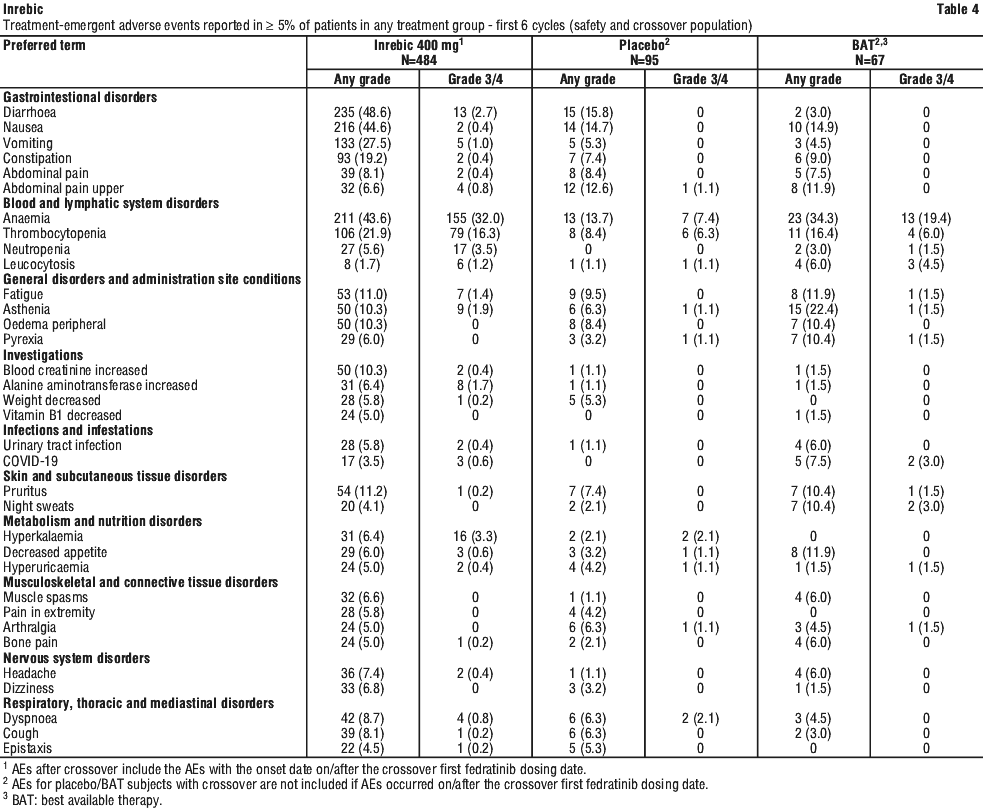
The safety information of Inrebic was assessed in 484 patients who received Inrebic 400 mg for the first 6 cycles in studies JAKARTA, JAKARTA2, ARD11936, FREEDOM1, FREEDOM2 and FREEDOM3. This safety information, which includes crossover population, is summarised below and described in Tables 4 and 5.
A separate assessment was conducted in 608 patients who received continuous doses of Inrebic in nine Phase 1, 2 and 3 clinical studies (JAKARTA, JAKARTA2, ARD11936, TED12037, TED12015, ARD12042, ARD12888, INT12497 and TES13519). This safety information is described under Description of selected adverse drug reactions.
Primary or secondary myelofibrosis (JAKARTA, JAKARTA2, ARD11936, FREEDOM1, FREEDOM2 and FREEDOM3). In clinical studies of patients with primary myelofibrosis (MF), post polycythemia vera (post-PV MF), or post essential thrombocythemia myelofibrosis (post-ET MF), treated with Inrebic 400 mg (N=484), including patients previously exposed to ruxolitinib.
Among the 484 patients with MF treated with a 400 mg dose of Inrebic in the clinical studies up to 6 cycles, the most frequent non-haematologic adverse events were diarrhoea, nausea, and vomiting. The most frequent haematologic adverse events were anaemia and thrombocytopenia (Table 4). Serious adverse events, regardless of causality occurring in ≥ 2% of patients receiving Inrebic 400 mg daily included anaemia (2.7%) and pneumonia (2.5%). Fatal adverse events, regardless of causality occurred in 3.7% of patients receiving Inrebic 400 mg daily.
Permanent discontinuation due to adverse event regardless of causality occurred in 11.8% of patients receiving 400 mg of Inrebic. Most frequent reasons for permanent discontinuation in ≥ 1% of patients receiving 400 mg of Inrebic included thrombocytopenia (1.9%), diarrhoea (1%) and nausea (1%).
Tabulated summary of adverse events.
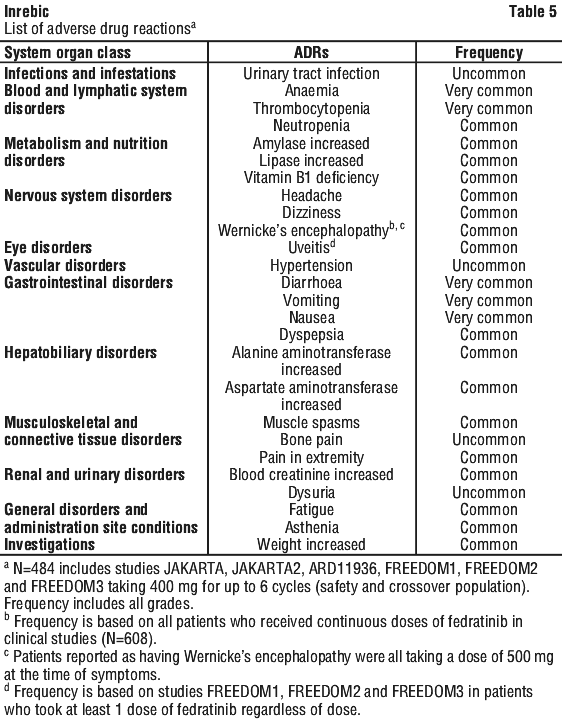
Encephalopathy, including Wernicke's. Serious cases were reported in 1.3% (8/608) of patients treated with Inrebic in clinical trials and 0.16% (1/608) of cases were fatal. Seven out of the 8 subjects were taking Inrebic at 500 mg daily prior to the onset of neurologic findings and had predisposing factors such as malnutrition, gastrointestinal adverse events, and other risk factors that could lead to thiamine deficiency. One subject treated with Inrebic at 400 mg was determined to have hepatic encephalopathy. Most events resolved with some residual neurological symptoms including memory loss, cognitive impairment, and dizziness. In a solid tumour study, one patient with head and neck cancer, brain metastasis, difficulty eating and weight loss had a fatal outcome (see Section 4.2 Dose and Method of Administration, Table 3; Section 4.4 Special Warnings and Precautions for Use).
In FEDR-MF-002, a randomised controlled post-marketing study of fedratinib vs. best available therapy (BAT), the incidence of thiamine levels below the lower limit of normal (< 70 nmol/L) was 20.9% for fedratinib vs 4.5% for BAT. Thiamine levels < 30 nmol/L were not observed in the study. The median time to the first low thiamine level after initiation of fedratinib was 29.5 days. The frequency of low thiamine levels in participants receiving fedratinib was 1.5% in those receiving thiamine supplementation 100 mg orally per day vs. 39.1% in those not receiving thiamine supplementation.
Anaemia. In patients with primary or secondary myelofibrosis treated with 400 mg of Inrebic, 43% of patients developed Grade 3 anaemia; no patients developed Grade 4 anaemia. The median time to first onset of Grade 3 anaemia event was approximately 45 days, with 75% of cases occurring within 3 months. Red blood cell transfusions were received by 51% of 400 mg Inrebic-treated patients and permanent discontinuation of 400 mg Inrebic occurred due to anaemia in 1% of patients (see Section 4.2 Dose and Method of Administration, Table 1; Section 4.4 Special Warnings and Precautions for Use).
Thrombocytopenia. In patients with primary or secondary myelofibrosis treated with 400 mg of Inrebic, 13% and 4% of patients developed Grade 3 and Grade 4 thrombocytopenia, respectively. The median time to first onset of Grade 3 or 4 thrombocytopenia was approximately 43 days, with 75% of cases occurring within 3 months. Platelet transfusions were received by 4% of 400 mg Inrebic-treated patients. Permanent discontinuation of treatment due to thrombocytopenia and bleeding that required clinical intervention occurred in 2% and 6%, respectively of 400 mg Inrebic-treated patients (see Section 4.2 Dose and Method of Administration, Table 1; Section 4.4 Special Warnings and Precautions for Use).
Gastrointestinal toxicity. Nausea, vomiting, and diarrhoea are among the most frequent adverse reactions in Inrebic-treated patients. In MF patients treated with 400 mg of Inrebic, diarrhoea occurred in 63% of patients, nausea in 59% of patients, and vomiting in 39% of patients. Grade 3 diarrhoea, nausea, and vomiting occurred in 5%, 0.5% and 2% of patients, respectively. The median time to onset of any grade nausea, vomiting, and diarrhoea was 1 day, with 75% of cases occurring within 2 weeks of starting treatment (see Section 4.2 Dose and Method of Administration, Table 2; Section 4.4 Special Warnings and Precautions for Use).
Hepatic toxicity. Elevations of ALT and AST (all grades) occurred in 43% and 52%, respectively, with Grade 3 or 4 in 3% and 2%, respectively, of 400 mg Inrebic-treated patients. The median time to onset of any grade transaminase elevation was approximately 1 month, with 75% of cases occurring within 2-3 months. Grade 3 or 4 ALT and AST elevations were generally reversible with dose modification or permanent treatment discontinuation (see Section 4.2 Dose and Method of Administration, Table 2; Section 4.4 Special Warnings and Precautions for Use).
Elevated amylase/lipase. Elevations of amylase and/or lipase (all grades) occurred in 20% and 32%, respectively, with Grade 3/4 in 1.5% and 9%, respectively, of Inrebic-treated MF patients. The median time to onset of any grade amylase or lipase elevation was 15 days, with 75% of cases occurring within 1 month of starting treatment. One patient developed pancreatitis in the fedratinib clinical development program (n=608) and pancreatitis resolved with treatment discontinuation (see Section 4.2 Dose and Method of Administration, Table 2; Section 4.4 Special Warnings and Precautions for Use).
Elevated creatinine. Elevations of creatinine (all grades) occurred in 68% of myelofibrosis patients taking 400 mg of Inrebic, and were generally asymptomatic Grade 1 or 2 events, with Grade 3 or 4 occurring in 1.5% and 0%, respectively. The median time to onset of any grade creatinine elevation was 17 days, with 75% of cases occurring within 2 months.
Uveitis. Uveitis has been observed in post-marketing clinical trials (FREEDOM1, FREEDOM2 and FREEDOM3) with an overall incidence of 4.4%. The incidence is highest among Japanese patients (19.4%), suggesting variability in risk by ethnicity/race. Fedratinib-associated uveitis is a late-onset adverse event, with the first episode occurring at a median of 14 months after starting treatment, with a range of 8 to 22 months. Among the patients developing uveitis, most (55%) had more than one episode of uveitis. The uveitis episodes varied in grade, with Grade 1/2 in 60% of episodes, and Grade 3/4 in 40% of episodes. Topical steroids were sufficient for treatment in 75% of episodes, and systemic steroids were required in 25% of episodes. Fedratinib was discontinued due to uveitis in 27% of patients.
Reporting suspected adverse effects. Reporting suspected adverse reactions after registration of the medicinal product is important. It allows continued monitoring of the benefit-risk balance of the medicinal product. Healthcare professionals are asked to report any suspected adverse reactions at www.tga.gov.au/reporting-problems.
4.9 Overdose
Experience with overdose of fedratinib is limited. During clinical studies of fedratinib in myelofibrosis patients, doses were escalated up to 600 mg per day including 1 accidental overdose at 800 mg. At doses above 400 mg, gastrointestinal toxicity, fatigue and dizziness as well as anaemia and thrombocytopenia tended to occur more commonly. In pooled clinical studies data, encephalopathy including Wernicke's encephalopathy was associated with doses of 500 mg.
In the event of an overdose, no further fedratinib should be administered; the individual should be monitored clinically and supportive measures should be undertaken as clinically indicated.
For information on the management of overdose, contact the Poison Information Centre on 131126 (Australia).
5 Pharmacological Properties
5.1 Pharmacodynamic Properties
Mechanism of action. Fedratinib is an oral kinase inhibitor with activity against wild type and mutationally activated Janus Associated Kinase 2 (JAK2) and FMS-like tyrosine kinase 3 (FLT3). Fedratinib is a JAK2-selective inhibitor with higher inhibitory activity for JAK2 over family members JAK1, JAK3, and TYK2. Abnormal activation of JAK2 is associated with myeloproliferative neoplasms (MPNs), including myelofibrosis and polycythemia vera. In cell models expressing mutationally active JAK2V617F or FLT3ITD, fedratinib reduced phosphorylation of signal transducer and activator of transcription (STAT3/5) proteins, inhibited cell proliferation, and induced apoptotic cell death. In mouse models of JAK2V617F-driven myeloproliferative disease, fedratinib blocked phosphorylation of STAT3/5, and improved survival, white blood cell counts, haematocrit, splenomegaly, and fibrosis.
Pharmacodynamic effects. Fedratinib inhibits cytokine induced STAT3 phosphorylation in whole blood from myelofibrosis patients. A single dose administration of 300, 400, or 500 mg of fedratinib resulted in maximal inhibition of STAT3 phosphorylation approximately 2 hours after dosing, with values returning to near baseline at 24 hours. Similar levels of inhibition were achieved at steady state PK on Cycle 1 Day 15, after administration of 300, 400, or 500 mg of fedratinib per day.
Cardiac electrophysiology. The potential for QTc prolongation with fedratinib was evaluated in 31 patients with solid tumours receiving fedratinib 500 mg doses every day (QD) for 14 days. The largest time-matched mean QTcF difference for fedratinib vs. placebo observed at 4-hour post-dose was 4.32 msec (90% confidence interval [CI]: 1.16, 7.49). Overall, no large mean increase in the QTc interval (> 20 msec) was detected with daily dosing of fedratinib 500 mg (1.25 times the recommended dose of 400 mg QD) for 14 days.
Clinical trials. Patients who are JAK inhibitor naïve. JAKARTA was a double-blind, randomised, placebo-controlled Phase 3 study in patients with intermediate-2 or high-risk myelofibrosis, post-polycythemia vera myelofibrosis or post-essential thrombocythemia myelofibrosis with splenomegaly and platelet count ≥ 50 x 109/L. A total of 289 patients were randomised to receive either fedratinib 500 mg (n=97), 400 mg (n=96), or placebo (n=96) once daily for at least 24 weeks (6 x 28 day cycles). Placebo patients could cross-over after 24 weeks to active treatment. The 400 mg dose appeared to be better tolerated than the 500 mg dose with fewer patients in the 400 mg arm reporting Grade 3 or 4 treatment emergent adverse events (TEAEs), TEAEs leading to dose reduction or dose interruption, and TEAEs leading to permanent treatment discontinuation. The median age was 65 years (range 27 to 86 years) with 40% of patients between 65 and 74 year and 11% of patients at least 75 years, and 59% were male. Sixty-four percent (64%) of patients had primary MF, 26% had post-polycythemia vera MF, and 10% had post-essential thrombocythemia MF. Fifty-two percent (52%) of patients had intermediate-2 risk, and 48% had high-risk disease. The median haemoglobin count at baseline was 10.2 g/dL (range 4.5 to 17.4 g/dL). The median platelet count at baseline was 213.5 x 10⁹/L; 16.3% of patients had a platelet count < 100 x 109/L, and 83.7% of patients had a platelet count ≥ 100 x 109/L. Patients had a median palpable spleen length of 15 cm at baseline and a median spleen volume as measured by magnetic resonance imaging (MRI) or computed tomography (CT) of 2568 mL (range of 316 to 8244 mL) at baseline. (The median normal spleen volume is approximately 215 mL).
The primary efficacy endpoint was the proportion of patients achieving a ≥ 35% reduction from baseline in spleen volume at Week 24 (End of Cycle 6, EOC6) as measured by MRI or CT confirmed 4 weeks later.
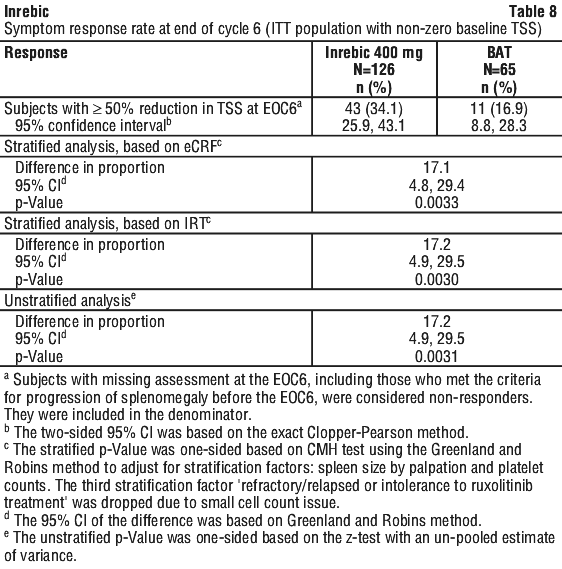
The key secondary endpoint was the proportion of patients with a ≥ 50% reduction in Total Symptom Score (TSS) from baseline to the EOC6 as measured by the modified Myelofibrosis Symptoms Assessment Form (MFSAF) v2.0 diary.
Analyses of reduction in spleen volume are presented in Table 6.
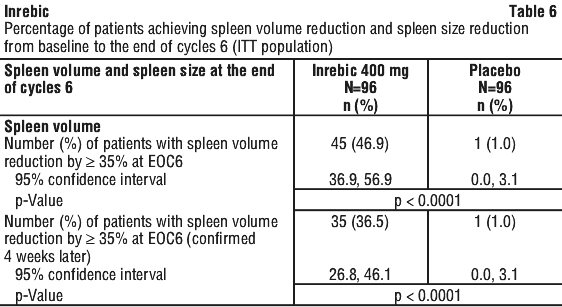
Based on Kaplan-Meier estimates, the median duration of spleen response was 18.2 months for the Inrebic 400 mg group.
The modified MFSAF included 6 key MF-associated symptoms: night sweats, itching, abdominal discomfort, early satiety, pain under ribs on left side, and bone or muscle pain. The symptoms were measured on a scale from 0 (absent) to 10 (worst imaginable).
The percentage of patients with a ≥ 50% reduction in TSS at the EOC6 was 40.4% (36/89, 95% CI: 30.3%, 50.6%) in the Inrebic 400 mg arm and 8.6% (7/81, 95% CI: 2.5%, 14.8%) in the placebo arm.
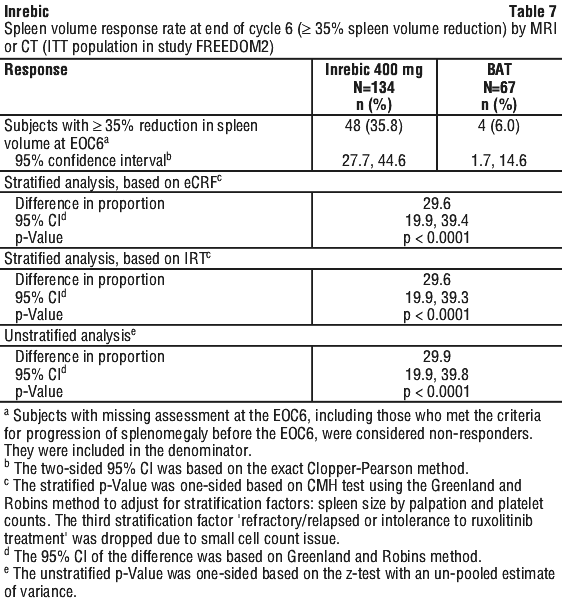
Patients who have been treated with ruxolitinib. FREEDOM2 is an ongoing Phase 3, multicentre, open-label, randomised study in patients with DIPSS-intermediate or high-risk primary myelofibrosis, post-polycythaemia vera myelofibrosis, or post-essential thrombocythemia myelofibrosis and previously treated with ruxolitinib. Patients had splenomegaly, platelet count ≥ 50 x 109/L and were relapsed or refractory to prior ruxolitinib treatment or intolerant to ruxolitinib. A total of 201 patients were randomised to receive either fedratinib 400 mg (n=134) or investigator-selected best available therapy (BAT, n=67), including ruxolitinib or other approved JAK inhibitors, in repeated 28-day treatment cycles. The most frequent BAT was ruxolitinib which was reported for 77.6% subjects of the BAT group. The median age was 70 years (range 38 to 91 years), 70% of patients were older than 65 years, and 52% were male. The median (Q1, Q3) treatment duration until the cut-off date was 43.0 (19.0, 75.1) weeks in the fedratinib group and 24.7 weeks (22.6, 26.7) in the BAT group. Fifty-five percent (55%) of patients had primary MF, 27% had post-polycythaemia vera MF, and 18% had post-essential thrombocythemia MF. Seventy-six percent (76%) of patients had intermediate-2 risk and 23% had high-risk disease. Twenty percent (20%) of patients were RBC transfusion dependent. The median haemoglobin count at baseline was 9.3 g/dL (range 5.7 to 14.4 g/dL). The median platelet count was 120 x 109/L (range 29 to 1715 x 109/L); 34.3% of patients had a platelet count < 100 x 109/L and 61.7% of patients had a platelet count ≥ 100 x 109/L. Patients had a median palpable spleen length of 16 cm (range 4 to 40 cm) at baseline and a median spleen volume as measured by magnetic resonance imaging (MRI) or computed tomography (CT) of 2678.97 mL (range of 383.1 to 8909.4 mL) at baseline. (The median normal spleen volume is approximately 215 mL).
The primary efficacy endpoint was the proportion of patients achieving a ≥ 35% reduction in spleen volume from baseline at EOC6. Spleen volume was assessed by MRI/CT scan at screening, end of cycles 3, 6, 12, 18, 24, and at the end of treatment.
The key secondary endpoint was the proportion of patients achieving a ≥ 50% reduction from baseline in total symptom score (TSS) on the Myelofibrosis Symptom Assessment Form (MFSAF) at EOC6. See Table 7 and Table 8.
5.2 Pharmacokinetic Properties
Absorption. Fedratinib at 300 mg to 500 mg once daily (0.75 to 1.25 times the recommended dose of 400 mg) results in a dose proportional increase in geometric mean fedratinib peak concentrations (Cmax) and the area under the plasma concentration time curve over the dosing interval (AUCtau). The mean steady state levels are achieved within 15 days of daily dosing. The mean accumulation ratio ranged between 3- to 4-fold.
At the dose of 400 mg once daily, the geometric mean (coefficient of variation, %CV) fedratinib Cmax is 1804 nanogram/mL (49%) and AUCtau is 26,870 nanogram.hr/mL (43%) in patients with myelofibrosis.
Following 400 mg once daily oral administration, fedratinib is rapidly absorbed, achieving Cmax at steady-state in 3 hours (range: 2 to 4 hours). Based on a mass balance study in humans, oral absorption of fedratinib is estimated to be approximately 77%.
Food effect. A low-fat, low-calorie (total 162 calories: 6% from fat, 78% from carbohydrate and 16% from protein) or a high-fat, high-calorie (total 815 calories: 52% from fat, 33% from carbohydrate and 15% from protein) meal increased area under the curve over time to infinity (AUCinf) up to 24% and Cmax up to 14% of a single 500 mg dose of fedratinib. Thus, fedratinib can be taken with or without food since no clinically meaningful effect on the pharmacokinetics of fedratinib was observed with food. Administration with a high fat meal may reduce the incidence of nausea and vomiting and thus fedratinib is recommended to be taken with food.
Distribution. The apparent volume of distribution of fedratinib at steady-state is 1770 L in patients with myelofibrosis at 400 mg once daily dose suggesting extensive tissue distribution. The human plasma protein binding of fedratinib is approximately 92%, mostly to α1-acid glycoprotein.
Metabolism. Fedratinib is chiefly metabolised by CYP3A4, with a lesser contribution from CYP2C19 and flavin-containing monooxygenases 3 (FMO3).
Fedratinib was the predominant entity (approximately 80% of plasma radioactivity) in systemic circulation after oral administration of radiolabelled-fedratinib. None of the metabolites contribute greater than 10% of total drug related exposure in plasma.
Excretion. Following a single oral dose of radiolabeled-fedratinib, elimination was primarily through metabolism with approximately 77% of radioactivity excreted in faeces and only approximately 5% of the excreted in urine. Unchanged drug was the major component in excreta, accounting on average for approximately 23% and 3% of the dose in faeces and urine, respectively.
Fedratinib pharmacokinetics is characterised by a biphasic disposition with an effective half-life of 41 hours, a terminal half-life of approximately 114 hours, and apparent clearance (CL/F) (%CV) of 13 L/hr (51%) in patients with myelofibrosis.
Special populations. Renal impairment. Following a single 300 mg dose of fedratinib, the AUCinf of fedratinib increased by 1.5-fold in subjects with moderate (CrCl 30 mL/min to 59 mL/min) renal impairment and 1.9-fold in subjects with severe (CrCl 15 mL/min to 29 mL/min) renal impairment, compared to that in subjects with normal renal function (CrCl ≥ 90 mL/min) (see Section 4.2 Dose and Method of Administration).
Hepatic impairment. The safety and pharmacokinetics of a single oral dose of fedratinib were evaluated in subjects with normal hepatic function and with mild to moderate hepatic impairment (Child-Pugh A, B) at 300 mg; in subjects with normal hepatic function and with severe hepatic impairment [Child-Pugh C] at 200 mg. The geometric mean ratios (90% confidence interval) of AUCinf were 1.07 (0.74, 1.54), 1.14 (0.77, 1.67) and 0.66 (0.37, 1.19) in subjects with mild (n=8), moderate (n=8), and severe hepatic impairment (n=6), respectively, to subjects with normal hepatic function. No clinically meaningful effect on the pharmacokinetics of fedratinib was observed in subjects with mild, moderate and severe hepatic impairment compared to that in subjects with normal hepatic function (see Section 4.2 Dose and Method of Administration).
Paediatric and adolescent. The safety and efficacy of fedratinib in paediatric patients less than 18 years of age have not been established.
Elderly. In a population pharmacokinetics analysis of cumulative data from patients, age was not a significant covariate influencing AUC.
No clinically meaningful effect on the pharmacokinetics of fedratinib was observed with regard to age (20 years to 95 years). Therefore, no dose adjustment based on age is recommended for elderly subjects.
5.3 Preclinical Safety Data
Genotoxicity. Fedratinib was not mutagenic in a bacterial mutagenicity assay (Ames test) or clastogenic in an in vitro chromosomal aberration assay (Chinese hamster ovary cells) or in vivo in a micronucleus test in rats.
Carcinogenicity. Fedratinib was not carcinogenic in a 6-month study in transgenic (Tg.rasH2) mice with oral administration up to the highest dose tested (30 mg/kg/day). This dose yields exposure in male and female animals 0.44 and 0.76 times, respectively, that of patients at the maximum recommended human dose.
6 Pharmaceutical Particulars
6.1 List of Excipients
Capsule content. Silicified microcrystalline cellulose, sodium stearylfumarate.
Capsule shell. Gelatin, titanium dioxide, iron oxide red.
Printing ink. Opacode monogramming ink S-1-18086 White (TGA Proprietary Ingredient ID 107579).
6.2 Incompatibilities
Not applicable.
6.3 Shelf Life
In Australia, information on the shelf life can be found on the public summary of the Australian Register of Therapeutic Goods (ARTG). The expiry date can be found on the packaging.
6.4 Special Precautions for Storage
Store below 30°C. Store in the original package.
6.5 Nature and Contents of Container
High-density Polyethylene (HDPE) bottles with polypropylene child resistant closure and induction seal. Pack size: 120 capsules.
6.6 Special Precautions for Disposal
In Australia, any unused medicine or waste material should be disposed of by taking to your local pharmacy.
6.7 Physicochemical Properties
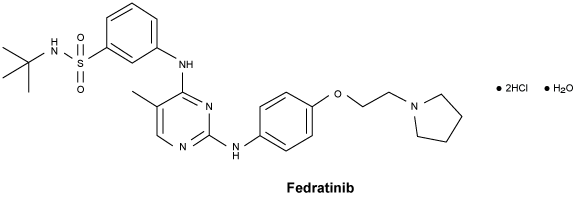
Molecular formula: C27H36N6O3S, 2HCl, H2O.
Molecular weight: 615.62.
Chemical name: N-tert-butyl-3-[(5-methyl-2-{ [4-(2-pyrrolidin-1-ylethoxy)phenyl]amino}pyrimidin-4-yl)amino]benzenesulfonamide dihydrochloride monohydrate.
Chemical abstract service (CAS) registry number. 1374744-69-0.
Chemical structure.
7 Medicine Schedule (Poisons Standard)
Schedule 4 - Prescription Only Medicine.
Date of First Approval
13 February 2025
Summary Table of Changes

Reasonable care is taken to provide accurate information at the time of creation. This information is not intended as a substitute for medical advice and should not be exclusively relied on to manage or diagnose a medical condition. The Australian Commission on Safety and Quality in Health Care disclaims all liability (including for negligence) for any loss, damage, injury or any other negative effects resulting from reliance on or use of this information. Read our full disclaimer. This website uses cookies. Read our privacy policy.