
Intelence
Brand Information
| Brand name | Intelence |
| Active ingredient | Etravirine |
| Schedule | S4 |
Consumer Medicine Information (CMI) leaflet
Please read this leaflet carefully before you start using the Intelence.
Summary CMI
INTELENCE®
Consumer Medicine Information (CMI) summary
The full CMI on the next page has more details. If you are worried about using this medicine, speak to your doctor or pharmacist.
1. Why am I using INTELENCE?
INTELENCE contains the active ingredient etravirine. INTELENCE is used to treat adults who are infected by HIV and who have used other anti-HIV medicines before.
For more information, see Section 1. Why am I using INTELENCE? in the full CMI.
2. What should I know before I use INTELENCE?
Do not use if you have ever had an allergic reaction to INTELENCE or any of the ingredients listed at the end of the CMI.
Talk to your doctor if you have any other medical conditions, take any other medicines, or are pregnant or plan to become pregnant or are breastfeeding.
For more information, see Section 2. What should I know before I use INTELENCE? in the full CMI.
3. What if I am taking other medicines?
Some medicines may interfere with INTELENCE and affect how it works. Do not combine INTELENCE with medicines listed in Section 2. What should I know before I use INTELENCE?
There are other medicines that you need to be careful of when taking INTELENCE - See Section 3. What if I am taking other medicines? in the full CMI.
4. How do I use INTELENCE?
- Always take INTELENCE exactly as your doctor has told you. You must check with your doctor if you are not sure.
- The usual dose of INTELENCE is 200 mg twice daily. It is important that you take INTELENCE following a meal. If you take INTELENCE on an empty stomach, only half the amount of INTELENCE is absorbed. Swallow the tablets with a drink such as water. Do not use warm (> 40°C) or carbonated beverages when taking INTELENCE tablet(s).
More instructions can be found in Section 4. How do I use INTELENCE? in the full CMI.
5. What should I know while using INTELENCE?
| Things you should do |
|
| Things you should not do |
|
| Driving or using machines |
|
| Looking after your medicine |
|
For more information, see Section 5. What should I know while using INTELENCE? in the full CMI.
6. Are there any side effects?
The most common side effects of INTELENCE are skin rash, diarrhoea, nausea, abdominal pain, vomiting, heartburn, gas, inflammation of the stomach, fatigue, tingling or pain in hands or feet, numbness, headache, sleeplessness, anxiety, kidney failure, high blood pressure, heart attack, diabetes, night sweats and changes in some values of your blood cells or chemistry.
For more information, including what to do if you have any side effects, see Section 6. Are there any side effects? in the full CMI.
Full CMI
INTELENCE®
Active ingredient(s): etravirine
Consumer Medicine Information (CMI)
This leaflet provides important information about using INTELENCE. You should also speak to your doctor or pharmacist if you would like further information or if you have any concerns or questions about using INTELENCE.
Where to find information in this leaflet:
1. Why am I using INTELENCE?
2. What should I know before I use INTELENCE?
3. What if I am taking other medicines?
4. How do I use INTELENCE?
5. What should I know while using INTELENCE?
6. Are there any side effects?
7. Product details
1. Why am I using INTELENCE?
INTELENCE contains the active ingredient etravirine. INTELENCE is a medicine used for the treatment of Human Immunodeficiency Virus (HIV) infection. It belongs to a group of anti-HIV medicines called non-nucleoside reverse transcriptase inhibitors (NNRTIs). INTELENCE works by reducing the amount of HIV in your body. This will improve your immune system and reduce the risk of developing illnesses linked to HIV infection.
INTELENCE is used to treat adults who are infected by HIV and who have used other anti-HIV medicines before. INTELENCE can be used by patients infected with HIV that is resistant to other NNRTIs.
INTELENCE must be taken in combination with other anti-HIV medicines. Your doctor will discuss with you which combination of medicines is best for you.
2. What should I know before I use INTELENCE?
Warnings
Do not use INTELENCE if:
- you are allergic to etravirine, or any of the ingredients listed at the end of this leaflet.
- Always check the ingredients to make sure you can use this medicine.
- Do not combine INTELENCE with any of the following medicines:
- carbamazepine, phenobarbital, phenytoin (to prevent seizures)
- rifampicin and rifapentine (to treat some infections such as tuberculosis)
- products that contain St John's wort (Hypericum perforatum) (a herbal product used for depression)
- elbasvir/grazoprevir (to treat Hepatitis C)
If you are taking any of these, ask your doctor for advice.
This is not a complete list of medicines. Therefore, tell your doctor about all medicines you take.
There are other medicines that you need to be careful of when taking INTELENCE (see Section 3. What if I am taking other medicines?)
Check with your doctor if you:
- have any other medical conditions especially the following:
- Problems with your liver, Including hepatitis B and/or C. Your doctor may need to evaluate how severe your liver disease is before deciding if you can take INTELENCE.
- Symptoms of infection. In some patients with advanced HIV infection and a history of opportunistic infection, signs and symptoms of inflammation from previous infections may occur soon after anti-HIV treatment is started. It is believed that these symptoms are due to an improvement in the body's immune response. This improvement enables the body to fight infections that may have been present prior to taking INTELENCE, with no obvious symptoms.
- Changes in body shape or fat. Redistribution, accumulation or loss of body fat may occur in patients receiving a combination of antiretroviral medicines.
- Rash. If a rash occurs, it usually appears soon after anti-HIV treatment is started and often disappears within 1 to 2 weeks, even with continued use of the medication. Occasionally a rash can be severe or potentially life-threatening. Contact your doctor immediately if you get a rash. Your doctor will advise you how to deal with your symptoms or whether INTELENCE must be stopped. - take any medicines for any other condition
- take other anti-HIV medicines. Carefully follow your doctor's instructions, on which medicines can be combined.
During treatment, you may be at risk of developing certain side effects. It is important you understand these risks and how to monitor for them. See additional information under Section 6. Are there any side effects?
Pregnancy and breastfeeding
Tell your doctor immediately if you are pregnant or intend to become pregnant.
Tell your doctor immediately if you are breastfeeding or intend to breastfeed.
HIV infected mothers must not breast-feed, as there is a possibility of infecting the baby with HIV.
During pregnancy and breast-feeding you should not take INTELENCE, unless it is specifically approved by your doctor.
Use in children and adolescents:
- INTELENCE is not for use in children or adolescents, because it has not been sufficiently studied in patients under 18 years of age.
Use in the elderly:
- INTELENCE has only been used in a limited number of patients aged 65 years or older.
- If you belong to this age group, discuss the use of INTELENCE with your doctor.
Take special care with INTELENCE:
- INTELENCE is not a cure for HIV infection. It is part of a treatment reducing the amount of virus in the blood. Talk to your doctor about appropriate precautions to lower the chance of spreading HIV to others.
- People taking INTELENCE can still develop infections or other illnesses associated with HIV. You should continue to keep in regular contact with your doctor and to monitor your health while taking INTELENCE.
3. What if I am taking other medicines?
Tell your doctor or pharmacist if you are taking any other medicines, including any medicines, vitamins or supplements that you buy without a prescription from your pharmacy, supermarket or health food shop.
INTELENCE can be combined with most other anti-HIV medicines belonging to another class. However, some combinations are not recommended. In other cases, increased monitoring and/or a change in the dose of the medicine may be needed.
Therefore, always tell your doctor which other anti-HIV medicines you take. Carefully follow your doctor's instructions, on which medicines can be combined.
Also, tell your doctor or pharmacist if you are taking any of the following:
- medicines to treat certain heart disorders, e.g. abnormal heart beat (amiodarone, bepridil, digoxin, disopyramide, flecainide, lignocaine, mexiletine, propafenone or quinidine).
- a medicine used to reduce clotting of the blood (warfarin). Your doctor will have to check your blood.
- medicines to treat fungal infections (fluconazole, itraconazole, ketoconazole, posaconazole, or voriconazole).
- antibiotic (clarithromycin).
- a medicine to treat malaria (artemether/ lumefantrine).
- a medicine used to treat some infections such as tuberculosis (rifabutin).
- medicines to treat Hepatitis C (boceprevir or daclatasvir)
- medicines to treat trouble with sleeping and/or anxiety (diazepam).
- dexamethasone (a corticosteroid used in a variety of conditions such as inflammation and allergic reactions).
- cholesterol-lowering medicines (atorvastatin, fluvastatin, lovastatin, pitavastatin, rosuvastatin, or simvastatin).
- immunosuppressants (cyclosporine, sirolimus, or tacrolimus).
- medicines to treat erectile dysfunction (sildenafil, vardenafil, or tadalafil).
- a medicine to prevent blood clots (clopidogrel)
Some medicines may interfere with INTELENCE and affect how it works.
Check with your doctor or pharmacist if you are not sure about what medicines, vitamins or supplements you are taking and if these affect INTELENCE.
4. How do I use INTELENCE?
How much to take
- The usual dose of INTELENCE is 200 mg twice daily after a meal.
- Follow the instructions provided and use INTELENCE until your doctor tells you to stop.
- Always use INTELENCE exactly as your doctor has told you. You must check with your doctor if you are not sure.
- Make sure that you always have enough INTELENCE available so that you don't run out. For example in case you cannot return home, need to travel or stay in a hospital.
When to take INTELENCE
- If you are taking INTELENCE 100 mg tablets:
- In the morning, take two 100 milligram INTELENCE tablets, following a meal.
- In the evening, take two 100 milligram INTELENCE tablets, following a meal. - If you are taking INTELENCE 200 mg tablets:
- In the morning, take one 200 milligram INTELENCE tablet, following a meal.
- In the evening, take one 200 milligram INTELENCE tablet, following a meal.
How to take INTELENCE
- It is important that you take INTELENCE following a meal. If you take INTELENCE on an empty stomach, only half the amount of INTELENCE is absorbed. Follow your doctor's advice on the type of meal you should be taking with INTELENCE.
- Swallow the tablets whole with a glass of liquid such as water. Do not chew the tablets.
- It is possible the tablet may crumble in your mouth; in this case ensure all pieces are swallowed. This does not indicate a problem with the quality of the tablet.
- If you are unable to swallow the INTELENCE tablet(s) whole, you may do the following:
- place the tablet(s) in 5 mL (1 teaspoon) of water, or at least enough water to cover the medication,
- stir well for about 1 minute until the water looks milky,
- if desired, add up to 30 mL (2 tablespoons) more of water or alternatively orange juice or milk (do not place the tablets in orange juice or milk without first adding water),
- drink it immediately.
- rinse the glass several times with water, orange juice, or milk and completely swallow the rinse each time to make sure you take the entire dose.
If you mix INTELENCE tablet(s) with water, take this first, before other liquid anti-HIV medicines that you need to take at the same time.
Contact your doctor if you are not able to swallow the entire dose when mixed with water.
Do not use warm (> 40°C) or carbonated beverages when taking INTELENCE tablet(s).
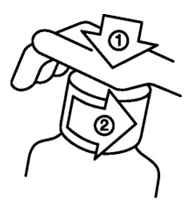
Removing the child resistant cap
The plastic bottle comes with a child resistant cap and should be opened as follows:
- Push the plastic screw cap down while turning it counter clockwise.
- Remove the unscrewed cap.
If you forget to use INTELENCE
If you notice within 6 hours, you must take the tablets immediately. Always take the tablets following a meal. If you notice after 6 hours, then skip the dose and take the next doses as usual. Do not take a double dose to make up for a forgotten dose.
Do not take a double dose to make up for the dose you missed.
If you use too much INTELENCE
If you think that you or anybody else have used too much INTELENCE, you may need urgent medical attention.
You should immediately:
- phone the Poisons Information Centre
(by calling 13 11 26 in Australia) and 0800 POISON or 0800 764 766 in New Zealand, or - contact your doctor, or
- go to the Emergency Department at your nearest hospital.
You should do this even if there are no signs of discomfort or poisoning.
5. What should I know while using INTELENCE?
Things you should do
- Keep all your doctor's appointments so your progress can be checked. Your doctor will want to do some blood, urine and other tests from time to time to check on your progress.
- Follow up your doctor's instructions about other medicines you should take, and other things you should do. Ask your doctor or pharmacist if you have any questions.
- If you are about to be started on any new medicines, tell your doctor or pharmacist that you are taking INTELENCE.
- If you become pregnant while taking INTELENCE, tell your doctor immediately.
- If you are undergoing anaesthesia, tell your anaesthetist that you are taking INTELENCE.
Remind any doctor, dentist or pharmacist you visit that you are using INTELENCE.
Things you should not do
- Do not stop taking INTELENCE without talking to your doctor first. HIV therapy may increase your sense of well being. Even if you feel better, do not stop taking INTELENCE or your other anti-HIV medicines. Doing so could increase the risk of the virus developing resistance. Talk to your doctor first.
Driving or using machines
To drive or use any machines or tools wait until you know how INTELENCE affects you.
No studies on the effects of INTELENCE on the ability to drive and use machines have been performed. However, you should take into account the possible side effects of INTELENCE before considering driving or using machines.
Looking after your medicine
- Store below 30°C and in the original bottle. Keep the bottle tightly closed in order to protect from moisture.
- The bottle contains 3 little pouches (desiccants) to keep the tablets dry. These pouches should stay in the bottle all the time and are not to be eaten.
Follow the instructions in the carton on how to take care of your medicine properly.
Store it in a cool dry place away from moisture, heat or sunlight; for example, do not store it:
- in the bathroom or near a sink, or
- in the car or on window sills.
Keep it where young children cannot reach it.
Getting rid of any unwanted medicine
If you no longer need to use this medicine or it is out of date, take it to any pharmacy for safe disposal.
Do not use this medicine after the expiry date.
6. Are there any side effects?
All medicines can have side effects. If you do experience any side effects, most of them are minor and temporary. However, some side effects may need medical attention.
When treating HIV infection, it is not always easy to identify what side effects are caused by INTELENCE, which are caused by other medicines you are taking, or which are INTELENCE caused by the HIV infection itself.
INTELENCE may change some values of your blood chemistry. These can be seen in the results of blood tests. Your doctor will explain these to you.
See the information below and, ask your doctor or pharmacist if you have any further questions about side effects.
Less serious side effects
| Less serious side effects | What to do |
Stomach or gut-related:
| Speak to your doctor if you have any of these less serious side effects and they worry you. |
Skin-related:
| It is important to consult your doctor if you develop a rash. Your doctor will advise you how to deal with your symptoms or whether INTELENCE must be stopped. |
Serious side effects
| Serious side effects | What to do |
Signs and symptoms of an allergic reaction:
| Call your doctor straight away, or go straight to the Emergency Department at your nearest hospital if you notice any of these serious side effects. |
Some side effects are typical for combination anti-HIV therapy. These are:
- change in body shape due to fat redistribution. This may include loss of fat from legs, arms and face, increased fat in the abdomen (belly) and other internal organs, breast enlargement and fatty lumps on the back of the neck (buffalo hump). The cause and long-term health effects of these conditions are not known at this time.
- immune reconstitution syndrome. In some patients with advanced HIV infection (AIDS) and a history of opportunistic infection, signs and symptoms of inflammation from previous infections may occur soon after anti-HIV treatment is started. It is believed that these symptoms are due to an improvement in the body's immune response, enabling the body to fight infections that may have been present with no obvious symptoms. Autoimmune disorders may occur many months after the start of treatment.
Tell your doctor if you notice signs or symptoms of infections, such as a fever or rashes. Some people with HIV who have had infections in the past may experience a return of symptoms soon after taking anti-HIV medicines.
Tell your doctor or pharmacist if you notice anything else that may be making you feel unwell.
Other side effects not listed here may occur in some people.
Reporting side effects
After you have received medical advice for any side effects you experience, you can report side effects to the Therapeutic Goods Administration online at www.tga.gov.au/reporting-problems. By reporting side effects, you can help provide more information on the safety of this medicine.
Always make sure you speak to your doctor or pharmacist before you decide to stop taking any of your medicines.
7. Product details
This medicine is only available with a doctor's prescription.
What INTELENCE 100 mg tablets contain
| Active ingredient (main ingredient) | etravirine |
| Other ingredients (inactive ingredients) | hypromellose, microcrystalline cellulose, colloidal anhydrous silica, croscarmellose sodium, magnesium stearate and lactose monohydrate |
| Potential allergens | lactose monohydrate |
What INTELENCE 200 mg tablets contain
| Active ingredient (main ingredient) | etravirine |
| Other ingredients (inactive ingredients) | hypromellose, microcrystalline cellulose, colloidal anhydrous silica, croscarmellose sodium, magnesium stearate |
Do not take this medicine if you are allergic to any of these ingredients.
What INTELENCE looks like
INTELENCE 100 mg tablets are white to off-white, oval tablet, with "T125" on one side and "100" on the other side. Each plastic bottle contains 120 tablets. The 100 mg tablets are no longer marketed. (AUST R 145797).
INTELENCE 200 mg tablets are white to off-white, biconvex, oblong tablet, with "T200" on one side. Each plastic bottle contains 60 tablets. (AUST R 176557)
Who distributes INTELENCE
JANSSEN-CILAG Pty Ltd
17 Khartoum Rd
Macquarie Park NSW 2113 Australia
Telephone: 1800 226 334
NZ Office: Auckland, New Zealand
Telephone: 0800 800 806
This leaflet was prepared in February 2026.
Brand Information
| Brand name | Intelence |
| Active ingredient | Etravirine |
| Schedule | S4 |
MIMS Revision Date: 01 April 2026
1 Name of Medicine
Etravirine.
2 Qualitative and Quantitative Composition
Intelence etravirine is available as 100 mg and 200 mg tablets.
Each tablet contains 100 mg or 200 mg of etravirine.
Excipient(s) with known effect. The 100 mg tablets contain 160 mg of lactose monohydrate.
For a full list of excipients, see Section 6.1 List of Excipients.
3 Pharmaceutical Form
Tablet.
Intelence 100 mg tablet. White to off-white, oval tablet, debossed with "T125" on one side and "100" on the other side.
Intelence 200 mg tablet. White to off-white, biconvex, oblong tablet, debossed with "T200" on one side.
Etravirine is a non-nucleoside reverse transcriptase inhibitor (NNRTI) of human immunodeficiency virus type 1 (HIV-1).
Intelence (etravirine) is a substituted diarylpyrimidine (DAPY) derivative, with potent in vitro activity against wild type HIV-1 as well as NNRTI resistant HIV-1.
4 Clinical Particulars
4.1 Therapeutic Indications
Etravirine, in combination with other antiretroviral agents is indicated for the treatment of HIV-1 infection in antiretroviral treatment experienced adults who have evidence of viral replication and resistance to non-nucleoside transcriptase inhibitors and other antiretroviral agents.
This indication is based on 24 week analyses from 2 randomised, double blind, placebo controlled trials of etravirine. Both studies were conducted in clinically advanced, 3 class antiretroviral (NNRTI, N(t)RTI, PI) treatment experienced adults (see Section 5.1 Pharmacodynamic Properties, Clinical trials).
Treatment history of patients and genotypic testing should be performed to guide the use of etravirine.
4.2 Dose and Method of Administration
Dosage (dose and interval). Intelence must always be given in combination with other antiretroviral medicinal products.
Adults. The recommended oral dose of Intelence is 200 mg (one 200 mg tablet or two 100 mg tablets) taken orally twice daily (b.i.d.), following a meal (see Section 5.2 Pharmacokinetic Properties). Patients should be instructed to swallow the tablet(s) as a whole with a liquid such as water. Patients who are unable to swallow the Intelence tablet(s) whole may disperse the tablet(s) in a glass of water. The patient should be instructed to do the following:
place the tablet(s) in 5 mL (1 teaspoon) of water, or at least enough water to cover the medication;
stir well for about 1 minute until the water looks milky;
if desired, add up to 30 mL (2 tablespoons) more water or alternatively orange juice or milk (patients should not place the tablets in orange juice or milk without first adding water);
drink it immediately;
rinse the glass several times with water, orange juice, or milk and completely swallow the rinse each time to make sure the patient takes the entire dose.
The use of warm (> 40°C) or carbonated beverages should be avoided.
It is recommended that Intelence tablet(s) dispersed in water be taken before other antiretroviral liquids that may need to be taken concomitantly.
Hepatic impairment. No dose adjustment is required in patients with mild or moderate hepatic impairment (Child-Pugh score A or B). The pharmacokinetics of Intelence have not been studied in patients with severe hepatic impairment (Child-Pugh score C) (see Section 4.4 Special Warnings and Precautions for Use; Section 5.2 Pharmacokinetic Properties).
Renal impairment. No dose adjustment is required in patients with renal impairment (see Section 4.4 Special Warnings and Precautions for Use; Section 5.2 Pharmacokinetic Properties).
Children (less than 12 years of age) and adolescents (12 to 17 years of age). Treatment with Intelence is not recommended in children and adolescents. The safety and efficacy of Intelence in these populations are under investigation (see Section 5.2 Pharmacokinetic Properties).
Elderly. Limited information is available in this population (see Section 4.4 Special Warnings and Precautions for Use; Section 5.2 Pharmacokinetic Properties).
Pregnancy. Intelence should be used during pregnancy only if the potential benefit justifies the potential risk. Based on limited data available, no dose adjustment is required during pregnancy and postpartum (see Section 5.2 Pharmacokinetic Properties, Pregnancy and postpartum; Section 4.6 Fertility, Pregnancy and Lactation; Section 4.2 Dose and Method of Administration, Pregnancy).
Missed dose. If the patient misses a dose of Intelence within 6 hours of the time it is usually taken, the patient should be told to take Intelence following a meal as soon as possible, and then take the next dose of Intelence at the regularly scheduled time. If a patient misses a dose of Intelence by more than 6 hours of the time it is usually taken, the patient should be told not to take the missed dose and simply resume the usual dosing schedule.
4.3 Contraindications
Hypersensitivity to etravirine or to any of the excipients.
4.4 Special Warnings and Precautions for Use
The use of other active antiretroviral agents with etravirine is associated with an increased likelihood of treatment response.
In patients who have experienced virological failure on an NNRTI and nucleoside or nucleotide reverse transcriptase inhibitor (N(t)RTI) containing regimen, etravirine should not be used in combination with N(t)RTIs only.
The risks and benefits of etravirine have not been established in treatment of naïve patients.
Transmission of HIV. Patients should be advised that current antiretroviral therapy does not cure HIV. Reduction in the risk of sexual transmission is dependent on effective viral suppression. Appropriate precautions to prevent the sexual and bloodborne transmission of HIV should continue to be employed.
Severe skin rash and hypersensitivity reactions. Severe, potentially life threatening and fatal skin reactions have been reported with Intelence; Stevens-Johnson syndrome and toxic epidermal necrolysis have been rarely (< 0.1%) reported. Hypersensitivity reactions, including DRESS (drug rash with eosinophilia and systemic symptoms), have also been reported and were characterized by rash, constitutional findings and infrequently organ dysfunction, including hepatic failure (see Section 4.8 Adverse Effects (Undesirable Effects)).
In Phase 3 clinical trials, Grade 3 and 4 rashes were reported in 1.3% of subjects receiving Intelence compared to 0.2% of placebo subjects. A total of 2.2% of HIV-1 infected subjects receiving Intelence discontinued from Phase 3 trials due to rash.
Discontinue Intelence immediately if signs or symptoms of severe skin reactions or hypersensitivity reactions develop (including, but not limited to, severe rash or rash accompanied by fever, general malaise, fatigue, muscle or joint aches, blisters, oral lesions, conjunctivitis, hepatitis, eosinophilia). Clinical status including liver transaminases should be monitored and appropriate therapy initiated. Delay in stopping Intelence treatment after the onset of severe rash may result in life threatening reaction.
Rash. Rash has been reported with Intelence. Most frequently, rash was mild to moderate, occurred in the second week of therapy and was infrequent after week 4. Rash was mostly self limiting and generally resolved within 1 to 2 weeks on continued therapy. The incidence of rash was higher in females (see Section 4.8 Adverse Effects (Undesirable Effects)).
Fat redistribution. Combination antiretroviral therapy (CART) has been associated with redistribution of body fat (lipodystrophy) in HIV infected patients. The long-term consequences of these events are currently unknown. Knowledge about the mechanism is incomplete. A connection between visceral lipomatosis and PIs and lipoatrophy and NRTIs has been hypothesized. A higher risk of lipodystrophy has been associated with individual factors such as older age and with drug related factors such as longer duration of antiretroviral treatment and associated metabolic disturbances. Clinical examination should include evaluation for physical signs of fat redistribution (see Section 4.8 Adverse Effects (Undesirable Effects)).
Immune reconstitution inflammatory syndrome. In HIV infected patients with severe immune deficiency at the time of institution of CART, an inflammatory reaction to asymptomatic or residual opportunistic pathogens may arise and cause serious clinical conditions or aggravation of symptoms. Typically, such reactions have been observed within the first weeks or months of initiation of CART. Relevant examples are cytomegalovirus retinitis, generalised and/or focal mycobacterial infections, and Pneumocystis jiroveci pneumonia. Any inflammatory symptoms should be evaluated and treatment instituted when necessary. Autoimmune disorders such as Graves' disease and autoimmune hepatitis have also been reported to occur in the setting of immune reconstitution; however, the time to onset is more variable, and can occur many months after initiation of treatment (see Section 4.8 Adverse Effects (Undesirable Effects)).
Use in hepatic impairment. No dose adjustment is required in patients with mild or moderate hepatic impairment (Child-Pugh score A or B). The pharmacokinetics of Intelence have not been studied in patients with severe hepatic impairment (Child-Pugh score C) (see Section 4.2 Dose and Method of Administration; Section 5.2 Pharmacokinetic Properties).
Use in renal impairment. Since the renal clearance of etravirine is negligible (< 1.2%), a decrease in total body clearance is not expected in patients with renal impairment. No special precautions or dose adjustments are required in patients with renal impairment. As etravirine is highly bound to plasma proteins, it is unlikely that it will be significantly removed by haemodialysis or peritoneal dialysis (see Section 4.2 Dose and Method of Administration; Section 5.2 Pharmacokinetic Properties).
Use in the elderly. Experience in geriatric patients is limited. In the Phase III trials, 6 patients aged 65 years or older and 53 patients aged 56-64 years received Intelence. The type and incidence of adverse events in patients > 55 years of age were similar to the ones in younger patients (see Section 4.2 Dose and Method of Administration; Section 5.2 Pharmacokinetic Properties).
Paediatric use. The safety and efficacy of etravirine have not been established in children or adolescents. Etravirine studies are ongoing in HIV-1 infected children and adolescents (between the ages of 6 and 17 years, inclusive).
Effects on laboratory tests. No data available.
4.5 Interactions with Other Medicines and Other Forms of Interactions
Medicinal products that affect etravirine exposure. Etravirine is metabolised by cytochrome P450 (CYP) 3A4, CYP2C9 and CYP2C19 followed by glucuronidation of the metabolites by uridine diphosphate glucuronosyl transferase (UDPGT). Medicinal products that induce CYP3A4, CYP2C9 or CYP2C19 may increase the clearance of etravirine resulting in lowered plasma concentrations of etravirine. Co-administration of Intelence and medicinal products that inhibit CYP3A4, CYP2C9 or CYP2C19 may decrease the clearance of etravirine and may result in increased plasma concentrations of etravirine.
Medicinal products that are affected by the use of etravirine. Etravirine is an inducer of CYP3A4. Co-administration of Intelence with medicinal products primarily metabolised by CYP3A4 may result in decreased plasma concentrations of such medicinal products, which could decrease or shorten their therapeutic effects. Etravirine is an inhibitor of CYP2C9 and CYP2C19. Etravirine is also a weak inhibitor of P-glycoprotein but not a substrate. Co-administration with medicinal products primarily metabolised by CYP2C9 or CYP2C19 or transported by P-glycoprotein may result in increased plasma concentrations of such medicinal products, which could increase or prolong their therapeutic effect or adverse events profile.
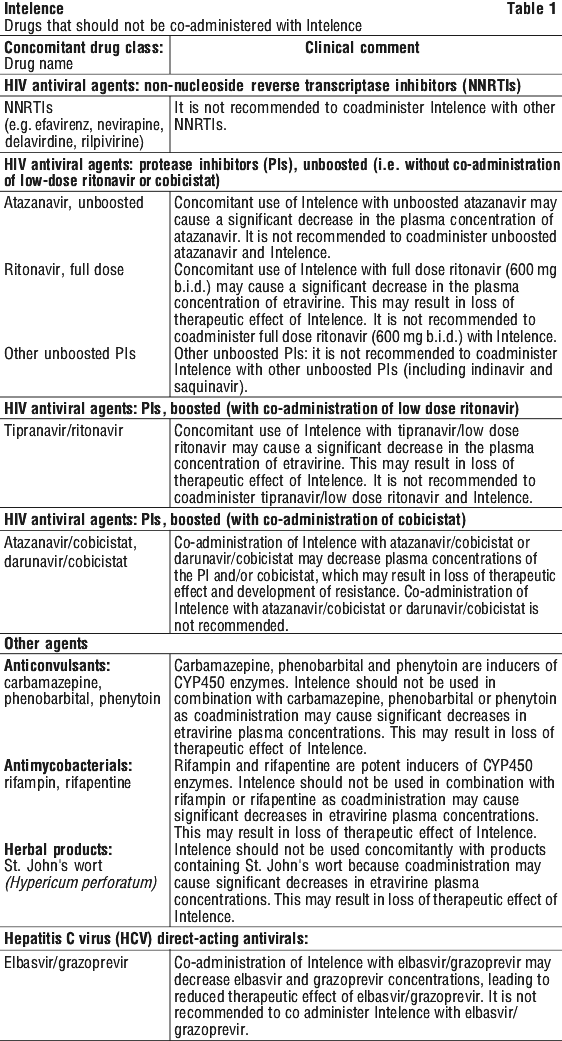
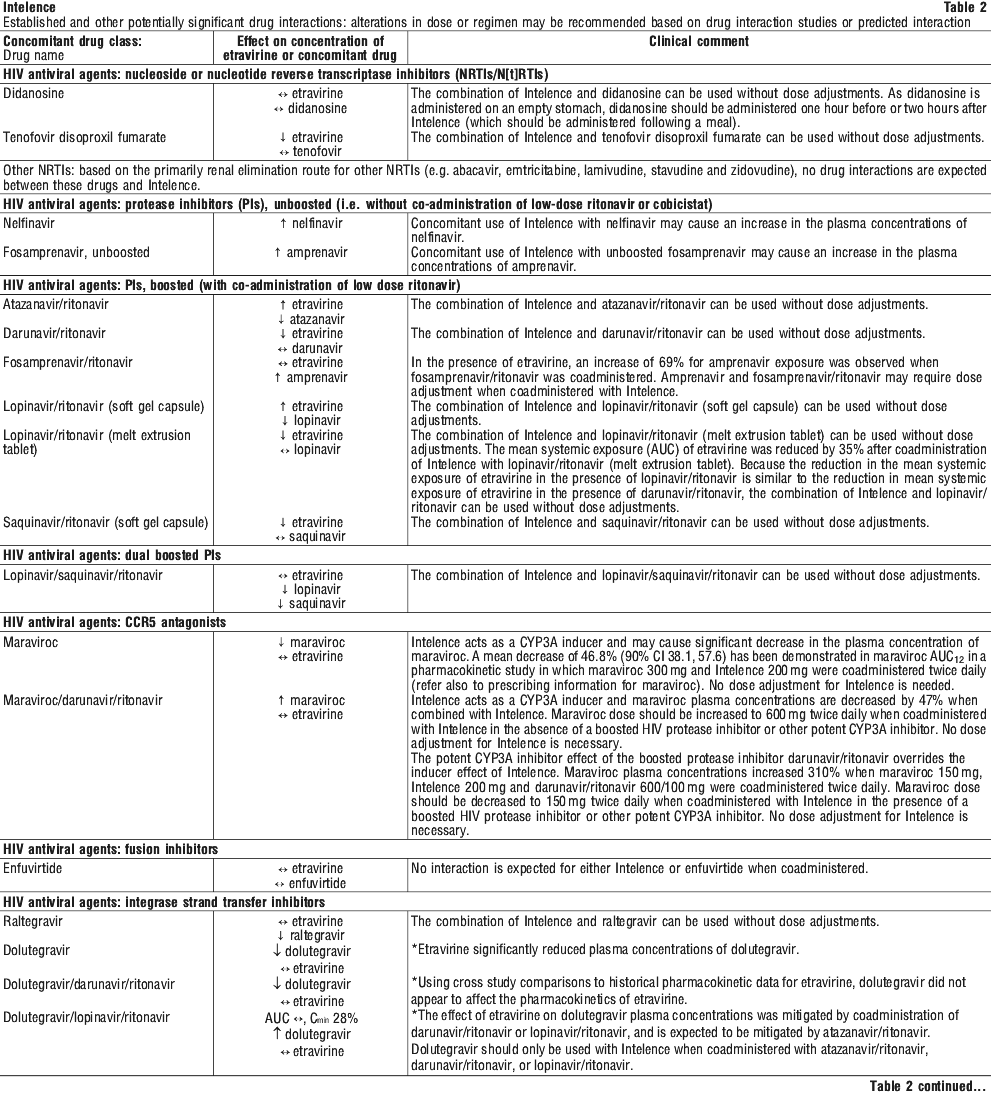
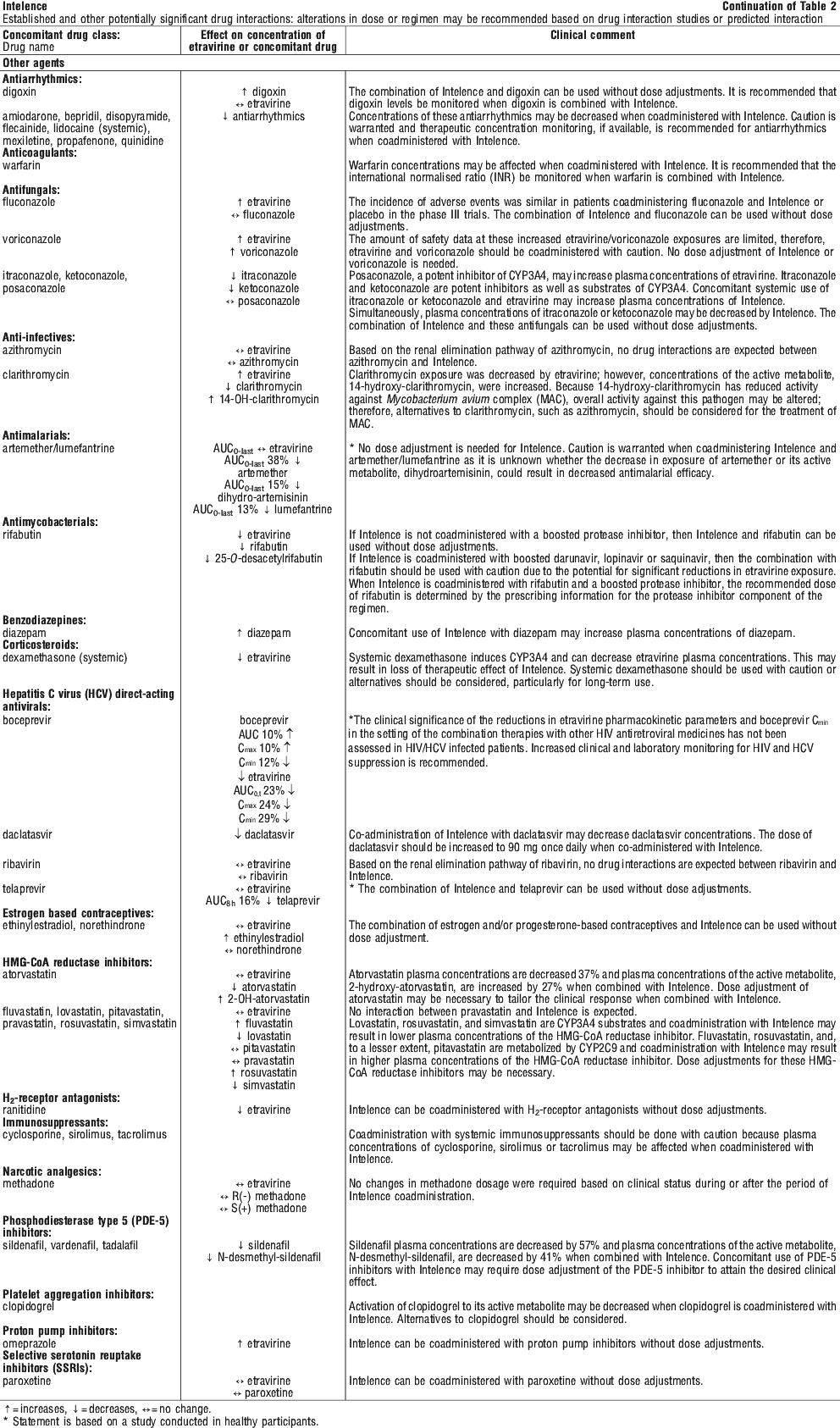
Drugs that are not recommended for co-administration with Intelence are included in Table 1. These recommendations are based on either drug interaction studies or predicted interactions due to the expected magnitude of interaction and potential for serious events or loss of efficacy.
4.6 Fertility, Pregnancy and Lactation
Effects on fertility. No human data on the effect of etravirine on fertility are available. Etravirine treatment of male and female rats at oral doses up to 500 mg/kg/day had no effect on fertility, at exposures approximately equivalent to those obtained in humans, based on AUC values.
Use in pregnancy. (Category B1)
There are no adequate and well controlled studies with etravirine in pregnant women. Studies in animals have not shown evidence of developmental toxicity or an effect on reproductive function.
Developmental studies have been performed at oral doses of Intelence up to 1000 mg/kg/day in rats and up to 375 mg/kg/day in rabbits with no evidence of major embryofetal abnormality. Minor vertebral and rib anomalies were found in rat foetuses at 1000 mg/kg/day. The maternal plasma exposures (AUC values) at the no observed effect levels (NOELS) were approximately equivalent in both species to those obtained in humans at the recommended clinical dose.
In the rat pre- and postnatal development study, development and reproductive performance of offspring was not affected by maternal treatment with etravirine at oral doses up to 500 mg/kg/day. The maximum plasma exposures achieved in rats were approximately half those obtained in humans at the recommended clinical dose.
Intelence (200 mg b.i.d.), evaluated in combination with other antiretroviral agents in a study of 15 pregnant women during the second and third trimesters of pregnancy and postpartum, demonstrated that exposure to total etravirine was generally higher during pregnancy compared with postpartum, and less so for unbound etravirine exposure (see Section 5.2 Pharmacokinetic Properties).
Etravirine was detectable in maternal cord blood.
Given the increased etravirine exposure during pregnancy, caution should be applied for those pregnant patients that require concomitant medications or have comorbidities that may further increase etravirine exposure (see Section 4.2 Dose and Method of Administration; Section 5.2 Pharmacokinetic Properties).
Intelence should be used during pregnancy only if the potential benefit justifies the potential risk.
Use in lactation. Etravirine is excreted in human milk. Because of both the potential for HIV transmission and the potential for adverse events in breastfeeding infants, mothers should be instructed not to breastfeed if they are receiving Intelence.
4.7 Effects on Ability to Drive and Use Machines
No studies on the effects of Intelence on the ability to drive or operate machines have been performed. There is no evidence that Intelence may alter the patient's ability to drive and operate machines, however, the adverse drug reaction profile of Intelence should be taken into account (see Section 4.8 Adverse Effects (Undesirable Effects)).
4.8 Adverse Effects (Undesirable Effects)
Adverse reactions from clinical trials. The safety assessment is based on all data from 1203 patients in the Phase III placebo-controlled trials DUET-1 and DUET-2 in antiretroviral treatment-experienced HIV-1 infected adult patients, 599 of whom received Intelence (200 mg b.i.d.). In these pooled trials, the median exposure for patients in the Intelence arm and placebo arm was 52.3 and 51.0 weeks, respectively.
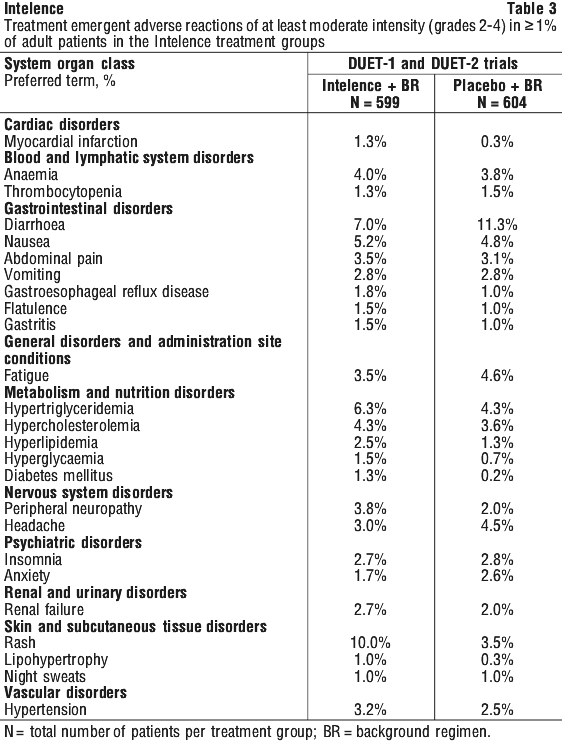
The most frequently reported adverse drug reactions (ADRs) (≥ 5%) that were at least grade 2 in severity were rash (10.0% in the Intelence arm and 3.5% in the placebo arm), diarrhoea (7.0% in the Intelence arm and 11.3%), hypertriglyceridaemia (6.3% in the Intelence arm and 4.3% in the placebo arm) and nausea (5.2% in the Intelence arm and 4.8% in the placebo arm) (see Table 3).
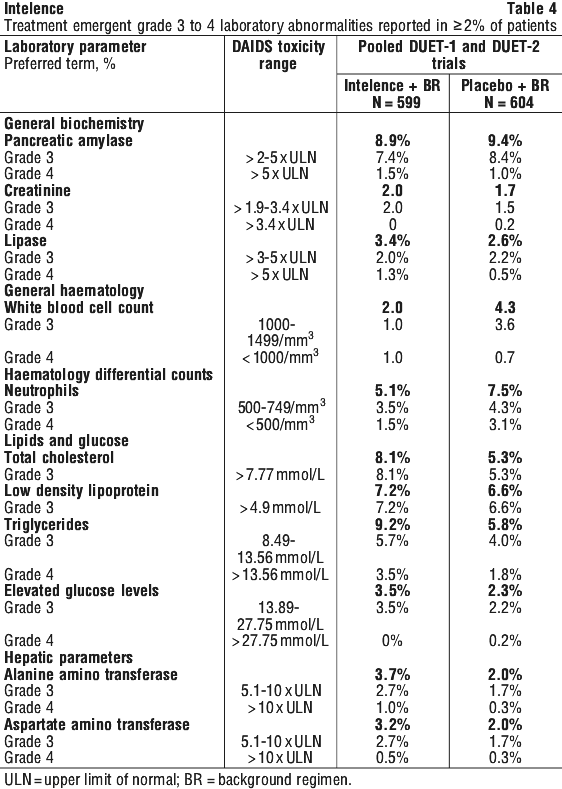
The majority of the ADRs reported during treatment with Intelence were grade 1 to 2 in severity. Grade 3 or 4 ADRs were reported in 22.2% and 17.2% of the Intelence and placebo treated patients, respectively. The most commonly reported grade 3 or 4 ADRs were hypertriglyceridaemia (4.2% in the Intelence arm and 2.3% in the placebo arm) and hypercholesterolaemia (2.2% in the Intelence arm and 2.3% in the placebo arm), renal failure (2.0% in the Intelence arm and 1.2% in the placebo arm) and anaemia (1.7% in the Intelence arm and 1.3% in the placebo arm). For treatment emergent clinical laboratory abnormalities (grade 3 or 4) reported in greater than or equal to 2% of Intelence treated patients (see Table 4: Treatment emergent laboratory abnormalities). All other grade 3 and/or 4 ADRs were reported in less than 1.5% of the Intelence treated patients. 5.2% of patients in the Intelence arm discontinued treatment due to ADRs compared to 2.6% of patients in the placebo arm. The most common ADRs leading to discontinuation was rash (2.2% in the Intelence arm versus 0% in the placebo arm).
Rash was most frequently mild to moderate, generally macular to maculopapular or erythematous, mostly occurred in the second week of therapy and was infrequent after week 4. Rash was mostly self-limiting and generally resolved within 1-2 weeks on continued therapy (see Section 4.4 Special Warnings and Precautions for Use). The incidence of rash was higher in women compared to men in the Intelence arm in the DUET trials (rash ≥ Grade 2 was reported in 9/60 [15.0%] women versus 51/539 [9.5%] men; discontinuations due to rash were reported in 3/60 [5.0%] women versus 10/539 [1.9%] men). In patients with a history of NNRTI related rash, there was no apparent increased risk for the development of Intelence related rash compared to patients without a history of NNRTI related rash.
ADRs of moderate intensity or greater (≥ grade 2) and reported in ≥ 1% of patients treated with Intelence are summarised in Table 3. The ADRs are listed by system organ class (SOC) and frequency. Laboratory abnormalities considered ADRs are included in Table 4 (see Treatment emergent grade 3 to 4 laboratory abnormalities reported in ≥ 2% of patients).
Body as a whole. Sluggishness.
Cardiovascular system. Angina pectoris, atrial fibrillation.
Digestive system. Abdominal distension, pancreatitis, constipation, dry mouth, hematemesis, retching, stomatitis.
Immune system. Drug hypersensitivity, immune reconstitution syndrome.
Liver and biliary system. Hepatomegaly, cytolytic hepatitis, hepatic steatosis, hepatitis.
Metabolic and nutritional. Anorexia, dyslipidaemia.
Nervous system. Paraesthesia, somnolence, convulsion, hypoesthesia, amnesia, syncope, disturbance in attention, hypersomnia, tremor.
Respiratory system. Exertional dyspnea, bronchospasm.
Skin and appendages. Prurigo, hyperhidrosis, dry skin, swelling face.
Special senses. Blurred vision, vertigo.
Urogenital system. Gynecomastia.
Psychiatric. Sleep disorders, abnormal dreams, confusional state, disorientation, nervousness, nightmares.
Additional ADRs of at least moderate intensity observed in other trials were acquired lipodystrophy, angioneurotic oedema, erythema multiforme and haemorrhagic stroke, each reported in no more than 0.5% of patients. Stevens-Johnson syndrome (rare; < 0.1%) and toxic epidermal necrolysis (very rare; < 0.01%) have been reported during clinical development with Intelence.
Laboratory abnormalities in treatment-experienced patients. Treatment-emergent Grade 3 to Grade 4 laboratory abnormalities, considered ADRs, reported in ≥ 2% of adult patients treated with Intelence are presented in Table 4.
Immune reconstitution inflammatory syndrome. In HIV infected patients with severe immune deficiency at the time of initiation of combination antiretroviral therapy, an inflammatory reaction to asymptomatic or residual opportunistic infections may arise (immune reconstitution inflammatory syndrome). Autoimmune disorders such as Graves' disease and autoimmune hepatitis have also been reported in the context of Immune Reconstitution syndrome (see Section 4.4 Special Warnings and Precautions for Use).
Additional information on special population. Patients co-infected with hepatitis B and/or hepatitis C virus. Among co-infected patients (n=139) in the pooled analysis for DUET-1 and DUET-2, grade 3 or 4 elevations in AST developed in 9.7% of the 72 patients in the Intelence arm and in 6.0% of the 67 patients in the placebo arm; and grade 3 or 4 elevations in ALT developed in 11.1% of patients in the Intelence arm and in 7.5% of patients in the placebo arm. Among co-infected patients, 1.4% of those treated with Intelence and 2.9% in the placebo arm discontinued because of liver or biliary system disorders. Standard clinical monitoring of patients with chronic hepatitis is considered adequate.
Postmarketing experiences. The following events have been identified during the postmarketing use of Intelence. Because these events are reported voluntarily from a population of unknown size, it is not always possible to reliably estimate their frequency or establish a causal relationship to drug exposure.
Immune system disorders. Fatal cases of toxic epidermal necrolysis have been reported. Severe hypersensitivity reactions including DRESS (Drug Rash with Eosinophilia and Systemic Symptoms) have been reported and were characterized by rash, constitutional findings, and infrequently organ dysfunction, including hepatic failure (see Section 4.4 Special Warnings and Precautions for Use).
Musculoskeletal and connective tissue disorders. Rhabdomyolysis.
Reporting suspected adverse effects. Reporting suspected adverse reactions after registration of the medicinal product is important. It allows continued monitoring of the benefit-risk balance of the medicinal product. Healthcare professionals are asked to report any suspected adverse reactions at www.tga.gov.au/reporting-problems.
4.9 Overdose
There is no specific antidote for overdose with Intelence. Human experience of overdose with Intelence is limited. Treatment of overdose with Intelence consists of general supportive measures including monitoring of vital signs and observation of the clinical status of the patient. Emesis is not recommended due to the risks of aspiration. Administration of activated charcoal may be used to remove unabsorbed active substance when it is expected that there is drug still in the upper gastrointestinal tract; for most overdoses this is within 1 hour of ingestion. Charcoal aspiration can be fatal, so the risk versus benefit of using activated charcoal should be considered. Please refer to the current Therapeutic Guidelines. Since etravirine is highly protein bound, dialysis is unlikely to result in significant removal of the active substance.
For information on the management of overdose, contact the Poisons Information Centre on 131126 (Australia).
5 Pharmacological Properties
5.1 Pharmacodynamic Properties
ATC code: J05AG04.
Mechanism of action. Etravirine is a non-nucleoside reverse transcriptase inhibitor (NNRTI) of human immunodeficiency virus type 1 (HIV-1). Etravirine binds directly to reverse transcriptase (RT) and blocks the RNA dependent and DNA dependent DNA polymerase activities by causing a disruption of the enzyme's catalytic site. Etravirine can bind in at least two conformationally distinct modes. Within a given binding mode, torsional flexibility of etravirine permits access to numerous conformational variants, while the compact design of etravirine permits repositioning and reorientation (translation and rotation) within the pocket. Etravirine does not inhibit the human DNA polymerases α, β and γ in vitro.
Antiviral activity in vitro. Etravirine exhibits activity against laboratory strains and clinical isolates of wild type HIV-1 in acutely infected T cell lines, human peripheral blood mononuclear cells and human monocytes/ macrophages with median EC50 values ranging from 0.9 to 5.5 nanoM (i.e. 0.4 to 2.4 nanogram/mL).
Etravirine demonstrates antiviral activity in vitro against a broad panel of HIV-1 group M (subtype A, B, C, D, E, F, G) and group O primary isolates with EC50 values ranging from 0.7 to 21.7 nanoM. These EC50 values are well below the 50% cellular toxicity concentration range of 15 to > 100 microM.
The EC50 value of etravirine for HIV-1 increases by a median factor of 5.8 in the presence of human serum.
No antagonism is observed between etravirine and any of the studied antiretrovirals. Etravirine shows additive antiviral activity in combination with the protease inhibitors (PIs) amprenavir, atazanavir, darunavir, indinavir, lopinavir, nelfinavir, ritonavir, tipranavir and saquinavir; the nucleoside and nucleotide reverse transcriptase inhibitors (N(t)RTIs) zalcitabine, didanosine, stavudine, abacavir and tenofovir; the NNRTIs efavirenz, delavirdine and nevirapine; the fusion inhibitor enfuvirtide; the integrase strand transfer inhibitor raltegravir and the CCR5 antagonist maraviroc. Etravirine shows additive to synergistic antiviral activity in combination with the NRTIs emtricitabine, lamivudine and zidovudine.
Resistance in vitro. Etravirine resistant strains were selected in cell culture from wild type HIV-1 of different origins and subtypes and from NNRTI resistant HIV-1. Reduced susceptibility to etravirine generally required multiple substitutions in the reverse transcriptase (RT), with the following observed most frequently: L100I, E138K, E138G, V179I, Y181C and M230I.
In the Phase III trials DUET-1 and DUET-2, mutations that developed most commonly in patients with virologic failure to the Intelence containing regimen were V179F, V179I, and Y181C, which usually emerged in a background of multiple other NNRTI resistance associated mutations (RAMs). In all the trials conducted with Intelence in HIV-1 infected patients, the following mutations emerged most commonly: L100I, E138G, V179F, V179I, Y181C and H221Y.
Cross resistance in vitro. In a panel of HIV-1/HXB2 mutants with well defined single or multiple amino acid substitutions in the RT associated with NNRTI resistance, including the most commonly found K103N, 56/65 isolates with a single substitution, 18/40 with a double substitution and 6/21 with a triple substitution remained susceptible to etravirine (≤ 3-fold change in EC50). The single amino acid substitutions with highest resistance to etravirine were Y181I (13-fold change in EC50) and Y181V (17-fold change). Mutant strains with a single NNRTI resistance associated substitution (K101P, K101Q, E138Q, M230L) had cross resistance between etravirine and efavirenz. Highest levels of resistance were observed with the combination of substitutions V179F + Y181C (187-fold change), V179F + Y181I (123-fold change) or V179F + Y181C + F227C (888-fold change).
The antiviral activity of etravirine in cell culture against 35 of 39 HIV-1 strains with multiple amino acid substitutions associated with resistance to N(t)RTIs and/or PIs was comparable to that observed against wild type HIV-1.
In a panel of 6171 clinical isolates resistant to at least one NNRTI, 37.3% were resistant to etravirine, and 78.8%, 87.4% and 95.3% were resistant to delavirdine, efavirenz and nevirapine, respectively (resistance defined as a fold change > the respective biological cut-off for the assay).
The treatment of patients with delavirdine, efavirenz or nevirapine following virologic failure of an etravirine containing regimen is not recommended.
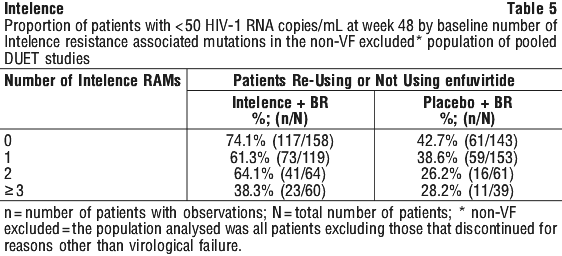
Resistance in vivo. In DUET-1 and DUET-2, the presence at baseline of 3 or more of the following mutations: V90I, A98G, L100I, K101E, K101P, V106I, V179D, V179F, Y181C, Y181I, Y181V, G190A and G190S (Intelence RAMs) was associated with a decreased virologic response to Intelence (see Table 5). These individual mutations occurred in the presence of other NNRTI RAMs. V179F was never present without Y181C.
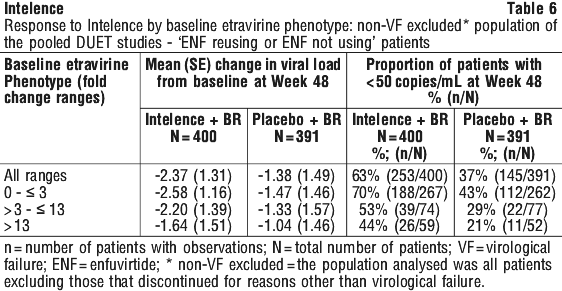
Baseline etravirine phenotype (shift in susceptibility relative to reference) was shown to be a predictive factor of virologic outcome. Response rates assessed by baseline etravirine phenotype are shown in Table 6. These baseline phenotype groups are based on the select subject populations in DUET-1 and DUET-2 and are not meant to represent definitive clinical susceptibility breakpoints for Intelence. The data are provided to give clinicians information on the likelihood of virologic success based on pre-treatment susceptibility to etravirine in treatment experienced patients.
Clinical trials. The evidence of efficacy of Intelence is based on the analyses of 48 week data from 2 ongoing, randomised, double blinded, placebo controlled, Phase III trials DUET-1 (TMC125-C206) and DUET-2 (TMC125-C216). The primary objective of the trials was to show the superiority of TMC125 compared to placebo as part of an antiretroviral therapy (ART) containing TMC114/RTV and an investigator selected OBR, in the proportion of subjects with undetectable plasma viral load values (< 50 copies/mL) at Week 24.
The primary efficacy parameter of the DUET-1 and DUET-2 trials was the proportion of subjects with confirmed undetectable viral load (< 50 copies/mL) at week 24 according to the TLOVR (time to loss of virologic response) imputation algorithm.
These trials were identical in design, and similar efficacy for Intelence was seen in each trial. The results below are pooled data from the two trials.
Treatment experienced HIV-1 infected patients who had plasma HIV-1 RNA > 5,000 copies/mL and had 1 or more NNRTI resistance associated mutations at screening or from prior genotypic analysis (i.e. archived resistance) were enrolled. These patients also had 3 or more of the following primary PI mutations: D30N, V32I, L33F, M46I/L, I47A/V, G48V, I50L/V, V82A/F/L/S/T, I84V, N88S or L90M at screening, and were on a stable antiretroviral regimen for at least 8 weeks. Randomisation was stratified by the intended use of enfuvirtide (ENF) in the background regimen (BR), previous use of darunavir/ ritonavir and screening viral load. This analysis included 612 patients in DUET-1 and 591 patients in DUET-2 who had completed 48 weeks of treatment or discontinued earlier.
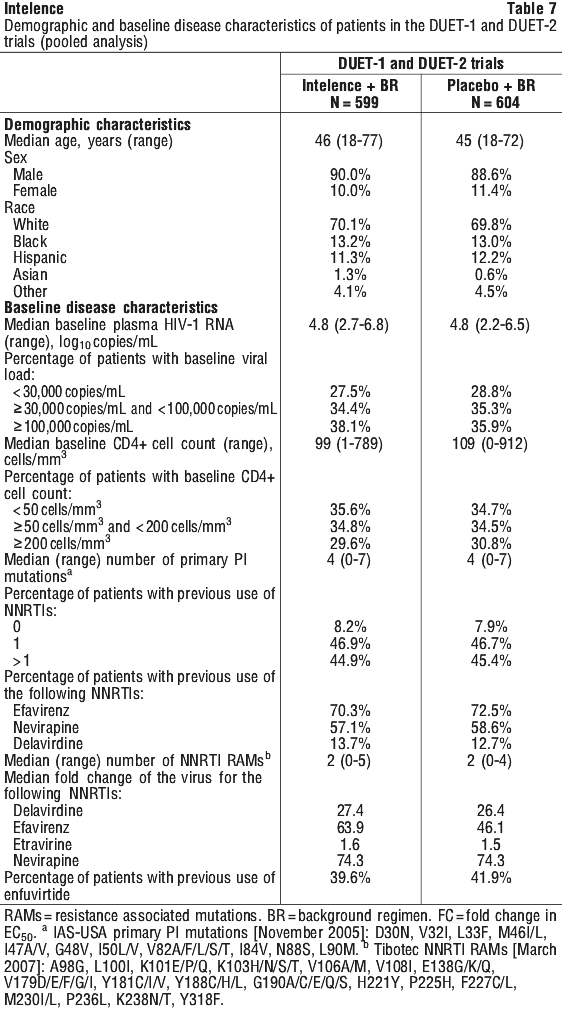
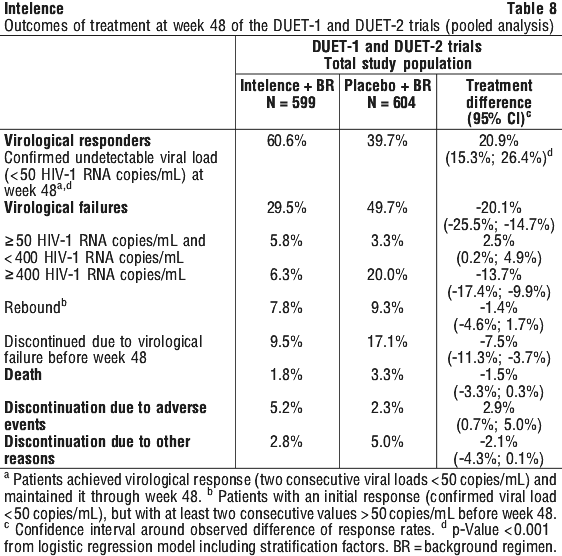
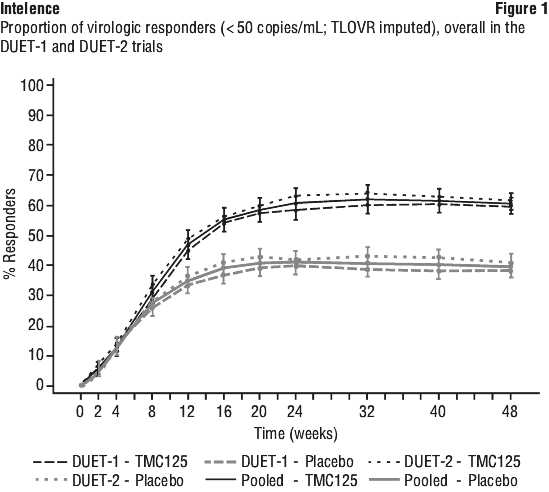
At 48 weeks, the virologic response rate was evaluated in patients receiving Intelence (200 mg b.i.d.) in addition to a BR versus patients receiving placebo in addition to a BR. The BR consisted of darunavir/ ritonavir 600/100 mg b.i.d. and at least 2 other investigator selected antiretroviral drugs (N[t]RTIs with or without ENF). 45.6% of patients in the Intelence arm and 46.9% of patients in the placebo arm used ENF in the underlying antiretroviral therapy. 25.5% of patients in the Intelence arm used ENF for the first time (de novo), compared with 26.5% of patients in the placebo arm. 20.0% of patients in the Intelence arm re-used ENF, compared with 20.4% of patients in the placebo arm. Virologic response was defined as achieving a confirmed undetectable viral load (< 50 HIV-1 RNA copies/mL). In the pooled analysis for DUET-1 and DUET-2, demographics and baseline characteristics were balanced between the Intelence arm and the placebo arm. Table 7 describes the demographic and baseline disease characteristics of the patients in the Intelence arm and patients in the placebo arm.
Because the effect of the Intelence treatment was expected to be different between subjects who were using ENF de novo in the optimised background regimen (OBR) and the subjects who were not using or re-using ENF, it was first tested whether there was a significant interaction effect between Intelence and ENF use.
Since there was a significant interaction effect between treatment and ENF, the primary analysis was done for 2 ENF strata (patients re-using or not using ENF versus patients using ENF de novo). The week 48 results from the pooled analysis of DUET-1 and DUET-2 demonstrated that the Intelence arm was superior to the placebo arm irrespective of whether ENF was used de novo or not. In the population of patients who either re-used or did not use ENF, the proportion of patients with < 50 HIV-1 RNA copies/mL in this subgroup was 57.0% in the Intelence arm and 33.0% in the placebo arm (a difference (95% CI) of 24.0% (17.6%; 30.3%)). In the group of patients that used ENF de novo, 71.2% of patients in the Intelence arm reached < 50 HIV-1 RNA copies/mL compared to 58.5% of patients in the placebo arm (a difference (95% CI) of 12.7% (2.3%; 23.2%)).
At week 48, 35 patients (5.8%) in the Intelence arm reached the endpoint of AIDS defining illness or death compared to 59 (9.8%) patients in the placebo arm.
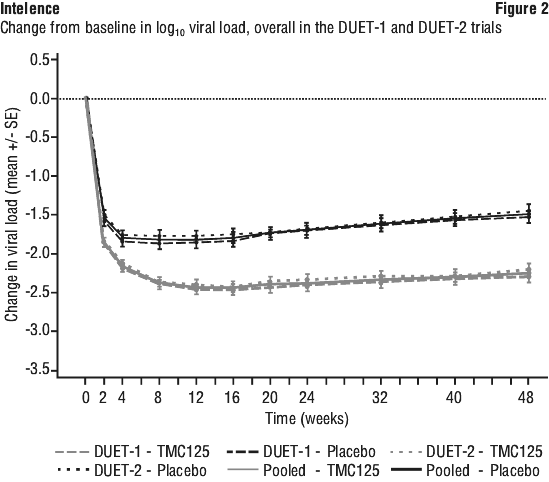
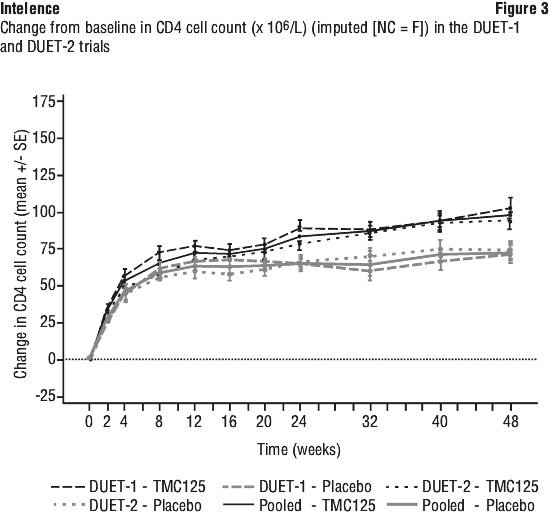
In the population of patients who either re-used or did not use ENF, through 48 weeks of treatment, the proportion of patients with a decrease in HIV-1 RNA versus baseline of > 1.0 log10 in the arm receiving Intelence compared to placebo was 71.3% and 42.9%, respectively. In addition, the mean decrease in plasma HIV-1 RNA from baseline at Week 48 was -2.13 log10 copies/mL in the arm receiving Intelence and -1.23 log10 copies/mL for the placebo arm. Intelence also showed an additional benefit over placebo in CD4+ cell count increase from baseline: 85.7 x 10⁶ cells/L versus 59.2 x 10⁶ cells/L, respectively.
In the population of patients using ENF de novo, through 48 weeks of treatment, the proportion of patients with a decrease in HIV-1 RNA versus baseline of > 1.0 log10 in the arm receiving Intelence compared to placebo, was 83.0% and 74.8%, respectively. In addition, the mean decrease in plasma HIV-1 RNA from baseline at Week 48 was -2.60 log10 copies/mL in the arm receiving Intelence and -2.22 log10 copies/mL for the placebo arm. The CD4+ cell count increase from baseline was 134.5 x 10⁶ cells/L in the Intelence arm versus 111.4 x 10⁶ cells/L in the placebo arm.
The added benefit of etravirine when combined with a PI is not only observed with darunavir/ ritonavir, as this was also seen when it was combined with LPV/rtv in a randomised, controlled, partially blind, phase IIb trial, TMC125-C223. Patients included had documented genotypic evidence of resistance (either at screening or historically) to currently available NNRTIs, at least 3 primary PI mutations at screening and previous NRTI experience. Patients were randomised to the control arm (standard of care regimen consisting of at least 3 approved drugs (NRTIs and/or PIs and/or enfurvitide in any combination)), Intelence 400 mg b.i.d. or Intelence 800 mg b.i.d in a 1:2:2 ratio. The 800 mg dose used in this study is equivalent to the 200 mg dose used in the Phase III studies.
Results from this trial showed responses in the Intelence treatment group were statistically superior to the control group. This clinical evidence confirmed the in vitro virologic profile of the compound and demonstrated that Intelence is an active and potent treatment option for patients with NNRTI resistance.
5.2 Pharmacokinetic Properties
The pharmacokinetic properties of etravirine have been evaluated in adult healthy subjects and in adult treatment experienced HIV-1 infected patients. Exposure to etravirine was slightly lower in HIV-1 infected patients than in healthy subjects. See Figure 4.
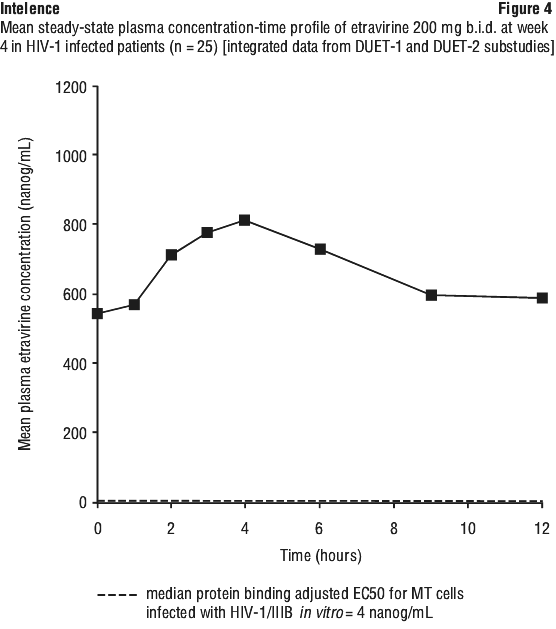
Effect of food on absorption. The exposure to etravirine is similar when taken following a standard normal caloric meal (561 kcal) or high fat high caloric meal (1160 kcal). When compared to administration following a standard normal caloric meal, exposures decreased when etravirine was taken before a standard normal caloric meal (17%), after a croissant (20%) or fasted (51%). Therefore, to achieve optimal exposure, Intelence should be taken following a meal (see Section 4.2 Dose and Method of Administration).
Distribution. Etravirine is approximately 99.9% bound to plasma proteins, primarily to albumin (99.6%) and α1-acid glycoprotein (94.5-97.7%) at physiological concentrations in vitro. The distribution of etravirine into compartments other than plasma (e.g. cerebrospinal fluid, genital tract secretions) has not been evaluated in humans.
Metabolism. In vitro experiments with human liver microsomes (HLMs) and E. coli systems expressing recombinant human CYP enzymes indicate that etravirine primarily undergoes oxidative metabolism by the hepatic cytochrome CYP450 (CYP3A) system and, to a lesser extent, by the CYP2C family followed by glucuronidation.
Excretion. After administration of a radiolabeled 14C-etravirine dose, 93.7% and 1.2% of the administered dose of 14C-etravirine could be retrieved in faeces and urine, respectively. Unchanged etravirine accounted for 81.2% to 86.4% of the administered dose in faeces. Unchanged etravirine was not detected in urine. The terminal elimination half-life of etravirine was approximately 30-40 hours.
Special populations. Children and adolescents. The pharmacokinetics of etravirine in paediatric patients are under investigation. There are insufficient data at this time to recommend a dose (see Section 4.2 Dose and Method of Administration).
Elderly. Population pharmacokinetic analysis in HIV infected patients showed that etravirine pharmacokinetics are not considerably different in the age range (18 to 77 years) evaluated (see Section 4.2 Dose and Method of Administration; Section 4.4 Special Warnings and Precautions for Use).
Gender. No significant pharmacokinetic differences have been observed between men and women. A limited number of women were included in the studies.
Race. Population pharmacokinetic analysis of etravirine in HIV infected patients indicated that race had no apparent effect on the exposure to etravirine.
Renal impairment. The pharmacokinetics of etravirine have not been studied in patients with renal insufficiency. Results from a mass balance study with radioactive 14C-etravirine showed that < 1.2% of the administered dose of etravirine is excreted in the urine. No unchanged drug was detected in urine so the impact of renal impairment on etravirine elimination is expected to be minimal. As etravirine is highly bound to plasma proteins, it is unlikely that it will be significantly removed by haemodialysis or peritoneal dialysis (see Section 4.2 Dose and Method of Administration; Section 4.4 Special Warnings and Precautions for Use).
Hepatic impairment. Etravirine is primarily metabolised and eliminated by the liver. In a study comparing 8 patients with mild (Child-Pugh score A) hepatic impairment to 8 matched controls and 8 patients with moderate (Child-Pugh score B) hepatic impairment to 8 matched controls, the multiple dose pharmacokinetic disposition of etravirine was not altered in patients with mild to moderate hepatic impairment. No dosing adjustment is required in patients with mild or moderate hepatic impairment. Intelence has not been studied in patients with severe hepatic impairment (Child-Pugh score C) (see Section 4.2 Dose and Method of Administration; Section 4.4 Special Warnings and Precautions for Use).
Hepatitis B and/or hepatitis C virus co-infection. Population pharmacokinetic analysis of the DUET-1 and DUET-2 trials showed reduced clearance for Intelence in HIV-1 infected patients with hepatitis B and/or C virus co-infection. Based upon the safety profile (see Section 4.8 Adverse Effects (Undesirable Effects)), no dose adjustment is necessary in patients co-infected with hepatitis B and/or C virus.
Pregnancy and postpartum. Study TMC114HIV3015 evaluated etravirine 200 mg twice daily in combination with other antiretroviral medicinal products in pregnant women during the second and third trimesters of pregnancy and postpartum.
Fifteen participants were enrolled, median (range) of maternal age was 26 (30-34) years, 11 were Black/African American, 2 were Hispanic and 2 were White. Median (range) BMI was 30.48 (23.4 to 47.5) kg/m2. All had Class A disease according to the CDC Classification System for HIV Infection 1993.
Lower apparent clearance (CL/F) was documented during the second and third trimesters of pregnancy compared to 6-12 weeks post-partum. Higher geometric mean values for total etravirine Cmax, AUC12h and Cmin were observed during pregnancy compared to postpartum (Table 9). The differences were less pronounced for unbound etravirine exposure.
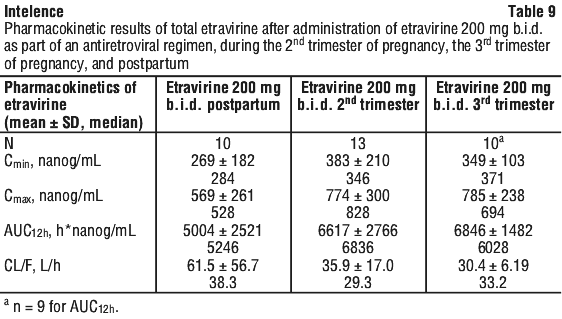
The ratio of individual cord/ maternal intra-partum etravirine plasma concentrations ranged from 18.83% to 63.41%; with %CV of 35.5 (see Section 4.2 Dose and Method of Administration; Section 4.4 Special Warnings and Precautions for Use).
5.3 Preclinical Safety Data
Genotoxicity. Etravirine has tested negative in the in vitro Ames reverse mutation assay, in the in vitro chromosomal aberration assay in human lymphocytes, and in the in vitro clastogenicity genotoxicity assay mouse lymphoma assay, tested both in the absence and presence of a metabolic activation system. Etravirine did not induce chromosomal damage in the in vivo micronucleus test in mice.
Carcinogenicity. Etravirine was evaluated for carcinogenic potential by oral gavage administration to mice and rats up to 104 weeks. Daily doses of 50, 200/100 and 400/200/100 mg/kg were administered to mice and doses of 70/50, 200/150/100 and 600/200/100 (males) and 70, 200/150 and 600/200/150 (females) mg/kg were administered to rats. Doses were reduced due to increased mortality. Etravirine was not carcinogenic in rats and in male mice. In female mice the incidence of hepatocellular adenomas and carcinomas was statistically significantly increased at all doses. Administration of etravirine did not cause a statistically significant increase in the incidence of any other benign or malignant neoplasm in mice or rats. The observed hepatocellular findings in female mice are considered to be of limited relevance to humans. At the highest tested doses, the systemic exposures (based on AUC) to etravirine were between 0.8 and 0.9-fold (mice) and between 0.2 and 1.1-fold (rats), relative to those observed in humans at the recommended therapeutic dose (200 mg b.i.d.).
6 Pharmaceutical Particulars
6.1 List of Excipients
Microcrystalline cellulose, colloidal anhydrous silica, magnesium stearate, hypromellose, croscarmellose sodium, lactose monohydrate (100 mg tablets only).
6.2 Incompatibilities
Incompatibilities were either not assessed or not identified as part of the registration of this medicine.
6.3 Shelf Life
In Australia, information on the shelf life can be found on the public summary of the Australian Register of Therapeutic Goods (ARTG). The expiry date can be found on the packaging.
6.4 Special Precautions for Storage
Store below 30°C. Store in the original bottle. Keep the bottle tightly closed in order to protect from moisture. Do not remove the desiccant pouches.
6.5 Nature and Contents of Container
Intelence 100 mg tablets are provided in high-density polyethylene (HDPE) plastic bottles containing 120 tablets and 3 desiccant pouches, fitted with a polypropylene (PP) child resistant closure*.
Intelence 200 mg tablets are provided in high-density polyethylene (HDPE) plastic bottles containing 60 tablets and 3 desiccant pouches, fitted with a polypropylene (PP) child resistant closure.
*Not currently marketed in Australia.
6.6 Special Precautions for Disposal
Any unused product or waste material should be disposed of in accordance with local requirements.
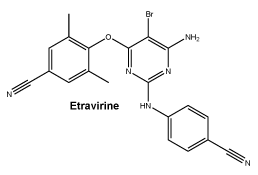
6.7 Physicochemical Properties
Chemical structure.
7 Medicine Schedule (Poisons Standard)
S4 - Prescription Only Medicine.
Date of First Approval
19 December 2008
Date of Revision
19 February 2026
Summary Table of Changes

Reasonable care is taken to provide accurate information at the time of creation. This information is not intended as a substitute for medical advice and should not be exclusively relied on to manage or diagnose a medical condition. The Australian Commission on Safety and Quality in Health Care disclaims all liability (including for negligence) for any loss, damage, injury or any other negative effects resulting from reliance on or use of this information. Read our full disclaimer. This website uses cookies. Read our privacy policy.