
Ketamine Interpharma
Brand Information
| Brand name | Ketamine Interpharma |
| Active ingredient | Ketamine |
| Schedule | S8 |
Consumer Medicine Information (CMI) leaflet
Please read this leaflet carefully before you start using the Ketamine Interpharma.
Summary CMI
KETAMINE INTERPHARMA
Consumer Medicine Information (CMI) summary
The full CMI on the next page has more details. If you are worried about using this medicine, speak to your doctor or pharmacist.
1. Why am I being treated with KETAMINE INTERPHARMA?
KETAMINE INTERPHARMA contains the active ingredient ketamine hydrochloride. KETAMINE INTERPHARMA belongs to a group of medicines called anaesthetics and is used to make the body insensitive to surgical treatment. It may be used in combination with other medicines to induce anaesthesia.
For more information, see Section 1. Why am I being treated with KETAMINE INTERPHARMA? in the full CMI.
2. What should I know before treatment with KETAMINE INTERPHARMA?
Do not use if you have ever had an allergic reaction to KETAMINE INTERPHARMA or any of the ingredients listed at the end of the CMI. Talk to your doctor if you have any heart conditions, recent history of stroke, brain haemorrhage or brain trauma.
Talk to your doctor if you have any other medical conditions, take any other medicines, or are pregnant or plan to become pregnant or are breastfeeding.
For more information, see Section 2. What should I know before treatment with KETAMINE INTERPHARMA? in the full CMI.
3. What if I am taking other medicines?
Some medicines may interfere with KETAMINE INTERPHARMA and affect how it works.
A list of these medicines is in Section 3. What if I am taking other medicines? in the full CMI.
4. How is KETAMINE INTERPHARMA given?
- KETAMINE INTERPHARMA is given as an injection into a muscle or as a slow injection into a vein by a nurse or doctor.
- Your doctor will decide how much KETAMINE INTERPHARMA is needed. It will depend on your condition and other factors, such as your age, weight, and other medicines that are being given.
More instructions can be found in Section 4. How is KETAMINE INTERPHARMA given? in the full CMI.
5. What should I know during treatment with KETAMINE INTERPHARMA?
| Things you should do |
|
| Things you should not do |
|
| Driving or using machines |
|
| Drinking alcohol |
|
| Looking after your medicine |
|
For more information, see Section 5. What should I know during treatment with KETAMINE INTERPHARMA? in the full CMI.
6. Are there any side effects?
Common side effects are nausea and vomiting, increased saliva and pain at the injection site. Call your doctor immediately if you experience sudden signs of allergy, confusion, hallucinations, vivid imagery, nightmares, double vision or abnormal eye movements, changes in your urine, yellowing of the skin (jaundice), movements resembling seizures, breathing difficulties, rapid heart rate, or heart palpitations.
For more information, including what to do if you have any side effects, see Section 6. Are there any side effects? in the full CMI.
Full CMI
KETAMINE INTERPHARMA
Active ingredient(s): ketamine hydrochloride
Consumer Medicine Information (CMI)
This leaflet provides important information about using KETAMINE INTERPHARMA. You should also speak to your doctor or pharmacist if you would like further information or if you have any concerns or questions about using KETAMINE INTERPHARMA.
Where to find information in this leaflet:
1. Why am I being treated with KETAMINE INTERPHARMA?
2. What should I know before treatment with KETAMINE INTERPHARMA?
3. What if I am taking other medicines?
4. How is KETAMINE INTERPHARMA given?
5. What should I know during treatment with KETAMINE INTERPHARMA?
6. Are there any side effects?
7. Product details
1. Why am I being treated with KETAMINE INTERPHARMA?
KETAMINE INTERPHARMA contains the active ingredient ketamine hydrochloride. KETAMINE INTERPHARMA belongs to a group of medicines called anaesthetics. It works by stopping the brain from interpreting messages of pain.
KETAMINE INTERPHARMA is used to make the body insensitive to surgical treatment. It may be used in combination with other medicines to induce anaesthesia.
2. What should I know before treatment with KETAMINE INTERPHARMA?
Warnings
Do not use KETAMINE INTERPHARMA if you:
- are allergic to ketamine, or any of the ingredients listed at the end of this leaflet. Always check the ingredients to make sure you can use this medicine
- have or have had any of the following medical conditions:
- poorly controlled blood pressure
- severe heart disease
- heart failure
- a recent history of stroke
- recent heart attack
- brain haemorrhage
- brain trauma
Do not use this medicine after the expiry date printed on the pack or if the packaging is torn or shows signs of tampering.
Check with your doctor if you:
- have or have had any other medical conditions:
- heart problems, including a heart attack
- dehydration
- high blood pressure
- breathing problems, including chest infections and asthma
- alcohol intoxication or history of alcohol abuse
- drug abuse or drug dependence
- cerebral or head problems, including injury, lesions or elevated cerebrospinal fluid pressure
- psychiatric disorders (e.g. schizophrenia, acute psychosis)
- overactive thyroid
- glaucoma
- kidney or liver disease (e.g. porphyria or cirrhosis)
- seizures (e.g. fits or convulsions) - take any medicines for any other condition
- have allergies to any other medicines, foods, preservatives or dyes
If you are not sure whether you should be given this medicine, talk to your doctor.
During treatment, you may be at risk of developing certain side effects. It is important you understand these risks and how to monitor for them. See additional information under Section 6. Are there any side effects?
Pregnancy and breastfeeding
Check with your doctor if you are pregnant or intend to become pregnant.
Talk to your doctor if you are breastfeeding or intend to breastfeed.
Your doctor can discuss with you the risks and benefits involved.
Drug dependence and tolerance
Tell your doctor if you have used KETAMINE INTERPHARMA or any ketamine-containing medicine before. This medicine is addictive. Individuals with a history of drug abuse or dependence may develop KETAMINE INTERPHARMA dependence and tolerance. However, addiction is unlikely to occur when KETAMINE INTERPHARMA is used as prescribed for anaesthesia.
3. What if I am taking other medicines?
Tell your doctor or pharmacist if you are taking any other medicines, including any medicines, vitamins or supplements that you buy without a prescription from your pharmacy, supermarket or health food shop.
Some medicines may interfere with KETAMINE INTERPHARMA and affect how it works. These include:
- general anaesthetics (medicines used to put you to sleep during an operation) and hypnotics (e.g. thiopental)
- barbiturates (used to treat epilepsy)
- narcotic analgesics (used to relieve pain)
- sedatives or anxiolytic drugs (used to help relieve anxiety)alcohol
- benzodiazepines (medicines used as sedatives or to treat anxiety)
- ergometrine (a medicine used sometimes after giving birth)
- thyroxine or thyroid hormones
- theophylline and aminophylline (medicines used for breathing problems or asthma)
- antihypertensives (medicines used to help lower blood pressure)
- muscle relaxants used in anaesthesia (atracurium and tubocurarine)
- antidiuretic hormones (e.g. vasopressin)
- medicines affecting your heart or circulation system (medicines that increase your blood pressure should be avoided)
These medicines may be affected by KETAMINE INTERPHARMA or may affect how well it works. You may need different amounts of your medicines or you may need to take different medicines.
Check with your doctor or pharmacist if you are not sure about what medicines, vitamins or supplements you are taking and if these affect KETAMINE INTERPHARMA.
4. How is KETAMINE INTERPHARMA given?
How much will be given
- Your doctor will decide what dose you will receive.
- This depends on your condition and other factors, such as your age, weight and other medicines that are being given.
How is KETAMINE INTERPHARMA given
- KETAMINE INTERPHARMA is given as an injection into a muscle, or as a slow injection into a vein. It must only be given by a nurse or doctor.
If too much KETAMINE INTERPHARMA is given
As KETAMINE INTERPHARMA is given to you in a hospital under the supervision of your doctor, it is unlikely that you will receive an overdose. You will be closely monitored in hospital during the early post-operative period so that any unwanted side effects can be treated. However, if you experience severe side effects, tell your doctor immediately.
Symptoms of an overdose may include the side effects listed under Section 6. Are there any side effects? If you think that you have been given too much KETAMINE INTERPHARMA, you may need urgent medical attention.
You should immediately:
- phone the Poisons Information Centre
(by calling 13 11 26), or - contact your doctor, or
- go to the Emergency Department at your nearest hospital.
You should do this even if there are no signs of discomfort or poisoning.
5. What should I know during treatment with KETAMINE INTERPHARMA?
Things you should do
Tell any doctor or nurse giving you this medicine if you:
- are about to be started on any new medicine
- are pregnant or planning to become pregnant
- are breastfeeding or are planning to breastfeed
Remind any doctor, dentist or pharmacist you see that you are being given KETAMINE INTERPHARMA.
Keep all of your doctor's appointments so that your progress can be checked.
Things you should not do
When KETAMINE INTERPHARMA is used on an outpatient basis, you should not be released from medical care until you have completely recovered from anaesthesia, and then you should be accompanied by a responsible adult.
Driving or using machines
Be careful before you drive or use any machines or tools for at least 24 hours after receiving KETAMINE INTERPHARMA until you know how the medicine affects you.
KETAMINE INTERPHARMA has the potential to affect driving and has an associated risk with road safety.
Drinking alcohol
Do not drink alcohol for 24 hours after you have been given this medicine.
Tell your doctor if you drink alcohol.
How is KETAMINE INTERPHARMA stored
- KETAMINE INTERPHARMA will be stored in the pharmacy or on the ward.
- Store below 30°C. Keep the medicine in a cool dry place, protected from light.
Keep it where young children cannot reach it.
When to discard KETAMINE INTERPHARMA
KETAMINE INTERPHARMA is used for one dose in one patient only. Any remaining contents should be discarded.
Getting rid of any unwanted medicine
If you no longer need to use this medicine or it is out of date, take it to any pharmacy for safe disposal.
Do not use this medicine after the expiry date.
6. Are there any side effects?
All medicines can have side effects. If you do experience any side effects, most of them are minor and temporary. However, some side effects may need medical attention.
See the information below and, if you need to, ask your doctor or pharmacist if you have any further questions about side effects.
Do not be alarmed by this list of side effects. You may not experience any of them.
Common side effects
| Common side effects | What to do |
Gastrointestinal
| Speak to your doctor if you have any of these side effects and they worry you. |
Serious side effects
| Serious side effects | What to do |
| Allergic type reactions Sudden signs of allergy such as:
| Call your doctor straight away or go straight to the Emergency Department at your nearest hospital if you notice any of these serious side effects. |
Tell your doctor or pharmacist if you notice anything else that may be making you feel unwell.
Other side effects not listed here may occur in some people.
Reporting side effects
After you have received medical advice for any side effects you experience, you can report side effects to the Therapeutic Goods Administration online at www.tga.gov.au/reporting-problems. By reporting side effects, you can help provide more information on the safety of this medicine.
Always make sure you speak to your doctor or pharmacist before you decide to stop taking any of your medicines.
7. Product details
This medicine is only available with a doctor's prescription.
What KETAMINE INTERPHARMA contains
| Active ingredient (main ingredient) | ketamine as hydrochloride |
| Other ingredients (inactive ingredients) | Water for injections |
Do not use this medicine if you are allergic to any of these ingredients.
This medicine does not contain lactose, sucrose, gluten, tartrazine or any other azo dyes.
What KETAMINE INTERPHARMA looks like
KETAMINE INTERPHARMA is a clear, colourless solution in a glass ampoule(type I clear glass).
KETAMINE INTERPHARMA solution for injections is available in packs of 5 ampoules in the following strengths:
20mg/2 mL, 5mL ampoule pack. (AUST R 310918)
50mg/5mL, 5mL ampoule pack. (AUST R 310910)
100mg/10mL, 10mL ampoule pack. (AUST R 310913)
100mg/2mL, 2mL ampoule pack. (AUST R 310914)
250mg/5mL, 5mL ampoule pack. (AUST R 310912)
500mg/10mL, 10mL ampoule pack. (AUST R 310916)
Who distributes KETAMINE INTERPHARMA
InterPharma Pty Ltd
Suite 103, 39 East Esplanade
Manly, NSW, 2095
Australia
Tel: +61 29976 6876
Web: www.interpharma.com.au
This leaflet was prepared in December 2025.
Brand Information
| Brand name | Ketamine Interpharma |
| Active ingredient | Ketamine |
| Schedule | S8 |
MIMS Revision Date: 01 September 2022
1 Name of Medicine
Ketamine hydrochloride.
2 Qualitative and Quantitative Composition
Ketamine Interpharma is formulated as an acid (pH 3.5 to 5.5) solution for intravenous or intramuscular injection in concentrations containing the equivalent of 10 mg or 50 mg ketamine base per millilitre.
For the full list of excipients, see Section 6.1 List of Excipients.
3 Pharmaceutical Form
Ketamine Interpharma is a clear, colourless solution for intravenous or intramuscular injection.
4 Clinical Particulars
4.1 Therapeutic Indications
Ketamine Interpharma is recommended:
1. as the sole anaesthetic agent for diagnostic and surgical procedures that do not require skeletal muscle relaxation. Ketamine Interpharma is best suited for short procedures and it can be used with additional doses, for longer procedures;
2. for the induction of anaesthesia prior to the administration of other general anaesthetic agents;
3. to supplement low-potency agents, such as nitrous oxide.
4.2 Dose and Method of Administration
Ketamine injection is for single use in one patient only. Discard any residue. All doses are given in terms of ketamine base.
Pre-operative preparation. 1. While vomiting has been reported following Ketamine Interpharma administration, airway protection is usually afforded because of active laryngeal-pharyngeal reflexes. However, because these reflexes may also be diminished by supplementary anaesthetics or muscle relaxants, the possibility of aspiration must be considered. Ketamine Interpharma is recommended for use in the patient whose stomach is not empty only when, in the judgement of the medical practitioner, the benefits of the drug outweigh the possible risks.
2. Atropine, hyoscine or other 'drying' agents should be given at an appropriate interval prior to induction.
Dosage. As with other general anaesthetic agents, the individual response to Ketamine Interpharma is somewhat varied depending on the dose, route of administration and age of patient, so that the dosage recommended cannot be absolutely determined in a fixed manner. The drug should be titrated against the patient's requirements.
Onset and duration. Because of rapid induction following the initial intravenous injection, the patient should be in a supported position during administration. The onset of action of Ketamine Interpharma is rapid; an intravenous dose of 2 mg/kg of body weight usually produces surgical anaesthesia within 30 seconds after injection, with the anaesthetic effect usually lasting 5 to 10 minutes. If a longer effect is desired, additional increments can be administered intravenously or intramuscularly to maintain anaesthesia without producing significant cumulative effect.
From experience, intramuscular doses (primarily in children, in a range of 9 to 13 mg/kg) usually produce surgical anaesthesia within 3 to 4 minutes following administration, with the anaesthetic effect usually lasting 12 to 25 minutes.
Induction. Intravenous route. The initial dose of Ketamine Interpharma administered intravenously may range from 1 mg/kg to 4.5 mg/kg. The average amount required to produce 5 to 10 minutes of surgical anaesthesia has been 2 mg/kg.
Note. Ketamine Interpharma 10 mg/mL and 50 mg/mL do not require dilution for intravenous injection.
For dilution Ketamine Interpharma is compatible with normal saline or, 5% glucose in water.
Rate of administration. It is recommended that Ketamine Interpharma be administered slowly (over a period of 60 seconds). More rapid administration may result in respiratory depression and enhanced pressor response.
Intramuscular route. The initial dose of Ketamine Interpharma administered intramuscularly ranges from 6.5 to 13 mg/kg. A dose of 10 mg/kg will usually produce 12 to 25 minutes of surgical anaesthesia.
If the ketamine dose is augmented with diazepam, the two drugs must be given separately. Do not mix ketamine and diazepam in the same syringe or infusion flask.
Dosage in hepatic insufficiency. Dose reductions should be considered in patients with cirrhosis or other types of liver impairment (see Section 4.4 Special Warnings and Precautions for Use).
Maintenance of anaesthesia. Increments of one half to the full induction dose may be repeated, as needed, for maintenance of anaesthesia. However, it should be noted that involuntary and tonic-clonic movements of extremities might occur during the course of anaesthesia. These movements do not imply a level of attenuated anaesthesia and are not indicative of the need for additional doses of the anaesthetic. It should be recognised that the greater the total dose of Ketamine Interpharma administered, the longer will be the time to complete recovery.
This product is for one dose in one patient only. Discard any remaining contents.
4.3 Contraindications
Ketamine Interpharma is contraindicated in patients with any condition in which a significant elevation of blood pressure would be hazardous such as: severe cardiovascular disease, heart failure, severe or poorly controlled hypertension, recent myocardial infarction, history of stroke, cerebral trauma, intracerebral mass or haemorrhage. Ketamine is also contraindicated in those who have shown hypersensitivity to the drug or its components.
4.4 Special Warnings and Precautions for Use
1. Ketamine Interpharma should be used by or under the direction of medical practitioners experienced in administering general anaesthetics and in maintenance of an airway and in the control of respiratory support.
2. Barbiturates and Ketamine Interpharma, being chemically incompatible because of precipitate formation, should not be injected from the same syringe.
3. Prolonged recovery time may occur if barbiturates and/or narcotics are used concurrently with Ketamine Interpharma.
4. Post-operative confusional states may occur during the recovery period (see Section 4.4 Special Warnings and Precautions for Use, Emergence reaction).
5. Because pharyngeal and laryngeal reflexes are usually active, Ketamine Interpharma should not be used alone in surgery or diagnostic procedures of the pharynx, larynx or bronchial tree. Mechanical stimulation of the pharynx should be avoided, whenever possible, if Ketamine Interpharma is used alone. Muscle relaxants with proper attention to respiration, may be required in both of these instances.
6. Resuscitative equipment should be ready for use.
7. The intravenous dose should be administered over a period of 60 seconds. More rapid administration may result in respiratory depression or apnoea and enhanced pressor response.
8. In surgical procedures involving visceral pain pathways, Ketamine Interpharma should be supplemented with an agent, which obtunds visceral pain.
9. Use with caution in the chronic alcoholic and the acutely alcohol-intoxicated patient. An increase in cerebrospinal fluid pressure has been reported following administration of Ketamine Interpharma. Use with extreme caution in patients with pre-anaesthetic elevated cerebrospinal fluid pressure.
10. In patients with significant renal or hepatic impairment, the elimination of ketamine could potentially be delayed. Dose reductions should be considered in patients with cirrhosis or other types of liver impairment.
11. Patients should be cautioned that driving an automobile, operating machinery or engaging in other hazardous activities should not be undertaken for 24 hours or more (depending on dose and other drugs employed) after anaesthesia.
12. Use with caution in patients with increased intraocular pressure (e.g. glaucoma) because the pressure may increase significantly after a single dose of ketamine.
13. Use with caution in patients with neurotic traits or psychiatric illness (e.g. schizophrenia and acute psychosis).
14. Use with caution in patients with acute intermittent porphyria.
15. Use with caution in patients with seizures.
16. Use with caution in patients with hyperthyroidism or patients receiving thyroid replacement (increased risk of hypertension and tachycardia).
17. Use with caution in patients with pulmonary or upper respiratory infection (ketamine sensitises the gag reflex, potentially causing laryngospasm).
18. Use with caution in patients with intracranial mass lesions, a presence of head injury, globe injuries, or hydrocephalus.
Emergence reaction. Treatment-emergent adverse reactions have occurred in approximately 12% of patients. The psychological manifestations vary in severity between pleasant dream-like states, vivid imagery, hallucinations, nightmares or illusions and delirium (often consisting of dissociative or floating sensations). In some cases, these states have been accompanied by confusion, excitement and irrational behaviour, which a few patients recall as an unpleasant experience. The duration ordinarily lasts no more than a few hours; in a few cases, however, recurrences have taken place up to 24 hours post-operatively. No residual psychological effects are known to have resulted from use of Ketamine Interpharma.
The incidence of these treatment-emergent adverse events is least in the young (15 years of age or less) and elderly (over 65 years of age) patient. Also they are less frequent when the drug is given intramuscularly. These reactions may be reduced if verbal, tactile and visual stimulation of the patient is minimised during the recovery period.
This does not preclude the monitoring of vital signs. In addition, the use of a small hypnotic dose of a short-acting or ultra-short-acting barbiturate may be required to terminate a severe treatment-emergent adverse reaction. The incidence of emergence reactions is reduced as experience with the drug is gained. When Ketamine Interpharma is used on an outpatient basis, the patient should not be released until recovery of anaesthesia is complete and should be accompanied by a responsible adult at discharge.
Cardiovascular. Because of the substantial increase in myocardial oxygen consumption, ketamine should be used with caution in patients with hypovolemia, dehydration, or cardiac disease, especially coronary artery disease (e.g. congestive heart failure, myocardial ischaemia, and myocardial infarction). In addition ketamine should be used with caution in patients with mild-to-moderate hypertension and tachyarrhythmias.
Cardiac function should be continually monitored during the procedure in patients found to have hypertension or cardiac decompensation.
Drug abuse and dependence. Ketamine has been reported being used as a drug of abuse. Reports suggest that ketamine produces a variety of symptoms including, but not limited to, flashbacks, hallucinations, dysphoria, anxiety, insomnia, or disorientation. Ketamine dependence and tolerance may develop in individuals with a history of drug abuse or dependence. Therefore, ketamine should be prescribed and administered with caution.
Use in the elderly. No data available.
Paediatric use. Plasma half-life, clearance and volume of distribution (relative to body weight) are not significantly different between adults and children, although absorption following intramuscular injection is more rapid in the latter.1,2
Paediatric neurotoxicity. Some published studies in children have observed cognitive deficits after repeated or prolonged exposures to anaesthetic agents early in life. These studies have substantial limitations, and it is not clear if the observed effects are due to the anaesthetic/analgesic/sedation drug administration or other factors such as the surgery or underlying illness.
Published animal studies of some anaesthetic/analgesic/sedation drugs have reported adverse effects on brain development in early life and late pregnancy. The clinical significance of these nonclinical finding is yet to be determined.
With inhalation or infusion of such drugs, exposure is longer than the period of inhalation or infusion. Depending on the drug and patient characteristics, as well as dosage, the elimination phase may be prolonged relative to the period of administration.
Effects on laboratory tests. There is no information available regarding the possible effects of ketamine on clinical laboratory tests.
4.5 Interactions with Other Medicines and Other Forms of Interactions
Halogenated hydrocarbon inhalational anaesthetics may prolong the half-life of ketamine; recovery from anaesthesia may be prolonged following concurrent use. Concurrent use of ketamine (especially in high doses or when rapidly administered) with halogenated anaesthetics can increase the risk of developing bradycardia, hypotension, or decreased cardiac output.
Diazepam is known to increase the half-life of ketamine and prolongs its pharmacodynamic effects. Dose adjustments may therefore be needed3.
Sympathomimetics (directly or indirectly acting) and vasopressin may enhance the sympathomimetic effects of ketamine3.
Prolonged recovery time may occur if barbiturates and/or narcotics are used concurrently with ketamine.
Benzodiazepines may prolong the half-life of ketamine; recovery from anaesthesia may be prolonged following concurrent use.4
Concomitant use with ergometrine may lead to an increase in blood pressure and Co-administration of drugs with a hypertensive effect should be avoided.3,5
Sustained rises in arterial pressure have been reported in patients receiving concomitant ketamine and thyroxine.5
Clinically significant reduction in seizure threshold may be observed in patients receiving concomitant ketamine and theophylline or aminophylline.3,5 Unpredictable extensor-type seizures have been reported with concurrent administration of these agents.
There is no information available on the interactions between ketamine and antihypertensive agents. However, given the marked increase in arterial pressure following administration of ketamine, cardiac function should be monitored (see Section 4.4 Special Warnings and Precautions for Use).
Barbiturates and Ketamine Interpharma, being chemically incompatible because of precipitate formation, should not be injected from the same syringe.
Ketamine is clinically compatible with the commonly used general and local anaesthetic agents when an adequate respiratory exchange is maintained.
Ketamine may potentiate the neuromuscular blocking effects of atracurium and tubocurarine, including respiratory depression with apnoea.
The use of ketamine with other central nervous system (CNS) depressants (e.g. ethanol, phenothiazines, sedating H1-blockers, or skeletal muscle relaxants) can potentiate CNS depression and/or increase risk of developing respiratory depression. Reduced doses of ketamine may be required with concurrent administration of other anxiolytics, sedatives, and hypnotics.
Ketamine has been reported to antagonise the hypnotic effect of thiopental.
Patients taking thyroid hormones have an increased risk of developing hypertension and tachycardia when given ketamine.
Concomitant use of antihypertensive agents and ketamine increases the risk of developing hypotension.
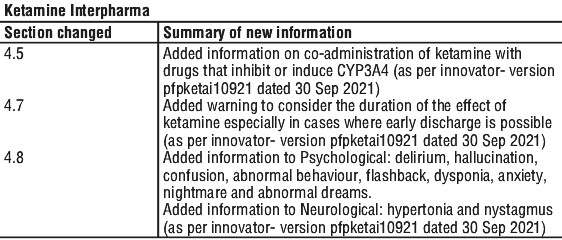
Drugs that inhibit CYP3A4 enzyme activity generally decrease hepatic clearance, resulting in increased plasma concentration of CYP3A4 substrate medications, such as ketamine. Coadministration of ketamine with drugs that inhibit CYP3A4 enzyme may require a decrease in ketamine dosage to achieve the desired clinical outcome.
Drugs that induce CYP3A4 enzyme activity generally increase hepatic clearance, resulting in decreased plasma concentration of CYP3A4 substrate medications, such as ketamine. Coadministration of ketamine with drugs that induce CYP3A4 enzyme may require an increase in ketamine dosage to achieve the desired clinical outcome.
4.6 Fertility, Pregnancy and Lactation
Effects on fertility. No data available.
Use in pregnancy. (Category B3)
Limited studies in animals have not shown that ketamine causes birth defects; however, it crosses the placenta. Histological changes in the heart (degeneration and oedema of cardiac muscle), liver (diffuse haemopoietic cell infiltration, parenchymal cell degeneration) and kidneys (proximal convoluted tubule degeneration) were observed in foetuses following administration of ketamine to pregnant rats during the period of organogenesis at doses similar to the maximum human dose, on a body surface area basis; a NOEL for these effects was not established. Ketamine administration to pregnant monkeys near term was associated with increased blood pCO2 and a dose-dependent respiratory depression in neonates, at a dose about one sixteenth the maximum human dose on a body surface area basis.
With the exception of administration during surgery for abdominal delivery or vaginal delivery, no controlled clinical studies in pregnancy have been conducted. The safe use of ketamine in pregnancy has not been established, and such use is not recommended.
Australian categorisation definition of Category B3: Drugs which have been taken by only a limited number of pregnant women and women of childbearing age, without an increase in the frequency of malformation or other direct or indirect harmful effects on the human fetus having been observed.
Studies in animals have shown evidence of an increased occurrence of fetal damage, the significance of which is considered uncertain in humans.
Published animal studies of some anaesthetic/analgesic/sedation drugs have reported adverse effects on brain development in early life and late pregnancy.
Published studies in pregnant and juvenile animals demonstrate that the use of anaesthetic/analgesic and sedation drugs that block NMDA receptors and/or potentiate GABA activity during the period of rapid brain growth or synaptogenesis may result in neuronal and oligodendrocyte cell loss in the developing brain and alterations in synaptic morphology and neurogenesis when used for longer than 3 hours. These studies included anaesthetic agents from a variety of drug classes.
Use in lactation. Ketamine is likely to be excreted in breast milk and therefore breastfeeding should be discontinued when ketamine is in use.
4.7 Effects on Ability to Drive and Use Machines
This medicine can temporarily impair cognitive function, which can affect a patient's ability to drive safely. Patients should be cautioned that driving an automobile, operating machinery or engaging in other hazardous activities should not be undertaken for 24 hours or more (depending on dose and other drugs employed) after anaesthesia. The duration of the effect of ketamine and other drugs employed during the administration of anaesthesia should be considered, especially in cases where early discharge is possible.
4.8 Adverse Effects (Undesirable Effects)
Cardiovascular. Blood pressure and pulse rate are frequently elevated following administration of Ketamine Interpharma. However, hypotension and bradycardia have been observed. Arrhythmia has also occurred.
Respiration. Although respiration is frequently stimulated, severe depression of respiration or apnoea may occur following rapid intravenous administration of high doses of Ketamine Interpharma. Laryngospasm and other forms of airway obstruction have occurred during Ketamine Interpharma anaesthesia.
Eye. Diplopia and nystagmus have been noted following Ketamine Interpharma administration. Ketamine Interpharma may also cause a slight elevation in intraocular pressure measurement.
Psychological. Delirium*, hallucination, confusion, abnormal behaviour, disorientation*, flashback*, dysphoria, agitation, anxiety, insomnia, nightmare, abnormal dreams have been observed. Also see Section 4.4 Special Warnings and Precautions for Use, Emergence reaction, Drug abuse and dependence.
Neurological. In some patients, enhanced skeletal muscle tone may be manifested by tonic and clonic movements, sometimes resembling seizures (see Section 4.2 Dose and Method of Administration). Hypertonia and nystagmus have been noted following Ketamine hydrochloride administration.
Gastrointestinal. Anorexia, nausea and vomiting have been observed. However, this is not usually severe and allows the great majority of patients to take liquids by mouth shortly after regaining consciousness (see Section 4.2 Dose and Method of Administration). Hypersalivation has also been observed.
Abuse potential. (See Section 4.4 Special Warnings and Precautions for Use.)
Immune system disorders. Anaphylaxis has been observed.
General. Local pain and exanthema at the injection site have infrequently been reported. Transient erythema and/or morbilliform rash have also been reported.
Reporting suspected adverse effects. Reporting suspected adverse reactions after registration of the medicinal product is important. It allows continued monitoring of the benefit-risk balance of the medicinal product. Healthcare professionals are asked to report any suspected adverse reactions at www.tga.gov.au/reporting-problems.
4.9 Overdose
Respiratory depression may occur with overdosage or too rapid rate of administration of Ketamine Interpharma, in which case, supportive ventilation should be employed. Mechanical support of respiration is preferred to administration of analeptics.
Ketamine has a wide margin of safety; several instances of unintentional administration of overdoses of Ketamine Interpharma (up to 10 times that usually required) have been followed by prolonged but complete recovery.
For information on the management of overdose, contact the Poisons Information Centre on 13 11 26 (Australia).
5 Pharmacological Properties
5.1 Pharmacodynamic Properties
Mechanism of action. Ketamine Interpharma is a rapid-acting, general anaesthetic producing an anaesthetic state characterised by profound analgesia, normal pharyngeal-laryngeal reflexes, normal or slightly enhanced skeletal muscle tone, cardiovascular and respiratory stimulation, and occasionally, a transient and minimal respiratory depression.
A patent airway is maintained, partly by virtue of relatively unimpaired pharyngeal and laryngeal reflexes (see Section 4.4 Special Warnings and Precautions for Use).
The anaesthetic state produced by Ketamine Interpharma has been termed 'dissociative anaesthesia' in that it appears to selectively interrupt association pathways of the brain before producing somaesthetic sensory blockade. Ketamine Interpharma may selectively depress the thalamo-neocortical system before significantly obtunding the more ancient cerebral centres and pathways (reticular-activating and limbic systems).
Elevation of blood pressure begins shortly after injection, reaches a maximum within a few minutes and usually returns to pre-anaesthetic values within 15 minutes after injection. The median peak rise has ranged from 20 to 25% of pre-anaesthetic values.
Clinical trials. Ketamine Interpharma ketamine (as hydrochloride) has been studied in over 12,000 operative and diagnostic procedures involving over 10,000 patients from 105 separate studies. During the course of these studies, Ketamine Interpharma was administered as the sole agent, as induction for other general anaesthetic agents, or to supplement low potency agents. In these studies, the anaesthesia was rated either "excellent" or "good" by the anaesthetist and the surgeon at 90% and 93% respectively. In a second method of evaluation, the anaesthesia was rated "adequate" in at least 90% and "inadequate" in 10% or less of procedures. Specific areas of application have included the following:
1. debridement, painful dressings and skin grafting in burn patients as well as other superficial surgical procedures;
2. neurodiagnostic procedures such as pneumoencephalograms, ventriculograms, myelograms and lumbar punctures;
3. diagnostic and operative procedures of the eye, ear, nose and mouth including dental extractions;
4. diagnostic and operative procedures of the pharynx, larynx or bronchial tree;
Note. Muscle relaxants with proper attention to respiration, may be required (see Section 4.4 Special Warnings and Precautions for Use).
5. sigmoidoscopy and minor surgery of the anus and rectum and circumcision;
6. extraperitoneal procedures used in gynaecology, such as dilation and curettage;
7. orthopaedic procedures such as closed reductions, manipulations, femoral pinning, amputations and biopsies;
8. as an anaesthetic in poor-risk patients with depression of vital functions;
9. in procedures where the intramuscular route of administration is preferred;
10. in cardiac catheterisation procedures.
5.2 Pharmacokinetic Properties
Absorption. Ketamine is rapidly absorbed following parenteral administration. Peak plasma levels averaged 0.75 microgram/mL and CSF levels were about 0.2 microgram/mL one hour after dosing.6 The plasma half-life is in the range of 2 to 4 hours.7,8,9 After IM administration (absorption half-life 2-17 minutes) it is up to 93% bioavailable.6
Distribution. Ketamine (as hydrochloride) is rapidly and extensively distributed throughout the body into highly perfused tissues including the brain.8,9 Mean volume of distribution is reported to range from approximately 1 to 3 L/kg, and the distribution half-life is approximately 7 to 11 minutes. Ketamine (as hydrochloride) is approximately 20-50% bound to plasma proteins.4 Ketamine is likely to be excreted in breast milk, but this is unlikely to be clinically relevant. The drug crosses the placenta in induction doses10 (see Section 4.6 Fertility, Pregnancy and Lactation).
Metabolism4. Ketamine undergoes extensive hepatic metabolism. The biotransformation includes N-dealkylation to norketamine (metabolite I), hydroxylation of the cyclohexone ring (metabolites III and IV), conjugation with glucuronic acid and dehydration of the hydroxylated metabolites to form the cyclohexene derivative (metabolite II). Norketamine (metabolite I) has about 1/6 of the potency of ketamine and is formed at concentrations in the plasma similar to those of the parent compound.
Excretion. After intravenous bolus administration, ketamine shows a bi- or triexponential pattern of elimination. The alpha phase lasts about 45 minutes with a half-life of 10 to 15 minutes. This first phase, which represents the anaesthetic action of ketamine, is terminated by redistribution from the CNS to peripheral tissues and hepatic biotransformation to an active metabolite. The beta phase half-life is about 2.5 hours.7,8,9 About 90% of ketamine is excreted in the urine, mostly as metabolites, with only about 2 to 4% as the unchanged drug. Approximately 5% is recovered in the faeces.11 The renal clearance of ketamine hydrochloride is 15 ± 5 mL/min/kg.11
5.3 Preclinical Safety Data
Genotoxicity. No data available.
Carcinogenicity. No data available.
6 Pharmaceutical Particulars
6.1 List of Excipients
Water for injections.
10 mg/mL preparations have saline added to achieve isotonicity.
6.2 Incompatibilities
Barbiturates and Ketamine Interpharma, being chemically incompatible because of precipitate formation, should not be injected from the same syringe.
6.3 Shelf Life
In Australia, information on the shelf life can be found on the public summary of the Australian Register of Therapeutic Goods (ARTG). The expiry date can be found on the packaging.
6.4 Special Precautions for Storage
Store below 30°C. Protect from light.
Ketamine Interpharma should not be used if the solution is coloured and/or contains particulate matter.
6.5 Nature and Contents of Container
Ketamine Interpharma 10 mg/mL presented in the following sizes:
Ketamine Interpharma 20 mg/2 mL solution for injection (AUST R 310918).
Ketamine Interpharma 50 mg/5 mL solution for injection (AUST R 310910).
Ketamine Interpharma 100 mg/10 mL solution for injection (AUST R 310913).
Ketamine Interpharma 50 mg/mL presented in the following sizes:
Ketamine Interpharma 100 mg/2 mL solution for injection (AUST R 310914).
Ketamine Interpharma 250 mg/5 mL solution for injection (AUST R 310912).
Ketamine Interpharma 500 mg/10 mL solution for injection (AUST R 310916).
Type I clear glass ampoules in packs of 5 ampoules.
Not all strengths may be marketed.
6.6 Special Precautions for Disposal
In Australia, any unused medicine or waste material should be disposed of in accordance with local requirements.
6.7 Physicochemical Properties
Chemical structure.
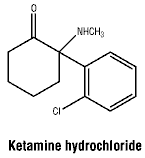
Ketamine is freely soluble in water and methyl alcohol and is soluble in alcohol.
CAS number. 1867-66-9.
7 Medicine Schedule (Poisons Standard)
Schedule 8 - Controlled Drug.
Date of First Approval
16 December 2019
Date of Revision
03 August 2022
Summary Table of Changes
References
1. Nimmo WS, et al. Pharmacokinetics of ketamine in children. Br J Anaesth 1982; 14: 144P.
2. Grant IS, et al. Ketamine disposition in adults and children Br J Anaesth 1983, 55: 1107-11.2.5 Clinical Overview Updates to Section 4.5 Interaction With Other Medicinal Products and Other Forms of Interaction of the Core Data Sheet November 2016.
3. Therapeutic Drugs. Edited by Sir Colin Dollery, 1991, Vol 2: K7-13.
4. Martindale The Complete Drug Reference, Micromedex Healthcare series Vol. 105 IncCopyright 2000 Pharmaceutical Press.
5. Clements JA, Nimmo WS, Grant IS. Bioavailability, pharmacokinetics and analgesic activity of ketamine in humans. J Pharm Sci 1982; 71: 539-41.
6. Clements JA, Nimmo WS. Pharmacokinetics and analgesic effects of ketamine in man. Br J Anaesth 1981; 53: 27-30.
7. Grant IS, et al. Pharmacokinetics and analgesic effects of IM and oral ketamine. Br. J Anaesth 1981; 53: 805-9.
8. Wieber J, Gryler RD, Hengstmann JH, Dengler HJ. Pharmacokinetics of ketamine in man. Anaesthesist 1975; 24: 260-6.
9. Little B, Chang T, Chaucet L, et al. A study of ketamine as an obstetrical anesthetic. Am J Obstet Gynecol 1972; 113: 247-58.
10. United States Pharmacopeia Dispensing Information, 1998, 18th Edition, pg 1775-7.
11. Geisslinger G, et al. Pharmacokinetics and pharmacodynamics of ketamine enantiomers in surgical patients using a stereoselective analytical method. Br J Anaesth 1993, 70: 666-71.
Reasonable care is taken to provide accurate information at the time of creation. This information is not intended as a substitute for medical advice and should not be exclusively relied on to manage or diagnose a medical condition. The Australian Commission on Safety and Quality in Health Care disclaims all liability (including for negligence) for any loss, damage, injury or any other negative effects resulting from reliance on or use of this information. Read our full disclaimer. This website uses cookies. Read our privacy policy.