
Laceraine Gel Topical Wound Anaesthetic
Brand Information
| Brand name | Laceraine Gel Topical Wound Anaesthetic |
| Active ingredient | Adrenaline (epinephrine) acid tartrate + Tetracaine (amethocaine) hydrochloride + Lidocaine (lignocaine) hydrochloride |
| Schedule | S4 |
Consumer Medicine Information (CMI) leaflet
Please read this leaflet carefully before you start using the Laceraine Gel Topical Wound Anaesthetic.
Summary CMI
Laceraine® Gel Topical Wound Anaesthetic
Consumer Medicine Information (CMI) summary
The full CMI on the next page has more details. If you are worried about using this medicine, speak to your doctor or pharmacist.
1. Why is Laceraine Gel Topical Wound Anaesthetic being used?
Laceraine Gel Topical Wound Anaesthetic contains the active ingredients lidocaine hydrochloride (as monohydrate), tetracaine (amethocaine) hydrochloride and adrenaline (epinephrine) acid tartrate.
Laceraine Gel Topical Wound Anaesthetic is used to reduce pain and bleeding in cuts and open wounds. It is applied to an open wound so that the wound can be more easily cleaned, treated or stitched by your doctor or nurse.
For more information, see Section 1. Why is Laceraine Gel Topical Wound Anaesthetic being used? in the full CMI.
2. What should I know before Laceraine Gel Topical Wound Anaesthetic is used?
Your doctor will check if this medicine is suitable for you. Do not use if you have ever had an allergic reaction to lidocaine hydrochloride (as monohydrate), tetracaine (amethocaine) hydrochloride, adrenaline (epinephrine) acid tartrate, other similar medicines such as local anaesthetics or para-aminobenzoic acid, sodium metabisulfite or any of the ingredients listed at the end of the CMI.
Talk to your doctor or nurse if you have any other medical conditions, take any other medicines, or are pregnant or plan to become pregnant or are breastfeeding.
For more information, see Section 2. What should I know before Laceraine Gel Topical Wound Anaesthetic is used? in the full CMI.
3. What if I am taking other medicines?
Some medicines may interfere with Laceraine Gel Topical Wound Anaesthetic and affect how it works.
A list of these medicines is in Section 3. What if I am taking other medicines? in the full CMI.
4. How is Laceraine Gel Topical Wound Anaesthetic used?
Your doctor or nurse will apply Laceraine Gel Topical Wound Anaesthetic.
More instructions can be found in Section 4. How is Laceraine Gel Topical Wound Anaesthetic used? in the full CMI.
5. What should I know while using Laceraine Gel Topical Wound Anaesthetic?
| Things you should do |
|
| Things you should not do |
|
| Driving or using machines |
|
| Looking after your medicine |
|
For more information, see Section 5. What should I know while using Laceraine Gel Topical Wound Anaesthetic? in the full CMI.
6. Are there any side effects?
Laceraine Gel Topical Wound Anaesthetic may cause stinging when first applied and the skin around the wound may become white (blanched). Symptoms of an allergic reaction to this medicine may include difficulties breathing, swelling and skin rash.
For more information, including what to do if you have any side effects, see Section 6. Are there any side effects? in the full CMI.
Full CMI
Laceraine® Gel Topical Wound Anaesthetic (Las-er-ane)
Active ingredient(s): lidocaine hydrochloride (as monohydrate), tetracaine (amethocaine) hydrochloride and adrenaline (epinephrine) acid tartrate
Consumer Medicine Information (CMI)
This leaflet provides important information about using Laceraine Gel Topical Wound Anaesthetic. You should also speak to your doctor or pharmacist if you would like further information or if you have any concerns or questions about using Laceraine Gel Topical Wound Anaesthetic.
Where to find information in this leaflet:
1. Why is Laceraine Gel Topical Wound Anaesthetic being used?
2. What should I know before Laceraine Gel Topical Wound Anaesthetic is used?
3. What if I am taking other medicines?
4. How is Laceraine Gel Topical Wound Anaesthetic used?
5. What should I know while using Laceraine Gel Topical Wound Anaesthetic?
6. Are there any side effects?
7. Product details
1. Why is Laceraine Gel Topical Wound Anaesthetic being used?
Laceraine Gel Topical Wound Anaesthetic contains the active ingredients lidocaine hydrochloride (as monohydrate) (hereafter referred to as lidocaine), tetracaine (amethocaine) hydrochloride (hereafter referred to as tetracaine) and adrenaline (epinephrine) acid tartrate (hereafter referred to as adrenaline).
Laceraine Gel Topical Wound Anaesthetic is a mixture of two local anaesthetics, lidocaine and tetracaine and adrenaline, a medicine that narrows blood vessels to reduce bleeding from the wound.
Laceraine Gel Topical Wound Anaesthetic is used to reduce pain and bleeding in cuts and open wounds. It is applied to an open wound so that the wound can be more easily cleaned, treated or stitched by your doctor or nurse.
The medicine will be applied to your wound by your doctor, nurse or healthcare worker. You do not need to apply the medicine yourself after the wound has been repaired.
2. What should I know before Laceraine Gel Topical Wound Anaesthetic is used?
Warnings
Do not use Laceraine Gel Topical Wound Anaesthetic if:
- you are allergic to lidocaine, tetracaine, adrenaline, sodium metabisulfite or any of the ingredients listed at the end of this leaflet.
Always check the ingredients to make sure you can use this medicine. - you are allergic to any other similar medicines such as other local anaesthetics or para-aminobenzoic acid (PABA)
- the patient is a child less than 1 year of age
- you have been treated with other local anaesthetics for pain relief or treatment for the current wound
- you have been told you have low plasma cholinesterase levels in your blood.
Do not apply Laceraine Gel Topical Wound Anaesthetic if:
- the wound is greater than 7 cm in length
- the skin is not broken or will not require stitches to repair the wound
- the wound is very deep and involves bone, cartilage, tendon, nerve or major blood vessels
- the wound is on a finger, toe, ear, the penis or the tip of the nose, as it could affect the blood supply to these areas
- the wound is in the eyes, or inside the nose, throat or mouth
- the wound is a burn to the skin
- the wound is due to an animal or human bite.
Be careful when applying Laceraine Gel Topical Wound Anaesthetic if:
- the wound is very close to the eyes or mouth.
Protective measures should be used to avoid leakage or rubbing into the eyes or mouth. - you see side effects or signs of overdose (e.g. symptoms of reduced alertness). If this happens the wound will be thoroughly washed by your doctor or nurse, to remove the gel.
Tell your doctor, nurse or pharmacist if you have any of the following conditions:
- epilepsy
- asthma or breathing problems
- liver problems or disease
- heart problems or disease
- low blood volume (hypovolaemia) or shock due to heavy blood loss
- diabetes
- problems with blood circulation, particularly in legs, ankles and feet.
During treatment, you may be at risk of developing certain side effects. It is important you understand these risks and how to monitor for them. See additional information under Section 6. Are there any side effects?
Pregnancy and breastfeeding
Check with your doctor if you are pregnant or intend to become pregnant.
Talk to your doctor if you are breastfeeding or intend to breastfeed.
Your doctor can discuss with you the risks and benefits involved.
Children
Do not use in children less than 1 year of age.
There is not enough information to recommend the use of this medicine under the age of 1 year.
Laceraine Gel Topical Wound Anaesthetic medicine can be used in children aged from 1 year and over.
Take care that children do not touch the wound area where this medicine has been applied and then transfer the gel to the eyes, mouth and other sensitive areas.
3. What if I am taking other medicines?
Tell your doctor or pharmacist if you are taking any other medicines, including any medicines, vitamins or supplements that you buy without a prescription from your pharmacy, supermarket or health food shop.
Some medicines may interfere with Laceraine Gel Topical Wound Anaesthetic and affect how it works.
Tell your doctor or nurse if you have already been treated with other local anaesthetics for pain relief or treatment for the current wound.
Check with your doctor or pharmacist if you are not sure about what medicines, vitamins or supplements you are taking and if these affect Laceraine Gel Topical Wound Anaesthetic.
4. How is Laceraine Gel Topical Wound Anaesthetic used?
How much to use
- Your doctor will decide what amount of Laceraine Gel Topical Wound Anaesthetic is applied. This depends on your age, weight, extent of your injury and medical condition.
- Usually only a single application of Laceraine Gel Topical Wound Anaesthetic is required.
How Laceraine Gel Topical Wound Anaesthetic will be used
- Your doctor or nurse will apply the gel to the wound.
- The wound will be covered with an occlusive clear film dressing.
- The gel and dressing will be left in place for 20-30 minutes (up to a maximum of 60 minutes) to numb the wound.
- Your doctor or nurse will then remove the dressing and rinse the wound to remove the remaining gel.
- Your doctor or nurse will then clean, treat or stitch the wound.
If too much Laceraine Gel Topical Wound Anaesthetic is used
Laceraine Gel Topical Wound Anaesthetic will be applied by a doctor or nurse in a hospital or medical clinic. It is unlikely that you will receive an overdose.
Symptoms of an overdose are the same as the side effects but may be more severe. See additional information under Section 6. Are there any side effects?
Your doctor or nurse will thoroughly wash the gel from the wound if this happens.
5. What should I know while using Laceraine Gel Topical Wound Anaesthetic?
Things you should do
- Tell your doctor or nurse immediately if Laceraine Gel Topical Wound Anaesthetic is accidentally transferred to your eyes, nose, mouth, ears or penis. It could affect the blood supply or cause irritation to these areas. The doctor or nurse will thoroughly wash the area to remove the gel.
- Do not be concerned if the skin where this medicine is applied becomes white. This means the Laceraine Gel Topical Wound Anaesthetic is working effectively.
Things you should not do
- Do not touch the area where Laceraine Gel Topical Wound Anaesthetic has been applied. You may accidentally transfer this medicine to other areas.
- Take care that children do not touch the area where this medicine has been applied.
Driving or using machines
Be careful before you drive or use any machines or tools.
- Laceraine Gel Topical Wound Anaesthetic is unlikely to affect your ability to drive as its effect only lasts for a short time.
- The minor procedure to repair the wound may affect your concentration for several hours. If affected, do not drive, operate machinery or do anything else that could be dangerous.
- Children should be careful when riding bicycles or climbing trees after treatment of the wound.
Looking after your medicine
Laceraine Gel Topical Wound Anaesthetic will be stored in the hospital, pharmacy or medical clinic.
Store below 25°C. Protect from light. Do not refrigerate or freeze.
It will be kept where young children cannot reach it.
Getting rid of any unwanted medicine
The doctor, nurse or pharmacy will dispose of this medicine.
The doctor or nurse will check to ensure the medicine is not past its expiry date and has not been tampered with. This medicine should not be used after the expiry date.
6. Are there any side effects?
All medicines can have side effects. If you do experience any side effects, most of them are minor and temporary. However, some side effects may need medical attention.
See the information below and, if you need to, ask your doctor or pharmacist if you have any further questions.
Less serious side effects
| Less serious side effects | What to do |
Site of application:
| Speak to your doctor or nurse if you have any of these less serious side effects and they worry you. |
Serious side effects
| Serious side effects | What to do |
Allergic reactions:
| Tell or call your doctor straight away or go straight to the Emergency Department at your nearest hospital if you notice any of these serious side effects. |
Tell your doctor or nurse if you notice anything else that may be making you feel unwell.
Other side effects not listed here may occur in some people.
Reporting side effects
After you have received medical advice for any side effects you experience, you can report side effects to the Therapeutic Goods Administration online at www.tga.gov.au/reporting-problems. By reporting side effects, you can help provide more information on the safety of this medicine.
7. Product details
This medicine is only available with a doctor's prescription.
What Laceraine Gel Topical Wound Anaesthetic contains
| Active ingredients (main ingredients) | lidocaine hydrochloride (as monohydrate) tetracaine (amethocaine) hydrochloride adrenaline (epinephrine) acid tartrate |
| Other ingredients (inactive ingredients) | sodium metabisulfite hypromellose water for injections |
| Potential allergens | Contains sulfites (as sodium metabisulfite) |
Do not use this medicine if you are allergic to any of these ingredients.
What Laceraine Gel Topical Wound Anaesthetic looks like
Laceraine Gel Topical Wound Anaesthetic is a clear, colourless to straw coloured, particle-free, non-greasy gel. The gel is contained in an amber glass sealed vial with a flip off cap, ring pull metallic collar and rubber stopper.
(AUST R 443931).
Who distributes Laceraine Gel Topical Wound Anaesthetic
Laceraine Gel Topical Wound Anaesthetic is made and supplied in Australia by:
Phebra Pty Ltd
17-19 Orion Road, Lane Cove West,
NSW 2066, Australia.
Telephone: 1800 720 020

This leaflet was prepared in May 2025.
Laceraine, Phebra and the Phi symbol are registered trademarks of Phebra Pty Ltd.
Brand Information
| Brand name | Laceraine Gel Topical Wound Anaesthetic |
| Active ingredient | Adrenaline (epinephrine) acid tartrate + Tetracaine (amethocaine) hydrochloride + Lidocaine (lignocaine) hydrochloride |
| Schedule | S4 |
MIMS Revision Date: 01 April 2026
1 Name of Medicine
Lidocaine hydrochloride (as monohydrate), tetracaine (amethocaine) hydrochloride, and adrenaline (epinephrine) acid tartrate.
2 Qualitative and Quantitative Composition
Laceraine Gel Topical Wound Anaesthetic is a mixture of 4.0% w/v lidocaine hydrochloride (as monohydrate) 40.0 mg/mL, 0.5% w/v tetracaine (amethocaine) hydrochloride 5.0 mg/mL and 0.18% w/v adrenaline (epinephrine) 1.8 mg/mL as adrenaline acid tartrate.
Excipients with known effect. contains sulfites (sodium metabisulfite).
For the full list of excipients, see Section 6.1 List of Excipients.
3 Pharmaceutical Form
Laceraine Gel Topical Wound Anaesthetic is a clear, colourless to straw coloured, particle free, non-greasy, uniform and sterile gel of moderate viscosity and free-flowing properties.
4 Clinical Particulars
4.1 Therapeutic Indications
Laceraine Gel Topical Wound Anaesthetic is indicated for topical application to superficial wounds and lacerations to provide localised surface anaesthesia for wound closure. It may be used to provide topical anaesthetic relief for cleaning, irrigation and debridement of painful minor wounds.
4.2 Dose and Method of Administration
Laceraine Gel Topical Wound Anaesthetic is for topical use on broken skin only. Do not inject.
Dosage. As with any local anaesthetic agent, the smallest effective dose should be used.
Children 1 to 3 years. 0.1 mL/kg to a maximum recommended dose of 2 mL.
Children over 3 years. 0.1 mL/kg to a maximum recommended dose of 3 mL.
Adults and adolescents. 0.5 mL per cm laceration to a maximum recommended dose of 3 mL.
Prior to wound repair, test sensation to confirm adequate anaesthesia.
Method of administration. Gloves should be worn by healthcare professionals when applying the gel (see Section 4.4 Special Warnings and Precautions for Use).
Remove the cap, metal collar and bung from the vial. Using a plastic syringe, draw up the gel from the vial.
After the wound has been lightly cleaned of surface debris and clotted blood, apply the recommended dose of gel to the wound and wound margins, either directly (from the syringe used to draw up the gel) or using a cotton-tipped applicator. Cover with an occlusive clear film dressing. Use of gauze or island wound dressings is not recommended.
Leave the gel and dressing in situ for 20 to 30 minutes (to a maximum of 60 minutes to avoid prolonged contact and possible absorption). Remove the occlusive dressing and clean or irrigate the wound of residual gel.
The duration of anaesthesia is 45 to 60 minutes following the removal of the gel.
Avoid application to mucous membranes and wounds with end arteriolar supply (see Section 4.3 Contraindications; Section 4.4 Special Warnings and Precautions for Use).
Laceraine Gel Topical Wound Anaesthetic contains no antimicrobial preservative. Use in one patient on one occasion only and discard any unused gel. Do not use if gel is discoloured or if the plastic cap is lifted or removed from the product.
4.3 Contraindications
Laceraine Gel Topical Wound Anaesthetic is contraindicated:
in patients with any known history of hypersensitivity to any of the components, or to local anaesthetics of the amide or ester types, or in patients with sensitivity to paraaminobenzoic acid and its derivatives;
in children < 1 year of age;
on wounds with end arteriolar supply due to vasoconstriction and risk of ischaemia: includes digits (fingers and toes), ear pinnae, tip of the nose and penis;
on wounds greater than 7 cm in length;
on wounds involving deep structures such as bone, cartilage, tendon, nerve or major vessels (or on any sites where there is a possible entry to major veins or arteries);
on contaminated wounds, human/animal bites or deep punctures;
on intact skin or mucous membranes;
on wounds of the eyes/eye lids, throat/larynx, mucous membranes and dental/oral injuries;
on burns;
after prior infiltration with a local anaesthetic agent;
in patients with low plasma cholinesterase levels (e.g. pregnancy, infants and patients with liver disease or familial plasma cholinesterase deficiency).
4.4 Special Warnings and Precautions for Use
The dosage of Laceraine Gel Topical Wound Anaesthetic should be strictly adhered to, to minimise the potential for systemic absorption from wound surfaces.
A degree of clinician caution should be exercised with the following:
Wounds adjacent to mucous membranes or eyes: protective precautions should be used to avoid leakage or rubbing into the eyes or mouth;
Flap lacerations where vasoconstriction may potentially cause tissue ischaemia;
Patients with epilepsy, asthma, hepatic impairment, complete heart block, impaired cardiac conduction, cardiovascular disorders, circulatory failure, hypovolaemia, shock, diabetes mellitus and peripheral vascular disease;
Patients on monoamine oxidase inhibitors (MAOIs) within the last 14 days, digoxin, quinidine or propranolol (see Section 4.5 Interactions with Other Medicines and Other Forms of Interactions);
If any adverse or systemic events are identified then the occlusive dressing should be immediately removed, the wound irrigated, and urgent clinical review obtained;
Gloves should be worn by healthcare professionals when applying the gel to minimise the risk of ischaemia due to inadvertent contact.
Use in hepatic impairment. Caution should be exercised in patients with hepatic impairment (see Section 4.4 Special Warnings and Precautions for Use). Patients with liver disease may have low plasma cholinesterase levels (see Section 4.3 Contraindications).
Paediatric use. Laceraine Gel Topical Wound Anaesthetic may be used for local anaesthesia in children 1 year and over (see Section 4.2 Dose and Method of Administration). Safety and efficacy have not been established in children under 1 year of age.
Care should be taken to ensure that children do not transfer any Laceraine Gel Topical Wound Anaesthetic from the site of application to the eyes, mouth, or any other mucous membranes. Immediate liberal irrigation should be instituted to reduce any possible physiological effects.
Effects on laboratory tests. No data available.
4.5 Interactions with Other Medicines and Other Forms of Interactions
The potential for interactions with other medicines is unknown.
Interaction related to systemic absorption (as a potential consequence of errors in dosing, method of application or route of administration) is uncertain. While no specific interaction studies have been performed for Laceraine and the absorption of anaesthetic agents with adrenaline from the skin is generally low, the following interactions have been noted for injectable or intravenously administered lidocaine and adrenaline. The following interactions have been noted for injectable or IV lidocaine:
Anti-arrhythmic drugs. Lidocaine should be used with caution in patients receiving structurally related anti arrhythmic drugs such as disopyramide, procainamide or mexilitene since potentiation of cardiac effects may occur. Amiodarone has been reported to reduce the clearance of lidocaine.
Beta adrenoreceptor antagonists. Propranolol and metoprolol reduce the metabolism of IV administered lidocaine and the possibility of this effect with other beta adrenergic blockers should be kept in mind.
Cimetidine. Cimetidine reduces the clearance of IV administered lidocaine and toxic effects due to high serum lidocaine levels have been reported when these two drugs have been administered concurrently.
Anticonvulsive agents. Phenytoin and other antiepileptic drugs such as phenobarbitone, primidone and carbamazepine appear to enhance the metabolism of lidocaine but the significance of this effect is not known. Phenytoin and lidocaine have additive cardiac depressant effects.
Inhalational anaesthetics. Lidocaine decreases the minimum effective concentration of inhalational anaesthetics, e.g. nitrous oxide.
Skeletal muscle relaxants. Lidocaine and skeletal muscle relaxants, e.g. suxamethonium, lead to excessive neuromuscular blockade; therefore, this combination must be used with caution.
Structurally related local anaesthetics. Lidocaine should be used with caution in patients receiving structurally related local anaesthetics.
The following interactions have been noted for injected adrenaline (epinephrine) acid tartrate:
CNS acting drugs. Solutions with adrenaline (epinephrine) acid tartrate should be used with extreme caution in patients receiving monoamine oxidase inhibitors (MAOIs) or tricyclic antidepressants as severe sustained hypertension may result. The effects of adrenaline (epinephrine) acid tartrate may be potentiated by some antihistamines and thyroid hormones. Phenothiazines and butyrophenones may reduce or reverse the pressor effects of adrenaline (epinephrine) acid tartrate which may lead to a hypotensive response and tachycardia.
Oxytocic drugs of the ergot type. Solutions with adrenaline (epinephrine) acid tartrate should not be used in the presence of oxytocic drugs of the ergot type as they are known to interact to produce severe, persistent hypertension and its subsequent sequelae.
Adrenergic neuron blocking agents. Solutions with adrenaline (epinephrine) acid tartrate should be used with extreme caution in the presence of adrenergic neuron blocking agents (e.g. guanethidine, debrisoquine, bethanidine).
Inhalation anaesthetics. Serious cardiac arrhythmias and acute pulmonary oedema if hypoxia is present may occur if preparations containing adrenaline (epinephrine) acid tartrate are employed in patients during or following the administration of chloroform, halothane, cyclopropane, trichlorethylene, or other halogenated compounds.
Cardiac glycosides. Solutions with adrenaline (epinephrine) acid tartrate may interact with cardiac glycosides resulting in cardiac arrhythmias.
Beta blockers. Non-cardioselective beta blockers such as propranolol enhance the pressor effects of adrenaline (epinephrine) acid tartrate which may lead to severe hypertension and bradycardia.
Quinidine. Solutions with adrenaline (epinephrine) acid tartrate may interact with quinidine resulting in cardiac arrhythmias.
Hypoglycaemics. Adrenaline (epinephrine) acid tartrate-induced hyperglycaemia may lead to loss of blood sugar control in diabetic patients treated with hypoglycaemic agents.
Alkaline solutions. The solubility of lidocaine is limited at pH values above 7.0. This must be taken into consideration if adding an alkaline solution since precipitation might occur at higher pH values.
4.6 Fertility, Pregnancy and Lactation
Effects on fertility. No data available.
Use in pregnancy. (Category A)
The safe use of lidocaine and/or tetracaine during pregnancy has not been established. Lidocaine has however been used extensively for dental procedures during pregnancy with no proven increase in frequency of malformations or of harmful effects to mother or fetus.
Adrenaline has been given to a large number of pregnant women and women of childbearing age without any proven increase in the frequency of malformations or other direct or indirect harmful effects on the fetus having been observed. Adrenaline may delay the second stage of labour by inhibiting contractions of the uterus. Use with caution in pregnant women whose maternal blood pressure is in excess of 130/80.
Use in lactation. Lidocaine passes into breast milk. The amount of lidocaine appearing in breast milk from a nursing mother receiving parenteral lidocaine) is unlikely to lead to a significant accumulation of the parent drug in the breast-fed infant. The remote possibility of an idiosyncratic or allergic reaction in the breast-fed infant from lidocaine) remains to be determined.
It is not known whether tetracaine and/or its metabolites are excreted in milk. Safety for use in lactation has not been established.
Adrenaline is not orally bioavailable. Adrenaline is excreted in breast milk but would not be expected to have any effect on the nursing infant.
4.7 Effects on Ability to Drive and Use Machines
The action of adrenaline is too short-lived to be significant and neither tetracaine nor lidocaine are reported to cause drowsiness. The product is therefore unlikely to affect the ability to drive or use machinery. The effect of the laceration repair on ability to drive and use machinery should be considered and tasks requiring concentration should be avoided for several hours.
4.8 Adverse Effects (Undesirable Effects)
Adverse reactions to the local anaesthetic agents when administered topically are rare.
Laceraine Gel Topical Wound Anaesthetic may sting briefly on initial application. Temporary blanching of tissue surrounding the wound is indicative of the vasoconstriction caused by adrenaline (epinephrine) infiltration. The blanching wears off as the effects of the medication (i.e. anaesthesia) wears off.
The clinical relevance of adverse effects due to systemic absorption (as a potential consequence of errors in dosing, method of application or route of administration) is uncertain (see Section 4.9 Overdose).
Reporting suspected adverse effects. Reporting suspected adverse reactions after registration of the medicinal product is important. It allows continued monitoring of the benefit-risk balance of the medicinal product. Healthcare professionals are asked to report any suspected adverse reactions at www.tga.gov.au/reporting-problems.
4.9 Overdose
Overdosage is unlikely due to the dose form, method of application and duration of contact of the product (and dressing).
Acute emergencies associated with the use of local anaesthetic agents are generally related to high plasma levels after systemic absorption or to unintended injection of the local anaesthetic.
In the unlikely event of systemic toxicity, the central nervous system and cardiovascular system are most likely to be affected. Symptoms may include periorbital tingling, decreased level of consciousness, seizures and cardiac arrhythmias.
Treatment of overdose. If signs of acute systemic toxicity appear before or during the repair of the wound, the occlusive clear film dressing should be removed, and the wound should be irrigated. Urgent clinical review of the patient should be obtained, and immediate resuscitative support provided.
For information on the management of overdose, contact the Poisons Information Centre on 13 11 26 (Australia).
5 Pharmacological Properties
5.1 Pharmacodynamic Properties
Mechanism of action. Local anaesthetics function by preventing or diminishing the conduction of sensory nerve impulses near the site of application, which is mediated through a membrane stabilising effect reducing the permeability of nerve cell membrane to sodium ions. They may also have an analgesic effect by reducing the feeling of pain without the loss of nervous control. These effects are reversible.
Application to damaged or broken skin brings the anaesthetic into intimate contact with the tissue, giving effective anaesthesia with a duration of approximately 45 to 60 minutes following removal of the gel. Onset of action is 20 to 30 minutes.
Lidocaine hydrochloride is a relatively fast-acting anaesthetic of the amide type.
Tetracaine (amethocaine) hydrochloride is a potent long-acting local anaesthetic of the ester type. It has a relatively slow onset of action.
Adrenaline (epinephrine) is a fast and direct acting sympathomimetic agent causing stimulation of adrenergic nerves leading to potent effects such as vasoconstriction when used topically. Adrenaline (epinephrine) acts as a vasoconstrictor increasing the duration of action of the two anaesthetics and reducing local bleeding at the site of application. Adrenaline (epinephrine) also reduces the rate of absorption of the two anaesthetics into the general circulation from the site of application.
Clinical trials. The safety and efficacy of topical Laceraine for local anaesthesia for the repair of uncomplicated superficial lacerations of the skin in children, adolescents, and adults is supported by the following:
Three prospective, randomised, active-controlled, double-blind studies demonstrated the therapeutic equivalence of topical LAT compared with topical TAC for repair of superficial skin lacerations (Schilling 1995, Ernst 1995, and Ernst 1995b);
Three prospective, randomised, placebo-controlled, double-blind studies demonstrated therapeutic superiority of topical LAT compared with placebo for repair of superficial skin lacerations (Adler 1998, Harman 2013 and Priestley 2003);
One prospective, comparative, single-blind, intervention study demonstrated that LAT gel and LAT solution were similarly effective as topical anaesthesia for repair of uncomplicated lacerations of the face and scalp (Resch 1998);
Two observational studies provided supportive evidence for the efficacy of LAT gel for the repair of superficial skin lacerations (Vandamme 2015, White 2004);
Two prospective, randomised, controlled studies satisfactorily demonstrated the benefits of LAT compared with infiltrated local anaesthetic for repair of superficial skin lacerations (Ernst 1997, Lee 2012), as did one retrospective case series study (O'Connor 2010);
One, randomised, interventional, single-blind study demonstrated similar anaesthetic efficacy for LAT gel administered as a single-application or as three applications for repair of simple lacerations requiring suturing (Siembieda 2022).
The references are listed at the end of this PI.
5.2 Pharmacokinetic Properties
Absorption. Most local anaesthetics are readily absorbed through mucous membranes and through damaged skin. They are weak bases and at tissue pH they can diffuse through connective tissue and cellular membranes to reach the nerve fibres.
Lidocaine and tetracaine (amethocaine) are absorbed following topical administration to damaged skin, their rate and extent of absorption being dependent upon concentration and the total dose administered, the specific site of application, and the duration of exposure. Tetracaine (amethocaine) hydrochloride has a relatively slow onset of action and prolonged activity compared with lidocaine hydrochloride.
Adrenaline (epinephrine) is absorbed following topical application, but the local vasoconstriction slows the absorption.
Metabolism. Ester-type anaesthetics, such as tetracaine, are hydrolysed by esterases in the plasma and, to a lesser extent, in the liver. Amide type anaesthetics, such as lidocaine, are metabolised in the liver and, in some cases, the kidneys.
Adrenaline that is absorbed is rapidly inactivated (half-life about 1 minute) by processes that include uptake into adrenergic neurones, diffusion and enzymatic degradation in the liver and body tissues.
5.3 Preclinical Safety Data
Genotoxicity. The genotoxic potential of 2,6-xylidine, a metabolite of lidocaine has been studied with mixed results: positive results were reported in assays for gene mutations (weakly positive in the Ames test with metabolic activation and in the mouse lymphoma assay) and chromosomal damage (chromosomal aberrations in Chinese hamster ovary cells at concentrations at which the drug precipitated from solution). No evidence of genotoxicity was found in in vivo assays for chromosomal damage (micronucleus assay) and DNA damage (unscheduled DNA synthesis). Covalent binding studies of DNA from liver and ethmoid turbinates in rats indicate that 2,6-xylidine may be genotoxic under certain conditions in vivo.
Tetracaine was not mutagenic in bacteria in limited studies. No studies to investigate the clastogenic potential of the drug have been performed.
Adrenaline and other catecholamines have been shown to have mutagenic potential in vitro and to be an oxidative mutagen in a WP2 bacterial reverse mutation assay. Adrenaline had a moderate degree of mutagenicity and was positive in the DNA repair test with B. subtilis (REC) assay but was not mutagenic in the Salmonella bacterial reverse mutation assay. Studies of adrenaline after repeated exposure in animals to evaluate the mutagenic potential have not been conducted.
Carcinogenicity. A two-year oral toxicity study of 2,6-xylidine, has shown that in both male and female rats, 2,6-xylidine in daily doses of 900 mg/m2 (150 mg/kg) resulted in carcinomas and adenomas of the nasal cavity. No nasal tumours were observed in the low dose (15 mg/kg or control animals). In addition, the compound also caused subcutaneous fibromas and/or fibrosarcomas in male and female rats (significant at 150 mg/kg).
Studies have not been performed in either animals or humans to evaluate the carcinogenic potential of tetracaine.
Studies of adrenaline after repeated exposure in animals to evaluate the carcinogenic potential have not been conducted.
6 Pharmaceutical Particulars
6.1 List of Excipients
sodium metabisulfite, hypromellose, water for injections.
6.2 Incompatibilities
See Section 4.5 Interactions with Other Medicines and Other Forms of Interactions.
6.3 Shelf Life
In Australia, information on the shelf life can be found on the public summary of the Australian Register of Therapeutic Goods (ARTG). The expiry date can be found on the packaging.
6.4 Special Precautions for Storage
Store below 25°C. Protect from light. Do not refrigerate or freeze.
6.5 Nature and Contents of Container
Laceraine Gel Topical Wound Anaesthetic is presented as 4 mL of gel in a 7 mL amber glass sealed vial with a flip off cap, ring pull metallic collar and siliconised rubber stopper.
Pack of 1 and 5 vials.
6.6 Special Precautions for Disposal
In Australia, any unused medicine or waste material should be disposed of in accordance with local requirements.
6.7 Physicochemical Properties
(1) Lidocaine (hydrochloride monohydrate). Chemical name: 2-diethylamino-aceto-2',6'-xylidide hydrochloride monohydrate.
Molecular formula: C14H22N2O.HCl.H2O.
Molecular weight: 288.8.
Chemical structure.
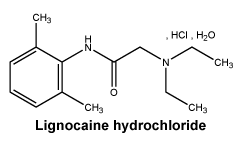
(2) Tetracaine (amethocaine) hydrochloride. Chemical name: 2-(dimethylamino) ethyl 4-(butylamino) benzoate hydrochloride.
Molecular formula: C15H24N2O2.HCl.
Molecular weight: 300.83.
Chemical structure.
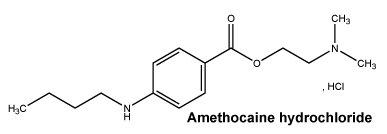
136-47-0 (hydrochloride).
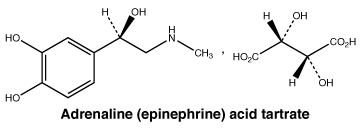
(3) Adrenaline (epinephrine) acid tartrate. Chemical name: 1-(3, 4-dihydroxyphenyl)-2-(methylamino) ethanol.
Molecular formula: C9H13NO3 . C4H6O6.
Molecular weight: 333.3.
Chemical structure.
7 Medicine Schedule (Poisons Standard)
Schedule 4 - Prescription Only Medicine.
Date of First Approval
18 March 2024
Date of Revision
04 February 2026
Summary Table of Changes

References
1. Schilling, C. G., Bank, D. E., Borchert, B. A., Klatzko, M. D., Uden, D. L. (1995). Tetracaine, Epinephrine (Adrenalin), and Cocaine (TAC) Versus Lidocaine, Epinephrine, and Tetracaine (LET) for Anesthesia of Lacerations in Children. Annals of Emergency Medicine, 25 (2), 203-208.
2. Ernst, A. A., Marvez-Valls, E., Nick, T. G., Weiss, S. J. (1995). LAT (Lidocaine-Adrenaline-Tetracaine) Versus TAC (Tetracaine-Adrenaline-Cocaine) for Topical Anesthesia in Face and Scalp Lacerations. Annals of Emergency Medicine, 13 (2), 151-154.
3. Ernst, A. A., Marvez, E., Nick, T. G., Chin, E., Wood, E., Gonzaba, W. T. (1995). Lidocaine Adrenaline Tetracaine Gel Versus Tetracaine Adrenaline Cocaine Gel for Topical Anesthesia in Linear Scalp and Facial Lacerations in Children Aged 5 to 17 Years. Pediatrics, 95 (2), 255-258.
4. Adler, A. J., Dubinisky, I., Eisen, J. (1998). Does the Use of Topical Lidocaine, Epinephrine, and Tetracaine Solution Provide Sufficient Anesthesia for Laceration Repair. Academic Emergency Medicine, 5 (2), 108-112.
5. Harman, S., Zemek, R., Duncan, M.J., Ying, Y., Petrcich, W. (2013). Efficacy of pain control with topical lidocaine-epinephrine-tetracaine during laceration repair with tissue adhesive in children: a randomized controlled trial. CMAJ, 185 (13), 629-634.
6. Resch, K., Schilling, C., Borchert, B. D., Klatzko, M., Uden, D.(1998). Topical Anesthesia for Pediatric Lacerations: A Randomized Trial of Lidocaine-Epinephrine-Tetracaine Solution Versus Gel. Annals of Emergency Medicine, 32 (6), 693697.
7. Priestley, S., Kelly, A. M., Chow, L., Powell, C., Williams, A. (2003). Application of Topical Local Anesthetic at Triage Reduces Treatment Time for Children with Lacerations: A Randomized Controlled Trial. Annals of Emergency Medicine, 42 (1), 34-40.
8. Vandamme, E., Lemoynea, S., van der Gucht, A., de Cocka, P., van de Voorde, P. (2015). LAT gel for laceration repair in the emergency department: not only for children?. European Journal of Emergency Medicine, 24 (1), 55-59.
9. White, N. J., Kim, M. K., Brousseau, D. C., Bergholte, J., Hennes, H. (2004). The Anesthetic Effectiveness of Lidocaine-Adrenaline-Tetracaine Gel on Finger Lacerations. Pediatric Emergency Care, 20 (12), 812-815.
10. Ernst, A. A., Marvez-Valls, E., Nick, T.G., Mills, T., Minvielle, L., Houry, D. (1997). Topical Lidocaine Adrenaline Tetracaine (LAT Gel) Versus Injectable Buffered Lidocaine for Local Anesthesia in Laceration Repair. WJM, 167 (2), 79-81.
11. Lea, J. MH., Laxmikantha, N., Ong, M. EH., Wong, E., Wee, J. CP. (2013). Comparing lignocaine-adrenaline-tetracaine gel with lignocaine infiltration for anesthesia during repair of lacerations: A randomized trial. World J Emerg Med, 4 (4), 281-284.
12. O'Connor, G., Mullarkey, C. (2010). Topical anaesthesia in children: reducing the need for specialty referral. European Journal of Emergency Medicine, 17, 97-100.
13. Siembieda, J., Heyming, T., Padlipsky, P., Young, K. D. (2022). Triple Versus Single Application of Lidocaine, Epinephrine, and Tetracaine for Laceration Repair in Children. Pediatric Emergency Care, 38 (2), 472-474.
Reasonable care is taken to provide accurate information at the time of creation. This information is not intended as a substitute for medical advice and should not be exclusively relied on to manage or diagnose a medical condition. The Australian Commission on Safety and Quality in Health Care disclaims all liability (including for negligence) for any loss, damage, injury or any other negative effects resulting from reliance on or use of this information. Read our full disclaimer. This website uses cookies. Read our privacy policy.