
Loette (New Formulation)
Brand Information
| Brand name | Loette (New Formulation) |
| Active ingredient | Levonorgestrel + Ethinylestradiol |
| Schedule | S4 |
Consumer Medicine Information (CMI) leaflet
Please read this leaflet carefully before you start using the Loette (New Formulation).
Summary CMI
LOETTE®
Consumer Medicine Information (CMI) summary
The full CMI on the next page has more details. If you are worried about using this medicine, speak to your doctor or pharmacist.
1. Why am I using LOETTE?
LOETTE contains the active ingredients ethinylestradiol and levonorgestrel. LOETTE is used to prevent pregnancy. LOETTE is also used in the treatment of uncontrolled acne in women who accept contraception. For more information, see Section 1. Why am I using LOETTE? in the full CMI.
2. What should I know before I use LOETTE?
Do not use if you have ever had an allergic reaction to ethinylestradiol or levonorgestrel, or any other similar oral contraceptives, or any of the ingredients listed in Section 7. Product Details in the full CMI. Do not use LOETTE if you have or have had thromboembolism/disease in any blood vessels or liver disease. Talk to your doctor if you have any other medical conditions, take any other medicines, or are pregnant or plan to become pregnant or are breastfeeding. For more information, see Section 2. What should I know before I use LOETTE? in the full CMI.
3. What if I am taking other medicines?
Some medicines may interact with LOETTE and affect how it works.
A list of these medicines is in Section 3. What if I am taking other medicines? in the full CMI.
4. How do I use LOETTE?
Take one tablet at the same time every day, regardless of how often you have sex. It is very important to follow the instructions provided in full CMI for the medicine to work.
See the full CMI Section 4. How do I use LOETTE? for instructions on how to start taking LOETTE for the first time or how to change to LOETTE from a different contraceptive and other additional instructions.
5. What should I know while using LOETTE?
| Things you should do |
|
| Things you should not do |
|
| Driving or using machines |
|
| Looking after your medicine |
|
For more information, see Section 5. What should I know while using LOETTE? in the full CMI.
6. Are there any side effects?
Common side effects include changes to your bleeding patterns, painful periods, breast tenderness, changes in sex drive, nausea or vomiting, abdominal pain, cramps or bloating, changes to your mood, headaches, weight changes, swelling of the hands, ankles or feet, acne, loss of scalp hair, increase in body hair. More serious side effects include blood clots, worsening or new onset of migraines/headaches, jaundice (yellowing of skin or eyes), significant rise in blood pressure, worsening of existing conditions, e.g. epileptic seizures.
For full list of side effects and further information, including what to do if you have any side effects, see Section 6. Are there any side effects? in the full CMI.
Full CMI
LOETTE®
Active ingredient(s): ethinylestradiol and levonorgestrel
Consumer Medicine Information (CMI)
This leaflet provides important information about using LOETTE. You should also speak to your doctor or pharmacist if you would like further information or if you have any concerns or questions about using LOETTE.
Where to find information in this leaflet:
1. Why am I using LOETTE?
2. What should I know before I use LOETTE?
3. What if I am taking other medicines?
4. How do I use LOETTE?
5. What should I know while using LOETTE?
6. Are there any side effects?
7. Product details
1. Why am I using LOETTE?
LOETTE contains the active ingredients ethinylestradiol and levonorgestrel. LOETTE is a combined oral contraceptive, commonly known as a "birth control pill" or "the Pill".
LOETTE is used to prevent you from becoming pregnant in several ways, if taken correctly:
- By preventing ovulation (the release of an egg from the ovary) during each menstrual cycle.
- It changes the cervical mucus consistency making it difficult for the sperm to reach the egg.
- It changes the lining of the uterus making it less suitable for implantation.
LOETTE is also used to treat moderate acne in women when this has not improved with acne treatments applied to the skin and who are also willing to be on a contraceptive.
Your doctor may have prescribed LOETTE for another reason.
Ask your doctor if you have any questions about why LOETTE has been prescribed for you.
2. What should I know before I use LOETTE?
Warnings
Do not use LOETTE if:
- You are allergic to ethinylestradiol or levonorgestrel, or any other similar medicines (such as other oral contraceptives) or any of the ingredients listed at the end of this leaflet.
Some of the symptoms of an allergic reaction may include:
- Shortness of breath
- Wheezing or difficulty breathing
- Swelling of the face, lips, tongue or other parts of the body
- Rash, itching or hives on the skin.
Always check the ingredients to make sure you can use this medicine.
- You have, or have had any of the following medical conditions:
- Venous thromboembolism (VTE) and are on medicines called anticoagulants which are used to "thin the blood"
- Hereditary or acquired disposition of VTE
- Multiple risk factors for VTE including obesity, age above 35 years, smoking, high cholesterol
- Blood clots or a history of blood clots in legs (deep vein thrombosis (DVT)), or lungs (pulmonary embolism (PE)) or eyes and you are currently taking an anticoagulant medicine
- Major surgery and have been confined to bed for long periods of time
- Arterial thromboembolism (ATE) or past history of these that include:
- Stroke
- Angina
- Transient ischaemic attack or "mini stroke" - Hereditary or acquired disposition for ATE
- History of migraine, accompanied by blurred vision, difficulty in speaking, muscle weakness, or increased sensitivity to light, sound, or noise
- Multiple risk factors for ATE or a serious risk factor for ATE that include:
- Uncontrolled high blood pressure
- Diabetes with blood vessel damage
- Severe lipid disease (high levels of fatty substances in the blood)
- Sickle cell anaemia - Disease in any blood vessel(s)
- Inflammation of the pancreas which is associated with very high blood levels of triglycerides (fatty substances).
- Liver disease (including tumours of any type), yellowing of the whites of the eyes or of the skin (jaundice) or a history of jaundice or cholestatic jaundice of pregnancy, or severe generalised itch in the body during pregnancy, Dubin-Johnson Syndrome or Rotor Syndrome.
- Unexplained vaginal bleeding
- Cancer or suspected cancer of the breast or sex organs (e.g. cervix, vagina, ovaries, endometrium, womb) and known or suspected estrogen-dependent tumours.
- A family history of breast nodules, fibrocystic disease or have had an abnormal mammograph.
- You are pregnant or you think you are pregnant. Pregnancy must be excluded before you start taking LOETTE.
- You are taking anti-viral hepatitis C virus (HCV) medicinal products such as those containing ombitasvir, paritaprevir, ritonavir and dasabuvir with or without ribavirin.
If you are not sure about your anti-HCV medication, tell your doctor.
- You have already experienced menopause.
If you are not certain whether these may apply to you, or you are worried by anything in this list, tell your doctor.
Medical Check-ups
- Before you start to take LOETTE, you must have a thorough medical check-up, including a Pap smear, breast check, blood pressure check and urine test.
Check with your doctor if you:
- Take any medicines for any other condition
- Have any other medical conditions or health problems, such as:
- Heart disease including heart valve disorders or certain heart rhythm disorders
- High blood pressure, a history of high blood pressure or high blood pressure during pregnancy
- High cholesterol
- Hepatitis C
- Diabetes
- Migraine or other headaches
- Hyperhomocysteinemia
- Breast lumps, abnormal breast X-ray or mammogram
- Gallbladder disease
- Kidney disease
- Yellowing of the whites of the eyes or skin (jaundice) during pregnancy or during previous oral contraceptive use
- The hearing problem known as otosclerosis
- A history of a skin condition called herpes gestationis found in pregnant women and not caused by the herpes virus
- Multiple sclerosis
- Epilepsy
- Depression
- Asthma
- Fibroids
- Hereditary angioedema (swelling of the face, lips, mouth, tongue or throat).
If you have any of these conditions, you should have regular check-ups with your doctor to make sure that taking LOETTE is not making the conditions worse. - Are older than 35 years of age or are overweight.
- Are intolerant to some sugars, or your doctor has told you so. LOETTE contains lactose.
- Are allergic to any foods, dyes, preservatives or any other medicines.
During treatment, you may be at risk of developing certain side effects. It is important you understand these risks and how to monitor for them. See additional information under Section 6. Are there any side effects?
Pregnancy and breastfeeding
Check with your doctor if you are pregnant or intend to become pregnant.
Talk to your doctor if you are breastfeeding or intend to breastfeed.
Your doctor can discuss the risks and benefits involved with you.
Blood clots
- You must tell your doctor if you or anyone in your immediate family has or has had blood clots in the legs or lungs.
- Blood clots are a rare occurrence when taking an oral contraceptive.
- The risk of a blood clot is highest during the first year of taking an oral contraceptive for the first time or if you are re-starting the "pill" after a break of 4 weeks or more.
- The risk of having a blood clot is higher in oral contraceptive users than in non-users but is not as high as during pregnancy.
Tell your doctor about any of the following conditions as these are risk factors for developing blood clots:
- Cancer
- Systemic lupus erythematosus (SLE)
- Haemolytic uraemic syndrome (HUS) - a disorder of blood coagulation causing failure of the kidneys)
- Crohn's disease or ulcerative colitis (chronic inflammatory bowel disease)
- Sickle cell disease
- Smoking particularly if you are heavy smoker (15 or more cigarettes per day) and are aged over 35 years
- Have had any recent surgery or trauma
- Recently had a baby
- Lost a baby in the second trimester
- Are pregnant
- Had major surgery and have been confined to bed for long periods of time
- Also tell your doctor if you are planning a long haul plane flight (greater than 4 hours).
Stroke
- You must tell your doctor if you or anyone in your immediate family has or has had a stroke or heart attack.
- Taking oral contraceptives is linked with an increased risk of having a heart attack, angina, stroke or a "mini stroke".
3. What if I am taking other medicines?
Tell your doctor or pharmacist if you are taking any other medicines, including all prescription medicines and any medicines, vitamins or supplements that you buy without a prescription from your pharmacy, supermarket or health food shop.
Some medicines may interact with LOETTE and affect how well it or the other medicine works. This may lead to unwanted side effects, reduce the effect of LOETTE and/or the other medicine.
These medicines include:
- Atorvastatin used to treat high cholesterol
- Indinavir for the treatment of HIV infection
- Anti-fungal medicines such as itraconazole and fluconazole
- Paracetamol
- Ascorbic acid (Vitamin C)
- Ciclosporin used to prevent organ rejection
- Theophyllines used for asthma and other breathing difficulties
- Corticosteroids
- Lamotrigine for seizures.
If you have not told your doctor or pharmacist about any of the above, tell them before you start taking LOETTE.
Your doctor and pharmacist have more information on medicines to be careful with or avoid while you are taking this medicine.
Medicines that may reduce the effect of LOETTE include:
- Anti-viral hepatitis C virus (HCV) medicines such as ombitasvir, paritaprevir, ritonavir and dasabuvir
- Rifampicin and rifabutin for the treatment of infections such as tuberculosis
- Antibiotics such as ampicillin, other penicillins and tetracyclines
- Anti-fungal agents such as griseofulvin
- Barbiturates (medicines prescribed for epilepsy, such as phenobarbital)
- Medicines for epilepsy such as phenytoin, primidone, carbamazepine and topiramate
- Ritonavir for the treatment of HIV infection
- Modafinil used to treat excessive daytime sleepiness
- Corticosteroids such as dexamethasone
- St John's wort, an ingredient found in medicines you can purchase without a prescription from a pharmacy, supermarket or health food shop.
While you are taking these medicines, and for seven days after stopping them, you must use a non-hormonal method of contraception (such as condoms or a diaphragm, but not the rhythm or temperature methods).
If the seven days extend into the inactive white tablet section, then you should start a new pack on the next day after having taken the last pink active tablet from the current pack. Skip the 7 white tablets.
This is particularly important if you need to take antibiotics or medicines for epilepsy.
If you take rifampicin and some other medicines, you may need to use additional non-hormonal contraception for four weeks after finishing the course of treatment.
Ask your doctor or pharmacist about how long you need to use additional non-hormonal contraception.
Check with your doctor or pharmacist if you are not sure about what medicines, vitamins or supplements you are taking and if these affect LOETTE.
4. How do I use LOETTE?
Follow all directions given to you by your doctor or pharmacist carefully. They may differ from the information contained in this leaflet.
If you do not understand the instructions on the box, ask your doctor or pharmacist for help.
How to take LOETTE
- Swallow the tablet whole with a full glass of water.
How much to take
- Take one tablet every day.
- Follow the instructions provided and use LOETTE until your doctor tells you to stop.
When to take LOETTE
- LOETTE should be taken at the same time every day regardless of how often you have sex.
- LOETTE will work best if you do not miss any tablets and take it at the same time each day. Taking LOETTE at the same time each day will also help you remember when to take your tablets.
- It does not matter if you take LOETTE before or after food.
- If you are concerned about this, please speak to your doctor or pharmacist.
How long to take it
Continue taking your medicine for as long as your doctor tells you.
For contraception:
Your doctor may prescribe LOETTE for long periods, until you no longer need or want contraception.
For the treatment of acne:
Your doctor will advise how long to take LOETTE for the treatment of acne.
How to start taking hormonal contraceptive for the first time
- To begin LOETTE, take your first tablet on the first day of your next period, that is, the day your bleeding starts.
- Take a pink tablet that matches the day of the week from the pink shaded section of the blister pack. For example if your period commences on a Friday, then take a pink tablet marked Friday.
- Continue to take one pink tablet every day, following the arrows around the strip, until you finish all 21 pink tablets.
- Then take one white tablet daily for the next 7 days, following the arrows so that you are taking the correct tablet for the day of the week. Taking these white tablets helps you to remember to take a tablet every day.
- You can expect your period during the week that you are taking these white inactive tablets. Your protection continues during this week.
LOETTE is effective from the first day of use if begun as instructed. If you started to take the pink tablets on days 2-7 of period, a non-hormonal method of contraception (such as condoms or a diaphragm, but not the rhythm or temperature methods) is recommended for the first 7 days.
If you do not have a period while you are taking the white tablets, and there is any chance that you have not followed all the instructions in this leaflet, contact your doctor to check if you are pregnant.
Going on to further blister packs
- On the day after your last white tablet, begin the next pack with a pink tablet from the pink shaded section of the blister pack that matches the day of the week. Do this even if you are still bleeding.
- You should start your tablets the same day of the week every 4 weeks. Repeat this sequence of tablet taking for as long as birth control is required.
- Although spotting and break-through bleeding may occur in some women, these tend to disappear in the majority of patients after the first three to four cycles.
- Make sure you always have a new strip of tablets available, so that you can continue to take the tablets without interruption.
- If you start taking your new pack late, you must also use an additional non-hormonal method of contraception (such as condoms or a diaphragm, but not the rhythm or temperature methods) until a pink tablet has been taken daily for 7 days without a break.
How to switch to LOETTE from a different oral contraceptive
Switching from a different combined oral contraceptive:
When changing from a different combined oral contraceptive to LOETTE, it is important to follow the instructions below carefully.
Loette works best if you do not miss any tablets and take it at the same time each day.
Follow these steps if your current oral contraceptive contains an estrogen and a progestogen:
- Stop taking your current oral contraceptive after you have taken the last active tablet in the strip. If your current oral contraceptive pack also contains inactive or reminder tablets, do not take them.
- Start the new LOETTE pack on the next day by taking a pink active tablet from the top row which corresponds to the day of the week.
- Continue to take one tablet every day, following the arrows around the strip until you finish all 21 pink tablets in the pink shaded section of the strip.
- Then take one white tablet daily for the next 7 days, before starting your new strip.
- You will have a 'withdrawal' bleed, similar to having a period, during the week of white tablets.
You must use an additional, non-hormonal method of contraception (such as condoms or a diaphragm, but not the rhythm or temperature methods) until a pink tablet has been taken daily for 7 days without a break.
If you do not have a period while you are taking the white tablets, and there is any chance that you have not followed all the instructions in this leaflet, contact your doctor to check if you are pregnant.
Switching from a progestogen-only contraceptive:
You can stop taking a progestogen-only contraceptive tablet any day and start taking LOETTE the next day, at the same time.
If you have been using a progestogen implant, start taking LOETTE on the day the implant is removed.
If you have been using a progestogen injection, start taking LOETTE when your next injection would be due.
In all cases start LOETTE by taking a pink tablet from the pink shaded section that matches the day of the week.
You must also use an additional non-hormonal method of contraception (such as condoms or a diaphragm, but not the rhythm or temperature methods) until a pink tablet has been taken daily for 7 days without a break.
If you forget to use LOETTE
LOETTE should be used regularly at the same time each day. If you miss your dose at the usual time, it may not work as well in protecting you from becoming pregnant.
Do not take a double dose to make up for the dose you missed.
If you miss a pink active tablet:
- If you are less than 12 hours late in taking your tablet, you should take that tablet immediately and then take the next one at your usual time, even if this means taking two tablets in one day.
- If you are more than 12 hours late in taking your tablet, do not take it. Take the next day's tablet at the usual time and use an additional, non-hormonal method of contraception for the next seven days (such as condoms or a diaphragm, but not the rhythm or temperature methods).
- If you come to the end of the pink tablets during the 7 days after a missed tablet, start the next pack straight away. Skip the 7 white tablets.
If you miss more than one pink tablet, contact your doctor for advice on what to do.
If you miss a white inactive tablet, take it as soon as you remember and continue on as before. Additional birth control method is not necessary in this case.
However, if you miss white tablets and then forget to start the next pack on time, start as soon as you remember by taking a pink tablet that matches the day of the week from the pink shaded section. You must also use an additional non-hormonal method of contraception (such as condoms or a diaphragm but not the rhythm or temperature methods) until a pink tablet has been taken daily for 7 days without a break.
If your doctor told you to take LOETTE differently, or you are unclear about the above directions, discuss this with them.
If you have trouble remembering to take LOETTE, ask your pharmacist for some hints.
If you wish to delay a period
- After you have finished the last pink tablet in your pack, skip the 7 white tablets.
- Start the next pack the following day by taking a pink tablet from the pink shaded section, which matches the day of the week.
- Then take one pink tablet each day, following the arrows so that you are taking the correct tablet for the day of the week until all 21 pink tablets have been taken.
- Then take one white tablet each day for the next 7 days.
Whilst taking the second pack you may have some breakthrough bleeding or spotting. You will not have a 'withdrawal bleed' or period until the end of the second pack when the white tablets are taken.
If you vomit or have diarrhoea while taking LOETTE
If you suffer from a stomach upset which results in vomiting or diarrhoea, the effectiveness of LOETTE may be reduced. The pink tablets may not have time to be absorbed properly and may not protect you from becoming pregnant. If vomiting or diarrhoea occurs within 3 to 4 hours after taking a pink tablet, you must take an extra pink tablet from a back-up pack.
During any period of vomiting or diarrhoea, continue taking LOETTE tablets. Also use a non-hormonal method of contraception (such as condoms or a diaphragm, but not the rhythm or temperature methods), and continue for seven days following the episode of vomiting or diarrhoea. If these seven days extend into the inactive white tablet section, you should start a new pack on the next day after having taken the last active pink tablet from the current pack (i.e. skip the 7 white inactive tablets).
You may not have a period until you finish the second pack.
If you have vomiting or diarrhoea after taking a white tablet, do not worry.
If you take too much LOETTE
If you think that you have taken too much LOETTE, you may need urgent medical attention.
You should immediately:
- phone the Poisons Information Centre
(by calling 13 11 26), or - contact your doctor, or
- go to the Emergency Department at your nearest hospital.
You should do this even if there are no signs of discomfort or poisoning.
Symptoms of an overdose may include:
- Feeling sick or vomiting,
- Dizziness
- Feeling sleepy or tired
- Women may also experience menstrual bleeding.
Serious ill effects have not been reported in young children who have taken large doses of birth control pills.
5. What should I know while using LOETTE?
Things you should do
- Tell all doctors, dentists and pharmacists who are treating you that you are taking LOETTE.
- Tell the hospital doctor that you are taking LOETTE birth control pills if you need to have an operation, or go to hospital in an emergency.
- If you are about to be started on any new medicine, tell your doctor or dentist and your pharmacist that you are taking LOETTE.
- If you become pregnant while taking LOETTE, see your doctor immediately.
- If you are about to have any blood tests, tell your doctor you are taking LOETTE. It may interfere with the results of some tests.
- Tell your doctor you are taking LOETTE at least 4 weeks before any planned hospitalisation or surgery.
Your doctor may tell you to stop taking LOETTE several weeks before surgery or at the time of immobilisation. Your doctor will tell you when you can start taking LOETTE after you are back on your feet.
To avoid pregnancy during this time you must use a non-hormonal method of contraception such as condoms or a diaphragm.
Missed periods
- If you miss a period and you have taken your tablets correctly, continue taking your tablets as you would normally.
- Sometimes you might not have a menstrual period while taking LOETTE.
- If you miss a period and you have not taken your tablets correctly, keep taking your tablets and see your doctor immediately.
Not taking your tablets correctly includes missing one or more tablets or starting a new pack later than you should have. - If you miss two menstrual periods, stop taking your tablets and see your doctor, even if you have taken the tablets correctly. You must use a non-hormonal method of contraception, (such as condoms or a diaphragm) during this time.
- Your doctor should make sure you are not pregnant before you start taking LOETTE again.
Medical Check Up
- Visit your doctor regularly for check-ups and physical examinations, including Pap smears, blood pressure checks and breast, abdomen and pelvic organ examinations. Oral contraceptives should not be prescribed for longer than one year without your doctor carrying out a check-up.
- A pap smear can detect any abnormal cells from the cervix, which may develop into cancer. Cervical cancer has been reported to occur more frequently in women who use oral contraceptives for a long time.
- Your doctor will advise you of the type and frequency of any tests required.
Breast cancer risk
- Perform regular breast self-examination
- Examining your breasts for lumps or any changes in size or shape can help you find a breast cancer early. Breast cancer has been found slightly more frequently in women who use oral contraceptives. It is not known whether this increase is caused by the use of oral contraceptives, or if it is due to the fact that users were examined more often, and therefore the breast cancer was detected earlier.
- If you are unsure, ask your doctor about breast self-examination.
Sexually transmitted disease (STD)
- If you are worried about contracting a sexually transmitted disease (STD) use a barrier contraceptive method.
- LOETTE does not protect against the transmission of STDs such as HIV-AIDS, chlamydia, genital herpes and warts, gonorrhoea, hepatitis B, human papilloma virus or syphilis. To protect against STDs ask your partner to wear a condom when having sexual intercourse with you.
Things you should not do
- Do not take LOETTE if the packaging is torn or shows signs of tampering.
- If it is expired or is damaged, return it to your pharmacist for disposal.
LOETTE may have no effect at all, or worse, have an entirely unexpected effect, if you take it after the expiry date. - Do not take LOETTE to treat any other complaints unless your doctor tells you to.
- Do not give your medicine to anyone else even if they have the same condition as you.
- Do not stop taking LOETTE, or change the dosage, without checking with your doctor.
- If you stop taking LOETTE or do not take a tablet every day, without using another form of contraception, you may become pregnant.
Driving or using machines
Be careful before you drive or use any machines or tools until you know how LOETTE affects you.
Drinking alcohol
No information available.
Looking after your medicine
- Keep your LOETTE tablets in a dry place, at a temperature below 25°C.
- Do not keep your tablets in the refrigerator.
Follow the instructions in the carton on how to take care of your medicine properly.
Store it in a cool dry place away from moisture, heat or sunlight; for example, do not store it:
- in the bathroom or near a sink, or
- in the car or on window sills.
Do not use this medicine after the expiry date.
Keep it where young children cannot reach it.
- A locked cupboard at least one-and-a-half metres above the ground is a good place to store medicines.
After stopping LOETTE
If your periods do not return within 2 to 3 months of stopping LOETTE tell your doctor.
Delays in becoming pregnant may occur after LOETTE therapy is stopped. This is more likely to occur in women whose periods were irregular before using birth control pills.
Ask your doctor or pharmacist for advice about taking folic acid if you plan to become pregnant.
See your doctor if you continue to experience difficulties in falling pregnant.
When to discard your medicine
If your doctor tells you to stop taking LOETTE or if the tablets have passed their expiry date, ask your pharmacist what to do with any that are left over.
Getting rid of any unwanted medicine
If you no longer need to use this medicine or it is out of date, take it to any pharmacy for safe disposal.
6. Are there any side effects?
All medicines can have side effects. If you do experience any side effects, most of them are minor and temporary. However, some side effects may need medical attention.
See the information below and, if you need to, ask your doctor or pharmacist if you have any further questions about side effects.
Side effects
| Side effects | What to do |
Reproductive or breast problems:
| Speak to your doctor if you have any of these side effects and they worry you. |
Serious side effects
| Serious side effects | What to do |
Worsening of your existing conditions such as:
| Call your doctor straight away, or go straight to the Emergency Department at your nearest hospital if you notice any of these serious side effects. You may need urgent medical attention or hospitalisation. |
Tell your doctor or pharmacist if you notice anything else that may be making you feel unwell.
Other side effects not listed here may occur in some people.
Reporting side effects
After you have received medical advice for any side effects you experience, you can report side effects to the Therapeutic Goods Administration online at www.tga.gov.au/reporting-problems. By reporting side effects, you can help provide more information on the safety of this medicine.
Always make sure you speak to your doctor or pharmacist before you decide to stop taking any of your medicines.
7. Product details
This medicine is only available with a doctor's prescription.
What LOETTE contains
| Active ingredient (main ingredient) | Each pink active tablet contains:
|
| Other ingredients (inactive ingredients) | The pink active tablets also contain:
The white inactive tablets contain:
|
Do not take this medicine if you are allergic to any of these ingredients.
LOETTE contains lactose.
LOETTE does not contain gluten, tartrazine or any other azo dyes.
What LOETTE looks like
LOETTE is available in a 4-week sample pack containing one blister and a 12-week box containing 3 blister packs. Each blister pack contains 21 pink hormone tablets and 7 white nonhormonal tablets. The blister pack is marked with days of the week next to each tablet.
(AUST R 296338)
Who distributes LOETTE
Pfizer Australia Pty Ltd
Sydney NSW
Toll Free Number: 1800 675 229
www.pfizermedicalinformation.com.au
This leaflet was prepared in July 2025.
Brand Information
| Brand name | Loette (New Formulation) |
| Active ingredient | Levonorgestrel + Ethinylestradiol |
| Schedule | S4 |
MIMS Revision Date: 01 January 2021
1 Name of Medicine
Levonorgestrel and ethinylestradiol.
2 Qualitative and Quantitative Composition
Each pink tablet contains levonorgestrel 100 microgram and ethinylestradiol 20 microgram.
Each white tablet contains no active ingredients.
Excipients with known effect. Lactose monohydrate.
For the full list of excipients, see Section 6.1 List of Excipients.
3 Pharmaceutical Form
Tablet.
Each blister contains 21 pink active tablets and 7 white inactive tablets.
Pink tablet. Round, pink, biconvex, film coated tablets with "W" debossed on one side and "912" debossed on the other side.
White tablets. White film-coated round tablet with convex faces.
4 Clinical Particulars
4.1 Therapeutic Indications
Loette is indicated for:
The prevention of pregnancy.
The treatment of moderate acne vulgaris not controlled with topical preparations in post-menarchal, pre-menopausal women who accept contraception.
4.2 Dose and Method of Administration
How to take Loette. Each package of Loette contains 21 active pink tablets and 7 white inactive tablets.
To achieve maximum contraceptive effectiveness, Loette must be administered as directed and at the same time every day, at intervals not exceeding 24 hours. The recommended dose for the prevention of pregnancy and the treatment of acne is the same.
Where poor compliance is a concern, an oral contraceptive with higher levels of estrogens and progestogens should be considered (see Section 5.1 Pharmacodynamic Properties, Clinical trials).
How to start Loette. No preceding hormonal contraceptive use (in the past month). On the first day of the menstrual cycle, i.e. the first day of bleeding, the woman is instructed to take a pink active tablet corresponding to that day of the week from the pink shaded section of the Loette pack. Thereafter, one pink active tablet is taken daily, following the arrows marked on the package, until all 21 pink active tablets have been taken. The woman is then instructed to take one white inactive tablet daily for the next seven days following the arrows marked on the Loette pack. Withdrawal bleeding should usually occur within 2 to 4 days after the last pink active tablet is taken.
Loette is effective for contraception from the first day of therapy if the tablets are begun on day 1 as described. If starting on days 2-7 of menstrual bleeding, a backup method of contraception is recommended for the first 7 days of tablet taking.
The backup method of contraception must be an additional non-hormonal barrier method such as condoms or a diaphragm with a spermicide. Backup contraception does not include the rhythm or temperature methods.
The next and all subsequent courses of Loette will begin on the day after the last package was completed, even if withdrawal bleeding is still in progress. Each course of Loette is thus begun on the same day of the week as the first course.
Any time a new cycle of Loette is started later than the eighth day after discontinuation of the pink active tablet, the woman should use a backup method of contraception (other than the rhythm or temperature methods), until an active pink tablet has been taken for 7 consecutive days.
Missed withdrawal bleed. If withdrawal bleeding does not occur and Loette has been taken according to directions, and conditions possibly impairing contraceptive effectiveness (see Section 4.4 Special Warnings and Precautions for Use, Vomiting and/or diarrhoea; Section 4.5 Interactions with Other Medicines and Other Forms of Interactions) can be ruled out, it is unlikely that the woman has conceived. She should be instructed to begin a second course of Loette on the usual day. If bleeding does not occur at the end of this second cycle, Loette should not be taken until diagnostic procedures to exclude the possibility of pregnancy have been performed.
If the woman has not adhered to the prescribed regimen (missed one or more tablets or started taking them on a day later than recommended), the probability of pregnancy should be considered at the time of the first missed period before Loette is resumed.
Changing from another combined oral contraceptive. The woman is advised to take the first pink Loette tablet from the pink shaded section, which corresponds to the day of the week on the day after the last active tablet from her previous oral contraceptive. However, the woman can also begin Loette on any day during the tablet free or inactive tablet interval of her previous combined oral contraceptive.
During the first Loette cycle, a non-hormonal backup method of contraception (other than the rhythm or temperature methods) should be used until one active tablet has been taken daily for 7 consecutive days. When changing to Loette a woman should be reminded about the importance of compliance in order to maximise contraceptive efficacy (see Section 5.1 Pharmacodynamic Properties, Clinical trials).
If transient spotting or breakthrough bleeding occurs, the woman is instructed to continue the regimen since such bleeding is usually without significance. If the bleeding is persistent or prolonged, the woman is advised to consult her physician.
Changing from a progestogen only method (progestogen only tablets, injection, implant). The woman may switch any day from progestogen-only tablets and should begin Loette the next day. She should start Loette on the day of an implant removal or, if using an injection, on the day the next injection would be due. In all of these situations, the woman should be advised to use a non-hormonal backup method of contraception (other than the rhythm or temperature methods) until one active tablet has been taken daily for 7 consecutive days.
How to delay a withdrawal bleed. To delay a withdrawal bleed the woman should discard the inactive white tablets from the current pack and start the next pack on the day following the intake of the last pink tablet from the current pack. The extension can be carried on for as long as wished until the end of the second pack, when the white tablets are taken. During the extension the woman may experience breakthrough bleeding or spotting. Regular intake of Loette is then resumed with the next pack.
Following first trimester abortion. The woman may start Loette immediately. Additional contraceptive measures are not needed.
Following delivery or second trimester abortion. Since the immediate postpartum period is associated with an increased risk of thromboembolism, Loette should be started no earlier than day 28 after delivery in the non-lactating mother or after second trimester abortion. The woman should be advised to additionally use a backup method of contraception (other than the rhythm or temperature methods) until one active tablet has been taken daily 7 consecutive days. However, if intercourse has already occurred, pregnancy should be excluded before the actual start of Loette use or the woman has to wait for her first menstrual withdrawal bleed (see Section 4.4 Special Warnings and Precautions for Use, Venous thrombosis and thromboembolism; Section 4.6 Fertility, Pregnancy and Lactation, Use in pregnancy, Use in lactation).
Management of missed tablets. Contraceptive efficacy may be reduced if tablets are missed and particularly if the missed tablets extend the inactive tablet interval. If tablets were missed in the first week of the cycle and intercourse took place in the week before the tablets were missed, the possibility of a pregnancy should be considered.
If one active pink is missed, but is less than 12 hours late, it should be taken as soon as it is remembered. Subsequent tablets should be taken at the usual time.
If one active pink tablet is missed and is more than 12 hours late or if more than one active tablet is missed contraceptive protection may be reduced. The last missed pink tablet should be taken as soon as it is remembered, even if this means taking two active pink tablets in one day. Any earlier missed tablets should be discarded. The woman should then continue to take tablets at her usual time. In addition, a non-hormonal backup method of contraception (other than the rhythm or temperature methods) should be used until one active tablet has been taken daily for 7 consecutive days.
If the 7 days where backup is required run beyond the last active pink tablet in the current pack, the next pack must be started on the day following the intake of the last pink tablet in the current pack. All inactive (white) tablets should be discarded. This prevents an extended break in the active tablet taking that may increase the risk of escape ovulation. The woman is unlikely to have a withdrawal bleed until the inactive tablet interval of the second pack, but she may experience spotting or breakthrough bleeding on days when active tablets are taken. If the woman does not have a withdrawal bleed at the end of the second pack, the possibility of pregnancy must be ruled out before resuming tablet taking.
If the woman misses one or more white inactive tablets, she will still be protected against pregnancy provided she begins the pink active tablets on the appropriate day.
Vomiting or diarrhoea. If vomiting or diarrhoea occurs during or shortly after the intake of Loette, contraceptive reliability may be jeopardised. If vomiting or diarrhoea occurs within 3 to 4 hours after tablet taking, absorption may not be complete. In such an event, the advice concerning Management of missed tablets is applicable. The woman must take the extra active tablet(s) needed from a backup pack.
4.3 Contraindications
Loette should not be used in the presence of any of the conditions listed below. Should any of the conditions appear for the first time during Loette use, the product should be stopped immediately.
Presence or risk of venous thromboembolism (VTE) (see Section 4.4 Special Warnings and Precautions for Use):
a history of or current deep-vein thrombosis or thromboembolic disorders;
known hereditary or acquired predisposition for venous thromboembolism, such as APC-resistance (including factor V Leiden), antithrombin-III deficiency, protein C deficiency, protein S deficiency;
major surgery with prolonged immobilisation;
a high risk of venous thromboembolism due to the presence of multiple risk factors.
Presence or risk of arterial thromboembolism (ATE) (see Section 4.4 Special Warnings and Precautions for Use):
current ATE or history of ATE (e.g. myocardial infarction or stroke) or prodromal condition (e.g. angina pectoris or transient ischaemic attack [TIA]) or thrombogenic valvulopathies or thrombogenic rhythm disorders;
known hereditary or acquired predisposition for arterial thromboembolism, such as hyperhomocysteinaemia and antiphospholipid-antibodies (e.g. anticardiolipin antibodies and lupus anticoagulant);
headaches with focal neurological symptoms (such as aura) including hemiplegic migraine;
a high risk of arterial thromboembolism due to multiple risk factors or to the presence of one serious risk factor such as: diabetes mellitus with vascular symptoms, uncontrolled hypertension, disorders of lipid metabolism, sickle cell anaemia.
Pancreatitis or a history thereof if associated with severe hypertriglyceridemia.
Presence or history of active hepatic disease as long as liver function values have not returned to normal.
Presence or history of liver tumours (benign or malignant).
Idiopathic cholestatic jaundice of pregnancy or jaundice with prior combined oral contraceptive use.
Known or suspected sex steroid influenced malignancies (e.g. of the genital organs or the breasts).
Undiagnosed vaginal bleeding.
Known or suspected pregnancy.
Combined oral contraceptives are contraindicated for concomitant use with certain anti-viral hepatitis C virus (HCV) medicinal products such as ombitasvir, paritaprevir, ritonavir and dasabuvir (see Section 4.4 Special Warnings and Precautions for Use, Hepatic neoplasia/liver disease/hepatitis C; Section 4.5 Interactions with Other Medicines and Other Forms of Interactions).
Hypersensitivity to any of the ingredients contained in Loette.
4.4 Special Warnings and Precautions for Use
The information contained in this document is principally based on studies carried out in women who used oral contraceptives with higher formulations of estrogens and progestogens than those in common use today. The effect of long-term use of the oral contraceptives with lower doses of both estrogens and progestogens remains to be determined.
If any of the conditions/ risk factors mentioned below are present, the benefits of Loette should be weighed against the possible risks for each individual woman and discussed with the woman before she decides to start taking it. In the event of aggravation, exacerbation or first appearance of any of these conditions or risk factors, the woman should contact her doctor. The doctor should then decide whether Loette should be discontinued.
Circulatory disorders. Epidemiological studies have suggested an association between the use of COCs containing ethinylestradiol and an increased risk of venous and arterial thrombotic and thromboembolic events, such as myocardial infarction, stroke, deep venous thrombosis, and pulmonary embolism. These events occur rarely in average-risk women.
For any particular estrogen/ progestogen combination, the dosage regimen prescribed should be one which contains the least amount of estrogen and progestogen that is compatible with a low failure rate and the needs of the individual patient.
Venous thrombosis and thromboembolism. Risk of venous thromboembolism (VTE). The use of any COC increases the risk of VTE compared with no use. The women considering using Loette should be advised that her VTE risk is highest in the first ever year of use and that there is some evidence that the risk is increased when a COC is re-started after a break in use of 4 weeks or more.
The risk of VTE with the COC is greatest for products containing over 50 microgram of ethinylestradiol. There is less risk for products such as Loette containing less than 35 microgram ethinylestradiol.
The decision to use any product other than one with the lowest VTE risk should be taken only after a discussion with the woman to ensure she understands the risk of VTE with COCs, and how her current risk factors influence this risk. (See Table 1.)
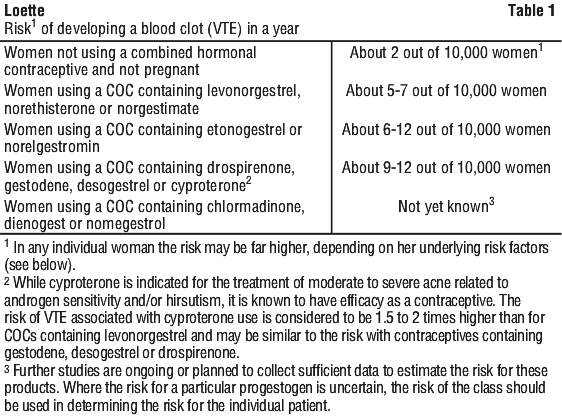
However VTE is a serious condition and may be fatal in 1-2% of cases. Extremely rarely, thrombosis has been reported to occur in COC users in other blood vessels, e.g. hepatic, mesenteric, renal or retinal veins and arteries.
The risk for venous thromboembolic complications in COC users may increase substantially in a woman with additional risk factors, particularly if there are multiple risk factors (see list).
Loette is contraindicated if a woman has multiple risk factors that put her at high risk of venous thrombosis. If a woman has more than one risk factor, it is possible that the increase in risk is greater than the sum of the individual factors - in this case her total risk of VTE should be considered. If the balance of benefits and risks is considered to be negative a COC should not be prescribed.
Risk factors for VTE. The risk of venous thrombotic and thromboembolic events is further increased in women with conditions predisposing for venous thrombosis and thromboembolism. Examples of predisposing conditions for venous thrombosis and thromboembolism are:
Obesity (body mass index over 30 kg/m2). Risk increases substantially as BMI rises.
Prolonged immobilisation, major surgery, any surgery to the legs or pelvis, neurosurgery, or major trauma.
Temporary immobilisation including air travel > 4 hours can also be a risk factor for VTE, particularly in women with other risk factors.
Positive family history (venous thromboembolism ever in a sibling or parent especially at a relatively early age e.g. before 50).
Biochemical factors activated protein C (APC) resistance (including factor V Leiden), antithrombin-III deficiency, protein C deficiency, protein S deficiency.
Other medical conditions associated with VTE: cancer, systemic lupus erythematosus, haemolytic uraemic syndrome, chronic inflammatory bowel disease (e.g. Crohn's disease or ulcerative colitis), sickle cell disease.
Increasing age, particularly above 35 years.
Recent delivery or second trimester abortion.
Smoking.
In women at risk of prolonged immobilisation (including major surgery, any surgery to the legs or pelvis, neurosurgery, or major trauma), it is advisable to discontinue use of Loette (in the case of elective surgery at least four weeks in advance) and not resume until two weeks after complete remobilisation. Another method of contraception should be used to avoid unintentional pregnancy. Antithrombotic treatment should be considered if Loette has not been discontinued in advance.
If a hereditary predisposition to VTE is suspected, the woman should be referred to a specialist for advice before deciding about any COC use.
The increased risk of VTE during the postpartum period should be considered if re-starting Loette.
Since the immediate postpartum period is associated with an increased risk of thromboembolism, combined oral contraceptives should be started no earlier than day 28 after delivery in a non-lactating woman or second trimester abortion.
There is no consensus about the possible role of varicose veins and superficial thrombophlebitis in venous thromboembolism in the onset or progression of venous thrombosis.
Symptoms of VTE (deep vein thrombosis and pulmonary embolism). Women should be informed of the symptoms of VTE and be advised to seek urgent medical attention if VTE symptoms develop and to inform the healthcare professional that she is taking a COC.
Symptoms of deep vein thrombosis (DVT) can include:
unilateral swelling of the leg and/or foot or along a vein in the leg;
pain or tenderness in the leg which may be felt only when standing or walking;
increased warmth in the affected leg; red or discoloured skin on the leg.
Symptoms of pulmonary embolism (PE) can include:
sudden onset of unexplained shortness of breath or rapid breathing;
sudden coughing which may be associated with haemoptysis;
sharp chest pain;
severe light headedness or dizziness;
rapid or irregular heartbeat.
Some of these symptoms (e.g. 'shortness of breath', 'coughing') are non-specific and might be misinterpreted as more common or less severe events (e.g. respiratory tract infections).
Other signs of vascular occlusion can include: sudden pain, swelling and slight blue discoloration of an extremity.
If the occlusion occurs in the eye symptoms can range from painless blurring of vision which can progress to loss of vision. Sometimes loss of vision can occur almost immediately.
Arterial thrombosis and thromboembolism. Risk of arterial thromboembolism (ATE). Epidemiological studies have associated the use of COCs with an increased risk for arterial thrombotic and thromboembolic events (e.g. myocardial infarction, angina pectoris, and cerebrovascular events, such as ischaemic and haemorrhagic ischemic and haemorrhagic stroke or TIA). Arterial thromboembolic events may be fatal.
The risk of arterial thrombotic and thromboembolic complications in COC users further increases in women with risk factors. Loette is contraindicated if a woman has one serious or multiple risk factors for ATE that puts her at high risk of arterial thrombosis. If a woman has more than one risk factor, it is possible that the increase in risk is greater than the sum of the individual factors - in this case her total risk should be considered. If the balance of benefits and risks is considered to be negative a COC should not be prescribed.
Risk factors for ATE. Caution must be exercised when prescribing COCs for women with risk factors for arterial thrombotic and thromboembolic events, such as:
Increasing age, particularly above 35 years.
Smoking.
Hypertension.
Hyperlipidaemias.
Obesity.
Positive family history (arterial thromboembolism ever in a sibling or parent especially at relatively early age e.g. below 50).
Biochemical factors: hyperhomocysteinaemia and antiphospholipid antibodies (e.g. anticardiolipin antibodies, and lupus anticoagulant).
Migraine.
Other medical conditions associated with adverse vascular events: diabetes mellitus, hyperhomocysteinaemia, valvular heart disease, atrial fibrillation, dyslipoproteinaemia, systemic lupus erythematosus, history of pre-eclamptic toxaemia.
Cigarette smoking increases the risk of serious cardiovascular adverse reactions from COC use. This risk increases with age and with the extent of smoking (in epidemiology studies, smoking 15 or more cigarettes per day was associated with a significantly increased risk), and is quite marked in women over 35 years of age. Women should be advised not to smoke if they wish to use a COC. Women over 35 years of age who continue to smoke should be strongly advised to use a different method of contraception. If a hereditary predisposition is suspected, the woman should be referred to a specialist for advice before deciding about any COC use.
The onset or exacerbation of migraine or development of headache of a new pattern that is recurrent, persistent, or severe, requires discontinuation of the medicine and evaluation of the cause. Women with migraine (particularly migraine with aura) who take combined oral contraceptives may be at increased risk of stroke.
Symptoms of ATE. Women should be informed of the symptoms of ATE and be advised to seek urgent medical attention if ATE symptoms develop and to inform the healthcare professional that she is taking a COC.
Symptoms of a stroke can include:
sudden numbness or weakness of the face, arm or leg, especially on one side of the body;
sudden trouble walking, dizziness, loss of balance or coordination;
sudden confusion, trouble speaking or understanding;
sudden trouble seeing in one or both eyes;
sudden, severe or prolonged headache with no known cause;
loss of consciousness or fainting with or without seizure.
Temporary symptoms suggest the event is a transient ischaemic attack (TIA).
Symptoms of myocardial infarction (MI) can include:
pain, discomfort, pressure, heaviness, sensation of squeezing or fullness in the chest, arm, or below the breastbone;
discomfort radiating to the back, jaw, throat, arm, stomach;
feeling of being full, having indigestion or choking;
sweating, nausea, vomiting or dizziness;
extreme weakness, anxiety, or shortness of breath;
rapid or irregular heartbeats.
Medical examination/consultation. A complete medical history and physical examination should be taken prior to the initiation or reinstitution of COC use, guided by the contraindications and precautions, and should be repeated at least annually during the use of COCs. Pregnancy should be ruled out before the start of therapy. A Papanicolaou (Pap) smear should be performed if the patient has been sexually active or if it is otherwise indicated. Periodic medical assessment is also of importance because contraindications (e.g. a transient ischaemic attack, etc.) or risk factors (e.g. a family history of venous or arterial thrombosis) may appear for the first time during the use of a COC. The frequency and nature of these assessments should be adapted to the individual woman but should generally include special reference to blood pressure, breasts, abdomen and pelvic organs, including cervical cytology, and relevant laboratory tests.
The woman should also be instructed to carefully read the user leaflet and to adhere to the advice given.
Carcinoma of the reproductive organs. Cervical cancer. The most important risk factor for cervical cancer is persistent human papillomavirus infection.
Several epidemiological studies suggest that oral contraceptive use may be associated with an increase in the risk of cervical intraepithelial neoplasia or invasive cervical cancer. The studies suggest that there is an 'ever used' effect in addition to duration of use. These findings must be balanced against evidence of effects attributable to sexual behaviour, smoking and other factors. In cases of undiagnosed abnormal genital bleeding, adequate diagnostic measures are indicated.
Breast cancer. A meta-analysis from 54 epidemiological studies showed that there is a slightly increased relative risk (RR = 1.24) of having breast cancer diagnosed in women who are currently using combined oral contraceptives compared to never users. The increased risk gradually disappears during the course of the 10 years after cessation of combined oral contraceptive use. These studies do not provide evidence for causation. The observed pattern of increased risk may be due to an earlier diagnosis of breast cancer in combined oral contraceptive users (due to more regular clinical monitoring), the biological effects of combined oral contraceptives or a combination of both. Because breast cancer is rare in women under 40 years of age, the excess number of breast cancer diagnoses in current and recent combined oral contraceptive users is small in relation to the lifetime risk of breast cancer. Breast cancers diagnosed in ever users tend to be less advanced clinically than the cancers diagnosed in never users.
Established risk factors for the development of breast cancer include increasing age, family history, obesity, nulliparity, and late age for first full-term pregnancy.
Women with a strong family history of breast cancer or who have breast nodules, fibrocystic breast disease or abnormal mammograms should be monitored with particular care.
Hepatic neoplasia/liver disease/hepatitis C. In very rare cases hepatic adenomas, and in extremely rare cases, hepatocellular carcinoma may be associated with combined oral contraceptives use. The risk appears to increase with duration of combined oral contraceptive use. Hepatic adenomas may rupture and cause death through intra-abdominal haemorrhage. Such lesions may present as an abdominal mass or with the signs and symptoms of an acute abdomen and should be considered if the patient has abdominal pain and tenderness or evidence of intra-abdominal bleeding.
Women with a history of COC-related cholestasis and women who develop cholestasis during pregnancy are more likely to develop cholestasis with COC use. Such patients who use COCs should be carefully monitored, and COC use should be discontinued if cholestasis recurs.
Hepatocellular injury has been reported with combined oral contraceptive use. Early identification of drug related hepatocellular injury can decrease the severity of hepatotoxicity when the drug is discontinued. If hepatocellular injury is diagnosed, patients should stop their combined oral contraceptive use, use a non-hormonal form of contraception and consult their doctor.
Acute or chronic disturbances of liver function require the discontinuation of combined oral contraceptive use until liver function has returned to normal (see Section 4.3 Contraindications).
Steroid hormones may be poorly metabolised in patients with impaired liver function.
Hepatitis C. During clinical trials with patients treated for HCV infections with the medicinal products containing ombitasvir/paritaprevir/ritonavir and dasabuvir with or without ribavirin, transaminase (ALT) elevations higher than 5 times the upper limit of normal (ULN) occurred significantly more frequently in women using ethinylestradiol-containing medications such as COCs (see Section 4.3 Contraindications; Section 4.5 Interactions with Other Medicines and Other Forms of Interactions).
Ocular lesions. With the use of combined oral contraceptives, there have been case reports of retinal thrombosis, which may lead to partial or complete loss of vision. Oral contraceptives should be discontinued and the cause immediately evaluated if there are signs or symptoms, such as visual changes; onset of proptosis or diplopia; papilloedema, or retinal vascular lesions.
Gall bladder disease. Combined oral contraceptives may worsen existing gall bladder disease and may accelerate the development of this disease in previously asymptomatic women.
Carbohydrate and lipid metabolic effects. Evidence from clinical trials with Loette indicates that there are no clinically significant changes in carbohydrate metabolism parameters.
Glucose intolerance has been reported in oral contraceptives users. In particular, some progestogens are known to increase insulin secretion and create insulin resistance, while estrogens (> 75 microgram) may create a state of hyperinsulinism. However, in the nondiabetic woman, low dose oral contraceptives appear to have no effect on fasting blood glucose. Women with impaired glucose tolerance or diabetes mellitus should be carefully monitored while taking oral contraceptives.
A small proportion of women will have adverse lipid changes while taking OCs. Non-hormonal contraception should be considered in women with uncontrolled dyslipidaemias.
A small proportion of women may have persistent hypertriglyceridaemia while taking oral contraceptive tablets. Elevations of plasma triglycerides in combined oral contraceptive users may lead to pancreatitis and other complications.
Estrogens increase serum high density lipoproteins (HDL cholesterol), whereas a decline in serum HDL cholesterol has been reported with many progestational agents. Some progestogens may elevate low density lipoprotein (LDL) levels and may render the control of hyperlipidaemias more difficult. The net effect of a combined oral contraceptive depends on the balance achieved between doses of estrogen and progestogen and the nature and absolute amount of progestogen used in the contraceptive. The amount of both hormones should be considered in the choice of a combined oral contraceptive.
Women who are being treated for hyperlipidaemias should be followed closely if they elect to use combined oral contraceptives (see Section 4.3 Contraindications).
Elevated blood pressure. An increase in blood pressure has been reported in women taking oral contraceptives and this increase is more likely in older oral contraceptive users and with continued use.
In women with hypertension, or a history of hypertension or hypertension-related diseases (including certain renal diseases), another method of contraception may be preferable. If combined oral contraceptives are used in such cases, close monitoring is recommended. If a significant elevation of blood pressure occurs, the drug should be discontinued.
For most women, elevated blood pressure will generally return to baseline after stopping combined oral contraceptives, and there appears to be no difference in the occurrence of hypertension among ever and never users.
Combined oral contraceptive use is contraindicated in women with uncontrolled hypertension.
Angioedema. Exogenous estrogens may induce or exacerbate symptoms of angioedema, particularly in women with hereditary angioedema.
Genital bleeding. Breakthrough bleeding and spotting are sometimes encountered in patients on oral contraceptives, especially during the first three months of use. The type and dose of progestogen may be important. If this bleeding persists or recurs, non-hormonal causes should be considered and adequate diagnostic measures taken to rule out malignancy, infection, pregnancy or other conditions. If pathology has been excluded, continued use of Loette or a change to another formulation may solve the problem.
In some women, withdrawal bleeding may not occur during the usual inactive tablet interval. If Loette has been taken according to directions, it is unlikely that the woman is pregnant. However, if Loette has not been taken according to directions prior to the first missed withdrawal bleed or if two consecutive withdrawal bleeds are missed, tablet taking should be discontinued and a non-hormonal backup method of contraception should be used until the possibility of pregnancy is excluded.
Some women may encounter post-tablet amenorrhoea (possibly with anovulation), or oligomenorrhoea, especially when such a condition was pre-existent.
Precautions for patients with other existing pathology. The following conditions have been reported to occur or deteriorate with combined oral contraceptive use: sickle cell anaemia, multiple sclerosis, epilepsy, otosclerosis, herpes gestationis, systemic lupus erythematosus and renal dysfunction, but evidence for an association of these conditions with combined oral contraceptive use is inconclusive. These conditions require careful monitoring during the use of combined oral contraceptives. Deterioration of these conditions may indicate that Loette be discontinued. When prescribing combined oral contraceptives for women with any of the above conditions, the risks and benefits of alternate contraceptive methods should be considered.
Vomiting and/or diarrhoea. Diarrhoea and/or vomiting may reduce hormone absorption resulting in decreased serum concentrations (see Section 4.2 Dose and Method of Administration).
Folate levels. Serum folate levels may be depressed by oral contraceptive use. This may be of clinical significance if a woman becomes pregnant shortly after discontinuing oral contraceptives.
Depression. Patients becoming significantly depressed while taking Loette should stop the medication and use an alternative method of contraception in an attempt to determine whether the symptom is drug-related. Women with a history of depression should be carefully observed and the drug discontinued if depression recurs to a serious degree.
Chloasma. In predisposed women, use of an oral contraceptive may sometimes cause chloasma, which is aggravated by exposure to the sun. Women who have this tendency should therefore avoid prolonged exposure to the sun.
HIV infection. Patients should be counselled that Loette does not protect against HIV infection (AIDS) and other sexually transmitted diseases.
Contraceptive efficacy. Loette is a low dose oral contraceptive. To ensure optimal contraceptive efficacy, it is important that Loette is taken strictly as directed. A non-hormonal backup method of contraception (other than the rhythm or temperature methods) should also be used in any instance where the tablets are not taken as directed (see Section 4.2 Dose and Method of Administration).
Use in the elderly. Combined oral contraceptives are not indicated for use in postmenopausal women.
Paediatric use. Safety and efficacy of combined oral contraceptives have been established in women of reproductive age. Use of these products before menarche is not indicated.
Effects on laboratory tests. The use of oral contraceptives may influence the results of certain laboratory tests including:
biochemical parameters of liver function (including a decrease in bilirubin and alkaline phosphatase), thyroid function (increased total T3 and T4 due to increased TBG, decreased free T3 resin uptake), adrenal function (increased plasma cortisol, increased cortisol binding globulin), decreased dehydroepiandrosterone sulfate (DHEAS), and renal function (increased plasma creatinine and creatinine clearance);
plasma levels of (carrier) proteins, such as corticosteroid binding globulin and lipid/ lipoprotein fractions;
parameters of carbohydrate metabolism;
parameters of coagulation and fibrinolysis;
decreased serum folate levels.
4.5 Interactions with Other Medicines and Other Forms of Interactions
Interactions between ethinylestradiol and other substances may lead to decreased or increased ethinylestradiol concentrations, respectively.
Concomitant use with the medicinal products containing ombitasvir/paritaprevir/ritonavir and dasabuvir, with or without ribavirin may increase the risk of ALT elevations (see Section 4.3 Contraindications; Section 4.4 Special Warnings and Precautions for Use, Hepatic neoplasia/liver disease/hepatitis C).
Therefore, COC users must switch to an alternative method of contraception (e.g. progestogen-only contraception or non-hormonal methods) prior to starting therapy with anti-viral HCV medicinal products such as ombitasvir, paritaprevir, ritonavir, dasabuvir. COCs can be restarted 2 weeks following completion of treatment with an anti-viral HCV medicinal product.
Decreased ethinylestradiol serum concentrations may cause an increased incidence of breakthrough bleeding and menstrual irregularities and may possibly reduce efficacy of the oral contraceptive.
Examples of substances that may decrease serum ethinylestradiol concentrations include:
Any substance that reduces gastrointestinal transit time and, therefore, ethinylestradiol absorption.
Substances that induce hepatic microsomal enzymes, such as rifampicin, phenytoin, carbamazepine, primidone, rifabutin, dexamethasone, griseofulvin, topiramate, some protease inhibitors, modafinil, ritonavir and barbiturates.
St. John's wort (Hypericum perforatum) may induce hepatic microsomal enzymes, which may result in reduced efficacy of oral contraceptives. This may also result in breakthrough bleeding.
Certain antibiotics including ampicillin, other penicillins and tetracyclines may reduce the efficacy of oral contraceptives by decreasing enterohepatic circulation of estrogens.
During concomitant use of Loette and substances that may lead to decreased ethinylestradiol serum concentrations, it is recommended that a non-hormonal backup method of contraception (other than the rhythm or temperature methods) be used in addition to the regular intake of Loette. In the case of prolonged use of such substances combined oral contraceptives should not be considered the primary contraceptive.
After discontinuation of substances that may lead to decreased ethinylestradiol serum concentrations, use of a non-hormonal backup method of contraception is recommended for at least 7 days.
Longer use of a backup method, a minimum of 4 weeks, is advisable after discontinuation of substances that have led to induction of hepatic microsomal enzymes, resulting in decreased ethinylestradiol serum concentrations, such as rifampicin. It may sometimes take several weeks until enzyme induction has completely subsided, depending on dosage, duration of use and rate of elimination of the inducing substance.
There have been reports of pregnancy when COCs were co-administered with certain antibiotics (e.g. ampicillin and other penicillins, tetracyclines).
Examples of substances that may increase serum ethinylestradiol concentrations include:
atorvastatin;
competitive inhibitors for sulfation in the gastrointestinal wall, such as ascorbic acid (vitamin C) and paracetamol;
substances that inhibit cytochrome P450 3A4 isoenzymes (e.g. itraconazole, fluconazole, and indinavir).
Ethinylestradiol may inactivate certain CYP450 enzymes and may therefore reduce the metabolism of other drugs. It may also induce hepatic drug conjugation, particularly glucuronidation. Accordingly, plasma and tissue concentration may either be increased (e.g. cyclosporin, theophylline, corticosteroids) or decreased (e.g. lamotrigine).
It is not known if there are interactions between oral contraceptives and isotretinoin or topical acne agents.
The prescribing information of concomitant medications should be consulted to identify potential interactions.
4.6 Fertility, Pregnancy and Lactation
Effects on fertility. No data available.
Use in pregnancy. (Category B3)
Pregnancy must be excluded before starting Loette. If pregnancy occurs during use of Loette, the preparation must be withdrawn immediately.
Oral contraceptives have not been shown to have any deleterious effects on the fetus or to increase the incidence of miscarriage in women who discontinue their use prior to conception.
Studies do not suggest a teratogenic effect when oral contraceptives are taken inadvertently during early pregnancy.
Animal studies have shown that high doses of progestogens can cause masculinisation of the female fetus. The results of these experiments in animals do not seem to be relevant to humans because of the low doses used in oral contraceptives.
Use in lactation. Estrogen containing oral contraceptives given in the postpartum period may interfere with lactation. There may be a decrease in the quantity and a change in the composition of the breast milk. Furthermore, small amounts of contraceptive steroids and/or metabolites have been identified in the milk of mothers receiving them. A few adverse effects on the child have been reported, including jaundice and breast enlargement. The use of estrogen-containing oral contraceptives should be deferred until the infant has been completely weaned.
4.7 Effects on Ability to Drive and Use Machines
The effects of this medicine on a person's ability to drive and use machines were not assessed as part of its registration.
4.8 Adverse Effects (Undesirable Effects)
Use of combined oral contraceptives has been associated with increased risk of the following:
Arterial and venous thrombotic and thromboembolic events, including myocardial infarction, stroke, venous thrombosis, transient ischemic attack and pulmonary embolism.
Cervical intraepithelial neoplasia and cervical cancer.
Breast cancer diagnosis.
Benign hepatic tumours (e.g. focal nodular hyperplasia, hepatic adenomas).
Other adverse reactions, per CIOMS frequency categories, are listed below:
Very common: ≥ 10%; common: ≥ 1% and < 10%; uncommon: ≥ 0.1% and < 1%; rare: ≥ 0.01% and < 0.1%; very rare: < 0.01%.
Adverse reactions by body system. Infections and infestations. Common: vaginitis, including candidiasis.
Neoplasms benign, malignant and unspecified. Very rare: hepatic adenomas, hepatocellular carcinomas.
Vascular disorders. Very rare: aggravation of varicose veins.
Gastro-intestinal disorders. Common: nausea, vomiting, abdominal pain.
Uncommon: abdominal cramps, bloating.
Very rare: pancreatitis, ischaemic colitis.
Unknown: inflammatory bowel disease (Crohn's disease, ulcerative colitis).
Hepato-biliary disorders. Rare: cholestatic jaundice.
Very rare: gall bladder disease, including gallstones*.
Unknown: hepatocellular injury (e.g. hepatitis, hepatic function abnormal).
Metabolism and nutrition disorders. Uncommon: changes in appetite (increase or decrease).
Rare: glucose intolerance.
Very rare: exacerbation of porphyria.
Psychiatric disorders. Common: mood changes, including depression, changes in libido.
Nervous disorders. Very common: headache, including migraines.
Common: nervousness, dizziness.
Very rare: exacerbation of chorea.
Skin and subcutaneous tissue disorders. Common: acne.
Uncommon: rash, chloasma (melasma), which may persist, hirsutism, alopecia.
Rare: erythema nodosum.
Very rare: erythema multiforme.
Eye disorders. Rare: intolerance to contact lenses.
Very rare: optic neuritis**, retinal vascular thrombosis.
Reproductive system and breast disorders. Very common: metrorrhagia (breakthrough bleeding/ spotting).
Common: breast pain, tenderness, enlargement, secretion, dysmenorrhoea, change in menstrual flow, change in cervical ectropion and secretion, amenorrhoea.
Renal and urinary disorders. Very rare: haemolytic uraemic syndrome.
Immune system disorders. Rare: anaphylactic/ anaphylactoid reactions including very rare cases of urticaria, angioedema and severe reactions with respiratory and circulatory symptoms.
Very rare: exacerbation of systemic lupus erythematosus.
General disorders and administration site conditions. Common: fluid retention/ oedema.
Investigations. Common: changes in weight (increase or decrease).
Uncommon: increase in blood pressure, changes in serum lipid levels, including hypertriglyceridaemia.
Rare: decrease in serum folate levels***.
*Oral contraceptives may worsen existing gall bladder disease and may accelerate the development of this disease in previously asymptomatic women.
**Optic neuritis may lead to partial or complete loss of vision.
***Serum folate levels may be depressed by oral contraceptive therapy.
The most serious adverse reactions associated with the use of oral contraceptives are indicated (see Section 4.3 Contraindications; Section 4.4 Special Warnings and Precautions for Use).
Reporting suspected adverse effects. Reporting suspected adverse reactions after registration of the medicinal product is important. It allows continued monitoring of the benefit-risk balance of the medicinal product. Healthcare professionals are asked to report any suspected adverse reactions at www.tga.gov.au/reporting-problems.
4.9 Overdose
Signs and symptoms. Symptoms of oral contraceptive overdose in adults and children may include nausea, vomiting, breast tenderness, dizziness, abdominal pain, drowsiness/fatigue; withdrawal bleeding may occur in females. In children, serious ill effects have not been reported following large doses of oral contraceptives.
Recommended treatment. Treatment of overdose, if necessary, is directed to the symptoms.
For information on the management of overdose, contact the Poisons Information Centre on 13 11 26 (Australia).
5 Pharmacological Properties
5.1 Pharmacodynamic Properties
Mechanism of action. Oral contraception. The contraceptive effects of the hormonal components contained in Loette are based on the inhibition of ovulation (by suppression of gonadotropin release) and are believed to include changes in the cervical mucus, which increase the difficulty of sperm penetration into the uterus. Additionally, changes could be expected in the endometrium that may reduce the likelihood of implantation.
Acne. Acne treatment with Loette is based on estrogen induced increases in sex hormone binding globulin (SHBG). Because testosterone binds to SHBG, bioavailable testosterone is reduced. In addition, Loette suppresses gonadotropin production, leading to decreased ovarian production of androgens, including androstenedione. Serum levels of 3α-androstenediol glucuronide (a marker of peripheral 5α-reductase activity) are also reduced. These biochemical changes produced by the co-administration of levonorgestrel and ethinylestradiol are associated with improvement of acne in otherwise healthy women.
Clinical trials. Contraception. An ongoing open-label, non-comparative multi-centre phase III clinical study was conducted in 1,447 women receiving Loette for a planned individual maximum of 36 cycles. Six cycles were completed by 789 women. Of 7,720 cycles of exposure that were evaluated for efficacy, a total of 5 pregnancies were reported. This represents an overall user-efficacy (typical user-efficacy) pregnancy rate of 0.84 per 100 woman-years (over 99% effective at preventing pregnancy). This rate includes patients who missed up to 5 non-consecutive pills per cycle or up to 3 consecutive pills per cycle.
The overall user-efficacy pregnancy rates for Loette and other forms of contraception from a number of non-comparative trials based on historical data are given in Table 2.
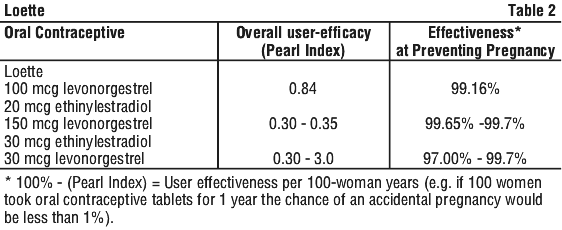
Cycle control was also evaluated by analysing cycle characteristics, such as duration and intensity of withdrawal bleeding and the incidence of breakthrough bleeding and amenorrhoea. A total of 7508 cycles were valid for cycle control analysis; the overall incidence of intermenstrual bleeding was low. Although there was no comparative study of the cycle control of Loette compared with higher dosage oral contraceptives, cycle control data from historical studies with oral contraceptives containing higher doses of ethinylestradiol and levonorgestrel are given in Table 3.

Acne. Two (2) randomised, double blind, placebo-controlled, 6-cycle, multicentre, phase III clinical studies were done to evaluate the efficacy and safety of levonorgestrel/ ethinylestradiol (LNG/EE) 100 microgram/20 microgram for the treatment of moderate acne. Study 1 was conducted at 12 sites in the United States and at 1 site each in Canada and Australia, and study 2 was conducted at 18 sites in the United States. Patients in studies 1 and 2 were randomly assigned to receive 28 day packs of either LNG/EE or placebo tablets. Those in the LNG/EE group received active tablets for 21 consecutive days and inert tablets for the subsequent 7 days. The study medication was taken for up to 6 cycles during the studies. Moderate acne was defined in the clinical trials as a total facial count of 6-200 noninflammatory lesions (comedones), 10-75 inflammatory lesions (papules and pustules) and 0-5 nodules.
In both studies, LNG/EE treatment consistently produced greater mean reductions in lesion counts than placebo treatment. Generally, the differences between treatment groups became apparent at cycles 2 or 3 and increased over time, becoming significant at cycles 4, 5 or 6. The combined clinical global assessment results showed that a significantly greater percentage of patients in the LNG/EE treatment group than in the placebo group rated clear or mild at end of study (EOS). Mean percentage changes in the total inflammatory, total noninflammatory, total lesion counts and clinical global assessment (mild or clear) at EOS compared with baseline for each individual study, as well as pooled data, are shown in Table 4.
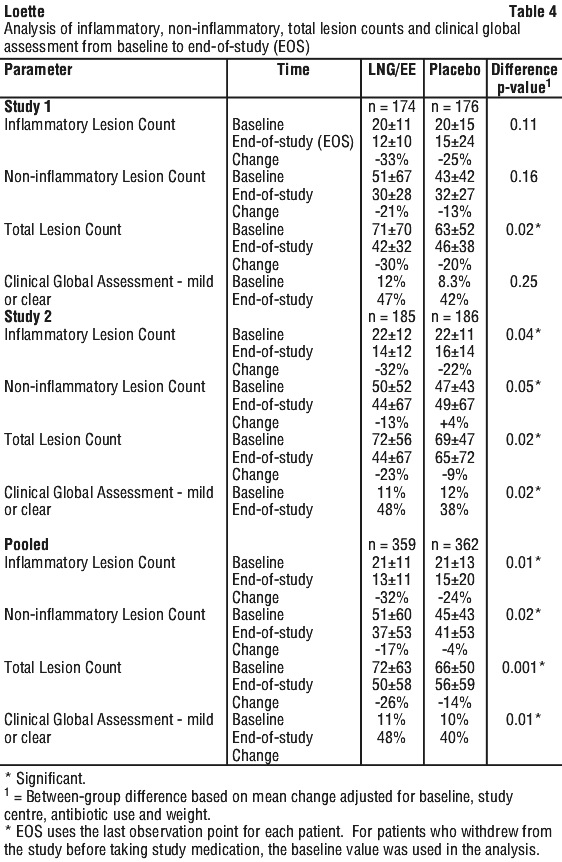
5.2 Pharmacokinetic Properties
Absorption. No specific investigation of the absolute bioavailability of Loette in humans has been conducted. However, literature indicates that levonorgestrel is rapidly and completely absorbed after oral sugar coated tablet administration (bioavailability about 100%) and is not subject to first-pass metabolism. Ethinylestradiol is rapidly and almost completely absorbed from the gastrointestinal tract but due to first-pass metabolism in gut mucosa and liver, the bioavailability of ethinylestradiol is between 38% and 48%, with marked inter-individual variation.
After a single dose of Loette to 22 women under fasting conditions, maximum serum concentrations of levonorgestrel are 2.8 ± 0.9 nanogram/mL (mean ± SD) at 1.6 ± 0.9 hours. At steady state, attained from day 19 onwards, maximum levonorgestrel concentrations of 6.0 ± 2.7 nanogram/mL are reached at 1.5 ± 0.5 hours after the daily dose. The minimum serum levels of levonorgestrel at steady state are 1.9 ± 1.0 nanogram/mL. Observed levonorgestrel concentrations increased from day 1 (single dose) to days 6 and 21 (multiple doses) by 34% and 96%, respectively. Unbound levonorgestrel concentrations increased from day 1 to days 6 and 21 by 25% and 83%, respectively. The kinetics of total levonorgestrel are nonlinear due to an increase in binding of levonorgestrel to sex hormone binding globulin (SHBG), which is attributed to increased SHBG levels that are induced by the daily administration of ethinylestradiol.
Following a single dose, maximum serum concentrations of ethinylestradiol of 62 ± 21 picogram/mL are reached at 1.5 ± 0.5 hours. At steady state, attained from at least day 6 onwards, maximum concentrations of ethinylestradiol were 77 ± 30 picogram/mL and were reached at 1.3 ± 0.7 hours after the daily dose. The minimum serum levels of ethinylestradiol at steady state are 10.5 ± 5.1 picogram/mL. Ethinylestradiol concentrations did not increase from days 1 to 6, but did increase by 19% from days 1 to 21.
Distribution. Levonorgestrel in serum is primarily bound to SHBG. Ethinylestradiol is about 97% bound to plasma albumin. Ethinylestradiol does not bind to SHBG, but induces SHBG synthesis.
Metabolism. Levonorgestrel. Extensive reduction of the α, β-unsaturated ketone in ring A occurs, in addition to hydroxylation at carbons 2 and 16, to form dihydro and tetrahydro reduced products. Metabolites may circulate as sulfates or glucuronides; however, most of the metabolites that circulate in the blood are sulfates of 3α, 5β-tetrahydro-levonorgestrel. There are also large amounts of unconjugated levonorgestrel in the circulation with small amounts of unconjugated and/or conjugated forms of 3α, 5β-tetrahydrolevonorgestrel and 16β-hydroxylevonorgestrel. Excretion occurs predominantly in the form of glucuronides.
Ethinylestradiol. Cytochrome P450 enzymes (CYP3A4) in the liver are responsible for the 2-hydroxylation that is the major oxidative reaction. The 2-hydroxy metabolite is further transformed by methylation and glucuronidation prior to urinary and faecal excretion. Levels of cytochrome P450 (CYP3A4) vary widely among individuals and may explain the variation in rates of ethinylestradiol 2-hydroxylation. Ethinylestradiol is excreted in the urine and faeces as glucuronide and sulfate conjugates, and undergoes enterohepatic circulation.
Elimination. The elimination half-life for levonorgestrel is approximately 36 ± 13 hours at steady state. Levonorgestrel and its metabolites are primarily excreted in the urine (40% to 68%) and about 16% to 48% are excreted in faeces. The elimination half-life of ethinylestradiol is 18 ± 4.7 hours at steady state.
5.3 Preclinical Safety Data
Genotoxicity. There is some evidence in the literature suggesting that estrogens may be weakly genotoxic at high doses. Ethinylestradiol was negative in studies for DNA-adduct formation in cultured human liver slices and in assays for gene mutations (bacterial or mammalian cells in vitro) and gave equivocal results in assays for chromosomal damage (clastogenic effects were not consistently seen and occurred at high doses). The genotoxic potential of levonorgestrel has not been fully investigated, although limited data available to date suggest that it does not appear to be genotoxic.
Carcinogenicity. Long-term continuous administration of natural or synthetic estrogens in certain animal species increases the frequency of carcinomas of the breast, uterus, cervix, vagina, testis and liver. A long-term study with levonorgestrel in dogs showed an increased incidence of benign mammary tumours, although a similar effect was not observed in studies in mice, rats or monkeys. The occurrence of these mammary tumours in dogs may be due in part to a hormonal feedback mechanism. The clinical relevance of these findings is uncertain. It must be borne in mind that sex steroids can promote the growth of certain hormone dependent tissues and tumours (see Section 4.4 Special Warnings and Precautions for Use, Carcinoma of the reproductive organs, Hepatic neoplasia/liver disease/hepatitis C).
6 Pharmaceutical Particulars
6.1 List of Excipients
Pink active tablet. Microcrystalline cellulose, lactose monohydrate, polacrilin potassium, magnesium stearate, macrogol 1450, glycol montanate, Opadry YS-1-14587-A Pale Pink (PI 3044).
White inactive tablet. Lactose monohydrate, microcrystalline cellulose, magnesium stearate, polacrilin potassium, macrogol 1500, glycol montanate, Opadry Y-5-18024-A White (US version) (PI 3548).
6.2 Incompatibilities
Incompatibilities were either not assessed or not identified as part of the registration of this medicine.
6.3 Shelf Life
In Australia, information on the shelf life can be found on the public summary of the Australian Register of Therapeutic Goods (ARTG). The expiry date can be found on the packaging.
6.4 Special Precautions for Storage
Store below 25°C.
Protect from light.
6.5 Nature and Contents of Container
Loette tablets are presented in PVC/aluminium blister. The blistered product is placed in an aluminium pouch with a silica gel desiccant.
One, two#, three and four# month packs contain 1, 2, 3 and 4 blisters respectively.
#Not currently available.
6.6 Special Precautions for Disposal
In Australia, any unused medicine or waste material should be disposed of by taking to your local pharmacy.
6.7 Physicochemical Properties
Chemical structure. Levonorgestrel.
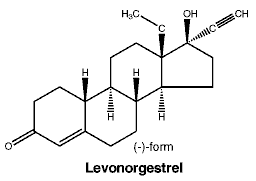
Molecular Weight: 312.45.
Melting Point: 232-239°C.
Chemical name: 13β-ethyl-17β-hydroxy-18, 19-dinor-17β-pregn-4-en-20-yn-3-one.
Levonorgestrel is a white, odourless crystalline powder. It is practically insoluble in water, slightly soluble in alcohol, acetone, ether, and soluble in chloroform.
Ethinylestradiol.
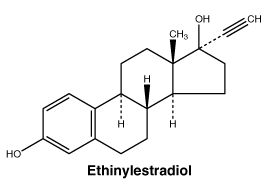
Molecular Weight: 296.41.
Melting Point: 181-185°C.
Chemical name: 19-nor-17α-pregna-1,3,5 (10)-trien-20-yne-3,17-diol.
Ethinylestradiol is a white to creamy white, odourless, crystalline powder. It is insoluble in water and soluble in alcohol, chloroform, ether, vegetable oils, and aqueous solutions of alkali hydroxides.
CAS number. Levonorgestrel: 797-63-7.
Ethinylestradiol: 57-63-6.
7 Medicine Schedule (Poisons Standard)
S4 - Prescription Only Medicine.
Date of First Approval
12 October 1998
Date of Revision
03 March 2020
Summary Table of Changes

Reasonable care is taken to provide accurate information at the time of creation. This information is not intended as a substitute for medical advice and should not be exclusively relied on to manage or diagnose a medical condition. The Australian Commission on Safety and Quality in Health Care disclaims all liability (including for negligence) for any loss, damage, injury or any other negative effects resulting from reliance on or use of this information. Read our full disclaimer. This website uses cookies. Read our privacy policy.