
Lonquex
Brand Information
| Brand name | Lonquex |
| Active ingredient | Lipegfilgrastim |
| Schedule | S4 |
Consumer Medicine Information (CMI) leaflet
Please read this leaflet carefully before you start using the Lonquex.
Summary CMI
Lonquex®
Consumer Medicine Information (CMI) summary
The full CMI on the next page has more details. If you are worried about using this medicine, speak to your doctor or pharmacist.
1. Why am I using Lonquex?
Lonquex contains the active ingredient lipegfilgrastim. Lonquex is used following chemotherapy to help fight infection.
For more information, see Section 1. Why am I using Lonquex? in the full CMI.
2. What should I know before I use Lonquex?
Do not use if you have ever had an allergic reaction to Lonquex or any of the ingredients listed at the end of the CMI.
Talk to your doctor if you have any other medical conditions, take any other medicines, or are pregnant or plan to become pregnant or are breastfeeding.
For more information, see Section 2. What should I know before I use Lonquex? in the full CMI.
3. What if I am taking other medicines?
Some medicines may interfere with Lonquex and affect how it works.
A list of these medicines is in Section 3. What if I am taking other medicines? in the full CMI.
4. How do I use Lonquex?
- Follow all directions given to you by your doctor or pharmacist carefully.
More instructions can be found in Section 4. How do I use Lonquex? in the full CMI.
5. What should I know while using Lonquex?
| Things you should do |
|
| Things you should not do |
|
| Driving or using machines |
|
| Looking after your medicine |
|
For more information, see Section 5. What should I know while using Lonquex? in the full CMI.
6. Are there any side effects?
Common side effects: Reduction in blood platelets, headache, skin reactions, low blood levels of potassium and chest pain.
Serious side effects: Allergic reactions such as skin rash, raised itchy areas of skin and serious allergic reactions with weakness, increased spleen size, cough, fever and difficult or painful breathing, serious pulmonary side effects, such as pneumonia and acute respiratory distress syndrome.
For more information, including what to do if you have any side effects, see Section 6. Are there any side effects? in the full CMI.
Full CMI
Lonquex®
Active ingredient(s): lipegfilgrastim
Consumer Medicine Information (CMI)
This leaflet provides important information about using Lonquex. You should also speak to your doctor or pharmacist if you would like further information or if you have any concerns or questions about using Lonquex.
Where to find information in this leaflet:
1. Why am I using Lonquex?
2. What should I know before I use Lonquex?
3. What if I am taking other medicines?
4. How do I use Lonquex?
5. What should I know while using Lonquex?
6. Are there any side effects?
7. Product details
1. Why am I using Lonquex?
Lonquex contains the active ingredient lipegfilgrastim. Lipegfilgrastim is a long-acting modified protein produced by biotechnology in bacteria called Escherichia coli. It belongs to a group of proteins called cytokines and is similar to a natural protein (granulocyte-colony stimulating factor [G-CSF]) produced by your own body.
Lonquex stimulates the bone narrow (the tissue where new blood cells are made) to produce more white blood cells. White blood cells are important as they help your body fight infection. These cells are very sensitive to the effects of chemotherapy which can cause the number of these cells in your body to decrease. If white blood cells fall to a low level, there may not be enough left in the body to fight bacteria and you may have an increased risk of infection.
Lonquex is used following chemotherapy to help fight infection.
Some chemotherapy will reduce the number of neutrophils in your body. Although Lonquex is not a treatment for cancer, it does help the body to make new neutrophils and this may reduce your chance of developing infections that might require antibiotics and/or hospital stays. It may even increase your chance of receiving your chemotherapy on time and at the right dose.
Ask your doctor if you have any questions about why this medicine has been prescribed for you.
This medicine is available only with a doctor's prescription.
2. What should I know before I use Lonquex?
Warnings
Do not use Lonquex if:
- you are allergic to lipegfilgrastim, or any other medicines like this one (i.e. filgrastim, lenograstim or pegfilgrastim of the group of G-CSFs), certain sugars, or any of the ingredients listed at the end of this leaflet.
- This medicine contains sorbitol.
- This medicine contains less than 1 mmol (23 mg) sodium per prefilled syringe, i.e. essentially 'sodium-free'.
- Always check the ingredients to make sure you can use this medicine
Check with your doctor if you:
- have sickle cell anaemia, which is an inherited disease characterized by sickle-shaped red blood cells.
- have a cough, fever and difficulty breathing. It could be a consequence of a pulmonary disorder.
- have upper abdominal pain or pain at the tip of your shoulder. It could be a consequence of a spleen disorder.
- have any other medical conditions
- take any medicines for any other condition.
During treatment, you may be at risk of developing certain side effects. It is important you understand these risks and how to monitor for them. See additional information under Section 6. Are there any side effects?
Pregnancy and breastfeeding
Check with your doctor if you are pregnant or intend to become pregnant.
Lonquex has not been tested in pregnant women. It is important that you tell your doctor if you are pregnant, think you may be pregnant or are planning to have a baby, as the doctor may decide that you should not use this medicine.
Talk to your doctor if you are breastfeeding or intend to breastfeed.
It is unknown whether the active substance in this medicine passes into the breast milk. You should therefore interrupt breast-feeding during treatment.
3. What if I am taking other medicines?
Tell your doctor or pharmacist if you are taking any other medicines, including any medicines, vitamins or supplements that you buy without a prescription from your pharmacy, supermarket or health food shop.
Your doctor and pharmacist have more information on medicines to be careful with or avoid while taking this medicine.
Check with your doctor or pharmacist if you are not sure about what medicines, vitamins or supplements you are taking and if these affect Lonquex.
4. How do I use Lonquex?
Lonquex is given by injection using a prefilled syringe, usually into the tissues just below the skin. This is called a subcutaneous injection and it is a simple procedure.
It is important that you do not try to give yourself the injection unless you have received special training from your doctor or nurse.
If you are not sure about giving yourself the injection or you have any questions, please ask your doctor or nurse for help
To give yourself an injection into the tissue under the skin you will need:
- a pre-filled syringe of Lonquex
- an alcohol wipe
- a piece of gauze bandage or sterile gauze swab
How much to use
- The recommended dose is one prefilled syringe (6 mg lipegfilgrastim) ONCE PER CHEMOTHERAPY CYCLE. This medicine should be given approximately 24 hours after your last dose of chemotherapy at the end of each chemotherapy cycle.
When to take / use Lonquex
- Follow the instructions provided and use Lonquex until your doctor tells you to stop.
- Lonquex should be injected 24 hours after the end of each chemotherapy cycle. Your doctor will tell you when to begin your treatment and when to stop.
Instructions for Injecting Lonquex
What you should do before your injection:
- Take the medicine out of the refrigerator.
- Open the blister and take the pre-filled syringe out of the blister. Do not pick up the pre-filled syringe by the plunger or needle cover. This will damage the safety device.
- Check the expiry date on the pre-filled syringe label (EXP). Do not use if the date has passed the last day of the month shown.
- Check the appearance of Lonquex. It must be a clear and colorless liquid. If there are particles in it or if it is cloudy, you must not use it.
- Do not shake Lonquex vigorously as this may affect its activity.
- For a more comfortable injection, let the pre-filled injection stand for 30 minutes to reach room temperature (not above 25°C) or hold the pre-filled syringe gently in your hand for a few minutes. Do not warm Lonquex in any other way (for example, do NOT warm it in a microwave or in hot water).
- Do NOT remove the needle cover from the syringe until you are ready to inject.
- Find a comfortable, well-lit place. Place everything where you can reach for it (the Lonquex pre-filled syringe, an alcohol wipe and a piece of gauze bandage or a sterile gauze swab.
- Wash your hands thoroughly.
How to prepare for your injection
Before you give yourself a Lonquex injection, you must do the following:
- Hold the syringe and gently remove the cover from the needle without twisting. Pull straight. Do not touch the needle or push the plunger.
- You may notice small air bubbles in the pre-filled syringe. If there are air bubbles present, gently tap the syringe with your fingers until the air bubbles rise to the top of the syringe. With the syringe pointing upwards, expel all air form the syringe by pushing the plunger slowly upwards.
- You can now use the pre-filled syringe.
- Keep pre-filled syringes out of the sight and reach of children.
Where your injection should be given
The most suitable places to inject yourself are:
- the top of your thighs.
- the abdomen avoiding the skin directly surrounding the navel.
- If someone else is injecting you, they can also use the back and side of your upper arms.
How you should inject yourself
- Disinfect the injection site on the skin by using an alcohol wipe and pinch the skin between your thumb and forefinger, without squeezing it.
- Put the needle fully into the skin as shown by your nurse or doctor. The angle between the syringe and skin should not be too narrow (at least 45°).
- Pull slightly on the plunger to check that a blood vessel has not been punctured. If you see blood in the syringe, remove the needle and re-insert it in another place.
- Inject the liquid into the tissue slowly and evenly, always keeping your skin pinched.
- Push the plunger as far as it will go to inject all the liquid. While the plunger is still pressed all the way down, remove the needle from the skin. Then release the plunger. The safety device will be activated immediately. The entire needle and syringe will be drawn back automatically and covered so that you cannot prick yourself.
- Press the injection site with a piece of gauze bandage or a sterile gauze swab for several seconds.
- Each pre-filled syringe is for single use only.
- If you have any problems, please ask your doctor or pharmacist for help and advice.
If you forget to use Lonquex
If you miss your scheduled dose, advise your doctor, nurse or pharmacist as soon as possible about your missed dose
Do not take a double dose to make up for the dose you missed.
If you use too much Lonquex
If you think that you have used too much Lonquex, you may need urgent medical attention.
You should immediately:
- phone the Poisons Information Centre
(by calling 13 11 26), or - contact your doctor, or
- go to the Emergency Department at your nearest hospital.
You should do this even if there are no signs of discomfort or poisoning.
5. What should I know while using Lonquex?
Things you should do
There are many ways an infection may show itself.
You should watch for:
- fever (a temperature of 38.2°C or greater, or as your doctor suggests)
- chills
- rash
- sore throat
- diarrhea
- ear ache
- difficult or painful breathing, coughing or wheezing.
Go straight to your hospital if you develop any of these symptoms.
Tell your doctor, nurse and pharmacist that you are using Lonquex if you are about to be started on any new medicine.
Tell your doctor immediately if you become pregnant while taking this medicine.
Keep all of your doctor's appointments so that your health can be monitored.
Remind any doctor, dentist or pharmacist you visit that you are using Lonquex.
Things you should not do
- Do not stop using this medicine suddenly.
- Do not use Lonquex to treat any other complaint unless your doctor tells you to.
- Do not give Lonquex to anyone else, even if they have the same condition as you.
Driving or using machines
Be careful before you drive or use any machines or tools until you know how Lonquex affects you.
Drinking alcohol
Tell your doctor if you drink alcohol.
Looking after your medicine
- Keep Lonquex in a refrigerator at a temperature of 2°C to 8°C.
- Do not freeze.
- Lonquex may be removed from the refrigerator and stored below 25°C for a maximum single period of up to 7 days. Once removed from the refrigerator, the medicine must be used within this period or disposed of.
- Keep the pre-filled syringe in the outer carton, in order to protect from light.
Follow the instructions in the carton on how to take care of your medicine properly.
Store it in a cool dry place away from moisture, heat or sunlight; for example, do not store it:
- in the bathroom or near a sink, or
- in the car or on window sills.
Keep it where young children cannot reach it.
When to discard your medicine
- Do not use this medicine if you notice that it is cloudy or there are particles in it.
- Once you have injected Lonquex, do not put the grey needle cap back on the used syringe.
- Put used syringes into the puncture-proof container and keep this container out of the sight and reach of children.
- Dispose of the full puncture-proof container as instructed by your doctor, nurse or pharmacist.
- Never put the syringes that you have used back into your normal household rubbish bin.
Getting rid of any unwanted medicine
If you no longer need to use this medicine or it is out of date, take it to any pharmacy for safe disposal.
Do not use this medicine after the expiry date.
6. Are there any side effects?
All medicines can have side effects. If you do experience any side effects, most of them are minor and temporary. However, some side effects may need medical attention.
See the information below and, if you need to, ask your doctor or pharmacist if you have any further questions about side effects.
Less serious side effects
| Less serious side effects | What to do |
Very common Symptoms:
Reduction in blood platelets:
Skin reactions:
Low blood levels of potassium:
Local reactions at the injection site:
Sweet's syndrome:
| Speak to your doctor if you have any of these less serious side effects and they worry you. |
Serious side effects
| Serious side effects | What to do |
Allergic reactions may include :
| If you think you are having allergic reaction to Lonquex stop using this medicine and get medical help immediately. Call your doctor straight away, or go straight to the Emergency Department at your nearest hospital if you notice any of these serious side effects. |
Tell your doctor or pharmacist if you notice anything else that may be making you feel unwell.
Other side effects not listed here may occur in some people.
Reporting side effects
After you have received medical advice for any side effects you experience, you can report side effects to the Therapeutic Goods Administration online at www.tga.gov.au/reporting-problems. By reporting side effects, you can help provide more information on the safety of this medicine.
Always make sure you speak to your doctor or pharmacist before you decide to stop taking any of your medicines.
7. Product details
This medicine is only available with a doctor's prescription.
What Lonquex contains
| Active ingredient (main ingredient) | lipegfilgrastim |
| Other ingredients (inactive ingredients) | glacial acetic acid sodium hydroxide sorbitol polysorbate 20 water for injection |
Do not take this medicine if you are allergic to any of these ingredients.
What Lonquex looks like
Lonquex is a solution for injection (injection) in a pre-filled syringe with a fixed injection needle in a blister.
Lonquex is a clear and colorless solution.
Each prefilled syringe contains 0.6 mL solution.
Each pack contains 1 pre-filled syringe with or without safety device
(Aust R 231016).
Who distributes Lonquex
In Australia:
Teva Pharma Australia Pty Ltd
37 Epping Road
Macquarie Park
NSW 2113
Australia
Toll Free number: 1800 288 382
In New Zealand:
Teva Pharma New Zealand Ltd.
PO Box 128 244, Remuera
Auckland 1541,
New Zealand
Telephone: 0800 800 097
This leaflet was prepared in September 2025.
Brand Information
| Brand name | Lonquex |
| Active ingredient | Lipegfilgrastim |
| Schedule | S4 |
MIMS Revision Date: 01 January 2024
1 Name of Medicine
Lipegfilgrastim.
2 Qualitative and Quantitative Composition
Lonquex is the Teva Pharmaceuticals Ltd. trademark for lipegfilgrastim (rbe), a long acting form of recombinant human granulocyte colony stimulating factor (G-CSF).
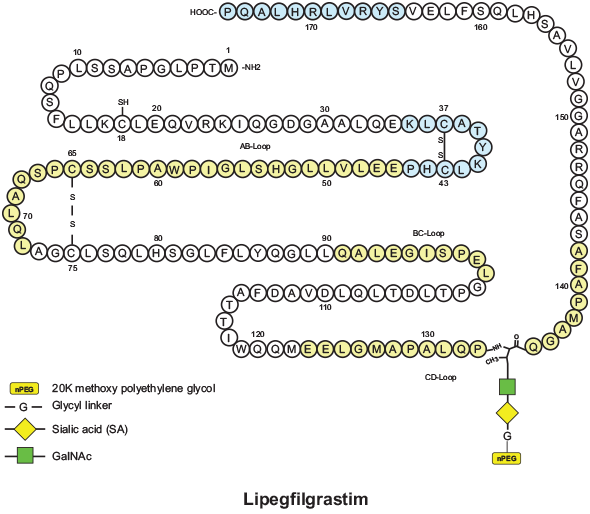
Lonquex contains the active substance lipegfilgrastim (rbe). Lipegfilgrastim is a covalent conjugate of a 19,000 dalton E. coli produced r-metHuG-CSF and a 20,000 dalton polyethylene glycol (PEG) moiety. The theoretical molecular mass of r-metHuG-CSF is 18,798.9 dalton. The molecular mass of the final glycoPEGylated human N-methionyl granulocyte-colony stimulating factor is approximately 39,000 dalton. The PEG moiety is attached enzymatically through a glycolinker (glycyl-sialyl-GalNac) to the amino acid Thr134 (which corresponds to the glycosylation site Thr133 in endogenous G-CSF).
Lipegfilgrastim is a covalent conjugate of filgrastim with a single methoxy polyethylene glycol (PEG) molecule via a carbohydrate linker consisting of L-glycine, N-acetylneuraminic acid (sialic acid) and a N-acetylgalactosamine (GalNAc) moiety to Threonine134. The average molecular mass is approximately 39,000 Da of which the protein moiety constitutes approximately 48%.
The potency of this medicinal product should not be compared to the potency of another pegylated or nonpegylated protein of the same therapeutic class. For more information, see Section 5 Pharmacological Properties.
Each single use pre-filled syringe of Lonquex contains 6 mg of lipegfilgrastim in 0.6 mL solution. Each mL of solution for injection contains 10 mg of lipegfilgrastim.
This medicinal product contains 30 mg sorbitol per pre-filled syringe. Patients with rare hereditary problems of fructose intolerance should not use this medicinal product.
This medicinal product contains less than 1 mmol sodium (0.14 mg) per pre-filled syringe, i.e. essentially 'sodium-free'.
For the full list of excipients, see Section 6.1 List of Excipients.
3 Pharmaceutical Form
Lonquex is a sterile, clear, colourless, preservative free aqueous liquid for subcutaneous (SC) administration, presented in a 1 mL prefilled syringe.
4 Clinical Particulars
4.1 Therapeutic Indications
Lonquex is indicated for reduction in the duration of neutropenia and the incidence of febrile neutropenia in adult patients treated with cytotoxic chemotherapy for malignancy (with the exception of chronic myeloid leukaemia and myelodysplastic syndromes).
4.2 Dose and Method of Administration
Dosage and administration. Lonquex treatment should be initiated and supervised by physicians experienced in oncology or haematology.
To assess a patient's haematologic status and ability to tolerate myelosuppressive chemotherapy, a complete blood count and platelet count should be obtained before chemotherapy is administered.
The recommended dosage of Lonquex is a single subcutaneous injection of 6 mg administered once per chemotherapy cycle.
Dosage. One 6 mg dose of Lonquex (a single prefilled syringe of Lonquex) is recommended for each chemotherapy cycle, given approximately 24 hours after cytotoxic chemotherapy. The maximum amount of Lonquex that can be safely administered as a single dose has not been determined.
Preparation and administration of Lonquex. Lonquex does not contain any preservative. In view of the possible risk of microbial contamination, Lonquex syringes are for single use in one patient only. Any unused medicinal product or waste material should be disposed of in accordance with local requirements.
Parenteral drug products should be inspected visually for particulate matter and discoloration prior to administration. Only clear, colorless solutions without particles should be used. Do not use this medicine if you notice any particulate matter or discoloration.
Avoid vigorous shaking. Excessive shaking may aggregate lipegfilgrastim, rendering it biologically inactive.
Allow the ready to use pre-filled syringe to reach a comfortable temperature (15°C - 25°C) before injecting.
Method of administration. The solution is injected subcutaneously (SC). The injections should be given into the abdomen, upper arm or thigh. Lonquex should not be injected into an area that is tender, red, bruised, or hard, or that has scars or stretch marks.
Self administration of Lonquex should only be performed by patients who are well motivated, adequately trained and have access to expert advice. The first injection of Lonquex should be performed under direct medical supervision.
In the absence of compatibility studies, this medicinal product must not be mixed with other medicinal products.
Special populations. Elderly patients. In clinical studies with a limited number of elderly patients, there was no relevant age related difference with regard to the efficacy or safety profiles of Lonquex. Therefore, no adjustment of the dose is necessary for elderly patients.
No alternative dosage regimes are currently recommended for patients affected by renal or hepatic impairment (see Section 5 Pharmacological Properties).
Paediatric population. The safety and efficacy of Lonquex in children and adolescents aged less than 18 years have not yet been established. No data are available.
4.3 Contraindications
Lonquex is contraindicated in patients with known hypersensitivity to lipegfilgrastim and any other component of the product or other G-CSF products including lenograstim, pegfilgrastim and filgrastim.
4.4 Special Warnings and Precautions for Use
General. The safety and efficacy of Lonquex have not been investigated in patients receiving high dose chemotherapy. Lonquex should not be used to increase the dose of cytotoxic chemotherapy beyond established dosage regimens.
In order to improve the traceability, the trade name and batch number of the administered medicinal product should be clearly recorded in the patient file.
Allergic reactions and immunogenicity. Patients who are hypersensitive to G-CSF or derivatives are also at risk of hypersensitivity reactions to lipegfilgrastim due to possible crossreactivity. No lipegfilgrastim therapy should be commenced in these patients because of the risk of cross reaction.
Most biological medicinal products elicit some level of antidrug antibody response. This antibody response can, in some cases, lead to undesirable effects or loss of efficacy. If a patient fails to respond to treatment, the patient should undergo further evaluation.
If a serious allergic reaction occurs, appropriate therapy with close patient follow-up over several days should be administered.
Haematopoietic system. Treatment with lipegfilgrastim does not preclude thrombocytopenia and anaemia caused by myelosuppressive chemotherapy. Lipegfilgrastim may also cause reversible thrombocytopenia (see Section 4.8 Adverse Effects (Undesirable Effects)). Regular monitoring of the platelet count and haematocrit is recommended. Special care should be taken when administering single or combination chemotherapeutic medicinal products that are known to cause severe thrombocytopenia.
Leukocytosis may occur (see Section 4.8 Adverse Effects (Undesirable Effects)). No adverse events directly attributable to leukocytosis have been reported. Elevation in white blood cells (WBC) is consistent with the pharmacodynamics effects of lipegfilgrastim. A WBC count should be performed at regular intervals during therapy owing to the clinical effects of lipegfilgrastim and the potential for leukocytosis. If WBC counts exceed 50 x 109/L after the expected nadir, lipegfilgrastim should be discontinued immediately.
Increased haematopoietic activity of the bone marrow in response to growth factor therapy has been associated with transient positive bone imaging findings. This should be considered when interpreting bone imaging results.
Patients with myeloid leukaemia or myelodysplastic syndromes. Granulocyte colony stimulating factor can promote growth of myeloid cells and some nonmyeloid cells in vitro.
The safety and efficacy of Lonquex have not been investigated in patients with chronic myeloid leukaemia, myelodysplastic syndromes or secondary acute myeloid leukaemia; it should therefore not be used in such patients. Particular care should be taken to distinguish the diagnosis of blast transformation of chronic myeloid leukaemia from acute myeloid leukaemia.
Myelodysplastic syndrome and acute myeloid leukaemia in breast and lung cancer patients. In an observational post-marketing study, myelodysplastic syndrome (MDS) and acute myeloid leukaemia (AML) were associated with the use of pegfilgrastim, an alternative G-CSF, in combination with chemotherapy and/or radiotherapy in breast and lung cancer patients. A similar association is not known between lipegfilgrastim and MDS/AML. Nevertheless, patients with breast cancer and patients with lung cancer should be monitored for signs and symptoms of MDS/AML.
Splenic adverse reactions. Frequent but generally asymptomatic cases of splenomegaly and infrequent cases of splenic rupture, including fatal cases, have been reported after administration of G-CSF or derivatives (see Section 4.8 Adverse Effects (Undesirable Effects)). Spleen size should therefore be carefully monitored (e.g. clinical examination, ultrasound). A diagnosis of splenic rupture or enlarged spleen should be considered in patients reporting left upper abdominal pain or shoulder tip pain.
Pulmonary adverse reactions. Pulmonary adverse reactions, in particular interstitial pneumonia, have been reported after administration of lipegfilgrastim (see Section 4.8 Adverse Effects (Undesirable Effects)). Patients with a recent history of pulmonary infiltrates or pneumonia may be at higher risk.
Adult respiratory distress syndrome (ARDS). The onset of pulmonary symptoms such as cough, fever and dyspnoea in association with radiological signs of pulmonary infiltrates and deterioration in pulmonary function together with an increased neutrophil count may be preliminary signs of acute respiratory distress syndrome (ARDS) (see Section 4.8 Adverse Effects (Undesirable Effects)). In such circumstances Lonquex should be discontinued at the discretion of the physician and appropriate treatment given.
Pulmonary haemorrhage and haemoptysis. Pulmonary haemorrhage manifesting as pulmonary infiltrates and haemoptysis requiring hospitalization have been reported in patients and donors receiving human G-CSF. Haemoptysis resolved with discontinuation of human G-CSF.
Vascular adverse reactions. Aortitis has been reported after G-CSF administration in healthy subjects and in cancer patients. The symptoms experienced include fever, abdominal pain, malaise, back pain and increased inflammatory markers (e.g. C-reactive protein and white blood cell count). In most cases aortitis was diagnosed by CT scan and generally resolved after withdrawal of G-CSF.
Capillary leak syndrome has been reported after administration of G-CSF or derivatives and is characterised by hypotension, hypoalbuminaemia, oedema and haemoconcentration. Patients who develop symptoms of capillary leak syndrome should be closely monitored and receive appropriate symptomatic treatment, which may include a need for intensive care (see Section 4.8 Adverse Effects (Undesirable Effects)).
Glomerulonephritis. Glomerulonephritis has been reported in patients receiving filgrastim. Generally, events of glomerulonephritis resolved after dose reduction or withdrawal. Urinalysis monitoring is recommended.
Patients with sickle cell anaemia. Sickle cell crisis has been associated with the use of G-CSF or derivatives in patients with sickle cell anaemia. Physicians should therefore exercise caution when administering Lonquex in patients with sickle cell anaemia, monitor appropriate clinical parameters and laboratory results and be attentive to the possible association of lipegfilgrastim with splenic enlargement and vaso-occlusive crisis.
Hypokalaemia. Hypokalaemia may occur (see Section 4.8 Adverse Effects (Undesirable Effects)). For patients with increased risk on hypokalaemia due to underling disease or comedications, it is recommended to monitor the serum potassium level carefully and to substitute potassium if necessary.
Use in renal impairment. See Section 5.2 Pharmacokinetic Properties, Special populations.
Use in the elderly. Of the 399 patients treated with lipegfilgrastim 6 mg in the cancer studies, 69 (17.3%) were 65 years of age and older. No overall differences in safety or effectiveness were observed between patients aged 65 and older and younger patients.
Paediatric use. The safety and efficacy of Lonquex in children and adolescents aged less than 18 years have not yet been established.
Effects on laboratory tests. No data are available.
4.5 Interactions with Other Medicines and Other Forms of Interactions
No formal clinical drug interaction studies between lipegfilgrastim and other drugs have been performed.
In vitro data indicate that lipegfilgrastim has little or no direct or immune system-mediated effects on CYP1A2, CYP2B6, CYP2C8, CYP2C9, CYP2C19, and CYP3A4/5 activity.
Due to the potential sensitivity of rapidly dividing myeloid cells to cytotoxic chemotherapy, Lonquex should be administered approximately 24 hours after administration of cytotoxic chemotherapy. Concomitant use of lipegfilgrastim with any chemotherapeutic medicinal product has not been evaluated in patients. In animal models, concomitant administration of G-CSF and 5-fluorouracil (5-FU) or other antimetabolites has been shown to potentiate myelosuppression.
The safety and efficacy of Lonquex have not been evaluated in patients receiving chemotherapy associated with delayed myelosuppression, e.g. nitrosoureas.
The safety and efficacy of Lonquex have not been evaluated in patients receiving radiotherapy.
The potential for interaction with lithium, which also promotes the release of neutrophils, has not been specifically investigated and should be used with caution. There is no evidence that such an interaction would be harmful.
4.6 Fertility, Pregnancy and Lactation
Effects on fertility. No data are available. Animal studies with G-CSF and derivatives do not indicate harmful effects with respect to fertility.
Use in pregnancy. (Category B3)
There are very limited data (less than 300 pregnancy outcomes) on the use of lipegfilgrastim in pregnant women. Animal studies have shown reproductive toxicity. Lonquex has not been studied in pregnant women and should not be used during pregnancy until further evidence is available.
In a study of toxicity to reproduction and development in rabbits, an increased incidence of postimplantation loss and abortion has been observed at high doses of lipegfilgrastim, likely owing to an exaggerated pharmacodynamic effect specific for rabbits. There is no evidence that lipegfilgrastim is teratogenic. These findings are consistent with results from G-CSF and derivatives. Published information on G-CSF and derivatives reveal no evidence of adverse effects on fertility and embryofoetal development in rats or prenatal/ postnatal effects other than those related to maternal toxicity as well. There is evidence that filgrastim and pegfilgrastim may be transported at low levels over the placenta in rats, although no information is available for lipegfilgrastim. The relevance of these findings for humans is not known.
Use in lactation. Lonquex has not been studied in lactating women and should not be used while breastfeeding until further evidence is available.
4.7 Effects on Ability to Drive and Use Machines
Lonquex has no or negligible influence on the ability to drive and use machines.
4.8 Adverse Effects (Undesirable Effects)
Reporting suspected adverse effects. Reporting suspected adverse reactions after registration of the medicinal product is important. It allows continued monitoring of the benefit-risk balance of the medicinal product. Healthcare professionals are asked to report any suspected adverse reactions at www.tga.gov.au/reporting-problems.
Summary of the safety profile. The most frequent undesirable effects are musculoskeletal pains. Musculoskeletal pains are generally of mild to moderate severity, transient and can be controlled in most patients with standard analgesics.
Capillary leak syndrome, which can be life threatening if treatment is delayed, has been reported mostly in cancer patients undergoing chemotherapy after administration of G-CSF or derivatives.
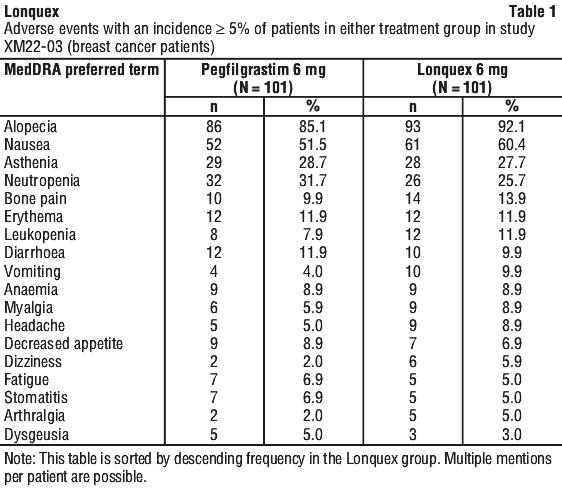
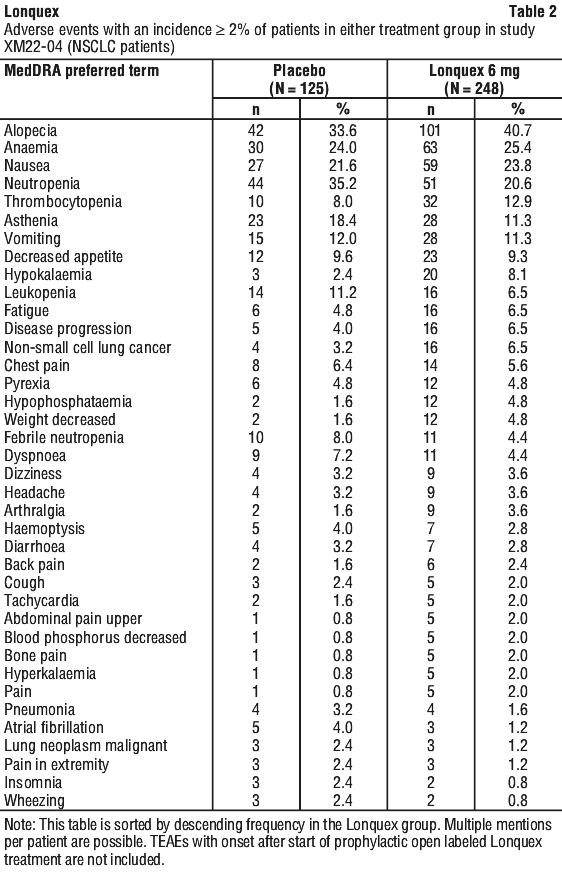
Adverse events in clinical studies. The following event data in Table 1 compares the frequency of treatment emergent adverse events for Lonquex 6 mg (target dose) and the active control, pegfilgrastim 6 mg, in patients with breast cancer. Table 2 compares the frequency of treatment emergent adverse events for Lonquex 6 mg and placebo in patients with non-small cell lung cancer (NSCLC).
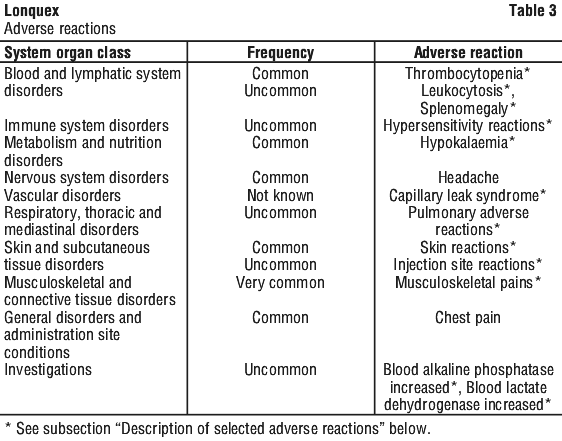
The adverse reactions listed in Table 3 are classified according to System organ class. Frequency groupings are defined according to the following convention: very common: ≥ 1/10; common: ≥ 1/100 to < 1/10; uncommon: ≥ 1/1000 to < 1/100; rare: ≥ 1/10,000 to < 1/1000; very rare: < 1/10,000; not known: cannot be estimated from the available data.
Within each frequency grouping, undesirable effects are presented in order of decreasing seriousness.
Among adverse reactions reported postmarketing, the majority of reported ADRs belonged to SOC musculoskeletal and connective tissue disorders and blood and lymphatic system disorders.
A review of these case reports does not demonstrate any new events of interest or potential safety signals, no new relevant postmarketing safety information was identified to alter the known benefit-risk profile of Lonquex.
Description of selected adverse reactions. Cases of pulmonary haemorrhage and haemoptysis have been reported in post-marketing experience after administration of G-CSF.
Thrombocytopenia and leukocytosis have been reported.
Hypersensitivity reactions such as allergic skin reactions, urticaria, angioedema and serious allergic reactions may occur.
Hypokalaemia has been reported.
Pulmonary adverse reactions, in particular interstitial pneumonia, have been reported. These pulmonary adverse reactions may also include pulmonary oedema, pulmonary infiltrates, pulmonary fibrosis, respiratory failure or ARDS.
Skin reactions such as erythema and rash may occur.
Injection site reactions such as injection site induration and injection site pain may occur.
The most frequent adverse reactions are musculoskeletal pains such as bone pain and myalgia. Musculoskeletal pains are generally of mild to moderate severity, transient and can be controlled in most patients with standard analgesics.
Reversible, mild to moderate elevations in alkaline phosphatase and lactate dehydrogenase may occur, with no associated clinical effects. Elevations in alkaline phosphatase and lactate dehydrogenase most likely originate from the increase in neutrophils.
Certain adverse reactions have not yet been observed with lipegfilgrastim, but are generally accepted as being attributable to G-CSF and derivatives:
Blood and lymphatic system disorders. Splenic rupture including some fatal cases; sickle cell crisis in patients with sickle cell anaemia.
Vascular disorders. Capillary leak syndrome: cases of capillary leak syndrome have been reported in postmarketing experience after administration of G-CSF or derivatives. These have generally occurred in patients suffering from advanced malignant diseases, having sepsis, taking multiple chemotherapy medications or undergoing apheresis.
Aortitis: rare cases of aortitis have been reported in post-marketing experience after administration of G-CSF.
Skin and subcutaneous tissue disorders. Acute febrile neutrophilic dermatosis (Sweet's syndrome); cutaneous vasculitis.
4.9 Overdose
There is no experience with overdose of lipegfilgrastim. In the case of overdose, WBC and platelet count should be performed regularly and spleen size should be carefully monitored (e.g. clinical examination, ultrasound).
For information on the management of overdose, contact the Poison Information Centre on 131126 (Australia).
5 Pharmacological Properties
5.1 Pharmacodynamic Properties
Pharmacotherapeutic group: immunostimulants, colony stimulating factors, ATC code: L03AA14.
Mechanism of action. Human G-CSF is a glycoprotein that regulates the production and release of functional neutrophils from the bone marrow. Filgrastim is an unglycosylated recombinant methionyl human G-CSF. Lipegfilgrastim is a sustained duration form of filgrastim due to decreased renal clearance. Lipegfilgrastim binds to human the G-CSF receptor like filgrastim and pegfilgrastim.
Pharmacodynamics effects. Lipegfilgrastim and filgrastim induced a marked increase in peripheral blood neutrophil counts within 24 hours, with minor increases in monocytes and/or lymphocytes. These results suggest that the G-CSF moiety of lipegfilgrastim confers the expected activity of this growth factor: stimulation of proliferation of haematopoietic progenitor cells, differentiation into mature cells and release into the peripheral blood. This effect includes not only the neutrophil lineage but extends to other single lineage and multilineage progenitors and pluripotent haematopoietic stem cells. G-CSF also increases the antibacterial activities of neutrophils including the phagocytosis.
Clinical trials. Clinical efficacy and safety. Once per cycle dosing of Lonquex was investigated in two pivotal randomised, double blind clinical studies in patients undergoing myelosuppressive chemotherapy.
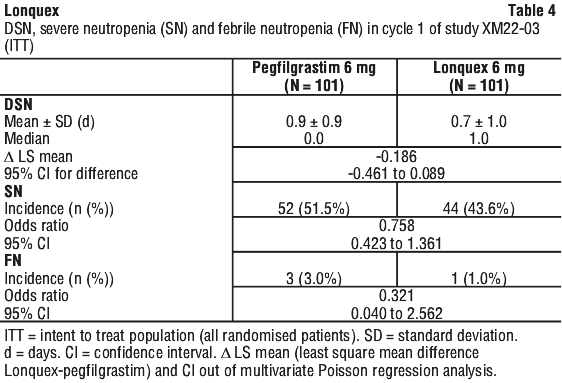
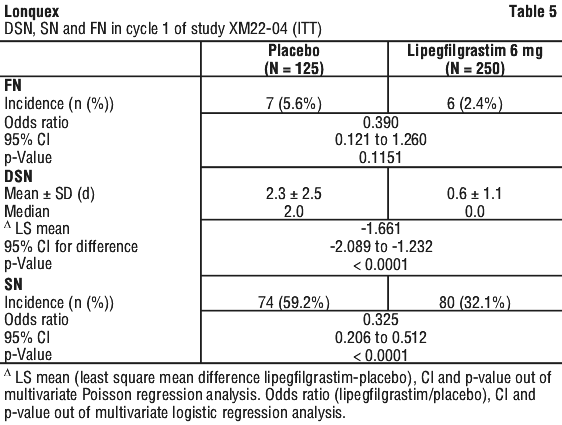
The first pivotal (phase III) clinical study XM22-03 was an active controlled study in 202 patients with stage II-IV breast cancer receiving up to 4 cycles of chemotherapy consisting of doxorubicin and docetaxel. Patients were randomised 1:1 to receive 6 mg Lonquex or 6 mg pegfilgrastim. The study showed noninferiority of 6 mg Lonquex to 6 mg pegfilgrastim for the primary endpoint, duration of severe neutropenia (DSN) in the first cycle of chemotherapy (see Table 4).
5.2 Pharmacokinetic Properties
Absorption. Following initial sc administration of lipegfilgrastim in healthy subjects, a lag in absorption of approximately 1 hour is observed with maximum serum concentrations being attained at approximately 35 hours after dose administration. Given its molecular weight, lipegfilgrastim is believed to be primarily absorbed via the lymphatic system then drained into the vascular system.
Following repeated administration in patients (cycle 4), mean serum concentrations of lipegfilgrastim are consistently lower than after a single dose. Maximum serum concentrations after repeat doses were attained earlier (8 to 24 hours after dose administration) than after a single dose. The observed differences in pharmacokinetics following repeated administrations of lipegfilgrastim are consistent with the presence of higher absolute neutrophil count (ANC).
Distribution. Lipegfilgrastim has a small, weight dependent volume of distribution (Vc approximately 70 mL/kg), indicating that it is not distributed beyond the lymphatic/ vascular system.
Metabolism. Lipegfilgrastim is metabolised via intracellular or extracellular degradation by proteolytic enzymes. Following binding to the G-CSF receptors, intracellular degradation occurs with lipegfilgrastim being internalised by neutrophils (nonlinear process), then degraded within the cell by endogenous proteolytic enzymes. A second, linear pathway, is likely due to extracellular protein degradation by neutrophil elastase and other plasma proteases.
Excretion. Lipegfilgrastim has two distinct clearance pathways. The first clearance pathway is linear and is likely comprised of degradation by proteolytic enzymes. The second pathway is nonlinear neutrophil mediated clearance (intracellular) that is dependent on ANC.
After administration of lipegfilgrastim, the nonlinear clearance in any given subject varies over time together with the ANC values and the drug concentration values. In general, low ANC values are associated with a high linear clearance percentage. Thus, at lower ANC values the linear clearance is the predominant pathway and at high ANC values nonlinear clearance predominates. Given the differences in ANC values between healthy subject and cancer patients, who are exposed to the effects of myelosuppressive CTX, the predominant pathway varies between populations. Of note, the predominant pathway appears to change from linear to nonlinear at an ANC value of approximately ≥ 5-10 cells x 109/L.
Median terminal half-life of lipegfilgrastim is approximately 33 hours and median MRT is approximately 58 hours.
Of note, the PEG moiety which is cleaved from the amino acid backbone of the molecule via internal and external degradation is likely excreted unchanged in the urine due to its molecular size.
Healthy volunteers. In 3 studies (XM22-01, XM22-05, XM22-06) in healthy volunteers, the maximum blood concentration was reached after a median of 30 to 36 hours and the average terminal half-life ranged from approximately 32 to 62 hours after a single subcutaneous injection of 6 mg lipegfilgrastim.
After subcutaneous injection of 6 mg lipegfilgrastim at three different sites (upper arm, abdomen and thigh) in healthy volunteers, the bioavailability (peak concentration and area under the curve (AUC)) was lower after subcutaneous injection in the thigh compared to subcutaneous injection in the abdomen and in the upper arm. In this limited study XM22-06, bioavailability of lipegfilgrastim and observed differences among the injection sites were higher in male subjects compared to female subjects. Nevertheless, pharmacodynamic effects were similar and independent from gender and injection site.
Special populations. Cancer patients. In 2 studies (XM22-02 and XM22-03) in patients with breast cancer receiving chemotherapy consisting of doxorubicin and docetaxel, mean maximum blood concentrations of 227 and 262 nanogram/mL were reached after median times to maximum concentration (tmax) of 44 and 48 hours. The mean terminal half-lives were approximately 29 and 31 hours after a single subcutaneous injection of 6 mg lipegfilgrastim during the first cycle of chemotherapy. After a single subcutaneous injection of 6 mg lipegfilgrastim during the fourth cycle, the maximum blood concentrations were lower than observed in the first cycle (mean values 77 and 111 nanogram/mL) and were reached after median tmax of 8 hours. The mean terminal half-lives in the fourth cycle were approximately 39 and 42 hours.
In a study (XM22-04) in patients with non-small cell lung cancer receiving chemotherapy consisting of cisplatin and etoposide, the mean maximum blood concentration of 317 nanogram/mL was reached after a median tmax of 24 hours and the mean terminal half-life was approximately 28 hours after a single subcutaneous injection of 6 mg lipegfilgrastim during the first cycle of chemotherapy. After a single subcutaneous injection of 6 mg lipegfilgrastim during the fourth cycle, the mean maximum blood concentration of 149 nanogram/mL was reached after a median tmax of 8 hours and the mean terminal half-life was approximately 34 hours.
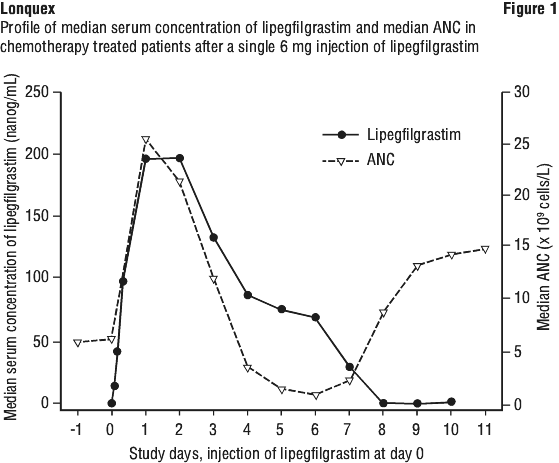
Lipegfilgrastim appears to be mainly eliminated by neutrophil mediated clearance, which becomes saturated at higher doses. Consistent with a self regulating clearance mechanism, the serum concentration of lipegfilgrastim declines slowly during the chemotherapy induced transient neutrophil nadir and rapidly at the following onset of neutrophil recovery (see Figure 1).
The impact of hepatic impairment on the pharmacokinetics of lipegfilgrastim in cancer patients was not studied.
Due to the neutrophil mediated clearance mechanism, the pharmacokinetics of lipegfilgrastim is not expected to be affected by renal or hepatic impairment.
Elderly patients. Limited patient data indicate that the pharmacokinetics of lipegfilgrastim in elderly patients (65-74 years) is similar to that in younger patients. No pharmacokinetic data are available in patients ≥ 75 years.
Gender. No statistically significant differences in exposure were observed between men and women.
Race. Due to the limited data in the population studied, conclusions regarding the impact of race on the pharmacokinetics of lipegfilgrastim cannot be drawn.
Effect of body weight. A statistically significant difference in lipegfilgrastim exposure was observed between the heaviest (> 80 kg) and the lightest (< 60 kg) subjects studied. Exposure in the heaviest subjects was approximately 30% that of the exposure in lightest subjects. A decrease in efficacy cannot be excluded in patients > 80 kg from currently available data.
5.3 Preclinical Safety Data
Genotoxicity. Genotoxicity studies were not performed with Lonquex.
Recombination products such as Lonquex would not be expected to interact directly with deoxyribonucleic acid (DNA) or other chromosomal material. A mutagenic potential is not expected for Lonquex.
The mutagenic potential of r-metHuG-CSF (filgrastim, Neupogen) was evaluated in vivo (mouse micronucleus test, intraperitoneal administration) as well as in vitro (Ames test, chromosomal aberration test). r-metHuG-CSF was found not to be mutagenic.
Carcinogenicity. Carcinogenicity studies with Lonquex were not performed as there is no evidence for a genotoxic effect of these cytokines and although not being relevant for chronic toxicity studies in rats, during long-term administration carcinogenicity studies neutralising antibodies with G-CSF may develop and may restrict a meaningful result.
Moreover, cytotoxic chemotherapy as concomitant therapy of Lonquex in patients with cancer implies a genotoxic and carcinogenic risk that cannot be separated from potential effects of Lonquex.
There is no indication for a potential carcinogenicity of Lonquex from chronic toxicity studies.
6 Pharmaceutical Particulars
6.1 List of Excipients
The product is formulated at a concentration of 10 mg/mL in a 10 mM sodium acetate buffer (pH 5.0), 50 mg/mL sorbitol (30.0 mg) and polysorbate 20 (0.02 mg). Other excipients used in the formulation are acetic acid (0.36 mg), 1 M sodium hydroxide (0.14 mg) and water for injection (q.s. to 0.6 mL). The concentration of 10 mg/mL is based on protein content only. The concentration is 20.9 mg/mL (i.e. 12.6 mg per prefilled syringe) if the PEG moiety and the carbohydrate linker are included.
6.2 Incompatibilities
Incompatibilities were either not assessed or not identified as part of the registration of this medicine.
6.3 Shelf Life
In Australia, information on the shelf life can be found on the public summary of the Australian Register of Therapeutic Goods (ARTG). The expiry date can be found on the packaging.
6.4 Special Precautions for Storage
Store in a refrigerator between 2-8°C. Do not freeze.
Keep the prefilled syringe in the outer carton, in order to protect from light.
Avoid shaking.
Lonquex may be removed from the refrigerator and stored below 25°C for a maximum single period of up to 7 days. Once removed from the refrigerator, the medicinal product must be used within this period or disposed of.
6.5 Nature and Contents of Container
Lonquex is supplied as a single use, preservative free, solution in a pre-filled syringe (type I glass) with a bromobutyl, latex free, plunger stopper and a fixed injection needle (stainless steel, 29G [0.34 mm] x 0.5 inch [12.7 mm]). It contains a solution volume of 0.6 mL with 6 mg of the active ingredient, lipegfilgrastim, for a 10 mg/mL solution. This is based on the protein content only.
Pack sizes of 1 pre-filled syringe with or without safety device (which prevents needle stick injury and re-use). For syringes without safety device, a plunger rod (polypropylene) is attached.
Each syringe is supplied in its own blister and carton.
6.6 Special Precautions for Disposal
Any unused medicinal product or waste material should be disposed of in accordance with local requirements.
6.7 Physicochemical Properties
Chemical structure.
7 Medicine Schedule (Poisons Standard)
Schedule 4 - Prescription Only Medicine.
Date of First Approval
12 November 2015
Date of Revision
15 November 2023
Summary Table of Changes

Reasonable care is taken to provide accurate information at the time of creation. This information is not intended as a substitute for medical advice and should not be exclusively relied on to manage or diagnose a medical condition. The Australian Commission on Safety and Quality in Health Care disclaims all liability (including for negligence) for any loss, damage, injury or any other negative effects resulting from reliance on or use of this information. Read our full disclaimer. This website uses cookies. Read our privacy policy.