
Lumakras
Brand Information
| Brand name | Lumakras |
| Active ingredient | Sotorasib |
| Schedule | S4 |
Consumer Medicine Information (CMI) leaflet
Please read this leaflet carefully before you start using the Lumakras.
Summary CMI
LUMAKRAS®
Consumer Medicine Information (CMI) summary
This medicine has provisional approval in Australia for some patients with non small cell lung cancer. The decision to approve this medicine has been made on the basis of promising results from preliminary studies. More evidence is required to be submitted when available to fully confirm the benefit and safety of the medicine for this use.
The full CMI on the next page has more details. If you are worried about using this medicine, speak to your doctor or pharmacist.
▼ This medicine is new. Please report side effects. See the full CMI for further details.
1. Why am I using LUMAKRAS?
LUMAKRAS contains the active ingredient sotorasib. LUMAKRAS is used to treat a type of lung cancer. For more information, see Section 1. Why am I using LUMAKRAS? in the full CMI.
2. What should I know before I use LUMAKRAS?
Your doctor has tested your tumour (cancer) to make sure that this medicine is right for you. Your doctor may ask you to do some other tests from time to time to check your progress. Do not use if you have ever had an allergic reaction to sotorasib or any of the ingredients listed at the end of the CMI.
Talk to your doctor if you have any other medical conditions, take any other medicines, or are pregnant or plan to become pregnant or are breastfeeding.
For more information, see Section 2. What should I know before I use LUMAKRAS? in the full CMI.
3. What if I am taking other medicines?
Some medicines may interfere with LUMAKRAS and affect how it works. LUMAKRAS may interfere with how some medicines work.
A list of these medicines is in Section 3. What if I am taking other medicines? in the full CMI.
4. How do I use LUMAKRAS?
The recommended dose is 8 tablets taken by mouth once daily with or without food. Your doctor may have prescribed a lower dose.
More instructions can be found in Section 4. How do I use LUMAKRAS? in the full CMI.
5. What should I know while using LUMAKRAS?
| Things you should do |
|
| Things you should not do |
|
| Driving or using machines |
|
| Drinking alcohol |
|
| Looking after your medicine |
|
For more information, see Section 5. What should I know while using LUMAKRAS? in the full CMI.
6. Are there any side effects?
Very common side effects include diarrhoea, nausea, vomiting, stomach pain, fatigue, and some abnormal blood test results. Serious side effects can include liver problems or new/ worsening shortness of breath, cough, or fever. For more information, including what to do if you have any side effects, see Section 6. Are there any side effects? in the full CMI.
Full CMI
▼ This medicine is subject to additional monitoring. This will allow quick identification of new safety information. You can help by reporting any side effects you may get. You can report side effects to your doctor, or directly at www.tga.gov.au/reporting-problems.
LUMAKRAS® (loo-ma-krass)
Active ingredient(s): sotorasib (so-tor-a-sib)
This medicine has provisional approval in Australia for some patients with non small cell lung cancer. The decision to approve this medicine has been made on the basis of promising results from preliminary studies. More evidence is required to be submitted when available to fully confirm the benefit and safety of the medicine for this use.
Consumer Medicine Information (CMI)
This leaflet provides important information about using LUMAKRAS. You should also speak to your doctor or pharmacist if you would like further information or if you have any concerns or questions about using LUMAKRAS.
Where to find information in this leaflet:
1. Why am I using LUMAKRAS?
2. What should I know before I use LUMAKRAS?
3. What if I am taking other medicines?
4. How do I take LUMAKRAS?
5. What should I know while using LUMAKRAS?
6. Are there any side effects?
7. Product details
1. Why am I using LUMAKRAS?
LUMAKRAS contains the active ingredient sotorasib.
It is used to treat a type of lung cancer called non-small cell lung cancer (NSCLC). The cancer is caused by an abnormal protein, called KRAS G12C that is involved in the growth of cells.
LUMAKRAS binds to the KRAS G12C protein and blocks the function of the protein in tumour cells. This may slow down or stop the growth of your lung cancer.
LUMAKRAS can only be prescribed if you have been previously treated for your lung cancer with other medicines, and your cancer is advanced or has spread to other parts of your body.
If you have any questions about how LUMAKRAS works or why it has been prescribed for you, ask your healthcare provider.
2. What should I know before I use LUMAKRAS?
Your healthcare provider will test your tumour (cancer) to make sure that LUMAKRAS is right for you.
Your healthcare provider may do further assessments including blood tests to check your liver function. If you have abnormal liver test results, your healthcare provider may decide to reduce the dose of LUMAKRAS or stop your treatment.
During treatment, you may be at risk of developing certain side effects. It is important you understand these risks and how to monitor for them. See additional information under Section 6. Are there any side effects?
Before taking LUMAKRAS
Talk to your healthcare provider before taking this medicine.
Tell them if you have:
- liver problems.
- lung or breathing problems.
- an intolerance to some sugars, such as lactose, or a rare genetic disorder (such as galactosaemia, or glucose-galactose intolerance or congenital lactase deficiency).
Warnings
Do not use LUMAKRAS if:
- You are allergic to sotorasib, or any of the ingredients listed at the end of this leaflet. Always check the ingredients to make sure you can use this medicine.
Pregnancy and breastfeeding
Check with your doctor if you are pregnant or intend to become pregnant. The effects of LUMAKRAS in pregnant women are not known. Your healthcare provider will help you weigh the benefit against the risk of taking LUMAKRAS while you are pregnant.
Talk to your doctor if you are breastfeeding or intend to breastfeed. It is not known if the ingredients in LUMAKRAS pass into breast milk. Do not breastfeed during treatment with LUMAKRAS and for 1 week after the final dose.
Use in children or adolescents
- LUMAKRAS has not been studied in patients younger than 18 years of age.
3. What if I am taking other medicines?
Tell your healthcare provider if you are taking any other medicines, including any medicines, vitamins or supplements that you buy without a prescription from your pharmacy, supermarket or health food shop.
Check with your doctor or pharmacist if you are not sure about what medicines, vitamins or supplements you are taking and if these affect LUMAKRAS.
Medicines that may reduce the effect of LUMAKRAS include:
- Rifampin, an antibiotic, used to treat tuberculosis
- Medicines used to treat epilepsy called phenytoin, carbamazepine, or phenobarbital
- St. John's wort, which is herbal medicine used to treat depression
- Enzalutamide, a medicine that is used for prostate cancer
- Medicines used to reduce stomach acid and to treat stomach ulcers, indigestion, and heartburn such as: esomeprazole, lansoprazole, omeprazole, pantoprazole sodium, or rabeprazole (medicines known as ‘proton pump inhibitors’); famotidine, nizatidine (medicines known as ‘H2 receptor antagonists’). See special instructions in When to take LUMAKRAS.
LUMAKRAS may increase the effectiveness of some medicines including:
- Digoxin, a medicine used to treat heart failure.
LUMAKRAS may reduce the effectiveness of some medicines including:
- Alfentanil or fentanyl (used to treat severe pain)
- Medicines used to prevent organ rejection, such as cyclosporin, sirolimus, everolimus, or tacrolimus
- Medicines used to reduce cholesterol levels, such as simvastatin, or atorvastatin
- Midazolam, a medicine used to treat acute seizures or as a sedative before or during surgery or medical procedures
- Medicines used to treat heart rhythm problems, such as amiodarone
- Some medicines known as anticoagulants that stop your blood clotting, such as rivaroxaban and apixaban.
4. How do I take LUMAKRAS?
How much to take
Take LUMAKRAS tablets exactly as your healthcare provider tells you to take it.
The recommended starting dose for LUMAKRAS dose is 8 tablets taken together once every day. Your healthcare provider may decrease your dose or ask you to stop your medicine, depending on how well you tolerate it.
How to take LUMAKRAS
LUMAKRAS can be taken with or without food.
Swallow your daily dose of LUMAKRAS tablets whole. Do not break, crush or chew tablets.
If you cannot swallow whole tablets
Place your daily dose of LUMAKRAS tablets in a drinking glass or cup with 120 mL of room temperature tap water.
- Do not use or any other liquids to disperse the tablets.
- Do not crush the tablets.
Gently swirl the glass or cup until the tablets disperse into small pieces. The tablets will not dissolve completely.
The appearance of the mixture may range from pale to bright yellow. Drink the mixture right away.
Rinse the glass or cup with an additional half a glass of tap water and drink it straight away to make sure that you have taken the full dose of LUMAKRAS.
If you do not drink the mixture immediately, stir the mixture again, and drink it within 2 hours of preparation.
When to take LUMAKRAS
- Take LUMAKRAS at about the same time each day.
- If you need to take an antacid medicine, take LUMAKRAS tablets either 4 hours before or 10 hours after the antacid.
If you throw up (vomit) after taking LUMAKRAS
If you vomit after taking a dose of LUMAKRAS, do not take an extra dose.
Take your next dose at your regular scheduled time.
If you forget to take LUMAKRAS
LUMAKRAS should be taken at the same time each day.
If you forget to take your dose at the usual time and it is:
- less than 6 hours, take the dose as soon as you remember.
- more than 6 hours, skip the missed dose. Take your next dose at the usual time on the next day.
Do not take a double dose to make up for the dose you missed.
If you use too much LUMAKRAS
If you think that you have used too much LUMAKRAS, you may need urgent medical attention.
You should immediately:
- phone the Poisons Information Centre
(by calling 13 11 26), or - contact your healthcare provider, or
- go to the Emergency Department at your nearest hospital and take the LUMAKRAS pack with you.
You should do this even if there are no signs of discomfort or poisoning.
5. What should I know while using LUMAKRAS?
Things you should do
- Keep all your doctor's appointments so that your progress can be checked. Your doctor may ask you to have some tests from time to time to make sure the medicine is working.
- Contact your doctor without delay if you become pregnant while taking LUMAKRAS.
- Remind any doctor, dentist or pharmacist you visit that you are taking LUMAKRAS.
Call your doctor straight away if you:
- Show signs of a serious allergic reaction.
Things you should not do
- Do not give this medicine to anyone else, even if they have the same condition as you.
- Do not change your dose or stop taking LUMAKRAS unless your healthcare provider tells you to.
- Do not use this medicine after the expiry date (EXP) that is given on the blister and carton.
Driving or using machines
LUMAKRAS has no marked influence on the ability to drive and use machines.
Be careful before you drive or use any machines or tools until you know how LUMAKRAS affects you.
Drinking alcohol
Tell your doctor if you drink alcohol.
There is no information on the effects of taking LUMAKRAS and drinking alcohol.
Looking after your medicine
Store LUMAKRAS tablets below 30°C in the original carton.
Store the pack in a cool dry place away from moisture, heat or sunlight. For example, do not store it:
- in the bathroom or near a sink, or
- in the car or on window sills.
Follow the instructions in the carton on how to take care of your medicine properly.
Keep it where young children cannot reach it.
Getting rid of any unwanted medicine
If you no longer need to use this medicine or it is out of date, take it to any pharmacy for safe disposal.
Do not use this medicine after the expiry date.
6. Are there any side effects?
All medicines can have side effects. If you do experience any side effects, most of them are minor and temporary. However, some side effects may need medical attention.
See the information below and, if you need to, ask your doctor or pharmacist if you have any further questions about side effects.
Less serious side effects are very common.
| Less serious side effects | What to do |
Gastrointestinal effects
| Speak to your doctor if you have any of these less serious side effects and they worry you. |
| Serious side effects | What to do |
Signs of liver problems
| Call your doctor straight away, or go straight to the Emergency Department at your nearest hospital if you notice any of these serious liver side effects. |
Tell your doctor or pharmacist if you notice anything else that may be making you feel unwell.
Other side effects not listed here may occur in some people.
Reporting side effects
After you have received medical advice for any side effects you experience, you can report side effects to the Therapeutic Goods Administration online at www.tga.gov.au/reporting-problems. By reporting side effects, you can help provide more information on the safety of this medicine.
Always make sure you speak to your doctor or pharmacist before you decide to stop taking any of your medicines.
7. Product details
This medicine is only available with a doctor's prescription.
What LUMAKRAS tablets contain
| Active ingredient (main ingredient) | sotorasib |
| Other ingredients (inactive ingredients) | microcrystalline cellulose (E460), lactose monohydrate, croscarmellose sodium (E468), magnesium stearate (vegetable-source, E470b), polyvinyl alcohol (E1203), titanium dioxide (E171), polyethylene glycol (E1521), purified talc (E553b), iron oxide yellow (E172). |
| Potential allergens | lactose 108 mg/tablet (as monohydrate) |
LUMAKRAS is gluten-free.
Seek medical advice if you are allergic to any of the ingredients.
What LUMAKRAS looks like
LUMAKRAS is a yellow, oblong-shaped, film coated tablet, marked “AMG” on one side and “120” on the reverse (AUST R 353210).
LUMAKRAS is packed in blister cartons of 56* and 240 tablets. Some pack sizes* may not be marketed.
Who distributes LUMAKRAS
Amgen Australia Pty Ltd
Level 11, 10 Carrington Street,
Sydney NSW 2000
Ph: 1800 803 638
www.amgenmedinfo.com.au
® = trademark of Amgen.
This leaflet was prepared in June 2022.
Brand Information
| Brand name | Lumakras |
| Active ingredient | Sotorasib |
| Schedule | S4 |
▼ This medicinal product is subject to additional monitoring in Australia. This will allow quick identification of new safety information. Healthcare professionals are asked to report any suspected adverse events at www.tga.gov.au/reporting-problems.
MIMS Revision Date: 01 December 2025
1 Name of Medicine
Sotorasib.
2 Qualitative and Quantitative Composition
Active substance. Lumakras tablet. Each film coated tablet contains sotorasib 120 mg.
Excipients. Excipient with known effect. Contains sugars. Each Lumakras tablet contains lactose (see Section 4.4 Special Warnings and Precautions for Use).
For the list of excipients, see Section 6.1 List of Excipients.
3 Pharmaceutical Form
Lumakras 120 mg tablet. Yellow, immediate release, film coated tablet, oblong-shaped (approximately 7 mm x 16 mm), debossed with "AMG" on one side and "120" on the reverse side.
4 Clinical Particulars
4.1 Therapeutic Indications
Lumakras has provisional approval in Australia for the treatment of adult patients with KRAS G12C-mutated locally advanced or metastatic non-small cell lung cancer (NSCLC) who have received at least one prior systemic therapy for advanced disease.
The decision to approve this indication has been made on the basis of the objective response rate (ORR) and the duration of response (DOR). Continued approval of this indication depends on the verification and description of benefit in confirmatory trials.
4.2 Dose and Method of Administration
Confirm the presence of a KRAS G12C mutation using a validated test prior to initiation of Lumakras.
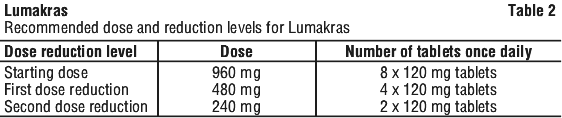
Dose. The recommended dose of Lumakras is 960 mg (as eight 120 mg tablets) orally once daily until disease progression or unacceptable toxicity (see Table 2).
Take Lumakras at the same time each day with or without food. Swallow tablets whole. Do not chew, crush, or split tablets.
If a dose of Lumakras is missed, do not take the dose if 6 hours or more have passed from the scheduled time of dosing. Resume treatment as prescribed the next day.
If vomiting occurs after taking Lumakras, do not take an additional dose. Resume treatment as prescribed the next day.
Administration to patients who have difficulty swallowing solids. Disperse tablets in 120 mL of room-temperature tap water without crushing. Do not use other liquids. Stir until tablets are dispersed into small pieces (the tablets will not completely dissolve) and drink immediately or within two hours of preparation. The appearance of the mixture may range from pale yellow to bright yellow. Swallow the tablet dispersion. Do not chew pieces of the tablet. Rinse the container with an additional 120 mL of water and drink immediately. If the mixture is not consumed immediately, stir the mixture again to ensure that tablets are dispersed.
Dose modifications. Lumakras dose modifications for adverse reactions are provided in Table 1. Lumakras dose reduction levels are summarised in Table 2. If adverse reactions occur, a maximum of two dose reductions are permitted.
Discontinue Lumakras if patients are unable to tolerate the minimum dose of 240 mg once daily.
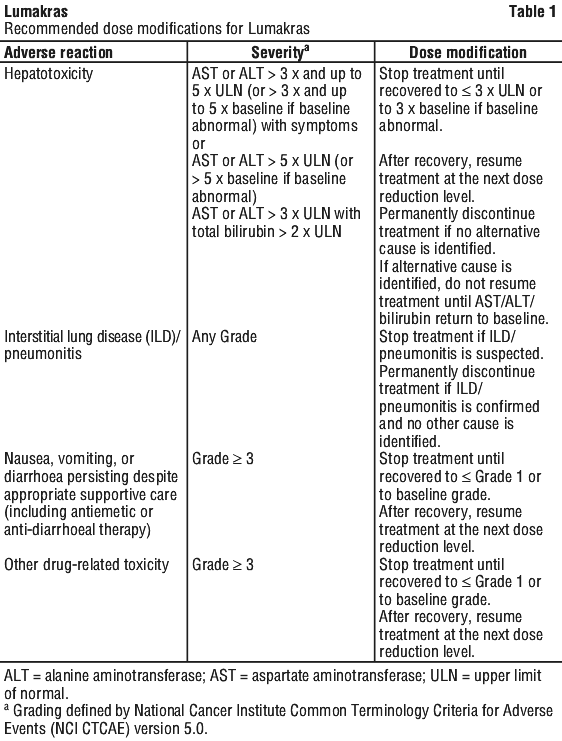
The effect of severe hepatic impairment (Child-Pugh C) on the safety of Lumakras is unknown. Monitor for sotorasib adverse reactions in patients with hepatic impairment more frequently since these patients may be at increased risk for adverse reactions including hepatotoxicity.
Renal impairment. Based on population pharmacokinetic analysis, no dose adjustment is recommended for patients with mild renal impairment (creatinine clearance ≥ 60 mL/min) (see Section 5.2 Pharmacokinetic Properties). Lumakras has not been studied in patients with moderate or severe (creatinine clearance: < 60 mL/min) renal impairment (see Section 5.2 Pharmacokinetic Properties).
Paediatric use. The safety and efficacy of Lumakras in paediatric patients have not been established.
Use in the elderly. In clinical studies, no overall differences in Lumakras safety or efficacy were observed between geriatric patients (≥ 65 years old) and younger patients. No dose adjustment is required for geriatric patients (see Section 5.2 Pharmacokinetic Properties).
Coadministration of Lumakras with acid-reducing agents. Avoid coadministration of proton pump inhibitors (PPIs) and H2-receptor antagonists with Lumakras. If treatment with an acid-reducing agent cannot be avoided, take Lumakras 4 hours before or 10 hours after administration of a local antacid (see Section 4.5 Interactions with Other Medicines and Other Forms of Interactions, Acid-reducing agents; Section 5.2 Pharmacokinetic Properties).
4.3 Contraindications
Lumakras is contraindicated in patients with hypersensitivity to sotorasib or any of the excipients (see Section 6.1 List of Excipients).
4.4 Special Warnings and Precautions for Use
Lactose. Lumakras tablets contain lactose monohydrate 114 mg (see Section 2 Qualitative and Quantitative Composition; Section 6.1 List of Excipients). Patients with rare hereditary problems of galactose intolerance, total lactase deficiency or glucose-galactose malabsorption should not take this medicine.
Hepatotoxicity. Lumakras can cause hepatotoxicity and increased alanine aminotransferase (ALT) or increased aspartate aminotransferase (AST) which may lead to drug induced liver injury and hepatitis.
In the pooled safety population of patients with NSCLC who received single agent Lumakras 960 mg [see Section 4.8 Adverse Effects (Undesirable Effects)], hepatotoxicity occurred in 27% of patients, of which 16% were Grade ≥ 3. Among patients with hepatotoxicity who required dosage modifications, 64% required treatment with corticosteroids.
In the pooled safety population of patients with NSCLC who received single agent Lumakras 960 mg, 17% of patients who received Lumakras had increased ALT/increased AST; of which 9% were Grade ≥ 3. The median time to first onset of increased ALT/AST was 6.3 weeks (range: 0.4 to 42). Increased ALT/AST leading to dose interruption or reduction occurred in 9% of patients. Lumakras was discontinued due to increased ALT/AST in 2.7% of patients. Drug-induced liver injury occurred in 1.6% (all grades) including 1.3% (Grade ≥ 3).
In this pooled safety population of patients with NSCLC who received single agent Lumakras 960 mg, a total of 40% patients with recent (≤ 3 months) immunotherapy prior to starting Lumakras had an event of hepatotoxicity. An event of hepatotoxicity was observed in 18% of patients who started Lumakras more than 3 months after last dose of immunotherapy and in 17% of those who never received immunotherapy. Regardless of time from prior immunotherapy, 94% of hepatotoxicity events improved or resolved with dosage modification of Lumakras, with or without corticosteroid treatment.
Monitor liver function tests (ALT, AST, alkaline phosphatase and total bilirubin) prior to the start of Lumakras, every 3 weeks for the first 3 months of treatment, then once a month or as clinically indicated, with more frequent testing in patients who develop transaminase and/or bilirubin elevations. Withhold, dose reduce or permanently discontinue Lumakras based on severity of adverse reaction [see Section 4.2 Dose and Method of Administration; Section 4.8 Adverse Effects (Undesirable Effects)].
Consider administering systemic corticosteroids for the management of hepatotoxicity.
Interstitial lung disease (ILD)/pneumonitis. In the pooled safety population of patients with NSCLC who received single agent Lumakras 960 mg [see Section 4.8 Adverse Effects (Undesirable Effects)], ILD/pneumonitis occurred in 2.2% of patients, of which 1.1% were Grade ≥ 3, and 1 case was fatal. The median time to first onset for ILD/pneumonitis was 8.6 weeks (range: 2.1 to 36.7 weeks). Lumakras was permanently discontinued due to ILD/pneumonitis in 1.3% of patients.
Recent (≤ 3 months) immunotherapy prior to starting Lumakras may be considered a risk factor for ILD/pneumonitis. Monitor patients for new or worsening pulmonary symptoms indicative of ILD/ pneumonitis (e.g. dyspnoea, cough, fever). Immediately withhold Lumakras in patients with suspected ILD/pneumonitis and permanently discontinue Lumakras if no other causes of ILD/pneumonitis are identified (see Section 4.2 Dose and Method of Administration).
Effects on laboratory tests. Sotorasib has been associated with transient elevations of ALT and AST.
4.5 Interactions with Other Medicines and Other Forms of Interactions
Effect of other medicines on Lumakras. Acid-reducing agents. The solubility of sotorasib is pH-dependent. Coadministration of Lumakras with gastric acid-reducing agents decreased sotorasib concentrations, which may reduce the efficacy of sotorasib. Avoid coadministration of Lumakras with proton pump inhibitors (PPIs), H2-receptor antagonists, and locally acting antacids. If coadministration with an acid-reducing agent cannot be avoided, administer Lumakras 4 hours before or 10 hours after administration of a locally acting antacid (see Section 5.2 Pharmacokinetic Properties).
Strong CYP3A inducers. Coadministration of Lumakras with a strong CYP3A inducer led to a decrease in sotorasib concentrations. Coadministration of strong CYP3A4 inducers (including rifampin, carbamazepine, enzalutamide, phenobarbital, and St John's wort) with Lumakras is not recommended because the impact on efficacy is unknown (see Section 5.2 Pharmacokinetic Properties).
Effect of Lumakras on other medicines. CYP3A4 substrates. Lumakras is a moderate CYP3A4 inducer. Coadministration of Lumakras with CYP3A4 substrates (such as alfentanil, fentanyl, cyclosporin, sirolimus, everolimus, tacrolimus, simvastatin, atorvastatin, midazolam, amiodarone, rivaroxaban and apixaban) could lead to a decrease in their plasma concentrations, which may reduce the efficacy of these substrates (see Section 5.2 Pharmacokinetic Properties). Avoid coadministration of Lumakras with CYP3A4 substrates with narrow therapeutic indices. If coadministration cannot be avoided, adjust the CYP3A4 substrate dosage in accordance with approved product labelling.
BCRP substrates. Lumakras is a BCRP inhibitor. Coadministration of Lumakras with a BCRP substrate led to an increase in the plasma concentrations of the BCRP substrate, which may increase the effects of these substrates (see Section 5.2 Pharmacokinetic Properties). When co-administered with Lumakras, monitor for adverse reactions of the BCRP substrate and decrease the BCRP substrate dosage in accordance with its product labelling.
P-glycoprotein (P-gp) substrates. Coadministration of Lumakras with a P-gp substrate (digoxin) increased digoxin plasma concentrations [see Section 5.2 Pharmacokinetic Properties, Effect of sotorasib on other medicines], which may increase the adverse reactions of digoxin. Avoid coadministration of Lumakras with P-gp substrates, for which minimal concentration changes may lead to serious toxicities. If coadministration cannot be avoided, decrease the P-gp substrate dosage in accordance with its Product Information.
4.6 Fertility, Pregnancy and Lactation
Effects on fertility. There are no clinical studies to evaluate the effect of Lumakras on fertility. Fertility/early embryonic development studies were not conducted with sotorasib. There were no adverse effects on female or male reproductive organs in general toxicology studies conducted in dogs and rats.
Use in pregnancy. (Category B3)
There are no clinical studies with Lumakras use in pregnant women. In rat and rabbit embryo-fetal development studies, oral sotorasib was not teratogenic. Inform the patient of the potential hazards to the fetus if Lumakras is used during pregnancy, or if the patient becomes pregnant while taking Lumakras.
Animal data. In the rat, there were no effects on embryo-fetal development up to 540 mg/kg/day the highest dose tested [approximately 2 times higher than the exposure at the maximum recommended human dose (MRHD) of sotorasib 960 mg, based on area under the curve, AUC].
In the rabbit, lower fetal body weights and a reduction in the number of ossified metacarpals in fetuses were observed only at the highest dose level tested (100 mg/kg, 2.3 times higher than the exposure at the MRHD of 960 mg based on AUC), which was associated with maternal effects such as decreased body weight gain and decreased food consumption during the dosing phase. Reduced ossification, as evidence of growth retardation associated with reduced fetal body weight, was interpreted as a non-specific effect in the presence of significant maternal toxicity.
Use in lactation. There are no clinical studies on the presence of Lumakras or its metabolites in human milk, the effects on the breastfed child, or on milk production. Because of the potential risk for Lumakras to cause adverse effects in breastfed children, advise women not to breastfeed during treatment with Lumakras and for 1 week after the final dose.
4.7 Effects on Ability to Drive and Use Machines
Lumakras has no or negligible influence on the ability to drive and use machines.
4.8 Adverse Effects (Undesirable Effects)
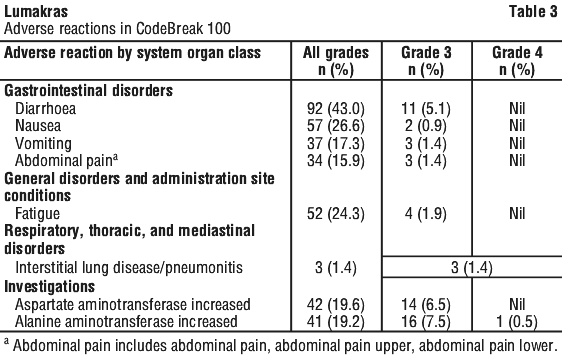
Summary of safety profile. NSCLC (pooled analysis). The pooled safety population described in the Section 4.4 Special Warnings and Precautions for Use reflect exposure to Lumakras as a single agent at 960 mg orally once daily until disease progression or unacceptable toxicity in 549 patients with NSCLC with KRAS G12C mutation in the following trials: CodeBreaK 200, CodeBreaK 100, CodeBreaK 101 and CodeBreaK 105. The median duration of exposure to Lumakras was 4.8 months (range: 0 to 41 months).
Locally advanced or metastatic NSCLC (CodeBreak 100). The safety of Lumakras was evaluated in 214 patients with KRAS G12C-mutated locally advanced or metastatic NSCLC who received sotorasib 960 mg orally once daily as monotherapy in CodeBreak 100. The median duration of exposure to Lumakras was 5.5 months (range: 0.2 to 21 months).
Serious adverse reactions occurred in 50% of patients treated with Lumakras. Serious adverse reactions in ≥ 2% of patients were pneumonia (8%), hepatotoxicity (3.4%), and diarrhoea (2%). Fatal adverse reactions occurred in 3.4% of patients who received Lumakras due to respiratory failure (0.8%), pneumonitis (0.4%), cardiac arrest (0.4%), cardiac failure (0.4%), gastric ulcer (0.4%), and pneumonia (0.4%).
Permanent discontinuation of Lumakras due to an adverse reaction occurred in 9% of patients. Adverse reactions resulting in permanent discontinuation of Lumakras in ≥ 2% of patients included hepatotoxicity (4.9%).
Dosage interruptions of Lumakras due to an adverse reaction occurred in 34% of patients. Adverse reactions which required dosage interruption in ≥ 2% of patients were hepatotoxicity (11%), diarrhoea (8%), musculoskeletal pain (3.9%), nausea (2.9%), and pneumonia (2.5%).
Dose reductions of Lumakras due to an adverse reaction occurred in 5% of patients. Adverse reactions which required dose reductions in ≥ 2% of patients included increased ALT (2.9%) and increased AST (2.5%).
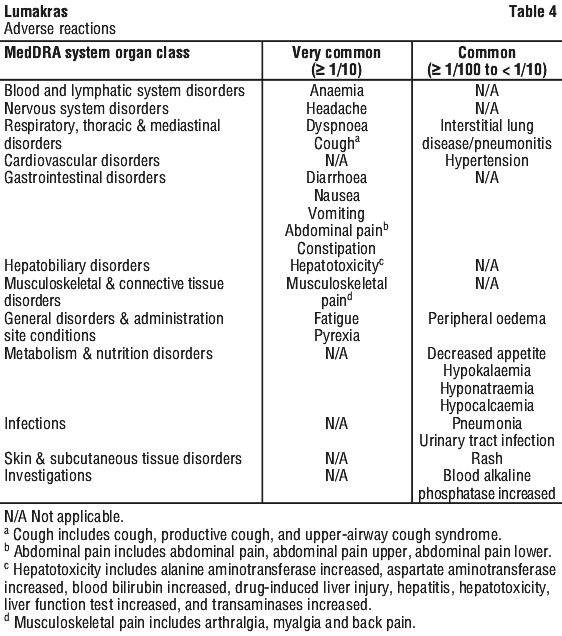
Adverse drug reactions reported by system organ class in Lumakras clinical studies are displayed in Table 3.
4.9 Overdose
Symptoms and signs. There is no clinical experience of overdose with Lumakras.
Treatment. In the event of a Lumakras overdose, the patient should be treated symptomatically, and supportive measures instituted as required. For advice on the management of overdose contact the Poisons Information Centre on 131126.
5 Pharmacological Properties
5.1 Pharmacodynamic Properties
Pharmacotherapeutic group: Antineoplastic agent.
Anatomical Therapeutic Chemical (ATC) code: L01XX73.
Mechanism of action. Sotorasib is a KRASG12C inhibitor, which covalently and irreversibly binds to the unique cysteine of KRASG12C. Inactivation of KRASG12C by sotorasib blocks tumour cell signalling and survival, inhibits cell growth, and promotes apoptosis selectively in tumours harbouring KRASG12C, an oncogenic driver of tumourigenesis across multiple cancer types. The potency and selectivity of sotorasib is enhanced through the unique binding to both the P2 pocket and the His95 surface groove, locking the protein in an inactive state that prevents downstream signalling without affecting wild-type KRAS.
Sotorasib demonstrated in vitro and in vivo inhibition of KRASG12C with minimal detectable off-target activity against other cellular proteins and processes. Sotorasib impaired oncogenic signalling and tumour cell survival at clinically relevant exposures in preclinical models expressing KRASG12C. Sotorasib also enhanced antigen presentation and inflammatory cytokine production only in tumour cells with KRASG12C. Sotorasib induced anti-tumour inflammatory responses and immunity, driving tumour regressions in immunocompetent mice implanted with KRASG12C-expressing tumours.
Cardiac electrophysiology. The effect of Lumakras on the QT interval was assessed in 156 patients administered Lumakras 960 mg once daily in clinical studies. Lumakras did not prolong the QT interval to any clinically relevant extent. At peak concentrations, the mean change from baseline was less than 5 milliseconds (ms). No patients had a large mean increase in QTc (> 20 ms) in the studies.
Clinical trials in NSCLC. CodeBreaK 100. The efficacy of Lumakras was demonstrated in a single-arm, open-label, multicentre trial (CodeBreaK 100) that enrolled patients with locally advanced or metastatic KRAS G12C-mutated NSCLC who had disease progression on or after receiving prior therapy. Key eligibility criteria included progression on an immune checkpoint inhibitor and/or platinum-based chemotherapy, an Eastern Cooperative Oncology Group Performance Status (ECOG PS) of 0 or 1, and at least one measurable lesion as defined by Response Evaluation Criteria in Solid Tumours (RECIST v1.1).
All patients were required to have KRAS G12C-mutated NSCLC prospectively identified in tumour samples by a validated test performed in a central laboratory. From the patients with KRAS G12C mutations confirmed in tumour tissue, plasma samples from 112 patients were tested retrospectively using a separate validated test. 78 patients (70%) had KRAS G12C mutation identified in plasma specimen, and 31 patients (28%) did not have KRAS G12C mutation identified in plasma specimen.
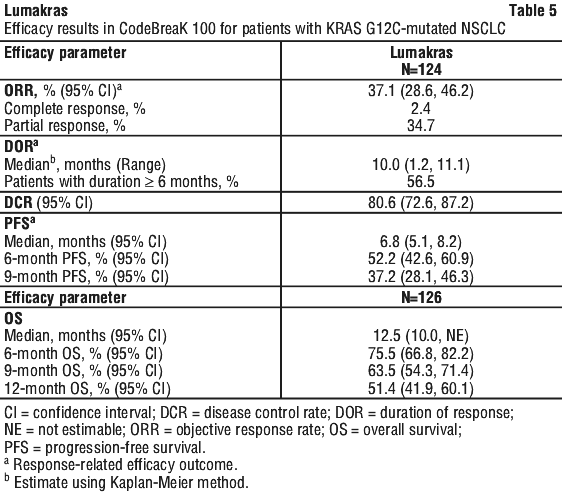
A total of 126 patients were enrolled and treated with Lumakras 960 mg once daily until disease progression or unacceptable toxicity; 124 patients had at least one measurable lesion at baseline as assessed by Blinded Independent Central Review (BICR) according to RECIST v1.1 and were included in the analysis for response-related efficacy outcomes. The median duration of treatment was 5.5 months (range 0 to 15) with 48% of patients treated for ≥ 6 months and 33% of patients treated for ≥ 9 months. The major efficacy outcome measure was objective response rate (ORR) and duration of response (DOR) as evaluated by BICR according to RECIST v1.1. Additional efficacy outcome measures included disease control rate (DCR), time to response (TTR), progression-free survival (PFS), and overall survival (OS).
The baseline demographic and disease characteristics of the study population were: median age 64 years (range 37 to 80) with 47% ≥ 65 years and 8% ≥ 75 years; 50% Female; 82% White, 15% Asian, 2% Black; 70% ECOG PS 1; 96% had stage IV disease; 99% with non squamous histology; 81% former smokers, 12% current smokers, 5% never smokers. All patients received at least 1 prior line of systemic therapy for metastatic NSCLC; 43% received only 1 prior line of therapy, 35% received 2 prior lines of therapy, 22% received 3 prior lines of therapy; 91% received prior anti-PD-1/PD-L1 immunotherapy, 90% received prior platinum-based chemotherapy, 81% received both platinum-based chemotherapy and anti-PD-1/PD-L1. The sites of known extra-thoracic metastasis included 48% bone, 21% brain, and 21% liver.
Efficacy results are summarised in Table 5. The ORR was 37% (95% CI: 29, 47). The patients with objective responses had DOR ranging from 1.2 to 11.1 months, and 43% were still on therapy with ongoing response after a median duration of follow-up of 9.6 months. The median TTR was 1.4 months (range 1.2 to 10.1), with 70% of responses occurring within the first 7 weeks. Consistent efficacy results were seen in patients with KRAS G12C mutation identified in either tissue or plasma specimens.
5.2 Pharmacokinetic Properties
The pharmacokinetics of sotorasib have been characterised in patients with KRAS G12C-mutated solid tumours, including NSCLC, and healthy subjects.
In a dose comparison sub-study in patients receiving sotorasib 960 mg or 240 mg once daily dose, after 8 daily doses, geometric mean Cmax and AUC0-24 for the 240 mg dose were both 22% lower than for the 960 mg dose.
Absorption. Following an oral, single-dose administration, sotorasib was absorbed with median time to achieve peak concentration of 1 hour.
Effect of food. Following administration of sotorasib with a high-fat, high-calorie meal, there was no effect on Cmax and AUC increased by 38% compared to administration under fasted conditions. Sotorasib can be administered with or without food.
Distribution. The mean volume of distribution at steady state of sotorasib was 211 L. In vitro, plasma protein binding of sotorasib was 89%.
Metabolism.The main metabolic pathways of sotorasib were non-enzymatic conjugative and oxidative metabolism by CYP3As.
Excretion. At sotorasib 960 mg once daily, the steady state apparent clearance is 26.2 L/hr. The mean half-life is 5 hours. Steady state was reached within 22 days and remained stable. No accumulation with multiple dosing was observed. Sotorasib is primarily eliminated in faeces, with approximately 74% of the dose recovered in faeces and 6% (1% unchanged) recovered in urine.
Special populations. No clinically meaningful differences in the pharmacokinetics of sotorasib were observed based on age, sex, race, body weight, line of therapy, ECOG PS, mild renal impairment (creatinine clearance: ≥ 60 mL/min), or mild hepatic impairment (AST or ALT < 2.5 x ULN or total bilirubin < 1.5 x ULN). The effect of moderate to severe renal or hepatic impairment on sotorasib pharmacokinetics has not been studied.
Hepatic impairment. The mean AUC of sotorasib decreased by 25% in subjects with moderate hepatic impairment (Child-Pugh B) and increased by 4% in subjects with severe hepatic impairment (Child-Pugh C) compared to subjects with normal hepatic function following a single dose of 960 mg Lumakras.
Drug interaction studies. Effect of other medicines on sotorasib. Acid-reducing agents: Coadministration of repeat doses of omeprazole (PPI) with a single dose of Lumakras decreased sotorasib Cmax by 65% and AUC by 57% under fed conditions, and decreased sotorasib Cmax by 57% and AUC by 42% under fasted conditions. Coadministration of a single dose of famotidine (H2-receptor antagonist) given 10 hours prior to and 2 hours after a single dose of Lumakras under fed conditions decreased sotorasib Cmax by 35% and AUC by 38% (see Section 4.5 Interactions with Other Medicines and Other Forms of Interactions).
Strong CYP3A4 inducers. Coadministration of Lumakras with multiple doses of rifampin (a strong CYP3A4 inducer) decreased sotorasib Cmax by 35% and AUC by 51% (see Section 4.5 Interactions with Other Medicines and Other Forms of Interactions).
Strong CYP3A4 inhibitors and transporter systems. No clinically meaningful effect on the exposure of sotorasib was observed following coadministration of Lumakras with itraconazole (a strong CYP3A4 inhibitor and P-glycoprotein [P-gp] inhibitor), single dose of rifampin [an organic-anion-transporting polypeptides (OATP) OATP1B1/1B3 inhibitor], or metformin (a multidrug and toxin extrusion (MATE) MATE1/MATE2-K substrate).
Effect of sotorasib on other medicines. CYP3A4 substrates. Coadministration of Lumakras with midazolam (a sensitive CYP3A4 substrate) decreased midazolam Cmax by 48% and AUC by 53% (see Section 4.5 Interactions with Other Medicines and Other Forms of Interactions).
BCRP substrates. Coadministration of Lumakras with rosuvastatin (a BCRP substrate) increased rosuvastatin Cmax by 70% and AUC by 34% (see Section 4.5 Interactions with Other Medicines and Other Forms of Interactions).
P-gp substrates. Coadministration of Lumakras with digoxin (a P-gp substrate) increased digoxin Cmax by 91% and AUC by 21%.
Transporter systems. No clinically meaningful effect on the exposure of metformin (a MATE1/MATE2-K substrate) or digoxin (a sensitive P-gp substrate) were observed following coadministration of Lumakras.
In vitro studies. Cytochrome P450 (CYP) enzymes. Sotorasib may induce CYP2C8, CYP2C9, CYP2C19 and CYP2B6. Sotorasib does not inhibit CYP1A2, CYP2B6, CYP2C9, or CYP2C19 at clinically relevant concentrations. Sotorasib inhibited CYP2D6 with Ki=18.2 microM.
Transporter systems. Sotorasib may have the potential to inhibit breast cancer resistance protein (BCRP), OATP1B1, OATP1B3, OCT1, and OAT3; the clinical relevance of these findings is unknown.
5.3 Preclinical Safety Data
Reproductive toxicity and fertility. Fertility/early embryonic development studies were not conducted with sotorasib. There were no adverse effects on male or female reproductive organs in general toxicology studies conducted in dogs and rats.
Genotoxicity. Sotorasib was not mutagenic in a bacterial mutagenicity (Ames) assay. Sotorasib was not genotoxic in the in vivo rat micronucleus and comet assays.
Carcinogenicity. Carcinogenicity studies have not been performed with sotorasib.
6 Pharmaceutical Particulars
6.1 List of Excipients
The core tablets contain microcrystalline cellulose, lactose monohydrate, croscarmellose sodium, and magnesium stearate (vegetable source). The film coating contains polyvinyl alcohol, titanium dioxide, polyethylene glycol, purified talc, and iron oxide yellow.
6.2 Incompatibilities
Incompatibilities were either not assessed or not identified as part of the registration of this medicine.
6.3 Shelf Life
Information on the shelf life can be found on the public summary of the Australian Register of Therapeutic Goods (ARTG).
The expiry date can be found on the packaging.
6.4 Special Precautions for Storage
Store below 30°C.
6.5 Nature and Contents of Container
Lumakras tablets are supplied in either PVC/PVDC/Aluminium or PVC/Aclar/ Aluminium blister packs. Each blister strip contains 8 film coated tablets. Each pack contains 240 film coated tablets (30 blister strips).
6.6 Special Precautions for Disposal
Any unused medicine or waste material should be disposed of by taking to your local pharmacy.
6.7 Physicochemical Properties
Chemical structure.
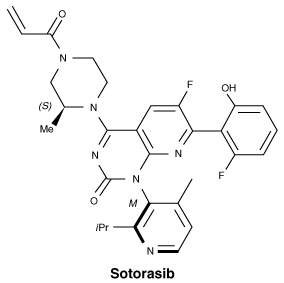
Chemical name (IUPAC): 6-fluoro-7-(2-fluoro-6-hydroxyphenyl)-(1M)-1-[4-methyl-2-(propan-2-yl)pyridin-3-yl]-4- [(2S)-2- methyl-4-(prop-2-enoyl)piperazin-1-yl]pyrido[2,3-d]pyrimidin-2(1H)-one.
Molecular formula: C30H30F2N6O3.
Molecular weight: 560.6 Daltons.
CAS number. 2296729-00-3.
Sotorasib is a white, off-white, or yellow to light brown crystalline powder with low hygroscopicity. The melting point is approximately 289°C.
Sotorasib is almost insoluble in water. The solubility of sotorasib in aqueous media decreases over the range pH 1.2 to 6.8 from 1.3 mg/mL to 0.03 mg/mL. An aqueous 0.06 mg/mL solution has a pH of 5.6. Sotorasib has pKa values of 4.56 and 8.06. The partition coefficient (log D) at pH 7.4 is 2.44.
7 Medicine Schedule (Poisons Standard)
Schedule 4 - Prescription Only Medicine.
Date of First Approval
30 March 2022
Date of Revision
21 October 2025
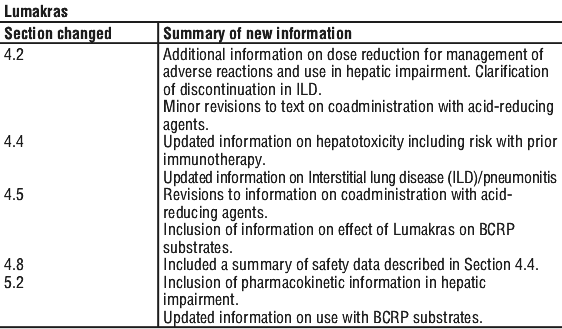
Summary Table of Changes
Reasonable care is taken to provide accurate information at the time of creation. This information is not intended as a substitute for medical advice and should not be exclusively relied on to manage or diagnose a medical condition. The Australian Commission on Safety and Quality in Health Care disclaims all liability (including for negligence) for any loss, damage, injury or any other negative effects resulting from reliance on or use of this information. Read our full disclaimer. This website uses cookies. Read our privacy policy.