
Memantine Generic Health
Brand Information
| Brand name | Memantine Generic Health |
| Active ingredient | Memantine hydrochloride |
| Schedule | S4 |
Consumer Medicine Information (CMI) leaflet
Please read this leaflet carefully before you start using the Memantine Generic Health.
Summary CMI
Memantine Generic Health
Consumer Medicine Information (CMI) summary
The full CMI on the next page has more details. If you are worried about using this medicine, speak to your doctor or pharmacist.
1. Why am I taking Memantine Generic Health?
Memantine Generic Health contains the active ingredient memantine (as memantine hydrochloride). Memantine Generic Health is used to treat moderately severe to severe Alzheimer's disease (AD). AD can be described as a general decline in all areas of mental ability.
For more information, see Section 1. Why am I taking Memantine Generic Health? in the full CMI.
2. What should I know before I use Memantine Generic Health?
Do not use if you have ever had an allergic reaction to Memantine Generic Health or any of the ingredients listed at the end of the CMI. Talk to your doctor if you have any other medical conditions, take any other medicines, or are pregnant or plan to become pregnant or are breastfeeding.
For more information, see Section 2. What should I know before I use Memantine Generic Health? in the full CMI.
3. What if I am taking other medicines?
Some medicines may interfere with Memantine Generic Health and affect how it works.
A list of these medicines is in Section 3. What if I am taking other medicines? in the full CMI.
4. How to take Memantine Generic Health?
- Memantine Generic Health should be taken once a day and should be taken at the same time every day.
- Follow all directions given to you by your doctor and pharmacist carefully.
More instructions can be found in Section 4. How to take Memantine Generic Health? in the full CMI.
5. What should I know while taking Memantine Generic Health?
| Things you should do |
|
| Things you should not do |
|
| Driving or using machines |
|
| Looking after your medicine |
|
For more information, see Section 5. What should I know while taking Memantine Generic Health? in the full CMI.
6. Are there any side effects?
Tell your doctor as soon as possible if you do not feel well while you are taking Memantine Generic Health or if you have any concerns. Possible side effects include tiredness, sleeplessness, problems sleeping, dizziness, diarrhoea, vomiting, nausea, loss of appetite, feeling anxious, conjunctivitis or inflammation of the liver and/or changes in the liver function tests
For more information, including what to do if you have any side effects, see Section 6. Are there any side effects? in the full CMI.
Full CMI
Memantine Generic Health
Active ingredient(s): memantine hydrochloride
Consumer Medicine Information (CMI)
This leaflet provides important information about using Memantine Generic Health. You should also speak to your doctor or pharmacist if you would like further information or if you have any concerns or questions about using Memantine Generic Health.
Where to find information in this leaflet:
1. Why am I taking Memantine Generic Health?
2. What should I know before I use Memantine Generic Health?
3. What if I am taking other medicines?
4. How to take Memantine Generic Health?
5. What should I know while taking Memantine Generic Health?
6. Are there any side effects?
7. Product details
1. Why am I taking Memantine Generic Health?
Memantine Generic Health contains the active ingredient memantine (as memantine hydrochloride).
Memantine belongs to a group of medicines called N-methyl D-aspartate (NMDA) receptor antagonists. It is thought to work by protecting NMDA receptors in the brain against high levels of the chemical glutamate, which could be the cause of brain degeneration. NMDA receptors are involved in the transmission of nerve signals within the brain, e.g. in learning and memory.
This medicine should improve your thinking capacity and your ability to remember.
There is no evidence that this medicine is addictive.
Memantine Generic Health is used to treat moderately severe to severe Alzheimer's disease (AD). AD can be described as a general decline in all areas of mental ability.
Ask your doctor if you have any questions about why it has been prescribed for you. Your doctor may have prescribed this medicine for another reason.
This medicine is only available with a doctor's prescription.
2. What should I know before I use Memantine Generic Health?
Warnings
Do not use Memantine Generic Health if:
- you are allergic to memantine, or any of the ingredients listed at the end of this leaflet.
Always check the ingredients to make sure you can use this medicine. Symptoms of an allergic reaction may include shortness of breath, wheezing or difficulty breathing, swelling of the face, lips, tongue or other parts of the body, or rash, itching or hives on the skin. - You have seizure disorder or a history of seizures (fits or epilepsy).
- Do not take it after the expiry date printed on the pack. If you take it after the expiry date has passed, it may not work as well. The expiry date refers to the last day of the month.
Check with your doctor if you:
- have any other medical conditions
- take any medicines for any other condition
During treatment, you may be at risk of developing certain side effects. It is important you understand these risks and how to monitor for them. See additional information under Section 6. Are there any side effects?
Pregnancy and breastfeeding
Check with your doctor if you are pregnant or intend to become pregnant. Memantine Generic Health is not recommended to be used during pregnancy. Your doctor will discuss the risks and benefits of using it if you are pregnant.
Talk to your doctor if you are breastfeeding or intend to breastfeed. It is not known whether Memantine Generic Health passes into breast milk.
3. What if I am taking other medicines?
Tell your doctor or pharmacist if you are taking any other medicines, including any medicines, vitamins or supplements that you buy without a prescription from your pharmacy, supermarket or health food shop.
Some medicines may interfere with Memantine Generic Health and affect how it works. These include:
- Medicines used to treat stomach cramps or spasms, or travel sickness (anticholinergics)
- Atropine, a medicine used in some eye drops
- Levodopa, bromocriptine amantadine and other medicines for the treatment of Parkinson's disease
- Anticonvulsants and barbiturates, used to treat epilepsy or fits
- Ketamine, an anaesthetic agent
- Medicines used to treat certain mental and emotional conditions (psychoses or schizophrenia)
- Dantrolene and baclofen, used to treat leg cramps or to relax muscles
- Dextromethorphan, contained in cough, cold and flu medicines
- Quinidine and procainamide, used to treat irregular heart beat
- Nicotine, contained in patches or gums or if you smoke
- Cimetidine and ranitidine, used to treat stomach ulcers or reflux
- Urinary alkalinisers, used to treat urinary tract infection
- Quinine, a medicine used to treat malaria
- Anticoagulant medications such as warfarin, used to prevent blood clots.
If you are taking any of these you may need a different dose or you may need to take different medicines.
Other medicines not listed above may also interact with Memantine.
Check with your doctor or pharmacist if you are not sure about what medicines, vitamins or supplements you are taking and if these affect Memantine Generic Health.
4. How to take Memantine Generic Health?
How much to take
- The standard dose for this medicine is 20mg per day.
- Your doctor will tell you how much of this medicine you should take. This will depend on your condition and whether you are taking any other medicines.
- Your doctor will decide what dose you will receive.
This depends on your condition and other factors, such as your weight and your response to the medicine. - Your doctor will start you on smaller doses which will be gradually increased for three weeks until the dose is reached where memantine works best for you.
- Week 1 (5 mg per day)
Take half a 10mg tablet - Week 2 (10 mg per day)
Take one 10mg tablet - Week 3 (15 mg per day)
Take one and a half 10mg tablet. - From Week 4 onwards (20 mg per day)
Take two 10mg tablets or one 20mg tablet.
Do not stop taking your medicine or change your dosage without first checking with your doctor
When to take Memantine Generic Health
- Take Memantine Generic Health at the same time each day will have the best effect. It will also help you remember when to take it.
- Continue taking your medicine for as long as your doctor tells you.
How to take Memantine Generic Health
- Swallow the tablets with a full glass of water. Do not chew them.
- It does not matter if you take it before, with or after food
If you forget to use Memantine Generic Health
Memantine Generic Health should be used regularly at the same time each day.
If it is almost time for your next dose, skip the dose you missed and take your next dose when you are meant to.
Do not take a double dose to make up for the dose you missed.
This may increase the chances of you experiencing side effects.
If you have trouble remembering to take your medicine, ask your pharmacist for some hints.
If you use too much Memantine Generic Health
If you think that you have used too much Memantine Generic Health, you may need urgent medical attention.
You should immediately:
- phone the Poisons Information Centre
(by calling 13 11 26); or - contact your doctor; or
- go to the Emergency Department at your nearest hospital.
You should do this even if there are no signs of discomfort or poisoning.
Symptoms of an overdose may include feeling dizzy, tired or having a headache. You may feel confused and see, feel or hear things that are not there. You could also have a seizure.
5. What should I know while taking Memantine Generic Health?
Things you should do
Tell your doctor that you are taking this medicine if:
- You are about to be started on any new medicine
- You are pregnant or are planning to become pregnant
- You are breastfeeding or are planning to breastfeed
- You are about to have any blood tests
- You are going to have surgery or anaesthetic or going into hospital.
Your doctor may occasionally do tests to make sure the medicine is working and to prevent side effects. Go to your doctor regularly for check-up.
Things you should not do
- Do not give this medicine to anyone else, even if their symptoms seem similar to yours.
- Do not take your medicine to treat any other complaints unless your doctor or pharmacist tells you to.
- Do not stop using this medicine suddenly, or lower the dosage, without checking with your doctor. Driving or using machines
Be careful before you drive or use any machines or tools until you know how Memantine Generic Health affects you.
Your doctor will discuss with you whether your condition allows you to drive or operate machinery safely.
Furthermore, memantine may change your reactivity which may make driving or using machinery inappropriate.
Alzheimer's disease has been associated with depression and thoughts of suicide. All mentions of suicide or violence by a patient must be taken seriously.
If you or someone you know demonstrates suicide-related behaviour while taking memantine, contact a health care provider immediately, or go to the nearest hospital for treatment.
Looking after your medicine
- Keep your medicine in a cool dry place where the temperature will stay below 25°C.
- Keep your medicine in its original packaging until it is time to take them. If you take the tablets out of their original packaging they may not keep well.
Follow the instructions on the carton on how to take care of your medicine properly.
Store it in a cool dry place away from moisture, heat or sunlight; for example, do not store it:
- in the bathroom or near a sink; or
- in the car or on window sills.
Keep it where young children cannot reach it.
Getting rid of any unwanted medicine
If you no longer need to use this medicine or it is out of date, take it to any pharmacy for safe disposal.
Do not use this medicine after the expiry date.
6. Are there any side effects?
All medicines can have side effects. If you do experience any side effects, most of them are minor and temporary. However, some side effects may need medical attention.
See the information below and, if you need to, ask your doctor or pharmacist if you have any further questions about side effects.
Less serious side effects
| Less serious side effects | What to do |
| Speak to your doctor if you have any of these less serious side effects and they worry you. |
Serious side effects
| Serious side effects | What to do |
Symptoms of an allergic reaction may include some or all of the following:
| Call your doctor straight away, or go straight to the Emergency Department at your nearest hospital if you notice any of these serious side effects. |
Tell your doctor or pharmacist if you notice anything else that may be making you feel unwell.
Other side effects not listed here may occur in some people.
Reporting side effects
After you have received medical advice for any side effects you experience, you can report side effects to the Therapeutic Goods Administration online at www.tga.gov.au/reporting-problems. By reporting side effects, you can help provide more information on the safety of this medicine.
Always make sure you speak to your doctor or pharmacist before you decide to stop taking any of your medicines.
7. Product details
This medicine is only available with a doctor's prescription.
What Memantine Generic Health contains
| Active ingredient (main ingredient) | Each Memantine generichealth tablet contains 5 mg, 10 mg, 15 mg or 20 mg memantine (as hydrochloride). |
| Other ingredients (inactive ingredients) | microcrystalline cellulose; croscarmellose sodium; purified talc; magnesium stearate; colloidal anhydrous silica. Coating agents: For 5mg and 10mg tablets: Opadry complete film coating system 03B28796 White (contains hypromellose, titanium dioxide and macrogol 400) For 15 mg tablets: Opadry complete film coating system 03B82943 Yellow(contains hypromellose, titanium dioxide, macrogol 400 and iron oxide yellow). For 20 mg tablets: Opadry complete film coating system 03B84713 Pink (contains hypromellose, titanium dioxide, macrogol 400 and iron oxide red). |
Do not take this medicine if you are allergic to any of these ingredients.
These tablets do not contain gluten, sucrose, tartrazine or any other azo dyes.
What Memantine Generic Health looks like
Memantine Generic Health 5 mg are white to off white coloured, capsule shaped, biconvex, film coated tablets, debossed with ‘5’ on one side and plain on other side. (AUST R 168424)
Memantine Generic Health 10 mg are white to off white coloured, oval shaped, film coated tablets debossed with ‘10’ on one side and ‘scoreline’ on the other side (AUST R 168425).
Memantine Generic Health 15 mg are mustard yellow coloured, oval shaped, film-coated tablets, debossed with ‘15’ on one side and plain on other side. (AUST R 168426)
Memantine Generic Health 20 mg are brownish pink coloured, oval shaped, film coated tablets debossed with ‘20’ on one side and ‘scoreline’ on the other side. (AUST R 168427).
A box contains 56 tablets
Who distributes Memantine Generic Health
Generic Health Pty Ltd
Suite 2, Level 2
19-23 Prospect Street
Box Hill, VIC, 3128
Australia

 +61 3 9809 7900

This leaflet was prepared in October 2025
Brand Information
| Brand name | Memantine Generic Health |
| Active ingredient | Memantine hydrochloride |
| Schedule | S4 |
MIMS Revision Date: 01 July 2021
Notes
Distributed by Generic Health Pty Ltd
1 Name of Medicine
Memantine hydrochloride.
2 Qualitative and Quantitative Composition
Each tablet contains 5 mg, 10 mg, 15 mg or 20 mg memantine (as hydrochloride).
For the full list of excipients, see Section 6.1 List of Excipients.
3 Pharmaceutical Form
Memantine Generichealth tablets 5 mg. White to off white coloured, capsule shaped, biconvex, film-coated tablets, debossed with "5" on one side and plain on the other side which contain memantine hydrochloride 5 mg.
Memantine Generichealth tablets 10 mg. White to off white coloured, oval shaped, film-coated tablets, debossed with "10" on one side and "scoreline" on the other side which contain memantine hydrochloride 10 mg.
Memantine Generichealth tablets 15 mg. Mustard yellow coloured, oval shaped, film-coated tablets, debossed with "15" on one side and plain on the other side which contain memantine hydrochloride 15 mg.
Memantine Generichealth tablets 20 mg. Brownish pink coloured, oval shaped, film-coated tablets, debossed with "20" on one side and "scoreline" on the other side which contain memantine hydrochloride 20 mg.
4 Clinical Particulars
4.1 Therapeutic Indications
Treatment of the symptoms of moderately severe to severe Alzheimer's disease (see Section 4.4 Special Warnings and Precautions for Use; Section 5.1 Pharmacodynamic Properties).
4.2 Dose and Method of Administration
Memantine Generichealth should be administered once a day and should be taken at the same time every day. Tablets should be taken with a little liquid, with or without food.
The tolerance and dosing of memantine should be reassessed on a regular basis, preferably within three months after start of treatment. Thereafter, the clinical benefit of memantine and the patient's tolerance of treatment should be reassessed on a regular basis according to current clinical guidelines. Maintenance treatment can be continued for as long as a therapeutic benefit is favourable and the patient tolerates treatment with memantine. Discontinuation of memantine should be considered when evidence of a therapeutic effect is no longer present or if the patient does not tolerate treatment.
Adults. The recommended maintenance dose is 20 mg per day. This is achieved by upward titration of 5 mg per week. The 10 mg tablet is required for titration as follows.
Dose titration. Week 1 (day 1-7). The patient should take 5 mg (½ x 10 mg tablet) per day.
Week 2 (day 8-14). The patient should take 10 mg (1 x 10 mg tablet) per day.
Week 3 (day 15-21). The patient should take 15 mg (1½ x 10 mg tablets) per day.
Maintenance dose from week 4. The recommended maintenance dose is 20 mg per day.
Children. The use of Memantine Generichealth tablets in children is not recommended.
Hepatic impairment. In patients with mild or moderate hepatic impairment (Child-Pugh A and Child-Pugh B), no dosage adjustment is required. No data on the use of memantine in patients with severe hepatic impairment is available. Administration of Memantine Generichealth is not recommended in patients with severe hepatic impairment.
Renal impairment. In patients with mildly impaired renal function (creatinine clearance 50 - 80 mL/min), no dosage adjustment is required.
In patients with moderate renal impairment (creatinine clearance 30 - 49 mL/min), the daily dose should be 10 mg per day. If tolerated well after at least 7 days of treatment, the dose can be increased up to 20 mg/day according to the standard titration scheme.
In patients with severe renal impairment (creatinine clearance 5 - 29 mL/min), the daily dose should be 10 mg per day.
4.3 Contraindications
Memantine Generichealth tablet is contraindicated in patients with:
hypersensitivity to either the active ingredient or any of the excipients;
patients with a current seizure disorder or with any history of seizures.
4.4 Special Warnings and Precautions for Use
Risk of seizures. Memantine is contraindicated in patients with epilepsy. Caution is recommended in patients with a former history of convulsions or patients with predisposing factors for epilepsy.
Patient care. Treatment should be initiated and supervised by a physician experienced in the diagnosis and treatment of dementia. Diagnosis should be made according to current guidelines. Therapy should usually be started only when a caregiver is available who will regularly monitor patient compliance. Treatment with memantine hydrochloride should only be continued where there is a therapeutic benefit to the patient. The clinical benefit should be reassessed on a regular basis.
Ocular toxicity. Animal studies have reported adverse effects of memantine on the visual system. Dietary administration of memantine to rats for one year was associated with abnormal lysosomal storage in ganglion cells and retinal pigment cells at systemic exposures (plasma AUC) 10 fold anticipated clinical exposure at the recommended dose, while administration for 8 weeks was associated with lens opacity, increased corneal and lens capsular densities, and histological changes in cornea and lens at exposures (plasma AUC) of 20 fold clinical exposure. Oral administration of memantine to dogs with systemic exposures (plasma AUC) of 3 - 8 fold clinical exposure was associated with corneal clouding/opacity and baboons showed swollen lenticular fibres in the eyes following oral memantine for 3 months at less than clinical exposure.
Specific ophthalmological examinations including slit lamp examinations in a 6 months clinical study with memantine did not disclose any ocular changes in the double-blind placebo-controlled treatment period. In the following 6 months open label extension period 368 patients underwent eye examinations. At the end of open label treatment, the incidence of cataract (lens previously clear but unclear at end of open label treatment) was reported in 11 out of 197 patients (6%) treated with memantine for 12 months compared to 5 out of 171 patients (3%) who received placebo in the double-blind period and then memantine for 6 months (p = 0.3059, Fisher's Exact Test).
Urinary pH. Some factors that may raise urinary pH may necessitate careful monitoring of the patient. These factors include drastic changes in diet, e.g. from a carnivore to a vegetarian diet, or a massive ingestion of alkalising gastric buffers. Also, urine pH may be elevated by states of renal tubular acidosis (RTA) or severe infections of the urinary tract with Proteus bacteria.
Cardiovascular disease. In most clinical trials, patients with recent myocardial infarction, uncompensated congestive heart failure (NYHA III-IV), and uncontrolled hypertension were excluded. As a consequence, only limited data are available and patients with these conditions should be closely supervised.
Use in hepatic impairment. In patients with mild or moderate hepatic impairment (Child-Pugh A and Child-Pugh B), no dosage adjustment is required. No data is available for patients with severe hepatic impairment (see Section 4.2 Dose and Method of Administration). Administration of memantine is not recommended in patients with severe hepatic impairment.
Use in renal impairment. In patients with mildly impaired renal function (creatinine clearance 50 - 80 mL/min), no dosage adjustment is required. A reduction in dosage is advised for patients with moderate to severe renal impairment (see Section 4.2 Dose and Method of Administration).
Use in the elderly. No dosage adjustment is required.
Paediatric use. No data available.
Effects on laboratory tests. No data available.
4.5 Interactions with Other Medicines and Other Forms of Interactions
NMDA antagonists. Concomitant use of N-methyl-D-aspartate (NMDA) antagonists such as amantadine, ketamine or dextromethorphan should be avoided. These compounds act at the same receptor system as memantine, and therefore, adverse drug reactions (mainly CNS-related) may be more frequent or more pronounced. There is a risk of pharmacotoxic psychosis when memantine and amantadine are used concomitantly. Both compounds are chemically related NMDA antagonists. The same may be true for ketamine and dextromethorphan.
Drugs affecting the central nervous system. The mode of action suggests that the effects of L-dopa, dopaminergic agonists (e.g. bromocriptine), anticholinergics and amantadine on the central nervous system may be potentiated.
If barbiturates, neuroleptics, anticonvulsants, dantrolene or baclofen are being given simultaneously, their effect can be modified, possibly necessitating a dose adjustment. These recommendations are mainly based on theoretical considerations.
In in vitro studies, interactions with reversible acetylcholinesterase inhibitors (donepezil, tacrine) were not seen. In single dose PK studies in young healthy subjects, no relevant drug-drug interaction of memantine with donepezil was observed. Similarly, no relevant effect of memantine on the pharmacokinetics of galantamine was observed in a clinical study in young healthy subjects.
In clinical trials, clinically relevant interactions with aspirin, tocopherol, paracetamol and chloral hydrate were not observed.
Glyburide/metformin. In single dose PK studies in young healthy subjects, no relevant drug-drug interaction of memantine with glyburide/metformin was observed.
Hepatic enzymes. Because of its low extent of metabolism by CYP450 isoenzymes, metabolic drug interactions appear unlikely. In vitro interaction investigations using human liver microsomes did not reveal interaction with markers of CYP 1A2, 2A6, 2B6, 2C9, 2C19, 2D6, 2E1 and 3A. The only reaction slightly affected by the addition of 10 microM memantine was methimazole oxidation (marker of Ziegler's enzyme, a flavin containing monooxygenase).
Highly protein bound drugs. As memantine is bound to plasma proteins at only 42% to 54%, interactions with highly protein bound drugs (e.g. warfarin) would not be expected.
Warfarin. In post marketing experience, isolated cases with international normalised ratio (INR) increases have been reported in patients concomitantly treated with warfarin. Although no causal relationship has been established, close monitoring of prothrombin time or INR is advisable for patients concomitantly treated with oral anticoagulants.
Drugs using the same renal cationic transport system. In vitro studies to examine potential interactions at renal tubular secretion sites revealed a potential competition with drugs which are secreted via the same basic cation transporter. In rat proximal and distal tubules (in vitro), memantine inhibited renal tubular uptake of amantadine.
Drugs such as cimetidine, ranitidine, procainamide, quinidine, quinine and nicotine that use the same renal cationic transport system as amantadine may also possibly interact with memantine leading to a potential risk of increased plasma levels.
Diuretics. The potential interaction with hydrochlorothiazide/triamterene in humans was also studied. Elderly volunteers received hydrochlorothiazide/triamterene and/or memantine, and the pharmacokinetics of memantine was analysed under steady state conditions. AUC, Cmax and Tmax values were within the 80 - 125% bioequivalence limits compared to values obtained for memantine alone. Similarly, memantine had no significant effect on the kinetics of triamterene or its hydroxymetabolite. However, the rate and extent of hydrochlorothiazide bioavailability was reduced by memantine by about 20%. No clinically relevant impact on the pharmacokinetics of memantine or hydrochlorothiazide/triamterene was observed.
Atropine. Serious interactions between atropine and memantine have been noted in a toxicity study in rats. The interaction with atropine occurred at very high doses of memantine under conditions not relevant to humans treated at therapeutic doses of memantine.
4.6 Fertility, Pregnancy and Lactation
Effects on fertility. Fertility was not affected by oral administration of memantine to male and female rats prior to and during mating at doses associated with respective systemic exposures (plasma AUC) of twice and 4 fold anticipated clinical exposure at the recommended dose.
Use in pregnancy. (Category B2)
There was no evidence of teratogenicity in rats following oral administration of memantine during the period of organogenesis at estimated exposures (plasma AUC) of up to 4 fold anticipated clinical exposure at the recommended dose. There was also no teratogenicity in rats following oral administration to males prior to and during mating and to females from prior to mating to late gestation or to weaning, with respective estimated systemic exposures (plasma AUC) of twice and 4 fold anticipated clinical exposure. There was no teratogenicity in rabbits following oral administration of memantine during the period of organogenesis at doses up to 25 fold the clinical dose, based on body surface area.
Use in lactation. Oral administration of memantine to rats during late gestation and lactation was associated with increased post-implantation loss and transiently reduced neonatal bodyweight at estimated systemic exposures (plasma AUC) of 4 fold anticipated clinical exposure at the recommended dose. It is not known whether memantine is excreted in animal or human milk. Because of the potential for causing toxicity, memantine should be contraindicated in nursing women.
4.7 Effects on Ability to Drive and Use Machines
Moderately severe to severe Alzheimer's disease usually causes impairment of driving performance and compromises the ability to use machinery. Furthermore, Memantine Generichealth tablets may change reactivity and therefore outpatients should be warned to take special care when driving a vehicle or operating heavy machinery.
4.8 Adverse Effects (Undesirable Effects)
Table 1 gives an overview of the most frequent (≥ 2% for memantine) adverse events (irrespective of causal relationship) that were observed in the trial population with moderately severe to severe dementia.
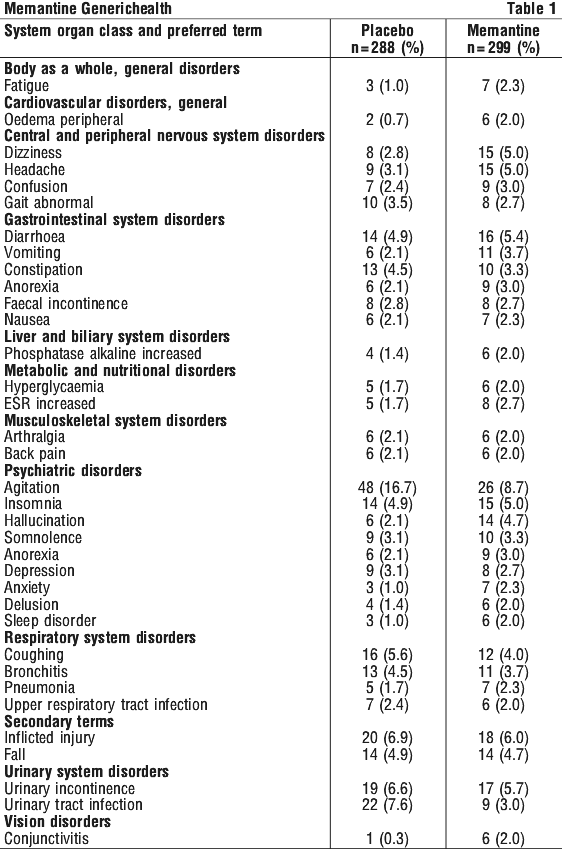
Adverse events reported with memantine at a frequency between 1% and 2% that occurred at a similar rate to or less than placebo were: weight decrease, oedema, coma, abdominal pain, cardiac arrest, increased ALT, AST and GGT, diabetes mellitus, aggressive reaction, apnoea, rhinitis, abrasion, micturition frequency and leucocytosis.
Treatment - emergent adverse drug reactions. Although no causal relationship to memantine treatment has been found, the following adverse events were reported in at least one patient, either from clinical trials or spontaneous reports. All of these events, which are not listed above, either occurred rarely (< 1%) or at an unknown incidence from data originating from spontaneous reports.
Alzheimer's disease has been associated with depression, suicidal ideation and suicide. In post-marketing experience, these events have been reported in patients treated with memantine.
Body as a whole - general disorders. Fever, increased appetite, increased libido, asthenia, somnolence, tiredness.
Cardiovascular disorders. Chest pain, hypotension, postural hypotension, rhythm and rate disturbance e.g. atrial fibrillation, QTc prolongation, ischaemic event and sudden death e.g. myocardial infarction. Cardiac failure - in placebo-controlled clinical trials of memantine an increase in the incidence rate has been observed in non-serious cases; no difference was seen in fatal or serious cases. Causal relationship to memantine has not been ascertained.
Gastro-intestinal system disorders. Diverticulitis, dyspepsia, haemorrhoids, gastric ulcer, ileus, pancreatitis.
Hepatobiliary disorders. Hepatitis, elevated liver function test.
Infections and infestations. Fungal infections.
Metabolic and nutritional disorders. Bilirubinaemia, aggravated diabetes mellitus, hypernatraemia, hyponatraemia.
Musculoskeletal disorders. Muscle weakness, myalgia, skeletal pain.
Neurological disorders. Aphasia, speech disorder, hyperkinesia, dyskinesia, dementia, partial epileptic seizure, convulsions, tremor, extrapyramidal disorder, transient ischaemic attack, vertigo, numbness, paraesthesia, mental status changes, balance disorders.
Platelet, bleeding and clotting disorders. Embolism.
Psychiatric disorders. Delusion, nervousness, stupor, excitation/mania, suicide attempt, psychotic reactions.
Renal and urinary disorders. Acute renal failure, abnormal renal function, renal calculus.
Reproductive disorders. Menstrual disorder.
Respiratory system disorders. Atelectasis.
Red blood cell disorders. Anaemia.
Skin and appendages disorders. Dermatitis, skin disorder, skin ulceration, bullous eruption, pruritus, increased sweating.
Urinary system disorders. Cystitis, pyuria, haematuria, urinary retention.
Vascular (extracardiac) disorders. Cerebrovascular disorder, intracranial haemorrhage, venous thrombosis/thromboembolism (uncommon).
Vision disorders. Cataract, abnormal vision, glaucoma.
Others. Tooth disorder, inguinal hernia, sepsis.
The following Immune System Disorder Adverse Reaction has been found in clinical studies with memantine and since its introduction in the market, at an incidence classified as common (≥ 1/100 to < 1/10): Drug hypersensitivity.
Reporting suspected adverse effects. Reporting suspected adverse reactions after registration of the medicinal product is important. It allows continued monitoring of the benefit-risk balance of the medicinal product. Healthcare professionals are asked to report any suspected adverse reactions at www.tga.gov.au/reporting-problems.
4.9 Overdose
In general, the main therapy for all overdoses is supportive and symptomatic care.
Symptoms. In the event of accidental overdose, no life-threatening clinical signs and symptoms are expected. The toxic effects observed in early single-dose toxicity studies in animals were consistent with acute, high-dose NMDA receptor-blockage and included ataxia, tremor, prone position, bradypnoea, and amnesia.
In one case of suicidal overdose the patient survived the intake of up to 400 mg memantine showing central nervous effects (e.g. restlessness, psychosis, visual hallucinations, proconvulsiveness, somnolence, stupor and unconsciousness) which resolved without permanent sequelae.
Treatment. In the event of overdose, treatment should be symptomatic. Elimination of memantine can be enhanced by acidification of urine.
For information on the management of overdose, contact the Poisons Information Centre on 13 11 26 (Australia).
5 Pharmacological Properties
5.1 Pharmacodynamic Properties
Mechanism of action. There is increasing evidence that malfunctioning of glutamatergic neurotransmission, in particular at N-methyl-D-aspartate (NMDA) receptors, contributes to both expression of symptoms and disease progression in neurodegenerative dementia.
Memantine is a rapid, strongly voltage-dependent, uncompetitive NMDA receptor antagonist. Prolonged increased levels of glutamate in the brain of demented patients are sufficient to counter the voltage-dependent block of NMDA receptors by Mg2+ ions and allow continuous influx of Ca2+ ions into cells and ultimately neuronal degeneration. Studies suggest that memantine binds more effectively than Mg2+ ions at the NMDA receptor, and thereby effectively blocks this prolonged influx of Ca2+ ions through the NMDA channel whilst preserving the transient physiological activation of the channels by higher concentrations of synaptically released glutamate. Thus, memantine protects against chronically elevated concentrations of glutamate.
In animal models of disturbances in glutamatergic transmission, memantine has been shown both to improve learning and to inhibit neurodegeneration at doses achieving plasma levels similar to those seen in clinical use. This in turn may explain the effect of memantine on dementia of the Alzheimer type.
At later stages of dementia, a functional deficit in glutamatergic transmission occurs due to loss of neurones bearing NMDA receptors.
In humans, memantine has not been shown to slow or reverse the neurodegenerative processes of Alzheimer's disease.
Clinical trials. Two clinical trials in a population of patients suffering from moderately severe to severe dementia showed a beneficial effect of memantine treatment in comparison to placebo over a treatment period of three and six months, respectively. This benefit could be measured by the patients' cognitive function, functional capacities (activities of daily living) and by clinical global status. There were no consistent differences between sexes observed in these trials.
6 month study. A pivotal 6 month multicenter, double-blind, randomised, placebo controlled study conducted in a population of patients with moderately severe to severe Alzheimer's Disease (MMSE 3 - 14) included a total of 252 outpatients of Asian American, African American and Caucasian background were included (33% male, 67% female, mean age 76 years). The dosing was 10 mg memantine b.i.d.
Outcomes included assessment of the cognitive domain (using the Severe Impairment Battery (SIB)), the global domain (using the Clinicians Interview-Based Impression of Change (CIBIC-Plus)) and the functional domain (using the modified Alzheimer's Disease Cooperative Study - Activities of Daily Living Inventory (ADCS-ADL)).
The efficacy results described are from the ITT dataset (all randomised patients) with the LOCF method (last observation carried forward) as well as the OC (observed cases). Based on the OC analyses, the results of this study met the requirement of the European Union Guideline CPMP/EWP/553/95 for statistically significant improvements in the functional and global endpoints as primary evidence of clinically relevant symptomatic improvement in more advanced forms of Alzheimer's disease. An overview of the results in the most important domains of efficacy is displayed in Table 2.

3 month study. A pivotal 3 month multi-centre, double-blind, randomised, placebo-controlled study was conducted in Caucasian patients with moderately severe to severe Alzheimer's disease or vascular dementia (MMSE < 10). In this study a total of 79 nursing home residents (33% male, 67% female, mean age 74 years) had Alzheimer's disease. The dosing used was 10 mg memantine daily.
Outcomes included assessment of the cognitive domain (using the cognitive subscore of the rating scale for geriatric patients (BGP)), the global domain (using the Clinical Global Impression of Change (CGI-C)) and the functional domain (using the subscore care dependency of the BGP).
Despite the small sample size, the results in all of these three domains were statistically significant in favour of memantine (see Table 3). The efficacy results described are from the ITT dataset (all randomised patients) with the LOCF method (last observation carried forward) as well as OC (observed cases).

5.2 Pharmacokinetic Properties
Absorption. In humans, complete absorption of memantine with no first pass effect was demonstrated. The absolute bioavailability is approximately 100%. Peak plasma concentration is achieved between 5 and 8 hours. Food tended to slow the rate of memantine absorption but not the extent of absorption.
Distribution. Daily doses of 20 mg in humans lead to steady-state plasma concentrations ranging from 70 to 150 nanogram/mL (0.5 - 1 microM) with large interindividual variations. In healthy volunteers, the pharmacokinetics of memantine were linear over the dose range of 10 to 40 mg.
When daily doses of 5 to 30 mg were administered, a mean cerebrospinal fluid (CSF)/serum ratio of 0.52 was obtained. The inhibition constant (ki) of memantine at its site of action in human frontal cortex has been determined to be 0.5 microM. In subjects receiving a daily dose of 2 x 10 mg steady-state plasma levels were reached around day 11 and varied between 0.5 and 1.0 microM, which leads to CSF levels close to the ki of memantine.
The volume of distribution is approximately 10 L/kg. Protein binding in humans varied from 42% to 54% and no relationship was observed between plasma memantine concentration and protein binding.
Metabolism. In humans, memantine is excreted mainly (60 - 80%) in its unchanged form in urine. Human metabolites are 1-amino-3-hydroxymethyl-5-methyl-adamantane, 3-amino-1-hydroxy-5, 7- dimethyl- adamantane and various secondary hydroxylated not yet definitively identified memantine-derivatives; phase II metabolism amounts for up to 10%. The known metabolites do not have any NMDA-antagonistic activity. In view of the minor degree of metabolism, variation with respect to polymorphic metabolism is not anticipated.
In vitro experiments have indicated that memantine is not metabolised by CYP isoenzymes 1A2, 2A6, 2B6, 2C9, 2C19, 2D6, 2E1 and 3A4.
Excretion. Memantine is eliminated predominantly by the kidneys in a monoexponential manner with a terminal half-life of 60 to 100 h. In volunteers with normal kidney function, systemic clearance amounts to 170 mL/min.
In a study on the absorption, metabolism and excretion of orally administered 14C-memantine, a mean of 84% of the dose was recovered within 20 days, the majority being excreted unchanged renally.
Renal clearance has been shown to depend on the pH of the urine. Under alkaline conditions the renal clearance of unchanged memantine is markedly reduced compared to neutral or acidic urine conditions. This is presumably due to tubular reabsorption of memantine under alkaline conditions.
5.3 Preclinical Safety Data
Genotoxicity. Memantine did not show any genotoxic potential in assays for gene mutation (bacterial and mammalian cells in vitro) or in clastogenicity assays (human lymphocytes in vitro and mouse bone marrow in vivo).
Carcinogenicity. Long term dietary administration of memantine to mice (2 years) and rats (2.5 years), with respective estimated systemic exposures of 9 fold (plasma levels) and 4 - 8 fold (plasma AUC) the anticipated clinical exposure at the recommended dose, did not reveal any carcinogenic potential.
6 Pharmaceutical Particulars
6.1 List of Excipients
Each tablet contains microcrystalline cellulose, croscarmellose sodium, purified talc, magnesium stearate, colloidal anhydrous silica.
Coating materials. For 5 mg and 10 mg tablets: Opadry Complete Film Coating System 03B28796 White (contains hypromellose, titanium dioxide and macrogol 400).
For 15 mg tablet: Opadry Complete Film Coating System 03B82943 Yellow (contains hypromellose, titanium dioxide, macrogol 400 and iron oxide yellow).
For 20 mg tablet: Opadry Complete Film Coating System 03B84713 Pink (contains hypromellose, titanium dioxide, macrogol 400 and iron oxide red).
6.2 Incompatibilities
Incompatibilities were either not assessed or not identified as part of the registration of this medicine.
6.3 Shelf Life
In Australia, information on the shelf life can be found on the public summary of the Australian Register of Therapeutic Goods (ARTG). The expiry date can be found on the packaging.
6.4 Special Precautions for Storage
Store below 25°C.
6.5 Nature and Contents of Container
Available in Clear PVC/ Alu foil blisters of 7, 14, 21, 56 and 28 tablets.
All packs may not be marketed.
6.6 Special Precautions for Disposal
In Australia, any unused medicine or waste material should be disposed of by taking to your local pharmacy.
6.7 Physicochemical Properties
Memantine hydrochloride is a colourless crystalline substance with a bitter taste. The solubility of memantine hydrochloride in water at room temperature is about 3.5%. No polymorphic forms have been detected.
Chemical structure.
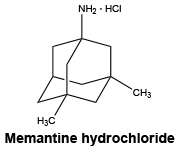
Molecular formula: C12H21N.HCl.
Molecular weight: 215.77.
CAS number. 19982-08-2 (free base), 4110-52-1 (hydrochloride salt).
7 Medicine Schedule (Poisons Standard)
(S4) Prescription Only Medicine.
Date of First Approval
17 September 2011
Date of Revision
25 May 2021
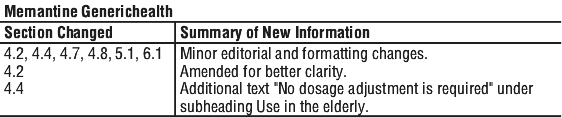
Summary Table of Changes
Reasonable care is taken to provide accurate information at the time of creation. This information is not intended as a substitute for medical advice and should not be exclusively relied on to manage or diagnose a medical condition. The Australian Commission on Safety and Quality in Health Care disclaims all liability (including for negligence) for any loss, damage, injury or any other negative effects resulting from reliance on or use of this information. Read our full disclaimer. This website uses cookies. Read our privacy policy.