
MenQuadfi
Brand Information
| Brand name | MenQuadfi |
| Active ingredient | Meningococcal polysaccharide conjugate A, C, Y and W-135 vaccine |
| Schedule | S4 |
Consumer Medicine Information (CMI) leaflet
Please read this leaflet carefully before you start using the MenQuadfi.
Summary CMI
MenQuadfi®
Consumer Medicine Information (CMI) summary
The full CMI on the next page has more details. If you are worried about receiving this vaccine, speak to your doctor, nurse or pharmacist.
▼ This medicine is new or being used differently. Please report side effects. See the full CMI for further details.
1. Why am I or my child receiving MenQuadfi?
MenQuadfi is a vaccine. It is used to help protect you or your child against infections caused by a bacteria (germs) called “Neisseria meningitides” types A, C, W and Y.
For more information, see Section 1. Why am I or my child receiving MenQuadfi? in the full CMI.
2. What should I know before I or my child receive MenQuadfi?
Do not use if you or your child have ever had an allergic reaction to MenQuadfi or any of the ingredients listed at the end of the CMI. Talk to your doctor, nurse or pharmacist if you or your child have any other medical conditions, take any other medicines, or are pregnant or plan to become pregnant or are breastfeeding.
For more information, see Section 2. What should I know before I or my child receive MenQuadfi? in the full CMI.
3. What if I or my child is taking other medicines?
Some medicines may interfere with MenQuadfi and may affect how it works. Tell your doctor nurse or pharmacist if you or your child are taking, have recently taken or might take any other vaccines or medicines, including medicines obtained without a prescription.
For more information, see Section 3. What if I or my child is taking other medicines? in the full CMI.
4. How is MenQuadfi given?
MenQuadfi is given by your doctor, nurse or pharmacist.
More instructions can be found in Section 4. How is MenQuadfi given? in the full CMI.
5. What should I know while being given MenQuadfi?
| Things you should do | Call your doctor, nurse or pharmacist straight away if you:
|
| Looking after your vaccine | MenQuadfi is usually stored in the doctor's surgery or clinic, or at a pharmacy. However, if you need to store MenQuadfi: keep in the fridge between 2-8°C. Do not freeze. |
For more information, see Section 5. What should I know while being given MenQuadfi? in the full CMI.
6. Are there any side effects?
Serious side effects can include allergic reactions. See your doctor immediately if you notice this. In infants 6 weeks - 12 months of age, common side effects include tenderness, redness, swelling or bruising at the injection site, feeling irritable, crying, loss of appetite, feeling drowsy, fever and vomiting. In children 12-23 months of age, common side effects include tenderness, redness or swelling at the injection site, feeling irritable, crying, loss of appetite, feeling drowsy, fever, vomiting and diarrhoea. Common side effects in children (2 years of age and older), adolescents, adults and elderly include pain, redness, or swelling at the injection site, muscle pain, headache, generally feeling unwell and fever.
For more information, including what to do if you or your child have any side effects, see Section 6. Are there any side effects? in the full CMI.
Full CMI
▼ This medicine is subject to additional monitoring. This will allow quick identification of new safety information. You can help by reporting any side effects you may get. You can report side effects to your doctor, or directly at www.tga.gov.au/reporting-problems.
MenQuadfi®
Active ingredient(s): Meningococcal Polysaccharides Groups A, C, Y and W-135
Consumer Medicine Information (CMI)
This leaflet provides important information about receiving MenQuadfi. You should also speak to your doctor, nurse or pharmacist if you would like further information or if you have any concerns or questions about being given MenQuadfi.
This vaccine can be given to adults and children so you may be reading this leaflet for you or for your child.
Where to find information in this leaflet:
1. Why am I or my child receiving MenQuadfi?
2. What should I know before I or my child receive MenQuadfi?
3. What if I or my child is taking other medicines?
4. How is MenQuadfi given?
5. What should I know while being given MenQuadfi?
6. Are there any side effects?
7. Product details
1. Why am I or my child receiving MenQuadfi?
MenQuadfi contains the active ingredients meningococcal polysaccharide groups A, C, W and Y.
MenQuadfi is a vaccine. It is used to help protect you or your child against infections caused by a bacteria (germs) called “Neisseria meningitides” types A, C, W and Y.
Neisseria meningitidis is passed from person to person and can cause meningitis, an inflammation of the tissues that surround the brain and spinal cord, or septicaemia, an infection of the blood. Both can result in serious disease with lasting effects and possibly death.
MenQuadfi can be given to infants (from 6 weeks of age), children, adolescents, adults and the elderly.
MenQuadfi stimulates the body's natural defenses (immune system), to produce its own protection (antibodies) against the bacteria (“Neisseria meningitidis" types A, C, W and Y) that may cause the meningococcal disease. However, as with all vaccines, 100% protection cannot be guaranteed.
MenQuadfi will not prevent meningitis (an infection of the brain and spinal cord coverings) caused by other groups of Neisseria meningitidis.
2. What should I know before I or my child receive MenQuadfi?
Warnings
MenQuadfi must not be given:
- if you or your child are allergic to the active ingredients or any of the ingredients listed at the end of this leaflet. Symptoms of allergic reaction may include rash, itching, difficulty breathing, shortness of breath or swelling of the face, lips, throat, or tongue. If you are not sure if you or your child are allergic, talk to your doctor, nurse or pharmacist before you or your child receive MenQuadfi.
Always check the ingredients to make sure you or your child can receive this vaccine.
Tell your doctor, nurse or pharmacist if you or yourchild have:
- an infection with high temperature (over 38°C). If this applies, the vaccination will be given after the infection is under control. There is no need to delay vaccination for a minor infection such as a cold. However, talk to your doctor, pharmacist or nurse first
- a disease weakening your body's natural defences (immune system). The response to vaccines may not be optimal.
- ever fainted from an injection., Fainting sometimes with falling, can occur (mostly in adolescents and young children) during, following, or even before, any injection with a needle.
After vaccination, you or your child may be at risk of developing certain side effects. It is important you understand these risks and how to monitor for them. See additional information under Section 6. Are there any side effects?
Pregnancy and breastfeeding
If you are pregnant, think you may be pregnant, plan to become pregnant or are breast-feeding, you must tell your doctor, nurse or pharmacist, before receiving MenQuadfi.
3. What if I or my child is taking other medicines?
Some medicines may interfere with MenQuadfi and may affect how it works. Tell your doctor, nurse or pharmacist if
- You or your child are taking, have recently taken or might take any other vaccines or medicines, including any medicines, vitamins or supplements that you buy without a prescription from your pharmacy, supermarket or health food shop.
- You or your child have been treated with medicines that may affect the body's natural defenses (immune system) such as high-dose corticosteroids or chemotherapy. The response to vaccines may not be optimal.
For age appropriate situations, MenQuadfi can be given at a separate injection site during the same visit with other vaccines. Your doctor will advise you if MenQuadfi is to be given at the same time as another vaccine.
Check with your doctor, nurse or pharmacist if you are not sure about what medicines, vitamins or supplements you or your child are taking and if these affect MenQuadfi.
4. How is MenQuadfi given?
How much is given
MenQuadfi is given by your doctor, nurse or pharmacist as a 0.5 mL injection in the muscle in the upper arm or in the thigh depending on your age and muscle mass.
5. What should I know while being given MenQuadfi?
Call your doctor straight away if you:
Notice signs of allergic reaction which include rash, itching, difficulty breathing, shortness of breath or swelling of the face, lips, throat or tongue.
Driving or using machines
MenQuadfi is not likely to affect your ability to drive or use machines. However, do not drive or use any machines if you are feeling unwell.
Looking after your vaccine
MenQuadfi is usually stored in the doctor's surgery or clinic, or at the pharmacy. However, if you need to store MenQuadfi:
- keep it where young children cannot reach it.
- keep MenQuadfi in the original pack until it is time for it to be given.
- keep it in the refrigerator, store at 2°C to 8°C. Do not freeze MenQuadfi.
Do not use MenQuadfi after the expiry date which is stated on the carton after EXP.
Do not use MenQuadfi if the packaging is torn or shows signs of tampering.
Getting rid of any unwanted medicine
Medicines including vaccines should not be disposed of via wastewater or household waste. Ask your pharmacist how to dispose of medicines no longer required. These measures will help to protect the environment.
6. Are there any side effects?
All medicines including vaccines can have side effects. If you or your child do experience any side effects, most of them are minor and temporary. However, some side effects may need medical attention.
See the information below and, if you need to, ask your doctor, nurse or pharmacist if you have any further questions about side effects.
Less serious side effects
| Less serious side effects | What to do |
In infants 6 weeks to 12 months of age
| Speak to your doctor if you or your child have any of these less serious side effects and they worry you. |
Serious side effects
| Serious side effects | What to do |
| Call your doctor straight away or go straight to the Emergency Department at your nearest hospital if you notice any of these serious side effects. |
Tell your doctor, nurse or pharmacist if you notice anything else that may be making you or your child feel unwell.
Other side effects not listed here may occur in some people.
Reporting side effects
After you have received medical advice for any side effects you or your child experience, you can report side effects to the Therapeutic Goods Administration online at www.tga.gov.au/reporting-problems or in New Zealand at pophealth.my.site.com/carmreportnz/s/. By reporting side effects, you can help provide more information on the safety of this vaccine.
7. Product details
This vaccine is only available with a doctor's prescription.
What MenQuadfi contains
| Active ingredients (main ingredients) | 10 micrograms of each meningococcal polysaccharide groups A, C, Y and W-135 joined to approximately 55 micrograms of tetanus toxoid |
| Other ingredients (inactive ingredients) | Sodium chloride, sodium acetate and water for injections |
Do not receive this vaccine if you or your child are allergic to any of these ingredients.
What MenQuadfi looks like
MenQuadfi is a clear, colourless solution for injection.
MenQuadfi is available in packs of 1 or 10 single dose (0.5 mL) vials. Not all pack sizes may be marketed.
AUST R 325682
Who distributes MenQuadfi
Distributed in Australia by:
sanofi-aventis australia pty ltd
International Tower 3, Level 23
300 Barangaroo Avenue
Sydney NSW 2000
Freecall: 1800 818 806
Email: medinfo.australia@sanofi.com
Distributed in New Zealand by:
Pharmacy Retailing (NZ) Ltd t/a Healthcare Logistics
PO Box 62027
Sylvia Park Auckland 1644
Freecall: 0800 283 684
Email: medinfo.australia@sanofi.com
This leaflet was prepared in April 2026.
menq-ccdsv13-cmiv7-23apr26
Brand Information
| Brand name | MenQuadfi |
| Active ingredient | Meningococcal polysaccharide conjugate A, C, Y and W-135 vaccine |
| Schedule | S4 |
▼ This medicinal product is subject to additional monitoring in Australia. This will allow quick identification of new safety information. Healthcare professionals are asked to report any suspected adverse events at www.tga.gov.au/reporting-problems.
MIMS Revision Date: 01 June 2026
1 Name of Medicine
Meningococcal (groups A, C, Y, W) polysaccharide tetanus toxoid conjugate vaccine.
2 Qualitative and Quantitative Composition
Each 0.5 mL dose of vaccine contains:
Meningococcal polysaccharide* Group A 10.0 microgram/dose;
Meningococcal polysaccharide* Group C 10.0 microgram/dose;
Meningococcal polysaccharide* Group Y 10.0 microgram/dose;
Meningococcal polysaccharide* Group W-135 10.0 microgram/dose.
* Each of the four polysaccharides is conjugated to tetanus toxoid (approximately 55 microgram/dose).
MenQuadfi is a sterile solution of Neisseria meningitidis (N. meningitidis) purified capsular polysaccharides of groups A, C, W-135, and Y, individually conjugated to tetanus toxoid protein prepared from cultures of Clostridium tetani. No preservative or adjuvant is added during manufacture.
For the full list of excipients, see Section 6.1 List of Excipients.
3 Pharmaceutical Form
Solution for injection.
MenQuadfi is a clear, colourless, sterile, preservative-free solution.
4 Clinical Particulars
4.1 Therapeutic Indications
MenQuadfi is indicated for active immunisation of individuals from 6 weeks of age against invasive meningococcal disease caused by Neisseria meningitidis serogroups A, C, W and Y.
The use of MenQuadfi should be in accordance with official recommendations.
4.2 Dose and Method of Administration
MenQuadfi should be administered as a 0.5 mL single dose injection by the intramuscular route only.
Primary vaccination. See Table 1.
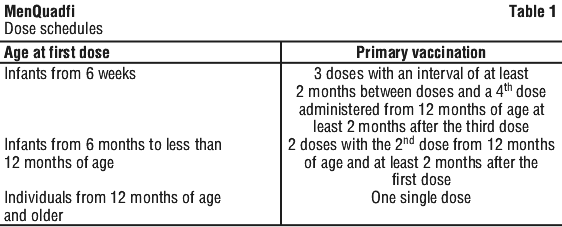
Refer to official recommendations for further information regarding booster dosing.
Method of administration. MenQuadfi should be administered as a single 0.5 mL injection by intramuscular route into the deltoid region or anterolateral thigh, depending on the recipient's age and muscle mass.
No data are available to establish safety and efficacy of the vaccine using intradermal or subcutaneous routes of administration.
See Section 4.5 Interactions with Other Medicines and Other Forms of Interactions for concomitant administration with other vaccines.
The product is for single use only and must not be reused. Discard any remaining unused contents.
4.3 Contraindications
MenQuadfi is contraindicated in anyone with a known systemic hypersensitivity reaction to any component of MenQuadfi or after previous administration of the vaccine or a vaccine containing the same components (see Section 2 Qualitative and Quantitative Composition; Section 6.1 List of Excipients).
4.4 Special Warnings and Precautions for Use
Appropriate observation and medical treatment should always be readily available in case of an anaphylactic event following the administration of the vaccine.
Protection. As with any vaccine, vaccination with MenQuadfi may not protect all vaccine recipients.
MenQuadfi will not protect against N. meningitidis serogroup B disease.
Immunisation with MenQuadfi does not substitute for routine tetanus immunisation.
Waning of serum bactericidal antibody titres against serogroup A when using human complement in the assay (hSBA) has been reported for MenQuadfi and other quadrivalent meningococcal vaccines. The clinical relevance of this observation is unknown.
Intercurrent illness. Vaccination should be postponed in individuals suffering from an acute severe febrile illness. However, the presence of a minor infection, such as cold, should not result in the deferral of vaccination.
Syncope. Syncope can occur following or even before any vaccination as a psychogenic response to the needle injection. Procedures should be in place to prevent falling and injury and to manage syncope.
Altered immunocompetence. Reduced immune response. Some individuals with altered immunocompetence, including some individuals receiving immunosuppressant therapy, may have reduced immune responses to MenQuadfi.
Complement deficiency. Individuals with certain complement deficiencies and individuals receiving treatment that inhibits terminal complement activation (for example, eculizumab) are at increased risk for invasive disease caused by Neisseria meningitidis, including invasive disease caused by serogroups A, C, W, and Y, even if they develop antibodies following vaccination with MenQuadfi.
Use in the elderly. Safety and efficacy of MenQuadfi administration in individuals older than 56 years of age have been established. See Section 4.8 Adverse Effects (Undesirable Effects); Section 5.1 Pharmacodynamic Properties for more information.
Paediatric use. Safety and efficacy of MenQuadfi administration in individuals less than 6 weeks of age have not been established.
Safety and effectiveness of MenQuadfi were established in individuals from 6 weeks through 17 years of age. Data from MET41, MET42 and MET58 indicate that MenQuadfi can be given to infants with a history of preterm birth. The safety of MenQuadfi was evaluated in 237 infants with a history of preterm birth and no differences in adverse reactions following MenQuadfi were found between these infants and those who were born full term (see Section 4.8 Adverse Effects (Undesirable Effects)). Additionally, the immune responses to MenQuadfi evaluated in 61-71 infants with a history of preterm birth (MET42) were comparable to those infants who were born full term (see Section 5.1, Clinical trials).
Infants with a history of preterm birth whose clinical condition is satisfactory should be immunised with full doses of vaccine at same chronological age and according to the same schedule as full-term infants, regardless of birth weight.
Effects on laboratory tests. No data available.
4.5 Interactions with Other Medicines and Other Forms of Interactions
Use with other vaccines. MenQuadfi should not be mixed with any other vaccine in the same vial or syringe.
If MenQuadfi needs to be given at the same time as another injectable vaccine(s), immunisation should be carried out on separate limbs.
MenQuadfi can be given concomitantly with any of the following vaccines:
Measles-mumps-rubella vaccine (MMR) and varicella vaccine (V).
Combined diphtheria - tetanus - acellular pertussis (DTPa) vaccines, including combination DTPa vaccines with hepatitis B, inactivated poliovirus or Haemophilus influenzae type b (HepB, IPV or Hib) such as DTPa-IPV-HepB-Hib vaccine or DTPa-IPV/Hib.
13-valent pneumococcal polysaccharide conjugate vaccine (PCV13).
Human Papillomavirus Vaccine (Recombinant, adsorbed) (HPV).
Rotavirus vaccines.
Hepatitis B vaccine (HepB).
Meningococcal serogroup B vaccine (see Section 5.1 Pharmacodynamic Properties, Concomitantly administered vaccines).
The anti-pertussis responses following dTpa administered concomitantly with MenQuadfi and HPV versus dTpa administered concomitantly with HPV did not meet non-inferiority for the FHA, PRN, and FIM antigens. Because there are no established serological correlates of protection for pertussis, the clinical implications of the observed pertussis antigen responses are unknown.
MenQuadfi can be administered concomitantly with PCV13. Lower hSBA GMTs on day 30 post-dose for serogroup A have been observed when given concomitantly. The clinical relevance of this observation is unknown. As a precaution in children 12-23 months of age at high risk for serogroup A disease, consideration might be given for administration of MenQuadfi and PCV13 vaccines separately.
(See Section 4.8 Adverse Effects (Undesirable Effects); Section 5.1 Pharmacodynamic Properties, Concomitantly administered vaccines for safety and immunogenicity data).
Use with systemic immunosuppressive medicinal products. It may be expected that in individuals receiving immunosuppressive treatment or individuals with immunodeficiency, an adequate immune response may not be elicited.
4.6 Fertility, Pregnancy and Lactation
Effects on fertility. A developmental and reproductive toxicity study was performed in female rabbits. The animals were administered a full human dose (0.5 mL) of MenQuadfi intramuscularly on two occasions before mating and three occasions during gestation. There were no effects on mating performances or female fertility. No study was conducted on male fertility.
Use in pregnancy. (Category B1)
Limited data are available on the use of MenQuadfi in pregnant women. However, no conclusions can be drawn regarding whether or not MenQuadfi is safe for use during pregnancy.
A developmental and reproductive toxicity study was performed in female rabbits. The animals were administered a full human dose of MenQuadfi (0.5 mL) intramuscularly on two occasions before mating and three occasions during gestation. The study showed no adverse effects on embryo-fetal development (including an evaluation of teratogenicity) or early post-natal development.
MenQuadfi should be used during pregnancy only if the potential benefits to the mother outweigh the potential risks, including those to the fetus.
Use in lactation. There are no available data on the presence of MenQuadfi in human milk, milk production, or the effects on the breastfed infant. No conclusions can be drawn regarding whether or not MenQuadfi is safe for use during breastfeeding.
MenQuadfi should be used during breastfeeding only if the potential benefits to the mother outweigh the potential risks, including those to the breastfed child.
4.7 Effects on Ability to Drive and Use Machines
No studies on the effects of MenQuadfi on the ability to drive or use machines have been performed.
4.8 Adverse Effects (Undesirable Effects)
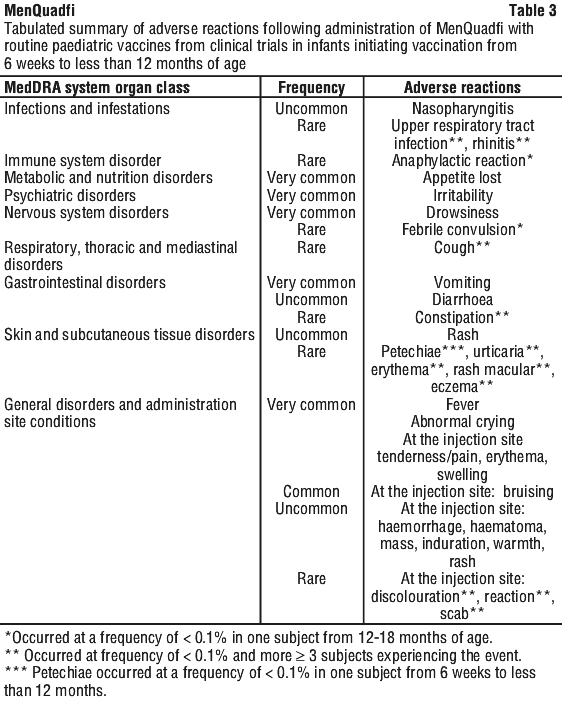
Summary of the safety profile. The safety of MenQuadfi in infants initiating vaccination from 6 weeks of age to less than 12 months of age is based on 6 studies in which participants received at least one dose of MenQuadfi concomitantly with routine paediatric vaccines (N=6060) or MenQuadfi concomitantly with MenB vaccine (N=314). The routine paediatric vaccines include DTPa-IPV/Hib or DTPa-IPV-HepB or DTPa-IPV-HepB-Hib or DTPa-HepB-IPV/Hib, Hib vaccine, PCV13 or PCV10, rotavirus vaccine, HepB, MMR, V or HepA. These studies evaluated the safety of a primary series consisting of either 1, 2 or 3 doses of MenQuadfi in the first year of life, following by a booster dose from 12 months of age in the second year of life.
The most frequently reported adverse reactions within 7 days after vaccination with any dose of MenQuadfi in infants initiating vaccination from 6 weeks of age to less than 12 months of age were irritability (74.6%) and injection site tenderness (64.6%). These adverse reactions were mostly mild or moderate in intensity.
The safety of a single dose of MenQuadfi in individuals 12 months of age and older was evaluated in seven randomised, active-controlled, multi-centre pivotal studies. In these studies, 6308 subjects received either a primary dose (N=5906) or a booster dose (N=402) of MenQuadfi and were included in the safety analyses. This included 1389 toddlers aged 12 through 23 months of age, 498 children aged 2 through 9 years, 2289 children and adolescents aged 10 through 17 years, 1684 adults aged 18 through 55 years, 199 older adults aged 56 through 64 years, and 249 elderly aged 65 years and older. Of these, 392 adolescents received MenQuadfi co-administered with dTpa and 4vHPV, and 589 toddlers received MenQuadfi co-administered with MMR+V (N=189), DTPa-IPV-HepB-Hib (N=200) or PCV-13 (N=200).
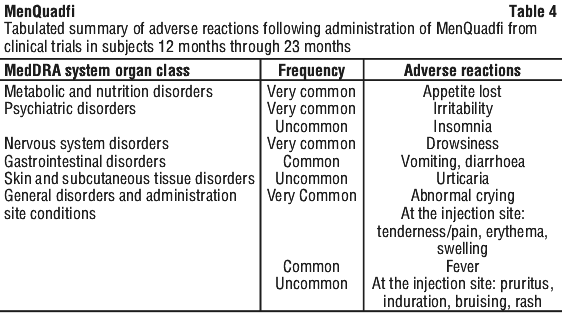
The most frequently reported adverse reactions within 7 days after vaccination with a single dose of MenQuadfi alone in toddlers 12 through 23 months of age were irritability (36.7%) and injection site tenderness (30.6%) and in ages 2 years and above were injection site pain (38.7%) and myalgia (30.5%). These adverse reactions were mostly mild or moderate in intensity.
Rates of adverse reactions after a booster dose of MenQuadfi in adolescents and adults at least 15 years of age were comparable to those seen in adolescents and adults who received a primary dose of MenQuadfi.
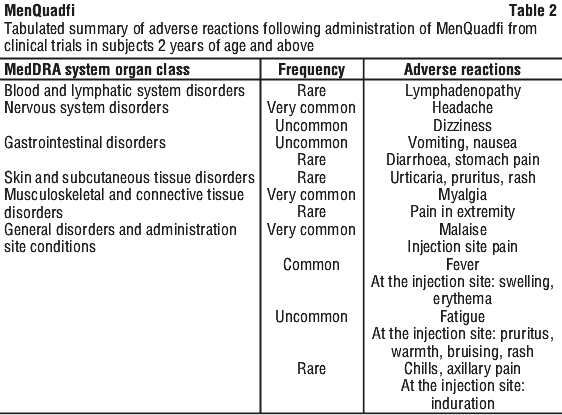
Tabulated list of adverse reactions. The following adverse reactions, as listed in Table 2, have been identified from clinical studies conducted with MenQuadfi when given alone to subjects 2 years of age and older. The safety profiles observed in infants initiating vaccination from 6 weeks to less than 12 months of age and toddlers aged 12 through 23 months are presented in the paediatric population section.
The adverse reactions are listed according to the following frequency categories:
Very common (≥ 1/10); common (≥ 1/100 to < 1/10); uncommon (≥ 1/1,000 to < 1/100); rare (≥ 1/10,000 to < 1/1,000); very rare (< 1/10,000).
Within each frequency grouping, adverse reactions are presented in order of decreasing seriousness.
When co-administered with routine paediatric vaccines, the safety profile of MenQuadfi when administered as a booster dose in the second year of life was similar to its safety profile in infants from 6 weeks to less than 12 months of age. Adverse reactions following MenQuadfi vaccination in individuals 12 through 23 months of age when administered as a booster dose or a single primary dose were generally comparable. See Table 3.
Concomitant use with other vaccines. Concomitant use with routine paediatric vaccines. MenQuadfi can be co-administered with routine paediatric vaccines. Infant studies investigated the safety of MenQuadfi in individuals initiating vaccination from 6 weeks to less than 12 months of age when given concomitantly with routine paediatric vaccines. See Section 4.5 Interactions with Other Medicines and Other Forms of Interactions, Use with other vaccines; Section 5.1, Clinical trials, Concomitantly administered vaccines.
Concomitant use with MMR and V for ages 12-23 months. The safety of MenQuadfi administered concomitantly with MMR and V was evaluated in a randomised, controlled, open-label (the laboratory technicians were blinded to group assignment) trial (MET57).
The rates of local reactions at each of the injection sites were comparable when MenQuadfi was given concomitantly with MMR and V, MenQuadfi was given alone, and MMR and V were given without MenQuadfi.
The overall rates of solicited systemic reactions reported for participants receiving MenQuadfi + MMR + V (46.6%) were comparable to rates among participants who received MMR + V without MenQuadfi (43.2%), or MenQuadfi alone (54.3%). In the three groups the most common solicited systemic reactions were irritability (MenQuadfi + MMR + V, 23.8%; MMR + V, 26.3%; MenQuadfi alone, 24.5%), abnormal crying (MenQuadfi + MMR + V, 18.5%; MMR + V, 18.9%; MenQuadfi alone, 27.7%), and appetite lost (MenQuadfi + MMR + V, 21.2%; MMR + V, 13.7%; MenQuadfi alone, 23.4%).
Concomitant use with PCV13 for ages 12-23 months. The safety of MenQuadfi administered concomitantly with PCV13 as evaluated in a randomised, open-label (the laboratory technicians were blinded to group assignment) trial (MET57).
The rates of local reactions at the PCV13 injection sites tended to be higher when MenQuadfi was given concomitantly with PCV13 compared with PCV13 given without MenQuadfi.
The overall rates of solicited systemic reactions reported for participants receiving MenQuadfi + PCV13 (20.0%) were comparable to rates among participants who received MenQuadfi alone (19.0%). The overall rate of solicited systemic reactions was lower for participants receiving PCV13 without MenQuadfi (10.1%). In the three groups the most common systemic reactions were irritability (MenQuadfi + PCV13, 13.0%; PCV13, 9.1%; MenQuadfi alone, 16.0%), appetite lost (MenQuadfi + PCV13, 9.5%; PCV13, 7.1%; MenQuadfi alone, 12.0%), and drowsiness (MenQuadfi + PCV13, 12.5%; PCV13, 4.0%; MenQuadfi alone, 6.0%).
Concomitant use with dTpa and HPV for ages 10-17 years. The safety of MenQuadfi administered concomitantly with dTpa and HPV was evaluated in a randomised, controlled, open-label (the laboratory technicians were blinded to group assignment) trial (MET50).
The overall rate of solicited systemic reactions was higher when MenQuadfi was given concomitantly with dTpa and HPV (70.6%) than when MenQuadfi was given alone (52.0%) and comparable to when dTpa and HPV were given without MenQuadfi (65.9%). In the three groups the most common solicited systemic reactions were myalgia (MenQuadfi + dTpa + HPV, 61.3%; dTpa +HPV, 55.4%; MenQuadfi alone, 35.3%) and headache (MenQuadfi + dTpa + HPV, 33.8%; dTpa + HPV, 29%; MenQuadfi alone, 30.2%). The rates of local reactions at each of the injection sites were comparable when MenQuadfi was given concomitantly with dTpa and HPV, MenQuadfi was given alone, and dTpa and HPV were given without MenQuadfi.
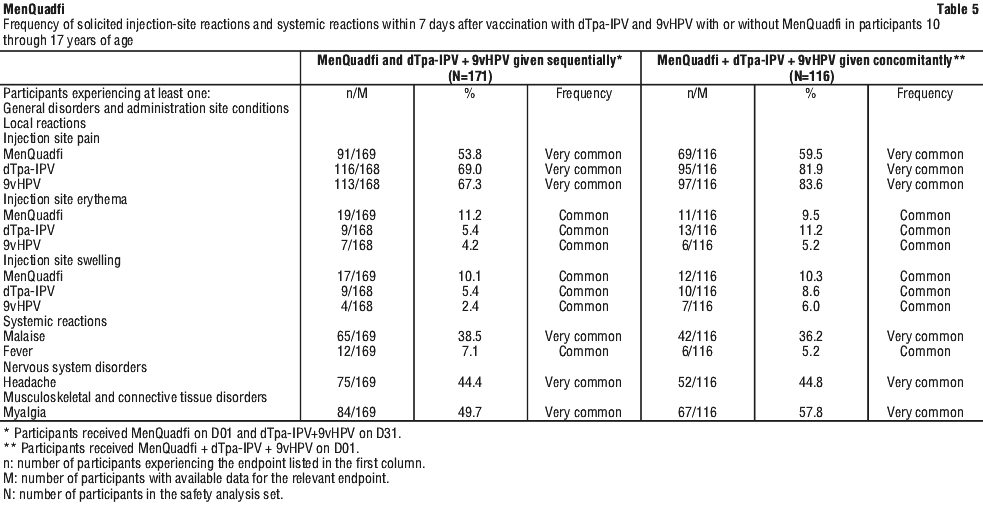
Concomitant use with dTpa-IPV and 9vHPV for ages 10-17 years. The safety of MenQuadfi administered concomitantly with dTpa-IPV and 9vHPV was evaluated in a randomised, active controlled, partially observer-blind (open-label for one of the study groups) trial (MEQ00071). The safety analysis set included 458 participants who received MenQuadfi alone (171 participants), MenQuadfi concomitantly with dTpa-IPV and 9vHPV (116 participants), or a comparator meningococcal vaccine (171 participants, MenACWY-TT). The participants 10 years through 17 years of age who received MenQuadfi alone were a mean age of 12.4 years and 12.5 years for those who received MenQuadfi concomitantly with dTpa-IPV and 9vHPV.
The rates of systemic reactions were comparable between all groups. The most common solicited systemic reactions were myalgia, headache and malaise.
The most common solicited injection site reaction following MenQuadfi vaccination was pain. The rates of pain at the dTpa-IPV and 9vHPV injection site were numerically higher when given concomitantly with MenQuadfi compared to when dTpa-IPV and 9vHPV were given alone.
Majority of solicited reactions were grade 1 or 2 and resolved within 3 days after vaccination.
No SAEs occurred following administration with MenQuadfi alone or concomitantly with dTpa-IPV and 9vHPV during the entire study period. See Table 5.
Rates and intensity of injection site reactions within 7 days following vaccination tended to be higher when MenQuadfi was given concomitantly with MenB than when MenQuadfi was given alone. The most common solicited injection site reaction was erythema, which was experienced more frequently in participants who received MenQuadfi with MenB (71.2%) compared to those who received MenQuadfi alone (66.3%). The most common solicited systemic reaction was irritability, which was experienced more frequently in participants who received MenQuadfi with MenB (98.7%) compared to those who received MenQuadfi alone (95.8%). Crying abnormal and drowsiness were reported at higher rates in subjects who received MenB with MenQuadfi (60.1% and 45.3%, respectively) compared to MenQuadfi alone (36.1% and 23.2%).
Additionally, in clinical study (MET59), adolescents and adults 13-26 years of age primed with MenQuadfi 3-6 years previously received MenQuadfi co-administered with meningococcal serogroup B (MenB) vaccine, Trumenba (N=93) or Bexsero (N=92).
Rates and intensity of systemic reactions within 7 days following vaccination tended to be higher when MenQuadfi was given concomitantly with MenB vaccine than when MenQuadfi was given alone. The most common solicited systemic reaction was myalgia, of mild intensity, which was experienced more frequently in adolescents and adults who received MenQuadfi and MenB vaccine concomitantly (Trumenba, 65.2%; Bexsero, 63%) compared to those who received MenQuadfi alone (32.8%).
Post marketing. In addition to the adverse events observed during the clinical trials, the following events have been reported during the post marketing use of MenQuadfi. The frequency is qualified as "not known" (cannot be estimated from available data).
Immune system disorders. Hypersensitivity including anaphylaxis.
Nervous system disorders. Convulsions with or without fever.
Reporting suspected adverse effects. Reporting suspected adverse reactions after registration of the medicinal product is important. It allows continued monitoring of the benefit-risk balance of the medicinal product. Healthcare professionals are asked to report any suspected adverse reactions at www.tga.gov.au/reporting-problems (Australia).
4.9 Overdose
For general advice on overdose management, contact the Poisons Information Centre, telephone number 13 11 26 (Australia).
5 Pharmacological Properties
5.1 Pharmacodynamic Properties
Pharmacotherapeutic group: meningococcal vaccine, ATC code: J07AH08.
Mechanism of action. Invasive meningococcal disease (IMD) is caused by the bacterium N. meningitidis, a gram-negative diplococcus found exclusively in humans. The presence of bactericidal anti-capsular meningococcal antibodies has been associated with protection from IMD. MenQuadfi induces the production of bactericidal antibodies specific to the capsular polysaccharides of N. meningitidis serogroups A, C, W, and Y.
Clinical trials. The immunogenicity of MenQuadfi in infants initiating vaccination from 6 weeks to less than 12 months of age was assessed in two pivotal studies where the primary vaccination series consisted of one or three doses in the first year of life (depending on the age at first dose) and a booster dose in the second year of life. The immunogenicity of a single dose of MenQuadfi for primary vaccination in toddlers (12 - 23 months of age), children and adolescents (2 - 17 years of age), adults (18 - 55 years of age) and older adults (56 years and above) was assessed in six pivotal studies and in one additional study (MEQ65) in toddlers (12 - 23 months of age); the immunogenicity of a single dose of MenQuadfi for booster vaccination (ages 15-55 years of age) was assessed in one pivotal study. In addition, antibody persistence after primary vaccination and immunogenicity of a booster dose was assessed in three studies in children (4-5 years of age), adolescents and adults (13-26 years of age), and older adults (≥ 59 years of age). Ten out of eleven studies were randomised (one partially randomised), parallel-group, multi-centre studies. Nine out of eleven studies were active controlled. Clinical study comparators were MenACWY-TT, MenACWY-CRM, MenACWY-DT, MenC-TT and MenACWY-PS. Five out of eleven studies were open-label. The other six studies were modified, double-blind.
Primary immunogenicity analyses were conducted by measuring serum bactericidal activity (SBA) using human serum as the source of exogenous complement (hSBA). Rabbit complement (rSBA) data are available in subsets in all age groups and generally follows the trends observed with human complement (hSBA) data. In addition, all participants were assessed for primary immunogenicity measured by hSBA and rSBA for serogroup C in MEQ00065 study.
Clinical data on the persistence of antibody response ≥ 3 years after primary vaccination with MenQuadfi in children (4-5 years of age), adolescents and adults (13-26 years of age), and older adults (≥ 59 years of age) are available. Clinical data on booster vaccination with MenQuadfi in those participants are also available (MET62).
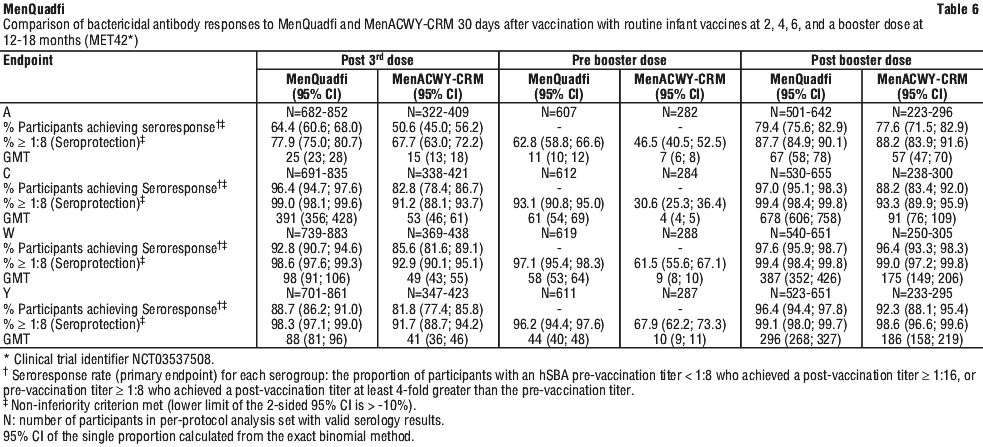
Immunogenicity in individuals initiating vaccination from 6 weeks through less than 12 months of age. Immunogenicity in infants initiating vaccination from 6 weeks through 6 months of age. MET42 compared the immunogenicity of three doses (given at 2, 4, and 6 months of age) and a booster dose (given at 12-18 months of age) of MenQuadfi to MenACWY-CRM 30 days after the third and booster vaccination. The hSBA seroresponse rate, percentage of participants with hSBA titers ≥ 1:8 (seroprotection rate) and GMTs are presented in Table 6.
Immune non-inferiority, based on seroresponse rates, after the booster dose was demonstrated for MenQuadfi as compared to MenACWY-CRM for all four serogroups.
Immune non-inferiority, based on seroprotection rates, after the third dose was demonstrated for MenQuadfi as compared to MenACWY-CRM for all four serogroups.
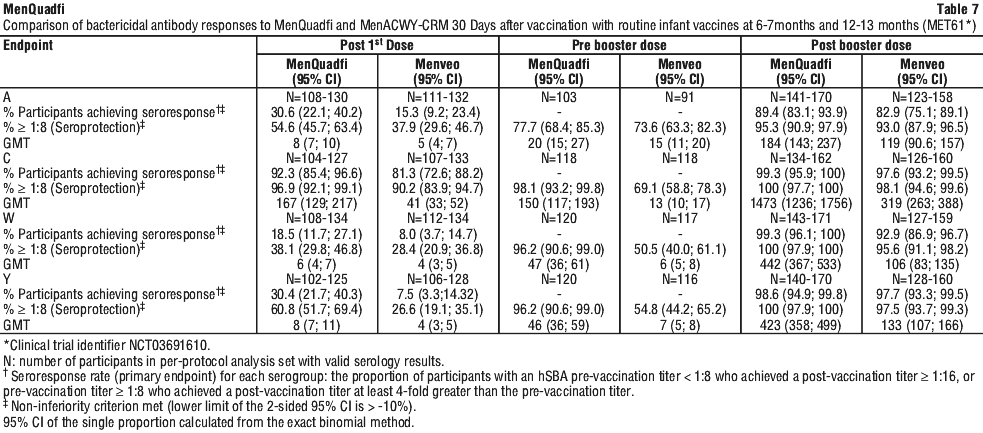
Immunogenicity in infants initiating vaccination from 6 months to less than 12 months of age. MET61 compared the immunogenicity of one dose (given at 6-7 months of age) and a booster dose (given at 12-13 months of age) of MenQuadfi to MenACWY-CRM 30 days after each vaccination. The hSBA seroresponse rate, percentage of participants with hSBA titers ≥ 1:8 (seroprotection rate) and GMTs are presented in Table 7.
Immune non-inferiority, based on seroresponse and seroprotection rates after the booster dose, was demonstrated for MenQuadfi as compared to MenACWY-CRM for all four serogroups.
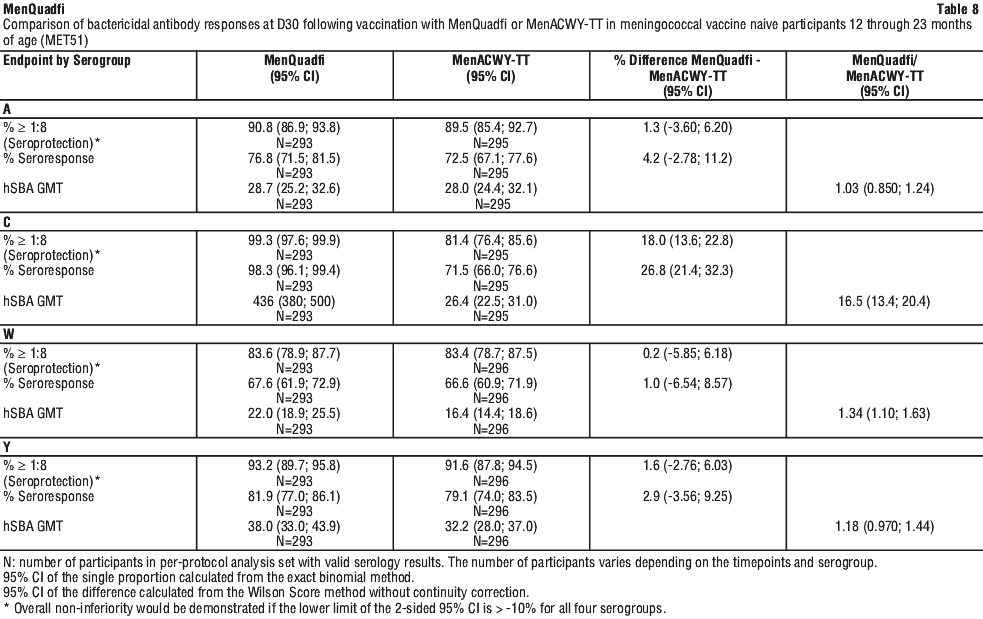
MET51 was conducted in participants who were either meningococcal vaccine naive or had been primed with monovalent meningococcal C vaccines (MenC-TT or MenC-CRM) in the first year of life.
Non-inferiority of immune response, based on percentage of participants achieving a post-vaccination hSBA titre ≥ 1:8 at Day 30 regardless of their meningococcal vaccine background, was demonstrated for MenQuadfi versus MenACWY-TT vaccine for all serogroups.
Non-inferiority of immune response, based on percentage of participants achieving a post-vaccination hSBA titre ≥ 1:8 at Day 30 in meningococcal vaccine naive toddlers, was demonstrated for MenQuadfi versus MenACWY-TT vaccine for all serogroups (see Table 8).
The point estimates of the immune response endpoints (with corresponding 95% confidence intervals [CIs]) and the differences or ratios observed between the two vaccines administered (with corresponding 95% CIs) in naive toddlers are summarised in Table 8.
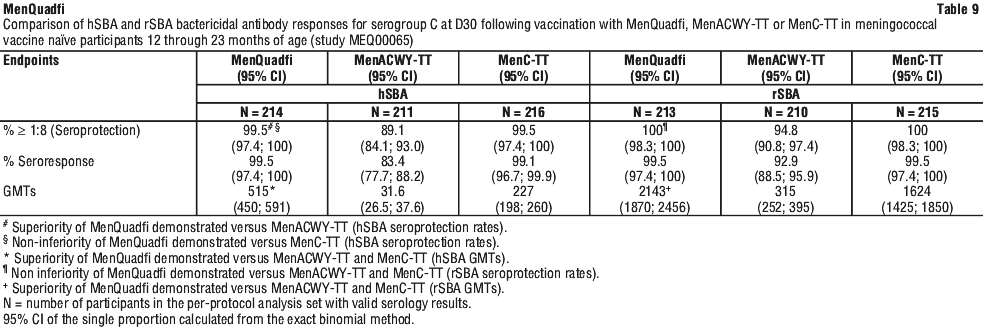
MEQ00065 study was conducted in meningococcal vaccine naïve toddlers 12 through 23 months of age to assess the immunogenicity of serogroup C using hSBA and rSBA assays following administration of a single dose of MenQuadfi compared to MenACWY-TT or to MenC-TT.
Superiority of MenQuadfi was demonstrated in comparison to MenACWY-TT vaccine for the hSBA seroprotection (titers ≥ 1:8) rate and hSBA and rSBA GMTs to meningococcal serogroup C. Noninferiority was demonstrated for the rSBA seroprotection rate to meningococcal serogroup C.
Superiority of MenQuadfi was also demonstrated in comparison to MenC-TT vaccine for the rSBA and hSBA GMTs to meningococcal serogroup C and non-inferiority was demonstrated for the rSBA and hSBA seroprotection rates to meningococcal serogroup C (see Table 9).
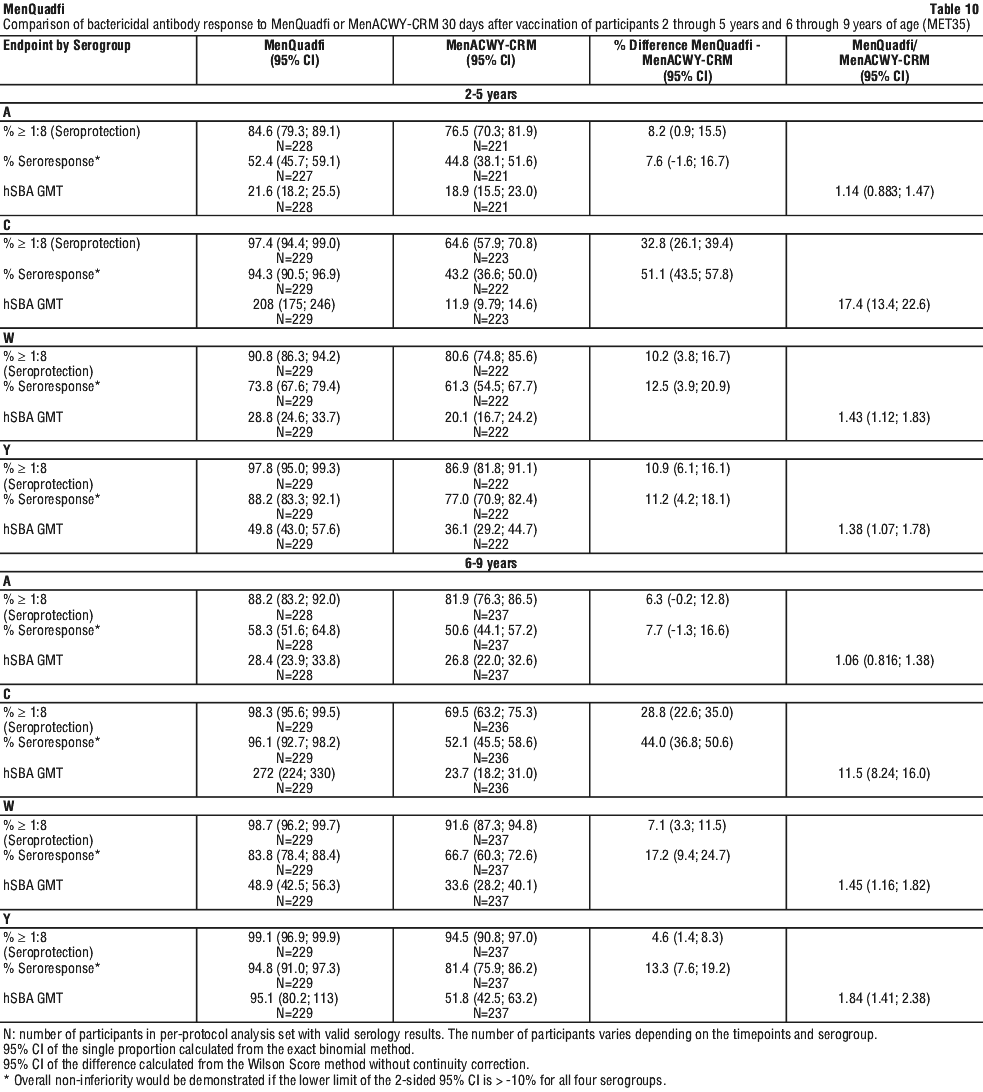
Overall for participants 2 through 9 years of age, immune non-inferiority, based on hSBA seroresponse, was demonstrated for MenQuadfi as compared to MenACWY-CRM for all four serogroups. The post vaccination hSBA seroprotection rates and GMTs for serogroups C, W, and Y were higher in participants who received MenQuadfi than those who received MenACWY-CRM. For Serogroup A, the post vaccination hSBA seroprotection rates and GMTs were similar in participants who received MenQuadfi than those who received MenACWY-CRM. The point estimates of the immune response endpoints (with corresponding 95% confidence intervals [CIs]) and the differences or ratios observed between the two vaccines administered (with corresponding 95% CIs) in naive children are summarised in Table 10.
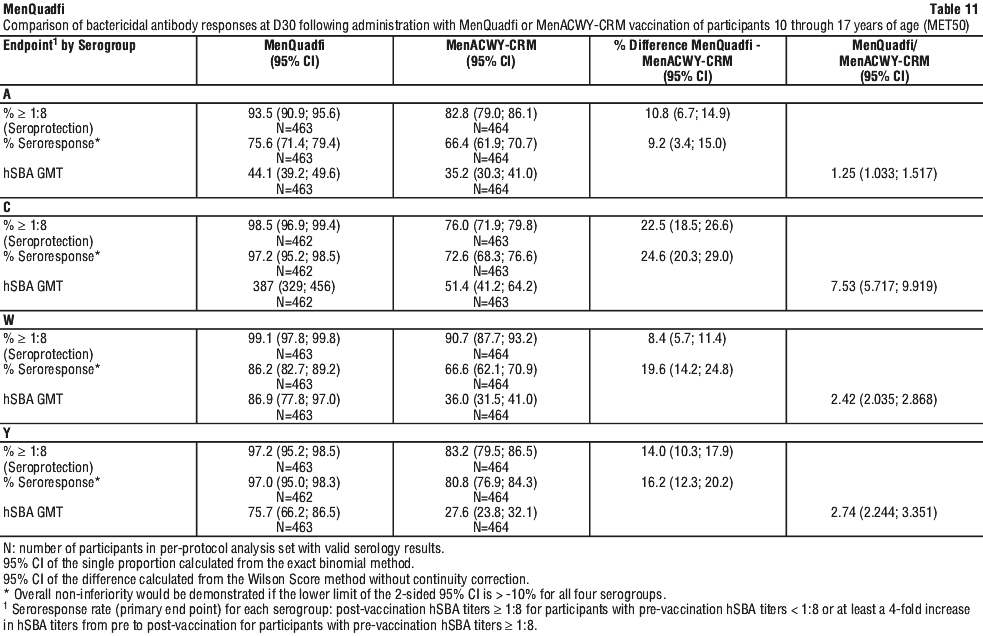
MET50 was conducted in meningococcal vaccine naive participants and evaluated seroresponses following administration with either MenQuadfi alone; MenACWY-CRM alone; MenQuadfi co-administered with dTpa and HPV; or dTpa and HPV alone.
Overall immune non-inferiority, based on hSBA seroresponse, was demonstrated for MenQuadfi as compared to MenACWY-CRM for all four serogroups. The post vaccination hSBA seroprotection rates for serogroups A, C, W, and Y were higher in participants who received MenQuadfi than those who received MenACWY-CRM. The post vaccination hSBA GMTs for serogroups C, W, and Y were higher in participants who received MenQuadfi than those who received MenACWY-CRM and comparable for serogroup A. The point estimates of the immune response endpoints (with corresponding 95% confidence intervals) and the differences or ratio observed between the two vaccines administered (with corresponding 95% confidence intervals) in naive adolescents is summarised in Table 11.
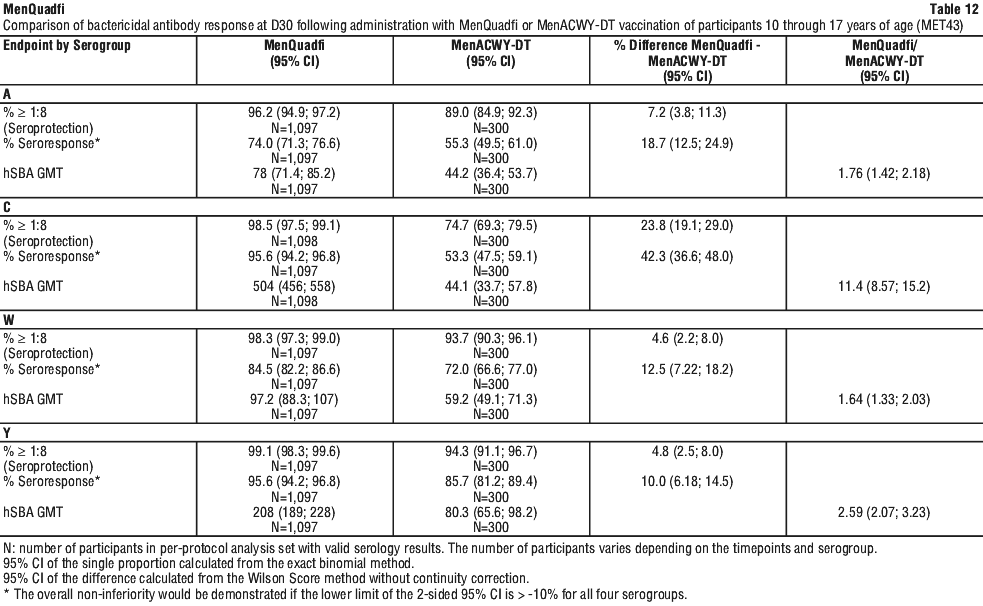
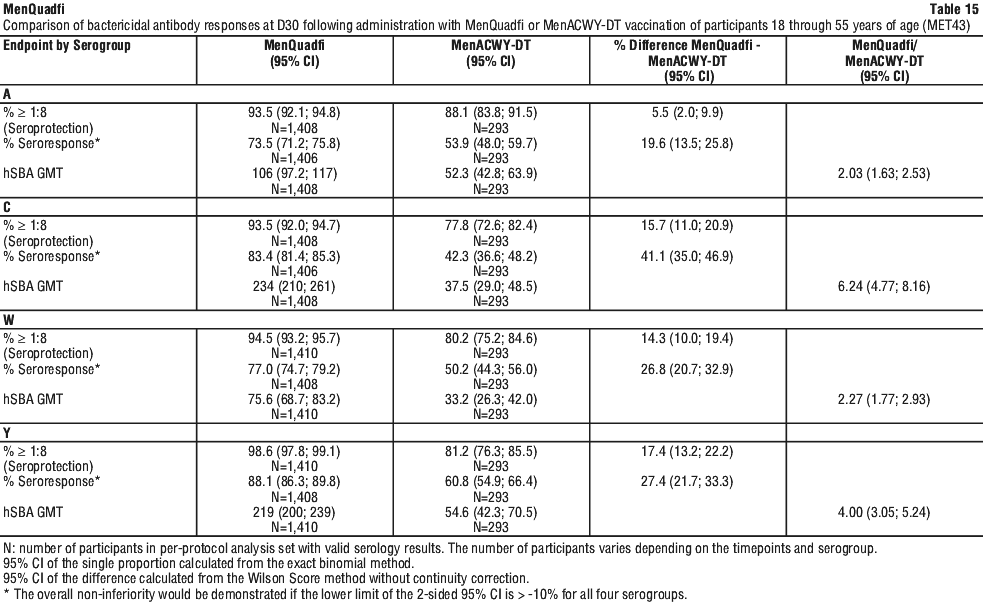
In MET 43, immune non-inferiority, based on hSBA seroresponse, was demonstrated for MenQuadfi as compared to MenACWY-DT for all four serogroups. The post vaccination hSBA seroprotection rates and GMTs for serogroups A, C, W, and Y were higher in participants who received MenQuadfi than those who received MenACWY-DT. The point estimates of the immune endpoints (with corresponding 95% confidence intervals) and the differences or ratio observed between the two vaccines administered (with corresponding 95% confidence intervals) in naive adolescents is summarised in Table 12.
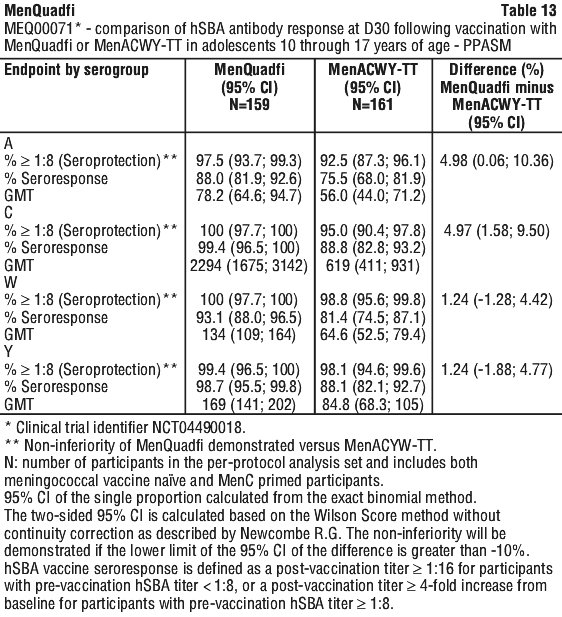
MEQ00071 was conducted in participants who were either meningococcal vaccine naïve or had been primed with monovalent MenC vaccines (MenC-TT or MenC-CRM) before two years of age. The participants were randomized to receive either a single dose of MenQuadfi alone, a single dose of the licensed MenACWY-TT vaccine, or a single dose of MenQuadfi given concomitantly with dTpa-IPV and 9vHPV.
Non-inferiority of immune response 30 days following vaccination, based on the percentages of participants with hSBA titers ≥ 1:8 (seroprotection rates), was demonstrated for MenQuadfi versus MenACWY-TT vaccine for all serogroups (see Table 13).
The post vaccination hSBA seroresponse rates were higher in participants who received MenQuadfi than those who received MenACWY-TT for all serogroups. The post vaccination hSBA GMTs for serogroups C, W, and Y were higher in participants who received MenQuadfi versus those who received MenACWY-TT and comparable for serogroup A (see Table 13).
Immune response was also measured 6 days following vaccination in a subset of participants who received MenQuadfi concomitantly with dTpa-IPV and 9vHPV (N=60). A rapid and robust immune response was observed, with hSBA GMTs increasing mainly within the first 6 days after vaccination. hSBA GMTs ranged from 2.36 to 9.23 before vaccination, from 22.2 to 2224 six days after vaccination and from 39.5 to 2358 thirty days after vaccination.
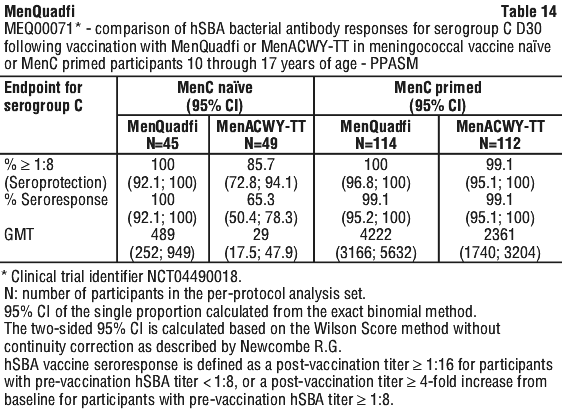
Overall, the post vaccination hSBA seroprotection rates, hSBA seroresponse rates, and hSBA GMTs were higher in meningococcal vaccine naïve participants who received MenQuadfi than those who received MenACWY-TT. In MenC primed participants, the post vaccination hSBA seroprotection and seroresponse rates against meningococcal serogroup C were comparable between both study groups and the hSBA GMTs tended to be higher in participants who received MenQuadfi than those who received MenACWY-TT (see Table 14).
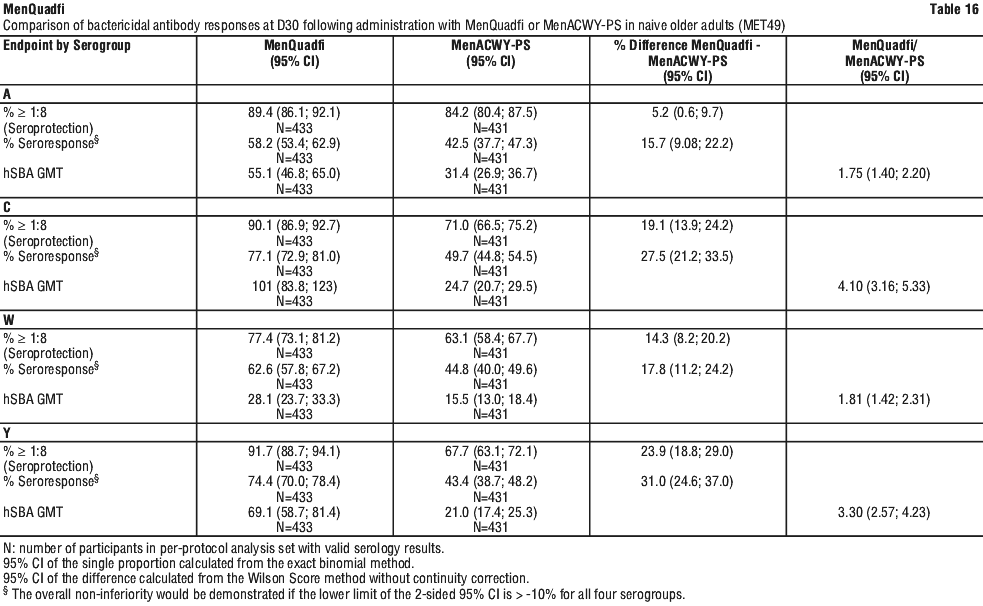
In study MET49, the overall mean age of participants who received MenQuadfi was 66.9 years. The age range of participants was 56 through 89.8 years of age. The immune response to MenQuadfi based on hSBA seroresponse was non-inferior to that of MenACWY-PS for all four serogroups. The percentages of participants with hSBA titres ≥ 1:8 increased from baseline for all serogroups and in both groups (see Table 16).
In participants 56 through 64 years of age, participants ≥ 65 years, participants 65 through 74 years and participants ≥ 75 years of age, seroprotection rates were comparable between MenQuadfi and MenACWY-PS for serogroup A and higher for serogroups C, Y and W in participants who received MenQuadfi than those who received MenACWY-PS. In participants 56 through 64 years of age and ≥ 65 years the GMTs were higher for all serogroups in those who received MenQuadfi than those who received MenACWY-PS. In participants 65 through 74 years of age, the GMTs were higher for serogroups C, Y and W, and comparable for serogroup A in those who received MenQuadfi than those who received MenACWY-PS. In participants ≥ 75 years of age the GMTs were higher for serogroup C, and comparable for serogroups A, Y and W in those who received MenQuadfi than those who received MenACWY-PS.
Overall for adults ≥ 56 years of age, immune non-inferiority, based on hSBA seroresponse, was demonstrated for MenQuadfi as compared to MenACWY PS for all four serogroups. The post vaccination hSBA GMTs for serogroups A, C, W, and Y were higher in participants who received MenQuadfi than those who received MenACWY-PS. The post vaccination hSBA seroprotection rates for serogroups C, W, and Y were higher in participants who received MenQuadfi than those who received MenACWY-PS. The point estimates of the immune endpoints (with corresponding 95% confidence intervals) and the differences or ratio observed between the two vaccines administered (with corresponding 95% confidence intervals) in naive older adults is summarised in Table 16.
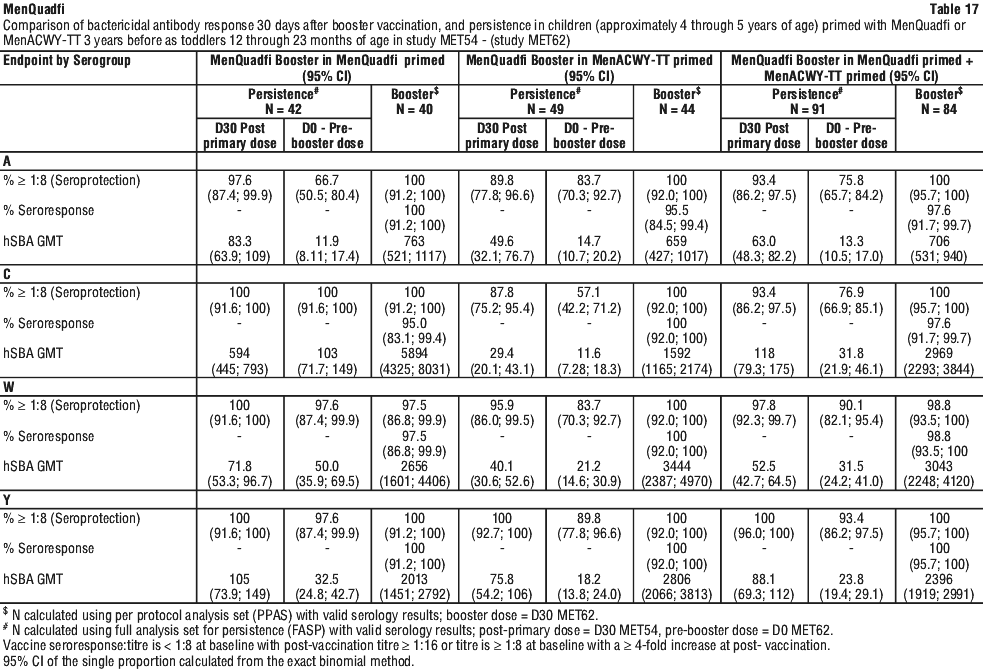
Persistence of immune response and MenQuadfi booster response in children 4 through 5 years of age. MET62 evaluated the antibody persistence of a primary dose, immunogenicity and the safety of a booster dose of MenQuadfi in children approximately 4 years of age. These children were primed with a single dose of MenQuadfi or MenACWY-TT 3 years before as part of the phase II study MET54 when they were 12-23 months old. The antibody persistence prior to the MenQuadfi booster dose and the booster immune response were assessed according to the vaccine (MenQuadfi or MenACWY-TT) children had received 3 years ago (see Table 17).
For all serogroups, hSBA GMTs were higher at D30 post-primary dose than at D0 pre-booster dose for MenQuadfi or MenACWY-TT. The pre-booster GMTs were higher than the pre-primary dose, indicative of long-term persistence of immune response.
After the booster dose, seroprotection rates were nearly 100% for all serogroups in children primed with MenQuadfi.
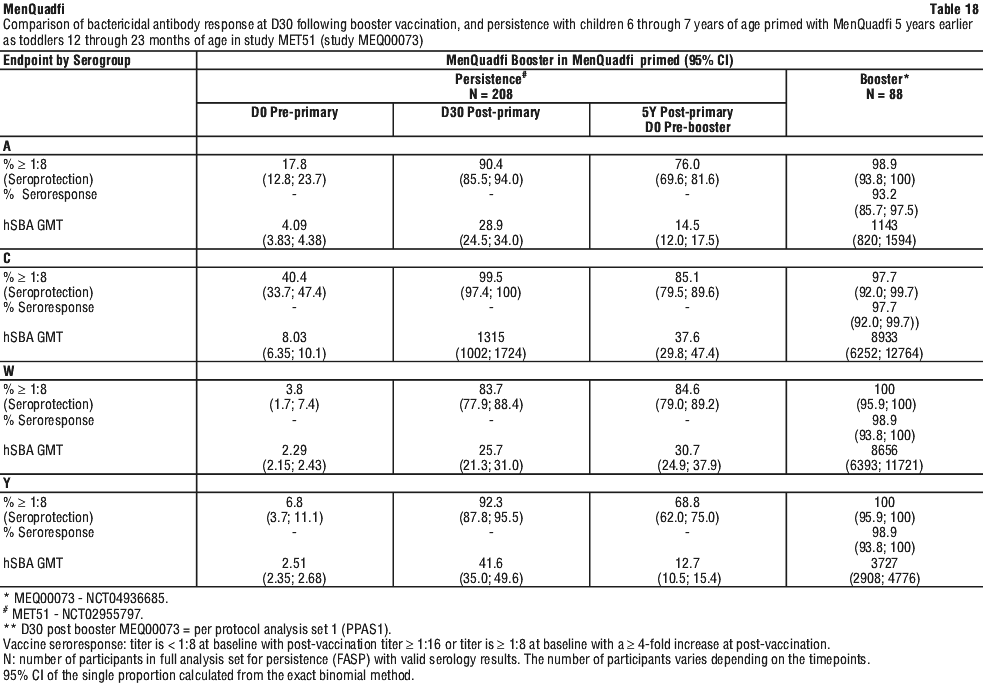
For all serogroups, 5Y post-primary (pre-booster) GMTs were higher than the pre-primary GMTs, indicative of long-term persistence of immune response.
At D30 post-booster dose, the proportion of individuals exhibiting ≥ 1:8 seroprotection rates were as follows: 98.9% for serogroup A, 97.7% for serogroup C, and 100% for serogroups W and Y in children primed with MenQuadfi (see Table 18).
The antibody responses against serogroup C at D30 post-booster dose of MenQuadfi were comparable regardless of MenC vaccination status during the first year of life before priming with MenQuadfi 5 years earlier.
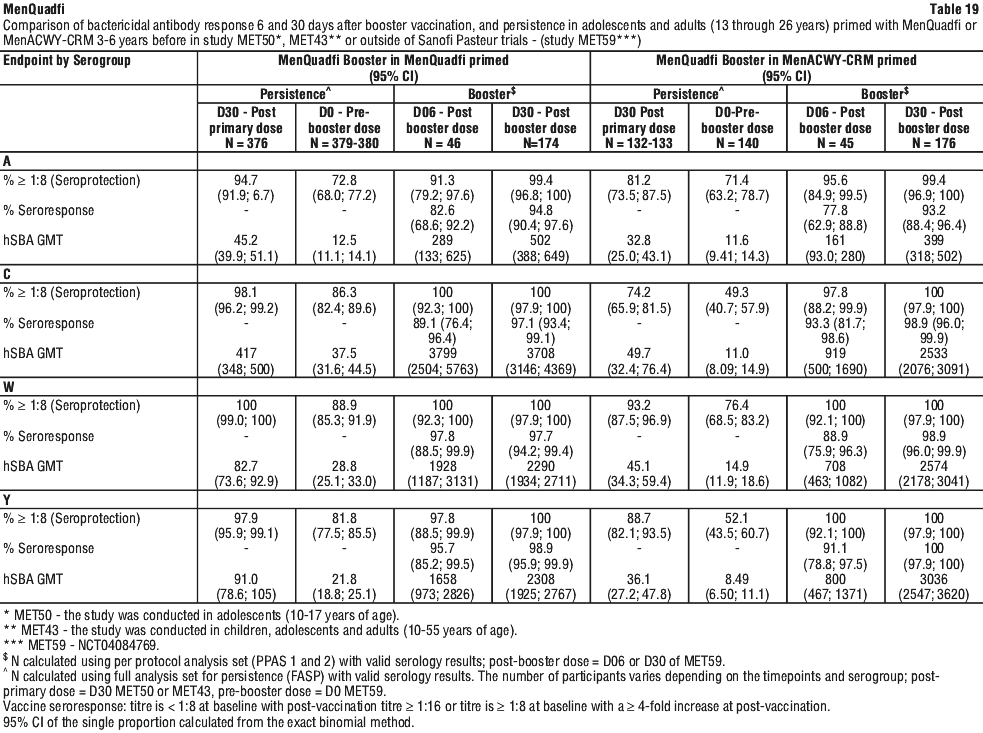
For all serogroups, hSBA GMTs were higher at D30 post-primary dose than at D0 pre-booster for MenQuadfi and MenACWY-CRM primed participants. The pre-booster GMTs were higher than the pre-primary dose, indicative of long-term persistence of immune response.
After the booster dose, seroprotection rates were nearly 100% for all serogroups in adolescents and adults primed with MenQuadfi.
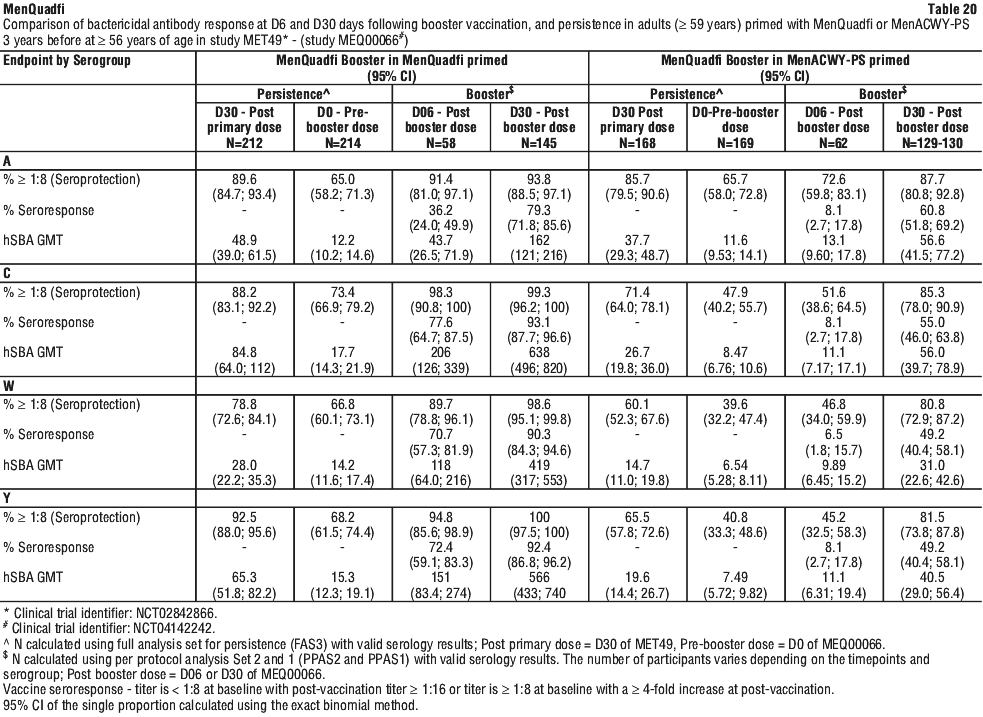
3 year persistence. The antibody persistence prior to the MenQuadfi booster dose and the booster immune response were assessed according to the vaccine (MenQuadfi or MenACWY-PS) participants had received 3 years previously at ≥ 56 years of age in MET49 (see Table 20).
For all serogroups, hSBA GMTs were higher at D30 post-primary dose than at D0 pre-booster dose for both MenQuadfi-primed and MenACWY-PS-primed adults. In addition, for both primed groups, the pre-booster GMTs were higher than the pre-primary dose for serogroups C, W and Y (indicative of long-term persistence of immune response for these serogroups) and were comparable for serogroup A.
In MenQuadfi-primed subjects, hSBA GMTs for serogroups C, W and Y 5Y post-primary dose were higher than the pre-priming GMTs (and were comparable for serogroup A), indicating long-term persistence of immune response.
Following the MenQuadfi booster dose, seroprotection rates were 100% for serogroups A, C, and Y, and 95.0% for serogroup W in subjects primed with MenQuadfi and 87.5%, 62.5%, 87.5% and 68.8% for serogroups A, C, W and Y, respectively, for those primed with MenACWY-PS.
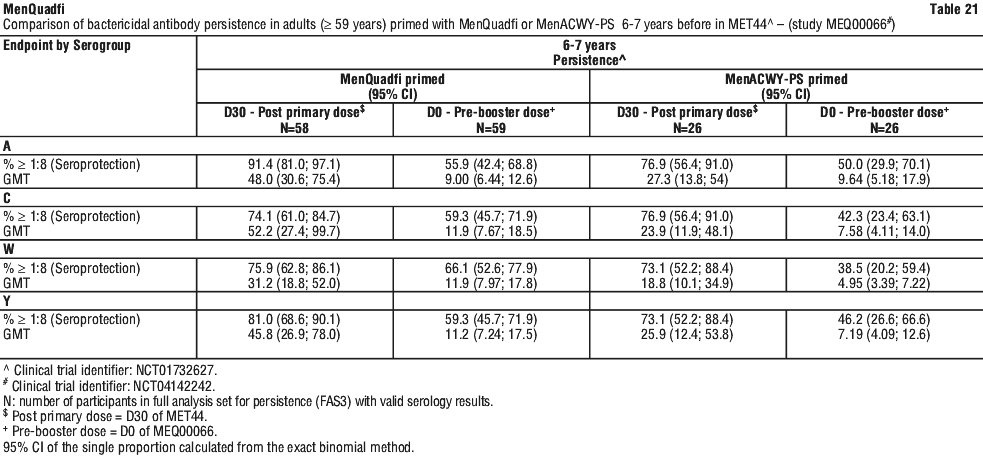
6-7 year persistence. The antibody persistence was assessed according to the vaccine (MenQuadfi or MenACWY-PS) participants had received 6-7 years previously in study MET44 (see Table 21).
For all serogroups, hSBA GMTs were higher at D30 post-primary dose than at D0 pre-booster dose for MenQuadfi-primed adults. The pre-booster GMTs were higher than the pre-primary dose for serogroup C, W, and Y in MenQuadfi-primed adults, indicative of long-term persistence of immune response for these serogroups, and were comparable for serogroup A.
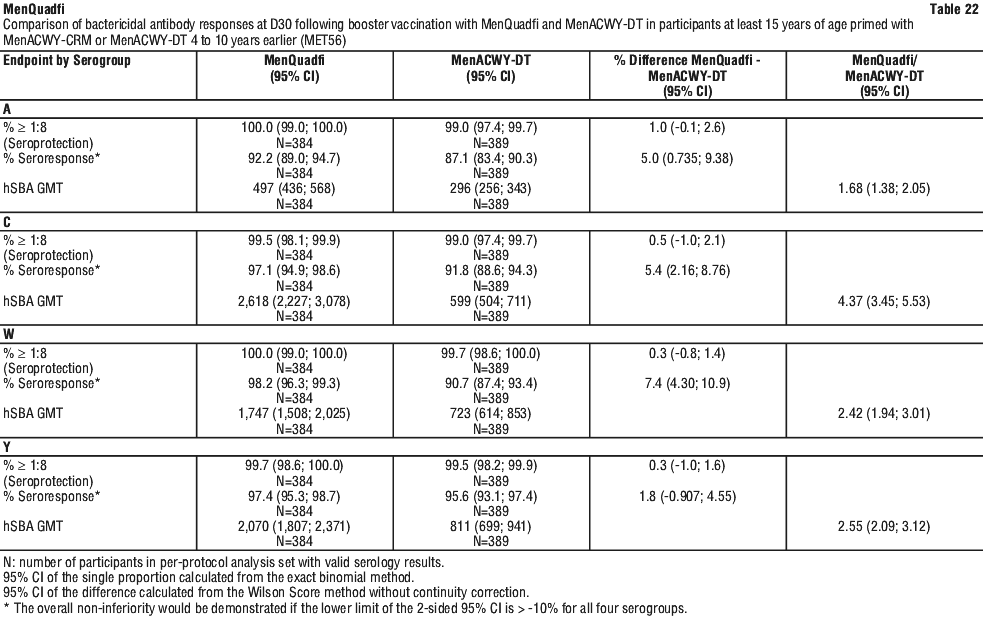
At baseline, hSBA seroprotection and GMT were similar for serogroups A, C, W, and Y.
The hSBA seroresponse following a booster dose of MenQuadfi was non-inferior to that following a booster dose of MenACWY-DT for all four serogroups.
The percentages of participants with hSBA titres ≥ 1:8 increased from baseline for all serogroups and in both groups. The percentages were comparable in MenQuadfi and MenACWY-DT for all serogroups (see Table 22).
The immune response of routine paediatric vaccines was assessed in MET42 and no interference was observed when DTPa-IPV/Hib, PCV13, rotavirus vaccine, HepB, MMR and V were given concomitantly with MenQuadfi compared to when the vaccines were given concomitantly with MenACWY-CRM. Non-inferiority of immune responses to DTPa-IPV/Hib, PCV13, rotavirus vaccine, and HepB following vaccinations at 6 months and DTPa-IPV/Hib, PCV13, MMR and V following vaccinations at 12-18 months was demonstrated.
In two other supporting clinical trials (MET33 and MET52), MenQuadfi was administered concomitantly with DTPa-IPV-HepB-Hib or DTPa-IPV/Hib or DTPa-HepB-IPV/Hib, HepB, rotavirus vaccine, and PCV13. In MET33, MenQuadfi was also administered concomitantly with MMR.
Overall, the immunogenicity profile of the routine paediatric vaccines when co-administered with MenQuadfi or MenACWY-CRM or when administered alone was comparable following the infant vaccination series and the booster vaccination in the second year of life in Mexico and the Russian Federation (MET33).
Immunogenicity of a single dose of MenQuadfi when given concomitantly with routine paediatric vaccines or when routine paediatric vaccines were given alone in meningococcal naïve infants 12 through 23 months of age - Study MET57. A Phase III study MET57 was performed in meningococcal vaccine naive toddlers to evaluate the efficacy of MenQuadfi concomitantly administered with MMR, V, PCV13, and DTPa-IPV-HepB-Hib and showed no clinically relevant interference on antibody responses to each of the antigens. Overall, the immunogenicity profile of MenQuadfi administered alone was comparable to the MenQuadfi administered concomitantly with licensed paediatric vaccines (MMR+V, DTPa-IPV-HepB-Hib, or PCV13).
Overall, the immunogenicity profile of licensed paediatric vaccines (MMR+V, DTPa-IPV-HepB-Hib, or PCV13) administered alone without MenQuadfi was comparable to that of the licensed paediatric vaccines administered concomitantly with MenQuadfi.
Immunogenicity of a single dose of MenQuadfi given alone, MenQuadfi given concomitantly with dTpa and HPV or dTpa and HPV given alone in meningococcal vaccine naïve adolescents 10 to 17 years of age - Study MET50. A Phase II Study (MET50) was performed in meningococcal naive children and adolescents to evaluate the efficacy of MenQuadfi administered concomitantly with dTpa and HPV vaccines.
The antibody responses to MenQuadfi and to HPV, tetanus and diphtheria antigens were similar in both study groups. The anti-pertussis responses of the dTpa administered concomitantly with MenQuadfi and HPV versus dTpa administered concomitantly with HPV only were non-inferior for the PT antigen and did not meet non-inferiority for the FHA, PRN, FIM antigens. Vaccine response rates were robust and comparable across both groups. This trend is in line with the data available with the existing quadrivalent meningococcal conjugate vaccines. Because there are no established serological correlates of protection for pertussis, the clinical implications of the observed pertussis antigen responses are unknown.
Immunogenicity of MenQuadfi given alone or with MenB vaccine in infants initiating vaccination from 3 months of age. Study MET52 evaluated the antibody response of a booster dose of MenQuadfi when given alone or concomitantly with MenB vaccine (Bexsero) in infants. MenQuadfi was given at 3 months and 12-13 months of age and Bexsero was given at 2, 4, and 12-13 months of age.
Immune non-inferiority, based on seroprotection rate, was demonstrated when MenQuadfi booster dose was given concomitantly with Bexsero compared to when MenQuadfi was given alone.
Overall, no clinically relevant interference of immune response to serogroups A, C, W, and Y was observed when MenQuadfi booster was co-administered with licensed MenB vaccine.
Immunogenicity of Booster dose of MenQuadfi given alone or concomitantly with MenB vaccine in adolescents and adults 13 through 26 years of age who had received a single dose of MenQuadfi 3-6 years before as part of Study MET50 or MET43 - Study MET59. Concomitant administration of MenQuadfi with MenB vaccine (Trumenba, N=90 or Bexsero, N=89) in adolescents and adults 13 through 26 years of age was evaluated in MET59. There was no suggestion of interference in MenQuadfi hSBA seroresponse rates when the vaccine was coadministered with MenB vaccine. The potential impact of MenQuadfi on MenB vaccine immune response was not assessed.
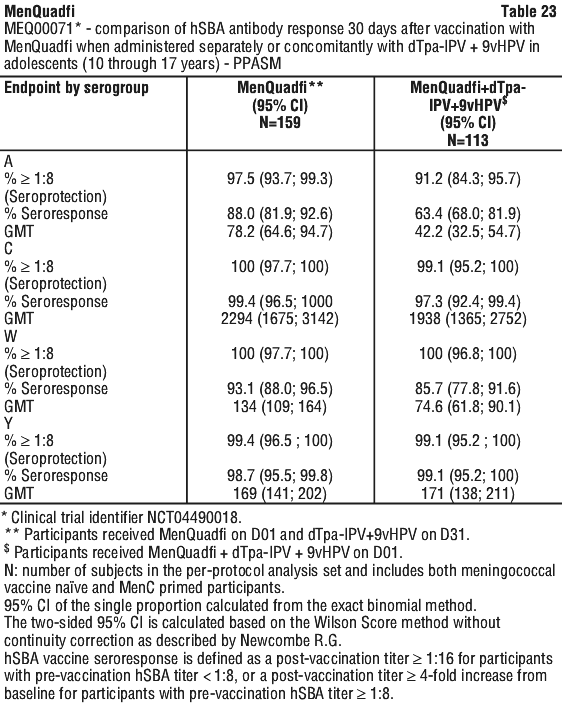
Immunogenicity of a single dose of MenQuadfi when given separately or concomitantly with dTpa-IPV and 9vHPV in meningococcal vaccine naïve or MenC primed (before two years of age) adolescents 10 to 17 years of age - Study MEQ00071. MEQ00071 was performed to evaluate the antibody responses of MenQuadfi when given alone compared to that of MenACWY-TT and when MenQuadfi was given concomitantly with tetanus, diphtheria, acellular pertussis with inactivated poliomyelitis [dTpa-IPV] vaccine and human papillomavirus 9-valent [9vHPV] vaccine in participants 10 through 17 years of age.
Participants were randomised to receive one of the following study regimens: MenQuadfi alone (N=173), MenACWY-TT alone (N=173) or MenQuadfi + dTpa-IPV + 9vHPV (N = 117).
The post vaccination hSBA seroprotection rates for each serogroup were comparable in participants who received MenQuadfi alone or concomitantly with dTpa-IPV and 9vHPV. The post vaccination hSBA GMTs were higher for serogroups A and W in participants who received MenQuadfi alone compared to those who received MenQuadfi concomitantly with dTpa-IPV + 9vHPV and comparable for serogroups C and Y between study groups. The post vaccination hSBA seroresponse rates for serogroup A were higher in participants who received MenQuadfi alone compared to those who received MenQuadfi concomitantly with dTpa-IPV + 9vHPV and comparable for serogroups C, Y and W between study groups (see Table 23).
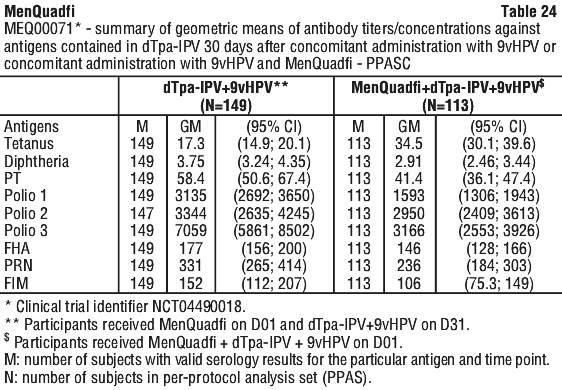
The anti-diphtheria, -polio type 2, -FHA and -FIM geometric means (GMs) were similar when dTpa-IPV + 9vHPV were given concomitantly with MenQuadfi or when dTpa-IPV + 9vHPV were given separately from MenQuadfi.
Anti-PT, -polio type 1 and 3 and -PRN GMs were lower when dTpa-IPV + 9vHPV were given concomitantly with MenQuadfi than when given separately from MenQuadfi. Higher GMs were observed to tetanus when dTpa-IPV + 9vHPV were given concomitantly with MenQuadfi than when dTpa-IPV + 9vHPV were given separately from MenQuadfi (see Table 24).
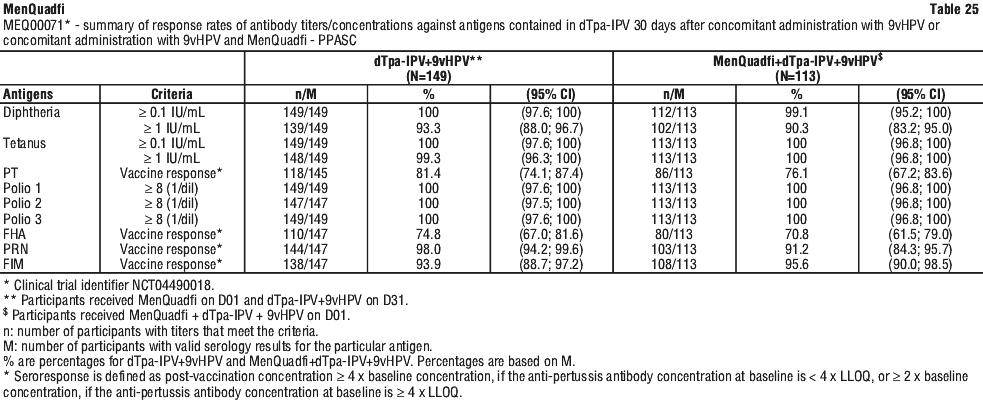
The response rates of antibody titers/concentrations against antigens contained in dTpa-IPV were comparable when given concomitantly with 9vHPV + MenQuadfi compared to when dTpa-IPV + 9vHPV were given separately from MenQuadfi (see Table 25).
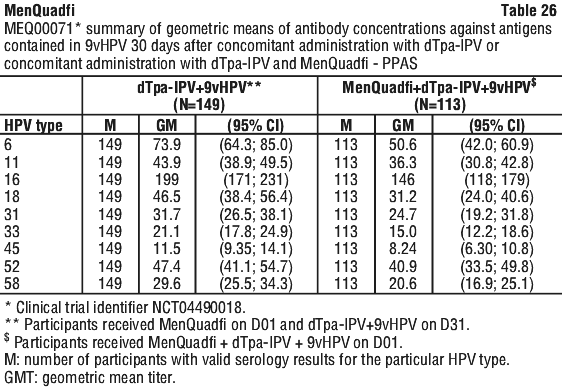
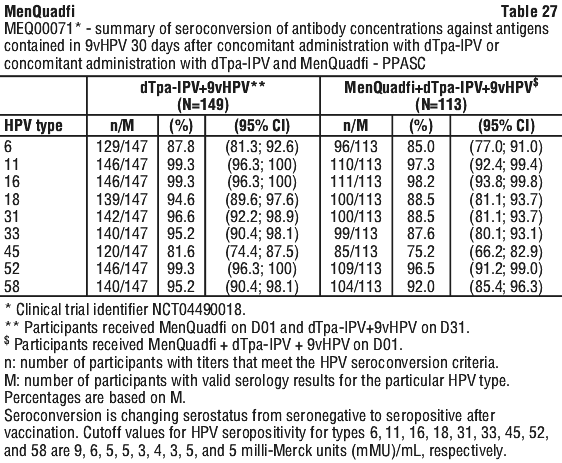
All anti-HPV antibodies, as measured by GMs, before and after vaccination were similar between study groups except anti-HPV type-6 and type-58, for which the GMs were lower in participants who received dTpa-IPV + 9vHPV concomitantly with MenQuadfi compared to those who received dTpa-IPV + 9vHPV separately from MenQuadfi. The proportions of participants who achieved seroconversion were comparable between both study groups (see Table 26 and Table 27).
Although antibody responses, when assessed by GMs, tended to be lower when MenQuadfi was given concomitantly with dTpa-IPV + 9vHPV compared to when dTpa-IPV + 9vHPV were given separately from MenQuadfi, no clinically relevant differences were observed.
5.2 Pharmacokinetic Properties
No pharmacokinetic studies have been performed.
5.3 Preclinical Safety Data
Genotoxicity. MenQuadfi has not been evaluated for genotoxic potential.
Carcinogenicity. MenQuadfi has not been evaluated for carcinogenic potential.
6 Pharmaceutical Particulars
6.1 List of Excipients
Sodium chloride, sodium acetate and water for injections.
6.2 Incompatibilities
In the absence of compatibility studies, this medicinal product must not be mixed with other medicinal products.
6.3 Shelf Life
48 months when stored at 2°C to 8°C.
Stability data indicate that the vaccine components are stable at temperatures up to 25°C for 72 hours. At the end of this period, MenQuadfi must be used or discarded. It must not be returned to storage. These data are intended to guide healthcare professionals in case of temporary temperature excursion only.
6.4 Special Precautions for Storage
Store at 2°C to 8°C (Refrigerate. Do not freeze).
6.5 Nature and Contents of Container
Pack of 1 or 10 single dose (0.5 mL) vials.
Vial stopper is not made with natural latex.
Not all pack sizes may be marketed.
6.6 Special Precautions for Disposal
After use, any remaining vaccine and container must be disposed of safely, according to locally acceptable procedures.
6.7 Physicochemical Properties
No data available.
7 Medicine Schedule (Poisons Standard)
S4 Prescription Only Medicine.
Date of First Approval
29 October 2020
Date of Revision
23 April 2026
Summary Table of Changes

Reasonable care is taken to provide accurate information at the time of creation. This information is not intended as a substitute for medical advice and should not be exclusively relied on to manage or diagnose a medical condition. The Australian Commission on Safety and Quality in Health Care disclaims all liability (including for negligence) for any loss, damage, injury or any other negative effects resulting from reliance on or use of this information. Read our full disclaimer. This website uses cookies. Read our privacy policy.