
Meropenem GH
Brand Information
| Brand name | Meropenem GH |
| Active ingredient | Meropenem |
| Schedule | S4 |
Consumer Medicine Information (CMI) leaflet
Please read this leaflet carefully before you start using the Meropenem GH.
Summary CMI
Meropenem GH
Consumer Medicine Information (CMI) summary
The full CMI on the next page has more details. If you are worried about using this medicine, speak to your doctor or pharmacist.
1. Why am I using Meropenem GH?
Meropenem GH contains the active ingredient meropenem. Meropenem GH is used to treat infections of the lungs (pneumonia or bronchitis), infection of the bladder or kidney (urinary tract infection), infection of tissues around the stomach or gut, infections of the ovaries, vagina or womb, skin infections, infections of the membranes surrounding the brain and spinal cord (meningitis), infections of the blood (septicaemia), high fever and significant reduction in white blood cells resulting decreased resistance to infection (febrile neutropenia).
For more information, see Section 1. Why am I using Meropenem GH? in the full CMI.
2. What should I know before I use Meropenem GH?
Do not use if you have ever had an allergic reaction to meropenem or any of the ingredients listed at the end of the CMI.
Talk to your doctor or pharmacist if you have any other medical conditions, take any other medicines, or are pregnant or plan to become pregnant or are breastfeeding.
For more information, see Section 2. What should I know before I use Meropenem GH? in the full CMI.
3. What if I am taking other medicines?
Some medicines may interfere with Meropenem GH and affect how it works.
A list of these medicines is in Section 3. What if I am taking other medicines? in the full CMI.
4. How do I use Meropenem GH?
- The dose of Meropenem GH is based on your condition, age and type and severity of infection.
- Your doctor will decide how much Meropenem GH to give you. The usual dose is 500 mg to 1g injected every 8 hours. If you have meningitis you may require more. If you have kidney problems, a smaller dose may be given. Children also require lower doses.
More instructions can be found in Section 4. How do I use Meropenem GH? in the full CMI.
5. What should I know while using Meropenem GH?
| Things you should do |
|
| Driving or using machines |
|
| Looking after your medicine |
|
For more information, see Section 5. What should I know while using Meropenem GH? in the full CMI.
6. Are there any side effects?
Common side effects include pain with redness and/or swelling at the site of injection, feeling sick (nausea), being sick (vomiting), loose stool (diarrhoea), skin problems such as rash or itching, headache.
For more information, including what to do if you have any side effects, see Section 6. Are there any side effects? in the full CMI.
Full CMI
Meropenem GH
Active ingredient(s): meropenem (as trihydrate)
Consumer Medicine Information (CMI)
This leaflet provides important information about using Meropenem GH. You should also speak to your doctor or pharmacist if you would like further information or if you have any concerns or questions about using Meropenem GH.
Where to find information in this leaflet:
1. Why am I using Meropenem GH?
2. What should I know before I use Meropenem GH?
3. What if I am taking other medicines?
4. How do I use Meropenem GH?
5. What should I know while using Meropenem GH?
6. Are there any side effects?
7. Product details
1. Why am I using Meropenem GH?
Meropenem GH contains the active ingredient meropenem (as trihydrate). Meropenem GH belongs to a group of medicines called carbapenem antibiotics. These medicines fight bacteria that cause infections in the body. Meropenem will not work against viral (such as colds and flu) or fungal diseases.
Meropenem GH may have been prescribed to you or your child (aged 3 months or above) for the treatment of the following bacterial infections:
- Infections of the lungs (pneumonia or bronchitis)
- Infection of the bladder or kidney (urinary tract infection)
- Infection of tissues around the stomach or gut
- Infections of ovaries, vagina or womb
- Skin infections
- Infections of the membranes surrounding the brain and spinal cord (meningitis)
- Infections of the blood (septicaemia)
- High fever and significant reduction in white blood cells resulting decreased resistance to infection (febrile neutropenia).
Meropenem GH is given by injection, usually in hospitals, and its available only with a doctor's prescription.
Meropenem GH is not addictive.
2. What should I know before I use Meropenem GH?
Warnings
Do not use Meropenem GH if:
- you are allergic to meropenem, or any of the ingredients listed at the end of this leaflet.
- You are allergic to similar antibiotics (e.g. other carbapenems like imipenem; or beta-lactam antibiotics like penicillin, amoxicillin, ampicillin, ceftriaxone, cefotaxime etc).
Symptoms of allergic reaction may include skin rash, itchiness or hives, shortness of breath, wheezing or difficulty breathing, swelling of the face, tongue, lips or other parts of the body.
- Always check the ingredients to make sure you can use this medicine.
Check with your doctor or pharmacist if you:
- have any other medical conditions especially the following
- liver problems
- kidney problems including dialysis
- disease of the stomach or intestines (in particular inflammation of intestine) - have allergies to any other medicines, including antibiotics (such as other carbapenems, penicillins, cephalosporins or monobactams).
- have allergies to any foods, preservatives or dyes.
- are on a controlled sodium diet.
Your doctor will discuss with you the benefits and risks of taking it.
During treatment, you may be at risk of developing certain side effects. It is important you understand these risks and how to monitor for them. See additional information under Section 6. Are there any side effects?
Pregnancy and breastfeeding
Check with your doctor or pharmacist if you are pregnant or intend to become pregnant.
Do not breast-feed if you are being given this medicine.
The active ingredient in Meropenem GH passes into the breast milk. Your doctor may discuss the risk and benefits if you need this medicine while you are breast feeding.
Children
Safety and effectiveness of Meropenem GH in children younger than 3 months of age have not been established. It is not recommended for use in these children.
Ask your doctor if you have any questions about why this medicine has been prescribed for you or your child. Your doctor may have prescribed it for another reason.
3. What if I am taking other medicines?
Tell your doctor or pharmacist if you are taking any other medicines, including any medicines, vitamins or supplements that you buy without a prescription from your pharmacy, supermarket or health food shop.
Some medicines may interfere with Meropenem GH and affect how it works.
- Probenecid (a medicine used to treat gout)
- Sodium valproate (a medicine used to treat fit/seizure or mania)
These medicines may be affected by Meropenem GH or may affect how well it works. You may need different amounts of your medicine, or you may need to take different medicines. Your doctor will advise you.
Check with your doctor or pharmacist if you are not sure about what medicines, vitamins or supplements you are taking and if these affect Meropenem GH.
4. How do I use Meropenem GH?
How much to take
The dose of Meropenem GH is based on your condition, age and type and severity of infection.
Your doctor will decide how much Meropenem GH to give you. The usual dose is 500 mg to 1g injected every 8 hours. If you have meningitis you may require more. If you have kidney problems, a smaller dose may be given. Children also require lower doses.
Meropenem GH should not be given to babies less than three months of age or babies and children with kidney problems.
How Meropenem GH is given
Meropenem GH should only be injected into a vein (intravenous injection). It must always be given by a doctor or a nurse. It can be given either as a slow injection or as a slow drip over 15 to 30 minutes.
Your doctor will decide which is best for you.
How long will you be given Meropenem GH
Meropenem GH will be given as a number of injections over several days. You doctor will decide how long you will need to have Meropenem GH.
If you use too much Meropenem GH
If you think that you have used too much Meropenem GH, you may need urgent medical attention.
You should immediately:
- phone the Poisons Information Centre
(by calling 13 11 26); or - contact your doctor; or
- go to the Emergency Department at your nearest hospital.
You should do this even if there are no signs of discomfort or poisoning.
5. What should I know while using Meropenem GH?
Things you should do
Call your doctor straight away if you:
- Develop severe diarrhoea, even if it occurs several weeks after you have been given Meropenem GH.
You may have developed a serious bowel condition called antibiotic-associated colitis and you need urgent medical attention. Do not take any medicine for your diarrhoea without checking with your doctor first.
Remind any doctor, dentist or pharmacist you visit that you are using Meropenem GH.
Driving or using machines
Be careful before you drive or use any machines or tools until you know how Meropenem GH affects you.
Meropenem may cause headache, tingling or prickling skin and convulsions/seizures (fits) in some people. If you have any of these symptoms, do not drive, operate machinery or do anything that could be dangerous. Children should be careful when undertaking activities requiring attention such as riding bicycles or climbing.
If you are about to have any blood tests, tell your doctor that you are being treated with Meropenem GH.
It may interfere with results of some tests.
Looking after your medicine
The hospital staff will keep Meropenem GH in a safe place below 25°C. They will also make sure that the expiry date has not passed.
Getting rid of any unwanted medicine
The hospital staff will dispose of any unused Meropenem GH.
6. Are there any side effects?
All medicines can have side effects. If you do experience any side effects, most of them are minor and temporary. However, some side effects may need medical attention.
See the information below and, if you need to, ask your doctor or pharmacist if you have any further questions.
Less serious side effects
| Less serious side effects | What to do |
| Speak to your doctor if you have any of these less serious side effects and they worry you. |
Serious side effects
| Serious side effects | What to do |
| Call your doctor straight away, or go straight to the Emergency Department at your nearest hospital if you notice any of these serious side effects. |
Serious side effects are rare.
Tell your doctor or pharmacist if you notice anything else that may be making you feel unwell.
Other side effects not listed here may occur in some people.
Reporting side effects
After you have received medical advice for any side effects you experience, you can report side effects to the Therapeutic Goods Administration online at www.tga.gov.au/reporting-problems. By reporting side effects, you can help provide more information on the safety of this medicine.
Always make sure you speak to your doctor or pharmacist before you decide to stop taking any of your medicines.
7. Product details
This medicine is only available with a doctor's prescription.
What Meropenem GH contains
| Active ingredient (main ingredient) | Meropenem (as trihydrate) |
| Other ingredients (inactive ingredients) | sodium carbonate |
| Potential allergens | N/A |
Do not take this medicine if you are allergic to any of these ingredients.
Meropenem GH vials do not contain lactose, sucrose, gluten, tartrazine or any other azo dyes.
What Meropenem GH looks like
Meropenem GH 500 mg powder for injection is a white to yellowish powder in 20 mL clean glass vial with rubber stopper. (AUST R 203805).
Meropenem GH 1 g powder for injection is a white to yellowish powder in 20 mL clean glass vial with rubber stopper, containing. (AUST R 203806).
Who distributes Meropenem GH
Generic Health Pty Ltd
Suite 2, Level 2
19-23 Prospect Street
Box Hill, VIC, 3128
Australia

 +61 3 9809 7900

This leaflet was prepared in October 2025.
Brand Information
| Brand name | Meropenem GH |
| Active ingredient | Meropenem |
| Schedule | S4 |
MIMS Revision Date: 01 March 2026
Notes
Distributed by Generic Health Pty Ltd
1 Name of Medicine
Meropenem (as meropenem trihydrate).
2 Qualitative and Quantitative Composition
See Table 1.

3 Pharmaceutical Form
Meropenem GH: sterile powder with a white to yellow appearance.
4 Clinical Particulars
4.1 Therapeutic Indications
Meropenem is indicated for treatment of the following infections in adults and children (aged 3 months and over), when the causative organisms are known or suspected to be resistant to commonly used antibiotics:
Community acquired lower respiratory tract infection;
Hospital acquired lower respiratory tract infection;
Complicated urinary tract infection;
Febrile neutropenia;
Intra-abdominal and gynaecological (polymicrobial) infections;
Complicated skin and skin structure infections;
Meningitis;
Septicaemia.
4.2 Dose and Method of Administration
Adults. Usual dose. 500 mg to 1 g by intravenous administration every 8 hours depending on type and severity of infection, the known or suspected susceptibility of the pathogen(s) and the condition of the patient.
Exceptions. 1. Febrile episodes in neutropenic patients - the dose should be 1 g every 8 hours.
2. Meningitis - the dose should be 2 g every 8 hours.
As with other antibiotics, caution may be required in using meropenem as monotherapy in critically ill patients with known or suspected Pseudomonas aeruginosa lower respiratory tract infection.
Regular sensitivity testing is recommended when treating Pseudomonas aeruginosa infection.
Meropenem should be given as an intravenous bolus injection over approximately 5 minutes or by intravenous infusion over approximately 15 to 30 minutes (see Constitution and compatibility). There is limited safety data available to support the administration of a 2 g bolus dose.
Dosage schedule for adults with impaired renal function. Dosage should be reduced in patients with creatinine clearance less than 51 mL/min, as scheduled (see Table 2).

There is no experience with peritoneal dialysis.
Use in adults with hepatic insufficiency. No dosage adjustment is necessary in patients with impaired hepatic metabolism.
Elderly patients. No dosage adjustment is required for the elderly with normal renal function or creatinine clearance values above 50 mL/min.
Children. For infants and children over 3 months and up to 12 years of age the recommended intravenous dose is 10 to 40 mg/kg every 8 hours depending on type and severity of infection, the known or suspected susceptibility of the pathogen(s) and the condition of the patient. In children over 50 kg weight, adult dosage should be used.
Exceptions. 1. Febrile episodes in neutropenic patients - the dose should be 20 mg/kg every 8 hours.
2. Meningitis - the dose should be 40 mg/kg every 8 hours.
Meropenem should be given as an IV bolus over approximately 5 minutes or by intravenous infusion over approximately 15 to 30 minutes (see Constitution and compatibility). There is limited safety data available to support the administration of a 40 mg/kg bolus dose.
There is no experience in children with renal impairment.
Constitution and compatibility. Meropenem GH to be used for bolus intravenous injection should be constituted with sterile water for injections (10 mL per 500 mg meropenem). This provides an approximate available concentration of 50 mg/mL. Constituted solutions are both clear and colourless to pale yellow.
Meropenem GH for intravenous infusion may be directly constituted with either 0.9% sodium chloride solution for infusion or 5% glucose (dextrose) solution for infusion and then further diluted (50 to 200 mL) with the compatible infusion fluid (final concentration of 1 to 20 mg/mL).
Pharmaceutical precautions. Shake constituted solution before use. All vials are for single use only. Standard aseptic technique should be employed during constitution and administration.
Meropenem should not be mixed with or physically added to solutions containing other medicines.
After reconstitution. The reconstituted solutions for intravenous injection or infusion should be used immediately.
The time interval between the beginning of reconstitution and the end of intravenous injection or infusion should not exceed one hour.
Solutions of meropenem should not be frozen.
4.3 Contraindications
Meropenem is contraindicated in patients who have demonstrated hypersensitivity to this product.
4.4 Special Warnings and Precautions for Use
Identified precautions. Serious and occasionally fatal hypersensitivity reactions have been reported in patients receiving therapy with β-lactams. These reactions are more likely to occur in persons with a history of sensitivity to multiple allergens. There have been reports of patients with a history of penicillin hypersensitivity who have experienced severe hypersensitivity when treated with another β-lactam. Before initiating treatment with meropenem, careful inquiry should be made concerning previous hypersensitivity reactions to carbapenems, penicillins, or other β-lactam antibiotics. If an allergic reaction occurs to meropenem then discontinue the medicine. Serious hypersensitivity reactions may require adrenaline and other emergency measures.
Rhabdomyolysis has been reported with the use of meropenem. If signs or symptoms of rhabdomyolysis are observed, meropenem should be discontinued and appropriate therapy initiated.
As with other antibiotics, overgrowth of non-susceptible organisms may occur and repeated evaluation of each patient is necessary.
As with other β-lactam antibiotics, strains of Pseudomonas aeruginosa may develop resistance on treatment with meropenem. Development of resistance has been reported in pseudomonal hospital acquired lower respiratory tract infections. In such cases, meropenem should be used with caution and repeat sensitivity testing is recommended.
Rarely, pseudomembranous colitis has been reported with meropenem, practically all antibiotics and may vary in severity from slight to life-threatening. Therefore, antibiotics should be prescribed with care for individuals with a history of gastrointestinal complaints, particularly colitis. It is important to consider the diagnosis of pseudomembranous colitis in the case of patients who develop diarrhoea when using an antibiotic. Although studies indicate that a toxin produced by Clostridium difficile is one of the main causes of antibiotic-associated colitis, other causes should be considered. Mild cases usually respond to medicine discontinuation alone. However, in moderate to severe cases appropriate therapy such as oral antibacterial agents effective against Clostridium difficile should be considered.
Fluids, electrolytes and protein replacement should be provided when indicated. Medicines which delay peristalsis, e.g. opiates and diphenoxylate with atropine (Lomotil) may prolong and/or worsen the condition and should not be used.
Neurological sequelae were reported following treatment of severe meningitis with meropenem. In clinical trials these adverse events were reported in 23 of 148 patients treated with meropenem and in 17 of 144 patients treated with comparator antibiotics.
The concomitant use of valproic acid/sodium valproate and meropenem is not recommended. Meropenem may reduce serum valproic acid levels. Subtherapeutic levels may be reached in some patients (see Section 4.5 Interactions with Other Medicines and Other Forms of Interactions).
Skin and subcutaneous tissue disorders. Severe cutaneous adverse reactions (SCAR), such as Stevens-Johnson syndrome (SJS), toxic epidermal necrolysis (TEN), drug reaction with eosinophilia and systemic symptoms (DRESS), erythema multiforme (EM) and acute generalised exanthematous pustulosis (AGEP) have been reported in patients receiving meropenem (see Section 4.8 Adverse Effects (Undesirable Effects)). If signs and symptoms suggestive of these reactions appear, meropenem should be withdrawn immediately and an alternative treatment should be considered.
Use in hepatic impairment. Drug-induced liver injury (DILI). Hepatic function should be closely monitored during treatment with meropenem due to the risk of DILI (see Section 4.8 Adverse Effects (Undesirable Effects)). If severe DILI occurs, treatment discontinuation should be considered as clinically appropriate. Meropenem should be reintroduced only if assessed as essential for treatment.
Patients with pre-existing liver disorders should have liver function monitored during treatment with meropenem. There is no dose adjustment necessary (see Section 4.2 Dose and Method of Administration).
Use in renal impairment. See Section 4.2 Dose and Method of Administration.
Use in the elderly. See Section 4.2 Dose and Method of Administration; Section 5.2 Pharmacokinetic Properties.
Paediatric use. Efficacy and tolerability in infants under 3 months of age have not been established; therefore, meropenem is not recommended for use below this age.
Effects on laboratory tests. A positive or indirect Coombs' test may develop.
4.5 Interactions with Other Medicines and Other Forms of Interactions
Meropenem has been administered concomitantly with many other medications without apparent adverse interaction. However, no specific medicine interaction studies other than with probenecid were conducted.
Probenecid. Probenecid competes with meropenem for active tubular secretion and thus inhibits the renal excretion of meropenem with the effect of increasing the elimination half-life and plasma concentration of meropenem. As the potency and duration of action of meropenem dosed without probenecid are adequate the coadministration of probenecid with meropenem is not recommended. The potential effect of meropenem on the protein binding of other medicines or metabolism has not been studied. However, the protein binding is so low (approximately 2%) that no interactions with other compounds would be expected on the basis of this mechanism.
Valproic acid/sodium valproate. Decreases in blood levels of valproic acid have been reported when it is coadministered with carbapenem agents resulting in a 60 to 100% decrease in valproic acid levels in about two days. Due to the rapid onset and the extent of the decrease, co-administration of meropenem in patients stabilised on valproic acid/sodium valproate is not considered to be manageable and therefore should be avoided (see Section 4.4 Special Warnings and Precautions for Use).
4.6 Fertility, Pregnancy and Lactation
Effects on fertility. Fertility was not impaired in rats with exposures (based on AUC) slightly greater than those observed in patients at the recommended intravenous dose.
Use in pregnancy. (Category B2)
Reproduction studies conducted with meropenem in rats have shown no embryotoxicity or teratogenicity at plasma exposures (based on AUC values) approximately equal to those observed in patients at the recommended intravenous dose. In a teratology study in cynomolgus monkeys given daily intravenous injections meropenem showed no evidence of teratogenicity at dose levels up to 360 mg/kg/day.
There are, however, no adequate or well controlled trials of meropenem in pregnant women. Because reproduction studies are not always predictive of human response, meropenem should not be used in pregnancy unless the potential benefit justifies the potential risk to the foetus.
Use in lactation. Meropenem should not be used in breastfeeding women unless the potential benefit justifies the potential risk to the baby. Meropenem has been reported to be excreted in human breast milk.
4.7 Effects on Ability to Drive and Use Machines
No studies on the ability to drive and use machines have been performed. However, when driving or operating machines, it should be taken into account that headache, paraesthesia and convulsions have been reported for meropenem.
4.8 Adverse Effects (Undesirable Effects)
Meropenem is generally well tolerated.
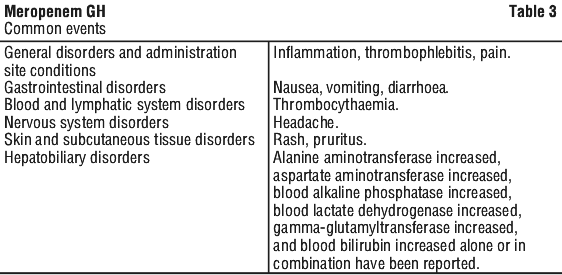
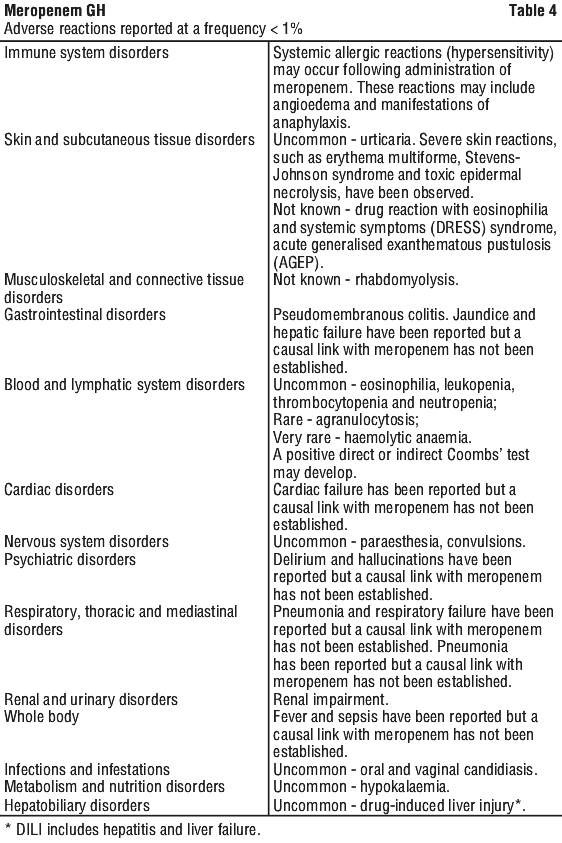
In clinical trials, adverse events lead to cessation of treatment in less than 1% of patients. Serious adverse events are rare. See Tables 3 and 4.
Reporting suspected adverse effects. Reporting suspected adverse reactions after registration of the medicinal product is important. It allows continued monitoring of the benefit-risk balance of the medicinal product. Healthcare professionals are asked to report any suspected adverse reactions at www.tga.gov.au/reporting-problems.
4.9 Overdose
The pharmacological properties and mode of administration make it unlikely that intentional overdose will occur. Accidental overdosage could occur during therapy, particularly in patients with renal impairment. Treatment of overdosage should be symptomatic. In normal individuals, rapid renal elimination will occur. In subjects with renal impairment haemodialysis will remove meropenem and its metabolite.
For information on the management of overdose, contact the Poisons Information Centre on 13 11 26 (Australia).
5 Pharmacological Properties
5.1 Pharmacodynamic Properties
Mechanism of action. Meropenem is a carbapenem antibiotic for parenteral use, that is stable to human dehydropeptidase-1 (DHP-1).
Meropenem exerts its bactericidal action by interfering with vital bacterial cell wall synthesis. The ease with which it penetrates bacterial cell walls, its high level of stability to all serine β-lactamases and its marked affinity for multiple Penicillin Binding Proteins (PBPs) explain the potent bactericidal action of meropenem against a broad spectrum of aerobic and anaerobic bacteria. Bactericidal concentrations are commonly the same as the minimum inhibitory concentrations (MICs).
Meropenem is stable in susceptibility tests and these tests can be performed using normal routine methods. In vitro tests show that meropenem acts synergistically with various antibiotics. It has been demonstrated both in vitro and in vivo that meropenem has a post-antibiotic effect.
Mechanism of resistance. Localised clusters of infections due to carbapenem-resistant bacteria have been reported in some regions.
The susceptibility to meropenem of a given clinical isolate should be determined by standard methods. Interpretation of test results should be made in accordance with local infectious diseases and clinical microbiology guidelines.
The antibacterial spectrum of meropenem includes the following species, based on clinical experience.
Commonly susceptible species. Gram-positive aerobes. Enterococcus faecalis, (note that E. faecalis can naturally display intermediate susceptibility), Staphylococcus aureus (methicillin-susceptible strains only: methicillin-resistant staphylococci including MRSA are resistant to meropenem), Staphylococcus species including Staphylococcus epidermidis, (methicillin-susceptible strains only: methicillin resistant staphylococci including MRSE are resistant to meropenem), Streptococcus agalactiae (Group B streptococcus), Streptococcus milleri group (S. anginosus, S. constellatus, and S. intermedius), Streptococcus pneumoniae, Streptococcus pyogenes (Group A streptococcus).
Gram-negative aerobes. Citrobacter freundii, Citrobacter koseri, Enterobacter aerogenes, Enterobacter cloacae, Escherichia coli, Haemophilus influenzae, Klebsiella oxytoca, Klebsiella pneumoniae, Morganella morganii, Neisseria meningitidis, Proteus mirabilis, Serratia marcescens.
Gram-positive anaerobes. Clostridium perfringens, Peptostreptococcus spp. (including P. micros, P. anaerobius, P. magnus).
Gram-negative anaerobes. Bacteroides caccae, Bacteroides fragilis.
Species for which acquired resistance may be a problem. Gram-positive aerobes. Enterococcus faecium (E. faecium can naturally display intermediate susceptibility even without acquired resistance mechanisms).
Gram-negative aerobes. Acinetobacter species, Burkholderia cepacia, Pseudomonas aeruginosa.
Inherently resistant organisms. Gram negative aerobes. Stenotrophomonas (Xanthomonas) maltophilia, Legionella species.
Other inherently resistant organisms. Chlamydophila pneumoniae, Chlamydophila psittaci, Coxiella burnetii, Mycoplasma pneumoniae.
The published medical microbiology literature describes in vitro meropenem-susceptibilities of many other bacterial species. However, the clinical significance of such in vitro findings is uncertain. Advice on the clinical significance of in vitro findings should be obtained from local infectious diseases and clinical microbiology experts and local professional guidelines.
The prevalence of acquired resistance may vary geographically and with time for selected species and local information on resistance is desirable, particularly when treating severe infections. As necessary, expert advice should be sought when the local prevalence of resistance is such that the utility of the agent in at least some types of infections is questionable.
Clinical trials. No data available.
5.2 Pharmacokinetic Properties
A 30 minute intravenous infusion of a single dose of meropenem in normal volunteers results in peak plasma levels of approximately 11 microgram/mL for the 250 mg dose, 23 microgram/mL for the 500 mg dose, 49 microgram/mL for the 1 g dose and 115 microgram/mL following the 2 g dose.
A 5 minute intravenous bolus injection of meropenem in normal volunteers results in peak plasma levels of approximately 52 microgram/mL for the 500 mg dose and 112 microgram/mL for the 1 g dose.
Intravenous infusions over 2 minutes, 3 minutes and 5 minutes of a 1 g dose of meropenem were compared in a three-way crossover trial. These durations of infusion resulted in peak plasma levels of 110, 91 and 94 microgram/mL, respectively.
Distribution. Meropenem penetrates well into most body fluids and tissues including cerebrospinal fluid of patients with bacterial meningitis, achieving concentrations in excess of those required to inhibit most bacteria.
Plasma protein binding of meropenem is approximately 2%.
Metabolism. The only metabolite of meropenem is microbiologically inactive.
Excretion. After an intravenous dose of 500 mg, plasma levels of meropenem decline to values of 1 microgram/mL or less, 6 hours after administration.
When multiple doses are administered at 8 hourly intervals to subjects with normal renal function, accumulation of meropenem does not occur.
In subjects with normal renal function, meropenem's elimination half-life is approximately one hour.
Approximately 70% of the intravenous administered dose is recovered as unchanged meropenem in the urine over 12 hours, after which little further urinary excretion is detectable. Urinary concentrations of meropenem in excess of 10 microgram/mL are maintained for up to 5 hours at the 500 mg dose. No accumulation of meropenem in plasma or urine was observed with regimens using 500 mg administered every 8 hours or 1 g administered every 6 hours in volunteers with normal renal function.
Special populations. Use in hepatic impairment. Pharmacokinetic studies in patients with liver disease have shown no effects of liver disease on the pharmacokinetics of meropenem.
Use in renal impairment. Pharmacokinetic studies in patients with renal insufficiency have shown the plasma clearance of meropenem correlates with creatinine clearance. Dosage adjustments are necessary in subjects with renal impairment.
Use in the elderly. Pharmacokinetic studies in the elderly have shown a reduction in plasma clearance of meropenem which correlated with age-associated reduction in creatinine clearance.
Paediatric use. Studies in children have shown that the pharmacokinetics of meropenem in children are essentially similar to those in adults. The elimination half-life for meropenem was approximately 1.5 hours in children under the age of 2 years.
The pharmacokinetics are linear over the dose range of 10 to 40 mg/kg.
5.3 Preclinical Safety Data
Genotoxicity. Meropenem, with and without metabolic activation as appropriate, was not genotoxic in assays for gene mutations (Salmonella typhimurium, E. coli and Chinese hamster ovary cells) and chromosomal damage (mouse micronucleus assay and human lymphocytes in vitro).
Carcinogenicity. No data available.
6 Pharmaceutical Particulars
6.1 List of Excipients
Meropenem GH contains 208 mg sodium carbonate anhydrous for each gram of meropenem (anhydrous potency). See Table 5.

6.2 Incompatibilities
Meropenem should not be mixed with or physically added to solutions containing other drugs.
6.3 Shelf Life
In Australia, information on the shelf life can be found on the public summary of the Australian Register of Therapeutic Goods (ARTG). The expiry date can be found on the packaging.
6.4 Special Precautions for Storage
Prior to reconstitution, store meropenem powder for solution for injection or infusion packs below 25°C in original container. See Section 4.2 Dose and Method of Administration, Constitution and compatibility and After reconstitution for storage of prepared solutions.
6.5 Nature and Contents of Container
Meropenem GH packs contain 10 vials of meropenem trihydrate/sodium carbonate anhydrous blend. The powder is contained in type 1 clear glass vials.
Meropenem GH 500 mg 10 mL vial. Meropenem trihydrate equivalent to meropenem 500 mg, sodium carbonate 104 mg as buffer.
Meropenem GH 1000 mg 20 mL vial. Meropenem trihydrate equivalent to meropenem 1 g, sodium carbonate 208 mg as buffer.
6.6 Special Precautions for Disposal
In Australia, any unused medicine or waste material should be disposed of by taking to your local pharmacy.
6.7 Physicochemical Properties
Meropenem GH is presented as a sterile white to yellowish powder containing meropenem trihydrate equivalent to meropenem, 500 mg or 1 g, blended with sodium carbonate anhydrous.
Chemical structure.
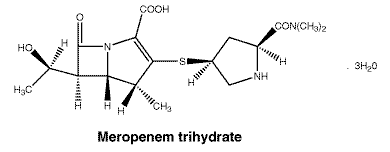
Molecular formula: C17H25N3O5S.3H2O. Molecular weight: 437.52.
CAS number. 119478-56-7.
7 Medicine Schedule (Poisons Standard)
S4 - Prescription Only Medicine.
Date of First Approval
19 June 2014
Date of Revision
07 January 2026
Summary Table of Changes

Reasonable care is taken to provide accurate information at the time of creation. This information is not intended as a substitute for medical advice and should not be exclusively relied on to manage or diagnose a medical condition. The Australian Commission on Safety and Quality in Health Care disclaims all liability (including for negligence) for any loss, damage, injury or any other negative effects resulting from reliance on or use of this information. Read our full disclaimer. This website uses cookies. Read our privacy policy.