
Metalyse (25 mg)
Brand Information
| Brand name | Metalyse (25 mg) |
| Active ingredient | Tenecteplase |
| Schedule | S4 |
Consumer Medicine Information (CMI) leaflet
Please read this leaflet carefully before you start using the Metalyse (25 mg).
Summary CMI
Metalyse® (25 mg)
Consumer Medicine Information (CMI) summary
The full CMI on the next page has more details. If you are worried about being given this medicine, speak to your doctor.
1. Why am I being given Metalyse?
Metalyse contains the active ingredient tenecteplase. Metalyse is used in adults to treat stroke caused by a blood clot in an artery of the brain (acute ischaemic stroke).
For more information, see Section 1. Why am I being given Metalyse? in the full CMI.
2. What should I know before I am given Metalyse?
You should not be given Metalyse if you have ever had an allergic reaction to Metalyse or any of the ingredients listed at the end of the CMI.
Tell your doctor or nurse if you have any current or previous medical conditions including recent bleeding, are at increased risk of bleeding or have blood clotting problems, blood vessel problems, high blood pressure, liver disease, a stomach ulcer, have had recent major injury/trauma, medical procedure (such as a biopsy or injection) or surgery.
Talk to your doctor if you take any other medicines, are pregnant or are breastfeeding.
For more information, see Section 2. What should I know before I am given Metalyse? in the full CMI.
3. What if I am taking other medicines?
Some medicines may interfere with Metalyse and affect how it works.
Tell your healthcare professional if you are taking any blood-thinning medicines or medicines to prevent blood clots (antiplatelets or anticoagulants), medicine to treat high blood pressure and some other heart conditions (Angiotensin Converting Enzyme Inhibitors) or any other medicines.
A list of these medicines is in Section 3. What if I am taking other medicines? in the full CMI.
4. How will I be given Metalyse?
Metalyse will be prepared and administered to you by your doctor or by a healthcare professional as soon as possible after the start of your symptoms.
More information can be found in Section 4. How will I be given Metalyse? in the full CMI.
5. What should I know while being given Metalyse?
| Things you should do |
|
For more information, see Section 5. What should I know while being given Metalyse? in the full CMI.
6. Are there any side effects?
There is an increased probability of getting side effects if you are over 80 years of age.
The most common side effect is bleeding more easily than usual, either inside the body, on the surface, or at the injection site. Side effects that require urgent medical attention include: bleeding or blood clot within the head or brain which includes
symptoms such as difficult or slurred speech, weakness in arms or legs, loss of memory or seizures; bleeding from the skin, nose, eyes or back passage; blood in the urine; coughing up blood; low blood pressure; nausea; vomiting; allergic reaction which includes symptoms such as shortness of breath, wheezing or difficulty breathing, swelling of the face, lips, tongue or other parts of the body, rash, itching or hives on the skin; fever.
For more information, including what to do if you have any side effects, see Section 6. Are there any side effects? in the full CMI.
Full CMI
Metalyse® (25 mg)
Active ingredient: tenecteplase
Consumer Medicine Information (CMI)
This leaflet provides important information about Metalyse. You should also speak to your doctor if you would like further information or if you have any concerns or questions about being given Metalyse.
Where to find information in this leaflet:
1. Why am I being given Metalyse?
2. What should I know before I am given Metalyse?
3. What if I am taking other medicines?
4. How will I be given Metalyse?
5. What should I know while being given Metalyse?
6. Are there any side effects?
7. Product details
1. Why am I being given Metalyse?
Metalyse contains the active ingredient tenecteplase. It belongs to a group of medicines called tissue plasminogen activators (t-PA).
Metalyse is used in adults to treat stroke caused by a blood clot in an artery of the brain (acute ischaemic stroke).
It works by dissolving clots in the blood vessels. These clots cause disease by interfering with normal blood flow.
2. What should I know before I am given Metalyse?
Warnings
You must not be given Metalyse if you:
- are allergic to tenecteplase, gentamicin (a trace residue from the manufacturing process) or any of the ingredients listed at the end of this leaflet
- have had an acute ischaemic stroke that did not result in significant neurological impairment.
Because of the risk of bleeding, Metalyse should not be given to you if you have, or have had:
- any signs or symptoms of bleeding in the brain or skull
- a bleeding disorder at present or within the past 6 months, or a known tendency to bleed
- bleeding inside your body that cannot be stopped by applying pressure
- treatment with medicines used to dissolve blood clots (thrombolytic agent) or an anti-clotting agent (anticoagulant) such as warfarin, unless its effect has had time to wear off
- any history of damage to your brain or spinal cord such as a tumour, aneurysm (swelling and weakening of part of a blood vessel) or surgery on your brain or spine
- a tear in the inner layer of the main artery supplying blood from your heart, causing blood to leak between the layers
- very high and uncontrolled high blood pressure (hypertension)
- heart and lung resuscitation (CPR) in the past 2 weeks
- severe liver disease
- a stomach ulcer
- aneurysms (swelling and weakening of part of a blood vessel) in your arteries and/or known structural abnormalities in your arteries or veins
- tumours in which the risk of bleeding is increased
- swelling of the lining that surrounds the heart
- inflammation of the lining of the heart caused by bacteria
- inflammation of the pancreas
- experienced the symptoms of your stroke for more than 4.5 hours
Metalyse should be used with caution, with your doctor carefully evaluating the risks and benefits under the following conditions:
- if you weigh less than 60 kg
- if you are over 80 years of age
- if you had a very severe stroke
- if you experienced fits or seizures at the onset of your stroke
- if you have a recent history of previous stroke or serious head or spinal injury/trauma
- if you have stroke symptoms that are rapidly improving before receiving Metalyse
- if you have a low platelet count (platelets are blood cells involved in blood clotting)
- if you have very low sugar levels (under 2.7 mmol/L) or very high sugar levels (over 22.2 mmol/L) in your blood, which must be corrected before treatment with Metalyse.
Check with your doctor if you:
- have or have had any of the following medical conditions:
- a previous stroke caused by a blood clot or a transient ischaemic attack (TIA) in the last 6 months
- bleeding or clotting problems
- recent bleeding from your stomach, gut or genitals
- problems with your blood, especially if you also have severe liver or kidney disease
- heart problems or high blood pressure
- a family history of bleeding disorders
- recent childbirth
- recent medical procedure such as a biopsy, injection or surgery to any part of your body - have allergies to any other medicines, foods, preservatives or dyes
- take any medicines for any other condition
Speak to your doctor if you are uncertain as to whether any of these conditions apply to you.
In addition, before starting treatment, your doctor will assess other factors which may increase the risks of using Metalyse. These include infected veins and cannula sites or any condition in which bleeding is a significant risk or would be particularly difficult to manage because of its location.
During treatment, you may be at risk of developing certain side effects. It is important you understand these risks and how to monitor for them. See additional information under Section 6. Are there any side effects?
Pregnancy and breastfeeding
Tell your doctor if you are pregnant or are breastfeeding.
Your doctor can discuss with you the risks and benefits involved.
Children
Metalyse must not be given to a child under the age of 18 years. The safety and effectiveness in this age group has not been established.
3. What if I am taking other medicines?
Tell your doctor if you are taking any other medicines, including any vitamins or supplements that you buy without a prescription from your pharmacy, supermarket or health food shop.
Some medicines may interfere with Metalyse and affect how it works. These include:
- Antiplatelets such as aspirin and anticoagulants such as heparin and warfarin or any other medicines used to “thin” the blood and prevent blood clots
- Angiotensin Converting Enzyme (ACE) inhibitors, a group of medicines used to treat high blood pressure and some other heart conditions
Check with your doctor if you are not sure about what medicines, vitamins or supplements you are taking and if these affect Metalyse.
4. How will I be given Metalyse?
How much you will be given
The recommended dose for the treatment of acute ischaemic stroke is based on your body weight and ranges between 15 mg and 25 mg. The dose is given as a single injection over 5 to 10 seconds.
Your doctor may prescribe a different dose or duration of treatment to that described here.
Ask your doctor if you want more information.
How will you be given Metalyse
Metalyse will be given under the supervision of a doctor and in a setting where appropriate equipment is readily available for diagnosis and patient monitoring.
Metalyse is a powder which is mixed with sterile water for injections before being given into a vein through a drip line.
When you will be given Metalyse
Treatment with Metalyse should be initiated as soon as possible after the start of your symptoms.
If you are given too much Metalyse
An overdose is unlikely because Metalyse is administered under medical supervision.
Symptoms of an overdose may include bleeding.
If you have serious bleeding, your doctor will immediately stop treatment with Metalyse. Your doctor will start appropriate treatment to control the bleeding and, if necessary, replace the lost blood.
5. What should I know while being given Metalyse?
Things you should be careful of
Metalyse increases the risk of bleeding and bruising. After treatment with Metalyse, medical staff will avoid giving you injections or moving you unless absolutely necessary.
Your doctor will probably continue to treat you with other medications after treatment with Metalyse. This is to reduce the risk of more blood clots forming.
You should only receive one injection of Metalyse.
6. Are there any side effects?
All medicines can have side effects. If you do experience any side effects, most of them are minor and temporary. However, some side effects may need medical attention.
If you are over 80 years of age you may have an increased chance of getting side effects.
See the information below and, if you need to, ask your doctor if you have any further questions about side effects.
Serious side effects
| Serious side effects | What to do |
Bleeding-related problems:
| Tell your doctor immediately if you notice any of these serious side effects. |
There have also been reports of blockages of blood vessels following treatment with Metalyse. This can lead to organ failure (e.g. kidney failure). These serious effects are rare.
Tell your doctor or nurse if you notice anything that may be making you feel unwell.
Other side effects not listed here may occur in some people.
Reporting side effects
After you have received medical advice for any side effects you experience, you can report side effects to the Therapeutic Goods Administration online at www.tga.gov.au/safety/reporting-problems. By reporting side effects, you can help provide more information on the safety of this medicine.
7. Product details
What Metalyse contains
| Active ingredient (main ingredient) | Tenecteplase (25 mg) |
| Other ingredients (inactive ingredients) |
|
You should not be given this medicine if you are allergic to any of these ingredients.
What Metalyse looks like
Metalyse is the brand name of your medicine.
Metalyse 25 mg comes as a sterile, white to off-white powder in a clear glass vial containing 25 mg tenecteplase. (AUST R 443530)
Metalyse powder must be mixed with sterile water for injections before use. When mixed, the resulting solution is clear, and colourless to pale yellow.
The reconstituted solution contains 5 mg of tenecteplase per mL.
Who distributes Metalyse
Metalyse is supplied in Australia by:
Boehringer Ingelheim Pty Limited
ABN 52 000 452 308
Sydney NSW
www.boehringer-ingelheim.com.au
This Consumer Medicine Information was prepared in July 2025.
®Metalyse is a registered trademark of Boehringer Ingelheim
© Boehringer Ingelheim Pty Limited 2025.
Brand Information
| Brand name | Metalyse (25 mg) |
| Active ingredient | Tenecteplase |
| Schedule | S4 |
MIMS Revision Date: 01 February 2026
1 Name of Medicine
Tenecteplase (rch).
2 Qualitative and Quantitative Composition
Metalyse 25 mg. 1 vial contains 25 mg (5,000 units) tenecteplase.
The reconstituted solution contains 5 mg (1,000 units) tenecteplase per mL.
The potency of Metalyse expressed in Units (U) is based on a reference standard that is specific for tenecteplase. The U for tenecteplase is not comparable with units used for other thrombolytic agents.
For the full list of excipients, see Section 6.1 List of Excipients.
3 Pharmaceutical Form
Metalyse is a sterile, white to off-white, lyophilised powder for single intravenous bolus administration after reconstitution with sterile water for injections.
4 Clinical Particulars
4.1 Therapeutic Indications
Metalyse is indicated in adults for the thrombolytic treatment of acute ischaemic stroke (AIS) within 4.5 hours from last known well and after exclusion of intracranial haemorrhage.
4.2 Dose and Method of Administration
The appropriate presentation of tenecteplase product should be chosen carefully and in line with the indication. Metalyse 25 mg is intended for use in acute ischaemic stroke only.
Metalyse should be administered as early as possible and no later than 4.5 hours after last known well and after exclusion of intracranial haemorrhage by appropriate imaging techniques (see Section 4.4 Special Warnings and Precautions for Use). The treatment effect is time-dependent; therefore, earlier treatment increases the probability of a favourable outcome.
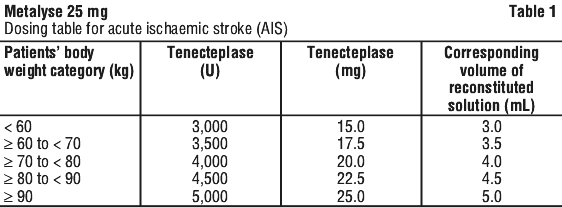
Metalyse should be administered on the basis of body weight, with a maximum single dose of 25 mg (5,000 U) tenecteplase.
Benefit-risk of tenecteplase treatment should be carefully evaluated in patients weighing 50 kg or less due to limited availability of data.
The doses for different weight categories given in Table 1 are based on a tenecteplase dose of 0.25 mg/kg (maximum dose 25 mg).
The volume required to administer the correct total dose can be calculated from Table 1.
Any concomitant use of anticoagulants and/or antiplatelets should be based on clinical guidelines and individual risk-benefit assessment.
Method of administration. The reconstituted solution should be administered intravenously and is for immediate use.
The required dose should be administered as a single intravenous bolus over 5 to 10 seconds.
The reconstituted solution is for single use, in a single patient. Any excess solution should be discarded.
Reconstitution and handling. Metalyse should be reconstituted by adding 5 mL of sterile water for injections to the vial containing the powder for solution for injection using a needle and a syringe (not provided in the package).
1. Remove the crimp cap from the vial.
2. Fill a syringe with 5 mL of sterile water for injections and penetrate the vial stopper in the middle with the needle.
3. Add all the sterile water for injections into the vial by pushing the syringe plunger down slowly to avoid foaming.
4. Keep the syringe attached to the vial and reconstitute by swirling gently.
5. The reconstituted preparation is a colourless to pale yellow, clear solution. Only clear solution without particles should be used.
6. Directly before the solution is administered, invert the vial with the syringe still attached, so that the syringe is below the vial.
7. Transfer the appropriate volume of reconstituted solution of Metalyse into the syringe, based on the patient's weight (see Table 1).
8. A pre-existing intravenous line, which has been used for administration of 0.9% sodium chloride solution only, may be used for administration of Metalyse. Metalyse should not be mixed with other drugs, neither in the same vial nor the same venous line.
9. Metalyse should be administered as a single dose to the patient, intravenously over 5 to 10 seconds. It should not be administered into a line containing dextrose as Metalyse is incompatible with dextrose solution.
10. The line should be flushed after Metalyse injection for proper delivery.
11. Any unused solution should be discarded.
4.3 Contraindications
Metalyse is contraindicated in:
Acute ischaemic stroke without disabling neurological deficit.
Situations associated with a risk of bleeding such as:
history or evidence or suspicion of intracranial haemorrhage including subarachnoid haemorrhage;
significant bleeding disorder at present or within the past 6 months, known haemorrhagic diathesis;
active systemic non-compressible bleeding;
patients with effective anticoagulation (e.g. INR > 1.7) (please see Section 4.4 Special Warnings and Precautions for Use, Bleeding);
any history of central nervous system damage (i.e. neoplasm, aneurysm, intracranial or spinal surgery);
thoracic aortic dissection;
severe uncontrolled arterial hypertension (see Section 4.4 Special Warnings and Precautions for Use, Blood pressure monitoring);
prolonged or traumatic cardiopulmonary resuscitation (> 2 minutes) within the past 2 weeks;
severe hepatic dysfunction, including hepatic failure, cirrhosis, portal hypertension (oesophageal varices) and active hepatitis;
active peptic ulceration;
arterial aneurysm and known arterial/venous malformation;
neoplasm with increased bleeding risk;
acute pericarditis and/or subacute bacterial endocarditis;
acute pancreatitis.
Patients with known hypersensitivity to the active substance tenecteplase, gentamicin (a trace residue from the manufacturing process) or to any of the excipients.
4.4 Special Warnings and Precautions for Use
The appropriate presentation of tenecteplase product should be chosen carefully and in line with the indication. Metalyse 25 mg is intended for use in acute ischaemic stroke only.
Metalyse should be prescribed by physicians experienced in the use of thrombolytic treatment and with the facilities to monitor that use. This does not preclude the pre-hospital use of Metalyse. As with other thrombolytics, it is recommended that when Metalyse is administered standard resuscitation equipment and medication be available in all circumstances.
Treatment must be performed with the involvement of physicians trained and experienced in neurological care. For the indication verification, remote diagnostic measures may be considered as appropriate (see Section 4.2 Dose and Method of Administration).
Traceability. In order to improve traceability of biological medicinal products, the trade name and the batch number of the administered product should be clearly recorded in the patient file.
Bleeding. The most common complication encountered during Metalyse therapy is bleeding.
The concomitant use of other active substances affecting coagulation or platelet function (e.g. heparin) may contribute to bleeding (see Section 4.3 Contraindications).
Should serious bleeding occur, in particular cerebral haemorrhage, concomitant administration of such active substances should be terminated immediately. Administration of protamine should be considered if heparin has been administered within 4 hours before the onset of bleeding. In the few patients who fail to respond to these conservative measures, judicious use of transfusion products may be indicated. Transfusion of cryoprecipitate, fresh frozen plasma, and platelets should be considered with clinical and laboratory reassessment after each administration. A target fibrinogen level of 1 g/L is desirable with cryoprecipitate infusion. Antifibrinolytic agents should also be considered.
As fibrin is lysed during Metalyse therapy, bleeding from recent puncture sites may occur. Therefore, thrombolytic therapy requires careful attention to all possible bleeding sites (including those following catheter insertions, arterial and venous puncture, cutdown and needle puncture). The use of rigid catheters, intramuscular injections and non-essential handling of the patient should be avoided during treatment with Metalyse.
The use of Metalyse therapy has to be carefully evaluated in order to balance the potential risks of bleeding with expected benefits under the following conditions:
Low body weight < 60 kg.
Patients receiving oral anticoagulants treatment: the use of Metalyse may be considered when appropriate test(s) show no clinically relevant anticoagulant activity.
Recent intramuscular injection or small recent traumas, such as biopsies, puncture of major vessels, cardiac massage for resuscitation.
Extensive infarctions (e.g. NIHSS > 25).
Recent history of previous stroke or serious head or spinal trauma or major surgery (such as cardiac, thoracic, abdominal, or orthopaedic).
Elevated activated partial thromboplastin time (aPTT) at presentation.
Platelet count of less than 100,000/mm3.
Ischaemic stroke or transient ischaemic attack (TIA) in the preceding 6 months.
Recent (within 10 days) gastrointestinal or genitourinary bleeding.
Recent (within 10 days) obstetrical delivery, organ biopsy, puncture of non-compressible blood vessel (e.g. subclavian or jugular vein puncture).
Haemostatic defects including those secondary to severe hepatic or renal disease; special attention should be paid to coagulation parameters in patients with significant liver dysfunction.
Intracerebral haemorrhages represent the most frequent adverse event. However, this did not result in an increased overall morbidity or mortality.
The risk of intracranial haemorrhage in acute ischaemic stroke patients may be increased with the use of Metalyse.
This applies in particular in the following cases:
All situations involving a high risk of haemorrhage including those listed in Section 4.3 Contraindications.
Late time-to-treatment onset.
Patients pre-treated with aspirin may have a greater risk of intracerebral haemorrhage, particularly if Metalyse treatment is delayed.
Compared to younger patients, patients of advanced age (over 80 years) may have a somewhat poorer outcome independent of treatment and may have an increased risk of intracerebral haemorrhage when thrombolysed. In general, the benefit-risk of thrombolysis in patients of advanced age remains positive. Thrombolysis in AIS patients should be evaluated on individual benefit-risk basis.
Treatment must not be initiated later than 4.5 hours after last known well because of unfavourable benefit/risk ratio mainly based on the following:
positive treatment effects decrease over time;
the mortality rate increases particularly in patients with prior aspirin treatment;
risk of symptomatic haemorrhage increases.
Hypersensitivity. Immune-mediated hypersensitivity reactions associated with the administration of Metalyse can be caused by the active substance tenecteplase, gentamicin (a trace residue from the manufacturing process) or any of the excipients (also see Section 4.3 Contraindications).
No sustained antibody formation to the tenecteplase molecule has been observed after treatment. However, there is no experience with re-administration of Metalyse.
There is also a risk of hypersensitivity reactions mediated through a non-immunological mechanism.
Angio-oedema represents the most common hypersensitivity reaction reported with Metalyse. This risk may be enhanced in the indication acute ischaemic stroke and/or by concomitant treatment with ACE inhibitors.
Patients treated with Metalyse should be monitored for angio-oedema during and for up to 24 h after administration.
If a severe hypersensitivity reaction (e.g. angio-oedema) occurs, appropriate treatment should be promptly initiated. This may include intubation.
Cholesterol embolisation. Cholesterol embolism has been reported rarely in patients treated with all types of thrombolytic agents; the true incidence is unknown. This serious condition, which can be lethal, is also associated with invasive vascular procedures (e.g. cardiac catheterisation, angiography, vascular surgery) and/or anticoagulant therapy. Clinical features of cholesterol embolism may include livedo reticularis, "purple toe" syndrome, acute renal failure, gangrenous digits, hypertension, pancreatitis, myocardial infarction, cerebral infarction, spinal cord infarction, retinal artery occlusion, bowel infarction, and rhabdomyolysis.
Thrombo-embolism. The use of Metalyse can increase the risk of thrombo-embolic events in patients with left heart thrombus, e.g. mitral stenosis or atrial fibrillation.
Blood pressure monitoring. To initiate thrombolysis, uncontrolled hypertension or systolic blood pressure (BP) > 185 mmHg or diastolic BP > 110 mmHg should be carefully managed.
BP monitoring during the first 24 hours is necessary. Intravenous antihypertensive therapy is recommended if systolic BP > 180 mmHg or diastolic BP > 105 mmHg.
Special patient groups at reduced benefit-risk. The benefit/risk ratio of thrombolytic therapy is considered less favourable in patients who have had a prior stroke or in whom uncontrolled diabetes exists, although still positive in these patients.
The benefit/risk ratio of Metalyse administration should be thoroughly considered in AIS patients with the following conditions:
rapidly improving symptoms;
seizure at the onset of stroke;
blood glucose < 2.7 mmol/L or > 22.2 mmol/L, which must be corrected before treatment initiation.
In stroke patients, the likelihood of a favourable outcome decreases with longer time from last known well to thrombolytic treatment, increasing age, increasing stroke severity and increased levels of blood glucose on admission while the likelihood of severe disability and death or symptomatic intracranial bleeding increases, independently of treatment.
Cerebral oedema. Reperfusion of the ischaemic area may induce cerebral oedema in the infarcted zone.
Use in the elderly. Metalyse should be administered with caution in the elderly (> 80 years) due to a higher bleeding risk (see Section 4.4 Special Warnings and Precautions for Use, Bleeding).
Paediatric Use. Safety and efficacy data in children below 18 years of age are not available for Metalyse. Therefore, Metalyse is not recommended for use in children below 18 years of age.
Effects on laboratory tests. No data available.
4.5 Interactions with Other Medicines and Other Forms of Interactions
No formal interaction studies with Metalyse and medicinal products commonly administered in patients with acute ischaemic stroke have been performed.
Drugs affecting coagulation/platelet function. Medicinal products that affect coagulation or those that alter platelet function may increase the risk of bleeding, and should therefore be avoided in the first 24 hours after Metalyse treatment for acute ischaemic stroke (see Section 4.3 Contraindications).
ACE inhibitors. Concomitant treatment with ACE inhibitors may enhance the risk of experiencing a hypersensitivity reaction (see Section 4.4 Special Warnings and Precautions for Use).
4.6 Fertility, Pregnancy and Lactation
Effects on fertility. Clinical data as well as nonclinical studies on fertility are not available for tenecteplase.
Use in pregnancy. (Category C)
Thrombolytic agents can produce placental haemorrhage and subsequent prematurity and fetal loss.
Treatment of rabbits with tenecteplase 0.5-5 mg/kg/day during mid gestation caused vaginal haemorrhage and subsequent embryonic death (approximately 0.8 times maximum clinical exposure, based on AUC). A no effect dose was not established. No fetal abnormalities were detected. There were no adverse effects on the pregnant animal or fetus when tenecteplase was given at doses up to 5 mg/kg daily during early gestation or as a single dose during mid gestation (approximately 8 times maximum clinical exposure, based on AUC).
Studies in animals have not been done to assess the effects of tenecteplase on general reproductive capacity or on offspring development after exposure in utero.
There are no adequate or well controlled studies in pregnant women. Tenecteplase should be given to pregnant women only if the potential benefits justify the potential risk to the fetus.
Use in lactation. It is not known if tenecteplase is excreted into human milk. Because many drugs are excreted into human milk, caution should be exercised when Metalyse is administered to breastfeeding women and a decision must be made whether breast-feeding should be discontinued for the first 24 hours after administration of Metalyse. Studies in animals have not been done to assess the effect of tenecteplase on neonatal development.
4.7 Effects on Ability to Drive and Use Machines
The effects of this medicine on a person's ability to drive and use machines were not assessed as part of its registration.
4.8 Adverse Effects (Undesirable Effects)
Reporting suspected adverse effects. Reporting suspected adverse reactions after registration of the medicinal product is important. It allows continued monitoring of the benefit-risk balance of the medicinal product. Healthcare professionals are asked to report any suspected adverse reactions at www.tga.gov.au/safety/reporting-problems.
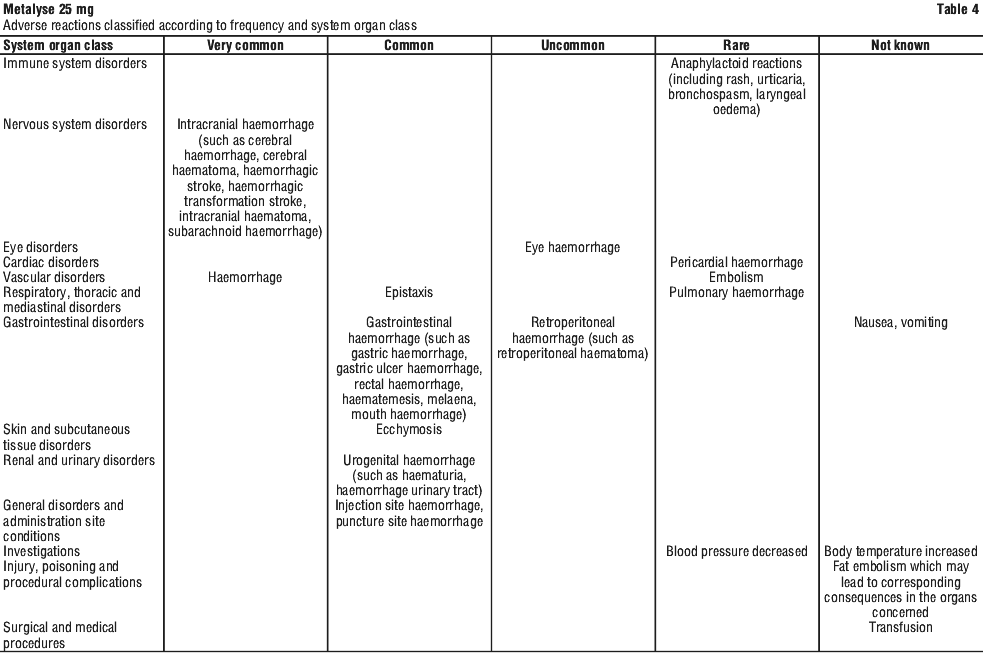
Summary of the safety profile. As with other thrombolytic agents, haemorrhage is the most common adverse reaction associated with the use of Metalyse. Haemorrhage at any site or body cavity can occur and may result in life-threatening situations, permanent disability or death.
The type of haemorrhage associated with thrombolytic therapy can be divided into two broad categories:
internal bleeding at any site or body cavity;
superficial bleeding, normally from injection sites.
With intracranial haemorrhage neurological symptoms such as somnolence, aphasia, hemiparesis, convulsion may be associated.
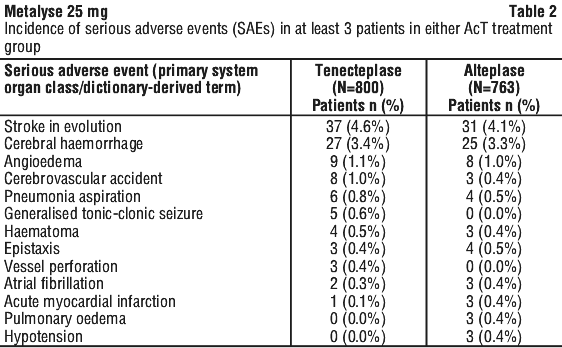
Serious adverse events (SAEs) reported in the Alteplase Compared to Tenecteplase (AcT) trial comparing the tenecteplase and alteplase treatment groups are provided in Table 2.
4.9 Overdose
For information on the management of overdose, contact the Poison Information Centre on 13 11 26 (Australia).
Symptoms. In the event of overdose there may be an increased risk of bleeding.
Therapy. In case of severe prolonged bleeding, substitution therapy may be considered (plasma, platelets) (also see Section 4.4 Special Warnings and Precautions for Use).
5 Pharmacological Properties
5.1 Pharmacodynamic Properties
Pharmacotherapeutic group: Antithrombotic agents, enzymes.
ATC code: B01A D11.
Mechanism of action. Tenecteplase is a tissue plasminogen activator (t-PA) produced by recombinant DNA technology, using an established mammalian cell line (Chinese Hamster Ovary cells).
Tenecteplase is a recombinant fibrin-specific plasminogen activator that is derived from native t-PA by modifications at three sites of the protein structure. It binds to the fibrin component of the thrombus (blood clot) and converts thrombus-bound plasminogen to plasmin, which degrades the fibrin matrix of the thrombus. Tenecteplase has a higher fibrin specificity and greater resistance to inactivation by its endogenous inhibitor compared to native t-PA.
After administration of tenecteplase, dose dependent consumption of α2-antiplasmin (the fluid-phase inhibitor of plasmin) with consequent increase in the level of systemic plasmin generation have been observed. This observation is consistent with the intended effect of plasminogen activation. In comparative studies, a less than 15% reduction in fibrinogen and a less than 25% reduction in plasminogen were observed in subjects treated with the maximum dose of tenecteplase (10,000 U, corresponding to 50 mg), whereas alteplase caused an approximately 50% decrease in fibrinogen and plasminogen levels. No clinically relevant antibody formation was detected at 30 days.
Clinical trials. AcT study. The Alteplase Compared to Tenecteplase (AcT) trial, was designed as a pragmatic, registry based, prospective, randomised, open label, controlled trial of intravenous tenecteplase vs. intravenous alteplase to provide evidence that tenecteplase is non-inferior to alteplase in patients with acute ischemic stroke within 4.5 h from last known well otherwise eligible for intravenous thrombolysis as per current guidelines. The trial achieved its primary outcome demonstrating a clinically relevant non inferiority with tenecteplase 0.25 mg/kg (max. 25 mg) vs alteplase 0.9 mg/kg (max. 90 mg): 296 (36.9%) of 802 patients in the tenecteplase group and 266 (34.8%) of 765 in the alteplase group had a modified Rankin Scale (mRS) score of 0-1 at 90-120 days (unadjusted risk difference 2.1% [95% CI - 2.6 to 6.9], meeting the prespecified non-inferiority threshold of -5%).
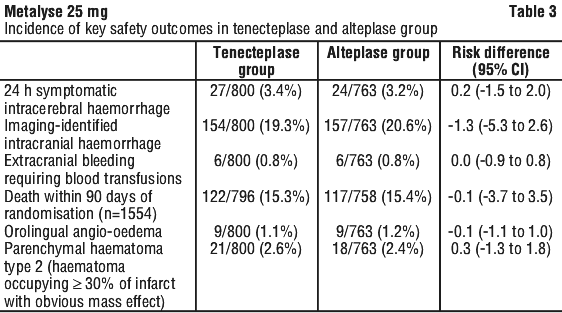
Key safety outcomes were symptomatic intracerebral haemorrhage, orolingual angio-oedema, and extracranial bleeding requiring blood transfusion, all occurring within 24 h of thrombolytic administration, and 90-day all-cause mortality.
There were no meaningful differences in the rate of 24 h symptomatic intracerebral haemorrhage. Rates of imaging-defined intracranial haemorrhage (assessed blinded to symptom status and treatment allocation) showed no differences between the two groups, and the imaging-defined rates of type 2 parenchymal haematoma (i.e. haematoma occupying ≥ 30% of infarct with obvious mass effect) were similar to the observed rates of symptomatic intracerebral haemorrhage in the trial. There were no meaningful differences in the rate of 90-day mortality 90 days from treatment. Orolingual angio-oedema and peripheral bleeding requiring blood transfusion were rare and similar in both groups (see Section 4.8 Adverse Effects (Undesirable effects), Table 3).
EXTEND-IA TNK study. EXTEND-IA TNK was designed to assess whether tenecteplase is non-inferior to alteplase in achieving reperfusion at initial angiogram when administered within 4.5 h of ischaemic stroke onset in patients planned to undergo endovascular therapy.
Patients with ischaemic stroke who had occlusion of the internal carotid, basilar, or middle cerebral artery and who were eligible to undergo thrombectomy were randomised to receive tenecteplase 0.25 mg/kg or alteplase 0.9 mg/kg within 4.5 h after symptom onset. There were 101 patients in each treatment group. The primary outcome was reperfusion of greater than 50% of the involved ischaemic territory or an absence of retrievable thrombus at the time of the initial angiographic assessment. Non-inferiority of tenecteplase was tested, followed by superiority. Secondary outcomes included the mRS score at 90 days.
The primary outcome occurred in 22% of the patients treated with tenecteplase vs 10% of those treated with alteplase (incidence difference, 12%; 95% CI 2, 21; incidence ratio, 2.2; 95% CI 1.1, 4.4; p = 0.002 for non-inferiority; p = 0.03 for superiority).
Analysis of one of the several secondary outcomes, the mRS score at 90 days showed, that patients in the tenecteplase group had a median score of 2 (interquartile range, 0 to 3), which indicated significantly better function than the median score of 3 (interquartile range, 1 to 4) among patients in the alteplase group (common odds ratio, 1.7; 95% CI, 1.0 to 2.8; p = 0.04). There was no significant difference in the incidence of recovery to independent function (mRS score of 0 to 2 or no change from baseline function) at day 90, which occurred in 65 of 101 patients (64%) in the tenecteplase group and in 52 of 101 (51%) in the alteplase group (adjusted incidence ratio, 1.2; 95% CI, 1.0 to 1.5; p = 0.06; adjusted odds ratio, 1.8; 95% CI, 1.0 to 3.4; p = 0.06).
The proportion of mRS 0-1 at 90 days was 51% for the tenecteplase group and 43% for the alteplase group (p = 0.23).
The symptomatic intracerebral haemorrhage (sICH) occurred in 1% of the patients in each group. There were 10 deaths (10%) in the tenecteplase group and 18 (18%) in the alteplase group, which was not significant in the pre-specified logistic-regression analysis. Most of the deaths were related to progression of major stroke (9 in tenecteplase group and 14 in alteplase group). Tenecteplase 0.25 mg/kg showed a similar safety profile compared to alteplase 0.9 mg/kg.
Real world evidence. Several non-interventional studies compared tenecteplase (0.25 mg/kg) versus alteplase (0.9 mg/kg) in AIS with or without large vessel occlusion (LVO) within 4.5 hours after symptom onset. These observational studies reported adjusted (or propensity score matched) estimates, included in total > 2,900 AIS patients (from studies with over 100 patients treated with tenecteplase), and reported a consistent similar or favourable safety and effectiveness profile of tenecteplase in comparison with intravenous alteplase. Endpoints measured included functional outcome (3-month mRS score), all-cause mortality, intracranial haemorrhage and symptomatic intracranial haemorrhage, rates of angioedema, door-to needle time, door-in-door out time, imaging-to-thrombolysis time, thrombolysis-to-puncture time, and onset-to-needle time.
5.2 Pharmacokinetic Properties
Absorption and distribution. Tenecteplase is an intravenously administered, recombinant protein that activates plasminogen. Following i.v. bolus administration of 30 mg tenecteplase in patients with acute myocardial infarction, the initially estimated tenecteplase plasma concentration was 6.45 ± 3.60 microgram/mL (mean ± SD). The distribution phase represents 31% ± 22% to 69% ± 15% (mean ± SD) of the total AUC following the administration of doses ranges from 5 to 50 mg. The mean residence time (MRT) in the body is approximately 1 h and the mean (± SD) volume of distribution at the steady-state (Vss) ranged from 6.3 ± 2 L to 15 ± 7 L. A total of 113 AMI patients were enrolled and blood sampling for pharmacokinetics was conducted in 82 patients (72 male and 10 female).
Data on tissue distribution were obtained in studies with radioactively labelled tenecteplase in rats. The main organ to which tenecteplase distributed was the liver.
Metabolism. Tenecteplase is cleared from the circulation by binding to specific receptors in the liver followed by catabolism to small peptides. Binding to hepatic receptors is, however, reduced compared to native t-PA, resulting in a prolonged half-life.
Excretion. Extensive pharmacokinetic characterisation of tenecteplase was performed during Phase I and Phase II clinical trials. After single intravenous bolus injection of tenecteplase in patients with acute myocardial infarction, tenecteplase antigen exhibits biphasic elimination from plasma. There is no dose dependence of tenecteplase clearance in the therapeutic dose range. The initial, dominant half-life was 24 ± 5.5 (mean ± SD) min, which was 5 times longer than native t-PA. The terminal half-life was 129 ± 87 min, and plasma clearance was 119 ± 49 mL/min.
Increasing body weight resulted in a moderate increase of tenecteplase clearance, and increasing age resulted in a slight decrease of clearance. In general, women exhibit lower clearance than men, but this may be explained by the lower body weight of women.
Linearity/non-linearity. The dose linearity analysis based on AUC suggested that tenecteplase exhibits non-linear pharmacokinetics in the dose range studied, i.e. 5 to 50 mg.
Special populations. Renal and hepatic impairment. As the kidneys do not appear to be involved in the elimination of tenecteplase, it is not expected that renal dysfunction will affect the pharmacokinetics. The effect of hepatic dysfunction on pharmacokinetics of tenecteplase in humans is not known.
5.3 Preclinical Safety Data
Genotoxicity. Studies of tenecteplase in animals have not been performed to assess its mutagenicity.
Carcinogenicity. Studies of tenecteplase in animals have not been performed to assess the carcinogenic potential.
6 Pharmaceutical Particulars
6.1 List of Excipients
The excipients are arginine, phosphoric acid and polysorbate 20.
6.2 Incompatibilities
Incompatibilities were either not assessed or not identified as part of the registration of this medicine.
6.3 Shelf Life
In Australia, information on the shelf life can be found on the public summary of the Australian Register of Therapeutic Goods (ARTG). The expiry date can be found on the packaging.
6.4 Special Precautions for Storage
Store below 30°C. Before use, keep in the outer carton in order to protect from light.
The reconstituted solution has been demonstrated to be stable for 24 hours at 2-8°C or for 6 hours at room temperature.
To reduce microbiological hazard, the product should be used immediately after reconstitution. If storage of the reconstituted solution is necessary, it should be held at 2-8°C for not more than 24 hours and is the responsibility of the user.
6.5 Nature and Contents of Container
Metalyse 25 mg: 1 glass vial containing 25 mg (5,000 U) tenecteplase.
6.6 Special Precautions for Disposal
In Australia, any unused medicine or waste material should be disposed of in accordance with local requirements.
6.7 Physicochemical Properties
Tenecteplase is a 527 amino acid glycoprotein developed by introducing the following modifications to the complementary DNA (cDNA) for natural human t-PA: a substitution of threonine 103 with asparagine, and a substitution of asparagine 117 with glutamine, both within the kringle 1 domain, and a tetra-alanine substitution at amino acids 296-299 in the protease domain. Cell culture is carried out in nutrient medium containing the antibiotic gentamicin (65 mg/L). However, the presence of the antibiotic is not detectable in the final product (limit of detection is 0.67 microgram/vial).
CAS number. 191588-94-0.
7 Medicine Schedule (Poisons Standard)
S4 - Prescription Only Medicine.
Date of First Approval
15 July 2025
Summary Table of Changes

Reasonable care is taken to provide accurate information at the time of creation. This information is not intended as a substitute for medical advice and should not be exclusively relied on to manage or diagnose a medical condition. The Australian Commission on Safety and Quality in Health Care disclaims all liability (including for negligence) for any loss, damage, injury or any other negative effects resulting from reliance on or use of this information. Read our full disclaimer. This website uses cookies. Read our privacy policy.