
Mitozantrone Ebewe
Brand Information
| Brand name | Mitozantrone Ebewe |
| Active ingredient | Mitozantrone |
| Schedule | S4 |
Consumer Medicine Information (CMI) leaflet
Please read this leaflet carefully before you start using the Mitozantrone Ebewe.
Summary CMI
Mitozantrone Ebewe®
Consumer Medicine Information (CMI) summary
The full CMI on the next page has more details. If you are worried about using this medicine, speak to your doctor or pharmacist.
1. Why am I being given Mitozantrone Ebewe?
Mitozantrone Ebewe contains the active ingredient mitrozantrone. Mitozantrone Ebewe is used to treat various types of cancer.
For more information, see Section 1. Why am I being given Mitozantrone Ebewe? in the full CMI.
2. What should I know before I am given Mitozantrone Ebewe?
Do not use if you have ever had an allergic reaction to mitozantrone or any of the ingredients listed at the end of the CMI.
Talk to your doctor if you have any other medical conditions, take any other medicines, or are pregnant or plan to become pregnant or are breastfeeding.
For more information, see Section 2. What should I know before I am given Mitozantrone Ebewe? in the full CMI.
3. What if I am taking other medicines?
Some medicines may interfere with Mitozantrone Ebewe and affect how it works.
A list of these medicines is in Section 3. What if I am taking other medicines? in the full CMI.
4. How am I given Mitozantrone Ebewe?
- Your doctor or trained nurse will give Mitozantrone Ebewe by an infusion (drip) into a vein (intravenously). The infusion usually takes 15 to 30 minutes. You may need several infusions at regular intervals. These are known as ‘cycles of chemotherapy’.
More instructions can be found in Section 4. How am I given Mitozantrone Ebewe? in the full CMI.
5. What should I know while being given Mitozantrone Ebewe?
| Things you should do |
|
| Driving or using machines |
|
| Drinking alcohol |
|
For more information, see Section 5. What should I know while being given Mitozantrone Ebewe? in the full CMI.
6. Are there any side effects?
All medicines can have side effects. You may experience non-serious and serious side effects, including cardiac failure, while on Mitozantrone Ebewe. Most common side effects include nausea, vomiting, painful mouth ulcers, difficulty swallowing, fatigue, pale skin, bruising, fever, tiny red, purple or brown spots on skin, hair loss and blue-green urine.
Speak to your doctor, nurse or pharmacist if you experience any symptoms.
For more information, including what to do if you have any side effects, see Section 6. Are there any side effects? in the full CMI.
Full CMI
Mitozantrone Ebewe®
Active ingredient(s): mitozantrone (as hydrochloride)
Consumer Medicine Information (CMI)
This leaflet provides important information about using Mitozantrone Ebewe. You should also speak to your doctor or pharmacist if you would like further information or if you have any concerns or questions about using Mitozantrone Ebewe.
Where to find information in this leaflet:
1. Why am I being given Mitozantrone Ebewe?
2. What should I know before I am given Mitozantrone Ebewe?
3. What if I am taking other medicines?
4. How am I given Mitozantrone Ebewe?
5. What should I know while being given Mitozantrone Ebewe?
6. Are there any side effects?
7. Product details
1. Why am I being given Mitozantrone Ebewe?
Mitozantrone Ebewe contains the active ingredient mitozantrone (as hydrochloride). Mitozantrone is a type of chemotherapy medicine. It belongs to a group of medicines called antineoplastic or cytotoxic medicines.
Mitozantrone Ebewe is used to treat various types of cancer, including:
- breast cancer
- non-Hodgkin's lymphoma (a cancer of the lymph glands)
- adult acute non-lymphocytic leukaemia (ANLL)
- advanced chronic myeloid leukaemia (CML)
Mitozantrone Ebewe works by stopping cancer cells from growing and multiplying. It may be used in combination with other medicines to treat cancer.
2. What should I know before I am given Mitozantrone Ebewe?
Warnings
Do not use Mitozantrone Ebewe if:
- you are allergic to mitozantrone, or any of the ingredients listed at the end of this leaflet. Always check the ingredients to make sure you can use this medicine. Some symptoms of an allergic reaction may include:
- shortness of breath
- wheezing or difficulty breathing
- swelling of the face, lips, tongue or other parts of the body
- rash, itching or hives on the skin
Do not take this medicine if you have or have any of the following medical conditions:
- severe liver problems
- a condition of the blood with a reduced number of red or white blood cells or platelets because of previous chemotherapy or radiotherapy.
- You have already received a long-term dose of Mitozantrone Ebewe or similar medicines such as doxorubicin, idarubicin, epirubicin, or daunorubicin, and you have heart problems
This medicine is not recommended for intrathecal use.
Check with your doctor if you:
- have any other medical conditions, including:
- liver problems
- kidney problems
- heart problems, including a heart attack
- gout, a disease with painful, swollen joints caused by high uric acid levels
- a blood disorder with a reduced number of red blood cells, white blood cells or platelets
- lowered immunity due to treatment with certain medicines (corticosteroids, cyclosporine, medicines used to treat cancer) or radiation treatment - take any medicines for any other condition
- in the past, have taken medicines for cancer, or had radiation therapy
- have an infection or high temperature.
If you have an infection, your doctor may decide to delay your treatment until your infection is gone. A mild illness, such as a cold, is not usually a reason to delay treatment.
During treatment, you may be at risk of developing certain side effects. It is important you understand these risks and how to monitor for them. See additional information under Section 6. Are there any side effects?
Pregnancy and breastfeeding
Do not have Mitozantrone Ebewe if you are pregnant or intend to become pregnant.
Like most medicines used to treat cancer, mitozantrone is not recommended for use in pregnancy.
Check with your doctor if you are pregnant or intend to become pregnant, to discuss the risks and benefits. See also ‘People of childbearing age’.
Do not breastfeed while receiving Mitozantrone Ebewe.
Mitozantrone Ebewe passes into the breast milk and may affect the breast-fed baby.
Tell your doctor or nurse if you are breastfeeding or intend to breastfeed.
People of childbearing age
Use a reliable form of birth control while you are being treated with Mitozantrone Ebewe and for at least 6 months after your treatment has stopped.
Mitozantrone Ebewe may cause birth defects if either males or females are being treated with it at the time of conception.
Use in children
Mitozantrone Ebewe is not recommended for use in children as there is not enough information on its effects in children.
3. What if I am taking other medicines?
Tell your doctor or pharmacist if you are taking any other medicines, including any medicines, vitamins or supplements that you buy without a prescription from your pharmacy, supermarket or health food shop.
Some medicines and Mitozantrone Ebewe may interfere with each other. These medicines may be affected by Mitozantrone Ebewe or may affect how it works. These include:
- doxorubicin, idarubicin, epirubicin, or daunorubicin also known as ‘anthracyclines’
- other chemotherapy medicines including cyclophosphamide, fluorouracil, vincristine, vinblastine, bleomycin, methotrexate, and cytosine arabinoside
- cyclosporine, a medicine used in organ transplants
- vaccines, especially live vaccines.
Check with your doctor or pharmacist if you are not sure about what medicines, vitamins or supplements you are taking and if these affect Mitozantrone Ebewe.
4. How am I given Mitozantrone Ebewe?
How much is given
- Mitozantrone Ebewe must only be given by a doctor or nurse. This medicine is diluted and given as a slow injection into a vein.
- You may be given Mitozantrone Ebewe every 3 weeks if you are being treated for breast cancer or lymphoma, or daily for 5 days for leukaemia treatment.
How is it given
- Your doctor will decide what dose, how often and how long you will receive it. This depends on your condition and other factors, such as your weight, age, blood tests, how well your liver and kidneys work and whether or not other medicines are being given at the same time.
- Mitozantrone may be used in combination with other anti cancer drugs.
If you have any concerns about the dosage you receive, ask your doctor.
If you are given too much Mitozantrone Ebewe
Your doctor will decide what dose of Mitozantrone Ebewe you need, and this will be administered in the clinic or hospital under close supervision from nursing and medical staff. The risk of overdose in these circumstances is low. In the event of overdose occurring, your doctor will decide on the necessary treatment.
If you think that you have been given too much Mitozantrone Ebewe, you may need urgent medical attention.
You should immediately:
- phone the Australian Poisons Information Centre
(by calling 13 11 26), or the New Zealand National Poisons Information Centre (by calling 0800 POISONS or 0800 764 766), or - contact your doctor, or
- go to the Emergency Department at your nearest hospital.
You should do this even if there are no signs of discomfort or poisoning.
5. What should I know while being given Mitozantrone Ebewe?
Things you should do
- Be aware that your urine may turn a blue-green colour after your dose of Mitozantrone Ebewe.
You may also notice a blue-green tinge in the whites of your eyes. These are normal effects of Mitozantrone Ebewe and will disappear after 1 or 2 days.
- Keep all your doctor's appointments to get the best effects from treatment, and so your progress can be checked.
It is important to have your follow-up doses at the appropriate times to get the best treatment outcomes.
Your doctor may also want to do some blood, urine and other tests from time to time to check on your progress and detect any unwanted side effects.
- Remind any doctor, dentist, nurse or pharmacist you visit that you are using Mitozantrone Ebewe.
- For men and women of childbearing age: Use a reliable form of birth control while you are being treated with Mitozantrone Ebewe and for at least 6 months after your treatment has stopped.
Mitozantrone Ebewe may cause birth defects if either males or females are being treated with it at the time of conception.
Tell your doctor straight away if you:
- become pregnant while receiving Mitozantrone Ebewe
- experience any pain during the injection of Mitozantrone Ebewe.
Reducing the risk of infection and bleeding
Mitozantrone Ebewe can lower the number of white blood cells and platelets in your blood. This means that you have an increased chance of getting an infection or bleeding.
To reduce the risk of infection and bleeding, follow these precautions:
- Avoid people who have infections. Check with your doctor immediately if you think you may be getting an infection, or if you get a fever, chills, cough, hoarse throat, lower back or side pain or find it painful or difficult to urinate.
- Be careful when using a toothbrush, toothpick or dental floss. Your doctor, dentist, nurse or pharmacist may recommend other ways to clean your teeth and gums. Check with your doctor before having any dental work.
- Be careful not to cut yourself when you are using sharp objects such as a razor or nail cutters.
- Avoid contact sports or other situations where you may bruise or get injured.
Driving or using machines
Be careful before you drive or use any machines or tools until you know how Mitozantrone Ebewe affects you.
As with many other medicines, Mitozantrone Ebewe may cause tiredness in some people.
Drinking alcohol
Avoid drinking alcohol while you are on Mitozantrone Ebewe.
Alcohol may worsen some side effects of Mitozantrone Ebewe, such as tiredness.
Looking after your medicine
Mitozantrone Ebewe will be stored appropriately at the pharmacy or on the ward.
Store it in a cool dry place away from moisture, heat or sunlight below 25°C; for example, do not store it:
- in the bathroom or near a sink, or
- in the car or on window sills.
Keep it where young children cannot reach it.
A locked cupboard at least one-and-a-half metres above the ground is a good place to store medicines.
Getting rid of any unwanted medicine
If you no longer need to use this medicine or it is out of date, take it to any pharmacy for safe disposal.
Do not use this medicine after the expiry date.
6. Are there any side effects?
All medicines can have side effects. If you do experience any side effects, most of them are minor and temporary. However, some side effects may need medical attention.
See the information below and, if you need to, ask your doctor or pharmacist if you have any further questions about side effects.
Less serious side effects
| Less serious side effects | What to do |
Gut related:
| Speak to your doctor if you have any of these less serious side effects and they worry you. |
Serious side effects
| Serious side effects | What to do |
Blood count related:
| Call your doctor straight away, or go straight to the Emergency Department at your nearest hospital if you notice any of these serious side effects. |
The benefits and side effects of Mitozantrone Ebewe may take some time to occur. Therefore, even after you have finished your Mitozantrone Ebewe treatment, you should tell your doctor immediately if you notice any of the side effects listed in this section.
In some cases, patients have developed other cancers, several years after treatment with mitozantrone.
Tell your doctor or pharmacist if you notice anything else that may be making you feel unwell.
Other side effects not listed here may occur in some people.
Reporting side effects
After you have received medical advice for any side effects you experience, you can report side effects to the Therapeutic Goods Administration online at www.tga.gov.au/reporting-problems or to Medsafe at pophealth.my.site.com/carmreportnz/s/. By reporting side effects, you can help provide more information on the safety of this medicine.
Always make sure you speak to your doctor or pharmacist before you decide to stop taking any of your medicines.
7. Product details
This medicine is only available with a doctor's prescription.
What Mitozantrone Ebewe contains
| Active ingredient (main ingredient) | mitozantrone |
| Other ingredients (inactive ingredients) |
|
Do not take this medicine if you are allergic to any of these ingredients.
Vial stopper is not made with natural rubber latex.
What Mitozantrone Ebewe looks like
Mitozantrone Ebewe 10 mg/ 5 mL – sterile, clear, blue, aqueous, isotonic solution for injection (Aust R 132319).
Mitozantrone Ebewe 20 mg/ 10 mL– sterile, clear, blue, aqueous, isotonic solution for injection (Aust R 132327).
Each strength comes as a single vial.
Who distributes Mitozantrone Ebewe
Mitozantrone Ebewe is distributed in Australia by:
Sandoz Pty Ltd
100 Pacific Highway
North Sydney, NSW 2060
Australia
Tel 1800 726 369
Mitozantrone Ebewe is distributed in New Zealand by:
Sandoz New Zealand Limited
12 Madden Street
Auckland 1010
New Zealand
Tel 0800 726 369
This leaflet was prepared in December 2025.
® Registered Trade Mark. The trade marks mentioned in this material are the property of their respective owners.
Brand Information
| Brand name | Mitozantrone Ebewe |
| Active ingredient | Mitozantrone |
| Schedule | S4 |
MIMS Revision Date: 01 August 2024
1 Name of Medicine
Mitozantrone hydrochloride.
2 Qualitative and Quantitative Composition
Mitozantrone Ebewe 10 mg/5 mL contains mitozantrone hydrochloride equivalent to 10 mg mitozantrone.
Mitozantrone Ebewe 20 mg/10 mL contains mitozantrone hydrochloride equivalent to 20 mg mitozantrone.
Mitozantrone Ebewe solution for injection has a pH of 2.5 - 4.0.
For the full list of excipients, see Section 6.1 List of Excipients.
3 Pharmaceutical Form
Mitozantrone Ebewe is a sterile, clear, blue, aqueous, isotonic solution for injection.
4 Clinical Particulars
4.1 Therapeutic Indications
Mitozantrone Ebewe is indicated for the treatment of:
metastatic carcinoma of the breast;
non-Hodgkin's lymphoma;
adult acute non-lymphocytic leukaemia (ANLL);
chronic myelogenous leukaemia in blast crisis.
4.2 Dose and Method of Administration
Dosage. Doses greater than 140 mg/m2 are not recommended, particularly as a single bolus injection. Such administrations have caused fatal overdose as a result of severe leucopenia and infection.
Breast cancer and lymphoma. Single-agent therapy. The recommended initial dosage for use as single agent is 14 mg/m2 of body surface area, given as a single intravenous dose, which may be repeated at 21-day intervals. A lower initial dose (12 mg/m2 or less) is recommended in patients with inadequate marrow reserves due to prior therapy or poor general condition.
Dosage modification and timing of subsequent dosing should be determined by clinical judgement depending on the degree and duration of myelosuppression. If 21-day white blood cell and platelet counts have returned to adequate levels, prior doses can usually be repeated. Table 1 indicates a guide to dosing based on myelosuppression for the treatment of breast cancer and non-Hodgkin's lymphoma.
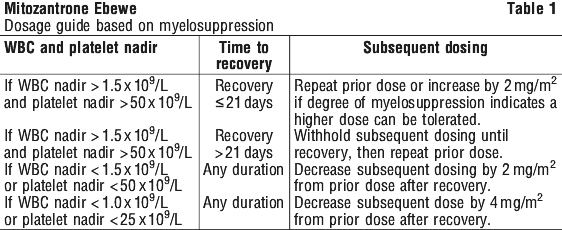
As a guide, the initial dose of mitozantrone when used with other myelosuppressive agents should be reduced by 2 to 4 mg/m2 below the doses recommended for single agent usage; subsequent dosing depends upon the degree and duration of myelosuppression.
Long-term survival data for non-Hodgkin's lymphoma are as yet inadequate to establish comparability between combinations containing mitozantrone and similar combinations containing doxorubicin.
Leukaemia. Single agent dosage for patients with acute non-lymphocytic leukaemia or chronic myelogenous leukaemia in blast crisis. Mitozantrone as 'single-agent therapy' is also indicated in the treatment of acute non-lymphocytic leukaemia. The recommended dosage for induction is 12 mg/m2 of body surface area, given as a single intravenous dose daily for five consecutive days (total of 60 mg/m2).
In clinical studies, with a dosage of 12 mg/m2 daily for five days, patients who achieved a complete remission did so as a result of the first induction course.
Reinduction upon relapse may be attempted with mitozantrone and again the recommended dosage is 12 mg/m2 daily for five days.
Combination therapy for leukaemia. Mitozantrone, together with cytosine arabinoside, has been used successfully for the treatment of both first- and second-line patients with acute nonlymphocytic leukaemia.
For induction, the recommended dosage is 10 to 12 mg/m2 of mitozantrone for three days and 100 mg/m2 of cytosine arabinoside for seven days (the latter given as a continuous 24 hour infusion).
If a second course is indicated, then the second course is recommended with the same combination at the same daily dosage levels but with mitozantrone given for only two days and cytosine arabinoside for only five days.
If severe or life-threatening non-haematological toxicity is observed during the first induction course, the second induction course should be withheld until the toxicity clears.
Method of administration. Mitozantrone Ebewe should be diluted to at least 50 mL with either sodium chloride for injection or 5% glucose for injection. Mitozantrone Ebewe should be introduced slowly into the tube of a freely running intravenous infusion of sodium chloride for injection or 5% glucose for injection over not less than three to five minutes. Follow administration with a flush of the appropriate diluent. If extravasation occurs, the administration should be stopped immediately and restarted in another vein.
Pharmaceutical precautions. Care should be taken to avoid contact of mitozantrone with the skin, mucous membranes or eyes. The use of goggles, gloves and protective gowns is recommended during preparation and administration. To reduce the possibility of spillages and splashes when removing Mitozantrone Ebewe from the vial, it is recommended that a 21-gauge (or 0.8 mm internal diameter equivalent) needle be used.
Mitozantrone can cause staining.
Skin accidentally exposed to mitozantrone should be rinsed copiously with warm water and if the eyes are involved, standard irrigation techniques should be used. Equipment and spills on environmental surfaces may be cleaned up by using an aqueous solution of calcium hypochlorite (5.5 parts calcium hypochlorite in 13 parts by weight of water for each 1 part by weight of Mitozantrone Ebewe). Absorb the remaining solutions with gauze or towels and dispose of these in a safe manner. Appropriate safety equipment such as goggles and gloves should be worn while working with calcium hypochlorite solutions.
Mitozantrone Ebewe does not contain an antimicrobial preservative. Although Mitozantrone Ebewe has demonstrated significant self-preserving qualities, unused proportions of the undiluted solution should be discarded as soon as possible after opening. Following preparation of the infusion, mitozantrone solutions will maintain potency for 72 hours; however, to reduce microbiological hazards, the solution should be used as soon as practicable after reconstitution/preparation. If storage is necessary, hold at 2°C - 8°C for not more than 24 hours. Discard any unused portion within 24 hours of preparation.
Mitozantrone Ebewe is for single use in one patient only. Discard any residue.
Handling precautions. As with all antineoplastic agents, trained personnel should prepare Mitozantrone Ebewe. This should be performed in a designated area (preferably a cytotoxic laminar flow cabinet). Protective gown, mask, gloves and appropriate eye protection should be worn while handling mitozantrone. Where solution accidentally contacts skin or mucosa, the affected area should be immediately washed thoroughly with soap and water. It is recommended that pregnant personnel not handle cytotoxic agents such as mitozantrone.
Luer-Lock fitting syringes are recommended. Large bore needles are recommended to minimise pressure and possible formation of aerosols. Aerosols may also be reduced by using a venting needle during preparation.
Spills and disposal. If spills occur, restrict access to the affected area. Wear two pairs of gloves (latex rubber), a respirator mask, a protective gown and safety glasses. Limit the spread of the spill by covering with a suitable material such as absorbent towel or adsorbent granules. Spills may also be treated with 5% sodium hypochlorite. Collect up absorbent/adsorbent material and other debris from spill and place in a leak-proof plastic container and label accordingly. (See Section 6.6 Special Precautions for Disposal.)
Dosage adjustment. Children. Experience in paediatric patients is limited.
Intrathecal. Safety for intrathecal use of mitozantrone has not yet been established.
4.3 Contraindications
Mitozantrone Ebewe is contraindicated in:
patients with prior hypersensitivity to mitozantrone;
patients who have received prior substantial anthracycline exposure may not be treated with mitozantrone if cardiac function is abnormal prior to the initiation of therapy (see Section 4.4 Special Warnings and Precautions for Use);
where patients have not recovered from severe myelosuppression due to previous treatment with other cytotoxic agents or radiotherapy;
in patients with severe hepatic impairment;
breast-feeding.
Not for intrathecal use.
4.4 Special Warnings and Precautions for Use
Mitozantrone Ebewe should be administered only under constant supervision by physicians experienced in therapy with cytotoxic agents and only when potential benefits of mitozantrone therapy outweigh the possible risks. Appropriate facilities should be available for adequate management of complications should they arise.
Full blood counts should be undertaken serially during a course of treatment. Dosage adjustments may be necessary based on these counts (see Section 4.2 Dose and Method of Administration).
Systemic infections should be treated concomitantly with, or just prior to, commencing therapy with mitozantrone.
Instructions to patients. Patients should be instructed to inform their doctor of any prior abnormal heart conditions. Patients should also be advised of the signs and symptoms of myelosuppression.
Patients should be advised to expect a blue/green colouration to the urine for up to 24 hours after mitozantrone administration. Bluish discolouration of the sclera may also occur.
Administration. Mitozantrone is not indicated for subcutaneous, intramuscular, or intra-arterial injection. There have been reports of local/regional neuropathy, some irreversible, following intra-arterial injection.
Mitozantrone must not be given by intrathecal injection. There have been reports of neuropathy and neurotoxicity, both central and peripheral, following intrathecal injection. These reports have included seizures leading to coma and severe neurological sequelae, and paralysis with bowel and bladder dysfunction (see Section 4.3 Contraindications).
Haematological. Since mitozantrone produces myelosuppression, it should be used with caution in patients in poor general condition or with pre-existing myelosuppression due to any cause.
There is a high incidence of bone marrow depression, primarily of leucocytes, requiring careful haematological monitoring. Following recommended doses of mitozantrone, leucopenia is usually transient, reaching its nadir at about ten days after dosing, with recovery usually occurring by the twenty-first day. White blood cell counts as low as 1.5 x 10⁹/L may be expected following therapy, but white blood cell counts rarely fall below 1.0 x 10⁹/L at recommended dosages. Red blood cells and platelets should also be monitored since depression of these elements may also occur. Haematological toxicity may require reduction of dose or suspension or delay of mitozantrone therapy.
Topoisomerase II inhibitors, including mitozantrone, when used alone or concomitantly with other antineoplastic agents and/or radiotherapy, have been associated with the development of Acute Myeloid Leukaemia (AML), Acute Promyelocytic Leukaemia (APL) or Myelodysplastic Syndrome (MDS).
Mitozantrone has been associated with the development of secondary AML in humans (see Section 4.8 Adverse Effects (Undesirable Effects)).
Cardiovascular. Cases of functional cardiac changes, including congestive heart failure and decreases in left ventricular ejection fraction (LVEF) have been reported during mitozantrone therapy. These cardiac events have occurred most commonly in patients who have had prior treatment with anthracyclines, prior mediastinal radiotherapy or with pre-existing heart disease, indicating a possible increased risk of cardiotoxicity in such patients. It is therefore recommended that regular cardiac monitoring also be performed in these patients, taking into account the extent to which individual patients have been exposed to these cardiac risk factors. A small proportion of endomyocardial biopsy reports have demonstrated changes consistent with anthracycline toxicity in patients who had not received prior anthracyclines. Based on current experience, it is recommended that cardiac monitoring also be performed in patients without pre-existing cardiac risk factors before initiation of therapy and during therapy exceeding 140 mg/m2 of mitozantrone.
Because of the possible danger of cardiac effects in patients previously treated with daunorubicin or doxorubicin, the benefit to risk ratio of mitozantrone therapy in such patients should be determined before starting therapy. Acute congestive heart failure may occasionally occur in patients treated with mitozantrone for acute myeloid leukaemia.
Uricacidaemia. Hyperuricaemia may occur as a result of rapid lysis of tumour cells by mitozantrone. Serum uric acid levels should be monitored and hypouricaemic therapy instituted prior to the initiation of anti-leukaemic therapy.
Vaccination. Immunisation with live virus vaccines (e.g. yellow fever vaccination) increases the risk of infection and other adverse reactions such as vaccinia gangrenosa and generalized vaccinia, in patients with reduced immunocompetence, such as during treatment with mitozantrone. Therefore, live virus vaccines should not be administered during therapy.
Contraception in males and females. Mitozantrone is genotoxic and is considered a potential human teratogen. Therefore, men under therapy must be advised not to father a child and to use contraceptive measures during and at least 6 months after therapy. Women of childbearing potential should have a negative pregnancy test prior to each dose, and use effective contraception during therapy and for at least 4 months after cessation of therapy.
Use in hepatic impairment. Careful supervision is recommended when treating patients with hepatic insufficiency. Although adequate data on the use of mitozantrone in patients with hepatic dysfunction are not yet available, the pharmacokinetic profile suggests that clearance of the medicine in such patients may be reduced and dosage may need to be adjusted accordingly. (See Section 4.3 Contraindications). Mitozantrone should be used with extreme caution in jaundiced patients.
Use in renal impairment. Patients with impaired renal failure have not been studied. However, as mitozantrone undergoes limited renal excretion and extensive tissue binding, it is unlikely that the therapeutic effect or toxicity in these patients would be replaced by peritoneal dialysis or haemodialysis.
Use in the elderly. No data available.
Paediatric use. Experience in paediatric patients is limited.
Effects on laboratory tests. Animal data suggest that if used in combination with other antineoplastic agents, additive myelosuppression may be expected. This has been supported by available clinical data on combination regimens (see Section 4.2 Dose and Method of Administration, Combination therapy).
4.5 Interactions with Other Medicines and Other Forms of Interactions
It is recommended that mitozantrone not be mixed in the same infusion with other medicines, as specific compatibility data are not available.
Mitozantrone must not be mixed in the same infusion as heparin as a precipitate may form.
When used in combination regimens, the initial dose of mitozantrone should be reduced by 2 to 4 mg/m2 below the dose recommended for single agent usage (see Section 4.2 Dose and Method of Administration).
The combination of mitozantrone with other immunosuppressive agents may increase the risk of excessive immunodepression and lymphoproliferative syndrome.
The combination of vitamin K antagonists and cytotoxic agents may result in an increased risk of bleeding. In patients receiving oral anticoagulant therapy, the prothrombin time ratio or INR should be closely monitored with the addition and withdrawal of treatment with mitozantrone and should be reassessed more frequently during concurrent therapy. Adjustments of the anticoagulant dose may be necessary in order to maintain the desired level of anticoagulation. Mitozantrone has been demonstrated to be a substrate for the BCRP transporter protein in vitro. Inhibitors of the BCRP transporter could result in an increased bioavailability. Inducers of the BCRP transporter could potentially decrease mitozantrone exposure.
4.6 Fertility, Pregnancy and Lactation
Effects on fertility. The effects of mitozantrone on human fertility have not been established. No adequate studies have been conducted in animals to determine the effect of mitozantrone on fertility. Women treated with mitozantrone have an increased risk of transitory or persistent amenorrhoea and therefore preservation of gametes should be considered prior to therapy.
Use in pregnancy. (Category D)
Category D. Medicines, which have caused, are suspected to have caused or may be expected to cause, an increased incidence of human foetal malformations or irreversible damage. These medicines may also have adverse pharmacological effects. Accompanying texts should be consulted for further details.
Decreased foetal bodyweight noted in high-dose rats (0.2 mg/kg/day) and an increased incidence of premature delivery noted in rabbits (0.01 to 0.05 mg/kg/day) were attributed to maternal toxicity.
There is no information on the use of mitozantrone in pregnancy. Therefore, the medicine should not be used in pregnant women or those likely to become pregnant unless the expected benefits outweigh any potential risks.
Women of child bearing potential should be advised to avoid becoming pregnant during therapy and for at least six months after cessation of therapy.
Use in lactation. Mitozantrone is contraindicated in women who are breast-feeding. Mitozantrone is excreted in breast milk and concentrations of 18 nanogram/mL have been reported for 28 days following the last administration. Because of potential for serious adverse reactions in infants, breastfeeding should be discontinued before starting treatment with Mitozantrone Ebewe.
4.7 Effects on Ability to Drive and Use Machines
The effects of this medicine on a person's ability to drive and use machines were not assessed as part of its registration.
4.8 Adverse Effects (Undesirable Effects)
When used as a single injection every three weeks in the treatment of solid tumours and lymphomas, the most commonly encountered side effects are nausea and vomiting, although in the majority of cases these are mild and transient. Alopecia may occur, but is most frequently of minimal severity and reversible on cessation of therapy.
In patients with leukaemia, the pattern of side effects is generally similar, although there is an increase in both frequency of severity, particularly of stomatitis and mucositis. Nevertheless, overall, patients with leukaemia tolerate treatment with mitozantrone well.
Common reactions. Gastrointestinal. Nausea, vomiting and stomatitis. In the majority of cases these are mild (WHO Grade 1) and transient.
Dermatological. Alopecia, most frequently of minimal severity and reversible on cessation of therapy.
Haematological. Myelosuppression, especially leucopenia, neutropenia and granulocytopenia. Thrombocytopenia, bone marrow failure, abnormal white blood cell count and anaemia are less common.
Renal. Mitozantrone may impart a blue-green colouration to the urine for 24 hours after administration.
Less common reactions. Gastrointestinal. Diarrhoea, anorexia, gastrointestinal bleeding, abdominal pain, altered taste, pancreatitis.
Respiratory. Dyspnoea, interstitial pneumonitis.
Local. Phlebitis. Extravasation at the infusion site has been reported, which may result in erythema, swelling, pain, burning, and/or blue discolouration of the skin. Tissue necrosis following extravasation has been reported rarely.
General. Allergic reaction (hypotension, urticaria, anaphylaxis) has been reported. Fever, fatigue and weakness, and non-specific neurological side effects such as somnolence, confusion, anxiety and mild paraesthesia. Tumour lysis syndrome (characterised by hyperuricaemia, hyperkalaemia, hyperphosphataemia and hypocalcaemia) has been observed rarely during single-agent chemotherapy with mitozantrone, as well as during combination chemotherapy.
Infections and infestations. Urinary tract infections, upper respiratory tract infections, sepsis, opportunistic infections.
Dermatological. Rash, nail pigmentation, onycholysis, tissue necrosis, erythema.
Hepatic. Increased liver enzyme levels and elevated bilirubin levels have been reported occasionally.
Renal. Elevated serum creatinine and blood urea nitrogen levels have been reported occasionally. Toxic nephropathy.
Ophthalmic. Reversible blue colouration of the sclerae has been reported.
Vascular disorders. Contusion, haemorrhage.
Severe or life-threatening reactions. Cardiovascular. Cardiovascular effects include decreased left ventricle ejection fraction (determined by ECHO or MUGA scan), ECG changes and acute arrhythmia. Congestive heart failure has been reported. Such cases have generally responded well to treatment with digitalis and/or diuretics.
Bradycardia, tachycardia and chest pain have been reported.
In patients with leukaemia, there is an increase in the frequency of cardiac events. The direct role of mitozantrone in these cases is difficult to assess, since some patients had received prior therapy with anthracyclines, and since their clinical course is frequently complicated by anaemia, fever, sepsis and intravenous fluid therapy.
Haematological. Some degree of leucopenia is to be expected following recommended doses of mitozantrone in solid tumours; however, suppression of white blood cell counts below 1.0 x 10⁹/L is infrequent. With dosing every 21 days, leucopenia is usually transient, reaching its nadir at about ten days after dosing, with recovery usually occurring by the twenty-first day. Thrombocytopenia can occur and anaemia occurs less frequently. Myelosuppression may be more severe and prolonged in patients with solid tumours, who have had extensive prior chemotherapy or radiotherapy, or in debilitated patients. Acute Promyelocytic Leukaemia (APL) has been reported.
Secondary AML/acute myelodysplastic syndrome (AMS) has been reported following chemotherapy with various DNA topoisomerase II poisons, including mitozantrone. In one study, a 5% incidence of secondary AML/AMS was reported after treatment with mitozantrone and methotrexate, mitozantrone was suspected as the causative agent. Features of the AML include a latency period of less than three years, short preleukaemic phase and non-specific cytogenic alterations.
Reporting suspected adverse effects. Reporting suspected adverse reactions after registration of the medicinal product is important. It allows continued monitoring of the benefit-risk balance of the medicinal product. Healthcare professionals are asked to report any suspected adverse reactions at www.tga.gov.au/reporting-problems (Australia) or pophealth.my.site.com/carmreportnz/s/ (New Zealand).
4.9 Overdose
The symptoms of overdosage are likely to be an extension of the pharmacological actions of mitozantrone. Possible symptoms of toxicity are those listed under Section 4.8 Adverse Effects (Undesirable Effects). Haematopoietic, gastrointestinal, hepatic or renal toxicity may be seen depending on the dosage given and the physical condition of the patient. Toxicity may be delayed and life-threatening (e.g. myelosuppression).
Treatment. There is no known specific antidote for mitozantrone. In cases of overdosage, the patient should be monitored closely. Haematological support and antimicrobial therapy may be required during prolonged periods of myelosuppression. Management should be symptomatic and supportive.
For information on the management of overdose, contact the Poison Information Centre on 131126 (Australia) and 0800 POISON or 0800 764766 (New Zealand).
5 Pharmacological Properties
5.1 Pharmacodynamic Properties
Class of medicine. Antineoplastic.
Mechanism of action. Mitozantrone is a potent cytotoxic synthetic anthracenedione. Although its mechanism of action has not been fully determined, mitozantrone is a DNA-reactive agent. It has a cytocidal effect on proliferating and nonproliferating cultured human cells. In vitro studies suggest that mitozantrone is not cell cycle phase-specific.
In animals, the principal toxic effects of mitozantrone at doses within the human therapeutic range are reversible myelosuppression (manifested predominantly as leucopenia; erythropenia and thrombocytopenia are normally less severe) and lymphocytic depletion of the lymphoid organs. Gastrointestinal haemorrhage and congestion were noted in continuous daily dosing studies but not in the intermittent schedules to be used clinically.
In dog and monkey studies with mitozantrone, doxorubicin was studied simultaneously at equileucopenic doses as a positive control for anthracycline-induced cardiomyopathy. Dogs given mitozantrone and untreated control dogs showed slight dilatation of the sarcoplasmic reticulum which regressed over time. In monkeys, clinical signs of congestive heart failure were observed in animals given doxorubicin, but not mitozantrone. Myocyte alterations in doxorubicin-treated monkeys were characteristic of degeneration, whereas myocyte alterations in monkeys treated with mitozantrone were suggestive of cellular regeneration and repair. In rats, there was no evidence of the progressive cardiomyopathy characteristic of anthracyclines. For an analysis of cardiotoxicity in clinical studies, see Section 4.4 Special Warnings and Precautions for Use.
Toxicity studies with mitozantrone in combination with other antineoplastic agents have been carried out in dogs. These studies suggest that additive myelosuppression might be expected in combination therapy.
Clinical trials. Efficacy. Clinical studies of efficacy of mitozantrone as a single agent in the treatment of late stage breast cancer have demonstrated response rates ranging from 20% in previously treated patients to 40% as first-line chemotherapy. Responses have been reported in the primary site and in the following sites of metastases: lymph node, lung, liver, bone and skin.
In a multicentre study of single-agent mitozantrone in the treatment of relapsed or refractory advanced non-Hodgkin's lymphoma, a response rate of 41% was demonstrated, using a dosage schedule of 14 mg/m2 intravenously every three weeks. The optimal activity of single-agent mitozantrone in relapsed acute non-lymphocytic leukaemia (ANLL) was seen at a dose of 12 mg/m2, daily for five days. At this dose level, a response rate of 39% was observed.
5.2 Pharmacokinetic Properties
Absorption. Plasma accumulation of medicine was not apparent on either schedule.
Mitozantrone is not absorbed significantly in animals following oral administration.
Distribution. The medicine is rapidly and widely distributed into extravascular tissues.
In a paper by Batra et al., the protein binding of the medicine was quoted as 78% at concentrations ranging from 26 to 455 nanogram 14C-mitozantrone/mL pooled human plasma. The extent of binding was independent of concentration.
Animal pharmacokinetic studies using radio-labelled mitozantrone indicate rapid, extensive, dose-proportional distribution into most tissues.
Mitozantrone does not cross the blood brain barrier or the placental barrier. Distribution into testes is relatively low.
Metabolism. No data available.
Excretion. Following intravenous administration of mitozantrone in patients, a triphasic plasma clearance is observed. Elimination is slow with a terminal half-life of over 12 days (range 5 to 18). Similar estimates of the half-life were obtained from patients receiving mitozantrone on either a schedule of daily for five days or a single dose every three weeks.
Mitozantrone is excreted via the renal and hepatobiliary systems. Renal excretion is limited; only 6 to 11% of the dose is recovered in the urine within five days after administration. Of the material recovered in the urine, 65% is unchanged mitozantrone. The remaining 35% comprises primarily two inactive metabolites, the mono and dicarboxylic acid derivatives of mitozantrone and their glucuronide conjugates. One study demonstrated that in the faeces the mean percent recovery of 14C-labelled material was 18.3% (13.6 to 24.8%) of the administered dose over five days.
Biliary excretion is the major route of elimination. The urine and bile of the rat contain the same metabolites that are present in human urine.
No significant difference in the pharmacokinetics of mitozantrone was observed in patients with moderately impaired hepatic function (serum bilirubin 20-60 micromol/L) as compared with 16 patients without hepatic dysfunction. Results of pharmacokinetic studies on 4 patients with severe hepatic dysfunction (bilirubin greater than 60 micromol/L) suggest that these patients have a lower total body clearance and a larger area under the curve (AUC) than other patients at a comparable mitozantrone dose.
5.3 Preclinical Safety Data
Genotoxicity. Mitozantrone was found to be mutagenic in bacterial and mammalian test systems, as well as in vivo in rats.
Carcinogenicity. The active substance was carcinogenic in experimental animals at doses below the proposed clinical dose. Therefore, mitozantrone has the potential to be carcinogenic in humans.
6 Pharmaceutical Particulars
6.1 List of Excipients
Sodium chloride, acetic acid, sodium acetate, sodium sulphate and hydrochloric acid in water for injections.
6.2 Incompatibilities
Mitozantrone should not be mixed in an infusion containing other medicines.
For information on interactions with other medicines and other forms of interactions, see Section 4.5 Interactions with Other Medicines and Other Forms of Interactions.
6.3 Shelf Life
In Australia, information on the shelf life can be found on the public summary of the Australian Register of Therapeutic Goods (ARTG). The expiry date can be found on the packaging.
6.4 Special Precautions for Storage
Store below 25°C.
6.5 Nature and Contents of Container
Mitozantrone Ebewe 10 mg/5 mL injection, solution. Glass vial. Pack of 1 vial.
Mitozantrone Ebewe 20 mg/10 mL injection, solution. Glass vial. Pack of 1 vial.
Not all presentations may be marketed in Australia.
6.6 Special Precautions for Disposal
Cytotoxic waste should be regarded as hazardous or toxic and clearly labelled 'Cytotoxic waste for incineration at 1100°C'. Waste material should be incinerated at 1100°C for at least 1 second. Cleanse the remaining spill area with copious amounts of water.
Items used to prepare mitozantrone, or articles associated with body waste should be disposed of by placing in a double-sealed polythene bag, and incinerating at 1100°C.
In Australia, any unused medicine or waste material should be disposed of in accordance with local requirements.
6.7 Physicochemical Properties
Mitozantrone hydrochloride is a hygroscopic dark blue solid, sparingly soluble in water, slightly soluble in methanol, practically insoluble in acetone, acetonitrile or chloroform.
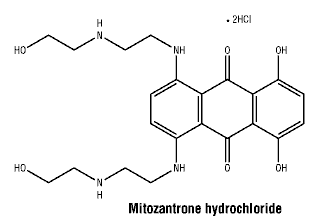
Chemical structure. The molecular formula of mitozantrone (as hydrochloride) is C22H30Cl2N4O6 (Molecular weight: 517.4) and its chemical structure is:
7 Medicine Schedule (Poisons Standard)
S4 - Prescription Only Medicine.
Date of First Approval
15 May 2007
Date of Revision
17 June 2024
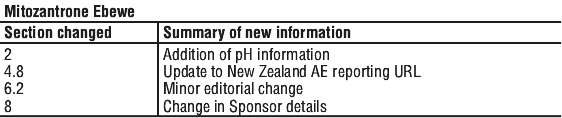
Summary Table of Changes
Reasonable care is taken to provide accurate information at the time of creation. This information is not intended as a substitute for medical advice and should not be exclusively relied on to manage or diagnose a medical condition. The Australian Commission on Safety and Quality in Health Care disclaims all liability (including for negligence) for any loss, damage, injury or any other negative effects resulting from reliance on or use of this information. Read our full disclaimer. This website uses cookies. Read our privacy policy.