
MultiHance
Brand Information
| Brand name | MultiHance |
| Active ingredient | Gadobenate dimeglumine |
| Schedule | Unscheduled |
Consumer Medicine Information (CMI) leaflet
Please read this leaflet carefully before you start using the MultiHance.
Summary CMI
MultiHance®
Consumer Medicine Information (CMI) summary
The full CMI on the next page has more details. If you are worried about using this medicine, speak to your doctor or pharmacist.
WARNING: Important safety information is provided in a boxed warning in the full CMI. Read before using this medicine.
1. Why am I using MultiHance®?
MultiHance® contains the active ingredient dimeglumine gadobenate. MultiHance® is used in magnetic resonance imaging (MRI) to enhance or improve the scans or images of certain parts of the body, as well as for contrast-enhanced Magnetic Resonance Angiography (MRA) to detect vascular diseases in adults.
For more information, see Section 1. Why am I using MultiHance®? in the full CMI.
2. What should I know before I use MultiHance®?
Do not use if you have ever had an allergic reaction to MultiHance® or any of the ingredients listed at the end of the CMI.
Talk to your doctor or radiologist if you have any other medical conditions, take any other medicines, or are pregnant or plan to become pregnant or are breastfeeding.
For more information, see Section 2. What should I know before I use MultiHance®? in the full CMI.
3. What if I am taking other medicines?
Tell your radiologist if you are taking any medicines, including any medicines, vitamins or supplements.
A list of these medicines is in Section 3. What if I am taking other medicines? in the full CMI.
4. How do I use MultiHance®?
- MultiHance® is given as an injection into a vein in the course of the MRI or MRA procedure. Your radiologist will determine the correct dose for you.
More instructions can be found in Section 4. How do I use MultiHance®? in the full CMI.
5. What should I know while using MultiHance®?
| Things you should do |
|
| Driving or using machines |
|
For more information, see Section 5. What should I know while using MultiHance®? in the full CMI.
6. Are there any side effects?
Less serious side effects may include: swollen face and neck, injection site reactions, itching, skin rash, redness, feeling hot, sweating, weakness, chills, fever, raised body temperature, tingling, numbness, increased sensitivity, ringing in ears, back pain, muscle pain, muscle spasms, fatigue, urinary or stool incontinence, wheezing, eye pain, conjunctivitis, nausea, abdominal pain, diarrhoea, vomiting, dry mouth, taste changes, strange smell, increased salivation, reduced mouth sensation, nose or throat inflammation, throat spasm, thirst, heartburn, dizziness, fainting, headache.
Serious side effects may include: vein leakage at injection site, urgency to urinate, difficulty defecating, pancreatitis, protein in urine, glucose in urine, blood in urine, blocked heart valve, chest pain, blood pressure changes, heart rhythm changes, abnormal ECG, abnormal lab results, low white blood cells, abnormal blood sugar, high blood fat, high potassium, high blood pressure, low blood calcium, increased brain pressure, hemiparesis, tremor, shock, shortness of breath, pulmonary oedema.
For more information, including what to do if you have any side effects, see Section 6. Are there any side effects? in the full CMI.
Full CMI
WARNING: NEPHROGENIC SYSTEMIC FIBROSIS
Gadolinium-based contrast agents increase the risk of nephrogenic systemic fibrosis (NSF) in patients with acute or chronic severe renal insufficiency (glomerular filtration rate < 30 mL/min/1.73m2), or acute renal insufficiency of any severity due to the hepato-renal syndrome or in the perioperative liver transplantation period.
MultiHance®
Active ingredient(s): Dimeglumine gadobenate
Consumer Medicine Information (CMI)
This leaflet provides important information about using MultiHance®. You should also speak to your radiologist, doctor or pharmacist if you would like further information or if you have any concerns or questions about using MultiHance®.
Where to find information in this leaflet:
1. Why am I using MultiHance®?
2. What should I know before I use MultiHance®?
3. What if I am taking other medicines?
4. How do I use MultiHance®?
5. What should I know while using MultiHance®?
6. Are there any side effects?
7. Product details
1. Why am I using MultiHance®?
MultiHance® contains the active ingredient dimeglumine gadobenate. MultiHance® is a paramagnetic contrast medium for magnetic resonance imaging (MRI).
MultiHance® is used in adults for enhancement of magnetic resonance images or scans of certain parts of the body (in particular, the brain, spine and surrounding tissue) and liver. MultiHance® can also be used in adult patients with suspected or known vascular disease for contrast-enhanced Magnetic Resonance Angiography (MRA) of the abdominal or peripheral arteries.
2. What should I know before I use MultiHance®?
Warnings
Do not use MultiHance® if:
- you are allergic to dimeglumine gadobenate, or any of the ingredients listed at the end of this leaflet.
- Always check the ingredients to make sure you can use this medicine.
- Children under the age of 18 years must not be given MultiHance®.
Check with your doctor or radiologist if you:
- have any other medical conditions like severe kidney disease, diabetes and renal impairment. There have been reported cases of nephrogenic systemic fibrosis (NSF) (a disease that causes thickening and hardening of the skin and may involve other organs) after the injection of some gadolinium-containing contrast agents in patients with severe kidney disease.
- Have a heart problem or raised blood pressure.
- carry a pacemaker.
- have been implanted any metallic objects, such as replacement joints, aneurism clips, plates and screws.
- have had a diagnostic examination (X-ray or MRI) with the injection of a contrast medium within the last 24 hours.
During treatment, you may be at risk of developing certain side effects. It is important you understand these risks and how to monitor for them. See additional information under Section 6. Are there any side effects?
Pregnancy and breastfeeding
Check with your doctor or radiologist if you are pregnant or intend to become pregnant.
Talk to your doctor or radiologist if you are breastfeeding or intend to breastfeed.
MultiHance® should not be used during pregnancy unless you have discussed the risks and benefits involved with your radiologist and doctor and decided to do so.
Discuss with your radiologist if it is necessary to temporarily discontinue breastfeeding before the administration of MultiHance®.
Paediatric use
- MultiHance® should not be given to children under 18 years of age.
3. What if I am taking other medicines?
Tell your doctor or pharmacist if you are taking any other medicines, including any medicines, vitamins or supplements that you buy without a prescription from your pharmacy, supermarket or health food shop.
Check with your radiologist, doctor or pharmacist if you are not sure about what medicines, vitamins or supplements you are taking and if these affect MultiHance®.
4. How do I use MultiHance®?
How much is given
- The dose depends on your bodyweight and will be decided by the radiologist.
- Following the injection of MultiHance®, the radiologist will inject 5mL of normal saline to flush the MultiHance® through.
When MultiHance® is given
- MultiHance® is injected into a vein in the course of the MRI or MRA procedure.
- The MRI or MRA procedure is usually completed within an hour of the MultiHance® injection.
If you are given too much MultiHance®
In the unlikely event that you should receive an overdose, your radiologist will know how to treat you.
If you think that you have been given too much MultiHance® and need urgent medical attention,
You should immediately:
- phone the Poisons Information Centre
(by calling 13 11 26), or - contact your doctor, or
- go to the Emergency Department at your nearest hospital.
You should do this even if there are no signs of discomfort or poisoning.
5. What should I know while using MultiHance®?
Things you should do
Tell the radiologist immediately if you are not feeling well after receiving an injection of MultiHance®, during the MRI and MRA examination and afterwards.
Call your doctor straight away if you:
- Experience an allergic reaction to MultiHance®.
Remind any doctor, dentist or pharmacist you visit that you have been given MultiHance®.
Driving or using machines
Be careful before you drive or use any machines or tools until you know how MultiHance® affects you.
While MultiHance® will not affect your ability to drive or operate machinery, you may wish to have a family member or friend drive you home after the MRI or MRA examination.
Looking after your medicine
- MultiHance® should be stored below 25°C.
- Do not freeze.
6. Are there any side effects?
All medicines can have side effects. If you do experience any side effects, most of them are minor and temporary. However, some side effects may need medical attention.
See the information below and, if you need to, ask your doctor or pharmacist if you have any further questions about side effects.
Less serious side effects
| Less serious side effects | What to do |
General:
| Speak to your doctor if you have any of these less serious side effects and they worry you. |
Serious side effects
| Serious side effects | What to do |
General:
| Call your doctor straight away, or go straight to the Emergency Department at your nearest hospital if you notice any of these serious side effects. |
Tell your doctor or pharmacist if you notice anything else that may be making you feel unwell.
Other side effects not listed here may occur in some people.
Reporting side effects
After you have received medical advice for any side effects you experience, you can report side effects to the Therapeutic Goods Administration online at www.tga.gov.au/reporting-problems. By reporting side effects, you can help provide more information on the safety of this medicine.
7. Product details
This medicine is only available with a doctor's prescription.
What MultiHance® contains
| Active ingredient (main ingredient) | Dimeglumine gadobenate |
| Other ingredients (inactive ingredients) | Water for injections |
Do not take this medicine if you are allergic to any of these ingredients.
What MultiHance® looks like
MultiHance® is a clear, colourless to slightly yellow solution contained in:
- Vials: 10 mL and 20 mL; cartons of 10 vials
MultiHance® is available in following sizes:
- 5.29 g/10 mL injection vial (AUST R 94308)
- 10.58 g/20 mL injection vial (AUST R 94310)
Who distributes MultiHance®
SPONSOR:
Bracco Pty Ltd
14 Allambie Avenue, East Lindfield,
NSW 2070
ealang57@gmail.com
DISTRIBUTOR:
Regional Health Care Products
Mediconsumables Pty Ltd
(ACN 001 394 323)
3-11 Primrose Avenue
Rosebery NSW 2018
This leaflet was prepared in December 2025.
Brand Information
| Brand name | MultiHance |
| Active ingredient | Gadobenate dimeglumine |
| Schedule | Unscheduled |
MIMS Revision Date: 01 September 2024
Notes
Distributed by Regional Health Care Products Mediconsumables Pty Ltd
acute or chronic severe renal insufficiency (glomerular filtration rate < 30 mL/min/1.73 m2); or
acute renal insufficiency of any severity due to the hepato-renal syndrome or in the perioperative liver transplantation period.
1 Name of Medicine
Dimeglumine gadobenate.
2 Qualitative and Quantitative Composition
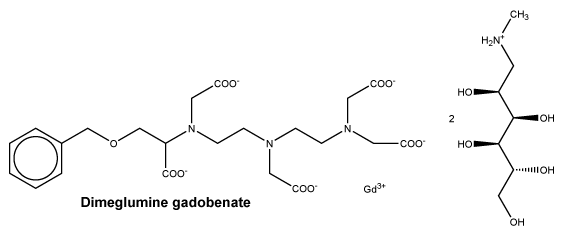
MultiHance contains gadolinate (2-),(4RS)-[4-carboxy- 5,8,11-tris(carboxymethyl)- 1-phenyl -2-oxa-5,8,11- triazatridecan- 13-oato-(5-)-N5,N8,N11, O4,O5,O8,O11,O13]- dihydrogen compound with 1-deoxy-1-(methylamino)- D-glucitol (1:2).
1 mL of solution for injection contains: gadobenic acid 334 mg (0.5 M) as the dimeglumine salt. (Dimeglumine gadobenate 529 mg = gadobenic acid 334 mg + meglumine 195 mg.)
MultiHance contains dimeglumine gadobenate 0.529 g per mL (0.5 M).
MultiHance has a pH of 6.5 to 7.3. Pertinent physicochemical data follow.
Parameter. Osmolality (mOsmol/kg water) at 37°C: 1970. Viscosity (cP) at 37°C: 5.3. Density at 20°C: 1.220 g/mL.
MultiHance has an osmolality 6.9 times that of plasma (285 mOsm/kg water) and is hypertonic under conditions of use.
For the full list of excipients, see Section 6.1 List of Excipients.
3 Pharmaceutical Form
Sterile, non-pyrogenic, clear colourless to slightly yellow, aqueous solution for intravenous injection.
4 Clinical Particulars
4.1 Therapeutic Indications
MultiHance is a paramagnetic contrast agent for use in diagnostic magnetic resonance imaging (MRI) indicated for:
For use in adults for the enhancement of magnetic resonance imaging (MRI) of the liver and central nervous system (CNS) for diagnostic use only.
For use in adult patients with suspected or known vascular disease for contrast enhanced magnetic resonance angiography of the abdominal or peripheral arteries where it improves the diagnostic accuracy for detecting clinically significant steno-occlusive vascular disease.
4.2 Dose and Method of Administration
Adults. MRI. Imaging of the liver. The recommended dose of MultiHance in adult patients is 0.05 mmol/kg body weight. This corresponds to 0.1 mL/kg of the 0.5 M solution.
The product should be administered intravenously either as a bolus or as an infusion (10 mL/min).
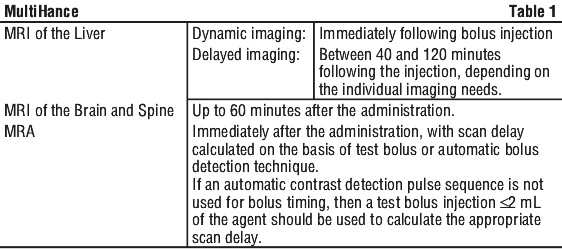
Postcontrast imaging can be performed immediately following the bolus (dynamic MRI). Delayed, liver specific imaging can be performed between 40 and 120 minutes following the injection, depending on the individual imaging needs.
Imaging of the brain and spine. The recommended dose of MultiHance in adult patients is 0.1 mmol/kg body weight. This corresponds to 0.2 mL/kg of the 0.5 M solution.
In patients with known or suspected metastatic disease to the central nervous system, a second injection of 0.1 mmol/kg provides a significant increase in lesion to normal parenchyma contrast enhancement, which improves lesion detectability. The lowest effective dose should be used.
The product should be administered intravenously either as a bolus or as an infusion (10 mL/min).
In MRI of the CNS, imaging can be started up to 60 minutes after the administration.
MRA. The product should be administered intravenously as a bolus injection, either manually or using an automatic injector system.
The recommended dose of MultiHance injection in adult patients is 0.1 mmol/kg body weight. This corresponds to 0.2 mL/kg of the 0.5 M solution.
MultiHance should be drawn up into the syringe immediately before use and should not be diluted.
Contains no antimicrobial agent. Product is for single use in one patient only. Discard any residue.
Administration. To minimise the potential risks of soft tissue extravasation of MultiHance, it is important to ensure that the i.v. needle or cannula is correctly inserted into a vein.
Parenteral products should be inspected visually for particulate matter and discoloration prior to administration. Do not use the solution if it is discoloured or particulate matter is present.
Concurrent medications or parenteral nutrition should not be physically mixed with contrast agents and should not be administered in the same intravenous line because of the potential of chemical incompatibility.
The injection should be followed by a saline flush of at least 5 mL.
Postcontrast imaging acquisition. See Table 1.
4.3 Contraindications
MultiHance is contraindicated in patients with known allergic or hypersensitivity reactions to gadolinium or any other ingredients. MultiHance should not be used in patients with a history of allergic or adverse reactions to other gadolinium chelates.
4.4 Special Warnings and Precautions for Use
Gadobenate dimeglumine must not be used intrathecally. Serious, life-threatening and fatal cases, primarily with neurological reactions (e.g. coma, encephalopathy, seizures), have been reported with intrathecal use. Gadobenate dimeglumine should be strictly administered via intravenous injection.
Warning: Nephrogenic systemic fibrosis. Gadolinium-based contrast agents increase the risk of nephrogenic systemic fibrosis (NSF) in patients with:
acute or chronic severe renal insufficiency (glomerular filtration rate < 30 mL/min/1.73 m2); or
acute renal insufficiency of any severity due to the hepato-renal syndrome or in the perioperative liver transplantation period.
Nephrogenic systemic fibrosis (NSF). Gadolinium based contrast agents (GBCAs) increase the risk for nephrogenic systemic fibrosis (NSF) among patients with impaired elimination of the drugs.
Avoid use of GBCAs among these patients unless the diagnostic information is essential and not available with noncontrast enhanced MRI or other modalities.
The GBCA associated NSF risk appears highest for patients with chronic, severe kidney disease (GFR < 30 mL/min/1.73 m2) as well as patients with acute kidney injury of any severity due to the hepatorenal syndrome or in the perioperative liver transplantation period. As there is a possibility that NSF may occur with MultiHance it should only be used in these patients after careful consideration. NSF may result in fatal or debilitating fibrosis affecting the skin, muscle and internal organs.
Screen patients for acute kidney injury and other conditions that may reduce renal function. Features of acute kidney injury consist of rapid (over hours to days) and usually reversible decrease in kidney function, commonly in the setting of surgery, severe infection, injury or drug induced kidney toxicity.
Serum creatinine levels and estimated GFR may not reliably assess renal function in the setting of acute kidney injury. For patients at risk for chronically reduced renal function (e.g. age > 60 years, diabetes mellitus or chronic hypertension), estimate the GFR through laboratory testing.
Among the factors that may increase the risk for NSF are repeated or higher than recommended doses of a GBCA and the degree of renal impairment at the time of exposure. Record the specific GBCA and the dose administered to a patient. For patients at highest risk for NSF, do not exceed the recommended MultiHance dose and allow a sufficient period of time for elimination of the drug prior to readministration. For patients receiving haemodialysis, physicians may consider the prompt initiation of haemodialysis following the administration of a GBCA in order to enhance the contrast agent's elimination. The usefulness of haemodialysis in the prevention of NSF is unknown.
Accumulation of gadolinium in the brain. The current evidence suggests that gadolinium accumulates in the brain after multiple administrations of GBCAs. Increased signal intensity on non-contrast Tl weighted images of the brain has been observed after multiple administrations of GBCAs in patients with normal renal function. Gadolinium has been detected in brain tissue after multiple exposures to GBCAs, particularly in the dentate nucleus and globus pallidus. The evidence suggests that gadolinium accumulation is higher after repeat administration of linear than after repeat administration of macrocyclic agents.
The clinical significance of gadolinium accumulation in the brain is presently unknown. In order to minimize potential risks associated with gadolinium accumulation in the brain, it is recommended to use the lowest effective dose and perform a careful benefit risk assessment before administering repeated doses.
Hypersensitivity reactions. As with other gadolinium chelates, serious life-threatening or fatal anaphylactic and anaphylactoid reactions have been reported. Especially in patients with a history of asthma or other allergic disorders. In most cases, initial symptoms occurred within minutes of MultiHance administration and resolved with prompt emergency treatment. Prior to MultiHance administration, ensure the availability of personnel trained and medications to treat hypersensitivity reactions. Patients should be kept under close supervision for 15 minutes following the injection as the majority of severe reactions occur at this time. The patients should remain in the medical environment, where cardiopulmonary resuscitation equipment is readily available, for 2 hours after the time of injection.
Insignificant quantities of benzyl alcohol (< 0.2%) may be released by dimeglumine gadobenate during storage. Nonetheless, MultiHance should not be used in patients with a history of sensitivity to benzyl alcohol.
In patients suffering from epilepsy or brain lesions the likelihood of convulsions during the examination may be increased. Precautions are necessary when examining these patients (e.g. monitoring of the patient) and the equipment and medicinal products needed for the rapid treatment of possible convulsions should be available.
The accepted safety considerations and procedures that are required for Magnetic Resonance Imaging in particular the exclusion of ferromagnetic objects, for example cardiac pacemakers or aneurysm clips, are also applicable when MultiHance is used for contrast enhancement.
Data on the safety of repeated injections of MultiHance are not available. If the physician determines sequential or repeat examinations are required, an interval of at least 7 hours between administrations should be observed to allow for clearance of the drug from the body.
Caution is advised in patients with cardiovascular disease.
Extravasation of MultiHance might lead to injection site reactions (see Section 4.8 Adverse Effects (Undesirable Effects)). Exercise caution to avoid local extravasation during intravenous administration of MultiHance. If extravasation occurs, evaluate and treat as necessary if local reactions develop.
Renal impairment. MultiHance is cleared from the body mainly by glomerular filtration and to a minor degree by hepatobiliary excretion.
The pharmacokinetics of an intravenous bolus of 0.2 mmol/kg of dimeglumine gadobenate (0.5 M) was evaluated in a double-blind, placebo-controlled, parallel-group study in 20 patients administered MultiHance and in 12 patients administered placebo. They were patients with moderate (creatinine clearance > 30 mL/min and 60 mL/min) and with severe renal impairment (creatinine clearance 10 mL/min and 30 mL/min). The pharmacokinetic terminal half-life of MultiHance increased as the degree of renal impairment increased (6.1 and 9.5 hr for moderate and severe renal impairment respectively, as compared to 1-2 hours in healthy volunteers). However, no differences were noted in the total recovery of gadolinium in urine or the rate and type of adverse events reported compared with healthy volunteers, and no deterioration in renal function was observed following the administration of MultiHance. Dose adjustments in patients with renal impairment are not recommended. In cases of end-stage renal disease, consideration should be given to removing MultiHance by hemodialysis. Approximately 72% of the dose is recovered by hemodialysis over a 4-hour period.
Use in the elderly. No data available.
Paediatric use. The safety and efficacy of MultiHance have not been established in patients under 18 years old. Therefore, use of MultiHance in this patient group cannot be recommended.
Effects on laboratory tests. No data available.
4.5 Interactions with Other Medicines and Other Forms of Interactions
Interaction studies with other medicinal products were not carried out during the clinical development of MultiHance. However, no drug interactions were reported during the clinical development programme.
4.6 Fertility, Pregnancy and Lactation
Effects on fertility. Intravenous administration of dimeglumine gadobenate did not affect reproduction or fertility in male and female rats at doses up to 1.5 mmol/kg/day (1.4 x the maximum clinical dose, adjusted for body surface area).
Use in pregnancy. (Category B3)
In studies in rats and rabbits, no untoward effects on embryonic or fetal development were exerted by daily intravenous administration of dimeglumine gadobenate in rats up to 2 mmol/kg/day or in rabbits at doses up to 1.5 mmol/kg/day. However, an increase in abortions and decreased fetal bodyweights were noted in rabbits at doses of 2 mmol/kg/day (3.3 x the maximum clinical dose, adjusted for body surface area).
The safety and efficacy of MultiHance have not been established in pregnant women and, therefore, MultiHance should not be used during pregnancy unless the clinical condition of the woman requires use of gadobenate dimeglumine.
Use in lactation. It is not known to what extent MultiHance is excreted in human milk, however a study with radiolabelled dimeglumine gadobenate in lactating rats showed that small amounts of radioactivity were transferred via milk to neonates. Although the clinical significance of this observation is unknown, breastfeeding should be discontinued prior to the administration of MultiHance and should not be recommended until at least 24 hours after the administration of MultiHance.
4.7 Effects on Ability to Drive and Use Machines
On the basis of the pharmacokinetic and pharmacodynamic profiles, no or negligible influence is expected with the use of MultiHance on the ability to drive or use machines.
4.8 Adverse Effects (Undesirable Effects)
Clinical trials. The following adverse events were seen during the clinical development of MultiHance among 4144 adult subjects during clinical trials are shown in Table 2. There were no adverse reactions with a frequency greater than 1.4%.
Adult subjects. See Table 2.
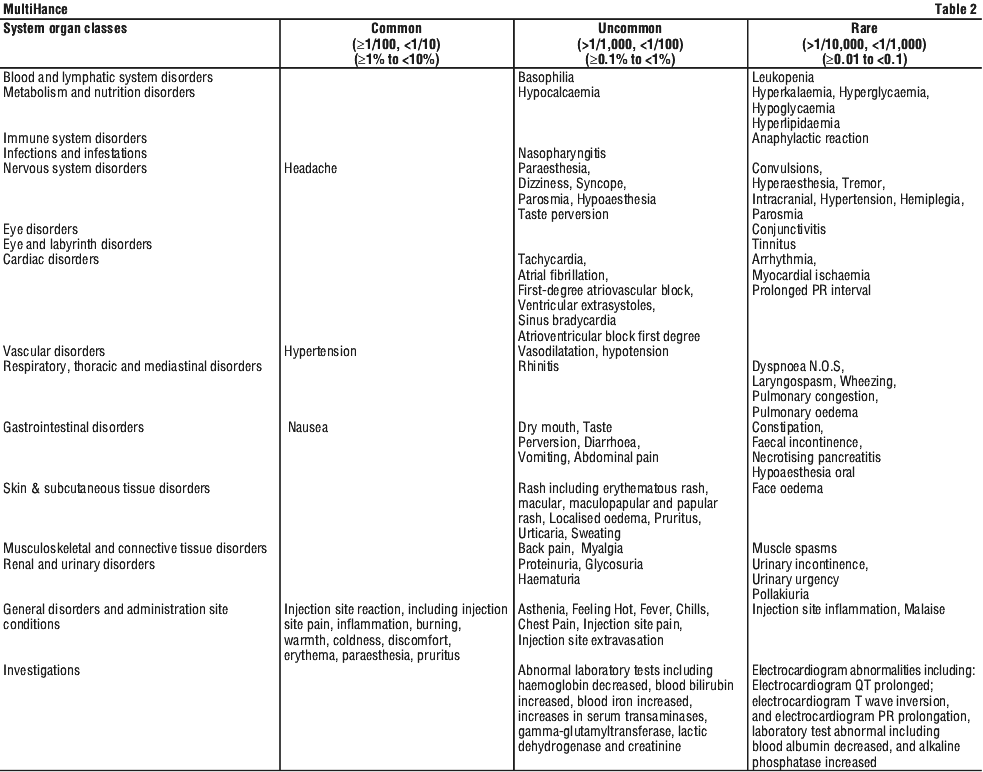
The majority of these events were nonserious, transient and spontaneously resolved without residual effects. There was no evidence of any correlation with age, gender or dose administered.
Laboratory abnormalities, such as hypochromic anaemia, leukocytosis, leukopenia, basophilia, hypoproteinaemia, hypocalcaemia, hyperkalaemia, hyperglycaemia, hypoglycaemia, albuminuria, glucosuria, haematuria, hyperlipidaemia, hyperbilirubinaemia, increase in total iron and increases in serum transaminases, alkaline phosphatase, lactic dehydrogenase, and in serum creatinine and serum iron were reported in equal or less than 0.4% of patients following the administration of MultiHance. However these findings were mostly seen in patients with evidence of pre-existing impairment of hepatic function or pre-existing metabolic disease.
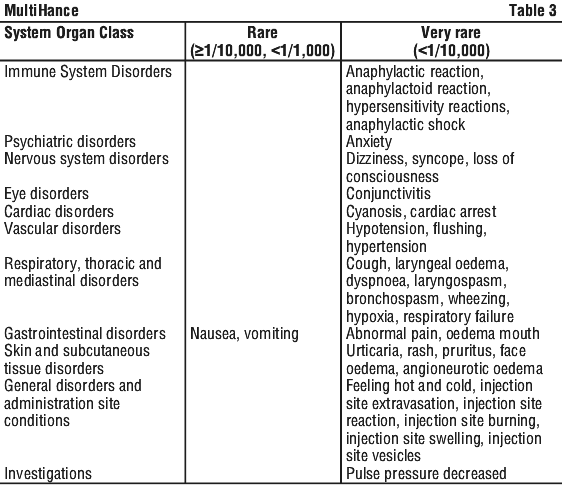
Post marketing data. In marketed use, adverse reactions were reported in less than 0.1% of patients. Most commonly reported were: nausea, vomiting, signs and symptoms of hypersensitivity reactions including angioedema, laryngeal spasm and rash. More severe reactions including anaphylactoid reactions and anaphylactic shock may have fatal outcome.
Injection site reactions due to extravasation of the contrast medium leading to local pain or burning sensations, swelling, blistering and, in rare cases when localised swelling is severe, necrosis have been reported. Localised thrombophlebitis has also been rarely reported. See Table 3.
Isolated cases of NSF have been reported with MultiHance in patients coadministered other gadolinium containing contrast agents. None of the occurrences was related to age, gender or dose administered.
4.9 Overdose
There have been no cases of overdose reported to date; consequently neither signs nor symptoms of overdosage have been identified. In the event of overdosage occurring, the patient should be observed and treated symptomatically.
MultiHance can be removed by haemodialysis.
For information on the management of overdose, contact the Poisons Information Centre on 131126 (Australia).
5 Pharmacological Properties
5.1 Pharmacodynamic Properties
Mechanism of action. Dimeglumine gadobenate is an octadentate chelate of gadolinium salified with meglumine. As a paramagnetic contrast agent, it shortens longitudinal (T1), and, to a lesser extent, transversal (T2) relaxation times of tissue water protons.
The relaxivities of dimeglumine gadobenate in aqueous solution (r1 = 4.39 and r2 = 5.56 mM-1s-1 at 20 MHz), are only slightly higher than those of other paramagnetic contrast agents already in clinical use. However, unlike other contrast agents, dimeglumine gadobenate experiences strong increase in relaxivity on going from aqueous solution to solutions containing serum proteins.
Particularly r1 and r2 amount to 9.7 and 12.5 (20 MHz) respectively in human plasma.
Dimeglumine gadobenate, is the only gadolinium chelate which combines:
the mechanism of action of the gadolinium chelates already available on the market, i.e. it produces a significant and marked enhancement of a signal intensity in the extracellular fluid space; with that of liver specific agents, i.e. a specific enhancement of the liver parenchyma secondary to hepatocyte uptake.
Early temporal differences in enhancement between normal and diseased liver can be detected with compact bolus injection of the contrast medium and rapid imaging technique ("dynamic MRI") to improve liver lesion characterisation. Different from all the other gadolinium chelates, the liver enhancement produced by dimeglumine gadobenate does not start to decrease in a few minutes, but remains steady for hours. The enhancement of signal intensity in the normal liver parenchyma is much more persistent and long lasting than in lesions, so that the differential contrast between normal parenchyma and lesions results is significantly enhanced on images acquired 40-120 minutes after MultiHance administration. The lesion to liver contrast enhancement provided by MultiHance facilitates visualisation and identification of individual lesions in the liver parenchyma.
After rapid intravascular distribution, the gadobenic ion rapidly diffuses into the extracellular fluid space. Due to its high hydrophilicity, the gadobenic ion can be applied in the detection and delineation of neoplasms, infections, inflammation or vascular abnormalities in the CNS, marking areas of abnormal vascularity.
Clinical trials. MRI. Liver. MultiHance was evaluated in three multicentre, randomised, blinded read clinical trials in 424 adult patients who underwent hepatic MRI for evaluation of known or suspected focal liver disease.
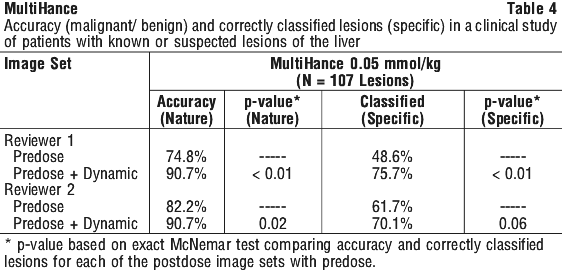
The first study was an open label, multicentre, blinded read trial in a total of 216 adults referred for MRI for diagnosis or follow-up of suspected or known liver lesions. Of the 214 patients who received MultiHance, 86 patients received a bolus injection of the recommended MultiHance dose of 0.05 mmol/kg, had MRI scans performed before and within 10 minutes of receiving the injection, and had available histology data. The sets of images were evaluated blindly as predose unenhanced MR images alone and paired predose unenhanced plus postdose contrast enhanced MRIs. The results of contrast enhanced MRI scans were compared to noncontrast scans. A total of 107 lesions were histologically characterised in these 86 patients. As shown in Table 4, enhancement of images with MultiHance significantly improved the accuracy to classify the nature of the lesions (benign or malignant) and to specifically characterise the type of the lesions.
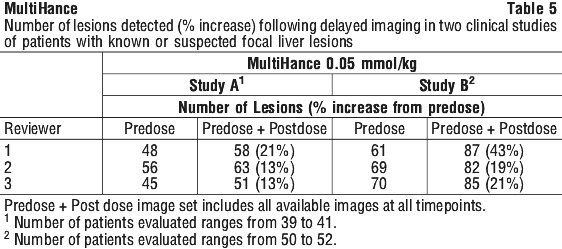
Two of these studies were double blind, multicentre, parallel group, blinded read trials to demonstrate the noninferiority of MultiHance compared with an approved gadolinium contrast agent in a total of 410 adults who were highly suspected of having a lesion(s) of the CNS (brain or spine) based on nuclear medicine imaging, contrast enhanced computed tomography (CECT), computed tomography (CT), contrast enhanced magnetic resonance imaging (CEMRI), magnetic resonance imaging (MRI) or angiography. Patients were randomized to one of three dosing regimens, which consisted of two bolus injections within 15 minutes of MultiHance (0.05 + 0.1 mmol/kg or 0.1 + 0.1 mmol/kg) or an approved gadolinium contrast agent (0.1 + 0.2 mmol/kg). MultiHance was administered to 276 adults, and an approved gadolinium contrast agent was administered to 134 patients. MRI scans were performed predose and within 5 minutes after each injection. The sets of images were evaluated blindly as predose unenhanced MR images alone and paired predose unenhanced plus postdose contrast enhanced MRIs for each injection. Image sets were rated on a 3 point scale (limited, adequate, excellent) for the level of diagnostic information provided. The results of contrast enhanced MRI scans were compared to an approved gadolinium contrast agent and to noncontrast scans. MultiHance was considered noninferior to the comparator if the upper limit of the confidence interval for between group differences did not exceed 20%. Analyses between image sets were based on increases in the level of diagnostic information and changes in numbers of lesions.
When read in combination with the predose unenhanced images, MultiHance enhanced images provided statistically significant improvement in the level of diagnostic information (LDI) over predose images alone. The proportions of patients with an increase in the level of diagnostic information (LDI) were comparable following administration of a single injection of MultiHance 0.1 mmol/kg and an approved gadolinium contrast agent 0.1 mmol/kg. Table 6 shows the proportion of the 136 patients who were evaluated for efficacy following the first dose of MultiHance 0.1 mmol/kg and had an increase in the level of diagnostic information from predose images to paired first postdose images. In addition, the number of lesions visualised with predose and paired postdose images is displayed.
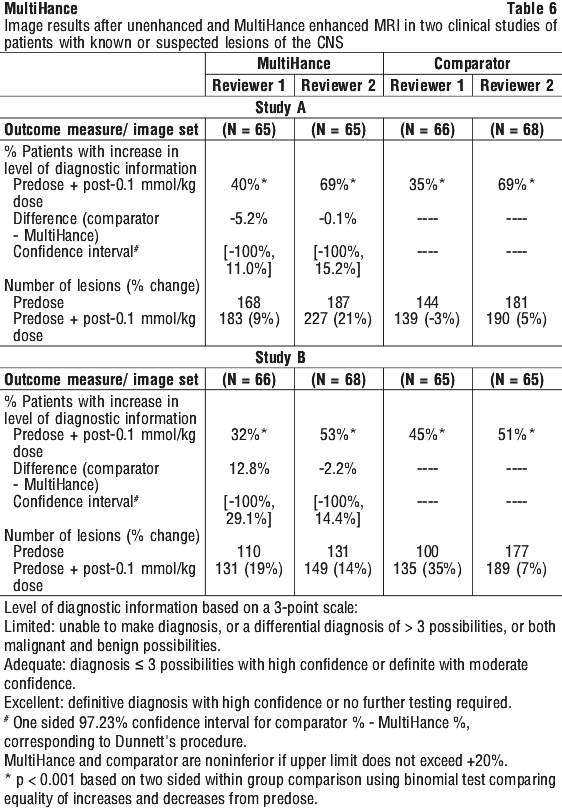
The mean change from predose MRI in lesion to background ratio as well of the percent of enhancement of lesion signal intensity increased significantly (p < 0.001) with dosing up to the second dose of both regimens (cumulative doses of 0.1 and 0.2 mmol/kg, respectively). Increases in lesion counts, as well as improvement in lesion conspicuity, delineation of lesion borders and reviewer confidence in detection or exclusion of lesions were also reported. However, a cumulative dose of 0.2 mmol/kg provided an increase in lesion counts comparable to a cumulative dose of 0.3 mmol/kg.
MRA. The MultiHance MRA Clinical Program was conducted in Europe, North America, and Latin America and consisted of:
3 prospective phase I, clinical pharmacodynamics studies in 41 healthy volunteers;
3 prospective phase II dose response studies in 393 patients with known or suspected vascular disease in the carotid, renal, and pelvic arterial territories;
1 retrospective phase II study (blinded read of the subset of MRA images from 84 patients with gold standard confirmation from 3 prospective phase II studies, to compare the diagnostic performance obtained with different doses of MultiHance);
1 prospective phase II intraindividual comparison of MultiHance with a higher dose of another Gd chelate in 41 patients;
4 phase III studies in 992 patients with known or suspected steno-occlusive vascular disease in the carotid, renal, peripheral, and pedal arterial territories.
The 3 phase II dose response studies were designed as prospective, randomised, double blind, within patient comparisons of MultiHance enhanced MRA vs. unenhanced MRA and as parallel group comparisons of different doses of MultiHance. They were aimed at establishing the most appropriate dose of MultiHance in terms of improved technical performance of MultiHance enhanced MRA over unenhanced MRA. One dose response study was designed as retrospective, blinded comparison of different doses of MultiHance in terms of level of improvement of diagnostic performance over unenhanced MRA on the basis of digital subtraction angiography findings.
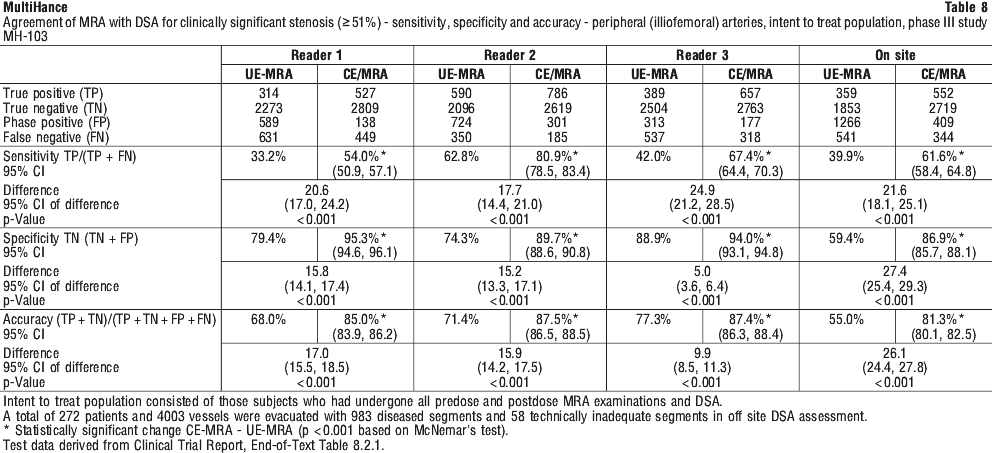
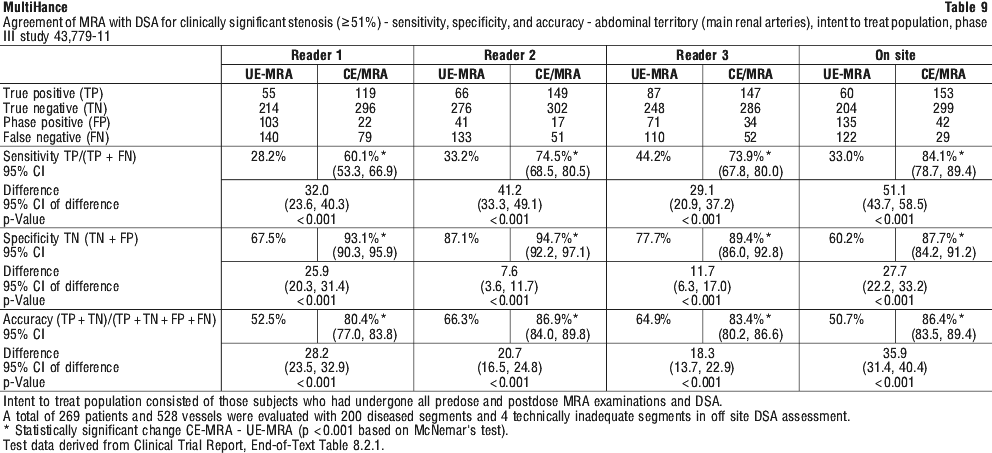
The 4 phase III confirmatory and supportive trials were designed as prospective, open label, within patient comparisons of MultiHance enhanced MRA vs. unenhanced MRA on the basis of digital subtraction angiography (DSA) as the gold standard. They were aimed at establishing the improved technical and diagnostic performance of MultiHance enhanced MRA over unenhanced MRA.
No head to head comparison with currently available MRA contrast agents was carried out in the dose response program or in phase III, since no agent had a European wide approval for MRA during development of MultiHance in MRA.
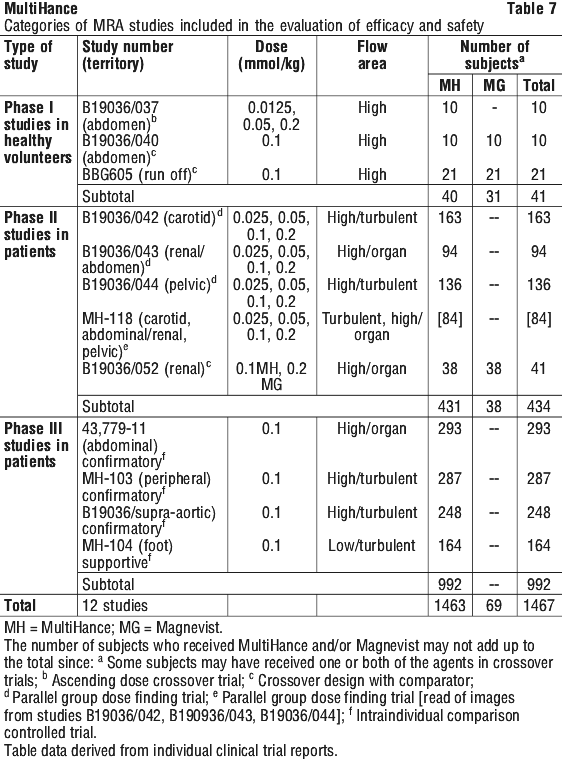
A total of 1467 subjects were studied in the MultiHance MRA Clinical Program. The list of the studies in the MultiHance MRA Clinical Program, together with the vascular territory investigated, the number of subjects, and the doses tested is given in Table 7.
The MultiHance MRA Clinical Program was performed investigating different vascular territories of the body, which are representative of different flow rates (high flow, low flow), different vessel sizes, different types of flow (laminar flow, turbulent flow), as well as flow to an organ.
5.2 Pharmacokinetic Properties
Modelling of the human pharmacokinetics was well described using a biexponential decay model. The apparent distribution and elimination half-times range from 0.085 to 0.117 h and from 1.17 to 1.68 respectively. The apparent total volume of distribution, ranging from 0.170 to 0.248 L/kg body weight, indicates that the compound is distributed in plasma and in the extracellular space.
Gadobenate ion is rapidly cleared from plasma and is eliminated mainly through urinary route and in less extent through biliary route. Total plasma clearance, ranging from 0.098 to 0.133 L/h kg bw, and renal clearance, ranging from 0.082 to 0.104 L/h kg bw, indicate that the compound is predominantly eliminated by glomerular filtration. Plasma concentration and area under the curve (AUC) values show statistically significant linear dependence on the administered dose.
Gadobenate ion is excreted unchanged in urine in amounts corresponding to 78%-94% of the injected dose within 24 hours. Between 2% and 4% of the dose is recovered in the faeces.
The compound does not bind measurably to plasma proteins, as assessed by equilibrium dialysis.
Current evidence suggests that gadolinium accumulates in the brain after repeated administrations of Gadolinium-based contrast agents (GBCAs) although the exact mechanism of gadolinium passage into the brain has not been established.
5.3 Preclinical Safety Data
Genotoxicity. Dimeglumine gadobenate did not induce gene mutations in Salmonella typhimurium, E. coli or Saccharomyces cerevisiae, nor chromosomal aberrations in Chinese Hamster lung cells, human lymphocytes or human epithelial cells in vitro. Dimeglumine gadobenate did not induce micronuclei in bone marrow cells in rats in vivo.
Long-term animal carcinogenicity studies were not conducted with dimeglumine gadobenate. Dimeglumine gadobenate did not induce gene mutation in Salmonella typhimurium, E. coli or mouse lymphoma cells, or chromosomal aberrations in CHO cells in vitro or in bone marrow cells in mice in vivo.
Carcinogenicity. No data available.
6 Pharmaceutical Particulars
6.1 List of Excipients
Water for injections.
MultiHance contains no preservatives.
6.2 Incompatibilities
Incompatibilities were either not assessed or not identified as part of the registration of this medicine.
6.3 Shelf Life
In Australia, information on the shelf life can be found on the public summary of the Australian Register of Therapeutic Goods (ARTG). The expiry date can be found on the packaging.
6.4 Special Precautions for Storage
Store below 25°C. Do not freeze.
6.5 Nature and Contents of Container
Glass vials: 10 mL and 20 mL: cartons of 10 vials.
6.6 Special Precautions for Disposal
In Australia, any unused medicine or waste material should be disposed of in accordance with local requirements.
6.7 Physicochemical Properties
Chemical structure.
7 Medicine Schedule (Poisons Standard)
Not scheduled. Not considered by committee.
Date of First Approval
01 October 2009
Date of Revision
09 July 2024
Summary Table of Changes

Reasonable care is taken to provide accurate information at the time of creation. This information is not intended as a substitute for medical advice and should not be exclusively relied on to manage or diagnose a medical condition. The Australian Commission on Safety and Quality in Health Care disclaims all liability (including for negligence) for any loss, damage, injury or any other negative effects resulting from reliance on or use of this information. Read our full disclaimer. This website uses cookies. Read our privacy policy.